Tuesday, December 23, 2025
Home Blog Page 43

Mysuru Plans New Libraries After GMCC Formation: Bold Vision: 9-Point Cultural Promise Ignites Hope

The proposal to establish new libraries across Mysuru has gained fresh momentum with the upcoming formation of the Greater Mysuru City Corporation, a move that civic officials describe as a cultural investment as much as an infrastructural one. For years, residents and reading enthusiasts have urged the city administration to expand public access to books, study spaces, and community learning facilities. The transition to a larger civic body has now opened avenues for planned growth, funding, and policy coordination. Officials believe that this is an ideal moment to reshape Mysuru’s intellectual landscape while strengthening its longstanding reputation as a city of learning.

At present, Mysuru has a modest network of libraries serving different localities, but many remain limited in seating, digital facilities, and updated collections. Citizens have repeatedly voiced the need for additional study halls, educational resource centres, and child-friendly reading spaces. The GMCC formation provides an opportunity to rethink library distribution and move towards inclusive access across peripheral zones that have grown rapidly in the last decade. For communities on the outskirts, new libraries offer not only books but also a platform for academic growth, career preparation, and digital empowerment.

Officials involved in the restructuring process say that the new libraries will be designed with modern amenities, including digital catalogues, computer labs, online research access, and multipurpose activity rooms. These facilities are expected to support students preparing for competitive exams, working professionals seeking quiet environments, and senior citizens who frequently use reading rooms. Beyond books, the proposed libraries aim to serve as community hubs hosting workshops, book readings, cultural sessions, and local knowledge programmes. Administrators believe this approach will help libraries stay relevant in an increasingly digital age.

A key motivation behind the expansion plan is Mysuru’s shifting demographics. Rapid urbanisation has brought thousands of new families to the city’s northern and western clusters, areas that currently lack dedicated public learning spaces. Residents in these neighbourhoods often travel long distances to reach central library facilities, a challenge multiplied during academic exam seasons when reading halls become overcrowded. GMCC officials argue that creating a distributed network of libraries will not only ease existing pressure but also help bridge inequalities in learning access between old and new parts of the city.Greater Mysuru City Corporation to have more libraries - The Hindu

A New Era for Public Learning and Digital Access

The modernisation of library services aligns with the broader vision of transforming Mysuru into a knowledge-driven city where residents can utilise both traditional and digital resources. The new libraries are expected to feature digital kiosks, Wi-Fi zones, e-learning portals, and access to government information platforms. These services will particularly benefit students from low-income families who may not have high-quality internet or study environments at home. Officials have also hinted at integrating assistive technologies for persons with disabilities, ensuring that library access remains inclusive and barrier-free.

Library planners emphasise that technology alone will not define the new spaces; the essence of reading culture remains vital. Mysuru has historically been home to scholars, writers, and cultural thinkers, many of whom have spoken about the irreplaceable value of physical books and community reading spaces. The new libraries aim to preserve this spirit by curating diverse collections that reflect both local literature and global knowledge. Publishers and cultural groups have expressed interest in collaborating on book fairs and reading campaigns once the new facilities are functional.

Civic Transformation Through Cultural Infrastructure

The library expansion is also tied to broader improvements expected to accompany the formation of GMCC. With increased administrative capacity and larger budgetary provisions, officials anticipate better planning for public infrastructure such as parks, community centres, and educational facilities. Libraries are seen as central to this transformation because they support skill development, literacy, employment preparation, and civic participation. Planners stress that the new civic body must prioritise spaces that enhance intellectual engagement, not merely physical development.

Local educators have welcomed the initiative, highlighting that well-equipped libraries can significantly improve academic performance across student communities. Teachers say that libraries provide structured environments that encourage discipline, focus, and curiosity—qualities essential for long-term learning. In recent years, competitive exam aspirants have faced a shortage of silent study zones in Mysuru, leading many to rely on private paid study halls. Public libraries, they argue, can offer a more equitable alternative, allowing all students to prepare without financial burden.

The expansion plan has also sparked discussions about integrating libraries with schools and colleges under the GMCC jurisdiction. Some officials propose that newly built libraries include adjoining classrooms or collaborative study spaces that schools can access during specific hours. This model could help institutions with limited campus space provide students with additional resources. The idea aligns with the city’s broader objective of strengthening public education through shared infrastructure, reducing duplication of facilities across departments.

Community organisations have expressed enthusiasm about using the new libraries as platforms for social programmes. NGOs working with children, women, senior citizens, and migrant workers believe that libraries can host free literacy classes, computer workshops, storytelling sessions, and language courses. Such activities help strengthen social bonds and create safe, inclusive spaces where people from different backgrounds can interact. Planners say that the overarching goal is to ensure that libraries evolve into vibrant civic environments rather than remain static book repositories.

Residents have also requested that future libraries incorporate open reading gardens, naturally lit interiors, and quiet reflection zones. Environmental considerations such as energy-efficient lighting, rainwater harvesting systems, and climate-responsive design are being evaluated during the planning process. Some architects have suggested that libraries should become model public buildings that demonstrate sustainable construction practices while enhancing the aesthetic appeal of neighbourhoods. The GMCC, with a larger administrative footprint, may have better capacity to pursue such environmentally responsible projects.Rs 3.8 crore allocated for upgrade of Mysuru Central Library | Mysuru News  - Times of India

The city’s writers’ associations and literary forums have welcomed the proposal, noting that libraries offer essential support to emerging authors and poets. Regular literary gatherings, manuscript reading clubs, and author-interaction sessions could thrive in spaces designed for community exchange. Some associations have also proposed dedicating sections of the new libraries to regional literature, including Kannada classics, folk traditions, and local historical archives. They argue that preserving Mysuru’s cultural memory requires accessible institutions where residents can reconnect with heritage.

Questions remain regarding the funding model for this expansion. While the formation of GMCC brings higher revenue potential, civic sources say that library development may require phased implementation to avoid delays. Grants from state cultural departments, corporate social responsibility partnerships, and potential contributions from educational institutions may support construction and curation. Officials emphasise that transparent planning and public consultation will be vital to ensuring that the library network reflects actual community needs rather than administrative assumptions.

Youth groups across Mysuru have expressed excitement about the possibility of having more accessible reading and study spaces. Many students currently gather in cafés, private halls, or parks due to limited public options. New libraries could provide safe, low-cost alternatives that encourage academic focus without distractions. Some youth organisations have even offered to volunteer in maintaining reading rooms, organising book drives, and helping curate collections that resonate with younger audiences. Their involvement could strengthen the civic partnership essential for nurturing library culture.

Senior citizens have also responded positively to the proposed expansion, noting that libraries offer meaningful ways to stay mentally active and socially engaged. With Mysuru’s ageing population gradually increasing, community planners believe that libraries can host programmes specifically designed for elders, including health talks, reading circles, and lifelong learning workshops. Such initiatives help address social isolation while empowering seniors to continue participating actively in public life.

The success of the new library network will depend not only on construction but also on sustained operational management. Past experiences in other cities show that staffing shortages, maintenance challenges, and inadequate funding can slowly diminish library quality. GMCC officials are expected to develop a long-term management plan that ensures regular updating of books, prompt repairs, professional staffing, and continuous community outreach. Only with consistent care can new libraries become enduring cultural assets rather than temporary upgrades.

Civic observers note that the establishment of additional libraries also reflects Mysuru’s evolving identity. As the city grows into a larger metropolitan region, its cultural infrastructure must keep pace with its economic and demographic expansion. Officials argue that libraries reinforce the values of inclusivity, curiosity, and intellectual growth—qualities that help cities remain humane even as they modernise. The formation of the GMCC provides an opportune moment to embed these values into concrete public spaces.

Urban planners highlight that libraries can also benefit the city’s tourism economy by showcasing Mysuru’s literary and cultural history. Visitors often seek experiences beyond palaces and monuments, and libraries with dedicated heritage sections could become new points of interest. Displays featuring rare manuscripts, archival photographs, and regional storytelling traditions could enrich the city’s cultural offerings. Integrating such attractions within public libraries ensures that cultural memory is preserved in living, accessible spaces rather than confined to restricted archives.

As Mysuru prepares for its administrative transition into the Greater Mysuru City Corporation, expectations surrounding public services are rising accordingly. Libraries represent one of the most tangible ways to demonstrate that urban development benefits all residents, regardless of economic background. For many families, the presence of a well-maintained public library signals a neighbourhood’s intellectual vibrancy and enhances quality of life. Civic leaders believe that the new library network could set a benchmark for other expanding cities seeking to strengthen educational infrastructure.City Central Library in New Sayyaji Rao Road,Mysore - Best Libraries near  me in Mysore - Justdial

Ultimately, the proposed expansion of libraries marks a promising shift in Mysuru’s approach to civic development. It reflects an understanding that cultural infrastructure must grow alongside roads, markets, and public utilities. If implemented with care, the new library network could significantly elevate the city’s learning ecosystem, creating spaces where residents can read, study, gather, and imagine futures grounded in knowledge and creativity. As the GMCC takes shape, Mysuru stands at a hopeful moment—one where expanding access to books may also expand the city’s cultural horizons for decades to come.

Follow: Karnataka Government

Also read: Home | Channel 6 Network – Latest News, Breaking Updates: Politics, Business, Tech & More

Indian Navy to Commission First Indigenous Diving Support Craft ‘DSC A20’

New Delhi, 11 December 2025:
The Indian Navy is set to commission DSC A20, the first vessel of the indigenously designed and constructed Diving Support Craft (DSC) series, at Kochi on 16 December 2025 under the aegis of the Southern Naval Command. The vessel will be formally inducted in the presence of Vice Admiral Sameer Saxena, Flag Officer Commanding-in-Chief, Southern Naval Command.
The commissioning marks a significant enhancement of the Navy’s diving and underwater operational capabilities.


A Key Milestone in Indigenous Naval Shipbuilding

DSC A20 is the lead ship in a series of five Diving Support Craft being built by Titagarh Rail Systems Limited (TRSL), Kolkata.
Purpose-built for a wide spectrum of underwater missions in coastal waters, the vessel is equipped with the Navy’s latest state-of-the-art diving systems, designed to maximise safety, efficiency and mission versatility.


Advanced Design Featuring Catamaran Hull Form

The vessel features a catamaran hull design, offering multiple operational advantages:

  • Superior stability

  • Expanded deck area

  • Improved seakeeping in varying marine conditions

  • Enhanced payload and mission capability

With a displacement of approximately 390 tons, DSC A20 has been designed and constructed in accordance with Naval Rules and Regulations of the Indian Register of Shipping (IRS). Its hull form and structural efficiency were validated through hydrodynamic analysis and model testing at the Naval Science and Technological Laboratory (NSTL), Visakhapatnam.


Boost to Aatmanirbharta and Make in India

The commissioning of DSC A20 is a major milestone in India’s pursuit of Aatmanirbharta in defence shipbuilding.
The project exemplifies seamless collaboration between:

  • The Indian Navy

  • India’s indigenous shipbuilding industry

  • National research organisations

This synergy demonstrates India’s growing capability to design and build specialised, technologically advanced platforms within the country.


Strengthening India’s Diving and Underwater Operations

Once commissioned, DSC A20 will significantly enhance the Navy’s capability in:

  • Diving support

  • Underwater inspection

  • Salvage assistance

  • Coastal operational deployment

Based at Kochi, the vessel will operate under the Southern Naval Command, providing vital support for underwater missions critical to naval operations, harbour infrastructure, and maritime security.


Conclusion

The induction of DSC A20 represents a major step forward in strengthening India’s maritime operational infrastructure. By enabling advanced underwater support functions and showcasing indigenous shipbuilding excellence, the Diving Support Craft reinforces the Navy’s commitment to operational readiness, technological advancement, and self-reliance.


For more real-time updates, visit Channel 6 Network.

Source: PIB

FICCI Annapoorna Exhibition 2025 Proudly Showcases India’s Expanding Food Processing Ecosystem

Mumbai, 11 December 2025:
The 17th edition of FICCI’s Annapoorna Interfood Exhibition 2025 opened to a strong industry turnout in Mumbai, spotlighting India’s rapidly evolving food-processing ecosystem and its growing global relevance. Speaking at the event, Avinash Joshi, IAS, Secretary, Ministry of Food Processing Industries (MoFPI), emphasized that India’s food-processing sector holds transformative potential for farmers, consumers, and the national economy.


“Food Processing Can Deliver Prosperity for All” — Avinash Joshi

Addressing delegates from India and abroad, Avinash Joshi said:

“FICCI’s Annapoorna Interfood event is a window into the potential of India’s food-processing industry to transform agriculture, livelihoods, and consumer experience.”

He noted that with rising agricultural productivity, changing consumption patterns, and expanding domestic demand, India must urgently scale up value-addition, processing capacity, and food-safety standards to unlock prosperity for farmers and enhance consumer choice.

He highlighted how MoFPI is driving sectoral growth through flagship programmes:

  • PM Kisan Sampada Yojana (PMKSY)

  • PM Formalisation of Micro Food Processing Enterprises (PMFME)

These initiatives offer:

  • Capital subsidies to micro and small food-processing units

  • 35%–50% support for cold-chain facilities, testing labs, incubation centres

  • Funding and incentives for women-led SHGs

  • Support for cluster-based processing units

“Through these programmes, we are not just processing produce — we are transforming rural livelihoods and expanding consumer access to quality and diverse products,” Joshi added.


Global Participation Demonstrates India’s Market Strength

The Annapoorna Interfood Exhibition gathered stakeholders from 17–18 countries, including delegations from Africa, the US, Europe, UAE, and Australia.

Leading food-processing companies, buyers, exporters, regulators, and trade professionals converged to explore collaboration opportunities in India’s booming market.


Gen Z is Redefining Consumption Trends: Industry Insights

Ms. Nandini Roy Chowdhury, Principal Consultant at Future Market Insights, presented a detailed report on shifting consumer behaviour.

She emphasized that Gen Z is fundamentally reshaping how brands must operate, stating:

“For Gen Z, transparency is not a value-add — it is the bare minimum.”

She highlighted that:

  • Gen Z demands clarity on sourcing, ingredients, and sustainability

  • Their product discovery happens through creators, trends, and visual content, not traditional ads

  • India’s domestic kitchen appliance market is set to cross USD 50 billion by 2035, rising from USD 32.1 billion in 2027, driven heavily by Gen Z lifestyles

This shift is influencing the entire food ecosystem — from home kitchens to industrial processing.


States Signal Strong Investment Momentum

Rajesh Rathod, Executive Director, MPIDC, highlighted Madhya Pradesh’s growing attractiveness for food-processing investments due to:

  • Improved connectivity

  • Robust infrastructure

  • Availability of skilled workforce

  • Abundant agricultural resources

“Madhya Pradesh is fast becoming a preferred destination for food-processing units,” he said.


Industry Leaders Emphasize Post-Pandemic Transformation

Balvinder Singh Sawhney, Assistant Secretary-General, FICCI, noted that the pandemic accelerated demand for convenience, safety, and high-quality food products, making exhibitions like Annapoorna crucial for reconnecting the value chain.

He emphasized the exhibition’s role in enabling innovation, collaboration, and market expansion.

Ashwani Pande, CEO, VA Exhibitions, reaffirmed Annapoorna’s position as one of India’s most established platforms for the food-processing sector.
The exhibition:

  • Brings together producers, processors, regulators, policymakers, and exporters

  • Serves as a national forum for understanding market trends

  • Highlights FSSAI food-safety standards and APEDA export norms

  • Showcases emerging products and new technologies across India’s food industry


Conclusion

The Annapoorna Exhibition 2025 highlights India’s rapid progress in building a modern, competitive, and innovation-driven food-processing ecosystem. With strong government support, global participation, and a vibrant consumer landscape shaped by new generations, the sector is poised to generate rural prosperity, boost exports, and deliver world-class products to Indian consumers.


For more real-time updates, visit Channel 6 Network.

Source: PIB

MMCRI Approves Unified OPD Block for K.R. Hospital: Power Push: 7-Point Milestone Sparks Hope

The MMCRI Mysore Medical College and Research Institute has moved a significant step forward with the approval for constructing a Unified Outpatient Department block at the historic K.R. Hospital in Mysuru. The decision is being hailed as a long-awaited transformation in the city’s healthcare landscape, promising streamlined patient movement, improved diagnostics, and modernised infrastructure in a campus that has served generations. Administrators and faculty members have welcomed the development, calling it a crucial turning point for an institution that continues to bear a heavy patient load across multiple departments that are currently scattered.

At present, K.R. Hospital functions through several disconnected OPD units spread across its expansive grounds, forcing patients to traverse long corridors and navigate multiple buildings for consultations, tests, and follow-ups. Authorities have regularly observed that such fragmentation poses challenges not only for patients but also for medical staff attempting to coordinate care across departments. The new Unified OPD block aims to consolidate these services under one roof, enabling smoother workflows, faster consultations, and reduced crowding. Officials believe this move will directly improve efficiency, particularly during peak hours when thousands arrive for treatment.

The proposal has been in discussion for years due to the hospital’s old architecture and the need to preserve its heritage façade while upgrading its internal systems. With MMCRI now clearing the deck for construction, planning teams can initiate the next phase involving architectural designs, structural assessments, and funding allocation. Stakeholders have pointed out that modern health infrastructure must accommodate not just medical services but also accessibility, energy efficiency, and adequate waiting areas. The forthcoming structure is expected to integrate these elements, ensuring that the hospital remains both functional and patient-friendly for the future.

The approval comes at a time when the healthcare demand in Mysuru is steadily increasing due to rising population and the region’s dependence on tertiary-care centres. K.R. Hospital remains one of the most visited government hospitals in southern Karnataka, offering specialised services that attract patients from rural districts as well. Administrators have emphasized that the Unified OPD will help reduce waiting time and enable doctors to manage complex cases more effectively. By ensuring all departments are within close proximity, the new block will also make it easier for patients requiring multiple consultations on the same day.MMCRI clears deck for construction of Unified OPD block at K.R. Hospital in  Mysuru - The Hindu

A Boost to Medical Education and Clinical Exposure

For MMCRI’s student community, the Unified OPD is expected to serve as a major academic advantage. Medical students, interns, and postgraduates depend heavily on OPD footfall for learning opportunities and case exposure. With departments being streamlined into a single block, rotations will become better structured and easier to coordinate. Faculty members believe this consolidation can enhance the quality of hands-on training and clinical discussions, allowing students to move between departments swiftly and participate more actively in patient care. Improved infrastructure also helps attract visiting faculty and specialists.

The new block is anticipated to support advanced diagnostic units and minor-procedure sections that can provide quicker test results. This will help students access real-time examples of case progression, treatment decisions, and interdisciplinary collaboration. The institution’s teaching calendar often faces disruptions due to inadequate physical space, overcrowded OPD rooms, and limited resources. By offering a more organised environment, the project aligns with long-term plans to strengthen MMCRI’s reputation as a leading teaching hospital. Students have expressed optimism, noting that modern infrastructure increases their own confidence and the public’s trust in the institution.

Transforming the Patient Experience with Better Logistics

For the public, especially those arriving from distant towns or villages, navigating the current OPD system can be overwhelming. The Unified OPD block aims to simplify these challenges through clear pathways, centralised registration counters, and better signage. Health officials have pointed out that many patients lose valuable consultation time simply searching for the right building or counter. Consolidation will remove these bottlenecks, enabling systematic patient flow and reducing unnecessary crowding in the corridors. Authorities expect this move to improve satisfaction levels and encourage more patients to seek timely medical help.

In addition to clinical advantages, the new structure is expected to include expanded waiting lounges, dedicated areas for patient counselling, and better sanitation facilities. These components address long-standing concerns raised by patient groups and community organisations regarding comfort and dignity in public health settings. While the hospital has attempted incremental improvements over the years, the Unified OPD block represents a more holistic approach to infrastructure development. Officials state that a cleaner, more organised environment also helps reduce hospital-associated infections and enhances overall public health outcomes.MMCRI clears deck for construction of Unified OPD block at K.R. Hospital in  Mysuru - The Hindu

The project’s approval has also revived discussions on mobility and traffic around the hospital zone, one of the busiest pockets in Mysuru. Improved infrastructure tends to draw more visitors, and planners are considering additional entry points, parking facilities, and pedestrian-friendly pathways around the proposed block. Urban development teams may collaborate with health administrators to ensure that the area surrounding the hospital remains safe and accessible for ambulances, staff, and the general public. As Mysuru continues its rapid expansion, integrated planning becomes crucial for institutions that handle high footfall.

As part of the pre-construction phase, authorities will undertake heritage assessments to ensure that the new block does not compromise the historical identity of K.R. Hospital. Mysuru’s citizens have often expressed deep attachment to the hospital’s vintage architecture, which reflects the city’s medical evolution over decades. Engineers and conservation experts are expected to work together to strike a balance between preserving the hospital’s visual identity and integrating state-of-the-art systems. This approach reflects a larger trend in Mysuru, where modern development often intersects with heritage conservation.

Another significant aspect of the upcoming project is budget allocation and funding arrangements. While initial approvals are now complete, the financial blueprint will shape timelines and construction quality. Officials have hinted that a combination of state funding, institutional contributions, and possible central support may be required for the project’s completion. Healthcare architects emphasise that cost efficiency should not compromise long-term durability, patient safety standards, or technological upgrades. The finalised budget will determine the scale of diagnostic equipment, IT systems, and patient amenities integrated into the new block.

Medical professionals across departments have expressed hope that the Unified OPD will finally address issues related to manpower distribution and working conditions. Doctors often handle heavy caseloads in cramped rooms, leading to fatigue and delays in consultations. Consolidated infrastructure will enable staff deployment based on real-time footfall, easing the pressure on individual departments. Nurses and paramedical personnel are also expected to benefit from improved storage areas, streamlined record-keeping systems, and better connectivity between consultation rooms. These enhancements contribute to a more organised and humane working environment.

Beyond immediate clinical benefits, the project is expected to strengthen Mysuru’s role as a regional healthcare hub by attracting specialists who seek modern facilities. Availability of improved infrastructure is a major factor when doctors decide on postings or long-term assignments. With the Unified OPD block underway, K.R. Hospital may see more super-specialty departments requesting expansions or collaborations. This trend has already surfaced in other government medical colleges that undertook similar upgrades, ultimately improving the diversity of services offered to local communities and neighbouring districts.

Public health organisations have pointed out that such infrastructure upgrades can also support outreach programmes and preventive healthcare initiatives. A structured OPD environment allows better execution of counselling sessions on maternal health, nutrition, tuberculosis control, and lifestyle diseases. Dedicated spaces can help health workers conduct awareness activities more effectively without interrupting routine consultations. As Karnataka continues to face rising cases of diabetes, hypertension, and respiratory illnesses, such preventive initiatives are becoming increasingly crucial. The new block is expected to strengthen these programmes significantly.

Administrators have emphasised that the project will adopt a phased approach to avoid disrupting existing OPD services during construction. Temporary arrangements and alternate consultation rooms may be set up to ensure continuity of care. This strategy has been successfully implemented in other large hospitals undergoing renovation. Communication with the public regarding access points and schedules will be a priority, hospital officials say, to minimise confusion and maintain patient trust. A detailed timeline is expected to be announced once design approvals and tender processes are completed.Cabinet gives approval for construction of new OPD block in K.R. Hospital  premises - Star of Mysore

As construction plans progress, civil engineers will also assess opportunities to integrate digital infrastructure into the new OPD block. This may include telemedicine rooms, e-consultation kiosks, digital queue systems, and centralised patient data management tools. Such features reflect the growing demand for technology-driven healthcare solutions across India. Though implementation will depend on final budgets and policy approvals, doctors believe even partial digitisation could significantly reduce administrative burdens and enhance patient experience. These systems may also help streamline referral pathways and inter-department coordination.

The project’s approval has generated optimism among both health staff and the public, but experts caution that timely execution will be critical. Delays in construction could affect patient flow and staff morale, particularly as existing OPD units continue to face strain. Stakeholders are urging authorities to ensure transparent tendering, strict monitoring, and clear accountability to avoid overruns. If executed efficiently, the Unified OPD block could serve as a model for infrastructural upgrades in other medical college hospitals across Karnataka, many of which face similar challenges.

Ultimately, the Unified OPD marks a significant leap forward for K.R. Hospital and MMCRI, both of which carry immense historical and social importance for Mysuru. The project represents a rare convergence of heritage, modern healthcare planning, and long-term public service vision. With thoughtful implementation, it has the potential to reshape patient care, medical education, and administrative efficiency in one of Karnataka’s most trusted institutions. As Mysuru prepares for this major upgrade, expectations remain high that the new structure will honour the hospital’s legacy while equipping it for the demands of future generations.

Follow: Karnataka Government

Also read: Home | Channel 6 Network – Latest News, Breaking Updates: Politics, Business, Tech & More

Police Arrest Leaders Ahead of Job Aspirants’ Protest: Fierce 7-Point Crackdown Triggers Emotional Outrage

Police action to arrest several leaders associated with a planned protest by job aspirants has sparked widespread condemnation from political parties, rights groups, and civil society representatives across Karnataka. The arrests, carried out hours before the demonstration was scheduled to begin, were intended to prevent what authorities described as a potentially disruptive public gathering. However, critics argue that the move reflects an unnecessary and excessive display of force designed to silence legitimate dissent. The controversy has intensified debates over democratic freedoms, policing practices, and the rights of unemployed youth struggling for government job opportunities.

The planned protest had been announced weeks earlier by groups representing job aspirants preparing for various state recruitment examinations. They intended to demand clarity on delayed notifications, pending examination results, and alleged irregularities in recruitment processes. Many young people had travelled from rural districts to participate, hoping to draw attention to what they describe as chronic administrative indifference. Their frustration stems from cancelled exams, stalled recruitment cycles, and shifting eligibility rules that prolong already difficult job searches in an increasingly competitive environment.

Police justified the preventive arrests on the grounds that the gathering lacked mandatory permissions and could disrupt traffic and public order in key urban stretches. Senior officers stated that intelligence inputs indicated the possibility of the protest attracting a much larger crowd than anticipated, potentially overwhelming security arrangements. They also noted concerns about political groups attempting to use the protest to escalate tensions. However, aspirants and their supporters argue that the authorities could have provided designated spaces for peaceful assembly instead of resorting to forceful measures that criminalise protest.

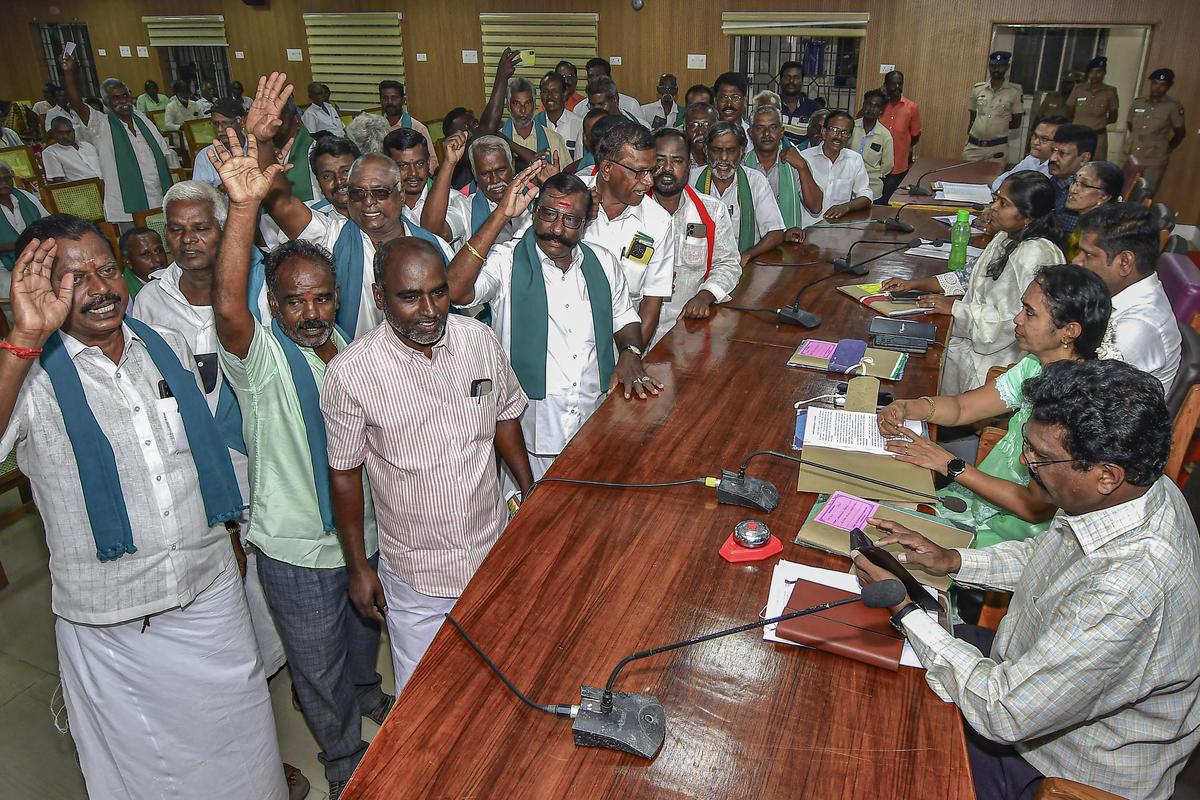
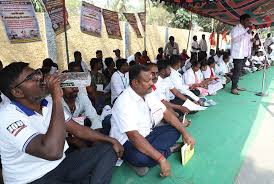
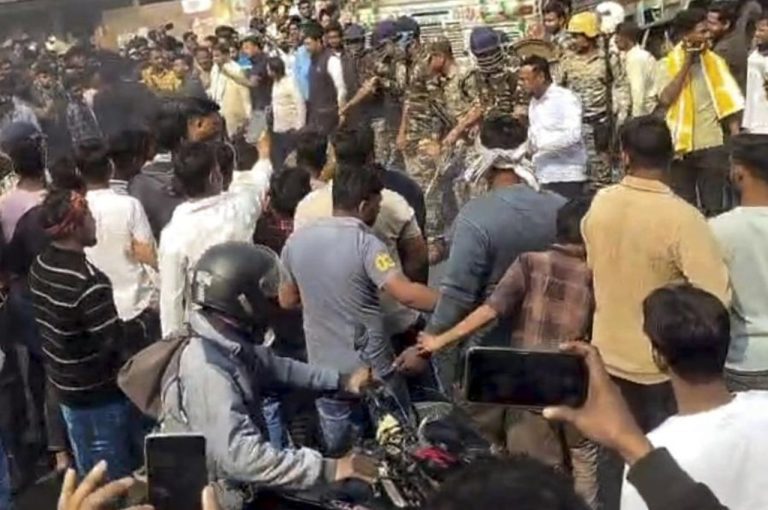
The arrests were conducted in several batches throughout the early morning, with police visiting the homes and temporary lodgings of organisers. Videos circulating on social platforms show aspirants expressing shock and anger as leaders were taken into custody without prior notice. Many described the action as deeply demoralising, especially since they had hoped to express concerns that directly affect their livelihoods and long-term prospects. The sudden clampdown left hundreds of participants dispersed, confused, and anxious about potential repercussions for joining future demonstrations.Police arrest leaders to prevent job aspirants' protest; action condemned -  The Hindu


Escalating Backlash and Accusations of Democratic Suppression

The crackdown drew immediate reactions from opposition leaders, who condemned the arrests as an attempt to suppress youth voices at a time when unemployment concerns are sharply rising. Several leaders accused the government of failing to create adequate job opportunities and then silencing those who raise questions about delays in recruitment. They demanded the immediate release of detained organisers and insisted that peaceful protests are a fundamental democratic right that cannot be curtailed on the basis of administrative inconvenience. Their statements resonated strongly among aspirants who feel neglected by the state’s employment machinery.

Civil society organisations also criticised the police action, calling it disproportionate and reflective of a troubling trend of restricting public assembly. Human rights groups pointed out that preventive arrests should be used sparingly and only under genuinely compelling circumstances. They argue that in this case, the state’s response was driven more by fear of criticism than by any credible threat to public safety. Several activists emphasised that job aspirants are among the least disruptive groups, noting that their past protests have largely been disciplined and peaceful, focused on systemic reforms rather than political confrontation.

Legal experts have raised questions about whether the police complied with established procedures for preventive detention. They note that arrests made without written orders, clear grounds, or timely communication to families may violate legal safeguards. Some lawyers argue that the authorities should disclose the specific sections invoked and justify why less intrusive measures, such as regulating the protest route or negotiating with organisers, were not pursued. These concerns have fuelled demands for transparency, with many calling for an internal review to assess whether the action was legally and morally justified.

Families of detained leaders have spoken out, expressing fear and confusion over the sudden police intervention. Some parents say they learned of the arrests only after neighbours alerted them or after seeing social media posts. They worry that their children’s future career prospects could be affected by involvement in police cases, even if charges are minor or eventually dropped. These anxieties reflect a larger sentiment among aspirants: that the system, instead of supporting unemployed youth, is increasingly treating them as troublemakers when they seek accountability from the government.


Underlying Issues: Job Delays, Youth Frustration, and Administrative Gaps

The episode has drawn renewed focus to the root cause of the unrest—ongoing delays and inconsistencies in government recruitment. Thousands of aspirants across Karnataka have been preparing for jobs in education, police services, revenue departments, transport agencies, and other sectors. Many have taken loans to fund coaching or moved to cities solely to prepare for exams that are repeatedly postponed. The emotional and financial pressures are immense, and the prolonged silence from authorities has deepened a sense of despair. The protest, they say, was an attempt to seek answers, not to create conflict.

Employment analysts note that recruitment delays have a cascading impact. When one year’s notifications get stalled, they push the next cycle further back, shrinking opportunities for younger batches. Age limits also create additional pressure, with some aspirants at risk of crossing eligibility thresholds because of repeated postponements. These conditions have created a volatile environment where even small administrative missteps can provoke frustration. Experts argue that transparent timelines, regular updates, and grievance mechanisms could significantly reduce tension between aspirants and the state.Police Detain Job Aspirants, Block Protest Rally in Dharwad

Government officials maintain that recruitment processes are underway but acknowledge that certain departments have faced procedural bottlenecks. They attribute delays to legal disputes, verification challenges, and the need to implement new reservation policies, which require careful recalibration. Some departments have promised fresh notifications soon, but aspirants say these assurances have been made before without substantial follow-through. The lack of a unified communication strategy across departments has also contributed to confusion and misinformation among candidates.

The current backlash has prompted policymakers to consider reviewing recruitment frameworks to reduce ambiguity. Some officials are discussing the possibility of centralised updates, quarterly status reports on recruitment progress, and faster disposal of pending legal cases. Others suggest that departments adopt stricter internal timelines for conducting exams, evaluating results, and issuing appointment orders. These reforms, they argue, could prevent the kind of large-scale frustration that led to the recent attempt to mobilise job aspirants in the first place.

Despite official assurances, aspirants insist that actions speak louder than words. They argue that unless notifications are released and results finalised, verbal commitments will not restore trust in the system. Many express anger that instead of addressing their concerns, authorities chose to clamp down on peaceful mobilisation. The arrests, they say, reflect misplaced priorities that treat unemployment as a law-and-order issue rather than a socio-economic crisis demanding immediate attention from policymakers.


Teachers, activists, and youth groups have also voiced solidarity with the detained leaders, insisting that job aspirants deserve empathy rather than surveillance. They point out that many aspirants come from small towns and economically marginalised families, making government employment one of the few secure options available. For them, preparing for competitive exams is not merely an ambition but a lifeline for upward mobility. Denying them the right to protest, they argue, amounts to denying them a voice in shaping their futures. Their statements have added moral weight to the growing public criticism of the police action.

Some political observers argue that the arrests could have a lasting impact on Karnataka’s youth politics. Historically, youth-led movements in the state have focused on education, employment, and governance reforms. The current episode may provoke stronger political mobilisation, with aspirants forming more organised groups to articulate their demands. Analysts caution that unless the government responds with openness and dialogue, growing resentment among unemployed youth could influence electoral dynamics, especially in urban constituencies where job shortages are acutely felt.

Meanwhile, discussions on social platforms show a groundswell of support for the aspirants, with many questioning why the state did not attempt negotiation before resorting to arrests. Commentators highlight that public trust in institutions hinges on transparency and fair treatment. They warn that perceived injustices can escalate tensions, potentially turning peaceful grievances into larger confrontations. Users also shared personal stories of delays in job cycles, portraying a broader crisis that extends far beyond the detained leaders.Police arrest leaders to prevent job aspirants' protest; action condemned -  The Hindu

Grassroots organisations working with unemployed youth say the arrests have had a chilling effect. Some aspirants are now hesitant to participate in future protests, fearing that their involvement may lead to criminal records or jeopardise government job eligibility. These concerns reveal deep vulnerabilities among young people who are desperately trying to navigate limited opportunities in a stagnant job market. Organisations warn that suppressing peaceful dissent may erode democratic engagement and increase alienation among youth.

The political fallout continues to widen, with lawmakers demanding explanations from the Home Department on why preventive arrests were deemed necessary. They ask whether the authorities assessed alternatives, such as deploying additional personnel, offering a designated protest site, or issuing conditional permissions. Some MLAs argue that heavy-handed policing reflects institutional impatience rather than a genuine threat to public order. They also question whether the government is trying to control the narrative around unemployment by curbing visible expressions of frustration.

As the controversy unfolds, government representatives insist that the arrests were precautionary and temporary. They claim that the intention was not to suppress dissent but to prevent a situation that could spiral beyond control. They highlight that previous protests had caused traffic disruptions and raised crowd management concerns. However, critics argue that these reasons are insufficient to override constitutional rights. They emphasise that preventive measures should not become a substitute for genuine engagement with citizens’ grievances.

The fallout from the crackdown has intensified calls for reforms in policing practices related to public demonstrations. Several advocates suggest establishing clearer protocols for granting permissions, enabling scheduled protests, and communicating restrictions well in advance. They argue that predictable and transparent processes reduce the possibility of confrontations while preserving citizens’ rights. These proposed reforms aim to create a balance between public order and democratic participation, ensuring that neither is compromised unnecessarily.

In the wider public imagination, the episode symbolises the growing disconnect between unemployed youth and the state. Aspirants expected acknowledgment, timelines, and dialogue; instead, they were met with police vans and detention centres. This symbolic rupture has fuelled widespread disappointment among those who hoped for empathy from policymakers. It also underscores how unemployment, often discussed as an economic challenge, has profound emotional and social dimensions that governments must understand and address.

Ultimately, the arrests have brought the issue of youth unemployment back to the forefront of public discourse in Karnataka. Whether the government addresses these concerns through timely recruitment reforms or continues to rely on restrictive measures will determine how this moment shapes future engagement with young citizens. For now, job aspirants await not just the release of their leaders but also concrete steps that signal the state’s willingness to support their aspirations. The incident stands as a reminder that governance must be responsive to public needs, and that democratic expression remains essential to a healthy society.

Follow: Karnataka Government

Also read: Home | Channel 6 Network – Latest News, Breaking Updates: Politics, Business, Tech & More

Italy–India Business Forum 2025 Boosts Trade, Innovation and Strategic Economic Partnership

Mumbai, 11 December 2025:
The Italy–India Business Forum 2025 concluded in Mumbai with a strong emphasis on enhancing bilateral trade, strengthening supply chains, and expanding cooperation in high-technology sectors. Held during the visit of H.E. Mr. Antonio Tajani, Deputy Prime Minister and Minister of Foreign Affairs & International Cooperation of Italy, the Forum marked a significant milestone in reinforcing the India–Italy Strategic Partnership.

Organised with participation from senior government delegations, unicorn founders, leading industry associations and over 150 Indian and Italian companies, the Forum showcased the growing synergy between the two nations across priority sectors.


High-Level Meeting Between Shri Piyush Goyal and DPM Antonio Tajani

Union Minister of Commerce and Industry Shri Piyush Goyal and Italian Deputy Prime Minister Mr. Antonio Tajani held a bilateral meeting in Mumbai.
Discussions focused on:

  • Expanding bilateral trade and investments

  • Enhancing supply chain resilience

  • Strengthening collaboration in clean mobility, renewable energy, advanced manufacturing, and food processing

  • Advancing technology partnerships between the two innovation ecosystems

Both leaders reaffirmed the commitment to deepen industrial ties and foster mutually beneficial economic engagement.


Sectoral Roundtables and Pitching Sessions Drive Innovation Dialogue

The Forum began with parallel sectoral roundtables and pitching sessions in key areas:

  • Automotive & Clean Mobility

  • Waste-to-Energy & Renewables

  • Sports Technologies & Sports Textiles

  • Agri-food & Food Processing

These sessions facilitated structured interactions, enabling companies to explore joint ventures, co-development partnerships, R&D opportunities, and value-chain integration. Italian companies presented innovative solutions, while Indian firms highlighted opportunities in one of the world’s fastest-growing markets.


Plenary Session Highlights Strategic Outcomes

The Plenary Session, attended by both Ministers, featured presentations from sector leads summarizing outcomes of the day’s dialogues.
Speakers included representatives from:

  • CDP, SIMEST, SACE

  • Invest India, FICCI, CII, ASSOCHAM

  • Confindustria

  • Italian Trade Agency

H.E. Mr. Antonio Tajani delivered Special Remarks, followed by Closing Remarks from Shri Piyush Goyal, who reiterated India’s commitment to shaping a future-ready bilateral economic partnership.


Engagement with Unicorns and Startups

Both delegations also interacted with leading Indian unicorns to explore cooperation in:

  • Digital innovation

  • AI & DeepTech

  • FinTech

  • Industrial technology solutions

  • Startup ecosystem collaborations

These engagements emphasized the role of emerging technology in driving next-generation economic partnerships.


Over 100 B2B Meetings Fuel Commercial Collaborations

A large B2B matchmaking session facilitated 100+ business interactions across:

  • Manufacturing

  • Renewables

  • Transportation systems

  • Sports innovation

  • Food processing

The session created immediate commercial opportunities and laid the groundwork for long-term partnerships.


Signing of the Agreed Minutes of the 22nd JCEC

One of the most significant outcomes was the signing of the Agreed Minutes of the 22nd India–Italy Joint Commission for Economic Cooperation (JCEC).
This document formalizes the discussions held and sets a concrete roadmap for future collaboration in trade, investment, and industrial growth.

The achievement builds upon the momentum generated since March 2023, when bilateral ties were elevated to a Strategic Partnership during Italian Prime Minister Giorgia Meloni’s visit to New Delhi.


Key MoUs Signed During the Forum

Several landmark MoUs were formalized, demonstrating expanding commercial engagement:

  • SIMEST & ICC signed a strategic MoU to strengthen support for Italian companies investing in India.

  • SAIL awarded three major steel plant technology projects to Danieli Group worth approximately €500 million, covering a Blast Furnace, Slab Caster, and Hot Strip Mill.

  • PRADA S.p.A., LIDCOM & LIDKAR partnered to develop a limited-edition sandal line blending Kolhapuri craftsmanship with Italian design.

  • Kuvera S.p.A. & Neopolis Brands entered an agreement to expand Carpisa retail in India, with a goal to open 100 stores by 2045.

  • Cavagna Group announced a €5 million joint venture, Cavagna Group Ace Brass Tech Pvt. Ltd., with a 51% Italian stake.


Conclusion

The Italy–India Business Forum 2025 concluded on an optimistic and forward-looking note, reaffirming the shared ambition to build resilient supply chains, promote sustainable industrial growth, and strengthen cooperation in high-technology sectors. With renewed political commitment, concrete MoUs, and strong industry participation, the Forum has further elevated the India–Italy Strategic Partnership and set the stage for deeper economic linkages in the years ahead.


For more real-time updates, visit Channel 6 Network.

Source: PIB

AIIA Goa Marks 4th Foundation Day with New Initiatives and National Workshop on Integrative Cancer Protocols

Panaji, 11 December 2025:
The All-India Institute of Ayurveda (AIIA), Goa, celebrated its 4th Foundation Day today, marking another milestone in its emergence as a premier national institution for Ayurvedic education, research, and patient care. Established in 2022 and inaugurated by Prime Minister Shri Narendra Modi, the institute has rapidly expanded its clinical services, academic programmes, and research capabilities.


AIIA Goa’s Growth: Over 5.25 Lakh OPD Visits and NABH Accreditation

Addressing the occasion, Prof. Pradeep Kumar Prajapati, Director of AIIA Goa, outlined the institute’s remarkable growth trajectory.
He noted that AIIA now operates 25 specialized OPDs, serving over 800 patients daily, all receiving Ayurvedic medicines free of cost. Since its inception, AIIA Goa has recorded:

  • 5.25 lakh OPD visits

  • 31,000+ IPD admissions

  • 77,200 Panchakarma procedures

  • 1.35 lakh radiology and laboratory investigations

He emphasized that crossing 800 daily OPD patients is a major achievement and projected further growth in the coming years.

Prof. (Dr.) Sujata Kadam, Dean of AIIA Goa, announced that the institute has earned NABH accreditation, reflecting AIIA’s commitment to high-quality care and patient safety. Academically, AIIA currently hosts:

  • 400 undergraduate students

  • 49 postgraduate scholars across multiple Ayurvedic disciplines

  • Specialized programmes in Ayurveda Dietetics and Panchakarma Therapy


Strengthening Academic and Research Ecosystems Through Collaborations

The institute continues to expand its interdisciplinary ecosystem through collaborations with leading institutions, including:

  • Department of Tourism, Government of Goa

  • CSIR–NIO

  • BITS Pilani

  • Goa State Biodiversity Board

  • Goa Institute of Management

  • ACTREC–Tata Memorial Centre

These partnerships enhance AIIA’s research in integrative oncology, wellness tourism, biodiversity studies, and healthcare innovation, strengthening its role in advancing evidence-based Ayurvedic healthcare.


National Workshop on Integrative Protocol for Cancer Treatment

To commemorate its Foundation Day, AIIA Goa hosted a two-day national workshop focused on developing an integrative protocol for colorectal carcinoma.
The workshop brought together leading clinicians, researchers, and oncology experts to formulate evidence-informed frameworks that combine Ayurvedic principles with modern cancer care.

This initiative aligns with India’s larger push toward integrative healthcare, merging the strengths of classical Ayurveda with scientifically validated modern treatments.


Inauguration of New Facilities

The Foundation Day celebrations also included the launch of several new clinical and academic infrastructure upgrades, such as:

  • Assessment Screening OPD

  • Dental OPD

  • Two Panchakarma theatres

  • Expanded inpatient care services

Students participated actively in the occasion with a presentation on Ayurvedic dietetic principles, showcasing it’s commitment to holistic learning.


Conclusion

AIIA Goa’s 4th Foundation Day reflects its rapidly expanding role as an institution of national importance in the field of Ayurveda. With NABH accreditation, strengthened collaborations, expanded clinical outreach, and a national focus on integrative oncology, the institute continues to shape the future of holistic healthcare in India.


For more real-time updates, visit Channel 6 Network.

Source: PIB

Karnataka’s Bold and Emotional New Hate Speech Bill: Power Shift, 5 Key Insights

Karnataka’s newly proposed Hate Speech Bill has ignited intense public debate, political scrutiny, and legal discussion across the state, prompting many to seek clarity on what the legislation actually contains and why it has attracted such strong reactions. The Bill, introduced as part of the government’s wider push to maintain public order and curb rising incidents of communal provocation, aims to define hate speech more precisely while expanding the scope of punishment for those who engage in inflammatory communication. Supporters hail it as a necessary step to protect vulnerable communities, while critics warn of its potential misuse. The debate reflects broader national anxieties around speech, identity, and public safety.

At its core, the Bill seeks to formally codify hate speech as a specific category of offence rather than treating it as a combination of multiple penal provisions as is currently the case. Karnataka officials argue that existing laws — particularly those under the IPC — are too broad and outdated, often failing to secure convictions because they require complex interpretations of intent and harm. The proposed law aims to offer clear definitions of what constitutes hate speech, who can be held accountable, and how enforcement should occur. This clarity, the government asserts, will help police act swiftly during sensitive situations and curb provocation before it escalates into violence.

Early reactions to the Bill have highlighted a tension between free expression and community safety. Supporters argue that the rise of social media, rapid circulation of provocative content, and increasing polarisation require stronger legal tools to prevent targeted verbal attacks. They believe the Bill acknowledges the growing seriousness of speech-driven conflicts that have, in several instances, spilled into physical violence. On the other hand, civil liberties groups caution that even well-intentioned legislation may be weaponised against dissent or criticism of the government. The central question is whether the Bill can balance the twin priorities of protecting communities and safeguarding democratic freedoms.


Key Provisions: Definitions, Punishments, and Expanded Scope

One of the bill’s most significant contributions is its attempt to offer a comprehensive definition of hate speech. It classifies hate speech as any statement, gesture, publication, digital post, or public act intended to insult, provoke, or inflame hostility against individuals or groups based on religion, caste, language, gender identity, sexual orientation, ethnicity, or region. Importantly, the Bill seeks to bridge gaps in older statutes that did not explicitly recognise newer forms of identity-based discrimination. This expanded scope has been widely acknowledged as a progressive shift that reflects the evolving nature of social interactions and conflicts.Explained | What is Karnataka's new hate speech Bill? - The Hindu

The Bill proposes graded punishment depending on the nature and severity of the offence. First-time offenders may face imprisonment along with substantial fines, while repeat offenders can incur harsher penalties designed to serve as a strong deterrent. A key distinction introduced by the Bill is between “reckless hate speech” — statements made without direct intent to cause harm but which still inflame tensions — and “malicious hate speech,” which involves premeditation. By differentiating between these categories, the legislation seeks to make enforcement more nuanced and proportional, addressing concerns that overly broad laws can criminalise unintentional or misinterpreted statements.

Another major feature is the inclusion of digital and social media platforms. Recognising the central role that online communication now plays in shaping public sentiment, the Bill mandates stricter accountability for individuals who circulate or amplify hate speech through messaging platforms, videos, posts, or comments. It empowers authorities to trace the origin of inflammatory content and hold creators, forwarders, and organisers of targeted campaigns responsible. Officials say this provision is essential to curb coordinated online harassment and ensure that the internet does not remain a loophole through which hate-driven narratives spread unchecked.


Legal and Political Context Behind the Bill

The introduction of the Bill comes at a moment when several states and the Supreme Court are examining the broader issue of hate speech and its implications for national stability. Karnataka, with its diverse communities and history of sharp political contestation, has witnessed several incidents in recent years involving provocative speeches, communal appeals during campaigns, and targeted online abuse. Government officials argue that the Bill is a pre-emptive and preventive measure aimed at strengthening the legal framework before tensions escalate into larger conflicts. They position the Bill as part of a modern legal response to emerging challenges.

Opposition parties, however, have voiced strong concerns that the Bill could become a political tool. They argue that without robust safeguards, authorities may selectively invoke the law to suppress criticism or target political rivals under the guise of maintaining harmony. Some leaders contend that the definition of hate speech, though comprehensive, still leaves room for subjective interpretation, which could result in inconsistent or biased enforcement. They call for independent oversight mechanisms, clear guidelines for police, and strong protections for journalists, activists, and political speakers who engage in legitimate public debate.

Constitutional experts are divided on the Bill’s implications. Some say that the proposed law aligns with constitutional principles that allow reasonable restrictions on speech in the interest of public order, decency, and protection of marginalised communities. Others caution that even reasonable restrictions require precise drafting and implementation standards to avoid chilling effects on free expression. The debate reflects the ongoing struggle within Indian law to reconcile freedom of speech with the need to prevent speech that incites violence or discrimination. The Bill, they argue, will likely face judicial scrutiny once enacted.Karnataka's new hate speech bill explained: Penalties, provisions, and how  state plans to regulate the issue


As public debate intensifies, educators and student groups have raised concerns about how the Bill may impact campus discourse. Universities and colleges, often hubs of political expression, worry that the law’s broad scope might discourage open debate on socially sensitive issues. Some student leaders say that while they support curbing inflammatory rhetoric, they fear that provocative or critical academic discussions might be misinterpreted as hate speech. They call for detailed guidelines that draw clear boundaries between harmful speech and legitimate critique, ensuring that campuses remain spaces of intellectual freedom.

Journalists, too, have expressed apprehension. Media organisations emphasise that reporting on communal tensions often requires quoting inflammatory statements made by political actors, community leaders, or protestors. Without clear exemptions or contextual provisions, journalists worry that they may face legal consequences simply for doing their job. They recommend explicit safeguards in the Bill acknowledging the role of the press, including provisions that protect responsible reporting undertaken in public interest. Failure to include such protections, they caution, may result in self-censorship that weakens public awareness and democratic accountability.

Civil society organisations have called attention to the need for training and sensitisation among law enforcement agencies who will implement the Bill. They argue that without systematic training on distinguishing harmful speech from protected expression, the law may be applied inconsistently. Some NGOs suggest that human rights commissions should play an oversight role, reviewing grievances related to misuse or overreach. They emphasise that laws designed to protect vulnerable groups must also be implemented with sensitivity to avoid inadvertently marginalising dissenting voices.

At the same time, several community leaders, particularly those representing marginalised groups, have welcomed the Bill with cautious optimism. They recount frequent instances of targeted abuse, derogatory references, and online trolling that go unpunished under existing laws. For them, the Bill represents an overdue acknowledgement of the pain and harm inflicted by hate speech, which they say has become increasingly normalised. They argue that legal protection is essential not only for dignity but also for safety, as verbal attacks often precede physical threats or exclusionary actions.

Business and technology groups have also stepped into the conversation, noting that the Bill’s digital provisions may require companies to enhance monitoring mechanisms. Social media platforms may need to respond to takedown requests more quickly and strengthen detection of harmful content. Industry representatives argue that while they support curbing hate speech, compliance mechanisms must be clearly outlined, technologically feasible, and respectful of user privacy. They stress the need for collaborative frameworks between government, platforms, and civil society to ensure effective, fair, and transparent implementation.

The Bill has already triggered shifts in public discourse, with many recognising that the rise of polarising content has created a climate of distrust and hostility. Psychologists and sociologists point out that hate speech contributes to the erosion of social cohesion by normalising stereotypes and encouraging group-based antagonism. They argue that the law, if properly implemented, could help restore a culture of respectful dialogue. However, they caution that legal measures alone cannot eliminate deeply rooted biases; broader social efforts in education, media responsibility, and political leadership are equally necessary.Do Karnataka's new bills on misinformation, hate crime raise free speech,  platform liability concerns?


As Karnataka evaluates public feedback, officials say they are open to incorporating changes suggested by stakeholders before finalising the Bill. They emphasise that the aim is not to restrict legitimate expression but to build a protective legal architecture that safeguards vulnerable communities and preserves peace. Authorities suggest that public consultations and committee reviews will refine definitions, clarify enforcement processes, and embed safeguards against misuse. Such steps, they hope, will enhance public confidence and ensure that the law serves its intended purpose.

Opposition parties continue to demand transparency and broader deliberation. They insist that the government must release a detailed explanation of how the law will be operationalised, what oversight bodies will be empowered, and how grievances against misuse will be addressed. Without such clarity, they argue, the Bill’s implementation may undermine democratic freedoms rather than strengthen social harmony. Several leaders have warned that if adequate safeguards are not integrated, they may challenge the law in court.

Teachers, parents, and community elders across the state are discussing the Bill in local meetings, curious about its impact on everyday interactions. Many believe that if implemented responsibly, the law could reduce the spread of provocative rumours, inflammatory speeches at community gatherings, and harmful narratives that target specific groups. However, they also worry about misinterpretations, particularly in rural regions where legal awareness is limited. Some call for awareness programmes that explain citizens’ rights and responsibilities under the new legislation.

Ultimately, Karnataka’s Hate Speech Bill marks an important moment in the state’s legal and political landscape. It reflects an attempt to address rising social tensions through a stronger, more structured legal framework. Whether it becomes a powerful tool for protecting communities or a contested instrument of political control will depend on careful drafting, transparent implementation, and continued public engagement. As the Bill moves through the legislative process, the hope is that Karnataka can craft a law that strengthens harmony without compromising the fundamental right to free expression.

Follow: Karnataka Government

Also read: Home | Channel 6 Network – Latest News, Breaking Updates: Politics, Business, Tech & More

Bengaluru Airport Enforces New Overstay Parking Charges at Terminal 2

Bengaluru’s Kempegowda International Airport has introduced overstay parking charges at Terminal 2 beginning December 11, marking a significant operational shift for one of India’s busiest aviation hubs. The new system aims to streamline vehicle movement, reduce congestion, and ensure disciplined use of arrival lanes, which frequently witness long queues and stalled traffic during peak hours. Airport officials say the charges are designed to encourage quicker pickups and drop-offs, enabling smoother passenger flow. While the policy aligns with global airport practices, it has triggered mixed reactions from frequent travellers, cab operators, and local commuters navigating the bustling terminal.

The newly implemented measures focus on discouraging prolonged stoppages in front of the terminal, where vehicles often wait well beyond the permitted time to pick up arriving passengers. These delays affect lane discipline, slow down shuttle services, and create bottlenecks for taxis and private vehicles alike. Airport authorities argue that in a high-volume setting like Bengaluru’s, managing curbside traffic is essential to safety and efficiency. With Terminal 2 handling a substantial share of domestic operations, officials believe the overstay fee will restore order and help maintain predictable traffic patterns at the entry and exit lanes.

According to officials, the concept is not new; Terminal 1 has had a similar system in place for years. However, the expansion to Terminal 2 was considered necessary as footfall increased rapidly after operations scaled up. The terminal’s infrastructure relies on continuous vehicular movement to prevent choke points. Airport administrators observed that despite designated short-term parking areas and waiting zones, many vehicles preferred to idle near the arrival gates, contributing to congestion. After repeated advisories, the decision to introduce overstay penalties at T2 was finalised to ensure consistent enforcement across both terminals.

The announcement has led to a range of public responses, especially from airport-bound taxi operators who argue that fluctuating flight schedules often make pickups unpredictable. They claim that delays in baggage delivery, security checks, or passenger movement sometimes force drivers to remain longer at arrival bays than anticipated. With the new policy in place, many fear that any unforeseen delay will directly impact their earnings. Representatives of driver associations have expressed concern that drivers may be compelled to absorb the charges or increase fares, potentially affecting customers during late-night or busy-hour pickups.Overstay parking charges implemented at Terminal 2 of Bengaluru airport  from December 11 - The Hindu


Smoother Traffic Flow the Primary Aim, Say Airport Authorities

Airport authorities, however, insist that clear distinctions exist between genuine delays and avoidable curbside waiting. They emphasise that dedicated parking spaces, holding areas, and multi-level parking facilities remain available for those expecting longer waits. Officials argue that the problematic pattern arises when private vehicles or cabs choose convenience over procedure, parking right outside the terminal doors instead of using designated areas. This disrupts regulated traffic lanes and increases risks for pedestrians, airport buses, and emergency vehicles attempting to navigate the area efficiently.

To support the implementation, the airport has deployed additional signage, ground staff, and traffic marshals to guide drivers to appropriate zones. Digital displays have been placed at approach roads to inform motorists about real-time vehicle movement, suggested wait times, and availability of short-term parking. The objective, authorities clarify, is not to penalise users but to encourage compliance with a system already followed in major international airports. Bengaluru, being one of the fastest-growing aviation hubs in Asia, requires coordinated traffic management to match the pace of expansion in passenger numbers and flight operations.

Passengers, too, have expressed differing opinions on the new regulations. Some travellers welcome the discipline the policy is expected to bring, saying congested curbside lanes have long been a problem during morning and evening rush hours. Many recall missing pickup vehicles or struggling to move through blocked pathways because of stationary cars occupying the arrival lanes. They argue that orderly traffic movement could enhance the overall travel experience, reducing stress for both incoming passengers and those waiting at the terminal. However, others worry that the additional charges may indirectly raise transportation costs, particularly for solo travellers.


Cab Drivers, Families, and Frequent Flyers Adjust to the New Norm

Cab drivers who service airport routes daily note that the new fee structure may require them to adjust pickup timing and coordination with passengers. Many say they will now encourage travellers to call them only after reaching the pickup point to avoid overstay charges. This shift, drivers argue, could be challenging during periods of overcrowding or when passengers struggle with multiple bags. Some fear that communication gaps, especially with first-time flyers or elderly passengers, may increase confusion and lead to unintended penalties.

Families and individuals who frequently pick up relatives from the airport also share concerns about managing wait times. They point out that unpredictable delays—ranging from aircraft parking issues to baggage belt slowdowns—sometimes make precise timing impossible. Several Bengaluru residents say they will now have to rely more on real-time flight tracking apps to determine the exact pickup moments. Others believe that using the short-term parking area, though an added expense, may become necessary for hassle-free pickups, particularly during peak seasons such as festivals or long weekends.

Airport officials maintain that the broader goal is behavioural change. They note that travellers often treat airport drop-offs like any other public place, ignoring the specialised traffic patterns essential for aviation infrastructure. Bengaluru Airport’s rapid growth has made it imperative to adopt smarter, efficient curbside controls. The overstay fee is part of a larger plan to introduce intelligent traffic systems, automated barriers, and digital monitoring to maintain lane discipline. Officials believe that as users become accustomed to the updated system, congestion will decrease significantly, enriching the terminal experience.

Stakeholders in the travel and tourism sector are closely watching how the new policy influences passenger flow. Many believe that efficient curbside management is essential to maintaining punctuality in airport shuttle services, hotel pickups, and group travel logistics. Tour operators argue that delays caused by stalled vehicles often lead to missed schedules or extended waiting times. They expect that regulated movement will help maintain predictability, an essential component of tourism planning. However, they also urge the airport to ensure that the charges do not disproportionately affect vulnerable service providers.Overstay parking charges implemented at Terminal 2 of Bengaluru airport  from December 11 - The Hindu

Several aviation experts say that Bengaluru’s decision mirrors trends seen in global airports where high passenger volumes require stringent curb management. Airports like Singapore, Dubai, and London Heathrow have similar penalty structures to discourage unnecessary idling. They argue that as Bengaluru aligns with these practices, it signals its maturity as an international hub. Experts highlight that such policies strengthen safety protocols by ensuring that emergency vehicles and security personnel can move uninterrupted through densely packed airport roads.


Transport analysts observe that the new charges may influence traffic patterns beyond the airport campus. Ride-hailing platforms could modify fare calculations for airport trips, factoring in the likelihood of overstay charges during peak hours. Analysts forecast that some drivers may choose to wait in extended holding areas rather than risk driving closer to arrival lanes too early. This change, they argue, could reduce curbside congestion but may also increase waiting times for passengers depending on demand and supply imbalances.

Local police officials involved in traffic coordination say they support the airport’s move, noting that vehicular discipline around the airport perimeter has long been difficult to enforce. With the new fee structure, they believe drivers will be more cautious about curbside stoppages, reducing instances of illegal parking and lane blockages. Police authorities also note that the clarity offered by the new system will help them focus on monitoring safety instead of constantly intervening in traffic disputes.

Meanwhile, environmental groups suggest that streamlined movement could indirectly reduce emissions from idling vehicles. They note that thousands of cars passing through the terminal daily contribute significantly to local pollution levels, especially when engines remain running in congested lanes. A disciplined traffic flow, they argue, may help reduce unnecessary fuel consumption and promote cleaner air quality around the airport campus. These groups hope the airport will complement the new system with incentives promoting electric vehicles and sustainable mobility options.

Passengers who frequently use Bengaluru Airport acknowledge that the transition may require a period of adjustment. Regular fliers note that despite initial difficulties, such reforms often improve efficiency in the long run. They believe that if the airport ensures clear communication, transparent guidelines, and consistent enforcement, public acceptance will grow. Some travellers have suggested that the airport provide grace periods for elderly passengers or those with accessibility needs, ensuring that the policy does not inconvenience vulnerable groups.

Taxi unions continue to press for discussions with airport management to clarify how the charges will apply during unavoidable delays. They argue that while they support smoother traffic flow, drivers should not be penalised for operational delays beyond their control. Union leaders have requested a flexible grace period when flights arrive late or when passengers face extended wait times inside the terminal. They are also seeking exemptions during severe weather, heavy fog, or other force majeure events that make immediate pickups challenging.BIAL Overstay Rules: New Kerbside Charges Begin Dec 11

Ultimately, the implementation of overstay parking charges at Terminal 2 marks a significant shift in how Bengaluru Airport manages its ever-growing traffic load. While the policy has sparked debate, airport authorities maintain that it is essential for ensuring safety, efficiency, and a modern travel experience. As passengers, drivers, and service providers adapt to the new norms, the coming months will reveal how effectively Bengaluru can balance convenience with order. The airport remains confident that disciplined curbside conduct will enhance the overall journey for millions who pass through Terminal 2 each year.

Follow: Karnataka Government

Also read: Home | Channel 6 Network – Latest News, Breaking Updates: Politics, Business, Tech & More

Karnataka’s Deemed Forests: Decisive 9-Month Mission Sparks Hope in Emotional Debate

Karnataka’s Forest, Ecology and Environment Minister Eshwar Khandre has announced the formation of a dedicated committee to reassess the total extent of deemed land across the state, marking a significant step in resolving one of Karnataka’s most contentious environmental and developmental questions. The committee, composed of senior officials, legal experts, and representatives from revenue and land management departments, has been tasked with submitting its findings within six months. The announcement has generated widespread public interest, as the categorisation of deemed directly influences conservation priorities, land ownership issues, and community livelihoods in multiple districts.

Minister Khandre stated that the committee would undertake a thorough, ground-level, science-backed review of areas currently classified as deemed forests, many of which have been the subject of disputes for decades. In several regions, residents have long claimed that lands marked as deemed forests are actually agricultural fields or wastelands used by families for generations. The government believes that a systematic reassessment is essential to clarify records, prevent legal conflicts, and ensure that genuine forest areas receive the protection they require. Environmentalists, however, caution that the review must not dilute safeguards meant to prevent further ecological degradation.

The issue of deemed forests has been a politically sensitive one, particularly as Karnataka continues to balance development needs with conservation responsibilities. The Supreme Court’s broad definition of deemed forests—based on vegetation density, ecological value, and historical usage—created ambiguity in the state’s land classification records. Over time, thousands of hectares were listed under this category, sometimes without clear documentation. This has led to stalled infrastructure projects, restrictions on land use in rural regions, and tensions between local communities and forest officials. The newly formed committee aims to address these grey areas through a transparent, data-driven process.

Officials involved in the committee say the review will rely on satellite imagery, GIS mapping, ecological assessments, and cross-verification with historical land records. The goal is not only to identify which areas qualify as deemed forests under legal and ecological criteria, but also to determine which areas have been incorrectly labeled due to outdated or incomplete documentation. The government hopes that a structured methodology will bring clarity to a long-standing administrative challenge that has affected governance, agricultural activity, and conservation efforts throughout Karnataka.

Committee set up to review extent of deemed forest in Karnataka: Minister -  The Hindu


Balancing Environmental Protection with Community Concerns

The government’s decision has brought relief to thousands of villagers who have long argued that the deemed forest tag has restricted their ability to cultivate, build homes, or access basic services. In districts such as Shivamogga, Chamarajanagar, Kodagu, and Uttara Kannada, community leaders have welcomed the initiative, saying it gives residents hope that long-pending disputes may finally be resolved. Many families who rely on land for farming have been unable to obtain documents or government benefits due to its forest classification. The revised review process may restore legal clarity and offer them long-awaited security.

At the same time, environmental groups remain cautious about the potential implications of the reassessment. They argue that Karnataka’s forest cover, already under pressure from urban expansion, mining activity, and infrastructure development, requires strong legal protection. Many environmentalists fear that if the review prioritises community and developmental concerns over ecological criteria, large landscapes with significant biodiversity may lose their protected status. They argue that ecological value should not be compromised during the review, especially in regions that function as critical wildlife corridors, water catchments, or carbon sinks.

Forest department officials emphasise that the committee’s mandate includes maintaining strict adherence to ecological principles. They assert that no genuine forest area—whether recorded or unrecorded—will be removed from protection. The review aims to distinguish between true forest landscapes and lands that were inaccurately categorized as such. Authorities note that the goal is not to reduce forest cover but to eliminate confusion. In fact, the government believes that clearer classification will strengthen forest conservation by identifying areas that need urgent protection and enabling better resource allocation for monitoring and restoration.

Local governments and panchayats have also expressed interest in contributing to the process. Several panchayat heads say previous lists of deemed forests were compiled without adequate consultation with local communities, leading to misunderstandings and mistrust. Minister Khandre’s assurance that community voices will be included in the review has been well received. Officials plan to conduct field visits and public hearings in affected regions, ensuring that ecological assessments are supplemented with ground-level knowledge about historical land use and cultural landscapes.


A Step Toward Long-Term Policy Stability and Governance

For years, the lack of clarity around deemed forests has posed challenges for policymakers, administrators, and courts. The absence of a precise, scientifically validated map has resulted in contradictory reports, administrative delays, and dependence on interim judicial directions. The new committee, with its multidisciplinary expertise, is expected to create a unified database that can guide future decisions without ambiguity. Minister Khandre noted that once the report is submitted, the state will finally have a reliable framework to differentiate forest land from non-forest land, reducing future litigation.

The committee’s findings may also influence Karnataka’s long-term development strategies. Major infrastructure projects—including highways, transmission lines, and tourism corridors—have faced delays due to unclear forest boundaries. Authorities expect that streamlined records will allow for faster clearance processes while ensuring that environmental safeguards remain intact. Urban expansion plans in Bengaluru, Mysuru, and Belagavi may also be impacted, as the reassessment could redefine the availability of land for public works, housing, and industrial growth. Officials emphasise that planned development cannot proceed without legal clarity.Karnataka to Revise Deemed Forests: Committees Get 6 Months, Says Minister  Eshwar Khandre

Meanwhile, the revenue department has begun coordinating with forest officers to prepare preliminary documentation for the committee’s use. This includes digitisation of old maps, locating historical survey documents, and verifying land titles. Many of these records date back decades and require significant archival work. Administrators say that while the task is complex, the outcome will create long-term stability in land governance. Clearer records will also help streamline compensation processes for people displaced by conservation projects or land reclamation activities.

The government expects that the six-month timeline will ensure both urgency and depth. Previous attempts to review the extent of deemed forests have stalled due to administrative delays and disagreements between departments. However, this time the Forest Minister has underscored the need for interdepartmental coordination and accountability. Regular review meetings will be held to track the committee’s progress, and preliminary findings may be shared with the public to maintain transparency. The decision to set a clear deadline reflects the government’s resolve to settle the issue without prolonged bureaucratic hurdles.


Many rural communities have shared stories that highlight the lived realities of the deemed forest classification. In several villages, even minor construction activities—such as building toilets, repairing houses, or installing electricity poles—require permissions that are difficult to obtain due to the land’s legal status. This has slowed development and created frustration among residents who feel they are being penalised for administrative errors made decades ago. Schools and anganwadis located in such areas also face challenges in upgrading buildings or expanding facilities due to compliance restrictions.

Social activists working in tribal regions say the reassessment must be sensitive to the concerns of forest-dependent communities. While some villages dispute their inclusion in the deemed forest category, others fear that a bureaucratic review might ignore their customary rights or overlook the importance of community-managed forest areas. Activists emphasise that tribal communities should not be forced to choose between land rights and ecological preservation. They argue that policies must recognise their traditional role as protectors of forest landscapes, particularly in biodiversity-rich zones.

Legal experts note that the review offers Karnataka a chance to align its forest governance with national-level policies and court directives. They highlight that deemed forests exist within a complex legal environment shaped by multiple Supreme Court judgments, Forest Conservation Act provisions, and state-level notifications. The committee’s work, therefore, must balance legal compliance with ground realities. Experts recommend that the report lay down clear, standardised criteria that can guide identification of deemed forests in future decades, reducing the possibility of inconsistent interpretations.

Environmental scientists involved in advisory roles say that the review has the potential to update Karnataka’s ecological datasets. Many current forest maps are outdated or fail to capture nuances such as species diversity, canopy density, and ecological corridors. Scientists hope the committee will integrate modern ecological tools such as drone surveys, biodiversity indexing, and climate-resilience mapping. A more detailed ecological profile could help the state prioritise reforestation, wildlife protection, and watershed conservation, creating a long-term environmental strategy rooted in accurate data.

The committee’s outcome may also influence Karnataka’s climate commitments. Forests play a major role in carbon sequestration, soil health, and water cycle regulation. Accurately identifying forest areas could help the government design policies aligned with national climate adaptation and mitigation goals. Environmentalists believe that strengthening forest governance systems is essential for tackling future climate challenges, including erratic rainfall, rising temperatures, and drought impacts. The reassessment therefore carries implications not only for local land rights but also for Karnataka’s broader ecological resilience.

As discussions continue, policymakers and experts agree that the reassessment represents an opportunity to rebuild public trust. For years, the lack of clarity around deemed forests has created tension between citizens and administration. A transparent, science-based process could help bridge this gap, ensuring that forest protection and human development coexist rather than clash. Minister Khandre has reiterated that the government remains committed to both ecological preservation and community welfare, and the committee’s task reflects this dual responsibility.Committee set up to review extent of deemed forest in Karnataka: Minister -  The Hindu

Ultimately, the six-month review will shape how Karnataka manages its natural landscapes for generations to come. The report is expected to influence legislation, judicial decisions, administrative guidelines, and developmental planning. For communities living in uncertainty and for conservationists seeking stronger safeguards, the committee’s findings may bring long-awaited clarity. As the state embarks on this crucial reassessment, stakeholders hope that the process will produce a balanced, holistic, and forward-looking framework that ensures sustainable coexistence between people and forests.

Follow: Karnataka Government

Also read: Home | Channel 6 Network – Latest News, Breaking Updates: Politics, Business, Tech & More