Wednesday, March 4, 2026
Home Blog Page 44

Darjeeling Drinking Water Project Delay 2026 – Detailed Analysis of Five‑Year Deadline Breach, Governance Failures, and Lessons in Public Infrastructure Management

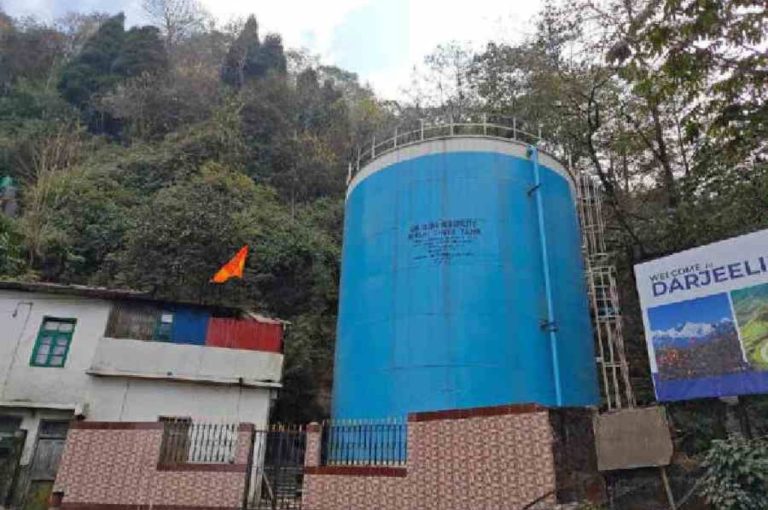
The Darjeeling drinking water project delay 2026 has become a symbol of governance challenges in West Bengal’s hill districts. A multi‑crore project aimed at providing safe drinking water to Darjeeling residents has overshot its deadline by five years, leaving thousands of families without reliable access to clean water. The delay has sparked political controversy, community frustration, and questions about accountability in public infrastructure management.

This incident underscores the intersection of resource management, governance accountability, and community welfare, where delays in essential projects directly affect citizens’ quality of life.


2. Darjeeling Drinking Water Project Delay 2026: The Project

  • Location: Darjeeling, West Bengal.
  • Objective: Provide safe drinking water to urban and rural households.
  • Budget: Multi‑crore investment sanctioned by government.
  • Timeline: Deadline already crossed by five years.
  • Significance: Reflects vulnerability of hill districts to infrastructure delays.

3. Why This Case Matters

  • Human cost: Families continue to struggle with water scarcity.
  • Governance accountability: Citizens expect timely completion of essential projects.
  • Political stakes: Opposition parties frame delay as evidence of ruling party’s inefficiency.
  • Public trust: Handling of project influences confidence in institutions.

4. Political and Social Reactions

  • TMC government: Promised renewed focus on project completion.
  • BJP and Opposition: Criticised delay, demanded accountability.
  • Civil society: Expressed concern about erosion of democratic norms in governance.
  • Observers: Noted potential for controversy to reshape narratives on infrastructure management in Bengal.

5. Governance Challenges

The Darjeeling water project reflects systemic governance issues:

  • Administrative bottlenecks: Bureaucratic red tape slows project execution.
  • Resource allocation: Funding gaps and mismanagement hinder progress.
  • Transparency gaps: Citizens lack clarity on project status.
  • Judicial oversight: Courts may intervene if constitutional rights to water are denied.

6. Community Concerns

  • Families: Seek reliable access to clean drinking water.
  • Farmers: Demand irrigation support linked to water projects.
  • Youth: Call for eco‑tourism opportunities linked to water sustainability.
  • Civil society groups: Advocate participatory governance in water policy.

7. Government External Links for Assistance


8. Historical Context of Water Projects in Darjeeling

  • Colonial era: Hill districts relied on springs and small reservoirs.
  • Post‑Independence: Water scarcity became chronic issue in Darjeeling.
  • 2000s: Multiple projects announced but plagued by delays.
  • 2026: Current project reflects continuity of challenges in water governance.

9. Global Comparisons

Similar drinking water project delays worldwide:

  • Africa: Rural water projects delayed due to funding gaps.
  • USA: Flint water crisis exposed governance failures.
  • South Asia: Nepal and Bangladesh faced delays in water infrastructure projects.

India’s case mirrors these global struggles where public infrastructure collides with governance, community welfare, and accountability.


10. Governance Lessons

The Darjeeling water project teaches:

  • Transparency in project execution builds credibility.
  • Community engagement ensures legitimacy of reforms.
  • Balanced vigilance strengthens governance legitimacy.
  • Judicial oversight protects fairness in resource governance.

11. Future Outlook – Water Governance in Bengal

India must move towards:

  • Digitised monitoring systems for water projects.
  • Public dashboards showing progress of infrastructure initiatives.
  • Independent audits of project financing.
  • Educational campaigns linking water conservation with civic responsibility.

✅ Conclusion

The Darjeeling drinking water project delay 2026 is more than an administrative lapse—it is a test of India’s democratic resilience and governance credibility. As the project overshoots its deadline by five years, ordinary citizens await clarity on whether governance will deliver transparency, fairness, and respect for basic rights. For Bengal, the lesson is clear: democracy thrives when governance delivers inclusivity and accountability in resource management.

Also read: Home | Channel 6 Network – Latest News, Breaking Updates: Politics, Business, Tech & More
Trinamool Infighting North Dinajpur 2026 – Detailed Analysis of Political Stress Poster Controversy, Governance Challenges, and Lessons in Party Discipline

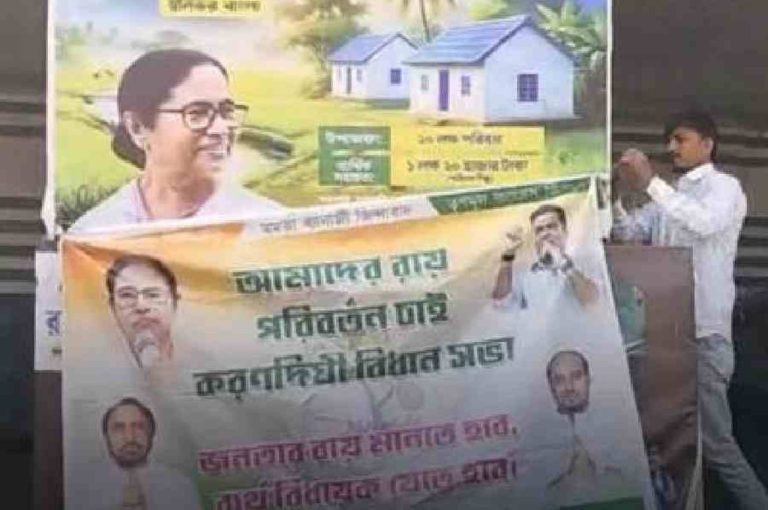
The Trinamool infighting North Dinajpur 2026 controversy has become a focal point in Bengal’s political discourse. A political stress poster that surfaced in several areas of North Dinajpur district highlighted internal divisions within the ruling Trinamool Congress (TMC). The poster, reportedly critical of certain leaders, triggered factional clashes and exposed the fragile unity of the party at the grassroots level.

This incident underscores the intersection of party discipline, governance accountability, and electoral strategy, where internal disputes within a dominant party can reshape political narratives and influence voter confidence.


2. The Poster Controversy

  • Location: North Dinajpur district, West Bengal.
  • Event: A poster appeared highlighting “political stress” within TMC.
  • Impact: Sparked infighting among local leaders and cadres.
  • Significance: Reflects vulnerability of ruling party to internal dissent.

3. Why This Case Matters

  • Electoral stakes: Infighting weakens party’s grassroots mobilization.
  • Governance accountability: Citizens expect stability from ruling party.
  • Political rivalry: Opposition parties exploit ruling party’s divisions.
  • Public trust: Visible factionalism erodes confidence in governance.

4. Political and Social Reactions

  • TMC leaders: Attempted to downplay controversy, but divisions evident.
  • Opposition parties (BJP, Left): Framed poster as proof of TMC’s internal collapse.
  • Civil society: Expressed concern about erosion of democratic norms.
  • Observers: Noted potential for controversy to reshape narratives on TMC’s governance credibility.

5. Trinamool Infighting North Dinajpur 2026: Governance Challenges

The poster controversy reflects systemic governance issues:

  • Party discipline: Maintaining unity in a large ruling party is difficult.
  • Administrative accountability: Infighting distracts from governance priorities.
  • Regional diversity: North Dinajpur’s political dynamics differ from South Bengal.
  • Judicial oversight: Courts may intervene if disputes escalate into violence.

6. Community Concerns

  • Families: Seek stability amid political contestation.
  • Youth: Demand jobs and development beyond factional politics.
  • Civil society groups: Call for participatory governance in party reforms.
  • Opposition voices: Warn of marginalisation if grievances are ignored.

7. Government External Links for Assistance


8. Historical Context of TMC Infighting

  • 2011: TMC rose to power, promising unity and reform.
  • 2014–2019: Factional disputes emerged in several districts.
  • 2021 Assembly elections: Internal rivalries weakened organizational strength.
  • 2026: North Dinajpur poster reflects continuity of challenges in party discipline.

9. Global Comparisons

Similar ruling party infighting worldwide:

  • USA: Democratic Party faced internal divisions between progressives and moderates.
  • UK: Labour Party factionalism weakened electoral performance.
  • Africa: Ruling parties often fractured due to regional rivalries.

India’s case mirrors these global struggles where party discipline collides with governance, community welfare, and electoral accountability.


10. Governance Lessons

The North Dinajpur controversy teaches:

  • Transparency in party functioning builds credibility.
  • Community engagement ensures legitimacy of reforms.
  • Balanced vigilance strengthens governance legitimacy.
  • Judicial oversight protects fairness in political governance.

11. Future Outlook – Party Governance in Bengal

India must move towards:

  • Digitised monitoring systems for party discipline.
  • Public dashboards showing progress of governance commitments.
  • Independent audits of party financing.
  • Educational campaigns linking party unity with civic responsibility.

✅ Conclusion

The Trinamool infighting North Dinajpur 2026 controversy is more than a poster dispute—it is a test of India’s democratic resilience and governance credibility. As factional clashes erupt over a political stress poster, ordinary citizens await clarity on whether governance will deliver transparency, fairness, and respect for democratic dignity. For Bengal, the lesson is clear: democracy thrives when governance delivers inclusivity and accountability in party discipline.

Also read: Home | Channel 6 Network – Latest News, Breaking Updates: Politics, Business, Tech & More
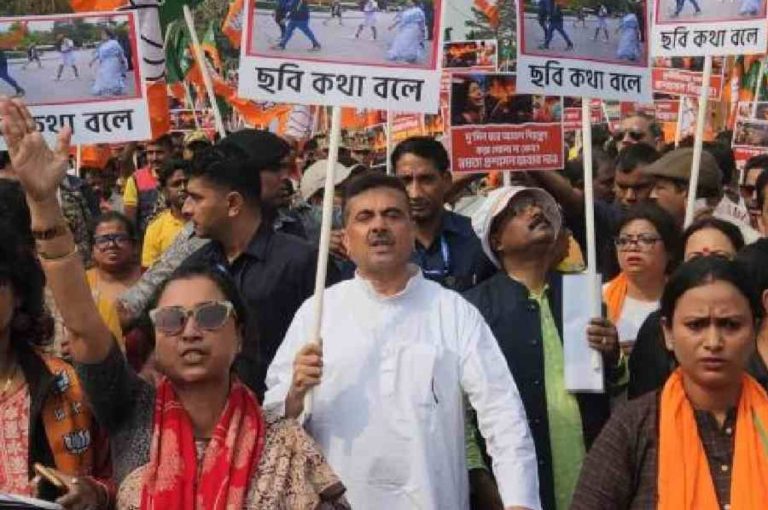
Wow Momo Fire Kolkata 2026 – Detailed Analysis of Suvendu Adhikari’s Demand for Sujit Bose’s Resignation, Governance Failures, and Lessons in Public Safety

The Wow Momo fire Kolkata 2026 tragedy has become a defining moment in Bengal’s governance and political discourse. A devastating blaze at a Wow! Momo outlet in Kolkata led to multiple casualties, sparking outrage across the state. In the aftermath, Suvendu Adhikari, Leader of the Opposition, demanded the resignation of Fire Minister Sujit Bose, alleging negligence and systemic failures in fire safety governance.

This incident underscores the intersection of public safety, political accountability, and governance credibility, where a commercial fire escalates into a state‑level political crisis.


2. Wow Momo Fire Kolkata 2026: The Incident

  • Location: Wow! Momo outlet in Kolkata.
  • Event: Fire broke out, leading to fatalities and injuries.
  • Cause: Preliminary reports suggest possible safety lapses; investigation ongoing.
  • Political fallout: Suvendu Adhikari demanded Fire Minister Sujit Bose’s resignation.
  • Significance: Reflects vulnerability of urban spaces to fire hazards.

3. Why This Case Matters

  • Human cost: Lives lost and families devastated.
  • Governance accountability: Citizens expect strict enforcement of fire safety norms.
  • Political stakes: Opposition demands resignation of minister responsible.
  • Public trust: Handling of tragedy influences confidence in institutions.

4. Political and Social Reactions

  • Suvendu Adhikari (BJP): Called for Sujit Bose’s resignation, framed incident as governance failure.
  • TMC government: Defended minister, promised thorough investigation.
  • Civil society: Expressed outrage, demanded stricter fire safety enforcement.
  • Observers: Noted potential for incident to reshape narratives on governance in Bengal.

5. Governance Challenges

The Wow Momo fire reflects systemic governance issues:

  • Fire safety enforcement: Many commercial outlets lack compliance.
  • Administrative accountability: Transparency in inspections is essential.
  • Urban planning gaps: Congested areas heighten fire risks.
  • Judicial oversight: Courts may intervene if negligence is proven.

6. Community Concerns

  • Families: Seek justice and compensation for victims.
  • Youth: Demand safer public spaces and workplaces.
  • Civil society groups: Call for participatory governance in safety policy.
  • Opposition voices: Warn of marginalisation if grievances are ignored.

7. Government External Links for Assistance


8. Historical Context of Fire Safety in Bengal

  • 1990s: Kolkata witnessed several market fires exposing safety lapses.
  • 2000s: Fire safety reforms introduced but enforcement remained weak.
  • 2010s: High‑profile fires in hospitals and markets raised alarm.
  • 2026: Wow Momo tragedy reflects continuity of challenges in fire safety governance.

9. Global Comparisons

Similar fire safety controversies worldwide:

  • USA: Nightclub fires exposed lapses in safety enforcement.
  • UK: Grenfell Tower fire highlighted systemic negligence.
  • Bangladesh: Factory fires revealed governance failures in safety compliance.

India’s case mirrors these global struggles where public safety collides with governance, community welfare, and political accountability.


10. Governance Lessons

The Wow Momo fire teaches:

  • Transparency in investigations builds credibility.
  • Community engagement ensures legitimacy of reforms.
  • Balanced vigilance strengthens governance legitimacy.
  • Judicial oversight protects fairness in safety governance.

11. Future Outlook – Fire Safety Governance in Bengal

India must move towards:

  • Digitised monitoring systems for fire safety compliance.
  • Public dashboards showing inspection results.
  • Independent audits of safety enforcement.
  • Educational campaigns linking fire safety with civic responsibility.

✅ Conclusion

The Wow Momo fire Kolkata 2026 tragedy is more than a commercial accident—it is a test of India’s democratic resilience and governance credibility. As Suvendu Adhikari demands Sujit Bose’s resignation, ordinary citizens await clarity on whether governance will deliver transparency, fairness, and respect for public safety. For Bengal, the lesson is clear: democracy thrives when governance delivers inclusivity and accountability in safety management.

Also read: Home | Channel 6 Network – Latest News, Breaking Updates: Politics, Business, Tech & More
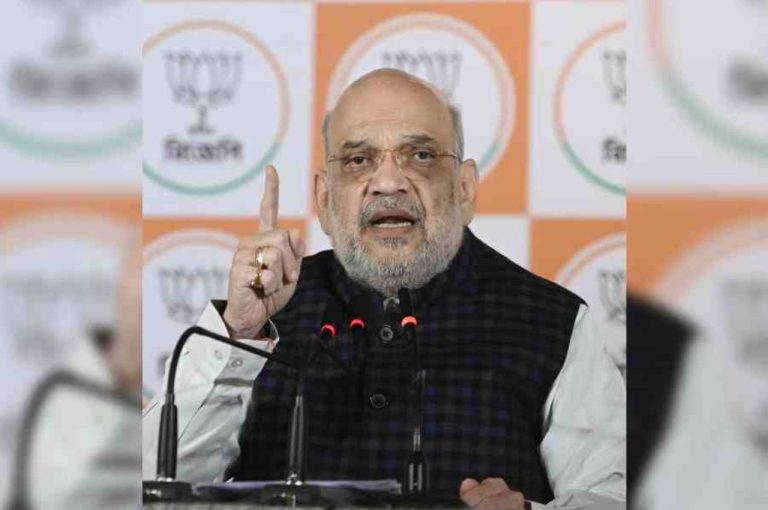
Amit Shah Bengal Strategy Meetings 2026 – Detailed Analysis of BJP’s Shift, Barrackpore and Siliguri Sessions, and Governance Lessons in Electoral Politics

The Amit Shah Bengal strategy meetings 2026 have become a focal point in India’s political discourse. Union Home Minister Amit Shah lined up crucial meetings with BJP leaders in Barrackpore and Siliguri, signaling a strategic shift in the party’s approach to West Bengal ahead of upcoming electoral battles. These sessions are seen as part of a recalibration of BJP’s tactics in a state where the Trinamool Congress (TMC) remains dominant but where the BJP has made significant inroads in recent years.

This incident underscores the intersection of electoral strategy, governance accountability, and political rivalry, where leadership meetings can reshape narratives and influence grassroots mobilization.


2. Amit Shah Bengal Strategy Meetings 2026: The Meetings

  • Leader: Amit Shah, Union Home Minister and senior BJP strategist.
  • Locations: Barrackpore (South Bengal) and Siliguri (North Bengal).
  • Objective: Strengthen party organization, review strategy, and energize cadres.
  • Significance: Reflects BJP’s attempt to balance regional dynamics and consolidate support.

3. Why This Case Matters

  • Electoral stakes: West Bengal is a key battleground state.
  • Governance accountability: Citizens expect clarity on party agendas.
  • Political rivalry: BJP vs. TMC contest defines Bengal’s political landscape.
  • Public trust: Leadership meetings influence confidence in party direction.

4. Political and Social Reactions

  • BJP cadres: Welcomed Shah’s presence, viewed it as morale‑boosting.
  • TMC leaders: Dismissed meetings as routine, accused BJP of theatrics.
  • Civil society: Expressed concern about rising polarization.
  • Observers: Noted potential for meetings to reshape narratives on BJP’s Bengal strategy.

5. Governance Challenges

The meetings reflect systemic governance issues:

  • Organizational gaps: BJP must strengthen grassroots networks.
  • Regional diversity: Strategy must adapt to North vs. South Bengal dynamics.
  • Administrative accountability: Citizens demand clarity on governance promises.
  • Judicial oversight: Courts may intervene if electoral laws are violated.

6. Community Concerns

  • Families: Seek stability amid political contestation.
  • Youth: Demand jobs and development beyond political rhetoric.
  • Civil society groups: Call for participatory governance in electoral reforms.
  • Opposition voices: Warn of marginalisation if grievances are ignored.

7. Government External Links for Assistance


8. Historical Context of BJP in Bengal

  • 2014–2019: BJP rose from marginal presence to major opposition force.
  • 2021 Assembly elections: BJP made gains but failed to unseat TMC.
  • Post‑2021: BJP focused on organizational strengthening.
  • 2026: Shah’s meetings reflect continuity of efforts to recalibrate strategy.

9. Global Comparisons

Similar leadership strategy sessions worldwide:

  • USA: Party leaders hold regional caucus meetings to energize bases.
  • UK: Labour and Conservative parties recalibrate strategies through regional conferences.
  • Africa: Leadership tours often used to consolidate grassroots support.

India’s case mirrors these global practices where party strategy collides with governance, community welfare, and electoral accountability.


10. Governance Lessons

The Bengal meetings teach:

  • Transparency in party agendas builds credibility.
  • Community engagement ensures legitimacy of reforms.
  • Balanced vigilance strengthens governance legitimacy.
  • Judicial oversight protects fairness in electoral governance.

11. Future Outlook – Electoral Governance in Bengal

India must move towards:

  • Digitised monitoring systems for party promises.
  • Public dashboards showing progress of electoral commitments.
  • Independent audits of campaign financing.
  • Educational campaigns linking electoral participation with civic responsibility.

✅ Conclusion

The Amit Shah Bengal strategy meetings 2026 are more than routine political sessions—they are a test of India’s democratic resilience and governance credibility. As Amit Shah meets BJP leaders in Barrackpore and Siliguri, ordinary citizens await clarity on whether these measures will deliver transparency, fairness, and respect for democratic dignity. For Bengal, the lesson is clear: democracy thrives when governance delivers inclusivity and accountability in electoral politics.

Also read: Home | Channel 6 Network – Latest News, Breaking Updates: Politics, Business, Tech & More

Tourism Summit 2026: Stark warning as India backpacks, but Moolah missing

Tourism Summit 2026: India backpacks, but Moolah missing as inbound travel struggles to keep pace

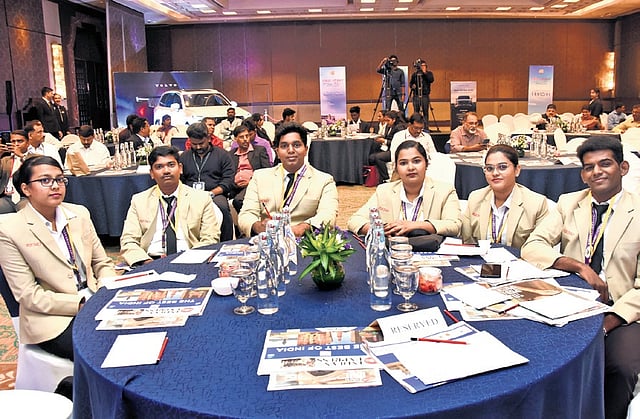
Tourism Summit 2026: India backpacks, but Moolah missing reflects a growing concern within India’s fast-expanding travel sector, where strong domestic movement and rising overseas travel by Indians are not being matched by foreign tourist arrivals. This imbalance, experts warned, could weaken tourism’s role as an economic growth driver if corrective steps are not taken soon.

The issue was highlighted during Tourism Summit 2026 held in Chennai, where policymakers and industry leaders discussed the future of India’s tourism economy. India’s tourism story today is one of movement, aspiration, and rising demand, but also one of missed opportunity on the global stage. While Indians are travelling more than ever before, both within the country and abroad, the number of international visitors entering India has not grown at the same pace.Summit

Officials pointed out that India’s tourism sector is at a turning point. Domestic travel has surged sharply, helped by better connectivity, rising incomes, and changing lifestyles. Travel is no longer seen as a luxury but as a regular part of life for millions. However, the financial returns from tourism are not reaching their full potential due to weak inbound international tourism.

Strong domestic growth hides a widening global gap

Tourism Summit 2026: India backpacks, but Moolah missing underlines a clear imbalance in travel flows. India receives around 20 million foreign tourists annually, generating valuable foreign exchange. At the same time, more than 30 million Indians travel overseas every year, spending more money abroad than what international tourists bring into the country. This has turned tourism into a net foreign exchange loss rather than a gain.

Experts explained that while outbound travel reflects rising prosperity, it also exposes gaps in India’s tourism competitiveness. Issues such as visa ease, destination promotion, tourist-friendly infrastructure, and consistent global branding need urgent attention. Without improvement in these areas, India risks falling behind other global destinations that actively attract and retain international visitors.

Despite its rich culture, history, nature, and spiritual centres, India remains underrepresented in global tourism numbers. Tourism currently contributes just over five percent to India’s GDP, far below the global average. This is seen as a major missed opportunity, especially when tourism has the ability to create large-scale employment and support local economies.Summit

Infrastructure growth offers hope. India’s aviation sector is expanding rapidly, with airline capacity expected to more than double in the coming years. Improved airports, highways, and railway networks are making travel easier within the country. However, speakers stressed that infrastructure alone cannot solve the inbound gap unless paired with focused international outreach and policy reforms.

Diversity is strength, but needs direction

Tourism Summit 2026: India backpacks, but Moolah missing also highlights a unique challenge. India’s vast diversity makes it difficult to present the country as a single tourism product. Unlike smaller nations with uniform experiences, India offers many different journeys, cultures, and landscapes. While this diversity is a strength, it also demands careful planning and storytelling.

Industry leaders stressed the importance of presenting India in a way that helps foreign tourists understand and choose experiences easily. Regional tourism circuits, heritage-focused stays, and community-driven travel were discussed as ways to make destinations more welcoming and meaningful. Summit

Temple towns, heritage hotels, adventure tourism, and cultural travel were identified as areas with strong global appeal. By blending comfort with local history and tradition, India can offer experiences that stand apart from mass tourism destinations. Participants also noted that sustainability must be kept at the centre, as rising tourist numbers put pressure on local resources.

Ease of doing business in tourism was another key theme. Simplifying approvals, encouraging private investment, and supporting small tourism entrepreneurs were seen as necessary steps to strengthen the sector. Speakers reminded that tourism has few dead ends and can recover quickly if supported with the right policies. Also Read: Chennai metro rail worksite accident highlights safety gaps for migrant workers

Conclusion

Tourism Summit 2026: India backpacks, but Moolah missing serves as a timely reminder that movement alone does not guarantee economic gain. While Indians are travelling more than ever, the true potential of tourism lies in attracting the world to India. Bridging the gap between outbound and inbound travel will decide whether tourism becomes a lasting growth engine or a missed opportunity for the Indian economy.

Four devotees among five killed in two separate road accidents in Perambalur 2026

Four devotees among five killed in two separate road accidents in Perambalur sends shock across Tamil Nadu

Four devotees among five killed in two separate road accidents in Perambalur early Saturday morning has left families shattered and raised serious concerns about road safety during early-hour travel. The tragic incidents occurred at different locations in Perambalur district, claiming the lives of five people, including four devotees who were on a pilgrimage walk to the famous Samayapuram temple.

The first accident took place in the early hours near Siruvachur, when a group of devotees from Cuddalore and Salem districts were walking along the road as part of their temple visit. Pilgrims often begin such journeys before sunrise, believing it to be an auspicious time. However, the calm of the early morning turned into a scene of horror within moments.Four

As the group neared a bridge at Siruvachur, a car travelling from Chennai towards Tiruchy allegedly lost control and hit the devotees from behind. The impact was severe, leaving several people thrown onto the road. Three devotees died on the spot due to the force of the collision, while others suffered serious injuries.

Local residents who heard the noise rushed to help before the police arrived. Emergency services were informed immediately, and the injured were taken to the Perambalur Government Hospital for treatment. Despite medical efforts, one more devotee later died due to injuries, bringing the death toll in this incident to four.

Pilgrimage turns tragic on quiet highway

Four devotees among five killed in two separate road accidents in Perambalur has deeply affected the pilgrim community, especially in Cuddalore and Salem districts, where the victims were from. Walking pilgrimages are common in Tamil Nadu, with devotees travelling long distances as an act of faith. Many such journeys take place along highways due to limited alternative routes.

Police officials stated that the devotees were walking carefully along the side of the road when the car struck them unexpectedly. The driver of the car was arrested, and a case has been registered. Authorities are investigating whether overspeeding or driver fatigue played a role in the accident.Four

Hospital officials confirmed that the injured devotees are undergoing treatment and are being closely monitored. Their condition is reported to be stable. The bodies of the deceased were sent for post-mortem examination, and arrangements are being made to hand them over to their families.

Relatives who reached the hospital were seen in deep distress, struggling to accept the sudden loss. Many described the incident as unimaginable, saying the journey was meant to be one of devotion and prayer, not tragedy.

Second accident adds to the loss

Four devotees among five killed in two separate road accidents in Perambalur also includes another fatal incident that occurred later that night near Mangalamedu. In this separate accident, a young man travelling on a two-wheeler lost his life after colliding with a lorry on the Chennai–Tiruchy National Highway.

The victim was returning home when the accident occurred. Due to the poor visibility and heavy vehicle movement on the highway, the two-wheeler reportedly crashed into the lorry moving ahead. The impact proved fatal, and the rider died at the spot.

Police reached the location soon after receiving information and shifted the body to the government hospital for further procedures. A case has been registered, and investigations are under way to determine the exact cause of the accident.

These two incidents, though unrelated, occurred within hours of each other, making it one of the darkest days for the district in recent times. Local authorities have once again urged drivers to remain alert, especially during night and early-morning hours, when visibility is low and fatigue can set in. Also Read: Five, Including Four Ayyappa Devotees From Andhra Pradesh, Killed in Road Accident

Conclusion

Four devotees among five killed in two separate road accidents in Perambalur is a painful reminder of how fragile life can be on the roads. As families mourn their loved ones, the incidents underline the urgent need for safer travel practices, better road awareness, and caution from both drivers and pedestrians to prevent such heartbreaking losses in the future.

BJP leader H Raja hospitalised, condition stable after sudden collapse during TV debate 2026

Senior Tamil Nadu BJP leader under medical observation as party leaders and supporters express relief

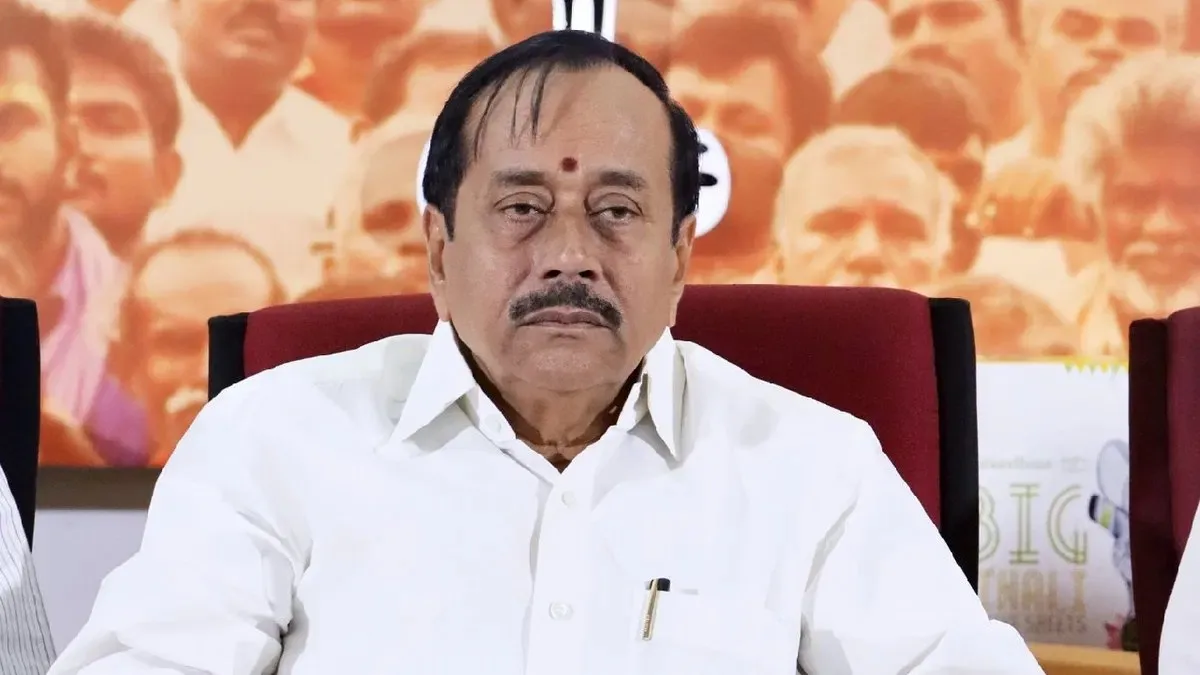
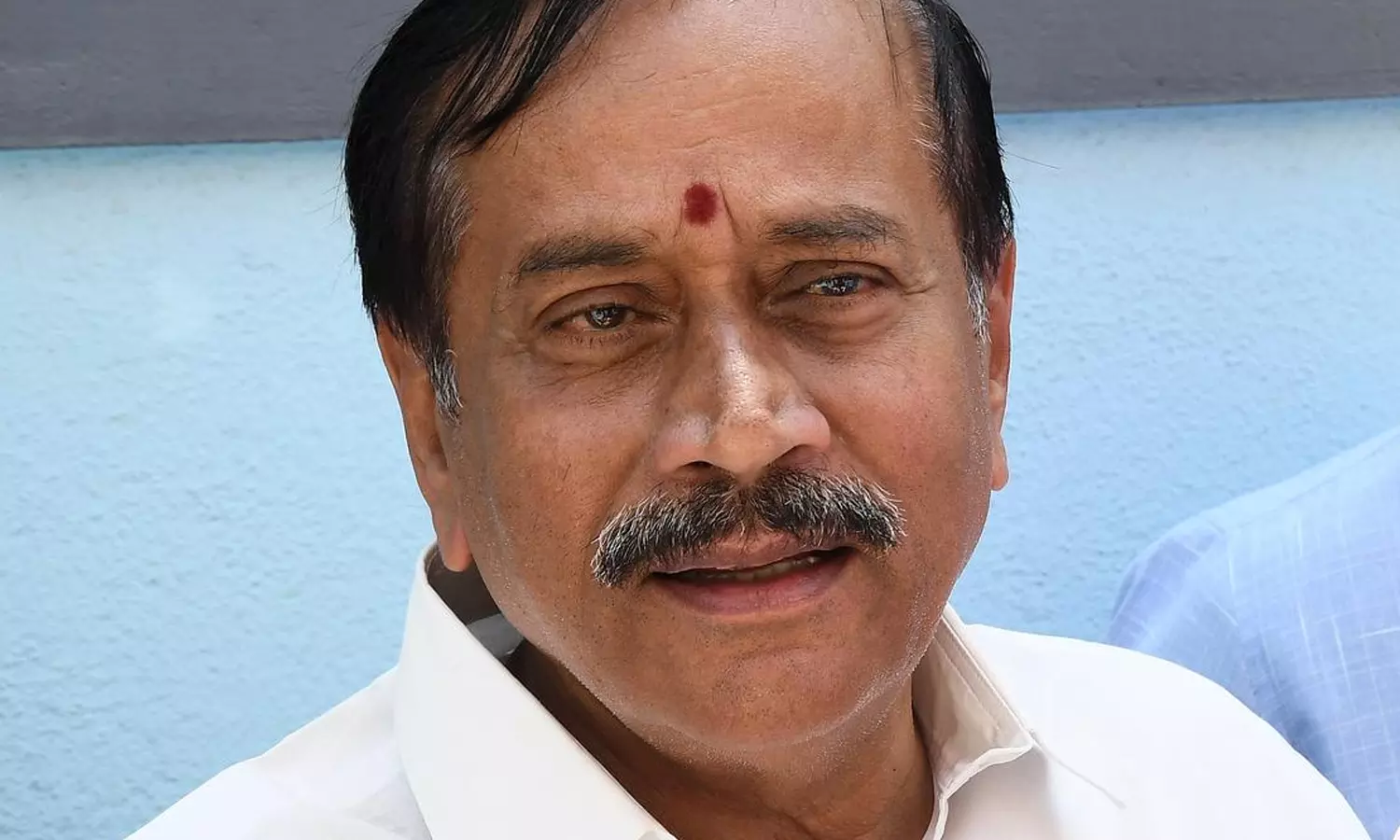
BJP leader H Raja hospitalised, condition stable after he collapsed suddenly while participating in a televised discussion on an English news channel on January 30. The unexpected health incident created concern among viewers, political circles, and party workers across Tamil Nadu. He was immediately taken to a nearby hospital and later shifted to a private hospital on Greams Road in Chennai for advanced treatment.

According to sources close to the leader, H Raja’s health condition is currently stable, and doctors have advised him to remain under medical care for a few more days. He is being closely monitored by a specialised medical team, and there is no immediate cause for alarm.BJP

H Raja, who is the Convenor of the Tamil Nadu BJP coordination committee, was actively participating in a live political debate when he suddenly collapsed on air. The programme was halted immediately, and emergency medical assistance was arranged without delay. The quick response by the channel staff and medical teams helped ensure he received timely care.

After initial treatment, Raja was referred to a well-known hospital in Chennai for further evaluation. Hospital sources confirmed that he was admitted to the Intensive Care Unit as a precautionary measure. Doctors stated that his vital signs are stable and that he is responding well to treatment.

Medical care and condition update bring relief

BJP leader H Raja hospitalised, condition stable has become a key point of reassurance for his supporters and party colleagues. A post shared on his official social media account informed the public that he would continue treatment for a few days and is expected to make a full recovery. The message also conveyed gratitude for the prayers and concern shown by people from different walks of life.

Doctors treating Raja have placed him under close observation by a neurology team to rule out any complications. Medical experts believe that continuous monitoring is necessary to ensure a smooth recovery. While no detailed medical bulletin has been released, hospital sources have maintained that his condition is not critical.

Senior BJP leaders in Tamil Nadu and at the national level have been enquiring about Raja’s health. Several party members visited the hospital to check on his condition and to offer support to his family. Supporters have also gathered outside the hospital, expressing hope for his speedy recovery.

The incident has once again highlighted the intense physical and mental pressure faced by political leaders, especially during live debates and public engagements. Political discussions on television often involve long hours and high stress, which can sometimes take a toll on health.BJP

Political significance and public response

BJP leader H Raja hospitalised, condition stable has drawn wide attention due to his active role in Tamil Nadu politics. Known for his strong views and frequent media appearances, Raja has been a prominent face of the BJP in the state. His sudden collapse has led to messages of concern not only from party supporters but also from leaders across political lines.

Public reactions on social media have largely focused on wishing him well and hoping for his early return to public life. Many viewers who witnessed the incident live described it as shocking and unexpected. Health experts have also used the moment to remind people about the importance of regular medical check-ups and stress management.

Despite the health scare, sources close to Raja said he remains mentally alert and is in good spirits. However, doctors have advised complete rest and have asked him to avoid any public or political activities until he fully recovers. Also Read: BJP leader H Raja hospitalised, condition stable

Conclusion

BJP leader H Raja hospitalised, condition stable continues to be the latest update from hospital authorities and party sources. With his health improving and doctors keeping a close watch, there is growing optimism that he will recover fully in the coming days. Supporters and well-wishers remain hopeful as he continues his treatment under expert medical care.

International Olympic Academy Praises India’s Vision for Olympic Movement, Explores Collaboration on Sports Education: 2026

A delegation from the International Olympic Academy (IOA) has expressed strong appreciation for India’s strategy, planning and long-term vision to contribute meaningfully to the global Olympic movement. A two-member IOA delegation met senior officials of the Ministry of Youth Affairs and Sports in New Delhi to discuss collaborative programmes aimed at strengthening Olympic education and sports expertise in India.

IOA Impressed with India’s Sports Strategy

During the meeting at the headquarters of the Sports Authority of India, Makis Asimakopoulos, Director of the International Olympic Academy, said he was deeply impressed by “the plan, the strategy and the vision that the Sports Ministry has put in place to play a major role in the Olympic Movement.”

He noted that after reviewing various sports development programmes being implemented by the Government of India, the IOA is keen to extend its expertise to strengthen Olympic education in the country.


Focus on Olympism and Youth Education

Mr. Asimakopoulos said the IOA aims to support India by training stakeholders across the sports ecosystem in Olympic values and the philosophy of Olympism.
“We want to bring our expertise to train people in the sports ecosystem on the values of Olympism and the Olympic Games so that young people in India are trained to understand Olympic values,” he said.

Discussions on Structured Collaboration

The meeting was led by Hari Ranjan Rao, Secretary, Ministry of Sports, Government of India. Discussions focused on collaboration between the Sports Ministry, the Indian Olympic Association, and the National Olympic Academy of India, which has been recently revived.

The proposed collaboration aims to design specially curated sports education programmes for Indian:

  • Coaches

  • Sports science experts

  • Physical education teachers

  • Sports administrators

IOA’s Global Role in Olympic Education

Established in 1961 and located in ancient Olympia, Greece, the International Olympic Academy is the only institution in the world dedicated exclusively to Olympic education and studies. It works through a global network of National Olympic Academies, including one in India, which has now been revitalised.

India’s Global Sporting Ambitions Recognised

Alexandra Karaiskou, a member of the IOA delegation, said the discussions were highly productive. She noted that presentations by the Sports Secretary reflected India’s concrete steps towards hosting the Commonwealth Games and bidding for the 2036 Olympic Games.

She expressed satisfaction over the revival of the National Olympic Academy in India and said the IOA looks forward to close collaboration with the Sports Authority of India to promote Olympic values nationwide.

Creating Experts to Drive the Olympic Movement

Summing up the meeting, Shri Hari Ranjan Rao said that under the leadership of Prime Minister Narendra Modi, India’s sports ecosystem is expanding rapidly and now requires a strong pool of trained experts to take the Olympic movement forward.

He said the IOA could support India by:

  • Developing global-standard Olympic education curricula tailored for India

  • Extending skilling ecosystems at premier Indian institutions

  • Designing certified courses for sports administrators

  • Hosting masterclasses by international experts

  • Enabling joint research and digital collaborations

Future Roadmap and Global Engagement

It was also proposed that India may host a Conclave of Global National Olympic Academies, positioning the country as a hub for Olympic education dialogue. Discussions are also underway to collaborate with the Hellenic Olympic Committee for structured legacy knowledge exchange in Olympic education.

Conclusion

The interaction marks a significant step in integrating global Olympic expertise with India’s fast-evolving sports ecosystem. With strategic collaboration, institutional revival and international partnerships, India is positioning itself not only as a competitive sporting nation but also as a thought leader in Olympic education and values-based sports development.

For more real-time updates, visit Channel 6 Network.

Source: PIB

Ministry of Tribal Affairs Hosts Reception for Tribal Guests Invited to Republic Day Celebrations 2026

The Ministry of Tribal Affairs hosted a special reception in New Delhi to honour 90 distinguished tribal guests from across India who were invited to participate in the Republic Day Celebrations (RDC) 2026. Hosted by Jual Oram, Union Minister of Tribal Affairs, along with Durgadas Uikey, Minister of State for Tribal Affairs, the event celebrated India’s tribal heritage, contributions, and the spirit of inclusive nation-building under the visionary leadership of Prime Minister Narendra Modi.

Tribal Guests as Ambassadors of Inclusive India

Welcoming the guests, Shri Jual Oram said that the invited tribal representatives carry forward the spirit of today’s India, returning to their communities as ambassadors of awareness, progress, and inclusive nation-building. He emphasised that the initiative reflects the Government’s commitment to ensuring meaningful national participation and recognising the pivotal role of tribal communities in India’s development journey.

Minister of State Shri Durgadas Uikey highlighted the deep ecological wisdom of tribal societies, stating that for tribal communities, “the forest is family and the river a lifeline”, underscoring a sustainable bond with nature that defines resilience and environmental stewardship.


Week-Long Immersive Programme in the National Capital

The honoured guests participated in a thoughtfully curated week-long programme in New Delhi, designed to familiarise them with India’s democratic institutions, history, and cultural legacy. Upon arrival at Vishwa Yuvak Kendra, the guests attended a welcome interaction with senior officials of the Ministry.

The itinerary included:

  • A visit to Parliament House, offering insights into the functioning of the world’s largest democracy

  • Exploration of the Pradhanmantri Sangrahalaya, chronicling India’s leadership journey

  • Experiences such as the Museum Metro Train and metro ride, highlighting modern infrastructure

Participation in Republic Day Events

During the Republic Day celebrations, the tribal guests witnessed the grand Republic Day Parade, paid homage at the National War Memorial, attended the President’s At Home function, and participated in the Prime Minister’s NCC Rally. The programme also featured visits to the National Zoological Park and attendance at the Beating the Retreat ceremony, making their stay both enriching and memorable.

Cultural Performances Showcasing India’s Diversity

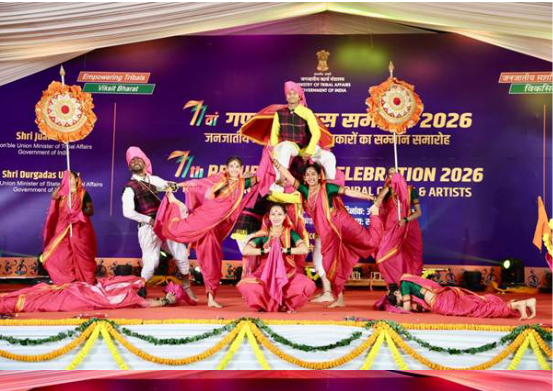
The reception featured a vibrant cultural programme with performances by tableau artists from five states, reflecting the extraordinary diversity of India’s traditional art forms:

  • Maharashtra presented the Sasan Kathi folk dance linked to the sacred Jyotiba temple festival of Kolhapur

  • Uttar Pradesh staged the dance drama Raktbeej, depicting Goddess Kali’s triumph over evil

  • Tamil Nadu showcased an all-women ensemble blending Bharatanatyam with Silambam, the ancient Tamil martial art

  • Gujarat performed the energetic Dakla folk dance rooted in Garba traditions

  • Odisha captivated the audience with an Odissi-based presentation of Dashavatara, culminating in a stirring rendition of Vande Mataram

Certificates were distributed to participating artists and guests in recognition of their contribution to the celebrations.

Strengthening Tribal Pride and Cultural Exchange

The initiative reaffirmed the Government of India’s commitment to promoting tribal pride, cultural exchange, and inclusive participation in national events. By bringing together representatives from diverse regions, the Ministry reinforced the vision of unity in diversity and strengthened the role of tribal communities in India’s nation-building narrative.

Conclusion: Ministry of Tribal Affairs

The reception concluded on a note of cultural harmony and shared national pride, leaving the tribal guests with lasting memories of their participation in Republic Day Celebrations 2026. The event stood as a powerful reminder of India’s inclusive ethos—where tradition, diversity, and progress move forward together.

For more real-time updates, visit Channel 6 Network.

Source: PIB

Punjab’s Musical Heritage Comes Alive at Bharat Parv 2026 with Punjabi Folk Orchestra and Qalandri Dhamal

Punjab’s rich musical and spiritual traditions will take centre stage at Bharat Parv 2026, as captivating performances by the Punjabi Folk Orchestra and Qalandri Dhamal enthral audiences at the historic Red Fort, New Delhi, on 31 January 2026. The event promises an immersive cultural experience, celebrating Punjab’s vibrant folk heritage and its deep-rooted spiritual ethos.

Punjabi Folk Orchestra: Tradition in Orchestral Harmony

The Punjabi Folk Orchestra is a unique musical ensemble that brings together a wide range of traditional Punjabi folk instruments into a single, structured orchestral presentation. Instruments such as dhol, dholki, taal-koze, tansari, flute, nagara, chimta, sap, kara, vanjli, and others are woven into a harmonious performance that balances rhythm, melody, and percussion.

Traditional Punjabi folk tunes have been carefully composed and arranged to retain their authentic folk essence, while presenting them in a collective orchestral format. This innovative approach not only preserves heritage but also reimagines folk music for contemporary audiences.


Nurturing Young Talent and Folk Traditions

The orchestra is performed by a group of twelve students, each assigned a specific instrumental role. Their performance reflects teamwork, discipline, and a deep understanding of Punjabi folk traditions. The initiative plays a vital role in:

  • Preserving traditional Punjabi music

  • Providing students with hands-on experience in ensemble performance

  • Promoting folk orchestration techniques among the younger generation

Qalandri Dhamal: A Celebration of Spiritual Devotion

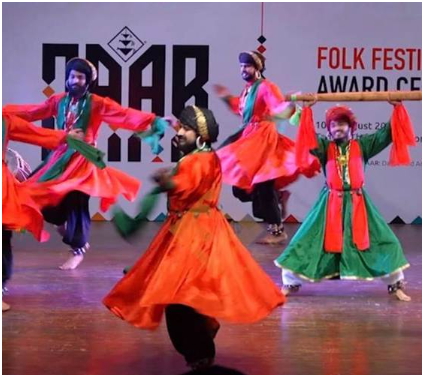
Adding a powerful spiritual dimension to the programme is Qalandri Dhamal, a traditional Sufi folk dance rooted in the cultural landscapes of Punjab and Sindh. The dance expresses love, devotion, and surrender to the divine, and is most closely associated with the shrine of Lal Shahbaz Qalandar in Sehwan Sharif.

The performance is accompanied by intense, soul-stirring music created using instruments such as dhol, ghadyal, sorna, shankh, and tumba, along with rhythmic clapping and devotional chants like “Damadam Mast Qalandar.”

Music, Movement and Mysticism

Qalandri Dhamal is marked by free-flowing, expressive movements, with dancers spinning, stomping, and swaying in sync with the pulsating beats. Many performers dance barefoot, adorned with ghungroos, symbolising humility, spiritual surrender, and detachment from material constraints.

The dance embodies values of spiritual freedom, unity, love, and devotion, transcending boundaries of caste, religion, and social status. Through music and motion, it conveys a timeless message of peace and communal harmony.

Conclusion: Bharat Parv 2026

Together, the Punjabi Folk Orchestra and Qalandri Dhamal performances at Bharat Parv 2026 promise a vivid celebration of Punjab’s musical brilliance and spiritual depth. Blending youthful energy, traditional instruments, and Sufi mysticism, the event offers audiences a rare opportunity to experience the living cultural heritage of Punjab in all its rhythm, devotion, and vibrancy.

For more real-time updates, visit Channel 6 Network.

Source: PIB