Tuesday, December 23, 2025
Home Blog Page 46

December 11, 2025 (midday): Nifty 50 Gains 88 Points by Midday; Neogen, RICO Auto Lead Gainers as KSR, Arkade Drag

New Delhi, December 11, 2025:
Indian equity markets extended morning gains into the afternoon session, with the Nifty 50 rising 88.60 points (0.34%) to 25,846.60 by 1:12 PM IST. Broader indices also traded higher, led by strong performances in financials, banks, and select mid-cap stocks.

Also Read: December 11, 2025 (opening): Nifty 50 Opens Firm, Gains 40 Points; GTEC Jainx, GoldTech Lead Top Gainers as Hubtown Declines


Indices Maintain Upward Momentum; Bank Nifty Rises 260 Points

The Nifty 50 opened at 25,771.40, hit an intraday high of 25,919.20, and touched a low of 25,693.25, reflecting sustained buying interest through the session.

Key indices showed broad strength:

  • Nifty Next 50: 67,853.15 (+0.42%)

  • December 11Nifty Financial Services: 27,523.70 (+0.44%)

  • Nifty Bank: 59,221.20 (+0.44%)

The rally in index heavyweights contributed to solid intraday sentiment.


Top Gainers: Neogen Jumps Over 15%; RICO Auto, GoldTech, WelInv Shine

Small- and mid-cap stocks witnessed strong upward moves by midday.

GTECJAINX remained the top percentage gainer, rising 19.98% to ₹28.10.

Neogen surged 15.18% to ₹1,137.30, supported by heavy traded value of ₹531.92 crore, indicating strong institutional interest.

Other major gainers included:

Screenshot 2025 12 11 131258

Stock LTP (₹) Change (₹) % Change Volume (Lakhs) Value (₹ Cr)
RICOAUTO 113.70 +12.71 12.59% 302.03 338.43
GOLDTECH 52.57 +5.83 12.47% 7.80 4.12
WELINV 1,440.60 +150.70 11.68% 0.31 4.45

RICO Auto’s massive volume of 302 lakh shares stood out as one of the most active trades of the session.


Top Losers: KSR Drops 11%, Arkade Declines 10.7%

Selling pressure continued in select mid-cap and small-cap names.

KSR led the losers, falling 11.62% to ₹18.56, reflecting sharp bearish sentiment.

Arkade followed with a 10.73% decline to ₹140.53, accompanied by strong volumes of 76.26 lakh shares, signaling heavy offloading.

Other significant losers included:

Screenshot 2025 12 11 131307

Stock LTP (₹) Change (₹) % Change Volume (Lakhs) Value (₹ Cr)
HUBTOWN 227.85 -23.85 -9.48% 64.30 149.51
ADVENTHTL 220.67 -17.87 -7.49% 6.05 13.53
SHEKHAWATI 20.21 -1.32 -6.13% 0.40 0.08

Hubtown’s continued decline shows sustained selling pressure over multiple sessions.


Conclusion: December 11, 2025

Markets remained firmly in positive territory by early afternoon, supported by strong gains in financials and robust activity in select mid-cap stocks like Neogen and RICO Auto. Despite this, weakness in stocks such as KSR, Arkade, and Hubtown kept market breadth mixed. Investors will track global cues and institutional flows as the trading day progresses.


December 11, 2025 (opening): Nifty 50 Opens Firm, Gains 40 Points; GTEC Jainx, GoldTech Lead Top Gainers as Hubtown Declines

New Delhi, December 11, 2025:
Indian equity benchmarks opened on a positive note on Thursday, with the Nifty 50 rising 40.20 points (0.16%) to 25,798.20 by 10:59 AM IST. Broader indices also traded higher, supported by gains in financial, banking, and mid-cap segments, as overall market sentiment improved.

Also Read: December 10, 2025: Nifty 50 Closes Lower by 81 Points Amid Broad Sell-Off; Rajsree Sugars, Focus Shine as Hubtown, Kaynes Slide


Indices Trade Higher Led by Banking and Financial Stocks

The Nifty 50 recorded an opening level of 25,771.40, touched a high of 25,844.50, and registered a low of 25,693.25, indicating a stable upward bias through the early session.

Key index movements included:

  • Nifty Next 50: 67,752.45 (+0.27%)
  • December 11Nifty Financial Services: 27,514.90 (+0.40%)

  • Nifty Bank: 59,156.35 (+0.33%)

The positive trend across index heavyweights contributed to an encouraging start for the markets.


Top Gainers: GTEC Jainx Surges Nearly 20%

Small-cap and mid-cap counters outperformed significantly in the morning session.
GTECJAINX emerged as the top gainer, climbing 19.98% to ₹28.10, supported by active volume.

Other notable gainers included:

Screenshot 2025 12 11 105935

Stock LTP (₹) Change (₹) % Change Volume (Lakhs) Value (₹ Cr)
GOLDTECH 53.45 +6.71 14.36% 2.54 1.34
NEOGEN 1,105.00 +117.60 11.91% 19.08 204.72
DOLPHIN 377.20 +39.15 11.58% 0.70 2.63
WELINV 1,439.00 +149.10 11.56% 0.24 3.42

The rally in these stocks highlights heavy retail participation and trading enthusiasm in high-beta small-cap counters.


Top Losers: Hubtown Extends Decline, Drops Nearly 9%

On the downside, Hubtown continued to face selling pressure, falling 8.92% to ₹229.25 with strong volumes of 49.68 lakh shares, indicating sustained bearish sentiment around the stock.

Other major losers included:

Screenshot 2025 12 11 105946

Stock LTP (₹) Change (₹) % Change Volume (Lakhs) Value (₹ Cr)
ADVENTHTL 221.21 -17.33 -7.27% 4.73 10.60
KSR 19.70 -1.30 -6.19% 1.01 0.20
ARKADE 149.48 -7.95 -5.05% 42.39 64.85
MASKINVEST 166.25 -8.75 -5.00% 0.00 0.00

The declines reflect profit booking and stock-specific weakness in some mid-cap names following recent volatility.


Conclusion: December 11, 2025

The Indian markets began Thursday’s session on a positive note, supported by gains in financial and banking stocks and strong performances from select mid-cap and small-cap counters. While market breadth was largely positive, significant declines in a few mid-cap names, including Hubtown and Advent Health, provided some resistance to broader gains. Traders will be watching intraday cues and global trends closely as the session progresses.


India-Russia Defence Cooperation: Tepid Response to Su-57 & Drone Offers

New Delhi – Russia’s latest attempts to expand India-Russia defence cooperation have met with a surprisingly lukewarm response from New Delhi, marking a significant shift in bilateral military relations. Moscow’s proposals for advanced equipment including the Su-57 fifth-generation stealth fighter, long-range drones, and submarines have failed to generate expected enthusiasm from Indian officials.

Russian Proposals Meet Limited Interest

In the run-up to President Vladimir Putin’s recent visit to India, Moscow made repeated outreach efforts promoting various defence platforms. The proposals for India-Russia defence cooperation included the Geran series of kamikaze drones, submarines, and advanced aircraft systems.

However, a senior official revealed that India did not show significant interest in the equipment offered through these India-Russia defence cooperation channels. “The Russians were expecting major movement on the sidelines of the visit and are still pursuing the proposals. We are very much focusing on development of indigenous products,” the official stated.

This restrained response represents a notable departure from India’s historical pattern of arms procurement and signals changing priorities in India-Russia defence cooperation dynamics.

Putin Visit Yields Limited Defence Breakthroughs

Despite high expectations surrounding President Putin’s visit, much-watched defence announcements in India-Russia defence cooperation did not materialize. While 19 agreements aimed at boosting bilateral trade were signed, there was no breakthrough on collaboration involving the Su-57 or Russia’s S-500 air defence system.

The absence of major defence deals during this high-profile visit underscores the evolving nature of India-Russia defence cooperation. The focus appears to be shifting from large platform acquisitions to more strategic, technology-focused partnerships that align with India’s self-reliance goals.

Indigenous Defence Manufacturing Takes Priority

The restrained response to Russian proposals comes at a time when India is driving an aggressive push towards self-reliance in defence manufacturing. This strategic shift is reshaping traditional patterns of India-Russia defence cooperation, with New Delhi prioritizing domestic capabilities over foreign acquisitions.

Defence Minister Rajnath Singh, while dedicating 125 newly completed Border Roads Organisation projects to the nation in Leh on December 7, underscored the transformation in domestic defence capacity. His remarks highlighted how India’s evolving capabilities are influencing decisions about India-Russia defence cooperation.

Record Defence Production Achievements

Singh emphasized that India, once heavily dependent on arms imports, now boasts a record defence production value of ₹1.51 lakh crore, up from ₹46,000 crore in 2014. This dramatic increase reflects India’s growing self-sufficiency and explains the measured approach to new India-Russia defence cooperation proposals.

Defence exports have surged from under ₹1,000 crore to nearly ₹24,000 crore in a decade, representing what Singh described as a paradigm shift in India’s defence industrial base. These achievements provide context for India’s selective approach to India-Russia defence cooperation opportunities.

Geran Drones Proposal Lacks Appeal

The Geran drones—Russia’s indigenized variant of Iran’s Shahed-136 kamikaze drone—have played a major role in Moscow’s low-cost attrition strategy in Ukraine, enabling mass salvo attacks. Despite their battlefield effectiveness, Indian manufacturers and services have not shown interest in acquiring them through India-Russia defence cooperation channels.

This lack of interest in proven combat systems highlights India’s confidence in developing indigenous alternatives rather than importing foreign solutions, even from traditional partners in India-Russia defence cooperation frameworks.

Su-57 and S-500 Collaboration Stalls

Two of the most significant proposals in recent India-Russia defence cooperation discussions—collaboration on the Su-57 fifth-generation fighter and the S-500 air defence system—have failed to progress. These platforms represent cutting-edge Russian military technology, yet India has remained uncommitted.

The Su-57, Russia’s answer to fifth-generation stealth fighters, was once expected to be a cornerstone of future India-Russia defence cooperation. However, India’s own Advanced Medium Combat Aircraft (AMCA) program and other indigenous initiatives appear to have reduced the urgency for such acquisitions.

Working Group Meeting in Moscow

On October 29, the 23rd Working Group Meeting of the India-Russia Inter-Governmental Commission on Military Technical Cooperation was held in Moscow. Co-chaired by Sanjeev Kumar, Secretary (Defence Production), and Andrey A. Boytsov, First Deputy Director of Russian Federal Service for Military-Technical Cooperation, the discussions spanned tri-service cooperation and defence R&D.

This institutional framework for India-Russia defence cooperation continues to function, with the meeting concluding with the signing of a Protocol outlining fresh areas of collaboration and mutual growth. However, big-ticket defence deals remain elusive, reflecting India’s strategic recalibration.

Strategic Implications

The tepid response to Russian proposals signals a fundamental shift in India-Russia defence cooperation dynamics. While the relationship remains important, India is increasingly selective about acquisitions, preferring technology transfer and joint development over direct purchases.

This evolution in India-Russia defence cooperation reflects India’s maturing defence industrial base and growing confidence in indigenous capabilities. The focus is shifting from dependency to partnership, with India seeking relationships that support rather than substitute domestic manufacturing.

Balancing Traditional Ties with New Priorities

India faces the challenge of maintaining strong India-Russia defence cooperation while pursuing self-reliance goals. The careful navigation of this balance explains the measured response to Moscow’s proposals, as New Delhi seeks to preserve strategic relationships while advancing indigenous capabilities.

Future of Bilateral Defence Relations

As India-Russia defence cooperation evolves, the emphasis appears to be moving toward collaborative R&D, technology sharing, and niche capability development rather than large platform acquisitions. This approach allows India to leverage Russian expertise while building domestic capacity.

The current phase of India-Russia defence cooperation reflects India’s transformation from a major arms importer to an emerging defence exporter with growing indigenous capabilities, fundamentally altering the dynamics of this historically crucial bilateral relationship.

India-US Trade Talks: Critical Negotiations Begin to Resolve Tariff Disputes

New Delhi – Fresh rounds of India-US trade talks have commenced with the arrival of Deputy US Ambassador for Trade Rick Switzer in New Delhi on December 10. These high-level discussions represent a crucial step toward finalizing a bilateral trade agreement that could significantly transform economic relations between the world’s largest democracy and its most powerful ally.

Familiarization Visit Sets Stage

The India-US trade talks taking place on December 10 and 11 are characterized as primarily a familiarization trip by Ministry of External Affairs spokesperson Randhir Jaiswal, who confirmed the visit during a media briefing. This initial engagement allows both sides to establish rapport and lay groundwork for more substantive negotiations.

“Ambassador Rick Switzer will be meeting with senior officials in the Indian government to further discussions on trade,” Jaiswal announced. The India-US trade talks will involve discussions with key government officials who oversee India’s trade policy and economic relations with Washington.

Comprehensive Trade Agreement in Focus

Both countries have been actively negotiating a comprehensive trade agreement through these India-US trade talks that would cover multiple sectors. The ambitious goal is to increase bilateral trade significantly, building on the already substantial economic relationship between the two nations.

The India-US trade talks aim to create a framework that addresses concerns on both sides while expanding opportunities for businesses in both countries. Several rounds of negotiations have already taken place, demonstrating the commitment of both governments to reaching a mutually beneficial agreement.

Optimism for Fair and Balanced Deal

India and the United States have emphasized their commitment to concluding a fair and balanced trade deal through ongoing India-US trade talks. Commerce Secretary Sunil Agarwal expressed confidence at the FICCI Annual General Meeting on November 28, stating that both countries remain optimistic about reaching an agreement by year’s end.

“We are hopeful that we can finalize a solution within this calendar year,” Agarwal stated, reflecting the positive momentum behind the India-US trade talks. Both governments have stressed the importance of an agreement that benefits both sides equitably, ensuring long-term sustainability of the trade relationship.

Timeline Adjustments and Policy Changes

The timeline for completing the first phase of the India-US trade talks had to be adjusted due to recent changes in US trade policies. The implementation of tariffs on Indian goods created additional complexities that required careful negotiation and diplomatic finesse.

Despite these adjustments, officials involved in the India-US trade talks remain committed to finalizing the first tranche of the agreement within the next few months. The flexibility shown by both sides in adapting to changing circumstances demonstrates the strategic importance both nations place on their economic partnership.

Tariff Challenges and Tensions

The road to successful India-US trade talks has not been entirely smooth, with significant hurdles emerging from US tariff measures. Former President Donald Trump introduced tariffs that were first set at 25% in August 2021, followed by another 25% increase shortly thereafter.

These tariffs targeted Indian goods, citing issues including India’s ongoing purchase of Russian oil. This action was part of broader reciprocal tariff measures implemented in response to trade deficits with countries like India, creating challenges that the current India-US trade talks must address.

The tariff issue represents one of the most contentious topics in the India-US trade talks, requiring diplomatic skill and economic pragmatism from negotiators on both sides.

Maintaining Open Dialogue

Despite challenges, both countries have kept dialogue channels open throughout the India-US trade talks. Several rounds of negotiations have continued, demonstrating resilience in the bilateral relationship even during periods of trade tension.

India remains hopeful that these India-US trade talks will yield concrete results, with officials expressing confidence that the first tranche of the agreement will be finalized despite earlier delays. This persistence reflects the strategic importance both nations attach to their economic relationship.

Also Read: Trump Gold Card: Revolutionary $1M Visa Program Launched for Foreign Talent

Ambitious Trade Volume Targets

The proposed Bilateral Trade Agreement being discussed in the India-US trade talks aims to more than double current trade volume between the two countries. The goal is to increase bilateral trade from USD 191 billion to an ambitious USD 500 billion by 2030.

This dramatic expansion target underscores the enormous economic potential that the India-US trade talks seek to unlock. Achieving this goal would make the India-US economic relationship one of the most significant bilateral trade partnerships globally.

High-Level Political Commitment

The agreement being negotiated through the India-US trade talks was first discussed during Prime Minister Narendra Modi’s visit to Washington earlier this year. Both sides demonstrated eagerness to formalize the deal, with leaders from both countries publicly expressing support for strengthened economic ties.

This high-level political commitment provides crucial backing for the India-US trade talks, ensuring that negotiators have the mandate and support necessary to reach ambitious agreements.

India’s Broader Trade Strategy

The India-US trade talks are part of India’s larger strategy of pursuing trade agreements with multiple global partners. To date, India has signed 14 Free Trade Agreements and six Preferential Trade Agreements, demonstrating its commitment to economic integration.

India continues ongoing negotiations for FTAs with several other key international players, including the European Union. The India-US trade talks represent one of the most significant components of this broader trade liberalization strategy.

Strategic Importance

The current round of India-US trade talks carries strategic importance beyond immediate economic benefits. The discussions reflect both countries’ recognition that their economic interdependence serves broader geopolitical interests, including maintaining a rules-based international order and balancing global economic power.

As Deputy US Ambassador Rick Switzer engages with Indian officials, these India-US trade talks represent more than routine economic negotiations—they embody the deepening partnership between two major democracies navigating an increasingly complex global landscape.

IndiGo Flight Disruptions: Chairman Admits Errors, Promises Complete Investigation

New Delhi – IndiGo Chairman Vikram Singh Mehta has acknowledged that the airline erred following large-scale IndiGo flight disruptions over the past week. In a candid video message, Mehta admitted the events were a blemish on the airline’s previously pristine record and assured passengers that the Board would examine every aspect of the recent operational failures.

Chairman’s Unprecedented Admission

In a rare moment of corporate accountability, Mehta directly addressed the IndiGo flight disruptions that left thousands of passengers stranded across the country. “Last week’s events are a blemish on this airline’s pristine, clean record. Our company has erred. There is no denying this,” the chairman stated in a video posted to IndiGo’s official social media handle.

This frank admission regarding the IndiGo flight disruptions marks a significant moment for India’s largest airline, which has built its reputation on operational reliability and on-time performance. The chairman’s willingness to accept responsibility demonstrates the severity of the situation and the airline’s commitment to addressing passenger concerns.

Impact on Passengers

The IndiGo flight disruptions had far-reaching consequences for travelers across the network. Mehta acknowledged the human cost of the operational failures, stating, “Thousands of our passengers were left stranded. Many missed important family events, business commitments, medical appointments and international connections. Baggage was delayed or misdirected. I know how much distress this has caused.”

The chairman’s acknowledgment of passenger suffering during the IndiGo flight disruptions reflects the widespread impact of the cancellations. From missed business opportunities to delayed medical appointments, the disruptions affected passengers in multiple significant ways, damaging the airline’s carefully cultivated customer relationship.

Board-Level Investigation Announced

In response to the IndiGo flight disruptions, the airline’s Board has announced a comprehensive investigation into the root causes of the operational failures. Mehta revealed that the Board had decided to engage external technical experts who would work alongside the company’s management team.

These independent experts will help determine the fundamental causes of the IndiGo flight disruptions, which will then be followed by corrective action. This systematic approach to investigating the IndiGo flight disruptions signals the airline’s determination to prevent similar incidents in the future and restore passenger confidence.

The chairman explained that he had waited to make a public statement in order to support CEO Peter Elbers and his team in restoring operations and helping affected passengers, prioritizing immediate crisis management over public communications.

Also Read: IndiGo Flight Cancellations: Govt. Orders Shocking 10% Operations Cut

Current Operational Status

Providing an update on operations following the IndiGo flight disruptions, Mehta reported that the airline operated 1,900 flights on Wednesday, connecting all 138 destinations across its network. He confirmed that the airline’s on-time performance had returned to normal high levels.

This operational recovery represents a significant milestone in the airline’s efforts to move past the IndiGo flight disruptions. The restoration of full service across the entire network demonstrates the airline’s capacity to stabilize operations despite the challenges faced during the crisis period.

Rejecting Conspiracy Theories

Addressing speculation surrounding the IndiGo flight disruptions, Chairman Mehta categorically rejected claims that the airline had “engineered the crisis” or “tried to influence government rules.” He characterized these allegations as incorrect and misleading.

“IndiGo has followed the pilot fatigue rules as they came into effect. We operated under the new rules throughout, both in July and in November. We did not attempt to bypass them, nor did we do anything that negatively impacted our unblemished track record of safety,” Mehta clarified regarding the IndiGo flight disruptions.

Root Causes Identified

The chairman provided insight into the factors that contributed to the IndiGo flight disruptions, explaining that they resulted from “a combination of internal and unanticipated external events” rather than any deliberate action.

Specifically, the IndiGo flight disruptions were caused by “minor technical glitches, scheduled changes linked to the start of winter, adverse weather conditions, increased congestion in the aviation system, and implementation of an operation under the updated crew rostering rules,” according to Mehta.

However, he emphasized that these factors were “not an excuse” for the IndiGo flight disruptions, maintaining that the airline should have been better prepared to handle the confluence of challenges.

Emergency Response Measures

In response to the IndiGo flight disruptions, the airline convened an emergency Board meeting to address the situation comprehensively. A dedicated crisis management group was established to coordinate the recovery efforts and ensure systematic resolution of passenger issues.

This high-level response to the IndiGo flight disruptions demonstrates the seriousness with which the airline’s leadership treated the crisis. The establishment of specialized crisis management structures ensured coordinated action across all levels of the organization.

Acknowledgment of Employee Efforts

Despite the challenges posed by the IndiGo flight disruptions, Chairman Mehta took time to recognize the efforts of the airline’s workforce. He thanked IndiGo’s pilots, cabin crew, engineers, frontline staff, and all employees “for showing resilience and supporting each other through a very intense period.”

This recognition highlights that while the IndiGo flight disruptions represented a systemic failure, individual employees worked tirelessly to minimize passenger impact and restore normal operations.

Path Forward

The comprehensive investigation into the IndiGo flight disruptions represents the airline’s commitment to learning from the crisis. By engaging external experts and conducting a thorough root cause analysis, IndiGo aims to strengthen its operational resilience and prevent future disruptions.

As India’s largest carrier by market share, IndiGo’s response to these IndiGo flight disruptions will be closely watched by industry observers, regulators, and passengers alike. The airline’s ability to implement meaningful corrective actions will be crucial in restoring its reputation for operational excellence and rebuilding passenger trust in the wake of this unprecedented crisis.

Modi Netanyahu Call: Critical Discussion on Gaza Peace Plan and Strategic Partnership

New Delhi – Prime Minister Narendra Modi and Israeli Prime Minister Benjamin Netanyahu engaged in a significant telephonic conversation on Wednesday, during which both leaders reaffirmed India’s commitment to peace initiatives in the Middle East. The Modi Netanyahu call centered on the Gaza Peace Plan implementation and the continued strengthening of bilateral relations between the two nations.

Gaza Peace Plan Takes Center Stage

During the Modi Netanyahu call, both leaders emphasized India’s support for efforts towards achieving peace in the region and the implementation of the Gaza Peace Plan. This discussion marked a crucial diplomatic engagement as the Middle East continues to navigate complex security challenges and humanitarian concerns.

PM Modi specifically emphasized India’s support for initiatives aimed at achieving a just and lasting peace in the region, including the early implementation of the Gaza Peace Plan. The Indian leader’s commitment during the Modi Netanyahu call reflects New Delhi’s consistent position on seeking peaceful resolutions to regional conflicts through diplomatic channels.

The timing of the Modi Netanyahu call is particularly significant given the ongoing ceasefire in Gaza and the international community’s efforts to establish long-term peace in the region. Both leaders acknowledged the importance of sustained diplomatic efforts to ensure stability in West Asia.

Strengthening India-Israel Strategic Partnership

A major focus of the Modi Netanyahu call was the ongoing progress in the India-Israel Strategic Partnership. Both leaders welcomed the momentum in bilateral relations and expressed their commitment to further strengthening cooperation for mutual benefit.

“Both leaders expressed satisfaction at the continued momentum in India-Israel Strategic Partnership and reaffirmed their commitment to further strengthening these ties for mutual benefit,” according to an official statement from the Prime Minister’s Office. This aspect of the Modi Netanyahu call underscores the deepening relationship between the two democracies.

The India-Israel Strategic Partnership discussed during the Modi Netanyahu call encompasses multiple sectors including defense, agriculture, technology, and innovation. Both nations have consistently worked to expand their cooperation across various domains, making their partnership one of the most dynamic bilateral relationships in recent years.

Commitment to Meet Soon

A notable outcome of the Modi Netanyahu call was the agreement between both leaders to meet in person very soon. The Israeli Prime Minister’s office announced this development on social media platform X, highlighting the warm nature of their conversation.

“Prime Minister Benjamin Netanyahu spoke a short while ago with Indian Prime Minister Narendra Modi. At the end of the warm and friendly conversation, the two leaders agreed to meet very soon,” the Israel PMO stated following the Modi Netanyahu call.

This commitment to an in-person meeting demonstrates the priority both nations place on high-level diplomatic engagement and the desire to advance their strategic partnership through direct dialogue.

Strong Stance Against Terrorism

During the Modi Netanyahu call, both leaders strongly condemned terrorism and reiterated their zero-tolerance stance against terrorism in all its forms and manifestations. This shared position on counterterrorism remains a cornerstone of India-Israel relations.

The discussion on terrorism during the Modi Netanyahu call reflects the common security challenges both nations face and their collaborative approach to addressing extremist threats. This alignment on counterterrorism policy has been a consistent feature of diplomatic exchanges between the two countries.

Both leaders emphasized that terrorism, regardless of its source or justification, poses a fundamental threat to international peace and security. The Modi Netanyahu call reinforced their determination to work together in combating this global menace.

West Asia Developments Discussed

The Modi Netanyahu call also included an exchange of views on broader developments in West Asia. This regional focus demonstrates India’s growing engagement with Middle Eastern affairs and its role as a stakeholder in regional stability.

During the conversation, both leaders discussed the evolving geopolitical landscape in West Asia and the implications for regional security. The Modi Netanyahu call provided an opportunity to coordinate perspectives on various regional challenges and opportunities for peace-building.

Also Read; Microsoft India Investment: Big $17.5 Billion AI Transformation

India’s approach to West Asia, as articulated during the Modi Netanyahu call, emphasizes dialogue, diplomacy, and support for peaceful resolution of conflicts affecting the region.

Context of Postponed Visit

The Modi Netanyahu call comes against the backdrop of Netanyahu’s postponed visit to India. The Israeli Prime Minister’s trip, which had been under discussion since 2023, was derailed following the October 7 Hamas attacks that triggered the current conflict in Gaza.

Authorities from both India and Israel had been considering a December visit, particularly with a ceasefire now in place in Gaza. However, Netanyahu’s office has indicated that the visit will likely take place early next year, making the Modi Netanyahu call an important interim engagement.

Maintaining Close Contact

Both Prime Ministers agreed during the Modi Netanyahu call to maintain close contact to ensure continued collaboration and dialogue on key regional and bilateral issues. This commitment to regular communication reflects the mature and multifaceted nature of India-Israel relations.

The agreement to stay in close touch following the Modi Netanyahu call ensures that both nations can coordinate effectively on emerging challenges and opportunities in their bilateral relationship and the broader regional context.

Future Bilateral Cooperation

The Modi Netanyahu call laid the groundwork for expanded cooperation across multiple sectors. Both leaders acknowledged that their strategic partnership continues to deliver tangible benefits for their respective populations through joint initiatives in technology, security, agriculture, and innovation.

As both nations look toward their upcoming in-person meeting, the Modi Netanyahu call served as an important diplomatic touchpoint, reinforcing shared values, common interests, and mutual commitment to peace and prosperity in their regions and beyond.

Trump Gold Card: Revolutionary $1M Visa Program Launched for Foreign Talent

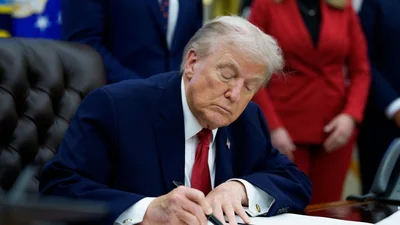
Washington D.C. – United States President Donald Trump on Wednesday introduced the Trump Gold Card, a groundbreaking visa program that enables foreign nationals to obtain permanent-resident status by contributing $1 million to the US Treasury. This innovative immigration pathway represents a significant shift in how America approaches skilled immigration and corporate talent retention.

Understanding the Trump Gold Card Program

The Trump Gold Card is being positioned as a premium alternative to traditional green cards, offering what the President describes as “big advantages over a green card.” This new visa category creates an expedited path to US residency for individuals willing to make substantial financial contributions to the American economy.

Announcing the launch, Trump emphasized the unique benefits of the Trump Gold Card system, stating it is “somewhat like a green card, but with big advantages over a green card.” The White House has made the application process accessible through an online platform, where prospective applicants can now submit their applications for this new citizenship pathway.

Financial Requirements and Processing Fees

The Trump Gold Card requires applicants to pay a nonrefundable $15,000 processing fee to the Department of Homeland Security. This initial fee initiates the application process and covers administrative costs associated with petition approval and visa adjudication.

According to the official website, once an applicant’s processing fee is received, the entire process for petition approval and visa adjudication will proceed on an expedited basis. This fast-tracking occurs assuming applicants submit any additional documents or fees in a timely manner, making the Trump Gold Card an attractive option for those seeking swift residency status.

The Million-Dollar Gift Requirement

Upon completion of the vetting process, applicants for the Trump Gold Card must donate a “$1 million gift” to the US Treasury. This substantial contribution serves as evidence that the individual will substantially benefit the United States, forming the cornerstone of the program’s economic rationale.

The website clarifies that an individual may also need to pay small, additional fees to the US Department of State depending on his or her circumstances. These supplementary costs vary based on individual applicant situations and specific requirements tied to their cases.

Corporate Sponsorship Opportunities

The Trump Gold Card program extends beyond individual applications to include a corporate sponsorship component. The Trump Corporate Gold Card allows companies to retain foreign talent by purchasing cards for their employees, addressing long-standing concerns about America’s ability to keep skilled workers.

President Trump explained the corporate dimension of the Trump Gold Card, stating, “Companies are going to be able to go to the Wharton School of Finance, Stern Business School, Harvard, MIT, wherever you may get your students, any school, and you’re able to buy a card and keep that person in the United States.”

Also Read: Microsoft India Investment: Big $17.5 Billion AI Transformation

Trump Corporate Gold Card Details

The Trump Corporate Gold Card will be issued to corporate sponsors for hiring one or more employees. Corporate sponsors must pay a $15,000 processing fee per employee, mirroring the individual application fee structure.

However, the corporate version of the Trump Gold Card requires a more substantial investment, with companies needing to provide a $2 million gift per employee after completion of the vetting process. This higher threshold reflects the additional value and flexibility offered through corporate sponsorship arrangements.

Unique Transfer Benefits

One of the most innovative features of the Trump Gold Card corporate program is its transfer flexibility. According to the website, corporate sponsors may cease sponsoring one employee and use the gift contribution tied to the prior application as a basis for sponsoring a new employee, without requiring a new $2 million gift.

This transferability feature makes the Trump Gold Card particularly attractive for companies dealing with employee turnover or strategic workforce changes. It allows businesses to maintain their investment while adapting to evolving talent needs.

Maintenance and Transfer Fees

The corporate Trump Gold Card is subject to ongoing financial obligations beyond the initial investment. A small 1% annual maintenance fee applies to all corporate card holders, ensuring continued administrative support and program oversight.

Additionally, a 5% transfer fee applies when companies transfer sponsorship from one employee to another. This transfer fee includes the cost of a new Department of Homeland Security background check, ensuring continued security vetting for all program participants.

Expedited Processing Advantage

The Trump Gold Card distinguishes itself through expedited processing timelines. Unlike traditional immigration pathways that can take years, this program promises accelerated petition approval and visa adjudication for those meeting the financial requirements.

This speed advantage makes the Trump Gold Card especially appealing to high-net-worth individuals and corporations seeking immediate solutions to immigration challenges. The expedited processing reflects the program’s premium positioning within America’s immigration framework.

Impact on Foreign Talent Retention

The Trump Gold Card addresses a critical challenge facing American companies: retaining talented foreign graduates and skilled workers. By allowing corporate sponsorship of foreign talent from prestigious institutions, the program aims to keep innovation and expertise within US borders.

This talent retention focus aligns with broader economic competitiveness goals, ensuring that America continues attracting and keeping the world’s best and brightest minds.

Application Process and Availability

The White House has launched the online application portal for the Trump Gold Card, making the program immediately accessible to interested parties. This digital-first approach streamlines the application process and reflects modern expectations for government services.

The Trump Gold Card represents a bold experiment in immigration policy, combining economic investment requirements with permanent residency benefits to create a new pathway for foreign nationals seeking American opportunity.

Amit Shah Lok Sabha Speech: PM Modi Hails Outstanding Electoral Debate Performance

New Delhi – Prime Minister Narendra Modi on Wednesday lauded Union Home Minister Amit Shah’s parliamentary address on the Special Intensive Revision of electoral rolls, describing the Amit Shah Lok Sabha speech as “outstanding” and fact-based. The Prime Minister’s endorsement came after Shah delivered a comprehensive 90-minute presentation defending the government’s electoral policies while challenging Opposition claims.

PM Modi’s Strong Endorsement

The Prime Minister took to social media platform X to express his appreciation for the Amit Shah Lok Sabha speech, emphasizing its substantive content and factual foundation. Modi stated that the address included “concrete facts” and effectively highlighted the diversity of India’s electoral process.

“An outstanding speech by Home Minister Shri Amit Shah Ji. With concrete facts, he has highlighted diverse aspects of our electoral process, the strength of our democracy and also exposed the lies of the Opposition,” PM Modi wrote while sharing the union home minister’s speech.

The Prime Minister’s praise for the Amit Shah Lok Sabha speech underscored the government’s confidence in its electoral reform policies and its determination to counter Opposition narratives on voter list manipulation. Modi specifically commended Shah for exposing what he termed the “lies of the Opposition” through a fact-based presentation.

Historical Allegations of Vote Manipulation

During the Amit Shah Lok Sabha speech, the Union Home Minister made bold historical allegations against the Nehru-Gandhi family, accusing three generations of what he termed “vote chori” or vote theft. This formed a significant portion of his 90-minute address to the Lower House.

Shah cited a post-Independence example involving Sardar Vallabhbhai Patel and Jawaharlal Nehru. The Home Minister stated that Patel had 28 proposers while Nehru had only two, “yet Nehru still became Prime Minister – this was vote chori.” This historical reference in the Amit Shah Lok Sabha speech aimed to establish a pattern of alleged electoral irregularities by the Congress party leadership.

Rahul Gandhi’s Challenge

The Amit Shah Lok Sabha speech was interrupted by Leader of Opposition Rahul Gandhi, who challenged the Union Minister to publicly debate his three press conferences on “vote chori” allegations. This interjection created one of the most heated moments during the parliamentary proceedings.

“Let’s debate my press conferences… Amit Shah ji, I challenge you let’s have a debate on my three press conferences,” Gandhi stated, attempting to redirect the discussion toward his allegations of electoral manipulation.

Shah’s Firm Response

Responding to Gandhi’s challenge during the Amit Shah Lok Sabha speech, the Home Minister asserted his authority to structure his address according to his own judgment. Shah emphasized his parliamentary experience and refused to be dictated by Opposition demands regarding the sequence of his remarks.

“I have long experience… they should be patient. I will answer every question, but they cannot decide the order of my speech,” Shah declared, maintaining control over the flow of the Amit Shah Lok Sabha speech. This response highlighted the Home Minister’s determination to address issues comprehensively rather than reactively.

Critique of Congress Party

A substantial portion of the Amit Shah Lok Sabha speech focused on criticizing the Congress party’s tendency to blame external factors for their electoral setbacks. The Home Minister accused the Opposition of refusing to accept responsibility for their failures.

“If a journalist questions them, he becomes a BJP agent. If they lose a case, the judge is blamed. If they lose an election, they blame EVMs,” Shah stated during his address. This critique formed part of the broader narrative in the Amit Shah Lok Sabha speech that challenged Opposition credibility on electoral matters.

Also Read: Amit Shah Rahul Gandhi: Explosive Lok Sabha Clash Over Electoral Reforms

Addressing Specific Allegations

The Amit Shah Lok Sabha speech specifically addressed claims made by Rahul Gandhi regarding alleged irregularities in Haryana’s voter lists. Gandhi had previously alleged that 501 votes were registered at a single house, suggesting systematic voter list manipulation.

Shah cited the Election Commission’s clarification on the matter, stating there was “nothing irregular” about the address in question. The Home Minister explained that House No 265 is a “one-acre ancestral plot with multiple families and generations living together, all continuing to use a shared house number.”

This explanation in the Amit Shah Lok Sabha speech aimed to dismantle the Opposition’s allegations by providing contextual information that explained apparent anomalies in voter registration data.

Focus on Electoral Process Diversity

Throughout the Amit Shah Lok Sabha speech, the Home Minister emphasized the complexity and diversity of India’s electoral process. This formed a central theme of his defense of the Special Intensive Revision of electoral rolls.

The speech highlighted how India’s vast and diverse demographic landscape requires nuanced understanding when analyzing voter registration data. Shah argued that apparent irregularities often have legitimate explanations rooted in traditional family structures and property arrangements.

Impact and Significance

The Amit Shah Lok Sabha speech on electoral reforms represents a crucial moment in the ongoing debate between the government and Opposition over electoral integrity. PM Modi’s enthusiastic endorsement signals the ruling party’s confidence in its position and its willingness to engage directly with Opposition allegations.

The 90-minute address demonstrated the government’s strategy of countering Opposition narratives through detailed factual presentations rather than dismissive responses. The Amit Shah Lok Sabha speech set a template for how the ruling party plans to address electoral reform discussions in the remaining parliamentary sessions allocated for this debate.

Luthra Brothers Passport: Urgent Revocation Request After Goa Nightclub Tragedy

Goa – The Ministry of External Affairs is examining a critical request from the Goa government concerning the Luthra brothers passport revocation following the devastating nightclub fire that claimed 25 lives. This development marks a significant step in efforts to bring the absconding club owners to justice after they fled the country shortly after the tragedy.

MEA Receives Formal Communication

The external affairs ministry has received official communication from the Goa government regarding the Luthra brothers passport situation. Sources familiar with the matter confirmed that the ministry is now processing the request to revoke the travel documents of Gaurav Luthra and Saurabh Luthra, co-owners of the nightclub where the deadly fire occurred.

According to officials speaking on condition of anonymity, the external affairs ministry is examining the Luthra brothers passport revocation request under the Passports Act of India, in line with extant rules. This examination process is crucial for preventing the accused from evading justice while abroad.

The request specifically targets both Gaurav Luthra and Saurabh Luthra, who co-owned Birch by Romeo Lane in North Goa, where the devastating fire broke out at around midnight on December 6. The Luthra brothers passport revocation could significantly impact their ability to remain abroad or travel to other countries.

Legal Framework for Passport Revocation

The consideration of the Luthra brothers passport cancellation falls under the provisions of the Passports Act of India. This legislation provides the government with authority to revoke or impound passports under specific circumstances, particularly when passport holders are wanted in connection with serious criminal cases.

Officials emphasized that the external affairs ministry is following established procedures while examining the Luthra brothers passport revocation request. The process involves careful scrutiny to ensure compliance with all legal requirements before any action is taken against the travel documents.

Timeline of Events

The Luthra brothers left India shortly after the devastating fire at their nightclub in Arpora, located approximately 25 kilometers from Panaji. The fire broke out at Birch by Romeo Lane at around midnight on December 6, resulting in the tragic loss of 25 lives.

The swift departure of the club owners immediately after the incident has raised serious questions about their intentions and potential awareness of the severity of safety violations at their establishment. The timing of their exit has become a critical factor in the investigation, making the Luthra brothers passport revocation all the more urgent.

Interpol Blue Corner Notice

At the request of the Central Bureau of Investigation, an Interpol Blue Corner notice has been issued for the Luthra brothers. This international alert is designed to collect additional information about persons of interest in criminal investigations and to locate, identify, or obtain information on individuals.

The Blue Corner notice complements the efforts to secure the Luthra brothers passport revocation, creating multiple layers of international pressure to locate and apprehend the absconding owners. This mechanism allows law enforcement agencies across countries to coordinate their efforts in tracking the wanted individuals.

Court Denies Interim Protection

A court in New Delhi refused on Wednesday to provide any interim protection from arrest to the Luthra brothers, whose partner was detained in connection with the fire. This judicial decision represents another setback for the absconding owners as they face mounting legal pressure.

The court’s refusal to grant interim relief strengthens the case for the Luthra brothers passport revocation, as it demonstrates the seriousness with which Indian courts are treating the matter. The denial of protection indicates that the legal system views the accusations against them as substantial and warranting immediate attention.

Also Read: Goa Nightclub Fire: Shocking Escape Plan of Luthra Brothers Exposed

Defense Arguments and Contentions

Lawyers representing the Luthra brothers have refuted allegations that their clients fled the country. The legal team contended that the brothers were away on a business trip rather than evading law enforcement. This defense strategy attempts to portray their departure as coincidental rather than calculated.

The brothers have also contended through their lawyers that they were only licensees, not owners, of the nightclub. Their defense further claims that because they were not involved in the club’s day-to-day activities, which were handled by the management team, they could not be held responsible for the tragedy.

These arguments, however, have not prevented authorities from pursuing the Luthra brothers passport revocation or other legal measures against them. The prosecution maintains that as operators of the establishment, they bear ultimate responsibility for safety standards.

Arrests and Ongoing Investigation

While the Luthra brothers remain abroad, the Goa police have made significant progress in the investigation. Five managers and staff members of the club have been arrested over the fire incident. These arrests demonstrate that authorities are pursuing accountability at multiple levels of the nightclub’s operations.

The partner of the Luthra brothers has also been detained in connection with the fire, further expanding the scope of the investigation. These developments underscore the gravity of the case and the determination of law enforcement to ensure justice for the 25 victims.

Implications of Passport Revocation

If approved, the Luthra brothers passport revocation would significantly limit their ability to travel internationally or remain legally in foreign countries. Many nations require valid passports for legal residence, and revocation could force them to either return to India or face immigration issues abroad.

The MEA’s consideration of this request represents a critical juncture in the pursuit of justice for the nightclub fire victims and their families.

Amit Shah Rahul Gandhi: Explosive Lok Sabha Clash Over Electoral Reforms

New Delhi – The Lok Sabha witnessed one of its most heated confrontations on Wednesday when Union Home Minister Amit Shah and Leader of Opposition Rahul Gandhi engaged in a fierce exchange during the electoral reforms debate. The Amit Shah Rahul Gandhi clash escalated quickly as the Congress leader interrupted the Home Minister’s address, triggering a sharp verbal duel that captured parliamentary attention.

The Challenge That Sparked Controversy

The dramatic Amit Shah Rahul Gandhi confrontation began when the Leader of Opposition cut into Shah’s address with a direct challenge. Gandhi called for a discussion on his press conferences, stating emphatically, “Let us have a debate on my press conferences. Amit Shah ji, I challenge you to have a debate on my three press conferences.”

This interruption marked a significant moment in the ongoing electoral reforms discussion, as Gandhi attempted to shift the focus toward his recent media briefings. The challenge set the stage for an explosive exchange between the two prominent political figures, making the Amit Shah Rahul Gandhi debate one of the most contentious parliamentary moments in recent history.

Shah’s Firm Response

The Union Home Minister responded with characteristic firmness to Gandhi’s interruption during the Amit Shah Rahul Gandhi exchange. The BJP leader made it clear that he would neither structure his speech according to the Opposition leader’s preferences nor alter the sequence of his remarks at anyone’s insistence.

Shah stated decisively, “First of all, I want to make it clear… I have long experience, and I will decide the order of my speech… they should be patient… I will answer each question… but they cannot decide the order of my speech.” This response highlighted the tension underlying the Amit Shah Rahul Gandhi confrontation.

The Home Minister’s statement emphasized his autonomy in conducting parliamentary proceedings, asserting that he possessed sufficient experience to determine how his address would unfold. The firm stance taken during the Amit Shah Rahul Gandhi clash demonstrated the intensity of political divisions in the House.

Gandhi’s Counter-Attack

Following Shah’s response, Rahul Gandhi did not remain silent during the Amit Shah Rahul Gandhi debate. The Leader of Opposition hit back with his own criticism, characterizing the Home Minister’s reaction as revealing weakness rather than strength.

Gandhi stated, “Amit Shah gave a defensive response, this is a response of being rattled and scared.” This counter-attack added another layer to the already heated Amit Shah Rahul Gandhi exchange, suggesting that the Home Minister’s firm response indicated nervousness about addressing the substantive issues raised in the press conferences.

Also Read: Vande Mataram Debate: Explosive Clash Between Kharge and Shah in Parliament

The Voter List Manipulation Allegations

The Amit Shah Rahul Gandhi confrontation centered significantly on allegations of voter list manipulation that Gandhi had raised in his press conferences. The Home Minister directly addressed these claims during the electoral reforms debate, calling them unfounded and already clarified by the Election Commission.

Shah specifically referenced Gandhi’s November 5 press conference, stating that the Leader of Opposition had claimed to drop an “atomic bomb” by alleging that 501 votes were registered at a single house in Haryana. This became a focal point of the Amit Shah Rahul Gandhi clash.

Election Commission’s Clarification

During the Amit Shah Rahul Gandhi debate, the Home Minister presented the Election Commission’s explanation regarding the controversial address. Shah clarified that house number 265 was not a small residence but a one-acre ancestral plot where several families resided.

The Home Minister explained that each family had not been given separate house numbers, which accounted for the same house number appearing multiple times. He emphasized that multiple generations of one family lived together at the location, and this numbering system had remained unchanged since a Congress government was elected in Haryana.

“This is not a fake house,” Shah asserted during the Amit Shah Rahul Gandhi exchange, directly refuting the allegations made in the press conferences.

Context of the Electoral Reforms Debate

The intense Amit Shah Rahul Gandhi confrontation occurred on the second day of the Lower House debate on electoral reforms. The discussion came after the Opposition repeatedly pressed for a debate on electoral issues, a demand the government had initially resisted.

The standoff ended when both sides agreed to take up electoral reforms after concluding the debate on Vande Mataram. Both Houses of Parliament set aside a total of ten hours for the electoral reforms discussion, providing the platform for the dramatic Amit Shah Rahul Gandhi clash.

Parliamentary Atmosphere

The atmosphere in the Lok Sabha turned explosive during the Amit Shah Rahul Gandhi exchange, reflecting the deep political divisions on electoral reform issues. The confrontation highlighted the ongoing tensions between the ruling party and the Opposition regarding voting procedures and electoral integrity.

This heated parliamentary moment serves as a reminder of how electoral reforms remain a contentious issue in Indian politics, with both sides holding firm positions. The Amit Shah Rahul Gandhi debate will likely be remembered as one of the most heated exchanges in recent parliamentary history, symbolizing the broader political battles being fought over democratic processes and electoral transparency in the country.