Thursday, March 5, 2026
Home Blog Page 48

Jhulan Goswami SIR Summons Bengal 2026 – Detailed Analysis of Name Mismatch, TMC Targeting Allegations, and Governance Lessons in Electoral Oversight

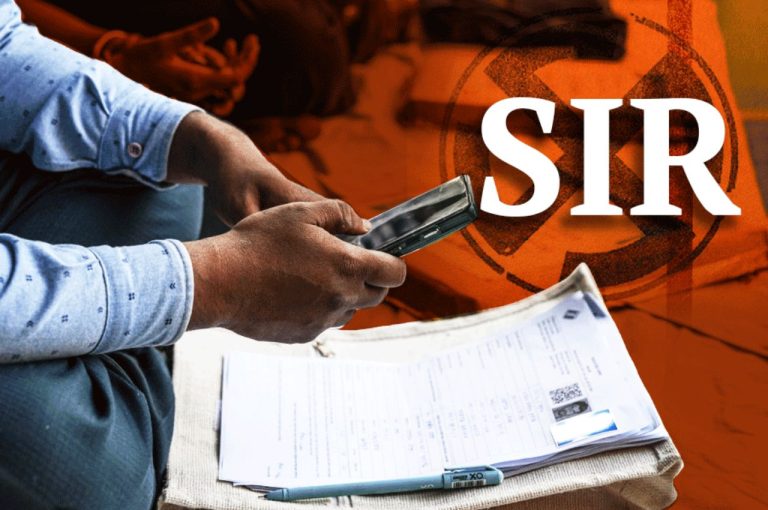
The Jhulan Goswami SIR summons Bengal 2026 controversy has become a headline‑grabbing incident in Bengal’s electoral governance. Former Indian women’s cricket star Jhulan Goswami was reportedly summoned under the Special Intensive Revision (SIR) hearings due to a name mismatch in voter records. The Trinamool Congress (TMC) immediately cried foul, alleging that the move amounted to political targeting of a respected public figure.

This incident underscores the intersection of electoral transparency, celebrity status, and governance accountability, where even minor bureaucratic errors can escalate into political controversies.


2. The Summons

  • Individual: Jhulan Goswami, former Indian cricketer and national icon.
  • Reason: Name mismatch in voter records flagged during SIR hearings.
  • Directive: Summoned to clarify discrepancies.
  • Political fallout: TMC alleged targeting, BJP dismissed claims.
  • Significance: Reflects sensitivity of electoral processes when public figures are involved.

3. Why This Case Matters

  • Electoral integrity: Accurate voter lists are central to democracy.
  • Celebrity status: Summoning a national sports icon amplifies controversy.
  • Governance accountability: Citizens expect fairness in electoral processes.
  • Public trust: Allegations of targeting erode confidence in institutions.

4. Jhulan Goswami SIR Summons Bengal 2026: Political Reactions

  • TMC: Alleged deliberate targeting of Jhulan Goswami, framed issue as harassment.
  • BJP: Dismissed claims, argued SIR hearings are routine.
  • Civil society: Expressed concern about erosion of democratic norms.
  • Observers: Noted potential for incident to reshape narratives on electoral neutrality.

5. Governance Challenges

The Jhulan Goswami summons reflects systemic governance issues:

  • Administrative errors: Name mismatches often arise from clerical mistakes.
  • Electoral transparency: Allegations of bias undermine credibility.
  • Coordination gaps: Between state governments and Election Commission.
  • Judicial oversight: Courts may intervene if irregularities are proven.

6. Community Concerns

  • Families: Fear wrongful deletion of names due to minor errors.
  • Youth: Demand clarity in voter registration processes.
  • Civil society groups: Call for participatory governance in electoral reforms.
  • Opposition voices: Warn of marginalisation if grievances are ignored.

7. Government External Links for Assistance


8. Historical Context of Electoral Oversight in Bengal

  • 1970s–80s: Allegations of voter list manipulation during Left Front rule.
  • 2011: Mamata Banerjee rose to power, promising electoral reforms.
  • 2019–2021: BJP gained ground, raising concerns about fictitious voters.
  • 2026: Jhulan Goswami summons reflects continuity of disputes over electoral neutrality.

9. Global Comparisons

Similar electoral oversight disputes worldwide:

  • USA: Allegations of voter suppression sparked nationwide demonstrations.
  • UK: Concerns about disenfranchisement under new voter ID laws.
  • Nigeria: Electoral roll disputes led to mass protests.

India’s case mirrors these global struggles where electoral integrity collides with political rivalry and governance accountability.


10. Governance Lessons

The Jhulan Goswami summons teaches:

  • Institutions must respect citizen dignity.
  • Transparency in electoral processes is non‑negotiable.
  • Judicial oversight strengthens democratic accountability.
  • Community engagement reduces panic and misinformation.

11. Future Outlook – Electoral Governance in Bengal

India must move towards:

  • Digitised grievance redressal portals for voter roll issues.
  • Periodic audits of electoral rolls by independent agencies.
  • Public dashboards showing deletions and additions transparently.
  • Educational campaigns to help citizens verify their status.

✅ Conclusion

The Jhulan Goswami SIR summons Bengal 2026 controversy is more than a bureaucratic error—it is a test of India’s democratic resilience and governance credibility. As Jhulan Goswami is summoned over a name mismatch and TMC alleges targeting, ordinary citizens await clarity on whether these interventions will deliver transparency, fairness, and respect for democratic norms. For Bengal, the lesson is clear: democracy thrives when governance delivers inclusivity and accountability.

Also read: Home | Channel 6 Network – Latest News, Breaking Updates: Politics, Business, Tech & More
Calcutta High Court Poll Infrastructure PIL 2026 – Detailed Analysis of Election Commission Oversight, Bengal Governance Challenges, and Democratic Lessons

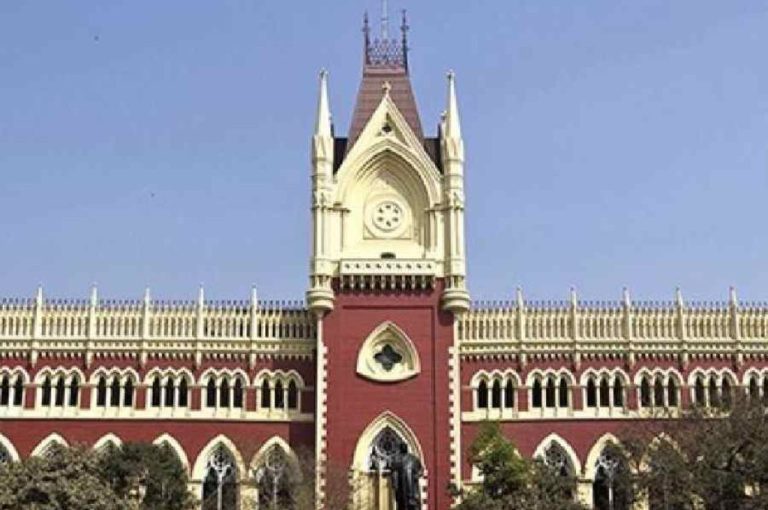
The Calcutta High Court poll infrastructure PIL 2026 has become a significant development in Bengal’s electoral governance. The High Court directed both the Election Commission of India (ECI) and the Government of West Bengal to file detailed reports on the state of poll infrastructure, following a Public Interest Litigation (PIL) that raised concerns about preparedness, transparency, and fairness in upcoming elections.

This incident underscores the intersection of judicial oversight, electoral transparency, and governance accountability, where courts play a crucial role in safeguarding democratic processes.


2. The PIL

  • Filed by: Concerned citizens through a Public Interest Litigation.
  • Target: Election Commission and Bengal government.
  • Issue: Alleged lapses in poll infrastructure work.
  • Court’s directive: File reports detailing progress and compliance.
  • Significance: Reflects judiciary’s proactive role in electoral governance.

3. Why This Case Matters

  • Electoral integrity: Infrastructure is central to free and fair elections.
  • Governance accountability: Citizens demand transparency in poll preparations.
  • Judicial authority: Courts can compel compliance with constitutional norms.
  • Public trust: PILs reinforce confidence in democratic institutions.

4. Calcutta High Court Poll Infrastructure: Political Reactions

  • TMC government: Promised compliance, framed directive as routine oversight.
  • BJP: Criticised state for mismanagement, welcomed judicial intervention.
  • Civil society: Supported PIL, urged transparency in infrastructure work.
  • Observers: Noted potential for directive to reshape Centre‑state electoral relations.

5. Governance Challenges

The PIL reflects systemic governance issues:

  • Infrastructure gaps: Polling stations often lack basic facilities.
  • Administrative neutrality: Concerns about bias in resource allocation.
  • Coordination gaps: Between state governments and Election Commission.
  • Judicial oversight: Courts must ensure fairness in electoral preparations.

6. Community Concerns

  • Families: Fear disenfranchisement due to poor infrastructure.
  • Youth: Demand clarity in voter registration and polling facilities.
  • Civil society groups: Call for participatory governance in electoral reforms.
  • Opposition voices: Warn of marginalisation if grievances are ignored.

7. Government External Links for Assistance


8. Historical Context of Judicial Oversight in Elections

  • 1970s–80s: Courts intervened in voter list disputes during Left Front rule.
  • 2011: Mamata Banerjee rose to power, promising electoral reforms.
  • 2019–2021: BJP gained ground, raising concerns about fictitious voters.
  • 2026: Calcutta High Court directive reflects continuity of judicial involvement in electoral neutrality.

9. Global Comparisons

Similar judicial interventions worldwide:

  • USA: Courts intervened in disputes over voter suppression.
  • UK: Judicial oversight of electoral roll disputes under voter ID laws.
  • Nigeria: Courts compelled electoral commissions to ensure transparency.

India’s case mirrors these global struggles where judicial oversight collides with political rivalry and governance accountability.


10. Governance Lessons

The PIL teaches:

  • Institutions must respect citizen dignity.
  • Transparency in electoral processes is non‑negotiable.
  • Judicial oversight strengthens democratic accountability.
  • Community engagement reduces panic and misinformation.

11. Future Outlook – Electoral Governance in Bengal

India must move towards:

  • Digitised grievance redressal portals for poll infrastructure issues.
  • Periodic audits of polling stations by independent agencies.
  • Public dashboards showing infrastructure progress transparently.
  • Educational campaigns to help citizens understand electoral processes.

✅ Conclusion

The Calcutta High Court poll infrastructure PIL 2026 is more than a legal directive—it is a test of India’s democratic resilience and governance credibility. As the High Court demands reports from the Election Commission and Bengal government, ordinary citizens await clarity on whether these interventions will deliver transparency, fairness, and respect for democratic norms. For Bengal, the lesson is clear: democracy thrives when governance delivers inclusivity and accountability.

Also read: Home | Channel 6 Network – Latest News, Breaking Updates: Politics, Business, Tech & More

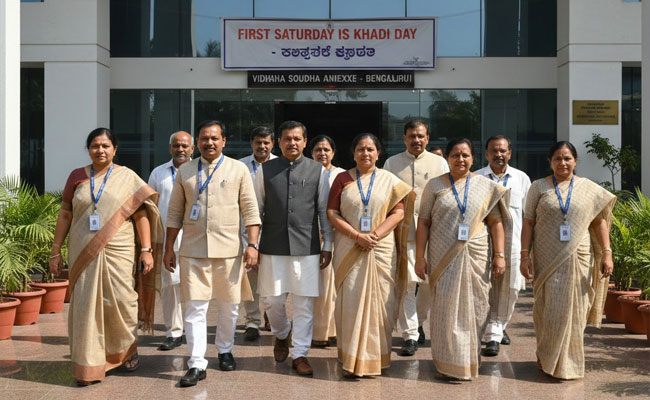
Karnataka’s Khadi Call: Bold Move, 12 Emotive Reasons Behind

Follow: Karnataka Government

Also read: Home | Channel 6 Network – Latest News, Breaking Updates: Politics, Business, Tech & More

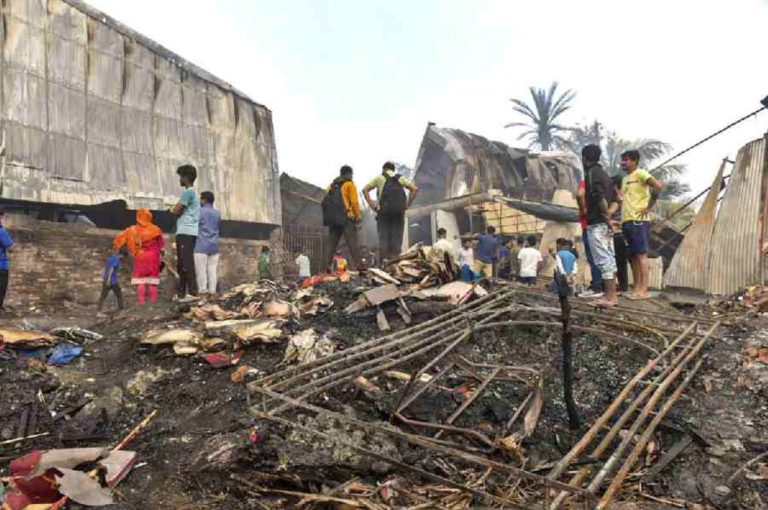
Anandapur Fire PM Modi Ex Gratia 2026 – Detailed Analysis of PMNRF Relief, Governance Challenges, and Disaster Response Lessons in Bengal

The Anandapur Fire PM Modi Ex Gratia 2026 announcement has become a defining moment in India’s disaster response narrative. Following a devastating fire in Anandapur, Bengal, Prime Minister Narendra Modi announced ex‑gratia compensation from the Prime Minister’s National Relief Fund (PMNRF) for the families of victims. This gesture reflects the Centre’s commitment to supporting citizens in times of tragedy, while also raising questions about governance, accountability, and preventive measures.

This incident underscores the intersection of disaster management, political leadership, and citizen dignity, where relief measures must be accompanied by systemic reforms to prevent future tragedies.


2. Anandapur Fire PM Modi Ex‑Gratia 2026: The Announcement

  • Leader: Prime Minister Narendra Modi.
  • Aid promised: Ex‑gratia compensation from PMNRF.
  • Beneficiaries: Families of victims of the Anandapur fire.
  • Tone: Compassionate, acknowledging grief and promising support.
  • Significance: Reflects Centre’s role in disaster relief and rehabilitation.

3. Why This Case Matters

  • Human cost: Families lost loved ones and livelihoods in the fire.
  • Governance accountability: Citizens expect timely relief and rehabilitation.
  • Economic stakes: Compensation provides stability to affected households.
  • Public trust: Leadership response influences confidence in governance.

4. Political and Social Reactions

  • Centre (PMO): Framed aid as compassionate governance.
  • TMC government: Welcomed relief but emphasised need for preventive reforms.
  • Opposition parties: Questioned adequacy of relief, demanded stronger fire safety measures.
  • Civil society: Welcomed PMNRF support, urged systemic reforms in urban safety.
  • Observers: Noted potential for announcement to reshape Centre‑state disaster response dynamics.

5. Governance Challenges

The Anandapur fire reflects systemic governance issues:

  • Urban fire safety: Gaps in enforcement of building codes.
  • Disaster preparedness: Limited infrastructure for rapid response.
  • Administrative accountability: Delays in relief distribution undermine trust.
  • Judicial oversight: Courts may intervene if negligence is proven.

6. Community Concerns

  • Families: Seek dignity and livelihood security after loss.
  • Youth: Demand jobs and safer civic infrastructure.
  • Civil society groups: Call for participatory governance in disaster planning.
  • Opposition voices: Warn of marginalisation if systemic reforms are ignored.

7. Government External Links for Assistance


8. Historical Context of Fire Tragedies in Bengal

  • 1990s: Several market fires exposed gaps in safety enforcement.
  • 2011: AMRI hospital fire highlighted negligence in urban safety.
  • 2019–2021: Repeated incidents in Kolkata markets raised concerns.
  • 2026: Anandapur fire reflects continuity of challenges in disaster governance.

9. Global Comparisons

Similar fire tragedies worldwide:

  • USA: Oakland warehouse fire exposed lapses in safety codes.
  • UK: Grenfell Tower fire highlighted systemic negligence.
  • Bangladesh: Factory fires underscored vulnerability of workers.

Bengal’s case mirrors these global struggles where disaster management collides with governance accountability and citizen dignity.


10. Governance Lessons

The Anandapur fire teaches:

  • Transparency in relief distribution builds credibility.
  • Livelihood security must accompany financial aid.
  • Community engagement ensures legitimacy of reforms.
  • Judicial oversight protects fairness in governance.

11. Future Outlook – Disaster Governance in Bengal

India must move towards:

  • Digitised relief distribution systems ensuring transparency.
  • Public dashboards showing aid disbursal and rehabilitation progress.
  • Independent audits of fire safety compliance.
  • Educational campaigns linking disaster preparedness with civic responsibility.

✅ Conclusion

The Anandapur fire PM Modi ex‑gratia 2026 announcement is more than a relief package—it is a test of India’s democratic resilience and governance credibility. As Prime Minister Modi promises PMNRF aid for bereaved families, ordinary citizens await clarity on whether these measures will deliver transparency, fairness, and respect for human dignity. For Bengal, the lesson is clear: democracy thrives when governance delivers inclusivity and accountability. 

Also read: Home | Channel 6 Network – Latest News, Breaking Updates: Politics, Business, Tech & More
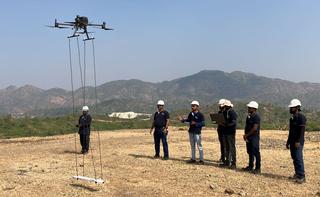
Mysterious 1-Device Incident Triggers Safety Concern in Doddaballapur

Residents of Doddaballapur experienced an unusual moment when an unmanned aerial vehicle (UAV) reportedly landed near a residential house, prompting immediate attention from local authorities. The device, which appeared to be a small drone-like aircraft, was noticed by locals who informed the police after no individual came forward to claim ownership. Officers reached the spot, secured the area, and began preliminary inquiries to determine the origin and purpose of the device. The unexpected presence of the UAV has raised questions about safety, surveillance, and unauthorized drone activity in residential zones.

Police sources indicated that the device’s make and model will be crucial in tracing its origin. Serial numbers, if intact, could help investigators determine the manufacturer and distribution chain. Authorities are also exploring whether the UAV had geo-fencing capabilities, which typically restrict drones from entering sensitive or residential zones. If such systems were disabled or absent, it may suggest unauthorized modification. Technical teams are carefully handling the equipment to preserve digital evidence, ensuring that memory cards or internal logs are not compromised during inspection, as these could provide flight history and operational details.

Forensic experts examining the UAV will analyze onboard electronics, including GPS modules and flight controllers. These components often store telemetry data such as altitude, speed, and route coordinates. By reconstructing the flight path, investigators hope to identify the take-off location or the last point of control. Such analysis may also reveal whether the drone was manually operated or flying on pre-programmed instructions. Specialists say that even partial data recovery can significantly aid investigations, offering insights into the operator’s technical proficiency and the intended use of the device before its unexpected landing.

Local law enforcement has expanded inquiries to nearby areas, checking for individuals who may have reported a lost drone. Electronics shops, drone service providers, and hobbyist groups are also being contacted for information. Police are reviewing recent permissions granted for aerial photography or surveying work in the region. This broader approach aims to determine whether the incident was accidental or linked to unreported activity. Authorities emphasized that establishing intent is critical, as drone incidents can range from harmless technical failures to deliberate misuse.

Residents in the neighborhood described the UAV’s descent as sudden but not explosive, suggesting it may have lost power rather than crashed forcefully. Witnesses said the device appeared intact, with minor surface damage. Some locals recorded videos, which have been shared with investigators to help understand the descent pattern. Community cooperation has been welcomed by police, who noted that visual documentation can assist in reconstructing events. Officials reassured residents that there is no immediate threat, but urged vigilance until the investigation concludes.

Aviation experts note that drone incidents are becoming more frequent as usage expands across sectors. While most operations are lawful, unregistered devices pose challenges for regulators. Experts stress that proper licensing, pilot training, and adherence to altitude restrictions are essential. They also point out that urban areas require heightened caution due to population density. The Doddaballapur incident serves as a reminder that as drone technology becomes more accessible, oversight mechanisms must keep pace to ensure safety and accountability in shared airspace.

Privacy advocates have also commented on the situation, highlighting concerns about unauthorized aerial surveillance. Even if the UAV was not intentionally used for monitoring, its presence near homes has heightened sensitivity about personal privacy. Experts recommend clearer communication about drone laws and stronger penalties for violations involving residential intrusion. They argue that public confidence in technology depends on transparent safeguards. Authorities may use this case to reinforce awareness campaigns about respecting privacy and avoiding flights over private property without consent.

Local administrators are considering temporary advisories for drone operators in the district. Such advisories could remind users of restricted zones and reporting requirements in case of equipment malfunction. Officials believe preventive communication can reduce misunderstandings and accidental violations. Coordination between police, aviation regulators, and local bodies may strengthen oversight. The aim is not to discourage legitimate use but to ensure responsible operation. Authorities reiterated that technological growth must align with public safety and community comfort.

Educational institutions in the area have expressed interest in awareness sessions about drone safety and technology. Teachers noted that students are often fascinated by drones but may not understand legal responsibilities. Workshops explaining safe usage, registration processes, and ethical considerations could help build informed future users. Police have indicated willingness to participate in such outreach programs, seeing them as long-term preventive measures. Engaging youth through education may reduce unauthorized experimentation and promote responsible innovation.

Emergency response agencies have reviewed their protocols following the incident. While no hazardous materials were involved, responders emphasized preparedness for varied scenarios. Training often includes handling unidentified devices safely and securing perimeters. Officials said coordinated drills between police, fire services, and medical teams ensure readiness. Such preparedness is part of broader disaster management strategies, where even seemingly minor incidents are treated with caution until fully assessed. Continuous improvement of response systems remains a priority.

The UAV is currently stored under controlled conditions while examinations continue. Investigators are documenting every component and maintaining a chain of custody for potential legal proceedings. If ownership is established and violations are confirmed, charges could follow under applicable aviation and safety regulations. However, authorities cautioned against speculation, stating that conclusions will depend on evidence. Transparency in the investigative process is expected to reassure the public and maintain trust in law enforcement efforts.

Experts believe that incidents like this could accelerate development of better drone identification systems. Technologies such as remote identification allow authorities to track drones in real time. Wider adoption of such systems may prevent anonymous operations. Policymakers are exploring frameworks that balance innovation with regulation, ensuring that benefits of drone technology are not overshadowed by misuse. Strengthening these systems could help avoid future uncertainties similar to the Doddaballapur case.

As inquiries proceed, the episode underscores the evolving relationship between emerging technologies and community life. Drones offer numerous advantages, from agriculture to emergency services, yet their presence in everyday environments raises new questions. Authorities remain focused on clarifying facts, while residents seek assurance about safety and privacy. The incident serves as both a cautionary tale and an opportunity to refine regulatory awareness. Ultimately, responsible use, informed citizens, and effective oversight are seen as key to harmonizing technological progress with public well-being.

Unidentified drone spotted over explosives manufacturer's airstrip in  Nagpur; police launch probe

The incident has renewed calls for public awareness about drone regulations and safety. Authorities may conduct outreach programs to inform hobbyists and commercial operators about proper procedures, restricted zones, and the importance of maintaining line-of-sight control. Local police also urged residents to promptly report any unfamiliar aerial devices, emphasizing community cooperation in ensuring safety.

Police officials stated that the device has been taken into custody for technical examination. Initial assessments focus on identifying whether it was used for recreational, commercial, or other purposes. Authorities are examining components such as cameras, communication modules, and onboard storage to gather clues. They emphasized that, at present, there is no indication of immediate danger, but the matter is being treated seriously due to the unknown source of the UAV. Forensic and technical experts may assist in analyzing the equipment to understand how it operated and where it may have been deployed from.

Local residents expressed concern, saying the sudden appearance of the UAV created anxiety. Some worried about potential surveillance or privacy issues, especially since the device landed close to homes. Community members have called for clearer awareness about drone usage rules and stricter monitoring to prevent unauthorized flights. Parents in the neighborhood also raised safety concerns, noting that such incidents can cause panic, particularly among children unfamiliar with drone technology.UAV lands near house in Doddaballapur, police suspicious as no one claims  ownership - The Hindu

Investigation Focus and Regulatory Aspects

Authorities indicated that one line of inquiry involves checking whether the drone was registered and operated under existing aviation guidelines. Civil aviation rules generally require drones to follow specific identification and operational norms. If the device was being flown without authorization, legal action could follow. Police are coordinating with relevant aviation and technical agencies to verify compliance aspects and track possible operators through serial numbers or embedded data.

Experts in drone technology note that UAVs are increasingly used for photography, mapping, agriculture, and recreational flying. However, improper handling or loss of control can result in unintended landings. Investigators are considering whether the device may have malfunctioned or lost signal, leading it to descend in the residential area. Technical analysis will help determine whether it was part of a legitimate operation or an unauthorized flight.UAV lands near house in Doddaballapur, police suspicious as no one claims  ownership - The Hindu

Public Awareness and Future Measures

The incident has renewed calls for public awareness about drone regulations and safety. Authorities may conduct outreach programs to inform hobbyists and commercial operators about proper procedures, restricted zones, and the importance of maintaining line-of-sight control. Local police also urged residents to promptly report any unfamiliar aerial devices, emphasizing community cooperation in ensuring safety.

Officials reassured the public that no harmful materials were found on the device during initial checks. Nonetheless, they stressed that thorough investigation is necessary to rule out all possibilities. The UAV will remain under examination until its ownership and purpose are clearly established. The episode highlights the growing presence of drone technology in everyday life and the need for robust monitoring mechanisms to balance innovation with public safety.

Follow: Karnataka Government

Also read: Home | Channel 6 Network – Latest News, Breaking Updates: Politics, Business, Tech & More
COMEDK UGET Set for May 9 in Karnataka: Major 1-Day Exam Hope

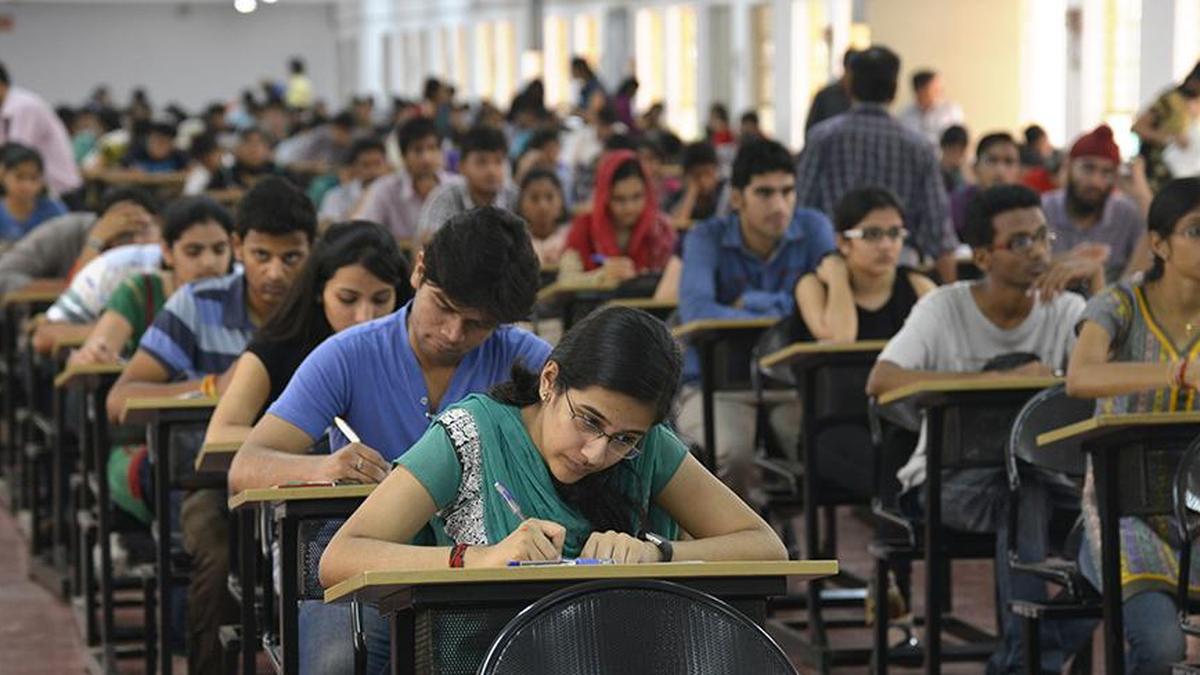
The Consortium of Medical, Engineering and Dental Colleges of Karnataka (COMEDK) will conduct the Undergraduate Entrance Test (UGET) for engineering admissions on May 9, marking a crucial date for thousands of aspirants across the country. The entrance exam serves as a gateway for admission to undergraduate engineering courses offered by member institutions in Karnataka. Students seeking seats in private engineering colleges under the COMEDK quota are preparing intensively, as the test plays a significant role in shaping their academic futures.

Officials associated with the examination process have indicated that arrangements are being made to ensure smooth conduct across designated centres. The computer-based test will be held in multiple cities, with strict adherence to examination protocols. Authorities emphasized that candidates must follow guidelines regarding reporting time, identification documents, and permitted items inside exam halls. Such measures aim to maintain transparency and fairness throughout the process.

COMEDK UGET remains one of the key alternative pathways for engineering aspirants, particularly for students from outside Karnataka seeking admission in private institutions. The exam typically evaluates candidates in Physics, Chemistry, and Mathematics, aligning with the standard curriculum followed at the higher secondary level. Education experts advise students to focus on conceptual clarity and time management, as the competitive nature of the test demands both accuracy and speed.

COMEDKCOMEDK UGET for engineering seats in Karnataka on May 9 - The Hindu

Coaching centres and schools have reported heightened activity as the exam date approaches. Mock tests, revision sessions, and doubt-clearing classes are being conducted to help students strengthen their preparation. Teachers emphasize the importance of understanding question patterns and avoiding last-minute stress. Many students describe this period as both challenging and hopeful, as performance in the exam could determine access to desired colleges and courses.

Parents, too, are closely involved, providing emotional support and helping manage schedules. The pressure associated with entrance examinations often affects family routines, with households adjusting to study timetables and revision needs. Counselors encourage a balanced approach, suggesting adequate rest, healthy eating, and stress management techniques to help students remain focused.COMEDK UGET for engineering seats in Karnataka on May 9 - The Hindu

Authorities have also highlighted the role of online resources in preparation. Digital learning platforms offering practice tests and explanatory sessions have become increasingly popular. Students from smaller towns, who may not have access to extensive coaching facilities, are using such tools to bridge learning gaps. The growing reliance on digital preparation reflects broader trends in competitive exam readiness.

Examination officials reiterated the importance of following official updates regarding hall tickets, centre details, and instructions. Candidates are advised to verify information carefully and avoid misinformation from unofficial sources. Clear communication, they say, helps prevent confusion on exam day and ensures candidates can concentrate fully on performance.

For many aspirants, COMEDK UGET represents not just an exam but a step toward long-term career aspirations in engineering and technology. With Karnataka hosting several reputed private engineering institutions, the examination holds national relevance. As May 9 approaches, the atmosphere among students reflects a mix of determination, anxiety, and anticipation, underscoring the emotional significance of competitive entrance tests in India’s education landscape.

As the examination date approaches, the atmosphere across Karnataka and beyond reflects a blend of anticipation and determination. For many students, May 9 represents months of preparation and dreams of entering engineering careers. Authorities, educators, and families are working together to ensure that candidates can perform to the best of their abilities. While competition remains intense, the focus on preparation, well-being, and transparency underscores a shared commitment to fair opportunities. COMEDK UGET thus stands not only as an academic test but also as a milestone in the aspirations of thousands of young learners.COMEDK UGET for engineering seats in Karnataka on May 9 - The Hindu

Examination authorities have stated that security measures will be strengthened to ensure a fair testing environment across all centres. Biometric verification, surveillance systems, and strict invigilation protocols are expected to be implemented. Such steps are designed to prevent impersonation and malpractice, which can undermine merit-based admissions. Candidates have been advised to cooperate with security checks and reach their centres well in advance to avoid last-minute stress. Officials noted that smooth coordination between centre administrators and law enforcement agencies will play a key role in ensuring that the examination process remains transparent, credible, and free from disruptions on the scheduled date.

Students from rural and semi-urban areas are making special travel arrangements to reach exam centres, which are often located in larger cities. Transport availability, accommodation, and unfamiliar surroundings can add to pre-exam anxiety. Educational counselors suggest that candidates visit their centres a day earlier if possible, so they are comfortable with the location. Parents accompanying students are also planning logistics carefully. Authorities have advised candidates to check centre addresses and reporting times thoroughly to avoid confusion. These preparations highlight how entrance examinations extend beyond academics, requiring coordination, planning, and emotional resilience from both students and families.

Academic experts have emphasized that revision in the final days should focus on strengthening fundamentals rather than attempting entirely new topics. Physics problem-solving speed, Chemistry formula recall, and Mathematics accuracy are considered crucial. Time management strategies during the exam are equally important, as multiple-choice questions demand quick decision-making. Teachers recommend practicing mock tests under timed conditions to simulate real exam pressure. They also advise students to remain calm if they encounter difficult questions, moving ahead and returning later if time permits. Maintaining composure, they say, can significantly influence performance during high-stakes competitive exams like COMEDK UGET.

School administrators have noted that many students balancing board exam preparations alongside entrance test readiness face fatigue. Institutions are therefore offering counseling support and flexible revision schedules. Teachers remind students that health should not be neglected during intense study periods. Proper sleep, hydration, and short breaks can improve concentration and retention. Parents are being encouraged to create supportive home environments, reducing unnecessary pressure and comparisons. This holistic approach recognizes that mental well-being plays a crucial role in academic performance, particularly during competitive examination seasons when expectations are high and stress levels can escalate rapidly.

The role of technology in examination management has expanded significantly in recent years. Computer-based testing allows for efficient question delivery, quicker evaluation, and secure data handling. However, it also requires candidates to be comfortable with digital interfaces. Practice tests familiarizing students with screen navigation, marking answers, and reviewing responses have become essential. Authorities have assured that technical teams will be on standby at centres to address any system-related issues promptly. These digital arrangements aim to enhance efficiency while maintaining fairness, ensuring that the examination process remains streamlined and accessible to candidates from diverse backgrounds.

Career counselors point out that performance in COMEDK UGET opens doors to various engineering disciplines, including computer science, electronics, civil engineering, and mechanical engineering. Students often select branches based on interest, career prospects, and institutional reputation. Counselors advise aspirants to research colleges and programs beforehand, so they can make informed choices during counseling rounds. Understanding curriculum structures, placement records, and specialization opportunities can help students align their academic paths with long-term goals. The exam thus serves as an entry point into a broader decision-making journey that shapes professional futures.

Private engineering colleges affiliated with COMEDK are also preparing for the admission season. Institutions are updating infrastructure, faculty recruitment, and academic planning to accommodate incoming batches. Admission counseling processes, document verification, and orientation programs will follow the announcement of results. College administrators highlight that early planning ensures smooth transitions for new students. Many institutions are also emphasizing industry partnerships, internships, and skill-based training to enhance employability. The examination, therefore, initiates a chain of activities across the higher education ecosystem, influencing institutional readiness and student engagement alike.

Educational policymakers view entrance exams like COMEDK UGET as mechanisms to standardize admission processes across diverse institutions. By providing a common evaluation platform, the exam helps maintain uniform academic benchmarks. However, experts also stress the need to ensure inclusivity so that talented students from varied socio-economic backgrounds can compete fairly. Scholarship programs, fee waivers, and financial aid options are being promoted to support deserving candidates. Balancing merit with accessibility remains an ongoing objective in India’s higher education system, and entrance examinations play a central role in this evolving framework.

Students who have previously appeared for COMEDK UGET often share experiences and tips with new aspirants. Peer guidance through online forums and school networks has become a valuable resource. Discussions typically cover question patterns, difficulty levels, and strategies for handling exam stress. Such peer interactions create a sense of community among candidates facing similar challenges. Teachers encourage students to use these discussions constructively while relying on verified information. Collective learning and shared experiences can reduce anxiety and foster confidence, reinforcing that competitive exams are shared journeys rather than isolated struggles.

As the examination date approaches, the atmosphere across Karnataka and beyond reflects a blend of anticipation and determination. For many students, May 9 represents months of preparation and dreams of entering engineering careers. Authorities, educators, and families are working together to ensure that candidates can perform to the best of their abilities. While competition remains intense, the focus on preparation, well-being, and transparency underscores a shared commitment to fair opportunities. COMEDK UGET thus stands not only as an academic test but also as a milestone in the aspirations of thousands of young learners.

Follow: Karnataka Government

Also read: Home | Channel 6 Network – Latest News, Breaking Updates: Politics, Business, Tech & More

Bengal SIR Hearings Election Commission 2026 – Detailed Analysis of Seven‑Day Deadline, Governance Challenges, and Democratic Lessons

The Bengal SIR hearings Election Commission 2026 directive has become a pivotal moment in the state’s electoral governance. The Election Commission of India (ECI) ordered that all Special Intensive Revision (SIR) hearings in Bengal must be completed within seven days. This move comes amid mounting complaints of delays, wrongful deletions, and harassment of citizens during the voter list revision process.

This incident underscores the intersection of electoral transparency, administrative accountability, and citizen dignity, where timely hearings are essential to safeguard democratic participation.


2. Bengal SIR Hearings Election Commission 2026: The Directive

  • Issued by: Election Commission of India.
  • Target: Bengal’s electoral machinery.
  • Order: Complete SIR hearings within seven days.
  • Reason: Complaints of delays and irregularities.
  • Significance: Reflects urgency to restore public trust in voter list processes.

3. Why This Case Matters

  • Electoral integrity: Voter list accuracy is central to democracy.
  • Governance accountability: Citizens demand fairness in electoral processes.
  • Political stakes: Allegations of bias could influence upcoming elections.
  • Public trust: Timely hearings reinforce confidence in institutions.

4. Political Reactions

  • TMC government: Welcomed directive, promised compliance.
  • BJP: Criticised state for mismanagement, framed directive as corrective measure.
  • Civil society: Supported deadline, urged transparency in hearings.
  • Observers: Noted potential for directive to reshape Centre‑state relations.

5. Governance Challenges

The seven‑day directive reflects systemic governance issues:

  • Administrative overload: Officials struggle to balance hearings with other duties.
  • Electoral transparency: Allegations of wrongful deletions undermine credibility.
  • Coordination gaps: Between state governments and Election Commission.
  • Judicial oversight: Courts may intervene if irregularities persist.

6. Community Concerns

  • Families: Fear wrongful deletion of names due to minor errors.
  • Youth: Demand clarity in voter registration processes.
  • Civil society groups: Call for participatory governance in electoral reforms.
  • Opposition voices: Warn of marginalisation if grievances are ignored.

7. Government External Links for Assistance


8. Historical Context of Electoral Oversight in Bengal

  • 1970s–80s: Allegations of voter list manipulation during Left Front rule.
  • 2011: Mamata Banerjee rose to power, promising electoral reforms.
  • 2019–2021: BJP gained ground, raising concerns about fictitious voters.
  • 2026: Seven‑day directive reflects continuity of disputes over electoral neutrality.

9. Global Comparisons

Similar electoral oversight disputes worldwide:

  • USA: Allegations of voter suppression sparked nationwide demonstrations.
  • UK: Concerns about disenfranchisement under new voter ID laws.
  • Nigeria: Electoral roll disputes led to mass protests.

India’s case mirrors these global struggles where electoral integrity collides with political rivalry and governance accountability.


10. Governance Lessons

The directive teaches:

  • Institutions must respect citizen dignity.
  • Transparency in electoral processes is non‑negotiable.
  • Opposition unity strengthens democratic accountability.
  • Judicial oversight protects fairness in electoral democracy.

11. Future Outlook – Electoral Governance in Bengal

India must move towards:

  • Digitised grievance redressal portals for voter roll issues.
  • Periodic audits of electoral rolls by independent agencies.
  • Public dashboards showing deletions and additions transparently.
  • Educational campaigns to help citizens verify their status.

✅ Conclusion

The Bengal SIR hearings Election Commission 2026 directive is more than an administrative order—it is a test of India’s democratic resilience and governance credibility. As the Election Commission demands completion of hearings within seven days, ordinary citizens await clarity on whether these interventions will deliver transparency, fairness, and respect for democratic norms. For Bengal, the lesson is clear: democracy thrives when governance delivers inclusivity and accountability.

Also read: Home | Channel 6 Network – Latest News, Breaking Updates: Politics, Business, Tech & More
West Bengal DGP Appointment Piyush Pandey 2026 – Detailed Analysis of Police Leadership Change, Reassignments, and Governance Lessons in Law Enforcement

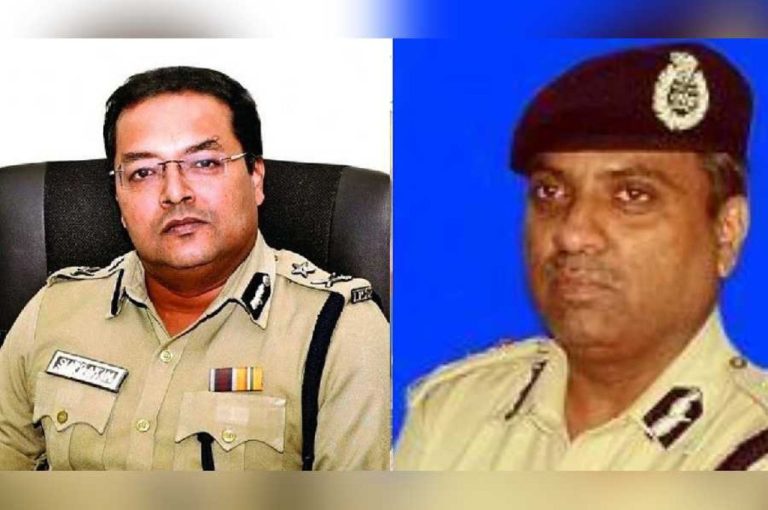
The West Bengal DGP appointment Piyush Pandey 2026 has become a significant development in the state’s law enforcement and governance landscape. The state government announced the appointment of Piyush Pandey as the new Director General of Police (DGP), while senior officers Supratim Sarkar and Jawed Shamim were reassigned to other roles.

This reshuffle underscores the intersection of policing, administrative accountability, and political dynamics, where leadership changes in the police force often reflect broader governance priorities.


2. The Appointment

  • New DGP: Piyush Pandey.
  • Reassigned officers: Supratim Sarkar and Jawed Shamim.
  • Context: Leadership change amid ongoing debates about law and order in Bengal.
  • Significance: Reflects government’s attempt to strengthen policing and administrative efficiency.

3. Why This Case Matters

  • Law enforcement credibility: DGP appointment shapes policing priorities.
  • Governance accountability: Citizens expect transparency in leadership changes.
  • Political stakes: Opposition scrutinises appointments for bias.
  • Public trust: Leadership reshuffles influence confidence in police neutrality.

4. Political and Social Reactions

  • TMC government: Framed appointment as routine administrative decision.
  • BJP: Criticised reshuffle, alleging political motives.
  • Civil society: Expressed concern about continuity in policing strategies.
  • Observers: Noted potential for appointment to reshape law and order discourse.

5. West Bengal DGP Appointment: Governance Challenges

The DGP appointment reflects systemic governance issues:

  • Police neutrality: Allegations of bias undermine credibility.
  • Administrative accountability: Leadership changes must be transparent.
  • Coordination gaps: Between police, judiciary, and political leadership.
  • Judicial oversight: Courts may intervene if appointments violate norms.

6. Community Concerns

  • Families: Seek safety and security in everyday life.
  • Youth: Demand jobs and fairness in policing.
  • Civil society groups: Call for participatory governance in law enforcement policy.
  • Opposition voices: Warn of marginalisation if police leadership is politicised.

7. Government External Links for Assistance


8. Historical Context of Police Leadership in Bengal

  • 1970s–80s: Police leadership often aligned with Left Front priorities.
  • 2011: Mamata Banerjee rose to power, reshaping police leadership.
  • 2019–2021: BJP gained ground, raising concerns about police neutrality.
  • 2026: Appointment of Piyush Pandey reflects continuity of debates over law enforcement credibility.

9. Global Comparisons

Similar police leadership controversies worldwide:

  • USA: Police chiefs often reshuffled amid political debates on policing.
  • UK: Metropolitan Police leadership changes linked to accountability issues.
  • Africa: Police appointments frequently politicised, undermining neutrality.

India’s case mirrors these global struggles where law enforcement leadership collides with political rivalry and governance accountability.


10. Governance Lessons

The DGP appointment teaches:

  • Transparency in appointments builds credibility.
  • Community engagement ensures legitimacy of policing reforms.
  • Balanced vigilance strengthens governance legitimacy.
  • Judicial oversight protects fairness in law enforcement governance.

11. Future Outlook – Policing Governance in Bengal

India must move towards:

  • Digitised appointment systems ensuring transparency.
  • Public dashboards showing leadership changes and policing priorities.
  • Independent audits of police neutrality.
  • Educational campaigns linking law enforcement with civic responsibility.

✅ Conclusion

The West Bengal DGP appointment Piyush Pandey 2026 is more than an administrative reshuffle—it is a test of India’s democratic resilience and governance credibility. As Piyush Pandey takes charge and senior officers are reassigned, ordinary citizens await clarity on whether policing will deliver transparency, fairness, and respect for democratic norms. For Bengal, the lesson is clear: democracy thrives when governance delivers inclusivity and accountability in law enforcement.

Also read: Home | Channel 6 Network – Latest News, Breaking Updates: Politics, Business, Tech & More

India AI Impact Summit 2026 Draws Phenomenal Global Response, Says Ashwini Vaishnaw; Major Milestones Announced Ahead of Global Event

The India AI Impact Summit 2026 has received an overwhelming global response and reflects the systematic and deployment-driven growth of India’s artificial intelligence ecosystem, Ashwini Vaishnaw, Union Minister for Electronics and Information Technology, said on Friday. Addressing a high-level press conference organised by the Ministry of Electronics and Information Technology (MeitY), the Minister outlined key milestones and expectations ahead of the Summit, which will be held from 16–20 February 2026 at Bharat Mandapam, New Delhi.

The event marks the first-ever global AI summit hosted in the Global South, positioning India at the centre of global AI dialogue.

India’s AI Ecosystem Advancing in a Structured Manner

Shri Ashwini Vaishnaw said the Summit is shaping up to be the largest AI gathering globally, citing strong international participation and deep industry engagement. He referred to recent interactions of Prime Minister Narendra Modi with AI developers, innovators and industry leaders across the AI value chain—models, applications and infrastructure—as evidence of India’s systematic and solution-oriented AI development strategy.


The Minister highlighted that:

  • Over 200 sector-specific AI models developed by leading IT companies are proposed to be launched during the Summit

  • Nearly USD 70 billion is already flowing into India’s AI infrastructure layer, with the potential to double by the conclusion of the Summit

  • AI talent development will be scaled by extending AI infrastructure and industry-finalised curricula to 500 universities, creating a strong national talent pipeline

MeitY Launches AI Compendium with Industry Insights

During the press conference, Shri Ashwini Vaishnaw also launched a Compendium titled “The Impact Agenda: Leadership Reflections”, featuring perspectives from around 60 leading industry experts. The publication captures reflections on the future of AI and its role in driving inclusive growth, innovation, and societal impact.

Extensive Preparatory Work Anchored in People, Planet and Progress

Senior MeitY officials highlighted the extensive groundwork undertaken ahead of the Summit. Shri S. Krishnan, Secretary, MeitY, noted that hybrid meetings of all seven thematic Working Groups, anchored around the Sutras of People, Planet and Progress, have successfully concluded, with their deliverables now at an advanced stage.

He further stated that:

  • Seven Regional AI Impact Conferences have been held across Meghalaya, Gujarat, Odisha, Madhya Pradesh, Uttar Pradesh, Rajasthan, and Kerala, aligning national AI priorities with regional strengths and governance needs

  • Nearly 480+ Pre-Summit events have already taken place across India and globally

  • These include 83 international engagements across 30 countries, with more activities scheduled until 10 February 2026

Focus on Democratisation and Responsible AI

Shri S. Krishnan emphasised that the central objective of the India AI Impact Summit is the democratisation of AI, ensuring that its benefits reach a broad cross-section of society. As the first global AI summit hosted in the Global South, the event places strong emphasis on AI governance, standards, safety, and responsible deployment, while fostering shared global understanding.

Summit Week: Large-Scale Global Participation and Expo

The press conference announced that the Summit week will feature 500+ curated events across Bharat Mandapam and Sushma Swaraj Bhawan, including high-level dialogues, exhibitions and outcome-oriented sessions.

Key highlights include:

  • AI Impact Expo with 840+ exhibitors, including Country Pavilions, Ministries, State Governments, Startups, Industry and Research Institutions

  • Showcasing of AI solutions with proven real-world impact

  • Demonstration of progress on IndiaAI foundational AI models

The Summit is expected to host:

  • 15 Heads of State/Government

  • 40+ Ministers

  • 100+ CEOs and CXOs

  • 100+ eminent academics

Industry partners confirmed to participate include Jio, Qualcomm, OpenAI, Nvidia, Google, Microsoft, Adobe, and the Gates Foundation, underscoring strong private-sector engagement.

Conclusion

The press conference reaffirmed the Government of India’s commitment to ensuring that AI remains safe, trusted, inclusive, and impact-driven. With unprecedented global participation, strong industry alignment, and a focus on real-world deployment, the India AI Impact Summit 2026 is poised to become a defining moment in shaping the future of artificial intelligence—from India, for the world.

For more real-time updates, visit Channel 6 Network.

Source: PIB

Amit Shah Addresses 10th Mising Youth Festival in Assam, Emphasises Cultural Unity, Youth Empowerment and Development

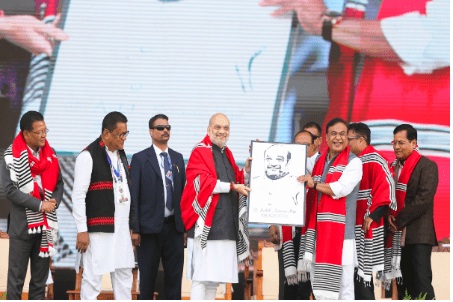
Union Home Minister and Minister of Cooperation Amit Shah addressed the 10th Mising Youth Festival in Dhemaji, Assam, highlighting the transformative role of cultural unity, youth empowerment and inclusive development in strengthening tribal communities and national integration. The event was attended by Himanta Biswa Sarma, Sarbananda Sonowal, and other dignitaries.

Culture, Not Conflict, as the Path to Tribal Empowerment

Addressing the gathering, Shri Amit Shah said the Mising Youth Festival has shown tribes across India that the protection of rights, culture, language, literature, dance and music is achieved not through guns, but through cultural unity and dialogue. He said India’s civilisation is a harmonious blend of many cultures, with the Mising culture forming an integral part of Assam’s identity and India’s cultural heritage.

Highlighting the Donyi-Polo tradition of the Mising community, Shri Shah said nature worship teaches humanity that worshipping nature is equivalent to worshipping God, offering an important lesson for sustainable living.


Recognition of Mising Community’s Contribution and Sacrifice

The Union Home Minister described the Mising community as the heartbeat of the Brahmaputra Valley, stating that their culture is both the soul of Assam and a symbol of India’s future. He recalled the supreme sacrifices made by the Mising community during India’s freedom struggle and in defending the nation, noting that these contributions will never be forgotten.

He also acknowledged the community’s traditional wisdom in coexisting with rivers and floods, and cited Ali-Aye-Ligang as an exemplary festival reflecting balance between human life and nature.

Special Recruitment in CAPFs for Mising Youth

Shri Amit Shah announced that the Government of India will undertake special recruitment for Mising youth in the Central Armed Police Forces (CAPFs). This, he said, will provide opportunities for local youth to actively contribute to India’s internal security while ensuring greater representation of tribal communities in national institutions.

Assam’s Shift from Conflict to Development

Highlighting the changing landscape of Assam, Shri Shah said that under the leadership of Prime Minister Narendra Modi, the state has moved decisively towards peace and progress. He noted that several peace agreements have resulted in the disarming of nearly 10,000 youth, replacing violence with opportunity.

He added that the Assam government has recognised the Mising language as a medium of education in 200 lower primary schools, strengthening cultural preservation through education. Today, he said, the youth of Assam are embracing vision instead of weapons and dreams instead of fear.

Infrastructure, Jobs and ‘Made in Assam’ Semiconductor Vision

Shri Amit Shah highlighted landmark infrastructure achievements, particularly the Bogibeel Bridge, which had remained stalled for years but was completed in just four years under the Modi government. He credited the hard work of Mising workers for making the project a global symbol of New India’s vision.

He said Assam has provided over 1.56 lakh government jobs without recommendations, and announced that the upcoming semiconductor factory will create employment for over 27,000 youth. By the end of 2026, he said, ‘Made in Assam’ semiconductor chips will enhance India’s pride on the global stage.

Addressing Infiltration and Demographic Challenges

Shri Amit Shah said safeguarding Assam’s future requires addressing the issue of illegal infiltration. He stated that the High-Powered Demographic Mission, announced by the Prime Minister on 15 August 2025, is a decisive step towards studying and correcting unnatural demographic changes across the country.

He noted that under the leadership of the Assam government, 1.26 lakh acres of land have been freed from infiltrators and assured that infiltrators would be identified and deported systematically.

Strong Focus on Tribal Welfare and Assam’s Development

Reiterating the government’s commitment to tribal welfare, Shri Shah said earlier initiatives such as the Tribal Commission and Ministry of Tribal Affairs were strengthened under Prime Minister Modi through measures like Janjatiya Gaurav Divas, tribal museums, and a significant increase in budgetary allocation for tribal development.

He highlighted that while Assam received ₹1.28 lakh crore during a decade of previous governments, it has received ₹4.5 lakh crore over the last ten years. This includes ₹30,000 crore for roads, ₹95,000 crore for railways, and ₹10,000 crore for airports, reflecting unprecedented development momentum.

Conclusion

Concluding his address, Shri Amit Shah said the Festival symbolises a confident, culturally rooted and forward-looking Assam. He emphasised that with peace, inclusive development, respect for tribal identity and strong youth participation, Assam is playing a vital role in shaping India’s secure, prosperous and culturally unified future.

For more real-time updates, visit Channel 6 Network.

Source: PIB