Thursday, March 5, 2026
Home Blog Page 49

Illegal Sand Mining in Karnataka: Urgent Action, 3 Critical Steps Demanded

Follow: Karnataka Government

Also read: Home | Channel 6 Network – Latest News, Breaking Updates: Politics, Business, Tech & More

Cooch Behar Bridge Collapse Corruption Charges 2026 – Detailed Analysis of BJP‑TMC Clash, Governance Failures, and Infrastructure Lessons in Bengal

The Cooch Behar bridge collapse corruption charges 2026 controversy has become a defining moment in Bengal’s political and governance discourse. A bridge in Cooch Behar district collapsed, sparking outrage among citizens and political parties. The Bharatiya Janata Party (BJP) and the Trinamool Congress (TMC) immediately engaged in a blame game, trading corruption charges and accusing each other of negligence.

This incident underscores the intersection of infrastructure governance, political rivalry, and citizen safety, where structural failures become symbols of deeper systemic issues.


2. The Collapse

  • Location: Cooch Behar district, West Bengal.
  • Event: Bridge collapse leading to disruption and public panic.
  • Immediate impact: Transport halted, local communities affected.
  • Political fallout: BJP and TMC traded corruption allegations.
  • Significance: Highlights fragility of infrastructure and politicisation of governance failures.

3. Why This Case Matters

  • Human cost: Citizens face danger and disruption due to collapse.
  • Governance accountability: State must ensure safety of public infrastructure.
  • Political stakes: Allegations of corruption influence electoral narratives.
  • Public trust: Infrastructure failures erode confidence in institutions.

4. Cooch Behar Bridge Collapse: Political Reactions

  • BJP: Accused TMC of corruption and negligence in infrastructure projects.
  • TMC: Dismissed allegations, blamed BJP for politicising tragedy.
  • Civil society: Expressed concern about systemic corruption and poor monitoring.
  • Observers: Noted potential for collapse to reshape governance debates in Bengal.

5. Governance Challenges

The Cooch Behar bridge collapse reflects systemic governance issues:

  • Infrastructure quality: Poor construction standards undermine safety.
  • Corruption risks: Allegations of misused funds plague projects.
  • Administrative accountability: Lack of transparency in project monitoring.
  • Judicial oversight: Courts may intervene if negligence is proven.

6. Community Concerns

  • Families: Fear for safety when using public infrastructure.
  • Youth: Demand jobs linked to transparent infrastructure projects.
  • Civil society groups: Call for participatory governance in project planning.
  • Opposition voices: Warn of marginalisation if corruption remains unchecked.

7. Government External Links for Assistance


8. Historical Context of Infrastructure Failures in Bengal

  • 2000s: Several bridge collapses exposed gaps in monitoring.
  • 2016: Vivekananda Road flyover collapse in Kolkata highlighted negligence.
  • 2019–2021: Repeated incidents in North Bengal raised concerns.
  • 2026: Cooch Behar collapse reflects continuity of challenges in infrastructure governance.

9. Global Comparisons

Similar infrastructure failures worldwide:

  • USA: Minneapolis bridge collapse exposed gaps in monitoring.
  • Italy: Genoa bridge disaster highlighted corruption and negligence.
  • Bangladesh: Frequent bridge failures linked to poor construction standards.

Bengal’s case mirrors these global struggles where infrastructure safety collides with corruption, governance accountability, and citizen dignity.


10. Governance Lessons

The Cooch Behar collapse teaches:

  • Transparency in project monitoring builds credibility.
  • Community engagement ensures legitimacy of reforms.
  • Balanced vigilance strengthens governance legitimacy.
  • Judicial oversight protects fairness in infrastructure governance.

11. Future Outlook – Infrastructure Governance in Bengal

India must move towards:

  • Digitised monitoring systems for infrastructure projects.
  • Public dashboards showing progress of construction and audits.
  • Independent audits of corruption allegations.
  • Educational campaigns linking infrastructure safety with civic responsibility.

✅ Conclusion

The Cooch Behar bridge collapse corruption charges 2026 is more than a structural failure—it is a test of India’s democratic resilience and governance credibility. As BJP and TMC trade allegations, ordinary citizens await clarity on whether governance will deliver transparency, fairness, and respect for safety. For Bengal, the lesson is clear: democracy thrives when governance delivers inclusivity and accountability.

Also read: Home | Channel 6 Network – Latest News, Breaking Updates: Politics, Business, Tech & More

Parliamentary Delegation from Republic of Korea Proudly Calls on Deputy Chairman Rajya Sabha Shri Harivansh: 2026

A parliamentary delegation from the Republic of Korea, led by Lee Hack-Young, Hon’ble Deputy Speaker of the National Assembly of the Republic of Korea, called on Harivansh, Hon’ble Deputy Chairman, Rajya Sabha, at Parliament House on Friday. The interaction reaffirmed the shared democratic values of India and the Republic of Korea and underscored the importance of sustained parliamentary engagement in strengthening bilateral relations.

Strong Democratic Foundations and Parliamentary Exchanges

During the meeting, Shri Harivansh noted that India and the Republic of Korea are strong and progressive democracies with a robust tradition of parliamentary exchanges. He observed that regular dialogue between the two Parliaments has played a significant role in deepening the India–Korea Special Strategic Partnership, enabling closer cooperation across multiple domains.


Expanding Bilateral Cooperation

Highlighting the multi-dimensional nature of the relationship, Shri Harivansh said the two countries share close cooperation in trade and investment, defence, culture, and people-to-people relations, grounded in their common commitment to democracy, rule of law, global peace, and prosperity.

He expressed satisfaction over the steady growth in bilateral trade and investment flows, noting that trade between the two countries has reached approximately USD 27 billion. Referring to the strong corporate presence of Korean firms in India, he said companies such as Hyundai, Samsung, and LG have become household names, reflecting deep economic integration.

Civilisational and Cultural Linkages

Shri Harivansh also recalled the deep historical and cultural connections between India and the Republic of Korea, citing the matrimonial alliance between Princess Suriratna of Ayodhya and King Kim Suro of Gimhae as a symbol of enduring civilisational ties.

He further highlighted that in 2011, the Government of the Republic of Korea installed a statue of Gurudev Rabindranath Tagore in Seoul to mark his 150th birth anniversary. Recalling Tagore’s 1929 poem ‘Lamp of the East’, Shri Harivansh said the tribute to Korea’s past and future continues to resonate with the Korean people.

Role of Parliamentarians in Advancing Ties

Emphasising the importance of legislative diplomacy, Shri Harivansh said Parliamentarians play a crucial role in translating shared vision into concrete action. He assured the visiting delegation of his full support in further strengthening parliamentary cooperation and expressed confidence that sustained dialogue would help realise the full potential of India–Republic of Korea relations.

Conclusion

Concluding the interaction, Shri Harivansh wished the delegation a pleasant and fruitful stay in India, expressing optimism that continued parliamentary exchanges would further deepen bilateral ties. The meeting was attended by Members of Parliament Smt. Rekha Sharma, Shri Muzibulla Khan, Dr. Parmar Jashvantsinh Salamsinh, P. C. Mody, and senior officials from the Rajya Sabha Secretariat and the Ministry of External Affairs.

For more real-time updates, visit Channel 6 Network.

Source: PIB

BHARAT SAMPARK: Jyotiraditya M. Scindia Engages with Young Minds at IIT Delhi, Highlights India Post’s Tech-Led Transformation: 2026

As part of the outreach initiative BHARAT SAMPARK—Engaging India’s Young Minds, Jyotiraditya M. Scindia, Union Minister of Communications and Development of the North Eastern Region (DoNER), visited Indian Institute of Technology Delhi and interacted with students in an open, wide-ranging dialogue. The session focused on technology adoption, innovation, logistics, research collaboration, and avenues for youth participation in public institutions.

Youth as Partners in Nation-Building

During the interaction, students discussed emerging technologies, policy engagement, and career pathways with the Minister. Shri Scindia encouraged students to become active partners in nation-building, stressing that public institutions are increasingly open to innovation-driven collaboration and real-world problem-solving by young professionals.

India Post’s Digital Transformation and Opportunities for Students

Responding to questions on careers and live engagement with government institutions, Shri Scindia outlined the ongoing transformation of India Post. He highlighted:

  • Technology upgradation under the IT 2.0 modernization project

  • Expansion in logistics, citizen-centric services, financial inclusion, and digital service delivery

  • Opportunities for students through internships, live projects, and innovation partnerships with the Department of Posts

He noted that India Post’s unparalleled nationwide network positions it as a key enabler for e-commerce and logistics growth, especially across Tier-2, Tier-3, and rural India.


Visit to India’s First N-Gen Campus Post Office

The Union Minister visited the N-Gen (Next Generation) Campus Post Office at IIT Delhi—the first post office revamped under the N-Gen initiative. Designed as a youth-centric, digitally enabled service hub, the facility features:

  • Student-designed interiors and wall art

  • Free Wi-Fi and dedicated student service counters

  • QR-based booking, digital payments, and parcel packing facilities

  • Discounted Speed Post services for students

  • A student engagement model offering hands-on exposure to postal operations

Aligned with Digital India, Amrit Kaal reforms, and Yuva Shakti participation, the N-Gen initiative targets the revamp of 100 campus post offices by 31 March 2026, with over 40 already operational across IITs, IIMs, NITs, central and state universities.

Showcasing Deep-Tech Innovation at IIT Delhi

Shri Scindia also visited the Bharti School of Telecommunication Technology and Management at IIT Delhi, where students showcased advances in tactile internet and haptic robotics. The domestically developed solution enables real-time transmission of human touch via ultra-low latency networks, allowing users to perceive texture, size, stiffness, and temperature of distant objects through haptic feedback.

Commending the innovation, the Minister emphasized its potential applications in skill-based education, healthcare, and advanced training—marking a milestone in India’s progress toward a deep-tech and Internet of Skills ecosystem.

Conclusion: BHARAT SAMPARK

The IIT Delhi engagement under BHARAT SAMPARK underscores the government’s commitment to youth-led innovation, modern public service delivery, and collaborative governance. Through initiatives like N-Gen and India Post’s digital transformation, the outreach reinforces a future-ready approach—connecting policy, technology, and young talent to drive inclusive national growth.

For more real-time updates, visit Channel 6 Network.

Source: PIB

Dalit Resident in Thimmapur: Painful Reality, 3 Emotional Struggles Highlighted

Follow: Karnataka Government

Also read: Home | Channel 6 Network – Latest News, Breaking Updates: Politics, Business, Tech & More
30 January 2026: Market Close: Nifty Slips Below 25,350 as Metals and Financials Drag; FMCG and Healthcare Offer Support

Indian equity markets ended Friday’s session, 30 January 2026 on a cautious note, with benchmark indices closing in the red amid selling pressure in metal, energy and banking stocks. While selective buying in FMCG and healthcare counters provided some support, broader sentiment remained weak as investors booked profits after recent volatility and reacted to sector-specific pressures.

Also Read: 29 January 2026: Market Close: Nifty Ends Higher at 25,418; Banks, Metals and Infra Power Late-Session Rally

Benchmark Performance

At the close of trade on 30 January 2026 (3:30 PM IST), the Nifty 50 settled at 25,320.65, down 98.25 points (-0.39%).

  • Open: 25,247.55

  • 30 January 2026Day’s High: 25,370.70

  • Day’s Low: 25,213.65

Other key indices also closed lower, reflecting broad-based weakness:

  • Nifty Next 50: 67,839.85 (-0.83%)

  • Nifty Financial Services: 27,330.85 (-0.65%)

  • Nifty Bank: 59,610.45 (-0.58%)


Top Gainers: FMCG and Healthcare Stocks Provide Cushion

Defensive and consumption-oriented stocks featured among the top gainers, supported by steady demand and selective accumulation:

  • Nestlé India: ₹1,332.50, up 3.46%

  • Tata Consumer Products: ₹1,132.00, up 2.24%

  • Screenshot 2026 01 30 230237Apollo Hospitals: ₹6,950.00, up 2.19%

  • Mahindra & Mahindra: ₹3,444.30, up 1.77%

  • ITC: ₹322.30, up 1.16%

Gains in Nestlé India, ITC, and Tata Consumer Products indicate defensive buying amid market uncertainty, while strength in Apollo Hospitals reflects continued interest in healthcare stocks.

Top Losers: Metals, Energy and Banking Stocks Under Pressure

Heavy selling was witnessed in cyclical and financial heavyweights, dragging the benchmark indices lower:

  • Hindalco Industries: ₹962.80, down 5.98%

  • Tata Steel: ₹192.58, down 4.81%

  • Screenshot 2026 01 30 230334Coal India: ₹440.00, down 3.46%

  • ONGC: ₹268.06, down 2.66%

  • ICICI Bank: ₹1,357.00, down 1.92%

Sharp declines in Hindalco and Tata Steel weighed heavily on the metals pack, while weakness in ONGC and Coal India reflected pressure in energy stocks. Selling in ICICI Bank also contributed to the underperformance of banking indices.

Sectoral Trend and Market Mood

The session highlighted a risk-off tone, with investors trimming exposure to metals, energy and financials, while rotating towards FMCG and healthcare. Weakness in Nifty Bank and Nifty Financial Services limited any recovery attempts, keeping the benchmark indices under pressure throughout the day.

Conclusion: 30 January 2026

The Nifty’s close below 25,350 signals continued consolidation and cautious sentiment in the near term. While defensive stocks are attracting selective buying, sustained weakness in cyclicals and banks suggests that markets may remain range-bound. Going ahead, investors are likely to track global cues, sectoral earnings, and macroeconomic developments for clearer direction.

For real time stock Updates, visit NSE website.

IT Raids in Karnataka: Shocking Tragedy, 1 Life Lost Amid

Follow: Karnataka Government

Also read: Home | Channel 6 Network – Latest News, Breaking Updates: Politics, Business, Tech & More
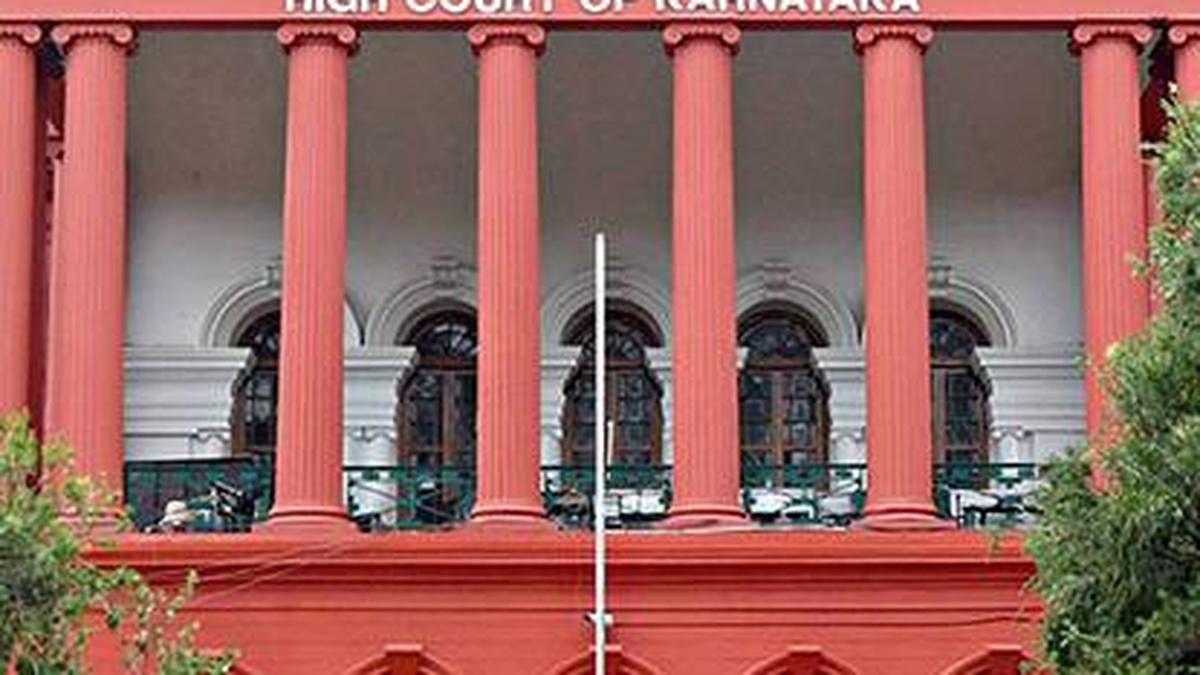
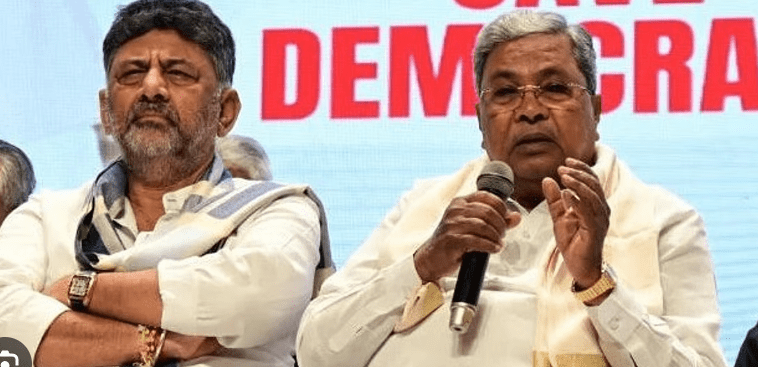
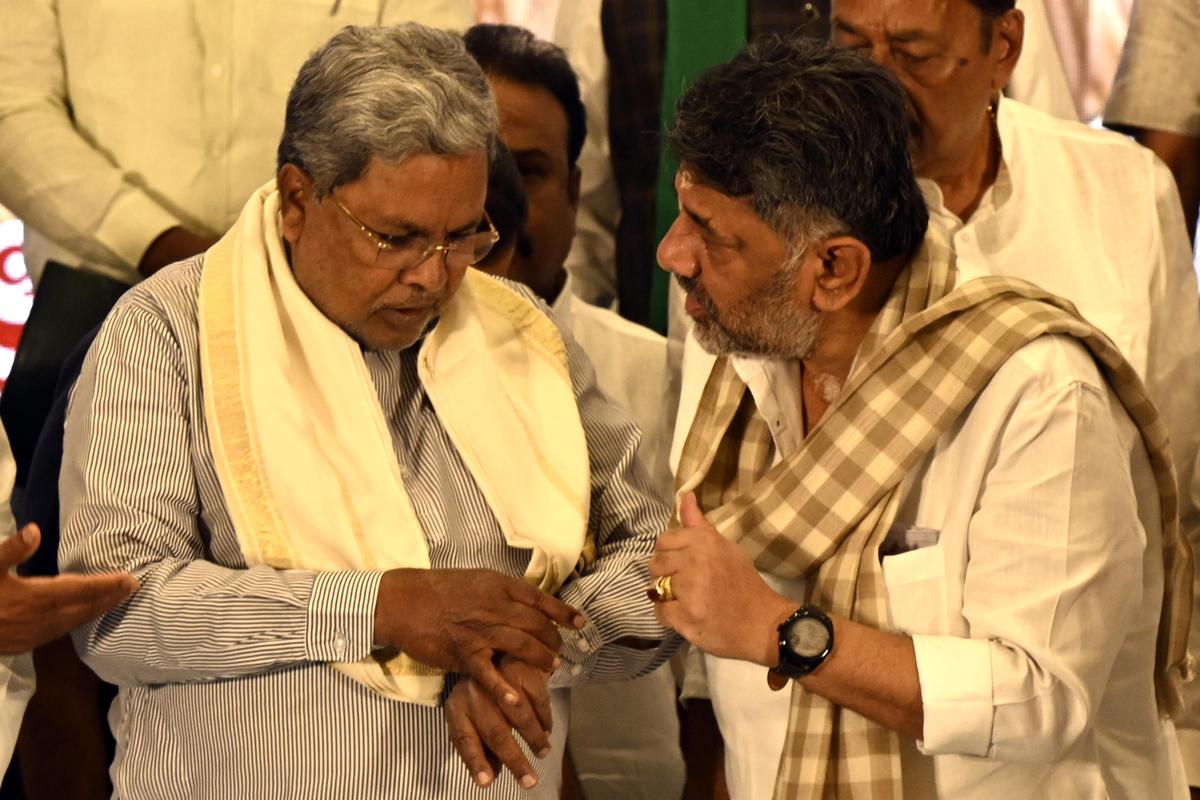
Karnataka Power Struggle: 3 Emotional Ripples Rock Apex Bank Polls

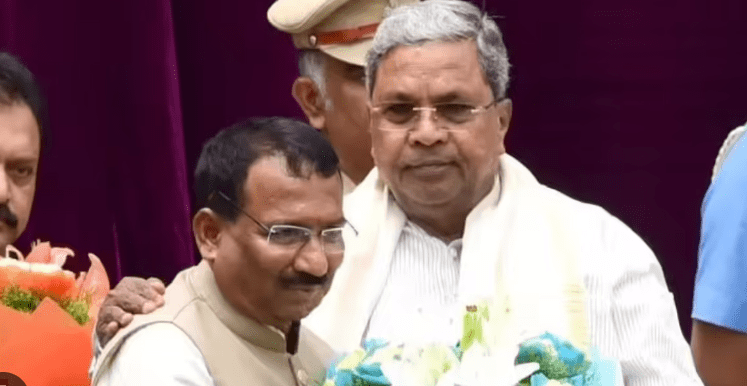
A leadership tussle within Karnataka’s political landscape has begun to influence the atmosphere surrounding the upcoming election to the post of president of the State Apex Cooperative Bank, with observers noting that administrative vacancies are simultaneously increasing in key cooperative bodies. The developments have triggered debate among stakeholders about governance continuity in the cooperative sector, which plays a vital role in agricultural credit and rural finance. While officials maintain that procedures are on track, the political overtones of the contest have drawn attention, especially as leadership alignments within major parties remain fluid ahead of crucial organizational decisions.

Sources in the cooperative sector say that internal political equations have complicated consensus-building for the Apex Bank’s top position. The bank, which serves as an umbrella institution for district cooperative banks, holds significant influence over credit flow to farmers and rural enterprises. Leadership at this level, stakeholders argue, must balance financial expertise with political neutrality. However, the current climate of leadership maneuvering has created uncertainty about candidate selection and support patterns. Insiders suggest that rival factions within political circles are attempting to consolidate influence over cooperative institutions, traditionally seen as important grassroots power centers.Karnataka leadership tussle stretches list of vacancies in top posts - The  Hindu

Officials associated with the election process have clarified that statutory norms and timelines will be followed. They emphasize that cooperative institutions operate under defined rules and that the electoral college will make the final decision. Nonetheless, the perception of political interference has become a talking point among members of district cooperatives. Some fear that prolonged leadership disputes could distract from core banking functions. Ensuring smooth operations, particularly during agricultural lending cycles, remains a priority, as farmers depend on timely credit for seasonal activities.

Compounding concerns is the growing list of vacancies in several cooperative boards and committees. Administrative delays in filling these posts have raised questions about decision-making capacity. Experts note that cooperative structures rely on collective governance, and unfilled positions can slow approvals, audits, and policy execution. In the Apex Bank’s context, leadership clarity is considered crucial for maintaining coordination across districts. Observers say that while vacancies may arise for routine reasons, their coincidence with political uncertainty amplifies apprehension within the sector.

Political analysts view the situation as reflective of the broader interplay between cooperative institutions and electoral politics in Karnataka. Historically, cooperatives have served as organizational bases for political leaders, linking rural constituencies with financial networks. Control over such bodies can enhance grassroots influence. As a result, leadership contests often carry political significance beyond financial management. The current tussle, they suggest, is part of this longstanding dynamic, though stakeholders hope it does not disrupt institutional stability.

COOPERATIVE GOVERNANCE IN FOCUS

The State Apex Cooperative Bank occupies a central role in Karnataka’s rural economy. It coordinates credit distribution, supports district cooperative banks, and channels funds for agricultural and allied activities. Effective governance at this level ensures that schemes and seasonal loans reach intended beneficiaries. Experts warn that uncertainty at the top could delay strategic decisions, affecting planning cycles. However, officials reassure that routine operations continue under existing administrative frameworks. They stress that professional staff and regulatory oversight help maintain continuity even during transitional periods.

Members of cooperative societies have called for transparency in the election process. They argue that clear communication about eligibility, timelines, and procedures can reduce speculation. Strengthening democratic practices within cooperatives, they say, reinforces trust among stakeholders. Some representatives have suggested independent observers to ensure fairness. While such measures are not always standard, the call reflects a desire to insulate financial institutions from political friction. Confidence in governance structures remains essential for cooperative banking credibility.Karnataka Bank Election: Apex Bank Presidential Race Halted

Financial experts point out that cooperative banks operate in a competitive environment alongside commercial banks and microfinance institutions. Stability in leadership and policy direction helps maintain depositor confidence. Any perception of instability could influence public trust, even if operational systems remain unaffected. Therefore, observers recommend that authorities expedite appointments to vacant posts and maintain regular communication with stakeholders. Clear signals of continuity can mitigate uncertainty during politically sensitive phases.

The increase in vacancies across cooperative bodies has also drawn attention from regulatory authorities. Oversight agencies emphasize the need for functional boards to ensure compliance and risk management. Delays in appointments may be procedural, but prolonged gaps can weaken oversight mechanisms. Experts suggest streamlining nomination and election processes to avoid administrative bottlenecks. Ensuring that cooperative institutions remain fully staffed supports both governance quality and public accountability.

POLITICAL DYNAMICS AND INSTITUTIONAL STABILITY

Political commentators observe that leadership contests often intensify as elections approach in various sectors. Cooperative institutions, given their grassroots reach, become arenas for influence. However, seasoned observers note that the cooperative movement has weathered similar phases in the past. Institutional frameworks and member-driven governance typically help restore equilibrium. The key lies in separating political negotiation from day-to-day financial management to prevent operational disruptions.

Stakeholders in the agricultural community have emphasized that credit flow must remain uninterrupted regardless of leadership changes. Seasonal cycles leave little room for administrative delays. Farmers depend on cooperative banks for timely loans covering seeds, inputs, and equipment. Authorities have reassured that disbursement processes continue as scheduled. Maintaining this assurance will be critical in sustaining confidence among rural borrowers during the leadership transition.

Civil society groups monitoring cooperative governance have advocated for reforms that strengthen professional management alongside elected leadership. Blending financial expertise with democratic accountability can help insulate institutions from excessive politicization. Training programs for board members and stricter disclosure norms are among suggested measures. Such steps, observers say, can enhance resilience against political fluctuations.

As the election process unfolds, attention will remain on how quickly vacancies are filled and how transparently the leadership contest is conducted. Clear outcomes and prompt administrative follow-up can stabilize perceptions. While political competition is inherent in cooperative structures, maintaining focus on service delivery is essential. The coming weeks may prove decisive in demonstrating that institutional mechanisms can manage leadership transitions without compromising the cooperative sector’s developmental role.Karnataka Congress power tussle affecting governance; party should clarify  CM: LoP Ashoka

Ultimately, the situation underscores the delicate balance between politics and cooperative governance in Karnataka. Institutions like the Apex Cooperative Bank serve economic functions that extend beyond political cycles. Ensuring their stability requires adherence to rules, transparent processes, and prioritization of member interests. How effectively stakeholders navigate this phase will influence confidence in cooperative institutions and their ability to support rural livelihoods in the months ahead.

Observers note that cooperative elections often serve as indicators of shifting political influence at the grassroots level. Leadership roles in financial institutions linked to rural credit networks can shape long-term relationships with local communities. Because of this, contests for such positions tend to attract strategic interest from various groups. However, analysts stress that institutional strength depends on continuity rather than factional alignment. Maintaining professional standards, financial discipline, and service orientation during political transitions will be essential to prevent governance distractions from affecting core cooperative functions.

Senior members of district cooperative banks have suggested that capacity-building initiatives could help newly elected leaders focus quickly on operational priorities. Training in banking regulations, risk management, and digital transformation can bridge gaps between political experience and financial administration. Such measures, they argue, ensure that leadership changes do not slow modernization efforts within cooperative institutions. Strengthening technical expertise at the board level may also reassure depositors and borrowers that financial stability remains intact despite the surrounding political debate.

Regulatory authorities are expected to keep a close watch on compliance during this period. Cooperative banks operate within defined prudential norms, and oversight bodies may increase monitoring to ensure that governance transitions do not affect reporting standards or asset quality. Experts say this precautionary approach is common during leadership shifts in financial institutions. Transparent audits and timely disclosures can reinforce credibility. Clear communication from regulators may also help counter speculation about instability, emphasizing that routine supervision continues irrespective of political developments.

Rural development specialists emphasize that cooperative institutions remain critical to inclusive growth. They channel credit to small farmers, self-help groups, and rural entrepreneurs who may lack access to commercial banking. Sustaining this outreach requires stable governance and coordinated decision-making. Any prolonged uncertainty could delay new initiatives or credit expansions planned for upcoming seasons. Stakeholders therefore urge swift resolution of leadership questions so that policy focus returns to strengthening rural finance and supporting economic activity at the grassroots level.

Political analysts also observe that leadership disputes, while visible, often resolve through negotiation within party structures. Once internal alignments settle, cooperative elections typically proceed without disruption. Historical precedent suggests that institutional mechanisms tend to outlast short-term political tensions. Still, maintaining transparency in candidate selection and voting procedures will be key to minimizing controversy. Clear adherence to cooperative bylaws can reassure members that the process remains democratic and rule-bound.

Members of cooperative societies have expressed hope that the episode will prompt broader governance reforms. Calls for digitized record-keeping, transparent loan tracking, and stronger member engagement have gained attention. Modernization efforts underway in the cooperative sector may receive renewed focus as stakeholders recognize the need for resilient systems. Strengthening institutional frameworks can reduce dependence on individual leadership styles, ensuring continuity even during political transitions. Such reforms, experts say, can enhance both accountability and operational efficiency.

Ultimately, the unfolding situation highlights the interconnected nature of politics and cooperative finance in Karnataka. While leadership contests generate headlines, the underlying objective remains the same: ensuring that financial institutions continue to serve rural communities effectively. Stability, transparency, and professional management will determine how smoothly the transition is navigated. If these principles guide the process, the cooperative sector can emerge with reinforced credibility, ready to support agricultural growth and rural livelihoods despite the temporary shadow cast by political maneuvering.

Follow: Karnataka Government

Also read: Home | Channel 6 Network – Latest News, Breaking Updates: Politics, Business, Tech & More
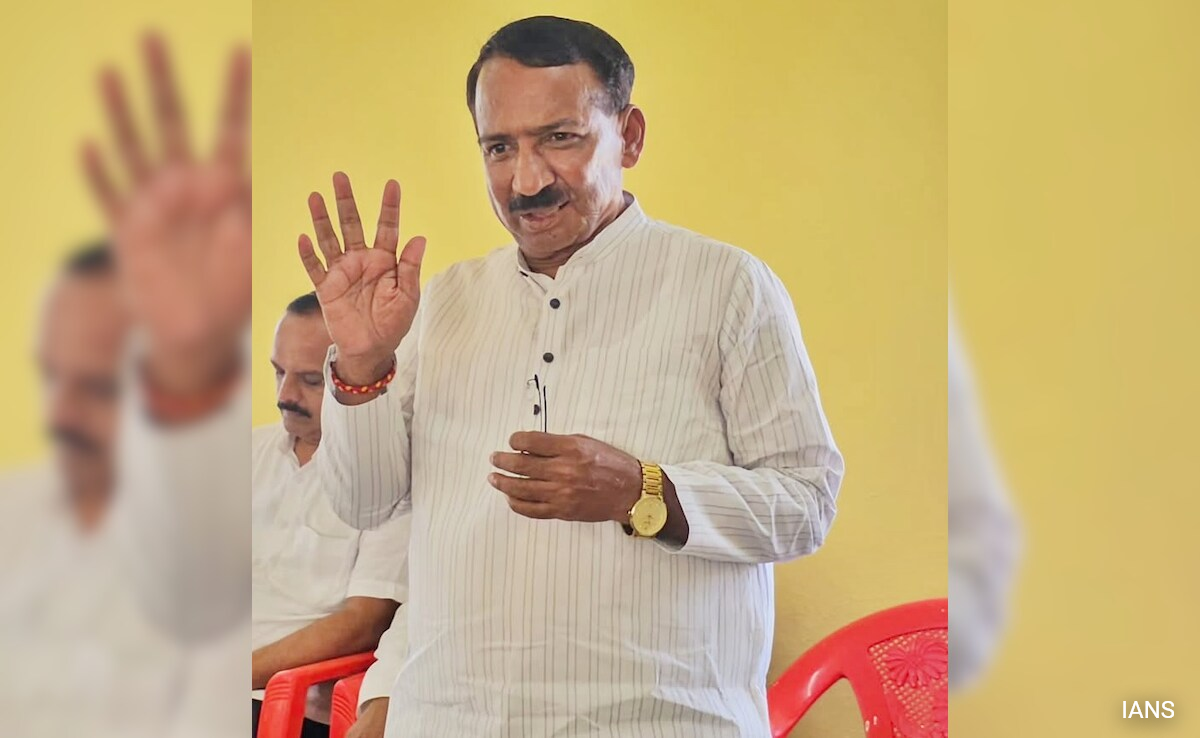
Tragic Shock: 2 Lives Lost in Heartbreaking Karnataka Incident

A deeply distressing incident in Karnataka has drawn attention to the emotional toll of personal crises after lives of a husband and one of his relatives died by suicide following a woman’s decision to leave home with another man, according to police sources. The event occurred in a semi-urban locality, sending shockwaves through the community and raising renewed concerns about mental health, social pressures, and the stigma surrounding marital disputes. Authorities confirmed that investigations are ongoing to establish the sequence of events and determine whether any external factors contributed to the deaths beyond the immediate family circumstances.

Police officials stated that the woman had reportedly left the marital home with a man she was acquainted with, which led to intense emotional distress within the family. Neighbours said the development became widely discussed in the locality, possibly increasing the sense of humiliation and anxiety among the deceased. Officers emphasized that while personal relationships are private matters, public reactions and social judgment can significantly affect vulnerable individuals. The incident has once again highlighted the need for emotional support systems and sensitive handling of family conflicts, particularly in close-knit communities.

Family members told investigators that the husband had been struggling emotionally after learning about his wife’s departure. The involvement of a relative in the tragic outcome has deepened the grief, with extended family now facing a double loss. Police said no evidence of foul play has been found so far, and preliminary findings suggest the deaths were self-inflicted. However, officials are continuing inquiries to rule out coercion or other influences. The bodies were sent for post-mortem examinations as part of standard procedure, and a case has been registered under relevant legal provisions.Karnataka Woman Elopes With Lover 2 Months After Marriage. Husband,  Matchmaker Die By Suicide

Community members described the deceased as quiet individuals who rarely shared personal struggles openly. Social workers note that such silence often masks deep emotional turmoil, particularly in situations involving marital breakdown. The cultural weight attached to family honour and relationship expectations can intensify feelings of shame or failure. Experts emphasize that relationship crises, though painful, are not uncommon, and support structures are crucial to help individuals navigate them safely. The tragedy has therefore triggered conversations about how families and communities respond to personal setbacks and emotional distress.

Police have urged the public and media to avoid speculation and to respect the privacy of the surviving family members. Officers also cautioned against spreading unverified information on social platforms, which can worsen trauma. Authorities reiterated that emotional crises should be addressed with empathy rather than judgment. They advised families facing conflict to seek counselling or mediation services before situations escalate. The incident serves as a somber reminder of the fragile intersection between personal relationships, mental health, and societal expectations, particularly in environments where open dialogue about emotional pain remains limited.

EMOTIONAL DISTRESS AND SOCIAL PRESSURES

Mental health professionals say that relationship disruptions can trigger intense psychological reactions, especially when accompanied by public scrutiny. Feelings of rejection, betrayal, and embarrassment may overwhelm individuals who lack coping mechanisms or support networks. In many communities, men are often discouraged from expressing vulnerability, which can lead to internalized distress. Experts stress that emotional pain, though invisible, can be as severe as physical injury. Early intervention through counselling and family support can prevent tragedies, but stigma surrounding mental health often delays or prevents people from seeking help.

Sociologists point out that honour-based social norms can intensify personal crises. When private matters become topics of public discussion, individuals may feel isolated and judged. This social pressure can distort perception, making temporary setbacks seem permanent or unbearable. Community elders and leaders play an important role in promoting compassionate responses rather than moral condemnation. Encouraging open conversations about mental health and relationship challenges can help reduce the sense of isolation that often accompanies such situations, experts say.

Family counselling professionals emphasize that marital issues, including separation or elopement, should be handled through dialogue and mediation rather than emotional reaction. While the pain involved is genuine, extreme decisions close off possibilities for healing or resolution. Support groups and trained counsellors can help families process anger, grief, and confusion in healthier ways. They stress that seeking help is a sign of strength, not weakness. The tragedy illustrates the urgent need to normalize mental health care as part of everyday well-being.Double suicide in Karnataka: Woman elopes with lover; husband, relative end  lives - suicide note found

Educational institutions and workplaces are increasingly recognizing the importance of mental health awareness. Experts suggest that similar initiatives at community level could make a difference. Awareness programs about coping with stress, rejection, and social pressure can equip individuals with resilience tools. Helplines and counselling services should be publicized widely so people know assistance is available during emotional crises. Preventive measures, they say, are far more effective than reactive responses after tragedy strikes.

NEED FOR SUPPORT SYSTEMS AND SENSITIVITY

Authorities have reiterated that emotional crises require collective sensitivity. Instead of assigning blame, communities can focus on supporting affected families and preventing further distress. Religious and social organizations are being encouraged to promote messages of compassion and understanding. Mental health advocates stress that language matters; stigmatizing or judgmental remarks can deepen wounds. Creating safe spaces for conversation allows individuals to express feelings without fear of ridicule or condemnation.

Police officials also underlined the importance of responsible reporting and social media use. Sensationalism or moral commentary can compound trauma for survivors. Respecting privacy and focusing on awareness rather than gossip helps create a healthier environment. Authorities have asked residents to cooperate with the investigation and refrain from spreading rumours. Maintaining dignity in the aftermath of tragedy is crucial for community healing.

The incident has prompted renewed calls for expanding mental health services in semi-urban and rural areas. Access to psychologists and counsellors remains limited outside major cities. Mobile counselling units and tele-mental health platforms could bridge this gap. Policymakers have been urged to integrate mental health into primary healthcare systems, ensuring early detection and intervention. Such steps could help individuals cope with life crises before they escalate into irreversible outcomes.Karnataka Double Suicide: Husband's Death Note Alleges Harassment After  Wife Elopes; Matchmaker Also Ends Life

Social workers visiting the area reported that grief and shock have affected many residents, not just the immediate family. Community-level counselling sessions may help process collective trauma. Tragedies often reveal hidden emotional vulnerabilities across society. Addressing them openly can strengthen resilience and solidarity. Support networks built now can assist others facing distress in the future.

Ultimately, the loss of two lives has left a painful void and a reminder of how deeply personal turmoil can intersect with social expectations. While investigations continue, experts urge society to shift focus from judgment to empathy. Relationship conflicts, though difficult, are part of human experience, and help is always available. Anyone experiencing emotional distress is encouraged to reach out to trusted individuals, counsellors, or mental health helplines. Timely support can make the difference between despair and recovery, preserving lives and hope even in the most challenging circumstances.

Counsellors working with families affected by similar crises stress the importance of early emotional intervention when signs of severe distress appear. Withdrawal, sleeplessness, sudden anger, or expressions of hopelessness are often warning signals. Relatives and friends are encouraged to take such signs seriously and initiate supportive conversations rather than dismissing them as temporary moods. Professional help, even brief counselling sessions, can help individuals regain perspective during overwhelming moments. Creating an environment where people feel safe discussing emotional pain without fear of ridicule or blame is a key preventive step in avoiding irreversible outcomes.

Community leaders have also been urged to address the issue sensitively during local gatherings and meetings. Instead of focusing on gossip or moral judgments, they can promote awareness about mental health resources and conflict resolution methods. Religious and social organizations often hold influence in such areas and can play a positive role in encouraging compassion. Public messages that normalize seeking help and expressing vulnerability can gradually change social attitudes. Over time, such shifts may reduce the stigma that prevents individuals, especially men, from reaching out during emotional crises.

Legal experts note that while investigations in such cases typically focus on immediate circumstances, broader preventive strategies lie outside the criminal justice framework. Strengthening social welfare outreach, counselling infrastructure, and helpline accessibility are long-term solutions. Governments and civil society groups are increasingly recognizing suicide prevention as a public health priority. Training frontline workers, including teachers and community health staff, to identify emotional distress can help build an early-warning network. Preventive care, they say, is as important as post-incident investigation in reducing future tragedies.

Mental health advocates emphasize the role of media in shaping public understanding. Responsible reporting that avoids sensational details and focuses on awareness can help shift conversations toward prevention. Highlighting stories of recovery and resilience may encourage those in distress to seek help. Journalists and content creators are encouraged to follow ethical guidelines when covering such incidents. By prioritizing dignity and sensitivity, media can contribute to a more supportive environment for affected families and individuals experiencing similar emotional struggles.

Families dealing with relationship conflicts are also advised to consider mediation services. Trained mediators can facilitate dialogue in emotionally charged situations, helping parties express concerns calmly. Even when reconciliation is not possible, structured communication can reduce hostility and misunderstanding. This approach can protect emotional well-being and prevent escalation. Social workers say that access to mediation remains limited in many regions, and expanding such services could offer practical alternatives to emotional reactions during family disputes.

Ultimately, experts reiterate that emotional pain, though deeply personal, should never be faced alone. Support networks, whether family, friends, counsellors, or helplines, provide pathways through crisis. Communities that respond with empathy rather than judgment create safer spaces for healing. The tragedy serves as a solemn reminder of the need to treat mental health with the same urgency as physical health. By fostering openness, compassion, and accessible support, society can work toward preventing similar losses and offering hope to those navigating difficult personal circumstances.

Follow: Karnataka Government

Also read: Home | Channel 6 Network – Latest News, Breaking Updates: Politics, Business, Tech & More

Shocking Labour Alert: 2 Key Worker Concerns Spark Fresh Debate

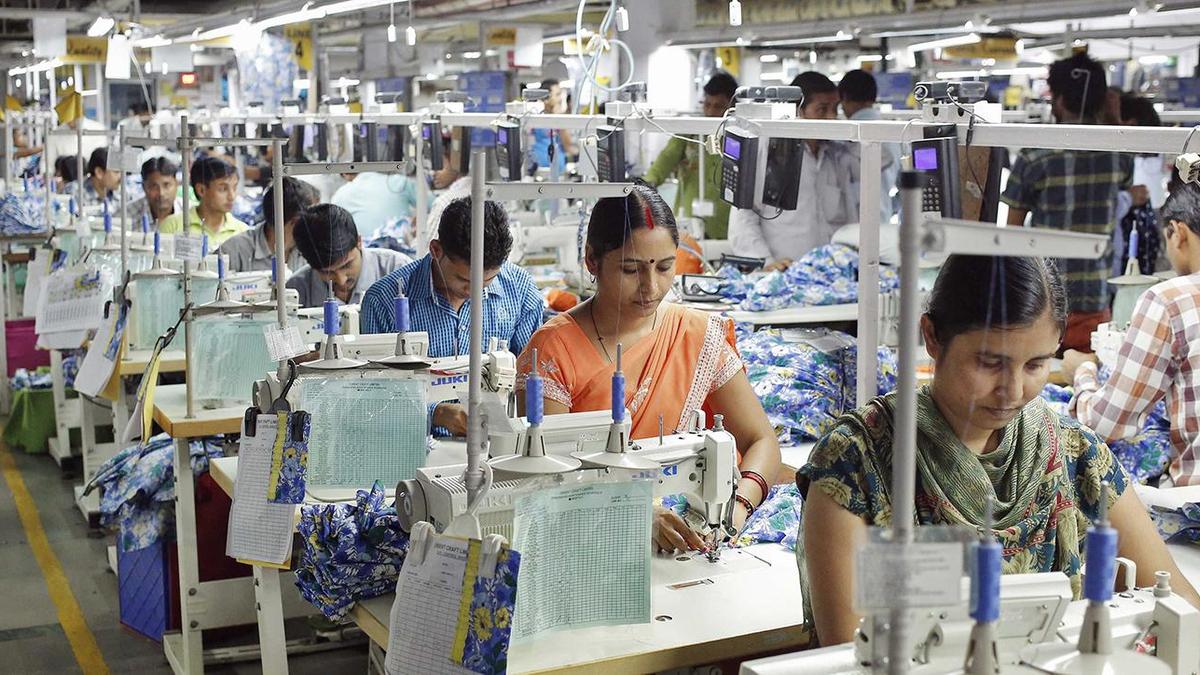
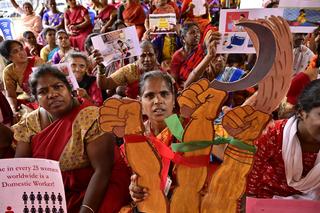
Trade unions across Karnataka have raised objections to certain provisions in a draft labour code recently published by the State government, focusing particularly on clauses related to overtime regulations and the definition of what constitutes a “factory.” Worker representatives argue that the proposed language could dilute existing protections and create ambiguity in coverage. The draft, released for public feedback, is part of the broader exercise of aligning State-level rules with national labour reforms. While officials describe it as a procedural update, unions believe the changes may have practical consequences for working conditions.

Worker advocacy groups have also highlighted the need for stronger grievance redressal mechanisms within the framework of the draft code. They argue that even well-drafted rules can lose effectiveness if workers lack accessible channels to report violations. Suggestions include anonymous complaint systems, faster dispute resolution timelines, and regular awareness campaigns so employees understand their rights. Without such systems, unions say, overtime limits and factory classifications may exist only on paper. Strengthening institutional support, they believe, is essential to ensure that protections translate into real improvements on shop floors and in industrial units.Unions raise concerns about overtime, definition of factory in draft code  published by Karnataka govt - The Hindu

Another dimension of the debate relates to inspection and enforcement capacity. Labour departments often face staffing shortages, which can limit the frequency and depth of inspections. Experts point out that redefining factories or altering overtime rules will require corresponding updates in monitoring practices. Digital compliance systems, self-certification models, and risk-based inspections are being discussed as ways to modernize oversight. However, unions caution that self-certification should not replace independent verification. A balanced approach combining technology with human oversight may be necessary to maintain accountability.

Small business associations have entered the discussion, expressing concern that compliance requirements should remain manageable for micro and small enterprises. They argue that overly complex regulations could discourage entrepreneurship and formalization. Simplified procedures, clear guidelines, and training support may help smaller units adapt without compromising worker welfare. Policymakers thus face the dual task of protecting labour rights while ensuring that regulatory burdens do not stifle economic activity. This balance is central to the broader objectives of labour code reforms.

Academic observers see the current consultation as reflective of India’s wider transition in labour governance. As economies diversify and employment patterns shift, traditional legal categories sometimes struggle to keep pace. Karnataka’s draft code, they note, is part of a national effort to modernize labour frameworks. Debates on overtime and factory definitions illustrate how legal language must evolve alongside industrial realities. Engaging stakeholders in this evolution helps build legitimacy and improves the likelihood of smooth implementation once rules are finalized.

Ultimately, the path forward may depend on continued dialogue and incremental refinement. Unions have indicated willingness to engage constructively if their concerns are meaningfully addressed. Government officials maintain that feedback remains open and that worker welfare is a core objective. The coming revisions will reveal how these competing priorities are reconciled. Beyond specific clauses, the episode underscores the importance of participatory policymaking in labour matters, where decisions directly shape the daily lives, safety, and economic security of thousands of workers across Karnataka.

Unions raise concerns about overtime, definition of factory in draft code  published by Karnataka govt - The Hindu

Union leaders say the overtime provisions need clearer safeguards to prevent overwork. They contend that flexibility for employers must not come at the cost of worker health and fair compensation. Representatives from industrial labour groups have pointed out that overtime limits historically exist to prevent exploitation and ensure adequate rest. If thresholds are altered without strong monitoring, they argue, employees in manufacturing and allied sectors could face pressure to work longer hours. The concern is particularly pronounced in small and medium enterprises where union presence and enforcement mechanisms may be weaker.

The definition of “factory” in the draft has emerged as another focal point of debate. Unions fear that narrowing or modifying this definition might exclude certain establishments from regulatory oversight. If some workplaces fall outside the legal category of factories, they could be exempt from safety norms, inspection requirements, and worker welfare provisions. Labour activists stress that evolving production models, including smaller units and outsourced facilities, should not be used to bypass protections. They argue that definitions must adapt to modern industry while preserving coverage for all workers performing industrial tasks.

Government officials, however, have stated that the draft aims to streamline terminology and remove inconsistencies rather than reduce safeguards. They emphasize that the code is still in consultation stage and subject to revisions based on stakeholder feedback. According to labour department sources, the objective is to create clarity for both employers and employees, reducing legal disputes arising from ambiguous definitions. Authorities have encouraged unions, industry bodies, and civil society organizations to submit detailed suggestions, assuring that no final decision has been taken.

Legal experts observing the process note that definitions in labour law carry significant implications. They determine which establishments are subject to inspections, safety audits, and compliance requirements. Even minor wording changes can shift regulatory reach. Analysts therefore view the unions’ concerns as part of a healthy consultative process. Public consultation, they say, is designed precisely to identify such issues before finalization. The debate underscores the complexity of modern labour governance, where balancing ease of doing business with worker welfare remains a central challenge.

OVERTIME PROVISIONS UNDER SCRUTINY

Unions argue that overtime rules must prioritize worker well-being. Extended hours without adequate rest can lead to fatigue-related accidents and health problems. They are seeking explicit caps on daily and weekly overtime and mandatory double wages for extra hours. Some labour groups also demand stronger record-keeping obligations so that working hours are accurately documented. Without proper tracking, they warn, theoretical limits may not translate into real-world protection. The unions have urged the government to incorporate strict compliance mechanisms before finalizing the rules.

Industry representatives, on the other hand, emphasize the need for operational flexibility. Manufacturing units often face fluctuating demand and seasonal production cycles. Employers argue that rigid limits could hamper productivity and competitiveness. They suggest that voluntary overtime, with appropriate compensation, can benefit both sides. However, experts note that voluntariness in employer-employee relationships can be complex, particularly where job security is uncertain. The challenge for policymakers lies in designing a framework that allows flexibility while preventing coercion or abuse.Unions raise concerns about overtime, definition of factory in draft code  published by Karnataka govt - The Hindu

Labour economists point out that overtime regulation also affects employment generation. If overtime becomes easier and cheaper, firms might rely on existing workers rather than hiring new staff. Conversely, stricter limits could encourage broader recruitment. The policy balance therefore has macroeconomic implications beyond individual workplaces. Karnataka’s industrial sector, spanning manufacturing, textiles, and engineering, is closely watching how the final rules shape labour costs and productivity. The outcome could influence investment decisions and workforce strategies across the State.

Health and safety advocates have linked the overtime debate to workplace accident data. Fatigue has been identified as a contributing factor in industrial mishaps. Ensuring adequate rest periods is thus a preventive safety measure. Experts recommend integrating overtime policy with occupational health standards, including periodic medical checks and risk assessments. They argue that economic gains from longer working hours should not outweigh the human cost of exhaustion. This perspective has strengthened unions’ call for cautious drafting of the overtime clauses.

DEFINING THE “FACTORY” IN A CHANGING ECONOMY

The definition of a factory determines which units must follow safety codes, welfare provisions, and inspection norms. As production models evolve, many smaller units operate with industrial processes but may not fit traditional definitions. Unions worry that the draft wording could leave such establishments outside regulatory oversight. They insist that worker protection should depend on the nature of work rather than the scale or formal classification of the enterprise. Expanding coverage, they argue, is essential in an era of subcontracting and decentralized manufacturing.

Government sources say the intention is to update terminology to reflect technological and organizational changes. They argue that clarity benefits enforcement agencies and reduces litigation. Officials maintain that safety and welfare standards remain priorities and that no establishment engaged in hazardous processes will be excluded. Still, they acknowledge the sensitivity of definitions and the need for careful consultation. Feedback from unions and experts may lead to refinements before the code is finalized.

Industrial safety professionals stress that regulatory coverage must keep pace with emerging sectors such as electronics assembly and small-scale fabrication. These units may employ fewer workers but still involve machinery and risks. Excluding them could create uneven safety environments. A uniform approach, experts say, helps maintain baseline standards across industries. The debate over the factory definition thus reflects broader questions about how labour laws adapt to technological shifts while safeguarding fundamental worker rights.

The consultation process continues, with public hearings and written submissions expected to shape the final version. Both unions and employers recognize that labour policy influences not only workplace conditions but also the State’s economic trajectory. Achieving consensus may be difficult, yet dialogue remains active. Observers note that the outcome will signal how Karnataka balances modernization with social protection in its labour governance framework.

As discussions progress, the draft code has already achieved one objective: sparking widespread engagement with labour policy. Worker groups, industry associations, legal experts, and policymakers are examining clauses in detail. Such scrutiny, though contentious, can strengthen the final framework. Whether the government’s revisions address union concerns on overtime and factory definition will determine how the new rules are received. Ultimately, the process highlights the evolving nature of labour law in a rapidly changing industrial landscape.

Follow: Karnataka Government

Also read: Home | Channel 6 Network – Latest News, Breaking Updates: Politics, Business, Tech & More