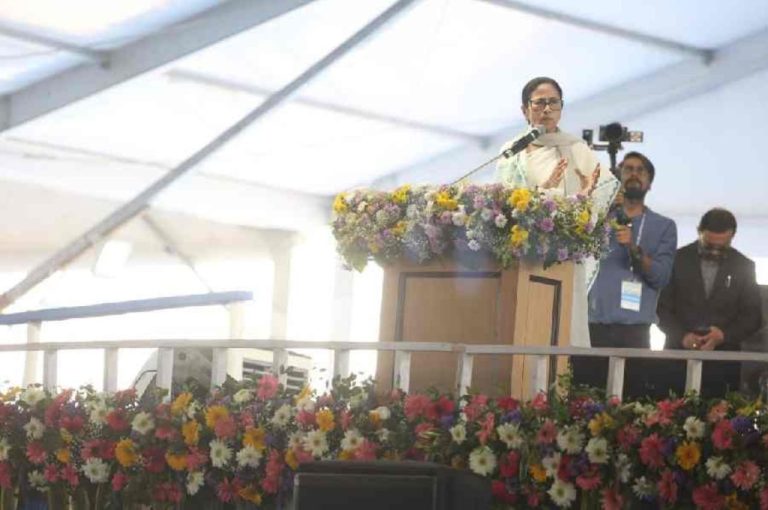
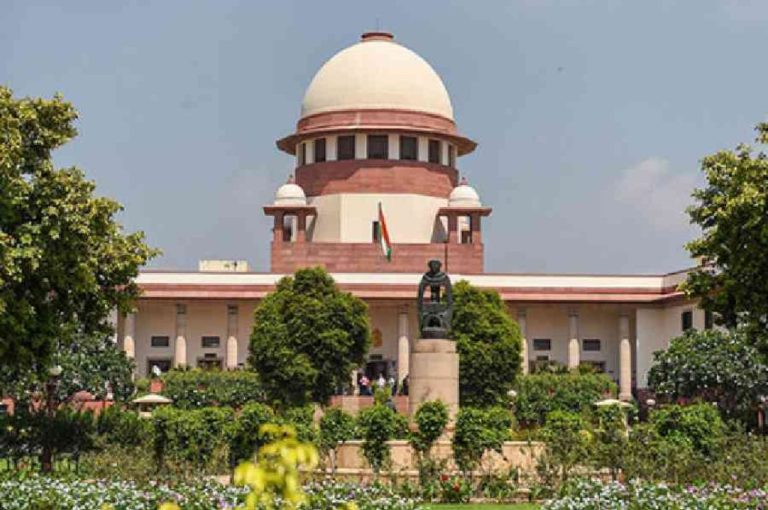
The Baramati air crash Mamata Banerjee plot claim 2026 has become a flashpoint in Indian politics. Following the tragic crash in Baramati, West Bengal Chief Minister Mamata Banerjee suggested that the incident might have been part of a larger plot. However, her uncle and veteran NCP leader Sharad Pawar quickly dismissed the theory, urging restraint and caution in attributing motives before investigations are complete.
This incident underscores the intersection of aviation safety, political rivalry, and governance accountability, where accidents often become politicised in India’s charged atmosphere.
2. The Crash
Location: Baramati, Maharashtra.
Event: Aircraft crash leading to casualties and widespread concern.
Judicial oversight protects fairness in aviation governance.
11. Future Outlook – Aviation Governance in India
India must move towards:
Digitised crash investigation systems ensuring transparency.
Public dashboards showing progress of aviation safety reforms.
Independent audits of airline operations.
Educational campaigns linking aviation safety with civic responsibility.
✅ Conclusion
The Baramati air crash Mamata Banerjee plot claim 2026 is more than a political controversy—it is a test of India’s democratic resilience and governance credibility. As Mamata Banerjee suggests a plot and Sharad Pawar dismisses the theory, ordinary citizens await clarity on whether investigations will deliver transparency, fairness, and respect for human dignity. For India, the lesson is clear: democracy thrives when governance delivers inclusivity and accountability, even in times of tragedy.
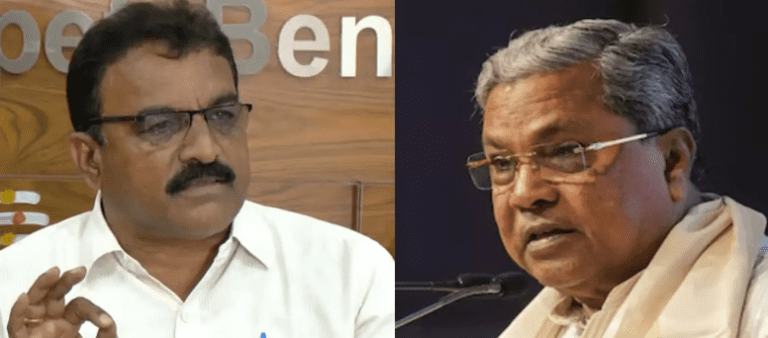
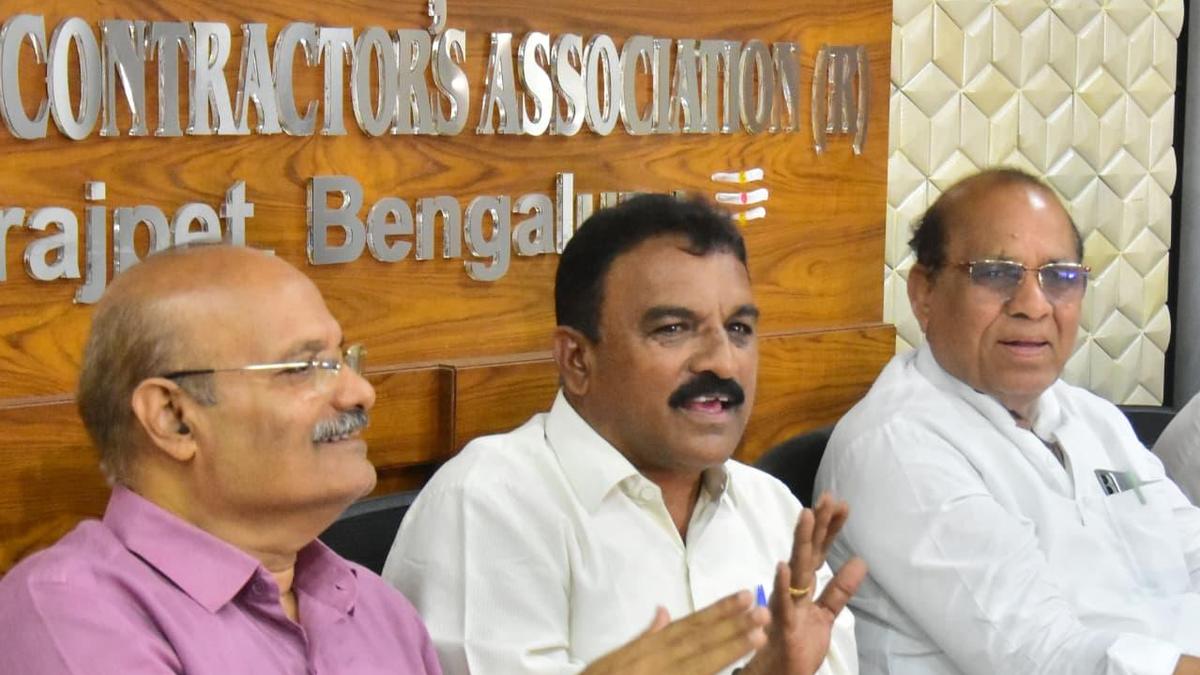
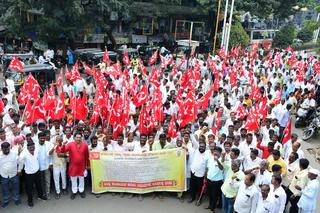
Contractors across Karnataka have warned that they may halt ongoing infrastructure and public works, alleging that government departments have not cleared pending bills amounting to ₹37,370 crore. Representatives of various contractors’ associations said the dues span multiple departments, including Public Works, Rural Development, Irrigation, and Urban Infrastructure. They claim the mounting backlog has created a severe liquidity crisis, leaving firms struggling to pay workers, suppliers, and equipment lenders. The issue has triggered concern within administrative circles, as any large-scale work stoppage could affect road construction, irrigation maintenance, and civic projects that are currently underway in several districts.
Industry observers suggest that the present situation could prompt a broader review of how infrastructure liabilities are recorded and tracked within the State’s financial system. Clearer real-time dashboards reflecting sanctioned amounts, bills submitted, and payments released may help reduce disputes. Such transparency could benefit both administrators and contractors, minimizing misunderstandings and improving planning on both sides. Experts say that digital governance tools, if fully integrated, can transform financial management in public works, making delays visible early and enabling corrective action before arrears accumulate to levels that threaten project continuity.
There is also discussion among policy circles about diversifying funding models for large infrastructure programs. Public-private partnerships, annuity-based payments, and infrastructure bonds are being examined as ways to reduce immediate fiscal pressure on the treasury. By spreading costs over longer periods, such mechanisms may help stabilize cash flows. However, experts caution that these models require strong regulatory oversight and contract management to avoid future disputes. Karnataka’s current challenge, they say, could become a catalyst for adopting more resilient financing structures that protect both public interest and contractor viability.
Ultimately, the resolution of the dues issue may influence long-term confidence in the State’s infrastructure ecosystem. Contractors, financiers, and suppliers closely watch how governments handle payment obligations during tight fiscal phases. A transparent, time-bound settlement plan could restore trust and set a precedent for improved financial discipline. Conversely, prolonged uncertainty might make firms cautious about bidding for future projects. The coming negotiations therefore carry significance beyond immediate arrears, shaping perceptions of Karnataka’s reliability as a partner in large-scale development initiatives.
Leaders of contractors’ bodies said repeated representations to the government have not yielded timely disbursals. They argue that many firms operate on tight margins and rely on regular payments to sustain operations. Delays extending over months, they say, disrupt financial planning and increase borrowing costs. Smaller contractors, in particular, report difficulty in securing fresh loans due to outstanding receivables. Association members warned that unless a structured payment schedule is announced soon, they may be compelled to suspend work as a form of protest, potentially affecting both rural and urban development projects across the State.
Officials in the Public Works Department acknowledged that payment delays exist but attributed them to broader fiscal pressures. They said the State has faced high expenditure commitments across welfare schemes, infrastructure expansion, and administrative costs. Revenue flows, they added, fluctuate seasonally, affecting cash flow management. Departments are reportedly working with the Finance Department to prioritize critical payments. Authorities emphasized that discussions with contractor representatives are ongoing, and efforts are being made to avoid disruption to essential public works that serve large populations and support economic activity.
Economic analysts note that delayed payments in the construction sector often have ripple effects beyond contractors themselves. Suppliers of cement, steel, transport services, and equipment rentals depend on timely settlement. When bills remain unpaid, the stress spreads across the value chain, affecting employment and local businesses. Karnataka’s infrastructure push in recent years has generated substantial activity, and any slowdown could influence growth indicators. Experts stress the need for predictable payment cycles, as infrastructure development relies heavily on private contractors who bear upfront costs before reimbursement from government departments.
Contractors’ associations have sought a transparent audit of pending bills and a time-bound clearance plan. They say clarity on payment timelines would help firms negotiate with banks and vendors. Without such assurance, uncertainty continues to hamper planning. Some contractors allege that projects completed months ago remain unsettled, forcing them to divert funds from other commitments. While larger firms may manage short-term gaps, smaller regional contractors report that the strain threatens their survival. The associations insist that their demand is not confrontational but aimed at ensuring financial sustainability within the sector.
INFRASTRUCTURE WORKS AT RISK
If contractors suspend work, several ongoing projects could face delays. These include road widening, bridge construction, irrigation canal maintenance, and urban drainage improvements. Officials warn that halting partially completed works can lead to cost escalation, as restarting later often requires additional mobilization and repairs. Seasonal factors also matter, particularly for irrigation and monsoon-related works. A pause at critical stages may affect agricultural support systems and urban flood mitigation measures. Authorities are therefore keen to prevent a shutdown that could complicate project timelines and impact public services.
Local communities in project areas have expressed concern about possible stoppages. In many regions, road upgrades and drinking water projects are seen as long-awaited improvements. Residents fear that delays may prolong inconvenience and affect daily life. Civic groups have urged both the government and contractors to find a solution quickly, emphasizing that development works should not become casualties of financial disputes. They argue that infrastructure projects are essential public assets, and prolonged interruptions could undermine trust in administrative capacity to deliver promised improvements within expected timeframes.
From the government’s perspective, balancing fiscal commitments remains challenging. Expenditure demands from welfare schemes, salary obligations, and capital projects compete for limited resources. Officials suggest that phased payment mechanisms may be introduced, prioritizing smaller contractors and completed works. Financial planners within the administration are reportedly exploring ways to streamline bill processing and reduce procedural bottlenecks. Digitized tracking systems may help improve transparency, ensuring contractors can monitor payment status. Such measures, authorities say, could rebuild confidence while addressing systemic issues that contribute to delays.
Banking sector representatives observe that payment uncertainty increases risk perception in infrastructure lending. When receivables from government departments are delayed, lenders become cautious about extending credit to contractors. This tightens liquidity further, creating a cycle that slows project execution. Financial experts recommend escrow mechanisms or dedicated infrastructure funds to ensure predictable cash flows. They argue that safeguarding contractor payments ultimately protects public investments, as timely disbursal supports continuity and efficiency in project implementation across sectors critical to economic development.
Contractors have indicated that their proposed work stoppage would be coordinated and symbolic initially, aimed at drawing attention rather than causing immediate disruption. They stress willingness to negotiate and have requested a meeting with senior ministers. Some association leaders suggest that partial payments or interim settlements could ease pressure. They maintain that the sector has supported government initiatives during rapid infrastructure expansion and now seeks reciprocal financial discipline. The coming weeks may determine whether dialogue leads to compromise or escalation of the standoff.
SEARCH FOR A FINANCIAL RESOLUTION
Policy observers believe the situation highlights the importance of financial planning in large-scale public works programs. Ambitious infrastructure drives require synchronized budgeting and payment systems. When allocations and cash flow schedules diverge, contractors bear the strain. Experts suggest multi-year budgeting frameworks and contingency reserves to manage fluctuations. Strengthening financial forecasting can help governments meet commitments without compromising development pace. Karnataka’s experience may thus serve as a case study in balancing growth ambitions with fiscal discipline in states pursuing rapid modernization of public infrastructure.
Transparency in billing and certification processes has also come under focus. Contractors argue that delays sometimes stem from prolonged verification procedures. Simplifying documentation requirements and adopting standardized digital approval systems could reduce turnaround times. Administrators acknowledge that procedural reforms are necessary alongside financial solutions. Improved coordination between field engineers, departmental heads, and treasury offices may prevent bills from remaining pending due to technical discrepancies. Streamlining these processes could enhance efficiency and reduce friction between contractors and government agencies.
Labour unions representing construction workers have voiced concern about wage security if projects stall. Many labourers depend on continuous site work, and payment delays at contractor level may affect timely wages. Social welfare organizations warn that disruptions could have human consequences beyond financial accounts. Ensuring contractor liquidity, they argue, indirectly safeguards employment for thousands of workers. This dimension adds urgency to resolving the dispute, as infrastructure projects function not only as development tools but also as significant employment generators in both urban and rural Karnataka.
Political reactions have varied, with opposition leaders urging the government to clear dues swiftly and avoid economic slowdown. They argue that infrastructure commitments should be matched with financial readiness. Government representatives, meanwhile, emphasize ongoing dialogue and deny any immediate crisis. They assert that fiscal management is under control and that phased payments will address concerns. The debate underscores how administrative financial issues often become part of broader political discourse, especially when large sums and public projects are involved.
Observers note that such disputes are not uncommon in infrastructure-heavy economies, but prolonged uncertainty can erode investor confidence. Predictable governance practices, including timely payments, are key to sustaining private sector participation in public projects. Ensuring trust between contractors and government agencies supports smoother execution of development plans. As Karnataka continues its infrastructure expansion, resolving the payment backlog efficiently may reinforce credibility and demonstrate administrative responsiveness to stakeholder concerns.
In the immediate term, the focus remains on negotiation. Both sides recognize that confrontation would harm public interest. Contractors seek assurance and structured timelines, while the government aims to manage fiscal constraints without halting development. The outcome will likely shape future engagement models between the State and its infrastructure partners. Ultimately, the episode underscores that development is not only about project announcements but also about maintaining the financial ecosystems that keep construction, employment, and public services moving steadily forward.
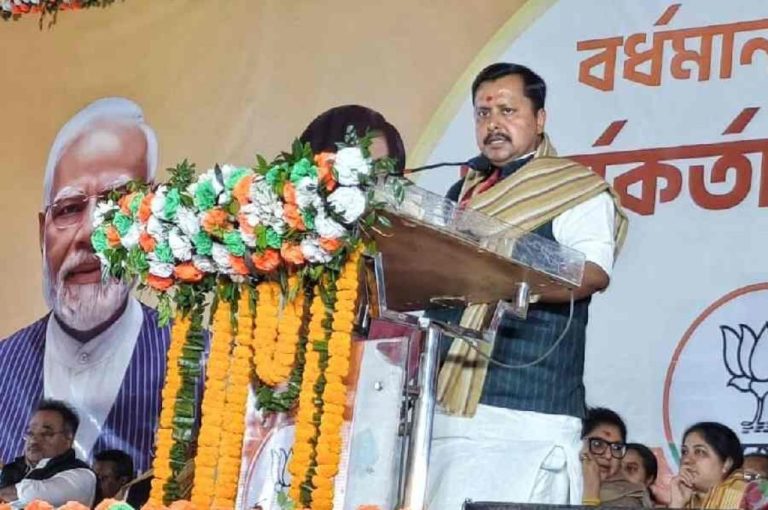
The Nitin Nabin gaffe Tagore slogan 2026 controversy has become a talking point in Bengal’s political circles. During a campaign in Durgapur, BJP leader Nitin Nabin allegedly copied a slogan and made a slip‑up involving Rabindranath Tagore, which immediately drew mockery from the Trinamool Congress (TMC).
This incident underscores the intersection of political communication, cultural sensitivity, and governance accountability, where even minor mistakes can become amplified in Bengal’s charged political environment.
2. Nitin Nabin Gaffe Tagore Slogan 2026: The Gaffe
Location: Durgapur, West Bengal.
Leader: Nitin Nabin, BJP politician.
Event: Copied slogan and misquoted Tagore.
Reaction: TMC mocked the slip‑up, framing it as disrespect to Bengal’s cultural icons.
Significance: Highlights importance of cultural literacy in political messaging.
3. Why This Case Matters
Cultural stakes: Rabindranath Tagore is revered in Bengal; missteps invite backlash.
Political stakes: Gaffes can undermine credibility of leaders.
Governance accountability: Citizens expect respect for cultural heritage.
Public trust: Communication errors erode confidence in political leadership.
4. Political Reactions
TMC: Mocked Nabin’s slip‑up, portraying BJP as culturally disconnected.
BJP: Downplayed incident, accused TMC of politicising minor mistakes.
Civil society: Expressed concern about trivialisation of Tagore’s legacy.
Observers: Noted potential for gaffe to influence campaign narratives.
5. Governance Challenges
The Durgapur gaffe reflects systemic governance issues:
Cultural sensitivity: Leaders must respect regional icons.
Communication training: Political figures often lack preparation.
Administrative accountability: Campaign messaging must align with cultural values.
Judicial oversight: Courts may intervene if misrepresentation crosses legal boundaries.
6. Community Concerns
Families: Seek dignity in representation of cultural heritage.
Youth: Demand authenticity in political communication.
Civil society groups: Call for participatory governance in cultural policy.
Opposition voices: Warn of marginalisation if cultural icons are misused.
UK: Missteps involving Shakespeare or Churchill drew criticism.
Africa: Cultural misrepresentations undermined political campaigns.
Bengal’s case mirrors these global struggles where political communication collides with cultural heritage and governance accountability.
10. Governance Lessons
The Durgapur gaffe teaches:
Authenticity in communication builds credibility.
Cultural literacy must be prioritised in campaigns.
Community engagement ensures legitimacy of messaging.
Judicial oversight protects fairness in representation.
11. Future Outlook – Political Communication in Bengal
India must move towards:
Digitised training modules for political communication.
Public dashboards showing campaign promises and cultural references.
Independent audits of political messaging.
Educational campaigns linking cultural heritage with civic responsibility.
✅ Conclusion
The Nitin Nabin gaffe Tagore slogan 2026 is more than a campaign slip‑up—it is a test of India’s democratic resilience and governance credibility. As TMC mocks the BJP leader’s mistake, ordinary citizens await clarity on whether political communication will deliver transparency, fairness, and respect for cultural icons. For Bengal, the lesson is clear: democracy thrives when governance delivers inclusivity and accountability.
The BJP chief Mamata Banerjee SIR woes 2026 controversy has become a defining moment in Bengal’s political discourse. The Bharatiya Janata Party (BJP) chief publicly blamed Chief Minister Mamata Banerjee for the Special Intensive Revision (SIR) woes, alleging harassment of ordinary citizens during voter list hearings.
This incident underscores the intersection of electoral governance, political rivalry, and citizen dignity, where voter roll revisions have become a battleground for competing narratives of democracy.
2. The Allegations
Accuser: BJP chief.
Target: Mamata Banerjee, Chief Minister of West Bengal.
Charge: Citizens harassed during SIR hearings.
Context: Complaints of wrongful deletions and bureaucratic excesses.
Significance: Reflects deepening mistrust between ruling party and opposition.
3. Why This Case Matters
Electoral integrity: Voter list transparency is central to democracy.
Governance accountability: Citizens demand fairness in electoral processes.
Political stakes: Allegations could influence upcoming elections.
Public trust: Harassment claims undermine confidence in institutions.
4. Political Reactions
BJP: Framed issue as evidence of TMC’s failure in governance.
TMC: Dismissed allegations, accused BJP of politicising routine processes.
Civil society: Expressed concern about erosion of democratic norms.
Observers: Noted potential for controversy to reshape Centre‑state relations.
5. Governance Challenges
The SIR woes reflect systemic governance issues:
Electoral transparency: Allegations of bias in voter list revisions.
Administrative neutrality: Concerns about misuse of bureaucratic processes.
Coordination gaps: Between state governments and Election Commission.
Judicial oversight: Courts may intervene if irregularities are proven.
6. Community Concerns
Families: Fear wrongful deletion of names due to minor errors.
Youth: Demand clarity in voter registration processes.
Civil society groups: Call for participatory governance in electoral reforms.
Opposition voices: Warn of marginalisation if protests are ignored.
8. Historical Context of Electoral Disputes in Bengal
1970s–80s: Allegations of voter list manipulation during Left Front rule.
2011: Mamata Banerjee rose to power, promising electoral reforms.
2019–2021: BJP gained ground, raising concerns about fictitious voters.
2026: BJP chief’s allegations reflect continuity of disputes over electoral neutrality.
9. Global Comparisons
Similar electoral disputes worldwide:
USA: Allegations of voter suppression sparked nationwide demonstrations.
UK: Concerns about disenfranchisement under new voter ID laws.
Nigeria: Electoral roll disputes led to mass protests.
India’s case mirrors these global struggles where electoral integrity collides with political rivalry and governance accountability.
10. BJP Chief Mamata Banerjee SIR Woes 2026: Governance Lessons
The SIR woes teach:
Institutions must respect citizen dignity.
Transparency in electoral processes is non‑negotiable.
Opposition unity strengthens democratic accountability.
Judicial oversight protects fairness in electoral democracy.
11. Future Outlook – Electoral Governance in Bengal
India must move towards:
Digitised grievance redressal portals for voter roll issues.
Periodic audits of electoral rolls by independent agencies.
Public dashboards showing deletions and additions transparently.
Educational campaigns to help citizens verify their status.
✅ Conclusion
The BJP chief Mamata Banerjee SIR woes 2026 controversy is more than a political dispute—it is a test of India’s democratic resilience and governance credibility. As BJP accuses Mamata Banerjee of harassment during SIR hearings, ordinary citizens await clarity on whether these interventions will deliver transparency, fairness, and respect for democratic norms. For Bengal, the lesson is clear: democracy thrives when governance delivers inclusivity and accountability.
The clouded leopard Buxa Tiger Reserve 2026 sighting has generated excitement among wildlife enthusiasts, conservationists, and policymakers. After a gap of two years, the elusive and reclusive clouded leopard (Neofelis nebulosa) was photographed inside the Buxa Tiger Reserve in North Bengal. This rare sighting is not just a triumph for wildlife photographers but also a reminder of the fragile state of biodiversity in Bengal’s forests.
This incident underscores the intersection of conservation, ecological balance, and governance accountability, where protecting endangered species becomes central to sustainable development.
2. Clouded Leopard Buxa Tiger Reserve 2026: The Sighting
Location: Buxa Tiger Reserve, Alipurduar district, West Bengal.
Species: Clouded leopard (Neofelis nebulosa).
Event: Rare photograph captured after two years.
Significance: Confirms presence of species in Bengal’s forests, boosting conservation hopes.
Symbolism: Represents resilience of endangered species despite human pressures.
3. Why This Case Matters
Biodiversity stakes: Clouded leopard is listed as Vulnerable by IUCN.
Bengal’s case mirrors these global struggles where wildlife conservation collides with governance, industry, and community welfare.
10. Governance Lessons
The clouded leopard sighting teaches:
Transparency in conservation builds credibility.
Community engagement ensures legitimacy of reforms.
Balanced vigilance ensures governance legitimacy.
Judicial oversight protects fairness in environmental governance.
11. Future Outlook – Wildlife Governance in Bengal
India must move towards:
Digitised monitoring systems for rare species.
Public dashboards showing conservation progress.
Independent audits of forest protection projects.
Educational campaigns linking wildlife conservation with civic responsibility.
✅ Conclusion
The clouded leopard Buxa Tiger Reserve 2026 sighting is more than a wildlife event—it is a test of India’s democratic resilience and governance credibility. As the rare species is photographed after two years, ordinary citizens and conservationists await clarity on whether these measures will deliver transparency, fairness, and respect for biodiversity. For Bengal, the lesson is clear: democracy thrives when governance delivers inclusivity and accountability in conservation.
The Singur Mamata Banerjee industry farm balance 2026 visit has reignited debates about Bengal’s economic future. Chief Minister Mamata Banerjee, while addressing citizens in Singur, sought to walk the tightrope between industry and agriculture, citing the development of industrial parks alongside farmer benefits.
This incident underscores the intersection of industrialisation, agrarian rights, and governance accountability, where Singur remains a symbolic battleground for Bengal’s development model.
2. Singur Mamata Banerjee Industry: The Visit
Location: Singur, Hooghly district, West Bengal.
Leader: Mamata Banerjee, Chief Minister of West Bengal.
Message: Industry and agriculture must coexist.
Promises: Industrial parks for jobs, farmer benefits for livelihood security.
Significance: Reflects Bengal’s attempt to balance economic growth with agrarian justice.
3. Why This Case Matters
Economic stakes: Singur is symbolic of Bengal’s industrialisation debate.
Agrarian rights: Farmers demand dignity and compensation.
Governance accountability: Citizens expect clarity on development models.
Public trust: Leadership response influences confidence in governance.
4. Political and Social Reactions
TMC government: Framed visit as proof of balanced governance.
BJP: Criticised TMC for failing to deliver industry while politicising farmers.
Left parties: Recalled Singur as a missed opportunity for industrialisation.
Civil society: Welcomed farmer benefits but demanded clarity on industrial policy.
Observers: Noted potential for visit to reshape Bengal’s development narrative.
5. Governance Challenges
The Singur visit reflects systemic governance issues:
Industrialisation delays: Past controversies stalled projects.
2006: Tata Motors’ Nano project announced in Singur.
2008: Project withdrawn after farmer protests over land acquisition.
2011: Mamata Banerjee rose to power, promising justice for Singur farmers.
2016: Supreme Court ruled land acquisition illegal, ordered return of land.
2026: Mamata’s visit reflects continuity of balancing industry and agriculture.
9. Global Comparisons
Similar industry‑farm conflicts worldwide:
USA: Midwest farmers resisted industrial land grabs.
China: Rural protests erupted over industrial expansion.
Africa: Land acquisition disputes linked to mining and agriculture.
Singur’s case mirrors these global struggles where industrialisation collides with agrarian rights and governance accountability.
10. Governance Lessons
The Singur visit teaches:
Transparency in land policies builds credibility.
Community engagement ensures legitimacy of reforms.
Balanced development strengthens governance legitimacy.
Judicial oversight protects fairness in land acquisition.
11. Future Outlook – Development Governance in Bengal
India must move towards:
Digitised land acquisition systems ensuring transparency.
Public dashboards showing industrial park progress.
Independent audits of farmer compensation.
Educational campaigns linking industry with agrarian dignity.
✅ Conclusion
The Singur Mamata Banerjee industry farm balance 2026 visit is more than a symbolic gesture—it is a test of India’s democratic resilience and governance credibility. As Mamata Banerjee cites industrial parks and farmer benefits, ordinary citizens await clarity on whether these measures will deliver transparency, fairness, and respect for both agrarian and industrial aspirations. For Bengal, the lesson is clear: democracy thrives when governance delivers inclusivity and accountability.
The Kisan Jati ST tag protest 2026 has emerged as a critical flashpoint in Bengal’s tribal politics. The Kisan Jati outfit, representing a section of agrarian tribal communities, expressed anger at the Trinamool Congress (TMC) for failing to secure a Scheduled Tribe (ST) tag for its members. In a dramatic escalation, the outfit threatened to boycott upcoming elections, raising concerns about disenfranchisement and political alienation.
This incident underscores the intersection of tribal rights, electoral politics, and governance accountability, where recognition of identity becomes central to democratic participation.
2. The Protest
Group: Kisan Jati outfit.
Demand: Recognition as Scheduled Tribe (ST).
Trigger: Perceived neglect by TMC government.
Threat: Electoral boycott unless demands are met.
Significance: Reflects growing frustration among marginalised communities.
3. Why This Case Matters
Identity politics: ST recognition ensures access to constitutional safeguards.
Electoral stakes: Boycott could impact voter turnout and party fortunes.
Governance accountability: State must address long‑standing demands.
Public trust: Communities expect fairness in recognition and representation.
4. Political Reactions
TMC government: Urged patience, promised review of demands.
BJP: Criticised TMC for neglecting tribal communities, sought to capitalise politically.
Civil society: Supported Kisan Jati demands, called for inclusive governance.
Observers: Noted potential for boycott threat to reshape Bengal’s electoral dynamics.
5. Governance Challenges
The Kisan Jati protest reflects systemic governance issues:
Recognition delays: Communities often wait decades for ST status.
Resource allocation: Lack of recognition limits access to welfare schemes.
Administrative gaps: Bureaucratic hurdles slow down recognition processes.
Judicial oversight: Courts may intervene if constitutional rights are denied.
6. Kisan Jati ST Tag Protest 2026: Community Concerns
Families: Seek dignity and access to welfare benefits.
Youth: Demand jobs, education, and recognition of identity.
Civil society groups: Call for participatory governance in tribal policy.
Opposition voices: Warn of marginalisation if demands remain unmet.
Africa: Ethnic groups sought recognition to access state resources.
Bengal’s case mirrors these global struggles where identity recognition collides with governance, electoral politics, and citizen dignity.
10. Governance Lessons
The Kisan Jati protest teaches:
Transparency in recognition processes builds credibility.
Community engagement ensures legitimacy of reforms.
Balanced vigilance ensures governance legitimacy.
Judicial oversight protects fairness in recognition.
11. Future Outlook – Tribal Governance in Bengal
India must move towards:
Digitised recognition systems for tribal communities.
Public dashboards showing progress of recognition petitions.
Independent audits of welfare scheme access.
Educational campaigns linking tribal rights with civic responsibility.
✅ Conclusion
The Kisan Jati ST tag protest 2026 is more than a political dispute—it is a test of India’s democratic resilience and governance credibility. As the outfit threatens electoral boycott, ordinary families await clarity on whether recognition will deliver transparency, fairness, and respect for identity. For Bengal, the lesson is clear: democracy thrives when governance delivers inclusivity and accountability.
The Bengal blaze Mamata Banerjee aid 2026 announcement has become a defining moment in the state’s disaster response narrative. Following a devastating fire that claimed lives and left families shattered, Chief Minister Mamata Banerjee broke her silence, assuring Rs 15 lakh financial aid and civic jobs for bereaved families.
This incident underscores the intersection of governance accountability, disaster management, and citizen dignity, where political leadership is tested in moments of tragedy.
2. Bengal Blaze Mamata Banerjee Aid 2026: The Announcement
Leader: Mamata Banerjee, Chief Minister of West Bengal.
Aid promised: Rs 15 lakh per bereaved family.
Additional support: Civic jobs for affected families to ensure livelihood security.
Tone: Compassionate, acknowledging grief and promising long‑term support.
Significance: Reflects state’s commitment to disaster relief and rehabilitation.
3. Why This Case Matters
Human cost: Families lost loved ones and livelihoods in the blaze.
Governance accountability: Citizens expect timely relief and rehabilitation.
Economic stakes: Compensation and jobs provide stability to affected households.
Public trust: Leadership response influences confidence in governance.
4. Political and Social Reactions
TMC government: Framed aid as compassionate governance.
Opposition parties: Questioned adequacy of relief, demanded stronger preventive measures.
Civil society: Welcomed jobs promise, urged systemic fire safety reforms.
Observers: Noted potential for announcement to reshape disaster response discourse.
5. Governance Challenges
The blaze tragedy reflects systemic governance issues:
Urban fire safety: Gaps in enforcement of building codes.
Disaster preparedness: Limited infrastructure for rapid response.
Administrative accountability: Delays in relief distribution undermine trust.
Judicial oversight: Courts may intervene if negligence is proven.
6. Community Concerns
Families: Seek dignity and livelihood security after loss.
Youth: Demand jobs and safer civic infrastructure.
Civil society groups: Call for participatory governance in disaster planning.
Opposition voices: Warn of marginalisation if systemic reforms are ignored.
1990s: Several market fires exposed gaps in safety enforcement.
2011: AMRI hospital fire highlighted negligence in urban safety.
2019–2021: Repeated incidents in Kolkata markets raised concerns.
2026: Blaze tragedy reflects continuity of challenges in disaster governance.
9. Global Comparisons
Similar fire tragedies worldwide:
USA: Oakland warehouse fire exposed lapses in safety codes.
UK: Grenfell Tower fire highlighted systemic negligence.
Bangladesh: Factory fires underscored vulnerability of workers.
Bengal’s case mirrors these global struggles where disaster management collides with governance accountability and citizen dignity.
10. Governance Lessons
The blaze tragedy teaches:
Transparency in relief distribution builds credibility.
Livelihood security must accompany financial aid.
Community engagement ensures legitimacy of reforms.
Judicial oversight protects fairness in governance.
11. Future Outlook – Disaster Governance in Bengal
India must move towards:
Digitised relief distribution systems ensuring transparency.
Public dashboards showing aid disbursal and rehabilitation progress.
Independent audits of fire safety compliance.
Educational campaigns linking disaster preparedness with civic responsibility.
✅ Conclusion
The Bengal blaze Mamata Banerjee aid 2026 announcement is more than a relief package—it is a test of India’s democratic resilience and governance credibility. As Mamata Banerjee promises Rs 15 lakh aid and civic jobs for bereaved families, ordinary citizens await clarity on whether these measures will deliver transparency, fairness, and respect for human dignity. For Bengal, the lesson is clear: democracy thrives when governance delivers inclusivity and accountability.
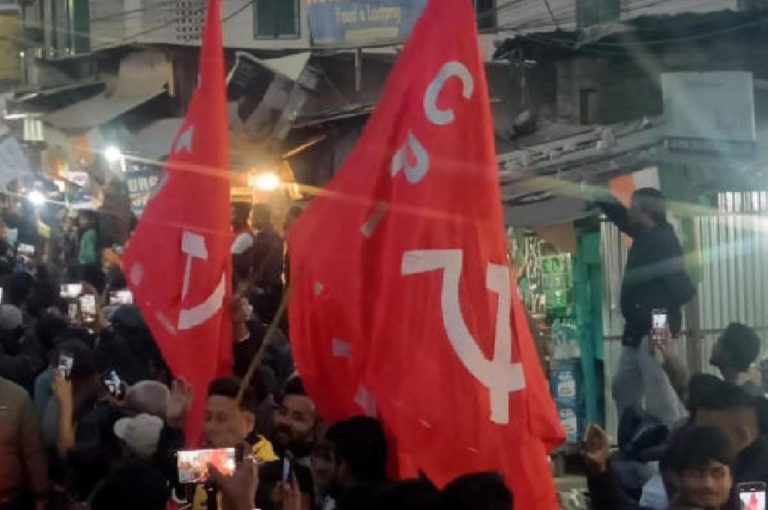
The CPM police case leaders protest 2026 has become a flashpoint in Bengal’s political landscape. The Communist Party of India (Marxist) flagged a police case filed against its top leaders, alleging political vendetta. In response, the party vowed to pursue a legal fight in the courts while simultaneously launching street protests to mobilise public opinion.
This incident underscores the intersection of law, politics, and governance accountability, where opposition parties challenge state institutions both legally and through mass mobilisation.
2. CPM Police Case Leaders Protest 2026: The Case
Filed by: Police authorities in West Bengal.
Target: Senior CPM leaders.
Allegations: Details not fully disclosed, but linked to political activities.
Party response: Denounced case as politically motivated.
Significance: Reflects tensions between ruling party and opposition.
3. Why This Case Matters
Democratic accountability: Opposition leaders facing police cases raises questions of neutrality.
Governance credibility: Citizens expect fairness in law enforcement.
Political stakes: Case could influence upcoming electoral strategies.
Public trust: Street protests highlight erosion of confidence in institutions.
4. Political Reactions
CPM: Vowed legal fight and mass mobilisation, framed case as attack on democracy.
TMC government: Defended police action as lawful, dismissed vendetta claims.
BJP: Criticised both CPM and TMC, portraying case as evidence of Bengal’s governance crisis.
Civil society: Expressed concern about politicisation of law enforcement.
Observers: Noted potential for case to reshape opposition narratives.
5. Governance Challenges
The police case reflects systemic governance issues:
Law enforcement neutrality: Allegations of bias undermine credibility.
Judicial oversight: Courts must ensure fairness in politically sensitive cases.
Administrative accountability: Police actions scrutinised for political influence.
Public order: Street protests may escalate tensions.
6. Community Concerns
Families: Fear rising political polarisation.
Youth: Demand clarity on governance beyond party disputes.
Civil society groups: Call for participatory democracy in legal reforms.
Opposition voices: Warn of marginalisation if dissent is criminalised.
Africa: Opposition leaders frequently targeted by ruling parties through police cases.
Bengal’s case mirrors these global struggles where law enforcement collides with political rivalry and governance accountability.
10. Governance Lessons
The CPM case teaches:
Institutions must respect neutrality.
Transparency in legal processes is non‑negotiable.
Community engagement strengthens democratic accountability.
Judicial oversight protects fairness in governance.
11. Future Outlook – Opposition Politics in Bengal
India must move towards:
Digitised case tracking systems for political cases.
Public dashboards showing progress of legal proceedings.
Independent audits of law enforcement neutrality.
Educational campaigns linking legal accountability with civic responsibility.
✅ Conclusion
The CPM police case leaders protest 2026 is more than a legal dispute—it is a test of India’s democratic resilience and governance credibility. As CPM vows both a legal fight and street protests, ordinary citizens await clarity on whether these movements will deliver transparency, fairness, and respect for democratic norms. For Bengal, the lesson is clear: democracy thrives when governance delivers inclusivity and accountability.
The Tamil Nadu SIR Supreme Court plea 2026 has become a significant development in India’s electoral governance discourse. A petition has been filed in the Supreme Court of India seeking a Bengal‑like Special Intensive Revision (SIR) order for Tamil Nadu, arguing that voter list irregularities in the southern state mirror those alleged in Bengal.
This incident underscores the intersection of judicial authority, electoral transparency, and governance accountability, where courts are increasingly asked to intervene in matters traditionally overseen by the Election Commission.
2. The Plea
Filed in: Supreme Court of India.
Petitioner’s demand: A Bengal‑like SIR order for Tamil Nadu.
Reason: Alleged irregularities in voter rolls, wrongful deletions, and lack of transparency.
Significance: Reflects growing trend of judicialisation of electoral disputes.
3. Why This Case Matters
Electoral integrity: Voter list accuracy is central to democracy.
Governance accountability: Citizens demand fairness in electoral processes.
Judicial authority: Courts may set precedents for electoral oversight.
Public trust: Petitions influence voter confidence in institutions.
4. Political Reactions
Regional parties in Tamil Nadu: Expressed concern about voter disenfranchisement.
National parties: Viewed plea as part of larger debate on electoral reforms.
Civil society: Supported demand for transparency, urged judicial sensitivity.
Observers: Noted potential for plea to reshape Centre‑state electoral relations.
5. Tamil Nadu SIR Supreme Court Plea 2026: Governance Challenges
The Supreme Court plea reflects systemic governance issues:
Electoral transparency: Allegations of bias in voter list revisions.
Administrative neutrality: Concerns about misuse of bureaucratic processes.
Coordination gaps: Between state governments and Election Commission.
Judicial oversight: Courts may intervene if irregularities are proven.
6. Community Concerns
Families: Fear wrongful deletion of names due to minor errors.
Youth: Demand clarity in voter registration processes.
Civil society groups: Call for participatory governance in electoral reforms.
Opposition voices: Warn of marginalisation if petitions are ignored.
Community engagement reduces panic and misinformation.
11. Future Outlook – Electoral Governance in Tamil Nadu
India must move towards:
Digitised grievance redressal portals for voter roll issues.
Periodic audits of electoral rolls by independent agencies.
Public dashboards showing deletions and additions transparently.
Educational campaigns to help citizens verify their status.
✅ Conclusion
The Tamil Nadu SIR Supreme Court plea 2026 is more than a legal petition—it is a test of India’s democratic resilience and judicial credibility. As petitioners demand a Bengal‑like order for Tamil Nadu, ordinary citizens await clarity on whether these interventions will deliver transparency, fairness, and respect for democratic norms. For India, the lesson is clear: democracy thrives when governance delivers inclusivity and accountability.