Thursday, March 5, 2026
Home Blog Page 53

Bengal Wedding Day Harassment Case 2026 – Detailed Analysis of Groom’s Stopover at Hearing, Family Reactions, and Governance Lessons

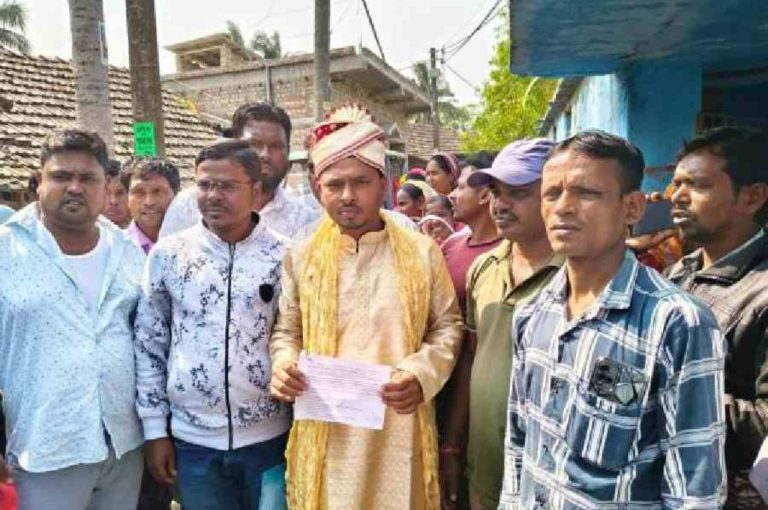
The Bengal wedding day harassment case 2026 has captured public attention for its unusual and troubling circumstances. On what should have been a day of celebration, a groom’s first stopover was at a hearing linked to harassment allegations, leaving his family members outraged and fuming. The incident underscores the intersection of personal milestones, legal accountability, and social tensions, where private joy collided with public scrutiny.


2. The Incident

  • Location: A district in West Bengal.
  • Event: Groom summoned to hearing on wedding day.
  • Trigger: Harassment allegations linked to family disputes.
  • Outcome: Ceremony delayed, family members expressed anger.
  • Significance: Highlights how legal processes can disrupt personal lives.

3. Why This Case Matters

  • Human cost: Emotional distress for families during significant life events.
  • Governance accountability: Authorities must balance urgency of hearings with sensitivity.
  • Social trust: Citizens expect fairness in legal processes.
  • Public discourse: Sparks debate about timing and handling of harassment cases.

4. Political and Social Reactions

  • Local administration: Defended hearing as necessary for justice.
  • Families: Expressed outrage, demanded sensitivity in scheduling.
  • Civil society: Called for reforms in handling harassment cases.
  • Observers: Noted potential for incident to influence public perception of governance.

5. Governance Challenges

The wedding day harassment case reflects systemic governance issues:

  • Judicial scheduling: Lack of flexibility in hearing dates.
  • Administrative sensitivity: Authorities must consider personal contexts.
  • Legal enforcement: Harassment cases require urgency but also compassion.
  • Public trust: Citizens demand balance between justice and dignity.

6. Community Concerns

  • Families: Fear humiliation during personal milestones.
  • Youth: Demand reforms in harassment case handling.
  • Civil society groups: Call for participatory governance in judicial reforms.
  • Opposition voices: Warn of marginalisation if citizens’ dignity is ignored.

7. Government External Links for Assistance


8. Historical Context of Harassment Cases in Bengal

  • 1990s: Rise in awareness of harassment cases in workplaces and families.
  • 2000s: Legal reforms introduced to strengthen protections.
  • 2010s: High‑profile cases highlighted systemic gaps.
  • 2026: Wedding day incident reflects continuity of challenges in balancing justice and dignity.

9. Bengal Wedding Day Harassment Case 2026: Global Comparisons

Similar harassment case controversies worldwide:

  • USA: Court summons disrupting personal events sparked debates on judicial sensitivity.
  • UK: Family disputes often clash with rigid legal scheduling.
  • South Asia: Harassment cases frequently highlight tension between tradition and law.

Bengal’s case mirrors these global struggles where justice delivery collides with personal dignity and social trust.


10. Governance Lessons

The wedding day harassment case teaches:

  • Transparency in judicial processes builds credibility.
  • Sensitivity in scheduling ensures dignity.
  • Community engagement legitimises reforms.
  • Judicial oversight protects fairness in governance.

11. Future Outlook – Judicial Governance in Bengal

India must move towards:

  • Digitised scheduling systems allowing flexibility in hearings.
  • Public dashboards showing harassment case progress.
  • Independent audits of judicial sensitivity.
  • Educational campaigns linking justice with civic responsibility.

✅ Conclusion

The Bengal wedding day harassment case 2026 is more than a family dispute—it is a test of India’s democratic resilience and governance credibility. As a groom’s first stopover becomes a hearing instead of his wedding, ordinary families bear the brunt of systemic insensitivity. For Bengal, the lesson is clear: democracy thrives when governance delivers transparency, fairness, and respect for citizen dignity.

Also read: Home | Channel 6 Network – Latest News, Breaking Updates: Politics, Business, Tech & More

Mamata Banerjee Delhi SIR Protest 2026 – Detailed Analysis of Opposition Unity, Akhilesh Yadav’s Support, and Governance Lessons in Bengal

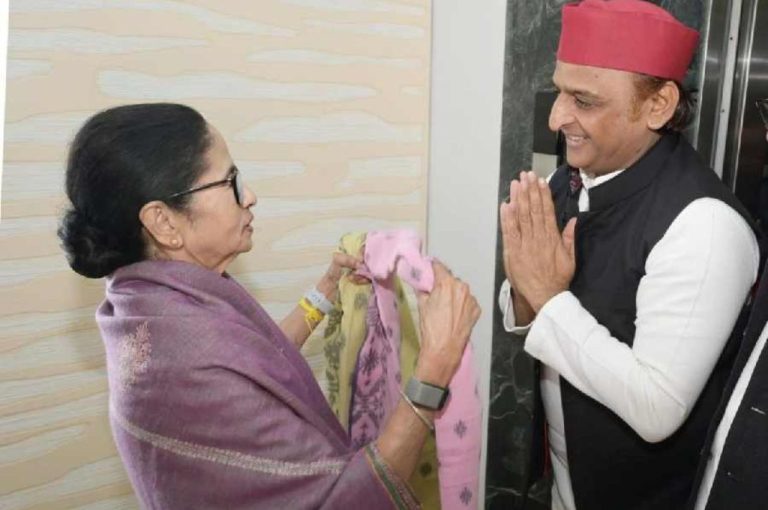
The Mamata Banerjee Delhi SIR protest 2026 has become a defining moment in India’s political landscape. The West Bengal Chief Minister traveled to Delhi to lead a protest against the Special Intensive Revision (SIR) of electoral rolls, alleging that the process was being misused to disenfranchise voters in Bengal. Her move drew national attention, especially after Samajwadi Party leader Akhilesh Yadav commended her courage in taking on the BJP.

This incident underscores the intersection of electoral governance, opposition unity, and democratic accountability, where regional leaders seek to influence national narratives through coordinated protests.


2. Mamata Banerjee Delhi SIR Protest 2026: The Protest

  • Location: Delhi, India’s political capital.
  • Leader: Mamata Banerjee, Chief Minister of West Bengal.
  • Cause: Alleged irregularities in SIR hearings and voter list revisions.
  • Participants: Trinamool Congress (TMC) leaders, supporters, and civil society groups.
  • Significance: Elevates Bengal’s local electoral disputes to national stage.

3. Akhilesh Yadav’s Commendation

  • Message: Praised Mamata Banerjee for “taking on the BJP.”
  • Tone: Supportive, highlighting opposition solidarity.
  • Political impact: Signals potential coordination between TMC and Samajwadi Party.
  • National resonance: Reinforces narrative of regional leaders challenging central authority.

4. Why This Case Matters

  • Electoral integrity: Voter list transparency is central to democracy.
  • Opposition unity: Leaders across states rally around shared concerns.
  • Governance accountability: Citizens demand fairness in electoral processes.
  • Public trust: Protests influence voter confidence in institutions.

5. Political Reactions

  • TMC: Framed protest as defense of democracy.
  • BJP: Dismissed allegations, accused TMC of politicising routine processes.
  • Samajwadi Party: Expressed solidarity, praised Mamata’s leadership.
  • Observers: Noted potential for protest to reshape opposition alliances ahead of elections.

6. Governance Challenges

The Delhi protest reflects systemic governance issues:

  • Electoral transparency: Allegations of bias in voter list revisions.
  • Administrative neutrality: Concerns about misuse of bureaucratic processes.
  • Coordination gaps: Between state governments and Election Commission.
  • Judicial oversight: Courts may intervene if irregularities are proven.

7. Community Concerns

  • Families: Fear wrongful deletion of names due to minor errors.
  • Youth: Demand clarity in voter registration processes.
  • Civil society groups: Call for participatory governance in electoral reforms.
  • Opposition voices: Warn of marginalisation if protests are ignored.

8. Government External Links for Assistance


9. Historical Context of Electoral Protests in Bengal

  • 1970s–80s: Allegations of voter list manipulation during Left Front rule.
  • 2011: Mamata Banerjee rose to power, promising electoral reforms.
  • 2019–2021: BJP gained ground, raising concerns about fictitious voters.
  • 2026: Delhi protest reflects continuity of disputes over voter rolls and opposition mobilisation.

10. Global Comparisons

Similar electoral protests worldwide:

  • USA: Allegations of voter suppression sparked nationwide demonstrations.
  • UK: Concerns about disenfranchisement under new voter ID laws.
  • Nigeria: Electoral roll disputes led to mass protests.

India’s case mirrors these global struggles where electoral integrity collides with political rivalry and governance accountability.


11. Governance Lessons

The Delhi protest teaches:

  • Institutions must respect citizen dignity.
  • Transparency in electoral processes is non‑negotiable.
  • Opposition unity strengthens democratic accountability.
  • Judicial oversight protects fairness in electoral democracy.

12. Future Outlook – Opposition Politics in India

India must move towards:

  • Digitised grievance redressal portals for voter roll issues.
  • Periodic audits of electoral rolls by independent agencies.
  • Public dashboards showing deletions and additions transparently.
  • Educational campaigns to help citizens verify their status.

✅ Conclusion

The Mamata Banerjee Delhi SIR protest 2026 is more than a political demonstration—it is a test of India’s democratic resilience and opposition credibility. As Mamata Banerjee leads protests in Delhi and Akhilesh Yadav commends her for taking on the BJP, ordinary citizens await clarity on whether these movements will deliver transparency, fairness, and respect for democratic norms. For India, the lesson is clear: democracy thrives when governance delivers inclusivity and accountability.

Also read: Home | Channel 6 Network – Latest News, Breaking Updates: Politics, Business, Tech & More

Bengal Border Fence Land Transfer 2026 – Detailed Analysis of High Court Order, Nine Districts Impact, and Governance Lessons

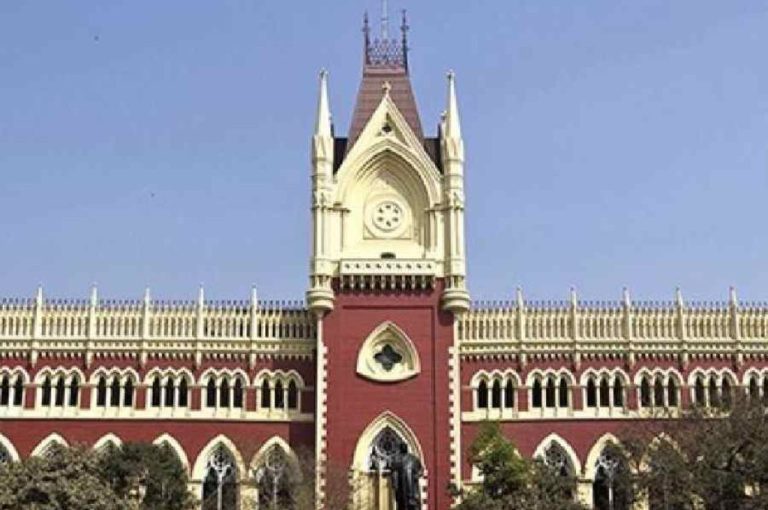
The Bengal border fence land transfer 2026 directive has become a landmark in India’s governance and security discourse. The Calcutta High Court ordered the West Bengal government to transfer land in nine districts to facilitate the construction of border fencing, a project critical to national security and cross‑border management.

This incident underscores the intersection of judicial authority, governance accountability, and national security, where land policies directly influence both citizen welfare and geopolitical stability.


2. The Court Order

  • Issued by: Calcutta High Court.
  • Target: West Bengal government.
  • Message: Transfer land to Union government for border fencing.
  • Districts affected: Nine districts along the Indo‑Bangladesh border.
  • Reason: Delay in land transfer obstructed fencing projects.
  • Significance: Reinforces judiciary’s role in enforcing national security priorities.

3. Why This Case Matters

  • National security: Border fencing prevents illegal migration and smuggling.
  • Governance accountability: State government must cooperate with Centre.
  • Judicial authority: High Court ensures compliance with constitutional obligations.
  • Public trust: Citizens expect transparency in land acquisition and compensation.

4. Political Reactions

  • TMC government: Expressed concerns about farmer displacement, sought fair compensation.
  • BJP: Welcomed order, accused TMC of obstructing national security.
  • Civil society: Mixed reactions—support for security, concern for livelihoods.
  • Observers: Noted potential for order to reshape Centre‑state relations.

5. Governance Challenges

The border fence controversy reflects systemic governance issues:

  • Land acquisition: Balancing farmer rights with national security needs.
  • Policy coherence: Ensuring Centre and state coordination.
  • Infrastructure gaps: Fencing requires roads, surveillance, and logistics.
  • Judicial oversight: Courts intervene when governance fails.

6. Community Concerns

  • Families: Fear displacement and loss of farmland.
  • Youth: Demand jobs linked to border infrastructure projects.
  • Civil society groups: Call for participatory governance in land transfer.
  • Opposition voices: Warn of marginalisation of border communities.

7. Government External Links for Assistance


8. Historical Context of Border Fencing in Bengal

  • 1971: Bangladesh Liberation War intensified cross‑border migration.
  • 1980s–90s: Initial fencing projects launched to curb smuggling.
  • 2000s: Expansion of fencing along Indo‑Bangladesh border.
  • 2010s: Political disputes slowed land acquisition.
  • 2026: High Court order reflects continuity of challenges in border governance.

9. Global Comparisons

Similar border fencing disputes worldwide:

  • USA: Mexico border wall sparked debates over land rights and security.
  • Israel: Separation barrier raised questions of legality and displacement.
  • Europe: Fences built during refugee crisis highlighted humanitarian concerns.

Bengal’s case mirrors these global struggles where border security collides with governance, land rights, and citizen welfare.


10. Bengal Border Fence Land Transfer 2026: Governance Lessons

The High Court order teaches:

  • Transparency in land transfer builds credibility.
  • Balanced development ensures sustainability.
  • Community engagement legitimises reforms.
  • Judicial oversight protects fairness in governance.

11. Future Outlook – Border Governance in Bengal

India must move towards:

  • Digitised land records ensuring clarity for farmers and government.
  • Public dashboards showing fencing progress.
  • Independent audits of land acquisition and compensation.
  • Educational campaigns linking border security with civic responsibility.

✅ Conclusion

The Bengal border fence land transfer 2026 is more than a judicial directive—it is a test of India’s democratic resilience and governance credibility. As the High Court orders land transfer in nine districts, ordinary families await clarity on whether this vision will deliver transparency, fairness, and respect for both livelihoods and national security. For Bengal, the lesson is clear: democracy thrives when governance delivers inclusivity and balance.

Also read: Home | Channel 6 Network – Latest News, Breaking Updates: Politics, Business, Tech & More

Bengal IAS Officers Transfer Revocation 2026 – Detailed Analysis of Election Commission Directive, Governance Accountability, and Political Implications

The Bengal IAS officers transfer revocation 2026 directive has become a flashpoint in the state’s governance and electoral administration. The Election Commission of India (ECI) formally asked the West Bengal government to revoke the transfer of several IAS officers who had been appointed as Electoral Registration Officers (EROs).

This incident underscores the intersection of electoral governance, bureaucratic neutrality, and political accountability, where administrative decisions are scrutinised to ensure free and fair elections.


2. Bengal IAS Officers Transfer Revocation 2026: The Directive

  • Issued by: Election Commission of India.
  • Target: West Bengal government.
  • Message: Revoke transfer of IAS officers serving as EROs.
  • Reason: Transfers seen as disruptive to voter list revision and electoral transparency.
  • Significance: Reinforces ECI’s authority over electoral processes.

3. Why This Case Matters

  • Electoral integrity: Neutral officers are essential for fair voter list management.
  • Governance accountability: State government must respect ECI directives.
  • Political stakes: Bengal elections hinge on credibility of voter rolls.
  • Public trust: Citizens expect transparency in electoral administration.

4. Political Reactions

  • TMC government: Defended transfers as routine administrative decisions.
  • BJP: Accused TMC of attempting to manipulate electoral rolls.
  • Civil society: Expressed concern about erosion of democratic norms.
  • Observers: Noted potential for directive to influence electoral narratives.

5. Governance Challenges

The transfer controversy reflects systemic governance issues:

  • Administrative neutrality: Officers must remain independent of political influence.
  • Electoral transparency: Transfers during voter list revision undermine credibility.
  • Coordination gaps: Between state government and Election Commission.
  • Judicial oversight: Courts may intervene if directives are ignored.

6. Community Concerns

  • Families: Fear wrongful deletion of names due to administrative disruption.
  • Youth: Demand clarity in voter registration processes.
  • Civil society groups: Call for participatory governance in electoral reforms.
  • Opposition voices: Warn of marginalisation if transfers are politically motivated.

7. Government External Links for Assistance


8. Historical Context of Electoral Administration in Bengal

  • 1970s–80s: Allegations of voter list manipulation during Left Front rule.
  • 2011: TMC rose to power, promising electoral reforms.
  • 2019–2021: BJP gained ground, raising concerns about fictitious voters.
  • 2026: Transfer controversy reflects continuity of disputes over electoral neutrality.

9. Global Comparisons

Similar electoral administration disputes worldwide:

  • USA: Allegations of voter suppression through administrative purges.
  • UK: Concerns about disenfranchisement under new voter ID laws.
  • Nigeria: Disputes over duplicate registrations and ghost voters.

Bengal’s case mirrors these global struggles where electoral integrity collides with political rivalry and bureaucratic independence.


10. Governance Lessons

The transfer directive teaches:

  • Institutions must respect electoral neutrality.
  • Transparency in administrative processes is non‑negotiable.
  • Community engagement reduces panic and misinformation.
  • Judicial oversight protects fairness in electoral democracy.

11. Future Outlook – Electoral Governance in Bengal

India must move towards:

  • Digitised grievance redressal portals for voter roll issues.
  • Periodic audits of electoral rolls by independent agencies.
  • Public dashboards showing officer appointments and transfers transparently.
  • Educational campaigns to help citizens understand electoral processes.

✅ Conclusion

The Bengal IAS officers transfer revocation 2026 directive is more than a bureaucratic controversy—it is a test of India’s democratic resilience and institutional authority. As the Election Commission asks the Bengal government to revoke transfers of IAS officers serving as EROs, ordinary citizens await clarity on whether electoral processes will deliver transparency, fairness, and respect for democratic norms. For Bengal, the lesson is clear: democracy thrives when governance delivers inclusivity and accountability.

Also read: Home | Channel 6 Network – Latest News, Breaking Updates: Politics, Business, Tech & More

Anandapur Fire BJP Allegations 2026 – Detailed Analysis of Man‑Made Claims, Mamata Government Accountability, and Governance Lessons in Bengal

The Anandapur fire BJP allegations 2026 have intensified Bengal’s political debate over governance, safety, and accountability. Following a devastating blaze in Kolkata’s Anandapur area, the Bharatiya Janata Party (BJP) described the incident as “man‑made” and squarely blamed the Mamata Banerjee government for lapses in fire safety and urban regulation.

This controversy underscores the intersection of disaster management, political rivalry, and citizen welfare, where tragedies become catalysts for governance scrutiny and electoral narratives.


2. The Fire Tragedy

  • Location: Anandapur, Kolkata.
  • Event: Massive fire engulfed a commercial establishment.
  • Casualties: Several lives lost, many injured.
  • Response: Fire brigade and civic authorities rushed to the spot.
  • Public sentiment: Shock, grief, and demand for accountability.
  • Significance: Highlights urban safety challenges in Kolkata.

3. BJP’s Allegations

  • Claim: Fire was “man‑made,” not accidental.
  • Accusation: Mamata Banerjee government failed to enforce safety regulations.
  • Political framing: Incident used to highlight governance lapses.
  • Message: Citizens deserve accountability and transparency in disaster management.

4. Mamata Banerjee Government’s Response

  • Relief measures: Announced ₹10 lakh compensation for victims’ families and civic volunteer jobs.
  • Healthcare: Free treatment for injured victims.
  • Governance message: Framed relief as compassionate governance.
  • Political impact: Reinforces TMC’s image as responsive, but under scrutiny for prevention failures.

5. Why This Case Matters

  • Human cost: Fire tragedies devastate families and communities.
  • Governance accountability: Relief measures test credibility of state leadership.
  • Urban safety: Raises questions about fire preparedness in Kolkata.
  • Public trust: Citizens expect transparency and fairness in compensation and prevention.

6. Political and Social Reactions

  • TMC: Highlighted CM’s swift response as proof of people‑centric governance.
  • BJP: Criticised state for poor fire safety enforcement, called incident “man‑made.”
  • Civil society: Welcomed aid but demanded stricter safety regulations.
  • Observers: Noted potential for incident to influence urban policy debates.

7. Governance Challenges

The Anandapur fire reflects systemic governance issues:

  • Urban planning: Congested areas lack fire safety infrastructure.
  • Regulatory enforcement: Violations of building codes often ignored.
  • Disaster preparedness: Fire brigades face resource constraints.
  • Judicial oversight: Courts may intervene in cases of negligence.

8. Community Concerns

  • Families: Seek timely compensation and rehabilitation.
  • Youth: Demand jobs and skill development opportunities.
  • Civil society groups: Call for participatory governance in disaster management.
  • Opposition voices: Warn of marginalisation of victims in relief policies.

9. Government External Links for Assistance


10. Historical Context of Fire Tragedies in Bengal

  • 1997: Uphaar cinema fire in Delhi influenced Bengal’s safety reforms.
  • 2011: AMRI hospital fire in Kolkata exposed systemic negligence.
  • 2019: Bagri Market fire highlighted urban safety gaps.
  • 2026: Anandapur fire reflects continuity of challenges in fire preparedness.

11. Global Comparisons

Similar fire tragedies worldwide:

  • UK: Grenfell Tower fire exposed housing safety lapses.
  • USA: Nightclub fires highlighted need for stricter codes.
  • Bangladesh: Factory fires revealed systemic neglect of worker safety.

Kolkata’s case mirrors these global struggles where urban safety collides with governance, accountability, and citizen welfare.


12. Anandapur Fire BJP Allegations 2026: Governance Lessons

The Anandapur fire teaches:

  • Transparency in relief measures builds credibility.
  • Urban safety must be prioritised in governance.
  • Community engagement ensures legitimacy of reforms.
  • Judicial oversight protects fairness in disaster response.

13. Future Outlook – Disaster Governance in Bengal

India must move towards:

  • Digitised compensation systems ensuring timely aid.
  • Public dashboards showing disaster relief allocations.
  • Independent audits of urban safety compliance.
  • Educational campaigns linking safety with civic responsibility.

✅ Conclusion

The Anandapur fire BJP allegations 2026 are more than political rhetoric—they are a test of Bengal’s democratic resilience and governance credibility. As BJP calls the fire “man‑made” and blames Mamata Banerjee’s government for lapses, ordinary families bear the brunt of systemic neglect and urban safety failures. For Bengal, the lesson is clear: democracy thrives when governance delivers transparency, fairness, and respect for citizen welfare.

Also read: Home | Channel 6 Network – Latest News, Breaking Updates: Politics, Business, Tech & More

Maharashtra Launches ‘KUSUM’ Drive Aimed at Achieving Zero Leprosy Transmission by 2027

State Unveils Ambitious Campaign to End Leprosy Transmission

In a major public health initiative, the Maharashtra government has introduced the ‘KUSUM’ drive, an integrated campaign aimed at achieving zero transmission of leprosy in the state by the year 2027. Named as an acronym emphasizing key strategies including Knowledge, Understanding, Screening, Universal access and Monitoring, the campaign underscores renewed urgency to tackle a disease that continues to affect thousands in India despite decades of dedicated eradication efforts.

Leprosy, also known as Hansen’s disease, is a bacterial infection caused by Mycobacterium leprae that primarily impacts the skin, peripheral nerves and mucous membranes. Although there has been significant progress in reducing prevalence over the years, the ongoing incidence of new cases and associated disability has prompted the state health authorities to create a more targeted and systematic response.

Objectives and Strategic Pillars of the KUSUM Drive

The ‘KUSUM’ drive is rooted in five strategic pillars designed to accelerate progress toward eliminating leprosy transmission:

  • Knowledge enhancement through awareness campaigns to reduce stigma and promote early help-seeking behaviour.
  • Understanding disease patterns by strengthening surveillance and data systems to identify hotspots and intervention priorities.
  • Screening and early detection by expanding field activities and community-based case identification.
  • Universal access to treatment and rehabilitation services, including multidrug therapy and psychosocial support.
  • Monitoring and evaluation to ensure accountability, quality of services and outcome tracking.

This comprehensive framework reflects a shift from passive case detection to proactive outreach, with emphasis on reaching underserved, remote and high-risk populations where leprosy transmission remains persistent.

Current Leprosy Situation in Maharashtra

Maharashtra has remained one of the states reporting significant numbers of leprosy cases, despite national declines over the past decade. According to health department data, the state recorded several thousand new cases in recent years, including cases with grade 2 disability — a marker of delayed diagnosis and ongoing transmission. While exact numbers vary annually, public health officials have expressed concern about new case detection trends that suggest residual transmission in certain pockets.

The decision to launch the ‘KUSUM’ drive follows consultations with experts, civil society organisations and field workers who underscored the need for renewed momentum. Officials emphasise that while medical treatment through multidrug therapy is highly effective, social barriers, lack of awareness and uneven health infrastructure continue to challenge elimination efforts.

Expanded Screening and Active Case Finding

One of the core activities under the KUSUM drive is large-scale screening to identify undiagnosed leprosy cases. This involves door-to-door surveys, integration with existing community health programmes and engagement of frontline health workers such as Accredited Social Health Activists (ASHAs) and Auxiliary Nurse Midwives (ANMs). These workers will be trained to recognise early signs of the disease, refer suspects to health facilities and support treatment adherence.

Districts with historically high incidence rates have been prioritised for intensified action. Mobile outreach teams equipped with diagnostic tools and educational materials are being deployed to schools, markets, religious gatherings and other public places to reach people who have limited contact with formal health services.

Health officials believe that early case detection remains the most critical link in breaking the chain of transmission, especially among children, where new infections indicate recent and ongoing spread.

Community Awareness and Reducing Stigma

A significant challenge in leprosy control has been the social stigma associated with the disease, which often leads to delayed treatment, discrimination and psychological distress. To address this, the KUSUM drive incorporates widespread awareness campaigns tailored to local languages and cultural contexts.

Public health educators will conduct village meetings, radio talks, street plays and school sessions to demystify leprosy, highlight its curability and emphasise that early treatment prevents disability. Partnering with non-governmental organisations, self-help groups and community leaders, the campaign aims to build an environment that encourages disclosure, support and acceptance.

Officials have repeatedly stressed that combating stigma is as important as medical intervention. “Leprosy is curable and not a curse. Early detection and treatment save lives and livelihoods,” one government health official noted at the programme announcement.

Strengthening Treatment and Rehabilitation Services

Under the KUSUM initiative, efforts are underway to ensure uninterrupted supply of multidrug therapy, the standard and highly effective treatment for leprosy. The state has been tasked with coordinating drug procurement, distribution and stock monitoring to prevent shortages at peripheral health facilities.

Additionally, support systems for patients with disability have been expanded. This includes physiotherapy services, reconstructive surgery referrals, disability certification assistance and livelihood support programmes to promote social inclusion and economic resilience among affected individuals and their families.

The approach recognises that elimination of transmission alone does not immediately reverse the social and physical impairments resulting from past infections, and holistic care is essential to long-term quality of life.

Partnerships and Inter-Sectoral Coordination

A key advantage of the KUSUM drive is its focus on partnerships. The state health department is coordinating with local governments, municipal bodies, educational institutions and rural development agencies to embed leprosy control efforts within broader public health and welfare frameworks. By aligning activities such as sanitation drives, nutrition programmes and school health services, authorities aim to integrate leprosy actions within holistic community health goals.

Moreover, partnerships with professional associations of dermatologists and neurologists are being strengthened to support diagnostic accuracy, management of complex cases and capacity building among general practitioners, who often serve as first contact points in rural areas.

Tracking Progress and Ensuring Accountability

Monitoring and evaluation are critical components of the KUSUM drive. The state has outlined periodic review mechanisms at block, district and state levels to assess progress against key indicators such as number of individuals screened, new case detection rates, treatment completion percentages and incidence of disability at diagnosis.

Digital platforms are being utilised to streamline data collection and reporting, enabling health managers to visualise trends, spot gaps and allocate resources efficiently. Regular public updates on campaign outcomes are also planned to maintain transparency and community engagement.

Officials have underscored that achieving the 2027 target will require sustained effort beyond annual health campaigns, emphasising that responsiveness to community feedback and adaptive planning will be vital.

Voices From the Field: Health Workers and Patients

Frontline health workers, who form the backbone of implementation at the grassroots level, have welcomed the structured approach of the KUSUM drive. Many ASHAs and ANMs highlighted the importance of training and support in identifying early symptoms and overcoming community resistance to screening.

Patients and advocates, including members of self-help groups of people affected by leprosy, have also expressed cautious optimism. They underscored that while targets are ambitious, the renewed focus on awareness and rehabilitation offers hope for families who have long dealt with the stigma and economic consequences of the disease.

A community volunteer in a high-incidence block noted, “We need people to understand that leprosy is not something to hide. With information and support, more people will seek help early.”

Challenges and Road Ahead

Despite the comprehensive strategy of the KUSUM drive, several challenges lie ahead. Persistent stigma, limited health literacy in remote areas, logistical hurdles in reaching geographically isolated communities and varying levels of health infrastructure capacity could impede progress.

Moreover, integrating leprosy control with broader primary health care systems requires effective coordination to avoid fragmentation of services. Sustaining political commitment, adequate financing and continued engagement of civil society will be crucial to maintaining momentum through 2027.

Health experts also caution that success will depend on addressing social determinants of health such as poverty, nutrition and living conditions, which influence susceptibility to infection and treatment access.

Looking Toward Zero Transmission by 2027

The Maharashtra government’s launch of the KUSUM drive represents an ambitious effort to tackle leprosy transmission with renewed vigour and strategic focus. By bringing together medical intervention, community engagement and systemic partnerships, the drive aims to change the trajectory of a disease that has challenged public health systems for decades.

As implementation unfolds across diverse districts, the effectiveness of concerted outreach, early diagnosis and supportive care will determine whether the state achieves its ambitious goal of zero leprosy transmission by 2027. For millions of rural and urban residents alike, the campaign offers a blueprint for combining scientific rigour with compassionate care, laying the foundation for healthier and more inclusive communities.

Read More: https://channel6network.com/maharashtra-elections-voting-rescheduled/

Border 2 Box Office: Sunny Deol’s Film Crosses Impressive Rs.223 Crore Mark

0

New Delhi – The Border 2 box office continues its impressive run as the Sunny Deol-starrer crossed the ₹223 crore mark in India by Thursday, demonstrating sustained audience interest in the war drama. The Anurag Singh-directed film earned over ₹10 crore on its seventh day, maintaining momentum despite weekday competition.

Since its release on January 23, the Border 2 box office has been dominating theaters across India, with the film consistently drawing crowds and maintaining strong occupancy rates across thousands of shows nationwide.

Day-by-Day Border 2 Box Office Performance

The Border 2 box office journey began with a solid opening of ₹30 crore on day one, supported by 6,078 shows and an average occupancy of 37.0%. This strong start set the tone for the film’s successful theatrical run.

On day two, the Border 2 box office witnessed growth, collecting ₹36.50 crore with improved average occupancy of 43.1% across 6,297 shows. This upward trend continued into the weekend, demonstrating strong word-of-mouth and audience approval.

Weekend Surge Boosts Border 2 Box Office

The Border 2 box office experienced significant weekend growth on day three, collecting ₹54.50 crore from 6,434 shows with a substantial 62.5% average occupancy. This weekend surge reflected the film’s appeal to family audiences and patriotic sentiment.

Day four proved to be the Border 2 box office peak, coinciding with Republic Day holiday. The film minted an impressive ₹59 crore from 6,465 shows with 65.2% average occupancy, capitalizing on the national holiday when audiences had leisure time for theatrical entertainment.

Weekday Performance of Border 2 Box Office

The Border 2 box office witnessed expected weekday decline on day five, earning ₹20 crore with 25.5% average occupancy across 6,797 shows. Despite the drop from holiday numbers, the collection remained respectable for a weekday performance.

On day six, the Border 2 box office continued its weekday trajectory, earning ₹13 crore from 6,422 shows with 17.7% average occupancy. This decline is typical for major releases transitioning from weekend to weekday audiences.

Day Seven Border 2 Box Office Collections

The Border 2 box office earned ₹10.08 crore nett in India on day seven according to early estimates. While lower than weekend numbers, this collection demonstrates the film’s ability to maintain theatrical presence and draw audiences even a week after release.

The cumulative Border 2 box office now stands at ₹223.08 crore nett in India, a significant achievement for the war drama genre.

Comparison with Competing Releases

The Border 2 box office opening weekend surpassed both Vicky Kaushal’s Chhaava and Ranveer Singh-starrer Dhurandhar in terms of weekend collections. This competitive advantage established Border 2 as the dominant theatrical release during this period.

The Border 2 box office success demonstrates audience preference for patriotic war dramas featuring established stars and compelling narratives based on historical events.

Star-Studded Cast Drives Border 2 Box Office

The Border 2 box office benefits from an ensemble cast including Sunny Deol, Varun Dhawan, Diljit Dosanjh, and Ahan Shetty in leading roles. This combination of established stars and emerging talent has proven attractive to diverse audience segments.

Supporting performances by Mona Singh, Sonam Bajwa, Anya Singh, Pranav Vashisht, and Medha Rana in pivotal roles add depth to the narrative, contributing to the strong Border 2 box office performance.

About the Film

Border 2 serves as a sequel to the 1997 blockbuster Border, carrying forward the legacy while presenting new stories from the 1971 India-Pakistan war. Like its predecessor, Border 2 is set against the backdrop of the same conflict, though it explores different aspects and battles.

The film is backed by T-Series and J P Films, with production handled by Bhushan Kumar, Krishan Kumar, and Nidhi Dutta. This strong production backing provided resources for authentic war sequences and high production values visible on screen.

Director Anurag Singh’s Vision

Director Anurag Singh helmed the project, bringing his vision to this sequel of a beloved patriotic film. His direction has resonated with audiences, as reflected in the robust Border 2 box office numbers throughout the first week.

Singh’s ability to balance action sequences with emotional storytelling has contributed significantly to the Border 2 box office success and positive audience reception.

Historical Context and Appeal

While the original 1997 Border was based on events of the Battle of Longewala during the 1971 India-Pakistan war, Border 2 continues exploring this significant historical period. The patriotic theme and war backdrop have proven consistently appealing to Indian audiences.

This historical authenticity combined with contemporary filmmaking techniques has helped drive the Border 2 box office collections across different audience demographics.

International Release Challenges

The Border 2 box office figures represent only domestic India collections, as the film reportedly didn’t find release in six Gulf nations—Bahrain, Kuwait, Oman, Qatar, Saudi Arabia, and the United Arab Emirates (UAE). This limitation means the Border 2 box office potential in international markets remains untapped.

Despite this constraint, the Border 2 box office performance in India alone demonstrates the film’s commercial viability and audience appeal.

Looking Ahead

As Border 2 enters its second week, industry observers will monitor whether the Border 2 box office maintains momentum or experiences typical second-week declines. The film’s strong opening week provides a solid foundation for extended theatrical run and eventual profitability.

Women Safety Delhi Initiatives: CM Gupta Unveils Powerful Security Measures

0

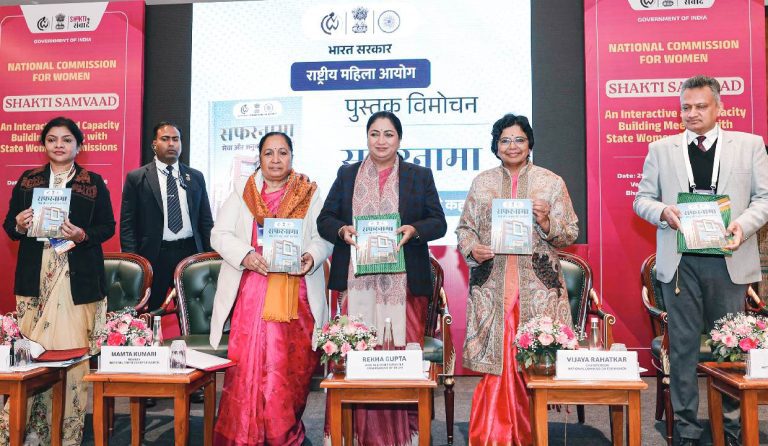
New Delhi – Chief Minister Rekha Gupta has unveiled a comprehensive package of women safety Delhi initiatives aimed at making the capital safer and more secure for women. Speaking at the inaugural ceremony of ‘Shakti Samvad: A Two-Day Capacity Building and Training Programme’ on Thursday, the CM outlined multiple measures combining technology, infrastructure, and judicial reforms.

The women safety Delhi initiatives were announced at Bharat Mandapam, where the event was organized by the National Commission for Women (NCW). The program brought together chairpersons and members of State Women’s Commissions from across the country.

Advanced Camera Surveillance System

A cornerstone of the women safety Delhi initiatives is the installation of 10,000 state-of-the-art cameras across the city. These advanced surveillance systems will provide comprehensive coverage of public spaces, deterring crime and enabling rapid response to incidents.

The smart camera network represents one of the most significant women safety Delhi initiatives in terms of technological deployment. These cameras will employ cutting-edge technology to monitor streets, public transportation areas, and other locations where women’s safety concerns are paramount.

Smart LED Lighting Infrastructure

Complementing the camera system, the women safety Delhi initiatives include installation of 100,000 smart, sensor-based LED lights throughout the capital. Proper lighting is crucial for women’s safety, particularly during evening and night hours when poorly lit areas become potential danger zones.

These sensor-based LED lights, part of the comprehensive women safety Delhi initiatives, will automatically illuminate when detecting movement, ensuring no area remains dark. This massive lighting infrastructure project demonstrates the government’s commitment to creating a secure environment for women.

Fast-Track Special Courts Establishment

Among the judicial reforms included in the women safety Delhi initiatives, CM Gupta announced approval for 53 new judicial posts. These appointments will pave the way for establishing fast-track special courts dedicated to expediting cases related to crimes against women.

The fast-track courts represent critical women safety Delhi initiatives addressing long-standing concerns about delayed justice. By speeding up trials and verdicts, these specialized courts will provide timely justice to victims while serving as stronger deterrents against crimes targeting women.

Night Shift Work Permissions

The women safety Delhi initiatives extend beyond security measures to include employment opportunities. CM Gupta highlighted that women have been permitted to work night shifts, subject to strict adherence to safety standards.

This policy, part of broader women safety Delhi initiatives, recognizes women’s right to equal employment opportunities while ensuring their security through mandatory safety protocols. Employers must comply with stringent safety requirements to enable night shift work for women employees.

Childcare Support Through Palna Kendras

Supporting working mothers, the women safety Delhi initiatives include establishment of 500 palna kendras (creches) for children of working women. These childcare facilities enable women to pursue careers without compromising their children’s care.

The palna kendras represent women safety Delhi initiatives that address practical barriers preventing women’s workforce participation. By providing reliable, accessible childcare, the government removes a significant obstacle to women’s economic independence.

Economic Empowerment Through Collateral-Free Loans

The women safety Delhi initiatives encompass financial empowerment measures, including collateral-free loans of up to ₹10 crore for women entrepreneurs. These loans will help women start their own businesses, achieving economic independence and self-reliance.

Financial security forms an essential component of women safety Delhi initiatives, as economic independence strengthens women’s ability to make autonomous decisions and escape potentially abusive situations.

Holistic Approach to Women’s Empowerment

Addressing the gathering, CM Gupta called for collective action encompassing women’s safety and dignity, economic empowerment, and participation in decision-making and leadership. These women safety Delhi initiatives reflect this comprehensive vision.

The Chief Minister emphasized that the women safety Delhi initiatives aim not merely to protect women but to empower them across all spheres of life, from personal security to professional advancement.

Capacity Building and Training Focus

The Shakti Samvad program, where these women safety Delhi initiatives were announced, focuses on legal awareness, grievance redressal, policy consultation, and capacity building. Such programs complement infrastructure-based women safety Delhi initiatives by strengthening institutional responses.

CM Gupta appreciated the program’s comprehensive approach, stating that such initiatives would instill courage and self-confidence in daughters across the country, reinforcing the broader objectives of women safety Delhi initiatives.

Multi-Stakeholder Collaboration

The event witnessed participation from NCW chairperson Vijaya Rahatkar and additional secretary of the Ministry of Women and Child Development, B. Radhika Chakravarthy. Their presence underscored the collaborative nature of women safety Delhi initiatives involving central and state agencies.

Effective implementation of women safety Delhi initiatives requires coordination among multiple stakeholders, including law enforcement agencies, judicial bodies, municipal authorities, and women’s organizations.

Creating a Culture of Safety

Beyond physical infrastructure and institutional mechanisms, the women safety initiatives aim to create a culture where women’s safety is prioritized and their dignity respected. This cultural transformation represents the ultimate goal of these comprehensive measures.

Implementation Timeline and Monitoring

The successful deployment of these women safety initiatives will require careful planning, adequate resource allocation, and robust monitoring mechanisms. The government has committed to ensuring these measures translate from announcements to ground realities.

Long-Term Vision

The women safety initiatives announced by CM Gupta represent a long-term vision for transforming Delhi into a model city for women’s safety, empowerment, and participation. Through technology, infrastructure, judicial reform, and economic support, these comprehensive measures address multiple dimensions of women’s security and advancement.

Stray Dog Management Verdict: Supreme Court Reserves Critical Decision

0

New Delhi – The Supreme Court of India on Thursday reserved its stray dog management verdict in suo motu proceedings examining the country’s approach to controlling stray canine populations. The decision comes after comprehensive hearings involving multiple states, the National Highways Authority of India (NHAI), and the Animal Welfare Board of India (AWBI).

A bench comprising Justice Vikram Nath, Justice Sandeep Mehta, and Justice NV Anjaria reserved the stray dog management verdict after hearing final submissions from all parties. The court allowed stakeholders to file brief written submissions within one week before delivering its final judgment.

Scope of the Stray Dog Management Verdict

The anticipated stray dog management verdict will examine the correctness and continued operation of the court’s November directions that mandated the capture of stray dogs from institutional areas. Crucially, the verdict will also address whether these dogs can be released back into such premises even after sterilization.

This stray dog management verdict has evolved into a nationwide audit examining sterilization programs, vaccination campaigns, shelter infrastructure, and data accuracy across states. The case originated from rising incidents of dog bites, particularly involving children, in public and institutional spaces.

Technological Solutions for Highway Safety

During Thursday’s hearing preceding the stray dog management verdict, the bench urged NHAI to explore technological solutions addressing stray animals on highways. The court suggested developing a public-facing reporting mechanism allowing citizens to upload photographs and locations of stray animals spotted on highways.

“Why don’t you make an app so that anyone who spots an animal can click a picture and upload? You will have visuals,” the bench stated. The NHAI counsel confirmed the authority would develop such an application, which could significantly influence the final stray dog management verdict.

Critical Data Inconsistencies Revealed

Significant concerns emerged during hearings that will shape the stray dog management verdict. Advocate Manisha Karia, appearing for AWBI, revealed stark inconsistencies in animal birth control (ABC) program data. While AWBI has recognized only 76 sterilization centers nationwide, state-submitted data claimed 883 such centers operate across the country.

“There are more than 250 pending applications. As per state data, 883 centres are running, but they have not yet been recognised by us,” Karia informed the court. These discrepancies will likely feature prominently in the stray dog management verdict.

Questionable Sterilization Statistics

The stray dog management verdict must address troubling anomalies in sterilization figures submitted by various states. Karia flagged that numbers might not be reliable, raising concerns about potential misuse of funds earmarked for sterilization programs.

“There is surprising data. In states where the dog population is less, the reported sterilisation numbers are more than the total dog population,” she stated. The bench remarked that reasons for such discrepancies were obvious, with Karia adding, “Less said, the better.” These findings will critically inform the stray dog management verdict.

Expedited Recognition Process Mandated

Before reserving the stray dog management verdict, the court directed AWBI to expedite scrutiny of pending applications for sterilization center recognition. All requests must be processed within a fixed timeframe, either granting approval or providing reasoned rejections.

This directive ensures accountability and standardization before the stray dog management verdict establishes binding precedents for nationwide implementation.

November Order Under Review

The stray dog management verdict will examine the controversial November order directing all states and Union Territories to remove stray dogs from institutional areas including schools, hospitals, sports complexes, bus depots, and railway stations. That order ruled such dogs cannot be released back into these locations even after sterilization.

The November order, calling the spike in dog-bite incidents a “matter of human safety concern,” held that permitting re-release would “frustrate the very effect” of securing institutional premises. The stray dog management verdict will determine whether these directions continue.

Constitutional and Safety Considerations

The stray dog management verdict must balance animal welfare concerns with constitutional protections. The November order invoked Article 21 of the Constitution, stating: “The state and its instrumentalities bear an affirmative obligation to ensure that no citizen, least of all children, elderly people and patients, are exposed to preventable injury or disease within public premises.”

This constitutional framework will guide the stray dog management verdict’s final formulation.

Evolution from Earlier Directives

The stray dog management verdict represents evolution from an August direction by a two-judge bench that asked civic bodies in Delhi-NCR to round up stray dogs and keep them in shelters. That order effectively suspended the catch-neuter-vaccinate-release (CNVR) model in institutional areas, triggering protests from animal rights groups.

The matter was subsequently placed before the present three-judge bench, whose comprehensive stray dog management verdict will provide definitive guidance.

Comprehensive Implementation Framework

Under November directions that the stray dog management verdict will review, states and UTs were asked to identify all government and private educational and health institutions, transport hubs, and sports complexes, securing their perimeters. The court also directed awareness programs in schools and mandatory availability of anti-rabies vaccines in hospitals.

Broader Animal Management Issues

The stray dog management verdict may also address removal of stray cattle and animals from highways, citing rising accidents. The court previously warned that non-compliance could invite penalties, including suo motu contempt proceedings.

Looking Ahead

The anticipated stray dog management verdict will establish critical precedents balancing public safety, constitutional rights, animal welfare, and practical implementation challenges. Stakeholders across India await this landmark decision that will shape stray animal management policies for years to come.

Rehab Centre Juveniles Alipur: Delhi CM Unveils Groundbreaking Facility

New Delhi – Chief Minister Rekha Gupta has announced the construction of an integrated rehab centre juveniles Alipur facility equipped with state-of-the-art amenities for the reform and rehabilitation of children in conflict with the law. The announcement, made on Thursday, marks a significant step forward in Delhi’s juvenile justice infrastructure.

The proposed rehab centre juveniles Alipur will be located in north Delhi’s Alipur area and represents a comprehensive approach to juvenile rehabilitation, moving beyond traditional detention models toward holistic reform and reintegration.

Impressive Capacity and Scope

The rehab centre juveniles Alipur is likely to have a capacity of approximately 700 children, making it one of the largest juvenile rehabilitation facilities in the region. The complex will accommodate two categories of children: those awaiting hearings before the Juvenile Justice Board under the Juvenile Justice Act, 2015, and those found guilty of offenses.

This dual-purpose design ensures that the rehab centre juveniles Alipur can serve the complete spectrum of juvenile justice needs, from pre-adjudication care to post-conviction rehabilitation.

Eight-Acre Comprehensive Development

The proposed rehab centre juveniles Alipur will be developed on approximately eight acres of land, providing sufficient space for diverse facilities and programs. Chief Minister Gupta explained that the complex will provide comprehensive facilities including education, sports, yoga, mental counseling, behavioral correction, and skill development programs.

“The proposed complex will be developed on about eight acres, and will provide facilities such as education, sports, yoga, mental counselling, behavioural correction and skill development, enabling children to return to a normal life,” CM Gupta stated regarding the rehab centre juveniles Alipur.

Holistic Rehabilitation Approach

The rehab centre juveniles Alipur emphasizes a holistic approach to juvenile rehabilitation. Children residing in the complex will be engaged in age- and need-appropriate daily routines, sports activities, and creative pursuits designed to build self-confidence and prepare them for successful futures.

This comprehensive programming at the rehab centre juveniles Alipur reflects modern understanding of juvenile rehabilitation, focusing on addressing underlying causes of delinquent behavior rather than merely punitive measures.

Also Read: Trans-Yamuna Board Projects: Rs. 728 Crore Approved for Major Infrastructure Overhaul

Educational and Skill Development Focus

Education forms a cornerstone of the rehab centre juveniles Alipur rehabilitation strategy. The facility will provide educational opportunities ensuring children don’t fall behind academically during their stay, maintaining their prospects for future success.

Skill development programs at the rehab centre juveniles Alipur will equip children with practical abilities and vocational training, enhancing their employability and providing positive pathways upon release from the facility.

Mental Health and Behavioral Support

Recognizing the psychological dimensions of juvenile delinquency, the rehab centre juveniles Alipur will offer mental counseling services. Professional counselors will work with children to address trauma, behavioral issues, and emotional challenges that may have contributed to their conflicts with law.

Behavioral correction programs at the rehab centre juveniles Alipur will employ evidence-based approaches to help children develop prosocial behaviors, emotional regulation skills, and positive decision-making capabilities.

Decision-Making Process and Consultation

The decision to establish the rehab centre juveniles Alipur was made at a meeting held by the Chief Minister with members of the Juvenile Justice Committee on Wednesday. The meeting involved detailed discussions on legal, social, and humanitarian aspects concerning children in conflict with the law.

Officials said a consensus was reached on the need to develop a comprehensive, safe, and modern system in Delhi for children in conflict with the law, leading directly to the rehab centre juveniles Alipur announcement.

Addressing Infrastructure Deficiencies

Chief Minister Gupta noted that a majority of protection homes available for such children in Delhi were decades old, highlighting the urgent need for the rehab centre juveniles Alipur. Outdated facilities often lack the resources and programming necessary for effective rehabilitation.

The modern infrastructure planned for the rehab centre juveniles Alipur will address these longstanding deficiencies, bringing Delhi’s juvenile justice facilities up to contemporary standards.

Secure Protection System

The integrated complex will function as a secure protection system for children while maintaining a rehabilitative rather than purely custodial focus. The rehab centre juveniles Alipur design balances necessary security measures with creating an environment conducive to positive development and change.

Security at the rehab centre juveniles Alipur will protect both the children within the facility and the surrounding community while avoiding the punitive atmosphere of traditional detention centers.

Model for Other States

Chief Minister Gupta stated that the rehab centre juveniles Alipur will serve as a guiding model for other states. The facility’s innovative approach to juvenile rehabilitation could influence similar developments across India, potentially transforming how the nation addresses juvenile delinquency.

This model-setting ambition for the rehab centre juveniles Alipur reflects Delhi’s commitment to leading progressive juvenile justice reform nationwide.

Philosophical Foundation

“The Delhi government firmly believes that a child in conflict with the law is not a criminal, but someone deserving protection and guidance, and it is with this philosophy that the integrated complex will be developed,” Gupta explained regarding the rehab centre juveniles Alipur.

This child-centered philosophy ensures that the rehab centre juveniles Alipur will prioritize rehabilitation and reintegration over punishment, recognizing children’s capacity for change and deserving of second chances.

Sports and Recreational Facilities

The rehab centre juveniles Alipur will include extensive sports facilities, recognizing physical activity’s role in healthy development and positive behavioral change. Sports programs will provide constructive outlets for energy while teaching teamwork, discipline, and goal-setting.

Yoga programs at the facility will offer additional physical and mental health benefits, helping children develop stress management skills and emotional awareness.

Looking Forward

The rehab centre juveniles represents a transformative vision for juvenile justice in Delhi, promising comprehensive care, evidence-based rehabilitation, and genuine opportunities for children to rebuild their lives and return successfully to society.