Thursday, March 5, 2026
Home Blog Page 55

Bold 2-Film Push Sparks Cultural Debate at BIFFes

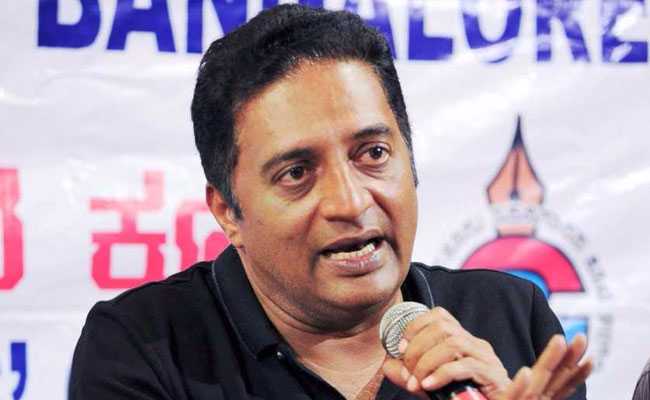
Renowned actor Prakash Raj has actively advocated for the inclusion of Palestinian films at the Bengaluru International Film Festival (BIFFes), sparking discussions about the festival’s role in showcasing global narratives. During a recent panel discussion, Raj emphasized the importance of presenting diverse cinematic voices and highlighted the challenges faced by Palestinian filmmakers in gaining international visibility. His call comes amid growing interest in using film festivals as platforms for cultural exchange, social awareness, and highlighting underrepresented stories from conflict zones. The actor’s appeal has resonated with audiences, critics, and film enthusiasts attending the festival.

Film enthusiasts attending BIFFes noted that discussions around Palestinian cinema could pave the way for greater exposure to films from other underrepresented regions, including North Africa, the Middle East, and Southeast Asia. Panels emphasized that international cinema provides not only entertainment but also education, highlighting social, political, and cultural issues that are often overlooked. Festival curators stressed that such exposure can help cultivate empathy, awareness, and a broader worldview among Indian audiences, particularly students and young cinephiles who are increasingly engaging with global narratives.

Prakash Raj highlighted that film festivals must evolve beyond commercial cinema to include stories with strong social messages. He argued that Palestinian films, which often deal with conflict, displacement, and resilience, can resonate universally despite regional specificity. Raj also suggested collaborations with Palestinian filmmakers and cultural organizations to facilitate film screenings, workshops, and panel discussions. Such collaborations could enrich BIFFes programming and provide mentorship opportunities for young Indian filmmakers interested in socially relevant storytelling.

Siddaramaiah’s cautious stance reflects the challenges state-supported festivals face in balancing artistic freedom with political sensitivities. While he acknowledged the value of diversity in cinema, he noted that inviting films from politically sensitive regions may attract scrutiny or diplomatic questions. Festival organizers confirmed that all international submissions must go through compliance checks with relevant government guidelines, ensuring that cultural programming aligns with national interests while remaining artistically enriching.

Film critics argued that including Palestinian cinema at BIFFes could inspire Indian filmmakers to experiment with narratives that tackle complex social issues. Exposure to diverse storytelling techniques, cinematography styles, and narrative structures could broaden creative horizons. Panels during the festival discussed how cinema can serve as a bridge across cultures, offering both entertainment and education. Attendees noted that international films provide an opportunity to critically engage with global socio-political realities through a lens of empathy and artistic expression.

Audience feedback from the festival highlighted strong interest in thematic screenings that explore human rights, conflict resolution, and resilience. Several participants expressed curiosity about Palestinian stories and their relevance to Indian socio-political contexts. Educational institutions participating in BIFFes proposed incorporating screenings into academic programs, emphasizing the role of cinema as a learning tool. Organizers are considering pilot programs that integrate global films into student workshops, discussion panels, and film appreciation courses.

Festival organizers have also emphasized the logistical considerations of programming international films. Obtaining screening rights, subtitles, and diplomatic clearances are crucial steps. While Prakash Raj’s proposal is generating enthusiasm, the organizers stressed that final selections must consider production quality, thematic relevance, and audience engagement potential. Plans to engage cultural attachés and international film boards may help streamline the inclusion of Palestinian films in future editions.

Political observers noted that the debate surrounding Palestinian films is part of a broader discussion on India’s cultural diplomacy. Showcasing international narratives can position India as a promoter of cross-cultural dialogue while navigating geopolitical realities carefully. Such initiatives demonstrate the potential of cultural events like BIFFes to transcend entertainment and foster mutual understanding between nations, provided programming decisions are made thoughtfully and inclusively.

Cinephiles suggested that the festival could introduce special sections dedicated to conflict cinema or films from underrepresented regions. These sections could include workshops, director interactions, and Q&A sessions, offering audiences deeper insight into production challenges, thematic intentions, and societal impact. Experts argued that such initiatives enhance audience engagement, making film festivals educational as well as celebratory.

The debate also brought attention to the role of media coverage in shaping public perception of film festivals. Journalists and critics noted that highlighting proposals like Prakash Raj’s raises awareness about international cinema, stimulating audience interest even before formal screenings occur. Media narratives can amplify discussions on artistic diversity, cultural sensitivity, and social relevance, potentially influencing future festival programming choices.

As BIFFes continues, stakeholders expect the conversation about Palestinian and other international to shape upcoming editions. While Siddaramaiah stopped short of commitment, festival organizers indicated openness to considering proposals that meet quality and compliance standards. The discourse underscores the evolving role of Indian film festivals in promoting global storytelling, fostering cultural exchange, and navigating the delicate balance between art, politics, and diplomacy.

The actor argued that cinema has the power to humanize conflicts and provide audiences with perspectives often absent in mainstream narratives. He suggested that Palestinian stories could contribute meaningfully to BIFFes’ mission of promoting socially relevant cinema. Raj also noted that Indian audiences, familiar with struggles for self-determination and social justice, could engage deeply with Palestinian experiences through film. His advocacy underscores the role of prominent personalities in influencing cultural programming and expanding the festival’s scope beyond conventional offerings.

Festival organizers acknowledged Raj’s suggestion but highlighted logistical, diplomatic, and programming considerations. While the idea of including Palestinian films was welcomed as culturally enriching, they noted that curatorial decisions must balance a wide range of international submissions, audience preferences, and festival schedules. Officials pointed out that while there is merit in showcasing global narratives, approvals and commitments involve multiple layers, including partnerships with foreign cultural agencies and adherence to international film festival protocols.Latest Schools News - The Hindu

Political Sensitivities and Cultural Choices

Former Karnataka Chief Minister Siddaramaiah, present at the event, stopped short of committing to the inclusion of Palestinian . While he expressed appreciation for diverse cinematic voices, Siddaramaiah emphasized the need for careful consideration of political and diplomatic sensitivities. His remarks suggested a cautious approach, reflecting the challenges of aligning cultural initiatives with broader political contexts. Observers noted that such hesitation highlights the complex intersection of art, politics, and international representation at state-supported cultural events.

Film critics and cultural commentators have highlighted the potential impact of including Palestinian cinema at BIFFes. They argue that it could introduce Indian audiences to narratives shaped by occupation, resilience, and identity, offering fresh insights into global human rights issues. Advocates also stressed that film festivals are spaces for dialogue and understanding, providing a neutral platform for storytelling that transcends political debates. The discussion sparked by Prakash Raj has reignited conversations on the responsibilities of cultural institutions to promote inclusivity while navigating sensitive geopolitical contexts.

Festival attendees have expressed mixed reactions. Many welcomed the prospect of experiencing Palestinian cinema, citing the opportunity to engage with international social realities through an artistic lens. Others highlighted potential controversies, suggesting that curatorial choices must be balanced to avoid political backlash. Organizers acknowledged these differing perspectives and indicated that audience engagement and feedback will play a role in shaping final selections.

Beyond Palestinian cinema, the panel discussion also touched on broader questions regarding BIFFes’ vision and strategy. Raj suggested that the festival expand its outreach to include emerging filmmakers from marginalized or conflict-affected regions worldwide. Siddaramaiah, while supportive of artistic diversity, emphasized pragmatic planning, infrastructure readiness, and audience engagement metrics. The exchange highlighted the delicate balance festival organizers must strike between artistic ambition and administrative feasibility.Prakash Raj On Producer's Suicide: "Film Industry Needs More Protection"
Future Prospects and Festival Direction

The debate around Palestinian at BIFFes reflects wider conversations in India about cultural diplomacy and the role of art in social commentary. While no formal decision has been made, Prakash Raj’s advocacy has sparked renewed interest in the festival’s programming philosophy and commitment to global narratives. Organizers indicated that proposals for international , including Palestinian entries, will continue to be evaluated based on submission quality, thematic relevance, and logistical feasibility.

Observers suggest that this discourse could influence BIFFes’ approach in upcoming editions, potentially expanding the festival’s international engagement. Including underrepresented voices may enhance the festival’s reputation as a platform for socially conscious cinema, while careful curation ensures sensitivity to political contexts. For now, the conversation continues, reflecting the evolving nature of cultural programming in India’s premier festivals.

The incident underscores the influence of celebrity advocacy in shaping cultural agendas and the complexities of state-supported artistic events. While Siddaramaiah’s caution highlights political considerations, Prakash Raj’s push emphasizes the power of cinema to open dialogues and foster cross-cultural understanding. The final outcome at BIFFes remains undecided, but the debate itself has already generated significant attention, encouraging audiences and organizers alike to reflect on the role of global cinema in India.

Prakash Raj says, 'Hindi films have lost their roots'; calls it 'fake and  money-driven' | Malayalam Movie News - The Times of India

Festival organizers have acknowledged that engaging with filmmakers from conflict-affected regions requires careful planning, including logistical support, translation services, and contextual framing for audiences. They emphasized that supplementary panels, expert talks, and discussion sessions can help contextualize films, ensuring that viewers understand historical and cultural nuances. By providing such guidance, BIFFes aims to make international cinema accessible, educational, and meaningful, while fostering informed dialogue around complex global issues.

Meanwhile, Prakash Raj has reiterated his commitment to promoting socially relevant cinema, stating that artistic platforms like BIFFes have a responsibility to showcase stories that challenge perspectives and spark conversations. He encouraged collaboration between Indian and Palestinian filmmakers to create co-productions and cultural exchanges. While official inclusion of Palestinian films remains undecided, the dialogue sparked by his advocacy is already influencing festival programming, audience expectations, and broader conversations about cinema as a tool for empathy and cross-cultural understanding.

Follow: Karnataka Government

Also read: Home | Channel 6 Network – Latest News, Breaking Updates: Politics, Business, Tech & More
BharatNet Emerges as Backbone of India’s Digital Transformation: Jyotiraditya Scindia Tells Parliament: 2026

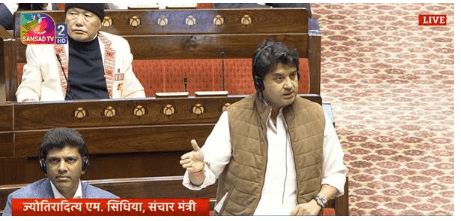
Union Minister for Communications and Development of the Northeastern Region Shri Jyotiraditya Scindia informed the Rajya Sabha that BharatNet has evolved into the foundation of India’s digital infrastructure, enabling high-quality broadband connectivity to Gram Panchayats and villages across the country. Presenting achievements and the future roadmap of the Department of Telecommunications, the Minister said the government’s vision is to deliver world-class, fast and reliable internet to every citizen, driving transformation in governance, education, healthcare, business, and employment.

97% Gram Panchayat Connectivity Achieved Under BharatNet-1 and BharatNet-2

Shri Scindia stated that under BharatNet-1 and BharatNet-2, the target was to connect over 2.22 lakh Gram Panchayats nationwide.

  • So far, around 2.15 lakh GPs (nearly 97%) have been connected

  • Close to 7 lakh kilometres of optical fibre cable (OFC) have been laid

This connectivity has significantly strengthened e-governance services, digital payments, online education, telemedicine, and rural entrepreneurship, helping bridge the urban-rural digital divide.


Amended BharatNet Scheme: World’s Largest Rural Broadband Programme

The Minister highlighted that the Amended BharatNet Scheme, approved during late 2023–2024, represents the world’s largest capital expenditure broadband programme, with a total outlay of ₹1.40 lakh crore (around USD 16 billion). By integrating rural India into the digital economy and ensuring equitable access to opportunities, the programme is laying the foundation for an inclusive, empowered, and digitally strong India.

Key objectives and upgrades under the scheme include:

  • Extending connectivity beyond GPs to nearly 6.5 lakh villages

  • Connecting around 47,000 additional Gram Panchayats

  • Upgrading network from linear to ring topology for 100% redundancy

  • Providing up to 25 Mbps broadband directly to households

  • Shifting technology from GPON to MPLS for higher efficiency

  • Establishing State-level (S-NOC) and Central Network Operating Centres (C-NOC) for 24×7 monitoring

These upgrades are expected to greatly enhance network reliability, speed, and service continuity, ensuring uninterrupted digital access.

BharatNet Udyami Model to Boost Rural Employment and Entrepreneurship

Shri Scindia informed the House about the launch of the BharatNet Udyami (BNU) Model, designed to link rural connectivity with self-employment and entrepreneurship.

  • So far, 7,570 BharatNet Udyamis have been selected

  • The remaining 3.8 lakh+ villages will be covered through a demand-driven model

  • Capital and operational subsidies will be provided to BNUs for last-mile connectivity

This model is expected to create large-scale local employment, strengthen rural digital services, and empower village-level entrepreneurs.

1.5 Crore FTTH Connections Targeted Nationwide

The government aims to deliver 1.5 crore Fiber-to-the-Home (FTTH) connections under the BharatNet framework.

  • More than 14 lakh FTTH connections have already been provided

  • As network expansion continues, fibre connectivity is expected to reach every household

The Minister said this will unlock new opportunities in education, healthcare, agriculture, start-ups, e-commerce, and skill development, especially in rural India.

Gujarat Achieves 100% Targets, Set for Further Expansion

Responding to a state-specific question, Shri Scindia said Gujarat has achieved 100% coverage under BharatNet-2, connecting 14,320 Gram Panchayats.

Under the Amended Scheme, further expansion includes:

  • Upgradation of 14,294 GPs

  • Ring topology conversion for 26 GPs

  • New fibre laying in 30,000+ villages

  • Demand-based connectivity for 3,895 villages

  • Total investment of around ₹5,691 crore

A quadripartite agreement has been signed between the Government of Gujarat, GFGNL, Digital Bharat Nidhi, and BSNL to accelerate implementation.

Conclusion

Concluding his reply, Shri Jyotiraditya Scindia emphasized that BharatNet is not merely a connectivity project but a transformative national digital mission. By integrating rural India into the digital economy and ensuring equitable access to opportunities, the programme is laying the foundation for an inclusive, empowered, and digitally strong India. This connectivity has significantly strengthened e-governance services, digital payments, online education, telemedicine, and rural entrepreneurship, helping bridge the urban-rural digital divide.

For more real-time updates, visit Channel 6 Network.

Source: PIB

Economic Survey Highlights Strong Agriculture Growth and Rural Transformation: Shivraj Singh Chouhan: 2026

The Economic Survey 2025–26 reflects the growing strength of India’s agriculture and rural economy, Union Minister for Agriculture & Farmers’ Welfare and Rural Development Shri Shivraj Singh Chouhan said on Monday. Responding to the Survey’s findings, the Minister noted that sustained policy focus under the leadership of Prime Minister Narendra Modi has resulted in measurable progress across farm output, horticulture, rural infrastructure, housing, digital empowerment, and livelihoods.

Agriculture Records Sustained and Resilient Growth

Shri Chouhan said that over the last five years, the agriculture and allied sectors have achieved an average annual growth rate of 4.4 percent at constant prices, surpassing the global average.

  • Over the decade FY2016–FY2025, the sector recorded a decadal growth rate of 4.45 percent, the highest compared to previous decades.

  • Even in Q2 of FY2025–26, agriculture posted a growth rate of 3.5 percent, indicating continued resilience.


India’s foodgrain production touched a record 357.73 million tonnes in 2024–25, driven by higher output of rice, wheat, maize, coarse cereals and millets (Shree Anna). The Minister emphasized that India is now not only self-reliant in food production but also plays a leading role globally across several crops.

Horticulture Emerges as a Key Growth Driver

The horticulture sector has become one of the most dynamic segments of Indian agriculture, contributing nearly 33 percent to agricultural GVA.

  • Horticulture output increased from 280.70 million tonnes (2013–14) to 367.72 million tonnes (2024–25).

  • In 2024–25, production included:

    • Fruits: 114.51 million tonnes

    • Vegetables: 219.67 million tonnes

    • Other horticultural crops: 33.54 million tonnes

Shri Chouhan noted that India is now the world’s largest producer of onions, contributing about 25 percent of global output, and ranks second globally in vegetables, fruits, and potatoes, with a global share of 12–13 percent in each category.

Historic Expansion of Rural Infrastructure

Highlighting rural development achievements, the Minister said there has been unprecedented expansion in connectivity and basic infrastructure:

  • Under Pradhan Mantri Gram Sadak Yojana (PMGSY), 99.6 percent of eligible habitations are now connected with all-weather roads.

  • Under PMGSY-IV, road projects covering over 10,000 km have been approved, benefiting nearly 3,270 unconnected habitations across Jammu & Kashmir, Chhattisgarh, Uttarakhand, Rajasthan, Sikkim, and Himachal Pradesh.

This improved connectivity is enabling better access to education, healthcare, markets, and public services in rural areas.

Transformation Through Housing, Digital Empowerment and Livelihoods

Shri Chouhan said that rural transformation is also visible in housing, land reforms, and women-led development:

  • Under the mission of Housing for All, 3.70 crore pucca houses have been constructed in rural areas over the last 11 years.

  • Under PMAY–Gramin, a target of 4.14 crore houses has been set, most of which are already sanctioned.

  • Under the SVAMITVA scheme, drone surveys have been completed in 3.28 lakh villages, and 2.76 crore property cards have been issued.

  • Under the Digital India Land Records Modernisation Programme, 99.8 percent of rural land records have been digitised.

Women’s economic empowerment has also scaled up significantly:

  • Over 10 crore rural women are now linked to more than 90 lakh Self-Help Groups (SHGs) under the National Rural Livelihoods Mission.

  • The number of ‘Lakhpati Didis’ has crossed 2.5 crore, marking a major milestone in grassroots entrepreneurship.

Conclusion

Shri Shivraj Singh Chouhan said the Economic Survey clearly documents how consistent policy direction, institutional reforms, and targeted public investment have strengthened agriculture and transformed rural India. He added that these outcomes reaffirm the government’s commitment to inclusive growth, farmer welfare, and sustainable rural development, positioning villages as central to India’s journey toward becoming a developed nation. India’s foodgrain production touched a record 357.73 million tonnes in 2024–25, driven by higher output of rice, wheat, maize, coarse cereals and millets (Shree Anna).

For more real-time updates, visit Channel 6 Network.

Source: PIB

Shocking 1 Arrest Sparks Public Outcry in Mysuru

The Narcotics Control Bureau (NCB) conducted a raid in Mysuru resulting in the arrest of a suspect linked to illegal drug activities, prompting immediate reactions from political leaders and local communities. The operation, part of an ongoing crackdown on narcotics in Karnataka, targeted suspected trafficking networks and aimed to curb the spread of illicit substances in urban and semi-urban areas. Officials confirmed that the accused was apprehended during a carefully planned operation, and investigations are ongoing to trace the full extent of the network. The arrest has raised public awareness about drug-related issues in the region.

Authorities clarified that the raid involved intelligence inputs gathered over several weeks. Surveillance and coordination with local police units enabled the NCB team to act swiftly, preventing potential distribution of illegal substances. Law enforcement officers stressed that such interventions are necessary to protect youth and maintain public safety. The arrested individual has been taken into custody for questioning, and further leads are being followed to dismantle the wider trafficking chain.

Local residents expressed relief at the swift action but also voiced concern about the prevalence of narcotics in Mysuru neighborhoods. Community groups called for enhanced preventive measures, including awareness campaigns in schools and colleges. Parents and educational institutions highlighted the need for early intervention to protect students from falling prey to drug misuse. Authorities noted that collaborative community efforts, coupled with strict law enforcement, are essential to tackling the issue comprehensively.NCB arrests one in Mysuru raid; MP Yaduveer voices concern - The Hindu

Political Voices and Public Accountability

Mysuru MP Yaduveer Krishnadatta Chamaraja Wadiyar expressed concern over the arrest and the broader implications for public safety. While appreciating the NCB’s proactive action, he urged state authorities to strengthen monitoring mechanisms and preventive programs to curb drug abuse. The MP emphasized the importance of combining enforcement with education, treatment, and rehabilitation efforts. He suggested that community leaders, schools, and youth organizations play a more active role in spreading awareness about the dangers of narcotics.

Opposition leaders also raised questions about local enforcement gaps, seeking clarification on how illicit drug networks have been operating undetected. They called for periodic audits, stricter surveillance, and transparent reporting to ensure accountability. Experts noted that while arrests are critical, sustained efforts involving social programs, rehabilitation centers, and robust community policing are essential to reduce recidivism and long-term drug dependency.

The arrested suspect is currently being interrogated to uncover connections with suppliers, distributors, and potential buyers. NCB officials indicated that further operations could be conducted based on leads obtained during the ongoing investigation. Legal procedures will follow, ensuring that the case progresses under judicial oversight. Authorities have appealed to the public for cooperation in reporting suspicious activities and supporting anti-drug initiatives.

Awareness and Rehabilitation Measures

In response to growing concern, state authorities have reiterated the need for integrated approaches combining law enforcement, community participation, and youth engagement. Awareness drives in schools, colleges, and residential areas are being planned to educate students about substance abuse risks. Rehabilitation centers have been highlighted as critical for treating affected individuals and reintegrating them into society. Experts stress that enforcement alone cannot address the underlying issues; social support systems are equally vital.NCB arrests one in Mysuru raid; MP Yaduveer voices concern - The Hindu

Local NGOs and youth organizations welcomed the NCB’s intervention but called for a comprehensive strategy to prevent future incidents. Programs targeting at-risk youth, counseling services, and mentorship initiatives were suggested as complementary measures. Authorities emphasized that Mysuru, while relatively safe, requires sustained vigilance to ensure drug-free communities.

The incident underscores the ongoing challenge of narcotics control in urban India. While law enforcement agencies continue to act against trafficking, political leaders, civil society, and community members are increasingly vocal about proactive measures. Coordination between enforcement, awareness, and rehabilitation is emerging as the cornerstone of tackling drug abuse effectively.

MP Yaduveer’s statement and community reactions highlight public expectation for transparency, accountability, and preventive initiatives. Arrests, while necessary, are only one aspect of an integrated strategy. The arrest in Mysuru serves as a reminder that addressing drug-related issues requires a multi-pronged approach, balancing strict action with social responsibility. Authorities continue to monitor the situation closely, signaling that further operations and preventive campaigns are likely in the coming weeks.

Set up Narcotics Control Bureau Unit in Mysuru: MP - Star of Mysore

Law enforcement officials stressed that Mysuru, despite being known for its cultural heritage and tourist attractions, is not immune to challenges posed by narcotics. They noted that traffickers often exploit the city’s connectivity and commercial activity to distribute illicit substances. The NCB’s targeted raids are part of a larger, statewide strategy aimed at intercepting drug supply chains before they reach schools, colleges, and residential areas. Authorities emphasized that intelligence-driven operations are crucial in identifying high-risk zones and apprehending perpetrators in a timely manner.

Community leaders highlighted the importance of neighborhood vigilance. Residents in affected areas have been encouraged to report unusual activity, suspicious movements, or unknown individuals loitering near schools and colleges. Such community-led surveillance complements official efforts, ensuring that enforcement agencies receive timely inputs to act on. Local committees are also being formed to educate citizens on signs of substance abuse among youth and provide guidance on intervention measures.

Parents have expressed concern about the potential impact of narcotics on children and teenagers. Awareness sessions are being conducted in schools to help students recognize peer pressure, addiction warning signs, and coping strategies. Counselors and social workers are participating in workshops to guide both students and parents. Authorities believe that informed communities are better equipped to prevent substance abuse before it escalates into criminal activity.

Psychologists and addiction specialists have weighed in, emphasizing that arresting traffickers addresses the supply side but does little to curb demand unless supported by rehabilitation and mental health programs. Structured counseling, peer support groups, and mentorship programs are being recommended for at-risk youth. Schools and colleges are being urged to integrate life skills education and resilience-building modules into their curriculum to reduce vulnerability to substance abuse.

Political representatives, including MP Yaduveer, have also called for coordination between central and state enforcement agencies. Sharing intelligence across jurisdictions, monitoring cross-border trafficking, and ensuring rapid response teams can help prevent the circulation of narcotics in urban and semi-urban areas. Such coordination, they argue, is essential for effective enforcement and sustained reduction in drug availability.

Local police departments have been instructed to enhance patrolling near educational institutions, hostels, and youth-centric areas. Nighttime surveillance, checkpoints on major roads, and spot inspections of suspicious establishments have been intensified. These measures aim to create a deterrent effect while simultaneously reassuring residents that authorities are actively maintaining public safety.

NGOs focusing on youth development have proposed additional community engagement activities. Sports programs, skill workshops, and cultural events are being used to provide constructive outlets for young people. By channeling energy into positive pursuits, experts believe the risk of involvement in drug abuse or trafficking can be significantly reduced. Authorities have shown interest in collaborating with such organizations to expand outreach and strengthen preventive measures.

The Mysuru incident has reignited discussions on the broader framework for narcotics control in Karnataka. Policymakers are examining gaps in current monitoring, enforcement capacity, and public awareness initiatives. Recommendations include enhancing legal provisions, updating surveillance technology, and establishing rapid response protocols for suspicious activity. Experts insist that such measures must be proactive rather than reactive, targeting potential problems before they manifest as criminal offenses.

In addition to enforcement and awareness, rehabilitation infrastructure is receiving renewed attention. Existing centers are being evaluated for capacity, accessibility, and effectiveness. Authorities are exploring partnerships with health institutions to provide comprehensive care, including detoxification, counseling, and reintegration programs. The aim is to create a support system that addresses addiction as a social and health concern, not merely a criminal issue.

The ongoing developments in Mysuru serve as a reminder of the multifaceted nature of drug-related challenges. Arrests, while necessary, are only one aspect of an integrated strategy. Combining enforcement, community involvement, political advocacy, youth engagement, and rehabilitation can create a sustainable framework for a drug-free society. MP Yaduveer’s proactive stance, alongside the NCB’s actions, underscores a commitment to both public safety and the welfare of young citizens in the region.

The Narcotics Control Bureau (NCB) conducted a raid in Mysuru resulting in the arrest of a suspect linked to illegal drug activities, prompting immediate reactions from political leaders and local communities. The operation, part of an ongoing crackdown on narcotics in Karnataka, targeted suspected trafficking networks and aimed to curb the spread of illicit substances in urban and semi-urban areas. Officials confirmed that the accused was apprehended during a carefully planned operation, and investigations are ongoing to trace the full extent of the network. The arrest has raised public awareness about drug-related issues in the region.

Authorities clarified that the raid involved intelligence inputs gathered over several weeks. Surveillance and coordination with local police units enabled the NCB team to act swiftly, preventing potential distribution of illegal substances. Law enforcement officers stressed that such interventions are necessary to protect youth and maintain public safety. The arrested individual has been taken into custody for questioning, and further leads are being followed to dismantle the wider trafficking chain.

Follow: Karnataka Government

Also read: Home | Channel 6 Network – Latest News, Breaking Updates: Politics, Business, Tech & More
Crucial 7-Point Concern: Karnataka Draft Wage Rules Stir Emotional Worker Debate

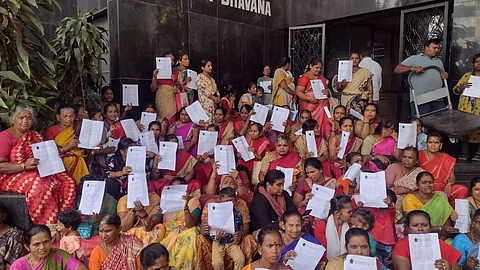
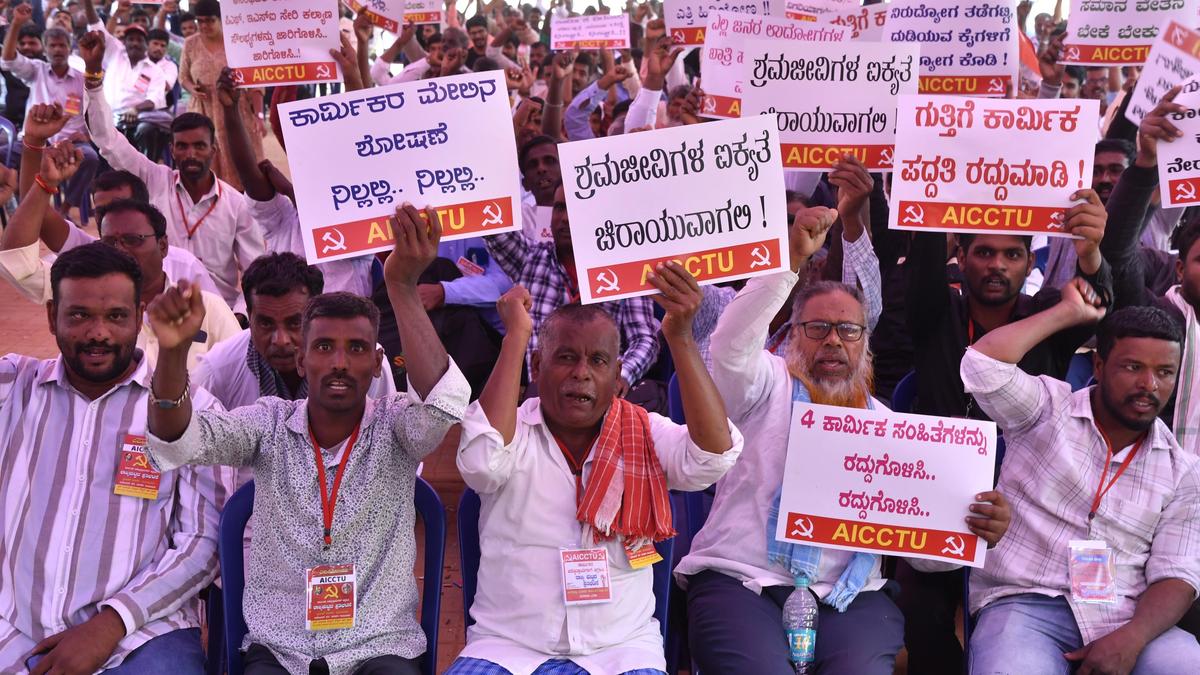
The Karnataka government’s draft wage rules, reportedly aligned closely with the Centre’s framework, have sparked discussion among labour groups, trade unions, and policy observers over their implications for worker coverage. Stakeholders argue that while harmonization with national standards may ensure administrative consistency, it could also leave gaps in addressing state-specific labour realities. The draft rules are part of a broader effort to modernize wage regulation, streamline compliance, and bring uniformity to definitions and procedures. However, worker representatives have expressed apprehension that mirroring central provisions without sufficient local adaptation may narrow the scope of protections for informal and vulnerable workers.

Legal scholars have pointed out that the interpretation of wage rules often becomes the subject of litigation, especially when definitions affect benefits and entitlements. Ambiguities in phrasing or calculation methods can lead to disputes between employers and workers, sometimes lasting years. Clear explanatory notes and illustrative examples within the rules may help reduce confusion. Experts suggest that clarity at the drafting stage can prevent long-term legal uncertainty, benefiting both employees seeking fair compensation and employers aiming for compliance.

Another dimension involves migrant labour, which forms a substantial part of Karnataka’s workforce in construction, hospitality, and manufacturing. Migrant workers often move between states, making regulatory alignment beneficial in theory. However, activists argue that portability of rights must be ensured alongside uniform rules. Access to grievance redressal systems, language accessibility in documentation, and awareness campaigns become critical so that migrant workers understand their entitlements under the revised framework.

Digital compliance systems are expected to play a larger role if the draft rules are finalized in their current form. Online wage records, digital registers, and electronic filings may simplify processes, but they also raise concerns about accessibility for small establishments and workers in rural areas. Training sessions and support centres could be necessary to ensure that digitization does not unintentionally exclude those unfamiliar with technology. Bridging the digital divide remains a key factor in successful implementation.

Labour researchers also emphasize the importance of periodic wage revisions to keep pace with living costs. Even well-structured rules may lose relevance if wage thresholds remain static amid inflation. They suggest linking certain benchmarks to cost-of-living indices to maintain purchasing power. Without such mechanisms, workers may experience declining real income despite formal compliance with regulations. This issue has been highlighted by unions as central to long-term livelihood security.

Youth entering the workforce represent another group affected by regulatory changes. Many young workers begin careers in gig platforms, startups, or short-term contracts. If definitions of employment or wage components do not adequately reflect these emerging work models, gaps in protection may widen. Policy experts argue that modern labour rules must evolve with changing employment patterns, ensuring that innovation in business models does not come at the expense of worker rights.

From an administrative perspective, coordination between state departments becomes essential. Wage rules intersect with social security, industrial relations, and skill development policies. Integrated data systems could help monitor compliance and identify sectors with recurring issues. Such coordination may also enable targeted inspections and awareness drives. Officials note that cross-departmental collaboration strengthens the overall effectiveness of labour governance.

As discussions continue, observers underline that the ultimate measure of reform lies in its real-world impact. Whether the draft rules expand formalization, improve wage transparency, and protect vulnerable workers will depend on implementation quality. Constructive engagement between government, employers, and worker groups could transform current concerns into opportunities for refinement. The evolving debate highlights the dynamic nature of labour policy, where economic modernization must move hand in hand with social protection to ensure inclusive growth.

Labour activists point out that Karnataka has a significant workforce in sectors such as construction, gig services, small-scale manufacturing, and agriculture-related occupations. These sectors often involve irregular employment, seasonal income, and limited formal documentation. Concerns have been raised that strict definitions or procedural requirements could unintentionally exclude workers who do not fit conventional employment categories. Trade union leaders emphasized that wage rules should reflect ground realities, ensuring that those in precarious jobs are not left outside regulatory coverage.Karnataka unveils draft law to safeguard rights of domestic workers, makes  registration mandatory

Government officials, on the other hand, have indicated that aligning with central rules promotes clarity for employers operating across states. Uniform definitions of wages, working hours, and compliance procedures can reduce confusion and litigation. Authorities maintain that simplification is intended to improve enforcement and transparency rather than weaken worker safeguards. They argue that consistent frameworks may help streamline dispute resolution and inspection mechanisms.

Despite these assurances, worker organizations have urged a consultative approach before finalization. They say that draft rules must be evaluated for their impact on small enterprises and contract labour arrangements, which are common in Karnataka’s urban and semi-urban regions. The debate highlights the challenge of balancing administrative efficiency with inclusive labour protection.

Many experts note that wage regulation plays a critical role in ensuring social stability. Fair and predictable income supports household consumption, education, and health outcomes. If regulatory changes reduce the number of workers covered or complicate access to benefits, the broader social impact could be significant. This perspective has intensified calls for careful scrutiny of the draft provisions.

Coverage Gaps and Informal Sector Concerns

A key issue in the debate is the definition of “wages” and the components included or excluded under the draft rules. Labour economists explain that technical adjustments in classification can influence overtime calculations, social security contributions, and bonus eligibility. If allowances form a larger share of total compensation but fall outside wage definitions, workers may see reduced benefits over time. Trade unions fear that such structuring could become more common if regulatory oversight weakens.Karnataka government employees advised to wear khadi on first Saturdays of  every month - The Hindu

The informal sector remains a central concern. In Karnataka, a large proportion of workers operate without formal contracts. Domestic workers, street vendors, delivery personnel, and home-based artisans often lack documented employment relationships. Activists argue that any framework that relies heavily on formal employer-employee documentation risks overlooking these categories. They recommend simplified registration processes and flexible compliance mechanisms that accommodate informal arrangements.

Another issue involves enforcement capacity. Even well-designed rules can falter if inspection systems are overstretched. Labour departments often manage large jurisdictions with limited staff. Observers suggest that digitization of records and complaint mechanisms could help, but only if accompanied by training and resources. Worker advocates insist that enforcement must remain proactive rather than complaint-driven, as vulnerable workers may hesitate to report violations.

Small and medium enterprises have also voiced concerns, though from a different perspective. Some industry representatives argue that overly complex rules increase compliance costs, particularly for businesses recovering from economic disruptions. They support alignment with central provisions as a way to reduce administrative burden. However, they acknowledge that clarity is needed to avoid unintended disputes.

The Karnataka government’s draft wage rules, reportedly aligned closely with the Centre’s framework, have sparked discussion among labour groups, trade unions, and policy observers over their implications for worker coverage. Stakeholders argue that while harmonization with national standards may ensure administrative consistency, it could also leave gaps in addressing state-specific labour realities. The draft rules are part of a broader effort to modernize wage regulation, streamline compliance, and bring uniformity to definitions and procedures. However, worker representatives have expressed apprehension that mirroring central provisions without sufficient local adaptation may narrow the scope of protections for informal and vulnerable workers.

Balancing Reform with Social Protection

Policy analysts describe the situation as part of a broader transition in India’s labour governance landscape. As labour codes and rules evolve, states must interpret central frameworks while considering local economic patterns. Karnataka’s diverse economy, spanning technology hubs and rural districts, presents unique challenges. A one-size-fits-all approach may not fully capture this diversity. Analysts suggest that supplementary guidelines or state-specific notifications could bridge gaps without deviating from the central structure.

Social security linkages are another dimension. Wage definitions influence contributions to provident funds, insurance schemes, and other benefits. Worker groups caution that any narrowing of the wage base could affect long-term financial security. They advocate periodic reviews to assess whether revised rules produce unintended outcomes. Transparent data collection on coverage levels may help policymakers make evidence-based adjustments.

Public consultations have been highlighted as essential to building consensus. Labour law specialists note that inclusive dialogue can identify ambiguities and practical difficulties before rules take effect. Employers, unions, and independent experts each bring perspectives that can improve policy design. Such engagement may also reduce the likelihood of future legal challenges.Karnataka's draft wage rules mirror Centre's rules, raise concerns on worker  coverage - The Hindu

The gender dimension has also surfaced in discussions. Women constitute a large share of informal and part-time workers. If rules inadvertently exclude these categories, gender disparities could widen. Advocates urge policymakers to consider how wage structures and compliance procedures affect women workers, particularly those balancing employment with caregiving responsibilities.

At a broader level, the debate reflects the tension between regulatory simplification and substantive protection. Streamlined rules can encourage investment and reduce bureaucracy, but must not erode safeguards that ensure dignified livelihoods. Observers suggest that impact assessments and pilot implementation phases could help identify issues early.

The Karnataka government is expected to review feedback before finalizing the draft rules. Officials have indicated openness to suggestions while emphasizing the need to modernize labour administration. The outcome of this process will likely influence how other states approach similar reforms.

Ultimately, wage regulation sits at the intersection of economic growth and social justice. Ensuring that reforms strengthen rather than weaken worker security is a shared responsibility among policymakers, employers, and civil society. The ongoing discussion underscores that labour policy is not merely technical but deeply connected to the everyday lives of millions of workers striving for stability and fair treatment.

Follow: Karnataka Government

Also read: Home | Channel 6 Network – Latest News, Breaking Updates: Politics, Business, Tech & More
Alarming 5-Year Food Fear: Midday Meal Quality Sparks Emotional Debate in Karnataka

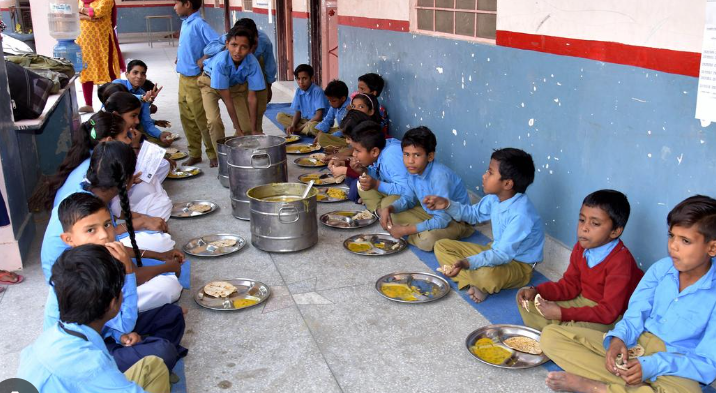
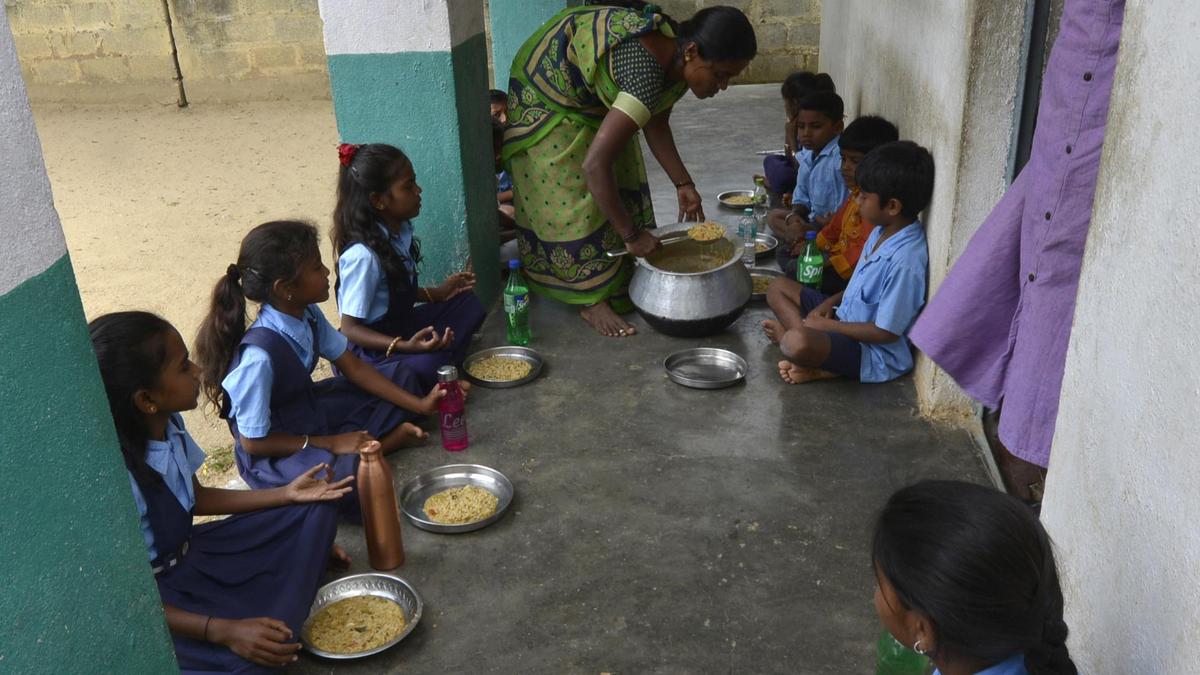
Concerns over the quality of midday meals served in government schools echoed strongly in the Karnataka Legislature, as Opposition members questioned how suppliers quoting below-market prices could maintain nutritional standards. Legislators argued that the unusually low quotations raised red flags about ingredient quality, food safety practices, and long-term impacts on children’s health. The midday meal scheme, a crucial welfare initiative aimed at improving student nutrition and attendance, feeds lakhs of children daily. Any compromise in quality, members warned, could undermine not only physical well-being but also trust in a program designed to support vulnerable sections of society.

Food safety experts have suggested that third-party audits could add another layer of credibility to the system. Independent assessments of kitchens, storage facilities, and supply chains may help verify compliance beyond routine departmental checks. Such evaluations could include surprise visits and standardized scoring methods. Public disclosure of audit summaries, they say, would improve transparency and deter negligence. By creating a system where performance is periodically reviewed by neutral agencies, authorities may strengthen accountability while reassuring parents and educators about the integrity of meals served to children.

Economists tracking welfare expenditure point out that nutrition schemes often yield long-term economic returns. Healthier children tend to show better educational outcomes, higher productivity, and reduced healthcare burdens in adulthood. From this perspective, ensuring meal quality is not merely a cost issue but a developmental investment. If procurement policies undermine nutritional value, the state could face hidden social costs later. This argument has fueled calls for a broader cost-benefit analysis when determining budget allocations for school nutrition programs.

Civil society groups working in child welfare have also entered the discussion, urging community participation in oversight. They recommend forming local monitoring committees including parents, teachers, and health workers. Such grassroots involvement can provide real-time feedback and quickly flag irregularities. Involving communities may also create a sense of shared responsibility, ensuring that the scheme is not seen as a distant administrative exercise but as a collaborative social effort supporting children’s growth and education.

Logistics specialists note that fluctuations in food supply chains can affect pricing and availability of ingredients. Seasonal variations, transport costs, and storage infrastructure all influence procurement feasibility. Strengthening decentralized sourcing from local farmer groups could stabilize supplies while supporting rural economies. Some legislators suggested that linking the midday meal program with local agricultural cooperatives may improve both freshness and cost management, reducing dependence on distant suppliers and long transport routes.

The debate has also prompted attention to training and working conditions of kitchen staff. Cooks and helpers play a vital role in maintaining hygiene and consistency. Regular skill development programs, fair remuneration, and safe working environments can improve morale and performance. Lawmakers argued that quality outcomes depend not only on procurement policies but also on the people preparing meals daily. Investing in human resources, therefore, is seen as integral to strengthening the scheme’s effectiveness.

As the issue remains under legislative scrutiny, the broader message emerging is that welfare delivery requires continuous evaluation. Schemes serving large populations must evolve in response to economic conditions, community feedback, and health standards. The present concerns, while critical, may lead to constructive reforms. By combining transparent procurement, strong monitoring, community participation, and realistic budgeting, the state can reinforce confidence in a program that remains central to child nutrition and educational equity.

Karnataka Opposition members express concern over quality of midday meals as supplier quotes below-market prices - The Hindu

Opposition leaders highlighted that food inflation has affected essential commodities such as pulses, cooking oil, vegetables, and grains. In this context, bids that appear significantly lower than prevailing market rates have triggered suspicions about cost-cutting measures. They questioned whether suppliers might reduce portion sizes, substitute ingredients, or compromise hygiene to meet financial constraints. Some legislators cited feedback from parents and local representatives alleging inconsistency in taste and quality in certain districts. Though these reports vary, the issue has gained urgency because the scheme directly affects school-going children from economically weaker families.

Government representatives responded by stating that tender processes follow established norms and include technical evaluation criteria beyond price alone. Officials clarified that suppliers are required to adhere to nutritional guidelines and are subject to inspections. They stressed that contracts include clauses allowing action against any violations of standards. However, Opposition members insisted that price feasibility must be examined carefully, arguing that unrealistic quotations could indicate systemic issues in procurement or monitoring.

The midday meal scheme serves as a social equalizer, encouraging school attendance and addressing malnutrition. Legislators across parties acknowledged its importance but differed sharply on implementation concerns. Some Opposition members suggested that the state review cost structures periodically, ensuring they align with market realities. They argued that maintaining quality may require flexible budgeting, particularly in times of rising input costs. Without such adjustments, they warned, suppliers might struggle to deliver meals that meet prescribed nutritional value.

Teachers’ associations have also weighed in, emphasizing the need for consistent food quality to maintain student interest and well-being. Educators observed that meals play a significant role in keeping children attentive during classes. If taste or quality declines, children may skip meals, affecting concentration and energy levels. These practical classroom observations have strengthened calls for a closer look at procurement mechanisms and on-ground monitoring.

Procurement Questions and Monitoring Challenges

The debate has drawn attention to how large-scale welfare procurement operates. Tenders often prioritize cost efficiency to stretch public funds, but experts caution that lowest-price selection without rigorous feasibility checks can pose risks. Nutritionists point out that preparing balanced meals for children requires a stable supply of quality ingredients. If suppliers operate on extremely thin margins, maintaining nutritional diversity becomes difficult. The Opposition has therefore called for greater transparency in tender evaluation, including disclosure of how price bids are assessed against nutritional requirements.

Monitoring mechanisms were another focal point in the discussion. While the government maintains that inspections occur regularly, legislators asked whether these checks are frequent and independent enough. They suggested involving local school committees, parent groups, and health officials in oversight processes. Decentralized monitoring, they argued, could detect problems early and ensure accountability. In addition, calls were made for periodic laboratory testing of food samples to verify nutritional content and safety standards.Karnataka Opposition members express concern over quality of midday meals as supplier quotes below-market prices - The Hindu

Administrative officials acknowledged that the scale of the scheme presents logistical challenges. With thousands of schools involved, uniform quality control requires coordination among multiple departments. They indicated that digital reporting systems and surprise inspections are being strengthened. Training programs for cooks and staff are also being emphasized to ensure hygiene and standardized preparation methods. Nonetheless, lawmakers urged that structural safeguards be reinforced to prevent lapses.

Concerns over the quality of midday meals served in government schools echoed strongly in the Karnataka Legislature, as Opposition members questioned how suppliers quoting below-market prices could maintain nutritional standards. Legislators argued that the unusually low quotations raised red flags about ingredient quality, food safety practices, and long-term impacts on children’s health. The midday meal scheme, a crucial welfare initiative aimed at improving student nutrition and attendance, feeds lakhs of children daily. Any compromise in quality, members warned, could undermine not only physical well-being but also trust in a program designed to support vulnerable sections of society.

Health professionals observing the debate stressed the long-term implications of compromised nutrition. School-age children require adequate protein, micronutrients, and calories for physical and cognitive development. Even minor deficiencies, if sustained, can affect learning outcomes and growth. This perspective has elevated the discussion beyond procurement technicalities to broader public health considerations.

Balancing Cost Efficiency with Child Welfare

The controversy has reignited a fundamental policy dilemma: how to balance fiscal prudence with welfare quality. Supporters of tight budgeting argue that public funds must be used efficiently to cover a large beneficiary base. However, critics contend that excessive cost-cutting in nutrition programs can be counterproductive, leading to health issues that impose higher social costs later. Legislators suggested that periodic cost revisions based on inflation indices could help maintain balance.

Parents in some regions expressed mixed views. While many appreciate the scheme’s role in supporting household food security, they emphasized that quality must remain non-negotiable. Community feedback mechanisms, including grievance channels, were proposed as ways to ensure voices from the ground inform policy adjustments. Transparent communication from authorities regarding standards and inspection outcomes could also build public confidence.Karnataka Opposition members express concern over quality of midday meals as supplier quotes below-market prices - The Hindu

Policy analysts noted that midday meal programs nationwide have evolved to include fortified foods and diversified menus. Maintaining such enhancements requires consistent investment. They suggested exploring partnerships with nutrition experts to design cost-effective yet balanced meal plans. Strengthening supply chains, reducing wastage, and bulk procurement strategies could help manage costs without lowering standards.

The issue has also highlighted the role of data in decision-making. Real-time monitoring of food delivery, consumption patterns, and health indicators could provide insights into scheme performance. Integrating such data with school health records might help identify early warning signs of nutritional gaps. Legislators urged that technology-driven oversight complement traditional inspections.

As the debate continues, both sides agree that the scheme’s core objective must remain central: supporting children’s health and education. The Legislature’s discussion has underscored that transparency, realistic budgeting, and robust monitoring are essential to sustain public trust. Authorities are expected to review concerns raised and consider measures to strengthen quality assurance mechanisms.

Ultimately, the midday meal program represents more than a welfare initiative; it is an investment in the state’s future generation. Ensuring that meals are nutritious, safe, and consistently delivered is not only an administrative responsibility but also a social commitment. The current scrutiny, while contentious, may serve as an opportunity to refine systems and reaffirm the priority of child welfare in public policy.

Follow: Karnataka Government

Also read: Home | Channel 6 Network – Latest News, Breaking Updates: Politics, Business, Tech & More
India’s Space Sector Economy Touches $8.4 Billion as Private Sector Boom Accelerates: Dr. Jitendra Singh

India’s space sector is rapidly transforming into a powerful engine of economic growth and innovation. With policy reforms unlocking private participation and entrepreneurship, the country’s space economy has expanded to $8.4 billion, supported by a thriving ecosystem of nearly 400 start-ups, Union Minister of State (Independent Charge) for Science & Technology and Space, Dr. Jitendra Singh, informed the Rajya Sabha.

Space Sector Reforms Fuel Industry Expansion

Responding to a starred question in Parliament, Dr. Jitendra Singh said that the sharp growth in the sector is a direct outcome of key reforms introduced after 2019, when the space domain was formally opened to private players. A landmark institutional step was the creation of the Indian National Space Promotion and Authorisation Centre (IN-SPACe), designed to function as a single-window interface between private companies and government bodies such as ISRO.

He noted that while India has always possessed strong scientific and technological capabilities within ISRO, the lack of a supportive ecosystem earlier restricted large-scale industrial participation. The new policy framework has now enabled greater investment, collaboration, and entrepreneurship.


Nearly 400 Start-ups Across the Space Value Chain

The Minister highlighted that the number of space start-ups has surged from single digits to 399 active companies today. These enterprises are engaged across diverse segments including:

  • Launch vehicle development

  • Satellite manufacturing

  • Propulsion systems

  • Space-grade electronics

  • Downstream applications and services

This growing ecosystem signals India’s transition from a government-dominated model to a vibrant public-private space economy.

Industry Partnerships and Technology Transfer

Private sector involvement is also deepening through strategic collaborations. Dr. Jitendra Singh pointed out that Hindustan Aeronautics Limited (HAL) has signed a technology transfer agreement with ISRO for the Small Satellite Launch Vehicle (SSLV). Several Indian firms are now working on advanced platforms, launch systems, and innovative space technologies, strengthening domestic manufacturing and capabilities.

Rising Global Footprint and Foreign Revenue

India’s commercial space activities are also gaining international traction. ISRO has launched 434 foreign satellites, of which 399 were launched after 2014, underscoring the acceleration in global engagement over the past decade. These launches have generated revenues of approximately €323 million and $233 million, reinforcing India’s growing reputation in the global launch services market.

Conclusion

With strong policy support, rising private investment, and expanding global presence, India’s space sector is emerging as a key pillar of future economic growth. Dr. Jitendra Singh emphasized that the industry, once marginal in economic contribution, is now evolving into a significant domain of manufacturing, innovation, and entrepreneurship, with the potential to grow to $40–45 billion over the next 8–10 years.

For more real-time updates, visit Channel 6 Network.

Source: PIB

Rashtriya Ayurveda Vidyapeeth Proudly Hosts Three-Day Training on Identification of Medicinal Flora in Wayanad: 2026

In a significant step towards strengthening experiential learning in Ayurveda, Rashtriya Ayurveda Vidyapeeth (RAV) organized a three-day Training Programme on “Identification of Flora” in the ecologically rich district of Wayanad, Kerala, from 27 to 29 January 2026. The initiative aimed to equip students with practical skills in identifying and understanding medicinal plants through direct field-based exposure.

Focus on Hands-On Learning in the Western Ghats

Conducted in the biodiverse landscape of the Western Ghats, the programme emphasized immersive learning across varied ecological settings. Participants were trained in recognizing medicinal flora, understanding habitat-specific plant characteristics, and appreciating the link between biodiversity and traditional healing systems.

The programme was designed to bridge the gap between classroom knowledge and real-world application—an essential requirement for effective Ayurvedic education and practice.


Eminent Experts Grace the Inaugural Session

The inaugural session of Rashtriya Ayurveda Vidyapeeth witnessed the presence of distinguished experts from the field of Ayurveda and environmental stewardship, including:

  • Vaidya Rabinarayana Acharya, Director General, CCRAS, New Delhi

  • Vaidya Mohan Lal Jaiswal, Retired Professor, National Institute of Ayurveda (NIA), Jaipur

  • Vaidya Madhu K.P., Associate Professor, Vaidyaratnam P.S. Varrier Ayurveda College, Kottakkal

  • Ms. Rose Joseph, Range Officer, North Wayanad Division, Department of Forest, Government of Kerala

Their presence underscored the academic and institutional importance of the programme.

Participation and Academic Impact

A total of 30 postgraduate students specializing in Dravyaguna (the Ayurvedic discipline dealing with medicinal substances) took part in the training. Through guided field visits, expert-led discussions, and interactive sessions, students developed a deeper understanding of:

  • Techniques of medicinal plant identification

  • Ecological diversity and habitat-based flora

  • Principles of conservation and sustainable use of plant resources

This exposure enhanced their applied knowledge, which is crucial for both clinical practice and research in Ayurveda.

Strengthening Traditional Knowledge and Conservation

The programme also highlighted the importance of conserving biodiversity while promoting traditional systems of medicine. By connecting students directly with nature, RAV is fostering a generation of practitioners who value both scientific rigor and ecological responsibility.

Conclusion: Rashtriya Ayurveda Vidyapeeth

Through initiatives like this, Rashtriya Ayurveda Vidyapeeth continues to advance capacity building and experiential education in Ayurveda. The Wayanad training programme stands as a meaningful example of integrating traditional knowledge with field-based learning, reinforcing the role of Ayurveda in sustainable healthcare and biodiversity conservation.

For more real-time updates, visit Channel 6 Network.

Source: PIB

NCC Directorate: Glorious 2-Year Triumph Fills Cadets With Pride

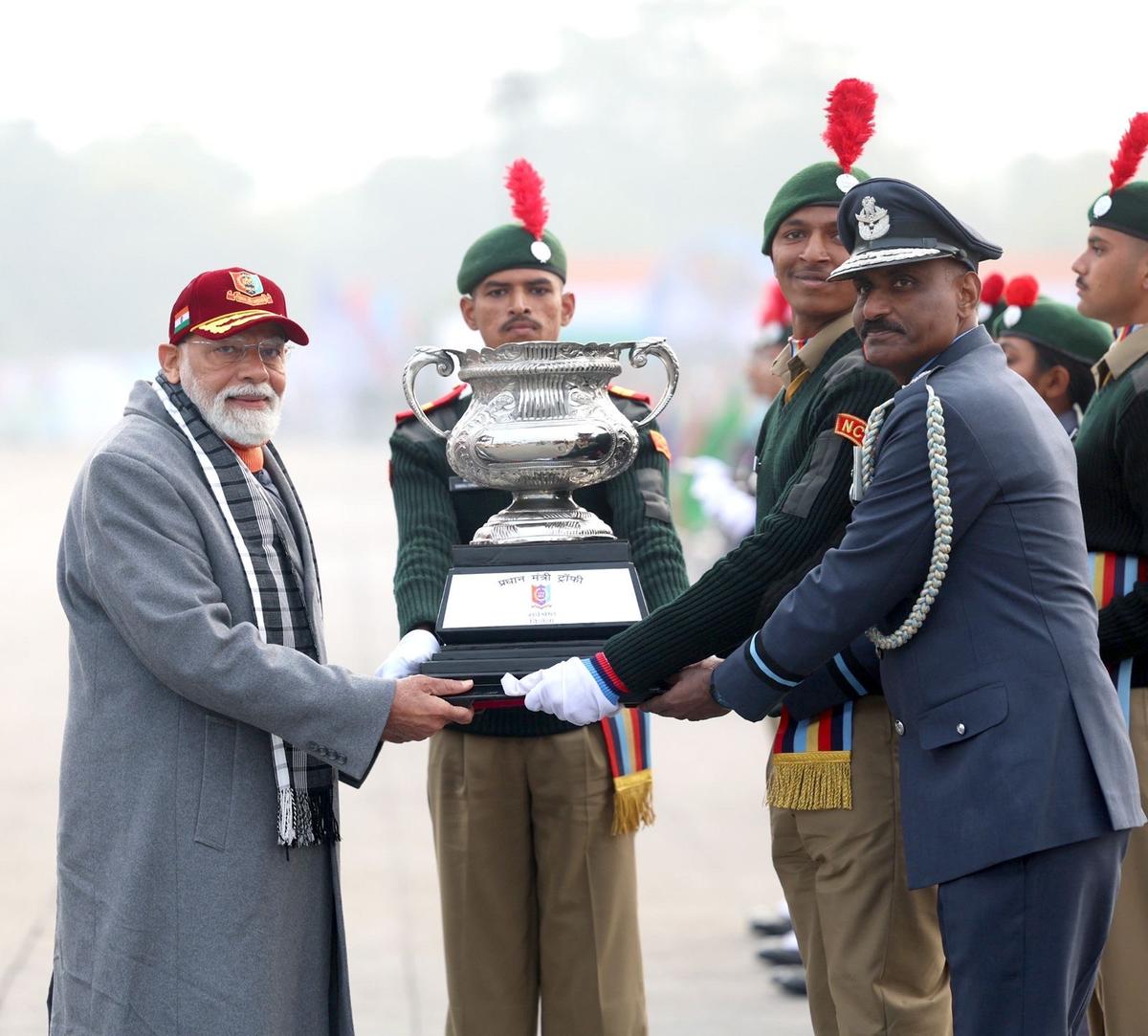
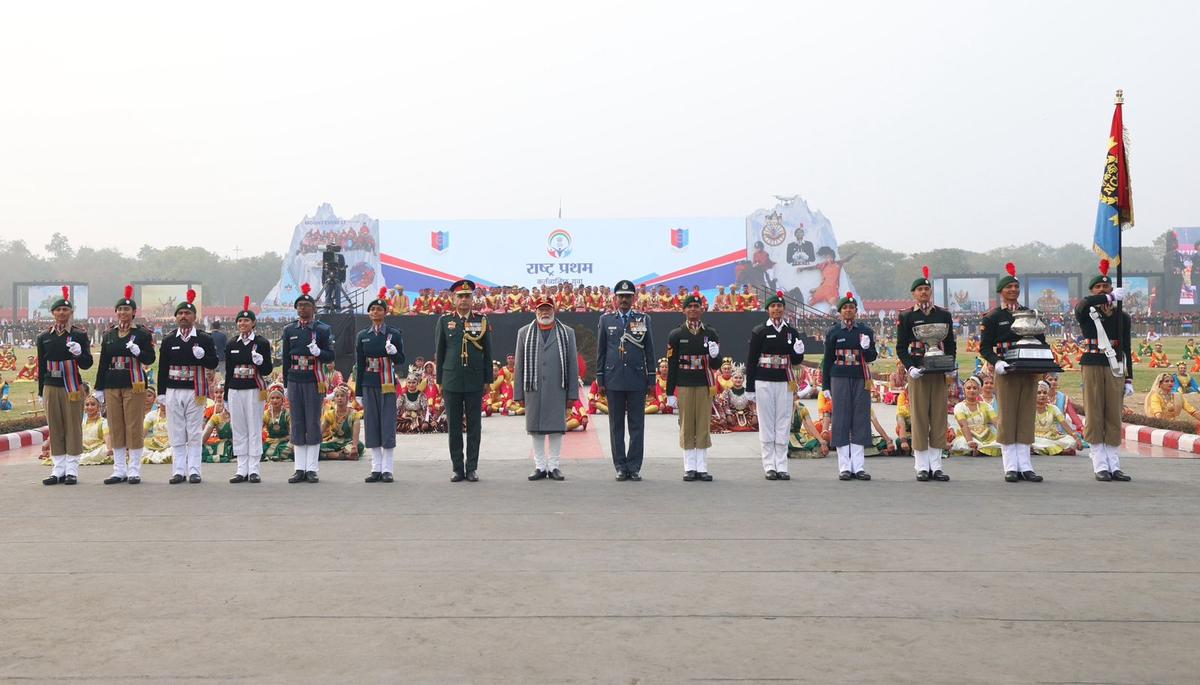
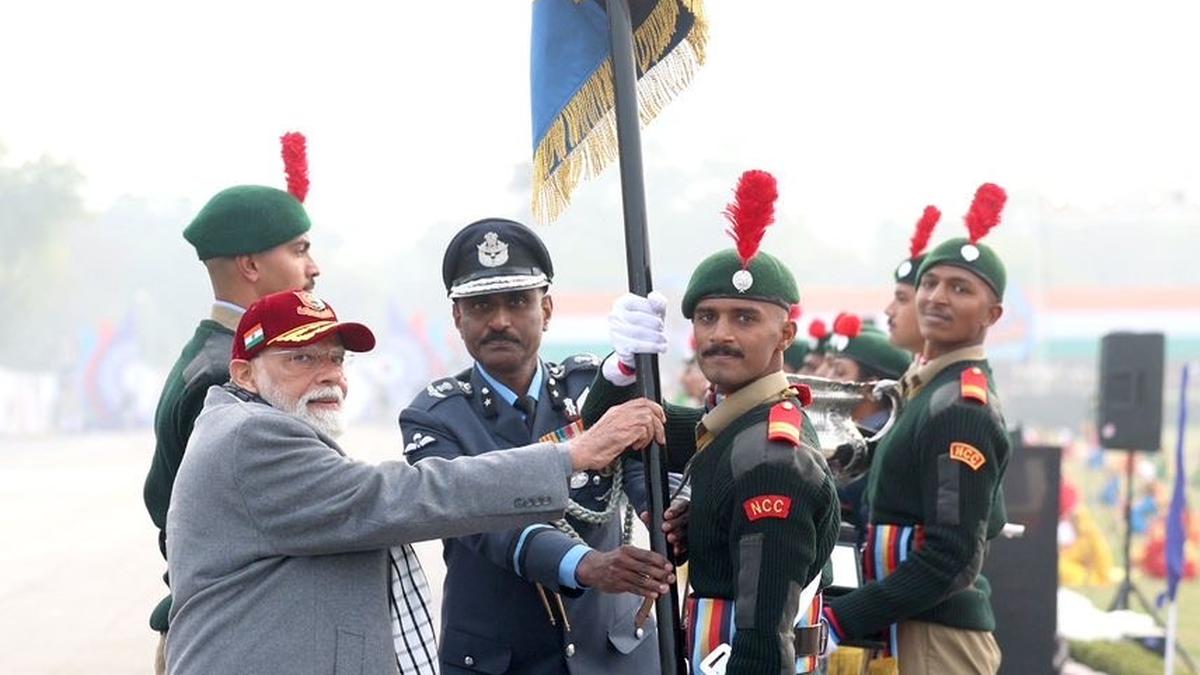
The NCC Directorate Karnataka and Goa has secured the prestigious Prime Minister’s Banner and Trophy for the second consecutive year at the Republic Day Camp 2026, marking a significant achievement in the history of the National Cadet Corps. The honour, considered one of the highest recognitions at the national level for NCC directorates, reflects excellence in training, discipline, cultural performance, and overall participation. Cadets, officers, and instructors from the directorate expressed immense pride as the announcement was made during the culmination of events in New Delhi. The achievement has been widely celebrated across Karnataka and Goa.

The Republic Day Camp, held annually in the national capital, brings together selected NCC cadets from across India. Participants undergo rigorous evaluation in drill, cultural programs, social service activities, and personality development. The Prime Minister’s Banner is awarded to the best-performing directorate based on cumulative performance across these parameters. Winning the banner twice in a row highlights consistent dedication, coordination, and commitment from cadets and their mentors in the Karnataka and Goa Directorate.

Proud Moment as State Cadets Shine at National Integration Camp

Cadets from Karnataka showcased exceptional talent and discipline at the National Integration Camp held recently, earning accolades for their cultural presentations and teamwork. The camp, designed to promote unity among youth from diverse regions, saw participation from across the country. Karnataka cadets highlighted regional traditions through dance, music, and social awareness skits. Officials noted that their performance reflected both cultural pride and national spirit. The exposure helped cadets understand different traditions and strengthen bonds beyond state boundaries, reinforcing the NCC’s mission of fostering unity, leadership, and mutual respect among young citizens.


Youth Leadership Workshop Trains Hundreds of NCC Cadets

A large-scale leadership workshop organized for NCC cadets in Karnataka focused on communication skills, crisis management, and ethical leadership. Officers guided cadets through real-life simulations and group problem-solving tasks. Experts from the armed forces addressed participants on decision-making under pressure. Cadets said the sessions boosted their confidence and helped them understand responsibility in leadership roles. The initiative aimed to prepare youth for future careers in defense, administration, and public service. Organizers stressed that such programs build discipline and resilience, essential qualities for both professional success and active citizenship.


NCC Cadets Lead Mega Cleanliness Drive Across Districts

Hundreds of NCC cadets participated in a coordinated cleanliness drive across multiple districts, collecting waste and spreading awareness about sanitation. The campaign aligned with national cleanliness goals and emphasized environmental responsibility. Cadets engaged with local residents, encouraging proper waste disposal and reduced plastic use. Officers said such initiatives instill social responsibility and teamwork. Local authorities appreciated the cadets’ efforts, noting visible improvements in public spaces. Participants described the activity as a learning experience that combined physical work with civic awareness, strengthening their commitment to community service.


Adventure Training Camp Boosts Confidence Among Young Cadets

An adventure training camp featuring trekking, obstacle courses, and survival skills concluded with enthusiastic participation from NCC cadets. The program aimed to build courage, endurance, and mental strength. Instructors trained cadets in navigation, first aid, and teamwork under challenging conditions. Many cadets described overcoming personal fears during activities. Officers said adventure training develops self-belief and prepares youth for demanding situations. The camp also fostered camaraderie, as participants supported each other through physically demanding exercises.


Cultural Exchange Event Highlights Diversity Among Students

An inter-state cultural exchange event hosted by NCC units brought together students from different regions to share traditions and customs. Performances included folk dances, songs, and storytelling sessions. Karnataka cadets presented classical and regional art forms, drawing appreciation from participants. Organizers said such events strengthen national integration by promoting understanding of cultural diversity. Cadets reported gaining new friendships and broader perspectives through interaction with peers from other states.


Blood Donation Camp Organized by NCC Units Draws Praise

NCC cadets organized a blood donation camp in collaboration with local hospitals, contributing significantly to community healthcare needs. Medical teams guided volunteers, ensuring safety protocols. Officers emphasized the importance of humanitarian service as part of NCC values. The camp saw participation from students, teachers, and residents. Health officials praised the initiative, noting that youth involvement sets a positive example.


Tree Plantation Drive Marks Environment Awareness Week

Marking Environment Awareness Week, NCC cadets planted saplings in school campuses and public areas. Officers educated participants on the importance of green cover and conservation. The initiative aimed to instill long-term environmental responsibility. Cadets pledged to care for the saplings, ensuring survival and growth. Local communities welcomed the effort, calling it a step toward sustainable living.


Motivational Seminar Encourages Cadets Toward Armed Forces Careers

A motivational seminar guided NCC cadets on career opportunities in the armed forces. Serving officers shared experiences and explained selection processes. Cadets learned about discipline, dedication, and service ethos required for defense careers. Many participants expressed interest in pursuing such paths. Organizers said guidance at the student level helps youth make informed career decisions while strengthening the spirit of national service.

NCC cadets of Karnataka-Goa win PM's banner and trophy for 2nd consecutive  year at Republic Day Camp 2026 - The Hindu

Officials from the directorate noted that preparation for the camp began months in advance. Cadets were selected through a series of screening camps, physical fitness tests, and skill-based assessments. Training sessions focused on precision drills, leadership exercises, and cultural presentations that reflect regional heritage. Instructors emphasized discipline, teamwork, and confidence-building as key components of preparation. The result, they said, was a cohesive and motivated contingent capable of performing at the highest level.

The announcement has been welcomed by State authorities, who praised the cadets for bringing national recognition. Education and youth leaders highlighted that NCC activities foster leadership qualities, civic responsibility, and a spirit of national integration. Schools and colleges associated with the cadets have also expressed pride, describing the achievement as an inspiration for students across the region. The recognition underscores the role of NCC in shaping young citizens beyond academic learning.

EXCELLENCE IN TRAINING AND PERFORMANCE

Performance at the Republic Day Camp is assessed through multiple competitive and evaluative events. Drill competitions test synchronization, discipline, and coordination. Cultural events showcase traditional dances, music, and theatrical presentations from various regions. Social awareness initiatives, including community service demonstrations, form another component of evaluation. The Karnataka and Goa contingent reportedly excelled in several of these categories, contributing to their overall top ranking.

Officers explained that special attention was given to drill precision, a cornerstone of NCC performance. Cadets practiced extensively to perfect marching formations and ceremonial movements. Cultural teams prepared performances reflecting the diversity of Karnataka and Goa, incorporating classical and folk elements. Judges reportedly appreciated the blend of tradition and modern presentation. Such multidimensional preparation strengthened the contingent’s overall score.

Leadership development programs were also central to training. Cadets participated in mock command exercises and problem-solving tasks designed to enhance decision-making abilities. Officers noted that confidence and clarity in communication are essential qualities evaluated during the camp. Workshops on public speaking and personality development were conducted to prepare cadets for interactions with dignitaries and participation in national-level discussions.NCC cadets of Karnataka-Goa win PM's banner and trophy for 2nd consecutive  year at Republic Day Camp 2026 - The Hindu

Physical endurance and discipline were emphasized throughout training. Daily routines included fitness drills, endurance runs, and team-building activities. Cadets said the regimen fostered resilience and camaraderie. Many participants described the experience as transformative, instilling values of responsibility and perseverance. Such qualities, instructors believe, contribute significantly to overall performance in competitive environments like the Republic Day Camp.

PRIDE, RECOGNITION, AND FUTURE ASPIRATIONS

The consecutive win has reinforced the directorate’s reputation for excellence within the NCC framework. Senior officers stated that maintaining high standards year after year requires systematic planning and mentorship. They credited instructors, administrative staff, and supporting institutions for creating an environment that encourages growth and discipline. Recognition at the national level, they said, motivates younger cadets to strive for similar achievements.

Parents of cadets expressed joy and pride, noting that NCC participation has helped their children develop confidence and leadership skills. Many families described the award as a milestone not just for individuals but for the entire community. The achievement has also drawn attention to the importance of co-curricular programs in holistic education. Educators emphasized that such activities complement academic learning by fostering life skills.

Former NCC cadets from the region have congratulated the contingent, recalling their own experiences and the lasting impact of NCC training. Alumni networks often support current cadets through mentorship and guidance. The success at the Republic Day Camp has strengthened these connections, creating a sense of continuity and shared purpose. Many alumni view the victory as evidence of sustained institutional strength.

State-level NCC officials indicated that the directorate will continue focusing on inclusive participation, encouraging more students from rural and underrepresented backgrounds to join. Outreach programs in schools and colleges aim to expand awareness about NCC opportunities. By broadening participation, the organization hopes to nurture talent across diverse communities, strengthening future contingents.NCC cadets of Karnataka-Goa win PM's banner and trophy for 2nd consecutive  year at Republic Day Camp 2026 - The Hindu

Defense experts observing NCC activities highlight the program’s role in fostering a spirit of national service. Cadets often pursue careers in the armed forces, civil services, and other public sectors. Achievements like the Prime Minister’s Banner reinforce the value of such training. They demonstrate how structured youth programs can contribute to nation-building and civic engagement.

The atmosphere within the directorate remains celebratory, with felicitation events planned in various districts. Cadets are expected to share their experiences with fellow students, inspiring others to participate. Officers believe that recognition at this level not only rewards current effort but also sets benchmarks for future batches.

As preparations begin for the next training cycle, the directorate aims to build on its momentum. Continuous improvement, innovation in training methods, and emphasis on discipline remain priorities. The consecutive triumph serves as both an achievement and a responsibility to uphold standards.

The Prime Minister’s Banner victory stands as a testament to teamwork, dedication, and disciplined preparation. For the cadets of Karnataka and Goa, the honour represents more than a trophy—it symbolizes unity, perseverance, and pride in serving the nation.

Follow: Karnataka Government

Also read: Home | Channel 6 Network – Latest News, Breaking Updates: Politics, Business, Tech & More

Karnataka’s E-Swathu: Bold 6 Hurdles Raise Citizen Concerns Over Portal

Follow: Karnataka Government

Also read: Home | Channel 6 Network – Latest News, Breaking Updates: Politics, Business, Tech & More