Mumbai: In a strategic move to bolster its presence in India’s fast-growing consumer durables market, Reliance Retail on Friday announced the acquisition of Kelvinator, a globally renowned home appliances brand synonymous with refrigeration innovation. The acquisition marks a significant expansion of Reliance’s product portfolio as it ventures deeper into the premium segment of home appliances.
Kelvinator, with its legacy dating back to the 1970s and 80s, is fondly remembered for its tagline “The Coolest One,” having once revolutionized refrigeration in Indian homes. This acquisition is poised to reinvigorate the brand, bringing it under the vast umbrella of Reliance Retail’s robust distribution network and innovation ecosystem.
Strategic Vision for Expansion
Speaking on the occasion, Isha Ambani, Executive Director of Reliance Retail Ventures Ltd., said,
“This is a significant step in our mission to bring trusted global innovations to Indian consumers.” She emphasized that Reliance’s unmatched scale, retail infrastructure, and customer reach would be leveraged to grow Kelvinator into a household name once again — but with modern sensibilities and advanced features that reflect today’s consumer needs.
Strengthening the Consumer Durables Portfolio
The acquisition underscores Reliance’s intent to tap into the premium home appliances segment, allowing Indian consumers greater access to globally benchmarked, high-quality appliances. As the demand for technologically advanced and energy-efficient home solutions rises across urban and semi-urban India, the addition of Kelvinator gives Reliance a competitive edge.
Kelvinator’s revival under Reliance is expected to focus not only on refrigerators, but also an expanded line-up of air conditioners, washing machines, and smart appliances, tailored for the evolving Indian market.
Conclusion
With this acquisition, Reliance Retail is not just acquiring a brand — it is reviving a legacy. The integration of Kelvinator into its portfolio aligns with the company’s larger goal of offering diverse, premium, and innovative consumer durable solutions, making advanced technology more accessible to Indian households.
Calcutta High Court Acquits — In a landmark judgment underscoring the importance of due process, the Calcutta High Court has acquitted three individuals who had spent 11 years behind bars on death row for a gruesome murder near Sealdah railway station in 2014. The ruling overturned a 2019 sessions court verdict that had sentenced them to death, citing serious procedural lapses, unreliable evidence, and violation of the accused’s right to a fair trial.
The bench, comprising Justice Debangsu Basak and Justice Md Shabbar Rashidi, ruled that the prosecution had failed to prove the guilt of the accused beyond a reasonable doubt, and criticized the trial court for convicting them based heavily on a retracted confession and circumstantial evidence that lacked corroboration.
Calcutta High Court Acquits: The Crime That Shook Kolkata
On May 20, 2014, dismembered body parts of a young woman were found in a trolley bag and a quilt near Sealdah station. The discovery shocked the city and prompted an intense investigation. The victim was identified as Jayanti Deb, the estranged wife of Surojit Deb, one of the accused. Within days, Surojit, his then-partner Lipika Poddar, and a friend Sanjoy Biswas were arrested.
Investigators alleged that the trio had murdered Jayanti in a premeditated act and attempted to dispose of her body at a public location. The case garnered significant media attention, leading to a high-pressure trial that culminated in death sentences for all three accused in 2019.
High Court’s Findings: Justice Delayed, Justice Delivered
In its judgment delivered this week, the High Court highlighted several critical flaws in the prosecution’s case:
No Direct Evidence: The prosecution failed to produce any eyewitnesses or forensic evidence directly linking the accused to the crime.
Retracted Confession: The confession of co-accused Sanjoy Biswas, which formed the backbone of the trial court’s verdict, had been retracted. The High Court observed that the confession was not admissible since it was not made before a magistrate and had not been subjected to cross-examination by the other accused.
Violation of Natural Justice: The accused were not given adequate opportunity to challenge or cross-examine the prosecution’s key witness. The court stressed that denying the right to cross-examination violated Article 21 of the Constitution, which guarantees the right to life and liberty.
Contradictions and Gaps: The case records, according to the judges, were full of contradictions, unclear timelines, and missing links in the chain of evidence that are vital for a conviction in a murder trial.
The bench wrote in its order:
“A death sentence cannot rest on shaky foundations. The prosecution must establish guilt beyond all reasonable doubt — a principle that has not been upheld in this case.”
11 Years Behind Bars: A Life Lost in Limbo
For the three individuals, the past 11 years have been spent in custody — first awaiting trial, and then on death row after their conviction. The long period in jail, coupled with the psychological burden of a looming execution, has taken a significant toll on their health and families.
Surojit Deb’s daughter, who was a minor when he was arrested, has grown up without her father. Lipika’s family had long maintained her innocence, repeatedly petitioning higher courts for a review. Sanjoy, whose confession first pointed investigators to the other two, consistently claimed he was coerced during interrogation.
Human rights activists have called the ordeal a chilling example of how flaws in the justice system can destroy lives.
Larger Implications: The Need for Judicial Reform
This case has triggered renewed debate on the use of the death penalty in India, especially in cases driven more by public pressure than concrete evidence. Legal experts say it reinforces the necessity of:
Stricter Scrutiny of Confessions: The judgment underscores the importance of relying on independently verified evidence rather than uncorroborated confessions.
Timely Trials: Prolonged detention without a fair trial violates constitutional protections and increases the likelihood of miscarriages of justice.
Judicial Caution in Death Penalty Cases: When imposing the most irreversible of punishments, the judiciary must exercise the highest degree of caution and diligence.
Rehabilitation and Compensation: The state must consider rehabilitation, compensation, and psychological counseling for individuals acquitted after years of wrongful incarceration.
Public Reactions and Legal Commentary
The ruling has been welcomed by many in the legal community as a reaffirmation of fundamental legal principles.
Advocate Jayanta Chatterjee, representing one of the accused, said:
“This is a victory for justice. We hope the government now provides support for the wrongly incarcerated individuals who lost a decade of their lives.”
Dr. Arindam Sen, a professor of criminal law, noted:
“This ruling should prompt a systemic review of how we handle high-profile criminal cases. The temptation to deliver quick convictions must never override due process.”
However, some critics have pointed out the emotional trauma faced by the victim’s family, who still have no closure or identified culprit after more than a decade.
The Calcutta High Court’s ruling is a timely reminder that the pursuit of justice must be grounded in evidence, fairness, and the unwavering protection of individual rights. As the three freed individuals begin their lives anew, their case serves as a stark cautionary tale — not just about what went wrong, but about what the legal system must do to ensure such wrongs do not happen again.
If you’d like visuals, infographics, or a shorter version suitable for social media sharing, I can prepare that as well.
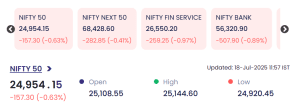
Mumbai: The Indian stock markets witnessed a weak session on 18 July 2025, with Nifty 50 closing at 24,954.15, down 157.30 points or 0.63%. Selling pressure dominated across banking, financial services, and broader indices, as market sentiment turned cautious amid global uncertainty and domestic profit-booking.
New Delhi – A Delhi Imphal Indigo Flight operating as 6E 5118 was forced to make an emergency return to Indira Gandhi International (IGI) Airport on Thursday morning after experiencing a technical snag shortly after takeoff. The incident demonstrates the aviation industry’s commitment to passenger safety through strict adherence to precautionary protocols and emergency procedures.
The Delhi Imphal Indigo Flight incident occurred during the morning departure schedule, highlighting the importance of continuous aircraft monitoring and pilot readiness to handle unexpected technical issues. This event underscores the critical role of safety protocols in commercial aviation operations.
Technical Snag Detection and Response
The Delhi Imphal Indigo Flight crew detected a minor technical snag soon after takeoff from Delhi, prompting immediate action according to established safety procedures. IndiGo spokesperson confirmed that the technical issue was identified promptly, allowing the flight crew to implement appropriate response measures without compromising passenger safety.
The swift response to the technical problem on the Delhi Imphal Indigo Flight demonstrates the effectiveness of modern aircraft monitoring systems and crew training programs. The early detection of the snag enabled pilots to make informed decisions about the safest course of action for all passengers and crew members aboard the aircraft.
Pilot Decision and Safety Protocols
Following the detection of the technical issue, the Delhi Imphal Indigo Flight pilots made the professional decision to turn back to IGI Airport as a precautionary measure. This decision reflects the aviation industry’s safety-first approach, where pilots prioritize passenger welfare over schedule considerations when technical issues arise.
The pilots’ handling of the Delhi Imphal Indigo Flight emergency situation exemplifies the high standards of training and decision-making required in commercial aviation. Their choice to return to the departure airport demonstrates adherence to mandatory safety procedures and risk mitigation protocols.
Detailed Flight Timeline and Operations
The Delhi Imphal Indigo Flight initially departed from Delhi at approximately 10:25 AM on July 17, 2025, following normal takeoff procedures. However, the technical snag was detected shortly after departure, prompting the crew to initiate emergency protocols and prepare for an immediate return to IGI Airport.
Airport officials confirmed that the Delhi Imphal Indigo Flight landed safely at IGI Airport at 11:16 AM, demonstrating the efficiency of emergency response procedures. The successful landing occurred less than an hour after the initial departure, minimizing passenger inconvenience while ensuring complete safety compliance.
Technical Inspection and Maintenance
Following the safe landing of the Delhi Imphal Indigo Flight, the aircraft underwent comprehensive technical inspections to identify and resolve the reported snag. Maintenance teams conducted thorough checks to ensure the aircraft’s airworthiness before authorizing its return to service.
The technical inspection process for the Delhi Imphal Indigo Flight involved detailed examination of aircraft systems, components, and safety equipment. This comprehensive evaluation ensures that all technical issues are properly addressed before the aircraft resumes passenger operations.
Resumed Operations and Passenger Service
After completing necessary technical checks, the Delhi Imphal Indigo Flight was cleared for departure and resumed its journey to Imphal. The aircraft departed again at approximately 12:30 PM, representing efficient turnaround time considering the technical inspection requirements.
The Delhi Imphal Indigo Flight successfully reached its destination in Imphal at 2:53 PM, arriving approximately one hour and forty-three minutes behind the original scheduled arrival time of 1:10 PM. This delay, while unfortunate, was necessary to ensure complete passenger safety and aircraft reliability.
Passenger Communication and Support
Throughout the incident involving the Delhi Imphal Indigo Flight, airline staff maintained communication with passengers regarding the situation and expected delays. The airline’s commitment to passenger service remained evident despite the technical challenges encountered during the journey.
The management of passenger expectations during the Delhi Imphal Indigo Flight incident demonstrates professional crisis management and customer service standards. Passengers were kept informed about the technical inspection process and revised departure schedule.
Recent Aviation Incidents Context
The Delhi Imphal Indigo Flight incident occurred one day after another IndiGo flight, 6E-6271, operating from Delhi to Goa, reportedly suffered an engine failure and was diverted to Mumbai. This recent pattern of technical issues highlights the importance of continued vigilance in aircraft maintenance and safety protocols.
The proximity of these incidents involving Delhi Imphal Indigo Flight and the Delhi-Goa route underscores the critical importance of robust maintenance programs and safety oversight in commercial aviation operations.
Aviation Safety Standards and Compliance
The handling of the Delhi Imphal Indigo Flight emergency demonstrates India’s aviation industry’s commitment to international safety standards. The incident response followed established protocols designed to protect passengers while minimizing operational disruption.
The successful resolution of the Delhi Imphal Indigo Flight technical issue reinforces public confidence in aviation safety measures and emergency response capabilities. The incident serves as a positive example of how safety protocols effectively protect passengers during unexpected technical challenges.
Conclusion
The Delhi Imphal Indigo Flight incident represents a successful implementation of aviation safety protocols, demonstrating how technical issues can be managed effectively without compromising passenger safety. The professional response by pilots, maintenance teams, and airport officials ensures continued confidence in commercial aviation safety standards while highlighting the importance of precautionary measures in protecting passenger welfare.
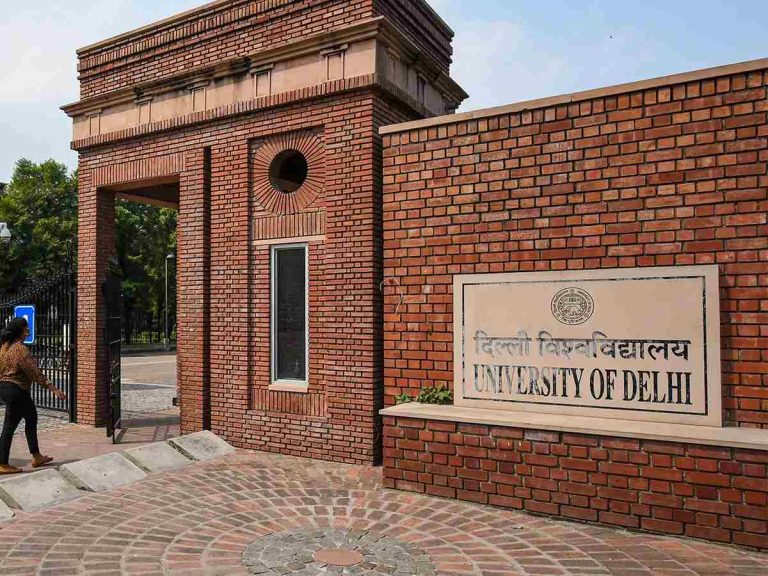
New Delhi – Delhi University has officially announced that DU Begins ECA Trials today, marking a significant milestone in the undergraduate admissions process for the 2025-26 academic session. This comprehensive evaluation process for extracurricular activities represents a crucial component of the university’s holistic admission strategy, offering students multiple pathways to showcase their talents beyond academic achievements.
The announcement that DU Begins ECA Trials comes after extensive preparation and coordination by the university’s central committee. Officials have confirmed that the trials will be conducted across various DU colleges, with specific allocations determined by the central admissions committee to ensure fair and efficient evaluation processes.
Unprecedented Application Response
The confirmation that DU Begins ECA Trials is accompanied by remarkable statistics showing unprecedented student interest in extracurricular activities. The university has received 13,000 ECA applications, representing a substantial 14% increase from the previous year’s numbers, demonstrating growing awareness among students about the importance of extracurricular participation.
This surge in applications as DU Begins ECA Trials reflects the university’s successful efforts to promote holistic education and recognize diverse talents. The significant increase indicates that students are increasingly valuing the opportunity to demonstrate skills beyond traditional academic metrics.
Category-wise Application Distribution
As DU Begins ECA Trials, the distribution of applications across different categories reveals interesting patterns in student preferences. Debate (English) has emerged as the most popular category, receiving 1,700 applications, which represents the highest number among all ECA categories offered by the university.
The popularity of debate as DU Begins ECA Trials underscores the growing emphasis on communication skills and critical thinking among students. This preference aligns with the university’s commitment to developing well-rounded individuals capable of effective public discourse and intellectual engagement.
National Cadet Corps Special Provisions
While DU Begins ECA Trials for most categories, the National Cadet Corps (NCC) follows a different evaluation process. With over 3,000 applications received, NCC does not require physical trials, making it one of the most sought-after categories among students interested in military training and discipline.
The special provision for NCC as DU Begins ECA Trials reflects the unique nature of this program and its established evaluation criteria. Deepti Taneja, convener of the ECA Admissions Committee, emphasized that NCC’s exemption from trials is based on its distinct assessment methodology.
The scope of activities as DU Begins ECA Trials encompasses 14 diverse categories, providing students with numerous opportunities to showcase their talents. The university has allocated 1,347 ECA seats across these categories, ensuring adequate representation for various artistic, cultural, and intellectual pursuits.
The categories available as DU Begins ECA Trials include creative writing in both Hindi and English, debate in Hindi and English, digital media covering photography, filmmaking, and animation, divinity, fine arts encompassing sketching, painting, and sculpture, music vocal in Indian and Western traditions, music instrumental in Indian and Western styles, dance including Indian classical, folk, Western, and choreography, theatre, quiz, and yoga.
Seat Allocation and Distribution
The detailed breakdown as DU Begins ECA Trials shows strategic seat allocation across different categories. Dance has been allocated 275 seats, reflecting the university’s recognition of the diverse forms of dance and their cultural significance. Theatre has been assigned 122 seats, acknowledging the importance of dramatic arts in student development.
Specialized categories as DU Begins ECA Trials include quiz with 25 seats and yoga with 42 seats, demonstrating the university’s commitment to intellectual challenges and physical wellness. The National Service Scheme (NSS) has been allocated 100 seats, complementing the NCC’s 98 seats in community service categories.
Centralized Admission Process
The structure ensuring DU Begins ECA Trials operates through a centralized admission process based on composite scoring. This system assigns 75% weightage to ECA performance, which includes both certificates and trial results, while 25% weightage is given to CUET scores, ensuring a balanced evaluation approach.
This composite scoring system as DU Begins ECA Trials demonstrates the university’s commitment to recognizing extracurricular excellence while maintaining academic standards. The weightage distribution ensures that students with exceptional ECA talents receive appropriate recognition in the admission process.
Trial Scheduling and Logistics
The organizational framework as DU Begins ECA Trials involves careful coordination across multiple college venues. The central committee has allocated specific colleges for conducting trials, ensuring optimal utilization of resources and convenient access for applicants.
The logistics planning as DU Begins ECA Trials includes the release of final schedules by the university on Thursday, providing students with clear guidance about timing and venues. This systematic approach ensures smooth execution of the extensive evaluation process.
Results and Grievance Mechanism
The timeline following DU Begins ECA Trials includes the uploading of trial scores on the university’s admission portal around July 25. This digital transparency ensures that students can access their results promptly and plan their next steps accordingly.
The university has also established a grievance window that will open after score publication, providing students with an opportunity to address any concerns regarding their evaluation. This mechanism ensures fairness and transparency in the admission process.
Concluding Statement
The commencement of DU Begins ECA Trials represents a significant step forward in Delhi University’s commitment to holistic education and talent recognition. With record-breaking applications and comprehensive category offerings, this initiative demonstrates the university’s dedication to nurturing diverse talents and creating well-rounded graduates prepared for future challenges.
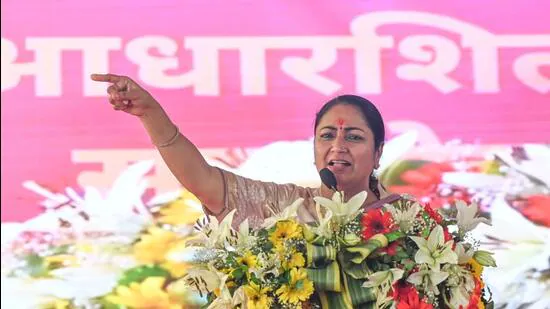
New Delhi – In a significant development for the national capital, Delhi To Get Funds From Centre worth ₹600 crore has been confirmed by Chief Minister Rekha Gupta following her crucial meeting with Union Finance Minister Nirmala Sitharaman. This substantial financial assistance comes under the Special Assistance to States/UTs for Capital Investment (SASCI) scheme and represents a major boost to Delhi’s infrastructure development initiatives.
The announcement that Delhi To Get Funds From Centre was made on Thursday after productive discussions between the Delhi government and central authorities. This funding allocation demonstrates the federal government’s commitment to supporting urban infrastructure development in the national capital while strengthening cooperative federalism between the Centre and Union Territories.
Meeting with Union Finance Minister
Chief Minister Rekha Gupta’s meeting with Union Finance Minister Nirmala Sitharaman proved instrumental in securing the confirmation that Delhi To Get Funds From Centre through the SASCI scheme. During the discussion, the Union Finance Minister provided detailed information about the scheme’s provisions and Delhi’s eligibility for substantial financial assistance.
The productive dialogue ensured that Delhi To Get Funds From Centre would materialize by the end of July, with the Finance Minister outlining the procedural requirements for fund disbursement. Gupta emphasized that a formal proposal for allocation would be submitted to the Ministry of Finance shortly, expediting the process for accessing these crucial funds.
SASCI Scheme Framework and Benefits
The announcement that Delhi To Get Funds From Centre comes under the SASCI scheme, which was launched in 2020-21 as part of the post-Covid economic revival strategy. This scheme offers interest-free loans for 50 years to states and Union Territories, specifically designed to support capital expenditure and infrastructure development projects.
The framework ensuring Delhi To Get Funds From Centre through SASCI focuses on promoting infrastructure development, employment generation, and sustainable growth. The scheme strengthens state capacities through long-term funding mechanisms and reform incentives, making it an ideal vehicle for Delhi’s development needs.
Infrastructure Development Priorities
The confirmation that Delhi To Get Funds From Centre will directly benefit multiple infrastructure sectors across the national capital. Chief Minister Gupta outlined that the ₹600 crore allocation would be utilized to accelerate key infrastructure and civic projects, addressing several critical areas of urban development.
The sectors benefiting from Delhi To Get Funds From Centre include traffic management systems, drainage infrastructure, green energy initiatives, and waste management projects. These priority areas reflect Delhi’s commitment to sustainable urban development and improving quality of life for residents through comprehensive infrastructure upgrades.
A significant portion of funds from Delhi To Get Funds From Centre will be allocated to traffic management initiatives, addressing the capital’s persistent transportation challenges. These investments will focus on modernizing traffic control systems, improving road infrastructure, and implementing smart mobility solutions.
The traffic management component of Delhi To Get Funds From Centre will contribute to reducing congestion, improving air quality, and enhancing overall urban mobility. These improvements are essential for Delhi’s continued growth as a modern metropolitan center.
Drainage and Water Management
The drainage infrastructure improvements funded through Delhi To Get Funds From Centre will address the capital’s vulnerability to monsoon flooding and waterlogging. These projects will involve upgrading existing drainage systems, constructing new channels, and implementing modern water management technologies.
The drainage component of Delhi To Get Funds From Centre represents a crucial investment in climate resilience and urban sustainability. These improvements will protect residents and businesses from weather-related disruptions while ensuring efficient water management across the city.
Green Energy and Environmental Initiatives
Environmental sustainability remains a priority in the allocation of Delhi To Get Funds From Centre, with substantial resources dedicated to green energy projects. These initiatives will support Delhi’s transition to renewable energy sources and reduce its carbon footprint.
The green energy component of Delhi To Get Funds From Centre will include solar installations, energy-efficient infrastructure, and sustainable transportation systems. These investments align with national environmental goals while providing long-term economic benefits for the capital.
Waste Management Modernization
The waste management sector will receive significant attention through Delhi To Get Funds From Centre, with investments in modern waste processing facilities and recycling infrastructure. These improvements will address the capital’s growing waste management challenges while promoting circular economy principles.
Federal Cooperation and Leadership
Chief Minister Gupta praised the Centre’s approach to federal cooperation, crediting Prime Minister Narendra Modi’s leadership for promoting collaborative development across states and Union Territories. She emphasized that the confirmation of Delhi To Get Funds From Centre exemplifies the benefits of joint effort between central and local governments.
The collaborative approach ensuring Delhi To Get Funds From Centre has given Delhi new direction and momentum in its development trajectory. This partnership model demonstrates how effective federal cooperation can accelerate infrastructure development and improve governance outcomes.
Conclusion and Future Impact
The confirmation that Delhi To Get Funds From Centre worth ₹600 crore represents a transformative opportunity for the national capital’s infrastructure development. This substantial financial assistance will enable Delhi to address critical urban challenges while building a foundation for sustainable growth and improved quality of life for its residents.
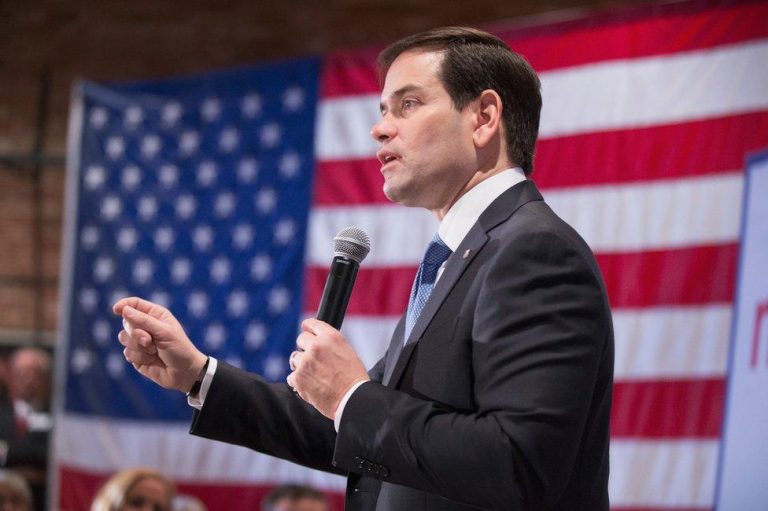
Washington D.C. – In a landmark decision that underscores America’s commitment to global counter-terrorism efforts, Marco Rubio On The Resistance Front has announced the designation of The Resistance Front (TRF) as a Foreign Terrorist Organisation. This significant development comes in direct response to the deadly Pahalgam attack that claimed twenty-six lives in April 2025, marking a decisive moment in US-India counter-terrorism cooperation.
The announcement by Marco Rubio On The Resistance Front represents a major policy shift, formally recognizing TRF as a proxy organization of the Pakistan-based terror group Lashkar-e-Taiba (LeT). This designation demonstrates the Trump administration’s determination to address international terrorism and support justice for victims of the Pahalgam attack.
The Pahalgam Attack and Its Aftermath
The tragic events of April 22, 2025, in Pahalgam, Jammu and Kashmir, resulted in twenty-six civilian casualties, making it the deadliest attack on civilians in India since the 2008 Mumbai attacks. Marco Rubio On The Resistance Front specifically referenced this connection, emphasizing the severity of TRF’s actions and their historical significance in the context of regional terrorism.
The Resistance Front initially claimed responsibility for the Pahalgam attack but later backtracked as diplomatic tensions escalated between India and Pakistan. This pattern of claiming and denying responsibility highlights the complex nature of proxy terrorism in the region, which Marco Rubio On The Resistance Front addressed through formal designation procedures.
Formal Designation Process and Legal Framework
Marco Rubio On The Resistance Front outlined the comprehensive legal framework underlying the terrorist designation. The Department of State has designated TRF as both a Foreign Terrorist Organisation (FTO) and Specially Designated Global Terrorist (SDGT), utilizing Section 219 of the Immigration and Nationality Act and Executive Order 13224.
The statement by Marco Rubio On The Resistance Front clarified that TRF and associated aliases have been added to LeT’s existing designation as an FTO and SDGT. This administrative action strengthens the legal basis for counter-terrorism measures while maintaining the existing designation of Lashkar-e-Taiba as a terrorist organization.
The designation announcement reflects the Trump administration’s broader counter-terrorism strategy, with Marco Rubio On The Resistance Front emphasizing the administration’s commitment to protecting national security interests. This action demonstrates how the current administration prioritizes international cooperation in addressing terrorism threats that affect allied nations.
Marco Rubio On The Resistance Front specifically stated that this designation enforces President Trump’s call for justice regarding the Pahalgam attack. This direct connection between presidential policy and administrative action illustrates the high-level attention given to counter-terrorism cooperation with India.
Intelligence Findings and Mastermind Identification
India’s National Investigation Agency has identified significant intelligence regarding TRF’s organizational structure and leadership. Marco Rubio On The Resistance Front acknowledged these findings, which point to Sheikh Sajjad Gul as the mastermind behind the Pahalgam attack, demonstrating the collaborative intelligence sharing between US and Indian agencies.
The identification of TRF’s leadership structure supports the designation decision announced by Marco Rubio On The Resistance Front. This intelligence cooperation represents a crucial component of bilateral counter-terrorism efforts and strengthens the case for international action against the organization.
Historical Context and Regional Impact
Marco Rubio On The Resistance Front placed the Pahalgam attack within the broader context of regional terrorism, noting that TRF has claimed responsibility for several attacks against Indian security forces, including recent incidents in 2024. This pattern of violence demonstrates the organization’s continued threat to regional stability.
The comparison drawn by Marco Rubio On The Resistance Front between the Pahalgam attack and the 2008 Mumbai attacks highlights the escalating nature of terrorist threats in the region. This historical perspective reinforces the necessity for decisive international action against terror organizations.
India’s Military Response and Operation Sindoor
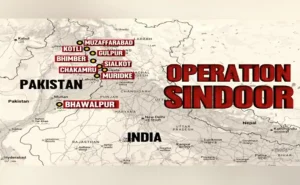
Following the Pahalgam attack, India launched Operation Sindoor on May 7, targeting nine terror infrastructure sites in Pakistan and Pakistan-occupied Kashmir. Marco Rubio On The Resistance Front acknowledged this retaliatory action, recognizing India’s right to defend itself against terrorist threats.
The reference to Operation Sindoor in the context of Marco Rubio On The Resistance Front statements demonstrates US understanding of India’s security concerns and the necessity for defensive measures against terrorism. This acknowledgment strengthens bilateral cooperation in counter-terrorism efforts.
International Diplomatic Outreach
In May 2025, seven multi-party delegations from India visited thirty-three global capitals, including Washington, to emphasize Pakistan’s links to terrorism. Marco Rubio On The Resistance Front designation supports this diplomatic initiative by providing official US recognition of terrorist threats emanating from Pakistan-based groups.
The timing of Marco Rubio On The Resistance Front announcement aligns with India’s international outreach efforts, demonstrating coordinated diplomatic action against terrorism. This synchronization strengthens the global consensus on counter-terrorism measures.
Conclusion and Future Implications
The designation announced by Marco Rubio On The Resistance Front represents a significant milestone in US-India counter-terrorism cooperation. This action establishes a strong precedent for addressing proxy terrorism while supporting justice for victims of terrorist attacks. The decision reinforces America’s commitment to combating international terrorism and supporting democratic allies in their security efforts.
Ladakh – India’s indigenous Akash Prime Missile achieved a remarkable milestone on Wednesday, successfully striking two aerial high-speed unmanned targets at an altitude exceeding 4,500 metres in the challenging terrain of Ladakh. This successful demonstration represents a significant advancement in India’s air defence capabilities and showcases the growing sophistication of domestically developed weapon systems.
The Akash Prime Missile test conducted in Ladakh’s rarefied atmosphere proves the system’s operational effectiveness under extreme environmental conditions. The high-altitude trial environment, characterized by thin air and challenging weather patterns, provided the perfect testing ground for evaluating the missile’s performance in frontier areas where India faces strategic security challenges.
Advanced Technology Integration and Upgrades
The Akash Prime Missile incorporates cutting-edge technological improvements developed by the Defence Research and Development Organisation (DRDO). The system features an indigenously developed radio frequency seeker that significantly enhances target acquisition accuracy and reduces response time during engagement scenarios.
These technological upgrades in the Akash Prime Missile demonstrate India’s advancing capabilities in precision guidance systems and radar technology. The integration of indigenous components reduces dependency on foreign suppliers while ensuring that the system meets specific operational requirements of the Indian Armed Forces.
Production Model Firing Trials Achievement
The successful test represents the first of production model (FoPM) firing trials for the Akash Prime Missile, marking a crucial step toward operational deployment. These trials validate the system’s readiness for mass production and eventual induction into active service across various strategic locations.
The Akash Prime Missile production trials incorporate operational feedback from previous deployments, demonstrating the iterative improvement process that characterizes India’s indigenous weapons development program. This approach ensures that the final operational system addresses real-world requirements identified by military users.
Strategic Importance for High-Altitude Operations
The Akash Prime Missile success in Ladakh holds particular strategic significance given the region’s importance in India’s defence architecture. The system’s proven capability to operate effectively at extreme altitudes makes it invaluable for protecting high-altitude frontier areas where traditional air defence systems might face operational challenges.
Defence ministry officials emphasized that the Akash Prime Missile trial enhances India’s air defence potential specifically in high-altitude regions, addressing a critical operational requirement. This capability becomes increasingly important given current regional security dynamics and the need for robust air defence coverage in border areas.
The Akash Prime Missile development represents successful collaboration between DRDO and various industry partners, including defence public sector undertakings such as Bharat Dynamics Limited and Bharat Electronics Limited. Private industry partners have also contributed to the system’s development, showcasing the maturity of India’s defence manufacturing ecosystem.
This collaborative approach in developing the Akash Prime Missile demonstrates how India’s defence industry has evolved to support complex weapon system development. The partnership model ensures knowledge transfer, capability building, and sustainable production capacity for future requirements.
Operational Feedback Integration
The Akash Prime Missile incorporates extensive operational feedback from earlier deployments, resulting in improved effectiveness and reliability. The defence ministry noted that various upgrades were implemented based on user experiences, demonstrating the advantage of maintaining an indigenous weapon system development cycle.
This feedback-driven improvement process ensures that the Akash Prime Missile continues evolving to meet changing operational requirements. The ability to incorporate user suggestions and battlefield experiences represents a significant advantage of indigenous weapon system development over imported alternatives.
Leadership Recognition and Support
Defence Minister Rajnath Singh praised the Indian Army, DRDO, and industry partners for the successful Akash Prime Missile demonstration. He emphasized that this achievement represents a significant boost to India’s air defence capabilities, particularly in meeting high-altitude operational requirements that are crucial for border security.
Dr. Samir V. Kamat, Secretary of the Department of Defence R&D and Chairman of DRDO, congratulated the teams involved in the Akash Prime Missile development. He highlighted that the system successfully fulfills the nation’s critical requirements for high-altitude air defence solutions.
Self-Reliance in Defence Technology
The successful Akash Prime Missile test reinforces India’s commitment to achieving self-reliance in defence technology. This achievement adds another milestone to India’s growing prowess in indigenous weapons development, reducing dependence on foreign suppliers while building domestic capabilities.
The Akash Prime Missile success also comes against the backdrop of stellar performance by Indian air defence systems during Operation Sindoor, further underlining India’s growing technological capabilities. This track record enhances international confidence in Indian defence products and supports the country’s defence export ambitions.
Future Implications and Export Potential
The proven performance of the Akash Prime Missile in challenging conditions positions India as a reliable supplier of advanced air defence systems in the international market. The system’s success in extreme altitude conditions demonstrates capabilities that few countries can match, potentially opening new export opportunities.
Final Statement
The successful high-altitude test of the Akash Prime Missile represents more than a technical achievement; it symbolizes India’s growing self-reliance in defence technology and its commitment to protecting national security through indigenous capabilities. This milestone strengthens India’s position as a credible developer of advanced weapon systems while enhancing operational readiness in strategically important regions.
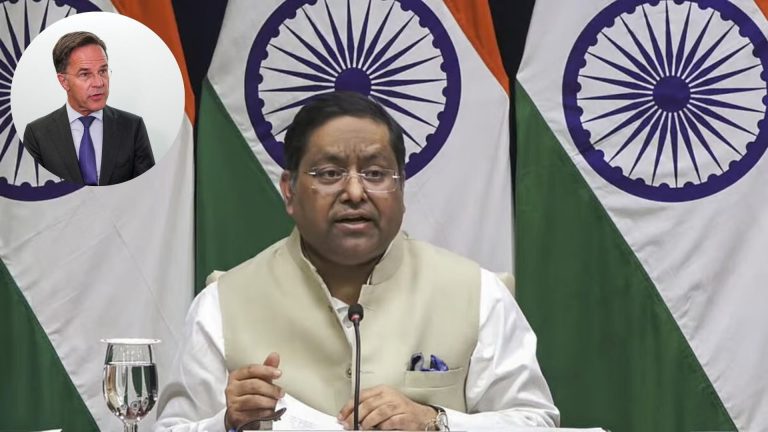
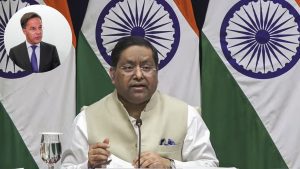
New Delhi – India Slams NATO Chief Mark Rutte following his warning about potential “100% secondary sanctions” against countries maintaining trade relations with Russia. The Ministry of External Affairs delivered a firm response, emphasizing that securing energy needs remains an overriding priority for New Delhi while cautioning against double standards in international trade policies.
The diplomatic confrontation emerged after NATO Secretary General Mark Rutte threatened severe economic consequences for nations continuing business relationships with Russia, specifically targeting Brazil, China, and India. This development has prompted India Slams NATO Chief rhetoric from official channels, highlighting the complex geopolitical tensions surrounding energy security and international sanctions regimes.
MEA’s Firm Stance on Energy Security
Ministry of External Affairs spokesperson Randhir Jaiswal addressed the controversy during the weekly media briefing in Delhi, delivering a measured but firm response that demonstrated how India Slams NATO Chief warnings while maintaining diplomatic decorum. Jaiswal emphasized that securing energy needs represents an “overriding priority” for the Indian government and its people.
The official statement underscored India’s commitment to energy security, with Jaiswal noting that the country’s energy policies are “guided by what is on offer in the markets and by prevailing global circumstances.” This response effectively illustrates how India Slams NATO Chief pressure tactics while asserting sovereign decision-making authority over energy procurement strategies.
The most significant aspect of how India Slams NATO Chief statements came through Jaiswal’s explicit warning against double standards in international trade policies. The MEA spokesperson specifically cautioned against applying selective criteria to different nations’ trade relationships, suggesting that such approaches undermine the credibility of international sanctions frameworks.
This warning reflects broader concerns about how India Slams NATO Chief positions that appear to ignore the complex realities of global energy markets. Indian officials have consistently argued that energy security cannot be compromised based on political considerations, particularly when alternative suppliers cannot meet the country’s massive energy requirements.
Rutte’s Congressional Warning
NATO Secretary General Mark Rutte’s warning that prompted India Slams NATO Chief responses came during his meeting with US Senators in Congress. Rutte explicitly stated that countries such as Brazil, China, and India could face “100% secondary sanctions” if they continued conducting business with Russia, representing a significant escalation in Western pressure tactics.
The NATO chief’s comments, which led to India Slams NATO Chief diplomatic responses, included suggestions that these countries should directly contact President Vladimir Putin to pressure him into serious peace negotiations regarding the Ukraine conflict. Rutte warned that continued Russian trade relationships would “slam back on Brazil, on India and on China in a massive way.”
Alignment with US Position
Rutte’s stance, which triggered India Slams NATO Chief reactions, echoed positions taken by US President Donald Trump, who recently threatened severe tariffs on countries maintaining trade relationships with Russia. This coordinated Western approach has intensified pressure on major developing economies to align with NATO’s strategic objectives regarding Russia.
The synchronized messaging that prompted India Slams NATO Chief responses demonstrates the Western alliance’s determination to expand sanctions pressure beyond direct Russian trade partners. However, this approach has encountered significant resistance from countries prioritizing energy security and economic sovereignty.
Geopolitical Implications
The diplomatic exchange where India Slams NATO Chief warnings highlights fundamental tensions between Western security priorities and developing nations’ economic interests. India’s position reflects broader concerns among emerging economies about the extraterritorial application of sanctions and the weaponization of international trade relationships.
The situation that led to India Slams NATO Chief statements underscores the challenges facing multilateral diplomacy in addressing complex conflicts. While Western nations seek to maximize pressure on Russia through comprehensive sanctions, major developing economies argue for maintaining trade relationships essential to their economic stability.
Energy Market Realities
India’s response, where India Slams NATO Chief threats, reflects practical considerations about global energy markets. The country has become one of the largest purchasers of Russian oil, taking advantage of significant discounts that help manage domestic energy costs and inflation pressures.
The economic logic behind policies that caused India Slams NATO Chief reactions demonstrates how energy security considerations often override political pressures. Indian officials argue that disrupting these trade relationships would harm Indian consumers without necessarily advancing peace negotiations in Ukraine.
Strategic Autonomy Principles
The diplomatic stance where India Slams NATO Chief warnings reflects India’s broader commitment to strategic autonomy in foreign policy. New Delhi has consistently maintained that it will not allow external pressures to dictate its trade relationships or energy security policies.
This approach, which underlies how India Slams NATO Chief statements, represents a fundamental principle of Indian foreign policy that prioritizes national interests over alliance pressures. The position demonstrates India’s determination to maintain independent decision-making capabilities despite increasing Western pressure.
Concluding Statement
The diplomatic confrontation where India Slams NATO Chief warnings reflects broader tensions in the international system regarding sanctions, energy security, and national sovereignty. India’s firm response demonstrates its commitment to maintaining independent foreign policy while managing complex geopolitical relationships in an increasingly polarized world.
Calcutta High Court Orders: In a significant verdict with far-reaching implications for the autonomy and quality of education in West Bengal, the Calcutta High Court has directed the state government to refrain from appointing politicians or individuals with direct political affiliations to the governing bodies (GBs) of government-aided schools and colleges. The court emphasized that governing bodies should primarily consist of educationists, academic professionals, and individuals with a background in the field of learning.
The directive was issued by a division bench comprising Chief Justice T.S. Sivagnanam and Justice Hiranmay Bhattacharyya, which was hearing multiple petitions challenging the appointments of non-academic and politically affiliated individuals to the GBs of various institutions. The judgment reflects growing concern about the politicization of educational spaces and asserts the judiciary’s role in safeguarding the integrity of academic governance.
Background: Growing Concerns Over Politicization of Education
Over the past decade, multiple stakeholders, including teachers’ associations, parents, and academic scholars, have raised concerns about the increasing political influence over educational institutions in West Bengal. Governing bodies, which play a crucial role in shaping administrative and academic decisions of schools and colleges, have reportedly been stacked with political appointees, undermining the role of qualified education professionals.
Several writ petitions were filed alleging that the government had bypassed established norms while appointing GB members and had placed individuals whose qualifications did not align with the academic ethos expected of such institutions. The matter gained momentum when a few appointments sparked public outrage, including the naming of local politicians with no educational credentials to the helm of prestigious schools and colleges.
Key Observations by the High Court
In its detailed judgment, the Calcutta High Court noted that the fundamental role of a governing body is to enhance academic excellence, oversee transparent administration, and ensure that institutions uphold constitutional and democratic values in education.
Chief Justice Sivagnanam stated:
“Educational institutions must be governed by individuals who understand the nuances and responsibilities of nurturing young minds. Political considerations should have no place in academic decisions.”
The bench further clarified that while there is no constitutional bar on political participation in public life, it is “inappropriate and undesirable” for elected representatives or party functionaries to hold decision-making positions in educational institutions where expertise in pedagogy, ethics, and learning is required.
Implications of the Verdict
Review of Past Appointments:
The verdict mandates a comprehensive review of all appointments to governing bodies made in recent years. Educational institutions have been asked to submit reports on the composition of their GBs, including the qualifications and affiliations of each member.
Redefining Criteria for GB Members:
The state government has been instructed to formulate transparent, merit-based guidelines for GB appointments. Priority must be given to retired professors, experienced educators, scholars, and alumni with demonstrated involvement in academia.
Autonomy of Educational Institutions:
The ruling is expected to empower schools and colleges, especially government-aided ones, by insulating their administration from external political pressure. It reinforces the idea that education should be an independent domain, free from partisan interference.
Accountability Measures:
Institutions failing to comply with the revised standards may face administrative action, and non-compliant appointments could be deemed invalid by the court.
Response from the State Government
While the state education department has not issued an official statement as of yet, insiders indicate that the government may seek legal opinion on whether to challenge the verdict or comply with immediate effect.
An official from the education secretariat, speaking anonymously, said:
“This verdict changes the entire structure of administrative appointments in education. We respect the judiciary, but such changes will require time and broad-based consultations.”
Reactions from Academic and Civil Society
The court’s decision has been welcomed by academics and civil rights organizations across the state. Educationists have long argued that partisan politics hampers innovation and intellectual growth in schools and colleges.
Dr. Mousumi Das, former principal of a leading Kolkata college, remarked:
“This is a watershed moment for education in West Bengal. We’ve seen how political interference leads to bureaucratic delays, compromised decisions, and even the intimidation of teachers. The court has set the record straight.”
West Bengal College and University Teachers’ Association (WBCUTA) also issued a statement applauding the verdict, urging the government to implement reforms in both letter and spirit.
Students and Teachers Hope for a New Era
Students from several institutions voiced optimism about the ruling. Some believe this may lead to better infrastructure, faculty appointments, and academic freedom.
Anwesha Roy, a final-year undergraduate student, said:
“Our GB is dominated by non-academic figures who rarely visit the campus. We hope now there will be people who understand students’ needs and issues.”
Faculty members are also hopeful that depoliticizing the administration will allow more focus on research grants, syllabi modernization, and resource development.
Calcutta High Court Orders: Broader National Context
The debate over political interference in educational institutions is not unique to West Bengal. Similar issues have surfaced in states like Uttar Pradesh, Maharashtra, and Tamil Nadu, where GBs or university syndicates are sometimes accused of harboring political appointees.
In 2022, the Supreme Court upheld the need for educational institutions to maintain neutrality and professional standards in their governance structures. This latest Calcutta High Court ruling could potentially serve as a precedent for legal challenges in other states where the issue persists.
Call for Structural Reforms
Experts have suggested several long-term reforms to ensure the sustainability of the court’s directive:
Establishing an Independent GB Appointment Commission
A panel of retired judges, professors, and education experts could vet and shortlist GB members to ensure fairness and transparency.
Legislative Oversight
State education policies should incorporate judicial recommendations into law, creating safeguards against future manipulation.
Periodic Audits and Public Disclosure
Annual reviews of GB performance and public disclosure of their decisions would increase accountability.
Conclusion
The Calcutta High Court’s directive to eliminate political appointees from the governing bodies of schools and colleges in West Bengal signals a critical turning point in the fight for educational integrity. If implemented earnestly, the ruling could usher in a new era of academic governance driven by merit, transparency, and a genuine commitment to learning.
As the state grapples with the logistics of reconstituting GBs, students, teachers, and civil society will watch closely, hoping that education will finally be placed in the hands of those who value and understand it the most.





 Open: 25,108.55