Thursday, March 5, 2026
Home Blog Page 56

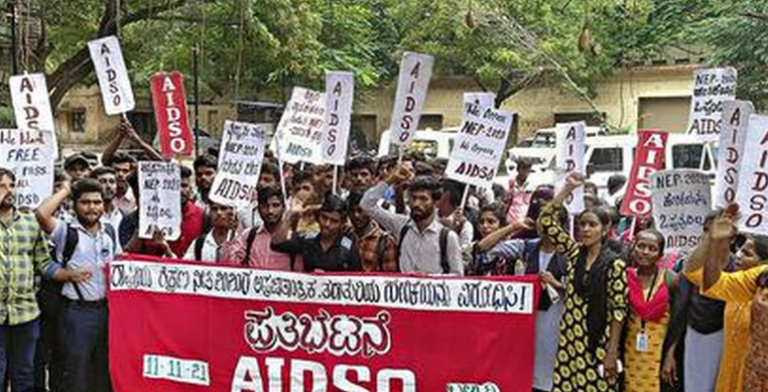
Protest: Emotional 5-Day Stir Ignites Hope for Village School

Parents and students in Ballari district staged a protest demanding that authorities take immediate steps to protect and continue operations at a government school facing uncertainty over its future. The demonstration, which drew participation from villagers, local leaders, and community organizations, highlighted growing concerns about the impact of administrative decisions on rural education access. Protesters argued that the school is a lifeline for children from economically weaker backgrounds and that any disruption would force students to travel long distances or drop out. The situation has brought attention to the challenges faced by government schools in remote areas.

Education planners observing the situation noted that government schools in semi-rural belts often face challenges linked to shifting population patterns. Migration to urban centers for employment can temporarily reduce student numbers, but seasonal returns and demographic changes may later reverse trends. They argue that long-term planning should account for such fluctuations rather than relying solely on short-term enrollment data. Maintaining at least one accessible public school within reasonable distance is considered essential to ensure educational continuity for children whose families cannot afford relocation or private schooling.

Teachers’ associations expressed solidarity with the protesting parents, stating that small schools can deliver effective learning when adequately supported. They highlighted that multi-grade teaching, community involvement, and flexible learning approaches have helped many rural schools perform well despite limited resources. According to them, targeted investments in teaching aids, library facilities, and digital connectivity could transform under-enrolled schools into vibrant centers of learning. The associations urged authorities to view rationalization as a last resort rather than a default administrative response.

Health and nutrition aspects were also raised during the protest. The school’s mid-day meal program provides daily nutrition for many children from low-income families. Parents fear that if the school is merged or relocated, children may miss out on consistent meals due to travel difficulties or irregular attendance. Social workers note that such programs play a critical role in supporting child development and school retention. Any disruption to this support system could have broader consequences beyond education alone.

Local transport conditions form another key concern. Villagers explained that bus services are limited and often overcrowded, making daily travel to distant schools impractical for young children. During monsoon months, certain roads become muddy or partially inaccessible, raising safety issues. Parents argued that keeping the school operational within the village reduces these risks and ensures regular attendance. They emphasized that physical accessibility is as important as academic quality when considering school planning decisions.

Youth volunteers and alumni of the school joined the demonstration, sharing stories of how the institution shaped their early education. Some former students now pursuing higher studies described the school as a foundation for their academic journeys. Their presence added emotional weight to the protest, reinforcing the school’s symbolic value. Alumni offered to contribute resources such as books and mentorship programs, showing community readiness to support improvement rather than closure.

Educational researchers point out that schools serve as platforms for awareness programs on health, hygiene, and civic participation. Losing such institutions can reduce outreach opportunities in rural areas. Community gatherings, government awareness drives, and vaccination campaigns often rely on school infrastructure. Preserving these spaces, therefore, has significance that extends beyond classroom learning. Integrating multiple social services around schools strengthens rural development frameworks.

Officials from the district education office indicated that dialogue with stakeholders would continue. They suggested that alternative models, such as upgrading facilities or introducing specialized programs to attract enrollment, could be explored. Skill-based modules, language training, or sports initiatives might make the school more appealing. Authorities acknowledged that community feedback is an important part of the evaluation process, though final decisions will follow departmental procedures.

Civil society organizations have proposed forming a joint committee of parents, teachers, and officials to review options. Such participatory approaches, they argue, create shared ownership and reduce conflict. Transparent communication about constraints, budget considerations, and policy goals can help communities understand administrative perspectives while voicing their needs. Collaborative planning is seen as a constructive path forward compared to unilateral decisions.

The protest has also drawn attention from regional media, bringing wider visibility to the issue. Public coverage often influences administrative responsiveness by highlighting grassroots voices. Community leaders hope that sustained attention will encourage authorities to prioritize investment in rural education infrastructure. They stress that education remains a key pathway for social mobility and that safeguarding local schools is crucial for long-term development.

As the matter progresses, the situation in Ballari district illustrates the broader balance between efficiency-driven reforms and the lived realities of rural communities. Parents and students continue to express hope that dialogue will lead to a positive outcome. Their collective action underscores a strong belief in the transformative role of education. Whether through policy adjustments or renewed investment, the resolution of this issue may set an example for handling similar concerns in other regions.

The protest began after reports emerged that the school might be merged with another institution due to declining enrollment and infrastructure considerations. Parents said they were not adequately consulted before such discussions surfaced. They emphasized that the school serves not only as an educational institution but also as a social and cultural hub for the village. For many families, it represents an affordable and accessible opportunity for their children to receive formal education without the financial strain of private schooling or transportation costs to distant towns.Parents, students stage protest to save government school in Ballari district of Karnataka - The Hindu

Students participated in the protest by holding placards and expressing their desire to continue studying in their familiar environment. Teachers from the school reportedly expressed concern about the uncertainty, noting that sudden administrative changes can disrupt academic continuity. Education activists present at the protest argued that closure or merger decisions should consider broader social factors, including the vulnerability of first-generation learners and the risk of increased dropout rates. The demonstration remained peaceful, with participants calling for dialogue rather than confrontation.

Local officials acknowledged receiving petitions from parents and stated that the matter would be reviewed in accordance with departmental guidelines. Authorities indicated that school rationalization policies are often based on enrollment data and resource optimization, but community needs are also taken into account. They assured residents that no final decision had been taken and that consultations would continue. However, parents said they would maintain pressure until they receive formal assurances regarding the school’s future.

COMMUNITY VOICES AND EDUCATIONAL CONCERNS

Parents stressed that the school’s presence has contributed to improved literacy rates and educational awareness in the village. Over the years, it has encouraged more families to send girls to school, reducing gender gaps in education. They fear that relocation or closure could reverse these gains. Some parents noted that transportation options to alternative schools are limited, especially during monsoon seasons when roads become difficult to navigate. Safety concerns, particularly for younger children, were also highlighted during the protest.

Students spoke about their attachment to teachers and classmates, describing the school as a supportive learning space. Many said that moving to a distant school would mean adjusting to new surroundings and longer travel times, which could affect their academic performance. Teachers emphasized that stable learning environments are crucial for children’s development. They urged authorities to invest in improving facilities and promoting enrollment rather than considering closure based solely on numerical criteria.Parents, students stage protest to save govt. school in Ballari district - The Hindu

Education rights groups observing the situation pointed out that rural schools often face declining enrollment due to migration and demographic shifts. However, they argue that such trends should prompt targeted interventions rather than consolidation alone. Strengthening infrastructure, introducing digital learning tools, and community outreach can help revitalize government schools. Activists called for transparent evaluation processes and community participation in decision-making to ensure that policies align with local realities.

Village leaders also expressed concern about the broader implications of losing a government institution. They noted that schools contribute to social cohesion and community identity. The protest became a symbol of collective responsibility, with elders and youth alike voicing support. Religious and social organizations reportedly offered assistance in improving school facilities if authorities commit to its continuation. Such offers underscore the depth of local attachment to the institution.

ADMINISTRATIVE RESPONSE AND THE WAY FORWARD

Education department officials indicated that rationalization policies aim to optimize resource use and ensure quality education. In some cases, merging schools allows better deployment of teachers and facilities. However, they acknowledged that implementation must be sensitive to local conditions. Authorities suggested that a joint inspection team might assess infrastructure, enrollment potential, and transportation feasibility before reaching a conclusion. The aim, they said, is to balance efficiency with accessibility.

Policy experts note that similar protests have occurred in various parts of the country when rural schools face closure or merger. They argue that such situations highlight the tension between administrative efficiency and community needs. Sustainable solutions often involve strengthening small schools rather than eliminating them. Incentives to attract students, mid-day meal improvements, and extracurricular programs can help maintain enrollment and educational outcomes.Parents, citizens stage protest against closure of govt. schools - The Hindu

Child rights advocates stress that access to neighborhood schools is a key factor in preventing dropouts. Long travel distances can discourage attendance, especially for younger children and girls. Ensuring that schools remain within reasonable reach supports inclusive education goals. They urged authorities to conduct social impact assessments before implementing structural changes. Education, they said, is not merely a logistical matter but a fundamental right.

The protest in Ballari district reflects broader debates about the future of public education in rural regions. While resource optimization is important, community voices highlight the human dimension of such decisions. Parents and students expressed hope that authorities would recognize the school’s value beyond statistics. They called for investment in facilities, additional teachers, and awareness campaigns to increase enrollment rather than closure.

As discussions continue, officials are expected to review petitions and engage with stakeholders. The outcome may influence similar cases in other districts where government schools face uncertain futures. For now, the protest stands as a reminder of how deeply communities value educational institutions. The determination shown by parents and students underscores the belief that access to local schooling remains central to social progress and opportunity.

Follow: Karnataka Government

Also read: Home | Channel 6 Network – Latest News, Breaking Updates: Politics, Business, Tech & More
Maharashtra Zilla Parishad and Panchayat Elections: Voting Rescheduled to February 7, Results on February 9

Election Schedule Revised by State Election Commission

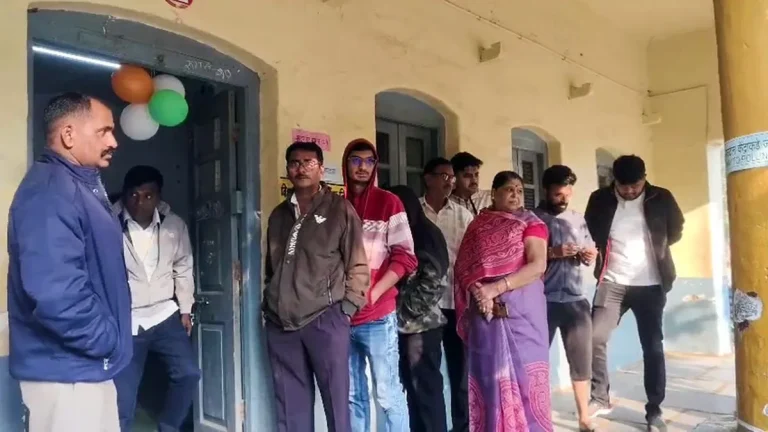
The Maharashtra State Election Commission has announced a change in the polling schedule for the upcoming Zilla Parishad and Panchayat Samiti elections across the state. As per the revised timetable, voting will now be held on February 7, while the counting of votes and declaration of results will take place on February 9. The decision has been communicated to district administrations and election officials to ensure smooth implementation of the revised dates.

These rural local body elections are significant as they directly affect grassroots governance in Maharashtra, covering hundreds of Zilla Parishads and Panchayat Samitis that play a key role in rural development, implementation of welfare schemes and local administration.

Reason Behind the Change in Voting Date

Election authorities indicated that the change in the voting date was made after reviewing administrative preparedness and logistical considerations. Officials stated that adequate time was required to ensure proper deployment of polling personnel, security arrangements and election materials across rural and semi-rural areas.

In addition, the revision aims to avoid overlap with other administrative engagements and to ensure that the electoral process is conducted in a free, fair and orderly manner. District collectors, who function as election officers, have been instructed to update all stakeholders and intensify voter awareness campaigns regarding the new polling date.

Scale and Importance of the Elections

The Zilla Parishad and Panchayat Samiti elections involve a vast electorate, with lakhs of voters expected to participate across multiple districts. These bodies form the backbone of rural self-governance in Maharashtra and are responsible for sectors such as primary education, healthcare, water supply, sanitation, roads and agricultural development.

Each Zilla Parishad functions at the district level, while Panchayat Samitis operate at the block level, acting as a crucial link between village panchayats and the state government. The representatives elected in these polls influence policy implementation at the grassroots and play a vital role in addressing local issues.

Political Significance and Party Preparations

The elections are being closely watched by all major political parties, as the results are often seen as an indicator of public sentiment in rural Maharashtra. For ruling and opposition parties alike, performance in local body elections can shape strategies for upcoming state and national elections.

Political parties have already intensified their campaigns, focusing on local issues such as farmer distress, rural employment, water scarcity and infrastructure development. Party leaders are holding meetings at the district and block levels to mobilise cadres and connect with voters.

The revised schedule gives parties additional time to fine-tune their campaigns and strengthen outreach efforts. Candidates are expected to step up door-to-door interactions and public meetings in the days leading up to February 7.

Administrative and Security Arrangements

With the new polling date announced, district administrations have begun recalibrating their election plans. Polling stations are being finalised, and arrangements for electronic voting machines or ballot papers, depending on the election format, are being reviewed.

Security arrangements are also being strengthened, particularly in sensitive areas. Authorities have emphasised the need for peaceful polling, urging political parties and voters to adhere to the model code of conduct. Special attention is being given to ensuring accessibility for elderly voters, persons with disabilities and those living in remote villages.

Voter Awareness and Participation

Election officials have reiterated the importance of voter participation in strengthening democratic institutions at the grassroots level. Awareness drives are being conducted to inform voters about the revised dates and the importance of casting their votes.

Posters, local announcements and coordination with village-level officials are being used to ensure that the change in schedule reaches every voter. Officials have also appealed to voters to verify their names on electoral rolls and report any discrepancies well before polling day.

Counting of Votes on February 9

The counting of votes will be conducted on February 9 under strict supervision. Authorities have stated that all necessary arrangements will be made to ensure transparency and accuracy during the counting process. Results from various districts are expected to start coming in on the same day, providing a clear picture of the political landscape in rural Maharashtra.

The outcome of these elections will determine the composition of Zilla Parishads and Panchayat Samitis for the next term, influencing local governance and development priorities.

Impact on Rural Governance

The elected representatives will be responsible for implementing several state and central government schemes at the local level. Effective leadership at the Zilla Parishad and Panchayat Samiti levels can significantly improve service delivery and address region-specific challenges.

Observers note that issues such as agricultural support, rural healthcare facilities, school infrastructure and drinking water supply are likely to dominate the agenda of the newly elected bodies. The elections thus hold importance not only politically but also from a development perspective.

What Lies Ahead

As Maharashtra prepares for polling on February 7, the focus remains on ensuring a smooth and inclusive electoral process. The revised schedule provides clarity to voters, candidates and administrators, allowing them to prepare adequately.

With results set to be declared on February 9, political parties and citizens alike will closely watch the outcome, which is expected to offer insights into rural voter sentiment and set the tone for future electoral contests in the state.

Read More: https://channel6network.com/nashik-farmers-maharashtra-government/

BJP: Explosive 8 Claims Stir Public Anger Over Scheme Publicity

Follow: Karnataka Government

Also read: Home | Channel 6 Network – Latest News, Breaking Updates: Politics, Business, Tech & More
29 January 2026: Market Close: Nifty Ends Higher at 25,418; Banks, Metals and Infra Power Late-Session Rally

Indian equity markets closed the trading session on a firm note on 29 January 2026, supported by strong buying in banking, metal and infrastructure stocks. Positive momentum in broader indices and financial services counters helped the Nifty 50 settle comfortably above the 25,400 mark, despite continued weakness in select consumer and auto names.

Also Read: 29 January 2026 (afternoon): Market Update: Nifty Trades Flat Near 25,350; Banks and Industrials Support, Auto and Insurance Stocks Weigh

Benchmark Performance

At the close of trade on 29 January 2026 (3:30 PM IST), the Nifty 50 settled at 25,418.90, up 76.15 points (+0.30%).

  • Open: 25,345.00

  • 29 January 2026Day’s High: 25,458.15

  • Day’s Low: 25,159.80

Broader indices also ended in the green, reflecting improving market breadth:

  • Nifty Next 50: 68,409.75 (+0.30%)

  • Nifty Financial Services: 27,509.60 (+0.64%)

  • Nifty Bank: 59,957.85 (+0.60%)


Top Gainers: Metals, Banks and Infrastructure Lead

Strong buying was visible in cyclical and financial heavyweights, accompanied by healthy trading volumes:

  • Tata Steel: ₹202.55, up 4.49%

  • Larsen & Toubro (LT): ₹3,938.00, up 3.80%

  • Screenshot 2026 01 29 231954Axis Bank: ₹1,364.90, up 3.42%

  • Tata Motors DVR (TMPV): ₹352.00, up 3.39%

  • NTPC: ₹358.50, up 3.00%

The sharp rise in Tata Steel and sustained momentum in LT underline optimism around infrastructure spending and commodity demand, while Axis Bank’s performance lifted overall banking sentiment.

Top Losers: FMCG, Auto and Insurance Stocks Under Pressure

Profit-booking continued in select consumption and auto counters:

  • Asian Paints: ₹2,415.00, down 3.85%

  • IndiGo (InterGlobe Aviation): ₹4,620.50, down 2.71%

  • Screenshot 2026 01 29 232002SBI Life Insurance: ₹1,998.00, down 2.69%

  • Maruti Suzuki: ₹14,484.00, down 2.64%

  • Tata Consumer Products: ₹1,103.10, down 2.54%

The decline in frontline names like Asian Paints and Maruti highlights continued caution in high-valuation consumption plays, even as broader market sentiment improves.

Sectoral Trend and Market Mood

The session reflected a clear pro-cyclical bias, with investors rotating toward banking, metals, power and capital goods stocks. Strength in Nifty Financial Services and Nifty Bank provided crucial support, while broader participation suggested improving risk appetite.

Conclusion: 29 January 2026

With the Nifty closing above 25,400, the market has shown resilience and buying interest at lower levels. While pockets of weakness remain in FMCG and auto stocks, overall sentiment appears constructive. In the near term, earnings developments and global cues will remain key drivers of market direction, with stock-specific opportunities likely to dominate.

For real time stock Updates, visit NSE website.

Energy Minister: Firm 5-Point Stand Brings Political Relief

Karnataka’s Energy Minister K.J. George has firmly denied rumours suggesting that he is set to resign, describing the speculation as baseless and politically motivated. The clarification came amid intense discussions in political circles and social media chatter that hinted at possible changes in the State Cabinet. Addressing reporters, the Minister asserted that he continues to enjoy the confidence of the Chief Minister and remains committed to overseeing the State’s energy portfolio. His statement has temporarily quelled uncertainty, though opposition parties continue to scrutinize recent developments in the department and broader governance issues.

Administrative insiders indicate that Cabinet stability is often maintained through internal consultations and consensus-building mechanisms. Senior leaders regularly review departmental performance and political coordination to ensure smooth governance. In this context, the prompt clarification by the Energy Minister is seen as part of routine political communication aimed at preventing unnecessary speculation. Observers note that such swift responses help maintain confidence among bureaucrats and stakeholders who depend on continuity in decision-making processes, particularly in technically complex sectors like energy generation and distribution.

Industry representatives have also reacted to the clarification, emphasizing the importance of stable leadership for long-term investments. Power infrastructure projects typically involve multi-year planning cycles, regulatory approvals, and financial commitments. Investors and private partners prefer policy predictability to safeguard projects from delays. Representatives from industry bodies noted that uncertainty surrounding leadership can slow negotiations and planning, even if temporary. The Minister’s denial is therefore viewed as reassuring from a commercial and regulatory perspective.

Within the energy department, ongoing initiatives include grid modernization, smart metering expansion, and strengthening rural feeder lines. Officials stressed that review meetings and project monitoring activities continue as scheduled. Departmental sources indicated that technical teams are focused on seasonal demand management and renewable integration strategies. Such operational continuity reinforces the government’s position that speculation has not affected administrative functioning. The emphasis remains on service delivery rather than political narratives.

Political analysts suggest that resignation rumours sometimes emerge during periods of policy transition or administrative review. Leadership in high-profile departments often attracts scrutiny due to the scale of public resources involved. However, analysts caution against equating speculation with confirmed developments. In democratic systems, leadership changes are communicated through formal channels, and until such announcements occur, official responsibilities remain unchanged. The current episode illustrates how political communication plays a role in shaping public perception.

Public discourse has also touched on the broader issue of transparency in governance. Citizens increasingly expect timely and clear communication from elected representatives, especially when rumours gain momentum. Direct clarification from the Minister is seen as aligning with this expectation. Civil society groups note that proactive communication can prevent misinformation from spreading and maintain trust between the administration and the public. This approach is particularly relevant in sectors that directly affect daily life, such as electricity supply.

Looking ahead, the focus is likely to remain on performance indicators within the energy sector. Reliable supply, infrastructure upgrades, and renewable energy growth will continue to shape evaluation of the department’s effectiveness. While political speculation may arise periodically, sustained governance outcomes ultimately influence public and institutional confidence. The recent denial of resignation rumours underscores the interplay between perception and policy, but administrative continuity and service delivery remain central to the department’s ongoing agenda.Karnataka Energy Minister K J George denies claims of him resigning over  'interference' by CM Siddaramaiah's son | Bangalore News - The Indian  Express

The rumours gained traction following unverified reports that internal differences and administrative pressures had prompted reconsideration of his position. However, sources close to the government indicated that no such move was under consideration. The Minister emphasized that governance should not be disrupted by unfounded claims and that his focus remains on ensuring uninterrupted power supply and strengthening infrastructure. He reiterated that public service delivery, particularly in the power sector, requires continuity and stability rather than distraction caused by political conjecture and speculation.

K.J. George, a senior leader with significant administrative experience, has handled multiple portfolios in the past. His tenure in the Energy Department has coincided with efforts to modernize power distribution, expand renewable energy initiatives, and address rural electrification challenges. Officials in the department stated that ongoing projects and policy initiatives are progressing as planned. They stressed that administrative work remains unaffected by political rumours, and departmental reviews and implementation schedules continue without interruption.

Opposition parties, meanwhile, have questioned the timing of the rumours and sought greater transparency regarding decision-making processes within the government. Some leaders suggested that speculation often reflects underlying tensions, even if formal announcements deny any change. They called for accountability and urged the government to address public concerns through clear communication. However, ruling party representatives dismissed such claims as attempts to create instability and divert attention from developmental priorities.

Political observers note that resignation rumours are not uncommon in active political environments, particularly when major policy decisions or administrative reviews are underway. Such speculation can stem from internal party discussions, bureaucratic reshuffles, or external political narratives. Analysts caution that while rumours may create temporary uncertainty, official statements and actions remain the decisive factors. In this instance, the Minister’s categorical denial appears aimed at restoring confidence and ensuring that governance continues without disruption.

POLITICAL CONTEXT AND ADMINISTRATIVE CONTINUITY

The Energy Department holds strategic importance in Karnataka, a State with growing industrial demand and expanding urban infrastructure. Ensuring reliable electricity supply is closely linked to economic growth, agricultural productivity, and public welfare. Officials highlight that long-term power purchase agreements, transmission upgrades, and renewable integration require consistent policy oversight. Sudden leadership changes can sometimes slow implementation, making continuity a key factor in maintaining momentum across multiple ongoing initiatives.Karnataka Minister George Rejects Reports About Resignation, Calls It Far  From Truth

Recent months have seen heightened focus on power sector reforms, including efforts to reduce transmission losses and improve billing efficiency. The department has also been working on integrating solar and wind capacity into the grid. These initiatives involve coordination between State agencies, regulatory bodies, and private stakeholders. Authorities stated that the Minister continues to review progress and hold regular meetings with officials, reinforcing the message that administrative operations remain stable despite political speculation.

Within the ruling party, leaders have publicly expressed support for the Minister, emphasizing unity and collective responsibility. They argue that governance should be evaluated based on performance indicators rather than rumours. Party spokespersons stated that Cabinet decisions are made through established processes and that any changes, if required, would be communicated formally. This stance is intended to project cohesion and prevent perception of internal discord that could affect political stability.

From a governance perspective, clarity in communication plays a crucial role during periods of speculation. Officials note that swift clarification helps prevent misinformation from affecting public confidence. In sectors like energy, where consumer sentiment and investor confidence matter, even temporary uncertainty can have broader implications. By directly addressing the rumours, the Minister appears to have sought to limit potential disruption and reinforce the administration’s focus on service delivery.

PUBLIC PERCEPTION AND FUTURE PRIORITIES

Public response to the denial has been mixed, with some citizens expressing relief at the assurance of continuity while others remain cautious about political developments. Civil society voices emphasize that leadership stability should translate into tangible improvements in power supply reliability and affordability. Consumer groups have called for sustained attention to issues such as tariff regulation, rural feeder maintenance, and timely grievance redressal. These concerns highlight that administrative clarity must ultimately be reflected in service outcomes.

Energy sector experts suggest that the episode underscores the importance of institutional systems that ensure continuity regardless of individual positions. While political leadership provides direction, robust departmental frameworks and professional management enable sustained progress. Karnataka’s energy sector, they note, has developed a diversified generation mix and advanced distribution networks. Maintaining this trajectory will depend on long-term planning, transparent regulation, and coordinated policy execution across agencies.

Opposition leaders continue to monitor developments, stating that democratic oversight requires vigilance. They argue that questioning governance practices is part of the political process and should not be interpreted as destabilization. However, they also acknowledge that formal announcements, rather than speculation, determine official status. The exchange of statements between ruling and opposition sides reflects routine political engagement rather than immediate administrative change.

The Minister’s reaffirmation of his role also brings attention to the broader theme of leadership accountability. By publicly denying resignation rumours, he has positioned himself as responsible for ongoing policy outcomes. Observers note that such clarity places emphasis on measurable performance indicators in the months ahead. Progress in renewable capacity, reduction in outages, and improved consumer services will likely shape public evaluation of the department’s effectiveness.Karnataka minister George rejects resignation reports, denies meddling by  CM's son

As Karnataka continues to balance rising energy demand with sustainability goals, the need for consistent policy direction remains evident. The episode of resignation rumours serves as a reminder of how quickly narratives can shift in political environments. Yet, official denials and continued administrative engagement indicate that, for now, governance structures remain unchanged. Whether speculation resurfaces or subsides, the immediate focus of the Energy Department is expected to stay on operational efficiency and long-term sectoral development.

In the broader political landscape, such incidents often highlight the interplay between perception and policy. While rumours can capture attention, their impact depends on official response and ground realities. With the Minister’s categorical denial and visible continuation of departmental activities, the current phase appears oriented toward stability. Sustained communication, transparent performance reporting, and collaborative governance may help ensure that attention returns to developmental priorities rather than conjecture surrounding leadership positions.

Follow: Karnataka Government

Also read: Home | Channel 6 Network – Latest News, Breaking Updates: Politics, Business, Tech & More
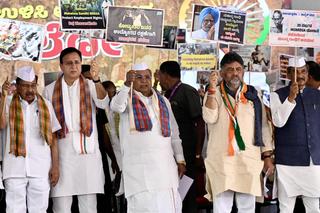
Yettinahole project: Shocking 6 Revelations Expose Troubling Project Lapses

Follow: Karnataka Government

Also read: Home | Channel 6 Network – Latest News, Breaking Updates: Politics, Business, Tech & More
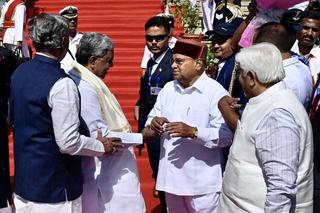
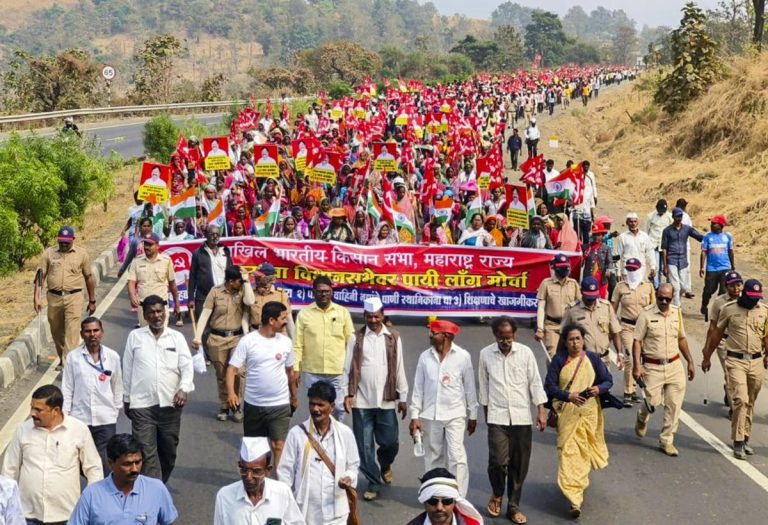
Nashik Farmers Suspend Long March After Talks With Maharashtra Government

Long March Put on Hold After Negotiations

Nashik farmers have suspended their long march after holding discussions with representatives of the Maharashtra government, bringing temporary relief to both the protesting cultivators and authorities managing the situation. The march, which had drawn significant attention due to its scale and discipline, was paused after the government assured the farmers that their demands would be addressed through policy measures and follow-up meetings.

The farmers, many of whom had been marching for several days, were seeking immediate intervention on issues such as fair prices for agricultural produce, loan waivers, irrigation support and relief from rising input costs. The suspension of the protest does not mark a complete withdrawal, as farmer leaders have clarified that the agitation could resume if assurances are not translated into concrete action.

Background of the Nashik Farmers’ March

The long march began in Nashik, one of Maharashtra’s key agricultural regions known for onion, grape and vegetable production. Over the past few years, farmers in the region have faced repeated challenges including erratic weather patterns, fluctuating market prices and increasing costs of seeds, fertilisers and fuel.

According to farmer unions, thousands of cultivators participated in the march, covering long distances on foot to highlight their grievances. The protest was largely peaceful, with farmers maintaining order and receiving support from local communities along the route. The march aimed to draw the state government’s attention to what farmers described as worsening agrarian distress despite repeated assurances in the past.

Key Demands Raised by Farmers

The farmers placed several demands before the government during the talks. One of the primary concerns was the price of onions, a major crop in Nashik district. Farmers alleged that market prices had fallen sharply, often below the cost of production, leading to heavy losses. They demanded effective price stabilisation measures and timely procurement to prevent distress sales.

Another major demand related to loan relief. Farmer representatives argued that many cultivators are trapped in cycles of debt due to crop failures and low returns. They sought either a comprehensive loan waiver or restructuring of existing loans with lower interest rates and extended repayment periods.

Irrigation was also a central issue. Farmers pointed out that despite being an agriculturally significant region, several areas in Nashik continue to depend heavily on rainfall. They urged the government to expedite pending irrigation projects and improve water management to ensure sustainable farming.

Government’s Assurances and Response

Following talks with farmer leaders, the Maharashtra government assured that their concerns would be examined on priority. Officials indicated that mechanisms to stabilise crop prices would be strengthened and that discussions were underway to provide relief to farmers affected by market volatility.

The government also reportedly assured the farmers that a review of existing loan schemes would be conducted to explore options for easing financial pressure on cultivators. In addition, officials said that irrigation projects in Nashik and surrounding districts would be reviewed to address long-standing water issues.

After the meeting, farmer leaders stated that the decision to suspend the march was taken in good faith, based on the assurances received. They emphasised that the suspension was conditional and that the government would be given time to act on its commitments.

Nashik farmers
On Tuesday, a delegation of the protesting farmers had met Chief Minister Devendra Fadnavis at his official residence, Varsha, where discussions were described as “positive” by officials privy to the talks.

Farmers Remain Cautiously Optimistic

While announcing the suspension of the march, farmer leaders expressed cautious optimism. They noted that previous protests had often resulted in promises that were only partially fulfilled. As a result, they stressed the need for clear timelines and written communication from the government regarding the steps to be taken.

A senior farmer leader said that the agitation had been paused to allow the government to work on solutions, adding that unity among farmers would be maintained to ensure accountability. The leaders also urged farmers to remain vigilant and prepared to resume protests if progress was not visible.

Impact on Public Life and Administration

The long march had significant implications for public life and administration, particularly as it moved closer to urban centres. Authorities had made arrangements to manage traffic, ensure the safety of protesters and prevent disruptions. The suspension of the march eased immediate logistical challenges for the administration.

Local residents and civil society groups had shown support for the farmers, providing food, water and medical assistance during the march. The peaceful nature of the protest drew appreciation from various quarters, highlighting the discipline and determination of the participating farmers.

Agrarian Distress in Maharashtra

The Nashik farmers’ march is part of a broader pattern of agrarian protests in Maharashtra, a state that has witnessed repeated farmer agitations over the past decade. Issues such as unpredictable monsoons, climate change, rising production costs and market instability continue to affect farm incomes.

Data from agricultural departments over the years have shown fluctuations in crop yields and prices, particularly for cash crops like onions. These challenges have intensified calls for structural reforms, including better crop insurance coverage, improved storage facilities and more transparent market mechanisms.

Political Reactions and Wider Implications

The suspension of the march has also drawn political reactions, with leaders across parties commenting on the need to address farmers’ issues on a long-term basis. Some have argued that recurring protests indicate systemic problems in agricultural policy implementation, while others have called for cooperative efforts between the state and central governments.

Analysts note that how the Maharashtra government follows up on its assurances will be closely watched, not only by farmers in Nashik but also by cultivators across the state. The outcome could influence future farmer movements and shape the government’s credibility on agrarian issues.

What Lies Ahead

For now, the suspension of the Nashik farmers’ long march has provided temporary relief and opened a window for dialogue. Farmer unions have indicated that they will monitor developments closely and seek regular updates from the government on promised measures.

If the assurances lead to tangible policy actions, the episode could mark a positive step toward addressing some of the long-standing concerns of farmers in Maharashtra. However, failure to deliver may reignite protests, underscoring the urgency of sustained and meaningful engagement with the agricultural community.

As Maharashtra continues to balance urban development with rural welfare, the Nashik farmers’ march serves as a reminder that agriculture remains a critical and sensitive sector, requiring consistent attention, fair policies and timely intervention.

Read More: https://channel6network.com/bmc-mayor-post-crisis-in-bjp-sena-alliance/

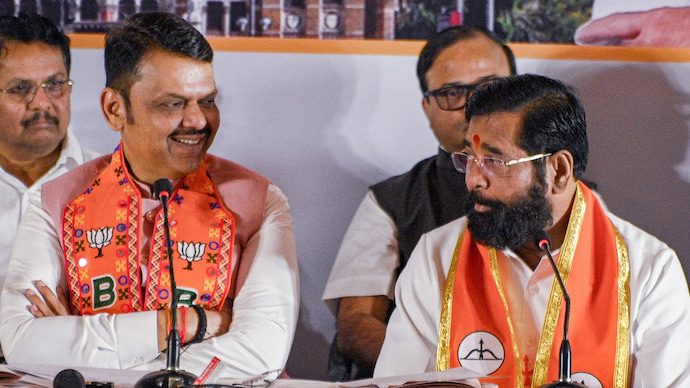
BMC Mayor Post Sparks Fresh Crisis in BJP–Sena Alliance Amid Bal Thackeray Legacy Debate

Political Tensions Rise Over BMC Mayor Post

The Bharatiya Janata Party and the Shiv Sena alliance in Maharashtra is facing renewed internal strain over the crucial Brihanmumbai Municipal Corporation mayor post, a position that holds significant political and administrative influence in Mumbai. The disagreement has brought underlying tensions within the alliance into the open, with both parties asserting their claims based on electoral strength, political symbolism and the legacy of Shiv Sena founder Bal Thackeray.

The BMC, Asia’s richest municipal body with an annual budget running into tens of thousands of crores, has long been a stronghold of the Shiv Sena. Control over the mayor’s post is therefore not only a matter of governance but also of political identity and prestige. The current standoff highlights the fragile nature of the alliance, which was formed primarily to counter rival political formations rather than through ideological alignment.

Why the BMC Mayor Post Matters

The mayor of Mumbai is often referred to as the city’s first citizen. Although the post is largely ceremonial compared to the municipal commissioner, it carries immense symbolic weight. The mayor presides over the corporation’s meetings, represents Mumbai at official functions, and plays a key role in setting the civic agenda.

Politically, the BMC mayor post is viewed as a stepping stone to greater influence in state and national politics. Mumbai contributes a substantial share to Maharashtra’s economy, and decisions taken at the civic level affect infrastructure projects, housing policies, public transport and urban development. For decades, the Shiv Sena used its control over the BMC to strengthen its grassroots network and project itself as the guardian of Mumbai’s interests.

Alliance Arithmetic and Emerging Disputes

The current crisis stems from disagreements over alliance arithmetic following recent political realignments in Maharashtra. The BJP, which has emerged as the dominant force in state-level politics over the past decade, believes its growing electoral footprint entitles it to a greater share of power, including the BMC mayor post.

On the other hand, the Shiv Sena argues that Mumbai remains its ideological and organisational base. Sena leaders have pointed out that the party’s identity is inseparable from the city and that surrendering the mayor’s post would amount to diluting the legacy built by Bal Thackeray over several decades.

A senior Shiv Sena leader was quoted as saying, “The BMC is not just a civic body for us; it is an emotional and political institution shaped by Balasaheb’s vision for Mumbai.” Such statements underline why the issue has escalated beyond routine coalition negotiations.

The Bal Thackeray Factor

Bal Thackeray’s legacy has become central to the current dispute. For the Shiv Sena, invoking its founder is a way to assert moral and historical authority over Mumbai’s civic administration. The party has consistently portrayed itself as the true custodian of Bal Thackeray’s ideas, particularly his emphasis on Marathi pride and Mumbai-centric politics.

The BJP, while acknowledging Bal Thackeray’s contribution to Maharashtra’s political landscape, has sought to frame the alliance as a partnership based on present-day political realities rather than historical sentiment. This difference in approach has widened the trust deficit between the allies.

Political observers note that the Bal Thackeray factor resonates strongly with traditional Shiv Sena supporters, especially in Mumbai’s working-class neighbourhoods. Any perception that the Sena is compromising on this legacy could have electoral consequences, making the party reluctant to concede ground.

Impact on Civic Governance

The political tussle has implications for Mumbai’s civic governance. Prolonged uncertainty over leadership positions can delay decision-making on key issues such as infrastructure upgrades, monsoon preparedness, waste management and public health initiatives.

Mumbai faces persistent challenges, including overcrowding, ageing infrastructure and climate-related risks such as flooding. Effective coordination between elected representatives and the municipal administration is crucial to address these issues. Political instability at the top can hinder long-term planning and execution of development projects.

Civic activists have expressed concern that political brinkmanship over posts could divert attention from pressing urban problems. Some have argued that governance should take precedence over power struggles, especially given the scale and complexity of Mumbai’s administrative needs.

Numbers and Political Stakes

The BMC consists of 227 corporators, making it one of the largest municipal corporations in India. Control over even a slim majority can translate into significant administrative influence. Historically, the Shiv Sena has either governed the BMC independently or with allies, reinforcing its dominance in Mumbai’s civic politics.

The BJP’s improved performance in recent elections has altered the balance of power, emboldening it to demand a greater role in civic leadership. This numerical shift is at the heart of the current standoff, as both parties interpret the mandate in ways that suit their political objectives.

Opposition Watches Closely

Opposition parties, including the Congress and the Nationalist Congress Party factions, are closely monitoring developments within the BJP–Sena alliance. Any visible cracks could provide an opportunity for opposition forces to position themselves as alternatives in Mumbai’s civic politics.

Some opposition leaders have remarked that the dispute reflects deeper ideological differences within the alliance. They argue that alliances formed primarily for electoral convenience often struggle to manage power-sharing arrangements once in office.

Possible Scenarios Ahead

Several scenarios could unfold in the coming weeks. One possibility is a negotiated compromise, with rotational arrangements or power-sharing formulas designed to satisfy both allies. Such arrangements have precedent in Indian coalition politics but require a high degree of mutual trust.

Another scenario involves a prolonged stalemate, which could delay the formation of a stable civic leadership. In extreme cases, the crisis could spill over into the state-level alliance, affecting governance beyond Mumbai.

Political analysts suggest that the resolution will depend on broader strategic calculations, including upcoming elections and public perception. Neither party can afford to appear unreasonable or dismissive of Mumbai’s civic interests.

Public Perception and Political Messaging

Public reaction to the crisis has been mixed. While some supporters view the dispute as a natural outcome of coalition politics, others express frustration over the focus on power-sharing rather than governance. Social media discussions reflect concerns that political leaders are prioritising symbolism and legacy over practical solutions to urban problems.

Both parties have attempted to manage the narrative through carefully crafted statements, emphasising unity while asserting their respective positions. The challenge lies in balancing internal negotiations with the need to project stability and competence to the electorate.

Read More: https://channel6network.com/rs-30-lakh-cash-found-maharashtra-registered/

A Test for the Alliance

The crisis over the BMC mayor post is shaping up to be a critical test for the BJP–Shiv Sena alliance. It underscores the complexities of coalition politics in Maharashtra, where historical legacies, electoral arithmetic and governance priorities intersect.

As negotiations continue, the outcome will have lasting implications for Mumbai’s civic administration and the future trajectory of the alliance. Whether the partners can reconcile ambition with cooperation will determine not only who occupies the mayor’s offi ice but also how effectively the country’s financial capital is governed in the years ahead.

Read More: https://channel6network.com/ajit-pawar-and-other-crash-victims-cremated/

Farewell, Ajit Pawar: Maharashtra Deputy Chief Minister Cremated With Full State Honours Alongside 4 Others Crash Victims

Massive Mourning as Ajit Pawar and Four Others Laid to Rest

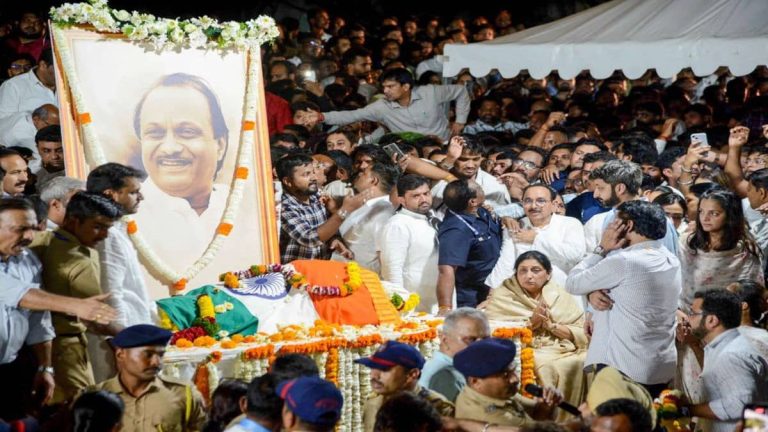
Maharashtra’s Deputy Chief Minister Ajit Pawar, along with four others who died in a tragic plane crash near Baramati, were cremated with full state honours at the Vidya Pratishthan ground in Baramati, Pune district. The funerals drew an enormous gathering of citizens, political leaders and family members who paid their final respects to the senior leader and the accompanying victims — police personnel, aviation crew and a close aide. The collective grief was palpable as thousands marched in procession, chanted slogans and paid homage to a leader whose political career spanned decades, and to the others whose lives were cut short in the same incident.

State Mourns Loss With Three Days of Mourning

Following the crash that claimed five lives, including that of Ajit Pawar, the Maharashtra government declared three days of state mourning. Government buildings flew the national flag at half-mast, and a public holiday was declared on the day of the funeral. The statements issued by the state emphasised that the loss extended beyond politics into the realms of public service and civic duty, as the tragedy encompassed not only a senior political figure but also supporting personnel whose service roles ranged from security to aviation operations.

The bodies were brought to the Vidya Pratishthan ground, where formal tributes were paid. A ceremonial guard of honour and official salute marked the state’s appreciation for their contributions and ultimate sacrifice.

Victims of the Crash: More Than Just a Leader

Ajit Pawar, 66, was travelling in a chartered aircraft that crashed while attempting to land at Baramati airport. The others onboard also perished, all of whom were accorded respectful burial rites alongside Pawar:

  • Captain Sumit Kapur, the pilot of the aircraft, was an experienced aviator responsible for navigating the Learjet 45XR. He had years of training and flight hours to his credit, making his loss significant in aviation circles.
  • First Officer Sambhavi Pathak, the co-pilot, who assisted in flight operations and was instrumental in the aircraft’s handling, also died in the accident. Pathak was among the few women in commercial and private flight operations, making her death notable among aviation professionals.
  • Shubham Kulkarni, the personal security officer attached to Pawar, who had the duty of ensuring the safety of the Deputy Chief Minister. Kulkarni’s presence underscored the security protocols for high-profile public servants, and his death was mourned by colleagues and local police.
  • Rohan Deshmukh, a close aide and staffer of Ajit Pawar, who was travelling with the Deputy Chief Minister to assist in upcoming campaign engagements, was also killed in the crash. Deshmukh had been a trusted member of Pawar’s team and worked closely with him during political events.

The presence of these four individuals alongside Ajit Pawar made the funeral a collective remembrance of public service, personal dedication and professional duty across diverse roles — from governance and security to aviation.

Ajit Pawar,
Captain Sumit Kapoor is among the five victims of the plane crash that killed Ajit Pawar in Baramati.

Emotional Funeral Ceremonies Bring Together Leaders and Public

Thousands of residents from Baramati, including workers from cooperative sectors, agricultural communities and party cadres, lined the funeral route to offer their respects. Emotional scenes played out as supporters and well-wishers chanted slogans such as “Ajit Dada Amar Rahe” and “Veer Naukar Amar Rahe” (Long live the brave officer), in honour of both the leader and the security and support personnel who died with him.

Political leaders from across the spectrum joined the grieving family, symbolising unity in sorrow. Union Home Minister, Union ministers, state ministers, legislators and party functionaries attended the ceremony, collectively marking the end of a life steeped in public service and the tragic deaths of those accompanying him.

Ajit Pawar’s sons, Parth and Jay, performed the last rites in accordance with tradition amidst a sea of mourners. Family members, including his wife, Sunetra Pawar, a Rajya Sabha member, maintained stoic composure while standing beside other grieving relatives of the pilots, aide and security officer.

Ajit pawar
Co-Pilot Shambhavi Pathak Laid To Rest In Delhi’s Safdarjung Enclave.

State Honours Reflect High Regard for Service

The state honours accorded to Ajit Pawar and the other victims included a ceremonial salute, guard of honour and the playing of the national anthem as their mortal remains were positioned draped in the Indian flag. Police and civic officials coordinated crowd management to ensure orderly homage from attendees.

Flowers and tributes lined the ceremonial ground, and officials meticulously documented the proceedings to reflect the solemnity of the occasion. The collective presence of family, friends, colleagues and citizens underscored the broad impact these individuals had — both personally and professionally.

Reflections on a Leader’s Legacy and Unforeseen Loss

Ajit Pawar’s political career was one of nuanced leadership, extending across cooperative movements, rural development initiatives and state governance. As Deputy Chief Minister, he played a central role in development policies and coalition politics. His passing has left a leadership void in his faction of the Nationalist Congress Party and in Maharashtra’s political environment at a time when elections and administrative priorities were in motion.

The loss of Captain Sumit Kapur and First Officer Sambhavi Pathak resonated in aviation communities, where their professionalism and commitment to safety were acknowledged by peers. Both pilots were remembered for their dedication to duty and the lives they impacted through their work in aviation.

Shubham Kulkarni, remembered by colleagues for his loyalty and service, was mourned as a protector whose duty was to safeguard a public figure. Rohan Deshmukh’s demise evoked memories of his organisational work and support for events that shaped public engagement.

Together, the five deaths highlighted the interconnectedness of public service roles — governance, security, aviation and administrative assistance — and how loss in one area rippled into multiple communities.

Public Tributes Highlight Personal and Professional Bonds

Voices from the crowd at Baramati reflected diverse personal connections and recognitions. Many recalled how Ajit Pawar championed cooperative policies that transformed rural economies and supported farming communities. Others remembered his outreach programmes in Baramati and neighbouring districts, where infrastructure and education initiatives were part of his agenda.

The families of the pilots and support staff shared how their loved ones pursued their professions with pride and purpose. “He always spoke of duty and commitment,” a relative of the co-pilot said, echoing sentiments expressed by many in the crowd.

National Leaders Offer Condolences and Commend Service

National figures expressed condolences to the bereaved families and acknowledged the contributions of all five individuals. Statements released emphasised unity in grief and national pride in the public service rendered by the Deputy Chief Minister, the pilots, the security officer and the aide.

The collective mourning period included official messages from the President and Prime Minister, who underscored the tragic nature of the accident and praised the careers of those who died. Their messages reflected the importance of service — whether in leadership, aviation or security — and the ultimate sacrifice made by those aboard the ill-fated flight.

Investigation Continues Into Crash Causes

While funeral proceedings brought closure to public rituals of mourning, investigations into the cause of the plane crash remain underway. Aviation and safety authorities are analysing flight data, weather conditions, runway information and maintenance records to determine factors that contributed to the crash. Initial inquiries pointed to unusual landing conditions, but definitive conclusions are pending further technical analysis.

Officials have stated that a thorough probe is essential to prevent future tragedies and strengthen aviation safety protocols.

Political and Administrative Transition After the Tragedy

In the aftermath of Ajit Pawar’s death, Maharashtra’s political landscape is expected to undergo adjustment as responsibilities and leadership roles are redistributed within the state cabinet and the party. Discussions regarding succession, policy continuity and electoral strategy will become pivotal in ensuring governance stability.

The government’s declaration of three days of mourning, the state funeral and cross-party participation in the ceremonies signalled both respect for a departed leader and a call for unity amidst transition.

Legacy of Public Service and Collective Memory

As Maharashtra reflects on the life and service of Ajit Pawar, Captain Sumit Kapur, First Officer Sambhavi Pathak, security officer Shubham Kulkarni and aide Rohan Deshmukh, the funerals symbolised a collective memory of dedication across multiple fields. Their lives and final farewell highlighted the diversity of roles that contribute to public life — from elected office and policy-making to security and aviation support.

The outpouring of grief and public tribute at Baramati underscored that leadership, professional dedication and personal integrity leave lasting legacies that communities carry forward long after farewells are complete.

Read More: https://channel6network.com/ajit-pawar-dies-in-plane-crash/

Rs 30 Lakh Cash Found in Maharashtra-Registered Car Near Andhra Temple Sparks Investigation

Rs 30 Lakh in Cash Recovered From Suspicious Vehicle Near Temple

Police in Andhra Pradesh recovered Rs 30 lakh in cash from a car with Maharashtra registration that was parked near a temple precinct in the early hours of the morning, triggering a detailed criminal investigation. The incident has alarmed local authorities and spurred inquiries into potential tax evasion, money laundering or other illegal activities linked to the unaccounted cash. No immediate explanation has been provided by the vehicle’s occupants or owner regarding the purpose of carrying such a large amount of currency.

The discovery was made during routine patrols in the vicinity of the temple, where officers noticed the vehicle parked in an unusual location. On verifying the car’s contents, officers found bundles of Indian currency notes stacked inside, prompting an immediate escalation of the case to senior police officials.

Details of Cash Discovery and Police Action

According to police reports, the vehicle in question bore a Maharashtra registration number, though officers clarified that the presence of the vehicle does not immediately confirm the residence of the cash or its owner in that state. When stopped and inspected, the vehicle was found to contain Rs 30 lakh in cash, most of which was neatly bundled and concealed in bags. The discovery prompted the authorities to cordon off the area temporarily as officers documented evidence and secured the currency.

Senior police officials said that the recovery of such a significant amount of unaccounted cash is rare and automatically triggers provisions under relevant sections of criminal and financial laws. The total amount recovered — Rs 30 lakh — far exceeds the threshold limits for undisclosed cash normally permissible for travel and daily transactions, making the case a subject of ongoing inquiry.

Police have initiated an investigation into the ownership of the vehicle, passenger or driver identities, and the source of the cash. Officers are examining registration details, tracking the car’s ownership history and questioning individuals who were present near the vehicle at the time of detection.

Legal Implications and Law Enforcement Response

Carrying large sums of cash without proper documentation or legitimate explanation can attract legal action under multiple statutes in India, including provisions related to tax evasion, unaccounted money, black money laws and potential links to organised criminal activity. Police officers indicated that authorities may involve financial regulatory agencies if initial inquiries suggest the cash was being moved to avoid tax obligations.

In addition to criminal provisions, cases of unexplained cash are often scrutinised under relevant anti-money laundering frameworks. Police noted that they will assess whether the possession of Rs 30 lakh in physical currency is linked to any financial irregularities, undeclared business transactions, or other unlawful activities.

During the investigation, officers may also involve local tax authorities such as those responsible for income tax and goods and services tax compliance to determine if the cash movement violated financial disclosure norms or evasion statutes.

Initial Interrogation and Evidence Collection

When approached by law enforcement, the driver and any occupants present in the vehicle were questioned to establish their identities and purpose for carrying the cash. Early reports suggested that the individuals were unable to provide satisfactory documentation explaining the source of the money or a clear reason for transporting it.

Police officers seized the cash as evidence, documenting serial numbers of currency notes where necessary and storing the money in secure custody as per procedural guidelines. Official records are being prepared to preserve the chain of custody, which is crucial for any subsequent legal proceedings.

In addition to the cash, police are examining whether any mobile phones, documents, or digital records in the vehicle can help trace the financial trail or establish contacts that might clarify the intent behind the unexplained cash.

Community Reaction to the Incident

Local residents and temple visitors expressed surprise at the incident, noting that the discovery of such a large amount of unaccounted cash near a public place raised concerns about safety and potential criminal elements. Some community members lauded the vigilance of police personnel who noticed the vehicle and took decisive action.

Temple authorities, while not directly implicated, confirmed that the area is regularly patrolled by police and security staff, given its status as a popular local site frequented by devotees and tourists. The presence of a suspicious vehicle, and the subsequent seizure of Rs 30 lakh, has underscored the importance of active surveillance around public spaces.

Investigation May Expand to Financial Probes

Police officials have not ruled out the possibility that the cash may be linked to larger financial irregularities or organised schemes. Cash-intensive sectors, informal business transactions and undeclared earnings are often associated with attempts to move unaccounted currency discreetly across states. Authorities will scrutinise bank records, financial statements, income tax filings and any related documentation associated with the vehicle’s owner or occupants.

If evidence suggests deliberate concealment of income or failure to disclose taxable earnings, the case could be escalated to specialised units that handle financial crime, including economic offences wings or anti-corruption bureaus.

Sources within the police administration said that unraveling the mystery behind the Rs 30 lakh may require coordination with state and central financial agencies to analyse patterns of unexplained cash movement and determine whether any organised network is involved.

Statements From Investigating Officers

A senior police officer, speaking on condition of anonymity due to the ongoing nature of the investigation, stated that the case is being treated with priority. “The recovery of Rs 30 lakh in cash from a privately owned vehicle raises immediate questions about the legitimacy of funds and intent. We are following all legal procedures to identify the origin and purpose of this cash,” the officer said.

The officer also noted that individuals carrying large sums of cash must be ready to provide justifiable reasons backed by documents, failing which investigative agencies will pursue appropriate legal action.

Potential Charges and Legal Proceedings

Legal provisions related to unexplained cash can lead to serious charges if authorities determine that the money was being moved to evade reporting requirements, launder proceeds of crime, or otherwise conceal financial transactions. Charges may include violations of the Prevention of Money Laundering Act (PMLA), income tax regulations, black money laws and relevant sections of the Indian Penal Code.

Investigators will closely examine whether the individuals associated with the vehicle have any prior cases, financial irregularities or histories of financial non-compliance. If links to organised crime are suspected, specialised crime bureaus may be called in to assist with forensic accounting and financial tracking.

Role of Public Awareness and Reporting

The incident has highlighted the role that public vigilance and routine patrols play in detecting suspicious activity. Police officials have urged citizens to report unattended vehicles, unusual cash handling or unexplained financial behaviour observed in public spaces, especially near temples, markets and transport hubs.

Community members are regularly encouraged to cooperate with law enforcement by reporting concerns promptly, which can help authorities act swiftly and prevent potential illegal activities.

Unraveling Questions Behind Unexplained Cash

The seizure of Rs 30 lakh in cash from a Maharashtra-registered car parked near a temple in Andhra Pradesh has launched a wide-ranging investigation into financial legitimacy and legal compliance. With initial inquiries underway, law enforcement agencies are working to establish the ownership, source and intended use of the money.

As police and financial agencies collaborate to piece together evidence, the case remains a developing story that tests the effectiveness of cash-transaction regulations and enforcement mechanisms. For residents and officials alike, the incident underscores the importance of adherence to financial laws, transparency in monetary movement, and the critical role of vigilant policing in safeguarding public spaces and legal norms.

Read More: https://channel6network.com/dr-ambedkar-name-controversy-maharashtra/