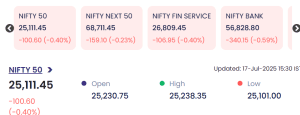
NIFTY 50 settled at 25,111.45, down 100.60 points or 0.40% from the previous close.
NIFTY NEXT 50 ended at 68,711.45, falling 159.10 points or 0.23%.
NIFTY FINANCIAL SERVICES dropped to 26,809.45, a loss of 106.95 points (0.40%).
NIFTY BANK was the worst performer among these, declining by 340.15 points (0.59%) to close at 56,828.80.
🔍 NIFTY 50 Intraday Summary:
Open: 25,230.75
High: 25,238.35
Low: 25,101.00
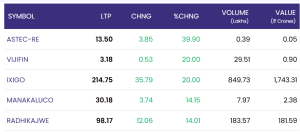
🚀 Top Gainers – Small and Midcap Stocks Shine
Despite overall weakness, some stocks witnessed strong buying interest, particularly in the SME and tech space:
Symbol
LTP (₹)
Change (₹)
% Change
Volume (Lakhs)
Value (₹ Cr)
ASTEC-RE
13.50
+3.85
+39.90%
0.39
0.05
VIJIFIN
3.18
+0.53
+20.00%
29.51
0.90
IXIGO
214.75
+35.79
+20.00%
849.73
1,743.31
MANAKALUCO
30.18
+3.74
+14.15%
7.97
2.38
RADHIKAJWE
98.17
+12.06
+14.01%
183.57
181.59
Highlight: 👉 IXIGO emerged as the most actively traded stock of the day with a turnover of ₹1,743.31 crores, gaining 20% backed by strong volume momentum. 👉 ASTEC-RE rallied 39.90%, making it the top percentage gainer, though on low volume.
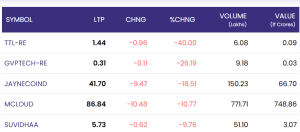
📉 Top Losers – Bears Hit Select Counters
Several stocks faced steep declines, particularly from the real estate and technology sectors.
Symbol
LTP (₹)
Change (₹)
% Change
Volume (Lakhs)
Value (₹ Cr)
TTL-RE
1.44
-0.96
-40.00%
6.08
0.09
GVPTECH-RE
0.31
-0.11
-26.19%
9.18
0.03
JAYNECOIND
41.70
-9.47
-18.51%
150.23
66.70
MCLOUD
86.84
-10.48
-10.77%
771.71
748.86
SUVIDHAA
5.73
-0.62
-9.76%
51.10
3.07
Highlight: 👉 TTL-RE fell 40%, leading the pack of losers, followed closely by GVPTECH-RE, which slid over 26%. 👉 MCLOUD saw high-value selling worth ₹748.86 crores, ending down nearly 11%.
🔎 Market Sentiment & Outlook on 17 july 2025
The negative close was attributed to:
Weak global cues and profit booking at higher levels.
Concerns over U.S. Fed’s next policy stance.
Sector-specific corrections in financial and banking stocks.
Despite the fall in benchmarks, retail investor activity was evident in selective smallcaps and midcaps.
📊 Conclusion
While the headline indices ended in the red, the action was concentrated in specific pockets like tech and specialty financials. The sharp movement in stocks like IXIGO, ASTEC-RE, and RADHIKAJWE suggests continued momentum in retail-driven counters, even as institutions booked profits in large caps.
Market participants are advised to remain cautious amid volatility and focus on fundamentally strong companies in the midcap space.
Dalí’s Surrealist Macbeth Etchings – In a rare and striking confluence of surrealist genius and Shakespearean drama, the Victoria Memorial Hall in Kolkata unveiled a landmark exhibition showcasing Salvador Dalí’s etchings based on Macbeth, one of William Shakespeare’s most powerful tragedies. This captivating blend of European surrealism and classical English literature marks the first-ever public display of Dalí’s Macbeth portfolio in India and promises to deepen Kolkata’s relationship with global art.
The exhibition, inaugurated on July 15, presents a series of ten powerful etchings created by Dalí in 1969, commissioned by Éditions Rigal of France. These artworks interpret the dark and tragic narrative of Macbeth through the enigmatic visual language that made Dalí one of the most provocative artists of the 20th century. Curated by Jayanta Sengupta, the secretary and curator of Victoria Memorial Hall, the collection is a result of close coordination with a private collector in Paris who loaned the artworks specifically for this exhibition.
Dalí’s Vision of Macbeth: A Surreal Lens on Tragedy
Salvador Dalí’s engagement with Macbeth is emblematic of his obsession with psychological complexity, fate, and metaphysical inquiry. The ten etchings transform Shakespeare’s characters—Macbeth, Lady Macbeth, Banquo, and the Weird Sisters—into phantasmagorical figures etched with dramatic movement, symbolism, and eerie emotion. Dalí doesn’t retell the story as a linear narrative but rather distills it into dreamlike vignettes that reflect themes of ambition, guilt, prophecy, and death.
Each etching is meticulously rendered with intricate cross-hatching and layered imagery. The three witches, for instance, are imagined as spectral hybrids, hovering like ghosts from a subconscious realm. Lady Macbeth’s descent into madness is portrayed not through overt expression but by visual metaphors—hands stained with blood morphing into flowers, or a crown disintegrating into thorns.
Speaking at the opening ceremony, Jayanta Sengupta said, “Dalí saw Macbeth not just as a Shakespearean tragedy but as a psychological labyrinth, and his art navigates the fears and desires of the human psyche. This collection speaks to both art lovers and literature enthusiasts in equal measure.”
Rare Access and Cultural Significance
This exhibition is more than just a celebration of surrealist art; it’s also a statement about Kolkata’s evolving cultural landscape. The city, known for its deep literary roots and historical ties to the arts, continues to be a gateway between the East and the West. The presence of Dalí’s works reinforces Kolkata’s stature in global cultural circuits.
The Victoria Memorial has partnered with the French Consulate and Alliance Française du Bengale for the month-long event, reinforcing international artistic cooperation. Dalí’s works will be accompanied by multilingual panels interpreting each etching through the lens of art history, literature, and psychoanalysis. The organizers have also planned a series of public lectures, student art workshops, and film screenings on surrealism.
Notably, the exhibition is free to students and will offer guided tours led by trained docents. For the first time, the Victoria Memorial will also offer a digital viewing experience, allowing art lovers from outside Kolkata to explore high-resolution images of Dalí’s Macbeth etchings via their official website.
Dalí’s Macbeth series was created during a politically and culturally volatile period in the late 1960s. The tension of Cold War politics, the student uprisings in Paris, and the wider disillusionment with authority figures found a strange resonance in the themes of Macbeth. Dalí, ever the provocateur, channeled this disquiet into his art.
Art historian Arundhati Ghosh explained, “What makes Dalí’s Macbeth timeless is its ambiguity. Is Macbeth a hero or a villain? Is Lady Macbeth a monster or a tragic figure? These questions mirror the uncertainties of our time, and Dalí gives them a visual voice.”
Moreover, Dalí’s fascination with dreams, Freudian symbolism, and religious iconography is evident throughout the collection. His Macbeth doesn’t seek clarity—it revels in chaos, and that makes it compelling.
Audience Reactions and Academic Engagement
The initial response to the exhibition has been overwhelmingly positive. Students from Jadavpur University and Rabindra Bharati University were seen sketching the artworks, discussing interpretations of guilt, madness, and supernatural intervention.
Rituparna Sengupta, an MA literature student, shared: “As someone studying Shakespeare, I found it fascinating to see the characters reimagined through Dalí’s lens. His visual interpretation adds a new dimension to the text we read in class.”
Academicians have also expressed interest in the portfolio as a pedagogical tool. Plans are underway for a collaborative journal issue between the Victoria Memorial and several art and literature departments across Indian universities, focusing on Dalí’s work and its relevance to modern interdisciplinary studies.
From Barcelona to Bengal: Dalí’s Global Legacy
Though Salvador Dalí never visited India, his global reach has touched the country’s art institutions in recent years. A part of his Divine Comedy series was displayed in Delhi in 2018, but this is the first time an entire thematic portfolio like Macbeth has been showcased in Kolkata.
The timing of this exhibition also marks the 120th birth anniversary of the artist, making it a tribute to Dalí’s lasting influence. His widow and muse, Gala Dalí, was instrumental in supporting his literary illustrations, which include not only Macbeth but also Dante’s Divine Comedy and Cervantes’ Don Quixote.
Dalí’s Surrealist Macbeth Etchings: An Invitation to Dream Differently
The Macbeth etchings by Salvador Dalí are not simply artworks; they are invitations to revisit a classic through new eyes. They provoke, disturb, and challenge—the very goals of both surrealist art and Shakespearean drama. As visitors stream through the ornate halls of the Victoria Memorial, they’re drawn into a world where kings bleed ink, witches whisper in shadow, and crowns melt like wax.
For Kolkata, this is not just an art show—it is a rare cultural moment. One where the East meets the West, past meets present, and words become images. And in that space, Dalí reminds us that art doesn’t just reflect reality—it reinvents it.
Hollywood Star Sydney Sweeney Set to Launch Lingerie Brand With Jeff Bezos Backing
Sydney Sweeney is taking a bold leap into the fashion business with the announcement of her first entrepreneurial venture—a lingerie brand. The “Euphoria” and “Anyone But You” actress is partnering with high-profile investors Jeff Bezos and Lauren Sánchez, along with the prominent private equity firm Coatue. The launch has been in development for more than a year and will represent Sweeney’s vision and creative leadership, marking a shift from brand ambassador to business founder.
This lingerie line is expected to reflect Sweeney’s own personality—feminine, empowered, and unapologetically bold. The venture could reportedly generate an estimated $10 million in revenue within two years, and as much as $20 million in the long run, according to a report by The Sun. With her current net worth estimated around $40 million, this new initiative could boost her financial portfolio to $60 million by 2027.
What sets this project apart is not just the star power behind it, but also the business minds backing it. Coatue, a major investor in tech and lifestyle brands, has previously worked with companies like TikTok, DoorDash, and Snap Inc. With such heavyweight support, the Sydney Sweeney lingerie line is expected to combine innovative marketing strategies with inclusive fashion ideals.
A New Business Era: Sydney Sweeney Moves Beyond Endorsements and Into Ownership
While Sweeney has already made significant strides in fashion, including collaborations with Frankies Bikinis, Armani Beauty, and Miu Miu, this marks her first solo endeavor in brand ownership. She is now shifting from a muse to a decision-maker, playing an active role in the brand’s identity, product development, and creative direction.
The actress attended Jeff Bezos and Lauren Sánchez’s extravagant wedding in Venice earlier this year, raising eyebrows about her relationship with the Amazon founder. However, sources now confirm her attendance had a business motive—solidifying plans for the lingerie label backed by Bezos’ business interests.
Industry insiders believe that Sweeney’s strong digital presence, combined with Coatue’s marketing analytics and Bezos’ e-commerce experience, could revolutionize how lingerie brands are launched and scaled globally.
5 Celebrities Who Successfully Built Their Own Lingerie Empires Before Sydney Sweeney
While Sydney Sweeney’s lingerie line is generating major buzz, several other celebrities have already made their mark in this sector. These pioneers laid the groundwork for what a star-driven lingerie brand could look like—and what it could earn.
Rihanna’s Savage X Fenty Redefined Lingerie Through Diversity and Cultural Impact
Rihanna launched Savage X Fenty in 2018, completely reimagining what the lingerie industry could represent. With inclusive sizing, racially diverse models, and bold runway shows, Savage X Fenty quickly disrupted traditional norms. The brand made headlines for rejecting outdated beauty standards, choosing instead to celebrate all body types, identities, and skin tones.
Today, Savage X Fenty is reportedly valued at $1 billion and has a devoted fan base globally. Rihanna’s strategy of authenticity, cultural relevance, and social impact redefined the very concept of lingerie branding and set a new standard for celebrity-led fashion.
Kim Kardashian’s SKIMS Grew From Shapewear Startup to Global Loungewear Empire
Launched in 2019, SKIMS was initially marketed as a body-inclusive shapewear line. Kim Kardashian used her massive social media following and celebrity influence to scale the brand rapidly. SKIMS later expanded to include bras, loungewear, and men’s collections, making it a comprehensive apparel powerhouse.
As of 2023, Forbes reported SKIMS had reached a valuation of $4 billion. The brand’s success lies in its balance of modern design, strong brand storytelling, and strategic influencer campaigns. Kim’s SKIMS shows that star power, when combined with smart business practices, can create lasting value.
Rosie Huntington-Whiteley’s Timeless Elegance with Marks & Spencer Continues to Thrive
Supermodel and actress Rosie Huntington-Whiteley collaborated with Marks & Spencer in 2012 to create a lingerie line that quickly became a mainstay in the UK market. The collection’s success comes from its timeless aesthetic, flattering silhouettes, and consistent quality.
Unlike trend-based fashion, Rosie’s lingerie line focuses on enduring design and elegance. With strong customer loyalty and repeat sales, the partnership with Marks & Spencer remains one of the most successful celebrity fashion collaborations in the British retail sector.
Heidi Klum Used Her Supermodel Legacy to Launch a Global Lingerie Brand
Former Victoria’s Secret Angel Heidi Klum capitalized on her runway fame by launching Heidi Klum Intimates, later also associating with Intimissimi. Known for blending glamour with affordability, her collections became widely popular in over 100 countries. Her price point—ranging from $20 to $140—made the brand accessible without sacrificing style.
In the early years, her lingerie line generated millions in revenue, showing how credibility and legacy in fashion can translate into tangible business success. Heidi’s work helped reinforce the global appeal of star-powered lingerie.
Maura Higgins Injected Gen Z Energy Into Ann Summers With Record-Breaking Sales
Irish reality TV star Maura Higgins made waves with her collaboration with Ann Summers. Her first capsule collection sold out in less than 24 hours. With a reported deal worth £500,000 (around $670,000), her designs embraced bolder aesthetics and youth-focused messaging.
By infusing Gen Z appeal into the Ann Summers brand, Maura not only attracted younger shoppers but also rejuvenated a legacy lingerie brand. Her approach blended vibrant marketing with relatable fashion content, offering an updated model for influencer-brand collaborations.
What Makes Sydney Sweeney’s Lingerie Line a Potential Game-Changer?
Sydney Sweeney’s entrance into the lingerie industry brings together everything modern fashion demands: celebrity influence, tech-driven strategy, inclusive design, and sustainable values. With backing from business magnates like Jeff Bezos and access to Coatue’s data-driven retail insights, the Sydney Sweeney lingerie line could be more than just another celebrity brand—it might become a global disruptor.
Insiders suggest the brand will offer inclusive sizing, body-positive campaigns, and a modern take on sensual wear, catering to the next generation of empowered consumers. Additionally, the product line may utilize ethically sourced fabrics, aligning with increasing consumer demand for sustainable fashion.
If all goes according to projections, Sweeney may soon join the ranks of Rihanna and Kim Kardashian, not just as a celebrity, but as a fashion mogul with a stake in a billion-dollar industry.
Kolkata Horror —A tragic sequence of events unfolded in North Kolkata, where a young man’s arrest in a rape case led to the suicide of his parents. The incident has shaken the local community and raised urgent questions about mental health, societal pressures, and the need for stronger support systems for families involved in criminal investigations.
Kolkata Horror: Arrest in Maniktala
Jayanta Das, a 26-year-old resident of Nimta, was arrested by the Maniktala police on July 15. He stands accused of raping a woman under the pretext of marriage. The complaint, lodged at Maniktala police station, alleges that Jayanta had promised to marry the woman but instead subjected her to repeated sexual assault. According to the police, he also attempted to flee the city, but was apprehended at his residence before he could escape.
Police sources confirmed that Jayanta has been charged under relevant sections of the Indian Penal Code for rape and deception. He is currently in police custody, and further investigation is underway, including forensic and digital evidence collection.
Shocking Suicide Near Railway Tracks
In a devastating turn of events, Jayanta’s parents, Jagannath Das (48) and Monika Das (42), died by suicide on the morning of July 16. Their bodies were discovered near the railway tracks at Birati station. Preliminary investigation indicates they were struck by a Sealdah-bound train.
The couple reportedly left home early in the morning. Local authorities suspect they were overwhelmed by shame, fear, and emotional trauma following their son’s arrest. No suicide note has been recovered, but neighbours indicated that the family had been under extreme distress after the police action.
Train services were briefly disrupted due to the incident, and the Railway Police have registered a case of unnatural death.
Family Honour and Social Stigma
This incident underscores the powerful role social stigma can play in Indian society, particularly in conservative communities where the notion of “family honour” often overshadows individual circumstances. Legal experts and psychologists argue that the parents may have felt cornered by societal judgement and the prospect of their son’s criminal trial.
Such pressures are not uncommon. In many cases, families of accused individuals face ostracisation, community backlash, and public humiliation—even before a trial begins or a verdict is reached.
Community Reactions and Psychological Impact
Neighbours in Nimta and Birati described the Das family as quiet, respectful, and unremarkable. Many expressed disbelief over the unfolding tragedy, saying there had been no visible signs that the couple were in such distress.
Mental health professionals stress that the trauma experienced by the families of accused persons is often unaddressed. India lacks formal systems to offer crisis intervention or psychological support during police investigations. Often, shame, fear of arrest, or the burden of legal fees push families to emotional breaking points.
The suicide has reignited conversations around the importance of embedding mental health services into the criminal justice process—not only for victims and accused persons but also for their immediate families.
The Legal Process and Victim’s Testimony
Police officials said the survivor’s testimony was critical in leading to Jayanta’s arrest. According to the complaint, she had been in a relationship with him for several months under the impression of an eventual marriage. When the promise remained unfulfilled and she allegedly faced threats, she decided to file a case.
While the survivor is receiving legal assistance, police are expected to gather digital evidence, witness statements, and conduct medical examinations as part of the investigation.
The accused will be produced before the magistrate for a custody hearing. The legal process will determine whether the evidence supports a charge-sheet and trial.
Need for Institutional Reform
This tragic episode exposes gaps in India’s current justice and mental health systems:
Mental health integration: There is a pressing need to offer emotional counselling to families involved in criminal proceedings, especially when the allegations are of a sensitive nature.
Crisis response training: Police, social workers, and community officers should be trained to identify early signs of trauma in families of the accused and the victim.
Legal education: Families often do not understand their rights or the stages of criminal justice, which worsens anxiety and panic. Providing free legal counselling may reduce such psychological impacts.
Helpline awareness: Very few families are aware of suicide helplines, grief counselling, or NGO support options in Kolkata and West Bengal.
Broader Societal Implications
While the focus remains on the rape case and the tragic suicides, this incident is also a reflection of deeper systemic issues in how society, law enforcement, and media treat criminal allegations. The presumption of guilt often extends beyond the accused to their families, especially when the case involves moral or sexual accusations.
Families can be subjected to harassment, surveillance, community gossip, and mental exhaustion—pushing them into isolation or worse. This case stands as a stark reminder that the consequences of a crime—whether proven or alleged—ripple far beyond the courtroom.
Official Response and Follow-Up
The Maniktala police have said they will continue with their investigation and cooperate with the Railway Police in the suicide case. The West Bengal State Commission for Women has taken cognizance of the rape complaint and is monitoring the proceedings.
Authorities are also expected to review whether any procedural lapses contributed to the emotional trauma faced by the Das family.
External Resources and Helplines
National Mental Health Helpline (KIRAN) – 1800-599-0019
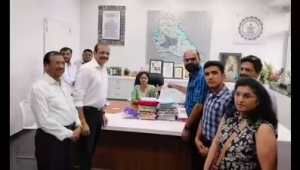
Over 9,000 CCMP homoeopathic doctors across Maharashtra have ended their hunger strike after the state government promised a comprehensive review of the registration suspension that had sparked widespread protests. The hunger strike, which began on July 16 at Azad Maidan in Mumbai, represented one of the largest organised protests by alternative medicine practitioners in the state’s history. The CCMP homoeopathic doctors’ demonstration highlighted critical issues surrounding healthcare policy and the integration of different medical systems.
The protest by CCMP homoeopathic doctors was triggered by the sudden suspension of their registration rights, which had been granted under the Certificate Course in Modern Pharmacology program. This suspension came after the Indian Medical Association (IMA) raised strong objections to allowing homoeopathic practitioners to practice modern medicine, creating a significant conflict between different medical communities.
The Certificate Course in Modern Pharmacology (CCMP) program was designed to bridge the gap between traditional homoeopathic practice and modern medical treatment. CCMP homoeopathic doctors undergo specialised training that qualifies them to prescribe allopathic medicines and practice modern medicine techniques alongside their traditional homoeopathic knowledge. This integration was intended to address healthcare accessibility issues, particularly in underserved areas where qualified allopathic doctors are scarce.
The program for CCMP homoeopathic doctors represented a significant policy shift in Maharashtra’s healthcare landscape. The initiative allowed homoeopathy practitioners to practice allopathy after completing the Certificate Course in Modern Pharmacology, marking a progressive approach to healthcare integration that other states were closely monitoring.
The controversy surrounding CCMP homoeopathic doctors began when the Maharashtra Medical Council (MMC) initially allowed qualified practitioners to register and practice modern medicine. The MMC had issued a notification on June 30, 2025, allowing CCMP-qualified doctors to register with the Council, but this decision faced immediate opposition from the medical establishment.
The Indian Medical Association strongly contested the registration of CCMP homoeopathic doctors, arguing that allowing homoeopathic practitioners to practice allopathy could compromise patient safety. The IMA met Chief Minister Devendra Fadnavis on Thursday, leading to the temporary stay on the earlier order, demonstrating the significant political pressure that influenced the government’s decision.
Recognising the severity of the situation, the Maharashtra government took decisive action to address the concerns of CCMP homoeopathic doctors. The state government formed a seven-member expert committee to address the growing unrest, signalling its commitment to finding a balanced solution that considers all stakeholders’ interests.
The expert committee’s formation represents a crucial development for CCMP homoeopathic doctors, as it provides an institutional framework for reviewing the policy. Until the committee submits its report, no new registrations under the CCMP route will be allowed, creating a temporary but significant pause in the program’s implementation.
The protest by CCMP homoeopathic doctors highlighted broader issues related to healthcare accessibility in Maharashtra. Many rural and underserved areas depend on alternative medicine practitioners to provide basic healthcare services, and the integration of modern pharmacology training was seen as a way to enhance these services without compromising traditional practices.
The suspension of registrations for CCMP homoeopathic doctors potentially affects healthcare delivery in areas where qualified allopathic doctors are unavailable. This situation demonstrates the complex balance between maintaining medical standards and ensuring healthcare accessibility, particularly in regions where medical infrastructure remains inadequate.
The hunger strike by CCMP homoeopathic doctors exposed significant tensions within Maharashtra’s healthcare policy framework. The government’s initial support for the program, followed by its suspension under pressure from the IMA, revealed the challenges of implementing integrated healthcare policies in a politically sensitive environment.
The resolution of the protest through government promises of review suggests that CCMP homoeopathic doctors have achieved at least temporary success in drawing attention to their concerns. However, the long-term outcome will depend on the expert committee’s findings and the government’s willingness to implement balanced policies that address all stakeholders’ concerns.
The debate surrounding CCMP homoeopathic doctors involves fundamental questions about professional standards and patient safety in integrated healthcare systems. Supporters argue that the additional training ensures competency in modern pharmacology, while critics worry about potential gaps in medical education and clinical experience.
During meetings, the state government expressed concerns raised by the IMA over allowing homoeopathic doctors to practice modern medicine, with assurances that CCMP-qualified practitioners are competent and there would be no compromise on patient safety, highlighting the ongoing tension between different medical perspectives.
The resolution of the hunger strike marks a significant milestone for CCMP homoeopathic doctors, but the outcome depends on the expert committee’s recommendations. The committee’s findings will likely influence not only Maharashtra’s healthcare policy but also serve as a precedent for other states considering similar integration programs.
The protest has established CCMP homoeopathic doctors as a significant voice in healthcare policy discussions, demonstrating their capacity for organized advocacy and their commitment to expanding their practice rights. This activism may influence future policies regarding alternative medicine integration and professional recognition.
The end of the hunger strike represents a temporary victory for CCMP homoeopathic doctors, achieved through sustained collective action and public pressure. However, the ultimate success of their cause depends on the expert committee’s findings and the government’s subsequent policy decisions. The protest has highlighted the need for clearer policies regarding healthcare integration and the role of alternative medicine practitioners in modern healthcare delivery.
The resolution demonstrates that organised professional advocacy can influence government policy, but it also underscores the ongoing challenges faced by CCMP homoeopathic doctors in achieving full recognition and practice rights. The next phase will be crucial in determining whether this temporary success translates into lasting policy changes that support integrated healthcare delivery in Maharashtra.
Captivity Taking a Toll: A recent study has revealed a concerning trend at Kolkata’s iconic Alipore Zoological Garden. Animals in captivity are increasingly being diagnosed with severe health issues, including lameness, hepato-renal complications, and respiratory illnesses, raising serious concerns about the long-term effects of confinement on wildlife.
The findings, part of a broader survey examining animal health at Indian zoos, underscore the need for urgent welfare reforms and scientific monitoring. With Alipore Zoo being one of India’s oldest and most visited zoological parks, the situation reflects systemic problems in zoo management and captive wildlife care across the country.
Key Findings: Common Ailments in Captivity
Veterinarians and researchers have identified multiple health complications among zoo animals, including:
Lameness caused by restricted mobility and hard flooring.
Liver and kidney issues, often linked to stress and poor diet.
Respiratory problems, particularly among carnivores and primates.
These findings align with earlier necropsy-based studies across Indian zoos, which noted that nearly 50% of captive animal deaths were trauma-related. Other causes included tuberculosis, pneumonia, hepatitis, and septicemia.
The Alipore Zoo study indicates that these diseases are not isolated incidents but rather chronic conditions developed due to long-term captivity, inadequate enrichment, and limited access to natural behaviours.
Environmental and Seasonal Stressors
Environmental factors within the zoo have been shown to amplify health issues:
Humidity and stagnant water during monsoon months increase parasitic infection rates.
Poor enclosure ventilation contributes to respiratory illnesses.
Monotonous surroundings and unnatural living conditions lead to psychological stress, which in turn weakens immunity.
Recent studies have also documented higher parasite prevalence among mammals and birds during the monsoon, especially in zoos located in eastern and southern India.
Behavioural Distress and Mental Health
Many captive animals at Alipore Zoo have displayed signs of psychological distress. Repetitive movements like pacing, head bobbing, and swaying—known as stereotypic behaviour—are commonly observed in big cats, elephants, and some primates.
Experts suggest that these behaviours are the result of:
Lack of stimulation and environmental enrichment.
Isolation or forced cohabitation with incompatible species.
High noise levels and visitor crowding, especially near enclosures.
This mental distress not only affects behaviour but also exacerbates physical ailments by triggering hormonal imbalances and reducing appetite and immune response.
Infrastructure and Management Gaps
The study further highlights the following issues in zoo infrastructure and administration:
Inadequate enclosure space and poor flooring contribute to musculoskeletal disorders.
Limited access to species-specific diets, particularly for carnivores, affects digestion and organ function.
Shortage of trained wildlife veterinarians, especially those specializing in exotic species.
Lack of regular preventive screenings, such as blood tests or imaging, which could detect disease early.
While the zoo maintains a routine feeding and cleaning schedule, there is little evidence of comprehensive preventive healthcare or behavioural monitoring.
Steps Taken by Alipore Zoo
To its credit, Alipore Zoo has initiated several reforms in recent years:
Introduced routine health check-ups and deworming schedules.
Begun research collaborations focusing on animal behaviour and nutrition.
Expanded outdoor enclosures for large mammals like giraffes and elephants.
Enhanced visitor awareness programs on wildlife welfare.
Despite these efforts, experts stress that the zoo still lacks the comprehensive care protocols required to mitigate chronic illness and psychological stress in captive animals.
Captivity Taking a Toll: Call for Reform
The recurring pattern of illness and distress makes it clear that traditional models of captivity need a serious overhaul. Wildlife conservationists and veterinary experts are calling for:
Enclosure redesign based on species-specific behavioural needs.
Prey simulation and natural diet planning for carnivores and omnivores.
Use of soft substrates to reduce lameness and joint pain.
Regular mental stimulation, such as toys, puzzles, and habitat variation.
Ethical visitor control measures, such as noise barriers and viewing limits.
Mandatory presence of trained wildlife vets and animal psychologists.
These measures, if implemented across Indian zoos, could drastically improve the quality of life for animals in captivity and align with global standards for ethical wildlife care.
Looking Forward
The Alipore Zoological Garden, like many others in India, is at a crossroads. It must now choose between continuing outdated models of confinement or embracing a welfare-centric, conservation-driven future. The findings of this study act as both a warning and an opportunity—a chance to redesign captivity in a way that respects the biology, behaviour, and dignity of the wild.
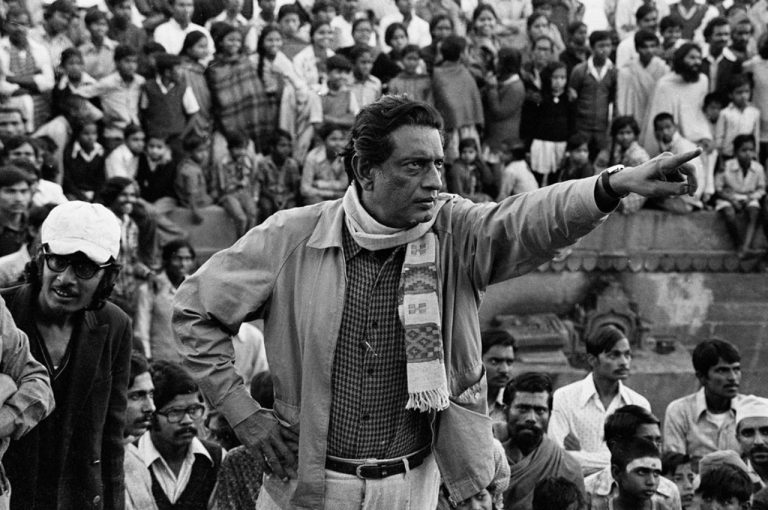
Through the Lens of a Master: The Alipore Museum in Kolkata is set to unveil a landmark exhibition that celebrates one of the most iconic creative partnerships in Indian cinema—between legendary filmmaker Satyajit Ray and renowned photographer Nemai Ghosh. Titled “Light and Shadow: Satyajit Ray through the Lens of Nemai Ghosh,” the exhibition will open to the public on Friday, July 19, 2025, and will run through September 13, 2025.
Curated in collaboration with Delhi Art Gallery (DAG), the exhibition brings to life a treasure trove of visual documentation spanning more than two decades of collaboration between the two artists. It aims to not only showcase Ray’s cinematic brilliance but also spotlight Ghosh’s role in preserving the filmmaker’s creative legacy through photography.
A Tribute to a Unique Creative Bond
Nemai Ghosh met Satyajit Ray on the sets of Goopy Gyne Bagha Byne in 1969. What began as an initial curiosity soon turned into a lifelong professional association that lasted for over 25 years. Ghosh went on to become Ray’s unofficial yet ever-present photographic chronicler, capturing nearly every moment from behind the scenes—rehearsals, shot setups, quiet reflections, and candid portraits.
The photographs in this exhibition are drawn from a remarkable archive of more than 90,000 negatives, many of which have remained unpublished until now. Thanks to the digital restoration and archiving efforts led by DAG, a wide range of these images are now being displayed for public viewing for the first time in Kolkata.
Exhibition Highlights
The Alipore Museum will present:
Black-and-white and colour portraits of Ray at work—on set, directing actors, composing shots, or sketching storyboards.
Candid photographs capturing Ray in informal settings: playing the piano, working at his desk, conversing with actors, or simply pausing to reflect.
Still frames from the making of classics like Aranyer Din Ratri, Seemabaddha, Ganashatru, Agantuk, and Jana Aranya.
A rare section of colour photographs, displayed for the first time, offering a new dimension to the visual documentation of Ray’s life and work.
Each photograph is a narrative in itself, layered with emotion, artistry, and history. Together, they offer an intimate portrait of a man often considered a titan of Indian cinema, revealing both his public persona and personal presence.
Exhibition Design and Curation
Curated by DAG in association with experts in visual arts and cinema history, the exhibition will feature more than 100 prints—digitally restored and displayed in thematic groupings. These include:
“On the Set”: Ray in action with his crew and cast.
“In Thought”: Ray in moments of solitude or concentration.
“Ray and His People”: Interactions with collaborators like Soumitra Chatterjee, Madhabi Mukherjee, Sharmila Tagore, and others.
“Home and Beyond”: Rare images of Ray away from work—at home, with family, or in casual spaces.
The aim is not just to document, but to allow visitors to feel Ray’s world—the spaces he inhabited, the people he trusted, and the process behind his timeless creations.
Nemai Ghosh: The Man Behind the Camera
Born in 1934, Nemai Ghosh was a self-taught photographer who began his journey with a box camera and a passion for storytelling. His early days in theatre under the influence of Utpal Dutt shaped his observational sensibility, and his encounter with Satyajit Ray changed the course of his career.
Ghosh was never just a unit photographer. He was a silent observer who saw the rhythm, grace, and tension of filmmaking and captured them with authenticity. His photographs are known for their absence of artificiality—they are raw, spontaneous, and infused with cinematic energy.
His documentation of Ray earned him national acclaim, and in 2010, Ghosh was awarded the Padma Shri for his contribution to art and cinema. He passed away in 2020, but his legacy lives on through these timeless images.
Through the Lens of a Master: Ray Beyond the Frame
While Ray is widely known for his films, the exhibition also provides insight into Ray as an artist, designer, and thinker. Several photographs show him sketching costumes and set designs, or deeply immersed in scripting—a nod to his multi-dimensional creativity.
Visitors will also see Ray interacting with young assistants, laughing with cast members, or lost in a moment of introspection. This nuanced portrayal is what sets Nemai Ghosh’s archive apart. It doesn’t merely celebrate Ray the filmmaker—it reveals Ray the human.
An Important Cultural Moment for Kolkata
This exhibition is not only a celebration of Ray and Ghosh, but also a moment of pride for Kolkata’s cultural community. Ray, often called the city’s most gifted son, is revisited here not through the lens of cinema, but photography—another medium that preserves memory, emotion, and legacy.
The Alipore Museum, a relatively new entrant in the city’s heritage circuit, is positioning itself as a vital space for artistic exploration. With this exhibition, it continues its efforts to create meaningful experiences around Bengal’s cultural heritage.
Publication and Outreach
A companion photo book titled “Satyajit Ray: Through the Eyes of Nemai Ghosh” will be available at the venue. It includes essays by scholars and critics, including Pramod Kumar K.G., Sabeena Gadhioke, and Jai Arjun Singh, exploring the significance of Ghosh’s visual archive and his contribution to Indian visual culture.
Educational workshops, film screenings, and talks are also planned during the exhibition period to engage students, photographers, and cinema lovers.
Visiting Details
Dates: July 19 – September 13, 2025
Venue: Alipore Museum, Kolkata
Timings: 10 AM – 6 PM (Closed on Mondays)
Entry: Open to the public. Museum entry ticket required.
Why This Exhibition Matters
This exhibition is more than a tribute to two stalwarts. It’s a reminder of the power of collaboration, the beauty of still photography, and the eternal relevance of Ray’s vision. It invites us to pause, reflect, and look closely—just as Ghosh did through his lens.
In an age dominated by fast visuals and fleeting content, this quiet, graceful exhibition encourages viewers to engage deeply with images that speak volumes, even in silence.
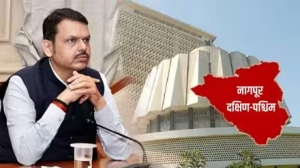
The Maharashtra government has officially approved the Nagpur Vidhan Bhavan expansion, marking a transformative milestone in the state’s legislative infrastructure development. This ambitious project represents one of the most significant governmental construction initiatives in recent years, designed to modernise and expand the existing legislative complex to meet the administrative needs of the next five decades.
The expansion of the Nagpur Vidhan Bhavan and the new administrative building will be executed by the Maharashtra Infrastructure Development Corporation. Inspired by Delhi’s Central Vista, the ambitious ‘Nagpur Vista’ project will feature a state-of-the-art legislative complex equipped to meet the administrative and political needs of the next 50 years.
Renowned architect Hafeez Contractor showcased the plan, detailing a seven-storey complex on the current Vidhan Bhavan premises, ensuring the preservation of the existing structure’s historical architectural style. The Nagpur Vidhan Bhavan expansion represents a masterful blend of modern functionality and historical preservation, reflecting the Contractor’s expertise in creating iconic structures across India.
Hafeez Sorab Contractor (born 1950) is an Indian architect. He has designed many skyscrapers in India, primarily in the city of Mumbai. As of 2019, he is the architect of the three tallest buildings in India – The 42 in Kolkata, and the twin towers of The Imperial in Mumbai. His involvement in the Nagpur Vidhan Bhavan expansion guarantees architectural excellence that balances tradition with contemporary design principles.
The Nagpur Vidhan Bhavan expansion
encompasses a comprehensive multi-phase development approach. On this land, a grand 14-storey building covering approximately 4 lakh sq. ft. will be built for ministerial administrative offices. This massive administrative tower will serve as the cornerstone of the expanded complex, providing modern facilities for government operations.
The redevelopment plan envisions a state-of-the-art legislative complex with a 50-year perspective. It includes the demolition of old barracks and the construction of two 15-storey administrative towers, along with a new Central Hall and upgraded legislative assembly spaces. The Nagpur Vidhan Bhavan expansion demonstrates the government’s commitment to creating world-class legislative facilities that can accommodate future growth and technological advancement.
Maharashtra Government Greenlights Ambitious Legislative Complex Upgrade
Sustainability forms a core component of the Nagpur Vidhan Bhavan expansion strategy. Chief Minister Devendra Fadnavis emphasised that the concepts of a “green building” should be implemented in the construction of the expanded Vidhan Bhavan. This environmental focus aligns with global best practices in government construction and demonstrates Maharashtra’s commitment to sustainable development.
The green infrastructure elements of the Nagpur Vidhan Bhavan expansion include energy-efficient systems, water conservation measures, and environmentally friendly construction materials. The project emphasises sustainable ‘green building’ concepts and will be connected by an underground tunnel. These features position the complex as a model for sustainable government architecture across India.
The Nagpur Vidhan Bhavan expansion incorporates innovative connectivity solutions to ensure seamless integration between existing and new structures. The Vidhan Bhavan premises and the proposed administrative building will be connected by an underground tunnel. This underground connectivity system represents cutting-edge infrastructure planning that enhances functionality while preserving the aesthetic integrity of the complex.
The underground tunnel system within the Nagpur Vidhan Bhavan expansion ensures weather-independent movement between buildings, enhanced security protocols, and efficient circulation of personnel and materials. This modern approach to governmental infrastructure reflects international standards in legislative complex design.
The Nagpur Vidhan Bhavan expansion prioritises improved public access and visitor experience. He also recommended that adequate space and cafeteria facilities should be included for visitors in the new building. These provisions demonstrate the government’s commitment to creating a more accessible and user-friendly legislative environment.
The expanded complex will feature dedicated spaces for public interaction, enhanced security systems, and improved circulation areas. The Nagpur Vidhan Bhavan expansion thus represents not just administrative modernisation but also a commitment to democratic accessibility and transparency in government operations.
Speaker Narwekar directed the corporation to submit a detailed proposal for the same. The Maharashtra Infrastructure Development Corporation’s involvement ensures professional project management and adherence to established construction standards. Their expertise in large-scale infrastructure projects positions the Nagpur Vidhan Bhavan expansion for successful completion within projected timelines.
The corporation’s role encompasses comprehensive project planning, execution oversight, and quality assurance throughout the construction process. Their involvement guarantees that the Nagpur Vidhan Bhavan expansion meets all regulatory requirements and architectural specifications.
The project is expected to be completed within two years. This aggressive timeline for the Nagpur Vidhan Bhavan expansion reflects the government’s urgency in modernising legislative facilities and the efficient project management capabilities of the implementing agencies.
The phased implementation approach ensures minimal disruption to ongoing legislative activities while systematically expanding and upgrading facilities. The Nagpur Vidhan Bhavan expansion timeline demonstrates careful planning that balances construction efficiency with operational continuity.
The Nagpur Vidhan Bhavan expansion successfully balances historical preservation with modern functionality requirements. This new structure will house essential halls and offices for senior political leaders while maintaining the architectural integrity of the existing complex. This approach ensures that the expanded facility honours Maharashtra’s legislative heritage while providing contemporary amenities.
The preservation elements within the Nagpur Vidhan Bhavan expansion include maintaining original architectural features, preserving historical artefacts, and ensuring that new construction complements rather than overwhelms existing structures. This balanced approach creates a cohesive complex that spans different architectural periods while maintaining unified functionality.
The Nagpur Vidhan Bhavan expansion represents a transformative vision for Maharashtra’s legislative infrastructure, combining architectural excellence, environmental sustainability, and functional efficiency. Under Hafeez Contractor’s design leadership and the Maharashtra Infrastructure Development Corporation’s implementation expertise, this project promises to create a world-class legislative complex that serves the state’s needs for decades to come.
The approved expansion demonstrates the government’s commitment to modernising democratic institutions while preserving historical significance, creating a model for legislative infrastructure development across India.
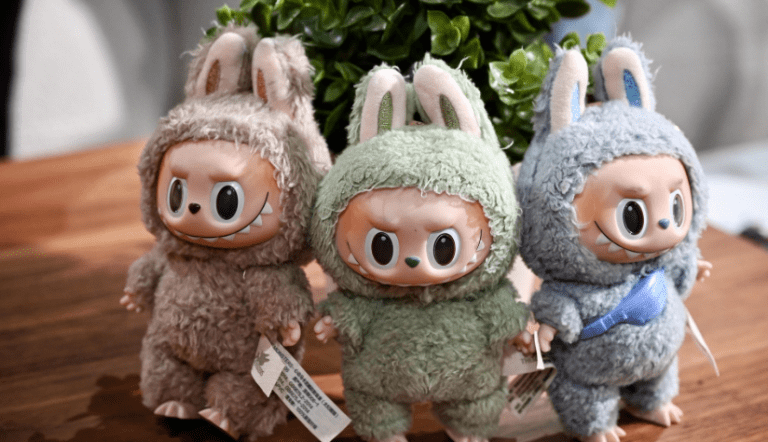
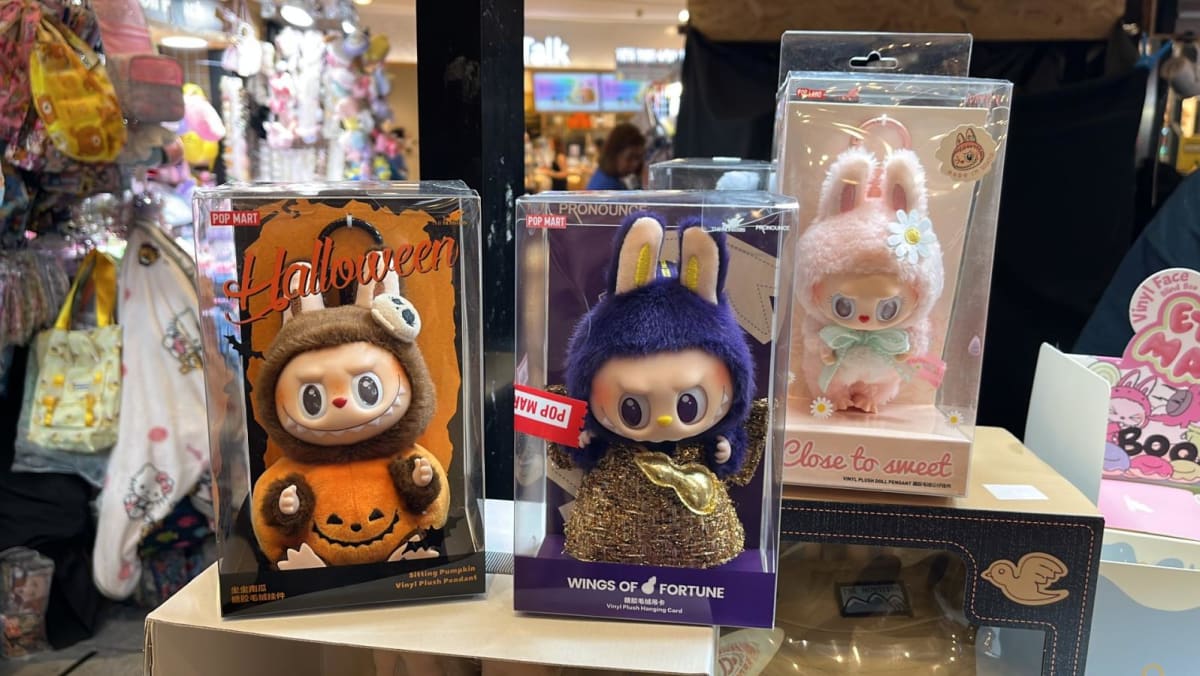
A wave of anxiety has swept across India as viral rumors connect the immensely popular “Labubu” dolls to the notorious figure of Pazuzu from ancient mythology. What began as a collectible craze among youth and art toy lovers has now spiraled into a modern urban legend, with social media, family chat groups, and parenting forums caught in a frenzy of worry, speculation, and even returned purchases. As India grapples with the fusion of digital-age rumor and traditional supernatural belief, the Labubu–Pazuzu story has become a cultural phenomenon with complex consequences for families, kids, retailers, and mental health experts nationwide.
This report explores 13 chilling aspects behind the scare, tracing its rise, analyzing its spread, and examining what it means for both modern India and toy culture as a whole.
1. The Meteoric Rise of Labubu Dolls
Labubu dolls, recognized for their quirky facial features and whimsical design, surged in popularity with India’s youth over the past year. Blending both “cute” and slightly “creepy” aesthetics, these palm-sized figures became must-have collectibles, their images trending on Instagram, school lockers, and pop-up stores from Mumbai to Bangalore. By mid-2025, Labubu dolls were widely regarded as a symbol of trend-conscious youth culture.
2. Outbreak of the Panic: How Rumors Took Hold
Everything changed when a wave of forwarded messages, viral videos, and sensational claims began circulating on WhatsApp, X (formerly Twitter), Instagram, and messaging groups. The core rumor: Labubu dolls were secretly linked to the demon Pazuzu, a mythological entity associated with misfortune. The story grew as shaky videos purported to show dolls moving or “whispering” on their own, while posts “decoded” the design as containing secret symbols.
The fallout from the Labubu–Pazuzu scare has significantly influenced family life and parent-child trust in the digital era. Many parents, especially those less familiar with internet culture, found themselves caught between wanting to protect their children and struggling to distinguish reality from viral fiction. Conversations about the dolls led to larger discussions on how families consume digital content, with some households establishing new rules on social media use, fact-checking viral claims as a family activity, and teaching younger members to ask questions before accepting rumors at face value. This event has thus become an impetus for more open, tech-savvy communication within Indian families, highlighting the need for guidance as children navigate both imagination and fear online.
Schools and educators have also had to respond swiftly to the Labubu panic. In several cities, teachers reported increased classroom discussions on “haunted” toys, with students sharing their own stories or anxieties stirred by peer chatter or frightening videos. Some schools sent letters or emails to parents addressing the rumors and offering reassurance, while others hosted brief workshops about digital hoaxes and the importance of critical thinking. Counselors were asked to check in with children exhibiting notable fears, and educational institutions began considering curricular updates to incorporate digital media literacy—turning the scare into a teachable moment for the next generation.
3. Pazuzu: Demon of Wind and Plague—From Ancient Myth to Modern Meme
Pazuzu, an ancient figure from Mesopotamian lore, is traditionally depicted as a fearsome, hybrid demon and was believed to bring both protection and disaster. In Indian pop culture, the demon gained notoriety through references in horror media. Social media posts swiftly merged fragments of history, movie scenes, and digital hoaxes to paint the Labubu-Pazuzu connection as factual.
4. Viral Hoaxes Drive the Panic
Doctored images, heavily edited videos, and fabricated “expert” opinions helped drive the story’s virality. Some claimed the name “Labubu” was a disguised anagram of “Pazuzu.” Others circulated videos of dolls allegedly moving unsupervised—though most relied on camera tricks or deliberate manipulation. Despite numerous attempts to clarify the story, the viral spread overwhelmed reason and fact.
5. Parents’ Fears and Children’s Anxieties
Concerned parents began reporting children having nightmares and demanding the dolls be thrown away. School chat groups debated banning Labubu toys, while some families held informal “rituals” to remove supposed bad luck. Pediatricians and psychologists began receiving increased queries about anxiety and sleep troubles among children exposed to the scare on social media.
6. Retail Chaos: Returns, Warnings, and Falling Sales
Toy merchants and collectors felt the brunt of the panic. Stores saw a spike in returns and exchanges, with frazzled parents demanding assurances that Labubu dolls were “safe.” Some retailers responded with signs clarifying that the dolls held no supernatural connection, in an effort to stem the tide of cancellations and returns. Meanwhile, sales sharply declined, even as certain collectors began coveting the toys as future rarities.
7. Fact-Checking Campaigns and Their Limits
Although the panic was widely debunked by journalists, collectors, and experts as pure fiction, fact-checking efforts often struggled to keep pace with the rapid cycle of rumor and sensationalism. Well-crafted explanations and critical perspectives were often ignored next to dramatic new “sightings” or video clips. This created a climate where skepticism was drowned out by excitement or fear.
8. India’s Folklore and Digital Myth-Making
India’s rich folklore and traditions of supernatural storytelling made it especially fertile ground for such a story to spread. In an era of rapid digital communication, the boundaries between historic myth, movie plotlines, and viral rumor blur—making a designer toy’s fate inseparable from the uncanny stories projected onto it by thousands.
9. Expert Voices: Psychological and Cultural Analysis
Mental health professionals underline the risk of “collective suggestion,” explaining that when worried adults and children reinforce each other’s fears—especially online—rumors can become lived realities. Sociologists note that similar “demonic toy” scares have punctuated pop culture frequently, always reflecting a society’s anxieties during moments of social or technological transition.
10. Digital Responses: Memes, Satire, and Rebellion
Not everyone responded in fear—India’s meme-makers and creative youth quickly parodied the panic. Viral sketches, comic reels, and spoofs proliferated, lampooning the rumor with exaggerated “exorcisms” or dancing Labubu dolls. At the same time, digital educators launched counter-campaigns, urging skepticism and critical inquiry over hoax hysteria.
11. Shift in the Collectibles Economy
As mainstream shoppers recoiled, some collectors seized the opportunity to market “haunted” or “controversial” Labubu dolls as unique collectibles. Resale forums showed price surges on rare variants, and some groups began hosting exchanges or donation drives for unsold inventory. The scare, ironically, created new subcultures around what was once a mass-market toy.
12. Social Consequences and Urban Legend Cycles
The spread of the Labubu–Pazuzu story has joined the ranks of earlier Indian urban legends—from blue-faced monsters to mysterious WhatsApp “challenges”—that tap into collective imagination and periodically sweep the nation’s digital landscape. These cycles reveal how rumor, anxiety, and fascination can intermingle to form powerful, if fleeting, moments of shared experience.
13. Lessons and Looking Forward
This episode offers key insights for parents, toy companies, educators, and digital citizens alike:
The vital need for media literacy and healthy skepticism when faced with sensational claims.
The importance of open dialogue between children and adults to dispel fear.
The opportunity for businesses and communities to act quickly during rumor waves, communicating clearly and compassionately.
The story also underlines how playful creativity and resilience—from parody to charitable donation—can help communities navigate even the most viral of modern urban myths.
Key Facts Table: Labubu–Pazuzu Scare in India
Topic
Detail
Product
Labubu designer dolls
Year of Popularity
2024–2025
Panic Escalation
Early July 2025 onwards
Platforms Involved
WhatsApp, Instagram, X, Telegram, YouTube
Main Demographics
Urban youth, children, parents, collectors
Retail Impact
Sharp dip in sales, increase in returns
Collector Impact
Spike in value for “rare” or recalled dolls
Official Stance
No factual connection to demon mythology
Cultural Motif
Urban legend meets digital rumor
Community Voices
“My ten-year-old refused to sleep with his Labubu doll after seeing a scary video from a school friend. My husband and I explained it’s just a story, but he kept insisting it moved by itself. We finally put it away for peace of mind.” — Parent, Mumbai
“Our store had several people wanting refunds. Some joked about ‘demonic dolls,’ but others were genuinely frightened. It’s amazing how a simple rumor can change things overnight.” — Toy retailer, Delhi
“India’s urban legends go digital so quickly now. What used to be a scary story for a few friends suddenly becomes a trend for millions.” — Pop culture analyst, Bangalore
Conclusion
India’s Labubu–Pazuzu episode stands as a striking case of how old beliefs and new technologies collaborate, for better or worse, to make and remake myth in our times. The scare has tested the boundaries between fantasy and fact, bought laughter and anxiety, and revealed the speed at which modern urban legends can reshape even the most innocent corners of daily life. As the furor recedes and dialogue about digital responsibility endures, one lesson is clear: in an interconnected world, the stories we share can carry a weight far greater than any single toy on a shelf.
Within online communities, the Labubu story has exposed both the positive and negative aspects of India’s thriving content creation economy. While some influencers fueled the panic with sensational posts for views and engagement, others used the opportunity to educate their audiences, create humorous rebuttals, or encourage acts of kindness such as donating unwanted toys to children in need. This mix of opportunism and social responsibility provides a revealing snapshot of contemporary Indian digital culture, where trends can shift rapidly from panic to parody or public service, and where the power of storytelling remains as potent as ever.
The incident has also sparked renewed attention on the responsibilities of toy manufacturers and sellers. Several brands have begun implementing more robust crisis communication strategies, ranging from transparent FAQs to hotlines for concerned parents. The Labubu event has prompted discussions at industry conferences about the necessity for preemptive outreach, especially in communities where myths and rumors can accelerate quickly. Retailers and makers alike are now considering collaborations with psychologists and educators to help “inoculate” their audiences against future urban legend panics, ensuring products are understood as they are intended and mitigating future disruptions.
Finally, the Labubu–Pazuzu scare offers a fresh perspective on the evolving relationship between modern technology and ancient storytelling. As India’s digital networks become ever more interconnected, the lines between folklore, entertainment, and lived experience continue to blur. The speed and scale with which this rumor traversed the country demonstrate both the risks and rich creativity inherent in Indian society today. Even as anxiety subsides, the episode leaves enduring questions: How can communities foster a sense of wonder without succumbing to fear? How do we preserve the joy of new trends while protecting mental health? The answers will shape not just the fate of the next viral craze, but also the broader cultural and digital future of India itself.


 NIFTY NEXT 50 ended at 68,711.45, falling 159.10 points or 0.23%.
 NIFTY NEXT 50 ended at 68,711.45, falling 159.10 points or 0.23%.
 Despite overall weakness, some stocks witnessed strong buying interest, particularly in the SME and tech space:
 Several stocks faced steep declines, particularly from the real estate and technology sectors.











 The debate surrounding CCMP homoeopathic doctors involves fundamental questions about professional standards and patient safety in integrated healthcare systems. Supporters argue that the additional training ensures competency in modern pharmacology, while critics worry about potential gaps in medical education and clinical experience.
 The end of the hunger strike represents a temporary victory for CCMP homoeopathic doctors, achieved through sustained collective action and public pressure. However, the ultimate success of their cause depends on the expert committee’s findings and the government’s subsequent policy decisions. The protest has highlighted the need for clearer policies regarding healthcare integration and the role of alternative medicine practitioners in modern healthcare delivery.






 Also Read:
 The Nagpur Vidhan Bhavan expansion incorporates innovative connectivity solutions to ensure seamless integration between existing and new structures. The Vidhan Bhavan premises and the proposed administrative building will be connected by an underground tunnel. This underground connectivity system represents cutting-edge infrastructure planning that enhances functionality while preserving the aesthetic integrity of the complex.