Friday, December 19, 2025
Home Blog Page 561

Bold Indian Pilots Body Slams US Media: CS Randhawa Condemns WSJ’s Article

New Delhi – The Federation of Indian Pilots has taken a strong stance as Indian Pilots Body Slams US Media over recent reporting on the Air India flight crash in Ahmedabad. The organization has vehemently condemned allegations suggesting pilot error in the movement of fuel control switches that led to the tragic incident. This controversy has emerged following the release of preliminary investigation findings that have been misinterpreted by international media outlets.

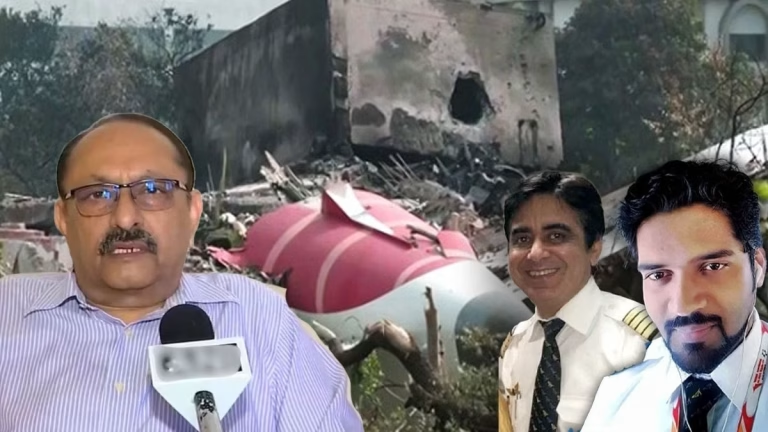
CS Randhawa, the Federation of Indian Pilots chief, led the charge when Indian Pilots Body Slams US Media reporting, emphasizing that the preliminary probe report released by the Aircraft Accident Investigation Bureau did not place blame on any pilot. The strong response reflects the aviation community’s concern about premature conclusions being drawn from incomplete investigations.

Preliminary Investigation Findings and Media Misinterpretation
Indian Pilots Body Slams US Media

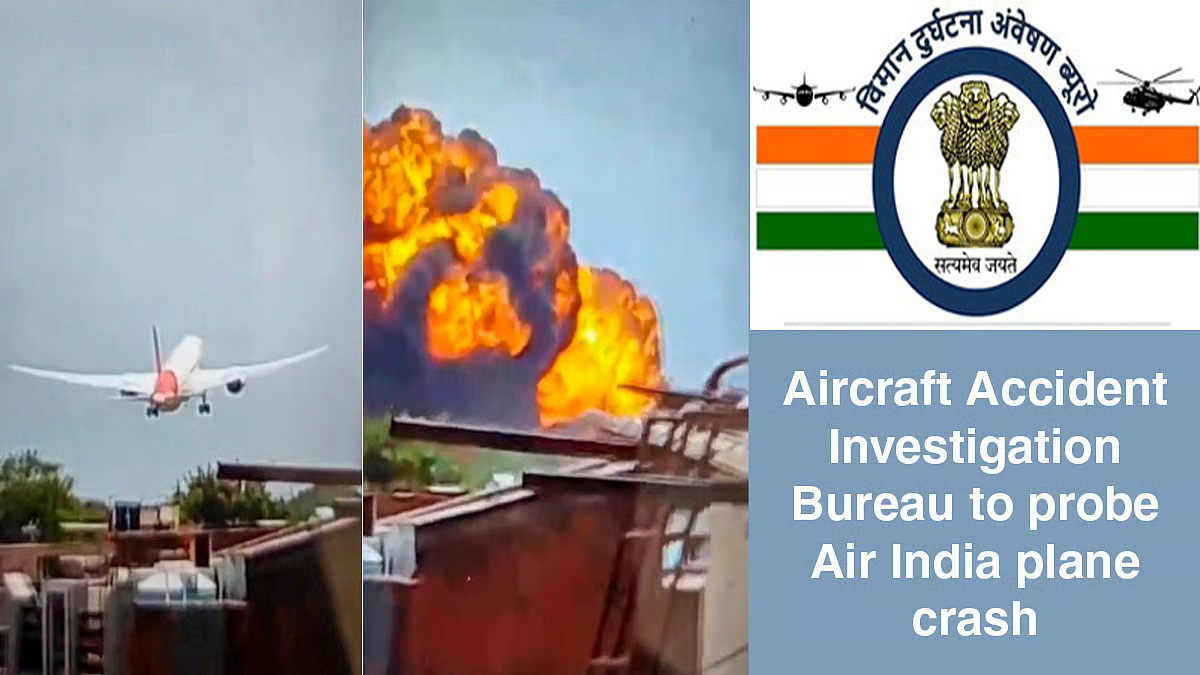
The Aircraft Accident Investigation Bureau’s preliminary report revealed crucial details about the AI171 Boeing 787 Dreamliner crash that occurred shortly after takeoff in Ahmedabad. The investigation found that both fuel control switches on the ill-fated aircraft were moved from the ‘run’ position to the ‘cut off’ position after takeoff, leading to engine shutdown and subsequent crash.

However, when Indian Pilots Body Slams US Media coverage, the primary concern centers on the mischaracterization of these findings. The AAIB report included cockpit conversation recordings between Captain Sumeet Sabharwal and First Officer Clive Kunder, where one pilot asked, “Why did you cut off fuel?” and the other replied, “I did not do so.” Crucially, the report neither identified which pilot said what nor implied whether the fuel cut-off was deliberate or accidental.

Media Report Allegations and Professional Response
Indian Pilots Body Slams US Media

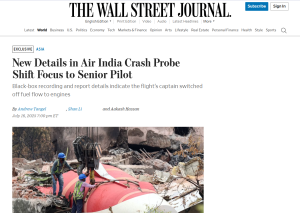
International media reports have suggested that black-box recordings indicate the captain turned off switches controlling fuel flow to the engines, citing unnamed sources familiar with officials’ early assessment. This interpretation has prompted the strong reaction where Indian Pilots Body Slams US Media for drawing premature conclusions without proper investigation completion.

Also Read: Air India Finds ‘No Issues’ In Boeing 787’s Fuel Control Switches Critical Inspection

Randhawa emphasized that neither the official report nor the Civil Aviation Minister had indicated pilot error, urging people to avoid commenting on unverified reports and wait for detailed investigation results. The Federation’s position reflects professional aviation standards that require thorough investigation before assigning responsibility for accidents.

Historical Context and Technical Analysis

When Indian Pilots Body Slams US Media reporting, the Federation draws parallels with previous incidents to provide context. Randhawa referenced the January 17, 2019 ANA NH985 incident where both engines shut down during landing when the pilot selected thrust reversers, without any pilot movement of fuel control switches. This comparison suggests potential technical malfunctions rather than pilot error.

The Federation chief specifically highlighted concerns about Throttle Control Malfunction Accommodation (TCMA) systems, suggesting that the current incident might represent a repetition of TCMA malfunction. This technical perspective adds credibility to the position when Indian Pilots Body Slams US Media for oversimplifying complex aviation incidents.

Investigation Committee Composition Concerns

A significant aspect of why Indian Pilots Body Slams US Media involves concerns about investigation committee composition. Randhawa raised objections to the absence of pilots from the investigation panel, arguing that practical aviation experience is essential for proper accident analysis. The Federation has urged the Civil Aviation ministry to reconstitute the investigation panel to include pilots, engineers, and air safety experts.

This call for inclusive investigation reflects professional standards where Indian Pilots Body Slams US Media for potentially influencing public opinion without comprehensive technical analysis. The Federation’s stance emphasizes the importance of having aviation professionals involved in determining causes of aircraft accidents.


Pilot Credentials and Professional Standards
Indian Pilots Body Slams US Media

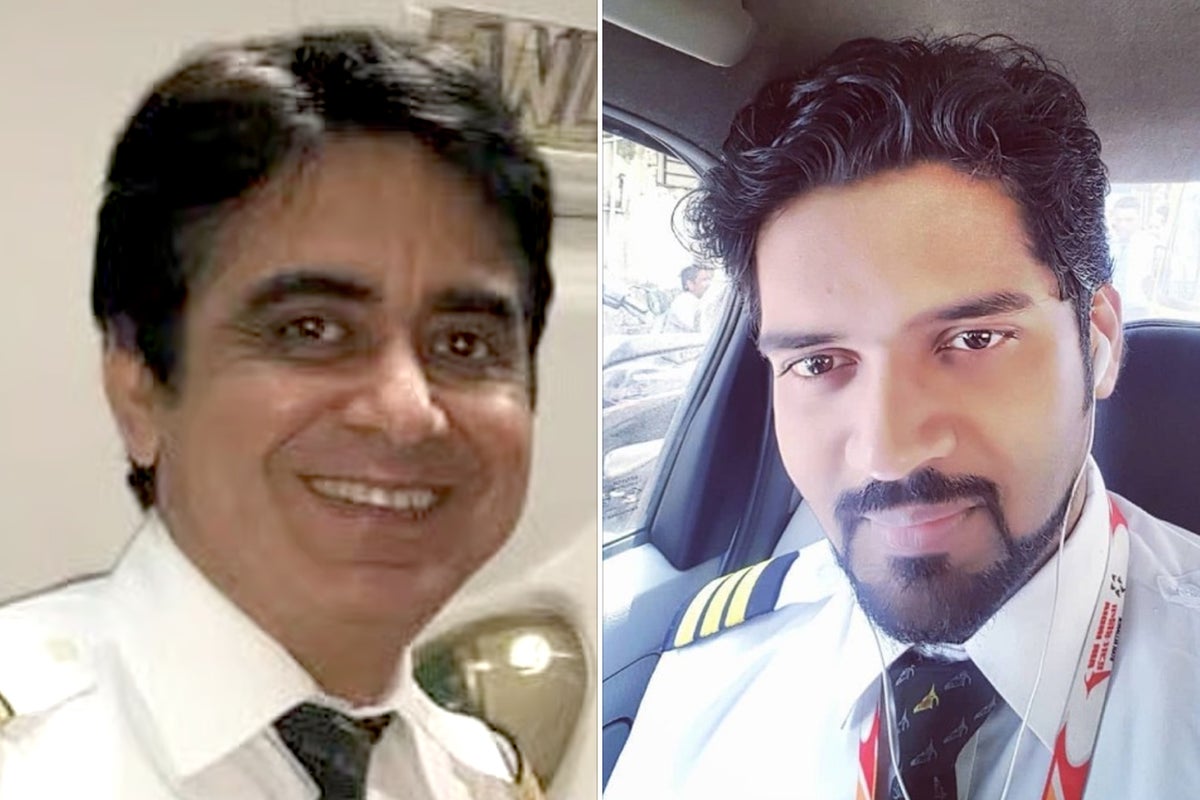
The incident involved highly experienced aviation professionals, with Captain Sumeet Sabharwal, 56, having 15,638 total flying hours, including 8,596 hours on Boeing 787 aircraft. First Officer Clive Kunder, 32, had 3,403 flying hours, with 1,128 hours as co-pilot on Boeing 787 jets. These credentials demonstrate the professional competence of the crew involved.

When Indian Pilots Body Slams US Media coverage, the Federation emphasizes that Indian pilots are among the world’s best, challenging attempts to prematurely assign blame without proper investigation. This professional pride reflects the aviation community’s commitment to maintaining high standards and proper investigation procedures.

Technical System Analysis Requirements

The Federation’s response when Indian Pilots Body Slams US Media includes calls for thorough Boeing 787 system analysis. Randhawa noted that Boeing has not issued directives requiring TCMA function checks across aircraft fleets, despite potential system-related issues. This technical perspective suggests that aircraft manufacturers should take proactive steps to address potential system vulnerabilities.

The emphasis on technical analysis when Indian Pilots Body Slams US Media demonstrates the complexity of modern aviation systems and the need for comprehensive investigation before drawing conclusions about pilot performance or system failures.

Professional Integrity and Media Responsibility

The Federation’s strong stance when Indian Pilots Body Slams US Media reflects broader concerns about media responsibility in reporting aviation incidents. Randhawa emphasized that he deliberately avoided providing opinions to international media outlets, viewing their approach as potentially biased toward predetermined conclusions.

This professional approach when Indian Pilots Body Slams US Media highlights the importance of maintaining investigative integrity and avoiding premature public statements that could influence ongoing investigations or damage professional reputations without proper evidence.

Final Statement

The controversy surrounding the Air India crash investigation demonstrates the complex relationship between media reporting and aviation safety analysis. When Indian Pilots Body Slams US Media coverage, it reflects genuine concerns about professional standards, investigation integrity, and the importance of thorough technical analysis before assigning responsibility for aviation accidents. The Federation’s response emphasizes the need for comprehensive investigation involving qualified aviation professionals to ensure accurate determination of incident causes and prevention of future occurrences.
Nitish Kumar Announces Free Electricity: Bihar Gets 125 Units Free Ahead Of Polls

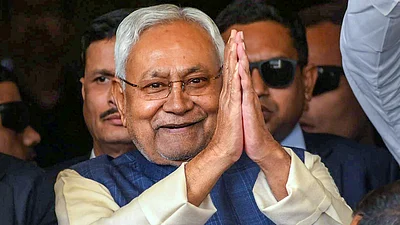
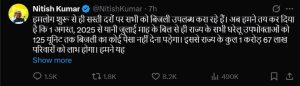
Bihar – Bihar Chief Minister Nitish Kumar made a groundbreaking announcement on Thursday, July 17, 2025, declaring that Nitish Kumar Announces Free Electricity up to 125 units for all domestic consumers across the state. This significant policy decision, shared through social media platform ‘X’, represents one of the most substantial welfare measures implemented in the poll-bound state, benefiting an estimated 1.67 crore families.

The announcement comes at a crucial time as Bihar prepares for its upcoming assembly elections, with the Chief Minister positioning this initiative as a continuation of his government’s commitment to providing affordable electricity access to all residents. The implementation timeline is set for August 1, 2025, with benefits reflecting in the July electricity bills across the state.

Nitish Kumar Announces Free Electricity

Implementation Details and Beneficiary Coverage

When Nitish Kumar Announces Free Electricity initiatives, the scope typically encompasses comprehensive coverage for domestic consumers. This latest announcement specifically targets household electricity consumption, ensuring that families will not pay any charges for their first 125 units of monthly electricity usage. The policy framework has been designed to provide immediate relief to consumers while establishing a sustainable foundation for long-term energy security.

The 1.67 crore families set to benefit from this initiative represent nearly the entire domestic consumer base in Bihar, making this one of the most extensive electricity subsidy programs implemented in any Indian state. The Chief Minister emphasized that this decision builds upon the government’s existing commitment to providing electricity at affordable rates since the beginning of his administration.

Also Read: Indigo Flight Emergency Landing Mumbai: Engine Malfunction Forces Safe Diversion

Solar Power Integration and Future Planning

Nitish Kumar Announces Free Electricity

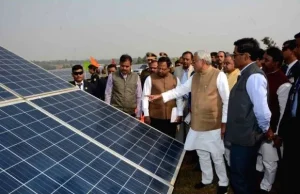
Beyond the immediate electricity subsidy, Nitish Kumar Announces Free Electricity alongside a comprehensive solar power expansion program. The government has committed to installing solar power plants on rooftops or nearby public places for domestic consumers over the next three years, subject to individual consent. This integrated approach demonstrates the administration’s commitment to sustainable energy solutions while providing immediate consumer benefits.

The solar power initiative includes special provisions under the Kutir Jyoti scheme, where the state government will bear the entire cost of installing solar power plants for extremely poor families. For other consumers, the government will provide appropriate financial support, ensuring that the transition to renewable energy remains accessible across economic segments.

Economic Impact and Energy Generation Projections

The ambitious timeline set when Nitish Kumar Announces Free Electricity extends beyond immediate consumption benefits to long-term energy generation goals. The Chief Minister projects that within three years, Bihar will have access to up to 10,000 megawatts of solar energy capacity, representing a significant expansion of the state’s renewable energy infrastructure.

This dual approach of providing immediate consumer relief while building sustainable energy generation capacity demonstrates comprehensive policy planning that addresses both short-term electoral promises and long-term developmental goals. The integration of solar power generation with electricity subsidies creates a framework for energy independence while maintaining fiscal sustainability.


Political Context and Electoral Implications

Nitish Kumar Announces Free Electricity

The timing of this announcement, with Nitish Kumar Announces Free Electricity just months before the assembly elections, reflects the competitive political landscape in Bihar. This initiative joins a series of significant policy announcements made by the Chief Minister, including commitments to recruit over one lakh teachers through the Teacher Recruitment Exam and promises to provide employment opportunities for one crore youth over the next five years.

The Chief Minister’s recent decision to increase pensions from ₹400 to ₹1,100 per month under the Social Security Scheme for elderly, differently-abled individuals, and widows further demonstrates the government’s focus on welfare measures ahead of the polls. These announcements collectively represent a comprehensive approach to addressing various segments of Bihar’s population.

Opposition Response and Political Competition

Nitish Kumar Announces Free Electricity

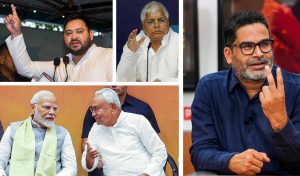
The announcement has drawn immediate response from opposition parties, particularly the Rashtriya Janata Dal, whose leader Tejashwi Yadav had previously promised 200 units of free electricity during the November 2024 campaign period. RJD spokesperson Shakti Singh Yadav suggested that the current announcement resulted from competitive pressure, claiming that Nitish Kumar Announces Free Electricity in response to opposition promises.

The political discourse surrounding this initiative highlights the competitive nature of welfare announcements in Bihar’s electoral landscape. Opposition leaders have indicated that similar pressure led to previous policy modifications, including pension increases, suggesting that voter expectations continue to influence policy decisions across party lines.

Financial Implementation and Administrative Framework

Deputy Chief Minister Samrat Choudhary, who also holds the finance portfolio, is expected to provide detailed information about the financial implications of this initiative. The administrative framework required to implement such an extensive subsidy program will require significant coordination between various government departments and electricity distribution companies.

The successful implementation of this policy in which Nitish Kumar Announces Free Electricity, will depend on efficient administrative mechanisms, adequate budgetary allocation, and effective coordination between state and local authorities. The government’s ability to manage the financial burden while maintaining service quality will be crucial for the program’s long-term sustainability.

Concluding Statement

When Nitish Kumar Announces Free Electricity initiatives of this magnitude, they represent significant shifts in state policy that extend beyond immediate electoral considerations. The comprehensive approach combining immediate consumer relief with long-term renewable energy development demonstrates strategic planning that addresses both current needs and future sustainability. The success of this initiative where, Nitish Kumar Announces Free Electricity, will likely influence similar policies across other states while setting new benchmarks for welfare measures in Indian politics.

Remarkable TN Doorstep Delivery Of Government Services Scheme Set To Transform Lives in 2025

TN Doorstep Delivery Of Government Services sees major rollout under ‘Ungaludan Stalin’ initiative

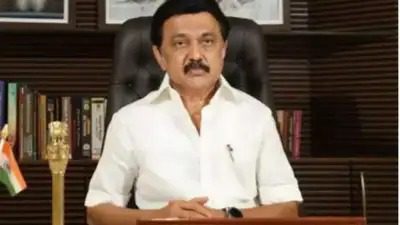
TN Doorstep Delivery Of Government Services kicks off today as Chief Minister M.K. Stalin launches the fourth phase of the government’s flagship outreach programme in Cuddalore. Named Ungaludan Stalin (Stalin With You), this initiative promises to bring over 40 government services straight to people’s homes across Tamil Nadu, aiming to ease public access and cut down on time-consuming visits to government offices.TN Doorstep Delivery Of Government Services

This phase is not a standalone effort but part of a broader strategy that’s evolved over three previous versions. Officials, including Additional Chief Secretary P. Amudha, have clarified that this is a governance initiative grounded in public feedback and performance tracking not a last-minute pre-election stunt.

As part of the campaign, 10,000 special camps will be held between July 15 and November across urban and rural areas. The services cover 15 departments, targeting everything from patta name transfers, ration card changes, and EB name corrections to health insurance enrollment, SME loans, and applications for women’s financial aid who missed earlier windows.

TN Doorstep Delivery Of Government Services Gets Major Boost in 2025

The TN Doorstep Delivery Of Government Services plan includes 6,232 rural and 3,768 urban camps, spread across every district. These camps are structured to reduce the burden of travel on people, especially those in remote areas with limited access to taluk offices or digital platforms. Many of the services are also available online, but officials acknowledge that physical outreach remains essential for those with limited digital access or awareness.TN Doorstep Delivery Of Government Services

To ensure effectiveness, door-to-door campaigns are underway to inform households about their camp dates. Volunteers are actively mapping neighborhoods, ensuring that no eligible citizen is left out. This extra mile effort reflects a strong commitment to bridging gaps between public demand and administrative access.

Feedback from earlier versions of this initiative helped fine-tune the new rollout. According to Ms. Amudha, a 95% satisfaction rate has been recorded in service delivery, debunking common complaints that earlier efforts ended with nothing more than a confirmation SMS. She acknowledged that certain budget-sensitive schemes may experience slight delays if funds aren’t immediately available, but regular services continue to be delivered efficiently.

A standout feature of this initiative is its structured tracking system and feedback loop. Data from each camp is logged, responses are monitored, and corrective measures are implemented quickly. This helps reduce the typical bureaucratic lag that many people experience when dealing with public departments.

In urban hubs like Chennai, Tiruppur, and Madurai, camps are being stationed in densely populated localities to maximize coverage. In villages, local panchayat offices and schools are being converted into service points for the duration of the program.

How TN Doorstep Delivery Of Government Services Will Reach Every Household

The government is also using mobile vans in difficult-to-reach regions, ensuring inclusivity even in hilly or isolated zones. These mobile units are equipped with basic internet access, staff support, and forms needed to process various requests.

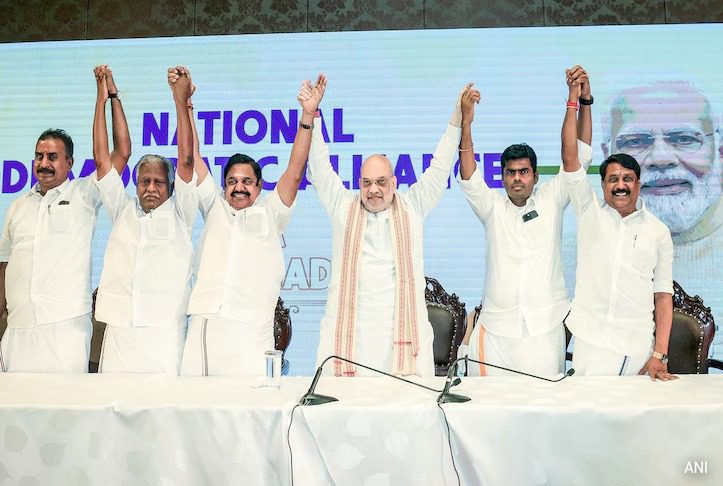
Interestingly, TN Doorstep Delivery Of Government Services isn’t just a bureaucratic win—it also carries political weight. While the ruling DMK positions it as a public-first reform model, opposition voices like AIADMK’s Edappadi K. Palaniswami argue it has delivered little impact over the years. However, given the number of services, the spread of the camps, and the strong administrative backing, this phase appears more robust and ambitious than ever before. Also Read: AIADMK-BJP Alliance Drama: Will EPS’s Bold Stand Reshape Tamil Nadu Politics in 2026?

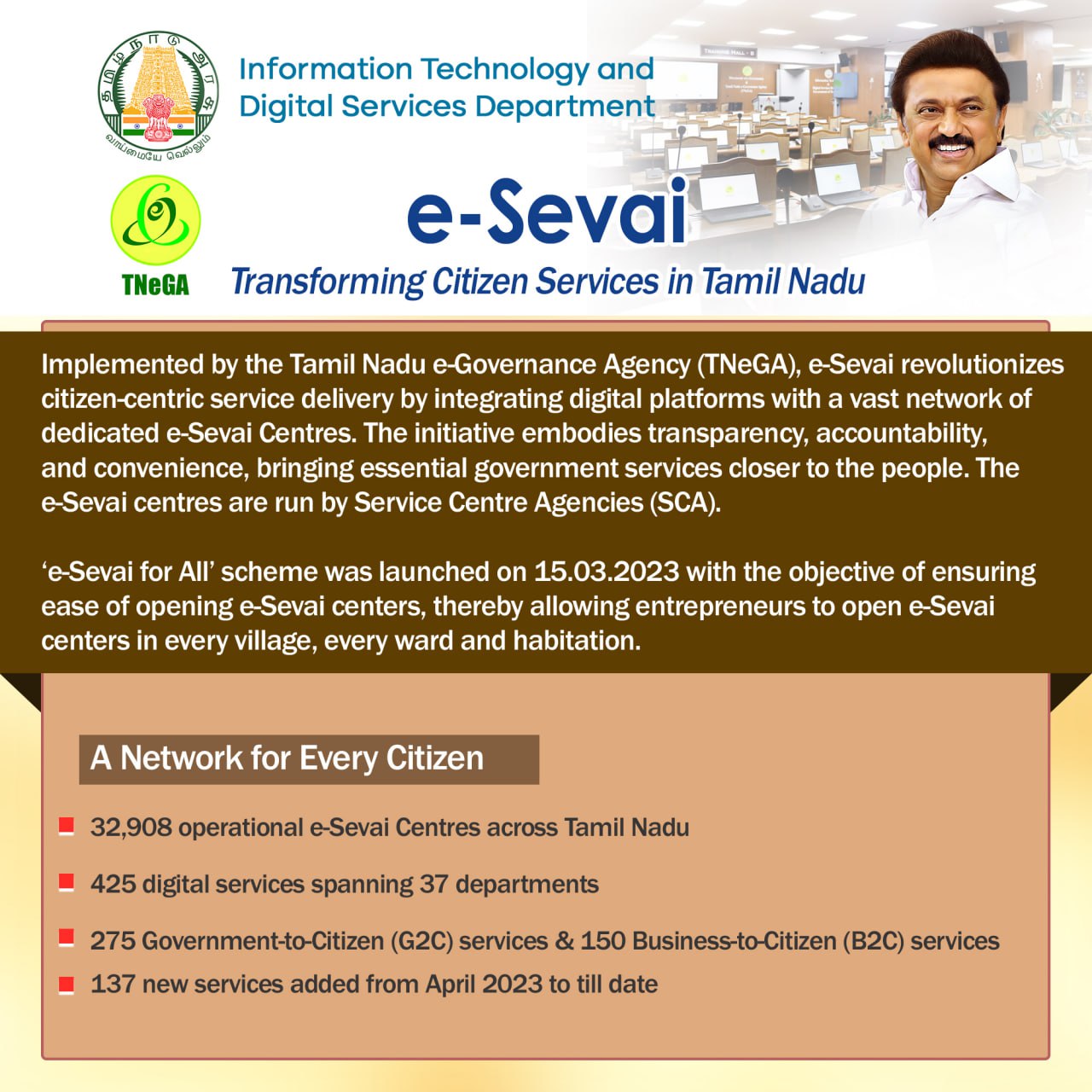
Tamil Nadu e-Governance Agency (TNeGA) (@TNeGA_Official) / XThis fourth phase also marks a shift in tone from assistance to empowerment. By removing dependency on middlemen and long-distance travel, the government hopes to restore citizen trust in the efficiency of state mechanisms.
Though critics may point out timing concerns, especially with elections approaching, the sheer scale and execution model of this outreach programme set it apart. The ability to adapt from previous mistakes, backed by detailed ground-level data and citizen tracking, indicates that this is more than just surface-level campaigning.

With camps already beginning in districts like Cuddalore, Tiruvannamalai, and Thanjavur, the coming weeks will reveal how smoothly the TN government can manage its most ambitious doorstep delivery system yet.

Conclusion:

The TN Doorstep Delivery Of Government Services is not just another scheme it reflects a long-term shift toward responsive, on-ground governance. If implemented successfully, it could serve as a model for public service delivery in other states too.

AIADMK-BJP Alliance Drama: Will EPS’s Bold Stand Reshape Tamil Nadu Politics in 2026?

AIADMK-BJP Alliance Tension Builds Ahead of 2026 Elections

The AIADMK-BJP Alliance is once again in the spotlight as Tamil Nadu prepares for the 2026 Assembly elections. The political mood turned intense after AIADMK leader Edappadi K. Palaniswami (EPS) firmly stated that if their alliance wins, the government would be formed solely by the AIADMK with him as Chief Minister. This clear and direct message has created visible friction within the alliance, especially with the BJP, which had hoped to play a significant role in governance if the coalition emerged victorious.AIADMK-BJP Alliance

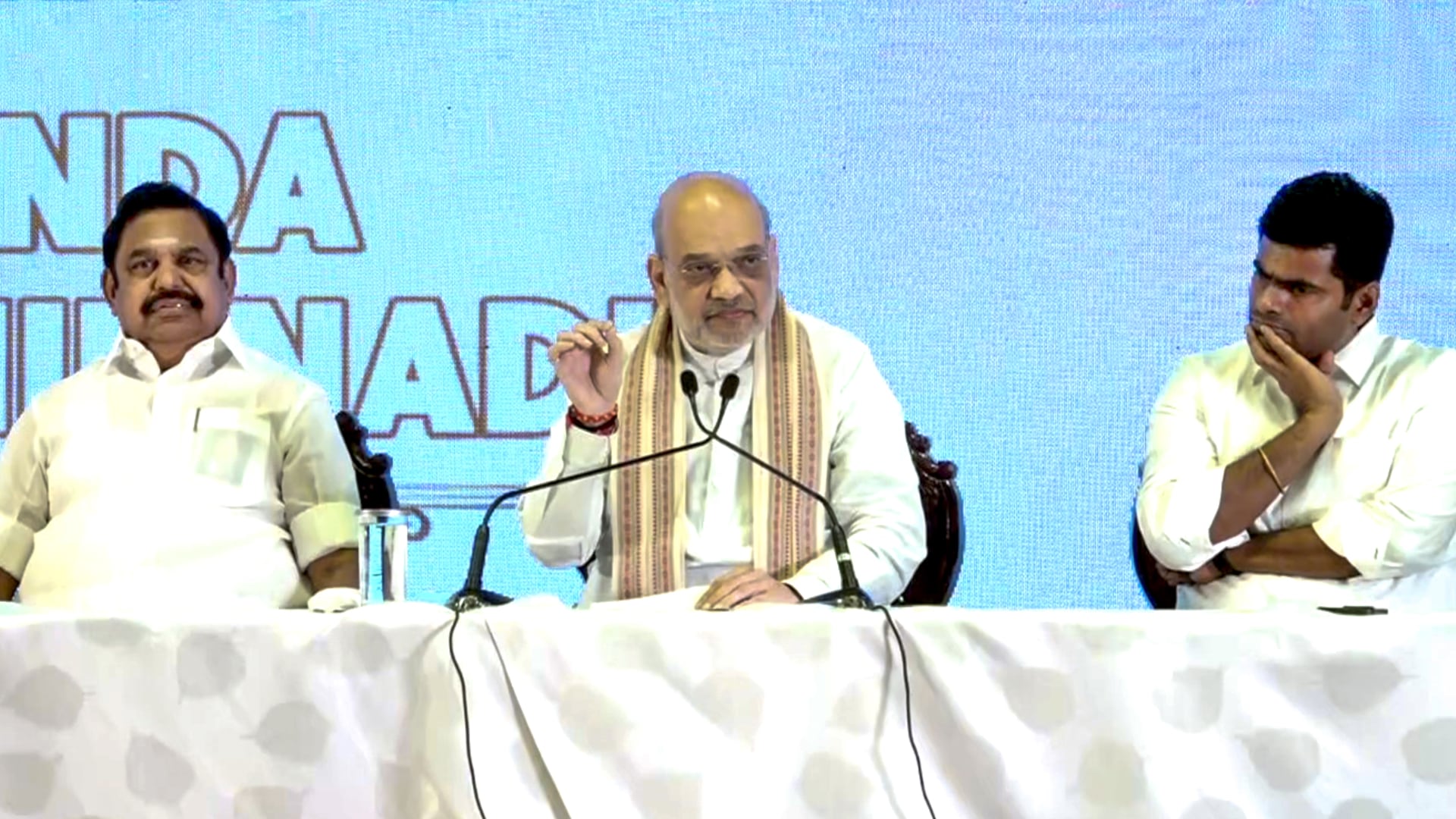
In a recent public speech, EPS asserted that the AIADMK will lead and govern Tamil Nadu alone if the alliance secures a win. “It is the AIADMK that heads this alliance, and it will be my decision. I will be the Chief Minister,” he declared, leaving no room for ambiguity. His statement appeared to counter earlier remarks by Union Home Minister Amit Shah, who hinted at the possibility of a coalition government and shared leadership.

AIADMK-BJP Alliance Faces Internal Turbulence Over Leadership Claims

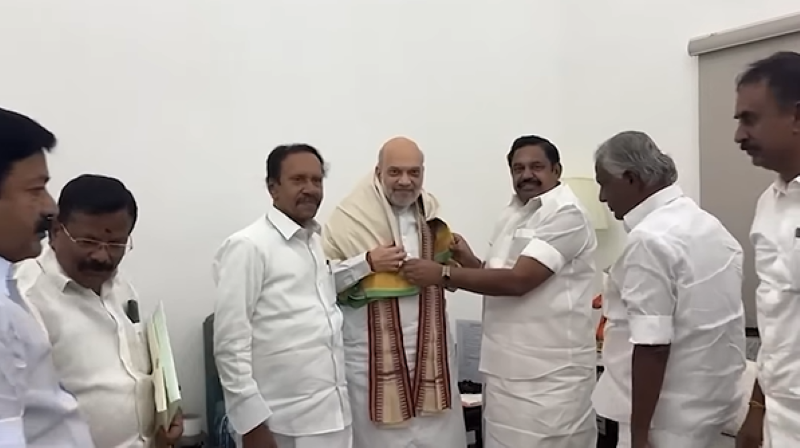
Though the AIADMK-BJP Alliance was re-formed in April 2025 after a bitter breakup in 2023, tensions have continued to simmer beneath the surface. The original split was triggered by then BJP Tamil Nadu chief K. Annamalai’s repeated verbal attacks on AIADMK icons. While both parties seemed to have moved past those differences, EPS’s current assertiveness about leadership has brought old issues back to the surface.AIADMK-BJP Alliance

Responding to EPS’s declaration, Annamalai stated that the BJP fully intends to be part of the government. He emphasized that Home Minister Amit Shah had already said there would be a “common minimum program” acceptable to both parties and that the BJP would be involved in decision-making. However, EPS’s latest comments leave little room for negotiation or power-sharing.

EPS’s confidence may be rooted in AIADMK’s stronger voter base in Tamil Nadu, as the BJP has traditionally struggled to gain significant traction in the state. Despite their national strength, the BJP’s local influence remains limited, which might be why EPS feels emboldened to push for a solo rule within a formal alliance.

Solo Ambitions and Political Strategy Within the AIADMK-BJP Alliance

AIADMK-BJP AllianceThe power tussle within the AIADMK-BJP Alliance seems to be a matter of strategy as much as ideology. While EPS continues to call it a “natural alliance,” he has repeatedly hinted that the arrangement is mainly to unseat the ruling DMK-led coalition, not for long-term power-sharing. His stance aligns with previous statements made earlier this year, where he said Tamil voters would not accept the BJP even in a coalition setup.


The BJP, on the other hand, has kept a diplomatic tone. Party leaders stress that defeating the DMK is the priority and that the alliance should focus on that objective. Despite this, Shah’s repeated mentions of a coalition have not gone unnoticed and clearly did not sit well with EPS and the AIADMK cadre.

Meanwhile, the emergence of actor Vijay’s party, Tamizhaga Vetri Kazhagam, adds another layer of complexity. Vijay has refused to ally with any major party, branding the BJP as divisive and the DMK as corrupt. His solo campaign could attract undecided or disillusioned voters, impacting the overall outcome of the election. Also Read: Mumbai BMC Sanitation Workers Strike: Massive Protest Against Privatisation

Conclusion:

The AIADMK-BJP Alliance stands at a critical crossroads. While the parties remain formally united, deep cracks are beginning to show over the issue of leadership and power-sharing. As the election nears, the question is no longer just about defeating the DMK but whether the alliance can hold itself together. EPS’s bold claim may resonate with traditional AIADMK voters, but it also risks pushing the BJP to reconsider its position. Either way, Tamil Nadu’s political future promises high drama and unexpected turns.

Real-Life Impact: Eating Samosa Causes Health Issues in Office Cafeterias

Eating Samosa Causes Health Issues Prompts Nationwide Office Awareness Drive

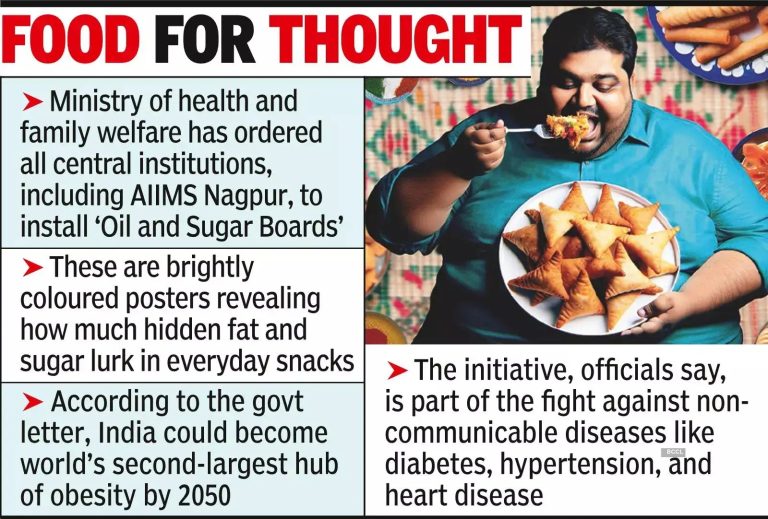
Eating samosa causes health issuesEating samosa causes health issues not just a warning, but now a structured awareness initiative from the Ministry of Health and Family Welfare. In an unprecedented step, the ministry has directed all Central and State government offices to install “Sugar and Fat Boards” in visible areas. These display boards will showcase the fat and sugar content in common Indian snacks sold on office premises, such as samosas, jalebis, laddoos, and vada pavs. The goal is to give both employees and visitors an immediate and clear idea of how these beloved treats impact their health.

Backed by the Indian Council of Medical Research–National Institute of Nutrition (ICMR–NIN), this move isn’t just about calorie counting. It’s a behavioural nudge, aiming to promote more informed food choices without imposing bans. It’s a reminder that while taste is essential, so is long-term wellness.

Why Eating Samosa Causes Health Issues According to Nutrition Experts

Eating samosa causes health issues- This campaign will initially launch at AIIMS Nagpur and is expected to gradually expand across major government institutions. Inspired by the success of pictorial warnings on tobacco products, these sugar and fat content displays work as visual nudges. Their aim is to reduce the consumption of snacks high in unhealthy fats, sugars, and salts.Eating samosa causes health issues

With rising obesity levels in India nearly 24% of men and 23% of women were found obese according to the 2019-21 NFHS data there is growing urgency to address everyday food habits. The sugar and fat content of Indian street snacks is often hidden beneath deep-fried layers or sweet syrup coatings. This makes real-time awareness crucial.

What the Data Reveals About Your Favourite Snacks

Here’s a quick look at some shocking numbers based on FSSAI guidelines:

  • One samosa (100g): 362 kcal | 28g fat
  • Kachori (40g): 166 kcal | 10g fat
  • Vada Pav (127g): 263 kcal | 9.5g fat
  • 10 Pakoras (130g): 351 kcal | 26g fat
  • Banana Chips (28g): 147 kcal | 9.5g fat
  • Gulab Jamun (62g): 203 kcal | 32g sugar
  • 2 Jalebis: ~300 kcal | Mostly from sugar and reheated oil

These snacks are staples in office cafeterias, and without any labelling, consumers often underestimate their impact. With the new visual boards, it becomes easier to relate daily choices with long-term health outcomes.

Awareness Without Anxiety

Eating samosa causes health issues – Health experts stress that this move is about awareness, not food anxiety. It’s not meant to eliminate cultural foods like samosas or jalebis, but to encourage moderation and informed eating. Nutritionists emphasize that the source of calories matters more than just the number.Eating samosa causes health issues

For instance, a sugary drink and a fruit might contain similar calories, but fruits provide fibre and micronutrients. Similarly, food fried in olive oil differs significantly in health impact from food fried in reheated refined oil, which can form trans fats and cause inflammation.

Looking Ahead Awareness Isn’t Enough

While this is a positive step, experts caution that visual nudges must be supported with stronger legislation. Currently, India still lacks mandatory front-of-pack labels for packaged foods. Despite the FSSAI’s amendments in 2020, upper limits for sugar, salt, and fat in food products are yet to be officially finalized. Also Read: 5 Powerful Facts About Dehydration That Will Change How You Hydrate Daily

Several studies, including a 2022 ICMR-NIN report, indicate that warning labels significantly outperform general nutrition data in discouraging unhealthy food consumption. Clear, easy-to-read nutrition indicators on packaging, along with regulations on advertising unhealthy food to children, could make these awareness initiatives truly impactful.

Conclusion:

The new government initiative may not stop people from enjoying their occasional samosa, but it’s a step in the right direction. By making fat and sugar content visible, it encourages smarter food decisions, especially in public institutions where these snacks are widely available. When it comes to health, it’s not about eliminating food culture but evolving it through knowledge and choice.

Discover the Stunning Power of the realme 15 Series AI Photography Just Got Smarter

realme 15 Series Redefines AI Photography Experience

The realme 15 Series is set to launch in India on July 24, 2025, and it’s already making waves with its bold promise AI-powered photography that feels smart, easy, and genuinely helpful. Gone are the days when users were only concerned with megapixel counts. The realme 15 Series places artificial intelligence at the center of the camera experience, reshaping how we click, edit, and share memories.Realme 15 series launch confirmed: Date, features, specifications, price &  all you need to know - The Economic Times

AI Magic Meets Modern Hardware in the realme 15 Series

At the heart of the realme 15 Series is a suite of AI features that transform everyday photos into stunning, share-ready visuals. The most notable among these is the AI Edit Genie, a voice-powered editing assistant that supports more than 20 languages. With just a spoken command, users can remove photo distractions, change backgrounds, and apply creative effects without lifting a finger.

Another standout is AI Party Mode, which detects celebrations like birthdays and adds dynamic lighting and decorative watermarks to your pictures in real-time. Meanwhile, AI MagicGlow 2.0 enhances portraits by adjusting skin tones and lighting while keeping natural textures intact even in low light.

realme 15 Series Camera Specs and Video Prowess

The realme 15 Pro in this series is equipped with a triple 50MP camera setup. The primary sensor is the Sony IMX896 with Optical Image Stabilization (OIS), ensuring sharp, shake-free photos. An ultra-wide lens and a high-resolution selfie camera complete the setup, making the phone a capable all-rounder for every kind of shot.realme Set to Launch the realme 15 Pro and 15 5G in India – The Ultimate AI  Party Phone

On the video front, the realme 15 Pro supports 4K 60FPS video recording on both front and rear cameras. With AI-driven stabilization and seamless zoom transitions, your videos come out looking professional without any post-editing effort. This feature is especially useful for vloggers, content creators, and social media enthusiasts who want high-quality output on the go. Also Read: NASA TRACERS Set to Transform Space Weather Understanding With Powerful New Tech

The Display and Design That Complements AI Performance

The device features a HyperGlow 4D Curve+ AMOLED display with a smooth 144Hz refresh rate and an incredible 6500 nits peak brightness. It boasts a 94% screen-to-body ratio and a super-responsive 2500Hz touch sampling rate, making every swipe, scroll, and tap feel effortless. And yes, it’s protected by Corning Gorilla Glass, so you’re covered on durability too.

Under the hood, the realme 15 Pro runs on the Snapdragon 7 Gen 4 processor, built on a 4nm architecture, which guarantees smooth multitasking and fast performance. It’s available in 8GB and 12GB RAM variants with storage options up to 512GB.

Despite packing a massive 7000mAh battery, the phone manages to remain slim at just 7.69mm thickness. It also supports 80W fast charging, so you spend less time plugged in and more time creating. The IP69 rating ensures resistance to dust and water, adding to its all-weather reliability.

A Seamless, Smart, and Stylish Smartphone Experience

What sets the realme 15 Series apart isn’t just the specs it’s the way all features come together. Every interaction with the phone, from opening the camera to editing a video, is powered by AI to make your life easier. There’s no need to fiddle with manual settings or third-party apps. The smartphone adapts to you.

This thoughtful integration shows that realme is moving away from meaningless spec battles and towards meaningful, user-friendly innovation. The AI is not just an add-on feature here; it’s the soul of the phone, enabling creativity for everyone, whether you’re a casual snapper or a digital storyteller.

Conclusion:

The realme 15 Series is not just another smartphone upgrade it’s a step toward smart, AI-powered mobile photography that feels personal and intuitive. With its launch right around the corner, this device is set to redefine what mid-range smartphones can offer in 2025.

Windows Updated Copilot Unleashes 1 Game-Changing Feature for Users

Windows updated Copilot now sees what you see and talks you through it

Windows updated Copilot is getting a powerful new ability that’s reshaping the way users interact with AI. In the latest update rolled out to Windows Insiders, Microsoft has enabled a Vision-based desktop sharing feature allowing the AI assistant to see your entire screen in real time. This means Copilot can now assist users more intelligently by observing and analyzing their current activities, from browsing the web to editing resumes or creative projects.Windows updated Copilot

This major feature comes with version 1.25071.125 and above, available via the Microsoft Store, and is gradually being released to Insider channels. While previous versions of Copilot provided text-based help, this upgraded version brings a smarter, more context-aware assistant into the everyday computing experience. It’s no longer just responding to queries it’s actively watching, interpreting, and guiding based on what you’re doing on your device.

Desktop Share turns Copilot into a real-time visual coach

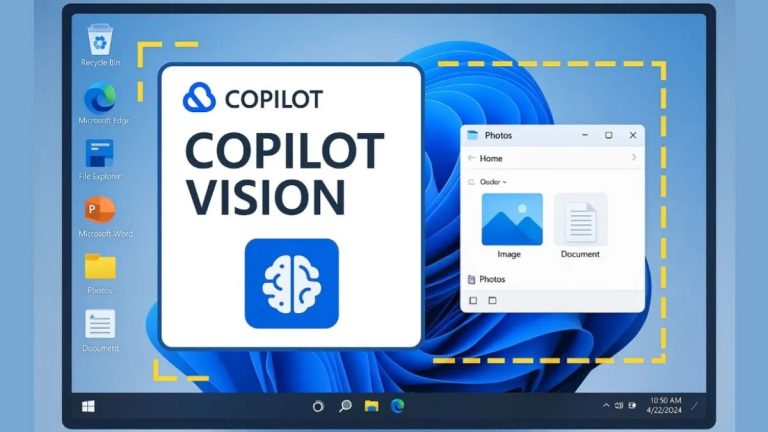
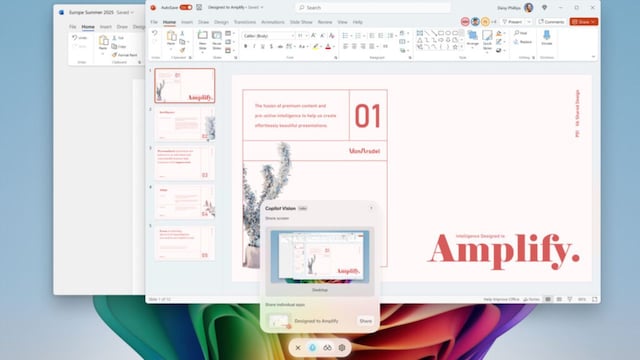
The highlight of this rollout is the Desktop Share option. By clicking the glasses icon within the Copilot interface, users can choose to share either their full desktop, a specific app, or a browser window. Once activated, Windows updated Copilot processes the visible content on your screen, allowing it to offer smarter suggestions, detect patterns, and even provide spoken guidance based on what it sees. Also Read: NASA TRACERS Set to Transform Space Weather Understanding With Powerful New Tech

Unlike older features like Microsoft’s Recall, which captures snapshots in the background, Copilot Vision is completely under the user’s control. You decide when to start or stop sharing your screen, putting privacy at the forefront while still benefiting from AI assistance. This shift strikes a balance between powerful technology and the comfort of transparency a much-needed middle ground in today’s digital age.

More than just help real-time improvement on anything you’re working on

Once Copilot has access to your screen, its capabilities stretch far beyond answering questions. Users can ask for feedback on a resume, get advice on improving a video edit, or even receive tips while navigating a complex software. Whether you’re preparing for a job interview, organizing content, or testing a new game, Copilot becomes a second pair of eyes one that thinks, speaks, and supports in real time.Windows updated Copilot

Voice conversations have also become smarter. When speaking to Copilot, users can now enable Vision mid-chat, giving the AI even more context to answer accurately. This seamless switch between voice and visual understanding is one of the update’s most intuitive strengths, bringing natural interaction closer to reality.

AI meets camera input: Expanding beyond desktops

The Windows updated Copilot isn’t limited to just your computer screen. The update also supports input from phone cameras. This means Copilot can view what your camera sees and give on-the-spot analysis or feedback from identifying objects to guiding real-world tasks. Originally developed for Edge browser assistance, this leap shows Microsoft’s larger ambition: an AI that follows users across platforms, tasks, and devices, acting like a smart visual companion at every step.Windows updated Copilot

With this evolution, the traditional boundaries of what AI can and cannot do are being pushed forward. It’s no longer just about text generation or image creation. It’s about comprehension, interaction, and personalization all rolled into one live assistant that adapts to your environment.

Conclusion:

The Windows updated Copilot with desktop sharing and vision capabilities marks a new era of intelligent digital interaction. It transforms Copilot from a reactive bot to a proactive guide one that sees, understands, and assists like never before. As this feature rolls out more widely, it’s clear Microsoft is not just refining its tools it’s redefining the role of AI on your desktop.

Astronomers Discover a Cosmic ‘Fossil’ 2025: Mysterious Sednoid May Rewrite Our Solar System’s Past

Astronomers discover a cosmic ‘fossil’ beyond Pluto, challenging Planet Nine theories

In a discovery that could reshape our understanding of the solar system’s farthest reaches, astronomers discover a cosmic ‘fossil’ orbiting beyond Pluto an icy, mysterious object named 2023 KQ14, nicknamed “Ammonite.” Unlike most known solar system objects, this body doesn’t follow the expected path, and its unusual orbit could hint at dramatic events that occurred billions of years ago.Astronomers discover a cosmic 'fossil'

Astronomers discover a cosmic ‘fossil’ that defies known patterns

Astronomers discover a cosmic ‘fossil’ -The newly found sednoid a rare type of trans-Neptunian object with an elongated, eccentric orbit has stunned astronomers with its strange path around the sun. Estimated to be between 220 and 380 kilometers wide, Ammonite comes no closer to the sun than 71 times the distance from Earth to the sun. That’s nearly three times farther than Pluto at its closest point.

This object is just the fourth known sednoid, a class of celestial bodies believed to be leftover relics from the earliest days of the solar system. But what sets 2023 KQ14 apart is its highly unique orbit, unlike those of its three known counterparts. That difference has astronomers reevaluating long-standing theories, especially those concerning the elusive “Planet Nine.”

What makes this cosmic fossil so unusual

Astronomers discover a cosmic ‘fossil’-Using data collected from the Subaru Telescope in Hawaii as part of the Formation of the Outer Solar System: An Icy Legacy (FOSSIL) survey, scientists observed that Ammonite’s orbit has remained stable for approximately 4.5 billion years. Yet, computer simulations suggest that all four sednoids likely shared similar orbits around 4.2 billion years ago.Astronomers discover a cosmic 'fossil'

So what changed?

Researchers believe something massive happened roughly 400 million years after the birth of the solar system possibly the close passage of another large object or a now-ejected planet. This could explain how 2023 KQ14 ended up on a different trajectory, breaking away from its siblings.

The discovery adds more complexity to the Planet Nine debate. While the theory suggests that an unseen giant planet is pulling objects into eccentric orbits, Ammonite’s misalignment might indicate that such a planet was once there but is now long gone or never existed at all.

A quiet witness to a violent past

The location of 2023 KQ14 lies in a zone where Neptune’s gravity has little influence, which makes it all the more fascinating. Objects in this area are harder to detect due to their distance and dimness, and only powerful telescopes like Subaru can observe them.Astronomers discover a cosmic 'fossil'

Astronomers believe 2023 KQ14 formed in the solar system’s infancy, possibly during the same period that the planets were taking shape around the newborn sun. Its survival on such a distant and stable orbit for billions of years paints a picture of a silent witness one that may hold the secrets of past chaos, collisions, or planetary ejections.

To better understand this sednoid’s history, researchers ran detailed simulations using high-powered computing clusters. These models confirmed that 2023 KQ14 has not only endured over time but has also kept its distinct orbital pattern intact, possibly shielding clues about long-lost cosmic events. Also Read: NASA TRACERS Set to Transform Space Weather Understanding With Powerful New Tech

Conclusion:

This rare cosmic fossil has cracked open new possibilities in space science. While it complicates the search for Planet Nine, it offers deeper insight into how dynamic and mysterious the early solar system truly was. As astronomers continue to explore the cold, dark edges of our planetary neighborhood, discoveries like 2023 KQ14 remind us how much remains unknown and how every tiny clue could reshape the story of our cosmic origins.

Black Hole Collision: New Gravitational Wave Discovery Stuns Astronomers

Groundbreaking Black Hole Collision Reveals Unexpected Cosmic Phenomena

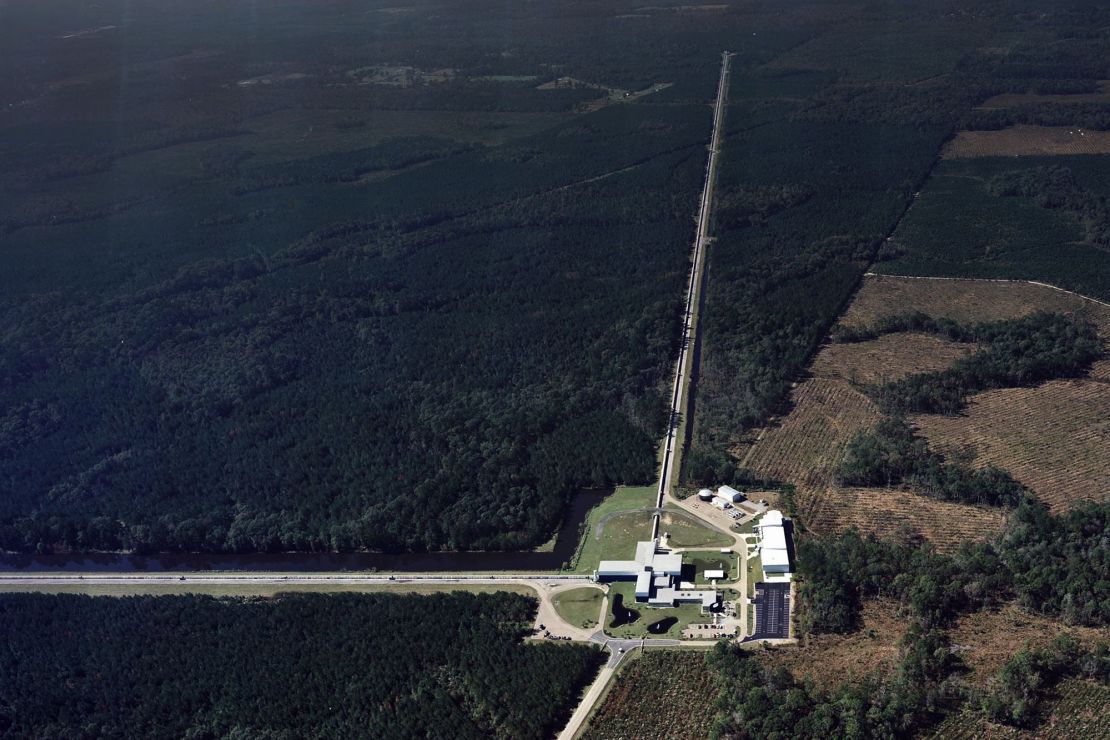
A remarkable black hole collision, now officially recognized as the most massive merger ever recorded, has stunned astronomers and deepened the mystery of how black holes form and evolve. This event, named GW231123, was detected through gravitational waves ripples in space-time captured by the LIGO observatories in the United States and supported by partners in Italy and Japan.The Laser Interferometer Gravitational-wave Observatory (LIGO) in Livingston, Louisiana, is one of two identical instruments that astronomers have used to make the observation.

A Collision Too Big to Ignore

The black hole collision featured two incredibly massive bodies, estimated to weigh about 100 and 140 times more than our Sun. This places them right in the middle of the mysterious “mass gap” a range where traditional models of stellar collapse suggest black holes should not exist. These objects challenge scientists’ assumptions about what happens to massive stars at the end of their lives.

Black holes typically form when giant stars run out of fuel and collapse under their own gravity. However, there’s a size range where stars are expected to explode in a pair-instability supernova, leaving behind nothing. Yet, the black holes in GW231123 clearly exist in that forbidden zone.

Gravitational Waves Show What Telescopes Can’t

Because black holes do not emit light, traditional telescopes are unable to observe them directly. That’s where gravitational wave observatories like LIGO come in. These highly sensitive detectors pick up the tiny distortions in space-time caused by massive objects colliding at high speed. Since 2015, scientists have cataloged around 300 such black hole mergers but none like GW231123.

The waves from this event suggest the black holes were spinning at nearly maximum speed, another trait that separates them from the majority of past observations. This high rotation rate adds weight to the theory that these objects may not be first-generation black holes, but rather formed from earlier black hole mergers.

Possible Chain Reactions in Deep Space

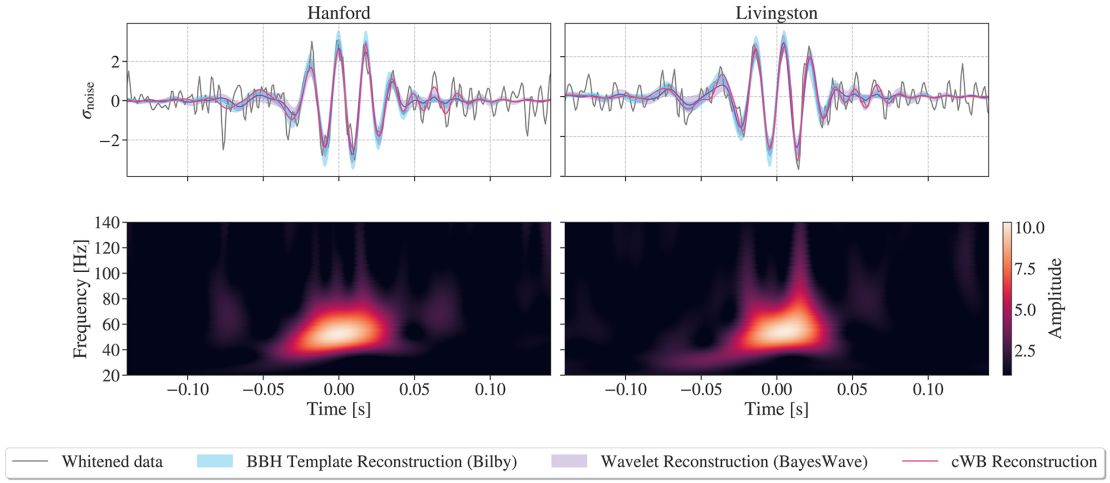
If GW231123’s black holes were indeed born from previous mergers, that suggests a cosmic domino effect where black holes repeatedly collide and grow larger over time. Such a pattern would eventually result in a class of black holes with intermediate masses heavier than the end products of stellar collapse but lighter than the supermassive giants at the centers of galaxies.GW231123 as it was observed by the two LIGO instruments.

Researchers speculate that young, dense star clusters might be the birthplace of these unusual mergers. In such environments, gravitational interactions between multiple stars and black holes could lead to repeated collisions, fueling the growth of these cosmic behemoths. Also Read: NASA TRACERS Set to Transform Space Weather Understanding With Powerful New Tech

Future Tools Could Confirm the Theory

While this groundbreaking black hole collision already breaks records, future instruments could unlock even more details. New gravitational wave observatories like the Einstein Telescope in Europe or the Cosmic Explorer in the U.S. are expected to provide greater sensitivity and deeper reach into space.

These advanced tools could reveal whether GW231123 is a rare anomaly or the first of many such discoveries waiting to be made. If more similar events are recorded, it could completely reshape our understanding of how black holes are born and how they grow.

Conclusion:

The discovery of GW231123 is more than just a new entry in the record books. It hints at an entirely new class of cosmic objects and formation processes. As gravitational wave astronomy continues to evolve, the universe may yet reveal secrets far stranger and more fascinating than we imagined.

Tesla Model Y Bookings Begin in India Amid Buzz and Excitement, Deliveries from September 2025

Mumbai: In a landmark moment for India’s electric vehicle (EV) industry, Tesla has officially opened bookings for its first model in the country — the much-anticipated Model Y. The American EV giant inaugurated its first showroom in Mumbai’s bustling Bandra Kurla Complex (BKC), setting off a wave of excitement across social media platforms and auto enthusiasts nationwide.

Also Read: Tesla’s First Indian Showroom to Launch in Mumbai on July 15, Sparking Excitement Across EV Enthusiasts

Model Y Launch and Pricing

Tesla has launched the Model Y in India at a starting price of ₹59.89 lakh (ex-showroom). While bookings have officially begun, customers hoping for a test drive will have to wait, as the company has not yet started offering them. Despite this, the response has been overwhelming, with many potential buyers eager to be among the first to own a Tesla in India.

Deliveries are expected to begin in September 2025, as confirmed by Tesla’s India division. The initial response suggests high demand, especially in metro cities where interest in electric vehicles has been growing rapidly due to rising fuel prices and environmental concerns.


Frenzy at the First Tesla Showroom in India

The Mumbai experience centre saw an enthusiastic turnout on its opening day. Braving the monsoon rains, media personnel, influencers, auto journalists, and curious onlookers crowded the sleek new showroom. The atmosphere was a mix of glamour and innovation, with three stunning Model Y units — in white, red, and black — drawing attention from every corner.

People travelled not only from Mumbai but also from neighbouring cities and states to witness the historic launch. The experience centre buzzed with activity as attendees posed for pictures, explored the interiors of the display vehicles, and engaged with Tesla sales representatives to learn about features, financing, and expected delivery timelines.

Why Model Y?

The Model Y is Tesla’s compact SUV, globally known for its cutting-edge technology, long range, and spacious design. It comes equipped with:

  • Dual motor all-wheel drive (AWD)

  • Advanced driver-assist features via Tesla’s Autopilot system

  • Over-the-air software updates

  • Premium interiors with an all-glass roof

  • Impressive acceleration (0–100 kmph in under 5 seconds for higher variants)

Tesla’s decision to launch with Model Y aligns with global trends, where the vehicle has been a top-selling EV in multiple countries due to its versatility and appeal to family and urban buyers alike.

What’s Next for Tesla India?

Tesla’s entry marks a turning point in India’s EV revolution. With the government pushing for clean mobility and increased EV infrastructure, Tesla is likely to benefit from both policy support and strong consumer interest. The company is expected to expand its footprint soon with more showrooms and service centres in cities like Delhi, Bengaluru, and Hyderabad.

Reports also suggest that Tesla might set up a local manufacturing or assembly plant in the near future to bring down costs and enhance local sourcing, especially with India being viewed as a key market for global EV players.

Conclusion

Tesla’s first Indian showroom opening on July 15 in Mumbai signifies more than just a commercial expansion—it marks the beginning of a new chapter in India’s EV journey. While pricing may remain a challenge due to high import tariffs, Tesla’s presence is expected to elevate consumer expectations, enhance technological benchmarks, and intensify competition in the EV space. The next few months, starting with showroom visits and test drives, will be crucial in determining the brand’s reception among Indian buyers and its longer-term plans for local manufacturing.

The Model Y launch signals Tesla’s serious intent to carve out a space in India’s competitive automobile sector. Although test drives are not yet available, the enthusiasm around bookings shows that Indian consumers are ready for a new era of smart, sustainable, and premium mobility. As September approaches, all eyes will be on Tesla’s next move in one of the world’s fastest-growing EV markets.

Follow: Tesla

Image source: Financial express