Thursday, December 18, 2025
Home Blog Page 562

DGCA Issues Boeing 787 Fuel Valve Safety Alert After AI171 Crash

Boeing 787 Fuel Valve Safety: In the aftermath of a fatal crash involving an Air India Boeing 787-8 Dreamliner last month, India’s aviation regulator, the Directorate General of Civil Aviation (DGCA), has issued a safety directive to all airlines operating similar aircraft. The notice mandates urgent inspections of fuel shutoff valves and control switches—components now under scrutiny following indications of potential mechanical or procedural failure.

The Incident That Triggered the Action

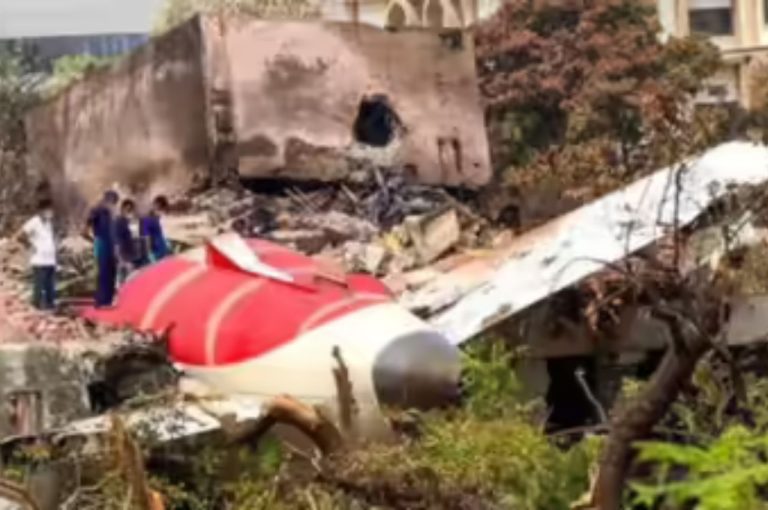
The safety alert follows the tragic crash of Air India flight AI171 on June 12, which killed all 232 people onboard. Preliminary findings from the Aircraft Accident Investigation Bureau (AAIB) indicate that the aircraft’s fuel control switches may have been unintentionally moved from “RUN” to “CUTOFF”, leading to simultaneous engine failure.

The Boeing 787 Dreamliner is a wide-body aircraft used extensively by Air India and other international carriers. The sudden dual engine shutdown prompted investigators to reexamine long-standing airworthiness directives issued by global regulatory bodies, including the Federal Aviation Administration (FAA) and the UK Civil Aviation Authority (CAA).

Fuel Control Switch and Valve Concerns

Several previous warnings regarding the fuel shutoff valve actuators and cockpit switch mechanisms have resurfaced following the crash:

  • The FAA’s Airworthiness Directive (AD) issued in 2015 required a replacement of faulty actuators in certain Boeing aircraft, including the 787s, due to the risk of non-responsive fuel valves.
  • In 2018, a Special Airworthiness Information Bulletin (SAIB) warned of fuel switch locks not fully engaging, which could lead to accidental fuel cutoff during flight.
  • The UK’s CAA echoed these concerns in a Safety Notice urging replacement or verification of locking mechanisms in affected aircraft.

Although many operators globally complied with these directives, investigators now suspect either incomplete compliance, faulty parts, or potential design flaws that allowed accidental actuation of critical switches.

DGCA’s New Safety Directive

In response to these risks, the DGCA has issued the following orders to all Indian operators of Boeing 787 aircraft:

  • Daily pre-flight checks of fuel shutoff valves and control switches for proper locking and functionality.
  • Verification of compliance with prior FAA and CAA directives.
  • Submission of a status report on the condition and servicing of these components to the DGCA within a specified time frame.

Airlines must also update their operating manuals and cockpit checklists to highlight the possibility of unintended switch movement and include visual confirmation steps during engine startup.

Airline Compliance and Industry Response

Air India, the largest operator of Boeing 787s in India, confirmed it has already begun comprehensive fleet-wide inspections. According to officials, many of the older actuator systems had already been replaced following the 2015 FAA advisory, but the airline will now double-check all systems as a precaution.

Other carriers with Boeing fleets—though not directly operating the Dreamliner—have also been advised to review their technical records and maintenance logs. Many are also conducting mock drills and simulation checks with pilots to ensure familiarity with manual fuel control procedures in emergencies.

Global Aviation Bodies React

Boeing has issued a technical bulletin to airline operators reiterating earlier safety guidelines and clarifying cockpit switch behavior during startup and shutdown. The FAA has not issued a new directive as of now but is said to be in close contact with India’s DGCA and the AAIB during the investigation.

Flight safety organizations have applauded the DGCA’s rapid response, citing the need for proactive inspections over reactive enforcement, especially when recurring warnings surface across jurisdictions.

What the Preliminary Report Suggests

According to early analysis from the AAIB:

  • The left and right fuel control switches were found in the CUTOFF position at the crash site.
  • Cockpit audio transcripts revealed a confused exchange between the captain and first officer, pointing to a possible lack of awareness regarding the switch status.
  • No mechanical fault was found in the engines themselves, suggesting that the fuel supply interruption was the primary cause of engine failure.

Investigators are now studying whether the design of the switches contributed to human error, and whether enhanced tactile or visual feedback could prevent accidental activation.

Broader Implications for Aircraft Design and Regulation

The case has reopened discussions around the human-machine interface in commercial aviation. While modern aircraft are highly automated, pilots still rely on physical switches and manual overrides during critical phases such as takeoff and climb.

Aviation experts argue that fuel switch locks must provide resistance, tactile cues, or electronic warnings if engaged mid-flight. There’s also growing interest in developing auto-reset or guard systems to prevent accidental disconnection.

Passenger Safety and Public Trust

The crash has reignited passenger concerns over flight safety. Several consumer forums have urged the DGCA to publish public-facing inspection statuses for each airline’s aircraft, particularly on long-haul international routes.

The DGCA, in turn, has requested all operators to maintain transparent communication with passengers and reinforce safety briefings for pilots and crew.

Boeing 787 Fuel Valve Safety: What Comes Next

The DGCA has announced it will:

  • Conduct random audits of Boeing 787 fleet maintenance logs.
  • Collaborate with international regulators to gather incident data involving similar switch issues.
  • Require Indian pilots to undergo refresher training on emergency fuel management protocols.

The final AAIB report is expected in the coming months and will likely influence future regulatory changes related to aircraft cockpit design and pilot response protocols.

Official External Links

For further verified updates, refer to:

Also read: Home | Channel 6 Network – Latest News, Breaking Updates: Politics, Business, Tech & More

Barkha Bisht Joins Smriti Irani and Amar Upadhyay in the Much-Anticipated Reboot of ‘Kyunki Saas Bhi Kabhi Bahu Thi’

Barkha Bisht Confirms Her Role in the Kyunki Saas Bhi Kabhi Bahu Thi Reboot, Adding Star Power to the Revival

Popular television and film actress Barkha Bisht has officially confirmed her entry into the Kyunki Saas Bhi Kabhi Bahu Thi reboot, ending weeks of speculation. While details about her character remain under wraps, reports indicate she might portray Mihir Virani’s new romantic interest. Bisht responded to casting news with a concise statement: “Yes, I am joining the show,” while choosing not to disclose storyline specifics.

This casting has created a stir among long-time fans of the franchise, particularly because of Barkha’s versatile acting portfolio. Known for her impactful roles in hit series like Kasauti Zindagii Kay, Tenali Rama, and Shaadi Mubarak, and her film debut in Raajneeti alongside Ranbir Kapoor and Katrina Kaif, her entry is expected to bring freshness to the revamped storyline.

Also Read : ‘Supergirl’ First Look Unveiled: James Gunn Teases a Gritty, Cosmic Adventure in DCU’s Next Chapter

Smriti Irani and Amar UpadhyaySmriti Irani and Amar Upadhyay Return to Their Iconic Roles, Rekindling a Legacy 25 Years Later

In a major announcement that sent waves across Indian television circles, Smriti Irani and Amar Upadhyay will reprise their roles as Tulsi and Mihir Virani in the Kyunki Saas Bhi Kabhi Bahu Thi reboot. These two actors formed one of the most iconic couples in Indian TV history, and their on-screen reunion is being touted as the cornerstone of the new show’s appeal.

Smriti Irani, who is now a Union Cabinet Minister, stated in recent interviews that Tulsi Virani remains close to her heart. She views the role as one that empowered millions of women and reflected real-life challenges faced by Indian households. Amar Upadhyay, equally enthusiastic, has begun filming and expressed excitement about revisiting Mihir’s journey—this time with modern storytelling elements.

A Modernized Take on the Original: Rebooted Show Will Premiere With Contemporary Themes and Tighter Storytelling

The Kyunki Saas Bhi Kabhi Bahu Thi reboot is set to premiere on July 29, 2025, at 10:30 PM IST on Star Plus, with streaming access available via JioCinema and Disney+ Hotstar. Unlike the original, which spanned over 1,800 episodes, the reboot will be a finite series consisting of approximately 150 episodes.

Producers have confirmed that this new version will include modern narrative arcs and focus on themes more relevant to today’s audience. These include issues such as gender equality, mental health awareness, LGBTQ+ inclusion, and evolving family dynamics. This limited-series approach ensures tighter plots, sharper character development, and higher production value.

Ekta Kapoor

Ekta Kapoor Says the Reboot Isn’t Just Nostalgia—It’s a Bold Attempt to Raise Socially Relevant Questions

Television mogul Ekta Kapoor, who created the original series, explained that the Kyunki Saas Bhi Kabhi Bahu Thi reboot aims to go beyond nostalgia. Speaking to media outlets, she said the revival is a tribute to the show’s enduring legacy and an opportunity to address serious social issues through mainstream entertainment.

Kapoor emphasized that while the show retains its dramatic appeal, its characters will reflect today’s India—stronger women, emotionally expressive men, and families that navigate modern-day challenges together. She added, “We’re not afraid to ask tough questions this time. This show is designed to start meaningful conversations.”

Smriti Irani’s Return to Television After Two Decades Comes With Record-Breaking Per-Episode Pay

Smriti Irani’s return as Tulsi has been one of the most widely discussed aspects of the Kyunki Saas Bhi Kabhi Bahu Thi reboot. It was revealed that she will be paid ₹14 lakh per episode, making her the highest-paid actress in Indian television history.

Despite her busy political career, Irani agreed to take on the project due to her emotional connection with the character. She remarked, “There’s nothing on television that can challenge me more than politics already has.” Her presence brings not just star power but credibility and gravitas to the reboot.

Barkha Bisht’s Entry to the Franchise Signals a Fresh Romantic Angle in Mihir’s New Storyline

Although Barkha Bisht has chosen not to comment on her character’s full arc, industry insiders suggest she may portray a significant romantic figure in Mihir’s life. Whether she is a disruptor or a stabilizer in Tulsi and Mihir’s relationship remains to be seen.

Her inclusion in the cast also signals a generational shift in storytelling. Barkha represents a younger yet mature talent pool that can connect with newer audiences while still resonating with long-time fans of the show.

Audience Reactions and Social Media Buzz Suggest the Reboot Is Already a Cultural Phenomenon in the Making

Ever since the official announcement dropped, fans of the original show have taken to social media to express their excitement. Hashtags like #TulsiIsBack, #MihirReturns, and #KyunkiReboot have been trending across platforms.

Many fans recall how the original show once caused public protests when Mihir’s character was killed off temporarily. That kind of loyalty, combined with today’s digital amplification, ensures that the Kyunki Saas Bhi Kabhi Bahu Thi reboot has an eager and emotional audience waiting.


Ekta Kapoor
Reboot Promises Emotional Depth, Cultural Reflection, and a New Era of Family Television Drama

The reboot of Kyunki Saas Bhi Kabhi Bahu Thi is shaping up to be more than a nostalgic television revival. With seasoned actors like Smriti Irani and Amar Upadhyay returning and talented additions like Barkha Bisht joining the narrative, the show promises a compelling mix of tradition and modernity.

With social relevance, high production standards, and a fresh storytelling format, this reboot is set to not just recreate past glory but to redefine what family television means in 2025.

Cocaine Smuggling from Kenya to Kolkata Busted by NCB

Cocaine Smuggling: In a meticulously planned operation, the Narcotics Control Bureau (NCB) has intercepted a transnational cocaine smuggling network operating between Kenya and Kolkata, arresting two individuals and seizing over 2 kg of high-grade cocaine valued in crores. The consignment was smuggled through courier parcels, a method increasingly favored by drug syndicates to exploit loopholes in international shipping.

How the Operation Unfolded

The bust began with the interception of four suspicious parcels at the Kolkata Foreign Post Office. Upon inspection, NCB officers discovered concealed packets of white powder. Preliminary tests confirmed the substance as cocaine.

The parcels were addressed to four different recipients in Kolkata, raising suspicions of a coordinated drop network. Based on this, NCB launched a targeted operation that led to the arrests of Anirban Mallik and Jayita Saha, both local residents linked to the shipments.

Two other individuals, believed to be the primary receivers or facilitators, are currently absconding. Investigations are underway to trace them using postal records, call data, and digital tracking.

Cocaine Smuggling

Cocaine Shipment: Modus Operandi

Investigators revealed that the contraband originated in Kenya and was shipped using international courier services, disguised as routine international parcels. The concealment technique was sophisticated, using layers of packaging and possibly chemical masking agents to evade detection.

This method of using postal and courier services allows traffickers to bypass traditional airport surveillance, customs scrutiny, and direct handovers. The strategy relies on minimal risk for the sender and fast distribution through urban courier hubs.

Officials believe the suspects might have been receiving instructions and shipment details through encrypted communication channels and may have made transactions using cryptocurrency or similar untraceable payment methods.

Cocaine Smuggling

Who Are the Accused?

Both arrested individuals reportedly have no significant prior criminal records. Their involvement appears to be limited to acting as courier drop-point receivers or intermediaries within a larger syndicate. However, investigators suspect that they were well aware of the contents of the parcels and their role in the chain.

Further interrogation is being conducted to identify:

  • How the pair were recruited
  • Their connections (if any) to overseas operators
  • The intended final distribution network within Kolkata and beyond

Legal Action and Charges

The two accused have been booked under multiple sections of the Narcotic Drugs and Psychotropic Substances (NDPS) Act, 1985, which governs narcotics control in India. These sections include:

  • Possession of commercial quantity of cocaine
  • Attempt to import banned substances
  • Conspiracy to traffic narcotic drugs

Under the NDPS Act, possession of a commercial quantity of cocaine (above 100 grams) carries rigorous imprisonment ranging from 10 to 20 years, along with a fine up to ₹2 lakh or more. The Act allows for special court trials, and NCB is likely to seek judicial custody of the accused during further investigation.

Broader Context: A Growing Trend

This case is not an isolated incident. Drug enforcement agencies in India have recorded a sharp rise in international drug smuggling via courier parcels, especially from African and Latin American countries. The use of legitimate logistical routes and anonymized receivers makes tracing the source network highly challenging.

Kolkata’s increasing connectivity and its dense logistics network have made it a potential transit hub for narcotics entering eastern India. The NCB and Customs departments have therefore intensified scrutiny at key hubs such as:

  • Netaji Subhas Chandra Bose International Airport
  • Foreign Post Office (FPO)
  • Private courier consolidation centers

Recent operations in Mumbai, Delhi, and Hyderabad have also uncovered similar courier-based cocaine smuggling efforts, pointing to an evolving trend in organized drug crime.

Preventive Measures and Cooperation

Following the seizure, NCB has begun working closely with:

  • India Post and private courier services to establish alert protocols
  • International enforcement agencies for intelligence-sharing, particularly with Kenyan law enforcement
  • Cybercrime cells to trace digital transactions and communication trails used by the accused

Postal and customs staff have been instructed to be extra vigilant when dealing with parcels from identified high-risk countries. The government is also considering the installation of AI-powered scanning systems to detect concealed narcotics.

Public Health and Awareness

Experts warn that the availability of high-purity cocaine in metropolitan centers like Kolkata can have dangerous consequences for public health. Cocaine use, particularly in unregulated settings, leads to serious addiction issues, cardiac problems, and behavioral disorders.

Increased trafficking also fuels local distribution networks, often involving young people as peddlers or delivery agents. The NCB has reiterated its commitment to not only prosecute smugglers but also identify and dismantle the final-mile sellers to curb urban drug circulation.

Cocaine Smuggling: What Happens Next

  1. Tracing the Network: Authorities are attempting to identify links to Kenya-based drug cartels or supply networks.
  2. Forensic Testing: Chemical tests are being conducted to determine the exact purity and possible origin of the drug batch.
  3. Financial Trail Analysis: Investigators are scanning bank records, crypto wallets, and remittance paths to follow the money.
  4. Court Proceedings: The case will be presented in a special NDPS court in Kolkata for further legal action.

Official Sources for Reference

Also read: Home | Channel 6 Network – Latest News, Breaking Updates: Politics, Business, Tech & More

Banian Towel Protest Sparks Dramatic Outrage Against Maharashtra MLA

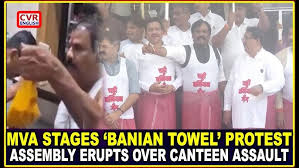
The Maharashtra political landscape witnessed an unprecedented spectacle on Wednesday as opposition legislators from the Maha Vikas Aghadi (MVA) staged a dramatic banian towel protest outside the Vidhan Bhavan. The demonstration, which saw lawmakers donning traditional undergarments and towels, was a direct response to the controversial assault by Shiv Sena MLA Sanjay Gaikwad on a canteen employee at the Akashvani MLA hostel.

This extraordinary banian towel protest has captured national attention, highlighting the growing tensions within Maharashtra’s political establishment and raising serious questions about the conduct of elected representatives. The protest, which featured prominent opposition leaders including Shiv Sena (UBT) MLC Ambadas Danve and NCP (SP) leader Jitendra Awhad, represents a new low in political discourse while simultaneously drawing attention to issues of dignity and respect in public service.

The banian towel protest originated from a viral video that emerged last week, showing Sanjay Gaikwad, a two-time MLA from Buldhana constituency, physically assaulting a canteen contractor and employee at the Akashvani MLA hostel in Mumbai. The incident occurred when Gaikwad allegedly received stale food, including rice and dal, from the government canteen facility.

images 4In the disturbing footage, Gaikwad is seen wearing only a vest (banian) and a towel while confronting the canteen staff. The MLA forced the employee to smell the allegedly stale dal before launching into a physical assault that included slapping and punching the contractor. This visual of an elected representative in his undergarments while committing assault became the symbolic foundation for the opposition’s banian towel Protests.
Banian towel protest.

The incident has sparked widespread condemnation across political lines, with critics arguing that such behaviour is unbecoming of an elected representative and reflects poorly on the dignity of public office.

The banian towel protest represents more than just a political demonstration; it serves as a powerful symbolic statement against what the opposition terms as the degradation of political leadership standards. MVA leaders deliberately chose to replicate Gaikwad’s attire during the assault to highlight the inappropriate nature of his conduct.

Opposition lawmakers gathered outside the Maharashtra Assembly premises, dressed in banians and towels, carrying placards and raising slogans demanding immediate action against the controversial MLA. The banian towel protest effectively used visual symbolism to convey their message about the declining standards of political behaviour and the need for accountability among elected representatives.

Shiv Sena (UBT) MLC Ambadas Danve, while participating in the banian towel protest, emphasised that the demonstration was intended to show how low the level of political leadership has stooped. The protest aimed to draw public attention to the incident and demand concrete action from the state government and party leadership.

The banian towel protest has intensified political pressure on both the ruling Mahayuti alliance and the Shiv Sena leadership to take decisive action against Gaikwad. Opposition parties have presented a comprehensive list of demands, including immediate suspension of the MLA from the assembly, initiation of legal proceedings, and a public apology to the affected employee.

images 2 1The protest has also highlighted broader issues within Maharashtra’s political culture, with opposition leaders arguing that the incident reflects systemic problems in how elected representatives conduct themselves in public spaces. The banian towel protest has become a rallying point for discussions about political accountability and the need for stricter codes of conduct for lawmakers.
NCP (SP) leader Jitendra Awhad, speaking during the banian towel protest, emphasised that such behaviour by elected representatives is unacceptable and damages the reputation of democratic institutions. The opposition has threatened to escalate their protests if immediate action is not taken against Gaikwad.

Following the viral video and subsequent bandana towel protest, the Marine Drive police registered a non-cognizable offence against Sanjay Gaikwad. The case was filed suo motu by the authorities, indicating the seriousness of the incident and the pressure generated by the opposition’s demonstration.

The banian towel protest has also prompted responses from senior political leaders, including Chief Minister Eknath Shinde, who issued a stern warning to party MLAs about maintaining appropriate conduct. The incident has forced the ruling alliance to address questions about the behaviour of their elected representatives and the need for better oversight mechanisms.

images 1 1The Food and Drug Administration (FDA) has also taken action by cancelling the license of the canteen involved in the controversy, following allegations of serving substandard food that triggered the initial confrontation.
The banian towel protest has transcended its immediate context to become a symbol of broader political dysfunction in Maharashtra. The incident and subsequent protest have highlighted tensions within the state’s political establishment and raised questions about the effectiveness of existing disciplinary mechanisms for elected representatives.

The protest has also sparked discussions about the appropriate limits of political demonstration and the use of symbolic gestures to convey political messages. While some have praised the banian towel protest as an innovative form of political expression, others have criticised it as undignified and inappropriate for elected representatives.

The banian towel protest represents a significant moment in Maharashtra’s political history, demonstrating how a single incident of misconduct can escalate into a major political crisis. The opposition’s strategic use of symbolism has effectively highlighted issues of accountability and conduct among elected representatives.

As the controversy continues to unfold, the banian towel protest serves as a reminder of the importance of maintaining dignity and respect in public service. The incident has sparked important conversations about political behaviour, institutional accountability, and the standards expected of elected representatives in a democratic society.

The long-term impact of this banian towel protest will likely be measured not just in terms of immediate political consequences, but also in how it influences future discussions about political conduct and accountability in Maharashtra and beyond. The protest has successfully brought national attention to issues of political behaviour and the need for stronger mechanisms to ensure that elected representatives maintain appropriate standards of conduct in their public roles.

Shaktipeeth Expressway Protests: Tremendous Farmer Insurgence Against Rs 86,300 Crore Project

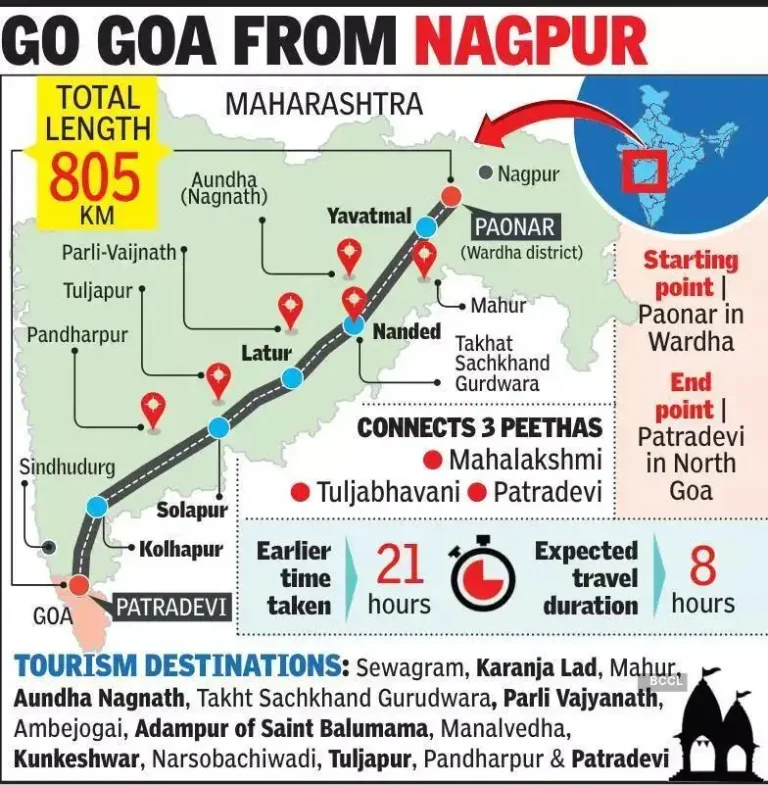
The Shaktipeeth Expressway protests have emerged as one of Maharashtra’s most significant agricultural movements in recent years, with farmers from 12 districts uniting against the ambitious Rs 86,300 crore infrastructure project. The proposed 802-kilometre expressway connecting Nagpur to Goa has triggered widespread opposition from agricultural communities who fear that massive land acquisition will destroy their livelihoods and fertile farmland.

The Shaktipeeth Expressway protests gained momentum when farmers realised the project would require extensive land acquisition across multiple districts, potentially displacing thousands of agricultural families. The Maharashtra government’s ambitious infrastructure plan, designed to reduce travel time from 13 hours to 8 hours between Nagpur and Goa, has instead become a flashpoint for farmer-government tensions.

Shaktipeeth Expressway

Also Read: Shaktipeeth Expressway

Shaktipeeth Expressway protests 

have spread across 12 districts in western Maharashtra and Marathwada, demonstrating the project’s far-reaching impact on agricultural communities. Farmers have unanimously declared that government officials will not be permitted to enter their lands for measurement and acquisition purposes, effectively blocking the project’s initial surveying phase.

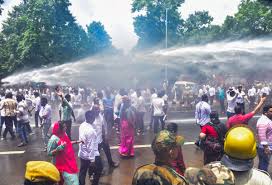
During recent demonstrations, thousands of farmers gathered at Mumbai’s Azad Maidan to voice their opposition, marking one of the largest agricultural protests in the state’s recent history. The Shaktipeeth Expressway protests have transcended regional boundaries, with farmers from Sangli, Satara, Kolhapur, Sindhudurg, and other affected districts joining forces to resist the project.

The protesters have employed various tactics, including blocking national highways, organising massive rallies, and creating human chains to prevent government surveyors from accessing agricultural lands. These Shaktipeeth Expressway protests have severely disrupted traffic in several regions, with some demonstrations lasting over an hour and affecting interstate connectivity.

Former Member of Parliament Raju Shetty has emerged as a prominent leader in the Shaktipeeth Expressway protests, heading the Shaktipeeth Highway Struggle Committee. Shetty has made emotional appeals to residents, particularly in Sindhudurg, declaring his willingness to “fight till the last drop of blood” to ensure the project’s cancellation.

The Shaktipeeth Expressway protests have garnered support from multiple political parties, including the Nationalist Congress Party (NCP) and Congress, who have voiced strong opposition to the project. Political leaders argue that the expressway represents a “Swarthpeeth” (selfish project) rather than the promised “Shaktipeeth” (power centre), claiming it will burden the state with enormous debt.

Shetty’s Swabhimani Shetkari Sanghatana has been at the forefront of organising the Shaktipeeth Expressway protests, mobilising farmers across affected districts and coordinating resistance efforts. The organisation has emphasised that their struggle is not political but focused on protecting farmers’ rights and preserving agricultural land.

The Shaktipeeth Expressway protests have highlighted significant environmental concerns, with activists arguing that the project will destroy fertile agricultural land and disrupt natural water sources. Farmers contend that the expressway will pass through highly productive farmland, potentially affecting food security and agricultural productivity in the region.

Economic arguments against the project have intensified the Shaktipeeth Expressway protests, with critics questioning the state’s ability to bear the massive financial burden. Initial estimates suggest the project cost could escalate to Rs 1.5 lakh crore, given the Maharashtra government’s track record of cost overruns in infrastructure projects.

The Shaktipeeth Expressway protests have also raised concerns about the project’s impact on local ecosystems, particularly in hilly regions where tunnelling would be required. Farmers argue that such construction activities could deplete natural water sources and affect agricultural irrigation systems.

New Expressway 10Despite the widespread Shaktipeeth Expressway protests, Chief Minister Devendra Fadnavis has maintained a firm stance on the project, emphasising its importance for state development and connectivity. The government argues that the expressway will boost tourism, especially religious tourism, and enhance economic opportunities across the region.

However, the intensity of the Shaktipeeth Expressway protests has forced the government to reconsider certain aspects of the project. There have been reports of potential route modifications in some districts, though farmer leaders argue that no substantial changes have been officially announced.

The Shaktipeeth Expressway protests have become a significant political issue, with opposition parties using the farmers’ movement to criticise the ruling government’s development policies. The protests have highlighted the ongoing tension between infrastructure development and agricultural protection in Maharashtra’s political landscape.

The Shaktipeeth Expressway protests show no signs of abating, with farmer organisations threatening to intensify their agitation if the government proceeds with land acquisition. The movement has demonstrated the power of coordinated farmer resistance and the challenges faced by governments in implementing large-scale infrastructure projects.

As the Shaktipeeth Expressway protests continue, they represent a broader debate about development priorities, land rights, and the balance between infrastructure growth and agricultural preservation. The outcome of this farmer movement could significantly influence future infrastructure projects in Maharashtra and set precedents for farmer-government negotiations across India.

The sustained nature of the Shaktipeeth Expressway protests reflects deep-seated concerns about agricultural land protection and farmer welfare, issues that continue to shape Maharashtra’s political and economic landscape. The resolution of this conflict will likely determine the future trajectory of both agricultural rights and infrastructure development in the state.

India Announces Free AI Training for 10 Lakh Citizens as CSC Celebrates 10 Years of Digital India

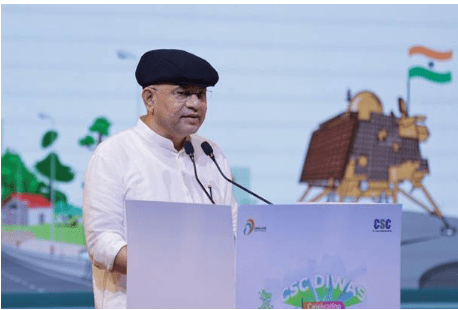
New Delhi, 16 July 2025: As part of the grand celebrations,India announces free AI training, marking 10 years of the Digital India initiative, the Common Service Centre (CSC) e-Governance Services India Limited (CSC SPV) held a national event at Yashobhoomi Convention Centre, Dwarka. The milestone event highlighted the decade-long journey of digital empowerment in India and featured major announcements aimed at further democratizing access to digital technologies.


10 Lakh Citizens to Get Free AI Training, Priority to VLEs

Union Minister for Electronics & IT, Shri Ashwini Vaishnaw, in his keynote address, announced free Artificial Intelligence training for 10 lakh individuals, with Village Level Entrepreneurs (VLEs) receiving top priority.

“VLEs have become the torchbearers of the Digital India movement. From UPI adoption to digital governance, they’ve proved the skeptics wrong. Today, a tea seller or vegetable vendor can seamlessly make digital payments,” Shri Vaishnaw said.

He further urged VLEs to offer IRCTC services through CSCs and called for integration of state-level IT agencies with CSC-SPV, aiming for a unified digital service ecosystem.


Massive CSC Growth: From 83,000 to 5.5 Lakh in 10 Years

Shri Jitin Prasada, Minister of State for Electronics & IT, traced the transformation of CSCs over the decade. In 2014, the country had only 83,000 CSCs. Today, that number has grown to 5.5 lakh, making it one of the largest digital service delivery networks in the world.

He acknowledged the role of over 74,000 women VLEs and emphasized the growing importance of AI, cybersecurity, and digital literacy, especially in agriculture, health, and education sectors.

“The resolve to take digital benefits to the last mile is being fulfilled through our VLEs. The next decade must be about harnessing emerging technologies for inclusive development,” he said.


CSC: A Digital Bridge to India’s Future

CSC SPV CEO Shri Sanjay Rakesh welcomed dignitaries and reiterated that CSCs have brought governance and commerce to rural doorsteps.

“There is no longer a need to visit cities for government services. From Aadhaar to banking, telemedicine to education, CSCs are empowering citizens where they live,” he remarked.

He also expressed confidence in further scaling digital inclusion under the Prime Minister’s vision of “Sabka Saath, Sabka Vikas, Sabka Vishwas.”


Celebrating CSC Diwas Nationwide

CSC Day was marked with celebrations across India from July 1 to July 16, culminating in a two-day national event in Delhi. Top-performing VLEs were felicitated, and a special meeting of state IT Secretaries took place at Bharat Mandapam on July 15, to discuss the future of e-governance.


10 Years of Digital India: A Revolution at the Grassroots

Launched in 2015 by Prime Minister Narendra Modi, the Digital India mission has:

  • Bridged the rural-urban digital divide

  • Boosted financial inclusion

  • Enabled e-governance and service delivery at scale

With CSC SPV at its core, Digital India today supports:

  • Aadhaar enrollment and updates

  • PAN, passport, and IRCTC services

  • Banking, insurance, and pensions

  • Education, telemedicine, and tele-law

  • Agricultural and B2B e-commerce via Grameen eStore

India is now the third-largest digital economy globally, powered by inclusive and decentralized models like the CSC.


Source: PIB

For more real-time updates, visit Channel 6 Network.

Krishna River Water Sharing- Centre Facilitates Breakthrough Talks Between Andhra Pradesh and Telangana: July 2025

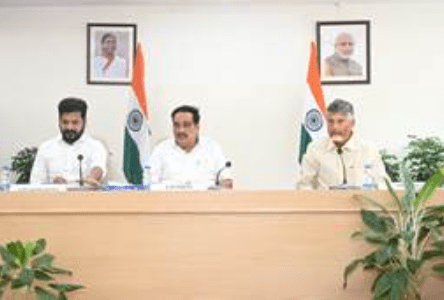
New Delhi, 16 July 2025: In a significant move to resolve long-standing water-related issues between Andhra Pradesh and Telangana, the Union Minister of Jal Shakti, Shri C.R. Patil, chaired a crucial meeting today with Andhra Pradesh Chief Minister Shri N. Chandrababu Naidu and Telangana Chief Minister Shri A. Revanth Reddy at the Ministry of Jal Shakti in Delhi.

The high-level discussion was also attended by the Ministers of Water Resources from both states and senior officials from the Central and State Governments.


Focus on Krishna Basin: Telemetry Installation and Dam Safety

A key outcome of the meeting was the consensus on installing telemetry devices for real-time monitoring of water flows in the Krishna Basin. This step aims to ensure transparency and trust in water data sharing between the states, a recurring issue in recent years.

The two CMs also agreed on the urgent maintenance and protection measures for the Srisailam Dam, a critical structure for both irrigation and power generation in the region.


KRMB Office to Move to Andhra Pradesh

In a notable administrative decision, both states agreed to shift the office of the Krishna River Management Board (KRMB) from its current location to Vijayawada/Amaravati. This move is expected to bring the Board closer to the actual river basin and enhance operational efficiency.


Joint Technical Committee to Be Formed

To address remaining contentious issues comprehensively, it was decided to form a high-level committee comprising:

  • Senior officials from both state governments

  • Technical experts from the Centre

  • Representatives of the Ministry of Jal Shakti

This committee will be tasked with examining pending concerns and recommending viable, equitable, and science-backed solutions for water sharing.


Union Government’s Commitment to Cooperation and Sustainability

The Ministry of Jal Shakti reiterated its dedication to:

  • Strengthening cooperative federalism

  • Promoting sustainable and efficient water use

  • Ensuring the well-being of citizens in both Andhra Pradesh and Telangana

The meeting marks a positive shift in inter-state collaboration, aiming for long-term stability and fairness in water management, particularly in river basins shared by multiple states.


Source: PIB

For more real-time updates, visit Channel 6 Network.

‘Supergirl’ First Look Unveiled: James Gunn Teases a Gritty, Cosmic Adventure in DCU’s Next Chapter

DC Studios co-CEO James Gunn has unveiled the much-anticipated Supergirl first look, setting fan speculation ablaze. Revealed just days after the success of his film Superman, this gritty teaser poster features Milly Alcock as Supergirl, casually holding a Slurpee while standing beside a Superman poster. However, it’s the blood-streaked fingers and the ominous tagline “Look Out” that have captured the internet’s attention. Gunn’s concise caption—“Look Out. 2026.”—hints at an emotionally turbulent and possibly violent story arc, breaking new ground for the Girl of Steel in the upcoming DC Universe.

Milly Alcock’s Supergirl

Milly Alcock’s Supergirl Emerges as a Battle-Hardened Survivor from Krypton’s Final Days

In contrast to the hopeful image of Superman, Milly Alcock’s Supergirl is shaped by loss, isolation, and brutality. Her portrayal in the Supergirl first look isn’t that of a savior wrapped in hope, but of a survivor scarred by trauma. Kara Zor‑El’s upbringing diverges drastically from her cousin Kal-El’s. While he was raised on Earth in a stable, loving home, Kara watched her world crumble on a fragment of Krypton, where survival was a daily struggle. These conditions molded a colder, angrier version of the character—someone whose power is tempered not by idealism but by vengeance and grief.

Alcock’s casting as Kara came after her breakout performance in House of the Dragon, and fans already praise her intensity and presence. According to Gunn, her character is “a total mess,” but that mess reflects the harshness of her background. This complexity creates a perfect vehicle for storytelling rooted in emotional depth and cosmic-scale consequences.

Also Read : Pride & Prejudice Re‑Release in India: Keira Knightley & Matthew Macfadyen Return to Cinemas on July 25

Cosmic Vengeance and Emotional Depth Anchor the Supergirl First Look Storyline

At its core, Supergirl is a tale of revenge, redemption, and the moral ambiguity of justice. Inspired by the acclaimed comic Supergirl: Woman of Tomorrow by Tom King and Bilquis Evely, the film follows Kara and a young alien girl named Ruthye Marye Knoll. After Ruthye’s father is murdered by the interstellar villain Krem, she recruits Kara to hunt him down. Accompanied by Krypto the Superdog, they travel from planet to planet, pursuing vengeance across the stars. This cosmic road trip is anything but light-hearted—it’s a visceral, emotional journey that exposes Kara’s fractured psyche and the weight of responsibility she carries.

James Gunn has called the story a “sci-fi epic with real emotional resonance,” and rightly so. The Supergirl first look already hints at themes of rage, justice, and what happens when a hero operates without the moral anchors that grounded Superman. The blood on Kara’s hands in the poster is not symbolic—it’s literal, telling fans that this hero doesn’t hold back.

A Stellar Ensemble Cast and Visionary Creative Team Shape Supergirl’s Bold New Identity

Beyond Alcock’s transformation into Supergirl, the supporting cast and creative leadership signal the film’s ambitious scope. Eve Ridley joins as Ruthye, a young but fierce alien who propels the film’s revenge plot forward. Matthias Schoenaerts plays the cruel and calculated Krem of the Yellow Hills, a villain that will test Kara in ways no Earth-based antagonist could. Emily Beecham and David Krumholtz are cast as Kara’s parents, Alura and Zor-El, anchoring the Kryptonian backstory with gravitas. A surprise appearance by Jason Momoa as bounty hunter Lobo adds a wild-card edge and connects Supergirl’s journey with the broader DCU.

Craig Gillespie is directing the film, best known for I, Tonya and Cruella, both of which blend grit with stylized character drama. The screenplay comes from Ana Nogueira, praised by Gunn for delivering “one of the best scripts we’ve ever received.” With Rob Hardy (Ex Machina, Mission: Impossible – Fallout) on cinematography, the film is expected to combine grounded storytelling with dazzling visual flair. This creative lineup ensures Supergirl won’t just be another superhero film—it will be a cinematic event.


 Supergirl
Filming Wrapped Ahead of Schedule as Gunn Prioritizes Quality and Cohesion in DCU Storytelling

Filming for Supergirl wrapped in May 2025, following a busy production schedule that spanned across Leavesden Studios in the UK, the rugged landscapes of Iceland, and the moody highlands of Scotland. This geographic diversity will lend the film an epic visual palette, aligning perfectly with its space-faring plot. James Gunn, known for his hands-on approach, has emphasized that quality control is a non-negotiable element of his new DCU. He has gone on record stating that several scripts were scrapped until Ana Nogueira’s screenplay came through—highlighting the film’s narrative strength.

From casting to cinematography, every decision appears intentional, and designed to reflect Kara’s fragmented internal world. The Supergirl first look poster reinforces this: a hero who is neither clean nor composed, but raw, wounded, and real. This isn’t a safe studio tentpole—it’s a film that is clearly crafted with intent and boldness.

Supergirl Anchors DCU Chapter One Timeline, Positioned as a Cosmic Counterpoint to Superman

Supergirl is set to release on June 26, 2026, acting as the second major installment in the first chapter of the new DC Universe: Gods and Monsters. Positioned after the July 2025 release of Superman, this scheduling strategy appears deliberate. Where Superman will reintroduce audiences to the optimism and hope of the DC Universe, Supergirl is expected to challenge those ideals and push the boundaries of what heroism looks like. In that sense, Kara’s debut is both complementary and subversive—a counterbalance to Clark Kent’s world-saving ethics.

This placement also ensures the DCU doesn’t rely solely on legacy characters but introduces nuanced, complex additions early in its timeline. The Supergirl first look marks her as a pillar of the future DCU, a character with the strength and emotional arc to carry not just one film, but potentially an entire franchise branch.


Supergirl

Fans React with Enthusiasm and Intrigue as Supergirl’s New Era Begins

Fans across social media have flooded comment sections and discussion forums with excitement over the Supergirl first look. One enthusiastic user said, “I’m so ready it’s not even funny. I’m LOOKING OUT!!” Another added, “This is the Supergirl I’ve been waiting for—angry, messy, real.” Some noted the thematic contrast with Superman: “She’s not here to inspire. She’s here to fight.” Others applauded the creative risk-taking, with one fan commenting, “James Gunn is making the superhero films we should’ve had in the early 2010s—but now feels even more right.”

Early responses suggest audiences are ready for a Supergirl who feels like a fully formed individual, not just Superman’s cousin. The character’s darker take resonates in today’s superhero-saturated landscape, where emotional nuance and moral complexity are highly sought after.

16 July 2025 Nifty 50 Ends Slightly Higher; 20MICRONS and FISCHER Among Top Gainers, GVPTECH-RE Plunges Over 37%

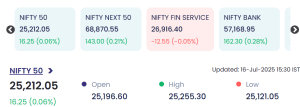
Mumbai: The Indian equity market closed marginally higher on Wednesday, 16 July 2025. The Nifty 50 index gained 16.25 points (0.06%), ending at 25,212.05, after opening at 25,196.60. The index hit a high of 25,255.30 and a low of 25,121.05, indicating a day of range-bound trading.

Also read: 16 July 2025(Midcap)- Nifty 50 Edges Higher as Network18 and SMS Life Lead Market Rally; GVPTECH-RE and EXICOM-RE Among Top Losers

Sectoral indices showed mixed performance:

  • Screenshot 2025 07 16 220009Nifty Next 50 surged by 143.00 points (0.21%) to close at 68,870.55
  • Nifty Bank advanced 162.30 points (0.28%) to 57,168.95

  • Nifty Financial Services declined 12.55 points (-0.05%), ending at 26,916.40


Top Gainers: FISCHER and 20MICRONS Join Rally with Strong Momentum

Screenshot 2025 07 16 220022Several stocks posted notable gains on the back of renewed investor interest and robust trading activity:

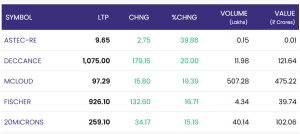
Symbol LTP (₹) Change (₹) % Change Volume (Lakhs) Value (₹ Cr)
ASTEC-RE 9.65 +2.75 +39.86% 0.15 0.01
DECCANCE 1,075.00 +179.15 +20.00% 11.98 121.64
MCLOUD 97.29 +15.80 +19.39% 507.28 475.22
FISCHER 926.10 +132.60 +16.71% 4.34 39.74
20MICRONS 259.10 +34.17 +15.19% 40.14 102.06

FISCHER witnessed a sharp gain of ₹132.60 or 16.71%, likely driven by earnings optimism or sectoral tailwinds in industrial products. Meanwhile, 20MICRONS attracted significant volume and value activity as investors bet on growth in specialty chemicals and mineral processing.


Top Losers: GVPTECH-RE, EXICOM-RE Continue to Tumble

Screenshot 2025 07 16 220031Despite broader market positivity, some counters remained under pressure and ended the day in the red:
Symbol LTP (₹) Change (₹) % Change Volume (Lakhs) Value (₹ Cr)
GVPTECH-RE 0.42 -0.25 -37.31% 9.39 0.04
EXICOM-RE 24.61 -3.43 -12.23% 2.04 0.52
AFSL 224.30 -29.62 -11.67% 8.12 19.54
NURECA 260.10 -24.55 -8.62% 1.78 4.69
GEOJITFSL 76.00 -6.29 -7.64% 36.83 28.43

GVPTECH-RE took a massive hit, tumbling 37.31% amid extremely low value turnover, which suggests low investor confidence or speculative exit. AFSL and NURECA also recorded significant declines, reflecting sustained selling pressure.


Market Insight and Outlook on 16 July 2025

The Nifty’s marginal uptrend accompanied by divergent sectoral moves and volatility in small-cap counters indicates a market lacking strong directional cues. While banking and broader indices supported the day’s gains, the fall in Nifty Financial Services and steep declines in speculative stocks highlight the market’s underlying caution.

Analysts suggest keeping an eye on macroeconomic triggers, especially upcoming earnings reports and global central bank commentary, to assess near-term direction.


For real time stock Updates, visit NSE website.

KMC Road Repairs Begin with Paver Blocks and Debris Amid Monsoon Challenges

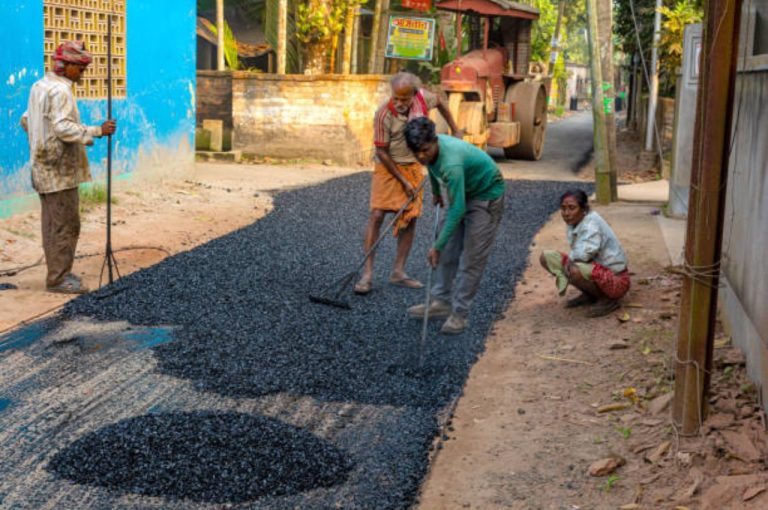
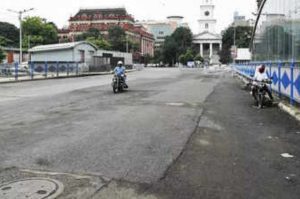
KMC Road Repairs: With monsoon rains causing widespread road damage and halting hot-mix operations, the Kolkata Municipal Corporation (KMC) has turned to an unconventional yet practical solution: repairing potholes with waste materials such as broken paver blocks and construction debris. This measure, adopted as an interim response, aims to reduce traffic disruptions across key stretches of the city until conventional methods can resume.

The urgency stems from heavy rainfall that battered road surfaces and made it impossible to operate bitumen-based hot-mix plants. KMC officials confirmed that repair work has already started in central and southern Kolkata, with further action to follow as dry spells appear in the forecast.

KMC Road Repairs

Interim Measures with Long-Term Impact

KMC engineers and road maintenance teams are using rubble and discarded paver blocks to patch roads, especially in areas of high vehicular movement. While not a permanent solution, the measure is designed to:

  • Prevent accidents caused by deep potholes
  • Restore traffic flow during the peak monsoon period
  • Prepare priority stretches for final repairs once weather conditions permit

The debris being used is largely sourced from civic maintenance stockpiles, traffic police inputs, and leftover material from ongoing municipal works. KMC’s solid waste and roads departments are working jointly to deploy this material at over a dozen locations daily.

Roads Under Immediate Repair

Key locations where repairs are already underway or scheduled include:

  • NS Road and Hemanta Basu Sarani (central business district)
  • MG Road, Chittaranjan Avenue, and Amherst Street (north-central stretches)
  • EM Bypass and Park Circus (eastern arterial zones)
  • Biren Roy Road (West), Tollygunge Circular Road, Alipore Road (southern sectors)

Many of these areas serve as commercial connectors or vital traffic corridors. Due to high vehicle density and bus routes, even minor damage leads to traffic snarls and pedestrian hazards.

Waiting for the Right Weather

The KMC’s hot-mix plants at Palmer Bazar and Goragacha remain on standby, with operations set to resume after a minimum seven-day dry spell, which is necessary for laying bitumen-based mixes effectively.

Once consistent dry weather is reported, these plants will begin large-scale production to conduct lasting asphalt repairs across the city. According to KMC officials, road restoration will accelerate immediately afterward, especially ahead of the festive season when roads are under additional stress from increased footfall and vehicle movement.

Citizen Frustration and Temporary Hazards

The poor condition of roads during the monsoon has triggered backlash from residents. At one location—Biren Roy Road (West)—a group of high school students recently blocked the road to protest a large, waterlogged crater that had become a hazard for both pedestrians and vehicles.

In response, KMC officials promised that the spot would be stabilized using debris and leveled until hot-mix patching becomes feasible.

Motorists have also raised concerns about poor road lighting and visibility, especially where potholes appear near traffic signals, crossings, or busy intersections. KMC’s electrical and lighting departments have been asked to coordinate with road engineers to ensure that areas under repair are well-lit and marked.

KMC Road Repairs: Traffic Police Involvement

The Kolkata Traffic Police have flagged at least seven major stretches where road conditions pose a serious threat to commuter safety. Among them:

  • Sections under Taratala Flyover, Sealdah Flyover, and Ultadanga crossing
  • Portions of DH Road and APC Road, where truck and heavy vehicle movement is constant

In some areas, temporary barricades and traffic diversions have been introduced. The police have also shared reports with KMC detailing locations where potholes need urgent stabilization using the current stopgap methods.

Planning for the Future

Beyond the monsoon season, KMC plans to undertake more robust road improvement projects, including:

  • Bituminous repaving across high-stress routes
  • Use of recycled plastic and construction waste to reinforce road material, based on previous trials in Salt Lake and EM Bypass
  • Expansion of the city’s Construction & Demolition (C&D) Waste Processing Plant, located near New Town, to produce standardized blocks and aggregate for sustainable roadwork

There is also a long-term push to improve road drainage systems, particularly in low-lying areas prone to waterlogging, which accelerates road surface degradation.

Administrative Assurances

KMC officials have reassured citizens that these interim repairs are fully safe and supervised by civil engineers. While not as durable as hot-mix work, the use of paver blocks and compacted rubble offers sufficient stability during periods of heavy rainfall and high traffic.

Mayor Firhad Hakim stated that once conditions improve, all major and minor roads affected during the monsoon will undergo immediate resurfacing and quality checks. Additional instructions have been issued to speed up the tender process for materials and increase night shifts where lighting and safety allow.

Official External Links

For more updates and resources related to this initiative, refer to the following official portals:

Also read: Home | Channel 6 Network – Latest News, Breaking Updates: Politics, Business, Tech & More