Maharashtra – The Maharashtra government on Wednesday declared a three-day period of state mourning following the Ajit Pawar death in a tragic plane crash near Baramati earlier in the day. The sudden demise of the deputy chief minister and Nationalist Congress Party leader has left the state in deep shock and grief. As a mark of respect after the Ajit Pawar death, the national flag will be flown at half-mast on all government buildings across Maharashtra.
The announcement was made by chief minister Devendra Fadnavis, who described the loss as heartbreaking and unprecedented. The Ajit Pawar death has deeply impacted political leaders, government officials, and citizens across the state.
State Funeral and Public Holiday Declared
Along with the mourning period, the Maharashtra government confirmed that a state funeral would be accorded to the late leader. The decision reflects the significance of Ajit Pawar’s contributions to public life and governance. Following the Ajit Pawar death, Wednesday was also declared a public holiday to allow people to pay their respects.
Chief minister Fadnavis stated that the state funeral would be conducted with full honours, following discussions with Pawar’s family. The Ajit Pawar death prompted the cancellation of all official entertainment events during the mourning period, in accordance with established protocol.
Fadnavis Expresses Shock and Grief
Addressing the media from his official residence, the chief minister expressed profound sorrow over the Ajit Pawar death. He described Pawar as a leader shaped by struggle, determination, and resilience. According to Fadnavis, the Ajit Pawar death represents an irreplaceable loss to Maharashtra’s political and administrative leadership.
He noted that Pawar commanded immense trust and affection among ordinary citizens and had a rare ability to connect with people across regions and communities. The Ajit Pawar death, he said, was not only a blow to the government but also a deeply personal loss for many who worked closely with him.
A Leader Remembered for Public Service
Reflecting on Pawar’s long political journey, Fadnavis said that leaders of such stature emerge only after decades of dedication and perseverance. The Ajit Pawar death has brought an abrupt end to a public life defined by consistent engagement with development issues and governance challenges.
Fadnavis highlighted that Pawar played a crucial role in Maharashtra’s progress and governance over the years. The Ajit Pawar death, he added, has left a void that will be difficult to fill, both politically and emotionally.
Visit to Baramati and Family Support
Following the Ajit Pawar death, chief minister Fadnavis confirmed that he and deputy chief minister Eknath Shinde would travel to Baramati to assess the situation and meet Pawar’s family. He said further decisions regarding last rites and official tributes would be taken after consultations with the family.
The Ajit Pawar death has drawn large numbers of supporters and well-wishers to Baramati, reflecting the leader’s strong grassroots connection. The state leadership has assured full support to the family during this period of mourning.
Mourning Protocols Across the State
The declaration of a three-day mourning period after the Ajit Pawar death means that all government offices will observe official protocols. Flags will remain at half-mast, and cultural or celebratory government programmes will not be held during this time.
Officials clarified that the mourning period is intended to honour Pawar’s service and legacy. The Ajit Pawar death has united political leaders and citizens alike in shared grief and remembrance.
Circumstances of the Tragic Incident
Ajit Pawar, regarded as one of Maharashtra’s most influential political figures, died when a chartered aircraft flying from Mumbai crash-landed while attempting to land at Baramati airport on Wednesday morning. The Ajit Pawar death occurred when the aircraft burst into flames after the crash.
The tragic incident has raised widespread sorrow across the state, with leaders and citizens expressing disbelief. The Ajit Pawar death marked a devastating moment in Maharashtra’s political history.
State Reflects on a Profound Loss
As Maharashtra observes mourning, the Ajit Pawar death continues to resonate across the political landscape. Leaders described him as a big-hearted colleague and a steadfast friend who stood firm in adversity.
The Ajit Pawar death has not only ended a significant political chapter but also left behind a legacy of leadership shaped by commitment and struggle. The state now prepares to bid farewell with full honours, remembering a leader whose absence will be felt for years to come.
Maharashtra – The Ajit Pawar plane crash shocked Maharashtra and the nation after the deputy chief minister lost his life when a Learjet 45 crashed during a landing attempt near Baramati airport in Pune district. The accident occurred on Wednesday morning as Pawar was travelling from Mumbai to his hometown to address public meetings ahead of the Zilla Parishad elections. The Ajit Pawar plane crash resulted in the deaths of all five people on board, including pilots, security personnel, and cabin crew.
Initial information confirmed that the aircraft veered off the runway while attempting to land. The Ajit Pawar plane crash immediately prompted emergency responses from local authorities and aviation officials, while supporters gathered near the crash site and hospitals in Baramati.
Sharad Pawar Rejects Political Speculation
NCP founder and Pawar’s uncle, Sharad Pawar, addressed speculation surrounding the Ajit Pawar plane crash and firmly stated that there was no conspiracy involved. He urged political leaders and the public not to politicise the tragedy and described the incident as a tragic accident. Sharad Pawar’s remarks came amid demands from some political quarters seeking high-level probes into the Ajit Pawar plane crash.
His statement sought to calm the charged political atmosphere as grief gripped Baramati. Family members, including Sunetra Pawar and Supriya Sule, arrived in the town as preparations began for the last rites.
Government Response and Investigation
Following the Ajit Pawar plane crash, the Ministry of Civil Aviation initiated an investigation. Civil aviation minister K Rammohan Naidu held a meeting with senior officials, including the DGCA chief and the civil aviation secretary. An Aircraft Accident Investigation Bureau team reached the crash site to begin a forensic probe into the Ajit Pawar plane crash.
According to preliminary assessments, poor visibility during landing may have contributed to the accident. The Indian Air Force temporarily took control of air traffic operations at Baramati airport to assist with technical coordination. Authorities assured that every aspect of the Ajit Pawar plane crash would be examined to determine the exact cause.
Leaders Pay Tributes and Announce Mourning
Tributes poured in from across the political spectrum following the Ajit Pawar plane crash. Prime Minister Narendra Modi described Pawar as a grassroots leader deeply connected to the people of Maharashtra. Union home minister Amit Shah, defence minister Rajnath Singh, and several chief ministers expressed condolences.
Maharashtra chief minister Devendra Fadnavis announced a three-day state mourning period after the Ajit Pawar plane crash and declared a public holiday. He, along with deputy chief minister Eknath Shinde, visited Baramati to console the family. The state assembly and Lok Sabha also paid obituary references to Pawar.
Details of the Aircraft and Those On Board
The aircraft involved in the Ajit Pawar plane crash was a Bombardier Learjet 45 with registration VT-SSK. It was chartered for Pawar’s travel and had been attempting multiple landing approaches before the crash. Aviation officials confirmed that the aircraft went off the runway during its final landing attempt.
Apart from Pawar, the aircraft carried two pilots, Sumit Kapoor and Shambhavi Pathak, along with security personnel Vidhit Jadhav and flight attendant Pinky Mali. The Ajit Pawar plane crash left no survivors, according to DGCA officials.
Public Grief and Funeral Arrangements
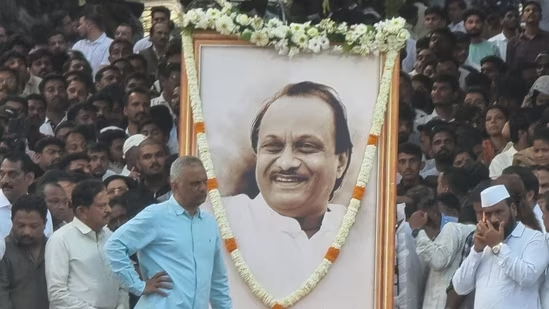
Supporters gathered in large numbers outside hospitals and Pawar’s residence following the Ajit Pawar plane crash. His mortal remains were brought to Vidya Pratishthan in Baramati, where people paid their final respects. The last rites will be held with full state honours at the Vidya Pratishthan ground.
Prime Minister Modi and Amit Shah are expected to attend the funeral, underscoring the political significance of the loss caused by the Ajit Pawar plane crash. Security arrangements have been tightened in Baramati ahead of the ceremony.
Political Legacy and Impact
Ajit Pawar was the longest-serving deputy chief minister of Maharashtra, holding the post six times across different governments. His death in the Ajit Pawar plane crash has created a leadership vacuum within the state’s coalition government and the Nationalist Congress Party.
Pawar had represented the Baramati Assembly constituency seven times and was regarded as a skilled administrator. As investigations continue into the Ajit Pawar plane crash, Maharashtra mourns the loss of a leader whose political journey shaped the state’s contemporary politics.
New Delhi – The Delhi High Court has refused to immediately stay trial court proceedings against Congress MP Karti Chidambaram in the alleged Chinese visa case, dealing a significant blow to the lawmaker’s legal strategy. This decision in the Chinese visa case ensures that the trial will continue without interruption, maintaining momentum in the high-profile corruption investigation.
Court Refuses Stay in Chinese Visa Case
Justice Manoj Jain of the Delhi High Court on Wednesday declined to halt trial court proceedings in the Chinese visa case involving Karti Chidambaram. The bench noted that the lawmaker had only filed a petition against the trial court’s December 23 order framing charges, and the same could not be used to “derail the trial” in the Chinese visa case.
This refusal to grant a stay in the Chinese visa case represents a procedural setback for Karti Chidambaram, who must now participate in ongoing trial proceedings while simultaneously challenging the charge-framing order.
Charges Framed in Chinese Visa Case
The trial court on December 23 had framed charges against Karti and six others in the Chinese visa case, concluding that a prima facie case was established against him for offences of criminal conspiracy and bribery of a public servant. The judge in the Chinese visa case stated that the conspiracy hatched between accused number 1, S Bhaskaraman, and accused number 2, Karti Chidambaram, was evident.
The court hearing the Chinese visa case noted strong suspicion against Karti, backed by an approver’s statement, emphasizing that the case against him was not solely based on email confirmation. This multi-source evidence strengthens the prosecution’s position in the Chinese visa case.
Legal Arguments in Chinese Visa Case
Senior advocate Siddharth Luthra, representing Karti in the Chinese visa case, urged the High Court to stay trial court proceedings, contending that the next hearing before the trial court was scheduled for February 4 and that the order framing charges was erroneous. Luthra’s arguments in the Chinese visa case focused on procedural irregularities.
In his submissions regarding the Chinese visa case, Luthra argued that charges had been framed under Section 120B (criminal conspiracy) of the Indian Penal Code and Sections 8 (bribery of a public servant) and 9 (bribery by a commercial organisation) of the Prevention of Corruption Act without the essential ingredients required to constitute the offences.
Key Defense Contentions in Chinese Visa Case
Luthra’s defense strategy in the Chinese case emphasized that the CBI had neither identified the public servant allegedly bribed nor arraigned any such official in the case. He argued that the investigating agency lacked sufficient evidence to establish the demand or acceptance of bribes in the Chinese visa case.
These contentions challenge the foundation of the prosecution’s theory in the Chinese case, arguing that fundamental elements required for the alleged offences remain unproven or unidentified.
CBI’s Opposition to Stay Request
CBI’s lawyer Anupam Sharma opposed the request for a stay in the visa case, clarifying that the matter before the trial court on February 4 was only for admission and denial of documents. This procedural clarification undermined the urgency claimed by Karti’s defense team in seeking the stay in the visa case.
The CBI’s position in the visa case emphasizes that routine trial proceedings should continue while the High Court examines the challenge to the charge-framing order through proper legal channels.
Court’s Balanced Approach to Chinese Visa Case
Justice Manoj Jain took a balanced approach to the visa case, refusing immediate stay while acknowledging Karti’s right to challenge the charges. “We can’t do anything. We’ll hear on the next date. Whatever, you have to participate. This (trial) cannot be stayed,” the bench told Karti’s lawyers.
The court sought CBI’s response in the petition challenging the December 23 order and the application seeking a stay in the visa case, fixing February 12 as the next hearing date. This timeline ensures both parties can present comprehensive arguments regarding the visa case.
Multiple Recusals in Chinese Visa Case
Notably, Justice Manoj Jain issued notice after three Delhi High Court judges recused themselves from hearing the petition in the Chinese visa case. Justices Swaarna Kanta Sharma, Anup Jairam Bhambhani, and Girish Kathpalia all declined to hear the matter, though reasons for their recusals in the visa case were not specified in the order.
Background of Chinese Visa Case Allegations
In October 2024, the CBI filed a charge sheet in the visa case against Karti and others for their alleged involvement in facilitating visas for Chinese nationals of a power company in 2011. This period coincided with Karti’s father, P Chidambaram, serving as Union Home Minister, adding political sensitivity to the Chinese visa case.
The federal agency alleged in the visa case that the firm approached Karti, who used his influence to facilitate the visas in violation of the ceiling imposed on such approvals. This allegation forms the core of the corruption charges in the visa case.
Implications for Trial Proceedings
The High Court’s refusal to stay proceedings in the visa case means that Karti Chidambaram must now participate in the trial while simultaneously pursuing his challenge to the charge-framing order. This dual-track legal battle in the visa case creates both procedural complexity and strategic challenges for the defense.
As the visa case proceeds, it remains one of several corruption investigations involving the Chidambaram family, maintaining public and political attention on the outcome of this high-profile trial.
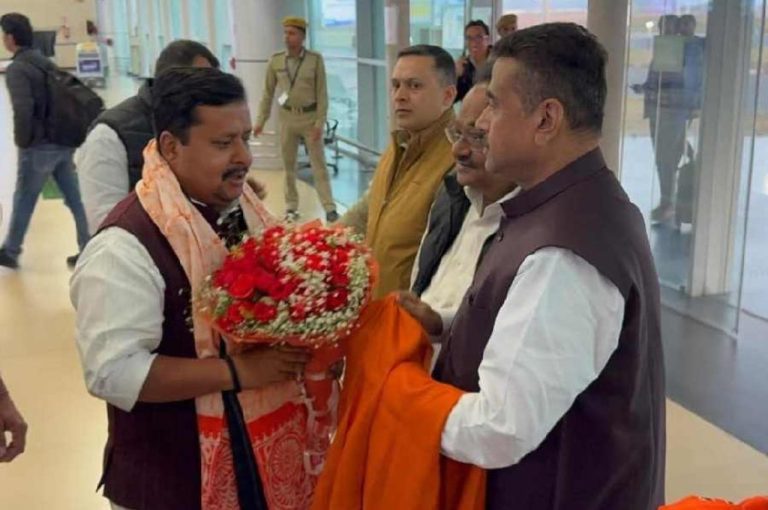
The Nitin Nabin Bengal icons speech 2026 has become a significant moment in Bengal’s political discourse. In his debut address as the newly appointed BJP state president, Nabin invoked the names of Bengal’s cultural and historical icons to establish an emotional connect with the people of the state. His speech was designed to blend political messaging with cultural pride, positioning the BJP as a party that respects Bengal’s heritage while promising governance reforms.
This incident underscores the intersection of political symbolism, cultural identity, and governance accountability, where leaders use history and icons to frame their vision for the future.
2. The Speech Highlights
Leader: Nitin Nabin, newly appointed BJP Bengal chief.
Message: Emphasised Bengal’s icons such as Rabindranath Tagore, Swami Vivekananda, Netaji Subhas Chandra Bose, and others.
Tone: Emotional, aimed at connecting with Bengal’s cultural pride.
Political strategy: Position BJP as respectful of Bengal’s heritage while challenging Trinamool Congress (TMC).
Significance: First major speech after assuming leadership role in Bengal BJP.
3. Why This Speech Matters
Cultural resonance: Bengal’s icons are deeply embedded in public consciousness.
Political symbolism: Invoking icons strengthens BJP’s narrative of respect for Bengal’s heritage.
Governance accountability: Citizens expect leaders to translate symbolism into policy.
Public trust: Emotional connect can influence voter confidence.
4. Nitin Nabin Bengal Icons Speech 2026: Political Reactions
TMC: Dismissed speech as rhetoric, accused BJP of cultural appropriation.
BJP cadres: Welcomed Nabin’s approach, seeing it as fresh energy for Bengal unit.
Civil society: Mixed reactions—some praised cultural references, others demanded focus on governance.
Observers: Noted potential for speech to reshape BJP’s image in Bengal.
5. Governance Challenges
The debut speech reflects systemic governance issues:
Policy clarity: Emotional appeals must be backed by concrete governance plans.
Cultural sensitivity: Leaders must avoid selective appropriation of icons.
Electoral transparency: Citizens demand clarity on party’s vision for Bengal.
Judicial oversight: Courts may intervene if political campaigns violate norms.
8. Historical Context of Political Symbolism in Bengal
1940s: Netaji Subhas Chandra Bose became symbol of resistance.
1960s–70s: Left Front invoked Marxist icons alongside Bengal’s cultural figures.
2011: TMC rose to power invoking Maa, Mati, Manush (Mother, Soil, People).
2026: BJP’s Nabin invokes Bengal icons to establish emotional connect.
9. Global Comparisons
Similar use of cultural icons worldwide:
USA: Leaders invoke founding fathers and civil rights icons.
UK: Politicians reference Churchill and Shakespeare to connect with heritage.
Africa: Leaders invoke liberation heroes to inspire unity.
Bengal’s case mirrors these global practices where political messaging collides with cultural identity and governance accountability.
10. Governance Lessons
The debut speech teaches:
Inclusivity in cultural references builds credibility.
Transparency in policy agendas strengthens trust.
Balanced symbolism ensures governance legitimacy.
Judicial oversight protects fairness in electoral democracy.
11. Future Outlook – BJP’s Strategy in Bengal
India must move towards:
Digitised coalition agreements accessible to citizens.
Public dashboards showing party commitments.
Independent audits of governance promises.
Educational campaigns linking cultural pride with civic responsibility.
✅ Conclusion
The Nitin Nabin Bengal icons speech 2026 is more than a debut—it is a test of BJP’s ability to blend cultural symbolism with governance credibility. As Nabin invokes Bengal’s icons to establish emotional connect, ordinary citizens await clarity on whether this rhetoric will translate into transparency, fairness, and respect for pluralism. For Bengal, the lesson is clear: democracy thrives when governance delivers inclusivity and accountability.
The Karnataka government has issued new directives barring government doctors from treating private in-patients in government hospitals, citing concerns over conflict of interest and misuse of public medical resources. The decision, which applies to all state-run hospitals and medical colleges, has stirred debate among medical professionals, hospital administrators, and patient advocacy groups. Officials argue that the move is intended to ensure that public facilities prioritize government patients and maintain fairness in service delivery, while preventing dual practice that may compromise ethical standards and strain public resources.
According to government sources, the order prohibits doctors employed by state hospitals from offering consultation, treatment, or surgical procedures to private patients within government facilities. The measure also restricts scheduling of private appointments during official working hours, ensuring that public patients receive priority access. Authorities stressed that disciplinary action may be initiated against doctors found violating the new norms, including suspension or salary deductions. The policy is being framed as a step toward improving transparency and accountability in public healthcare delivery.
The directive comes amid rising concerns about overcrowding in government hospitals and complaints from patients alleging preferential treatment for private patients under the same roof. Lawmakers and hospital administrators indicated that dual practice—where doctors treat private patients in government hospitals—has occasionally led to resource diversion, delays, and inequitable service for regular government patients. The new regulation aims to address these systemic issues by clearly delineating responsibilities and patient categories.
IMPACT ON DOCTORS AND MEDICAL SERVICES
Medical associations in Karnataka have expressed apprehension over the policy, stating that many government doctors supplement their income through limited private practice due to comparatively lower salaries. Critics argue that a strict ban could demotivate doctors, exacerbate staff shortages, and indirectly affect the quality of care for public patients. Some doctors have reportedly voiced concerns about loss of professional autonomy and the practical feasibility of completely segregating private and government services within the same facility.
Hospital administrators have indicated that operational adjustments may be required to implement the policy effectively. Private wards, consultation schedules, and surgical theatres that were previously accessible to private patients may need to be restructured. Officials stressed that patient care should not be disrupted during the transition and that existing private patients under treatment would continue receiving care until completion. Clear signage and communication will be necessary to prevent confusion among patients about service eligibility and waiting times.
Legal experts point out that the policy must comply with employment contracts, service rules, and constitutional provisions regarding professional freedom. Doctors employed by the government are expected to prioritize public service obligations, but any restriction on private practice must be implemented with proper notice and consultation. Observers suggest that failure to align policy with statutory norms could lead to legal challenges or grievances filed by medical professionals.
PUBLIC RESPONSE AND PATIENT CONCERNS
Patient advocacy groups have largely welcomed the decision, arguing that it may improve access to government healthcare and reduce perceived favoritism toward wealthier patients. Citizens highlighted instances where emergency care and elective procedures were delayed because government doctors attended to private cases simultaneously. By prioritizing public patients, authorities hope to enhance efficiency, reduce waiting times, and restore confidence in the state healthcare system.
Some patients, however, have expressed concern that reduced private consultations within government hospitals could increase pressure on already crowded private clinics. Experts note that dual practice has historically provided an informal outlet for patients seeking faster appointments with senior doctors. The new policy may shift patient demand entirely to private hospitals, potentially increasing costs for those unable to access public services promptly. Authorities emphasized that the measure is designed to balance fairness while maintaining high-quality care in public facilities.
Healthcare analysts suggest that the policy could serve as a precedent for other states grappling with similar challenges. Ensuring equitable access to government healthcare has become a priority, particularly in densely populated areas and regions with limited private medical infrastructure. Implementation, however, will depend on robust monitoring, compliance checks, and effective communication to both staff and patients. Regular audits and feedback mechanisms are likely to be introduced to track adherence and outcomes.
Medical educators have also noted implications for teaching hospitals, where senior doctors often supervise private in-patient procedures alongside student training. Institutions may need to revise teaching schedules and clinical rotations to ensure that educational objectives continue uninterrupted. Authorities indicated that educational continuity is a key consideration in implementing the new directive, and measures will be taken to prevent disruption in clinical training programs.
The Karnataka government’s decision to bar treatment of private in-patients by government doctors reflects a broader effort to strengthen public healthcare delivery and address ethical concerns around dual practice. While the policy may face initial resistance from medical professionals and adjustments in hospital operations, officials stress that it is aimed at ensuring fairness, accountability, and better service for government patients. As implementation progresses, monitoring its impact on doctor motivation, patient satisfaction, and hospital efficiency will be essential to evaluate the success of this significant policy shift.
Healthcare policy experts note that enforcing a ban on private in-patient treatment by government doctors may require significant administrative oversight. Hospitals will need to establish clear protocols for verifying patient eligibility, monitoring doctor schedules, and ensuring that private consultation attempts do not occur during official working hours. Information technology systems, including hospital management software and digital logs, may play a critical role in tracking compliance. Regular audits and reporting will likely become part of the accountability framework to prevent circumvention of the rules and maintain transparency.
Doctors’ unions have called for dialogue with the state government to clarify ambiguities in the directive. Key concerns include compensation adjustments, protection of professional reputation, and clarity on situations where private patients are already under treatment. Union representatives argue that without clear guidelines, doctors may face disciplinary action unfairly, particularly in cases where private treatment was ongoing before the new order. Negotiations are expected to focus on balancing ethical obligations, patient care priorities, and doctors’ financial considerations.
Medical ethicists highlight that dual practice in public hospitals can create subtle conflicts of interest, where doctors may unconsciously prioritize paying patients over others. Proponents of the new policy argue that segregating private care from government facilities can reduce such ethical dilemmas. By ensuring that all government patients receive timely attention and equal service quality, the directive aligns with professional ethics and public accountability. Observers suggest that proper implementation could serve as a model for maintaining fairness in other states’ public health systems.
Hospital administrators are reviewing staffing levels to ensure uninterrupted patient care following the policy change. In some government hospitals, private in-patient care previously allowed doctors to manage workload more flexibly. Authorities may need to redistribute staff and adjust duty rosters to ensure that public patient care is not compromised. Emergency services and elective procedures must be scheduled carefully to avoid delays, particularly in tertiary care facilities and medical college hospitals where patient volumes are high.
Patients from rural and semi-urban areas are closely watching the implementation, as many rely heavily on government hospitals due to affordability and proximity. Advocacy groups argue that prioritizing government patients could improve access to essential services such as surgeries, diagnostics, and specialist consultations. Officials noted that patient grievance mechanisms would be strengthened, allowing individuals to report delays, discrimination, or other issues linked to service delivery. Transparency in handling complaints is expected to reinforce public trust in the system.
Financial analysts studying the healthcare sector highlight potential indirect effects of the ban. Some government doctors who previously supplemented income through private practice may experience reduced earnings, possibly prompting migration to fully private hospitals. This could exacerbate staffing challenges in government hospitals if retention incentives and salary adjustments are not addressed. Policymakers may need to review compensation structures, career progression, and performance-based incentives to maintain motivation and quality of service.
Legal experts have observed that employment contracts for government doctors generally prohibit private practice during official hours but allow limited exceptions under specific regulations. The current directive strengthens enforcement and extends the scope to cover all in-patient treatment, removing ambiguities that previously allowed partial private practice. Courts have historically upheld such restrictions when public interest is demonstrably served. However, careful legal drafting and consultation with professional associations are essential to prevent disputes or litigation.
Training hospitals may need to adapt protocols to separate private in-patient treatment from government teaching programs. Senior doctors often supervise surgeries, bedside rounds, and procedures for both private and public patients. Under the new policy, teaching hospitals may need to allocate distinct wards, adjust case assignments, and ensure that students receive exposure to a representative patient mix. Administrators have indicated that teaching quality and clinical experience will remain unaffected despite operational changes.
Monitoring mechanisms may include surprise inspections, digital logs of in-patient admissions, and review of hospital billing records. Authorities plan to use these tools to identify any attempts to bypass restrictions. In addition, patient feedback surveys and grievance redressal portals may be leveraged to detect violations. Officials believe that combining technological monitoring with periodic human audits will enhance compliance while maintaining accountability without overburdening hospital staff.
As the policy rolls out, observers are closely tracking its impact on doctor motivation, patient outcomes, and hospital efficiency. While the primary aim is to safeguard government patients’ access to care, authorities recognize that sustained success will require balancing enforcement with support for medical professionals. Measures such as timely clarification of guidelines, adjustments to compensation, and ongoing consultation with doctors’ associations may determine whether the directive strengthens public healthcare delivery without unintended negative consequences.
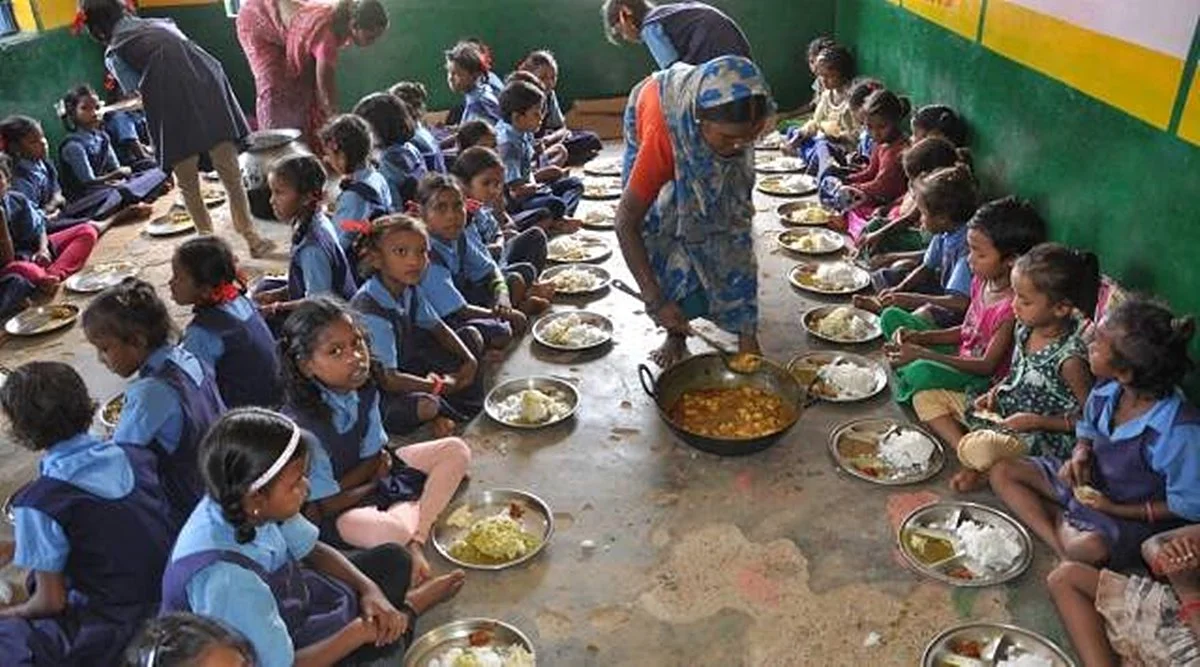
Opposition members in Karnataka have raised serious concerns over the quality of midday meals served in government schools after reports emerged that a supplier had quoted prices significantly below the standard market rate. Lawmakers argue that offering meals at unusually low costs could compromise nutritional standards, hygiene, and overall food safety. The issue has sparked debate in the state assembly, with representatives calling for stricter monitoring of suppliers, quality audits, and adherence to government-prescribed guidelines to ensure that students receive meals that meet both quantity and nutritional requirements.
Nutritionists and public health experts emphasize that midday meals are a cornerstone of child development programs, particularly in rural and economically disadvantaged areas. Studies show that inadequate nutrition can lead to stunted growth, weakened immunity, and diminished cognitive performance. The low-price quotes by suppliers, as highlighted by the opposition, raise red flags regarding whether meals meet the required caloric intake, protein content, and essential vitamins and minerals. Experts stress that even small compromises in quality can have long-term consequences for thousands of students relying on school meals as their main daily source of nutrition.
Opposition members also criticized the tendering process for allowing suppliers to quote prices significantly below market norms. They argue that such discrepancies indicate potential loopholes in evaluation criteria, which may favor cost over quality. Lawmakers called for revisiting the bidding framework, suggesting that future tenders incorporate weighted scoring based on nutritional standards, hygiene records, and prior performance, rather than relying primarily on lowest-price selection. The goal, they said, should be to prioritize child health without neglecting fiscal responsibility.
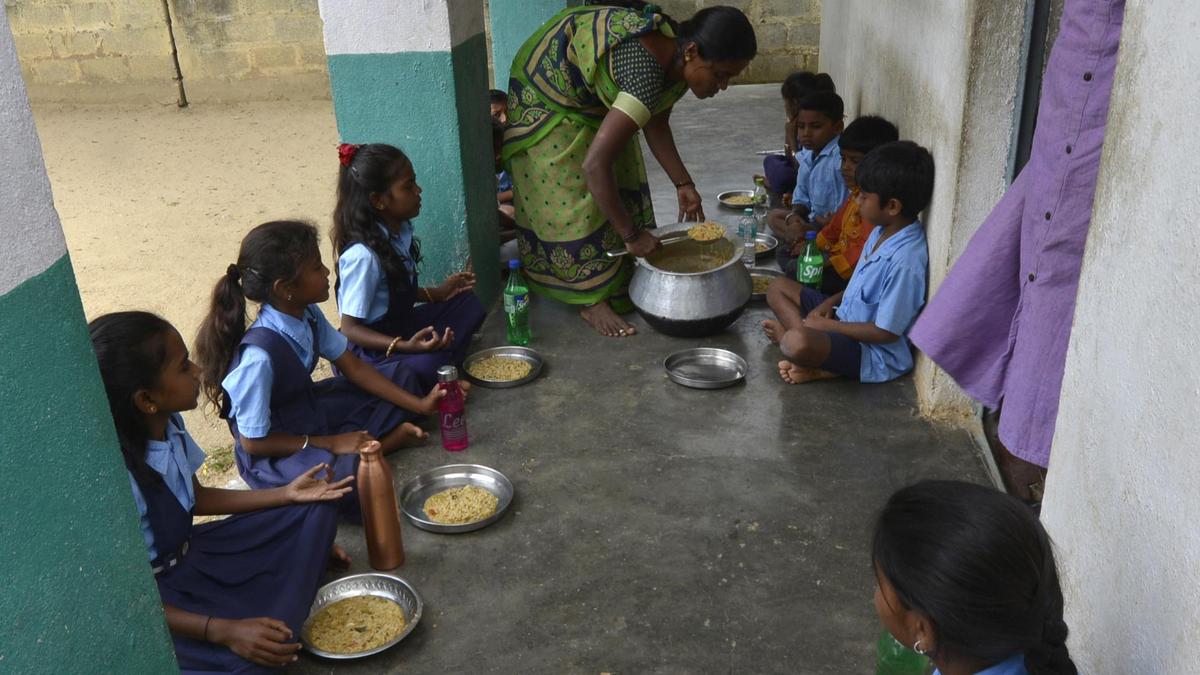
Teachers and school administrators reported that students have occasionally complained about meals being tasteless, undercooked, or insufficient in quantity. Some accounts indicate that repeated incidents may discourage children from consuming the meals fully, undermining the objectives of the program. Opposition leaders argued that these reports, combined with below-market pricing, warrant immediate investigation. They demanded that district officials ensure that meal quality is consistently monitored and that corrective measures are applied promptly when deficiencies are found.
The state’s education department has acknowledged the concerns and stated that inspection teams will conduct surprise checks at multiple schools. These inspections will assess food hygiene, portion sizes, ingredient quality, and adherence to prescribed nutritional guidelines. Officials also indicated that suppliers would be required to provide documentation on ingredient sourcing and preparation methods. Any deviation from standards could trigger penalties, including suspension or cancellation of contracts.
LOGISTICAL CHALLENGES AND QUALITY ASSURANCE
Providing midday meals to thousands of schools across Karnataka presents logistical challenges. Ensuring that food reaches remote areas in fresh and safe condition requires coordinated supply chains, temperature-controlled storage, and timely delivery. Officials emphasized that any cost-saving measures by suppliers should not compromise these critical aspects. Experts suggest that integrating technology, such as GPS-enabled delivery tracking and real-time reporting systems, could help monitor compliance and prevent lapses in quality.
Public representatives also raised concerns about recurring reliance on a small pool of suppliers who may offer below-market bids to secure contracts. Concentration of supply can reduce competition and make monitoring more difficult. Opposition members urged the government to diversify its supplier base and establish clear benchmarks for evaluating bids, with a focus on nutritional adequacy, food safety, and accountability. They stressed that quality should never be sacrificed for lower costs, especially when children’s health is at stake.
Some nutrition advocates have recommended independent third-party audits to verify meal quality. Periodic lab testing of food samples could detect contamination, nutrient deficiencies, or adulteration. Combined with regular field inspections, such audits could create a robust system for ensuring compliance. Opposition lawmakers indicated that they would push for mandatory reporting of audit results to the state assembly to maintain transparency and accountability in the program.
Community involvement is also seen as a key measure to safeguard meal quality. Parent-teacher associations and local committees can play an oversight role, helping to monitor standards and provide feedback on taste, quantity, and hygiene. Officials believe that engaging local stakeholders fosters a culture of accountability and helps address grievances before they escalate. Supporters of this approach argue that it complements formal inspections and strengthens overall program integrity.
The pricing issue has prompted broader discussions about budget allocations for midday meals. While fiscal prudence is necessary, experts insist that underfunding can directly affect ingredient quality and portion size. Opposition members argued that adequate financial provision must accompany any cost-effective tendering process to ensure meals meet minimum nutritional requirements. They also stressed that quality assurance mechanisms should be independent of budgetary pressures.
Finally, lawmakers warned that failure to maintain meal quality could erode public trust in government welfare programs. They noted that midday meals are not only a nutritional intervention but also an incentive for school attendance and retention, particularly for girls and marginalized communities. Compromised meals could have cascading social consequences, affecting enrollment, academic performance, and overall child well-being. Opposition members insisted that immediate steps be taken to correct any lapses and to reinforce monitoring mechanisms across the state.
The ongoing debate underscores the delicate balance between cost-efficiency and nutritional responsibility in large-scale social welfare initiatives. With the state committing to inspections, audits, and supplier scrutiny, stakeholders hope that the midday meal program can continue to serve its dual role of promoting health and education while maintaining public confidence in its effectiveness.
According to opposition leaders, some suppliers may reduce costs by using substandard ingredients, cutting corners in food preparation, or skimping on portion sizes. Members highlighted instances where students have complained about poor taste or inadequate servings, linking such cases to below-market pricing. They stressed that midday meals play a critical role in supporting health, growth, and attendance for children from economically disadvantaged families, making quality assurance a non-negotiable priority.
Officials from the education and food supply departments acknowledged the concerns and said preliminary checks would be conducted to verify compliance with prescribed standards. Authorities emphasized that all suppliers are expected to follow strict guidelines regarding caloric content, protein levels, and hygiene practices. Any deviation from these norms could lead to contract termination, fines, or blacklisting. Government sources indicated that a review of tendering processes and supplier credentials is already underway.
MONITORING MECHANISMS AND ACCOUNTABILITY
Experts on child nutrition note that procurement of midday meals involves balancing cost-effectiveness with quality standards. While competitive pricing is necessary to manage budgets, excessively low bids can indicate compromises in nutritional content or food safety. Opposition members have demanded transparent monitoring mechanisms, including surprise inspections of kitchens, lab-based testing of ingredients, and regular feedback collection from students. These measures are intended to hold suppliers accountable and ensure that no child is served substandard meals.
Some opposition leaders also argued for digital tracking systems to oversee meal preparation and delivery. Using such systems, officials can maintain real-time records of quantity, ingredients, and distribution, reducing the risk of negligence or malpractice. Advocates for enhanced monitoring say this would protect both students’ welfare and the integrity of the midday meal program, which has been a flagship initiative to combat malnutrition and boost school enrollment.
Officials have indicated that immediate steps may include auditing supplier contracts, reviewing price quotes, and conducting field inspections at selected schools. Authorities stressed that low-priced bids are not automatically rejected but are scrutinized closely to ensure compliance with quality standards. Legal provisions also allow cancellation of contracts if suppliers fail to meet nutritional or hygiene requirements.
The debate has drawn attention to the broader challenge of providing affordable yet nutritious meals across thousands of schools in the state. Balancing fiscal constraints with child health priorities remains a delicate task for policymakers. Opposition members urged the government to prioritize quality over cost savings and to take strict action against suppliers who compromise on standards.
IMPACT ON STUDENTS AND POLICY DIRECTIONS
Child rights advocates have highlighted that midday meals are sometimes the primary source of nutrition for students from marginalized communities. Compromised quality could affect their health, concentration, and academic performance. Experts suggest that ensuring proper nutritional content is not just a matter of policy compliance but of social responsibility. The ongoing discussion in the assembly underscores the need for vigilance and proactive oversight.
Educational officials have committed to strengthening coordination between school authorities, suppliers, and monitoring agencies. Regular audits, periodic reporting, and feedback loops from teachers and parents are expected to become part of a comprehensive strategy to safeguard meal quality. Authorities also stated that corrective action would be swift in cases where standards are found lacking.
The opposition’s intervention has brought renewed focus to procurement practices, supplier accountability, and the nutritional well-being of schoolchildren. Lawmakers insist that strict enforcement of standards, coupled with transparent monitoring, is essential to maintain the credibility of the midday meal program. With state authorities promising investigations and remedial measures, the debate highlights the ongoing need to balance cost, efficiency, and quality in one of Karnataka’s most critical social welfare initiatives.
Opposition members in Karnataka have raised serious concerns over the quality of midday meals served in government schools after reports emerged that a supplier had quoted prices significantly below the standard market rate. Lawmakers argue that offering meals at unusually low costs could compromise nutritional standards, hygiene, and overall food safety. The issue has sparked debate in the state assembly, with representatives calling for stricter monitoring of suppliers, quality audits, and adherence to government-prescribed guidelines to ensure that students receive meals that meet both quantity and nutritional requirements.
A private sleeper bus caught fire near Hosanagara in Karnataka late on Tuesday night, causing panic among passengers and prompting a swift emergency response from local authorities. According to preliminary information from police and fire officials, all passengers were safely evacuated, and no fatalities were reported. However, several travelers experienced minor injuries and shock as flames rapidly engulfed portions of the vehicle. The incident has once again highlighted concerns regarding vehicle safety standards, emergency preparedness, and enforcement of transport regulations on long-distance private buses operating across the state.
Transport safety engineers note that post-incident vehicle forensics will be central to understanding how the fire spread so rapidly through the sleeper coach. Materials used in interior fittings, including foam mattresses, curtains, and paneling, can influence flame intensity and smoke generation. Investigators are likely to examine whether fire-retardant standards were met during manufacturing and retrofitting. Compliance with national automotive safety norms is expected to form part of the technical review. Findings from such analyses often inform future advisories to manufacturers and operators about material quality and onboard safety systems.
Emergency management experts emphasize the role of evacuation time in determining casualty outcomes during bus fires. In enclosed sleeper layouts, narrow aisles and vertical berths can slow movement if panic sets in. Officials may study passenger flow patterns and exit accessibility during the incident to identify potential design improvements. Some specialists advocate for illuminated floor-level guidance strips and automatic alarm triggers linked to smoke sensors. Incorporating such systems could enhance response speed in similar vehicles, particularly during nighttime journeys.
The incident has also prompted discussion about driver training and emergency drills. Commercial vehicle operators are required to undergo periodic instruction, but implementation levels vary. Fire officials suggest that refresher modules on identifying early warning signs, using onboard extinguishers, and coordinating passenger evacuation could be strengthened. Quick decision-making by the driver to halt the vehicle reportedly played a critical role in limiting injuries. Structured training can help ensure consistent preparedness across fleets.
Road infrastructure along inter-district routes is another factor under review. Availability of emergency lay-bys, roadside lighting, and clear signage can influence how effectively incidents are managed. Local authorities may assess whether additional safety infrastructure is needed on stretches with heavy night traffic. Improved communication networks in remote areas can also reduce response times by enabling faster coordination between emergency services and district control rooms.
Psychological support for passengers affected by traumatic travel incidents is increasingly recognized as part of post-emergency care. Though physical injuries in this case were minor, sudden exposure to fire and smoke can leave lasting emotional impact. Health professionals sometimes recommend follow-up counseling or helpline access for those experiencing anxiety after such events. Integrating mental health awareness into disaster response protocols reflects evolving approaches to holistic emergency management.
Transport regulators may also examine ticketing records and occupancy levels to verify compliance with permitted passenger limits. Overcrowding can complicate evacuation and increase risk during emergencies. Digital ticketing platforms make it easier to cross-check data, and authorities may use such records to reconstruct the sequence of events. Ensuring that sleeper buses adhere strictly to capacity norms is considered an important preventive measure.
As the probe progresses, officials are expected to consolidate technical findings, witness accounts, and regulatory assessments into a formal report. Such documentation often leads to updated advisories or enforcement drives aimed at strengthening safety culture across the sector. While the immediate crisis was contained without loss of life, the broader objective remains reducing the likelihood of similar incidents. Continuous evaluation of vehicle design, operational practices, and regulatory oversight will shape the next steps in enhancing passenger safety on long-distance bus routes.
The bus, reportedly traveling on a route connecting coastal and interior Karnataka, had been carrying dozens of passengers at the time of the incident. Witnesses said smoke was first noticed emanating from the rear section of the vehicle while it was moving along a stretch of road near a forested area outside Hosanagara town. The driver is said to have immediately pulled over after being alerted by passengers who smelled burning. Within minutes, visible flames began spreading, creating a tense situation as travelers rushed to exit.
Passengers described scenes of confusion as some individuals were asleep in the sleeper berths when the alarm was raised. Fellow travelers reportedly helped wake those resting in upper compartments. Quick coordination among passengers and the bus crew is believed to have played a crucial role in preventing serious casualties. Luggage and personal belongings were largely left behind as people prioritized safety. Several passengers later reported losing valuables in the blaze, which consumed much of the vehicle’s interior.
Local residents who noticed the fire alerted emergency services. Fire and emergency personnel from nearby stations reached the spot and worked to contain the blaze. Officials said the bus was extensively damaged, with the sleeper section suffering the most destruction. Traffic on the route was temporarily halted as firefighting operations were underway. Police personnel also arrived to regulate movement and ensure passenger safety. Authorities stated that an investigation has been initiated to determine the exact cause of the fire.
EMERGENCY RESPONSE AND INITIAL FINDINGS
Fire department officials indicated that the blaze appeared to have originated in the engine or electrical compartment, though a technical examination is underway. Mechanical faults, short circuits, or overheating are among the possibilities being explored. Experts note that sleeper buses, due to enclosed interiors and electrical fittings for lighting and charging points, can be particularly vulnerable if maintenance is inadequate. Officials emphasized that conclusions will be drawn only after a thorough inspection of the remains of the vehicle.
Medical teams examined passengers at the site and later at a nearby healthcare facility. Most individuals were found to be unharmed apart from mild breathing discomfort caused by smoke inhalation. A few passengers received first aid for minor bruises sustained while disembarking in haste. Authorities confirmed that timely evacuation prevented more severe consequences. The district administration arranged alternative transport to help stranded passengers continue their journey.
Police have begun collecting statements from the driver, conductor, and passengers. Transport department officials are also expected to inspect the bus operator’s records, including fitness certificates, maintenance logs, and compliance with safety norms. Private bus operators are required to adhere to guidelines regarding fire safety equipment, emergency exits, and periodic inspections. Any lapses identified during the probe could lead to penalties or suspension of permits.
Residents of the area noted that the stretch where the incident occurred is relatively isolated at night, raising concerns about response time in emergencies. However, authorities stated that coordinated action between local police, fire services, and residents helped manage the situation efficiently. Officials commended the presence of mind shown by passengers who alerted others quickly and exited without pushing or stampeding.
SAFETY CONCERNS AND REGULATORY FOCUS
The incident has renewed focus on safety protocols for long-distance sleeper buses, which are widely used for overnight travel. Transport safety experts emphasize that fire detection systems, accessible emergency exits, and crew training are critical in such vehicles. They point out that passengers in sleeper compartments may not immediately sense danger, making early warning mechanisms essential. Regular audits of electrical wiring and fuel systems are also recommended to minimize fire risks.
Authorities indicated that a broader review of safety compliance among private bus operators may be undertaken. Surprise inspections and checks on emergency equipment could be intensified, especially for vehicles operating night services. Officials stressed that while road transport remains one of the most convenient modes of travel, adherence to safety norms must remain non-negotiable. The department is also expected to examine whether additional guidelines are needed for sleeper coach designs.
Passengers who survived the ordeal expressed relief at escaping unharmed but also shared concerns about the lack of clear instructions during the emergency. Some said they relied mainly on fellow travelers rather than formal announcements from the crew. Safety specialists suggest that pre-journey briefings, similar to those given in aviation, could improve preparedness. Demonstrations of emergency exits and fire extinguisher locations might help passengers respond more calmly in crises.
Insurance and compensation aspects are also being reviewed. Bus operators typically carry passenger insurance, and affected travelers may be eligible for claims covering injuries or loss of belongings. Officials said procedures for filing claims would be communicated through the transport department and the operator. Ensuring timely assistance is seen as part of the broader response to such incidents.
Environmental factors, such as the proximity of forested land, were also considered during firefighting efforts. Authorities confirmed that the flames did not spread beyond the vehicle, preventing damage to surrounding vegetation. Quick containment was crucial in avoiding a secondary hazard. Fire officials reiterated the importance of immediate reporting of vehicle fires to prevent escalation, particularly in ecologically sensitive zones.
As investigations continue, the incident serves as a reminder of the unpredictable risks associated with road travel and the importance of preventive maintenance. While the safe evacuation of passengers prevented a tragedy, officials acknowledge that continuous vigilance is necessary. The findings of the inquiry are expected to inform future safety measures and regulatory enforcement. For passengers and operators alike, the episode underscores the critical role of preparedness, infrastructure, and adherence to established safety standards in ensuring secure journeys.
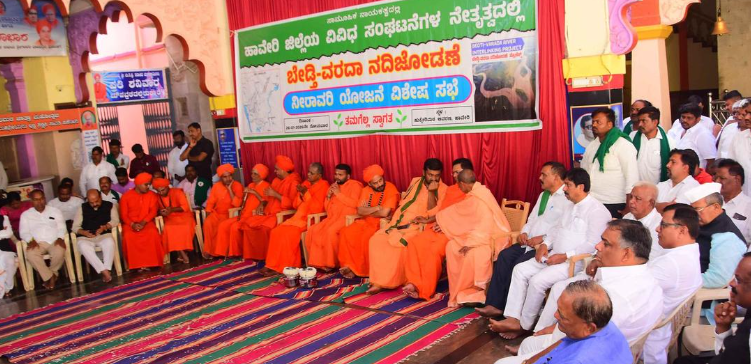
An apolitical public movement has begun voicing support for the long-pending Bedti–Varada river-linking project, bringing renewed attention to a proposal that has generated debate across Karnataka for years. The initiative, according to organizers, seeks to focus on water security and regional development rather than party politics. Supporters say the campaign is aimed at highlighting the potential benefits of the project for drought-prone districts, farmers, and drinking water needs, while urging authorities to take a balanced and environmentally responsible approach. The development marks a fresh chapter in discussions surrounding inter-basin water transfer in the state.
Water management specialists add that inter-basin transfer projects must also account for long-term sediment flow and river morphology. Altering natural courses can influence erosion patterns, groundwater recharge zones, and downstream flood behavior. Technical teams conducting feasibility reviews often rely on hydrodynamic modeling to predict such changes over decades. Movement representatives have indicated that they will urge authorities to make these scientific findings publicly accessible. Transparent data sharing, experts say, can reduce speculation and help communities understand both potential gains and environmental trade-offs associated with the proposal.
Legal scholars point out that projects involving major ecological zones require compliance with multiple statutory frameworks, including environmental protection laws and forest conservation regulations. Public hearings form a mandatory part of this process, allowing affected communities to express views before clearances are granted. The emergence of an apolitical platform may encourage broader participation in these hearings, ensuring that feedback reflects diverse regional perspectives. Observers note that procedural diligence can be as significant as technical design in determining the legitimacy of large infrastructure initiatives.
Sociologists studying rural development observe that water availability often shapes migration patterns. In drought-prone areas, recurring crop failures can push families toward seasonal or permanent migration. Supporters of the river-linking initiative argue that improved irrigation could stabilize agricultural incomes and reduce such displacement pressures. However, researchers caution that water access alone may not guarantee prosperity without parallel investments in crop diversification, market access, and extension services. Integrated planning, they suggest, would maximize the developmental impact of any new water resource.
Environmental economists have also weighed in on ecosystem services provided by free-flowing rivers. Forested catchments contribute to carbon sequestration, biodiversity conservation, and climate regulation. Any diversion plan must consider these non-market values alongside irrigation benefits. Movement members have acknowledged this dimension, emphasizing that sustainable design should aim to minimize habitat disruption. Balancing economic aspirations with ecological accounting remains one of the central complexities in evaluating the proposal’s overall merit.
Youth groups and academic institutions in the region have begun organizing seminars to examine the project from scientific and social angles. Such forums, participants say, can foster informed dialogue rather than polarized rhetoric. Students of environmental science, agriculture, and public policy are contributing research summaries and field observations. This growing academic engagement reflects how infrastructure debates increasingly extend beyond administrative circles into broader civic discourse.
As discussions continue, observers believe that the apolitical nature of the movement could shape how authorities approach stakeholder engagement. By positioning itself as a platform for information-sharing rather than agitation, the group aims to sustain constructive communication. Whether this approach influences policy decisions will depend on the quality of evidence presented and the willingness of institutions to incorporate feedback. Regardless of the project’s eventual outcome, the ongoing dialogue underscores the evolving role of citizen participation in shaping water governance strategies.
The Bedti–Varada river-linking proposal envisions diverting a portion of water from the Bedti river basin in Uttara Kannada district toward the Varada river, a tributary of the Tungabhadra. Proponents argue that the plan could help stabilize water availability in semi-arid regions that frequently face crop losses due to erratic rainfall. The issue has resurfaced periodically in public discourse, often drawing both strong support and equally strong opposition from environmental groups and local communities. The newly formed movement claims it is attempting to create a platform for dialogue that transcends political affiliations.
Organizers of the campaign describe it as citizen-led, involving farmers’ associations, retired officials, and local development groups. They maintain that the initiative’s objective is to present scientific data, field experiences, and community perspectives to policymakers. By emphasizing its apolitical nature, the group says it hopes to prevent the issue from becoming entangled in electoral narratives. Members have begun holding meetings, awareness drives, and consultations in various districts to gather views from stakeholders likely to be affected by the project.
Farmers from water-scarce regions have expressed optimism about the renewed focus. They argue that inconsistent monsoons and groundwater depletion have increased vulnerability in agriculture-dependent communities. Supporters believe that additional surface water, if managed properly, could support irrigation, recharge aquifers, and strengthen rural livelihoods. However, they also acknowledge that implementation must consider ecological safeguards to avoid long-term environmental damage. The movement’s early statements reflect this dual emphasis on development and sustainability.
WATER SECURITY AND REGIONAL ASPIRATIONS
Advocates of the river-linking project often frame it as a step toward addressing regional imbalances in water distribution. While some districts receive heavy rainfall and river flow, others depend heavily on uncertain seasonal sources. Experts in water resource planning note that inter-basin transfer projects are complex undertakings requiring detailed hydrological assessments, environmental clearances, and social impact evaluations. The movement’s representatives say they are urging authorities to update feasibility studies using current climate data and technological tools before making final decisions.
Supporters argue that improved water availability could have multiplier effects beyond agriculture. Drinking water supply in rural and peri-urban areas might improve, reducing dependence on tanker services during summer months. Small-scale industries and allied activities such as dairy farming could also benefit from more stable resources. Educational institutions and local businesses have joined discussions, pointing out that water security is closely linked to broader economic stability. These arguments have formed a central theme in the outreach efforts of the apolitical platform.
At the same time, environmentalists have reiterated longstanding concerns about altering natural river systems. The Bedti river flows through ecologically sensitive regions, including parts of the Western Ghats, known for rich biodiversity. Conservation groups warn that large-scale diversion could affect riverine ecosystems, wildlife habitats, and downstream communities. Movement organizers state that they are open to engaging with these concerns and believe any final plan must incorporate rigorous environmental safeguards and transparent monitoring.
Hydrologists emphasize that climate variability adds another layer of uncertainty. Rainfall patterns have become increasingly unpredictable, making long-term projections more challenging. Experts suggest that any river-linking initiative should be accompanied by demand-side measures such as efficient irrigation practices, watershed development, and rainwater harvesting. Combining supply augmentation with conservation strategies, they say, could create a more resilient water management framework. The movement’s discussions have increasingly included these broader perspectives.
Public consultations held so far indicate a diversity of opinions even within supportive regions. Some residents express cautious optimism, while others seek clearer information about land acquisition, rehabilitation measures, and cost implications. Organizers say they aim to compile these views into a structured memorandum for submission to the government. By presenting both hopes and apprehensions, they believe the process can remain inclusive and evidence-based.
ENVIRONMENTAL DIALOGUE AND POLICY PATHWAYS
Policy analysts observe that river-linking proposals often require coordination between multiple levels of government, technical agencies, and regulatory bodies. Environmental impact assessments, forest clearances, and water-sharing considerations can extend timelines considerably. The emergence of an apolitical movement may influence the tone of discussions by emphasizing common developmental goals. However, experts caution that consensus-building will depend on transparent data and credible scientific evaluation rather than advocacy alone.
Local community leaders in Uttara Kannada have stressed that downstream ecological and livelihood concerns must be addressed comprehensively. Fishing communities, forest-dependent households, and tourism stakeholders have historically voiced apprehensions about ecological disturbance. Movement representatives acknowledge these issues and say dialogue with affected populations is essential. They argue that inclusive planning can reduce conflict and ensure that benefits and costs are shared fairly.
Academics studying water governance note that public participation has become a key principle in infrastructure planning. Engaging civil society early in the process can help identify local knowledge and minimize misunderstandings. The current initiative, by positioning itself outside party politics, seeks to contribute to this participatory framework. Observers believe such efforts can enhance transparency and accountability, provided discussions remain grounded in verifiable information.
Financial aspects of the project also feature in ongoing conversations. Large-scale water infrastructure requires substantial investment, and long gestation periods can affect economic viability. Analysts suggest that cost-benefit evaluations should include ecological valuation and long-term maintenance requirements. Movement members say they support careful fiscal scrutiny, emphasizing that sustainable outcomes matter more than rapid implementation.
As the apolitical platform gains visibility, government authorities have yet to issue detailed statements regarding next steps. Officials are expected to review updated data, stakeholder inputs, and environmental considerations before advancing the proposal. The broader debate reflects a recurring challenge in development planning: reconciling immediate human needs with long-term ecological balance. The Bedti–Varada discussion now stands at a point where civic engagement, scientific assessment, and policy deliberation intersect.
For many participants, the movement symbolizes hope that constructive dialogue can replace polarized debate. Whether the project ultimately proceeds, is modified, or set aside, the process of consultation itself may shape future water governance practices in Karnataka. The coming months are likely to see further meetings, expert reviews, and public discussions, underscoring that decisions about rivers carry both practical and symbolic significance for communities across the region.
The Karnataka government is preparing to submit a detailed report to UNESCO by February 1 following concerns raised over tourism infrastructure works near the Hampi World Heritage Site. The development comes after international authorities flagged issues related to conservation norms and the potential impact of certain projects on the cultural and historical integrity of the ancient Vijayanagara ruins. Officials stated that the report will outline the nature of the works undertaken, compliance measures, and steps planned to ensure that development activities remain aligned with heritage protection guidelines.
Conservation architects note that UNESCO communications often function as advisory interventions rather than immediate warnings of punitive action. When concerns are raised, the emphasis typically lies on corrective planning and documentation. In this context, Karnataka’s decision to compile a structured response is being viewed as part of an ongoing dialogue rather than a one-time defense. Experts say such exchanges help align local development priorities with internationally accepted heritage management frameworks. By situating infrastructure initiatives within conservation principles, authorities can demonstrate that modernization and protection need not be mutually exclusive.
Environmental planners involved in heritage zone management emphasize that tourism infrastructure, if poorly designed, can alter drainage patterns, soil stability, and vegetation cover around archaeological sites. Hampi’s rocky terrain and proximity to the Tungabhadra river make ecological considerations particularly important. Officials preparing the report are expected to include environmental impact assessments that examine how new pathways, parking areas, or facilities interact with natural features. Integrating ecological data into heritage planning is increasingly regarded as essential to long-term site preservation.
Another aspect under discussion is visitor carrying capacity. Heritage professionals often assess how many people a site can accommodate without structural stress or degradation. Hampi’s popularity during peak travel seasons sometimes results in overcrowding near iconic monuments. Authorities are believed to be exploring crowd-dispersal strategies, such as directing tourists toward lesser-known but historically significant zones. The report may outline how improved infrastructure could help manage footfall more evenly, thereby reducing concentrated pressure on vulnerable structures.
Urban development officials have indicated that buffer zones around protected monuments will be a key component of the submission. These zones act as transitional spaces that shield core heritage areas from intrusive construction. By regulating building height, materials, and land use within these zones, planners aim to maintain visual continuity with the historical landscape. Documentation provided to UNESCO is expected to detail how such zoning regulations are being enforced and monitored at the district level.
Scholars of cultural heritage governance observe that Hampi’s management involves coordination among multiple agencies, including archaeological authorities, tourism departments, local panchayats, and environmental regulators. This multi-layered structure can sometimes create procedural overlaps or gaps. The present exercise, they suggest, offers an opportunity to streamline interdepartmental communication and clarify roles. Establishing a unified heritage management plan with clearly defined responsibilities may emerge as one of the long-term outcomes of the review process.
Local community participation is another element gaining attention. Residents living near heritage zones often serve as informal custodians of the landscape. Officials have reportedly included inputs from village representatives and tourism workers while drafting the report. Community engagement can support conservation goals by encouraging responsible practices and discouraging unauthorized construction. Highlighting such participation may strengthen the government’s case that heritage protection is integrated into local development planning.
Economic analysts note that heritage tourism generates revenue not only for local businesses but also for conservation activities through entry fees and related levies. Transparent reinvestment of these funds into site maintenance can reinforce credibility. Authorities may therefore outline financial allocations dedicated to monument upkeep, signage improvement, and waste management. Demonstrating that tourism income contributes directly to preservation could help illustrate a sustainable model that aligns economic benefits with heritage stewardship.
Digital technology is expected to feature in future conservation strategies as well. Officials have previously discussed the use of drone surveys, 3D mapping, and geospatial databases to monitor changes in heritage landscapes. Incorporating such tools into routine oversight can detect unauthorized alterations early. The report might reference pilot initiatives or planned upgrades in digital monitoring systems, signaling a move toward data-driven heritage management.
As the February 1 deadline approaches, attention remains focused on how UNESCO will respond to the submission. While the current concerns have prompted scrutiny, they also provide a platform for reaffirming Hampi’s global significance and the state’s responsibility toward it. The process underscores that heritage conservation is an evolving commitment requiring constant evaluation. Through documentation, dialogue, and adaptive planning, authorities seek to ensure that Hampi’s historic legacy continues to coexist with responsible tourism development.
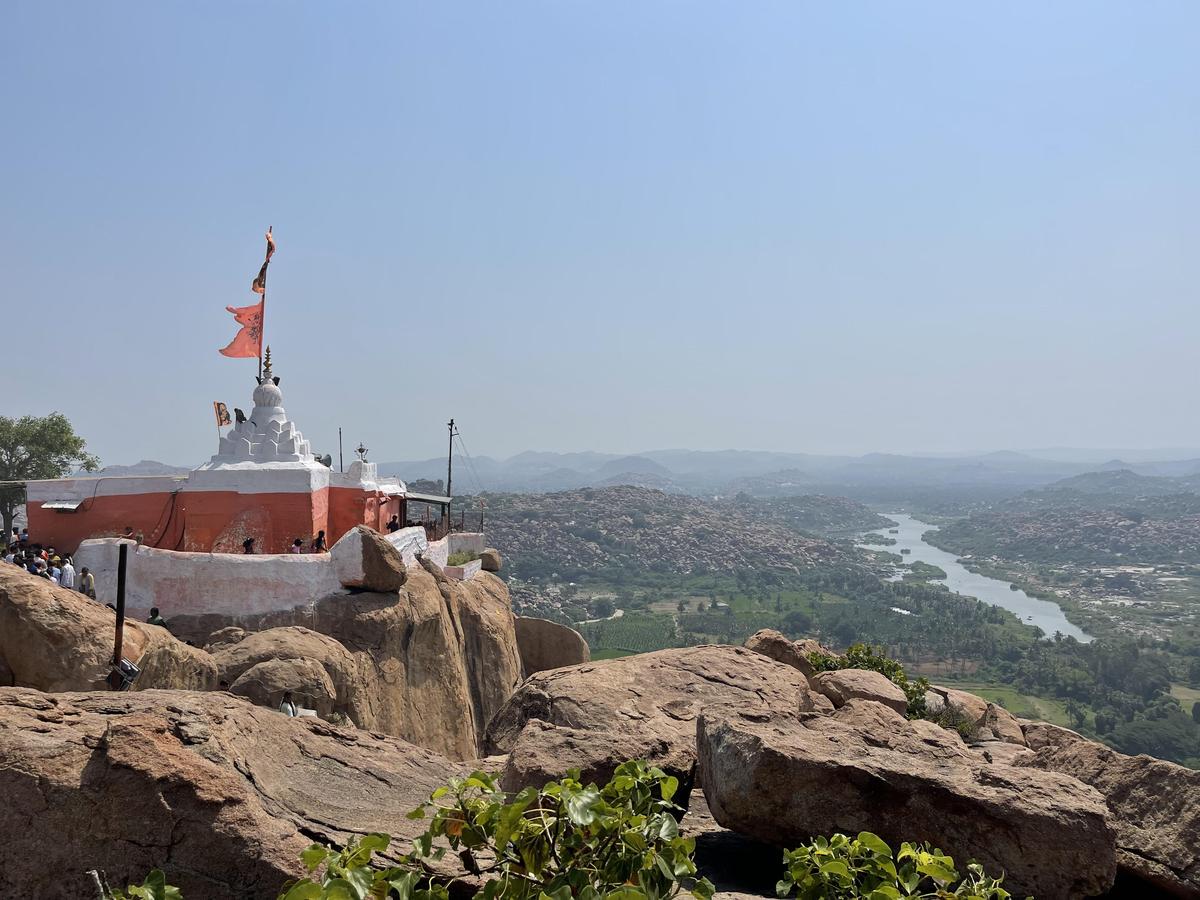
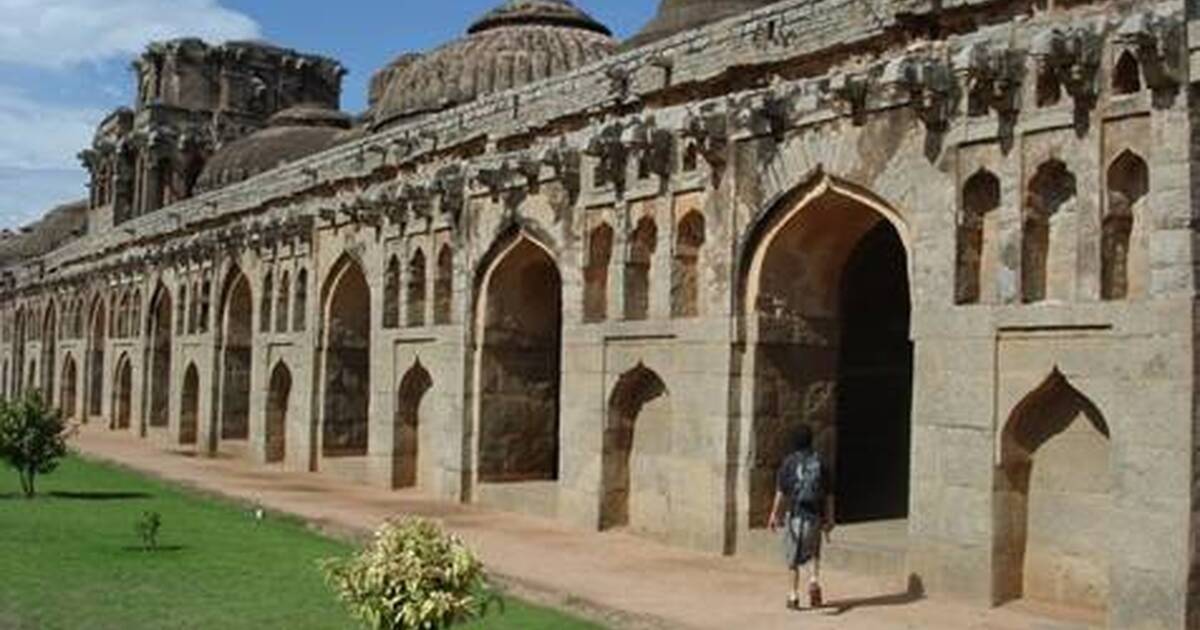
Hampi, a UNESCO World Heritage Site, is globally renowned for its monumental architecture, temples, markets, and landscapes dating back to the Vijayanagara Empire. It attracts thousands of visitors each year, making tourism a vital component of the local economy. However, the delicate balance between preservation and modernization has long been a subject of discussion among conservationists, planners, and tourism authorities. UNESCO’s recent observations have once again brought this balance into focus, prompting the state to clarify its approach.
Officials from the departments of archaeology, tourism, and urban development are jointly compiling data for the submission. According to sources, the report will include technical assessments, environmental considerations, and photographic documentation of ongoing and completed works. Authorities emphasized that the objective is not only to respond to UNESCO’s concerns but also to demonstrate that infrastructure improvements are being undertaken with due sensitivity to the site’s historical value. The government has reiterated its commitment to safeguarding Hampi’s heritage status.
HERITAGE CONSERVATION AND DEVELOPMENT BALANCE
Experts note that heritage sites across the world face similar challenges as visitor numbers rise. Facilities such as roads, sanitation systems, and visitor amenities are often necessary to manage tourism sustainably. However, any alteration within or around protected zones must adhere strictly to conservation frameworks. UNESCO typically examines whether such projects affect visual integrity, archaeological layers, or the cultural landscape. In Hampi’s case, questions reportedly centered on whether certain constructions might alter the site’s historic character.
State authorities clarified that most of the works in question are aimed at improving basic amenities for tourists, including better access routes, safety measures, and facilities for crowd management. Officials argue that such infrastructure is essential to prevent unregulated movement that could cause greater harm to the monuments. They also stated that consultations with heritage experts and local bodies were part of the planning process. The upcoming report is expected to elaborate on these procedural safeguards in detail.
Archaeological specialists have stressed that transparent communication with international bodies is key to maintaining confidence. India, as a signatory to global heritage conventions, periodically submits updates on conservation practices. These exchanges are viewed not as punitive measures but as collaborative mechanisms to uphold universal standards. By providing a comprehensive response, the Karnataka government aims to reaffirm that preservation remains the central priority, even as tourism infrastructure evolves.
Local stakeholders, including guides and small business owners, are closely watching developments. Tourism in Hampi supports livelihoods through hospitality, handicrafts, and transport services. While many residents welcome improved infrastructure that could enhance visitor comfort, they also recognize that any adverse decision regarding heritage status could affect the region’s global reputation. This shared interest in preservation has led to calls for careful planning and strict adherence to conservation norms.
ADMINISTRATIVE RESPONSE AND FUTURE COURSE
Officials indicated that the report will also address monitoring mechanisms to prevent unauthorized construction in protected zones. Strengthening coordination between local authorities and archaeological bodies is seen as essential. Periodic inspections, digital mapping of structures, and stricter permit systems may be proposed as part of the long-term strategy. These measures aim to ensure that future works undergo rigorous review before implementation.
Tourism planners argue that sustainable models must integrate conservation science with visitor management. Controlled pathways, eco-friendly transport options, and regulated entry points are among the strategies discussed for heritage destinations worldwide. Such approaches can reduce pressure on fragile structures while maintaining accessibility. The government’s submission may highlight similar initiatives to demonstrate alignment with global best practices.
Cultural historians emphasize that Hampi’s value extends beyond individual monuments to its broader landscape, which includes riverbanks, boulder-strewn terrain, and historic settlements. Preserving this setting requires coordinated planning across multiple sectors. The report to UNESCO is expected to underscore efforts to protect not just built heritage but also the surrounding environment. Officials believe this holistic perspective will help address the concerns raised.
The timeline for the submission reflects the urgency attached to the matter. By setting a February 1 deadline, authorities aim to provide timely clarification and avoid prolonged uncertainty. Observers note that proactive engagement can help prevent misunderstandings and reinforce the credibility of conservation commitments. UNESCO’s feedback following the report will likely guide future actions.
As preparations continue, the episode has sparked broader discussion about how heritage cities adapt to growing tourism without compromising authenticity. Hampi’s case illustrates the complexities of managing globally significant sites in a rapidly developing context. The forthcoming report represents both a response to international scrutiny and an opportunity to reaffirm dedication to preserving a treasured chapter of history for future generations.
The North Bengal tourism carnival 2026 has emerged as a landmark initiative to showcase the region’s hills, culture, and adventure opportunities. Organised with the aim of boosting tourism and highlighting Bengal’s unique heritage, the carnival promises to be a vibrant celebration of diversity, resilience, and community participation.
This event underscores the intersection of tourism governance, cultural identity, and economic development, where festivals become platforms for both local empowerment and global visibility.
2. The Carnival Highlights
Location: Across North Bengal, with Siliguri as a central hub.
Themes: Hills, culture, adventure, eco‑tourism.
Activities: Cultural performances, adventure sports, handicraft exhibitions, food festivals.
Participants: Local communities, artisans, tourism boards, adventure clubs.
Significance: Reinforces North Bengal’s role as a gateway to the Himalayas.
3. Why This Carnival Matters
Economic boost: Tourism generates jobs and income for local families.
Cultural pride: Showcases traditional music, dance, and crafts.
Adventure tourism: Promotes trekking, rafting, paragliding, and eco‑friendly travel.
Governance accountability: Authorities must ensure sustainable management of resources.
4. Political and Social Reactions
Government of West Bengal: Framed carnival as proof of commitment to tourism growth.
Civil society: Welcomed initiative but demanded focus on sustainability.
Local communities: Expressed excitement about opportunities for artisans and performers.
Observers: Noted potential for carnival to become annual global attraction.
5. Governance Challenges
The tourism carnival reflects systemic governance issues:
Infrastructure gaps: Roads, transport, and digital connectivity must support tourism.
Environmental sustainability: Hills and forests must be protected from over‑tourism.
Resource allocation: Funds must be transparently managed.
Judicial oversight: Courts may intervene in cases of ecological damage.
6. Community Concerns
Families: Hope for livelihood opportunities through tourism.
Youth: Demand skill development in hospitality and adventure sports.
Civil society groups: Call for participatory governance in tourism planning.
Local businesses: Seek transparency in tourism fund allocation.
Colonial era: Darjeeling and Kalimpong developed as hill stations.
Post‑Independence: Tourism expanded to Dooars and Siliguri.
2000s: Eco‑tourism initiatives gained momentum.
2026: Carnival reflects continuity of tourism as cultural and economic driver.
9. North Bengal Tourism Carnival 2026: Global Comparisons
Similar tourism carnivals worldwide:
Switzerland: Alpine festivals combine culture and adventure.
Nepal: Himalayan tourism fairs promote trekking and heritage.
Brazil: Carnival integrates culture with economic growth.
North Bengal’s case mirrors these global practices where tourism collides with governance, culture, and sustainability.
10. Governance Lessons
The tourism carnival teaches:
Transparency in tourism fund allocation builds credibility.
Community engagement ensures legitimacy of reforms.
Balanced autonomy protects cultural identity.
Judicial oversight safeguards fairness in tourism governance.
11. Future Outlook – Tourism Governance in Bengal
India must move towards:
Digitised monitoring systems for tourism projects.
Public dashboards showing revenue and footfall data.
Public‑private partnerships for sustainable tourism.
Educational campaigns linking tourism with civic responsibility.
✅ Conclusion
The North Bengal tourism carnival 2026 is more than a festival—it is a living testament to Bengal’s cultural resilience and tourism potential. As hills, culture, and adventure converge, ordinary citizens benefit from jobs, pride, and global recognition. For Bengal, the lesson is clear: democracy thrives when governance delivers transparency, fairness, and respect for both heritage and citizens.