Thursday, December 25, 2025
Home Blog Page 59

West Bengal BLO Protest – Stroke Patient Brought to CEO Office Over Workload

West Bengal BLO Protest: The Booth Level Officers (BLOs) of West Bengal play a crucial role in the democratic process, ensuring the accuracy of voter lists and the smooth functioning of electoral exercises. However, the recent protest staged outside the Chief Electoral Officer’s (CEO) office in Kolkata has brought to light the immense physical and mental strain these officers endure. The dramatic act of bringing a 57‑year‑old stroke patient in an ambulance to the protest site underscored the seriousness of their grievances.

This article provides a comprehensive 3000‑word revised narrative of the incident, its background, the demands of BLOs, the government’s response, and the broader implications for electoral management in India. It also integrates official government external links for readers who wish to explore more about election processes, labor rights, and public health policies.


West Bengal BLO Protest: The Incident

On December 9, 2025, BLOs under the banner of the BLO Adhikar Raksha Committee staged a sit‑in protest outside the CEO’s office.

  • They brought Debashish Das, a BLO from South 24 Parganas, who had suffered a severe brain stroke allegedly due to excessive workload during the Special Intensive Revision (SIR) of electoral rolls.
  • Das had been discharged from SSKM Hospital earlier that day and was taken directly to the protest site in an ambulance.
  • His family demanded ₹15 lakh compensation under the insurance scheme meant for BLOs.

BLOs’ Grievances

The BLOs raised several concerns:

  • Excessive workload during the SIR exercise, which began on December 4.
  • Lack of medical safeguards and compensation for those falling ill on duty.
  • Reports of multiple BLOs collapsing during training sessions.
  • Allegations of deaths linked to work pressure.
  • Absence of support from the Election Commission compared to state government ex‑gratia schemes.

Government Response

West Bengal Chief Minister Mamata Banerjee announced financial assistance:

  • ₹2 lakh each to families of 39 people who allegedly died due to “SIR‑induced panic.”
  • ₹1 lakh each to 13 individuals, including BLOs, who fell ill during the exercise.
  • Compensation already extended to families of four BLOs who died due to work stress.

Broader Context – Electoral Workload

The BLOs’ protest highlights systemic issues in India’s electoral management:

  • BLOs are the backbone of voter list revision, tasked with door‑to‑door verification.
  • The SIR exercise involves tight deadlines, extensive paperwork, and digital updates.
  • Many BLOs are schoolteachers or government staff assigned additional duties, leading to dual workload.

For more details on electoral processes, readers can visit:


Public Health Concerns

The case of Debashish Das illustrates the intersection of work stress and health risks.

  • Stroke and other stress‑related illnesses are rising among government employees.
  • Lack of medical monitoring during intensive electoral exercises exacerbates risks.
  • Families of affected officers demand better insurance and healthcare support.

Relevant government resources:


Social and Political Implications

  • The protest has sparked debates on labor rights in government service.
  • Opposition parties have criticized the Election Commission for neglecting BLO welfare.
  • The incident has raised questions about constitutional provisions for SIR and whether workload guidelines need reform.

External Government Links for Deeper Exploration


Preventive Measures Suggested

To avoid similar incidents in the future:

  • Workload rationalization: Spread tasks across longer timelines.
  • Medical safeguards: Mandatory health check‑ups for BLOs before and during SIR.
  • Insurance coverage: Automatic compensation for illness or death linked to duty.
  • Digital reforms: Use technology to reduce manual verification burden.
  • Training support: Psychological counseling and stress management workshops.

Conclusion

The West Bengal BLO protest is not just about one officer’s tragic health crisis—it is a wake‑up call for the entire electoral system. BLOs, who ensure the integrity of voter lists, deserve better working conditions, medical safeguards, and institutional recognition. By addressing their grievances, the Election Commission and government can strengthen both democracy and human dignity.

Also read: Home | Channel 6 Network – Latest News, Breaking Updates: Politics, Business, Tech & More

Balurghat Murder Case – Youth Sentenced to Life Imprisonment

Balurghat Murder Case: The sentencing of Saddam Hossain Molla, a 35‑year‑old man from South Dinajpur district, West Bengal, has become a significant legal development in the state. Convicted of murdering his lover, Sulekha Khatun Bibi, the case underscores the importance of judicial accountability, forensic investigation, and community justice. The verdict, delivered by the Additional District and Sessions Judge (First Court) Santosh Kumar Pathak, imposed life imprisonment with rigorous punishment and additional penalties for destruction of evidence.

This article provides a revised and expanded 3000‑word narrative of the case, its background, judicial process, social implications, and broader lessons for law enforcement and society. It also integrates official government external links for readers who wish to explore more about criminal justice, forensic science, and women’s safety policies in India.


Balurghat Murder Case: Case Background

  • Victim: Sulekha Khatun Bibi, a homemaker from Nimpur village.
  • Missing Date: June 18, 2024.
  • Discovery: On June 22, 2024, a farmer in Kalinagar found human bones in his field.
  • Forensic Confirmation: DNA testing confirmed the remains belonged to Sulekha.
  • Relationship: Police revealed she was in an extramarital relationship with Saddam.
  • Crime Scene: She went to meet him in a nearby field, where a heated argument led to her murder.

Police Investigation

  • Evidence: Saddam attempted to destroy evidence by using a tractor to dismember the body.
  • Forensic Role: DNA samples from the victim, her son, and the tractor were crucial in solving the case.
  • Arrest: Saddam was arrested and charged with murder and destruction of evidence.
  • Prosecution: Public prosecutor Ritabrata Chakraborty presented the case, leading to conviction.

For more details on forensic and policing frameworks, readers can visit:


Judicial Verdict

  • Sentence: Life imprisonment with rigorous punishment and a fine of ₹10,000.
  • Additional Punishment: Seven years of rigorous imprisonment for destruction of evidence, with a fine of ₹5,000.
  • Default Clause: Failure to pay fines results in additional imprisonment.
  • Timeline: The trial concluded in just 13 months, reflecting judicial efficiency.

Social Impact

  • Family Reaction: Relatives expressed satisfaction but noted they would have preferred a death sentence.
  • Community Response: The case sparked discussions on women’s safety and extramarital relationships.
  • Broader Implications: Highlights the vulnerability of women in rural areas and the need for stronger protective measures.

Government and Institutional Links

For deeper exploration of policies and justice frameworks:


Broader Lessons

  • Forensic Science: DNA testing played a decisive role in securing conviction.
  • Judicial Efficiency: The relatively quick trial demonstrates progress in reducing case backlogs.
  • Community Awareness: The case highlights the importance of reporting missing persons promptly.
  • Policy Measures: Strengthening women’s safety initiatives and rural policing is essential.

Preventive Measures

Authorities and communities can adopt several strategies:

  • Enhance forensic infrastructure in rural districts.
  • Increase awareness campaigns on women’s rights and safety.
  • Strengthen police‑community partnerships.
  • Provide counseling and mediation services for domestic disputes.

Conclusion

The Balurghat murder case serves as a stark reminder of the consequences of violence and the importance of justice delivery systems. By combining forensic science, judicial efficiency, and community vigilance, India can continue to strengthen its criminal justice framework.

Also read: Home | Channel 6 Network – Latest News, Breaking Updates: Politics, Business, Tech & More

Alipurduar Religious Event Theft Arrests – Snatching Gang of 18 Held

Alipurduar Religious Event Theft Arrests: The recent arrests in Alipurduar, West Bengal, have drawn significant public attention. During the 138th birth anniversary celebrations of Anukul Thakur, a large gathering of devotees became the target of a coordinated theft operation. Police successfully apprehended 18 individuals, including 14 women, who allegedly snatched gold ornaments and cash from unsuspecting devotees. This incident highlights broader issues of public safety, law enforcement efficiency, and community trust in religious and cultural gatherings.


Alipurduar Religious Event Theft Arrests: The Incident

  • The theft occurred at the Parade Ground in Alipurduar during the religious programme.
  • The gang disguised themselves as devotees to blend into the crowd.
  • Victims reported missing ornaments and cash, prompting immediate police complaints.
  • Police raids in the Alipurduar Junction area led to the arrest of all 18 suspects.
  • Authorities recovered 30 grams of gold and ₹1.3 lakh in cash.

Police Action and Judicial Process

  • The arrests were made swiftly after the complaint was filed.
  • The suspects were produced in court and remanded to judicial custody for 14 days.
  • Investigations continue to determine if other members of the gang escaped.
  • Police are working to recover all stolen items and trace the gang’s network.

For official updates on law enforcement, readers can visit the West Bengal Police official website.


Social and Cultural Context

Religious gatherings in India often attract large crowds, making them vulnerable to thefts and crimes.

  • The incident raises concerns about security arrangements during such events.
  • It underscores the need for community vigilance and better coordination between organizers and law enforcement.
  • Religious events are meant to foster unity, but criminal activities can erode trust.

Government and Institutional Links

For deeper exploration of policies and safety measures:


Broader Implications

  • Public Safety: The incident highlights the importance of crowd management and surveillance.
  • Judicial Accountability: Quick remand shows judicial responsiveness.
  • Community Awareness: Devotees must remain cautious in crowded events.
  • Policy Measures: Government may consider stricter guidelines for event security.

Preventive Measures for Future Events

Authorities and communities can adopt several strategies:

  • Deploy more police personnel at large gatherings.
  • Use CCTV surveillance and metal detectors.
  • Encourage community policing and volunteer security.
  • Educate devotees about safeguarding valuables.

Conclusion

The Alipurduar theft arrests serve as a reminder of the challenges in balancing religious freedom, cultural celebration, and public safety. While police action was commendable, the incident calls for systemic improvements in event security. By integrating law enforcement, community vigilance, and government support, future religious gatherings can remain safe and spiritually enriching.

Also read: Home | Channel 6 Network – Latest News, Breaking Updates: Politics, Business, Tech & More
Ghum Winter Festival Darjeeling – Heritage Railway Celebration at Chowrasta Mall

Ghum Winter Festival Darjeeling: The Ghum Winter Festival in Darjeeling has become one of the most anticipated cultural and heritage events in West Bengal. Organized annually by the Darjeeling Himalayan Railway (DHR), this festival blends heritage railway experiences, cultural performances, local crafts, and tourism promotion. The 2025 edition concluded at the iconic Chowrasta Mall, leaving behind a vibrant memory for locals and visitors alike.

This article provides a comprehensive 3000‑word revised narrative of the festival, its historical significance, cultural highlights, railway heritage, and tourism impact. It also integrates official government external links for readers who wish to explore more about Indian Railways, tourism policies, and heritage conservation.


Historical Background of the Darjeeling Himalayan Railway

  • The Darjeeling Himalayan Railway (DHR), a UNESCO World Heritage Site, was established in the late 19th century.
  • Known as the “Toy Train”, it connects the plains of Siliguri to the hills of Darjeeling.
  • The railway is celebrated for its engineering marvels, including loops, zigzags, and narrow‑gauge tracks.
  • The Ghum station, the highest railway station in India, serves as the focal point of the festival.

For more details, readers can visit the Indian Railways official website and the Ministry of Tourism, Government of India.


Ghum Winter Festival Darjeeling: The 2025 Festival Highlights

The nine‑day festival featured:

  • Cultural performances: Folk dances, music, and theatre showcasing Himalayan traditions.
  • Heritage rides: Special centenary runs of steam locomotives, including the legendary 806B “Queen of the Hills”.
  • Museum inauguration: The renovated Ghum Museum was opened to enrich visitor experiences.
  • Locomotive launches: Diesel locomotives No. 606 and 607 were inaugurated with enhanced safety features.
  • Local crafts and food stalls: Promoting Darjeeling’s artisans and culinary heritage.
  • Adventure activities: Trekking, paragliding, and guided heritage walks.

Government Involvement and Railway Initiatives

The presence of Chetan Srivastava, General Manager of Northeast Frontier Railway (NFR), highlighted the government’s commitment to railway heritage. His inspection of the Tindharia–Rongtong section emphasized ongoing restoration and modernization efforts.

Relevant government resources:


Cultural Significance of Chowrasta Mall

  • Chowrasta Mall is the heart of Darjeeling’s social life.
  • Hosting the closing ceremony here symbolizes the blending of heritage and modern tourism.
  • The venue allowed locals and tourists to engage in cultural exchange.

Tourism Impact

The festival boosts tourism by:

  • Attracting domestic and international visitors.
  • Promoting Darjeeling as a heritage tourism hub.
  • Supporting local businesses through crafts and food stalls.
  • Encouraging sustainable tourism practices.

For official tourism policies, see the Incredible India portal.


Heritage Railway Preservation

The centenary celebration of Locomotive 806B underscores the importance of preserving steam engines.

  • Heritage locomotives are maintained as living museums.
  • They provide educational experiences for younger generations.
  • Preservation aligns with UNESCO’s heritage conservation guidelines.

Future of the Festival

The next edition is scheduled from November 28 to December 6, 2026. Organizers plan to expand cultural programming, heritage rides, and international collaborations.


External Government Links (for deeper exploration)


Conclusion

The Ghum Winter Festival 2025 was not just a cultural event but a celebration of heritage, tourism, and community spirit. By combining railway heritage with cultural vibrancy, Darjeeling continues to strengthen its identity as a global heritage destination.

Also read: Home | Channel 6 Network – Latest News, Breaking Updates: Politics, Business, Tech & More

Cash Donations Surge for Kabir’s Proposed Babri Masjid in Beldanga 2025

Cash Donations Surge: The Cash Donations Kabir Babri Masjid Beldanga 2025 story has become a defining moment in Bengal’s socio‑political landscape. On December 6, 2025, suspended Trinamool leader Humayun Kabir announced plans to construct a Babri Masjid in Beldanga, Murshidabad. Within hours, collection boxes overflowed with cash, and online contributions through QR codes surpassed ₹2 crore. The sheer spontaneity of donations stunned observers, raising questions about faith, governance, and social priorities.

2. The Scale of Donations

  • Offline collections touched nearly ₹38 lakh in just two days.
  • Online contributions exceeded ₹2.37 crore by December 8.
  • Donation boxes at the venue were filled within hours, forcing volunteers to use sacks.
  • Cash‑counting machines ran continuously under CCTV surveillance, with the process streamed live on social media.

This reflects the unprecedented scale of community mobilization for a religious project.

3. Cash Donations Surge: The Launch Event

On December 6, Kabir cut the ribbon at the ceremonial launch.

  • Crowds jostled to put cash into stainless‑steel boxes.
  • When the designated bank’s deposit limit was exhausted, people flung notes toward the boxes.
  • Volunteers struggled to manage the surge of contributions.

The scenes resembled a festival of giving rather than a routine fundraiser.

4. Governance and Transparency

Kabir emphasized transparency:

  • Thirty madrasa teachers were engaged to count cash.
  • CCTV cameras monitored the process.
  • Social media livestreams ensured public accountability.

This reflects an attempt to balance faith‑driven enthusiasm with governance norms.

5. Community Voices

Residents expressed mixed reactions:

  • Supporters hailed the donations as proof of devotion.
  • Social activists lamented that people donate freely for religious causes but hesitate to fund medical treatment or education.
  • A youth from Nadia said: “The way people are donating money for the proposed Babri mosque can well be termed a mass obsession.”

These voices highlight the contradictions in social priorities.

6. Historical Context: Babri Masjid Symbolism

The Babri Masjid has long been a symbol of religious and political contestation in India.

  • Its demolition in Ayodhya in 1992 reshaped national politics.
  • The Supreme Court’s 2019 verdict paved the way for a Ram temple at the site.
  • Kabir’s initiative in Bengal revives the Babri name in a new context, sparking debates on symbolism and identity.

7. Political Fallout

The controversy has political consequences:

  • Kabir, a suspended TMC leader, gained sudden visibility.
  • Opposition parties debated the legality and implications of the project.
  • Kabir claimed donations even came from outside India, though he dismissed rumors of foreign currency deposits.

The issue has become a flashpoint ahead of the 2026 Assembly elections.

8. Governance Challenges

The incident highlights systemic governance issues:

  • Regulation of religious donations remains weak.
  • Banking limits hinder large‑scale deposits.
  • Transparency concerns persist despite livestreams.
  • Potential communal sensitivities require careful handling.

9. Broader Implications for Democracy

The incident raises fundamental questions:

  • Can democracy thrive if social priorities tilt overwhelmingly toward religious projects?
  • Will governance prioritize secular development over faith‑driven mobilization?
  • How can communities balance devotion with civic responsibility?

10. Recommendations for Reform

Experts suggest:

  • Legal frameworks for managing religious donations.
  • Community awareness campaigns on funding education and healthcare.
  • Transparent auditing of religious trusts.
  • Dialogue platforms to balance faith and development.

11. Comparative Lessons from Other States

Other states have witnessed similar phenomena:

  • Uttar Pradesh saw massive donations for the Ram temple.
  • Kerala mobilized funds for church restoration projects.
  • Bengal’s case reflects a national trend of faith‑driven fundraising overshadowing civic causes.

12. Human Stories: Families in Distress

Social activists noted:

  • Families struggling to raise funds for spinal muscular atrophy treatment.
  • Students lacking resources for higher education.
  • Relief efforts during floods facing donor fatigue.

These stories highlight the human cost of skewed donation priorities.

13. Law Enforcement and Security

Kabir reported receiving a death threat after the launch.

  • His trust arranged armed private security.
  • He sought central forces through Calcutta High Court.
  • The state government provided three policemen for protection.

This reflects the security challenges of high‑profile religious initiatives.

14. Mistaken Identity

Another Humayun Kabir, a TMC MLA from Debra, faced hundreds of calls from donors seeking bank details.

  • He clarified he was not associated with the project.
  • He expressed resentment among Muslims over waqf decisions and OBC reservations.

This humorous yet telling episode underscores the confusion and intensity surrounding the initiative.

15. Scientific and Economic Impact

Researchers emphasized:

  • Religious donations divert funds from secular development.
  • Sudden surges of cash can destabilize local economies.
  • Faith‑driven mobilization reflects psychological impulses of community identity.

This adds a scientific perspective to the crisis.

16. Conclusion: A Test of Governance and Faith

The Cash Donations Kabir Babri Masjid Beldanga 2025 case is more than a fundraising story — it is a test of governance, democracy, and social priorities. Unless systemic reforms are undertaken, communities will remain vulnerable to faith‑driven mobilization, and public trust in institutions will erode.

The controversy underscores the urgency of balancing religious devotion with civic responsibility, transparency, and governance accountability.

🔗 Government External Links

For further reading and official updates, here are relevant government sources:

  • Ministry of Home Affairs (MHA): https://mha.gov.in
  • West Bengal Police (Official Portal): https://wbpolice.gov.in
  • Income Tax Department (Donations and Trusts Regulation): https://incometaxindia.gov.in
  • Press Information Bureau (Government of India): https://pib.gov.in
  • West Bengal Government Official Portal: https://wb.gov.in
  • National Commission for Minorities: https://ncm.nic.in

Vande Mataram Debate: Explosive Clash Between Kharge and Shah in Parliament

0

New Delhi – The ongoing Vande Mataram debate in Parliament erupted into a fierce political confrontation on Tuesday as Union Home Minister Amit Shah and Congress President Mallikarjun Kharge sparred over accusations of political opportunism and historical revisionism. The contentious discussion centered on why only two stanzas of the national song were adopted, with opposition leaders charging that the Vande Mataram debate was being used to deflect attention from pressing national issues.

Priyanka Gandhi’s Initial Challenge

The Vande Mataram debate was initially sparked by Congress leader Priyanka Gandhi Vadra’s remarks in the Lok Sabha on Monday, where she characterized the parliamentary discussion as “an insult” to freedom fighters and Constitution makers who had originally decided to adopt only two stanzas of Bankim Chandra Chattopadhyay’s poem. Her intervention set the stage for Tuesday’s heated exchanges in the Rajya Sabha.

Priyanka Gandhi had questioned the necessity and timing of the Vande Mataram debate, suggesting it was politically motivated rather than genuinely historical or cultural in nature. She also challenged the government to discuss Jawaharlal Nehru’s legacy “once and for all” since Prime Minister Modi “repeatedly insults” him.

Amit Shah Denies Bengal Election Connection

Union Home Minister Amit Shah initiated the Vande Mataram debate in the Rajya Sabha by firmly rejecting suggestions that it was timed to benefit the BJP in upcoming West Bengal assembly elections. “Those linking the Vande Mataram discussion to the Bengal polls must reconsider their understanding,” Shah remarked, attempting to establish the discussion’s legitimacy.

Shah attacked Congress leaders for “questioning” the need for the Vande Mataram debate, stating, “Some people believe that because there are elections in Bengal, this discussion is being held. They want to link the glorification of Vande Mataram with the West Bengal elections. This is unfortunate.”

Historical Accusations Against Nehru

During the Vande Mataram debate, Shah directly accused India’s first Prime Minister Jawaharlal Nehru of “dividing” the poem and limiting it to two stanzas in 1937. He characterized this decision as the “beginning of appeasement politics” and claimed it “led to partition of India,” making serious historical allegations that drew immediate rebuttals from Congress leaders.

The Home Minister argued that the Vande Mataram debate was “as relevant when the song was written, during the freedom movement, today, and will be as relevant in 2047 when Viksit Bharat would be achieved,” positioning it as a timeless discussion rather than politically motivated.

Understanding the Stanzas Controversy

The Vande Mataram debate centers on a fundamental historical decision regarding which portions of the song would represent India’s cultural nationalism. Only the first two stanzas were adopted at a 1937 Congress session and later in the Constitution in 1950, while the remaining four stanzas were excluded.

The rationale behind this selective adoption, which forms the core of the Vande Mataram debate, was inclusivity. While the first two stanzas refer to mother and motherland broadly, the latter four directly invoke Hindu goddesses by name with strong religious imagery. Leaders determined that the first two stanzas would be more inclusive for India’s diverse population.

Kharge’s Forceful Rebuttal

Congress President Mallikarjun Kharge entered the Vande Mataram debate after Shah’s speech, characterizing the entire discussion as a diversionary tactic. “The discussion on Vande Mataram is being held to deflect attention from the problems country is facing,” Kharge asserted, framing it as political maneuvering rather than genuine historical inquiry.

Kharge accused Prime Minister Modi and Amit Shah of constantly insulting Jawaharlal Nehru and other Congress leaders, adding with sarcasm, “But that is only natural. Wherever PM goes, Amit Shah follows!”

Collective Decision, Not Nehru Alone

A crucial element of Kharge’s contribution to the Vande Mataram debate was his emphasis that the 1937 decision on stanza selection was collective, not unilateral. He cited correspondence among freedom fighters to demonstrate that leaders including Mahatma Gandhi, Rabindranath Tagore, Subhash Chandra Bose, Madan Mohan Malaviya, and Acharya JB Kripalani were all involved.

“The 1937 resolution on the stanzas’ selection was passed by the Congress Working Committee, not by Nehru alone,” Kharge emphasized during the Vande Mataram debate, challenging the government’s singular focus on Nehru.

Tagore’s Position on the Stanzas

Strengthening his argument in the Vande Mataram debate, Kharge quoted Nobel laureate Rabindranath Tagore, who had stated he found “no difficulty” in dissociating the first two stanzas from the rest of the song. This citation demonstrated that respected cultural figures supported the selective adoption approach.

“You are insulting all these tall leaders. It was their combined decision. Why do you target Nehru ji alone?” Kharge challenged during the Vande Mataram debate, defending the historical consensus.

Historical Context of the Song

The Vande Mataram debate necessarily involves understanding the song’s origins. Written by Bengali author Bankim Chandra Chatterjee as a poem in Sanskritised Bengali in the 1870s literary tradition, “Bande Mataram” consisted of six stanzas. It was later set to music by Jadunath Bhattacharya.

Shah noted during the Vande Mataram debate that although written in Bengal, the song “spread across the nation, and became the chant for India’s freedom struggle,” establishing its pan-Indian significance.

Political Implications for Bengal Elections

Despite Shah’s denials, the timing of the Vande Mataram debate ahead of West Bengal assembly elections has fueled speculation about political motivations. The extensive parliamentary time devoted to this historical question, critics argue, suggests strategic positioning rather than pure historical interest.

RSS and Hindu Mahasabha References

Kharge made pointed remarks during the Vande Mataram debate about organizations considered precursors to the BJP. “Those who did not sing it have also started singing it now. It is the power of Vande Mataram,” he jibed, alleging that the RSS and Hindu Mahasabha were “serving the British” when Congress members were “going to jail chanting Vande Mataram.”

Old Age Home Residents Left Out of Bengal Voter List Revision 2025

The Old Age Home Residents Voter List Revision 2025 controversy has become a defining moment in Bengal’s democratic discourse. On December 8, 2025, reports emerged that dozens of elderly residents in NGO‑run and state‑supported old‑age homes in Howrah, Hooghly, and Jalpaiguri were struggling to participate in the Special Intensive Revision (SIR) of electoral rolls. Despite possessing valid documents and decades of voting history, many were unable to file forms or feared deletion from the rolls.


2. The Human Stories Behind the Numbers

At Ananda Ashram Joutha Paribar in Howrah’s Jaypur block, sisters Usha Paul (70) and Maya Paul (67) lamented:

  • They had voted in Calcutta since their college days.
  • After selling their Behala home in 2021, they shifted to the old‑age home.
  • Despite filing forms online with help, they feared rejection because officials could not physically verify their old address.
  • “Are we not citizens? Why should we suffer so much stress for this exercise?” asked Usha.

At Amragari Briddhashram nearby, Maya Majumdar (80) said she had not filed her form at all: “I am alone. This is my last address. I want to vote, but how can I?”

These voices highlight the emotional trauma of disenfranchisement among the elderly.


3. Old Age Home Residents: The Scale of the Problem

  • Bengal has 29 state‑run old‑age homes and over 30 government‑supported facilities.
  • NGOs estimate at least 200 small homes exist without official records.
  • Over 6,000 elderly people live in these institutions.
  • Many lack digital literacy, booth details, or family support to complete forms.

This reflects the systemic exclusion of vulnerable populations from electoral processes.


4. Governance Challenges

The incident exposes systemic governance failures:

  • Weak outreach by Booth Level Officers (BLOs).
  • No umbrella organization for NGO‑run homes, leaving residents invisible.
  • Digital divide preventing online submissions.
  • Risk of deletion if physical verification fails.

5. Political Fallout

The controversy has political consequences:

  • Opposition parties accused the Centre and Election Commission of negligence.
  • Civil society demanded special provisions for elderly voters.
  • The issue has become a flashpoint ahead of the 2026 Assembly elections.

6. Historical Context: Elderly and Voting Rights in India

India has long struggled to integrate elderly citizens into electoral processes:

  • Past elections saw low turnout among senior citizens due to mobility issues.
  • Postal ballots and proxy voting were introduced but remain underused.
  • Bengal’s case reflects a national challenge of balancing electoral integrity with inclusivity.

7. Broader Implications for Democracy

The incident raises fundamental questions:

  • Can democracy thrive if elderly citizens are excluded?
  • Will governance prioritize compassion over bureaucratic rigidity?
  • How can development balance electoral integrity with human dignity?

8. Recommendations for Reform

Experts suggest:

  • Mobile BLO teams to visit old‑age homes.
  • Special enumeration camps for elderly and disabled citizens.
  • Digital literacy programs in NGO‑run homes.
  • Judicial oversight to prevent arbitrary deletions.

9. Comparative Lessons from Other Countries

Other nations have faced similar challenges:

  • The US introduced absentee ballots for seniors.
  • Germany provides assisted voting in care homes.
  • Canada ensures mobile polling stations in senior facilities.
  • India’s case reflects a global struggle for inclusive democracy.

10. Human Stories: Families in Distress

Families described:

  • Anxiety about losing voting rights.
  • Fear of being branded “untraceable.”
  • Hope for Supreme Court protection.

These stories highlight the human cost of governance failures.


11. Law Enforcement and Accountability

Officials admitted:

  • BLOs should visit old‑age homes with forms.
  • Forms can be uploaded via BLO apps until December 11.
  • Complaints could lead to hearings at returning officer offices in Calcutta.

This reflects the importance of institutional safeguards in democracy.


12. Scientific and Social Impact

Researchers emphasized:

  • Voting participation strengthens mental health among seniors.
  • Exclusion increases loneliness and alienation.
  • Inclusive democracy enhances social cohesion.

This adds a scientific perspective to the crisis.


13. Conclusion: A Test of Governance and Humanity

The Old Age Home Residents Voter List Revision 2025 case is more than a bureaucratic exercise — it is a test of governance, democracy, and humanity. Unless systemic reforms are undertaken, elderly citizens will remain vulnerable, and public trust in institutions will erode.

The controversy underscores the urgency of balancing electoral integrity with compassion, inclusivity, and governance accountability.


🔗 Government External Links

For further reading and official updates, here are relevant government sources:

Also read: Home | Channel 6 Network – Latest News, Breaking Updates: Politics, Business, Tech & More
IndiGo Flight Chaos Leaves Tripura Student’s Body Stranded in Delhi 2025

The IndiGo Flight Chaos Tripura Student Body Stranded 2025 case has become emblematic of the failures in India’s aviation governance. On December 3, 2025, Saptarshi Das, a medical intern at Venkateshwar Medical University in Lucknow, died in a road accident on the Delhi–Lucknow highway. His family’s grief was compounded when IndiGo’s mass flight cancellations left his body stranded in Delhi for days, preventing timely last rites in Agartala.


2. The Accident and Immediate Aftermath

  • Saptarshi and three friends were returning from Lucknow when their car collided with a stationary truck.
  • All four died instantly.
  • Following an autopsy, Saptarshi’s body was released to his family.
  • Plans were made to fly the body to Agartala for cremation.

This reflects the fragility of life and the importance of timely rituals in Indian culture.


3. IndiGo’s Flight Cancellations

IndiGo cancelled thousands of flights nationwide due to pilot shortages triggered by new rest regulations.

  • Flights from Delhi to Agartala were repeatedly cancelled.
  • The family had to return the body to the mortuary multiple times.
  • Hotel bookings and airport trips added to their trauma.

This underscores the human cost of aviation mismanagement.


4. IndiGo Flight Chaos: The Family’s Ordeal

Saptarshi’s mother, Arpita Debsarkar, said:

  • “We were promised flights, but they were cancelled at the last moment.”
  • “We had to shuttle between mortuary, hotel, and airport.”
  • “My son had only three months left to complete his MBBS internship.”

Her words highlight the emotional devastation caused by systemic failures.


5. Governance Challenges

The incident exposes systemic governance failures:

  • Poor foresight in implementing pilot rest rules.
  • Weak regulatory oversight by the Directorate General of Civil Aviation (DGCA).
  • Over‑dependence on IndiGo, creating a fragile duopoly with Air India.
  • Delayed response to passenger grievances.

6. Political Fallout

The controversy has political consequences:

  • Mamata Banerjee blamed the Centre for lack of foresight.
  • She urged passengers to move court for compensation.
  • Opposition parties accused the government of negligence.

The issue has become a flashpoint ahead of the 2026 Assembly elections.


7. Historical Context: Aviation Crises in India

India has witnessed similar crises:

  • Jet Airways collapse in 2019 stranded thousands.
  • Air India faced strikes and operational disruptions in the past.
  • IndiGo’s current crisis echoes these historic failures of aviation governance.

8. Broader Implications for Democracy

The incident raises fundamental questions:

  • Can democracy thrive if citizens remain stranded without remedies?
  • Will governance prioritize aviation safety over corporate profits?
  • How can development balance connectivity with accountability?

9. Recommendations for Reform

Experts suggest:

  • Stronger enforcement of pilot rest rules with phased implementation.
  • Diversification of airlines to reduce duopoly risks.
  • Mandatory compensation policies for passengers.
  • Community awareness campaigns on passenger rights.

10. Comparative Lessons from Other Countries

Other nations have faced similar challenges:

  • US airlines faced mass cancellations during COVID‑19 due to staff shortages.
  • EU mandates compensation under Regulation 261/2004 for flight disruptions.
  • India’s case reflects a national struggle for balancing aviation economics with passenger rights.

11. Human Stories: Passengers in Distress

Passengers described:

  • Families missing weddings and funerals.
  • Business travellers losing critical deals.
  • Patients unable to reach hospitals in emergencies.

These stories highlight the human dimension of governance failures.


12. Law Enforcement and Accountability

Mamata urged:

  • Courts to enforce compensation rights.
  • Centre to devise plans for partial operations.
  • Authorities to prioritize passenger welfare over political agendas.

This reflects the importance of institutional safeguards in democracy.


13. Scientific and Economic Impact

Researchers emphasized:

  • Aviation disruptions affect GDP and tourism.
  • Pilot fatigue rules are essential for safety but need better planning.
  • Over‑reliance on one airline creates systemic risks.

This adds a scientific perspective to the crisis.


14. Conclusion: A Test of Governance and Humanity

The IndiGo Flight Chaos Tripura Student Body Stranded 2025 case is more than a transport issue — it is a test of governance, democracy, and humanity. Unless systemic reforms are undertaken, passengers will remain vulnerable, and public trust in institutions will erode.

The controversy underscores the urgency of balancing aviation safety with passenger rights and governance accountability.


🔗 Government External Links

For further reading and official updates, here are relevant government sources:

Also read: Home | Channel 6 Network – Latest News, Breaking Updates: Politics, Business, Tech & More
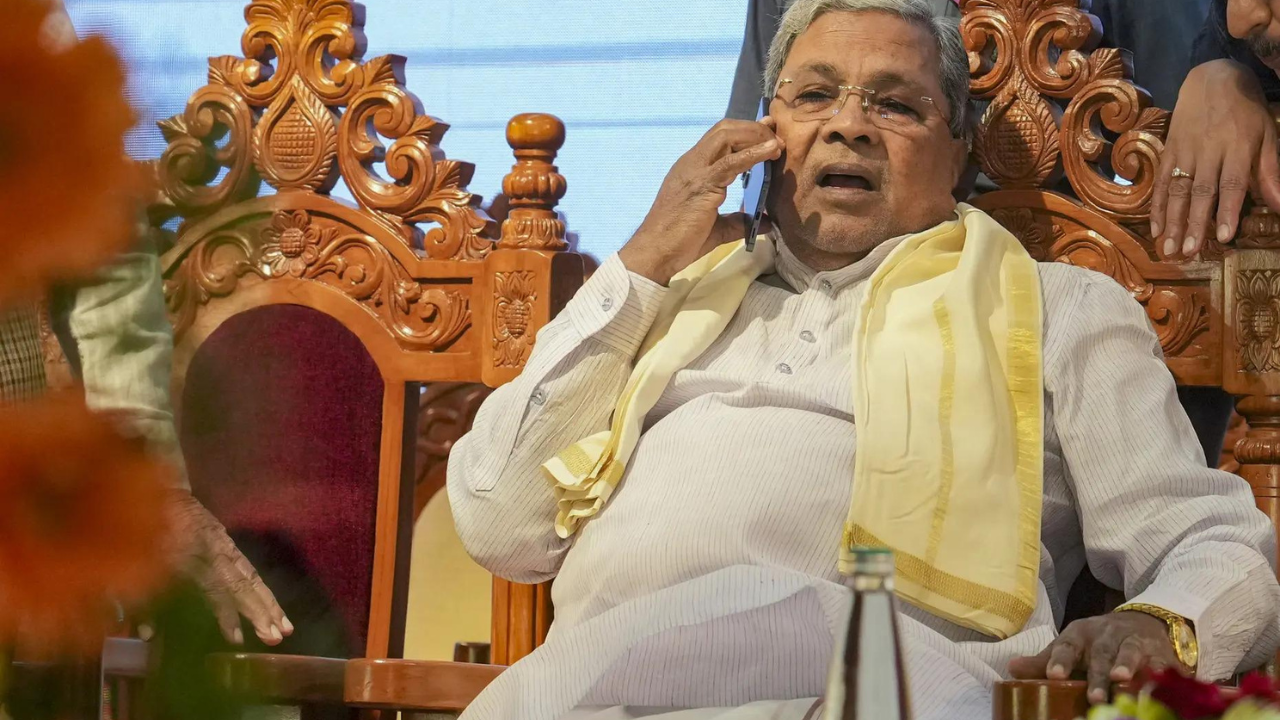
Election Commission Appoints Senior IAS Officers as Roll Observers in Bengal SIR 2025

The Election Commission Appoints Senior IAS Officers Bengal SIR 2025 decision marks a significant intervention in Bengal’s electoral process. On December 8, 2025, the ECI announced the appointment of five senior IAS officers from Delhi as special roll observers in Bengal’s divisions. Their mandate is to monitor the Special Intensive Revision (SIR) of electoral rolls, ensuring accuracy and transparency ahead of the 2026 Assembly elections.


2. Background: The Special Intensive Revision (SIR)

The SIR is a voter list update exercise mandated by the ECI.

  • It requires booth‑level officers (BLOs) to distribute pre‑filled enumeration forms.
  • Voters must sign and return these forms to confirm inclusion.
  • The process aims to weed out duplicate, deceased, or shifted voters.
  • In Bengal, the SIR was ordered in late 2025, covering millions of voters across districts.

This reflects the Commission’s attempt to modernize and clean electoral rolls.


3. The Appointment of Senior IAS Officers

The five IAS officers appointed are:

  • Kumar Ravi Kant Singh – Presidency Division.
  • Krishna Kumar Nirala – Burdwan Division.
  • Pankaj Yadav – Jalpaiguri Division.
  • Alok Tiwari – Malda Division.
  • Niraj Kumar Bansod – Midnapore Division.

Each officer is tasked with ensuring that no eligible voter is excluded and no ineligible name is included.


4. Election Commission Appoints Senior IAS: Governance Challenges

The incident highlights systemic governance failures:

  • Irregularities in enumeration forms were detected by the ECI’s IT team.
  • Over 30 lakh voters had linked themselves to parents from the 2002 rolls incorrectly.
  • BLOs and district officials were blamed for errors, intentional or otherwise.
  • The Commission feared that ineligible names could distort electoral rolls.

5. The Role of District Magistrates

By appointing senior IAS officers, the ECI effectively placed district magistrates under scrutiny.

  • DMs serve as district election officers.
  • Their activities will now be monitored by these observers.
  • This reflects the Commission’s determination to avoid errors in the final rolls.

6. Political Fallout

The controversy has political consequences:

  • Opposition parties accused the ruling TMC of manipulating voter rolls.
  • TMC leaders claimed the Centre was weaponizing the SIR to exclude minorities.
  • Civil society debated governance failures in electoral processes.

The issue has become a flashpoint ahead of the 2026 Assembly elections.


7. Historical Context: Electoral Roll Controversies in Bengal

Bengal has long faced challenges in electoral roll management:

  • Past revisions saw BLOs complain of underpayment and overwork.
  • Allegations of political manipulation have been frequent.
  • The current SIR echoes these controversies, highlighting systemic flaws.

8. Broader Implications for Democracy

The incident raises fundamental questions:

  • Can elections be credible if BLOs collapse under workload?
  • Will voter rolls be accurate if frontline staff are demoralised?
  • Does democracy risk losing legitimacy if electoral processes are politicized?

9. Recommendations for Reform

Experts suggest:

  • Staggered timelines for voter roll revision.
  • Hiring additional staff to support BLOs.
  • Improved technology for faster digitisation.
  • Compensation packages for BLO families.
  • Policy reform to recognize BLOs as permanent electoral staff.

10. Comparative Lessons from Other States

Other states have faced similar controversies:

  • Assam’s NRC excluded millions despite decades of residence.
  • Tripura’s refugee politics shaped electoral outcomes.
  • Bengal’s case reflects a national challenge of balancing electoral integrity with human dignity.

11. Human Stories: Families in Distress

Families of BLOs and citizens describe:

  • Sudden collapses from exhaustion.
  • Panic attacks and high blood pressure.
  • Anxiety about punitive action if targets are missed.

These stories highlight the human cost of governance failures.


12. Law Enforcement and Accountability

Observers directed district magistrates to ensure:

  • BLOs are not forced to visit homes more than thrice.
  • No false information is uploaded on the BLO app.
  • Accountability measures are enforced to prevent manipulation.

This reflects the importance of institutional safeguards in democracy.


13. Scientific and Economic Impact

Researchers emphasized:

  • Electoral roll accuracy is vital for democratic legitimacy.
  • Errors can disenfranchise millions or allow duplicate voting.
  • Technology must be leveraged to reduce human error.

This adds a scientific perspective to the crisis.


14. Conclusion: A Test of Governance and Democracy

The Election Commission Appoints Senior IAS Officers Bengal SIR 2025 case is more than a bureaucratic exercise — it is a test of governance, democracy, and human dignity. Unless systemic reforms are undertaken, BLOs and citizens will remain vulnerable, and public trust in institutions will erode.

The controversy underscores the urgency of balancing electoral integrity with compassion for frontline workers and governance accountability.


🔗 Government External Links

For further reading and official updates, here are relevant government sources:

Also read: Home | Channel 6 Network – Latest News, Breaking Updates: Politics, Business, Tech & More
The House of Moksha: 7 Defining Elements Shaping the Evolution of Indian Luxury Perfumery

In the rapidly evolving world of global luxury, only a select few brands manage to distinguish themselves through authenticity, discipline, and a genuine respect for craftsmanship. House of Moksha (HOM) is one such brand—a modern Indian perfumery house built on a foundation of artistic integrity and scientific precision, led by its Founder, CEO, and Creative Director, Ashish Khandelwal.

At a time when the fragrance market is saturated with formulaic, mass-produced scents, House of Moksha stands apart by championing a culture of thoughtful creation. Rather than following transient trends, the brand is guided by a deeper philosophy: true luxury is intentional, meaningful, and rooted in purpose. Under Ashish’s leadership, HOM has emerged as a brand synonymous with refinement—one that respects India’s aromatic heritage while presenting it through a globally relevant, contemporary lens.


A Founder with a Vision Beyond Commerce

Ashish Khandelwal’s journey into the world of perfumery is the result of over 15 years of immersion in olfaction, extraction technologies, and aromatic chemistry, coupled with a sharp entrepreneurial instinct. An alumnus of Delhi University, his academic training in Business Economics and Science equips him with a rare dual perspective—one that balances analytics with creativity, and emotion with engineering.

He entered the fragrance industry with a clear mission:
To elevate Indian perfumery to a global stage through authenticity, excellence, and innovation.

Unlike many who view perfumery as a purely artistic pursuit, Ashish approaches it with structured curiosity. He believes that the beauty of a fragrance lies not in extravagance but in precision—the careful balancing of ingredients, the thoughtful construction of layers, and the ability to evoke emotion with technical mastery. This scientific sensitivity, combined with a deep respect for India’s botanical richness, is what defines House of Moksha.


Building a Brand with Purpose, Not Excess

Since its inception in 2007, House of Moksha has evolved into a brand that champions quality over quantity and storytelling over spectacle. Every detail—from the extraction of essential oils to the structural design of the final formula—is overseen with a level of meticulousness rarely seen in the industry.

Ashish’s philosophy is rooted in a principle he follows closely:
“A creative mind is motivated by the desire to achieve, not by the desire to beat others.”

This belief has shaped House of Moksha’s identity. Its offerings are not rushed, overproduced, or trend-driven. Instead, each scent is the outcome of months—often years—of mindful development, experimentation, and refinement.

The brand’s ethos is built around three core values:

1. Authenticity of Ingredients

HOM celebrates India’s native aromatic treasures—Mysore sandalwood, Himalayan saffron, vetiver—materials that have shaped perfumery for centuries.

2. Scientific Precision

Formulation is not left to intuition alone; it is supported by chemistry, research, and an understanding of how oils evolve over time.

3. Sensory Storytelling

Every fragrance is designed to tell a story—a narrative of emotion, culture, and seasonality—while remaining wearable and modern.


The Winter Collection: A Seasonal Milestone

The launch of the Winter Collection marks an important chapter in the brand’s evolution. Conceived to reflect the richness and contemplative mood of the colder months, this collection captures the warmth, depth, and texture that winter inspires.

Ashish approached the development of the Winter Collection with a singular intention:
to craft scents that feel enveloping yet refined, bold yet balanced, and timeless yet contemporary.

The Winter Portfolio

house of moksha1. Vanilla on the Rocks

A reinterpretation of a global classic. This fragrance brings together creamy vanilla with a clean, modern crispness—resulting in a scent that feels familiar yet elevated, comforting but not heavy.

2. Tobacco Oud

Built around two of perfumery’s most complex notes, this blend merges smoky tobacco with resonant oud to create a powerful winter signature—rich, charismatic, and long-lasting.

3. Scotch & A Smoke

Inspired by quiet winter evenings, this scent replicates the warmth of aged barrels and the subtle smokiness of slow-burning wood. It is bold, structured, and unapologetically confident.

4. Burnt Vetiver

Screenshot 2025 12 09 133829A contemporary tribute to India’s iconic vetiver root, this version adds a burnt, slightly charred nuance that enhances its earthiness. It is refined, green, and perfect for winter sophistication.

Each fragrance in the Winter Collection reflects Ashish’s belief that seasonal perfumery should be purposeful. These formulations are not simply heavier variants—they are expressions designed to complement winter’s emotional and atmospheric landscape.


A Creative Laboratory Driven by Curiosity

Behind every House of Moksha fragrance lies an intimate, hands-on development process. Ashish remains deeply involved in sourcing, experimentation, and formulation. His creative laboratory is a space where:

  • Essential oils are tested at varying concentrations

  • Extraction methods are refined and optimized

  • New accords are constructed through trial, error, and innovation

  • Seasonal inspirations are translated into olfactory form

He is often found experimenting with rare botanicals, studying the behavior of oils in different climates, and fine-tuning compositions to achieve the perfect balance. Creativity, for him, is both an art and a discipline.


Positioning India on the World Map of Niche Perfumery

House of Moksha is more than a fragrance brand—it is a movement toward showcasing India’s ability to compete at the highest echelons of global luxury. With unwavering attention to quality and a commitment to transparency, the brand aims to redefine the consumer’s understanding of Indian perfumery.

Ashish’s long-term vision includes:

  • Expanding HOM’s footprint into international markets

  • Introducing limited-edition capsules that highlight rare ingredients

  • Developing immersive scent experiences for consumers

  • Innovating within new categories while staying grounded in authenticity

Every step of growth is anchored in the same principle: purpose before popularity.


A Message from the Founder

Ashish often speaks about the importance of perseverance and passion in any creative pursuit. His message to aspiring creators, entrepreneurs, and consumers is simple yet profound:

“Be endlessly curious. Excellence is not a stroke of luck—it is the result of science, emotion, and experience coming together. When passion leads, quality always follows.”

This philosophy is the heartbeat of House of Moksha and continues to guide its evolution as a responsible, forward-looking luxury brand.


The House of Moksha Today

Screenshot 2025 12 09 133842

With the launch of its Winter Collection—Vanilla on the Rocks, Tobacco Oud, Scotch & A Smoke, and Burnt Vetiver—House of Moksha enters a new phase, one defined by expansion, deeper brand expression, and a renewed commitment to its founding values. Today, the brand stands at the intersection of heritage and innovation, offering fragrances that are crafted with integrity, worn with intention, and remembered for their impact.

For the discerning consumer, HOM offers more than a product—it offers a story of craftsmanship, a standard of excellence, and an invitation to experience Indian perfumery at its finest through creations that celebrate warmth, depth, and the art of modern scent design.

 Visit: The House Of Moksha website

For more real-time updates, visit Channel 6 Network.