Sunday, December 21, 2025
Home Blog Page 632

Powerful Upgrades: 2025 KTM 390 Adventure X Plus Spotted at Dealership, Ignites Enthusiast Excitement

The Indian motorcycling community is abuzz as the 2025 KTM 390 Adventure X Plus has been spotted at a Pune dealership, signaling that the much-anticipated launch is just days away. The sighting confirms that KTM is revamping its popular Adventure lineup, with the new X Plus variant set to replace the outgoing 390 Adventure X. This move is expected to bring a host of advanced features to the mid-segment adventure motorcycle category, catering to riders who demand modern technology without the top-tier price tag.

Dealership sources have indicated that KTM has already stopped accepting bookings for the current 390 Adventure X, and the arrival of the X Plus at showrooms marks the beginning of a new chapter for the brand’s adventure segment. The model seen at the dealership sports familiar paint schemes but boasts a range of electronic upgrades that set it apart from its predecessor. While the official name—X Plus or simply X—will be confirmed at launch, the motorcycle’s enhanced feature set is already generating significant excitement among potential buyers.

Feature-Rich Electronics: Cruise Control, Cornering ABS, and More

IMU-Based Technology Comes to the X Plus

One of the most notable upgrades on the 2025 KTM 390 Adventure X Plus is the introduction of an IMU-based electronics package, previously reserved for the standard 390 Adventure. This includes switchable cornering ABS, switchable cornering traction control, and, for the first time in this segment, cruise control. These features are designed to offer riders greater confidence and safety, especially when navigating challenging terrain or long highway stretches.

Additionally, the X Plus will offer three distinct ride modes—Street, Rain, and Off-Road—allowing riders to tailor the bike’s performance to varying road and weather conditions. This versatility makes the X Plus an attractive option for both urban commuters and adventure enthusiasts looking to explore off the beaten path. The updated switchgear, including a dedicated cruise control switch, further enhances the riding experience by providing intuitive access to these advanced features.

Mechanical Underpinnings Remain Familiar

Despite the electronic upgrades, the mechanical foundation of the 390 Adventure X Plus remains unchanged. The bike continues to ride on 19-inch front and 17-inch rear alloy wheels, maintaining its road-biased but off-road-capable character. The suspension setup is standard and non-adjustable, distinguishing it from the fully adjustable units found on the higher-spec 390 Adventure S and R variants. This approach keeps the X Plus accessible in terms of price while still delivering the versatility expected from the Adventure series.KTM 390 series - Wikipedia

Pricing, Positioning, and Market Impact

Expected Price Hike and Value Proposition

With the addition of advanced electronic rider aids, the 2025 KTM 390 Adventure X Plus is expected to be priced approximately ₹15,000 to ₹20,000 higher than the outgoing Adventure X. The current X variant retails at ₹2.91 lakh (ex-showroom), so the new model is likely to be positioned just above the ₹3 lakh mark. This pricing strategy aims to offer greater value to riders who want premium features without stepping up to the top-end Adventure S.

KTM’s decision to introduce these upgrades reflects a growing demand among Indian riders for technologically advanced motorcycles that can handle both daily commutes and weekend adventures. The X Plus is poised to become a strong contender in the mid-capacity adventure motorcycle segment, challenging rivals with its blend of performance, safety, and affordability.

Competition and Segment Dynamics

The launch of the 390 Adventure X Plus comes at a time when the Indian adventure motorcycle market is witnessing increased competition. Rivals such as the BMW G 310 GS, Royal Enfield Himalayan 450, and Honda CB500X are all vying for the attention of riders seeking adventure-ready machines. KTM’s focus on electronic enhancements gives the X Plus a distinct edge, especially for tech-savvy buyers who prioritize rider aids and safety features.

Design, Variants, and Global Strategy

Paint Schemes and Global Lineup

Visually, the 2025 KTM 390 Adventure X Plus retains the aggressive styling and Dakar-inspired graphics that have become synonymous with the Adventure range. The dealership-spotted model features the same color palette as the outgoing X, ensuring brand continuity while emphasizing the technological leap forward. Globally, KTM offers the 390 Adventure in X, S, and R variants, with the X and S trims slated for the Indian market and the R reserved for international buyers seeking hardcore off-road capability.

No Adjustable Suspension, But Practical Upgrades

While the X Plus does not receive the adjustable suspension of the S and R models, its standard setup is tuned for a balance between comfort and sporty handling. The focus remains on delivering a practical, reliable, and enjoyable ride for a wide range of users. The inclusion of cruise control and multiple ride modes is expected to make the X Plus particularly appealing to long-distance tourers and those who frequently encounter changing road conditions.

What’s Next: Launch Timeline and Rider Expectations

Launch Imminent, Deliveries Soon

Dealership sightings and halted bookings for the previous X variant suggest that KTM will officially launch the 2025 390 Adventure X Plus within the next week. Deliveries are expected to commence shortly after the announcement, with dealerships across major cities already preparing for customer test rides and display units. The anticipation is further fueled by KTM’s reputation for aggressive pricing and quick market rollouts.KTM 390 Duke Price - Mileage, Images, Colours | BikeWale

The arrival of the 2025 KTM 390 Adventure X Plus at Indian dealerships is more than just another product launch—it marks a pivotal moment for the adventure touring segment in the country. For years, KTM’s 390 Adventure series has set benchmarks for performance and value, but the X Plus variant now raises the bar by democratizing advanced electronics once reserved for higher-end models. This move is seen as a direct response to the evolving expectations of Indian riders, who are increasingly seeking motorcycles that combine rugged capability with modern technology.

Riders and enthusiasts have long awaited a model that bridges the gap between affordability and premium features. The X Plus, with its IMU-based rider aids and multiple ride modes, addresses this demand head-on. The inclusion of cruise control is particularly noteworthy, as it elevates long-distance touring comfort and brings the 390 Adventure X Plus closer to international standards. For adventure seekers who regularly tackle highways and unpredictable terrain, these features are not just luxuries—they’re practical tools that enhance safety and enjoyment.

The dealership sighting has also sparked conversations about the future direction of KTM’s Adventure lineup in India. Many speculate that the X Plus could set a precedent for other manufacturers, pushing the entire segment toward greater innovation and customer-centric design. The market’s response to the X Plus will likely influence how brands like Royal Enfield, BMW, and Honda approach their next round of adventure motorcycle updates, especially in terms of electronic rider aids and connectivity.

Enthusiast Buzz and Community Reaction

The Indian biking community has responded with enthusiasm to the news of the X Plus’s imminent arrival. Online forums and social media groups are abuzz with discussions about the new features, expected pricing, and comparisons with rival models. Many riders see the X Plus as a long-awaited upgrade that bridges the gap between affordability and advanced technology, making it a compelling choice for both new and experienced adventurers.

Another important aspect of the X Plus launch is KTM’s strategy to maintain the core mechanical DNA of the 390 Adventure while introducing meaningful upgrades. By retaining the proven 373cc single-cylinder engine and the robust chassis, KTM ensures that reliability and performance remain uncompromised. This consistency appeals to existing KTM owners who value the brand’s reputation for durable, high-performance machines, while the new electronics attract a fresh wave of tech-savvy buyers.

Dealership staff report a surge in inquiries and advance interest, with many customers eager to see how the X Plus performs in real-world conditions. Test rides are expected to be a major draw, as potential buyers look to experience the enhanced traction control, cornering ABS, and ride modes firsthand. The buzz around the model is also being fueled by early reviews from international markets, where similar variants have received praise for their versatility and value proposition.

The X Plus’s launch timing is strategic, coinciding with a broader shift in Indian motorcycling culture toward adventure touring and experiential riding. As more riders embark on cross-country journeys and off-road expeditions, the demand for motorcycles that can handle diverse conditions has grown exponentially. KTM’s decision to prioritize electronic safety and convenience features reflects a keen understanding of these emerging trends, positioning the X Plus as a go-to choice for modern explorers.

From a design perspective, the X Plus maintains KTM’s signature aggressive styling, which continues to resonate with younger buyers. The bold graphics, upright stance, and purposeful ergonomics signal the bike’s adventure-ready intent. Yet, it’s the subtle refinements—such as improved switchgear and intuitive controls—that demonstrate KTM’s attention to rider feedback and day-to-day usability.KTM Duke 390 Price, Mileage, Weight, Images

Industry analysts are watching closely to see how the X Plus’s pricing strategy plays out in a competitive market. While the expected price hike is modest relative to the added features, it will be crucial for KTM to communicate the value proposition effectively. The brand’s reputation for offering “more bike for the buck” is a key factor in its success, and the X Plus must deliver on that promise to maintain its market leadership.

The broader impact of the X Plus launch is likely to extend beyond just sales figures. By making advanced safety and rider aids more accessible, KTM is helping to raise the standard for what Indian riders can expect from mid-segment motorcycles. This democratization of technology could spur a wave of innovation across the industry, benefiting consumers and elevating the overall riding experience in India.

Follow: KTM
Also Read: 3 powerful Signals: Globe Civil Projects IPO Allotment Status Expected Today, Ignites Investor Optimism

Devi Sri Prasad Considers Legal Action in Oo Antava Copycat Controversy With Turkish Singer Atiye

Devi Sri Prasad Claims His Original Song Oo Antava Has Been Copied Without Permission by a Foreign Artist

In a recent public event, celebrated Indian music composer Devi Sri Prasad (DSP) expressed concern over a possible copyright infringement. According to DSP, his famous track Oo Antava, composed for the blockbuster Pushpa: The Rise, has been used without permission. He claimed that a foreign singer had copied the song’s core melody and arrangement. The revelation has shocked fans and brought widespread attention to the Oo Antava copycat controversy. While he did not name the artist, DSP said he was considering legal action. His statement has sparked global debate about the protection of Indian music on international platforms. Fans and fellow artists are now watching closely as this situation unfolds.

Also Read : Karan Johar Embraces Online Trolling: “It Means I’m Still Relevant and People Are Talking”

Devi Sri Prasad

DSP Speaks About How He Created Oo Antava and Why He Is Deeply Attached to the Song

At a fan interaction event, DSP recounted the story of how he created Oo Antava in just five minutes. The composition happened spontaneously while he was working in his studio late one evening. He never imagined the song would achieve such iconic status across India and beyond. The composer described how the song resonated with global audiences and became an anthem of sorts. It was played at weddings, clubs, and festivals in multiple countries. As the centerpiece of Pushpa: The Rise, the track helped elevate the film’s music to new heights. Now, seeing his work allegedly copied without credit has been deeply disappointing. The Oo Antava copycat controversy affects him personally, not just professionally.

International Artist Allegedly Copied Oo Antava, Sparking a Global Music Rights Debate

Although DSP did not reveal the artist’s identity, fans online were quick to investigate. They pointed to “Anlayana”, a Turkish pop song by singer Atiye, released in 2024. Viewers noted striking similarities between the two tracks, particularly in the melody, rhythm structure, and background score. These observations went viral on social media, further fueling the Oo Antava copycat controversy. The similarities between the two songs have prompted conversations about global copyright laws. Music lovers are asking: when does inspiration cross the line into plagiarism? The alleged replication without acknowledgment highlights the loopholes in current international intellectual property enforcement.

Oo Antava

Oo Antava Was a Cultural Sensation and Played a Major Role in the Success of Pushpa: The Rise

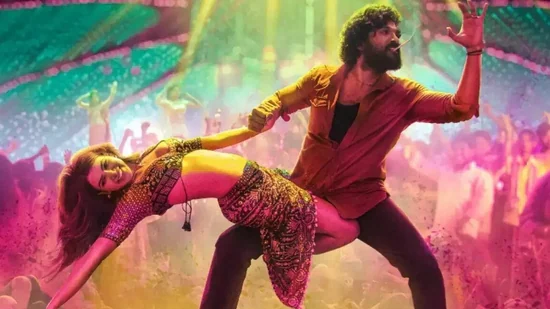
When Pushpa: The Rise premiered in 2021, it became a box office success and a cultural landmark. One of its biggest highlights was the song Oo Antava, performed by Indravathi Chauhan and picturized on Samantha Ruth Prabhu and Allu Arjun. The song’s bold lyrics, composed by Chandrabose, challenged societal double standards and made headlines nationwide. It quickly climbed music charts and became a social media trend across all age groups. The song was also dubbed into Hindi, Tamil, Malayalam, and Kannada, further increasing its reach. Given this success, the Oo Antava copycat controversy has not gone unnoticed. It raises questions about protecting such a beloved song from international misuse.

Turkish Pop Song Anlayana by Atiye Shows Striking Similarities to Oo Antava According to Listeners

Released a few months ago, Anlayana by Turkish singer Atiye caught the attention of Telugu cinema fans worldwide. Commenters noted that the beat pattern and background vocals resembled Oo Antava to a suspicious degree. From the opening riff to the tempo shifts, music fans compiled side-by-side comparisons that circulated online. Though neither Atiye nor her team has responded publicly, the similarities appear evident to many. This has led to an outpouring of support for DSP, with many demanding formal legal steps. The Oo Antava copycat controversy has since escalated, prompting Indian music lovers to call for stricter international copyright protocols.

Legal Action Is Being Considered by Devi Sri Prasad in Response to the Copycat Allegations

DSP has confirmed that he is evaluating the legal aspects of the situation and may proceed with formal charges. Although no lawsuit has been filed yet, sources close to the composer said he has consulted legal experts. The focus now shifts to comparing both songs through expert musical analysis to determine if copyright laws were breached. If proven, the Turkish singer and production house may face heavy penalties or need to issue a formal apology. The Oo Antava copycat controversy could also set a precedent for similar international music plagiarism cases in the future. DSP’s move will likely inspire other composers to protect their works proactively.

DSP Maintains a Strong Stance on Creativity and Refuses to Accept Any Form of Musical Plagiarism

Devi Sri Prasad has long stood by his commitment to originality. In various interviews, he has emphasized never remixing or copying other artists’ music. He believes in creating songs that connect emotionally with listeners while maintaining artistic integrity. DSP has composed music for over 100 films and won several prestigious awards. His catalogue includes hit soundtracks across Telugu and Tamil cinema. The Oo Antava copycat controversy goes against the values he has built his career on. That’s why he’s determined to hold accountable those who disrespect creative ownership. DSP believes that this incident should spark a wider industry conversation about safeguarding musical creativity.

Indian music and cinema

The Controversy Reflects a Larger Issue About Protecting Indian Music and Cinema on Global Platforms

The Oo Antava copycat controversy represents a bigger issue beyond just one song or one composer. It shows the need for more robust mechanisms to protect Indian cinema’s music as it gains global reach. As Indian films and songs trend worldwide, they are becoming vulnerable to imitation and unauthorised use. This controversy also proves how valuable Indian musical IP has become in the global marketplace. Cultural exports must be supported with legal and technical frameworks that defend against such misuse. If unaddressed, such situations could discourage future Indian artists from pushing creative boundaries. Therefore, this issue deserves thorough attention.

What Could Happen If the Case Proceeds: Legal, Financial, and Industry-Wide Implications

If DSP files a case, legal teams will begin an in-depth examination of both songs to check for infringement. Musicologists and IP attorneys will likely get involved to compare elements like tempo, chord progression, and arrangement. If the court sides with DSP, the Turkish artist might face fines, damages, or even song takedowns from streaming platforms. This would create significant financial and reputational consequences. More importantly, it could push music labels to track copyright violations more strictly. The Oo Antava copycat controversy could drive industry-wide reforms in how international musical copyrights are handled and monitored.


Why the Oo Antava Copycat Controversy Is More Than Just a Musical Dispute

The Oo Antava copycat controversy is not only about plagiarism—it is about respect for creative effort and global collaboration. Devi Sri Prasad’s firm stance on the matter sends a clear message: Indian creators deserve recognition and legal protection. As Indian music finds its way to global playlists, the risk of theft increases. This case could inspire both stronger laws and greater awareness among musicians everywhere. Ultimately, defending songs like Oo Antava helps preserve the cultural richness and creative spirit of Indian cinema on the world stage.

ECI Uploads 2003 Bihar Electoral Rolls Online: Big Relief for 4.96 Crore Electors Exempted from Document Submission During SIR 2025

Bihar: In a significant step toward easing electoral verification processes, the Election Commission of India (ECI) has uploaded the 2003 Electoral Roll of Bihar, covering 4.96 crore electors, to its official portal https://voters.eci.gov.in. This decision is set to vastly facilitate the ongoing Special Intensive Revision (SIR) in the state, reducing documentation burdens on a majority of voters.


📋 No Additional Documents Needed for 60% of Bihar’s Electorate

The updated guidelines issued on June 24, 2025, in Para 5 of ECI’s instructions, clearly state that Chief Electoral Officers (CEOs), District Electoral Officers (DEOs), and Electoral Registration Officers (EROs) must make the 2003 Electoral Rolls available to all Booth Level Officers (BLOs) in both hard copy and digital formats.

This means that approximately 60% of Bihar’s electorate—those who already appear in the 2003 rolls—will not be required to submit any documents. Instead, they need only verify their names and submit the filled Enumeration Form. This user-friendly reform significantly lightens the workload for both voters and BLOs.


👨‍👩‍👧 Children Can Use Parent Data from 2003 Roll

In a further simplification, individuals whose names are not listed in the 2003 Electoral Roll but whose parents’ names are, will not need to furnish any new documents for their parents. A simple extract of the 2003 Roll will suffice. Such applicants must submit supporting documents only for themselves along with the filled-up Enumeration Form.


📅 Legal Mandate for Regular Electoral Roll Revision

The ECI reiterated that, under Section 21(2)(a) of the Representation of the People Act, 1950 and Rule 25 of the Registration of Electors Rules, 1960, every election cycle mandates an updated revision of electoral rolls. This process—whether intensive or summary—has been consistently conducted by the Commission for the past 75 years.


🔄 Electoral Roll: A Living Document

Highlighting the dynamic nature of the Electoral Roll, the ECI noted that periodic updates are crucial due to:

  • Deaths and removals

  • Migration (for education, employment, or marriage)

  • New eligible voters turning 18

As such, the SIR serves as a comprehensive update mechanism to ensure that electoral data reflects ground realities.


🇮🇳 Voter Eligibility as per Article 326

According to Article 326 of the Indian Constitution, the right to vote is conferred upon all Indian citizens aged 18 and above, who are ordinary residents of their constituency. This foundational principle underscores the importance of accurate and accessible electoral rolls.


📢 Conclusion: Tech-Driven Transparency and Inclusion

By making the 2003 Bihar Electoral Roll available online, the ECI has taken a major step toward increasing electoral transparency, reducing voter inconvenience, and enhancing democratic participation. As the SIR progresses, this move is expected to encourage wider and easier enrollment of eligible citizens, especially the youth, into the electoral framework.

For more real-time updates, visit Channel 6 Network.

2 Stark Setbacks: Seat Scam of Private Engineering Colleges Sparks Controversy

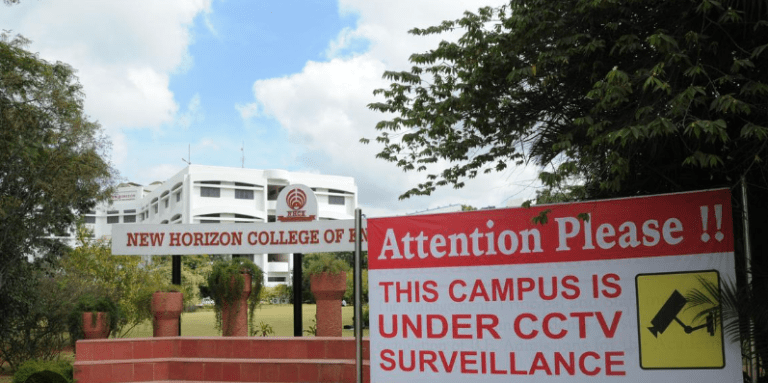
In a move that has sent ripples through Karnataka’s higher education sector, the state government has denied seat enhancement requests from two of Bengaluru’s most prominent private engineering institutions—BMS College of Engineering and New Horizon College of Engineering—for the 2025-26 academic year. The decision, which comes amid allegations of seat-blocking scams and concerns over regulatory compliance, has ignited a heated debate about transparency, quality, and equity in engineering admissions across the state.

Both colleges had sought to increase their intake, particularly for high-demand courses such as Computer Science and Artificial Intelligence. However, the government, citing ongoing investigations and the need for stricter oversight, has withheld the necessary No Objection Certificate (NOC), effectively blocking the proposed expansion. This development has left thousands of aspiring engineering students and their families in limbo as the admission season enters its peak.

Seat Scam Fallout: Govt Withholds NOC for BMS, New Horizon Engineering  Colleges

Seat-Blocking Scam Fallout: Why the Government Said No

Allegations and Oversight

The government’s refusal to grant NOC to BMS and New Horizon is rooted in recent revelations linking both institutions to alleged seat-blocking scams. These scams reportedly involve the artificial blocking of seats during the counseling process, only to later release them under management or higher-fee quotas, thereby manipulating the admission process and depriving deserving students of fair access. The fallout from these allegations has put the spotlight on the urgent need for transparent and accountable admission practices in private engineering colleges.

State education authorities have stated that until the investigations are complete and the colleges demonstrate full compliance with regulatory norms, no seat enhancement requests will be entertained. This stance is seen as a signal to other private institutions that the government is serious about curbing malpractice and ensuring merit-based admissions.

The government’s decision to withhold approval for seat enhancement at two leading private engineering colleges has sent shockwaves through the academic community, highlighting the increasing scrutiny on private institutions. Many educationists believe this move is a necessary corrective measure to curb malpractices that have plagued the sector for years. It underscores the importance of prioritizing quality education over mere expansion and revenue generation. The spotlight is now firmly on private colleges to demonstrate their commitment to maintaining high standards and ethical admission practices.

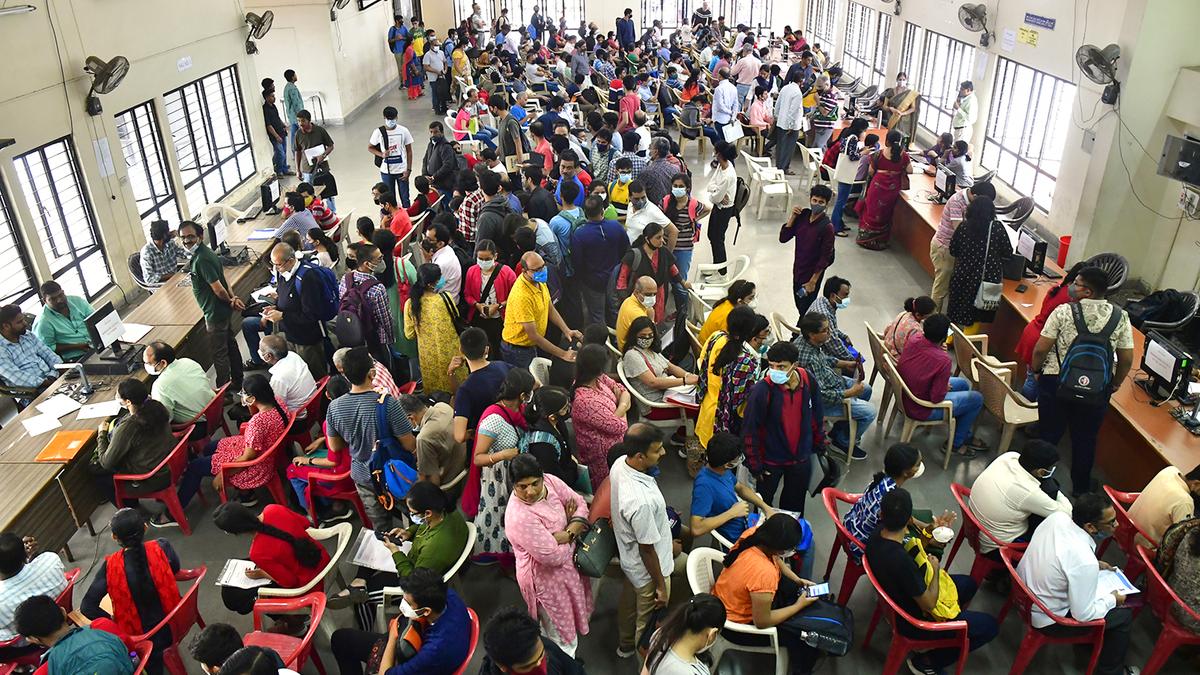
Students aspiring to pursue engineering in Karnataka are now facing heightened uncertainty. With fewer seats available in popular streams like Computer Science and Artificial Intelligence, the competition has intensified dramatically. Many students and parents are anxious about their chances of securing admission in reputed colleges and are exploring alternative options, including institutions in other states or lesser-known private colleges. This increased pressure could also lead to a rise in the demand for management quota seats, which are often criticized for their lack of transparency and affordability.

The controversy has reignited debates about the role of private engineering colleges in India’s higher education ecosystem. While these institutions have historically filled gaps left by limited government seats, concerns about quality, infrastructure, and equitable access persist. Critics argue that unchecked expansion without adequate oversight has diluted the value of engineering degrees and contributed to high unemployment among graduates. Advocates for reform emphasize that regulatory bodies must enforce stricter compliance and ensure that colleges invest in faculty development, research, and industry collaboration.

In response to the government’s firm stance, several private colleges have expressed willingness to cooperate with authorities and improve their standards. Some institutions have already initiated internal audits and quality enhancement programs to align with regulatory expectations. Industry experts suggest that such proactive measures will not only help colleges regain trust but also enhance their reputation and attract better students and faculty. The focus is shifting towards sustainable growth, where expansion is matched by tangible improvements in academic and infrastructural quality.

The government’s refusal to grant NOCs for seat enhancement also reflects broader concerns about the commercialization of education. Many stakeholders argue that the proliferation of private colleges driven by profit motives has compromised educational integrity. This incident serves as a reminder that education is a public good that requires careful regulation to protect students’ interests. Policymakers are under pressure to balance the need for increased access to technical education with the imperative of maintaining standards and fairness.

Impact on Students and the Admission Process

The immediate impact of the government’s decision is being felt by students who had hoped for increased availability in popular streams. With demand for Computer Science, Artificial Intelligence, and related fields at an all-time high, the lack of additional seats is likely to intensify competition and potentially drive more students toward management quota or direct admission routes, which are often more expensive and less transparent.

Engineering Education in Karnataka: Demand, Vacancies, and Quality Concerns

The Paradox of Vacant Seats

Karnataka boasts over 303 private engineering colleges affiliated with Visvesvaraya Technological University (VTU), in addition to several private and deemed universities. Despite the high number of qualifying students, a paradox persists: thousands of engineering seats remain vacant each year, even as students vie for admission to top institutions and in-demand branches. In 2023, for example, over 18,000 seats went unfilled, with government quota seats accounting for nearly 11,000 of those vacancies.Seat Blocking Scam: ED conducts search on 3 engineering colleges in  Bengaluru - The Economic Times

Experts attribute this to a combination of factors, including uneven quality of infrastructure, lack of skilled faculty, and a mismatch between the courses offered and industry demand. The government’s decision to halt seat enhancement is being interpreted as a push for colleges to first improve quality and compliance before seeking expansion.

The Role of Private Colleges and Management Quotas

Private engineering colleges have historically bridged the gap between limited government seats and soaring demand for technical education. However, the proliferation of management quota admissions—where 20-30% of seats are reserved for direct admission at higher fees—has raised concerns about equity and meritocracy. The current controversy over seat enhancement and seat-blocking scams has reignited calls for greater regulation and transparency in the private sector.

Calls for Reform: Infrastructure, Faculty, and Regulatory Action

Raising the Bar for Expansion

Education experts and regulatory authorities have emphasized that any increase in seat intake must be matched by commensurate improvements in infrastructure, faculty recruitment, and student support services. The Vice Chancellor of VTU has highlighted the need for colleges to invest in modern labs, high-quality teaching staff, and robust placement support to ensure that graduates are job-ready and competitive in the global market.

The All India Council for Technical Education (AICTE) has already relaxed caps on intake for engineering courses, but the onus remains on institutions to demonstrate readiness and compliance before seeking expansion. The government’s current stance is seen as a necessary step to ensure that growth does not come at the expense of quality.

Student and Parent Reactions

The decision has sparked mixed reactions among students and parents. While some have welcomed the move as a step toward cleaning up the admission process, others worry about increased competition and limited options in high-demand streams. Many are now considering alternative pathways, such as management quota admissions or seeking seats in private colleges outside Karnataka, where regulatory scrutiny may be less intense.Suspected engineering seat blocking scam: ED asks for detailed report from  KEA - The Hindu

The Road Ahead: What This Means for Engineering Aspirants and Colleges

Implications for the 2025-26 Academic Year

With the government standing firm on its decision, BMS and New Horizon will have to operate within their existing seat limits for the upcoming academic year. This is expected to make the competition for Computer Science, Artificial Intelligence, and Data Science seats even fiercer, especially as these fields continue to drive placement opportunities and attract top talent. Students are being advised to apply early, explore all available options, and be wary of unofficial agents promising guaranteed admissions.

Long-Term Outlook for Private Engineering Education

The current controversy may serve as a turning point for private engineering education in Karnataka and beyond. There is growing consensus that sustainable growth must be built on a foundation of transparency, quality, and student welfare. Regulatory bodies are expected to intensify audits, enforce stricter penalties for malpractice, and incentivize colleges to prioritize academic excellence over expansion.

For students and their families, the message is clear: due diligence, awareness of admission processes, and a focus on skill development will be key to navigating the evolving landscape of engineering education in India.

Parents and student groups have welcomed the government’s decision as a step toward ensuring merit-based admissions. However, they also call for greater transparency in the admission process and timely communication from colleges and authorities. The lack of clarity around seat availability and admission criteria has often led to confusion and exploitation by unscrupulous agents. Strengthening grievance redressal mechanisms and providing clear, accessible information are seen as essential to restoring confidence in the system.

The ongoing situation has also prompted calls for revisiting the curriculum and pedagogy in engineering education. Industry leaders emphasize the need for courses that are aligned with current technological trends and market demands. They advocate for greater emphasis on practical skills, internships, and research opportunities to enhance employability. The government and academic bodies are expected to work closely with colleges to implement reforms that prepare students for the evolving global job market.

Looking ahead, the private engineering education sector in Karnataka is at a crossroads. The government’s assertive approach signals a new era of accountability and quality assurance. Colleges that embrace reform and prioritize student welfare are likely to thrive, while those resistant to change may face continued restrictions. For students, parents, and educators, this moment offers an opportunity to reflect on the true purpose of education and work collectively toward a system that is equitable, transparent, and excellence-driven.

Follow: New Horizon College of Engineering

Also Read: 3 powerful Signals: Globe Civil Projects IPO Allotment Status Expected Today, Ignites Investor Optimism

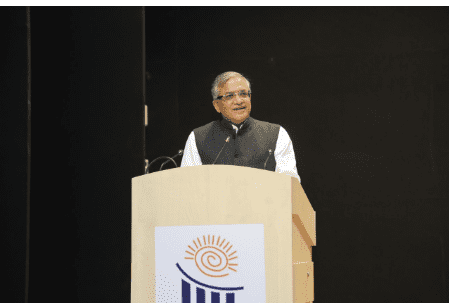
Dr. Jitendra Singh Champions Citizen-Centric Digital Governance at IIPA Southern Regional Conference in Puducherry: June 2025

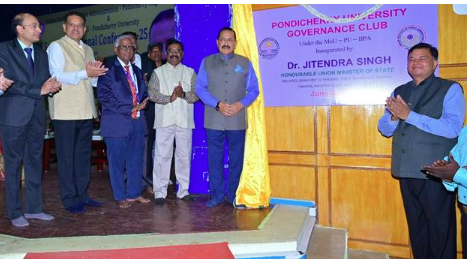
Tamil Nadu: Union Minister of State (Independent Charge) for Science and Technology; Earth Sciences; and MoS for PMO, Atomic Energy, and Space, Dr. Jitendra Singh inaugurated the Southern Regional Conference of the Indian Institute of Public Administration (IIPA) on June 30, 2025, at Pondicherry University. Themed “Empowering Citizens in Digital India: Administrative, Management and Organizational Reforms,” the conference brought together public administrators, researchers, and scholars to deliberate on next-gen governance reforms.


🏛️ Pondicherry University Launches Governance Cell

A key highlight of the event was the launch of a Governance Cell at Pondicherry University—a forward-looking initiative aimed at promoting youth engagement in public administration, ethical leadership, and governance innovation. Dr. Jitendra Singh hailed it as a “platform to inspire the next generation to take ownership of India’s transformation journey.”


🔄 From 2014 to Now: A Decade of Citizen-Centric Reforms

In his inaugural address, Dr. Singh recounted how the shift from “minimum government, maximum governance” has led to the development of a robust, digital-first, citizen-focused administrative framework. He cited key reforms such as:

  • DigiLocker and UMANG for seamless access to services
  • JAM Trinity (Jan Dhan-Aadhaar-Mobile) enabling financial inclusion
  • Direct Benefit Transfer (DBT) to curb leakages and ensure efficient delivery
  • Self-attestation replacing notarised verifications
  • Digital Life Certificates helping pensioners avoid physical presence

“These are not mere tech upgrades,” he stressed, “but tools for dignity, access, and socio-economic empowerment—especially for rural and vulnerable populations.”


👁️‍🗨️ Technology that Humanises Governance

The Minister emphasized that face recognition, biometrics, and AI-based systems are not just about modernizing processes but about making governance more humane. “It’s not the tech itself—but how it’s used to enhance dignity and ease of living—that defines Digital India,” he said.

Dr. Singh also spotlighted flagship schemes such as:

  • Ayushman Bharat, offering healthcare even for pre-existing diseases
  • PM Awas Yojana, improving housing accessibility
  • One Nation, One Subscription, providing academic research access across India

📈 India’s Rise in Global Indices and Innovation

The Minister proudly noted India’s rising stature on global indicators:

  • From 10th to 4th in global economic rankings
  • Soaring positions on the Global Innovation Index
  • Surge in patent filings and startup growth

He projected India’s economy to rank 3rd globally by 2027, underlining the link between governance reforms and broader national advancement.


🛰️ Unlocking New Frontiers: Oceans to Outer Space

Calling Digital India the “default operating system of governance”, Dr. Singh urged collaboration across sectors to unlock untapped domains—from deep ocean research to space exploration. He framed this mission as integral to “Viksit Bharat 2047,” India’s vision for becoming a fully developed nation.


📘 Book Launch and Felicitations

As part of the event, Dr. Singh released the book “Digital Governance in India – Transforming Public Service Delivery” authored by Dr. T. Gopinath, Assistant Professor & Dean (Student Welfare) at Rajiv Gandhi National Institute of Youth Development, Chandigarh. He also felicitated retired IAS officer Vallavan for his outstanding contributions to public service.


👥 Broad Participation and Scholarly Engagement

The conference saw the presence of over 350 attendees, including senior IAS officers, university faculty, students, researchers, and public administration professionals. Delegations from IIPA’s Southern Regional Branches—Tamil Nadu, Kerala, Karnataka, Andhra Pradesh, and Puducherry—took part. Over 80 academic papers were presented, reflecting high-level engagement with topics such as policy reforms, digital infrastructure, and ethical governance.


🎙️ Dignitaries Present

  • Prof. P. Prakash Babu, Vice Chancellor, Pondicherry University
  • Dr. Sharat Chauhan, Chief Secretary, Government of Puducherry
  • Surendra Nath Tripathi, Director General, IIPA
  • Amitabh Ranjan, Registrar, IIPA
  • Dr. Ashok Das, Dean Academics, Pondicherry University

📝 Final Note

Dr. Jitendra Singh’s address captured the transformative energy behind India’s administrative reforms, driven by digital tools, ethical leadership, and inclusive development. His call to prepare for the future with collaboration, compassion, and courage set the tone for a new era in public service and governance.

For more details, check press release on PIB website.

For more real-time updates, visit Channel 6 Network.

Alarming Blasts: Explosion at Telangana Chemical Factory Leaves 12 Dead, 30+ Injured, Sparks National Outcry

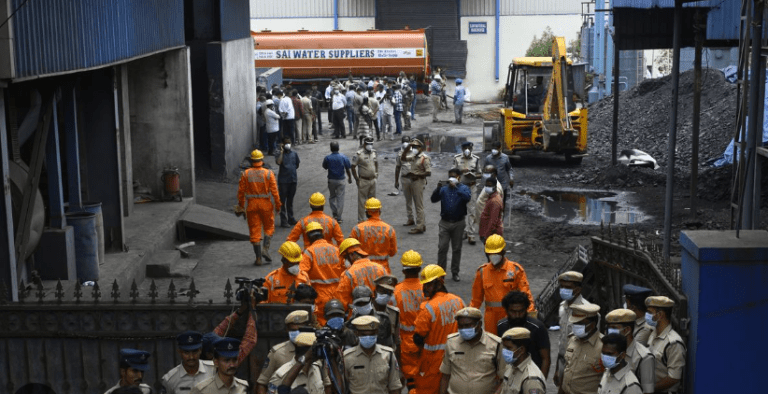
A devastating explosion rocked the Sigachi Chemicals factory in the Pashamylaram Industrial Area of Telangana’s Sangareddy district on Monday, resulting in at least 12 fatalities and injuring more than 30 workers. The incident, which unfolded during routine operations at the pharmaceutical and chemical manufacturing facility, has left the nation in shock and triggered a massive emergency response. The blast, which occurred in the factory’s drying unit, ignited a fierce fire that rapidly engulfed the premises, trapping dozens of workers and prompting urgent rescue operations.

As the smoke cleared from the devastated Sigachi Chemicals plant, the full scale of the tragedy became heartbreakingly apparent. Families of the workers gathered outside the factory gates, many in tears, anxiously awaiting news of their loved ones. The air was thick with grief and anger, as survivors recounted the terrifying moments when the explosion tore through the facility. Some described being thrown off their feet by the force of the blast, while others recalled the desperate scramble to escape the rapidly spreading flames. Many workers credited their survival to the quick actions of colleagues who helped guide them to emergency exits, even as chaos reigned and visibility was reduced to near zero by choking smoke.

In the aftermath, local hospitals were inundated with injured workers suffering from burns, fractures, and smoke inhalation. Medical teams worked around the clock to stabilize critical patients, while volunteers and NGOs set up support stations to provide food, water, and emotional counseling to families. The district administration coordinated with local blood banks to ensure a steady supply for those undergoing emergency surgeries. Meanwhile, the community’s response was marked by solidarity, with neighbors opening their homes to the displaced and offering whatever assistance they could.

The tragedy has renewed scrutiny of industrial safety standards across India, especially in sectors dealing with hazardous materials. Experts have pointed out that, despite repeated incidents, many factories still lack adequate fire suppression systems, regular safety drills, and proper training for workers in emergency protocols. The Sigachi Chemicals explosion has become a grim reminder of the consequences of neglecting these safeguards. Labor rights activists have called for a comprehensive review of safety regulations and stricter enforcement to prevent such disasters from recurring.

Government officials have promised a thorough investigation, but skepticism remains among workers and their families, who fear that accountability may be elusive. Past industrial accidents have often led to lengthy inquiries with few tangible results, and there is growing demand for transparent reporting and swift legal action against those found negligent. Many are also calling for better compensation and long-term support for the injured and the families of the deceased, arguing that one-time ex-gratia payments are insufficient to address the lasting impact of such tragedies.

Telangana: Massive Reactor Blast at Sigachi Industries, Claims 12 Lives,  Injures Dozens

Rescue Efforts and Heroic Response: Firefighters Battle Flames and Chaos

Emergency Response Mobilized

The explosion, which occurred around 9:00 a.m., sent a massive plume of black smoke billowing into the sky, visible for kilometers around the industrial hub. Local authorities responded within minutes, deploying over ten fire engines, the State Disaster Response Force (SDRF), the National Disaster Response Force (NDRF), hydra cranes, and police teams to the scene. Firefighters worked tirelessly to control the blaze, which raged for hours and complicated rescue efforts. The area was quickly cordoned off to prevent further casualties, and the injured were rushed to nearby hospitals for urgent medical care.

Search for Survivors

At the time of the explosion, it is estimated that nearly 150 workers were present in the factory, with about 90 in the immediate vicinity of the blast. Rescue teams combed through the debris to locate survivors, recover bodies, and ensure no one remained trapped. As of late evening, officials confirmed that 12 workers had lost their lives, with the death toll feared to rise as search operations continued. Thirty-four others were reported injured, several of them critically, and were being treated for severe burns and trauma in local hospitals.12 dead, scores injured in Telangana factory explosion and fire

Government, Industry, and Community React: Demands for Accountability and Safety

Official Statements and Compensation

The tragedy drew swift reactions from both state and national leaders. Telangana Chief Minister Revanth Reddy expressed deep sorrow, ordered a thorough investigation, and directed officials to intensify relief and rescue measures. Prime Minister Narendra Modi conveyed his anguish over the loss of lives and announced an ex-gratia payment of ₹2 lakh for the families of each deceased worker and ₹50,000 for those injured. State health and labor ministers visited the site and hospitals, assuring families of support and promising the “strictest action” if negligence was found.

Calls for Safety Reforms

Labor unions and worker advocacy groups quickly pointed to longstanding concerns about industrial safety in India’s rapidly expanding chemical and pharmaceutical sectors. They alleged that lax enforcement of safety protocols and inadequate training contributed to the scale of the disaster. The incident has reignited national debate over workplace safety, with calls for stricter regulation, regular audits, and better emergency preparedness in hazardous industries.

Investigation Underway: What Caused the Deadly Blast?

Early Findings and Ongoing Probe

Preliminary reports suggest the explosion originated in a spray dryer unit—a critical component used to process raw materials into fine powders for pharmaceutical production. Officials indicated that a processing error or equipment malfunction may have triggered the blast, but a full investigation is ongoing. Police have registered a case, and forensic experts are examining the site to determine whether safety standards were followed and if any lapses occurred.

History of Industrial Accidents

Accidental explosions and fires are unfortunately not uncommon in Indian factories, particularly in sectors handling volatile chemicals. Labor leaders have repeatedly warned that many facilities operate with outdated infrastructure, insufficient safety drills, and inadequate protective gear for workers. The Sigachi Chemicals tragedy has once again highlighted the urgent need for comprehensive safety reforms and accountability in the industry.

Survivors’ Accounts and Community Impact: Grief, Anger, and Hope

Harrowing Experiences

Survivors described scenes of chaos and panic as the explosion ripped through the factory floor, shattering glass, toppling machinery, and sending workers scrambling for safety. Many recounted being thrown to the ground by the force of the blast, struggling to escape the thick smoke and flames. Family members rushed to the site upon hearing the news, anxiously awaiting updates on their loved ones as rescue operations unfolded.NewsDrum on X: "12 killed, 34 injured in explosion at Sigachi Industries'  plant in Telangana https://t.co/j4ETFaJVQn #Sigachi #FireAccident #Medak  #Telangana #SigachiIndustries #SigachiPharma #Pashamylaram  https://t.co/WH8knWlX0C" / X

Community Support and Mourning

Local communities have rallied to support the victims’ families, organizing blood donation drives and providing food and shelter to those affected. Candlelight vigils and prayer meetings were held across the district, with residents expressing both grief and outrage over the tragedy. The incident has left a lasting scar on the region, which is home to many workers employed in the area’s industrial units.

The psychological toll of the explosion is expected to linger for months, if not years. Survivors and witnesses have reported symptoms of trauma, including nightmares, anxiety, and difficulty returning to work. Local counselors and mental health professionals are urging authorities to provide ongoing psychological support, recognizing that the path to recovery involves more than just physical healing. Community leaders have also emphasized the need for memorials and public acknowledgment of the workers’ sacrifices, to ensure their suffering is not forgotten.

Industry observers note that the Sigachi Chemicals incident could serve as a catalyst for broader reforms in India’s industrial sector. There is growing consensus that investment in safety infrastructure, regular audits, and worker training must become non-negotiable priorities. Some state governments have already announced plans to conduct surprise inspections of chemical factories and other high-risk facilities, hoping to identify and rectify vulnerabilities before disaster strikes again.

As the nation mourns the loss of life and grapples with the aftermath, stories of heroism and resilience are emerging from the wreckage. Accounts of workers risking their own safety to save colleagues, first responders braving the blaze to pull survivors from the rubble, and community members rallying to support the affected families have inspired hope amidst the tragedy. These acts of courage underscore the strength and solidarity of the human spirit, even in the face of overwhelming adversity.

In the coming weeks, all eyes will be on the findings of the official inquiry and the steps taken by authorities to enforce accountability and improve safety standards. For the families whose lives have been forever changed by the explosion, justice and meaningful reform are the only fitting tributes to their loss. The Sigachi Chemicals disaster stands as a stark warning and a call to action for India’s industrial sector—one that cannot be ignored if similar tragedies are to be prevented in the future.

As the investigation proceeds and the community slowly begins to rebuild, there is a collective hope that the lessons learned from this catastrophe will lead to lasting change. Survivors, families, and advocates continue to press for not just justice, but for a renewed commitment to worker safety and dignity in every factory across India. The memory of those lost and injured at Sigachi Chemicals now serves as a powerful reminder that industrial progress must never come at the expense of human lives, and that safeguarding workers is not just a regulatory requirement but a moral imperative for the nation.

Follow: Telangana

Also Read: 3 powerful Signals: Globe Civil Projects IPO Allotment Status Expected Today, Ignites Investor Optimism

Ruthless Goals: Paris Saint-Germain Crushes Inter Miami 4-0 in Club World Cup Showdown

Paris Saint-Germain delivered a statement performance at the Mercedes-Benz Stadium in Atlanta, overpowering Inter Miami 4-0 in the Round of 16 of the FIFA Club World Cup. In front of over 65,000 fans, the European champions showed their class, leaving Lionel Messi and his MLS side with little room for hope in a match that was decided well before halftime. The result propels PSG into the quarterfinals, where they will face Bayern Munich in a highly anticipated clash of continental giants.

The atmosphere at the Mercedes-Benz Stadium was electric from the opening whistle, with fans from both sides creating a vibrant spectacle. PSG supporters, waving blue and red flags, outnumbered the Miami faithful, but the presence of Lionel Messi ensured that Inter Miami had plenty of vocal backing as well. The anticipation was palpable, especially with the narrative of Messi facing his former club, and the early exchanges reflected the intensity of the occasion. However, as PSG began to assert their dominance, the gulf in class became increasingly apparent, and the French champions quickly took control of the tempo and possession.

PSG’s midfield trio, orchestrated by João Neves, proved to be the difference-maker. Neves’ ability to dictate play, break up Miami’s attacks, and surge forward at the right moments left the MLS side chasing shadows. His first goal was the product of a well-rehearsed set piece, but his second showcased his football intelligence and timing, arriving late in the box to meet Ruiz’s cross. The young Portuguese star’s composure under pressure and willingness to take responsibility in big moments have marked him as one of the breakout players of the tournament.João Neves: The World's Best Playmaker?

Inter Miami’s defensive organization, which had served them well in earlier rounds, was unable to withstand PSG’s relentless attacking waves. The own goal by Tomás Avilés was a cruel blow, the result of sustained pressure and a desperate attempt to clear the danger. Moments later, Hakimi’s goal capped off a devastating first half for Miami, with the Moroccan full-back exploiting space left by a stretched defense. By halftime, the scoreline reflected PSG’s superiority, and the challenge for Miami was to salvage pride and avoid further damage.

In the second half, PSG managed the game with professionalism, controlling possession and limiting Miami’s opportunities. Luis Enrique made several substitutions, giving key players a rest and allowing squad members to gain valuable minutes on the world stage. Despite Miami’s best efforts to mount a comeback, PSG’s defense, marshaled by Marquinhos and Donnarumma, remained resolute. The French side’s tactical discipline and depth were evident, as they snuffed out any hint of a Miami revival before it could gather momentum.

Early Lead Sets the Tone- Paris

PSG wasted no time asserting their authority, with João Neves finding the net in just the 6th minute. The Portuguese midfielder, left unmarked at the far post, powered home a precise header from a set piece, catching the Inter Miami defense flat-footed. The early goal set the tone for the rest of the match, putting Miami on the back foot and energizing the PSG attack.

Neves struck again in the 39th minute, capping off a slick passing move involving Bradley Barcola and Fabián Ruiz. Ruiz’s pinpoint cross found Neves in space, and he made no mistake, doubling PSG’s lead and notching his first career brace. The midfield maestro’s performance was a showcase of composure and technical skill, earning him man-of-the-match honors.

Avalanche Before Halftime

Inter Miami’s woes deepened just before the break. Defender Tomás Avilés, under pressure from the relentless PSG attack, inadvertently turned the ball into his own net in the 44th minute, giving the French side a commanding 3-0 lead. Moments later, Achraf Hakimi added a fourth with a clinical finish in stoppage time, effectively ending the contest before halftime and sending the PSG faithful into celebration mode.

Joao Neves: Who is Portugal midfielder linked with Manchester United? - BBC  Sport

Messi’s Frustration and Miami’s Struggles

A Tough Return for the Legend

Lionel Messi, facing his former club for the first time since his departure in 2023, endured a frustrating evening. The Argentine superstar was largely isolated in midfield during the first half, surrounded by PSG defenders and unable to influence the game as he so often does. Miami’s best chance came early in the second half when Luis Suárez broke through, but he failed to convert, his shot sliding harmlessly wide.

Messi’s most notable moment came late in the match with a free kick that brought the crowd to its feet, but PSG goalkeeper Gianluigi Donnarumma was equal to the challenge. Despite the support of the pink-clad Miami fans chanting his name, Messi and his teammates could not find a way past the disciplined French defense.

Coach Mascherano Reflects

Inter Miami coach Javier Mascherano acknowledged the gulf in class after the match, praising his players’ effort while recognizing PSG’s superiority. “Today you could see the difference in class, but football has given us the chance to compete. This is probably the best team in the world with a great coach, but we took them on,” Mascherano said, highlighting the learning experience for his squad.

PSG Eyes the Trophy: Quarterfinals and Beyond

Champions League Winners March Forward

With this victory, PSG continues its impressive run, marking their third clean sheet in four matches. Head coach Luis Enrique expressed satisfaction with his team’s performance but emphasized the need for continued improvement. “It was an almost perfect match, we created a lot of chances, and I’m happy yet I think we still need to improve, that’s football,” Enrique commented after the game.

The French side now turns its attention to the quarterfinals, where they will face Bundesliga champions Bayern Munich. The matchup is already generating buzz as a potential early final, with both teams considered favorites to lift the Club World Cup trophy.

Miami’s Journey Ends, But Progress is Clear

Despite the heavy defeat, Inter Miami’s journey to the knockout stage was a historic achievement for the MLS club. The team, led by Messi, Suárez, Sergio Busquets, and Jordi Alba, had stunned Porto in the group stage and brought unprecedented attention to American soccer. While the loss to PSG exposed the gap between MLS and Europe’s elite, Miami’s progress signals a bright future for the club and the league.

Hands off, Man Utd! Benfica have no plans to sell Joao Neves in January as  they set astronomical price tag for starlet | Goal.com India

Global Reactions and What’s Next

Fans, Media, and the Road Ahead

The match drew global attention, with fans and pundits praising PSG’s professionalism and clinical finishing. João Neves’ emergence as a midfield force was a major talking point, while Messi’s subdued performance against his former club added an emotional subplot to the night. Social media buzzed with highlights and analysis, with many already looking ahead to the PSG-Bayern Munich showdown.

For Inter Miami, the focus now shifts back to domestic competitions, where they will aim to build on the experience gained at the world stage. For PSG, the quest for global supremacy continues, with their sights firmly set on adding the Club World Cup to their growing trophy cabinet.

For Lionel Messi, the match was a bittersweet experience. While he was warmly received by both sets of fans and showed flashes of his trademark brilliance, he was largely isolated and unable to influence proceedings as he would have liked. The PSG defense paid him special attention, closing down space and denying him the time to create. Messi’s frustration was visible, but his professionalism and leadership were evident as he continued to encourage his teammates and acknowledged the fans at the final whistle.

The defeat, while disappointing for Inter Miami, is being viewed as a valuable learning experience for the club. Facing one of Europe’s elite sides on the global stage has highlighted areas for improvement and set a benchmark for the level required to compete at the highest level. Coach Mascherano emphasized the positives in his post-match comments, noting the team’s journey to the knockout rounds and the exposure gained by playing against world-class opposition. Miami’s run in the Club World Cup has also boosted the profile of MLS and inspired young players across North America.

PSG’s emphatic win has sent a clear message to their rivals in the Club World Cup. With a blend of youth and experience, tactical flexibility, and individual brilliance, the French champions have established themselves as favorites to go all the way. The upcoming quarterfinal against Bayern Munich is already being billed as a clash of titans, with both teams boasting star-studded lineups and a hunger for global glory. PSG’s fans are dreaming of adding the Club World Cup to their growing list of honors, and the team’s focus and confidence suggest they are well-equipped for the challenge.

As the tournament progresses, the spotlight will remain on PSG’s rising stars and Inter Miami’s response to their defeat. The Club World Cup continues to deliver drama and excitement, showcasing the best of international club football and providing a platform for new heroes to emerge. For now, PSG’s 4-0 triumph over Inter Miami stands as one of the most dominant performances of the competition, a night when European excellence overwhelmed American ambition on the world stage.

Minakshi Aims Slang at Kunal Ghosh Amid Nadia Protest Over Bomb Blast Tragedy

Minakshi Aims Slang at Kunal Ghosh: In a moment of high tension and public outrage following the Kaliganj bomb blast that claimed the life of 11-year-old Tamanna Khatun, senior CPM leader Minakshi Mukherjee sparked controversy by launching a personal verbal attack on Trinamool Congress (TMC) spokesperson Kunal Ghosh. The incident occurred during a protest rally organized by the CPM in Nadia, aimed at demanding accountability for the tragic incident.

The speech, which included the use of strong language and personal jibes, quickly made headlines and went viral on social media. While some have praised Minakshi for echoing public frustration, others have criticized her for lowering the tone of political discourse.

What Minakshi Said: Harsh Words Amid Grief

During her address, Minakshi referred to Kunal Ghosh in disparaging terms while accusing the TMC of shielding culprits involved in the blast. Her words were:

“When a daughter dies, and your spokesperson stands with the accused, what else should I say about him?”

She used regional slang that was seen by many as offensive and beyond the boundaries of acceptable political critique, even in moments of public distress.

Kunal Ghosh Responds: “Have Some Respect for the Dead and the Living”

In response, Kunal Ghosh issued a statement defending his record and slamming the personal nature of Minakshi’s remarks:

“My father, Kalyan Ghosh, was a doctor and served people with dignity. If I’m blamed today, it’s not because I lack ethics but because the CPM has made slander its politics.”

Ghosh accused Minakshi of politicizing a tragedy and attempting to overshadow the demand for real justice with theatrics.

Community Reaction: A Divided Verdict

The community response in Nadia has been mixed. Many locals supported Minakshi’s strong tone, saying that months of political violence and poor law enforcement justified public anger. Others, including civil society groups and educators, warned that aggressive rhetoric during such crises risks overshadowing the root issues.

“We must hold the government accountable for the girl’s death, but not by insulting others,” said a school principal in Krishnanagar.

Context: The Kaliganj Tragedy

On June 23, 2025, a country-made bomb explosion in Hatia village, Nadia, led to the death of a minor girl, Tamanna Khatun. The blast is suspected to have links to post-poll political clashes in the area, where tensions between TMC and opposition parties remain high.

While investigations are ongoing, the West Bengal Chief Minister Mamata Banerjee has assured that action will be taken against those responsible.

For official updates, refer to the West Bengal Police Portal
For NCPCR updates on child rights cases: National Commission for Protection of Child Rights

Political Implications: Tensions Ahead of Elections

With the panchayat and municipal elections approaching in several districts, this incident has gained political traction. The CPM has doubled down on accusations that the TMC is protecting criminal elements, while the TMC leadership is demanding a code of conduct in public addresses.

Some analysts believe the slippery slope of political language may further polarize the electorate.

Broader Issue: Political Rhetoric in Bengal

West Bengal has witnessed a pattern of incendiary political speeches in recent years, particularly during election cycles. While such speeches often reflect public emotion, experts warn that they may erode the democratic space for dialogue.

According to a recent study by the Election Commission of India, nearly 40% of poll-time violence cases in West Bengal were linked to provocative political events.

What’s Next?

  • Judicial Inquiry into the Kaliganj blast is underway.

  • The National Human Rights Commission (NHRC) may take suo moto cognizance.

  • The CPM plans more rallies to demand justice for Tamanna.

  • TMC leaders, including Kunal Ghosh, have called for moderation in public speech and issued complaints to local electoral bodies.

Minakshi Aims Slang at Kunal Ghosh: Final Thoughts

The ‘Minakshi aims slang at Kunal’ episode reveals a fractured and emotionally charged political environment in West Bengal, especially in the wake of preventable tragedies like the Kaliganj bomb blast. While strong words may galvanize public sentiment, the line between legitimate protest and personal insult must not be blurred. In times of grief, political leaders bear the added responsibility of being both accountable and respectful.

Also read: Home | Channel 6 Network – Latest News, Breaking Updates: Politics, Business, Tech & More

Kalindi Housing’s Inspiring Legacy: 45 Years of Planned Progress in Kolkata

Kalindi Housing: Kalindi, or Kalidaha as it was originally known, is a distinctive urban settlement that arose in the late 1970s on the marshy fringes of Patipukur in North Kolkata. It stands today not only as a symbol of vernacular urbanism but also as a testimony to resilience, transformation, and the collective strength of its middle-class Bengali community.

Kalindi Housing

The Genesis of Kalindi Housing

Kalindi emerged at a time when Kolkata’s infrastructure was under significant pressure from a constant influx of people — many of whom were Partition refugees. Designed with a grid layout and standardized flats, Kalindi was initially envisioned as a middle-class housing estate to offer relief to Kolkata’s overcrowded zones.

Shelter Amid Disaster: The 1978 Floods

Before its intended residents could occupy the buildings, the estate opened its doors to those rendered homeless by the devastating floods of 1978. These early days of occupancy, although unplanned, highlighted the estate’s utility during a humanitarian crisis.

Settling In: The Early Years

Families began to move into Kalindi around November 1978. The area lacked basic infrastructure, and even the roads and bus stops were non-existent. Residents took collective action to bring Kalindi onto the city’s map.

Building a Community: The Rise of Cultural Identity

The flats of Kalindi were soon filled by first-generation government employees, clerks, teachers, small traders, and displaced persons — the fabric of an emerging aspirational class. Local publications and collective cultural efforts contributed to a budding sense of identity.

Kalindi Housing

Kalindi’s Urban Aesthetics and Vernacular Planning

According to researcher Sounita Mukherjee, Kalindi represents a form of “planned modernity.” Its layout — uniform, landscaped, and highly structured — stands out from the chaotic urban growth patterns elsewhere in the city.

From Necessity to Comfort: Infrastructure and Amenities

Over the 1980s, the community added essential services. Markets emerged, Durga Puja was celebrated, and civic groups like the Kalindi Bahumukhi Janakalyan Samiti started addressing the community’s medical and social needs

Modern Pressures: Gentrification and Vertical Expansion

With better road connectivity and airport proximity, Kalindi began attracting developers. The first-generation families still occupy flats, but newer multi-storey apartments are rising. Despite this, community bonds remain strong.

Culture Finds a Stage: Kalindi Bratyajon

Kalindi became home to the theatre group ‘Kalindi Bratyajon’ founded by Bratya Basu. The group enriched Kalindi’s identity as not just a residential block but also a cultural nucleus within Kolkata.

Kalindi Housing: A Living Example of Urban Resilience

Kalindi demonstrates that urban growth, when grounded in planning and community effort, can lead to sustainable, inclusive development. It offers a blueprint for how cultural values and social welfare can co-exist in modern cities.

Also read: Home | Channel 6 Network – Latest News, Breaking Updates: Politics, Business, Tech & More

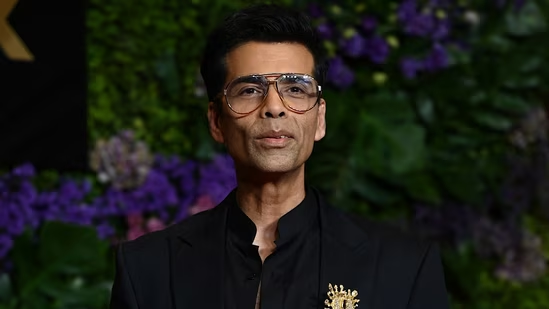
Karan Johar Embraces Online Trolling: “It Means I’m Still Relevant and People Are Talking”

Karan Johar Says Trolling is Better Than Being Ignored: “At Least They Notice Me”

In a recent candid interview with journalist Barkha Dutt for Mojo Story, filmmaker Karan Johar discussed how online trolling affects him—and why he doesn’t see it negatively. Instead of getting offended or hurt, Karan explained that he views criticism as a compliment. He believes that being talked about, whether in praise or in attack, is better than being ignored completely.

Karan Johar explained, “The good thing about being trolled or attacked is that, thank God, they are not being indifferent.” He pointed out that both love and hate are reactions—forms of attention that suggest relevance. For Johar, being ignored would be the worst outcome, not the harsh comments.

Also Read : Randhir and Babita Kapoor Reconcile in Old Age: Kareena Shares Parents Journey Back to Togetherness

Karan Johar

Why Karan Johar Considers Trolling a Sign of Cultural Relevance and Personal Impact

Karan Johar has long been a figure of public scrutiny, whether for his outspoken views, fashion statements, or casting decisions. Over time, he’s become one of the most talked-about celebrities on Indian social media. From memes to debates, the topic of Karan Johar trolling resurfaces frequently.

Rather than retreat from the negativity, Karan chooses to embrace it. He sees it as a badge of honor. “Even if they’re b**ching about what I’m wearing or what I’m saying, I must be getting to them,” he said. For Johar, annoying people means he’s touched a nerve—he’s relevant enough to stir emotions, and that’s power.

Karan Johar’s ability to convert criticism into validation sets him apart. He’s not interested in pleasing everyone. What matters more to him is being part of public discourse—positive or negative.

Social Media Hate Doesn’t Break Him—It Fuels His Popularity and Brand Value

In the entertainment world, online hate can crush even the most seasoned artists. But Karan Johar has developed an emotional armor. He’s turned trolling into a metric for measuring popularity. For him, every tweet, meme, or video calling him out is just proof that he remains at the center of conversation.

Karan Johar trolling may seem excessive at times, but he sees it as noise that confirms his relevance. “If no one was talking about me, it would mean I don’t matter anymore,” he said. That’s a greater fear for him than being criticized or mocked.

By staying vocal and unapologetically himself, Karan has made even his haters contribute to his brand visibility. In fact, their constant chatter online ensures that his name continues to trend—often more than his contemporaries.

Karan Johar
He’s Not Just Trending for Controversy—Karan Johar is Busy With Big Projects in 2025

Karan’s perspective on trolls might steal headlines, but his work is just as compelling. He’s currently the host of The Traitors, a high-stakes reality show streaming on Amazon Prime Video. In the show, twenty celebrities compete in a game of trust, betrayal, and survival.

The show has featured popular personalities like Raj Kundra, Lakshmi Manchu, Sahil Salathia, Raftaar, Urfi Javed, and Jannat Zubair. With its finale scheduled for July 3, the suspense is building—and so is public interest. Once again, Karan Johar trolling has played a part in promoting the show. Critics love to discuss his hosting style, which keeps him in the news.

Meanwhile, on the film front, Karan’s production house, Dharma Productions, is all set to launch Sarzameen, a political thriller directed by Kayoze Irani. Starring Kajol, Prithviraj Sukumaran, and Ibrahim Ali Khan, the film’s teaser recently dropped and received wide attention.

Sarzameen to Premiere on July 25 — A Political Thriller Set Against a Backdrop of Conflict

Sarzameen is already creating buzz, especially with Ibrahim Ali Khan making his second major appearance after Nadaaniyan. In the film, Prithviraj plays a courageous army officer, Kajol portrays his wife, and Ibrahim appears to be playing a mysterious, possibly villainous role. The movie is set in Kashmir and delves into deep political issues, promising intense drama and emotional depth.

This serious, socially driven film marks a departure from Karan Johar’s usual romantic or family dramas. Sarzameen will be available on JioHotstar from July 25, and fans are eagerly waiting to see how this genre shift plays out.

As always, even the film’s teaser drew polarized reactions. But that only amplified Karan Johar trolling once again—turning criticism into marketing gold.

Lessons From Karan Johar’s Mindset: Turn Negativity Into Relevance

Not everyone can take public hate in stride. Karan Johar, however, turns it into motivation. His take offers a valuable lesson for anyone in the spotlight: Don’t fear the hate; fear irrelevance.

For influencers, content creators, and public figures, Karan’s approach to criticism is a blueprint. Embrace both love and hate. Because if you’re not sparking conversation, you’re not influencing anyone. Karan Johar trolling may dominate social media, but he always comes out smarter, stronger, and more talked about.


Karan Johar

Being Talked About Even Negatively—Means You Still Matter

Karan Johar has redefined how celebrities should handle criticism. While many break under pressure, he thrives in it. He sees trolling not as a threat but as proof of his ongoing relevance.

Whether he’s producing political thrillers, hosting drama-packed reality shows, or posting bold fashion choices on Instagram, Karan Johar trolling remains constant. And perhaps, that’s exactly how he likes it.