Sunday, December 21, 2025
Home Blog Page 634

Nirmala Sitharaman Spain Visit: 5-Day International Tour Begins Today

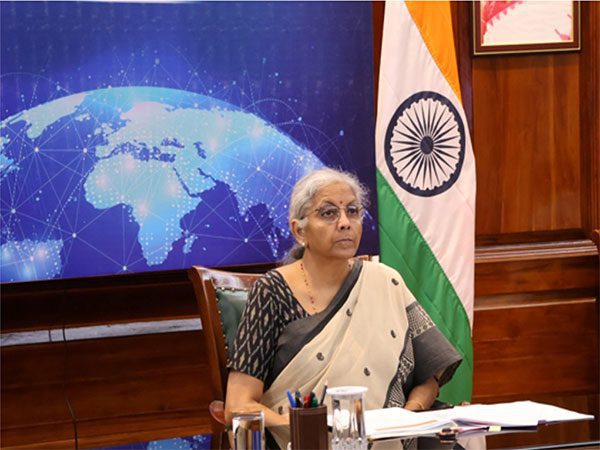
New Delhi – Union Finance Minister Nirmala Sitharaman has embarked on a significant diplomatic mission with her Nirmala Sitharaman Spain Visit marking the beginning of an extensive international tour covering three nations. The Nirmala Sitharaman Spain Visit forms part of a comprehensive official journey to Spain, Portugal, and Brazil scheduled from June 30 to July 5, 2025.

This strategic Nirmala Sitharaman Spain Visit represents India’s continued commitment to strengthening international economic partnerships and participating actively in global financial forums. The Finance Minister will lead the Indian delegation from the Department of Economic Affairs, Ministry of Finance, during this crucial Nirmala Sitharaman Spain Visit.

Key Objectives of the International Tour

Nirmala Sitharaman Spain Visit

The Nirmala Sitharaman Spain Visit encompasses multiple high-profile international engagements designed to advance India’s economic diplomacy and strengthen bilateral relationships. The comprehensive itinerary demonstrates India’s growing influence in global financial institutions and international development forums.

During the Nirmala Sitharaman Spain Visit, the Finance Minister will participate in several landmark events that will showcase India’s position on sustainable development financing and multilateral cooperation. These engagements reflect the strategic importance of the Nirmala Sitharaman Spain Visit in advancing India’s international economic agenda.

Spain Segment: UN Conference and Business Forum

Nirmala Sitharaman Spain Visit

The Nirmala Sitharaman Spain Visit will commence in Seville, where the Finance Minister will attend the prestigious 4th International Conference on Financing for Development (FFD4) organized by the United Nations. This segment of the Sitharaman Spain Visit holds particular significance as India will deliver an official statement representing the nation’s stance on global development financing.

Also Read: Maharashtra Cancels 3 Language Policy Resolution Amid Hindi Imposition Charges

The Nirmala Sitharaman Spain Visit agenda includes participation in the International Business Forum Leadership Summit focusing on “From FFD4 Outcome to Implementation: Unlocking the Potential of Private Capital for Sustainable Development.” The Finance Minister will deliver a keynote address during this crucial component of the Nirmala Sitharaman Spain Visit.

High-level diplomatic meetings form another essential aspect of the Nirmala Sitharaman Spain Visit, with scheduled bilateral discussions with senior ministers from Germany, Peru, and New Zealand. Additionally, the Nirmala Sitharaman Spain Visit will include a significant meeting with the President of the European Investment Bank (EIB), highlighting the tour’s strategic importance.

Portugal Component: Bilateral Meetings and Diaspora Engagement

Nirmala Sitharaman Spain Visit

The Nirmala Sitharaman Spain Visit extends to Portugal, where the Finance Minister will conduct important bilateral meetings in Lisbon. The Portugal segment represents a crucial continuation of the Nirmala Sitharaman Spain Visit, focusing on strengthening Indo-Portuguese economic relationships.

During this phase of the international tour following the Nirmala Sitharaman Spain Visit, Minister Sitharaman is expected to hold bilateral discussions with Portugal’s Finance Minister. These meetings will build upon the diplomatic momentum established during the Nirmala Sitharaman Spain Visit in Spain.

The Portugal itinerary also includes interactions with prominent investors and members of the Indian diaspora, extending the impact of the Nirmala Sitharaman Spain Visit to include diaspora engagement and investment promotion activities.


Brazil Engagement: BRICS and New Development Bank
Nirmala Sitharaman Spain Visit

The international tour culminating from the Nirmala Sitharaman Spain Visit will conclude in Rio de Janeiro, Brazil, where the Finance Minister will participate in several high-profile multilateral meetings. The Brazil segment represents the most significant multilateral component following the Nirmala Sitharaman Spain Visit.

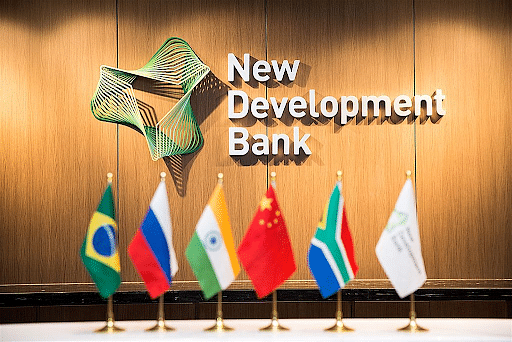
Minister Sitharaman will address the 10th Annual Meeting of the New Development Bank (NDB) in her capacity as India’s Governor. This engagement follows the diplomatic success expected from the Nirmala Sitharaman Spain Visit and demonstrates India’s continued leadership in alternative multilateral institutions.

The BRICS Finance Ministers and Central Bank Governors Meeting (FMCBG) attendance represents another crucial engagement in the tour that began with the Nirmala Sitharaman Spain Visit. These meetings underscore India’s commitment to South-South cooperation and alternative financial architecture development.

NDB Flagship Governors Seminar
Nirmala Sitharaman Spain Visit

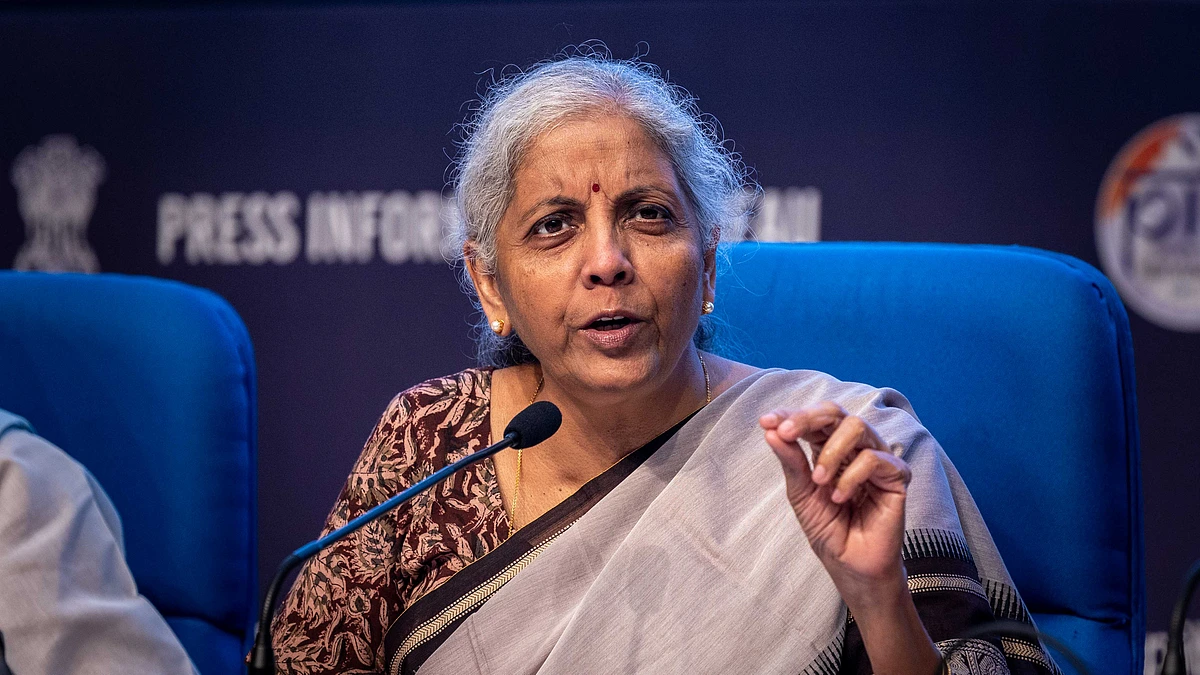
A significant component of the Brazil visit following the Nirmala Sitharaman Spain Visit includes the Finance Minister’s address during the NDB Flagship Governors Seminar on “Building a Premier Multilateral Development Bank for the Global South.” This presentation will showcase India’s vision for development finance institutions.

The seminar participation represents the culmination of diplomatic engagement that started with the Nirmala Sitharaman Spain Visit and extends India’s influence in shaping the future of multilateral development banking for emerging economies.

Bilateral Meetings in Brazil

The Brazil segment of the tour following the Sitharaman Spain Visit includes extensive bilateral meetings with counterparts from Brazil, China, Indonesia, and Russia. These meetings demonstrate the comprehensive nature of the diplomatic engagement that began with the Nirmala Sitharaman Spain Visit.

These bilateral discussions will focus on strengthening economic cooperation and addressing shared challenges in global financial governance, building upon the foundation established during the Nirmala Sitharaman Visit.

Pre-Tour Banking Sector Review

Prior to the Nirmala Sitharaman Visit, the Finance Minister chaired an important annual review meeting with Managing Directors and CEOs of Public Sector Banks (PSBs) in New Delhi on June 28. This meeting established a strong domestic foundation before the Nirmala Sitharaman Spain Visit.

The banking sector review revealed impressive performance indicators, with PSBs posting a record net profit of ₹1.78 lakh crore, reflecting continued strengthening of financial performance. Net Non-Performing Assets (NNPAs) declined to a multi-year low of 0.52%, indicating sustained improvement in asset quality and risk management.


Financial Inclusion Campaign Direction

During the pre-tour banking meeting before the Nirmala Sitharaman Visit, the Finance Minister directed PSBs to participate actively in the upcoming 3-month Financial Inclusion saturation campaign beginning July 1, 2025. This campaign will cover 2.7 lakh Gram Panchayats and Urban Local Bodies.

The domestic banking sector initiatives provide a strong foundation for the international engagements planned during the Nirmala Sitharaman Visit and subsequent visits to Portugal and Brazil.

Strategic Importance and Expected Outcomes

The Nirmala Sitharaman Visit and the broader three-nation tour represent India’s proactive approach to international economic diplomacy. The comprehensive agenda demonstrates India’s commitment to multilateral cooperation and sustainable development financing.

The tour’s outcomes are expected to strengthen India’s position in global financial governance while advancing bilateral relationships with Spain, Portugal, and Brazil. The Sitharaman Spain Visit sets the tone for enhanced international cooperation and economic partnership development.

This diplomatic mission underscores India’s growing influence in international financial institutions and its commitment to shaping global development finance architecture through active participation in multilateral forums and bilateral engagement.

Delhi Stabbing Case: Father Kills 10-Year-Old Son Over Rain Play

New Delhi – A tragic Delhi Stabbing Case has shocked the capital as a 40-year-old father allegedly stabbed his 10-year-old son to death in Sagarpur, southwest Delhi, after the child insisted on playing outside in the rain. This horrific Delhi Stabbing Case occurred on Sunday afternoon when what should have been an innocent childhood request turned into a deadly family dispute.

The Delhi Stabbing Case has left the local community in shock as police arrested the father, who works as a laborer, and launched a comprehensive investigation into the circumstances that led to this unthinkable tragedy. The incident represents one of the most disturbing domestic violence cases in recent memory.

Details of the Tragic Incident

The Delhi Stabbing Case unfolded when the deceased child, the third of four siblings, expressed his desire to play outside during the afternoon rain. According to police investigations, the father objected to his son’s request, but the 10-year-old boy persisted in wanting to enjoy the monsoon weather.

In what police describe as a fit of rage, the father picked up a kitchen knife and stabbed his son in the chest, specifically in the left rib area. This Delhi Stabbing Case escalated from a simple parent-child disagreement to a fatal attack within moments, highlighting the tragic consequences of uncontrolled anger.

The Delhi Stabbing Case became even more heartbreaking when police revealed that one of the victim’s siblings witnessed the stabbing while remaining in the same room. The other two children were playing nearby when their father committed this heinous act, leaving the entire family traumatized by the Delhi Stabbing Case.

Immediate Response and Hospital Rush

Delhi Stabbing Case

Following the stabbing, the father was reportedly shocked by his own actions and immediately rushed his injured son to Dada Dev Hospital. However, despite the urgent medical attention, the child succumbed to his injuries and was declared brought dead by hospital doctors.

Also Read: Shocking Kolkata Rape Case In Law College: Main Accused Turned Out a History- Sheeter, Arrested

The Delhi Stabbing Case came to police attention when they received a PCR call at 1:30 PM from the hospital. Medical staff informed authorities that a father had brought in his child, confessing that he had stabbed his son in a fit of rage, making this Delhi Stabbing Case a case of immediate confession.

Hospital doctors’ prompt notification to police ensured that the Delhi Stabbing Case investigation began immediately, with the investigating officer reaching the hospital to examine the circumstances surrounding the child’s death.

Police Investigation and Arrest

Delhi Stabbing Case

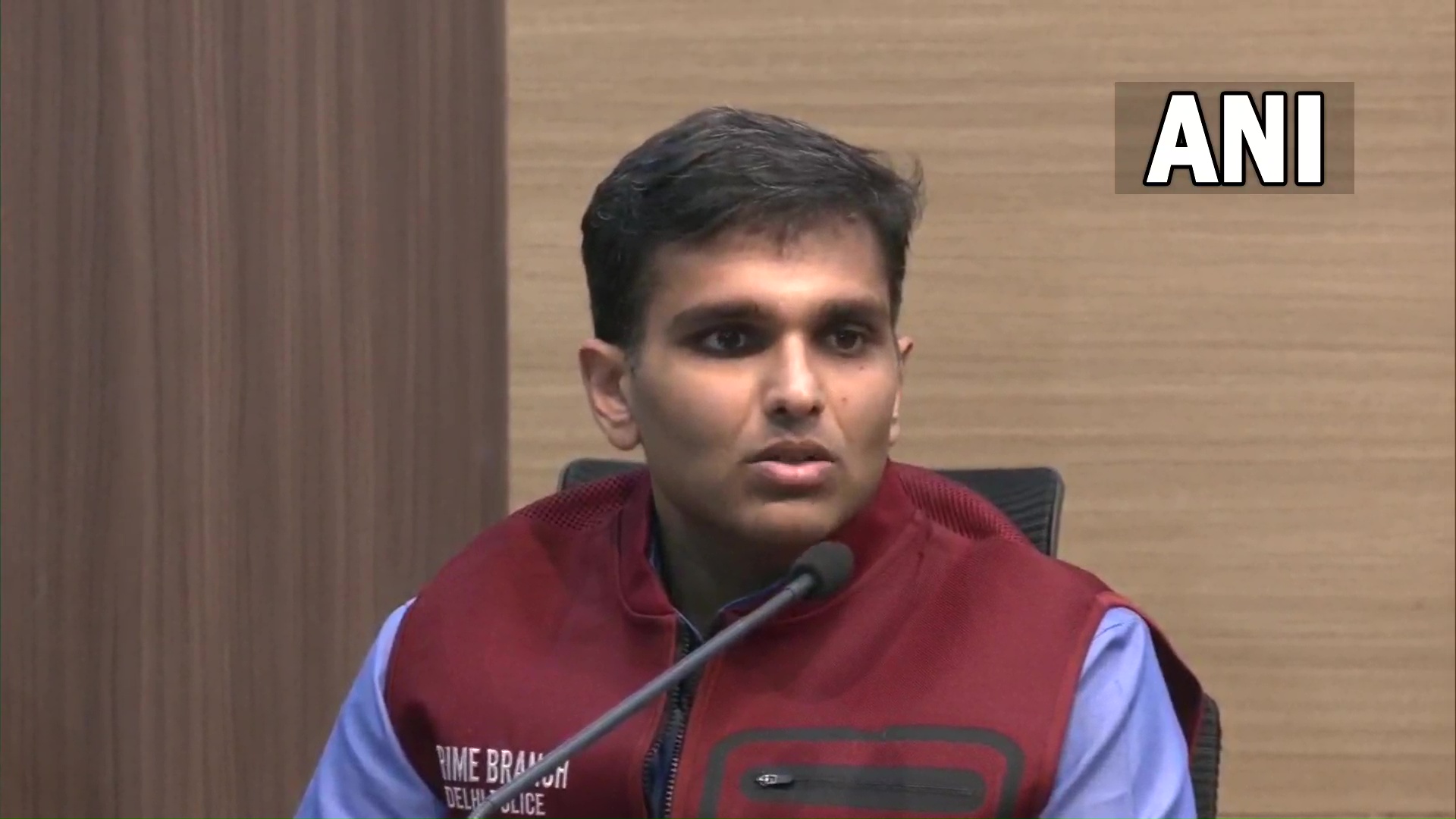
Deputy Commissioner of Police (Southwest) Amit Goel confirmed the details of the Delhi Stabbing Case, stating that the investigating officer found a 10-year-old child who had died from stab wounds. The father had already confessed to the crime when police arrived, making the Delhi Stabbing Case investigation straightforward in terms of identifying the perpetrator.

Police have withheld the accused’s name to protect the identity of the minor victim and his surviving siblings affected by this Delhi Stabbing Case. The decision reflects the sensitive nature of domestic violence cases involving children and the need to safeguard the remaining family members.

The Delhi Stabbing Case investigation revealed that the family lives in a single-room apartment in the Mohan Block area of Sagarpur. The cramped living conditions may have contributed to the tension that ultimately led to this tragic Delhi Stabbing Case.


Family Background and Circumstances

The Delhi Stabbing Case involves a single-parent household, as the mother died several years ago, leaving the father to raise four children alone. This family structure has added another layer of complexity to understanding the circumstances surrounding the Delhi Stabbing Case.

Police investigations into the Delhi Stabbing Case revealed that all four siblings are under 18 years of age, making the surviving children vulnerable and in need of immediate protection and care. The father’s role as the sole breadwinner and caregiver may have created additional stress that contributed to the Delhi Stabbing Case.

The deceased child was described as the third among the four siblings, and his death has left three orphaned children who witnessed or were present during the Delhi Stabbing Case. Authorities are now working to identify relatives who can care for these traumatized children.

Legal Proceedings and Evidence

Delhi Stabbing Case

The father has been booked for murder in connection with the Delhi Stabbing Case, and police have seized the murder weapon – a kitchen knife used in the attack. The weapon’s recovery provides crucial physical evidence supporting the Delhi Stabbing Case prosecution.

According to senior police officers speaking about the Delhi Stabbing Case, preliminary investigations suggest the accused has no criminal record or history of domestic violence. This aspect of the Delhi Stabbing Case makes the incident even more shocking, as it appears to represent an isolated moment of explosive anger rather than a pattern of abuse.

Authorities investigating the Delhi Stabbing Case have not yet determined whether the father was under the influence of alcohol at the time of the incident. The house is being thoroughly inspected as part of the comprehensive Delhi Stabbing Case investigation.

Impact on Surviving Children

The Delhi Murder Case has left three surviving children traumatized, with one sibling having witnessed the actual stabbing. Police officers handling the Delhi Murder Case report that everyone in the family is in shock following the tragic incident.

Authorities are prioritizing the care of the three surviving children affected by the Delhi Murder Case. Police are actively searching for relatives who can provide immediate care and support for these children who have lost both parents – their mother to natural causes years ago and now their father to imprisonment following this Delhi Murder Case.

Community and Social Implications

This Delhi Murder Case highlights the broader issues of single-parent stress, financial pressures, and the need for better mental health support systems in urban communities. The tragic nature of the Delhi Murder Case serves as a stark reminder of how quickly family disputes can escalate to deadly violence.

The Delhi Murder Case also underscores the importance of anger management and conflict resolution skills, particularly for parents dealing with the stress of raising children alone in challenging economic circumstances.

As the legal proceedings continue in this Delhi Murder Case, the community grapples with understanding how a simple request to play in the rain could lead to such devastating consequences, forever changing the lives of an entire family.

Israel Gaza Conflict: Shocking Death Toll Rises as 72 Palestinians Killed

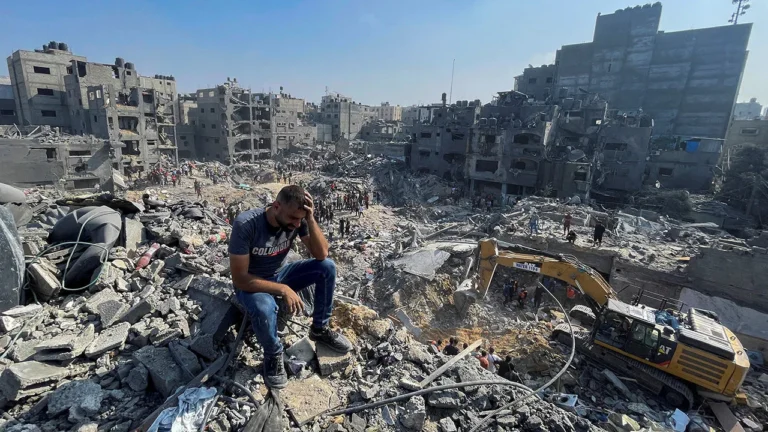
New Delhi – The ongoing Israel Gaza Conflict has witnessed another devastating day as Israeli forces killed at least 72 Palestinians, including children and aid seekers attempting to access humanitarian assistance. The escalating violence underscores the deepening humanitarian crisis in Gaza as the Israel Gaza Conflict continues to claim civilian lives at an alarming rate.

Massive Casualties in Latest Israeli Strikes

Israel Gaza Conflict

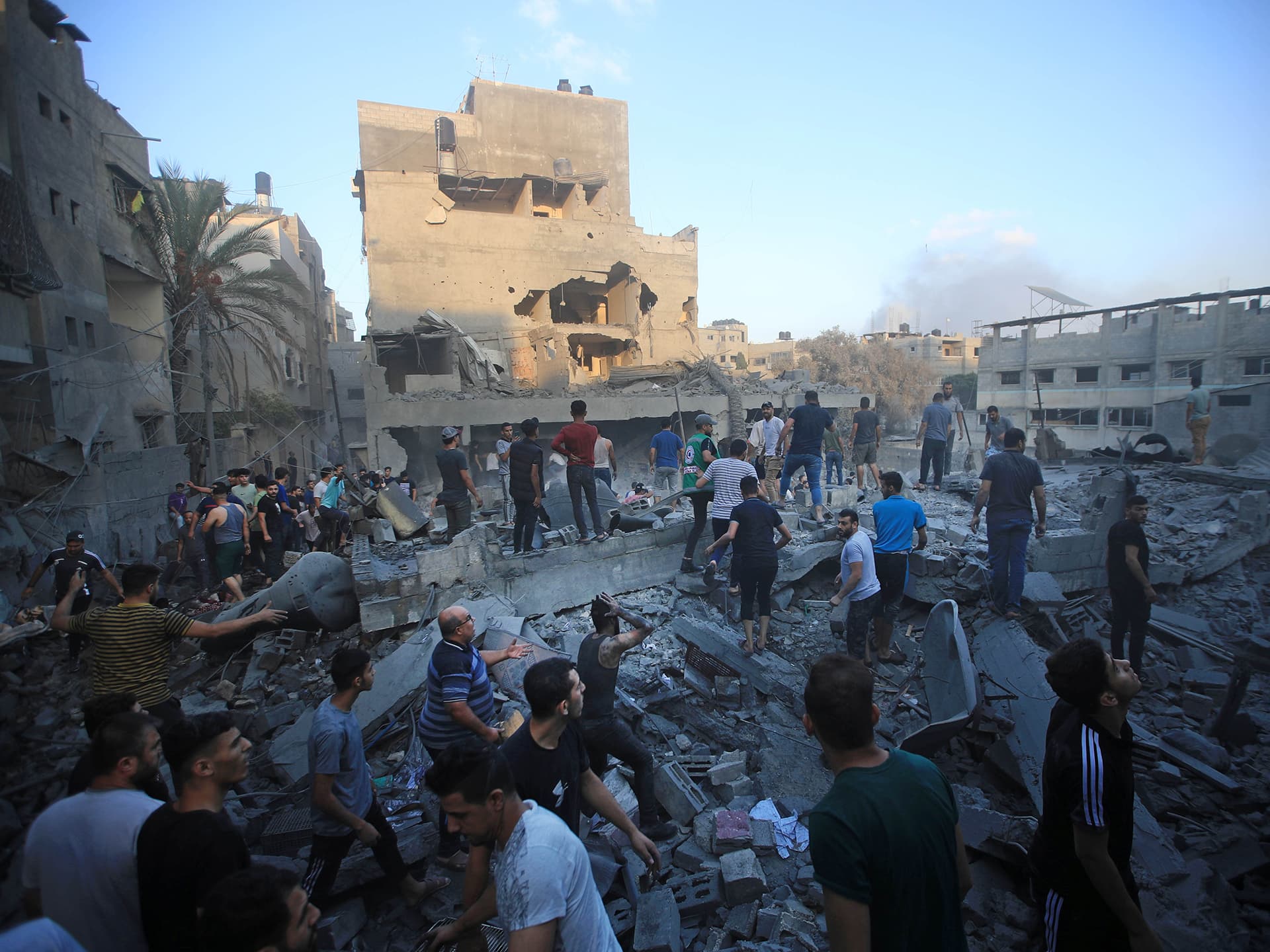
Recent Israeli attacks across Gaza have resulted in the deaths of 72 people, marking one of the deadliest days in the current phase of the Israel Gaza Conflict. Among the victims were several aid seekers who were attempting to reach food distribution sites, highlighting the dangerous conditions civilians face when trying to access basic necessities during this prolonged Israel Gaza Conflict.

The strikes targeted multiple locations across Gaza, with at least 20 Palestinians killed in consecutive attacks on Gaza City alone. The Israel Gaza Conflict has now reached a point where even seeking humanitarian aid has become a life-threatening endeavor for Palestinian civilians trapped in the besieged territory.

Children Among the Victims of Ongoing Violence

Israel Gaza Conflict

The Israel Gaza Conflict has taken a particularly heavy toll on Gaza’s youngest residents. Medical sources report that at least 66 children have died from malnutrition during the current phase of the conflict, illustrating the severe humanitarian impact of the Israel Gaza Conflict on vulnerable populations.

The targeting of civilian areas has resulted in numerous child casualties, with recent strikes claiming the lives of several minors. This pattern of civilian casualties, particularly involving children, has become a tragic hallmark of the current Israel Gaza Conflict.

Aid Distribution Sites Become Killing Fields

Israel Gaza Conflict

One of the most disturbing aspects of the current Israel Gaza Conflict is how aid distribution sites have transformed into what observers describe as “dystopian killing fields.” Nearly 600 Palestinian aid seekers have been killed while attempting to access food at distribution sites operated by international organizations during this phase of the Israel Gaza Conflict.

Also Read: Trump On Iran-Israel Conflict: Bold Bombing Threats Over Nuclear Programme

Medical professionals working in Gaza have reported that the majority of patients arriving at hospitals are suffering from gunshot wounds sustained while trying to reach aid distribution points. This development represents a new low in the Israel Gaza Conflict, where the act of seeking food assistance has become potentially fatal.

Healthcare System Completely Obliterated

The Israel Gaza Conflict has systematically destroyed Gaza’s healthcare infrastructure, leaving medical facilities struggling to cope with the massive influx of casualties. International humanitarian organizations report that the healthcare system has been “obliterated” by the ongoing Israel Gaza Conflict.

Since the resumption of hostilities, not a single week has passed without reports of attacks on healthcare facilities, hospitals, ambulance teams, or medical personnel. The Israel Gaza Conflict has forced medical staff to work under constant threat while being “swamped” by the high numbers of killed and wounded civilians.

Field hospitals are operating at nearly double their capacity, with extremely limited resources due to restrictions on humanitarian aid entry. The sole fully functional facility in Rafah exemplifies how deteriorated the healthcare system has become throughout the Israel Gaza Conflict.


Schools Turned Shelters Under Attack

Israel Gaza Conflict

The Israel Gaza Conflict has witnessed repeated violations of international humanitarian law, with Israeli forces targeting schools that serve as shelters for displaced civilians. Recent strikes hit at least three schools being used as shelters, killing seven people and wounding several others.

These attacks on educational facilities converted to shelters represent a clear violation of international humanitarian law, which forbids attacks on civilian infrastructure. Throughout the Israel Gaza Conflict, Israel has repeatedly bombed schools, most of which now serve as emergency shelters for forcibly displaced Palestinians.

International Diplomatic Efforts for Ceasefire

As the Israel Gaza Conflict continues to escalate, international diplomatic efforts are underway to establish a ceasefire. Egypt’s foreign minister announced his country is working on a new proposal that includes a 60-day ceasefire in exchange for the release of some Israeli captives and rapid humanitarian aid entry into Gaza.

Israel Gaza Conflict

The proposed ceasefire represents a collaborative effort between Egypt, Qatar, and the United States to halt the Israel Gaza Conflict. The plan would serve as a “first step” toward a sustainable ceasefire, potentially creating momentum for a lasting resolution to the Israel Gaza Conflict.

Turkish intelligence officials have also engaged in talks with senior Hamas leaders regarding ceasefire efforts, demonstrating the international community’s growing concern about the escalating Israel Gaza Conflict.

Political Statements and International Reactions

Israel Gaza Conflict

Israeli Prime Minister Benjamin Netanyahu claims his government has identified new opportunities to free captives held in Gaza, suggesting potential developments in the Israel Gaza Conflict. Meanwhile, US President Donald Trump has reiterated his commitment to preventing Iran from acquiring nuclear weapons, adding a regional dimension to discussions surrounding the Israel Gaza Conflict.

International humanitarian organizations continue to condemn the situation in Gaza, with Doctors Without Borders stating that the current conditions represent “not humanitarian aid, but slaughter.” This stark assessment reflects the international community’s growing alarm over the humanitarian consequences of the Israel Gaza Issue.

The Deepening Humanitarian Crisis

The Israel Gaza Issue has created a humanitarian catastrophe of unprecedented proportions. With malnutrition claiming the lives of dozens of children and aid distribution becoming a deadly endeavor, the civilian population faces an increasingly dire situation.

The destruction of Gaza’s healthcare system, the targeting of schools serving as shelters, and the deaths of aid seekers paint a grim picture of civilian suffering in the Israel Gaza Issue. As diplomatic efforts continue to seek a resolution, the immediate priority remains protecting civilian lives and ensuring humanitarian access to the besieged population.

The international community’s response to these developments will likely shape future diplomatic initiatives aimed at ending the Israel Gaza Issue and addressing the mounting humanitarian crisis affecting Gaza’s civilian population.

Delhi CM Inaugurates Successful Bio CNG Plant in Mathura Village, Visits Temple

New Delhi – Delhi Chief Minister Rekha Gupta has embarked on a significant environmental and spiritual journey, combining her commitment to green energy initiatives with religious devotion. During her two-day visit to Mathura district, the CM inaugurated a groundbreaking Bio CNG Plant and offered prayers for Delhi’s development at the revered Shri Banke Bihari Temple in Vrindavan.

Spiritual Beginning: Prayers at Shri Banke Bihari Temple

Bio CNG Plant

On Sunday morning, Chief Minister Rekha Gupta commenced her second day in Mathura district with a spiritual visit to the renowned Shri Banke Bihari Temple in Vrindavan. This temple visit followed her previous day’s inauguration of the innovative Bio CNG Plant, demonstrating her balanced approach to governance that combines environmental responsibility with cultural values.

During her temple visit, CM Gupta expressed her devotion and commitment to Delhi’s progress. “I had an opportunity to offer my prayers at Shri Banke Bihari Temple in Vrindavan today. I prayed for ‘Viksit Delhi’ along with ‘Viksit Bharat’. By God’s grace and blessing, we can do our maximum for Delhi’s development and serve the masses of Delhi with full dedication and commitment,” she stated after completing her prayers.

The Chief Minister’s temple visit was not merely ceremonial but reflected her deep-rooted belief in seeking divine blessings for the welfare of Delhi’s citizens. Her prayers encompassed both the development of Delhi and the broader vision of a developed India, showing her commitment to national progress alongside regional advancement.

Environmental Revolution: Bio CNG Plant Inauguration

Bio CNG Plant

The centerpiece of CM Gupta’s Mathura visit was the inauguration of a state-of-the-art Bio CNG Plant in Kamar village near Kosi Kalan on Saturday. This Bio CNG Plant represents a significant step forward in Delhi’s environmental initiatives, with a impressive capacity of 2.5 tonnes per day, demonstrating the government’s commitment to sustainable energy solutions.

Also Read: Maharashtra Cancels 3 Language Policy Resolution Amid Hindi Imposition Charges

The Bio CNG Plant inauguration was conducted in the presence of Uttar Pradesh cabinet minister and MLA from Chhata (Mathura), Laxmi Narain Chaudhary, highlighting the collaborative approach between Delhi and Uttar Pradesh governments in environmental matters. This Bio CNG Plant is expected to play a crucial role in waste management and green energy production.

During the Bio CNG Plant inauguration ceremony, CM Gupta emphasized the importance of such facilities in addressing multiple environmental challenges simultaneously. The Bio CNG Plant will not only produce clean energy but also help in effective waste management, particularly addressing the issue of cow dung disposal that has been affecting the Yamuna river.

Addressing Yamuna Pollution Through Bio CNG Plants

Bio CNG Plant

Chief Minister Gupta used the Bio CNG Plant inauguration as an opportunity to address the critical issue of Yamuna river pollution. She strongly criticized past governments for their failure to address pollution in the sacred river, emphasizing how the new Bio CNG Plant represents a solution-oriented approach to environmental challenges.

The CM stressed the importance of establishing cow dung gas plants like the newly inaugurated Bio CNG Plant to effectively curb waste and simultaneously produce green energy. This dual benefit approach makes the Bio CNG Plant an ideal solution for addressing both waste management and energy production challenges facing the region.

During her speech at the Bio CNG Plant inauguration, CM Gupta announced ambitious plans for expanding this green energy initiative. She revealed that two additional plants similar to this Bio CNG Plant would be commissioned by the end of this year, demonstrating the government’s commitment to scaling up sustainable energy solutions.

The strategic placement of these Bio CNG Plant facilities is specifically designed to prevent cow dung from entering the Yamuna river, addressing a major source of water pollution. This approach shows how the Bio CNG Plant initiative serves multiple environmental objectives simultaneously.


Expanding Green Energy Infrastructure

The Bio CNG Plant in Kamar village represents just the beginning of a larger environmental transformation initiative. CM Gupta’s announcement of two additional Bio CNG Plant facilities by year-end indicates a systematic approach to establishing a network of green energy production centers across the region.

Each Bio CNG Plant in this network will contribute to reducing organic waste while producing clean energy, creating a sustainable cycle that benefits both the environment and local communities. The Bio CNG Plant model demonstrates how traditional waste products can be transformed into valuable energy resources.

The scalability of the Bio CNG Plant concept makes it an attractive solution for rural areas where cow dung and organic waste are abundantly available. This Bio CNG Plant initiative could serve as a model for other states looking to implement similar environmental solutions.

Cultural and Religious Significance

Beyond the environmental initiatives, CM Gupta’s visit to Govardhan Girraj in Mathura on Saturday added a spiritual dimension to her trip. Accompanied by Meghshyam Singh, the local BJP MLA from Govardhan, she offered parikrama (circumambulation) of the sacred hillocks, demonstrating respect for local religious traditions.

Bio CNG Plant

“It gives immense peace to mind and soul when one offers prayers at Goverdhan,” CM Gupta remarked, highlighting how her spiritual practices complement her administrative responsibilities. This balance between environmental action, exemplified by the Bio Plant inauguration, and spiritual devotion reflects her holistic approach to leadership.

The presence of local political leaders during both the Bio Plant inauguration and religious visits underscores the collaborative nature of these initiatives, bringing together environmental, political, and spiritual elements for comprehensive regional development.

Future Implications and Environmental Impact

The Bio Plant inaugurated by CM Gupta represents more than just an energy facility; it symbolizes a shift toward sustainable development practices. This Bio Plant will serve as a demonstration project for similar initiatives across Delhi and neighboring regions.

The success of this CNG Plant could encourage private sector investment in similar green energy projects, creating a multiplier effect for environmental benefits. The Bio CNG Plant model shows how government initiative can catalyze broader environmental transformation.

With the planned expansion to include two more facilities by year-end, the CNG Plant network will significantly contribute to reducing pollution in the Yamuna while providing clean energy alternatives for local communities.

Closing Statements: A Model for Sustainable Governance

CM Rekha Gupta’s Mathura visit successfully combined environmental action with spiritual devotion, showcasing a comprehensive approach to governance. The Bio Plant inauguration demonstrates her commitment to practical solutions for environmental challenges while her temple visits reflect her connection to cultural values and community sentiments.

Maharashtra Cancels 3 Language Policy Resolution Amid Hindi Imposition Charges

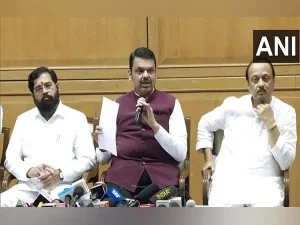
Maharashtra – The Maharashtra government has taken a significant step back from its controversial language policy by canceling the 3 Language Policy Resolution following intense political opposition and allegations of Hindi imposition. Chief Minister Devendra Fadnavis announced the formation of an expert committee to deliberate on the future of language education in the state’s schools.

Government Cancels Two Key Resolutions

3 Language Policy Resolution

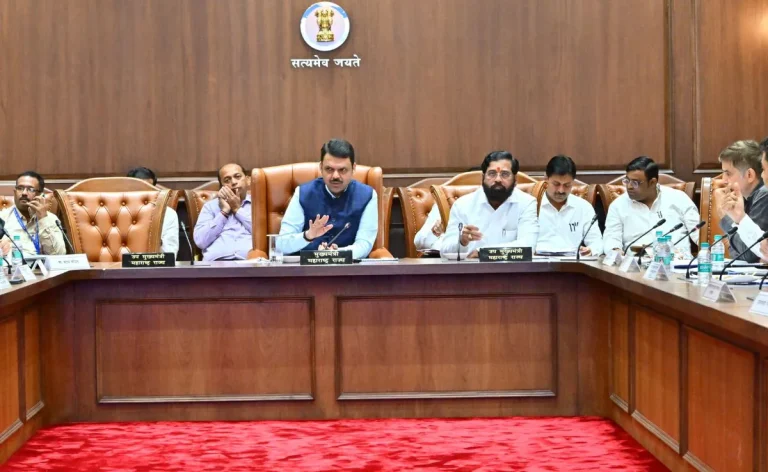
In a major policy reversal, the Maharashtra government has officially canceled two government resolutions related to the 3 Language Policy Resolution. The decision came after a state Cabinet meeting where Chief Minister Devendra Fadnavis announced that both the April 16 and June 17 government resolutions would be withdrawn immediately.

The 3 Language Policy Resolution controversy began when the state government issued its first resolution on April 16, making Hindi a compulsory third language for students in classes 1 to 5 studying in English and Marathi medium schools. This initial 3 Language Policy Resolution sparked immediate backlash from opposition parties and language activists who viewed it as an attempt to impose Hindi on non-Hindi speaking populations.

Following the criticism, the government issued a revised 3 Language Policy Resolution on June 17, which stated that Hindi would “generally” be the third language but not mandatory for classes 1 to 5 in English and Marathi medium schools. However, this modification failed to quell the controversy surrounding the 3 Language Policy Resolution.

Expert Committee Formation to Review Policy

Chief Minister Fadnavis announced that a committee would be formed under the leadership of renowned educationist Dr. Narendra Jadhav to comprehensively review the 3 Language Policy Resolution. This expert panel has been tasked with determining crucial aspects of language education implementation in Maharashtra schools.

3 Language Policy Resolution

The committee examining the 3 Language Policy Resolution will focus on several key areas: determining from which standard the languages should be implemented, establishing how the implementation should take place, and deciding what choices should be given to students. This comprehensive approach suggests that the government is taking a more measured stance on the 3 Language Policy Resolution controversy.

Based on the report submitted by this committee, the state government will make a final decision on the implementation of the 3 Language Policy Resolution. The Chief Minister emphasized that until the committee completes its deliberations, both the previously issued government resolutions remain canceled.

Political Opposition and Hindi Imposition Allegations

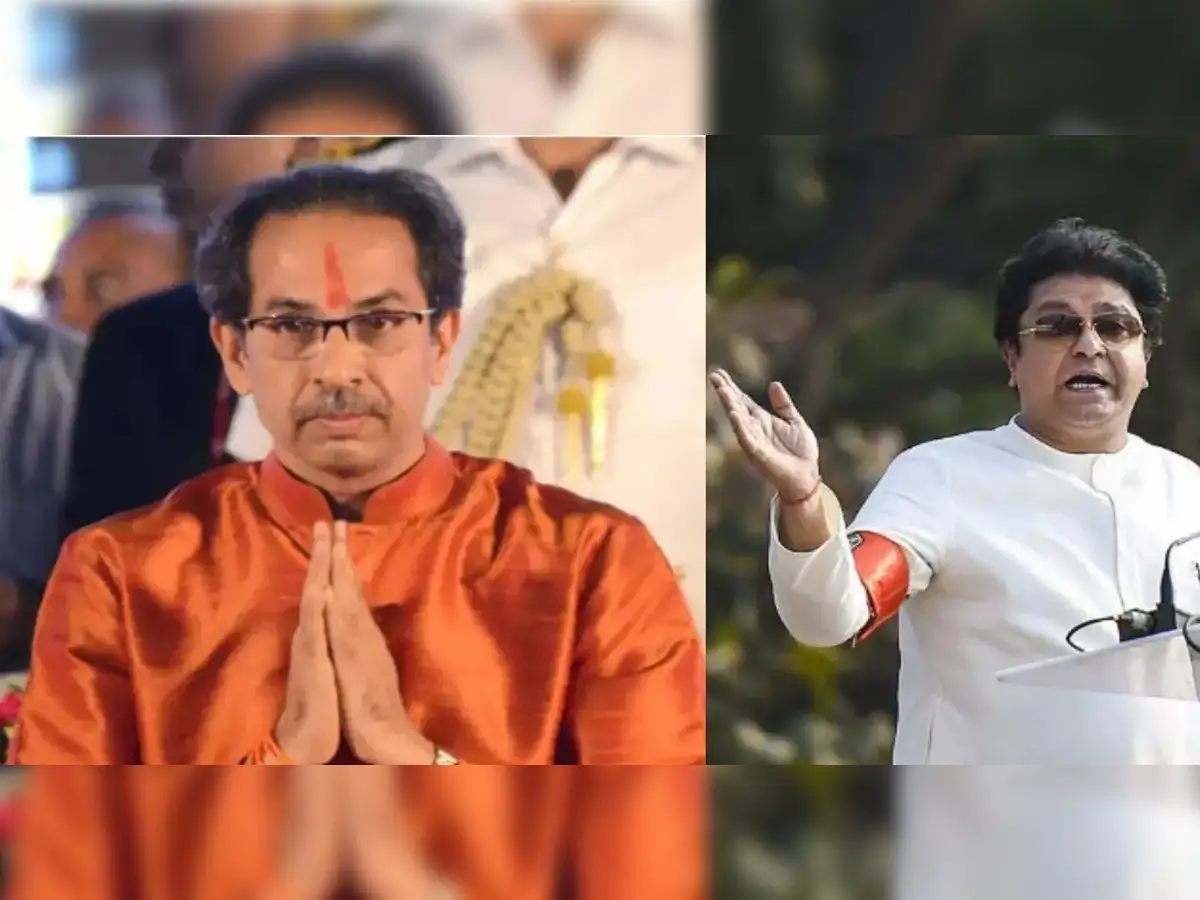
The 3 Language Policy Resolution faced strong criticism from the Opposition Maha Vikas Aghadi, comprising Shiv Sena (UBT), Maharashtra Navnirman Sena, and NCP (SP). These parties accused the government of attempting to impose Hindi on Maharashtra’s students through the 3 Language Policy Resolution.

3 Language Policy Resolution

The controversy around the 3 Language Policy Resolution reignited the long-standing ‘Hindi imposition’ debate, which refers to claims by non-Hindi-speaking states that Hindi is being forced on non-native speakers to the detriment of their regional languages. Opposition leaders argued that the 3 Language Policy Resolution was another attempt to undermine the primacy of Marathi in Maharashtra.

Also Read: Revolutionary Amit Shah Hindi Companion Languages Statement Unites India

Speaking on the eve of the Maharashtra Assembly’s monsoon session, Chief Minister Fadnavis defended his government’s position on the 3 Language Policy Resolution while maintaining that the government’s focus would remain on promoting Marathi language and culture.


Chief Minister’s Defense and Counter-Allegations

While defending the canceled 3 Language Policy Resolution, Chief Minister Fadnavis took aim at opposition leaders, particularly targeting Uddhav Thackeray for protesting against Hindi while accepting English. He questioned the consistency of opposition to the 3 Language Policy Resolution when English was readily accepted in educational institutions.

3 Language Policy Resolution

Fadnavis revealed that during Uddhav Thackeray’s tenure as Chief Minister, he had accepted recommendations from the Dr. Raghunath Mashelkar committee to introduce a three-language policy from class 1 to 12 and had even set up a committee for policy implementation. This revelation added another dimension to the 3 Language Policy Resolution controversy.

The Chief Minister also targeted MNS chief Raj Thackeray regarding the 3 Language Policy Resolution debate, stating that Raj Thackeray was not involved in the earlier discussions and should question Uddhav about his changed stance after joining the opposition.

Historical Context and Ambedkar’s Vision

In his defense of the 3 Language Policy Resolution, Chief Minister Fadnavis invoked the legacy of Dr. B.R. Ambedkar, stating that Babasaheb Ambedkar wanted everyone to learn the Hindi language. This historical reference was used to justify the government’s initial approach to the 3 Language Policy Resolution.

The Chief Minister’s invocation of Ambedkar’s vision regarding language education added a constitutional and historical dimension to the 3 Language Policy Resolution debate, attempting to frame the policy within the broader context of national integration and educational equity.

Street Protests and Political Unity

The announcement to cancel the 3 Language Policy Resolution came just hours after significant protests led by Shiv Sena (UBT) in Mumbai and across the state. During these demonstrations, copies of the June 17 resolution were publicly burned, symbolizing the strong opposition to the 3 Language Policy Resolution.

Uddhav Thackeray clarified during the protests that he did not oppose Hindi language itself but only its imposition through policies like the 3 Language Policy Resolution. This distinction became central to the opposition’s argument against the government’s language policy.

Thackeray Brothers Unite Against Policy

3 Language Policy Resolution

The Language Policy Resolution controversy achieved something remarkable in Maharashtra politics – it brought together the estranged Thackeray brothers, Uddhav and Raj. As civic polls approached in Mumbai, both brothers announced a joint protest scheduled for July 5 against the 3 Language Policy Resolution.

However, following the government’s decision to cancel the Language Policy Resolution and form an expert committee, the planned July 5 protest has been called off. This development indicates that the opposition viewed the government’s decision as a significant victory in their campaign against the controversial policy.

Timeline for Committee Deliberations

Chief Minister Fadnavis announced that the Dr. Jadhav-led panel examining the Language Policy Resolution has requested three months to complete its comprehensive review and submit recommendations. This timeline suggests that any future decisions regarding the Language Policy Resolution will be delayed until after the committee’s thorough examination.

The three-month period for reviewing the Language Policy Resolution provides the government with breathing space to address the political concerns while allowing educational experts to propose a more balanced approach to language education in Maharashtra schools.

Shocking Kolkata Rape Case In Law College: Main Accused Turned Out a History- Sheeter, Arrested

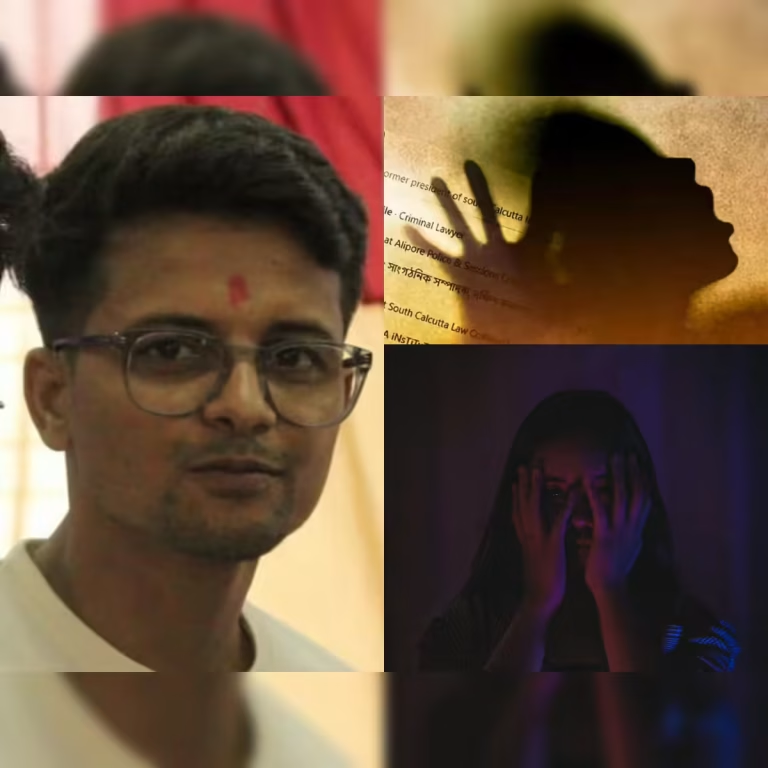
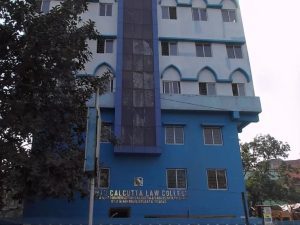
Kolkata – A disturbing Kolkata Rape Case In Law College has sent shockwaves through the educational community after police revealed that the main accused has an extensive criminal history spanning multiple years. The Kolkata Rape Case In Law College involves the alleged gangrape of a 24-year-old law student at South Calcutta Law College, with authorities uncovering a pattern of criminal behavior by the primary suspect.

The Kolkata Rape Case In Law College: What Happened?

Kolkata Rape Case In Law College

The Kolkata Rape Case In Law College occurred on June 25, when a first-year law student was allegedly sexually assaulted on the college premises. The horrific incident took place inside a security guard’s room between 7:30 PM and 10:50 PM, highlighting serious security lapses within the educational institution.

In this shocking Kolkata Rape Case In Law College, the main accused, Monojit Mishra, allegedly pressured the victim to marry him. When she refused his proposal, he threatened to kill her boyfriend and get her parents arrested under false accusations, demonstrating the calculated nature of his criminal behavior.

The Kolkata Rape Case In Law College has exposed the vulnerability of students within what should be a safe educational environment, raising serious questions about campus security and background verification of staff members.

Main Accused: A History-Sheeter with Criminal Past

Kolkata Rape Case In Law College

Kolkata Police investigations into this Kolkata Rape Case In Law College have revealed that Monojit Mishra, the main accused, is a documented “history-sheeter” with multiple criminal cases registered against him. Police officials have confirmed that Mishra has been chargesheeted in several cases including harassment of women, assault, vandalism, and theft.

The 31-year-old accused in this Kolkata Rape Case In Law College is a practicing criminal lawyer at Alipore court and identifies himself on social media as a former chief of the Trinamool Congress’s student wing at the law college. However, the political party has since distanced itself from him following the serious allegations.

Mishra’s connection to the Kolkata Rape Case In Law College stems from his past association with the institution. Though he studied at the college four years ago, he was reportedly engaged with the college on a casual basis until recently, which raises questions about institutional oversight and staff monitoring.

Extensive Criminal Record Across Multiple Police Stations

Kolkata Rape Case In Law College

The investigation into this Kolkata Rape Case In Law College has uncovered that Mishra has multiple cases registered across several police stations, including Kalighat, Kasba, Alipore, Haridevpur, and Tollygunge. This widespread criminal activity pattern makes the current Kolkata Rape Case In Law College even more concerning.

According to police records related to this Kolkata Rape Case In Law College investigation, in 2019, Mishra allegedly ripped a woman’s clothes inside South Calcutta Law College itself, for which a chargesheet was filed. This previous incident at the same location where the current Kolkata Rape Case In Law College occurred shows a pattern of sexual misconduct on campus.

The same year, Mishra was accused of theft, specifically stealing a gold chain, perfume, a music system, and spectacles from a friend’s home in Haridevpur on New Year’s Eve. The FIR was filed in January 2020, and police subsequently chargesheeted him, adding to the criminal profile now relevant to the Kolkata Rape Case In Law College.

Recent Criminal Activities Leading to Current Case

The timeline leading to this Kolkata Rape Case In Law College shows escalating criminal behavior. In March 2022, Mishra allegedly harassed a woman in Kasba, adding another case of sexual misconduct to his record. Most recently, in May 2024, the law college administration filed a complaint against him for assaulting a security guard and vandalizing property on campus.

This May 2024 incident at the law college demonstrates that institutional authorities were aware of Mishra’s violent tendencies before the Kolkata Rape Case In Law College occurred, raising questions about why adequate preventive measures weren’t implemented.

Additionally, in 2017, Mishra was accused of damaging the principal’s office, although no police case was registered at that time. This pattern of institutional tolerance may have contributed to the environment that allowed the Kolkata Rape Case In Law College to occur.


Four Arrests Made in the Investigation

Kolkata Rape Case In Law College

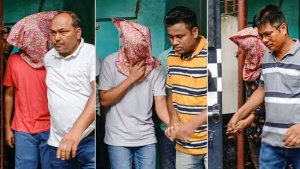
Kolkata Police have arrested four individuals in connection with this Kolkata Rape Case In Law College. The arrested persons include Monojit Mishra as the main accused, Zaib Ahmed (19) and Pramit Mukherjee (20), both students at the college, and Pinaki Banerjee, the security guard whose room was used for the crime.

The Kolkata Rape Case In Law College investigation has been assigned to a five-member special investigation team (SIT) led by an officer of assistant commissioner rank. Police officials have stated that the SIT will start its investigation immediately to ensure thorough examination of all evidence.

Medical Evidence Corroborates Victim’s Claims

Medical examination conducted at a state-run hospital has provided crucial evidence supporting the victim’s allegations in this Kolkata Rape Case In Law College. Police officials confirmed that there is evidence of forceful penetration, bite marks, and nail scratches on the victim’s body, corroborating her statements about the assault.

Investigators have also recovered an incriminating video clip from one of the accused’s mobile phones in this Kolkata Rape Case In Law College. The video, approximately 1 minute and 30 seconds long, reportedly corroborates the statements made by the victim in her complaint, providing additional evidence for prosecution.

Victim’s Ordeal and Resistance

The survivor’s complaint in this Kolkata Rape Case In Law College reveals the traumatic nature of her experience. She stated that she was confined, threatened, and assaulted despite her resistance, all after turning down Mishra’s marriage proposal. This account demonstrates the premeditated nature of the crime and the victim’s courage in reporting the incident.

Implications for Campus Safety

Kolkata rape case in law college

This Kolkata Rape Case In Law College has highlighted serious concerns about student safety in educational institutions. The fact that a person with such an extensive criminal record could maintain access to college premises raises questions about background verification processes and security protocols.

The case underscores the need for educational institutions to implement stricter screening procedures for all individuals associated with the campus, whether as staff, students, or casual workers. The Kolkata Rape Case In Law College serves as a wake-up call for comprehensive security reforms in educational settings to protect students from predators with criminal histories.

Moving forward, this Kolkata Rape Case In Law College must lead to systemic changes that prioritize student safety and ensure that such tragic incidents never occur again in educational institutions.

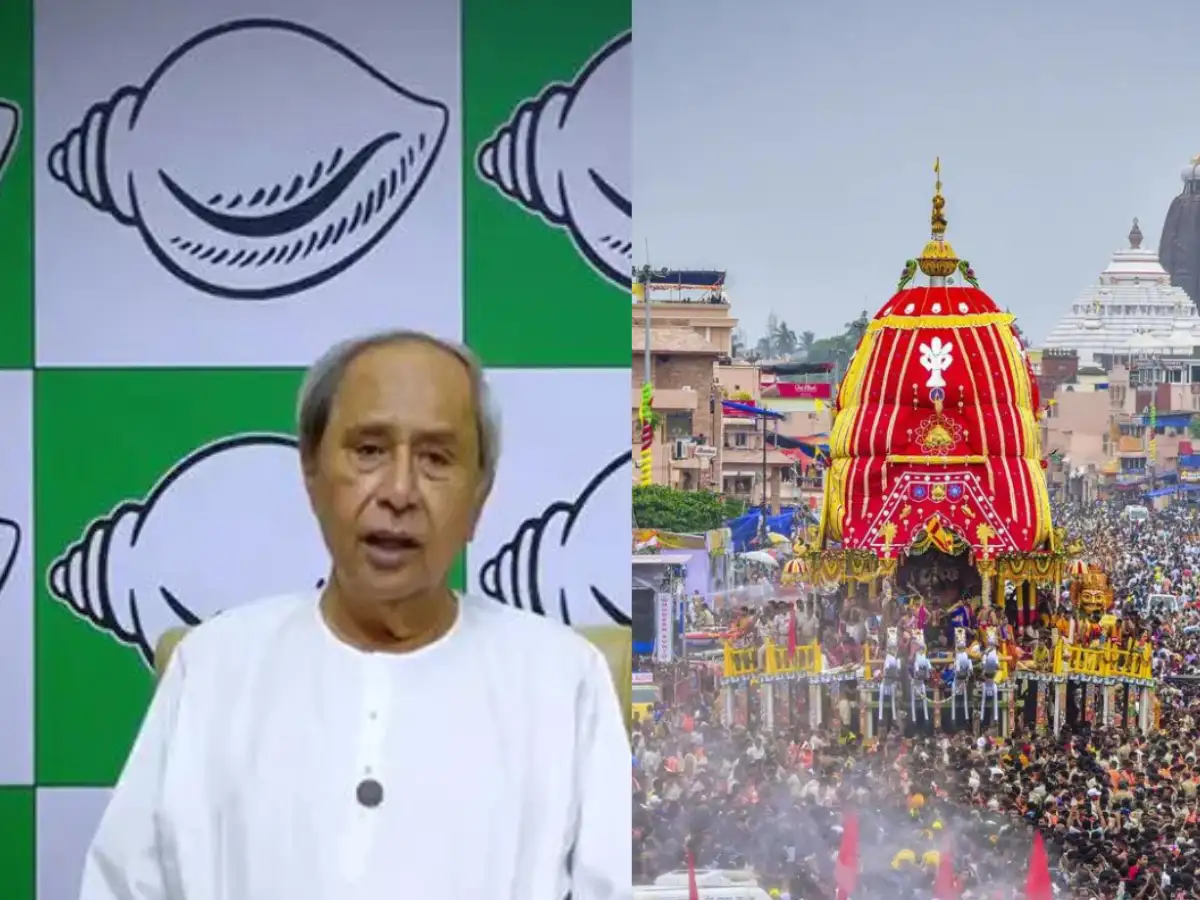
Tragic Jagannath Yatra Stampede Kills 3, Injures Over 50 at Puri Temple

Odisha – The sacred festivities of Rath Yatra turned into a nightmare when a devastating Jagannath Yatra Stampede claimed three lives and injured over 50 devotees outside Puri’s renowned Gundicha Temple. This tragic incident has exposed serious security lapses and prompted immediate administrative action from the Odisha state government.

The Deadly Incident: What Happened During the Jagannath Yatra Stampede?

Jagannath Yatra Stampede

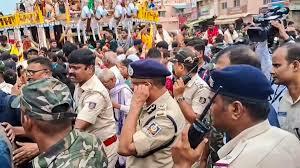
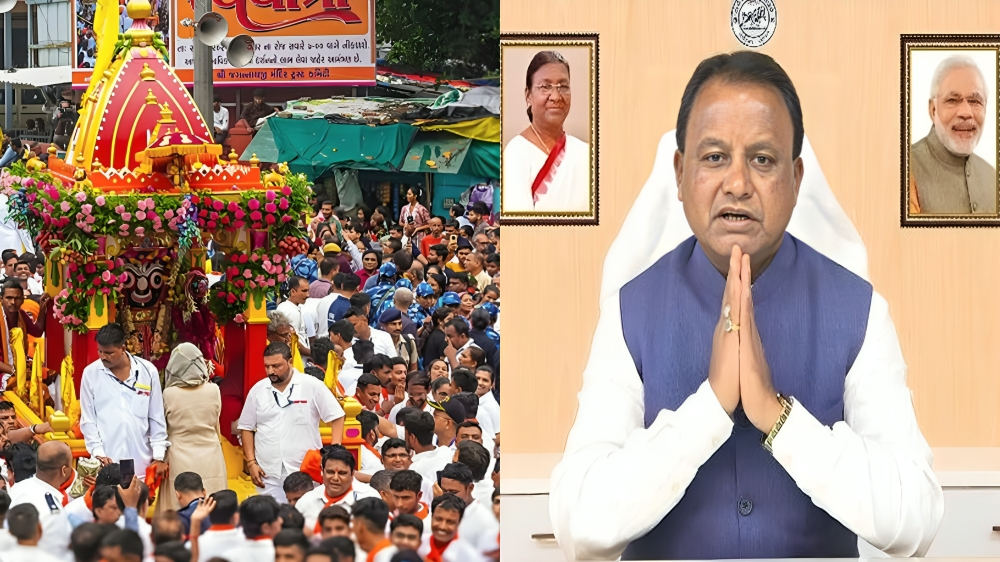
The Jagannath Rath Yatra Stampede occurred during the early morning hours between 4:00 and 4:20 AM at Saradhabali, located just outside the historic Gundicha Temple. Thousands of devotees had gathered for the annual Rath Yatra celebrations when the tragic incident unfolded. According to eyewitness accounts, the Jagannath Yatra Stampede was triggered when vehicles passed through an already densely crowded area, creating chaos and panic among the pilgrims.

The victims of this devastating Jagannath Yatra Stampede have been identified as Basanti Sahoo (42) and Pravati Das (52), both from Khurda district, and Premakanta Mohanty (78) from Bhubaneswar. These devotees had come to participate in the sacred festivities, never expecting that their spiritual journey would end in tragedy.

Hospital officials reported that among the injured in the Jagannath Yatra Stampede, several were admitted with serious wounds while others received primary treatment and were subsequently discharged. The medical response highlighted the severity of the incident and the immediate need for better emergency preparedness during such large religious gatherings.

Eyewitness Accounts Reveal Security Failures

Jagannath Yatra Stampede

Eyewitnesses and families of the victims have painted a disturbing picture of the circumstances leading to the Jagannath Yatra Stampede. They alleged that there were inadequate police arrangements and insufficient officials to manage the swelling number of pilgrims gathering for the Rath Yatra celebrations.

Dillip Sahoo, husband of victim Basanti Sahoo, described the chaotic scene that led to the Jagannath Yatra Stampede: “There was no system at all, even as a massive crowd swelled towards the chariot after darshan started at around 4 AM. While devotees were going from one side, a huge crowd approached from the opposite, leading to chaos and jostling. We couldn’t find any police personnel on the spot.”

Another victim’s husband, Biswajit Das, whose wife Pravati died in the Jagannath Yatra Stampede, expressed his anguish: “My wife and others would have been saved had there been any arrangement for the smooth arrival of ambulances to the spot. There was no police deployment either, and no volunteers. Who will compensate my loss?”

According to witnesses, the chaos during the Jagannath Yatra Stampede continued for approximately 20 minutes while two vehicles entered the densely crowded area. Local devotees became the first responders, pulling injured people from the crowd and rushing them to nearby hospitals, highlighting the absence of organized emergency response.


Government Response and Administrative Action

Jagannath Yatra Stampede

Odisha Chief Minister Mohan Charan Majhi expressed his condolences while acknowledging the severity of the security lapses that led to the Jagannath Yatra Stampede. He described the negligence as “unpardonable” and promised immediate action against those responsible for the tragic incident.

Jagannath Yatra Stampede

“This negligence is unpardonable. An immediate investigation into the security lapses will be conducted, and I have directed that necessary steps be taken to initiate exemplary action against those responsible,” the Chief Minister stated, emphasizing the government’s commitment to preventing future incidents like this Jagannath Yatra Stampede.

Jagannath Yatra Stampede

In swift administrative action following the Jagannath Yatra Stampede, the state government transferred both Puri Collector Siddharth Shankar Swain and Superintendent of Police Vinit Agarwal. Chanchal Rana was appointed as the new Collector, while Pinak Mishra replaced Agarwal as the new SP. Additionally, two senior police officers were suspended for alleged dereliction of duty in connection with the Jagannath Yatra Stampede.

Investigation and Compensation Measures

The Odisha government has ordered a comprehensive administrative probe into the Jagannath Yatra Stampede, to be headed by Development Commissioner Anu Garg. This investigation aims to identify the exact causes of the tragedy and ensure accountability for the security failures that contributed to the incident.

As compensation for the families affected by the Jagannath Yatra Stampede, the government announced an ex gratia payment of Rs 25 lakh for the kin of each deceased victim. While this financial assistance cannot compensate for the loss of life, it represents the government’s acknowledgment of its responsibility in the tragic incident.

State DGP Y B Khurania rushed to the scene following the Jagannath Yatra Stampede and conducted meetings with senior officers to coordinate the investigation and review security protocols for such large religious gatherings.

Political Reactions to the Tragedy

Jagannath Yatra Stampede

The Jagannath Yatra Stampede has drawn sharp criticism from opposition leaders, who have questioned the BJP-led state government’s preparedness for managing such large religious events. Former Chief Minister and Leader of Opposition Naveen Patnaik criticized the government’s handling of crowd management during the Rath Yatra festivities.

Patnaik stated that the Jagannath Yatra Stampede exposed “the government’s glaring incompetence in ensuring a peaceful festival for devotees.” He highlighted that eyewitnesses reported the initial response came from devotees’ relatives, with no government machinery present to manage the surging crowds.

Leader of Opposition in Lok Sabha Rahul Gandhi also expressed concern over the Jagannath Yatra Stampede, emphasizing that such tragedies serve as serious warnings about the importance of proper security arrangements and crowd management preparations for large events.

Lessons from the Jagannath Yatra Stampede

Jagannath Yatra Stampede

This tragic Jagannath Yatra Stampede serves as a stark reminder of the critical importance of proper crowd management during religious festivals. The incident highlights several key areas that require immediate attention to prevent future tragedies during similar events.

The investigation into this Jagannath Yatra Stampede must address the fundamental issues of police deployment, emergency response protocols, and crowd control mechanisms. The safety of devotees participating in religious festivals must be paramount, and no compromises should be made in ensuring adequate security arrangements.

As the investigation continues, the lessons learned from this devastating Jagannath Yatra Stampede must be implemented to ensure that such tragedies never occur again during religious celebrations in Odisha or anywhere else in the country.

MoSPI LAUNCHES GoIStats MOBILE APP FOR REAL-TIME ACCESS TO OFFICIAL STATISTICS ON-THE-GO: June 2025

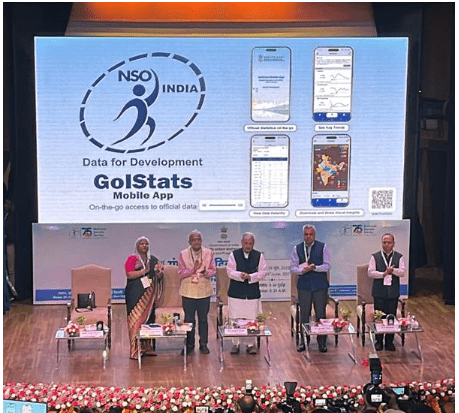
New Delhi: Marking a new chapter in India’s digital data revolution, the Ministry of Statistics and Programme Implementation (MoSPI) launched the GoIStats mobile application on Statistics Day 2025, making real-time, official statistical data accessible at the fingertips of every Indian. Developed by the National Sample Survey Office (NSO), this digital initiative underscores the Government of India’s commitment to data transparency, user-centric governance, and informed public participation.

A Game-Changer for Citizen-Centric Data Access

The GoIStats app is a comprehensive mobile platform designed to democratize access to key government statistics, enabling citizens, researchers, policymakers, journalists, and students to seamlessly explore India’s economic and social development metrics.


The app features a dynamic “Key Trends” dashboard offering real-time insights into critical indicators such as:

  • GDP growth

  • Inflation trends

  • Labour and employment data

  • Population and poverty indices

Through interactive charts, graphs, and infographics, the platform transforms complex datasets into intuitive, user-friendly narratives, enhancing data literacy across all demographics.

Key Features of the GoIStats Mobile App by MoSPI:

  • 🔹 Interactive Data Visualizations: Real-time charts, heatmaps, and contextual storytelling

  • 🔹 One-Click Data Downloads: CSV files for instant use in research, analysis, and presentations

  • 🔹 Advanced Filtering & Search: With metadata for precise queries

  • 🔹 Access to Publications: Download official NSO reports directly

  • 🔹 Infographics Hub: Simplified visuals to grasp complex statistical insights

  • 🔹 Social Sharing Tools: Promote fact-based public discourse

  • 🔹 Notification System: Updates aligned with NSO’s release calendar

  • 🔹 Feedback & Contact Us: Continuous improvement via user inputs

  • 🔹 Free Android App on Play Store: iOS version coming soon

Empowering a Viksit Bharat Through Data

By enabling mobile-first access to verified government data, GoIStats supports a transparent, accountable, and participatory governance ecosystem. The platform is part of a wider digital bouquet that includes MoSPI’s website, data portals, and now, a full-fledged mobile interface—positioning NSO among the leading national statistical agencies globally.

The app aims to foster data-driven decision-making among citizens and strengthen India’s commitment to evidence-based policy and inclusive development as envisioned in the roadmap to Viksit Bharat @2047.


📱 Download Now on Google Play Store:  https://play.google.com/store/apps/details?id=in.gov.mospi.goistats&hl=en_IN
🔜 iOS version launching soon


For more details, check press release on PIB website.

For more real-time updates, visit Channel 6 Network.

INDIA AT THE THRESHOLD OF A HEALTH-TECH REVOLUTION: DR. JITENDRA SINGH CALLS FOR FUTURISTIC, SYNERGIZED HEALTHCARE MODEL FOR VIKSIT BHARAT @2047

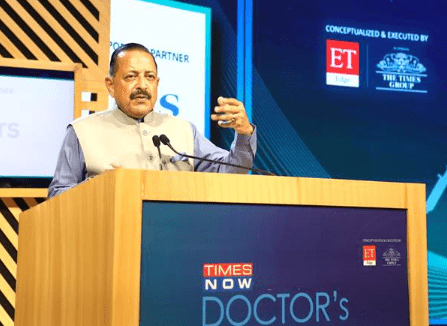
New Delhi: In a forward-looking and inspiring keynote address delivered at the ET Doctor’s Day Conclave, Union Minister Dr. Jitendra Singh, Minister of State (Independent Charge) for Science & Technology, Earth Sciences, MoS PMO, Personnel, Public Grievances, Atomic Energy, and Space, emphasized that India is at the cusp of a health-tech revolution. He stated that the nation is entering a defining era in medical science, driven by innovation, integration, and inclusive policy, with an eye on the long-term vision of Viksit Bharat @2047.

Space Medicine to Preventive Genomics: A New Medical Frontier

Dr. Singh hailed Indian astronaut Shubhanshu Shukla’s upcoming mission to the International Space Station carrying indigenous life science kits as a landmark moment. “This could soon give rise to a brand-new discipline in India: Space Medicine,” he stated, highlighting the need for futuristic planning, including dedicated streams for Space Physicians in Indian medical academia.

This mission is expected to not only test India’s technological edge in microgravity but also catalyze a deeper understanding of human physiology in outer space, paving the way for innovations in high-stress medicine, regenerative therapies, and diagnostics.


India’s Bi-Phasic Demographic Challenge

Dr. Singh drew attention to India’s unique demographic transition, calling it a “bi-phasic challenge”—with over 70% of the population under 40, while also witnessing a rapid increase in its elderly population. “From a life expectancy of 50-55 years in 1947 to nearly 80 today, India must now gear up to meet both geriatric and youthful healthcare needs,” he said.

He emphasized that this dual demographic must be met with a balanced policy focus on non-communicable diseases (NCDs) like diabetes and cancer, alongside persistent communicable threats, especially in the post-COVID era.

India’s Global Leap in Healthcare Innovation

Dr. Singh showcased India’s achievements in preventive and precision healthcare, citing:

  • The world’s first DNA vaccine for COVID-19

  • The indigenously developed HPV vaccine for cervical cancer

  • India’s first gene therapy trial for haemophilia, published in the New England Journal of Medicine

He further announced the launch of Nafithromycin, India’s first indigenous antibiotic molecule, representing a significant advancement in domestic pharmaceutical R&D.

Synergy Between Academia, Industry & Policy

Dr. Singh credited early-stage collaboration with the private sector for these breakthroughs. “The future lies in public-private synergy, institutional innovation, and a unified approach to R&D and healthcare delivery,” he said.

He revealed that premier technical institutes like IIT Kanpur and IISc Bengaluru are setting up medical schools to foster interdisciplinary integration. This model aims to create a new generation of professionals fluent in technology and clinical practice, ensuring holistic education in the healthcare domain.

Harnessing Tech for Inclusive, Affordable Care

India is setting global benchmarks in affordable healthcare models such as Ayushman Bharat, and innovation-driven institutions like Sree Chitra Tirunal Institute that combine clinical care, research, and manufacturing. These serve as blueprints for sustainable and scalable systems.

Dr. Singh also lauded Tata Memorial Centre as India’s pioneer in implementing 100% digital and cashless cancer care, showing the potential of tech-enabled healthcare ecosystems.

The Minister stressed the use of AI, machine learning, telemedicine, and early mass screening for transforming public health, and called for institutional support and investment in these areas.

Innovations in Public Health Infrastructure 

Dr. Singh highlighted India’s hygiene and sanitation innovation during large gatherings like the Kumbh Mela, where radiation-based faecal sludge treatment plants (FSTPs) ensured sanitation for over 40 crore pilgrims, demonstrating India’s ability to manage public health at scale without compromising safety.

He also mentioned the launch of Mission Mausam, which focuses on climate-health resilience, including early warning systems for health impacts from climate-related disasters.

Carrying Forward the Science and Soul of Medicine- by Dr. JITENDRA SINGH

In conclusion, Dr. Jitendra Singh called for a “transformative healthcare ecosystem” that is not only technologically advanced but also human-centered and inclusive. “Let us not hand over everything to the technocrats. A bit of the doctor must remain. We must carry forward both the science and the soul of medicine,” he said.

He urged for broader collaboration between government, academia, industry, and civil society, stressing that India’s path to Viksit Bharat @2047 must be paved with innovation, integration, and empathy.


For more details, check press release on PIB webiste.
For more real-time updates, visit Channel 6 Network.

NATIONAL TURMERIC BOARD HEADQUARTERS INAUGURATED IN NIZAMABAD: A LANDMARK MOMENT FOR INDIA’S TURMERIC FARMERS: June 2025

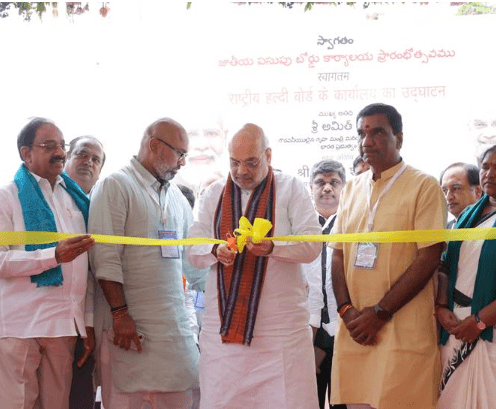
Telangana: In a major boost to India’s agricultural export potential and the welfare of turmeric farmers, Union Home Minister and Minister of Cooperation Shri Amit Shah inaugurated the headquarters of the National Turmeric Board in Nizamabad, Telangana on June 29, 2025. The event marked a historic step in addressing a long-pending demand of turmeric farmers, especially from Telangana, and is expected to revolutionize the production, branding, and global marketing of Indian turmeric.

A 40-Year Demand Finally Realized

In his address, Shri Amit Shah emphasized that Prime Minister Shri Narendra Modi has fulfilled a four-decade-old demand of turmeric growers by establishing a dedicated board to address their unique needs and ensure that Indian turmeric reaches international markets. “The farmers of Telangana, particularly in Nizamabad—known as the turmeric capital—have been waiting for this day for 40 years. Prime Minister Modi has kept his promise to them,” he said.


Boosting Farmer Incomes and Cutting Out Middlemen

Highlighting the operational goals of the newly formed National Turmeric Board, Shri Shah stated that the Board will implement a complete value chain — encompassing packaging, branding, marketing, export, quality control, and training. Once fully functional, the Board will ensure turmeric farmers are freed from middlemen, allowing them to receive fair and higher returns for their produce.

Shri Shah added that in 2025, farmers were able to sell turmeric at ₹18,000–19,000 per quintal, and efforts are underway to raise this to ₹25,000–26,000 per quintal within the next three years. “We are not only ensuring fair prices but also preparing farmers to meet international standards in harvesting and processing,” he asserted.

Global Export Targets and Medicinal Value Recognition

Underscoring the medicinal importance of turmeric, Shri Shah said, “Turmeric is known globally for its anti-viral, anti-cancer, and anti-inflammatory properties. It is a wonder drug, and its benefits are now being recognized worldwide.” He stressed that increasing global awareness and proper marketing could unlock immense export potential.

To this end, the Modi Government has set an ambitious goal of achieving $1 billion in turmeric exports by 2030. Necessary policy and infrastructural preparations are already underway to meet this milestone. The Board will also promote GI-tagged organic turmeric, expand awareness campaigns about its medicinal properties, and conduct research and development to scientifically document and promote its health benefits internationally.

Institutional Support: NCEL and NCOL

In addition to the Turmeric Board, Shri Shah highlighted the Prime Minister’s visionary steps in forming:

  • National Cooperative Exports Limited (NCEL) – to support farmers in exporting their produce efficiently

  • National Cooperative Organics Limited (NCOL) – to strengthen the organic farming ecosystem and ensure global outreach of India’s organic products

These organizations are aimed at creating a robust cooperative framework to empower farmers across India and maximize their income through institutional support and market linkages.

Telangana’s Dominance in Turmeric Cultivation

Shri Shah pointed out that Telangana is among India’s top turmeric-producing states, with key districts like Nizamabad, Jagtial, Nirmal, and Kamareddy contributing significantly. In 2023–24, turmeric was cultivated over 3 lakh hectares across the country, resulting in a total production of 10.74 lakh tonnes.

He added that with the establishment of the Board in Nizamabad, this region will soon emerge as the epicentre of India’s turmeric exports, connecting local produce to markets across the globe in the next 3–4 years.

Dignitaries in Attendance

The event was attended by several prominent leaders, including:

  • Shri G. Kishan Reddy, Union Minister of Coal and Mines

  • Shri Bandi Sanjay Kumar, Union Minister of State for Home

  • Local MPs, MLAs, senior officials, and farmer representatives

Their collective presence underlined the multi-ministerial support and national significance of this initiative.


Conclusion: A New Dawn for Indian Turmeric

The inauguration of the National Turmeric Board marks a transformative chapter for Indian agriculture, particularly for turmeric farmers in Telangana and across the country. It reflects the Modi Government’s commitment to doubling farmer incomes, promoting agricultural exports, and leveraging India’s traditional strengths in natural medicine and organic produce.

As Shri Amit Shah noted, this initiative will not only uplift the lives of turmeric farmers, but also position India as a global leader in turmeric production and export. With clear timelines, institutional backing, and focused interventions, the dream of making Nizamabad the global turmeric hub is fast becoming a reality.


For more details, check press release on PIB website.

For more real-time updates, visit Channel 6 Network.