Sunday, December 21, 2025
Home Blog Page 637

Heartbreaking Facts: Bollywood Icon Shefali Jariwala Dies at 42, Leaving India in Shock

Shefali Jariwala, the charismatic actress and model who became a household name as the “Kaanta Laga girl,” has tragically passed away at the age of 42 in Mumbai. Her sudden demise late Friday night has plunged the entertainment industry and millions of fans into mourning, as tributes pour in for the star whose vibrant presence defined an era of Indian pop culture.

Shefali Jariwala’s influence on Indian pop culture was profound and far-reaching. Her breakthrough with “Kaanta Laga” not only redefined music videos in India but also set new standards for style and performance. Her dance moves became iconic, inspiring countless imitations and tributes at college festivals, weddings, and talent shows across the country. Shefali’s ability to reinvent herself over the years, transitioning from music videos to films and reality television, showcased her adaptability and commitment to her craft.

Despite her glamorous public persona, Shefali was known among friends and colleagues for her humility and warmth. She often spoke about the importance of mental health and self-care, using her platform to advocate for positive change. Her candid interviews and social media posts resonated with young audiences, many of whom saw her as a role model for resilience and authenticity.

Throughout her career, Shefali faced numerous challenges, from industry stereotypes to personal setbacks. Yet, she consistently emerged stronger, refusing to be defined by controversies or setbacks. Her journey was marked by a relentless pursuit of excellence, whether she was performing on stage, acting in front of the camera, or engaging with fans online.

Shefali’s philanthropic efforts were another lesser-known aspect of her life. She supported several charitable organizations focused on women’s empowerment, education, and animal welfare. Her commitment to giving back reflected her belief in using fame as a force for good, and she often encouraged her followers to contribute to causes close to their hearts.

The void left by Shefali’s passing is felt not only by her family and friends but also by an entire generation that grew up watching her. Memorials and tribute events are being planned in Mumbai and other cities, where fans will gather to celebrate her life and legacy. Her iconic songs and performances are once again topping playlists, as people revisit the moments that made her a star.Shefali Jariwala, known for 'Kaanta Laga', dies at 42 | Mint

The Final Hours: Sudden Cardiac Arrest Claims a Star

According to initial reports, Shefali Jariwala was at her Andheri residence when she suffered a cardiac arrest. Her husband, actor Parag Tyagi, along with three others, rushed her to a nearby hospital at midnight. Despite their efforts, doctors declared her brought dead upon arrival. The shocking news spread rapidly, with many close friends and family members arriving at the hospital in disbelief.

Authorities confirmed that they received information about her death around 1 am. Forensic teams were dispatched to her residence, and her body was sent for postmortem. While early reports suggest cardiac arrest, the exact cause of death remains under investigation, with officials and doctors awaiting the results of medical examinations.

The Meteoric Rise of the ‘Kaanta Laga’ Girl

Shefali Jariwala burst onto the Indian entertainment scene in 2002 with the remix music video “Kaanta Laga.” Her bold look, energetic dance moves, and magnetic screen presence turned the song into a cultural phenomenon, earning her the enduring nickname “Kaanta Laga girl.” The video’s popularity made her an overnight sensation, with her image gracing countless magazine covers and music channels.

Expanding Horizons: Films, TV, and Reality Shows

Shefali’s career was not limited to music videos. She made her Bollywood debut with a memorable role as Bijli in the blockbuster “Mujhse Shaadi Karogi,” starring alongside some of the biggest names in the industry. She also appeared in regional films and featured in several other music albums.

Her vivacious personality made her a natural fit for television, where she participated in popular reality shows like “Nach Baliye” with her husband Parag Tyagi, as well as “Boogie Woogie,” and the immensely watched “Bigg Boss 13.” On “Bigg Boss 13,” Shefali became a fan favorite, known for her team spirit, resilience, and candidness.

In her most recent work, Shefali played a pivotal role in the fantasy-horror TV show “Shaitani Rasmein” and appeared in the comedy “Baby Come Na” on digital platforms, showcasing her versatility as an actress.

Early Life and Education

Born on December 15, 1982, in Ahmedabad, Gujarat, Shefali Jariwala hailed from a Gujarati family. She completed her schooling at a reputed Mumbai school and earned a degree in Information Technology from a renowned engineering college.

Relationships and Marriages

Shefali’s personal life was often in the limelight. She married musician Harmeet Singh in 2004, but the relationship ended in a turbulent divorce in 2009. She found love again with actor Parag Tyagi, whom she married in 2014. Their partnership, both personal and professional, was admired by fans, especially during their appearances on “Nach Baliye.”

Shefali Jariwala’s life story is a testament to the power of reinvention and the enduring spirit of a true artist. From her modest beginnings in Ahmedabad to the dazzling lights of Mumbai’s entertainment industry, she navigated the highs and lows of fame with remarkable grace. Her journey was not without its share of struggles—she faced personal heartbreaks, public scrutiny, and the relentless pressure of staying relevant in a constantly evolving industry.

Yet, she met every challenge head-on, transforming obstacles into opportunities for growth and self-discovery. Shefali’s legacy extends beyond her on-screen achievements; she was a beacon of hope for many who saw in her the courage to break barriers and follow their dreams. Her laughter, her resilience, and her unwavering commitment to her craft left an indelible mark on everyone she encountered. As the nation mourns her untimely departure, Shefali’s story will continue to inspire generations, reminding us all that it is not just the moments of triumph, but also the battles fought in silence, that define a truly extraordinary life.Shefali Jariwala Bigg Boss 13 Fame Reveal About Her Pregnancy After Fans  Asked Her - Entertainment News: Amar Ujala - Shefali Jariwala ने अपनी  प्रेग्नेंसी को लेकर किया खुलासा, फैंस ने पूछा

Friendships and Heartbreaks

Shefali’s stint on “Bigg Boss 13” brought her close to co-contestant Sidharth Shukla, with whom she briefly shared a romantic past. Shefali’s last post on social media was a heartfelt tribute to Sidharth, who also died of cardiac arrest in 2021, underscoring the fragility of life and the deep connections she maintained.

A Final Instagram Post That Resonates

Just three days before her passing, Shefali posted a radiant photo of herself in a silver embellished jumpsuit on social media. The image, now viral, shows her confident and glamorous, a fitting reminder of the energy she brought to every stage she graced. Fans have been sharing the post, expressing disbelief and grief over her untimely demise.

Tributes Pour In

Celebrities, colleagues, and fans have flooded social media with tributes, recalling Shefali’s infectious smile, kindness, and the joy she brought to millions. Many have described her as a “ray of sunshine” and a “true entertainer,” while others have reflected on the unpredictability of life, urging everyone to cherish their loved ones.

Unanswered Questions and the Road Ahead

While the initial statements suggest a natural death, the exact cause remains unclear pending the postmortem report. The suddenness of Shefali’s passing—at the prime of her life and career—has reignited conversations about cardiac health, stress, and the pressures faced by those in the limelight.

Her family, including husband Parag Tyagi, has yet to issue a detailed public statement. The entertainment industry, still reeling from the loss of other young stars in recent years, is expected to organize memorials and tributes in the coming days.

Remembering Shefali Jariwala: A Life That Sparkled

Shefali Jariwala’s journey from a young engineering graduate in Gujarat to one of India’s most recognizable faces is a testament to her talent, determination, and resilience. She broke stereotypes with her bold choices, inspired a generation with her dance, and remained grounded despite the highs and lows of fame.

Her legacy lives on through her iconic performances, her warmth, and the memories she created for millions. As India mourns the loss of its beloved “Kaanta Laga girl,” her story serves as a poignant reminder of the fleeting nature of life and the enduring power of art.

Industry insiders recall Shefali as a consummate professional, always punctual and prepared on set. Directors and choreographers praised her dedication and willingness to push creative boundaries. She was often the first to arrive and the last to leave, ensuring that every project she was part of met the highest standards.

Shefali’s relationship with her fans was unique and deeply personal. She frequently interacted with them through live sessions, responding to messages and sharing glimpses of her daily life. This openness created a strong bond, making her loss feel personal to many who never met her but felt connected through her art and words.

Her fashion choices, both on and off screen, influenced trends and inspired designers. Shefali’s bold sense of style, from her signature sarees to contemporary fusion outfits, made her a fashion icon. Her red carpet appearances were eagerly anticipated, and her looks often set social media abuzz.Shefali Jariwala Passed Away: 'कांटा लगा' फेम शेफाली जरीवाला का 42 की उम्र  में निधन, फैंस और इंडस्ट्री में शोक की लहर | shefali-jariwala -kaanta-laga-actress-dies-at-42-due-to-cardiac-arrest

As the entertainment world reflects on Shefali Jariwala’s remarkable journey, her story serves as a reminder of the impact one individual can have through talent, perseverance, and kindness. Her legacy is not just in the songs she danced to or the roles she played, but in the lives she touched and the inspiration she provided to countless aspiring artists.

In the days to come, as more details emerge about her final moments and the circumstances surrounding her death, one thing remains certain: Shefali Jariwala’s spirit will continue to shine through her work, her values, and the memories cherished by those who loved her.

Follow: Shefali Jariwala
Also Read: Explosive Reactions: Netizens Buzz Over Squid Game Season 3 Release, Dividing Fans and Igniting Global Hype

Sukanta Majumdar Detained in West Bengal During Protest Over Kolkata Gang Rape Case

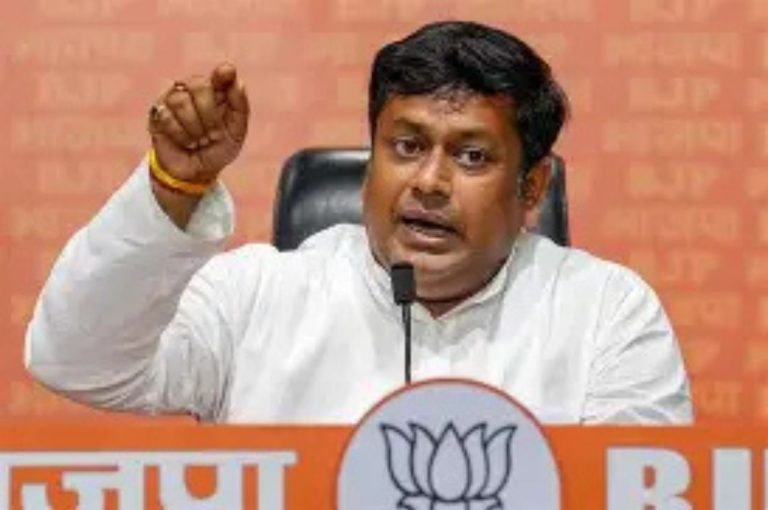
Sukanta Majumdar Detained in West Bengal – Political tensions reached a boiling point in West Bengal after Union Minister and State BJP President Sukanta Majumdar was detained by Kolkata Police during a protest condemning the recent gang rape of a law student at South Calcutta Law College. The protest, held at the Gariahat crossing in South Kolkata on June 28, 2025, was part of a larger campaign demanding justice for the survivor and the resignation of the Chief Minister.

The protest saw hundreds of BJP workers, supporters, and youth leaders blocking roads and chanting slogans against the state government. Police attempted to control the crowd using barricades and loudspeaker warnings, but the situation escalated when Majumdar attempted to break through the barricade, resulting in his detention.

The Background: Kolkata Law College Gang Rape Case

The protest stems from a horrific incident that occurred on June 25, 2025, when a 24-year-old law student was allegedly gang-raped inside the guardroom of South Calcutta Law College. According to the FIR filed by the victim, three individuals — including a former student leader — confined, assaulted, and raped her. One of the accused, reportedly associated with the student wing of the ruling party, allegedly recorded the act for blackmail.

Sukanta Majumdar Detained in West BengalThe victim suffered severe physical injuries and trauma. Four individuals, including the main accused and the security guard on duty, have since been arrested. The incident has raised alarm over institutional safety and alleged political protection of the accused.


The Protest and Majumdar’s Detention

Sukanta Majumdar arrived at the protest site in the afternoon, demanding immediate justice for the survivor and accountability from the state administration. Addressing the crowd before his detention, Majumdar stated:

“The Chief Minister has failed to ensure safety for women in her own city. This incident is not isolated. It’s part of a collapsing law and order system. The ruling party is sheltering the accused because they are politically connected.”

Soon after his statement, Majumdar attempted to march toward the college premises but was stopped by the police. He and several BJP workers were detained and escorted to a local police station.

Police later confirmed that the detentions were “preventive” to avoid obstruction of traffic and escalation of violence. No formal arrest was made, and most of those detained were released in the evening.

Sukanta Majumdar Detained in West Bengal: BJP’s National Response

The BJP has condemned the detention of Majumdar, calling it a suppression of democratic protest. In Delhi, party leaders slammed the West Bengal government for mishandling both the gang rape investigation and the protest.

The BJP’s central leadership has announced the formation of a four-member fact-finding committee, including senior leaders and a former High Court judge, to visit Kolkata and meet with the survivor and her family.

The party has also demanded the resignation of the Chief Minister, alleging political shielding of the accused due to their past involvement with the ruling party’s student wing

.

Trinamool Congress Responds

In response to the political uproar, the Trinamool Congress (TMC) clarified that the accused no longer have any active links to the party and that law enforcement agencies were acting independently. A party spokesperson said:

“The Chief Minister has always supported the rule of law. The police acted immediately and arrested the accused. Political opportunism in the name of justice is condemnable.”

The TMC has accused the BJP of trying to politicize a sensitive criminal matter and destabilize the state ahead of the upcoming civic elections.

Campus Security and Administrative Negligence

The case has led to widespread outrage on college campuses and among civil society groups. Student organizations across Kolkata, including those not affiliated with any political party, have demanded:

  • Installation of 24×7 surveillance on campus
  • Presence of trained security personnel
  • Functional women’s grievance redressal cells
  • Psychological support services for students

The Education Department has ordered a campus security audit for all law colleges in the state, and an internal committee has been formed at South Calcutta Law College to investigate administrative lapses.

Civil Society and Legal Voices

Women’s rights activists and legal experts have voiced concern over the systemic issues exposed by the incident. They are calling for:

  • Gender sensitization of college staff and guards
  • Accountability for college administrators who failed to act promptly
  • Protection and anonymity for the survivor throughout the legal process

Legal aid organizations have stepped in to provide the survivor with free representation and counseling.

Broader Political Fallout

The incident and subsequent protests have added fuel to the already polarized political environment in West Bengal. With state civic elections approaching, both BJP and TMC are using the incident as a platform to project their narratives on governance, women’s safety, and justice delivery.

While the BJP is using it to highlight governance failures, the TMC insists that the matter is being handled by law enforcement and that justice will be ensured through due process.

Political analysts suggest that this case could significantly impact urban voter sentiment, particularly among the youth and first-time voters, who are increasingly vocal about gender issues.

What Happens Next

  • The fact-finding committee appointed by the BJP is expected to arrive in Kolkata this week.
  • A chargesheet is likely to be filed within the next fortnight, as forensic reports and digital evidence are being compiled.
  • The state government is under pressure to publicly release updates on the investigation and disciplinary action against negligent college authorities.

Conclusion

The detention of Sukanta Majumdar during a protest over the gang rape case marks a critical moment in West Bengal’s political and social landscape. At the center of the storm lies the demand for swift justice for the survivor and a larger reckoning with how institutions — educational, political, and legal — respond to crimes against women.

As the investigation unfolds, public attention remains focused on the state’s ability to deliver justice transparently, without political interference, and with compassion for the survivor.

External References:

Also read: Home | Channel 6 Network – Latest News, Breaking Updates: Politics, Business, Tech & More

Mother Arrested in West Bengal for Killing Six-Month-Old Son: Mental Health and Legal Questions Surface

Mother Arrested in West Bengal — A disturbing case of maternal infanticide has emerged from a remote village in Nadia district, where a young mother has been arrested for allegedly murdering her six-month-old son by smothering him and dumping the body in a septic tank. The chilling incident has triggered outrage, sorrow, and renewed debate on the state of maternal mental health and community-level intervention mechanisms in India.

Mother Arrested in West Bengal: The Incident

The tragedy unfolded on Friday evening, when the 22-year-old woman initially reported that her infant son had gone missing from their home. A frantic search involving neighbors and family members was launched. Suspicion grew when a faint odor was detected near the septic tank behind their home. Upon opening it, the baby’s lifeless body was discovered, sparking immediate shock and horror.

The police were alerted, and an investigation was initiated. Preliminary findings indicated that the baby had been intentionally suffocated before being placed in the tank.

Following initial questioning, the woman reportedly confessed to the act, though the motive remains under investigation. She was formally arrested under charges related to murder and abandonment of a minor child under the Indian Penal Code (IPC).

Police officials have not ruled out the possibility of underlying mental health issues and have requested a psychiatric evaluation. No history of domestic violence or prior mental illness has yet been confirmed by the family, though local accounts suggest the woman had been showing signs of distress and isolation following childbirth.

The woman is currently in judicial custody and awaiting further interrogation pending her mental health assessment.

Investigative Developments

Police have registered a case under:

  • Section 302 of the IPC – Murder
  • Section 317 of the IPC – Exposure and abandonment of a child under the age of 12

Officials stated that the accused initially misled the police and community by staging a disappearance, before inconsistencies in her statement led to suspicion. Forensic samples have been collected from the septic tank, the infant’s body has been sent for post-mortem examination, and a detailed autopsy report is awaited.

The investigation is being supervised by senior officers from the Krishnanagar sub-division. The local Child Welfare Committee (CWC) has also been informed, and social workers have visited the family for evaluation.

Focus on Mental Health

The case has brought attention to the fragile mental health of new mothers, especially in rural regions where access to psychological care is limited. Health experts emphasize that postpartum depression and psychosis—often undiagnosed in India—can have serious consequences if untreated.

Key facts:

  • Postpartum depression can affect up to one in five mothers in India, leading to symptoms like persistent sadness, fatigue, and lack of attachment to the baby.
  • Postpartum psychosis, a rarer but more severe condition, can cause hallucinations, delusions, and irrational behavior, often leading to harm to self or others.

While the police have not confirmed any medical diagnosis, the woman’s emotional and mental health status will play a crucial role in the legal proceedings. A state-appointed psychiatrist has been tasked with examining the accused and submitting a report to the court.

Local Reaction

The incident has left the village community stunned. Neighbors described the woman as soft-spoken and introverted. Some expressed disbelief, while others blamed the breakdown of support systems for young mothers.

A local Anganwadi worker, who had visited the household in the past, stated that the woman had rarely stepped outside since childbirth and had missed recent maternal check-ups. Family members admitted that she had become increasingly withdrawn but did not anticipate such a tragic outcome.

Local panchayat members and women’s welfare groups have called for immediate psychological counseling services and greater awareness of maternal well-being in the area.

Policy and Social Concerns

This incident highlights systemic gaps in India’s maternal healthcare ecosystem. Despite state-level programs aimed at ensuring postnatal well-being, rural areas continue to lack adequate psychological support for new mothers.

Core issues raised:

  1. Lack of mental health screenings during antenatal and postnatal visits.
  2. Limited presence of counselors or psychologists in primary health centers.
  3. Stigma surrounding mental illness, especially in low-income, rural communities.
  4. Poor integration of mental health into maternal and child health programs.

Child protection advocates and NGOs have renewed their demands for structured postpartum monitoring protocols, particularly during the first year after childbirth when women are most vulnerable.

Legal Outlook

The woman’s fate will now be decided based on both the forensic findings and psychological assessments. If found mentally unfit at the time of the act, the court may consider treatment under the Mental Healthcare Act, 2017, which allows for institutional rehabilitation instead of criminal punishment in certain cases of severe mental illness.

If deemed mentally sound, she may face a full trial under Indian criminal law. In cases of infanticide, Indian courts often take into account social, psychological, and economic contexts during sentencing, especially for mothers with no prior criminal record.

Legal experts stress that such cases demand a nuanced approach that combines justice for the victim child with compassion for a potentially mentally ill mother.

Government Response and Future Steps

In response to the case, officials from the West Bengal Health Department are reportedly planning a review of rural maternal health services in Nadia district. Authorities may also issue fresh guidelines to ASHA and Anganwadi workers to strengthen mental health tracking among postpartum women.

The Department of Women and Child Development, in coordination with the National Health Mission, is also expected to issue advisory notices to all district medical officers to monitor vulnerable mothers more closely.

A petition to launch a state-wide maternal mental health awareness campaign is gaining traction among healthcare NGOs, urging the government to prioritize postnatal psychological well-being as much as physical recovery.

Conclusion

The killing of a six-month-old infant by his mother has shocked West Bengal and the nation. As police continue their investigation and mental health evaluations proceed, the case underscores the urgent need for systemic reform in maternal healthcare and mental health awareness.

Whether the woman acted out of desperation, psychosis, or neglect, this tragedy must serve as a wake-up call for policymakers, healthcare workers, and communities to support young mothers—not just physically, but emotionally and psychologically—during one of the most vulnerable phases of their lives.

 External Resources:

Also read: Home | Channel 6 Network – Latest News, Breaking Updates: Politics, Business, Tech & More

Kolkata Law College Gang Rape: Four Arrested as Campus Safety Comes Under Scrutiny

Kolkata Law College Gang Rape – A harrowing case of alleged gang rape of a law student inside the South Kolkata Law College campus has sent shockwaves across West Bengal. The incident, which occurred on the evening of June 25, 2025, has resulted in the arrest of four individuals, including a former student leader and the college security guard. The incident has reignited national conversations on campus safety, gender-based violence, and institutional accountability.


Kolkata Law College Gang Rape: The Incident

A 24-year-old woman, a first-year law student, was allegedly gang-raped by three individuals in a guard room within the college premises in Kasba. According to the victim’s official complaint, she had remained on campus to attend a student committee meeting and to submit examination forms. At around 7:30 PM, she was allegedly lured and forced into the guard room by one of the accused, Monojit Mishra.

Kolkata Law College Gang Rape

Mishra, who had previously served as the president of the college unit of the Trinamool Chhatra Parishad (TMCP), reportedly proposed marriage to the victim, which she refused. This rejection allegedly led to a premeditated act of revenge.

Inside the guard room, Mishra allegedly raped her while two others, identified as Zaib Ahmed (19) and Pramit Mukherjee (20), watched. The three reportedly filmed the assault to threaten the victim with blackmail. She was beaten with a hockey stick, sustained multiple head injuries, and was stripped and humiliated.

She was finally able to leave the room around 10:50 PM after pleading for mercy and was taken to CNMC Hospital for treatment.

Arrests and Police Action

Kolkata Police immediately launched an investigation. Within 24 hours, Mishra, Ahmed, and Mukherjee were arrested and remanded to police custody.

Two days later, on June 28, police arrested a fourth individual—Pinaki Banerjee, the college’s on-duty security guard. His arrest came after inconsistencies were found in his statement. CCTV footage showed that he was present near the scene but did not intervene despite witnessing the assault and allegedly hearing the victim cry for help.

Kolkata Law College Gang Rape

According to police sources, Banerjee left the guard room during the incident and failed to report it to either the college authorities or the police. Investigators suspect passive complicity.

The accused are currently in police custody, and authorities are expected to seek an extension of their remand for further investigation.

Medical and Forensic Findings

The victim underwent a medical examination at CNMC Hospital, where reports confirmed signs of sexual assault, including bruises, bite marks, and internal injuries. These findings have been documented in the First Information Report (FIR) and align with the victim’s statement.

Police have also retrieved a 7-hour-long CCTV footage from the campus and confiscated mobile phones from the accused. One device contained a video of the assault, which will be used as digital evidence.

Further forensic tests are ongoing, including DNA matching and analysis of the video clip. A team from the state forensic lab has visited the scene, and the guard room where the incident occurred has been sealed.

Political Reactions

The incident has quickly escalated into a political issue, with opposition parties questioning the Trinamool Congress’s (TMC) role and accountability, given the prime accused’s former association with the party’s student wing.

Kolkata Law College Gang Rape

Bharatiya Janata Party (BJP) leaders have condemned the attack and staged protests across Kolkata. BJP MP Dr. Sukanta Majumdar accused the ruling TMC of “creating a culture of impunity” within educational institutions. The BJP has demanded that the college principal be suspended and the college administration be overhauled.

In response, TMC leadership has clarified that Monojit Mishra is no longer affiliated with the TMCP and has expressed support for the investigation. TMC spokesperson Kunal Ghosh stated that the government is committed to delivering justice swiftly and transparently.

National Commission for Women Steps In

Taking suo motu cognisance of the case, the National Commission for Women (NCW) has written to the West Bengal Chief Secretary requesting immediate access to the survivor and her family. The NCW has also sought a detailed action-taken report and asked for provisions to ensure the victim’s safety, including counseling and legal aid.

NCW Chairperson Rekha Sharma called the incident “a gross failure of institutional mechanisms” and demanded stringent punishment for all individuals involved, including those who were complicit by inaction.

Campus Safety Concerns

The assault has raised significant questions about student safety in educational institutions, especially during after-hours. The fact that the incident occurred within the college premises, under the supervision of a security guard, has drawn public anger.

Students from various Kolkata colleges, including Presidency University and Jadavpur University, have organized protest marches, demanding that all educational institutions establish:

  • 24/7 surveillance and CCTV coverage
  • Women’s safety cells and rapid response units
  • Student grievance redressal systems
  • Regular background checks for all non-teaching staff

State Education Minister Bratya Basu acknowledged the lapse and announced that the Education Department will soon release updated guidelines to improve campus safety and security audits.

College Response

The governing body of the South Kolkata Law College has issued a statement expressing shock and sorrow over the incident. The college has suspended all the accused students and staff, pending the outcome of the police investigation.

However, students and faculty have accused the administration of negligence and demanded the resignation of the principal and other key officials.

A three-member internal inquiry committee has been formed to coordinate with police and ensure transparency.

Legal Proceedings Ahead

Public Prosecutor Sourin Ghosal has confirmed that police are pursuing multiple charges under the Indian Penal Code (IPC), including:

  • Section 376D: Gang rape
  • Section 354: Assault or criminal force to a woman with intent to outrage her modesty
  • Section 506: Criminal intimidation
  • Section 120B: Criminal conspiracy

If convicted, the accused may face life imprisonment.

Authorities are also exploring whether charges under the Information Technology Act can be invoked for the creation and circulation of explicit content for blackmail purposes.

Conclusion

The gang rape of a law student inside a college campus has shaken Kolkata to its core. It reflects not just an individual criminal act but a deeper systemic failure—of institutional safeguards, administrative vigilance, and social responsibility.

While arrests have been made swiftly, and the state has promised justice, the broader questions of safety, transparency, and accountability remain. The need for robust campus safety reforms, gender sensitization, and institutional integrity has never been more urgent.

External References:

Also read: Home | Channel 6 Network – Latest News, Breaking Updates: Politics, Business, Tech & More

Kolkata Law College Under Fire After Gang-Rape Allegation Highlights Years of Abuse

Kolkata Law College: Kolkata’s legal education community has been shaken after a 24-year-old law student was gang-raped within her college premises on June 25, 2025. The case has opened a floodgate of disturbing revelations about deep-seated political interference, unchecked ragging, and chronic lawlessness at the institution.

Kolkata Law College


Kolkata Law College: Incident Summary

According to the complaint, the student was tricked into entering the college campus after hours under the pretext of a conversation regarding marriage. She was locked inside a guard room and gang-raped for over three hours by three men—one of whom was a former student union leader.

The main accused, Monojit Mishra, 31, had reportedly been suspended in 2017 but continued to wield considerable influence. He was joined by two current students, both of whom were later arrested.

Kolkata Law College

Medical and Police Confirmation

Medical reports confirmed injuries consistent with sexual assault, including multiple bite marks and bruises. All three accused were remanded in police custody till July 1. Police have also initiated digital forensic analysis of the suspects’ phones to check for video evidence, which the survivor alleged was used to threaten her.

A History of Violence and Impunity

The law college, located in south Kolkata, has long been associated with factional political violence, ragging, and staff intimidation. Over the years, several incidents have gone unpunished, allegedly due to political shielding. Highlights include:

  • 2017–2022: Student union clashes repeatedly disrupted classes.
  • 2021: The principal’s office was ransacked during a student union dispute.
  • 2024: Several students faced beatings for protesting extortion during admissions.
  • Ragging Complaints: Multiple freshers reported mental and physical harassment.

Despite complaints, administrative responses were either minimal or completely absent, often citing “internal resolution.”

Unofficial Power of Ex-Union Leaders

Though the student union affiliated with a major political party was officially dissolved years ago, its former leaders reportedly retained de facto control over campus operations. Monojit Mishra, although no longer a student, continued to act as a gatekeeper for everything from room allotments to exam hall entries.

This extrajudicial authority was enabled by administrative silence and the absence of formal disciplinary oversight.

Government and Public Response

Following public outrage, the state government condemned the crime and pledged swift action. Education Minister Bratya Basu acknowledged the need for institutional reform and reiterated support for the Aparajita Bill, a long-pending legislative proposal designed to enhance women’s safety across educational campuses in West Bengal.

Simultaneously, student organizations staged large-scale protests outside the college and the local police station, demanding structural reform, transparency, and the permanent removal of politically affiliated personnel from educational governance.

Political Fallout

The incident has sparked fresh confrontation between the ruling party and the opposition. BJP leaders accused the TMC government of creating a “lawless academic environment,” while state ministers shot back, citing immediate arrests and police responsiveness as evidence of good governance.

Meanwhile, activists and civil society have urged all parties to prioritize student welfare over political point-scoring.

Other Campuses Take Preventive Steps

In response to the scandal, several other law colleges in Kolkata have stepped up surveillance and anti-ragging enforcement:

  • Jogesh Chandra Choudhury Law College has reinstated CCTV monitoring and restricted non-student entry.
  • Surendranath Law College activated its women’s grievance redressal cell and now enforces strict post-class curfews.
  • Calcutta University Law Department improved class attendance monitoring and mandated student identity card verification before room entry.

Official Resources and Helplines

To support students facing harassment or violence, the following official services are available:

The Road Ahead

While arrests have been made, the case has exposed urgent systemic failures in the management and safety protocols at Kolkata Law College. Student unions functioning beyond their mandates, ineffective oversight, and administrative apathy have combined to create a dangerous academic environment.

Legal experts, educationists, and student leaders now call for:

  • Independent judicial inquiry into all prior complaints.
  • Mandatory audits of all campus security setups.
  • Disbanding of unofficial power groups within colleges.
  • Swift implementation of the Aparajita Bill.

Conclusion

The horrific incident at Kolkata Law College is not just a standalone tragedy—it is symptomatic of a larger rot that has festered within sections of West Bengal’s academic system. As legal proceedings begin and the state promises reform, students and parents across the region wait for action, not just words.

“A college should be a space of learning—not fear. Justice for the survivor must be followed by justice for all students,” said a protesting third-year student.

Kolkata Law College

Let this moment mark the beginning of meaningful reform.

Also read: Home | Channel 6 Network – Latest News, Breaking Updates: Politics, Business, Tech & More

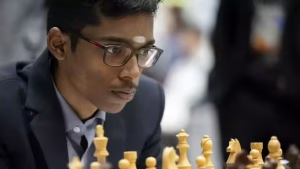
R Praggnanandhaa Dominates Chess Rankings as New India No.1

New Delhi – R Praggnanandhaa has achieved a significant milestone in his chess career by becoming India’s new number one player in the live classical chess rankings. The 19-year-old grandmaster’s triumph at the UzChess Cup Masters propelled him to fourth position globally with an impressive Elo rating of 2778.3, marking a historic moment for Indian chess.

The breakthrough victory came when R Praggnanandhaa defeated Uzbek grandmaster Nodirbek Abdusattorov with the black pieces in the crucial final round. This decisive win not only secured the tournament title but also elevated his status in the chess world, surpassing fellow Indian prodigy D Gukesh to claim the top spot among Indian players.

Current World Rankings Showcase Indian Chess Strength

R Praggnanandhaa

In the latest live world chess ratings, R Praggnanandhaa now occupies the fourth position with his Elo rating of 2778.3, representing a remarkable achievement for the young Indian player. The global chess hierarchy continues to be dominated by Norwegian legend Magnus Carlsen, who maintains his position at the summit with an outstanding rating of 2839.2.

Following Carlsen in the world rankings are American grandmasters Hikaru Nakamura with 2807 points and Fabiano Caruana with 2784.2 points. R Praggnanandhaa’s achievement of reaching fourth place puts him in elite company among the world’s chess masters, demonstrating the exceptional level of his current form.

D Gukesh, who previously held the India number one position, now finds himself in fifth place globally with a rating of 1776.6, becoming India’s second-highest rated player. Arjun Erigaisi rounds out the top Indian trio, holding sixth position worldwide with an Elo rating of 2775.7.

India’s Chess Hierarchy Undergoes Significant Transformation

R Praggnanandhaa

The rise of R Praggnanandhaa to the top of Indian chess rankings represents a generational shift in the country’s chess landscape. While veteran champion Viswanathan Anand maintains his respected position with a rating of 2743.0, he currently occupies 13th place in the world rankings and fourth position among Indian players.

Also Read: Vaibhav Suryavanshi Dominates England U19 with Explosive 48

Aravindh Chithambaram completes India’s top five chess players, holding 24th position globally with a rating of 2724.0. This distribution of talent across the rankings demonstrates the incredible depth of chess talent that India currently possesses, with multiple players competing at the highest international level.

The transformation in rankings highlights how R Praggnanandhaa and his generation are building upon the foundation established by legends like Anand, while creating their own legacy in the chess world.

UzChess Cup Victory: A Testament to Mental Fortitude

R Praggnanandhaa

R Praggnanandhaa’s victory at the UzChess Cup Masters was particularly impressive given the challenging circumstances he faced in the tournament’s final stages. With just two rounds remaining, his chances of claiming the title appeared unlikely, making his eventual triumph even more remarkable.

The turning point came when R Praggnanandhaa defeated Arjun Erigaisi in the penultimate round, setting up the crucial final-round encounter against Nodirbek Abdusattorov. The pressure-packed situation demanded exceptional mental strength and technical precision, qualities that the young Indian demonstrated in abundance.

His victory over Abdusattorov with the black pieces was particularly noteworthy, as playing with black pieces typically presents additional challenges in chess. R Praggnanandhaa’s ability to seize the initiative and convert his chances in such a high-stakes situation underscored his growth as a elite-level competitor.


Praise from Chess Legend Viswanathan Anand

R Praggnanandhaa

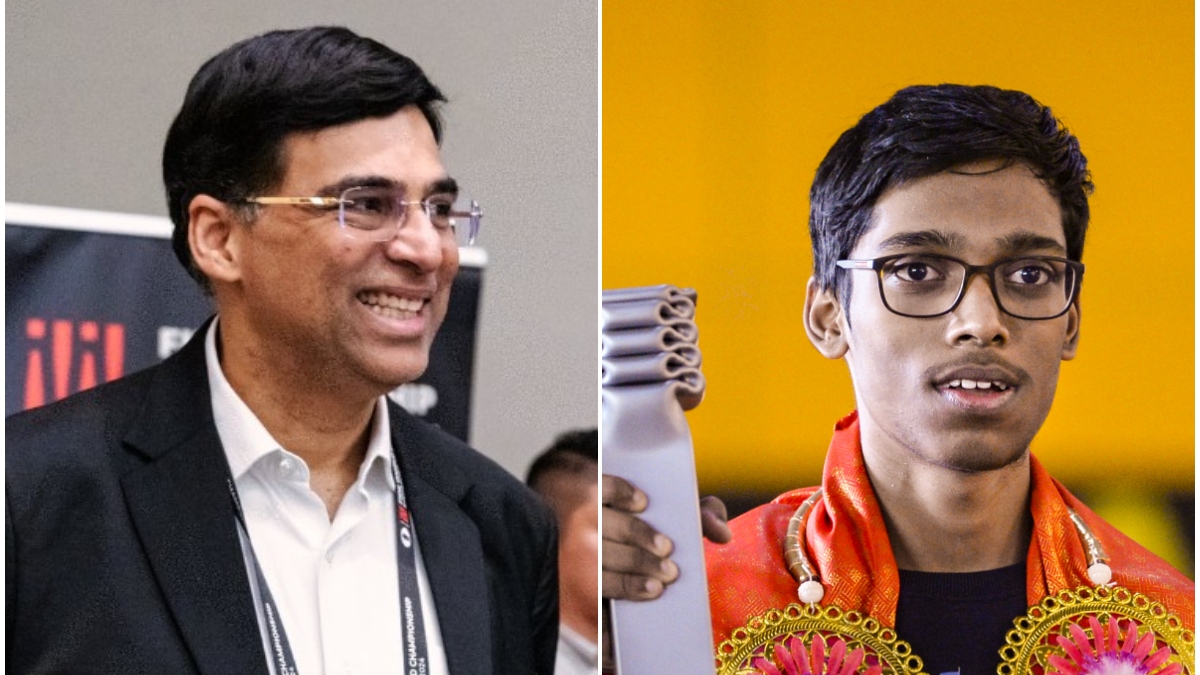
Viswanathan Anand, India’s first world chess champion, offered high praise for R Praggnanandhaa’s achievement through social media recognition. Anand specifically highlighted the unlikely nature of the victory, noting that with just two rounds to go, this particular triumph seemed the least probable among all of the young player’s wins throughout the year.

The chess legend emphasized R Praggnanandhaa’s impressive demonstration of character, particularly noting his success in winning his third tiebreak of the year. Anand’s recognition carries significant weight in the chess community, as his endorsement reflects the exceptional nature of the achievement.

According to Anand, R Praggnanandhaa is deservedly the new number four in the chess world and has rightfully earned his position as the highest-rated player in India. This acknowledgment from a former world champion validates the significance of the young player’s recent accomplishments.

Strategic Evolution Under Coach RB Ramesh

R Praggnanandhaa

The transformation in R Praggnanandhaa’s playing style has been carefully orchestrated under the guidance of his longtime coach RB Ramesh. The experienced coach revealed that while the young player was naturally gifted in attacking positions, he had been playing too defensively throughout 2024.

Recognizing this trend, Ramesh and R Praggnanandhaa engaged in detailed discussions about adopting a more adventurous approach to the game. The results of this strategic shift have become evident in recent tournaments, where the young grandmaster has displayed greater variety and creativity in his gameplay.

The coach emphasized that R Praggnanandhaa’s chess understanding was always strong, but the recent addition of new openings and increased variety in his game selection has elevated his performance to new heights. This tactical evolution has contributed significantly to his improved results and ranking advancement.

The Role of Second Vaibhav Suri

R Praggnanandhaa’s recent success has also been supported by the valuable contribution of Vaibhav Suri, who serves as his second. According to coach Ramesh, Suri had been working with the team for an extended period, though they had previously chosen to keep this collaboration private.

The decision to have Suri accompany R Praggnanandhaa to tournaments has proven highly beneficial, providing crucial support during high-pressure competitions. Ramesh highlighted the importance of having a trusted companion who believes in the player’s abilities, especially during challenging moments in tournaments.

This support system has created an environment where R Praggnanandhaa can maintain confidence and focus during difficult phases of competition. The psychological advantage of having familiar, supportive faces in the team has contributed to his ability to perform at peak levels in crucial matches.

Future Prospects for Indian Chess

R Praggnanandhaa

R Praggnanandhaa’s ascension to India’s number one ranking position signals bright prospects for Indian chess on the global stage. His achievement, combined with the strong performances of D Gukesh and Arjun Erigaisi, demonstrates that India possesses multiple world-class players capable of competing for the highest honors in international chess.

The young grandmaster’s success story continues to inspire a new generation of Indian chess players while building upon the rich legacy established by previous champions. R Praggnanandhaa now stands as a symbol of India’s growing dominance in world chess, representing the country’s bright future in this intellectual sport.

Vaibhav Suryavanshi Dominates England U19 with Explosive 48

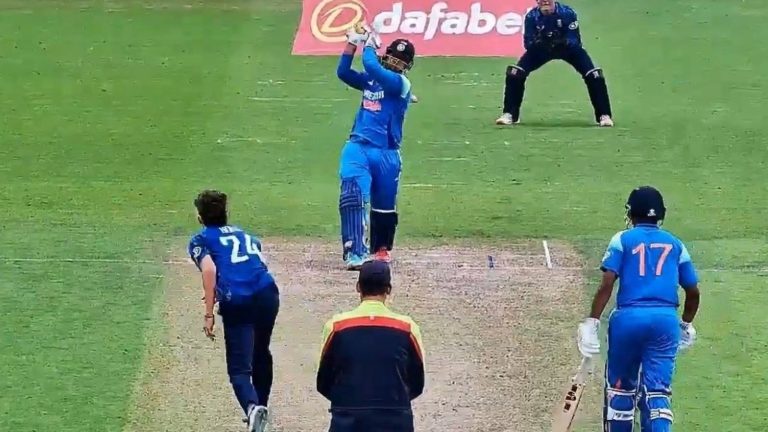
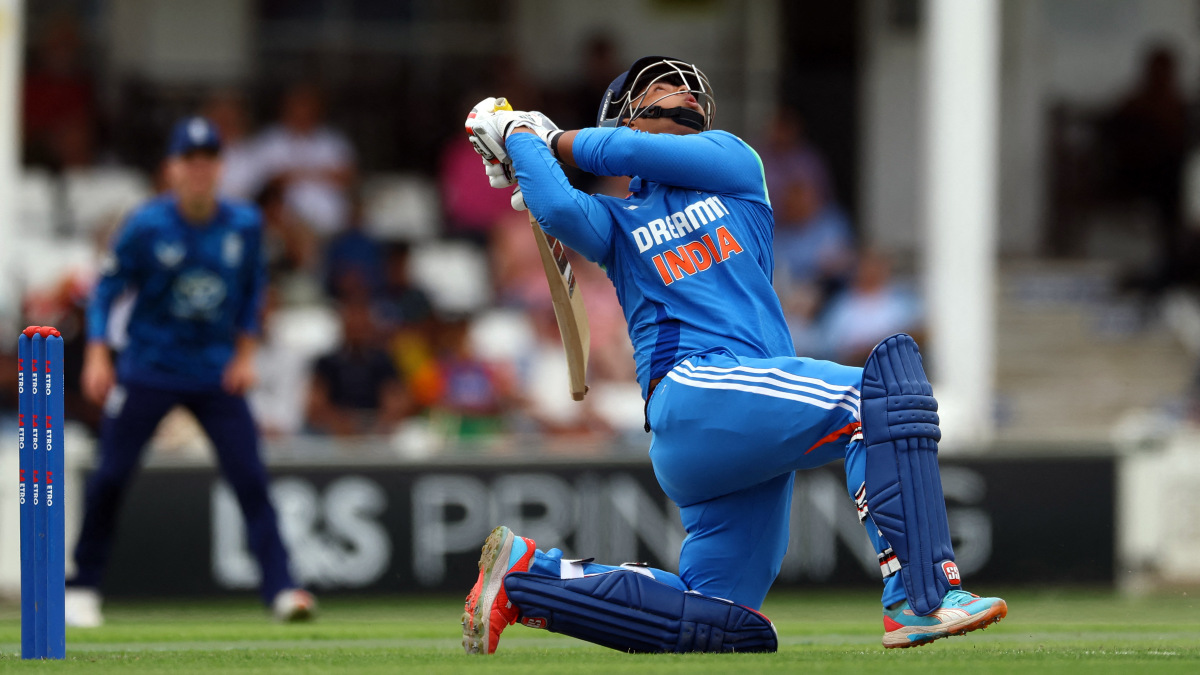
New Delhi – Vaibhav Suryavanshi once again demonstrated why he is considered one of India’s most promising young cricket talents, delivering a spectacular performance in the opening youth ODI against England at Hove. The 14-year-old sensation smashed a brilliant 48 runs off just 19 deliveries, featuring three boundaries and five towering sixes, while donning the iconic jersey number 18 traditionally associated with Virat Kohli in senior white-ball cricket.

The explosive innings from Vaibhav Suryavanshi came as India chased a modest target of 175 runs, with the young opener walking out to bat with clear aggressive intent alongside captain Ayush Mhatre. His brief but impactful stay at the crease set the tone for what appeared to be a comfortable chase for the Indian U19 team.

A Performance That Echoed IPL Brilliance

Vaibhav Suryavanshi

Vaibhav Suryavanshi’s approach in this match mirrored the fearless batting style that has become his trademark since bursting onto the scene. The young batsman’s ability to take on bowlers from the very first ball was evident when he struck a boundary off only the second delivery he faced against AM French, immediately signaling his intentions to the English bowling attack.

The significance of Vaibhav Suryavanshi wearing jersey number 18 was not lost on cricket enthusiasts, as this number has long been synonymous with Virat Kohli’s aggressive batting philosophy in limited-overs cricket. The young opener seemed to channel that same energy, treating the England U19 bowlers with the kind of disdain typically reserved for senior-level cricket.

Methodical Destruction of England’s Bowling Attack

Vaibhav Suryavanshi

Vaibhav Suryavanshi’s innings was characterized by calculated aggression rather than reckless hitting. He managed to find the boundary in every over he batted except for the eighth, where he was eventually dismissed by Ralphie Albert. This consistency in scoring demonstrated the mature approach that belies his tender age of just 14 years.

The highlight of Vaibhav Suryavanshi’s innings came when he smashed two successive sixes against Jack Home, immediately putting the England team under immense pressure. These shots showcased not just power but also the technical proficiency that has made him such a sought-after talent in Indian cricket circles.

Also Read: Complete Jagannath Yatra 2025 Details: Auspicious Dates, Schedule

The dismissal of Vaibhav Suryavanshi for 48 runs did provide England with a brief window of opportunity, as the visiting team managed to pick up three quick wickets following his departure. However, the damage had already been done, with India well on their way to what appeared to be a comfortable victory.


Journey to Stardom: From Youth Tests to IPL Glory

Vaibhav Suryavanshi

Vaibhav Suryavanshi first announced himself to the cricket world when he smashed a century in a youth Test match against Australia. This performance immediately caught the attention of selectors and franchise scouts alike, highlighting his potential to become a future star of Indian cricket.

The explosive batting style that Vaibhav Suryavanshi displayed against England was reminiscent of his IPL performances for Rajasthan Royals. His most memorable innings came against Gujarat Titans, where he smashed an incredible 101 runs off just 38 deliveries, demonstrating the same fearless approach that has become his calling card.

Prior to his IPL heroics, Vaibhav Suryavanshi had already represented India in the U19 Asia Cup, where he continued to build his reputation as one of the most promising young talents in Asian cricket. His consistent performances across different formats and competitions have established him as a key player for India’s future.

England’s Struggles and India’s Bowling Excellence

The foundation for Vaibhav Suryavanshi’s explosive batting was laid by India’s exceptional bowling performance that restricted England to just 174 runs in 42.2 overs. Kanishk Chouhan emerged as the pick of the Indian bowlers, delivering an economical 10-over spell that yielded three wickets while conceding only 20 runs.

The supporting cast of Henil Patel, RS Ambrish, and Mohamed Enaan each contributed with two wickets, ensuring that England never gained momentum in their innings. This collective bowling effort created the perfect platform for Vaibhav Suryavanshi and his teammates to chase down the target with minimal pressure.

The Impact of Early Dominance

Vaibhav Suryavanshi’s early assault on the England bowling attack effectively decided the match’s outcome within the first few overs of India’s chase. His ability to score at a strike rate of over 250 during his innings meant that even his dismissal couldn’t derail India’s pursuit of the target.

At the time when Vaibhav Suryavanshi was building his innings, India had already established a commanding position in the chase. His partnership with captain Ayush Mhatre, who also has IPL experience with Chennai Super Kings, provided the perfect combination of experience and aggression at the top of the order.

Looking Ahead: A Bright Future Beckons

The performance against England serves as another reminder of why Vaibhav Suryavanshi is considered such a special talent. His ability to adapt his game to different situations while maintaining his natural aggressive instincts suggests a bright future ahead in international cricket.

Vaibhav Suryavanshi’s journey from a 14-year-old prodigy to an IPL star and now to dominating international youth cricket demonstrates the rapid progression that has characterized his career. As India completed their chase needing only 33 more runs with six wickets in hand, the impact of his explosive start was unmistakable.

The iconic jersey number 18 seemed to inspire Vaibhav Suryavanshi to produce yet another memorable performance, suggesting that the young batsman is ready to carry forward the legacy of aggressive Indian batting that has become synonymous with that number in recent years.

Trump On Iran-Israel Conflict: Bold Bombing Threats Over Nuclear Programme

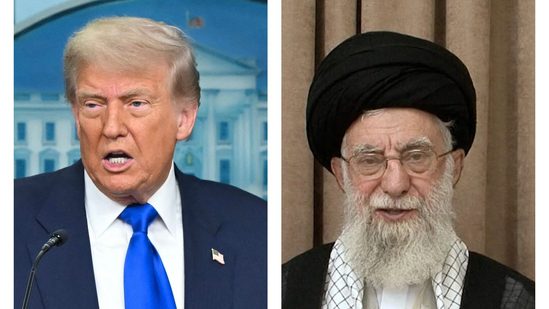
Washington D.C. – President Donald Trump‘s latest position regarding Trump on Iran-Israel conflict has sent shockwaves through international diplomatic circles with his declaration that the United States would bomb Iran again “without question” if the nation continues its nuclear programmes. This decisive statement on Trump on Iran-Israel conflict represents a significant escalation in rhetoric as regional tensions continue to intensify across the Middle East.

The President’s uncompromising approach to Trump on Iran-Israel conflict includes explicit demands for Iran to open itself to international inspection to verify cessation of nuclear activities. Trump’s position on Trump on Iran-Israel conflict makes clear that continued uranium enrichment for nuclear projects will trigger immediate military response from the United States, demonstrating his administration’s zero-tolerance policy toward Iranian nuclear ambitions.

This hardline stance on Trump on Iran-Israel conflict comes as missile barrages continue to be exchanged between Iran and Israel, creating an increasingly volatile regional situation that threatens to spiral into broader international conflict.

International Inspection Demands and Compliance

Trump On Iran-Israel Conflict

Central to Trump’s strategy regarding Trump on Iran-Israel conflict is the demand for comprehensive international oversight of Iran’s nuclear facilities. The President has explicitly stated his expectation that Iran must submit to thorough international inspection protocols to verify complete cessation of nuclear programme activities.

These inspection requirements outlined in Trump on Iran-Israel conflict discussions represent non-negotiable conditions that Iran must accept to avoid further military strikes. Trump’s position on Trump on Iran-Israel conflict emphasizes that verification mechanisms must be robust enough to detect any attempt to restart nuclear enrichment activities.

Also Read: Trump Slams Khamenei Over His Victory Claims After 12-Day Iran-Israel War

The President’s approach to Trump on Iran-Israel conflict through international inspection demands reflects his administration’s commitment to preventing Iranian nuclear capability development through diplomatic verification backed by credible military threats.

Supreme Court Victory on Birthright Citizenship

Trump On Iran-Israel Conflict

Parallel to developments in Trump on Iran-Israel conflict, the Trump administration celebrated a significant legal victory when the Supreme Court ruled that the President’s executive order restricting birthright citizenship could take effect in certain areas. This domestic policy success coincides with Trump’s assertive foreign policy stance on Trump on Iran-Israel conflict and demonstrates his administration’s determination to implement controversial policies despite legal challenges.

The Supreme Court decision regarding birthright citizenship, announced alongside escalating Trump on Iran-Israel conflict developments, will likely limit federal judges’ ability to block presidential policies nationwide. This legal precedent strengthens Trump’s position in implementing both domestic and foreign policy initiatives, including his aggressive approach to Trump on Iran-Israel conflict management.

The timing of this judicial victory provides additional political capital for Trump’s handling of Trump on Iran-Israel conflict as his administration gains momentum on multiple policy fronts simultaneously.

Escalating Regional Warfare

Trump On Iran-Israel Conflict

The current phase of Trump on Iran-Israel conflict has witnessed unprecedented levels of military engagement, with sustained missile exchanges occurring across regional borders. Both Iranian and Israeli forces have launched extensive barrages, creating a dangerous escalation spiral that has drawn direct United States military involvement.

Previous US strikes on Iranian nuclear facilities demonstrate the practical implementation of Trump’s threats regarding Trump on Iran-Israel conflict. These attacks targeted Iran’s nuclear programme infrastructure and established precedent for future military action should Iran continue uranium enrichment activities.

The intensity of current Trump on Iran-Israel conflict developments suggests that regional warfare has entered a new phase where traditional diplomatic restraints have diminished significantly, replaced by direct military confrontation between major regional powers.


International Condemnation and Allied Responses

Trump On Iran-Israel Conflict

Pakistan and other Iranian allies have strongly condemned US military strikes on Iran, highlighting the international dimensions of Trump on Iran-Israel conflict. These condemnations reflect broader regional concerns about escalating warfare and its potential to destabilize the entire Middle Eastern region.

The international response to Trump on Iran-Israel conflict reveals deep divisions within the global community regarding appropriate responses to Iranian nuclear activities. While some nations support aggressive action to prevent nuclear proliferation, others argue for diplomatic solutions and condemn military strikes as counterproductive.

Regional allies’ criticism of US actions in Trump on Iran-Israel conflict complicates Trump’s strategy and may influence future military planning as the administration weighs international opinion against national security imperatives.

IAEA Tensions and Nuclear Oversight

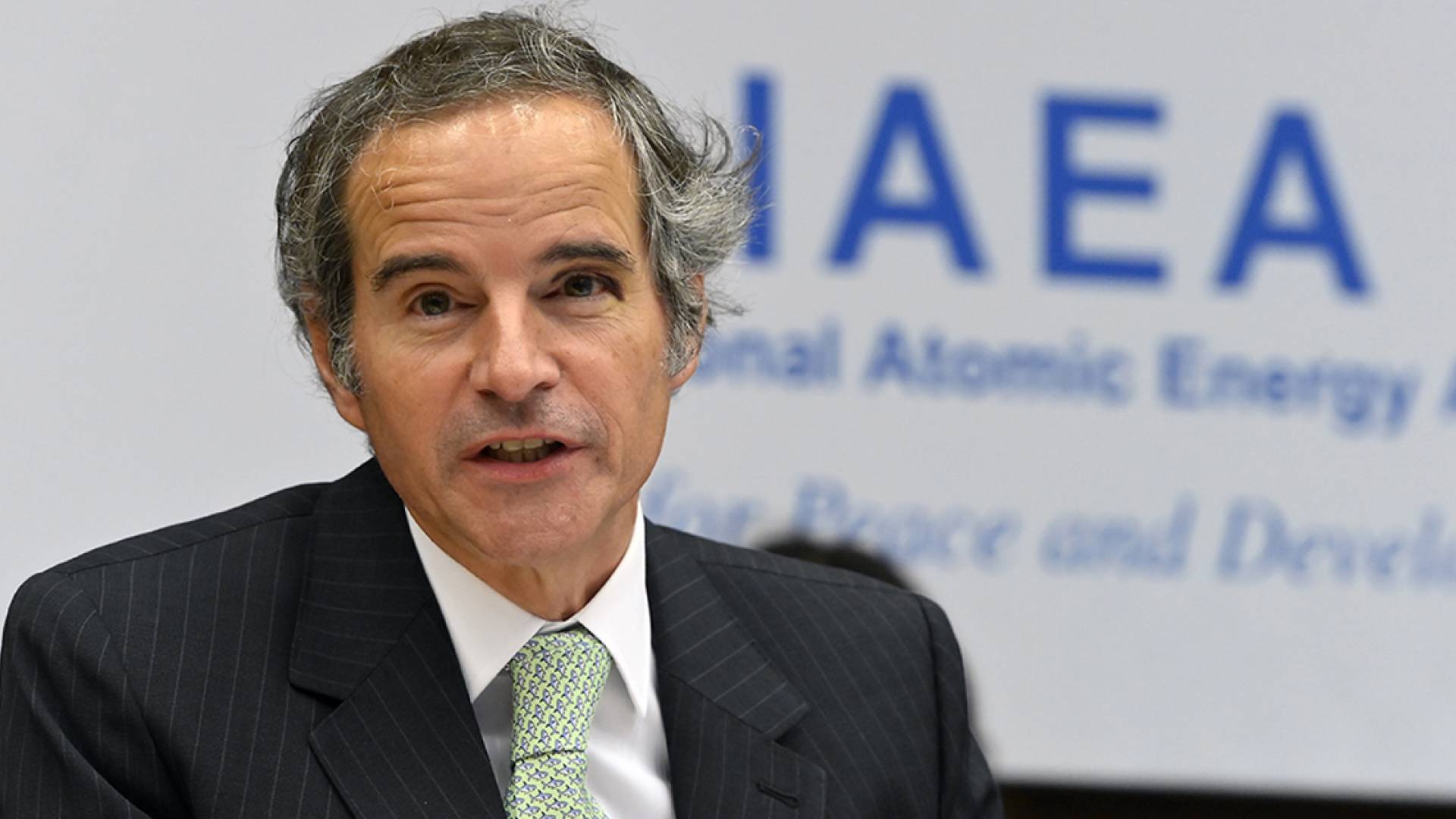
Iranian parliament’s decision to suspend cooperation with the International Atomic Energy Agency (IAEA) has significantly complicated Trump on Iran-Israel conflict dynamics. Iran’s foreign minister Abbas Araghchi has accused IAEA chief Rafael Grossi of facilitating US and Israeli strikes through his agency’s reporting.

Trump On Iran-Israel Conflict

These accusations regarding Trump on Iran-Israel conflict center on an IAEA report issued one day before Israeli strikes that declared Iran was violating nuclear nonproliferation obligations. Iranian officials claim this timing was deliberately coordinated to justify military action.

IAEA chief Grossi has denied that his agency’s reports provided justification for strikes on Iran, but Iranian suspicions about international nuclear oversight continue to influence Trump on Iran-Israel conflict developments and complicate future inspection arrangements.

Nuclear Nonproliferation Violations

The IAEA report that precipitated current Trump on Iran-Israel conflict escalation specifically identified Iranian violations of nuclear nonproliferation obligations. These violations include uranium enrichment activities that exceed permitted levels under international agreements and could potentially support weapons development.

Trump’s response to these violations in Trump on Iran-Israel war context demonstrates his administration’s commitment to preventing Iranian nuclear capability through any means necessary. The President’s willingness to authorize repeated military strikes reflects determination to enforce nonproliferation agreements through force.

International concern about Iranian nuclear activities continues to shape Trump on Iran-Israel war as world powers grapple with balancing diplomatic engagement against military deterrence in preventing nuclear weapons proliferation.

Future Military Action Promises

Trump’s explicit promise to bomb Iran again “without question” if nuclear programmes continue represents the most direct threat yet made in Trump on Iran-Israel war. This unambiguous warning leaves no doubt about US intentions should Iran persist with uranium enrichment activities.

The certainty expressed in Trump’s position on Trump on Iran-Israel war indicates that military planning for additional strikes is already underway, with targets likely identified and attack capabilities positioned for rapid deployment if necessary.

Closing Statements: Unprecedented Regional Crisis

Current developments in Trump on Iran-Israel war represent an unprecedented regional crisis with global implications for nuclear nonproliferation, international law, and Middle Eastern stability. Trump’s uncompromising stance promises continued escalation unless Iran completely abandons its nuclear ambitions.

Complete Jagannath Yatra 2025 Details: Auspicious Dates, Schedule

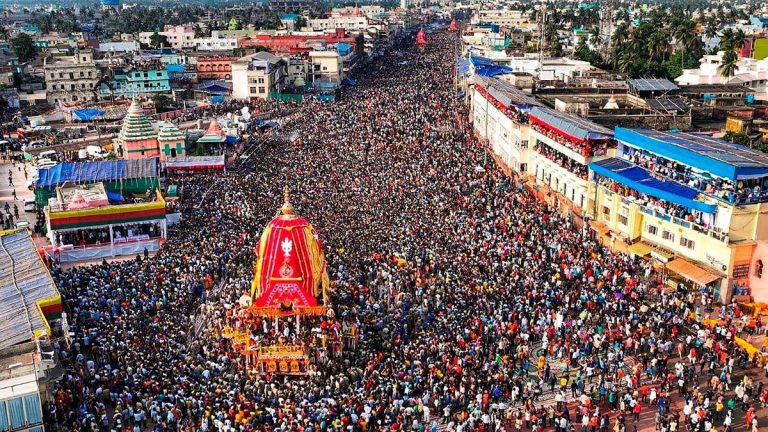
New Delhi – The Jagannath Yatra 2025 details reveal that this magnificent Hindu celebration will take place on Friday, June 27, 2025, marking one of India’s most significant religious festivals. These comprehensive Jagannath Yatra 2025 details include precise timing information based on lunar calculations, ensuring devotees can participate in the most auspicious moments of this sacred celebration.

According to traditional Drik Panchang calculations, the Jagannath Yatra 2025 details specify that Dwitiya Tithi begins at 1:24 PM on June 26, 2025, and concludes at 11:19 AM on June 27, 2025. These Jagannath Yatra 2025 details are crucial for understanding the spiritual significance of the festival, which occurs during the bright phase (Shukla Paksha) of the lunar month when moonlight is growing stronger.

Complete Nine-Day Festival Schedule

Jagannath Yatra 2025 Details

The Jagannath Yatra 2025 details encompass a comprehensive nine-day celebration that begins with preparatory rituals and culminates in the grand finale. Understanding these Jagannath Yatra 2025 details helps devotees plan their participation in this extraordinary spiritual journey.

The festival schedule begins with Anavasara from June 13-26, during which the deities undergo spiritual purification. The Jagannath Yatra 2025 details then proceed with Gundicha Marjana on June 26, where the destination temple is ceremonially cleaned in preparation for the divine visitors.

The main Rath Yatra occurs on June 27, followed by Hera Panchami on July 1, representing the goddess’s search for Lord Jagannath. The Jagannath Yatra 2025 details continue with Bahuda Yatra on July 4, marking the return journey, followed by Suna Besha and Niladri Bijay both occurring on July 5, bringing the festival to its magnificent conclusion.

ISKCON Celebrations Across India

Jagannath Yatra 2025 Details

Beyond the traditional Puri celebration, the Jagannath Yatra 2025 details include significant ISKCON observances that extend the festival’s reach across India. The International Society for Krishna Consciousness in Prayagraj has scheduled their celebration for Sunday, June 29, 2025, demonstrating how Jagannath Yatra 2025 details accommodate different regional and organizational requirements.

The ISKCON Prayagraj celebration, according to Jagannath Yatra 2025 details provided by temple president Achyuta Mohan Das, will commence at 4:00 PM from Hira Halwai Crossing. The procession route, as outlined in these Jagannath Yatra 2025 details, will travel through Subhash Chauraha and Hanuman Mandir before concluding at KP Ground.

Also Read: Revolutionary Amit Shah Hindi Companion Languages Statement Unites India

The strategic Sunday timing in the Jagannath Yatra 2025 details for ISKCON’s celebration ensures maximum devotee participation, allowing working professionals and students to receive divine blessings without scheduling conflicts.

Historical and Mythological Significance

Jagannath Yatra 2025 Details

The Jagannath Yatra 2025 details cannot be fully appreciated without understanding the festival’s rich historical background. This celebration, believed to have originated between the 12th and 16th centuries, combines mythological narratives with historical traditions that continue to inspire millions of devotees worldwide.

According to various interpretations included in Jagannath Yatra 2025 details, some traditions connect the festival to Lord Krishna’s visit to his mother’s home, while others link it to the legendary King Indradyumna. These diverse origins add depth to the Jagannath Yatra 2025 details and demonstrate the festival’s multifaceted spiritual significance.

The festival gained particular prominence during Odisha’s Gajapati dynasty and has evolved into a symbol of faith and cultural pride. Today’s Jagannath Yatra 2025 details reflect centuries of tradition while accommodating modern organizational needs and global participation.


Sacred Rituals and Ceremonial Practices

Jagannath Yatra 2025 Details

The Jagannath Yatra 2025 details include elaborate ritualistic components that sanctify the entire celebration. The festival begins with Rath Snana, a ceremonial bath where 108 pots of holy water purify the deities, establishing the sacred atmosphere that permeates all Jagannath Yatra 2025 details.

Following the purification, Rath Pratistha occurs, where priests bless the newly constructed chariots with ancient mantras. These Jagannath Yatra 2025 details emphasize the importance of proper consecration before the divine journey begins.

The main procession involves thousands of devotees pulling the grand chariots carrying Lord Jagannath, Balabhadra, and Subhadra from Puri’s Jagannath Temple to the Gundicha Temple. This 3-kilometer journey represents the heart of Jagannath Yatra 2025 details and demonstrates the festival’s participatory nature.

Temple Journey and Divine Residence

Jagannath Yatra 2025 Details

Central to Jagannath Yatra 2025 details is the deities’ nine-day residence at Gundicha Temple, where they receive worship and devotion from countless pilgrims. This temporary relocation forms a crucial component of Jagannath Yatra 2025 and symbolizes divine accessibility to devotees.

The return journey, known as Bahuda Yatra, brings the deities back to their original temple, completing the sacred cycle outlined in Jagannath Yatra 2025. This bidirectional movement represents the eternal connection between divine presence and human devotion.

Festival Conclusion and Symbolic Meaning

Jagannath Yatra 2025 Details

The Jagannath Yatra 2025 conclude with Niladri Vijaya, when the chariots are ceremonially dismantled. This final element of Jagannath Yatra 2025 symbolizes the temporary nature of divine manifestation while promising the festival’s return in the following year.

The chariot dismantling represents both completion and continuity, essential themes within Jagannath Yatra 2025 that reflect Hindu philosophical concepts of cyclical time and eternal divine presence.

Participation and Devotional Opportunities

The Jagannath Yatra 2025 offer multiple opportunities for devotional participation, from physical involvement in chariot pulling to spiritual engagement through prayer and meditation. These diverse aspects of Jagannath Yatra 2025 ensure that devotees of all capabilities can meaningfully participate in this sacred celebration.

Whether attending the traditional Puri festival or ISKCON celebrations in other cities, the Jagannath Yatra 2025 provide comprehensive guidance for spiritual engagement and cultural participation in one of Hinduism’s most beloved festivals.

Landmark Delhi High Court New Rule for Trial Courts on Summons Issuance

0

New Delhi – The Delhi High Court new rule for trial courts has established crucial precedent regarding the issuance of summons in criminal cases. Justice Amit Mahajan’s landmark ruling demonstrates how the Delhi High Court new rule for trial courts will protect individuals from arbitrary legal harassment. This significant development in judicial procedure shows that the Delhi High Court new rule for trial courts prioritizes proper examination of facts before summoning accused persons.

The case that prompted this Delhi High Court new rule for trial courts involved a ₹98 lakh cheating allegation where summons were issued without adequate scrutiny. The court’s intervention highlights how the Delhi High Court new rule for trial courts will prevent mechanical application of legal procedures that could harm innocent individuals.

Background of the ₹98 Lakh Cheating Case

Delhi High Court New Rule for Trial Courts

The circumstances leading to the Delhi High Court new rule for trial courts began with a complaint filed by M/S Indiabulls Securities Limited under Section 420 of the Indian Penal Code. The securities trading company alleged that the accused dishonestly induced them to open a trading account and utilized margin trading facilities without proper repayment of borrowed funds.

However, the implementation of the Delhi High Court new rule for trial courts revealed serious flaws in how the original summons were issued. The accused individual had approached the High Court challenging a September 28, 2013 trial court order that summoned him without proper consideration of the evidence. This challenge ultimately resulted in the Delhi High Court new rule for trial courts that will protect future defendants from similar arbitrary treatment.

Also Read: Shocking Kolkata Rape Case In Law College: 3 Arrested Including Ex-TMC Student Leader

The accused’s defense demonstrated why the Delhi High Court new rule for trial courts was necessary. He argued that the securities company had actually caused him losses by selling shares worth ₹7 crore without his express authorization, fundamentally changing the nature of the alleged wrongdoing.

Justice Mahajan’s Critical Observations

Delhi High Court New Rule for Trial Courts

The Delhi High Court new rule for trial courts emerged from Justice Amit Mahajan’s careful analysis of the summoning process. The judge observed that “issuance of summons is a serious issue and it is imperative that the summoning order shows due application of mind and examination of the facts of the case as well as the evidence on record.”

This observation forms the cornerstone of the Delhi High Court new rule for trial courts, establishing that mere prima facie satisfaction without reasoning is insufficient for summoning accused persons. The Delhi High Court new rule for trial courts now requires magistrates to demonstrate genuine examination of evidence rather than mechanical processing of complaints.

Justice Mahajan’s ruling emphasized that the Delhi High Court new rule for trial courts prevents the misuse of criminal proceedings to “wreak vengeance or harass the other side.” This protection mechanism ensures that the Delhi High Court new rule for trial courts serves justice rather than enabling legal harassment.

Requirements for Proper Summons Issuance

Under the Delhi High Court new rule for trial courts, magistrates must demonstrate clear application of mind when issuing summons. The court specified that “merely taking note of the facts and recording prima facie satisfaction, without giving any reasons for the same, is insufficient.”

The Delhi High Court new rule for trial courts establishes several key requirements for valid summons issuance. First, magistrates must thoroughly examine all evidence presented in the complaint. Second, the Delhi High Court new rule for trial courts demands clear reasoning for why criminal proceedings are warranted rather than civil remedies.

Additionally, the Delhi High Court new rule for trial courts requires examination of whether allegations actually disclose elements of criminality. In the securities case, the court found that the dispute was essentially civil in nature, demonstrating how the Delhi High Court new rule for trial courts protects against inappropriate criminalization of commercial disputes.


Protection Against Abuse of Legal Process

The Delhi High Court new rule for trial courts provides crucial protection against the misuse of criminal proceedings for debt recovery. Justice Mahajan noted that the securities company had attempted to “give a criminal cloak to civil proceedings for recovery of dues,” which the Delhi High Court new rule for trial courts specifically prohibits.

This aspect of the Delhi High Court new rule for trial courts is particularly important for business disputes where one party might seek criminal sanctions for what are essentially contractual disagreements. The Delhi High Court new rule for trial courts ensures that criminal law is not weaponized for commercial advantage.

The ruling demonstrates how the Delhi High Court new rule for trial courts will prevent continuation of proceedings that amount to “abuse of law.” This protection mechanism shows that the Delhi High Court new rule for trial courts prioritizes justice over procedural convenience.

Impact on Future Criminal Proceedings

Delhi High Court New Rule for Trial Courts

The Delhi High Court new rule will significantly impact how criminal complaints are processed across Delhi’s judicial system. Trial court magistrates must now demonstrate genuine scrutiny of evidence rather than routine acceptance of allegations, ensuring that the Delhi High Court new rule provides meaningful protection for accused persons.

Legal practitioners expect that the Delhi High Court new rule will reduce frivolous criminal complaints filed primarily for harassment purposes. The requirement for detailed reasoning will make magistrates more cautious about issuing summons, showing how the Delhi High Court new rule promotes judicial accountability.

Company’s Response and Court’s Determination

Delhi High Court New Rule for Trial Courts

The securities company had argued that the accused’s challenge was frivolous since it was filed seven years after the original summons. However, the Delhi High Court new rule prioritized substantive justice over procedural timelines, demonstrating that fundamental legal protections cannot be defeated by delay.

The court’s decision to quash the summons despite the temporal gap shows that the Delhi High Court new rule provides enduring protection against arbitrary legal action. This principle ensures that the Delhi High Court new rule remains effective regardless of when violations are discovered.

Closing Remarks and Legal Implications

The Delhi High Court new rule represents a significant advancement in protecting individual rights within the criminal justice system. By requiring proper examination of facts and clear reasoning for summons issuance, this landmark ruling ensures that criminal proceedings serve justice rather than enabling harassment. The Delhi High Court new rule will undoubtedly influence judicial practice throughout India’s legal system.