In a significant step toward strengthening the digital footprint of India’s traditional healthcare sector, the Ministry of AYUSH will facilitate the signing of a Memorandum of Understanding (MoU) between the Ayush Export Promotion Council (AYUSHEXCIL) and Zepto Limited on 28 January 2026 in New Delhi. Announced by PIB Delhi on 27 January 2026, the collaboration aims to create a structured and trustworthy online ecosystem for promoting authentic AYUSH medicines and wellness products.
Union Minister of AYUSH to Preside Over MoU Ceremony
The MoU signing ceremony will be presided over by Union Minister of AYUSH, Shri Prataprao Jadhav, in the presence of Secretary, Ministry of AYUSH, Vaidya Rajesh Kotecha. The agreement will be formally signed by:
Shri Anurag Sharma, Chairman, AYUSHEXCIL
Shri Kaivalya Vohra, Co-Founder, Zepto Limited
The event underscores the government’s commitment to integrating traditional healthcare systems with modern digital platforms.
Strategic Collaboration Between AYUSH and Quick Commerce
This partnership marks a pioneering move to connect AYUSH products with India’s rapidly expanding quick-commerce ecosystem. By leveraging Zepto’s digital reach and logistics network, the initiative seeks to enhance consumer trust, product authenticity, and market accessibility for AYUSH offerings.
The collaboration is also expected to support the broader national objectives of Digital India, Ease of Doing Business, and Make in India, while positioning AYUSH as a globally competitive wellness system.
Key Features of the MoU
The agreement outlines several forward-looking initiatives aimed at strengthening the AYUSH ecosystem:
Dedicated AYUSH Storefront on Zepto: A curated digital space enabling consumers to easily access verified and authentic AYUSH products.
Promotion of AYUSH Quality Mark (AQM): Ensuring that products listed on the platform comply with certified quality and authenticity standards.
Support for MSME Manufacturers: AYUSHEXCIL will identify eligible AYUSH manufacturers, especially MSMEs, and facilitate their onboarding onto the platform.
Consumer Awareness Campaigns: Joint initiatives to educate consumers on responsible usage and authentic information about AYUSH products.
Credible Educational Content: Development and hosting of validated informational content on AYUSH systems, approved by AYUSHEXCIL, on Zepto’s platform.
Empowering Entrepreneurs and Expanding Consumer Access
The initiative is poised to empower AYUSH entrepreneurs and manufacturers by opening new digital market opportunities, while also ensuring that consumers across the country gain easy access to quality-assured, trustworthy products. By combining regulatory oversight with digital convenience, the partnership seeks to build long-term credibility for AYUSH in the online marketplace.
Conclusion
The upcoming MoU between AYUSHEXCIL and Zepto represents a transformative moment for the AYUSH sector. By bridging traditional healthcare systems with modern digital commerce, the collaboration promises to enhance authenticity, accessibility, and awareness of AYUSH products nationwide. It reinforces the government’s vision of establishing AYUSH as a globally recognized, technology-enabled health and wellness ecosystem.
In a dramatic development, Karnataka police arrested Congress leader Rajeev Gowda at the Kerala-Karnataka border in connection with the Sidlaghatta civic official threat case. Gowda, who had been absconding for over a week, is accused of verbally abusing and threatening Sidlaghatta City Municipal Commissioner Amrutha Gowda after municipal staff removed a banner bearing his photo that obstructed traffic. The incident, which sparked outrage after an audio clip of the threat went viral on social media, led to an FIR being registered against him. Authorities tracked his movements across multiple districts before taking him into custody, ending his period of evasion.
According to police officials, the threat allegedly took place on January 12, and involved abusive language and intimidation directed at the civic official. The FIR named Gowda and other accomplices for their roles in the incident. The police emphasized that threatening a public servant in the performance of their duty is a serious offense under Indian law. Gowda, who contested the 2023 Assembly elections from Sidlaghatta, had sought anticipatory bail, which was rejected by the courts. His petition to quash the FIR was also dismissed, leading to intensified efforts by law enforcement to apprehend him.
Following his arrest, the Karnataka Pradesh Congress Committee (KPCC) suspended Gowda pending an internal inquiry into the matter. Police confirmed that the arrest was carried out after a coordinated effort using GPS tracking of Gowda’s vehicle, eventually locating him near Kerala. Officials stated that he will be brought back to Chikkaballapur for further legal proceedings. The arrested leader is expected to be produced before a local court, where charges will be formally read, and custody matters decided.
The incident has drawn sharp reactions from political circles and the general public. Opposition and civic groups emphasized the need to protect public servants from intimidation, while party leaders described the actions as embarrassing for the Congress party. Law enforcement officials maintained that due process will be followed, with thorough investigations into the role of all accused. They also urged citizens to report any suspicious activity involving threats or harassment of officials, highlighting the importance of upholding institutional integrity.
POLITICAL AND LEGAL RAMIFICATIONS- RAJEEV
The arrest has heightened political tensions in Karnataka, with criticism directed at the accused leader and debates about accountability within party structures. Gowda’s suspension by KPCC indicates the party’s attempt to distance itself from the controversy. Legal experts noted that threatening a government official is a non-bailable offense under the Indian Penal Code, and the case could lead to severe penalties if the charges are proven in court. Observers believe that the case may also trigger broader discussions on the conduct of political leaders toward public officials.
Authorities reiterated that public servants performing their official duties must be protected against intimidation and harassment. The Sidlaghatta incident has drawn attention to the vulnerability of municipal officers, who often face pressure in the execution of civic responsibilities. Civil society members have called for stricter enforcement of laws to deter similar incidents in the future. The case also underscores the need for political leaders to exercise restraint and respect the rule of law.
Investigators stated that the arrested leader would be closely monitored during the judicial process to prevent any attempts to evade the law. Additional inquiries are underway to examine communications and possible accomplices who may have facilitated the threats. Police confirmed that no harm came to the civic official and that she continues to perform her duties without disruption. Authorities assured that the child welfare, public order, and institutional integrity remain top priorities during the ongoing investigation.
IMPACT AND FUTURE OUTLOOK
The arrest of Rajeev Gowda is likely to have repercussions in Karnataka’s political landscape, influencing both party reputation and public perception. Opposition leaders have demanded transparency in the legal process, emphasizing that such incidents must be addressed firmly to maintain citizen trust. Meanwhile, civic employees and municipal authorities have expressed relief at the swift action taken, stressing the importance of accountability and protection for officials performing public duties.
Observers suggest that the case could set a precedent for handling similar threats against public servants, highlighting the intersection of political conduct and legal accountability. The judiciary will play a crucial role in ensuring that justice is served while upholding due process. Meanwhile, authorities continue to investigate the incident comprehensively, signaling that any individuals found complicit in intimidation will face appropriate legal action.
As Gowda is brought back to Karnataka, the case is expected to dominate political discourse and may influence future behavior of elected representatives toward civic authorities. Legal proceedings and internal party action will determine the long-term consequences for the leader. The Sidlaghatta civic official threat case serves as a reminder of the importance of maintaining respect for institutional roles and underscores the legal and ethical boundaries that political figures must observe in public life.
The incident has also renewed public conversations about safeguarding municipal officials and the need for systemic measures to prevent harassment. Authorities emphasized that protecting government officers from intimidation is essential for effective governance and public service delivery. Citizens, political leaders, and civic institutions will closely watch how the case unfolds, as it represents a critical test of law enforcement, party accountability, and democratic norms in Karnataka.
The Sidlaghatta civic official threat case has triggered renewed discussions about political accountability and ethical conduct in Karnataka. Legal analysts note that elected representatives are expected to uphold democratic norms and respect officials who perform statutory duties. Threats and intimidation, especially toward women officers, undermine institutional credibility and public trust. Experts argue that swift action, like Gowda’s arrest, reinforces the message that misuse of political influence will not be tolerated. By taking the accused into custody, authorities hope to deter similar behavior in other districts and ensure that public servants can work without fear of retaliation or harassment.
Political commentators have highlighted the role of social media in exposing misconduct. The viral audio clip of Gowda allegedly threatening the municipal commissioner accelerated public awareness and prompted official action. Analysts suggest that digital platforms are increasingly influencing accountability mechanisms, as they allow citizens to document and disseminate incidents in real time. While social media can amplify outrage, authorities stress the importance of ensuring that investigations are guided by facts and legal procedures rather than public sentiment alone.
The arrest has also sparked debates within the Congress party, with some members calling for stricter internal disciplinary measures. Party leaders emphasized the importance of maintaining a clear boundary between political advocacy and illegal or intimidating conduct. Suspension of Rajeev Gowda indicates that the party is taking the allegations seriously, but observers note that further introspection may be necessary to prevent reputational damage. The case could influence future candidate selection and party behavior in municipal and legislative contests.
Civil society groups have welcomed the arrest, calling it a positive step toward protecting municipal officials. They highlighted the vulnerability of civic employees who often face pressure from political actors while performing routine duties such as enforcing bylaws or removing obstructions. Advocates stressed that establishing a culture of accountability is critical to ensure that public servants can execute their responsibilities efficiently and fairly. The case has generated broader conversations about the safety and empowerment of women officers in administrative roles.
Law enforcement officials have underscored that coordinated operations and investigative rigor were crucial to apprehending Gowda. Multiple teams worked in tandem across district borders, using vehicle tracking, witness statements, and intelligence gathering to locate him near Kerala. Authorities praised the cooperation between state police forces in bringing the accused into custody without incident. Officials also warned that any attempt to obstruct investigations or evade law enforcement could result in additional legal consequences.
The judicial process is expected to be closely monitored given the high-profile nature of the case. Once Gowda is produced in court, legal proceedings will involve framing of charges, bail considerations, and examination of evidence. Legal experts note that cases involving threats to public servants often set precedents regarding the limits of political influence and behavior in public office. Courts may also consider the impact on the civic officer and the broader public interest when adjudicating the matter.
Residents of Sidlaghatta and surrounding areas have expressed mixed reactions, combining relief and concern. While many welcome the police action and the protection of civic officials, some express unease about the frequency of political confrontations spilling into public life. Analysts suggest that recurring incidents of intimidation risk eroding citizen confidence in both governance and political institutions. Citizens are calling for stricter monitoring mechanisms and public awareness campaigns to prevent future misconduct.
The case has also prompted discussions about gender sensitivity in public administration. Observers noted that threats directed at a female municipal commissioner carry additional social and ethical implications. Women officers often face compounded pressures when performing official duties, and legal safeguards are critical to protect them from harassment. Advocacy groups argue that the case should trigger broader reforms in workplace protection policies and enforcement of legal provisions to ensure gender equity and safety in public service roles.
Political analysts predict that the incident may influence upcoming electoral strategies and public messaging. Opposition parties may use the case to highlight issues of governance and accountability, while ruling and allied parties may emphasize law enforcement effectiveness. The handling of the case could affect voter perceptions regarding political discipline, respect for institutions, and the balance between political advocacy and unlawful behavior. Strategic communication and transparent legal proceedings will be crucial in shaping public opinion.
Finally, authorities have appealed to the public to cooperate with investigations and avoid spreading misinformation. Police emphasized that while citizens play a vital role in reporting threats or irregularities, due process must be respected. Experts stress that social accountability and legal accountability must work hand-in-hand. The Sidlaghatta civic official threat case, with Rajeev Gowda’s arrest, is likely to remain a benchmark for how political conduct and institutional protection intersect in Karnataka, setting important precedents for the future.
The Farakka vandalism FIR delay 2026 has become a flashpoint in Bengal’s electoral politics. Despite the Election Commission of India (ECI) directing district officials to file a First Information Report (FIR) against TMC MLA Monirul Islam for his alleged role in vandalising a Special Intensive Revision (SIR) camp in Murshidabad, no FIR was filed even after the deadline expired. This defiance raises serious questions about institutional authority, political accountability, and governance credibility in Bengal.
2. Farakka Vandalism FIR Delay 2026: The Incident
Location: Farakka, Murshidabad district, West Bengal.
Event: Alleged vandalism at SIR hearing camp.
Accused: Monirul Islam, TMC MLA from Farakka.
ECI response: Directed district officials to file FIR against Islam.
Outcome: No FIR filed even after deadline, sparking controversy.
Significance: Highlights tension between political leaders and electoral authorities.
3. Why This Case Matters
Electoral integrity: Disruption of SIR hearings undermines voter roll transparency.
Public trust: Citizens lose confidence when leaders defy institutional authority.
Political stakes: Murshidabad is a key battleground in Bengal elections.
Governance challenge: Authorities must balance enforcement with fairness.
4. Political Reactions
TMC: Defended Islam, claiming he was protecting voters from harassment.
BJP: Condemned delay, accused ruling party of shielding offenders.
Civil society: Expressed concern about erosion of democratic norms.
Observers: Warned that defiance of EC orders could destabilise electoral processes.
5. Governance Challenges
The FIR delay reflects systemic governance issues:
Electoral transparency: Citizens lack trust in voter roll revision process.
Administrative neutrality: Allegations of bias against election officials persist.
Law enforcement: FIR orders must be implemented without political interference.
Judicial oversight: Courts may intervene if EC directives are ignored.
6. Community Concerns
Families: Fear wrongful deletion of names due to minor errors.
Students: Frustrated by rejection of school admit cards despite Supreme Court order.
Civil society groups: Demand transparency and grievance redressal mechanisms.
Opposition voices: Warn of potential misuse of relaxed verification standards.
7. Government External Links for Assistance
Election Commission of India:https://eci.gov.in
Government of West Bengal:https://wb.gov.in
Supreme Court of India:https://main.sci.gov.in(main.sci.gov.in in Bing)
Ministry of Home Affairs:https://mha.gov.in
Ministry of Law & Justice:https://lawmin.gov.in
8. Historical Context of Electoral Disputes in Bengal
1970s–80s: Allegations of voter list manipulation during Left Front rule.
2011: TMC rose to power, promising electoral reforms.
2019–2021: BJP gained ground, raising concerns about fictitious voters.
2026: FIR delay reflects continuity of disputes over voter rolls and enforcement gaps.
9. Global Comparisons
Similar electoral disputes worldwide:
USA: Allegations of voter suppression through purges in Georgia and Florida.
UK: Concerns about disenfranchisement under new voter ID laws.
Nigeria: Disputes over duplicate registrations and ghost voters.
Murshidabad’s case mirrors these global struggles where electoral integrity collides with political rivalry and institutional weakness.
10. Governance Lessons
The FIR delay teaches:
Judicial orders must be implemented swiftly.
Transparency in electoral processes is non‑negotiable.
Political leaders must respect institutional authority.
Community engagement reduces panic and misinformation.
11. Future Outlook – Electoral Governance in Bengal
India must move towards:
Digitised grievance redressal portals for voter roll issues.
Periodic audits of electoral rolls by independent agencies.
Public dashboards showing deletions and additions transparently.
Educational campaigns to help citizens verify their status.
✅ Conclusion
The Farakka vandalism FIR delay 2026 is more than a local controversy—it is a test of India’s democratic resilience and institutional authority. As Monirul Islam remains shielded from FIR despite EC’s directive, ordinary citizens bear the brunt of confusion, harassment, and fear of disenfranchisement. For Bengal, the lesson is clear: democracy thrives when governance delivers clarity, fairness, and respect for institutions.
Here are some relevant external government links you can use for authoritative information and assistance related to governance, law, and electoral matters in Bengal and India:
🗳️ Election Commission of India (ECI):https://eci.gov.in
For voter roll details, electoral reforms, and official election notifications.
🌐 Government of West Bengal:https://wb.gov.in
For state policies, administrative updates, and citizen services.
⚖️ Supreme Court of India:https://main.sci.gov.in(main.sci.gov.in in Bing)
For judgments, orders, and constitutional matters.
🏛️ Ministry of Home Affairs (MHA):https://mha.gov.in
For internal security, governance, and administrative oversight.
📜 Ministry of Law & Justice:https://lawmin.gov.in
For legal frameworks, reforms, and official acts.
🎓 Ministry of Education (MoE):https://education.gov.in
For higher education reforms, university policies, and academic governance.
⛽ Ministry of Petroleum & Natural Gas:https://pngrb.gov.in
For energy projects, piped gas distribution, and regulatory updates.
The launch of the Kalaburagi Next Foundation marks a significant step toward structured and inclusive development in the district, with stakeholders emphasizing a long-term, community-driven vision. The foundation has been introduced as a collaborative platform aimed at addressing key challenges in education, healthcare, employment, and infrastructure. Officials and local leaders described the initiative as a coordinated effort to bring together government agencies, private sector partners, civil society groups, and citizens. By focusing on holistic growth rather than isolated projects, the foundation seeks to create sustainable progress that benefits diverse sections of the population across both urban and rural areas.
At the inauguration event, speakers highlighted Kalaburagi’s potential as a region rich in cultural heritage, agricultural resources, and human capital. They noted that despite progress in recent years, gaps remain in service delivery, skill development, and economic diversification. The foundation aims to bridge these gaps through strategic planning and partnerships. Organizers emphasized that development must go beyond infrastructure to include social empowerment and capacity building. By fostering collaboration and innovation, the initiative hopes to accelerate improvements in quality of life while preserving the district’s unique identity and social fabric.
Education has been identified as one of the core focus areas. The foundation plans to support initiatives that enhance school infrastructure, digital learning access, and teacher training. Special emphasis is expected on reducing dropout rates and improving learning outcomes in government schools. Skill development programmes aligned with local industry needs are also under consideration, with the goal of equipping youth with employable skills. Organizers stressed that investing in human capital is central to long-term development, as educated and skilled individuals form the backbone of a resilient local economy.
Healthcare improvement is another key component of the foundation’s agenda. Stakeholders spoke about strengthening primary health centres, promoting preventive healthcare, and supporting maternal and child health initiatives. Mobile health services and awareness drives may be introduced in remote areas to ensure wider coverage. The foundation aims to complement existing government programmes by identifying service gaps and mobilizing additional resources. Health experts at the event noted that improved healthcare access directly influences productivity and overall well-being, making it a critical pillar of holistic development.
Economic growth and livelihood generation also feature prominently in the foundation’s vision. Plans include encouraging entrepreneurship, supporting small and medium enterprises, and promoting value addition in agriculture. Organizers believe that strengthening local industries can create employment opportunities and reduce migration. The foundation may facilitate training, mentorship, and access to financial resources for aspiring entrepreneurs. By fostering a supportive ecosystem for business development, the initiative seeks to create a balanced economic environment that benefits both established enterprises and emerging ventures.
COMMUNITY PARTICIPATION AND INSTITUTIONAL COLLABORATION
A defining feature of the Kalaburagi Next Foundation is its emphasis on community participation. Organizers stated that local voices will guide priority setting and project design. Consultations with residents, grassroots organizations, and subject experts are planned to ensure that initiatives reflect real needs. This participatory approach is intended to build trust and accountability while promoting a sense of shared ownership. Officials believe that development outcomes improve when communities are actively involved in decision-making rather than being passive beneficiaries of external interventions.
Institutional collaboration is another cornerstone of the foundation’s strategy. Representatives from educational institutions, healthcare providers, and industry bodies have been invited to contribute expertise and resources. Such partnerships are expected to enhance efficiency and avoid duplication of efforts. Organizers highlighted that aligning with existing government schemes will maximize impact. The foundation’s role, they said, is to act as a catalyst that brings diverse stakeholders together under a common development framework. This coordinated approach aims to create synergy and accelerate progress across sectors.
Environmental sustainability has also been included in the development vision. Plans for promoting water conservation, waste management, and green spaces were discussed at the launch. Organizers stressed that growth must be environmentally responsible to ensure long-term resilience. Initiatives encouraging sustainable farming practices and renewable energy adoption may be explored. Environmental experts emphasized that protecting natural resources is essential for both livelihoods and public health. By integrating ecological considerations into planning, the foundation seeks to balance development with environmental stewardship.
Women and marginalized groups are expected to receive special attention under the foundation’s programmes. Empowerment initiatives may include skill training, self-help group support, and leadership development opportunities. Organizers underscored that inclusive development requires targeted efforts to ensure equitable access to resources and opportunities. Social equity, they said, is not only a moral imperative but also a driver of broader progress. By addressing disparities, the foundation hopes to create a more cohesive and resilient society in Kalaburagi district.
Technology integration was also highlighted as a tool for improving governance and service delivery. Digital platforms may be used to monitor projects, gather feedback, and share information with the public. Transparency and data-driven decision-making are expected to guide implementation. Organizers believe that technology can enhance efficiency while enabling citizens to track progress. Such systems can strengthen accountability and foster trust, ensuring that development initiatives remain aligned with community expectations and measurable outcomes.
FUTURE PLANS AND EXPECTED IMPACT
Looking ahead, the foundation plans to develop a comprehensive roadmap outlining short-term and long-term objectives. Baseline studies may be conducted to assess current conditions and set measurable targets. Regular reviews and progress reports are expected to track achievements and identify areas needing adjustment. Organizers stated that flexibility will be important, allowing the foundation to respond to emerging challenges and opportunities. This structured planning approach is intended to ensure that efforts remain focused and results-oriented over time.
Stakeholders expressed optimism that the initiative could serve as a model for district-level development elsewhere. By combining public engagement, institutional partnerships, and evidence-based planning, the foundation aims to demonstrate how localized efforts can drive meaningful change. Observers noted that the success of the initiative will depend on sustained commitment, adequate resources, and transparent governance. If these elements align, Kalaburagi may witness significant improvements in socio-economic indicators in the coming years.
Community leaders emphasized that development is a continuous journey rather than a one-time event. They encouraged citizens to actively participate and provide feedback to keep the initiative responsive. The foundation’s emphasis on collaboration reflects a recognition that complex challenges require collective solutions. By fostering dialogue and cooperation, organizers hope to build a strong foundation for inclusive progress.
Officials concluded that the Kalaburagi Next Foundation represents a forward-looking step that combines ambition with practical planning. Its holistic approach seeks to address interconnected issues affecting the district’s growth. By aligning resources, expertise, and community aspirations, the initiative aspires to create lasting positive change. The coming years will reveal how effectively this vision translates into tangible improvements in livelihoods, services, and overall quality of life for the people of Kalaburagi.
The foundation also plans to encourage youth leadership as part of its long-term strategy. Young people from colleges and community groups may be invited to volunteer, contribute ideas, and participate in development campaigns. Organizers believe youth engagement brings energy, innovation, and a forward-looking perspective to local problem-solving. Leadership workshops and internships linked to foundation projects are being considered. By involving the younger generation directly in planning and implementation, the initiative aims to nurture civic responsibility and ensure that future leaders remain connected to grassroots development priorities within the district.
Efforts are also expected to focus on strengthening rural-urban linkages within Kalaburagi. Organizers noted that development disparities between villages and towns often limit balanced growth. Initiatives supporting better connectivity, market access for rural producers, and improved service outreach are under discussion. By integrating rural economies more effectively with urban centres, the foundation hopes to create a more cohesive regional development pattern. Strengthening these linkages can improve income opportunities for rural households while ensuring that urban growth remains inclusive and connected to surrounding communities.
Monitoring and evaluation mechanisms are likely to play a crucial role in the foundation’s functioning. Experts associated with the initiative have stressed the need for clear performance indicators and regular assessment of outcomes. Periodic reviews involving independent observers may help ensure transparency and credibility. Organizers believe that data-driven analysis will allow timely course corrections and efficient resource use. Sharing progress updates with the public is expected to build trust and demonstrate accountability, reinforcing the foundation’s commitment to responsible and measurable development practices.
The foundation may also explore partnerships with academic and research institutions to guide evidence-based interventions. Collaborations with universities could support studies on local socio-economic trends, environmental challenges, and skill gaps. Such research inputs can help design targeted programmes rather than broad, generalized efforts. Organizers emphasized that informed planning improves effectiveness and sustainability. By grounding its initiatives in reliable data and expert insights, the foundation aims to create solutions that are both practical and adaptable to evolving conditions in the district.
As momentum builds, the success of the Kalaburagi Next Foundation will likely depend on sustained public interest and institutional support. Leaders involved in the launch emphasized that long-term development requires patience, consistency, and cooperation across sectors. They encouraged residents to view the foundation as a shared platform rather than a distant body. Continuous dialogue, feedback, and community involvement are expected to shape its direction. If this collaborative spirit endures, the initiative could contribute significantly to improving opportunities and living standards across Kalaburagi district in the years ahead.
In a disturbing incident that has sent shockwaves across Karnataka, police in Chamarajanagar district have arrested five individuals, including the biological parents, for allegedly selling a newborn baby girl for ₹50,000. The case came to light following a tip-off to local authorities, who launched an investigation that uncovered an illegal transaction involving the infant just days after birth. Officials described the episode as a deeply troubling reflection of social and economic vulnerabilities that can push families toward desperate and unlawful decisions. The arrests have sparked outrage and renewed discussions on child protection, poverty, and the need for stronger monitoring systems.
District officials have indicated that a detailed review of maternal and child welfare outreach in the region will be undertaken in the wake of the incident. Health workers, Anganwadi staff, and Accredited Social Health Activists may receive additional training to identify families showing signs of distress during pregnancy and immediately after childbirth. Authorities believe that closer monitoring and supportive counseling at these stages could help prevent vulnerable parents from being drawn into illegal arrangements. Strengthening early intervention systems, they say, is crucial to ensuring that economic hardship or social pressure does not translate into actions that endanger a child’s rights and safety.
Child rights activists have stressed the importance of expanding community awareness about safe surrender and legal adoption mechanisms. In situations where parents feel unable to care for a newborn, there are lawful channels designed to protect both the child and the parents from criminal consequences. However, lack of information often leads people to rely on informal and illegal networks. Activists argue that public campaigns through local governance bodies, hospitals, and schools can help spread awareness. Clear communication about available options may reduce the likelihood of desperate and unlawful decisions involving infants.
Law enforcement authorities also plan to intensify surveillance on suspected intermediaries who may exploit such vulnerabilities. Officials noted that illegal transactions involving children sometimes involve brokers who target families in financial distress. By mapping patterns and monitoring suspicious activities, police hope to dismantle any networks facilitating such crimes. Collaboration with cyber units is also being considered, as communication in such cases increasingly occurs through digital platforms. Preventive policing, combined with community cooperation, is seen as an essential strategy to curb trafficking-related offenses.
The incident has reinforced calls for a more compassionate yet vigilant social environment. Community leaders and social organizations have emphasized that families facing difficulties should feel encouraged to seek help without fear of stigma. Encouraging open dialogue about financial and emotional struggles can make it easier for authorities and civil society groups to offer timely support. Ultimately, experts agree that preventing such tragedies requires not only legal enforcement but also empathy, awareness, and accessible welfare systems that protect both parents in crisis and the rights of every child.
According to preliminary police reports, the newborn girl was allegedly handed over to a couple through intermediaries in exchange for money. Investigators said the transaction was arranged discreetly, bypassing all legal procedures related to adoption. Authorities emphasized that legal adoption in India requires strict compliance with child welfare laws, verification of adoptive parents, and oversight by designated agencies. Any direct exchange of money for a child outside these procedures constitutes a criminal offense. The police stated that the case involves charges under provisions related to human trafficking, illegal adoption practices, and violation of child protection laws.
Officers involved in the investigation said that local health workers and community sources played a role in raising suspicion. Discrepancies regarding the baby’s whereabouts after birth reportedly prompted further inquiries. When police questioned the family and those allegedly involved in facilitating the deal, inconsistencies emerged, leading to the eventual arrests. The infant has since been placed under the care of the Child Welfare Committee, which will oversee her protection and future rehabilitation. Officials assured that the child is safe and receiving necessary medical attention and support.
Authorities expressed concern that such incidents, though not widespread, highlight the presence of informal networks that exploit vulnerable families and couples seeking children. These networks often operate outside legal frameworks, exposing children to potential exploitation and depriving them of safeguards provided under regulated adoption systems. Police officials stated that investigations are ongoing to determine whether the case is linked to a larger racket or remains an isolated instance. They are also examining financial transactions and communication records to trace the sequence of events leading to the alleged sale.
Community members in the area reacted with disbelief and sadness, describing the episode as a tragic sign of social distress. Many residents expressed sympathy for the child and called for stronger support systems for families facing economic hardship. Social workers pointed out that lack of awareness about legal adoption channels and government assistance schemes can make vulnerable individuals susceptible to illegal offers. They emphasized the importance of outreach and education to prevent families from resorting to such actions under pressure or misinformation.
SOCIAL FACTORS AND INFANT PROTECTION CONCERNS
Experts working in child rights advocacy say the incident underscores how poverty, social stigma, and limited access to institutional support can intersect dangerously. In some cases, families facing financial strain, health issues, or societal pressures may feel overwhelmed, making them vulnerable to exploitative propositions. Activists stressed that the solution lies not only in strict law enforcement but also in strengthening social safety nets. Timely counseling, financial assistance, and healthcare support can help prevent desperate decisions that jeopardize children’s rights and well-being.
Child welfare officials reiterated that India has an established legal framework for adoption designed to protect both children and adoptive families. This system ensures that background checks, home studies, and psychological assessments are conducted before a child is placed. Such procedures are intended to safeguard children from trafficking and ensure they enter secure environments. When individuals bypass this system, they not only break the law but also place the child at risk. Authorities emphasized that public awareness campaigns are needed to inform people that shortcuts in adoption can have serious legal and ethical consequences.
Women’s rights groups highlighted the emotional and social dimensions of such cases. They noted that mothers in vulnerable circumstances may face intense pressures, including financial insecurity or lack of family support. Without counseling or institutional help, they may see no alternative. Activists called for better coordination between healthcare providers, local authorities, and welfare departments to identify at-risk families early. Providing emotional support and practical guidance during pregnancy and childbirth, they said, can reduce the likelihood of illegal arrangements that endanger newborns.
Police officials stated that the accused individuals will face legal proceedings, and further investigations will determine the extent of their involvement. They emphasized that while sympathy may exist for families under distress, the law treats the sale of a child as a grave offense. Ensuring justice, they said, is essential to deter similar incidents. Authorities also appealed to the public to report suspicious activities related to child trafficking or illegal adoption. Community vigilance, they believe, plays a crucial role in preventing exploitation and protecting vulnerable children.
Psychologists observing the case pointed out that the long-term well-being of the rescued infant will depend on consistent care and nurturing support. Early intervention through healthcare, counseling, and stable placement can help mitigate potential trauma. Child welfare authorities confirmed that the baby will remain under institutional protection until a lawful decision regarding her future is made. They reiterated that every child has the right to a safe, loving environment and that the system is designed to prioritize the child’s best interests above all other considerations.
LEGAL ACTION, PUBLIC RESPONSE, AND WAY FORWARD
Legal experts noted that the case could lead to significant penalties if the allegations are proven in court. Offenses related to trafficking and illegal child transactions carry strict punishments under Indian law. Courts typically consider such crimes serious violations of fundamental rights. The legal process will involve collecting evidence, witness statements, and forensic details to establish the facts. Observers believe that the outcome of the case may serve as a warning against similar attempts and reinforce the message that child protection laws will be strictly enforced.
Public reaction to the incident has been marked by a mix of anger and sorrow. Many citizens expressed concern over the circumstances that could lead parents to such an act. Community leaders have called for awareness programmes to educate people about government schemes that support pregnant women, new mothers, and economically weaker families. They argued that improved access to assistance could reduce vulnerability. Religious and social organizations in the region have also offered to collaborate with authorities in spreading information about legal adoption and child welfare services.
Officials from the district administration said they are reviewing local outreach mechanisms to ensure that frontline workers can identify families in distress. Strengthening coordination between health services, Anganwadi centres, and social welfare departments is being considered. Early detection of risk factors, they said, could allow authorities to intervene before situations escalate. The administration also plans to conduct awareness sessions emphasizing that children are not commodities and that legal channels exist for adoption and support.
The case has prompted renewed discussion on ethical responsibility within communities. Social workers emphasized that neighbors, relatives, and local leaders must be attentive to signs of distress among families. Compassionate engagement and guidance can sometimes prevent harmful decisions. They stressed that protecting requires collective vigilance and empathy. By addressing the root causes of vulnerability and ensuring access to support, society can help reduce the likelihood of similar tragedies in the future.
As the investigation proceeds, the focus remains on securing justice and safeguarding the infant’s future. Authorities maintain that while legal accountability is necessary, broader preventive measures are equally important. Strengthening awareness, social support, and enforcement mechanisms can together create a protective environment . The incident serves as a stark reminder that safeguarding the rights and dignity of every is a shared responsibility. Ensuring that no family feels driven to such extremes is a goal that requires sustained commitment from institutions and communities alike.
Indian equity markets ended Tuesday’s session, 27 January 2026 on a positive note, with benchmark indices extending gains in the final hour of trade. Supported by strong buying in banking, metals, and infrastructure stocks, the Nifty 50 closed at 25,175.40, up 126.75 points (0.51%), as of 3:30 PM IST on 27 January 2026. Broader market sentiment remained constructive, aided by sectoral strength in financials.
The index opened at 25,063.35, scaled an intraday high of 25,246.65, and touched a low of 24,932.55, reflecting a steady upward trajectory through the session.
Other key indices also posted solid gains:
Nifty Next 50: 66,696.55 (+0.66%)
Nifty Financial Services: 27,058.00 (+0.88%)
Nifty Bank: 59,205.45 (+1.25%)
The outperformance of banking stocks emerged as a key driver for the day’s rally.
Top Gainers: Adani Enterprises, Axis Bank Lead from the Front
Heavyweights and cyclical stocks dominated the gainers’ list:
Adani Enterprises surged 5.30% to ₹1,963.00, emerging as the top performer with strong volumes.
Axis Bank jumped 5.09% to ₹1,322.00, buoyed by sustained investor interest in private sector banks.
JSW Steel climbed 4.55% to ₹1,223.20, tracking strength in metal counters.
Adani Ports advanced 4.33% to ₹1,365.00, extending momentum in infrastructure stocks.
Grasim Industries gained 3.66% to ₹2,860.00, supported by buying in diversified conglomerates.
The rally in these stocks provided the bulk of the upside momentum for the benchmark.
Top Losers: M&M, Asian Paints Drag on the Index
Despite the broader market strength, select heavyweight stocks witnessed profit-booking:
Mahindra & Mahindra (M&M) declined 4.25% to ₹3,392.90, remaining the biggest laggard.
Asian Paints slipped 2.80% to ₹2,628.00, reflecting weakness in consumption-linked stocks.
Kotak Mahindra Bank fell 2.58% to ₹411.90, underperforming its banking peers.
Max Healthcare eased 1.64% to ₹975.10.
Maruti Suzuki lost 1.50% to ₹15,237.00, extending pressure on auto majors.
Losses in autos and select defensives capped sharper gains in the indices.
Market Mood: Financials in Spotlight, Sectoral Rotation Visible
Market experts observed clear sectoral rotation, with investors favouring banks, metals, and infrastructure while trimming exposure in autos and consumer stocks. The sharp outperformance of Nifty Bank (+1.25%) highlights growing confidence in financial counters.
Conclusion: 27 January 2026
The Nifty 50’s close above 25,175 signals strengthening bullish momentum, supported by strong participation from heavyweights such as Adani Enterprises, Axis Bank, and JSW Steel. However, persistent weakness in stocks like M&M, Asian Paints, and Maruti suggests that the market remains selective rather than uniformly bullish. Going forward, earnings cues and global developments are likely to guide the next directional move.
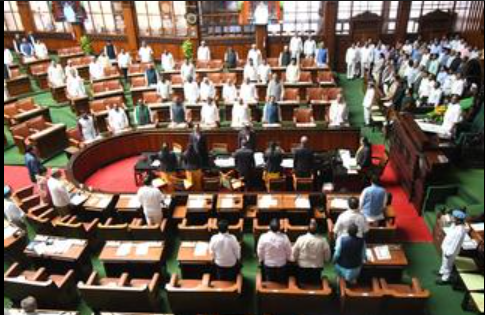
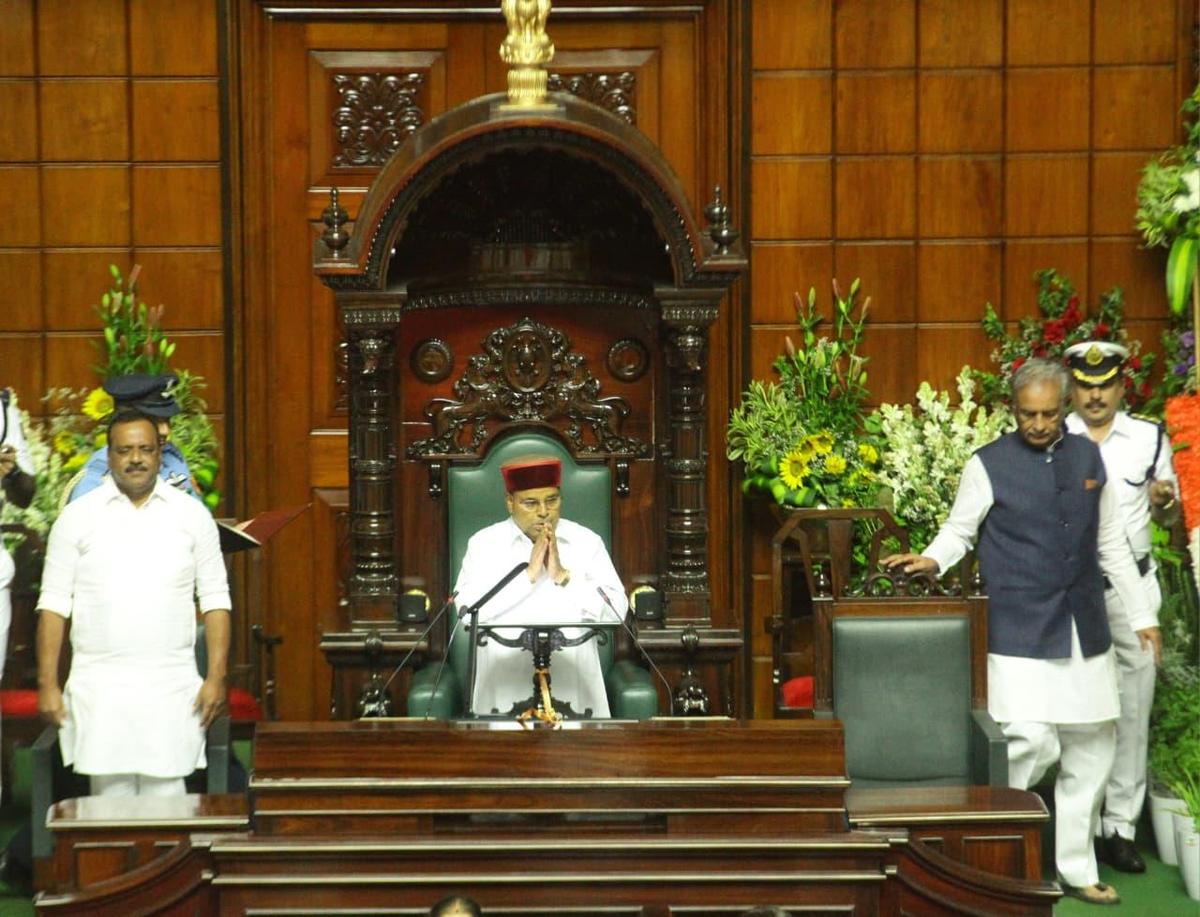
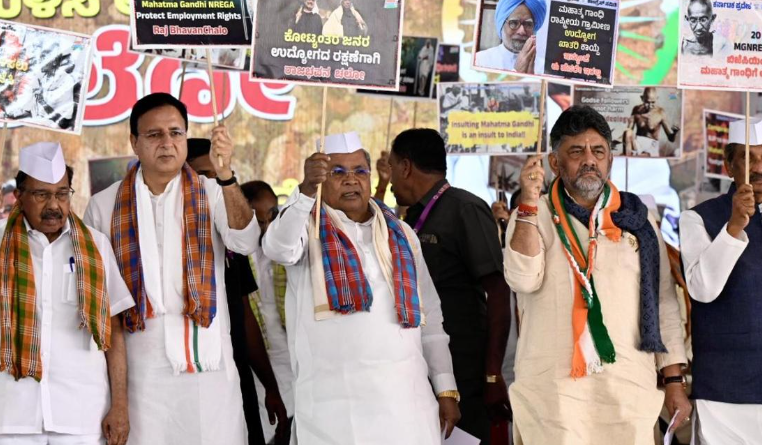
BJP and JD(S) legislators staged a dharna in front of the Mahatma Gandhi statue in Bengaluru, intensifying political tensions in Karnataka as they demanded the resignation of the Excise Minister and strict action against individuals who allegedly misbehaved with the Governor. The protest drew several senior leaders and MLAs from both parties, who assembled near the iconic site, calling the incident a serious breach of constitutional dignity. Demonstrators sat in a symbolic protest, raising slogans and holding placards that underscored their demand for accountability. The gathering quickly became a focal point of political debate, with accusations and counter-accusations exchanged between ruling and opposition camps.
Several protest leaders indicated that they would escalate their agitation through additional demonstrations and legislative interventions if their demands remain unmet. They stated that future actions could include marches, public meetings, and coordinated protests in other districts. However, they reiterated that all activities would remain within democratic and legal frameworks. The objective, according to them, is to sustain public attention on the issue and ensure that it does not fade from political discourse. They argued that continued engagement is necessary to convey the seriousness of their concerns regarding constitutional propriety and ministerial accountability.
Political commentators note that such protests often influence negotiations behind the scenes. While public positions may appear rigid, backchannel discussions sometimes explore compromises or procedural solutions. The current situation may prompt consultations between party leaders, legal advisors, and constitutional experts to find a path forward that reduces tensions. Observers believe that dialogue remains crucial to prevent prolonged confrontation. A resolution acceptable to multiple stakeholders could help restore normal political functioning, allowing governance and legislative work to proceed without persistent disruption.
The episode has also drawn attention to the role of symbolic spaces in political expression. Protesting at a statue associated with non-violence and ethical leadership carries a deliberate message. Leaders at the dharna invoked these ideals to underline their claim that the issue concerns moral standards in public life. Analysts suggest that such symbolism is intended to resonate emotionally with citizens, framing the protest as a defense of values rather than a routine political disagreement. This approach reflects how political communication increasingly blends symbolism with policy arguments.
As developments unfold, the focus will remain on official findings and the government’s response. Political stability often depends on the ability of institutions to address controversies transparently and fairly. Regardless of party perspectives, maintaining respect for constitutional offices and established procedures is widely seen as essential. The situation may ultimately serve as a reminder of the need for careful conduct and dialogue in political life. How the matter is resolved could influence public perceptions of accountability and institutional integrity in the State’s democratic framework.
Leaders participating in the protest described the alleged incident involving the Governor as deeply concerning, arguing that the office represents the constitutional head of the State and must be treated with respect. They claimed that any misconduct directed toward such an institution weakens democratic traditions. Speakers at the dharna emphasized that their agitation was not merely political but rooted in safeguarding constitutional values. They urged the State government to take immediate corrective steps, including a thorough inquiry, and asserted that failure to act would send the wrong message about adherence to democratic norms and institutional decorum.
The demand for the Excise Minister’s resignation formed a central theme of the demonstration. Opposition leaders alleged that the minister bore moral responsibility for the circumstances leading to the controversy and should step down to ensure an impartial investigation. They stated that resignations in similar situations have often been seen as a gesture of accountability in public life. Protesters argued that such a move would help restore public confidence and uphold the principle that elected representatives must remain answerable to ethical standards in governance, especially when constitutional authorities are involved in disputes.
Security arrangements around the protest site were heightened, with police personnel deployed to maintain order and manage traffic in the surrounding areas. Officials confirmed that the demonstration remained largely peaceful, though the political rhetoric was sharp. Authorities monitored the gathering to ensure that public movement and daily activities in the central part of the city were not significantly disrupted. The symbolic choice of the Mahatma Gandhi statue as the protest venue added moral weight to the event, with leaders invoking Gandhian ideals of non-violent protest while expressing firm political opposition.
Participants emphasized that their agitation aimed to draw attention at the highest levels of governance. Memorandums outlining their demands were reportedly prepared for submission to relevant authorities. Several speakers highlighted the importance of protecting the dignity of constitutional offices irrespective of party affiliations. They stated that upholding institutional respect forms the foundation of cooperative federalism and democratic functioning. By organizing the dharna in a visible public space, the legislators sought to convey the seriousness of their concerns to citizens, urging broader reflection on political conduct and accountability.
POLITICAL TENSIONS AND CONSTITUTIONAL DEBATE
The episode has intensified an ongoing political standoff between the ruling party and the opposition in Karnataka. BJP and JD(S) leaders described the situation as part of a pattern of what they termed institutional disregard, while the ruling side dismissed the allegations as politically motivated. The protest thus reflects deeper differences over governance style and political communication in the State. Analysts note that confrontations involving constitutional authorities often acquire symbolic significance, shaping public perceptions of the relationship between elected governments and institutions meant to function above partisan politics.
Opposition speakers during the dharna argued that respecting the Governor’s office is essential to preserving constitutional balance. They contended that personal or political disagreements should never cross into conduct perceived as disrespectful. According to them, the issue transcends party lines and concerns the sanctity of democratic offices. Some leaders cited historical precedents where political figures accepted responsibility in moments of controversy to protect institutional credibility. The protest, they said, aimed to remind all stakeholders that constitutional decorum must remain a shared commitment across the political spectrum.
In response, representatives from the ruling establishment maintained that the protest was an attempt to divert attention from policy issues and development initiatives. They suggested that the controversy was being amplified for political mileage. Government sources indicated that official procedures would be followed to examine the matter, and any action would be based on factual findings rather than public pressure. This divergence in narratives has fueled intense political discourse, with both sides appealing to constitutional principles to justify their positions.
Legal experts observing the developments noted that allegations involving conduct toward constitutional authorities require careful handling. They emphasized the importance of due process and impartial inquiry to establish facts. At the same time, they acknowledged that public perception plays a significant role in political accountability. The dharna highlights how constitutional debates can move beyond legislative chambers into public spaces, becoming part of broader civic discussion. Such events, experts said, underscore the delicate balance between political contestation and institutional respect in democratic systems.
The protest also brought together BJP and JD(S) leaders on a common platform, reflecting evolving political alignments in the State. Joint demonstrations often signal strategic cooperation on issues of mutual concern. Observers suggest that this coordinated action may influence future political equations, especially in the context of legislative dynamics. However, leaders from both parties stressed that the immediate focus remained on their demands regarding the Excise Minister and the alleged misconduct incident, rather than electoral calculations.
PUBLIC RESPONSE AND THE ROAD AHEAD- GANDHI STATUE
Citizens observing the developments expressed mixed reactions. Some residents near the protest site appreciated the peaceful conduct of the demonstration and the emphasis on constitutional values. Others voiced concern about the frequency of political confrontations in public spaces, which they felt could disrupt civic life. Political analysts believe that such protests play a dual role: they serve as democratic expressions of dissent while also shaping narratives that influence voter perceptions. The symbolism of Gandhi’s statue added emotional resonance, connecting contemporary politics with historical ideals of ethical public life.
Civil society voices have called for restraint and dialogue, urging political leaders to address differences through institutional channels. They stressed that maintaining public trust requires measured communication and responsible conduct from all sides. Some organizations suggested that clarity from official investigations would help reduce speculation and restore focus on governance priorities. The episode has thus sparked discussion beyond party politics, touching upon broader themes of political culture, respect for institutions, and the responsibilities of public representatives.
Within legislative circles, the issue is expected to feature prominently in upcoming sessions, with opposition members likely to seek detailed explanations from the government. Debates may center on procedural aspects, accountability mechanisms, and the broader context of relations between the State government and constitutional authorities. Political observers anticipate that the controversy could influence legislative strategy and public messaging in the near term. However, they also note that sustained attention to development and policy issues remains essential to address citizens’ everyday concerns.
The demand for resignation and disciplinary action places the government under political pressure, but the outcome will depend on official processes and findings. Analysts caution that quick decisions made solely under political pressure may not always align with procedural fairness. Balancing accountability with due process remains a core challenge in democratic governance. The situation illustrates how political responsibility, legal standards, and public expectations intersect in complex ways during moments of controversy involving high offices.
As the dharna concluded, leaders reiterated that their agitation would continue until their demands were addressed. They framed their protest as part of a broader commitment to protecting constitutional dignity. Whether the episode leads to immediate administrative action or prolonged political debate, it has highlighted the sensitivity of interactions involving constitutional authorities. Ultimately, the resolution of the issue will shape not only immediate political narratives but also the tone of institutional relationships in Karnataka’s governance landscape.
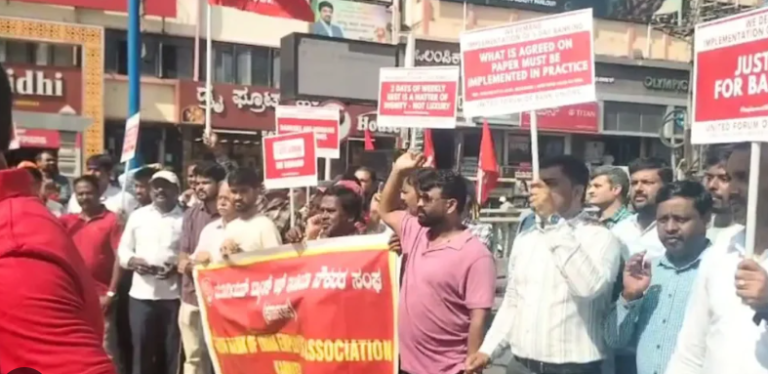
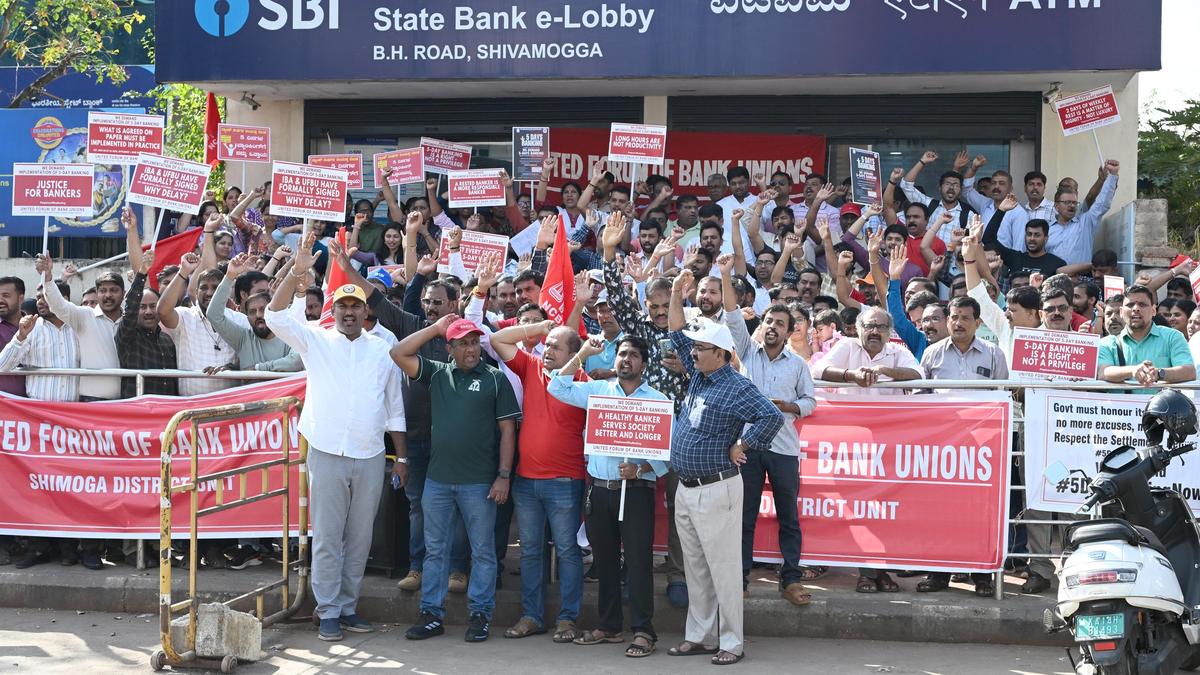
Bank employees in Shivamogga staged a coordinated protest demanding the implementation of a five-day work week across the banking sector, drawing attention to long-standing concerns about work pressure and employee well-being. The demonstration saw participation from staff of various public and private sector banks who gathered during non-working hours to voice their demands. Protesters carried placards and raised slogans emphasizing the need for parity with other government-linked sectors that already follow a five-day schedule. Union representatives stated that the movement is not merely about reduced working days but about ensuring a sustainable work-life balance in an increasingly demanding financial environment.
Employee representatives have indicated that similar demonstrations are being planned in other districts to build wider awareness about the issue. They stressed that coordinated action across regions is necessary to ensure the demand receives serious attention at policy-making levels. Union members believe that a unified voice from banking staff nationwide could accelerate decision-making. However, they reiterated that protests would remain peaceful and within legal frameworks. The aim, they said, is not confrontation but constructive engagement. By highlighting shared concerns across branches and institutions, employees hope to demonstrate that the demand reflects systemic challenges rather than isolated grievances.
Observers note that the discussion around a five-day work week is also linked to the broader transformation of the banking industry. With increased automation, online transactions, and digital customer service platforms, the nature of branch-level work is evolving. Some experts argue that operational models can be redesigned to maintain service availability even with reduced physical working days. Rotational staffing or extended digital support systems could offer alternatives. The Shivamogga protest has therefore sparked conversations not only about labour welfare but also about modernizing institutional structures to match technological progress.
Mental health professionals have also weighed in, pointing out that high-pressure financial roles often carry hidden stress burdens. Continuous responsibility for handling money, regulatory compliance, and customer grievances can lead to anxiety and fatigue over time. Experts suggest that predictable rest periods play an important role in maintaining cognitive sharpness and emotional resilience. Employees participating in the protest echoed these views, stating that regular two-day weekends would help them return to work with better focus. They argue that improved well-being directly contributes to more patient and attentive customer interactions.
The protest has drawn attention on social platforms and within professional forums, where discussions about workplace reforms in traditional sectors are gaining momentum. Younger employees in particular view balanced schedules as a standard expectation rather than a special privilege. This generational shift in attitudes toward work-life balance is influencing organizational policies worldwide. In the banking sector, adapting to these expectations may be essential for attracting and retaining skilled professionals. The Shivamogga demonstration thus reflects changing workforce values alongside immediate operational concerns.
As negotiations continue at higher levels, both unions and authorities appear aware that the issue requires a carefully calibrated solution. Any change in working patterns would likely involve adjustments in staffing, technology use, and service planning. Employees have expressed readiness to cooperate in exploring models that safeguard customer access while addressing welfare needs. The coming months may see further consultations and pilot approaches. Regardless of the outcome, the protest has reinforced the importance of dialogue in shaping policies that balance institutional efficiency with the human realities of the workforce.
Organizers of the protest said the banking workforce has experienced a significant rise in responsibilities over the past decade, particularly with the expansion of digital banking, government schemes, and financial inclusion drives. Employees argued that while technology has improved service delivery, it has also added layers of compliance, reporting, and customer expectations. According to union members, staff often extend their work beyond official hours to meet targets and complete documentation. They believe a five-day week would help reduce stress levels and improve overall efficiency without compromising customer service standards.
Employee associations emphasized that similar demands have been raised at the national level, with several rounds of discussions reportedly held between unions and banking authorities. However, the issue remains unresolved, leading to periodic demonstrations across different regions. In Shivamogga, union leaders addressed the gathering, stating that the protest aimed to remind policymakers of the urgency of the matter. They clarified that essential services were not disrupted and that the demonstration was conducted peacefully. The employees expressed hope that authorities would take a positive view of their request and initiate meaningful dialogue.
Many participants highlighted the psychological strain associated with banking jobs, especially in customer-facing roles. They pointed out that staff must handle financial disputes, loan recovery pressures, and service expectations from diverse groups of customers. The emotional labour involved, they said, often goes unrecognized. A shorter work week, they argued, would allow employees time to rest and manage personal responsibilities, ultimately leading to improved morale. Workers also stressed that a healthy workforce is essential for maintaining trust and reliability in the banking system, which plays a central role in economic stability.
Union representatives also linked their demand to productivity considerations. They cited examples from sectors where reduced workdays have not led to a decline in output but instead enhanced focus and efficiency. According to them, fatigue and burnout can lower service quality and increase the risk of errors. By allowing employees more time for recovery, institutions may benefit from sharper performance during working days. The protest leaders maintained that the demand is practical and aligned with modern workplace practices, especially as digital tools continue to streamline many routine banking functions.
WORKLOAD PRESSURES AND EMPLOYEE WELFARE CONCERNS
The banking sector has undergone rapid transformation, with staff now expected to manage traditional operations alongside digital platforms, cybersecurity protocols, and regulatory compliance. Employees in Shivamogga noted that this expansion of duties has not always been matched with proportional staffing increases. As a result, existing personnel often shoulder heavier workloads. Protesters said the demand for a five-day week reflects the need to recalibrate working conditions in line with evolving job roles. They believe that without structural changes, prolonged stress could affect both employee health and service quality in the long term.
In addition to workload, employees pointed to the frequency of training sessions, audits, and performance reviews as factors contributing to extended work hours. While acknowledging the importance of these processes, they argued that the cumulative effect leaves little room for rest. Many staff members reportedly use weekends to catch up on personal tasks, leaving minimal time for recreation or family interaction. Protesters emphasized that improved work-life balance is not a luxury but a necessity for maintaining mental and physical health in high-responsibility professions like banking.
Women employees participating in the protest highlighted specific challenges related to balancing professional and domestic responsibilities. They stated that irregular hours and weekend duties can create difficulties in managing childcare and household commitments. A standardized five-day schedule, they said, would provide predictability and reduce stress. Union leaders called for gender-sensitive considerations in workplace policies, noting that a supportive environment contributes to higher retention and job satisfaction. They argued that modern employment frameworks must adapt to diverse workforce needs rather than relying on outdated norms.
Some employees also drew attention to the impact of public expectations, particularly during peak periods such as financial year-end or major government scheme rollouts. During these times, staff often work under tight deadlines, handling large volumes of transactions and documentation. Protesters said such phases demand intense concentration and can lead to exhaustion if not followed by adequate rest. They stressed that a five-day week would create a consistent structure that allows employees to recover after demanding cycles, reducing the risk of burnout and errors.
Labour experts observing the situation noted that the debate reflects broader shifts in workplace culture, where employee well-being is increasingly recognized as central to organizational success. They suggested that financial institutions may need to explore flexible staffing models and technology integration to balance operational demands with staff welfare. According to them, the protest in Shivamogga is part of a larger conversation about redefining productivity in knowledge-intensive sectors. Ensuring humane working conditions, they said, can strengthen institutional resilience and service standards over time.
RESPONSE, DIALOGUE, AND FUTURE OUTLOOK- BANK
Bank management representatives have acknowledged the concerns raised by employees but indicated that any decision on working days would require coordination at higher administrative levels. They pointed out that customer convenience and regulatory requirements must also be considered. Officials noted that digital banking channels have already reduced dependence on physical branches for many services. However, they maintained that policy changes must be carefully evaluated to ensure uninterrupted access to essential financial operations for the public.
Government authorities monitoring the situation stated that they respect employees’ right to express their demands peacefully. At the same time, they emphasized the importance of maintaining financial service continuity. Discussions between unions and policymakers are expected to continue, with the possibility of phased approaches or alternative arrangements being explored. Observers believe that constructive dialogue will be key to finding a balanced solution that addresses employee welfare without affecting customer access. The Shivamogga protest may contribute to shaping future deliberations at broader levels.
Customers visiting banks during the protest period reported normal operations, as demonstrations were scheduled to avoid disruption. Some customers expressed sympathy for employees, acknowledging the pressures associated with banking jobs. Others emphasized the need for reliable service availability, particularly in rural and semi-urban areas where digital literacy may be limited. The situation highlights the challenge of aligning workforce expectations with public service obligations. Both sides appear to recognize the need for compromise that preserves efficiency while acknowledging human factors.
Union leaders concluded the protest by reaffirming their commitment to peaceful advocacy and dialogue. They expressed confidence that sustained engagement with authorities would eventually yield positive results. Employees dispersed after submitting memorandums outlining their demands and concerns. Organizers stated that further actions would depend on the response from higher authorities. The demonstration underscored the growing prominence of employee welfare discussions in sectors traditionally seen as stable and structured, reflecting evolving expectations around work conditions.
As the debate over a five-day work week continues, the Shivamogga protest stands as a reminder that institutional strength depends not only on financial performance but also on the well-being of the people who sustain daily operations. Employees hope their voices will contribute to a broader reassessment of work structures in the banking industry. Observers note that achieving a balanced solution could set an important precedent. The outcome may influence how workplaces adapt to changing social, technological, and human resource realities in the years ahead.
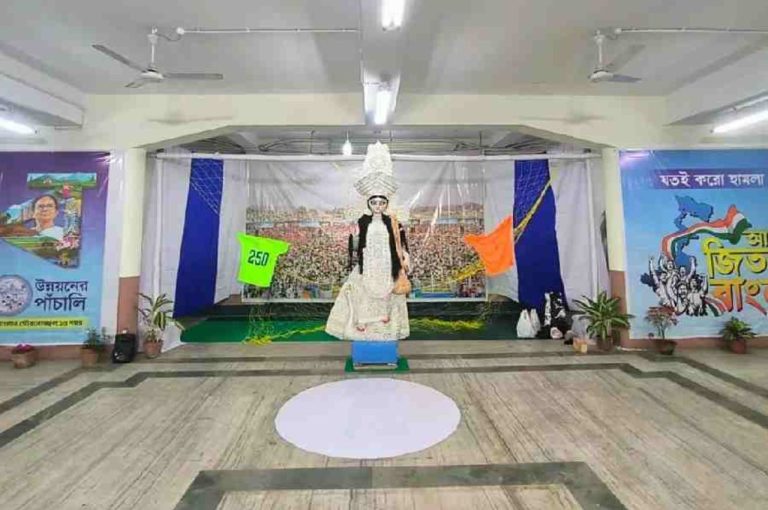
The Bengal Saraswati Puja SIR protest 2026 has become a striking symbol of how cultural traditions can transform into platforms for political resistance. Citizens across Bengal, already anxious about the Special Intensive Revision (SIR) of electoral rolls, used the occasion of Saraswati Puja to express their frustration and fear of being erased from democratic participation.
This incident underscores the intersection of culture, democracy, and governance, where festivals traditionally associated with learning and devotion become canvases for protest against bureaucratic processes.
2. Bengal Saraswati Puja SIR Protest 2026: The Protest
Event: Saraswati Puja celebrations in Bengal.
Trigger: Citizens facing wrongful notices and harassment during SIR hearings.
Expression: Protest messages written on puja pandals, posters, and cultural displays.
Theme: “Feeling of being erased” became the rallying cry.
Significance: Demonstrates how ordinary people use cultural spaces to resist political and bureaucratic pressure.
3. Why This Protest Matters
Cultural symbolism: Saraswati Puja is deeply rooted in Bengal’s educational and spiritual traditions.
Democratic integrity: Citizens fear disenfranchisement through wrongful deletions.
Public trust: Anxiety grows when institutions fail to respect citizen dignity.
Governance challenge: Authorities must balance electoral integrity with cultural sensitivity.
4. Political Reactions
TMC: Framed protests as evidence of voter harassment by EC.
BJP: Defended EC, claiming protests were politically motivated.
Civil society: Expressed concern about erosion of trust in democratic institutions.
Observers: Warned that cultural protests could escalate into larger political confrontations.
5. Governance Challenges
The Saraswati Puja protests reflect systemic governance issues:
Electoral transparency: Citizens lack trust in voter roll revision process.
Administrative neutrality: Allegations of bias against election officials persist.
Technology flaws: EC’s verification system rejected valid documents.
Public safety: Anxiety and harassment undermine democratic participation.
6. Community Concerns
Families: Fear wrongful deletion of names due to minor errors.
Students: Frustrated by rejection of school admit cards despite Supreme Court order.
Civil society groups: Demand transparency and grievance redressal mechanisms.
Opposition voices: Warn of potential misuse of relaxed verification standards.
8. Historical Context of Cultural Protests in Bengal
1940s: Cultural festivals became platforms for nationalist resistance.
1970s–80s: Student movements used pujas and melas to mobilise against state policies.
2011: TMC rose to power, often blending cultural symbolism with political messaging.
2026: Saraswati Puja protests reflect continuity of cultural resistance in Bengal’s political landscape.
9. Global Comparisons
Similar cultural protests worldwide:
USA: Civil rights movements used churches and festivals as platforms for resistance.
Latin America: Carnival celebrations often carried political undertones.
Hong Kong: Umbrella Movement used art and cultural spaces to protest governance.
Bengal’s case mirrors these global struggles where cultural traditions collide with governance, democracy, and citizen dignity.
10. Governance Lessons
The Saraswati Puja protests teach:
Institutions must respect citizen dignity.
Transparency in electoral processes is non‑negotiable.
Cultural spaces must remain inclusive and safe.
Community engagement reduces panic and misinformation.
11. Future Outlook – Electoral Governance in Bengal
India must move towards:
Digitised grievance redressal portals for voter roll issues.
Periodic audits of electoral rolls by independent agencies.
Public dashboards showing deletions and additions transparently.
Educational campaigns to help citizens verify their status.
✅ Conclusion
The Bengal Saraswati Puja SIR protest 2026 is more than a cultural anomaly—it is a living testament to India’s democratic resilience and citizen creativity. As Saraswati Puja pandals became canvases for protest, ordinary citizens bore the emotional weight of fear and frustration. For Bengal, the lesson is clear: democracy thrives when governance delivers clarity, fairness, and respect for both culture and citizens.
The Karnataka government has announced a significant administrative and symbolic decision that all Gram Panchayat offices across the State will be named after Mahatma Gandhi, aligning rural governance spaces with the ideals of the Father of the Nation. The move comes under the banner of “Lok Bhavan Chalo,” a campaign intended to reconnect citizens with grassroots democratic institutions. Officials described the initiative as both a tribute to Gandhian philosophy and a practical step toward strengthening people’s participation in village administration. The decision is expected to affect thousands of local bodies, making the name “Mahatma Gandhi” a visible and constant presence in everyday governance.
According to senior officials in the Rural Development and Panchayat Raj Department, the renaming exercise is designed to reinforce the spirit of decentralization that Gandhi strongly advocated. Village-level governance, in his vision, formed the backbone of a self-reliant nation. By associating Panchayat offices with his name, authorities aim to remind both elected representatives and citizens of values such as transparency, accountability, and service. The campaign is also intended to symbolically shift public perception of Panchayat offices from mere administrative centres to people-oriented institutions rooted in ethical governance and collective responsibility.
The “Lok Bhavan Chalo” slogan accompanying the initiative encourages villagers to approach their Panchayat offices more frequently to address civic issues, welfare benefits, and development needs. Officials noted that many rural residents still hesitate to engage with formal institutions due to lack of awareness or confidence. By creating a strong emotional and historical association through Gandhi’s name, the government hopes to reduce this psychological distance. Public outreach programmes, awareness drives, and signage in local languages are expected to support the effort, making Panchayat spaces more welcoming and accessible to all sections of society.
Elected representatives at the village level have responded positively, stating that the move could enhance the dignity and visibility of Panchayat institutions. Many believe that invoking Gandhian identity may inspire stricter adherence to ethical practices and discourage corruption or negligence in local administration. Some Panchayat Development Officers observed that the symbolic step may also improve public trust, encouraging greater attendance at Gram Sabhas and community meetings. Increased citizen involvement is seen as vital for effective implementation of schemes related to sanitation, drinking water, rural housing, and livelihood support.
Political observers see the decision as part of a broader narrative emphasizing rural empowerment and grassroots democracy. Karnataka has a long tradition of Panchayat Raj reforms, and this initiative adds a cultural and ideological dimension to administrative functioning. While critics argue that symbolism must be backed by tangible improvements in service delivery, officials maintain that identity and values play an important role in shaping institutional behaviour. The government has clarified that the renaming will not involve major financial expenditure, as existing buildings will only undergo minor modifications such as new name boards and informational displays.
GANDHIAN VALUES AND RURAL GOVERNANCE FOCUS
The initiative places renewed emphasis on Gandhian principles such as self-sufficiency, collective decision-making, and non-violent conflict resolution within village communities. Authorities stated that Panchayat offices bearing Gandhi’s name should serve as centres where disputes are resolved through dialogue and consensus rather than prolonged litigation. Training modules for local officials may include sessions on ethical leadership and participatory governance, linking administrative duties with moral responsibility. The symbolic association is expected to encourage Panchayat leaders to act as facilitators of community harmony, reflecting Gandhi’s belief in inclusive and cooperative rural societies.
Education and awareness components are also being integrated into the programme. Plans are underway to display brief information about Gandhi’s contributions and his vision for village republics within Panchayat premises. These displays aim to educate younger generations visiting the offices for certificates, services, or meetings. Teachers and local volunteers may collaborate to conduct discussions on civic duties and community service, turning Panchayat spaces into informal centres of learning. Officials believe that embedding historical awareness into daily governance environments can gradually nurture a more responsible and engaged citizenry.
Women’s self-help groups and youth organizations are expected to play a crucial role in mobilizing community participation under the “Lok Bhavan Chalo” campaign. Authorities have indicated that special Gram Sabha sessions may be organized to discuss local development priorities, with increased emphasis on inclusion of marginalized voices. By invoking Gandhi’s commitment to social equality, the initiative seeks to ensure that decision-making processes are more representative. Increased participation from women, Scheduled Castes, Scheduled Tribes, and economically weaker groups is considered essential to making rural governance genuinely democratic and equitable.
Rural development experts note that physical symbols can influence institutional culture when combined with functional reforms. They argue that naming Panchayat offices after Gandhi could subtly encourage behavioural change among officials and citizens alike. However, they also stress that service quality, timely delivery of benefits, and grievance redressal mechanisms must improve simultaneously. Without administrative efficiency, symbolic gestures risk losing impact. The government has acknowledged this perspective and stated that the naming initiative will be accompanied by performance reviews and digital monitoring systems to strengthen accountability at the village level.
IMPLEMENTATION, REACTIONS, AND FUTURE OUTLOOK- GANDHIAN
Implementation guidelines are being circulated to district administrations, outlining procedures for standardizing name boards and conducting public awareness events. District Panchayat officers will supervise the process to ensure uniformity across regions. Officials emphasized that the exercise is not merely cosmetic but part of a broader effort to re-energize Panchayat institutions. Local artists and craftsmen may be involved in designing boards and murals, creating a sense of community ownership. The government believes that participatory implementation itself reflects Gandhian ideals of collective effort and local engagement.
Public reactions have been largely supportive, with many rural residents expressing pride in associating local governance centres with a national icon. Elderly citizens, in particular, view the step as a reminder of the freedom movement and the ethical foundations of Indian democracy. Some community leaders have suggested organizing cleanliness drives and social service activities around Panchayat premises as part of the campaign. Such activities are expected to reinforce the idea that Panchayat offices are not distant bureaucratic spaces but hubs of community welfare and shared responsibility.
Opposition voices have raised questions about whether symbolic measures alone can address challenges such as fund shortages, staffing gaps, and delays in scheme implementation. They argue that rural institutions require stronger financial devolution and technical capacity. In response, government representatives stated that the naming initiative is one component of a multi-pronged strategy that includes digital governance tools and infrastructure upgrades. They contend that fostering a culture of accountability and ethical service is as important as structural reforms in improving grassroots administration.
The long-term impact of the initiative will depend on sustained engagement from both officials and citizens. If Panchayat offices evolve into vibrant spaces for dialogue, problem-solving, and inclusive decision-making, the symbolic association with Gandhi may gain deeper meaning. Observers note that successful community participation can enhance development outcomes in areas such as sanitation, education, and local infrastructure. By encouraging people to see Panchayat institutions as extensions of their collective will, the campaign seeks to strengthen the foundation of democracy at the village level.
Ultimately, the decision to name all Gram Panchayat offices after Mahatma Gandhi represents an attempt to bridge history, values, and governance in contemporary rural Karnataka. It underscores the belief that democratic institutions must not only function efficiently but also embody ethical principles. By linking everyday administration with Gandhian philosophy, the State aims to inspire a renewed sense of duty among officials and citizens alike. Whether the initiative achieves lasting transformation will depend on how deeply these ideals are integrated into daily practices of rural governance.
The campaign is also expected to intersect with ongoing digital governance initiatives in rural Karnataka. Officials indicated that Panchayat offices will increasingly serve as access points for online services, including applications for welfare schemes, land records, and certificates. By strengthening the identity and visibility of these offices, authorities hope to improve footfall and digital inclusion in villages. Training programmes for Panchayat staff are being planned to ensure smoother service delivery. The government believes that combining symbolic identity with technological capability can modernize rural administration while preserving Gandhian ideals of service and simplicity.
Cultural programmes may accompany the renaming exercise in several districts, with local communities organizing events that highlight Gandhi’s life and contributions. Folk performances, essay competitions, and village-level discussions are being considered to deepen public engagement. Officials stated that such activities are intended to create emotional connection rather than treating the change as a routine administrative order. By involving schools and youth clubs, the campaign seeks to pass Gandhian values to younger generations. The emphasis remains on transforming Panchayat offices into living civic spaces rather than static government buildings visited only for official work.
Some development practitioners believe the initiative could indirectly strengthen transparency mechanisms at the grassroots. When citizens feel a greater sense of ownership over Panchayat institutions, they are more likely to demand accountability and participate in audits or social monitoring exercises. Increased attendance at Gram Sabha meetings may lead to more informed discussions on budgets, project priorities, and beneficiary selection. Officials hope this participatory environment will reduce disputes and mistrust surrounding local development works. The Gandhian association, they argue, reinforces moral expectations around honesty, fairness, and collective welfare in everyday governance practices.
The move also highlights Karnataka’s continued emphasis on Panchayat Raj as a cornerstone of democratic functioning. Since decentralization reforms, village bodies have been entrusted with implementing a wide range of schemes, from housing to sanitation and livelihood programmes. Strengthening the symbolic stature of Panchayat offices may encourage elected members to view their roles with greater seriousness and public responsibility. Authorities noted that grassroots representatives are often the first point of contact for rural citizens. Elevating the institutional image of their workplace is seen as a step toward enhancing both morale and performance.
As the “Lok Bhavan Chalo” campaign unfolds, the focus will remain on sustained follow-up rather than a one-time announcement. District officials are expected to monitor community participation and the condition of Panchayat premises over time. Observers suggest that periodic reviews, public feedback mechanisms, and continued awareness drives will be essential to maintain momentum. If villagers increasingly see Panchayat offices as approachable centres of support and dialogue, the initiative could leave a lasting imprint on rural civic culture. The ultimate goal, officials say, is to align governance spaces with values that inspire trust and shared responsibility.

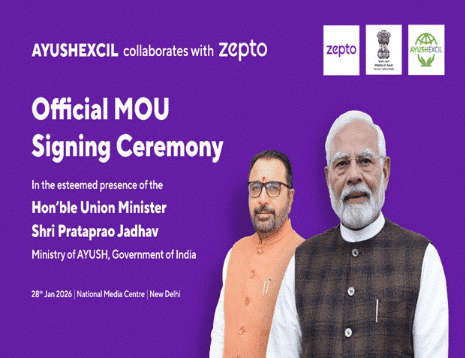




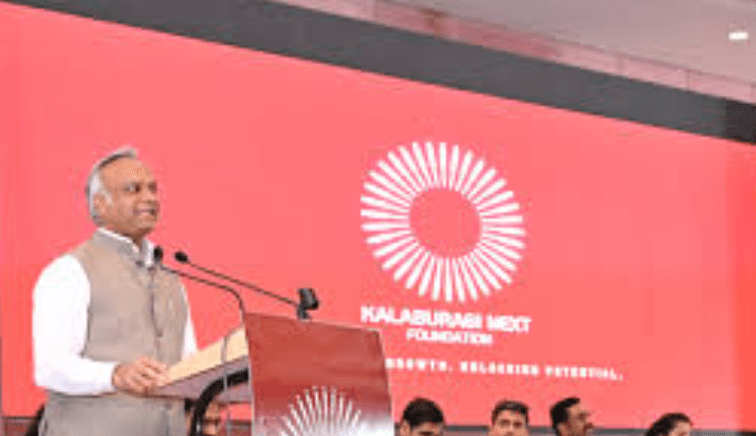







 Nifty Financial Services: 27,058.00 (+0.88%)
 JSW Steel climbed 4.55% to ₹1,223.20, tracking strength in metal counters.
 Kotak Mahindra Bank fell 2.58% to ₹411.90, underperforming its banking peers.