Saturday, December 20, 2025
Home Blog Page 643

Stunning Innovations: Oppo Launches Reno 14F with AI-Powered Photography, Redefining Mobile Imaging in India

Oppo, one of the world’s leading smartphone brands, has officially launched the Reno 14F in India, captivating tech enthusiasts and mobile photographers with its advanced AI-powered photography features and sleek design. The launch event, held in Mumbai on June 25, 2025, showcased the brand’s commitment to innovation and user-centric technology. The Reno 14F is already making waves as a device that promises to redefine smartphone imaging, offering powerful hardware, intelligent software, and premium aesthetics at a competitive price point.

Oppo’s decision to launch the Reno 14F in India reflects the brand’s deep understanding of the country’s rapidly evolving smartphone landscape. Indian consumers have demonstrated a growing appetite for devices that combine style, functionality, and value, and the Reno 14F appears tailored to meet these demands. The inclusion of advanced AI-powered photography features is particularly significant, as more users now rely on their smartphones as their primary cameras for everything from travel vlogs to professional content creation. This trend has been accelerated by the popularity of social media platforms, where image quality and creative tools can set users apart.

The Reno 14F’s AI camera system is designed to adapt to a wide variety of shooting conditions, making it an ideal choice for India’s diverse environments. Whether capturing the vibrant colors of a festival, the intricate details of traditional architecture, or the dynamic energy of city life, the phone’s intelligent scene recognition and real-time optimization ensure consistently impressive results. This versatility is likely to appeal to both casual users and serious enthusiasts, bridging the gap between everyday convenience and professional-grade output.

Battery life remains a top priority for Indian smartphone buyers, many of whom spend long hours commuting or working remotely. The Reno 14F’s 5,000mAh battery and rapid charging capabilities address this need head-on, providing peace of mind for users who depend on their devices throughout the day. The ability to achieve a 50% charge in just 15 minutes is a standout feature, reducing downtime and enabling users to stay connected and productive even with a busy schedule.

Oppo’s ColorOS 15 software brings a host of enhancements that go beyond aesthetics. The new privacy dashboard, granular app permissions, and AI-powered security features offer users greater control over their data and digital footprint. In an era of increasing cyber threats and privacy concerns, these additions will likely resonate with tech-savvy consumers who prioritize safety alongside performance and design.

The Reno 14F’s display technology is another area where Oppo has invested heavily. The 6.7-inch FHD+ AMOLED panel delivers vivid colors and deep blacks, making it ideal for streaming, gaming, and content creation. The 120Hz refresh rate ensures a smooth, responsive experience, whether users are scrolling through social feeds or playing graphics-intensive games. This focus on visual quality underscores Oppo’s commitment to delivering a premium experience across all aspects of the device.OPPO Reno 14 Pro price and key details tipped online ahead of India launch  - Hindustan Times

1. Oppo Launches Reno 14F with AI-Powered Photography: Next-Gen Camera Features

At the heart of the Oppo Reno 14F is its revolutionary AI-powered camera system. The device boasts a 108MP main sensor, an 8MP ultra-wide lens, and a 2MP macro camera, enabling users to capture breathtaking images in any scenario. The AI engine intelligently recognizes scenes, optimizes settings, and enhances colors, contrast, and detail in real-time. Whether it’s low-light cityscapes, vibrant portraits, or fast-moving action, the Reno 14F delivers professional-grade results with minimal effort.

The AI Portrait Mode is a standout feature, offering natural bokeh effects, accurate skin tones, and advanced facial recognition. Oppo’s new AI Nightscape algorithm further elevates night photography, reducing noise and capturing brilliant detail even in challenging lighting. The device also introduces AI-powered video stabilization, making it easier than ever to shoot smooth, cinematic videos on the go.

2. Oppo Launches Reno 14F with AI-Powered Photography: Performance, Display, and Design

Beyond its camera prowess, the Reno 14F impresses with robust performance and a stunning display. Powered by the latest MediaTek Dimensity 8200 chipset and paired with up to 12GB RAM and 256GB internal storage, the device ensures seamless multitasking, gaming, and app usage. The 6.7-inch FHD+ AMOLED display with a 120Hz refresh rate offers vibrant colors, deep blacks, and ultra-smooth scrolling—ideal for both entertainment and productivity.

Oppo continues its tradition of elegant design with the Reno 14F. The phone features a slim, lightweight body with Gorilla Glass protection and a matte-finish rear panel available in three striking colors: Aurora Blue, Midnight Black, and Sunset Gold. The under-display fingerprint sensor and IP67 water and dust resistance add to the device’s premium appeal.

3. Oppo Launches Reno 14F with AI-Powered Photography: Battery Life, Charging, and Software

The Reno 14F is equipped with a 5,000mAh battery, providing all-day endurance even for power users. Oppo’s proprietary 80W SuperVOOC fast charging technology allows the device to reach 50% charge in just 15 minutes and a full charge in under 40 minutes. The phone runs on ColorOS 15, based on Android 15, offering a clean, customizable interface with new privacy features, AI-driven app management, and enhanced security.

Oppo’s software suite includes AI Smart Gallery for intelligent photo organization, AI Live Translate for real-time language translation, and AI Battery Management for optimized power consumption. These features, combined with regular security and system updates, ensure a smooth and secure user experience.

4. Oppo Launches Reno 14F with AI-Powered Photography: Pricing, Availability, and Market Impact

Oppo has priced the Reno 14F aggressively to capture the attention of India’s value-conscious consumers. The base variant (8GB RAM + 128GB storage) is available at ₹28,999, while the top-end model (12GB RAM + 256GB storage) retails for ₹32,999. The phone is available for pre-order starting today on Oppo’s official website, major e-commerce platforms, and offline retail stores across India. Early buyers can avail themselves of exclusive offers, including no-cost EMI, cashback up to ₹3,000, and bundled Oppo Enco Buds.

Industry analysts predict that the Reno 14F will intensify competition in the mid-premium smartphone segment, challenging rivals such as Samsung, Vivo, and Xiaomi. Oppo’s focus on AI-powered photography and user-friendly features is expected to resonate strongly with India’s growing base of content creators, students, and young professionals.

Oppo’s Legacy of Innovation: Raising the Bar for Smartphone Photography

Oppo has long been recognized for its pioneering work in mobile imaging and AI technology. With the Reno 14F, the brand continues to push boundaries, making advanced photography accessible to everyday users. The phone’s AI-powered features are designed to simplify complex shooting scenarios, allowing users to focus on creativity rather than technical settings. This democratization of professional-grade photography is a key reason for Oppo’s growing popularity among Indian consumers.Oppo Reno 14 5G Unboxing And Quick Review

Consumer Reactions: Social Media Buzz and Early Impressions

The launch of the Reno 14F has ignited a flurry of excitement on social media, with tech reviewers, influencers, and early adopters sharing their first impressions. Hashtags like #OppoReno14F and #AICameraRevolution are trending, with users praising the phone’s camera quality, fast charging, and sleek design. Unboxing videos and camera comparison tests are flooding YouTube and Instagram, further fueling demand.

Early reviews highlight the Reno 14F’s ability to capture detailed, vibrant photos in a variety of conditions, as well as its smooth performance and intuitive software. The device’s AI features, in particular, are being lauded for their accuracy and ease of use, making advanced photography accessible even to beginners.

The Competitive Landscape: How Oppo Reno 14F Stands Out

In a crowded market, the Reno 14F distinguishes itself through its blend of hardware and software innovation. While competitors offer high-resolution cameras, Oppo’s integration of AI-driven scene recognition, portrait enhancement, and night mode sets a new standard for user experience. The phone’s fast charging and robust battery life also address key pain points for Indian consumers, who often rely on their devices for work, entertainment, and social connectivity throughout the day.

Oppo’s commitment to after-sales service, including a nationwide network of service centers and responsive customer support, further strengthens its appeal. The company’s focus on regular software updates and security patches ensures that users enjoy a safe and up-to-date experience long after purchase.

Future Prospects: Oppo’s Vision for AI and Mobile Technology

With the Reno 14F, Oppo is signaling its intent to lead the next wave of smartphone innovation in India. The company has announced plans to invest further in AI research, 5G connectivity, and sustainable manufacturing. Upcoming software updates are expected to introduce new AI-powered features, such as real-time object removal in photos, improved voice assistants, and enhanced AR experiences.

Oppo’s vision extends beyond smartphones, with the brand exploring AI integration across wearables, smart home devices, and IoT ecosystems. The Reno 14F serves as a cornerstone of this strategy, offering a glimpse into the future of intelligent, interconnected technology for Indian consumers.

Conclusion: A New Era of Mobile Photography Begins

The launch of the Oppo Reno 14F with AI-powered photography marks a significant milestone for India’s smartphone market. By combining cutting-edge camera technology, powerful performance, and user-friendly design, Oppo has once again raised the bar for what consumers can expect from their devices. As the Reno 14F hits stores across the country, it is poised to become the go-to choice for anyone seeking a premium, AI-driven mobile experience without breaking the bank.

In terms of design, the Reno 14F continues Oppo’s tradition of blending aesthetics with practicality. The slim profile, ergonomic curves, and matte finish not only make the phone comfortable to hold but also resistant to fingerprints and smudges. The choice of color options allows users to express their personal style, while features like IP67 water and dust resistance add an extra layer of durability for everyday use.OPPO Reno 14 Pro - 32GB RAM/2TB, 8450mAh Battery, 350MP Camera

Oppo has also prioritized accessibility and inclusivity with the Reno 14F. The device supports multiple Indian languages, voice commands, and accessibility settings for users with visual or hearing impairments. These features ensure that the phone can be enjoyed by a broad cross-section of the population, reflecting Oppo’s goal of making advanced technology available to everyone.

Follow: OPPO

Also Read: Alarming Signals: Ola Electric’s Stock Plunges to 52 week Low Amid Mounting Financial Losses


Record-breaking Run: Sitaare Zameen Par Crosses Rs.123 Crore Worldwide by Day 5

When Sitaare Zameen Par released on June 21, 2025, audiences eagerly awaited the return of Aamir Khan, who had been away from the screen for three years. Within just five days, the film’s global performance has made headlines across the industry. The Sitaare Zameen Par box office collection has already touched ₹123 crore worldwide, indicating massive acceptance and appreciation for both its content and message.

Sitaare Zameen Par Box Office Crosses ₹123 Crore Globally in Just Five Days, Proving Its Massive Commercial Potential

According to leading trade analytics platform Sacnilk, Sitaare Zameen Par has performed consistently strong since its theatrical debut. The film grossed ₹75.15 crore net in India alone, with total gross domestic earnings climbing to ₹90 crore. What’s more impressive is its overseas performance, where it raked in an additional ₹33 crore. This brings the total Sitaare Zameen Par box office collection to ₹123 crore globally—an impressive figure for a socially themed sports drama.

What makes this feat more notable is that the film has already outperformed Sunny Deol’s recent hit Jaat, which earned ₹118.36 crore during its full run. With positive word-of-mouth and widespread family viewership, trade analysts are optimistic that it will soon surpass the ₹133.5 crore lifetime earnings of Aamir Khan’s last film, Laal Singh Chaddha.

Also Read : After Panchayat Triumph, Neena Gupta Reveals Everyone Now Wants a “Chhote Gaon Ki Kahaani”

Taare Zameen Par

A Powerful Sequel in Spirit to Taare Zameen Par, Built to Inspire and Entertain

Directed by RS Prasanna, Sitaare Zameen Par is not a direct sequel to Taare Zameen Par but serves as a spiritual successor that builds on its emotional foundation. While the 2007 classic focused on a dyslexic child’s internal world, this film explores societal empathy through the lens of sports. Aamir Khan steps into the role of a disgraced basketball coach who’s given a second chance—not just professionally but emotionally—by coaching a team of children with special needs.

The story reflects deep emotional arcs that tackle not only acceptance of others but self-redemption. These powerful narratives have helped the film resonate with diverse audiences—from youth and families to educators and critics—creating sustained momentum at the box office.

Aamir Khan’s Triumphant Return Proves His Lasting Star Power and Versatility as a Leading Actor

After nearly three years of absence from the silver screen, Aamir Khan makes a strong comeback with a role that plays to both his strengths—emotional gravity and comic timing. His portrayal of a coach grappling with his past mistakes while learning life lessons from his team is layered and impactful. It reconnects fans with the side of Aamir that made him a household name through films like Dangal, 3 Idiots, and Taare Zameen Par.

His transformation in the film—from being skeptical to deeply attached to his players—mirrors the journey of audiences, many of whom have walked away with tears, smiles, and admiration. His performance is being hailed as one of the most grounded and sincere portrayals of his career. This emotional authenticity is directly fueling the Sitaare Zameen Par box office collection surge.

Ten Newcomers Deliver Authentic, Breakthrough Performances That Are Winning Hearts Across India

A unique highlight of Sitaare Zameen Par is its bold and commendable casting. The film introduces ten actors with diverse abilities—Aroush Datta, Gopi Krishna Varma, Simran Mangeshkar, and others—who represent children with special needs. These actors aren’t just part of the story—they are the soul of it.

Their performances have been lauded for their honesty and lack of over-dramatization. They bring charm, humor, and raw emotion, avoiding stereotypes and showing the genuine strength and personality of differently-abled individuals. Their chemistry with Aamir Khan is natural and heartwarming, making their collective journey inspiring to viewers across all age groups.

A Localized Adaptation of Spain’s Campeones That Successfully Marries Humor with Humanity

Sitaare Zameen Par is the official Hindi adaptation of the Spanish hit Campeones, but it stands tall on its own merits. The Indian version goes beyond replication. RS Prasanna’s direction localizes the story to an Indian context—complete with cultural nuances, schoolyard nostalgia, and family values—without losing the essence of the original.

The screenplay manages to balance humor and emotion delicately. It never feels preachy, even as it delivers strong social commentary on inclusion, ability, and the true spirit of teamwork. This balance has widened the film’s appeal beyond just multiplex viewers to tier-2 and tier-3 cities—helping the Sitaare Zameen Par box office collection maintain its upward trajectory.

Sitaare Zameen Par

Box Office Consistency During Weekdays Shows Long-term Audience Engagement and Staying Power

While the film opened with impressive weekend numbers, the real test was the weekdays. Monday witnessed a typical drop in earnings, but trade experts were relieved to see a steady hold through Tuesday and Wednesday. This sustained performance indicates genuine public interest rather than hype-driven opening weekend numbers.

With school vacations and family outings fueling footfalls, exhibitors are hopeful the film will enjoy a strong second weekend. If it continues to hold above ₹10 crore per day in India, the Sitaare Zameen Par box office collection could touch ₹150 crore within ten days—a benchmark few Hindi films have achieved this year.

Critical Acclaim and Celebrity Endorsements Add to the Film’s Cultural Relevance and Reach

Well-known lyricist Javed Akhtar expressed his joy at the film’s performance, stating that good cinema always finds its audience. Likewise, Taare Zameen Par lead actor Darsheel Safary posted an emotional message after watching the film, saying his “heart felt fuller, softer, and happier.”

These endorsements matter—not just from a publicity standpoint but in showcasing how Sitaare Zameen Par has touched individuals who understand cinema and social issues deeply. The film has also received praise from educators, NGOs, and mental health advocates who see it as a catalyst for change in public perception.

laal singh chaddha

Poised to Beat Laal Singh Chaddha and Cement Its Position as a 2025 Box Office Champion

The next key milestone for the film is Aamir Khan’s own Laal Singh Chaddha, which made ₹133.5 crore globally during its run. With Sitaare Zameen Par box office collection already at ₹123 crore by day 5, it seems only a matter of time before this film surpasses that figure.

If current trends hold, it may also emerge as one of the highest-grossing Bollywood films of 2025, especially if it maintains solid numbers in multiplexes and international markets through the second and third weeks. Given the social relevance, positive reviews, and audience engagement, it’s a strong contender for both critical acclaim and commercial dominance.


Sitaare Zameen Par Proves that Good Cinema Can Be Both Profound and Profitable

Sitaare Zameen Par has done more than just bring Aamir Khan back into the limelight. It has brought visibility to underrepresented voices, challenged stereotypes, and reminded audiences that commercial success and social storytelling can go hand in hand.

The film’s box office success is not merely the result of star power, but of substance, strategy, and sincerity. If it continues this pace, it may be remembered not just as a hit, but as a movement. The Sitaare Zameen Par box office collection reflects a growing appetite for meaningful cinema wrapped in entertainment—a trend Bollywood will likely follow for years to come.

7 Devastating Unprecedented Disruptions: Global Airlines Reeling from Middle East Airspace Closures

A new wave of turmoil has hit the global aviation industry as escalating conflict in the Middle East has forced the closure of critical airspace corridors, triggering widespread flight cancellations, costly reroutes, and mounting uncertainty for airlines and passengers worldwide. The closures, which came in the wake of military strikes and subsequent regional tensions, have had a cascading effect on international travel, with India’s airlines and passengers among the hardest hit. As the crisis unfolds, experts warn of longer journey times, higher fares, and operational headaches that could persist for weeks or even months.bne IntelliNews - Global airlines continue avoiding Middle East airspace

Major Hubs Paralyzed, Flights Cancelled

The immediate impact of the airspace closures has been felt most acutely at major aviation hubs like Doha, Dubai, Abu Dhabi, and Tel Aviv. Airlines including Emirates, Etihad, Qatar Airways, Air India, British Airways, Air France-KLM, Singapore Airlines, and others have suspended or rerouted flights to and from the region, citing safety concerns and government directives. Air India has ceased all operations to the region and has diverted flights bound for North America and Europe to avoid the closed airspaces.

Flight tracking data shows a dramatic reduction in traffic over Iran, Iraq, Syria, Israel, Kuwait, Jordan, and Lebanon, with many carriers now choosing longer routes over the Caspian Sea or south through Egypt and Saudi Arabia. The result is a bottleneck in available corridors, with Saudi airspace absorbing much of the displaced east-west traffic.

Global Airlines Impacted by Middle East Airspace Closures: Ripple Effects on Indian Travelers and Airlines

India, a major hub for connecting east-west flights, has seen significant disruptions. Air India, Air India Express, and other Indian carriers have cancelled or rerouted flights, particularly those connecting to Europe and North America. Passengers have faced delays, missed connections, and uncertainty about rebooking or refunds. The closures have also affected Indian travelers transiting through Middle Eastern hubs, with many stranded or forced to seek alternative routes.

The timing is especially challenging as the region’s airspace has become even more critical for global aviation since the closure of Russian and Ukrainian airspace following the Russia-Ukraine conflict. With limited options, airlines are grappling with longer flight times, increased fuel consumption, and higher crew costs—expenses that are likely to be passed on to consumers in the form of higher airfares.

 Economic Fallout and Industry Losses

The economic impact of the closures is staggering. Iran, which previously earned significant revenue in overflight fees, is now losing millions each day, while Iraq faces daily losses as well. The United Arab Emirates and Qatar are also incurring hundreds of thousands of dollars in additional costs daily due to rerouting and operational disruptions.

For airlines, the increased fuel burn, extended flight durations, and logistical challenges are translating into millions in additional costs. Industry sources estimate the region is losing more than $5 million daily in lost overflight fees and operational costs. These losses come at a time when airlines are already under pressure from volatile oil prices and lingering post-pandemic challenges.Airspace closures throughout the Middle East ground, divert flights as Iran  launches drone attack on Israel

Airspace Closures: Passenger Safety and Airline Response

Safety remains the top priority for airlines, with many carriers offering flexible rebooking, refunds, and additional ground support at affected airports. Airlines are closely monitoring the situation, with operational planning remaining fluid as they await further developments. Some, like Singapore Airlines and British Airways, have cancelled flights for several days, while others are evaluating the situation on a daily basis.

Aviation safety organizations have issued warnings about the increased risk of missile and drone activity in the region, urging airlines to avoid affected airspaces. The memory of past tragedies, such as the downing of commercial jets in conflict zones, looms large, reinforcing the need for caution.

Global Airlines Impacted by Middle East Airspace Closures: Adaptation and Operational Resilience

Despite the chaos, aviation experts note that Middle Eastern airlines are well-versed in adapting to geopolitical volatility. Carriers have quickly shifted wide-body traffic to Saudi airspace, which has become the new backbone for east-west travel. Data shows a surge in daily overflights in Saudi Arabia, rising from around 700 to over 1,000 after the closure of Iranian and Iraqi airspace. Airlines are leveraging their operational expertise to minimize delays and maintain schedules where possible, though longer journey times are unavoidable.

The ongoing closure of Middle East airspace has forced airlines to fundamentally rethink their global operations. For many carriers, especially those based in Asia and Europe, the most efficient and cost-effective routes have suddenly become inaccessible. This has led to an urgent need for rerouting, often resulting in significantly longer flight paths that skirt the affected regions. These new routes not only increase fuel consumption but also require additional crew hours, which can push airlines up against regulatory limits for crew duty times. The logistical complexity of adjusting hundreds of flights in real time is immense, and airlines are relying on advanced flight planning software and round-the-clock operations teams to manage the chaos.

Passengers have borne the brunt of these disruptions, with many experiencing delays of several hours or even days. For travelers with connecting flights, the uncertainty has been particularly stressful, as missed connections can mean lengthy layovers in unfamiliar airports. Families traveling for urgent reasons—such as medical emergencies or important events—have found themselves stranded, sometimes with limited support from airlines overwhelmed by the scale of the crisis. Social media is awash with stories of passengers seeking help, sharing updates, and warning others about potential delays.

The economic ripple effects of the airspace closures extend far beyond the airlines themselves. Airports in the Middle East that typically serve as major transit hubs have seen a sharp drop in passenger numbers, impacting everything from retail sales to ground transportation services. Local economies that depend on tourism and business travel are feeling the pinch, as cancellations and uncertainty deter travelers from planning trips to the region. In India, travel agencies and tour operators have reported a surge in customer queries and requests for alternative routes, putting additional pressure on an already strained industry.

Cargo and logistics companies are also grappling with the fallout. The Middle East is a critical node in the global supply chain, connecting manufacturers in Asia with markets in Europe, Africa, and the Americas. With key air corridors closed, shipments of goods ranging from electronics to pharmaceuticals are facing delays and increased costs. Perishable goods, in particular, are at risk, as longer transit times can compromise quality and lead to spoilage. Businesses are being forced to reconsider their supply chain strategies, with some exploring alternative modes of transport such as sea freight, despite the longer delivery times.

For the airline industry, the financial implications are profound. The combination of lost revenue from cancelled flights, increased operating costs due to longer routes, and the need to compensate passengers for delays and disruptions has created a perfect storm. Smaller carriers with limited financial reserves are especially vulnerable, and there is growing concern that some may not survive if the crisis drags on. Even larger airlines are warning of potential losses in the hundreds of millions, underscoring the fragility of the industry in the face of geopolitical shocks.

The crisis has also highlighted the importance of international cooperation and communication. Airlines, aviation authorities, and governments are in constant contact, sharing information about airspace status, threat assessments, and best practices for rerouting. This level of coordination is essential for maintaining safety and minimizing disruption, but it also exposes the challenges of managing a truly global industry in an era of rising geopolitical tensions. The need for clear, timely communication with passengers has never been greater, and many airlines are ramping up their customer service efforts to provide real-time updates and support.Lessons from recent Middle East airspace closures | Flightradar24 Blog

Environmental concerns have emerged as another consequence of the airspace closures. The longer flight paths required to avoid the Middle East mean higher fuel consumption and increased carbon emissions. This setback comes at a time when the aviation industry is under pressure to reduce its environmental footprint and meet ambitious sustainability targets. Airlines and regulators will need to balance the immediate need for safety and operational continuity with the long-term goal of minimizing their impact on the planet.

The psychological toll on airline staff should not be underestimated. Pilots, cabin crew, and ground personnel are working under intense pressure, often dealing with frustrated passengers and rapidly changing schedules. The uncertainty and stress of the situation can lead to fatigue and burnout, making it all the more important for airlines to provide adequate support and resources for their employees. Maintaining morale and ensuring the well-being of staff is crucial for sustaining operations through prolonged periods of disruption.

Looking ahead, industry analysts are calling for greater investment in contingency planning and risk management. The current crisis has exposed vulnerabilities in the global aviation system, particularly the reliance on a small number of critical air corridors. Airlines may need to diversify their route networks, invest in more flexible fleet management, and develop robust crisis response protocols to better withstand future shocks. Governments, too, have a role to play in fostering stability and ensuring that diplomatic channels remain open to prevent the escalation of regional conflicts.

Ultimately, the closure of Middle East airspace serves as a stark reminder of the interconnectedness of the modern world. A single regional crisis can have far-reaching consequences, disrupting lives and livelihoods across continents. As airlines, passengers, and policymakers navigate this challenging period, the experience will undoubtedly shape the future of global aviation, prompting new approaches to safety, sustainability, and resilience in an increasingly unpredictable world.

Follow: Global Airlines

Also Read: Alarming Signals: Ola Electric’s Stock Plunges to 52 week Low Amid Mounting Financial Losses

Kolkata Weather Alert: IMD Predicts Heavy Rainfall Across West Bengal till July 1

Kolkata Weather Alert — The India Meteorological Department (IMD) has sounded an alert for heavy to very heavy rainfall across Kolkata and several districts of West Bengal until July 1, predicting that an active monsoon will continue to cause widespread showers and thunderstorms.

Kolkata Weather Alert

Kolkata Weather Alert: Current Weather Scenario

Following the onset of the monsoon season earlier this June, the state of West Bengal has been witnessing significant rainfall. IMD officials noted that this is part of a larger pattern driven by monsoon winds sweeping across the Bay of Bengal.

“There is a cyclonic circulation over the Bay of Bengal that is bringing moisture-laden winds into the region,” an IMD spokesperson stated. “That is fueling persistent rain and thunderstorms across most districts.”

More on IMD updates can be found at:
https://mausam.imd.gov.in/

Kolkata Weather Alert

Districts Likely to Receive Heavy Rainfall

According to IMD’s latest forecast, heavy rainfall is expected in the following districts:

District Expected Impact
Kolkata Moderate to heavy rain, thunderstorms, gusty winds.
Howrah Intense showers, localized flooding.
South 24 Parganas Heavy rain, waterlogging in low-lying areas.
North 24 Parganas Thunderstorms with occasional lightning.
Hooghly Heavy rainfall with strong gusts.
Purba and Paschim Medinipur Intense rain in isolated spots.
Bankura Moderate rainfall, short bursts of heavy showers.
Birbhum & Purulia Thunderstorms, scattered rain.

More on West Bengal disaster management measures can be read at:
https://wbddm.gov.in/

Kolkata Weather Alert

Impact on Daily Life

With heavy rain comes a range of difficulties for local residents — waterlogged streets, disrupted transport, and power outages have been reported across urban and rural areas. Schools in some districts have been shut as a precaution, and commuters are advised to plan travel carefully.

“People are requested to avoid unnecessary travel,” urged a state official.

Public safety helplines have also been activated.

Safety Guidelines from Authorities

The West Bengal Government and the Disaster Management Department have released safety guidelines to help citizens stay safe during this period:

Avoid driving or wading through waterlogged areas.
Charge mobile phones and have emergency light sources ready.
Check for weather updates regularly.
Avoid standing under trees and electric poles during lightning.
Farmers and fishermen are advised to stay away from riverbanks and water bodies.

More safety updates can be followed at the West Bengal Police official page:
https://wbpolice.gov.in/

Climate Change and Extreme Weather

Climate scientists highlight that extreme weather events like these are becoming more common due to changing climate patterns. The frequency of intense rainfall events across the state has increased over the past decade.

“Climate change plays a significant role in increasing the intensity and unpredictability of monsoonal rainfall,” noted an environment expert.

More on this can be read at:
https://www.ipcc.ch/

What Lies Ahead?

IMD officials predict that the rain will gradually subside after July 1, allowing for some relief. However, given the unpredictability of the monsoon, updates will be provided daily.

Conclusion

As Kolkata and the surrounding districts brace for continued rain, citizens must take necessary precautions to ensure their safety. Staying informed via official channels and preparing adequately for waterlogging, power cuts, and transport delays will help everyone navigate this challenging monsoon spell.

Also read: Home | Channel 6 Network – Latest News, Breaking Updates: Politics, Business, Tech & More

6 Revolutionary Transformative Benefits: KSRTC’s Non-Stop Buses Between Mangaluru and Puttur to Revolutionize Travel

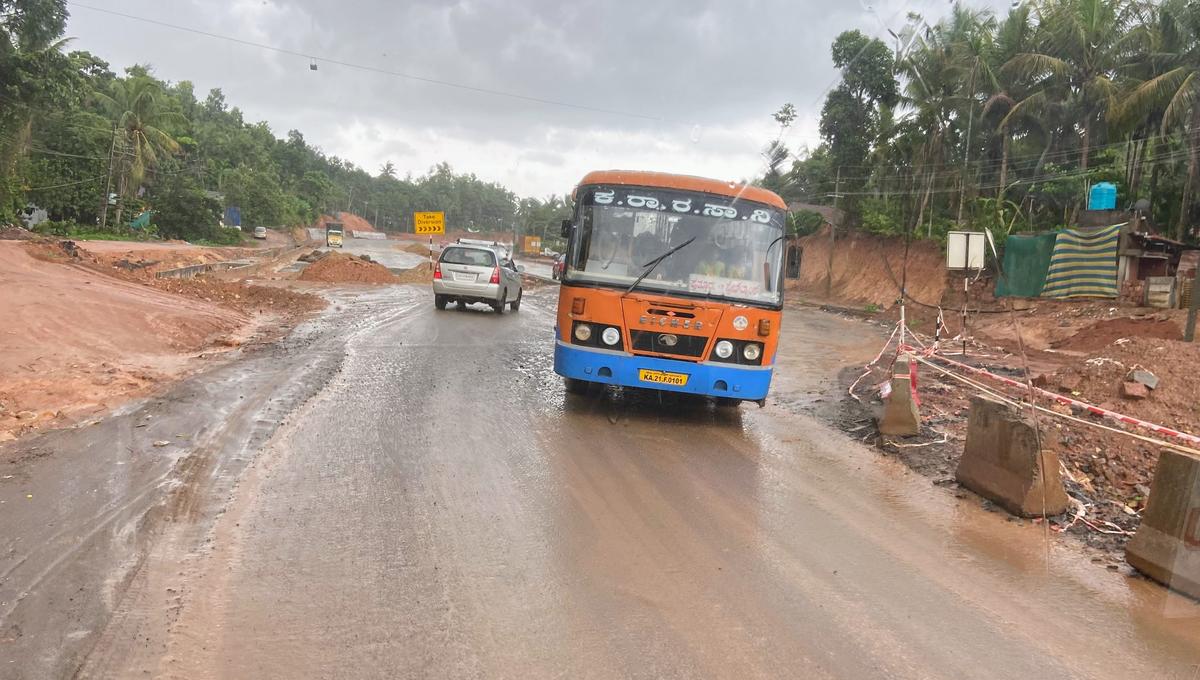
The Karnataka State Road Transport Corporation (KSRTC) is set to launch a fleet of non-stop bus services between Mangaluru and Puttur, a move hailed by commuters and local leaders as a major step forward in regional connectivity. Announced by Puttur MLA Ashok Kumar Rai on June 25, 2025, this initiative is expected to offer faster, more comfortable, and reliable travel for thousands of daily passengers. The launch of these services underscores KSRTC’s commitment to modernizing public transport and responding to the evolving needs of the community.

The announcement of KSRTC’s non-stop bus services between Mangaluru and Puttur has sparked a wave of optimism among daily commuters, students, and local businesses alike. For years, travelers on this route have faced delays due to frequent stops, overcrowded buses, and unpredictable schedules, often leading to lost productivity and mounting frustration. The new non-stop service promises to address these longstanding issues, offering a streamlined journey that will not only save time but also enhance the overall travel experience. The ability to reach Mangaluru or Puttur in just about an hour is expected to be a game-changer for those who rely on public transport for work, education, or business.

Local educational institutions, particularly colleges and universities in both cities, have welcomed the move. Many students commute daily between Mangaluru and Puttur, and the non-stop buses will help them arrive on time for classes, exams, and extracurricular activities. Parents and faculty members have expressed relief, noting that the reduced travel time and increased reliability will ease the burden on students, especially during the challenging monsoon season when road conditions can be unpredictable. This initiative is likely to encourage more students to pursue educational opportunities in neighboring cities, knowing that dependable transportation is available.

Business owners and traders are also set to benefit significantly from KSRTC’s new service. The Mangaluru–Puttur corridor is a vital commercial link, with many small and medium enterprises depending on efficient logistics and workforce mobility. Faster, non-stop travel will enable employees to commute more conveniently and allow goods to move with greater speed and predictability. This could lead to increased business activity, attract new investments to the region, and foster economic growth in both cities.

The recruitment of over 300 new drivers and helpers for the Puttur division marks a major investment in human resources by KSRTC. By ensuring that staff are stationed in the region for a minimum of five years, the corporation is aiming to provide stability and continuity in service delivery. This move is expected to improve operational efficiency, minimize staff shortages, and create more job opportunities for local residents. The emphasis on training and retention also reflects KSRTC’s commitment to professionalizing its workforce and delivering world-class public transport.KSRTC to operate non-stop services between Mangaluru and Puttur: MLA - The  Hindu

1. KSRTC to Operate Non-Stop Services Between Mangaluru and Puttur: Details of the New Initiative

MLA Ashok Kumar Rai confirmed that six brand-new non-stop buses will operate on the Puttur–Mangaluru route, running directly from Puttur to the State Bank area in Mangaluru. Unlike existing buses that make multiple stops, these services will travel the entire stretch without halting, reducing the journey time to approximately one hour. This is a significant improvement over current travel times, which are often extended due to frequent stops and traffic congestion.

The decision to introduce non-stop buses was made after MLA Rai’s meeting with KSRTC officials in Puttur. He emphasized the importance of uninterrupted service, especially during the monsoon season when students and daily commuters face additional challenges. Rai also instructed KSRTC to immediately inform him if there are any shortages of buses, ensuring that service quality is maintained throughout the year.

2. KSRTC to Operate Non-Stop Services Between Mangaluru and Puttur: Staffing and Service Expansion

To support the expansion, KSRTC has recruited 326 new drivers and helpers for the Puttur division, with plans to increase the staff strength to 500 in the near future. The new recruits will be stationed in Puttur for a minimum of five years, providing stability and continuity for the division’s operations. This influx of manpower is expected to enhance the reliability of not only the non-stop services but also other routes in the region.

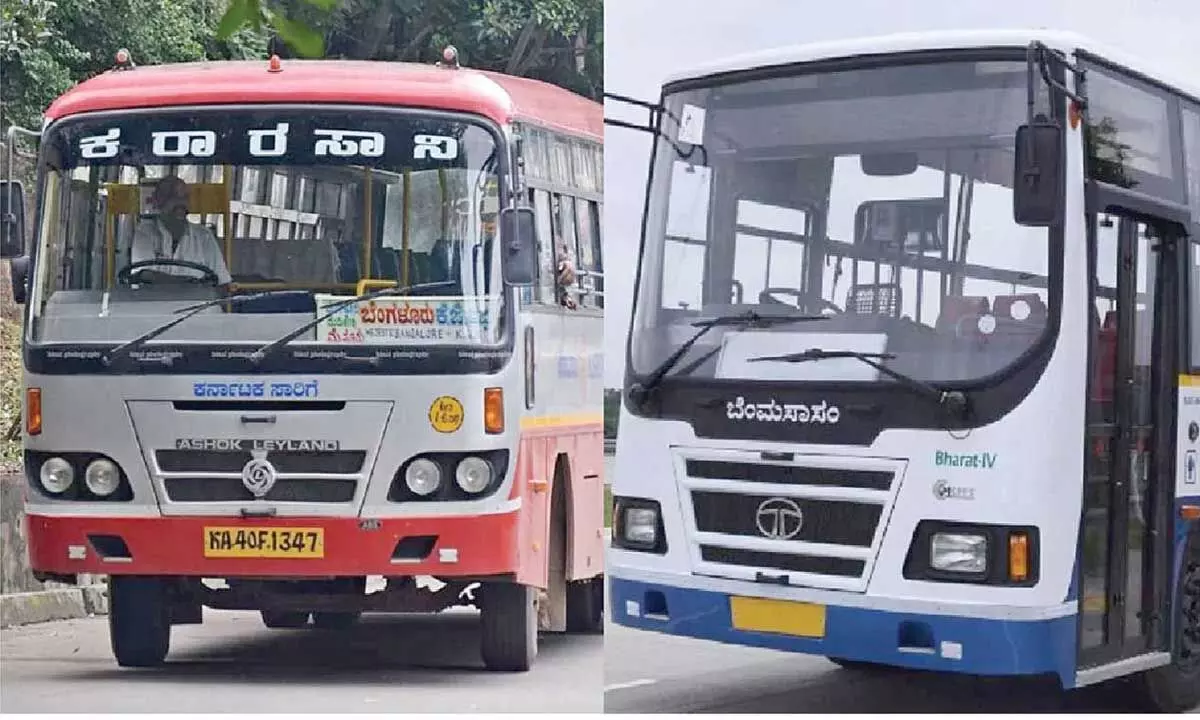
MLA Rai also revealed that KSRTC is preparing to launch air-conditioned Ambari Utsav buses connecting Mangaluru and Bengaluru via Vitla, Puttur, and Uppinangady. The introduction of these premium services reflects KSRTC’s strategy to cater to rising demand for comfortable, efficient intercity travel options.

3. KSRTC to Operate Non-Stop Services Between Mangaluru and Puttur: Impact on Commuters and Ticket Pricing

The new non-stop buses are designed to offer a smoother and more comfortable ride, with modern amenities and improved seating. For daily commuters, students, and business travelers, the reduction in travel time is expected to significantly enhance productivity and convenience. The average ticket price for the Mangaluru–Puttur route currently hovers around ₹400–₹500, depending on the bus type and operator. While KSRTC’s government-run services are typically more affordable than private operators, the addition of non-stop and air-conditioned options may introduce tiered pricing based on facilities and demand.

Ticket prices may also fluctuate during peak seasons, holidays, and festivals, as is common in the sector. However, KSRTC’s reputation for providing cost-effective public transport suggests that the new services will remain accessible to a broad segment of travelers.

4. KSRTC to Operate Non-Stop Services Between Mangaluru and Puttur: Broader Benefits and Community Response

Local communities and regular passengers have welcomed the announcement, expressing optimism that the non-stop buses will reduce travel fatigue and improve punctuality. The move is also expected to ease congestion on the route, as faster services may encourage more people to opt for public transport over private vehicles. Educational institutions, in particular, have lauded the decision, noting that students will benefit from timely and reliable transportation during the academic year and especially during the challenging monsoon months.

KSRTC officials, including Divisional Controller Amalingaiah Hosa Poojary and Divisional Traffic Manager Jaishanth Kumar, attended the meeting with MLA Rai and reiterated their commitment to monitoring service quality and responding to passenger feedback.KSRTC to Start Non-Stop Buses Between Mangaluru and Puttur

The Road Ahead: KSRTC’s Vision for Public Transport in Karnataka

The launch of non-stop buses between Mangaluru and Puttur is part of a broader vision to modernize Karnataka’s public transport network. By investing in new vehicles, recruiting skilled staff, and responding to community needs, KSRTC aims to set a benchmark for efficiency and customer satisfaction. The planned introduction of air-conditioned Ambari Utsav buses on long-distance routes further demonstrates the corporation’s commitment to innovation and passenger comfort.

MLA Ashok Kumar Rai’s proactive approach and close collaboration with KSRTC leadership have been instrumental in driving these changes. As the new services roll out, regular monitoring and feedback mechanisms will be essential to ensure that the benefits are fully realized and that any operational challenges are swiftly addressed.

Conclusion: A New Era of Connectivity for Mangaluru and Puttur

KSRTC’s decision to operate non-stop services between Mangaluru and Puttur marks a significant milestone in the region’s transportation landscape. With faster travel, improved comfort, and a focus on passenger needs, the initiative is poised to transform daily commutes and boost economic activity. As the first buses prepare to hit the road, the people of Mangaluru, Puttur, and surrounding areas can look forward to a new era of accessible, efficient, and reliable public transport.

Community leaders have praised MLA Ashok Kumar Rai’s proactive engagement with KSRTC and his responsiveness to constituent concerns. Rai’s insistence on monitoring service quality and maintaining open channels of communication with KSRTC officials has reassured the public that the new services will be closely managed and continuously improved. His focus on addressing shortages and ensuring that buses are available even during peak demand periods demonstrates a practical understanding of the challenges faced by commuters.

Environmental advocates have highlighted the potential for non-stop bus services to reduce traffic congestion and lower carbon emissions. By making public transport more attractive and efficient, KSRTC can encourage more people to leave their private vehicles at home, easing the strain on roads and contributing to cleaner air in both cities. This aligns with broader state and national goals to promote sustainable mobility and reduce the environmental impact of transportation.

The pricing strategy for the new non-stop buses will be closely watched. While KSRTC is known for its affordable fares, the introduction of faster and more comfortable services may lead to a tiered pricing model. However, officials have indicated that accessibility and affordability will remain central to their mission, ensuring that students, workers, and low-income passengers are not priced out of the benefits of improved connectivity.

As the new buses prepare to hit the road, KSRTC is ramping up its marketing and outreach efforts. Information campaigns, updated schedules, and user-friendly booking systems are being rolled out to ensure that passengers are aware of the changes and can plan their journeys accordingly. Feedback mechanisms, such as helplines and online surveys, are being established to gather input from commuters and make further improvements based on real-world experiences.KSRTC to operate non-stop services between Mangaluru and Puttur: MLA - The  Hindu

In the long term, the success of the non-stop service between Mangaluru and Puttur could serve as a model for other routes across Karnataka. If the initiative delivers on its promises of speed, reliability, and comfort, it may inspire similar upgrades on other high-traffic corridors, transforming public transport throughout the state. The collaboration between local leaders, KSRTC management, and the community sets a precedent for how public services can be modernized to meet the changing needs of a dynamic and growing population.

Follow: KSRTC

Also Read: Alarming Signals: Ola Electric’s Stock Plunges to 52 week Low Amid Mounting Financial Losses

Jaw-Dropping Reasons Why Netflix’s Squid Game Season 3 Finale Is the Most Anticipated TV Event in India

Netflix has officially announced the return of its record-shattering Korean thriller, “Squid Game,” for a third and final season, sending ripples of excitement and bittersweet anticipation through fans in India and around the world. The streaming giant confirmed the news on June 25, 2025, with a dramatic teaser and an emotional message from creator Hwang Dong-hyuk, promising that the last chapter will deliver the most intense, unpredictable, and emotionally charged episodes yet. As the series prepares for its grand conclusion, Indian audiences are bracing for a season packed with high-stakes drama, shocking twists, and answers to the mysteries that have captivated millions since the show’s explosive debut.Squid Game Season 3: Everything We Know

The anticipation for Squid Game’s third and final season has created a palpable buzz not just among fans, but also within the Indian entertainment industry. Streaming platforms, production houses, and content creators are closely watching how Netflix leverages the show’s finale to maximize engagement and subscriptions. Many Indian filmmakers and showrunners see Squid Game as a blueprint for how international series can break cultural barriers and become household names, regardless of language. The show’s success has emboldened Indian creators to pitch bolder, more globally resonant stories, hoping to capture the same lightning in a bottle.

For viewers, the emotional stakes of the final season are higher than ever. Characters like Gi-hun, the Front Man, and Jun-ho have become deeply relatable to Indian audiences, who see reflections of their own struggles with ambition, morality, and survival in the show’s narrative. As the story approaches its climax, fans are preparing themselves for heartbreak, unexpected twists, and the possibility that not all beloved characters will survive. The conversations around the show have moved beyond entertainment, touching on themes of ethics, loyalty, and the cost of pursuing one’s dreams in a world that often feels rigged.

1. Netflix’s Squid Game Returns for a Third and Final Season: Announcement and Fan Frenzy

The announcement of “Squid Game” Season 3 instantly became a trending topic across Indian social media, with hashtags like #SquidGameFinale and #SquidGame3 lighting up Twitter, Instagram, and fan forums. Netflix released a haunting teaser featuring the iconic Red Light, Green Light doll and glimpses of returning characters, sparking a flurry of theories about who will survive the final round. The show’s creator, Hwang Dong-hyuk, appeared in a special video message, expressing gratitude to fans worldwide and promising a “spectacular, heart-pounding conclusion” that will “test the limits of every character.”

Indian fans, who played a major role in making Squid Game one of Netflix’s most-watched series ever, have responded with a mix of excitement and sadness. Many are eager to see how the story of Seong Gi-hun (Lee Jung-jae) and the sinister organization behind the deadly games will end, while others lament the impending farewell to a show that has become a cultural touchstone.สควิดเกม เล่นลุ้นตาย (Squid Game) ซีซั่น 3 มาตอนไหน

2. Squid Game Season 3: Plot, Cast, and New Twists

While Netflix is keeping major plot details under wraps, insiders and teasers have revealed that Season 3 will pick up immediately after the shocking events of Season 2’s finale. Seong Gi-hun, now determined to expose and dismantle the organization, finds himself drawn back into a new iteration of the deadly competition—this time as both a player and a reluctant insider. The stakes are higher than ever, with new games, even more brutal challenges, and a global audience watching as the contest expands beyond Korea’s borders.

Returning cast members include Lee Jung-jae as Gi-hun, Wi Ha-joon as police officer Hwang Jun-ho, and Lee Byung-hun as the enigmatic Front Man. New faces are set to join the fray, including international contestants and a mysterious new game master whose motives remain unknown. The creators have promised more elaborate set pieces, psychological mind games, and emotional confrontations as alliances are tested and betrayals mount.

3. Netflix’s Squid Game Returns for a Third and Final Season: Indian Fandom and Cultural Impact

India’s love affair with “Squid Game” has been nothing short of extraordinary. The show’s themes of inequality, survival, and the human cost of desperation have resonated deeply with Indian viewers, sparking debates about social justice, economic disparity, and the dark side of competition. Memes, fan art, and Squid Game-inspired challenges have become staples of Indian pop culture, while the show’s iconic costumes and symbols have appeared everywhere from Diwali parties to college festivals.

With the third season, Indian fans are organizing watch parties, online discussions, and even charity events inspired by the show’s themes. Influencers and celebrities have joined the conversation, sharing their predictions and emotional reactions to the news. The anticipation is so high that Netflix India is planning a multi-week promotional campaign, including exclusive interviews, behind-the-scenes content, and interactive fan experiences.

4. Netflix’s Squid Game Returns for a Third and Final Season: Production, Release Date, and What to Expect

Filming for “Squid Game” Season 3 began in early 2025, with a massive international production spanning locations in South Korea, Europe, and Southeast Asia. The creators have promised the largest and most ambitious season yet, with cutting-edge visual effects, intricate set designs, and a soundtrack featuring both Korean and global artists. The season is expected to premiere worldwide in December 2025, with all episodes dropping simultaneously to avoid spoilers and maximize the global viewing experience.

The final season will consist of eight episodes, each running between 60 and 75 minutes. Hwang Dong-hyuk has hinted that the ending will be “both shocking and deeply emotional,” offering closure to long-standing mysteries while challenging viewers to reflect on the show’s core messages. Netflix has also teased a companion documentary exploring the making of the series and its cultural impact, set to release alongside the finale.

Squid Game’s Legacy: How the Series Changed Streaming in India

Since its debut, “Squid Game” has shattered records and redefined what global television can achieve. In India, it broke language barriers, drawing millions to Korean drama for the first time and inspiring a surge in interest for international content. The series’ success has prompted Netflix and rival platforms to invest more in diverse, high-quality storytelling, opening doors for Indian creators and actors to reach global audiences.

The show’s influence extends beyond entertainment. Academics, social commentators, and economists have used “Squid Game” as a lens to discuss issues of poverty, mental health, and the pressures of modern society. The series has sparked classroom debates, inspired research papers, and even influenced the design of reality shows and video games in India.

Behind the Scenes: The Making of Squid Game Season 3

The production of Season 3 has been an international undertaking, with hundreds of crew members, designers, and stunt coordinators working to bring Hwang Dong-hyuk’s vision to life. The games are said to be more elaborate and dangerous than ever, requiring months of planning and rehearsal. The cast underwent intensive physical and psychological preparation, with some actors describing the experience as “the most challenging and rewarding of our careers.”

Netflix has spared no expense, with a record-breaking budget that reflects the show’s global importance. The creators have promised that every episode will be a visual and emotional spectacle, pushing the boundaries of what television can achieve.

Fan Theories and Speculation: What Will Happen in Squid Game Season 3?

With so many unanswered questions, fans in India and worldwide are busy crafting theories about the final season. Will Gi-hun finally bring down the organization, or will he become lost in the game’s moral labyrinth? Will old characters return, and what new alliances will form? The fate of the Front Man, the true identity of the game’s creators, and the ultimate message of the series are all hotly debated topics.

Online forums, YouTube channels, and social media groups are buzzing with speculation, countdowns, and fan fiction. The sense of community and shared anticipation has made the wait for Season 3 a cultural event in itself.

Squid Game’s Impact on Indian Entertainment and Society

The influence of “Squid Game” on Indian entertainment is profound. Its success has encouraged local writers and producers to experiment with darker themes, complex characters, and serialized storytelling. Indian adaptations and parodies have become viral hits, and the show’s visual motifs—such as the masked guards and geometric symbols—have entered the lexicon of Indian pop culture.

The series has also sparked conversations about mental health, economic inequality, and the value of human life. NGOs and advocacy groups have used the show’s popularity to raise awareness about real-world issues, organizing discussions and campaigns inspired by its themes.

The Road Ahead: Squid Game’s Place in Streaming History

As “Squid Game” prepares for its final bow, its legacy is already secure. The series has changed the way global audiences view non-English content, shattered stereotypes about what international shows can achieve, and left an indelible mark on the streaming landscape. For Indian fans, the third season represents both an ending and a new beginning—a chance to celebrate a shared cultural phenomenon and to look forward to the next wave of groundbreaking storytelling.First Look at the Final Season of Squid Game - Power 100

Conclusion: The Final Game Begins

Netflix’s “Squid Game” returns for a third and final season, promising a jaw-dropping conclusion to one of the most influential and beloved series of the decade. As Indian fans prepare for the ultimate showdown, the excitement, speculation, and emotional investment surrounding the show are at an all-time high. Whether you’re a longtime fan or a newcomer, the final season is set to be an unforgettable television event that will be discussed for years to come.

Ultimately, the return of Squid Game for its third and final season is more than just a television event—it is a cultural phenomenon that has brought people together, sparked important conversations, and inspired a new generation of storytellers. As the world awaits the final round of games, Indian viewers are ready to experience every twist, heartbreak, and revelation, knowing that they are part of a global audience witnessing history in the making.

MobLand: Explosive Reasons Why Paramount+’s Renewal for Season 2 Thrills Crime Drama Fans

Paramount+ has officially renewed its hit crime drama “MobLand” for a highly anticipated second season, sending waves of excitement through the show’s passionate fanbase in India and around the world. The streaming platform announced the renewal on June 25, 2025, following months of speculation and growing demand from viewers who made “MobLand” one of the most-watched original series on the service. The decision comes on the heels of a record-breaking debut season that captivated audiences with its gritty storytelling, complex characters, and shocking plot twists.

The announcement of “MobLand” Season 2 has already begun to reshape conversations within India’s entertainment industry. Producers and directors are closely watching the show’s trajectory, recognizing how its blend of international storytelling and local resonance has set a new standard for streaming content. The first season’s success demonstrated that Indian viewers are eager for narratives that go beyond traditional formulas, embracing morally complex characters and unpredictable plotlines. This shift is likely to influence the types of projects greenlit by other platforms, with more emphasis on high-stakes drama and sophisticated production values.

One of the most discussed aspects of “MobLand” is its diverse cast, which brings together talent from India, the US, and Europe. Rahul Kohli’s portrayal of Arjun Patel has been especially lauded for its depth and nuance, capturing the internal conflicts of a man torn between loyalty, ambition, and family. Sofia Carson’s Maya Torres, meanwhile, has become a fan favorite for her fierce intelligence and relentless pursuit of justice. The chemistry between the leads and the supporting ensemble has been a cornerstone of the show’s appeal, and fans are eager to see how these relationships evolve in the new season.

The show’s creators have hinted that Season 2 will delve even deeper into the psychological dimensions of its characters. Arjun’s struggle to maintain control over his empire while dealing with betrayal and loss is expected to take center stage. Maya’s quest to bring down the mob will become even more personal, blurring the lines between law and vengeance. New antagonists and allies will be introduced, each with their own motivations and secrets, ensuring that the narrative remains as unpredictable as ever.

Another reason for “MobLand’s” popularity is its authentic depiction of the criminal underworld. The writers have invested significant effort in researching real-life crime syndicates, law enforcement tactics, and the socio-economic factors that drive individuals into organized crime. This attention to detail has given the series a sense of realism that resonates with viewers, making the stakes feel immediate and the conflicts believable. The show’s Mumbai and New York settings are not just backdrops but integral to the narrative, reflecting the global nature of modern crime.

The visual style of “MobLand” has also contributed to its acclaim. Cinematographers have used a moody, atmospheric palette to evoke the tension and danger lurking beneath the surface of everyday life. The use of handheld cameras, tight close-ups, and dynamic editing creates a sense of intimacy and urgency, pulling viewers into the world of the characters. The soundtrack, blending Indian classical motifs with contemporary beats, underscores the show’s cross-cultural identity and emotional intensity.MobLand' Renewed for Season 2 at Paramount+

1. Paramount+ Renews Crime Drama “MobLand” for Second Season: The Announcement and Fan Reaction

The news of “MobLand” being renewed for a second season was met with widespread enthusiasm. Paramount+ made the announcement via its official social media channels, accompanied by a teaser video featuring the show’s lead cast and a cryptic tagline: “The streets are calling again.” Within hours, the hashtag #MobLandSeason2 was trending across platforms in India, with fans expressing their joy and speculating about what the new season might bring.

The show’s creators, led by showrunner Alex Russo, shared their gratitude for the overwhelming support, promising even more suspense, drama, and high-stakes action in the upcoming episodes. Cast members including Rahul Kohli, Sofia Carson, and veteran actor Chazz Palminteri posted celebratory messages, hinting at deeper character arcs and new storylines that will push the boundaries of the crime drama genre.

2. MobLand’s First Season: A Phenomenon in India and Beyond

“MobLand” burst onto the streaming scene in late 2024, quickly becoming a cultural phenomenon, especially among Indian viewers who have a long-standing love for crime thrillers. The series follows the rise and fall of rival crime families in a fictional metropolis, blending elements of classic gangster tales with contemporary social commentary. Its intricate plot, morally ambiguous characters, and cinematic production values set it apart from other shows in the genre.

Season one ended on a jaw-dropping cliffhanger, with the fate of several main characters left hanging in the balance. The finale’s shocking betrayals and unexpected alliances left fans clamoring for answers, fueling online debates and fan theories. The show’s success in India was further amplified by its diverse cast and the inclusion of Indian-American actors in pivotal roles, making it relatable and resonant for local audiences.

3. Paramount+ Renews Crime Drama “MobLand” for Second Season: What to Expect in Season 2

With the renewal now official, anticipation is building for what “MobLand” Season 2 will deliver. Showrunner Alex Russo has teased that the new season will delve deeper into the power struggles, family dynamics, and criminal underworld politics that made the first season so compelling. Fans can expect more intense confrontations, unexpected alliances, and a fresh set of adversaries who will challenge the established order.

Season 2 is also set to expand the show’s universe, introducing new characters from rival syndicates and law enforcement agencies. The writers have promised to explore the psychological toll of life in the mob, with a focus on loyalty, betrayal, and the blurred lines between right and wrong. The show’s signature blend of action, suspense, and emotional depth will remain at the forefront, ensuring that viewers are kept on the edge of their seats.

4. Paramount+ Renews Crime Drama “MobLand” for Second Season: Cast, Production, and Release Date

The core cast of “MobLand” is confirmed to return, with Rahul Kohli reprising his role as the cunning mob boss Arjun Patel, Sofia Carson as the ambitious prosecutor Maya Torres, and Chazz Palminteri as the patriarch Vincent Romano. New cast members are expected to join, bringing fresh energy and intrigue to the series. Filming for Season 2 is scheduled to begin in late summer 2025, with a targeted release date in early 2026.

Behind the scenes, the production team is ramping up efforts to deliver an even more visually stunning and narratively rich season. Locations in Mumbai, New York, and London will feature prominently, reflecting the show’s global scope and appeal. Paramount+ has increased the budget for Season 2, signaling its commitment to making “MobLand” a flagship series for the platform.

MobLand’s Impact on Indian Streaming and Pop Culture

The renewal of “MobLand” is being hailed as a milestone for the Indian streaming market. The show’s success has demonstrated the appetite for high-quality, internationally produced crime dramas among Indian audiences. It has also inspired a wave of local productions aiming to replicate its blend of suspense, character depth, and cinematic flair.

Industry analysts note that “MobLand” has set new standards for storytelling and production values, prompting other platforms to invest in similar content. The series has also sparked conversations about representation, with its diverse cast and nuanced portrayal of multicultural urban life resonating strongly with Indian viewers.Prime Video: MobLand Season 1

Behind the Scenes: The Making of MobLand

The production of “MobLand” has been a global effort, with writers, directors, and crew members from multiple countries collaborating to create an authentic and immersive world. The show’s creators have emphasized their commitment to realism, consulting with former law enforcement officials and crime historians to ensure accuracy in the depiction of mob life.

The attention to detail extends to the show’s visual style, with atmospheric cinematography and meticulously designed sets that bring the gritty underworld to life. The soundtrack, featuring a mix of international and Indian artists, has also been widely praised for enhancing the show’s mood and intensity.

The Road Ahead: What MobLand Season 2 Means for Paramount+

For Paramount+, the renewal of “MobLand” is a strategic move to strengthen its position in the competitive streaming market. The show’s global appeal and strong performance in key markets like India have made it a cornerstone of the platform’s original content slate. Executives have hinted at plans to expand the “MobLand” universe, with potential spin-offs and tie-in content in development.

The success of “MobLand” is also seen as a validation of Paramount+’s investment in diverse, high-quality storytelling. The platform is expected to continue prioritizing original series that can attract and retain subscribers in India and other growth markets.

Fan Theories and Speculation: What’s Next for MobLand?

With the first season ending on several unresolved plotlines, fans are eagerly speculating about what Season 2 will bring. Online forums and fan groups are abuzz with theories about character fates, new alliances, and the emergence of rival crime families. The show’s writers have encouraged this engagement, promising “big surprises” and “game-changing twists” in the upcoming episodes.Official Trailer

The anticipation for Season 2 is further fueled by the show’s reputation for unpredictability. Viewers know that no character is truly safe, and that the balance of power can shift in an instant. This sense of uncertainty and excitement is a key part of what makes “MobLand” a must-watch series.

Conclusion: MobLand’s Renewal Signals a New Era for Crime Drama Fans

The renewal of “MobLand” for a second season by Paramount+ is a cause for celebration among crime drama enthusiasts in India and worldwide. With its compelling characters, gripping storylines, and high production values, the show has set a new benchmark for the genre. As fans await the return of Arjun Patel, Maya Torres, and Vincent Romano, the stage is set for another explosive chapter in the “MobLand” saga.

Follow: MOBLAND

Also Read: 5 Shocking Developments: Union Bank of India’s Pankaj Dwivedi Demoted Amid Vigilance Controversy

Kolkata Chicken Shop Owner Dies After Attack by Customer — Sparks Public Outcry

Kolkata Chicken Shop Owner Dies — A heartbreaking incident has shaken Kolkata’s Dum Dum neighborhood after a chicken shop owner died following a violent altercation with a customer. The event took place at Bhairab Dutta Lane, where shopkeeper Arup Mondal, 42, succumbed to serious injuries sustained during a dispute over chicken rates.

Kolkata Chicken Shop Owner Dies

The Incident: What Happened?

Eyewitnesses describe the tragic sequence of events that began when a heated argument broke out between Mondal and a customer over the price of chicken.

“It was a small argument at first,” one shopkeeper nearby recalled. “But then it escalated. The customer grabbed a wooden plank and struck Mondal multiple times.”

Mondal, who was hit in the chest and head, collapsed at the scene, bleeding profusely. Alarmed bystanders rushed to help him and quickly called for emergency assistance.

Rushed to Hospital — But Too Late

Mondal was immediately taken to R.G. Kar Medical College and Hospital, where doctors attempted to save him. Despite their best efforts, Mondal was pronounced dead. Medical staff cited severe trauma to his chest and internal bleeding as the primary cause of death.

More on the hospital’s trauma care facilities can be found at:
https://www.wbhealth.gov.in/

Kolkata Chicken Shop Owner Dies: Police Action & Arrest

The Dum Dum Police Station promptly began investigating the incident.

“We have already arrested the customer involved,” confirmed a senior police officer. “A case of culpable homicide not amounting to murder has been registered, and further investigation is ongoing.”

Police also spoke to eyewitnesses, reviewed CCTV footage from nearby shops, and assured local shop owners that public safety would remain a top priority.

More on West Bengal Police can be found at:
https://wbpolice.gov.in/

Community Shock and Fear

The news of Mondal’s death has sent shockwaves through the local community.

“He was a kind and gentle soul,” a fellow shopkeeper remarked. “We never imagined that a trivial issue like chicken prices could lead to someone losing his life.”

Many shopkeepers and residents of Bhairab Dutta Lane are demanding increased police presence and faster response times for neighborhood disputes.

Voices of Support and Calls for Justice

Members of the local shopkeepers’ union gathered outside Dum Dum Police Station to protest peacefully, requesting stringent action against the culprit.

“We just want justice for Mondal and safety for all shopkeepers,” said a union representative.

Social media, too, erupted with hashtags like #JusticeForMondal and #StopMarketplaceViolence.

Tension Rises Among Market Vendors

This tragic incident has put other shop owners on edge.

“We deal with angry customers every day,” explained one vegetable seller. “What happened to Mondal could happen to any of us. We need better security.”

Experts Speak: Anger Management & Conflict Resolution

Experts highlight the need for improving conflict-resolution strategies and public awareness of non-violent communication.

“There is a troubling rise in everyday violence,” observed a Kolkata-based sociologist. “Whether it’s traffic disputes or shop arguments, people need education on controlling impulsive reactions.”

More on community conflict-resolution programs can be explored at:
https://www.crp-india.org/

Conclusion: A Community Mourns

The heartbreaking Kolkata Chicken Shop Owner Death underscores the fragility of daily life and the need for greater compassion and law enforcement support. Shopkeepers and customers alike must reflect on this tragedy as Kolkata continues to come to terms with this loss.

External Resources

https://wbpolice.gov.in/ — West Bengal Police Official Site
https://www.wbhealth.gov.in/ — West Bengal Health Department
https://www.crp-india.org/ — Conflict Resolution Resources India

Also read: Home | Channel 6 Network – Latest News, Breaking Updates: Politics, Business, Tech & More

5 Stunning Moments: Ben Duckett’s Heroics Power England to Thrilling Victory Over India in First Test

In a pulsating start to the highly anticipated Test series, England clinched a memorable victory over India in the first Test, thanks to a sensational performance by opener Ben Duckett. The match, played at a packed stadium with millions watching across India and the world, saw Duckett’s batting brilliance and England’s strategic execution overpower the home side. The result has sent shockwaves through Indian cricket circles and set the tone for a fiercely contested series, with England taking a crucial 1-0 lead.

Ben Duckett’s performance in the first Test has already started to reshape the narrative around England’s approach to playing in India. Traditionally, English batsmen have struggled against spin-friendly pitches and the intense pressure of Indian crowds. However, Duckett’s fluent stroke play and willingness to take the attack to the bowlers have given England a new template for success. His ability to sweep, reverse-sweep, and use his feet against India’s spinners neutralized their threat and forced the home team to rethink their field placements and bowling strategies.

The English dressing room is reportedly buzzing with confidence after this victory. Senior players like Joe Root and Ben Stokes have publicly praised Duckett’s composure and adaptability, noting that his aggressive intent set the tone for the rest of the batting lineup. England’s support staff, too, have been credited for their meticulous planning and for instilling a fearless mindset in the squad. The win has reinforced the belief that England can compete and win in all conditions, provided they stick to their attacking philosophy.

On the Indian side, the loss has prompted soul-searching and a renewed focus on preparation. The team management has acknowledged that complacency and lapses in concentration cost them dearly. There is a consensus that the batsmen need to show greater application, especially when set and when facing England’s relentless pace and spin attack. The selectors are under pressure to consider changes for the next Test, with calls for experienced players to step up and youngsters to seize their opportunities.

Indian captain Rohit Sharma, in his post-match comments, emphasized the need for resilience and unity. He pointed out that Test series are marathons, not sprints, and that India has the depth and talent to bounce back. Sharma also highlighted the importance of learning from mistakes and maintaining belief, even in the face of adversity. His leadership will be crucial as India looks to regroup and mount a comeback in the remaining matches.

England’s bowlers, particularly James Anderson and Jack Leach, have drawn praise for their discipline and adaptability. Anderson, despite being in the twilight of his career, continues to defy age and conditions, using subtle variations and reverse swing to trouble India’s top order. Leach’s ability to bowl long spells and extract turn and bounce from the surface provided England with control and crucial breakthroughs. Their partnership has given England a balanced attack capable of exploiting any weakness in the opposition.Who is Ben Duckett? Height, wife, incident with James Anderson

1. Ben Duckett Leads England to Victory: A Batting Display for the Ages

Ben Duckett was the undisputed star of the match, delivering a composed and aggressive innings in both the first and second innings. His ability to counter India’s formidable bowling attack, especially on a challenging pitch, was the cornerstone of England’s success. Duckett’s first-innings knock of 142 set the platform, while his quick-fire 87 in the second innings ensured England chased down a tricky target with confidence. His shot selection, temperament, and ability to rotate the strike frustrated the Indian bowlers and won him the Player of the Match award. Duckett’s performance has been widely praised as one of the finest by an England opener on Indian soil in recent years.

2. England’s Tactical Brilliance: Bowlers and Fielders Seal the Win

While Duckett’s batting was the highlight, England’s bowlers and fielders played a pivotal role in securing victory. James Anderson, showing his class even in subcontinental conditions, picked up crucial wickets at key moments, while spinner Jack Leach provided control and breakthroughs on a wearing pitch. England’s fielders backed up their bowlers with sharp catches and energetic ground fielding, putting constant pressure on the Indian batsmen. The visitors’ tactical use of field placements and bowling changes under captain Ben Stokes kept India’s batting lineup on the back foot throughout the match.

3. India Falter Under Pressure: Batting Collapse Proves Costly

For India, the match was a story of missed opportunities and untimely collapses. Despite a promising start with Rohit Sharma and Yashasvi Jaiswal putting on a solid opening partnership, the middle order failed to capitalize. Star batsmen Virat Kohli and Shubman Gill were dismissed cheaply in both innings, while Rishabh Pant’s counterattacking efforts were cut short by disciplined English bowling. India’s lower order showed some resistance, but the lack of substantial partnerships meant that the hosts fell short of a competitive total in both innings, leaving their bowlers with too little to defend.

4. Turning Points: Key Moments That Defined the First Test

Several moments proved decisive in the outcome of the first Test. Duckett’s partnership with Joe Root in the first innings blunted India’s new-ball threat and set up a strong total. In the field, Ben Stokes’ stunning catch to dismiss Jaiswal turned the momentum in England’s favor. The run-out of Ravindra Jadeja, just as he was threatening to take the game away, was another turning point. England’s ability to seize key moments and maintain intensity throughout the five days was a testament to their preparation and mental strength.

England’s Batting Depth: Supporting Cast Rises to the Occasion

While Duckett was the star, England’s batting lineup showed impressive depth. Joe Root’s steady 71 and captain Ben Stokes’ aggressive 58 in the first innings ensured England posted a formidable total of 389. In the second innings, Ollie Pope and Jonny Bairstow played vital supporting roles, rotating the strike and building partnerships that frustrated the Indian bowlers. England’s ability to bat deep and adapt to changing conditions was a key factor in their victory.

India’s Bowling: Bright Spots Amid Disappointment

Despite the loss, there were positives for India in the bowling department. Jasprit Bumrah led the attack with pace and accuracy, picking up six wickets in the match and troubling England’s top order with reverse swing. Ravichandran Ashwin and Ravindra Jadeja shared crucial breakthroughs, especially in the second innings, but lacked the support of a sizeable total to defend. India’s bowlers showed heart and skill, but the lack of runs on the board made their task a difficult one.

Crowd and Atmosphere: A Test Match to Remember

The first Test drew massive crowds, with fans turning out in large numbers to support their teams. The atmosphere in the stadium was electric, especially during key passages of play. Indian fans, though disappointed with the result, acknowledged the quality of cricket on display and the sporting spirit shown by both sides. The match was a showcase for Test cricket’s enduring appeal, with twists and turns keeping spectators on the edge of their seats until the final session.Who is Ben Duckett? First English opener after Cook to hit century in India  | News - Business Standard

Series Outlook: India Seek Redemption, England Eye Historic Triumph

With England taking a 1-0 lead, the pressure is now on India to bounce back in the remaining Tests. The hosts are expected to make changes to their batting lineup, with calls for greater consistency and mental toughness. England, buoyed by their victory, will look to maintain momentum and push for a rare series win on Indian soil. The stage is set for a fiercely contested series, with both teams determined to seize the initiative in the next encounter.

Ben Duckett’s Rise: A New Star in England’s Test Lineup

Ben Duckett’s match-winning performance has cemented his place as a key player in England’s Test side. His ability to play spin and pace with equal confidence, combined with his aggressive mindset, has drawn comparisons to some of England’s great openers. Duckett’s journey from domestic cricket to the international stage is an inspiration to young cricketers, and his success in challenging Indian conditions marks him as a player to watch in the future.

India’s Response: Lessons Learned and Areas for Improvement

For India, the defeat is a wake-up call. The team management will be looking to address the middle-order woes, improve shot selection under pressure, and build stronger partnerships. The return of injured players and a possible reshuffle in the batting order could provide the spark needed for a comeback. India’s bowlers, despite limited support, have shown they can trouble England’s batsmen, and a more disciplined batting effort could tilt the balance in the hosts’ favor in the next Test.

Fan Reactions: Social Media Buzz and Expert Analysis

The result has generated intense debate and discussion on social media, with fans and experts dissecting every aspect of the match. While some have praised England’s tactical acumen and Duckett’s brilliance, others have called for changes in India’s approach and selection. Cricket pundits have highlighted the importance of mental resilience and adaptability in Test cricket, predicting a fierce fightback from India in the coming matches.

Conclusion: A Test Series Poised for Drama and Excitement

The first Test between England and India has set the stage for an enthralling series, with Ben Duckett’s heroics and England’s all-round performance giving the visitors an early advantage. As both teams regroup and prepare for the next battle, cricket fans can look forward to more moments of brilliance, drama, and unforgettable action in what promises to be one of the most closely contested series in recent memory.

Looking ahead, the series is poised on a knife-edge. England will be keen to build on their momentum and push for a rare series win in India, while the hosts will be desperate to restore pride and level the contest. The next Test promises to be a battle of nerves, with both teams likely to make tactical adjustments. The spotlight will remain on Duckett and the other key performers, as fans and experts alike anticipate another gripping encounter.England vs India first Test player ratings: Ben Duckett proves match-winner  while Rishabh Pant makes history | Cricket News | Sky Sports

In the broader context, this Test has highlighted the evolving nature of international cricket. Teams are now more willing to innovate, embrace data-driven strategies, and challenge conventional wisdom. England’s success in this match is a testament to the value of preparation, adaptability, and self-belief. For India, the defeat serves as a reminder that no team can afford to rest on its laurels, and that continuous improvement is essential in the ever-changing landscape of world cricket.

Follow: Ben Duckett

Also Read : 5 Shocking Developments: Union Bank of India’s Pankaj Dwivedi Demoted Amid Vigilance Controversy

Alarming Signals: Ola Electric’s Stock Plunges to 52 week Low Amid Mounting Financial Losses

Ola Electric Mobility Ltd., once seen as a leader in India’s electric vehicle revolution, is now facing a major crisis as its stock price has fallen to an all-time low. On June 25, 2025, Ola Electric’s shares dropped to ₹43.16, representing a dramatic 72% decline from its 52-week high of ₹157.40. The relentless downward spiral has been driven by disappointing financial results, a sharp drop in vehicle deliveries, and heavy selling activity, all of which have shaken investor confidence and raised serious questions about the company’s outlook.

Ola Electric’s dramatic stock decline has become a major talking point in India’s financial circles, with investors, analysts, and EV enthusiasts all weighing in on what went wrong and what the future might hold. The company, once celebrated for its ambitious vision to electrify India’s roads, now finds itself in a precarious position, struggling to reassure stakeholders and restore its reputation. The fall in share price has also impacted the broader sentiment around electric vehicle startups, with many now questioning the viability of rapid expansion without a clear path to profitability.

The company’s leadership has been under intense scrutiny as they attempt to address the mounting losses and operational challenges. There is growing pressure on Ola Electric’s management to communicate a transparent and realistic recovery plan. Investors are seeking clarity on how the company plans to stem the losses, improve operational efficiency, and regain its growth momentum. The leadership’s ability to inspire confidence in both the market and its workforce will be crucial in the coming months.

Internally, the mood at Ola Electric is reported to be tense. Employees are concerned about job security, future growth prospects, and the company’s ability to weather the storm. The sharp decline in stock value has also affected employee morale, especially for those who were granted stock options as part of their compensation. Many are now uncertain about the value of their holdings and the company’s long-term stability.

One of the core issues facing Ola Electric is the sharp drop in vehicle deliveries. The company had once set ambitious targets for scaling up production and sales, but the recent numbers indicate a significant gap between projections and actual performance. This decline has been attributed to a combination of supply chain disruptions, increased competition, and changing consumer preferences. The company’s ability to adapt to these challenges will be a key determinant of its future success.

Ola Electric’s financial health has been further strained by rising costs and weak operating leverage. The company’s efforts to ramp up production and expand its product portfolio have resulted in higher fixed costs, while the drop in deliveries has led to underutilization of capacity. This combination has put immense pressure on margins, making it difficult for the company to achieve profitability in the near term.Ola Electric shares hit all-time low amid block deals, stock down over 49  pc this

1. Ola Electric Stock Hits All-Time Low: Price Action and Market Sentiment

The past week has been particularly tough for Ola Electric’s stock. The shares fell more than 6% in a single session, opening at ₹45.85 and dropping to ₹43.16 before recovering slightly. As of June 25, 2025, the stock was trading at ₹43.53, reflecting a persistent lack of buying interest and mounting sell-side pressure. The 52-week range of ₹43.16 to ₹157.40 highlights the scale of the decline and the erosion of investor wealth over the past year.

The wave of block deals and stake reductions by major investors has added to the negative sentiment. Large-scale selling by institutional shareholders is often seen as a red flag, signaling a lack of confidence in the company’s prospects. This has led to increased volatility in the stock, with retail investors bearing the brunt of the losses. Many are now calling for greater transparency from the company regarding its shareholder structure and future fundraising plans.

Ola Electric’s experience serves as a cautionary tale for other startups in the electric vehicle space. The rapid rise and fall of its stock price highlight the risks associated with aggressive growth strategies that are not backed by sustainable business models. Industry observers point out that while innovation and ambition are important, they must be balanced with prudent financial management and a clear focus on execution.

The broader electric vehicle market in India is also feeling the effects of Ola Electric’s struggles. Several upcoming EV startups are finding it harder to attract funding, as investors become more risk-averse and demand clearer paths to profitability. This shift in sentiment could slow the pace of innovation in the sector, at least in the short term, as companies focus on building sustainable operations rather than chasing rapid expansion.

2. Financial Losses Mount: Q4 Earnings Paint a Grim Picture

Ola Electric’s financial performance has been a major driver of the selloff. The company reported a consolidated net loss of ₹870 crore for the fourth quarter, more than double the loss reported in the same period last year. Operating revenue fell sharply to ₹611 crore, down 62% year-on-year. Vehicle deliveries were just 51,375 units in Q4 FY25, compared to 1.15 lakh units in Q4 FY24. The company’s auto EBITDA margin fell to -78.6%, while the consolidated EBITDA margin stood at -101.4%, reflecting the impact of increased provisioning and weak operating leverage.

3. Block Deals and Equity Shake-Up: What’s Behind the Heavy Selling?

The recent stock crash has been intensified by a series of large block deals. On June 23, 2025, 2.41 crore shares—representing 0.55% of the company’s equity—were traded at an average price of ₹44 per share. This followed an earlier block deal in June involving 14.22 crore shares (3.23% equity) at ₹51.40 per share. These transactions have fueled speculation about major stakeholders reducing their exposure to Ola Electric, adding to the negative sentiment in the market.

4. Delivery Decline and Revenue Slump: Core Business Under Pressure

Ola Electric’s core business is under severe pressure. Vehicle deliveries have dropped sharply, with Q4 FY25 seeing less than half the units delivered compared to the previous year. This fall has directly impacted revenue, which dropped from ₹1,598 crore in Q4 FY24 to ₹611 crore in the latest quarter. Total vehicle deliveries for FY25 stood at 3.59 lakh units, a modest increase from 3.29 lakh in FY24, but this growth has failed to offset the quarterly volatility and declining market sentiment.

Despite the current challenges, some analysts believe that Ola Electric still has the potential to turn things around. The company’s strong brand recognition, extensive dealer network, and early mover advantage in the EV space are seen as valuable assets. If the leadership can implement effective cost controls, streamline operations, and launch compelling new products, there is a chance that the company could regain its footing and rebuild investor confidence.

The government’s push for electric mobility and the growing demand for sustainable transportation solutions in India provide a supportive backdrop for Ola Electric’s recovery efforts. Policy incentives, infrastructure development, and increased consumer awareness are all factors that could contribute to a rebound in demand for electric vehicles. However, the company will need to demonstrate tangible progress in addressing its operational and financial challenges to capitalize on these opportunities.

Ola Electric’s journey has also sparked important conversations about corporate governance and accountability in high-growth startups. The company’s ability to navigate this crisis will depend in part on the strength of its board, the quality of its internal controls, and its willingness to make tough decisions when needed. Stakeholders are watching closely to see whether the company can learn from its mistakes and emerge stronger from this difficult period.Ola Electric Shares Fall 6% To Hit All-Time Low After Block Deal Worth Rs  107 Crore | Markets News - News18

Ola Electric Stock Hits All-Time Low: Block Deals and Investor Exodus

Large block deals and stake reductions by key investors have intensified the downward pressure on Ola Electric’s stock price. The selloff has led to a crisis of confidence among retail and institutional investors, with many now questioning the company’s ability to recover.

Ola Electric Stock Hits All-Time Low: Financial Losses and Revenue Decline

Mounting net losses and a dramatic drop in operating revenue have shaken confidence in Ola Electric’s growth story. The company’s margins remain deeply negative, and the path to profitability appears increasingly uncertain.

Ola Electric Stock Hits All-Time Low: Market Reactions and Analyst Outlook

Market analysts are divided on Ola Electric’s future. While some see potential for a turnaround if the company can improve its cost structure and revive demand, others remain cautious, citing ongoing financial and operational headwinds. The average 12-month price target is higher than current levels, but optimism is tempered by the company’s ongoing challenges.

Ola Electric Stock Hits All-Time Low: What’s Next for India’s EV Pioneer?

As Ola Electric faces its toughest test yet, questions loom about its turnaround strategy and the future of India’s EV sector. The company’s leadership is under pressure to present a credible plan to restore growth, control costs, and regain investor trust.

Margins Under Pressure: Mixed Signals Amid the Gloom

While Ola Electric’s gross margin improved slightly to 19.2%—helped by better monetization and a higher proportion of new-generation vehicles—this was not enough to offset the overall negative trend. The company’s consolidated EBITDA margin remains deeply negative, reflecting persistent challenges in cost control, scale, and operational efficiency. Increased provisioning and weak operating leverage continue to weigh heavily on the bottom line.

IPO Euphoria Fades: From Market Darling to Cautionary Tale

Ola Electric’s IPO in August 2024 was met with great enthusiasm, with the stock initially soaring to record highs. However, the past year has seen a dramatic reversal, with the share price now down over 70% from its peak. The rapid decline has turned Ola Electric from a market favorite into a cautionary tale about the risks of high-growth, loss-making startups in the public markets.

Strategic Challenges: Can Ola Electric Stage a Turnaround?

The company’s leadership now faces mounting pressure to articulate a credible turnaround strategy. Key questions include how Ola Electric plans to revive vehicle deliveries, restore revenue growth, and achieve sustainable profitability. The company’s ability to innovate, control costs, and regain investor trust will be critical in determining its future trajectory. Industry observers are watching closely for signs of management action, new product launches, or strategic partnerships that could reverse the current trend.

The Road Ahead: Implications for India’s EV Sector

Ola Electric’s struggles have broader implications for India’s electric vehicle sector. As one of the country’s most prominent EV startups, its fortunes are seen as a bellwether for the industry’s growth and investor appetite. The ongoing selloff could dampen sentiment for upcoming EV IPOs and prompt a re-evaluation of business models, funding strategies, and market expectations across the sector.Ola Electric shares hit all-time low amid block deals, stock down over 49  pc this year - IBTimes India

Conclusion: Ola Electric at a Crossroads

Ola Electric’s stock hitting an all-time low amid mounting financial losses is a stark reminder of the challenges facing high-growth startups in India’s dynamic public markets. With investor confidence shaken, operational performance under scrutiny, and strategic questions looming, the company’s next moves will be critical—not just for its own survival, but for the future of India’s electric mobility revolution.

Follow: OLA

Also Read:7 Urgent Skills Every Business Needs: Jamie Dimon’s Powerful Call to Action for India’s Workforce