Friday, December 19, 2025
Home Blog Page 646

Brandy & Monica Reunite for “The Boy Is Mine Tour” Featuring Kelly Rowland, Muni Long, and Jamal Roberts

Brandy and Monica Return to the Stage Together With a Nationwide Tour Named After Their Iconic 1998 Hit

For the first time in over two decades, R&B icons Brandy and Monica are joining forces for a co-headlining arena tour. Titled The Boy Is Mine tour, this musical event celebrates the legacy of their 1998 chart-topping hit, “The Boy Is Mine,” which ruled the Billboard Hot 100 for 13 consecutive weeks. The tour kicks off on October 16, 2025, in Cincinnati and ends on December 7 in Houston, covering 24 cities across the United States.

The tour reunites two of the most celebrated voices in contemporary R&B, offering fans a unique opportunity to relive hits from the 90s, 2000s, and today. Brandy and Monica will share the stage to perform fan favorites, solo classics, and special collaborative moments during each show.

Also Read : Reneé Rapp Announces ‘Bite Me’ Tour Across North America with New Album Drop Set for August

 The Boy Is Mine Tour

The Boy Is Mine Tour is a Celebration of Musical Growth, Healing, and a Legacy That Still Resonates Today

Brandy described The Boy Is Mine tour as “a full-circle moment” for both artists, acknowledging how far they’ve come as individuals and as performers. Monica echoed her sentiments, calling the tour a celebration of their legacy and the fans who have stood by them through every era.

Though the duo had a publicly documented rivalry in the past, they’ve since reconciled and worked through their differences. According to recent interviews, direct conversations and personal growth were key to rebuilding their friendship. This tour is not just about music—it’s about forgiveness, maturity, and legacy-building.

Their last musical collaboration before this tour was the 2023 Ariana Grande Grammy-nominated remix of The Boy Is Mine, which helped reignite their shared popularity among younger audiences.

Kelly Rowland, Muni Long, and Jamal Roberts Join the Tour as Special Guests to Deliver High-Energy Performances

Joining Brandy and Monica on The Boy Is Mine tour are three powerhouse performers who add major value to the live experience. Kelly Rowland, a Grammy-winning vocalist and original member of Destiny’s Child, brings her own catalog of R&B classics.

Muni Long, known for her breakout hit “Hrs & Hrs,” adds contemporary energy and modern soul. Rising star Jamal Roberts, the latest American Idol winner, will round out the supporting cast with fresh vocals and high-impact stage presence.

Together, this lineup creates an unforgettable evening filled with variety, nostalgia, and forward-thinking musicality. The diversity in voices and experiences on stage ensures that every audience member will find something to connect with.

 The Boy Is Mine Tour

Complete List of The Boy Is Mine Tour Dates and Locations Across 24 U.S. Cities This Fall

The Boy Is Mine tour spans 24 major cities across the United States. From Midwest powerhouses like Chicago to coastal hubs like Brooklyn and Los Angeles, the tour is designed to reach fans nationwide.

Full tour schedule:

  • Oct 16 – Cincinnati, OH – Heritage Bank Center
  • Oct 17 – Milwaukee, WI – Fiserv Forum
  • Oct 18 – Chicago, IL – United Center
  • Oct 19 – Indianapolis, IN – Gainbridge Fieldhouse
  • Oct 30 – Memphis, TN – FedExForum
  • Oct 31 – Atlanta, GA – State Farm Arena
  • Nov 1 – Greensboro, NC – First Horizon Coliseum
  • Nov 2 – Baltimore, MD – CFG Bank Arena
  • Nov 7 – Las Vegas, NV – T-Mobile Arena
  • Nov 8 – Oakland, CA – Oakland Arena
  • Nov 9 – Los Angeles, CA – Kia Forum
  • Nov 13 – Charlotte, NC – Spectrum Center
  • Nov 14 – Columbia, SC – Colonial Life Arena
  • Nov 15 – Birmingham, AL – Legacy Arena at BJCC
  • Nov 16 – St. Louis, MO – Enterprise Center
  • Nov 20 – Brooklyn, NY – Barclays Center
  • Nov 21 – Newark, NJ – Prudential Center
  • Nov 22 – Atlantic City, NJ – Boardwalk Hall
  • Nov 23 – Hampton, VA – Hampton Coliseum
  • Nov 29 – Detroit, MI – Little Caesars Arena
  • Nov 30 – Washington, DC – Capital One Arena
  • Dec 5 – New Orleans, LA – Smoothie King Center
  • Dec 6 – Fort Worth, TX – Dickies Arena
  • Dec 7 – Houston, TX – Toyota Center


 The Boy Is Mine Tour
Ticket Sale Dates, Pricing, and How to Secure the Best Seats for The Boy Is Mine Tour

Presale tickets for The Boy Is Mine tour will be available starting June 26, 2025, while general sales open on June 27 at 10 a.m. local time. Tickets can be purchased via major platforms such as Ticketmaster, Live Nation, and select venue websites.

Fans looking for early access or exclusive perks should sign up for newsletters and follow the artists’ official social media accounts. Prices will vary based on city, venue, and seat selection. VIP packages are expected to include premium seating, exclusive merchandise, and meet-and-greet opportunities.

Secondary markets like Vivid Seats or StubHub may also carry tickets, but prices could be higher due to demand.


Why The Boy Is Mine Tour Is the Most Anticipated R&B Event of 2025 for Music Lovers Everywhere

The return of Brandy and Monica to a shared stage represents more than just a tour—it’s a cultural moment. Their influence on R&B, pop, and Black musical history remains undeniable. Fans of all ages will experience not only timeless music but also powerful stories of growth, unity, and resilience.

From their 1998 duet to their recent Grammy-nominated remix, Brandy and Monica continue to evolve while staying true to their musical roots. The Boy Is Mine tour delivers a blend of nostalgia, artistry, and soul, making it a must-see event for R&B lovers.


Diljit Dosanjh Met Gala Debut: How Shakira Helped Him Make History with His Kirpan and Cultural Pride

Diljit Dosanjh Met Gala Appearance Blends Royal Fashion with a Historic Cultural Statement

The Diljit Dosanjh Met Gala debut was more than a stylish appearance—it was a moment of global cultural representation. At the 2025 Met Gala, Diljit walked the blue carpet wearing a powerful, symbolism-rich outfit that honored his Punjabi and Sikh heritage. But the evening held a surprising twist, too: Shakira unknowingly helped him bring his kirpan—a sacred ceremonial dagger—into the event.

Also Read : Jimin Sparks New ‘Killin It Girl’ Dance Challenge with Jungkook Cameo

Diljit Dosanjh and Shakira

How Shakira’s Presence at the Metal Detector Helped Diljit Carry His Kirpan Inside

In a now-viral interview with BBC Asian Network, Diljit Dosanjh revealed how Shakira became a part of his Met Gala story. The singer recounted that due to event security, he was told he couldn’t carry his kirpan inside the venue. He agreed to only take backstage photos with it. However, amid the last-minute rush, he left with the kirpan still in his hand.

As luck would have it, Shakira was ahead of him in the security line. She was wearing a metallic gown adorned with pins and accessories, which set off the metal detector. With attention focused on her, Diljit—kirpan hidden under his cape—slipped in unnoticed. “If they catch us, they catch us both,” he joked. Security was busy scanning Shakira and didn’t check him. Inadvertently, Shakira became his shield.

A Powerful Look Designed by Prabal Gurung Represented Punjab with Precision

Diljit Dosanjh Met Gala ensemble was designed by Nepalese-American designer Prabal Gurung. The outfit featured an ivory sherwani paired with a floor-length cape. The cape was embroidered with a detailed map of Punjab and sacred Gurmukhi script. The sherwani embodied royal South Asian tailoring, blending elegance with cultural depth.

He accessorized the look with a custom turban, a diamond necklace inspired by the historic Patiala necklace, and a lion-headed kirpan. These elements turned his appearance into a cultural statement—one that merged faith, fashion, and history.

Diljit Dosanjh

The Emotional Roots Behind Diljit’s Outfit: “It Wasn’t About Me, It Was About Punjab”

Diljit shared that he cried when he first visualized his Met Gala outfit. During a break in shooting Sardaarji 3, he imagined himself draped in cultural pride, walking the carpet not for fame—but for Punjab. “It wasn’t important that I go there—it was important that Punjab goes there,” he said. That emotional connection was clear in every thread of his ensemble.

Shakira’s Role Highlights the Power of Unexpected Cultural Moments at Global Events

Shakira may not have known what was happening behind her, but her moment at the metal detector played a key role in a cultural first. The incident highlights how moments of cultural importance can unfold in unexpected ways—even at high-profile events like the Met Gala. The Diljit Dosanjh Met Gala moment became a trending topic, with fans calling it a story worth retelling.

Fans and Fashion Media Crown Diljit the Star of the Night

The Diljit Dosanjh Met Gala look topped Vogue’s “Best Dressed” reader poll, surpassing global stars including Zendaya, Rihanna, and yes—Shakira. His outfit didn’t just impress critics; it resonated with fans worldwide. Social media dubbed him “The Maharaja of the Met,” and Indian celebrities like Shehnaaz Gill praised his bold representation of Punjab on the world stage.

The Making of the Outfit: 50 Artisans, Four Days, and Deep Cultural Research

Diljit’s look was more than fashion—it was a tribute crafted by skill and tradition. Prabal Gurung’s team employed over 50 artisans, who took four days to complete the cape’s embroidery. The Gurmukhi letters and map of Punjab were stitched with precision and care. Diljit’s necklace, watch, and bracelets added an extra layer of luxury while still connecting to Punjabi royal heritage.

Diljit and Shakira

Representation Done Right: What Diljit Dosanjh and Shakira Symbolized at the Met Gala

While several South Asian celebrities attended the 2025 Met Gala—including Priyanka Chopra and Shah Rukh Khan—Diljit’s look stood apart. He didn’t just participate; he represented. Shakira’s involvement, though unintentional, showed how global stars often intersect with powerful cultural narratives in ways that are surprising and meaningful.


Shakira and Diljit Created an Unforgettable, Unplanned Cultural Collaboration at the Met Gala

Diljit Dosanjh Met Gala debut made headlines not just for fashion, but for heart and heritage. Shakira, unintentionally, played a pivotal role in that journey. The combination of intention, representation, and spontaneity made this Met Gala moment truly iconic. Diljit didn’t just walk the carpet—he brought Punjab with him. And Shakira, unknowingly, walked beside him.

7 Game-Changing Features: Poco F7 Launches in India With Massive 7,550mAh Battery and Power-Packed Specs

Poco has unleashed its latest flagship, the Poco F7, in India, setting a new benchmark for battery life and performance in the mid-premium smartphone segment. Launched on June 24, 2025, the Poco F7 instantly grabbed headlines with its gigantic 7,550mAh battery—one of the largest ever seen in a mainstream phone—alongside a host of cutting-edge features designed to appeal to power users, gamers, and tech enthusiasts. The launch marks a significant moment for Poco, as it aims to outpace rivals with a device that promises both endurance and top-tier performance at a competitive price.

Poco F7 with Snapdragon 8s Gen 4 launch price may be under Rs.35000 - Hindustan Times

1. Poco F7 Launch: Price, Variants, and Availability

The Poco F7 is available in two configurations in India: 12GB RAM + 256GB storage at ₹31,999, and 12GB RAM + 512GB storage at ₹33,999. The phone comes in three striking colours—Cyber Silver Edition, Frost White, and Phantom Black—catering to a wide range of style preferences. Sales begin July 1, 2025, exclusively on Flipkart, with early-bird offers and exchange discounts expected to drive even more interest among buyers.

2. Battery and Charging: A New Standard for Endurance

The headline feature of the Poco F7 is its mammoth 7,550mAh battery, tailored specifically for the Indian market (the global variant has a 6,500mAh cell). This battery is paired with 90W wired fast charging, enabling users to power up quickly despite the large capacity. The device also supports 22.5W wired reverse charging, allowing it to function as a power bank for other gadgets. Poco’s move to prioritize battery life addresses one of the biggest pain points for Indian users—ensuring all-day usage for gaming, streaming, work, and travel without anxiety over running out of power.

3. Performance: Snapdragon 8s Gen 4 and Advanced Cooling

Under the hood, the Poco F7 is powered by the new Snapdragon 8s Gen 4 chipset, delivering flagship-level performance with an AnTuTu score exceeding 2.1 million. The phone is equipped with up to 12GB of LPDDR5X RAM and up to 512GB of UFS 4.1 storage for blazing-fast app launches and multitasking. Gaming and heavy workloads are handled with ease thanks to a 6,000mm² vapor cooling chamber, a 3D IceLoop System, and AI-backed temperature control, ensuring sustained performance even during marathon gaming sessions.

4. Display and Design: Immersive Visuals and Premium Build

The Poco F7 sports a 6.83-inch 1.5K (1,280×2,772 pixels) AMOLED display with a 120Hz refresh rate, up to 3,200 nits peak brightness, HDR10+ support, and Corning Gorilla Glass 7i protection. The panel boasts a 2,560Hz touch sampling rate and 3,840Hz PWM dimming, making it ideal for gamers and content creators. The device features an aluminium middle frame, a glass back panel, and is just 7.98mm thick, weighing 222g. The design is further enhanced by IP66, IP68, and IP69 ratings for dust and water resistance, making the F7 one of the most durable phones in its class.Poco F7 5G launched in India with 7,550 mAh battery and Snapdragon processor: Check price, features and sale - The Hindu

Camera and Imaging: Flagship-Grade Optics

The Poco F7 is equipped with a dual rear camera setup, headlined by a 50-megapixel Sony IMX882 sensor for detailed and vibrant shots, paired with an 8-megapixel ultrawide lens to capture expansive landscapes and group photos. On the front, a 20-megapixel camera ensures crisp selfies and high-quality video calls. The camera system supports advanced AI features, including AI Image Enhancement and AI Image Expansion, to deliver professional-grade results in a variety of lighting conditions.

Software and AI: HyperOS 2.0 and Future-Proof Updates

Shipping with Android 15-based HyperOS 2.0, the Poco F7 promises a smooth, modern user experience. Poco guarantees three years of major OS upgrades and four years of security updates, ensuring the device remains secure and up-to-date. The phone integrates a suite of AI-powered features, such as Google Gemini, Circle to Search, AI Notes, AI Interpreter, and more, enhancing productivity and creativity for users.

Gaming and Multimedia: Optimized for Performance

The Poco F7 is designed with gamers in mind, featuring WildBoost Optimisation 3.0 for smoother gameplay and reduced latency. The dual stereo speaker system delivers immersive audio, while the high-refresh-rate display and advanced cooling ensure lag-free, visually stunning gaming sessions. With a large battery and rapid charging, users can enjoy extended play without interruptions.

Build Quality and Durability: Ready for Real Life

Durability is a key selling point for the Poco F7. The device boasts an aluminium middle frame and a glass back panel, giving it a premium look and feel. The IP66, IP68, and IP69 ratings mean the phone is resistant to dust, splashes, and even high-pressure water jets, making it suitable for outdoor use and demanding environments. The CNC and sandblasting techniques used in construction further enhance its strength and resistance to bending.

Connectivity and Security: Cutting-Edge Standards

The Poco F7 supports the latest connectivity options, including 5G, Wi-Fi 7, Bluetooth 6.0, GPS, NFC, and USB Type-C. Security is handled by an in-display fingerprint sensor, offering fast and secure biometric authentication. The phone’s robust connectivity ensures smooth streaming, fast downloads, and reliable communication, whether at home or on the go.POCO F7 with 6.83″ 1.5K 120Hz OLED display, Snapdragon 8s Gen 4, 7550mAh battery launched in India starting at Rs. 31,999

Competitive Landscape: Poco F7 vs. Rivals

With its aggressive pricing and feature set, the Poco F7 is positioned to challenge established mid-range and premium smartphones in India. Its Snapdragon 8s Gen 4 chipset, massive battery, and advanced display put it in direct competition with devices from brands like OnePlus, Samsung, and Nothing. The F7’s unique combination of endurance, performance, and value is expected to shake up the market and attract a wide range of buyers.

The Poco F7’s launch has sparked widespread excitement among Indian consumers, especially those who prioritize battery life and all-day usability. In a market where most smartphones offer batteries in the 4,500mAh to 5,500mAh range, the F7’s 7,550mAh cell is a true outlier, addressing a long-standing demand from users who are tired of carrying power banks or constantly searching for charging points. This move not only sets a new industry standard but also signals Poco’s commitment to listening to its core audience and innovating based on real-world needs.

Another area where the Poco F7 stands out is in its approach to thermal management and sustained performance. The inclusion of a large vapor chamber, advanced cooling systems, and AI-driven temperature controls means that the device can handle intense gaming sessions, 4K video recording, and multitasking without significant throttling or overheating. This is particularly important for Indian users, many of whom use their smartphones as their primary entertainment and productivity devices, often in hot and humid conditions.

The camera system on the Poco F7 is designed to appeal to both casual and advanced photographers. With a high-resolution Sony sensor, AI-powered enhancements, and versatile shooting modes, users can expect sharp, vibrant photos in a variety of scenarios. The ultrawide lens adds creative flexibility, while the front camera’s portrait and night modes ensure that selfies and video calls look great at any time of day. Poco’s focus on imaging capabilities reflects the growing importance of social media and content creation in the lives of young Indian consumers.

Early Impressions and Market Impact

Initial reviews and user feedback highlight the Poco F7’s exceptional battery life, fast charging, and fluid performance as standout features. The device’s display quality and camera capabilities have also received praise, with many noting that Poco has managed to deliver a flagship experience at a mid-range price. Analysts predict strong sales and a positive reception among Indian consumers looking for a reliable, high-performance smartphone.

Poco’s Strategy: Building on the F-Series Legacy

The launch of the Poco F7 reinforces the brand’s reputation for delivering powerful devices at accessible prices. By focusing on user priorities—battery life, speed, camera quality, and durability—Poco continues to build loyalty among tech-savvy Indian consumers. The F7’s arrival is expected to further strengthen Poco’s position in the highly competitive Indian smartphone market.

The Poco F7’s launch in India with a 7,550mAh battery, flagship-grade performance, and a host of innovative features marks a bold step forward for the brand. As the smartphone landscape evolves, the Poco F7 stands out as a device that offers power, endurance, and value, making it a compelling choice for anyone seeking a future-ready smartphone in 2025.

Software support and long-term updates have become major differentiators in the smartphone market, and Poco is addressing this head-on with the F7. By promising three years of major OS upgrades and four years of security patches, Poco is offering peace of mind to buyers who want their device to remain secure and feature-rich over its lifespan. The integration of AI tools and productivity features further enhances the user experience, making the F7 not just a powerful device, but a smart one.

The Poco F7’s design also deserves attention. Despite housing a massive battery, the phone maintains a relatively slim profile and premium feel, thanks to thoughtful engineering and high-quality materials. The use of an aluminium frame and Gorilla Glass provides durability, while the IP ratings mean that users don’t have to worry about accidental spills or exposure to dust and water. This combination of aesthetics and ruggedness is likely to appeal to a broad spectrum of buyers, from students to professionals.

Poco’s aggressive pricing strategy is another reason why the F7 is poised to disrupt the market. By offering flagship-level hardware and features at a mid-range price, Poco is challenging established brands and forcing competitors to rethink their value propositions. The early-bird offers and exchange deals sweeten the deal further, making the F7 accessible to a wider audience and likely driving strong initial sales.

Follow: POCO F7

Also Read: Powerful Reasons Why Maruti Suzuki’s All-New Escudo Will Shake Up India’s SUV Market in 2025

7 Powerful Reasons Behind Trent’s Sensational Share Surge: Bullish Momentum, Analyst Upgrades, and Investor Optimism

Trent Shares Rally Over 11% in a Month

Trent Limited, the retail arm of the Tata Group, has become the center of attention in the Indian stock market as its shares have experienced a remarkable surge throughout June 2025. Investors and analysts alike are closely watching the company’s performance, which has outpaced broader market trends and positioned it as a standout player in the retail sector. The share price rally is being attributed to a combination of robust financial results, strategic expansion plans, and growing optimism about the company’s long-term prospects.

The company’s shares have risen by over 11% in the past month, reflecting strong investor confidence. On June 23, 2025, it’s stock closed above ₹6,000, marking a significant milestone and underscoring the positive momentum. This sharp upward movement has not only outperformed several sector peers but has also contributed to it’s growing influence in key market indices, attracting both retail and institutional investors.

It’s impressive share rally is a reflection of the company’s ability to consistently deliver on its promises, even in a market environment marked by uncertainty and volatility. Investors have taken note of how it has managed to buck broader market trends, outperforming not just its retail sector peers but also many blue-chip stocks across the Indian indices. This outperformance is particularly noteworthy given the challenging macroeconomic backdrop, which has seen many companies struggle with rising costs and shifting consumer preferences.

One of the most remarkable aspects of it’s growth story is its relentless focus on operational efficiency. The company’s management has implemented robust systems for inventory control, supply chain management, and cost optimization. These efforts have translated into higher margins and improved profitability, which in turn have boosted investor confidence. Trent’s ability to maintain tight control over expenses while scaling up its operations has set a benchmark for other retailers aiming to achieve sustainable growth.

The expansion of the Zudio brand has been a game-changer for Trent. By targeting the value fashion segment and rapidly increasing its store footprint, Zudio has tapped into a vast and largely underpenetrated market. The brand’s affordable pricing, trendy designs, and strong in-store experience have resonated with young consumers, driving footfall and repeat purchases. This strategic focus on value retail has enabled Trent to capture market share from both unorganized players and established competitors.

Trent Ltd Share Price Target 2025 to 2030 Analysis & Forecast |Money Mint  idea

Growth Drivers: Expansion and Financial Performance

One of the major drivers behind this rally is Trent’s aggressive expansion strategy, particularly through its value fashion brand, Zudio. The company has been opening new stores at a rapid pace, targeting both metropolitan and non-metropolitan markets. This expansion is expected to significantly increase Trent’s market share in the value retail segment, which is seeing rising demand from India’s young and aspirational consumers.

Trent’s financial performance has also played a crucial role in boosting investor sentiment. The company reported a substantial year-on-year increase in operating profit and margins, with return on equity reaching new highs. Efficient cost management, low interest expenses, and a disciplined approach to capital allocation have further strengthened Trent’s balance sheet and reassured shareholders about the sustainability of its growth.

Market Sentiment and Technical Outlook

Technical indicators have added to the bullish outlook for Trent shares. Analysts note that the stock has shown consistent positive returns following key technical signals, such as moving average crossovers and bullish momentum patterns. While some caution that short-term volatility is possible, the medium- to long-term trend remains solidly positive, supported by strong fundamentals and ongoing expansion.

Investor sentiment towards Trent remains overwhelmingly positive, as evidenced by increased trading volumes and sustained inflows from both domestic and foreign investors. The company’s inclusion in major indices has further boosted its visibility and attracted passive investments, reinforcing the upward trajectory of its share price.

Leadership, Strategy, and Future Prospects

The company’s leadership has articulated a clear vision for the future, aiming for tenfold growth by the early 2030s. This ambitious target is underpinned by a focus on operational excellence, innovation, and customer-centric strategies. Trent’s ability to adapt to changing consumer preferences and expand into new product categories is seen as a key differentiator in an increasingly competitive retail landscape.

Dividend announcements and prudent capital management have also contributed to Trent’s appeal among investors. The company’s recent dividend payout reflects its confidence in future earnings and its commitment to rewarding shareholders. This approach, combined with strong cash flows, has enhanced Trent’s reputation as a reliable and growth-oriented investment.Trent shares nosedive over 19% after analysts cut target price following Q4  miss; sharpest fall since March 2020 - The Economic Times

Industry Impact and Competitive Edge

The retail sector in India is undergoing significant transformation, with organized players like Trent benefiting from shifting consumer habits and the rise of modern retail formats. Trent’s focus on value retail and its rapid store rollout strategy have allowed it to capture a larger share of the market, even as some competitors struggle with rising costs and slower growth.

Looking ahead, market observers believe that Trent is well-positioned to maintain its growth momentum, provided it continues to execute its expansion plans effectively and navigate potential risks such as market volatility or operational challenges. The consensus among analysts is that Trent’s strong fundamentals, visionary leadership, and disciplined execution make it a compelling choice for investors seeking exposure to India’s dynamic retail sector.

Trent’s digital transformation initiatives have also played a vital role in its recent success. The company has invested heavily in technology to enhance its omnichannel capabilities, streamline operations, and improve customer engagement. From digital payment solutions to data-driven inventory management and personalized marketing, Trent’s embrace of technology has made it more agile and responsive to changing consumer behaviors. This digital-first approach is expected to be a key driver of growth in the years ahead.

The company’s leadership team has earned widespread praise for its vision and execution. By setting ambitious targets—such as the goal of achieving tenfold growth by the early 2030s—Trent’s management has inspired both employees and investors. The clarity of purpose and the ability to communicate a compelling growth narrative have helped the company attract top talent and foster a culture of innovation and accountability.

Shareholder value creation has remained at the heart of Trent’s strategy. The company’s consistent dividend payouts, prudent capital allocation, and focus on generating strong cash flows have made it a favorite among both retail and institutional investors. This disciplined approach to financial management has provided a stable foundation for Trent’s expansion, even as it pursues aggressive growth targets.

Trent’s digital transformation initiatives have also played a vital role in its recent success. The company has invested heavily in technology to enhance its omnichannel capabilities, streamline operations, and improve customer engagement. From digital payment solutions to data-driven inventory management and personalized marketing, Trent’s embrace of technology has made it more agile and responsive to changing consumer behaviors. This digital-first approach is expected to be a key driver of growth in the years ahead.Trent shares rise 5% in weak market as the retail giant's store count  crosses 1,000

The company’s leadership team has earned widespread praise for its vision and execution. By setting ambitious targets—such as the goal of achieving tenfold growth by the early 2030s—Trent’s management has inspired both employees and investors. The clarity of purpose and the ability to communicate a compelling growth narrative have helped the company attract top talent and foster a culture of innovation and accountability.

Shareholder value creation has remained at the heart of Trent’s strategy. The company’s consistent dividend payouts, prudent capital allocation, and focus on generating strong cash flows have made it a favorite among both retail and institutional investors. This disciplined approach to financial management has provided a stable foundation for Trent’s expansion, even as it pursues aggressive growth targets.

Conclusion: Trent’s Success Story

Trent’s recent performance serves as a case study in how strategic planning, financial discipline, and market responsiveness can drive sustained value creation in a competitive industry. As the company continues to expand its footprint and innovate in its offerings, it is expected to remain a key player in shaping the future of Indian retail.

The rise in Trent shares is not just a reflection of current achievements but also of the market’s faith in the company’s long-term strategy. With a robust pipeline of new store openings, ongoing improvements in operational efficiency, and a strong brand portfolio, Trent is poised to capitalize on emerging opportunities in the retail space.

As the retail landscape evolves, Trent’s focus on customer experience, digital integration, and value-driven offerings will be critical in maintaining its competitive edge. The company’s ability to balance growth with profitability will be closely watched by investors and industry watchers alike.

Ultimately, Trent’s share surge in June 2025 highlights the power of strategic execution and market confidence. The company’s journey offers valuable lessons for other players in the sector and underscores the importance of adaptability, innovation, and stakeholder trust in achieving sustained success in the Indian market.

Despite its recent success, Trent is not resting on its laurels. The company continues to explore new growth avenues, including entry into adjacent product categories and the launch of innovative store formats. By staying attuned to emerging consumer trends and experimenting with new business models, Trent is ensuring that it remains relevant and competitive in a rapidly changing marketplace.

Analysts believe that Trent’s growth story is far from over. With a robust pipeline of new store openings, ongoing investments in technology, and a relentless focus on operational excellence, the company is well-positioned to sustain its momentum. The consensus among market watchers is that Trent’s shares could see further upside as the company executes on its long-term strategy and capitalizes on the vast opportunities in India’s retail sector.

Ultimately, Trent’s recent share surge is more than just a short-term rally—it is a testament to the power of strategic vision, disciplined execution, and market adaptability. As the company continues to innovate and expand, it is setting new standards for excellence in Indian retail and offering a blueprint for other companies aspiring to achieve similar success.

7 Urgent Skills Every Business Needs: Jamie Dimon’s Powerful Call to Action for India’s Workforce

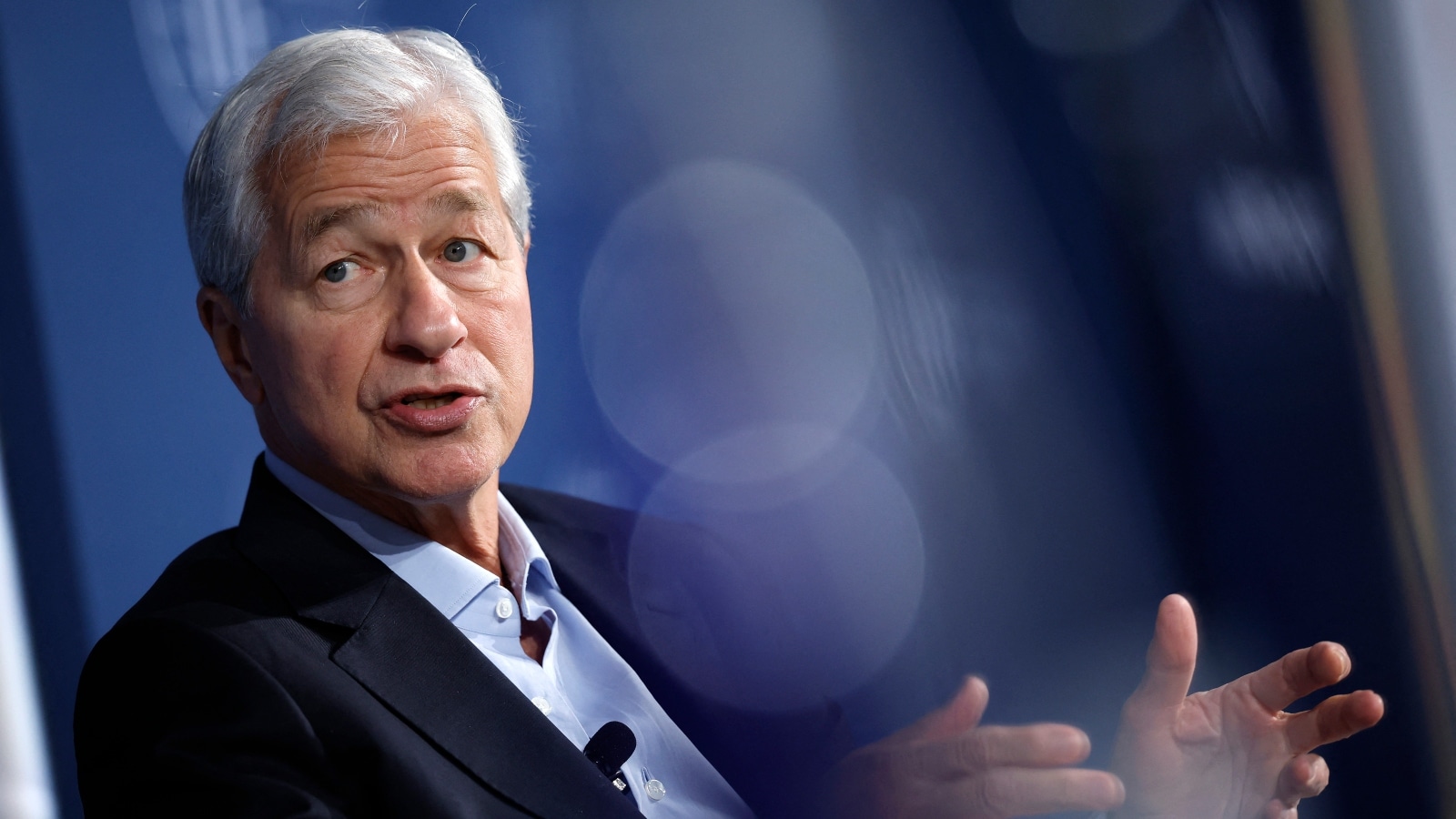
As India’s economy accelerates and digital transformation sweeps across industries, a powerful message from a leading global banking executive Jamie Dimon has captured the attention of business leaders, educators, and job seekers alike. The real crisis facing businesses, the executive asserts, is not a lack of workers but a shortage of essential skills. With automation and artificial intelligence set to disrupt millions of jobs, the future will belong to those who master the right skills, and urgent action is needed from both educators and employers to close the widening gap.

India’s rapidly evolving business landscape is a testament to both the opportunities and challenges brought by technological change. As automation, artificial intelligence, and digital platforms become integral to every sector, the demand for a workforce with advanced, adaptable skills has never been more urgent. Business leaders are increasingly vocal about the need for employees who can not only operate new technologies but also think critically, solve complex problems, and collaborate across disciplines. This shift is creating a new paradigm in which continuous learning and upskilling are not just advantages—they are necessities for long-term career success.

The skills gap is particularly evident in high-growth sectors such as information technology, financial services, and manufacturing. Companies in these fields are struggling to fill roles that require expertise in cybersecurity, data analytics, and project management. At the same time, many graduates enter the job market with theoretical knowledge but lack the hands-on experience and industry certifications that employers value. This disconnect between education and employment is prompting calls for curriculum reform and greater collaboration between academia and industry.

Employers are beginning to prioritize skills-based hiring over traditional degree requirements. Job postings increasingly list specific technical competencies, such as proficiency in programming languages, cloud computing, or digital marketing, alongside soft skills like communication and adaptability. This trend is encouraging students and professionals to seek out additional certifications, online courses, and real-world projects to build their resumes and stay competitive in the job market.

The rise of remote and hybrid work models is also influencing the skills businesses need. Employees are expected to be self-motivated, digitally literate, and able to manage their time effectively without constant supervision. Project management tools, virtual collaboration platforms, and cybersecurity protocols are now standard parts of the modern workplace, and mastering these tools is essential for productivity and security.

Beyond technical skills, there is a growing recognition of the importance of emotional intelligence and leadership abilities. As teams become more diverse and geographically dispersed, the ability to build trust, resolve conflicts, and inspire others is becoming a key differentiator. Companies are investing in leadership development programs and mentorship initiatives to nurture these qualities among their workforce.JPMorgan CEO Jamie Dimon: Focus On Skills Gap, Not Worker Shortage |  Business News - News18

Lifelong learning is emerging as a central theme in workforce development. The pace of change means that even seasoned professionals must continually update their skills to remain relevant. Many organizations are partnering with online learning platforms and universities to offer employees access to upskilling and reskilling opportunities. This culture of continuous improvement not only benefits individual careers but also enhances organizational agility and innovation.

1. The Skills Businesses Desperately Need in 2025

The executive’s assessment is clear: “What you’re really short of is the skills you need.” The most critical areas where talent is in short supply include:

  • Cybersecurity: As cyber threats multiply, businesses urgently need experts who can secure networks, protect sensitive data, and respond to attacks.

  • Coding and Programming: Software development is the backbone of digital transformation, from banking apps to AI-powered platforms.

  • Project Management: Companies require professionals who can lead complex projects, integrate technology, and deliver results on time.

  • Financial Management: In a volatile market, financial literacy and strategic planning are more valuable than ever.

These are not just buzzwords—they are the building blocks of business resilience and innovation in a rapidly changing world.

2. Automation and AI: The Double-Edged Sword

The warning comes at a time when automation and AI are reshaping the job market. Major employers are making headlines with plans to cut corporate staff, and experts predict that up to half of all entry-level white-collar jobs could be replaced by AI in the coming years. Yet, paradoxically, there is a talent shortage in the very fields that drive this transformation. Young professionals who train in cybersecurity, coding, and project management are expected not only to survive but to thrive in the new economy.

3. The Education-Employment Disconnect: A Call for Reform

A key message is directed at educational institutions. There is criticism of the traditional focus on degrees over job readiness, with a call for schools and colleges to embed industry credentials and practical skills into their curricula. The system should be designed so that students graduate with the skills employers actually need, not just a diploma.

4. Lifelong Learning: The New Imperative

The rapid pace of technological change means that today’s skills can quickly become obsolete. The importance of building a system that supports lifelong learning, adaptation, and career growth—not just initial job placement—is emphasized. Companies and governments are urged to invest in continuous upskilling and reskilling, as millions of jobs could go unfilled due to a lack of skilled talent in the coming years.

The Indian Context: Opportunities and Challenges

India, with its vast young workforce, stands at a crossroads. While the country produces millions of graduates each year, many lack the specialized skills that employers desperately need. This message is especially relevant for India’s booming IT, fintech, and manufacturing sectors, where the demand for cyber, coding, and project management expertise far outstrips supply.

The Role of Industry Partnerships

Stronger partnerships between businesses and educational institutions are essential. Successful models involve companies working directly with schools to design curricula, provide internships, and offer real-world experience. These collaborations not only enhance job readiness but also help close the gap between education and employment.Jamie Dimon to American companies: You are really short of the skills you  need, time to ... - The Times of India

The Cost of Inaction

Ignoring the skills gap has severe consequences. A mismatch between available jobs and qualified candidates threatens economic growth, innovation, and competitiveness. By 2030, millions of jobs could remain unfilled due to a shortage of skilled talent.

The Human Factor: Character and Adaptability

Beyond technical skills, character, adaptability, and resilience are increasingly important. In a world where technology is constantly evolving, the ability to learn, unlearn, and relearn is as valuable as any credential. Employers are looking for candidates who can collaborate, solve problems, and lead in uncertain times.

The Future of Jobs: A Wake-Up Call

Recent trends underscore these concerns. Most employers cite skill gaps as the top barrier to business transformation, and a significant portion of workers will need retraining in the next few years. Many key job skills will be outdated or require significant updating by 2030.

The Path Forward: Building a Future-Ready Workforce

The vision for the future is one where education and employment are seamlessly connected. Curricula should blend traditional academics with job-ready credentials, industry certifications, and hands-on learning. Companies must invest in workforce development, not just for new hires but for employees at every stage of their careers.

The Gen Z Perspective: Navigating Uncertainty

For Generation Z, the job market is full of mixed signals. On one hand, automation threatens entry-level roles; on the other, business leaders are clamoring for skilled talent. The solution is to focus on fields like computer science, cybersecurity, and project management that offer strong job security and upward mobility.

The Bottom Line: Skills Are the New Currency

In today’s economy, skills—not just degrees—are the new currency of success. The message to Indian students, educators, and employers is clear: invest in the right skills, embrace lifelong learning, and build partnerships that prepare the workforce for the challenges and opportunities of tomorrow.

The government, too, has a crucial role to play in addressing the skills gap. National initiatives focused on digital literacy, vocational training, and entrepreneurship are helping to equip the next generation of workers with the tools they need to succeed. Public-private partnerships are being forged to create industry-aligned training programs, apprenticeships, and job placement services, ensuring that education leads directly to employment.

For young Indians entering the workforce, the message is clear: adaptability, curiosity, and a willingness to learn are as important as any technical qualification. Career paths are no longer linear, and success will depend on the ability to pivot, embrace new challenges, and seize opportunities as they arise. Networking, internships, and real-world experience are invaluable for building both skills and confidence.

The impact of the skills shortage is not limited to individual careers—it has broader implications for India’s economic growth and global competitiveness. If businesses cannot find the talent they need, innovation will stall, and opportunities for expansion may be lost to other markets. Addressing the skills gap is therefore not just a business imperative but a national priority, requiring coordinated action from all stakeholders.Jamie Dimon says China isn't America's biggest threat. It's 'the enemy  within' | CNN Business

In the end, the future of India’s workforce will be shaped by those who are proactive, resilient, and committed to lifelong learning. As technology continues to transform the world of work, the ability to acquire and apply new skills will define not only individual success but also the trajectory of the nation’s economy. The coming years will test the adaptability of both workers and businesses, but with the right focus on skills development, India is poised to turn this challenge into a powerful engine for growth and prosperity.

Follow: Jamie Dimon

Also Read: Powerful Reasons Why Maruti Suzuki’s All-New Escudo Will Shake Up India’s SUV Market in 2025

7 Exciting Key Insights: NMIMS NPAT 2025 Results Announced—Merit List, Admission Steps, and What’s Next for Aspirants

In a much-awaited development, SVKM’s Narsee Monjee Institute of Management Studies (NMIMS) has officially released the NPAT 2025 results and merit list for its undergraduate entrance exam. The announcement, made on June 24, 2025, has brought relief and excitement to thousands of students across India who appeared for the National Test for Programs After Twelfth (NPAT). The NPAT serves as the gateway to some of the country’s most sought-after undergraduate programs in business, economics, liberal arts, and more, offered at NMIMS campuses in Mumbai, Navi Mumbai, Bengaluru, Indore, Hyderabad, and Chandigarh.

The announcement of the NMIMS NPAT 2025 results has set off a wave of excitement and anticipation among students and their families across the country. For many, this moment represents the culmination of months—sometimes years—of dedicated preparation, coaching, and personal sacrifice. The release of the merit list is not just a reflection of academic achievement, but also a testament to resilience and determination in the face of intense competition.

Across social media platforms, students have been sharing their results, congratulating peers, and offering words of encouragement to those who may not have made the cut this time. The sense of community among NPAT aspirants is palpable, with many recounting their journeys, the challenges they faced, and the lessons learned along the way. For some, the announcement brings joy and relief; for others, it is a moment of reflection and renewed motivation to try again or explore alternative paths.

Parents and guardians, too, are experiencing a mix of pride and anxiety as they help their children navigate the next steps in the admission process. For families, especially those from smaller towns or first-generation college aspirants, securing a place at NMIMS is seen as a gateway to new opportunities and a brighter future. The support and encouragement from loved ones play a crucial role in helping students manage the emotional highs and lows of this period.

Coaching institutes and school counselors are busy fielding inquiries from students about interpreting their results, understanding the merit list, and making informed choices about course preferences and campus options. Many institutions are organizing webinars and guidance sessions to help students and parents understand the nuances of the NMIMS admission process, including document verification, fee payment, and seat allocation.

The NMIMS NPAT 2025 results have also sparked discussions about the evolving landscape of undergraduate education in India. With a growing emphasis on interdisciplinary learning, industry relevance, and global exposure, students are increasingly looking beyond traditional courses and campuses. NMIMS’s diverse program offerings and multi-city presence make it an attractive destination for ambitious students seeking a holistic educational experience.

Top Ranked University in India | NMIMS

1. How to Check NMIMS NPAT 2025 Results and Merit List

The NPAT 2025 results and individual merit positions are now available exclusively through the official NMIMS NPAT portal (npat.nmims.edu). Candidates can access their results and merit status by following these steps:

  • Visit the official NPAT portal: npat.nmims.edu

  • Click on the ‘NPAT Login’ option on the homepage

  • Enter your Registration ID and Date of Birth

  • View your merit position, qualifying status, and course-wise result

  • Download the result PDF and save a copy for future admission reference

The results are displayed as individual merit positions rather than a conventional public merit list, ensuring privacy and transparency for each candidate. Students can also view their qualifying status and the course(s) for which they are eligible, based on their NPAT performance.

2. NMIMS NPAT 2025: Courses Offered and Admission Process

Qualifying in the NPAT 2025 opens doors to a wide array of undergraduate programs at NMIMS, including:

  • BBA (General, FinTech, Finance, International Business, Branding & Advertising, Management & Marketing)

  • B.Com (Minor in Business Analytics)

  • B.Sc. (Finance)

  • B.Sc. (Economics)

  • BA (Hons.) Liberal Arts

  • BBMM (Bachelor in Business Management & Marketing)

  • Dual Degree Programs in Business Administration

Each program has a separate merit list, and candidates must consult the relevant list to determine their eligibility. The NPAT process is unique in that NMIMS considers the best score out of up to three attempts for each candidate, ensuring a fair and student-friendly selection process.

Once selected, candidates must accept or decline the admission offer through the portal. Those who accept must upload a scanned signature and pay the admission fee as per the course requirements. Timely completion of these steps is crucial, as delays may result in cancellation of the admission offer.

For those who have secured a high rank on the merit list, the focus now shifts to making strategic decisions about course selection. Many are weighing the pros and cons of different specializations, considering factors such as career prospects, faculty expertise, campus facilities, and placement records. The availability of dual-degree programs and emerging fields like FinTech and Business Analytics adds another layer of complexity and excitement to the decision-making process.

Students who find themselves on the waiting list or just below the cutoff are holding out hope for subsequent rounds of seat allocation. The dynamic nature of the admission process means that movement on the merit list is possible, especially as some candidates opt for other institutions or courses. Persistence and timely action are key for those navigating this uncertain but hopeful phase.

Amidst the flurry of activity, NMIMS’s digital-first approach to admissions has been widely appreciated. The seamless online process for result declaration, merit list access, document upload, and fee payment has minimized logistical hurdles and made the experience more accessible for students from all corners of the country. The institute’s commitment to transparency and efficiency is setting a benchmark for other universities to follow.

Faculty members and academic advisors are preparing to welcome the new cohort of students. Orientation programs, bridge courses, and mentoring initiatives are being planned to help incoming students transition smoothly into their chosen programs. The emphasis is on fostering a supportive and inclusive academic environment where students can thrive both inside and outside the classroom.

Industry partners and recruiters are also keeping a close watch on the NPAT results and the profiles of top-performing candidates. NMIMS’s reputation for producing well-rounded graduates with strong analytical, communication, and leadership skills makes its students highly sought after in the job market. Many companies are already reaching out to the institute to participate in campus engagement and internship programs.Top Ranked University in India | NMIMS

3. What’s Next? Cutoffs, Counselling, and Important Dates

With the results and merit list now live, NMIMS will soon update course-wise cutoffs and selection lists on the NPAT website. Candidates are advised to check the portal regularly for:

  • Official cutoffs for each program and campus

  • Counselling instructions and seat confirmation process

  • Fee payment deadlines and document verification schedules

  • Orientation dates and commencement of academic sessions

Selected students should prepare all necessary documents for verification, including mark sheets, identification proof, and photographs. The admission process is strictly online, and all updates will be communicated through the official NPAT portal and registered email addresses.

4. NMIMS NPAT 2025: Selection Criteria and Unique Features

The NPAT exam evaluates candidates on quantitative reasoning, verbal reasoning, and logical reasoning. NMIMS’s selection process stands out for several reasons:

  • Candidates can attempt the NPAT exam up to three times, with the best score considered for merit ranking.

  • The results are released as individual merit positions, allowing candidates to view their rank and qualifying status privately.

  • Admission offers are made based on merit, course preferences, and seat availability across multiple NMIMS campuses.

  • The process is entirely digital, from result declaration and merit list to document upload and fee payment.

NMIMS’s approach ensures transparency, flexibility, and a student-centric admission experience, making it one of the most competitive and respected undergraduate entrance exams in India.

The NMIMS NPAT 2025 results also serve as a reminder of the broader societal changes shaping higher education in India. The increasing participation of women, students from marginalized communities, and those from non-metro regions reflects a more inclusive and diverse academic landscape. NMIMS’s outreach and scholarship programs are playing a pivotal role in democratizing access to quality education.

As the admission process unfolds, students are being encouraged to stay informed, proactive, and flexible. Regularly checking the NPAT portal, adhering to deadlines, and seeking clarification on any doubts are essential steps to ensure a smooth transition from candidate to enrolled student.Top Ranked University in India | NMIMS

The journey doesn’t end with securing admission. For many, it marks the beginning of a new chapter filled with academic rigor, personal growth, and the pursuit of dreams. NMIMS’s vibrant campus life, student clubs, and leadership opportunities promise a transformative experience that extends far beyond the classroom.

Looking ahead, the NMIMS NPAT 2025 results are expected to influence trends in undergraduate admissions across the country. As more institutions adopt data-driven, student-centric approaches, the focus will increasingly be on nurturing talent, fostering innovation, and preparing graduates for a rapidly changing world.

For now, the spotlight remains on the successful candidates of NPAT 2025, who are poised to embark on an exciting journey at one of India’s premier universities. Their achievements are a testament to hard work, perseverance, and the unwavering support of their families and mentors.

As the dust settles on result day, the collective energy of thousands of aspirants, educators, and parents is being channeled into the next phase of the academic journey. The NMIMS NPAT 2025 results are more than just numbers—they are stories of ambition, resilience, and the promise of a brighter tomorrow.

Follow: NMIMS

Also Read: Powerful Reasons Why Maruti Suzuki’s All-New Escudo Will Shake Up India’s SUV Market in 2025

5 Powerful Impacts: Wegovy’s Blockbuster Launch in India Ignites Hope and Debate in Weight-Loss Drug Market

India’s fight against obesity and weight-related diseases has entered a new era with the official launch of Wegovy, a weight-loss drug from a leading global pharmaceutical company. Unveiled in June 2025 as a once-weekly injectable, Wegovy is now available in Indian pharmacies, marking a major milestone in the country’s healthcare landscape. With millions of Indians affected by obesity and a rising tide of related health complications, the arrival of Wegovy is being hailed as both a breakthrough and a flashpoint for debate on access, affordability, and the future of weight management in India.

The arrival of Wegovy in India has sparked conversations in clinics, homes, and online forums across the country. Many people who have struggled for years with obesity are now seeing the drug as a beacon of hope, especially those for whom diet and exercise alone have not yielded the desired results. The buzz is particularly strong among urban populations, where lifestyle diseases are on the rise and awareness about medical options is higher.

Doctors are reporting a surge in patient inquiries about Wegovy, with many seeking detailed guidance on eligibility, side effects, and long-term outcomes. Physicians are emphasizing that while Wegovy can be a powerful tool, it is not a substitute for healthy lifestyle choices. They are urging patients to view the drug as one part of a comprehensive weight management plan, which should also include nutrition counseling, physical activity, and regular medical monitoring.

Some patients who have started on Wegovy are already sharing their early experiences. Many describe a noticeable reduction in appetite and cravings, which has helped them make healthier food choices and feel more in control of their eating habits. Others have noted improved energy levels and a boost in self-confidence as the numbers on the scale begin to drop. However, a few have also reported mild side effects such as nausea or digestive discomfort, which typically subside as the body adjusts to the medication.

The high cost of Wegovy remains a major concern for a large segment of the population. In online discussions, many express frustration that such a promising treatment is out of reach for those with limited financial means. Patient advocacy groups are calling for insurance coverage and government intervention to make the drug more affordable and accessible. Some health economists are suggesting that wider access to Wegovy could ultimately reduce the nation’s healthcare burden by lowering the incidence of obesity-related diseases.

Pharmacists and healthcare providers are being trained to counsel patients on the proper use and storage of Wegovy, as well as to monitor for any adverse reactions. This is particularly important in rural areas, where medical infrastructure may be less robust and patient education is crucial for safe and effective treatment. The rollout of Wegovy has prompted renewed calls for investment in healthcare delivery systems, especially in underserved regions.Hims & Hers stock drops 30% after Novo Nordisk terminates deal

1. Wegovy in India: What Is It and Why Is It Making Headlines?

Wegovy is a prescription medication containing semaglutide, a GLP-1 receptor agonist, designed for chronic weight management in adults struggling with obesity or overweight conditions, particularly those with at least one weight-related health issue. Unlike similar diabetes medications, Wegovy is approved exclusively for obesity treatment in the Indian market. The drug is administered via a once-weekly injection, available in multiple strengths to suit different stages of treatment.

The launch was fast-tracked to 2025 as the manufacturer sought to bring the therapy to Indian patients before other competitors could dominate the market. The move is seen as a strategic step, especially with the patent on semaglutide set to expire soon, opening the door to generic competition.

2. Pricing, Dosage, and Market Reach: Who Can Access Wegovy?

Wegovy’s pricing reflects its premium status in the weight-loss drug segment. The starter doses are priced at a significant monthly cost, with higher doses costing even more. The pricing is tailored for Indian patients and is expected to remain consistent across the initial dosing levels. The drug is distributed in urban and rural markets and is expected to be widely available by the end of June 2025.

Wegovy is indicated for adults with a body mass index (BMI) of 30 or higher, or those with a BMI of 27 and at least one weight-related health condition such as hypertension, type 2 diabetes, or cholesterol issues. The drug’s mechanism targets appetite regulation in the brain, reducing hunger and cravings, and improving satiety, which leads to sustained weight loss. Clinical trials on Indian patients were conducted before approval, ensuring the drug’s efficacy and safety for the local population.

The launch of Wegovy has also reignited debate about the root causes of India’s obesity epidemic. Experts point to a combination of factors, including urbanization, sedentary lifestyles, processed foods, and cultural attitudes toward body weight. Public health campaigns are being urged to focus not just on treatment, but also on prevention through education, community engagement, and policy changes that promote healthy environments.

Nutritionists are playing a key role in supporting patients who are prescribed Wegovy. They are working closely with doctors to develop individualized meal plans that complement the drug’s appetite-suppressing effects. Many are also addressing emotional and psychological aspects of weight management, recognizing that long-term success depends on more than just medication.

The introduction of Wegovy has led to increased interest in medical weight-loss clinics, where multidisciplinary teams provide holistic care. These clinics are seeing a rise in demand for services such as metabolic assessments, behavioral therapy, and group support sessions. Patients appreciate the comprehensive approach, which helps them stay motivated and accountable throughout their weight-loss journey.

Social media influencers and health bloggers are amplifying the conversation around Wegovy, sharing testimonials, tips, and updates on the latest research. While some posts are informative and encouraging, others are cautionary, warning against unrealistic expectations or misuse of the drug. The online dialogue reflects the complex emotions and high hopes surrounding this new chapter in India’s fight against obesity.Wegovy makes UK weight-loss debut even as Novo struggles with supplies |  Reuters

3. The Obesity Challenge: Why Wegovy’s Arrival Is a Big Deal for India

India ranks among the top nations in terms of obesity and overweight population, with millions affected by general and abdominal obesity. The economic burden is significant, with obesity estimated to cost India a notable percentage of its GDP—a figure expected to rise if the trend continues. Obesity is a gateway to numerous chronic conditions, including heart disease, diabetes, liver and kidney disorders, and certain cancers.

Wegovy’s launch is seen as a critical intervention, offering a scientifically validated, long-term solution for weight management. Beyond weight loss, semaglutide-based therapies have shown benefits in reducing cardiovascular risks and improving metabolic health, making them attractive to both patients and healthcare providers. The company behind Wegovy aims to reach a significant market share within a few years, reflecting high confidence in demand and the drug’s transformative potential.

Medical conferences and seminars are featuring sessions on Wegovy and its role in obesity management. Doctors are sharing case studies, discussing best practices, and debating the ethical considerations of prescribing weight-loss drugs. The exchange of knowledge is helping to build a consensus on how to use Wegovy safely and effectively within the Indian context.

The psychological dimension of obesity is also receiving greater attention. Mental health professionals are highlighting the link between weight, self-esteem, and emotional well-being. They are advocating for integrated care models that address both the physical and psychological challenges of obesity, ensuring that patients receive comprehensive support.Considering taking Wegovy to lose weight? Here are the risks and benefits –  and how it differs from Ozempic

4. Competition, Controversy, and the Road Ahead: The Weight-Loss Drug Race in India

Wegovy’s debut comes at a time of rising competition in India’s fast-growing GLP-1 weight-loss drug market. The global market for these drugs is projected to expand rapidly, with India representing a critical frontier due to its population size and rising obesity rates. The early launch is a tactical move to build brand loyalty and secure market share before generics arrive.

However, the high cost of Wegovy has sparked debate about access and affordability. While the drug offers hope to millions, its price may put it out of reach for many middle- and lower-income Indians. Health experts and patient advocates are calling for insurance coverage, government subsidies, and broader awareness campaigns to ensure equitable access. The manufacturer has pledged to work with stakeholders to improve affordability and access, while also building partnerships with hospitals, healthcare providers, and governments for wider adoption.

Community health workers are being mobilized to raise awareness about obesity and the availability of new treatments like Wegovy. They are conducting outreach programs, distributing educational materials, and encouraging people to seek medical advice if they are struggling with weight issues. Their efforts are critical in reaching populations that may not have access to mainstream healthcare.

The future of obesity treatment in India looks increasingly multidisciplinary, with doctors, dietitians, psychologists, and fitness experts working together. Wegovy is seen as a catalyst for this collaborative approach, prompting healthcare providers to rethink traditional models of care and embrace innovation.

As the months go by, data from real-world use of Wegovy in India will provide valuable insights into its effectiveness, safety, and impact on public health. Researchers are eager to analyze these outcomes and share findings with the global medical community, contributing to the evolving science of obesity management.

Ultimately, the launch of Wegovy in India is more than just the introduction of a new drug—it is a turning point in the nation’s approach to obesity. It has sparked hope, debate, and action at every level of society, setting the stage for a new era of patient-centered, evidence-based care. The journey ahead will require continued commitment, collaboration, and compassion from all stakeholders.

Follow: Wegovy

Also Read: Powerful Reasons Why Maruti Suzuki’s All-New Escudo Will Shake Up India’s SUV Market in 2025

7 Unmissable Rewards: Garena Free Fire Max Redeem Codes Unlock Free In-Game Items and Electrify Indian Gamers

Garena Free Fire Max has set the Indian mobile gaming community abuzz with its latest announcement—exclusive redeem codes that unlock a treasure trove of free in-game items. As one of the most popular battle royale games in India, Garena Free Fire Max continues to captivate millions with its high-definition graphics, immersive gameplay, and a steady stream of new content. The introduction of fresh redeem codes has sparked excitement and a rush among players eager to claim rare skins, diamonds, weapon crates, and other premium rewards without spending real money. This move not only strengthens player engagement but also cements Free Fire Max’s position as a leader in the Indian esports and mobile gaming scene.

Garena Free Fire Max’s redeem code system has rapidly evolved into a cornerstone of the Indian mobile gaming experience. Every time a new batch of codes is released, social media platforms light up with excitement, as players rush to share, discuss, and celebrate their latest in-game acquisitions. This culture of sharing has fostered a sense of camaraderie among gamers, turning what could be a solitary pursuit into a vibrant, interactive community event.

The anticipation surrounding new code drops is palpable. Many players set alarms or follow their favorite gaming influencers closely, knowing that redeem codes are often time-sensitive and limited in quantity. This urgency creates a thrilling race against the clock, with players eager to be among the first to claim rare skins or coveted diamonds. The competitive aspect doesn’t end in the game; it extends to the very process of code redemption, making each release a mini-event in itself.

For many young players, especially those in school or college, redeem codes offer a way to keep up with peers who might have more resources to spend on microtransactions. The ability to unlock premium items without spending real money levels the playing field, allowing skill and strategy to shine. This democratization of access has been a key factor in Free Fire Max’s sustained popularity across diverse economic backgrounds in India.

The variety of rewards available through redeem codes is another major draw. From weapon skins that provide not just aesthetic appeal but also gameplay advantages, to unique character outfits that let players express their personalities, the possibilities are vast. Some codes unlock exclusive emotes, allowing players to taunt, celebrate, or communicate in style during matches. Others grant loot crates or rare pets, adding both utility and flair to a player’s arsenal.

Community-driven events, such as code hunts and collaborative challenges, have added a new dimension to the Free Fire Max experience. Players often work together to solve puzzles or complete missions that lead to the release of special codes. These events foster teamwork, creativity, and a sense of achievement that goes beyond individual gameplay.

The role of influencers and streamers in the redeem code ecosystem cannot be overstated. Many popular content creators host live streams where they share fresh codes, conduct giveaways, or even collaborate with Garena for exclusive drops. These events draw massive audiences, further boosting the game’s visibility and creating a feedback loop of engagement and excitement.Free Fire Max Redeem Codes Today (June 24, 2025) – Claim Free Skins,  Diamonds & More

1. What Are Garena Free Fire Max Redeem Codes and Why Are They So Popular?

Redeem codes in Garena Free Fire Max are unique alphanumeric strings released by the game’s developers, allowing players to unlock a variety of in-game items for free. These codes are typically 12 to 16 characters long and can be redeemed through the official Free Fire Rewards Redemption Site. The rewards range from exclusive character skins, weapon crates, and emotes to diamonds, pets, and even elite bundles.

The popularity of these codes lies in their accessibility and the thrill of obtaining rare items without spending real currency. For Indian players, where microtransactions can be a barrier, redeem codes level the playing field and make premium content available to all. The excitement is further amplified by the fact that these codes are often time-limited or have a restricted number of uses, creating a sense of urgency and community-wide buzz.

Garena’s commitment to regular updates and fresh content ensures that the redeem code system remains dynamic and relevant. Seasonal events, collaborations with celebrities, and the introduction of new game modes are often accompanied by themed codes, keeping the player base engaged and eager for more. This constant evolution is crucial in a market as competitive as India’s, where players have countless gaming options at their fingertips.

In addition to entertainment, redeem codes have become a tool for player retention. By rewarding loyal users with free items, Garena incentivizes daily logins and sustained engagement. This strategy has proven effective, with many players making Free Fire Max a part of their daily routine, even if just to check for new codes and rewards.

The impact of redeem codes extends to the burgeoning esports scene as well. Tournament organizers frequently distribute codes as participation rewards or viewer incentives, blurring the lines between casual and competitive play. This integration has helped bridge the gap between everyday gamers and professional esports athletes, fostering a more inclusive gaming ecosystem.Garena Free Fire Max Redeem Codes For June 18, 2025: Unlock Bunny Warrior  Bundle, M1887 Skin, LOL Emote, 1875 Diamonds And More Rewards News24 -

2. How to Redeem Free Fire Max Codes: Step-by-Step Guide for Indian Players

Redeeming codes in Free Fire Max is a straightforward process, but it’s crucial to follow the correct steps to ensure you don’t miss out on your rewards:

  1. Visit the Official Rewards Redemption Site: Go to the Free Fire Rewards Redemption website.

  2. Log In: Use your Free Fire Max account credentials. You can log in via Facebook, Google, VK, Apple ID, Huawei ID, or Twitter.

  3. Enter the Redeem Code: Carefully type or paste the 12/16-character redeem code into the designated field.

  4. Confirm and Redeem: Click on the ‘Confirm’ button. If the code is valid and active, you’ll see a success message.

  5. Collect Your Rewards: Open Free Fire Max on your device and check the in-game mail section. Your items will be delivered within 24 hours.

Note: Guest accounts cannot redeem codes. Players must bind their accounts to one of the supported platforms to be eligible.

3. Today’s Latest Garena Free Fire Max Redeem Codes and Rewards

Each day, Garena releases new codes that can be used to claim different rewards. Here are some of the most sought-after items available through recent codes:

  • Legendary Weapon Skins: Scar Titan, AK47 Flaming Dragon, M1014 Underground Howl

  • Exclusive Outfits and Bundles: Street Boy Bundle, Hip Hop Set, Samurai Bundle

  • Diamonds and Gold: In-game currency for upgrades and purchases

  • Pet Skins and Accessories: Detective Panda, Falco, and unique pet outfits

  • Emotes and Avatars: Rare emotes like “Booyah!” and themed avatars

  • Weapon and Loot Crates: UMP, MP40, and M4A1 crates with rare attachments

Players are encouraged to check the official social media handles and the redemption site daily, as codes are often released during special events, collaborations, or game milestones.

Despite the overwhelmingly positive reception, the popularity of redeem codes has also attracted its share of challenges. Fake websites and phishing scams have proliferated, targeting unsuspecting players with promises of free rewards. Garena has responded with awareness campaigns and enhanced security measures, but the onus remains on players to stay vigilant and use only official channels.

The psychological appeal of redeem codes lies in the element of surprise and the joy of discovery. Each code is a potential gateway to something rare or valuable, and the simple act of entering a string of characters can yield tangible rewards. This sense of anticipation keeps players coming back, eager for the next opportunity to enhance their in-game experience.

For many families, Free Fire Max has become a shared activity, with siblings or friends pooling their knowledge to track down the latest codes. This collaborative approach adds a social layer to the game, turning code redemption into a bonding exercise and a source of friendly competition.

The integration of Indian cultural themes into redeem code rewards has further endeared Free Fire Max to the local audience. From festival-themed skins to cricket-inspired outfits, these localized touches resonate deeply with players and reinforce the game’s commitment to the Indian market.Garena Free Fire Max: Redeem Codes for June 20, 2025, Available Now; Here  Is How To Claim Them for In-Game Items

4. Why Garena Free Fire Max Redeem Codes Matter for Indian Gamers

The release of redeem codes has a profound impact on the Indian gaming ecosystem. With the ban on the original Free Fire in India, Free Fire Max has become the go-to alternative, and the influx of redeem codes has kept the player base energized and loyal. These codes are especially significant for young gamers and students who may not have the means to purchase in-game items directly.

Moreover, redeem codes foster a sense of community. Players share codes, tips, and their newly acquired items on social media, YouTube, and gaming forums, creating a vibrant culture of collaboration and competition. Influencers and streamers often host giveaways, further amplifying the excitement and reach of these promotions.

The economic impact of Free Fire Max’s popularity is significant. From increased smartphone sales to the growth of related industries such as streaming, content creation, and esports event management, the game’s influence extends far beyond the digital realm. Redeem codes play a vital role in sustaining this ecosystem by keeping players engaged and invested.

As India’s digital infrastructure continues to improve, access to Free Fire Max and its redeem codes is reaching even more remote and underserved regions. This expansion is helping to bridge the digital divide, bringing the excitement of modern gaming to new audiences and fostering a sense of inclusion.

For Garena, the challenge moving forward will be to maintain the delicate balance between generosity and exclusivity. Too many codes could dilute their value, while too few might dampen enthusiasm. Striking the right balance will be key to sustaining player interest and ensuring the long-term success of the redeem code system.

Ultimately, the enduring appeal of Garena Free Fire Max’s redeem codes lies in their ability to surprise, reward, and unite players across India. As the game continues to evolve, these codes will remain at the heart of its community, driving engagement, creativity, and a shared sense of adventure in the ever-expanding world of mobile gaming.

Follow: Garena Free Fire

Also Read: Powerful Reasons Why Maruti Suzuki’s All-New Escudo Will Shake Up India’s SUV Market in 2025

5 Explosive Revelations: Joju George Breaks Silence on Churuli Controversy and Industry Betrayal

Malayalam cinema has been rocked by a new wave of controversy as acclaimed actor Joju George has come forward with startling allegations regarding his experience on the film Churuli. In a series of candid interviews, Joju has accused the film’s makers of not paying him for his work and betraying a mutual agreement about the film’s explicit content. The revelations have reignited debates about ethics, transparency, and the treatment of actors in the South Indian film industry, making the “Churuli controversy” one of the most trending topics in India this week.

Joju George’s decision to speak openly about the Churuli controversy has sent ripples throughout the Malayalam film industry, prompting both public debate and private introspection. His revelations have forced stakeholders to confront uncomfortable truths about how artists are treated, not just in terms of contracts and payments, but also in the realm of trust, respect, and communication. For many, Joju’s story is emblematic of a larger problem that has long simmered beneath the surface of the industry—one where informal agreements and verbal promises often take the place of transparent, written contracts, leaving actors vulnerable when things go awry.

The actor’s candidness about not receiving payment for his work on Churuli has particularly struck a chord among his peers. In an industry where financial disputes are frequently hushed up, Joju’s willingness to bring the issue into the open is seen by many as an act of courage. It has encouraged other artists to share their own experiences of being shortchanged or sidelined, further fueling calls for a more professional and accountable system. The conversation has also highlighted the need for industry bodies to step in and mediate disputes, ensuring that artists have a platform to voice their grievances without fear of retribution.

Joju’s sense of betrayal over the release of the explicit version of Churuli underscores the importance of trust between filmmakers and actors. He has repeatedly stated that his primary grievance was not just about money, but about the breach of a mutual understanding. The emotional impact of this betrayal, he says, was far greater than any financial loss. This sentiment has resonated with many in the industry, who argue that respect for an artist’s consent and image should be sacrosanct, especially in an era where films can reach global audiences instantly through digital platforms.

The legal troubles Joju faced as a result of the film’s explicit content have added another layer of complexity to the controversy. Being named in a legal case for dialogues he delivered as part of a script has raised questions about the responsibilities and liabilities of actors versus filmmakers. Joju’s experience has sparked debate about whether actors should be held accountable for content they did not create, and whether clearer guidelines are needed to protect artists from such fallout.

In the wake of the controversy, several filmmakers and actors have come forward to express solidarity with Joju. Some have called for industry-wide reforms, including the standardization of contracts and the establishment of an arbitration body to handle disputes. Others have suggested that the Churuli episode should serve as a case study in film schools, illustrating the pitfalls of poor communication and the importance of ethical filmmaking.Thug Life actor Joju George reveals he was not paid for Churuli; expresses  dissatisfaction

1. Joju George’s Explosive Claims: No Payment, No Courtesy

Joju George, known for his powerful performances and forthright nature, revealed that he did not receive any remuneration for his role as police officer Anthony in Churuli, directed by Lijo Jose Pellissery. According to Joju, he was assured that only a “clean” version of the film—free of expletives—would be released in theatres, while the uncut version with abusive language would be reserved exclusively for awards consideration.

To his shock, the explicit version was released theatrically, exposing him to backlash and affecting his public image, especially in his hometown. Joju expressed deep hurt, stating, “I had to weather it alone. I conveyed my concerns to the producers, but no one called to check on me after the film released in theatres.” The lack of communication and courtesy from the filmmakers added to his distress, making him feel isolated in the aftermath of the controversy.

2. The Churuli Controversy: Profanity, Legal Trouble, and Public Backlash

Churuli, a surrealist sci-fi horror film, has been both lauded for its experimental narrative and criticized for its rampant use of profanity. Joju’s allegations have brought renewed focus to the film’s controversial dialogues. He claims that the extensive use of abusive language became a personal and professional burden, leading to unexpected legal issues. “A case was filed against me because of the foul language used in the film,” Joju disclosed, lamenting that he was not even informed before the explicit version was released on OTT platforms. The fallout from the film’s release not only impacted his reputation but also highlighted a lack of transparency and accountability in the filmmaking process.

The controversy has also reignited discussions about the boundaries of artistic expression in Indian cinema. While some defend Churuli’s use of explicit language as a reflection of reality and a legitimate artistic choice, others argue that filmmakers have a responsibility to consider the impact of their work on audiences and collaborators alike. Joju’s own stance—that cinema mirrors society but must also be mindful of its influence—has found support among both critics and fans.

For Joju George, the fallout from Churuli has been both a personal and professional trial. He has spoken about the isolation he felt in the aftermath, as friends and colleagues distanced themselves or remained silent. This sense of abandonment, he says, was compounded by the lack of even a single call from the film’s producers or director to check on his well-being. The experience has made him more cautious about future collaborations, but it has also strengthened his resolve to stand up for what he believes is right.

Despite the challenges, Joju’s career has continued to flourish. His performances in subsequent films have been widely praised, and he remains one of the most respected actors in Malayalam cinema. He has used his platform to advocate for greater accountability and transparency in the industry, urging young artists to insist on clear agreements and to speak out against injustice.ചുരുളിയിൽ അഭിനയിച്ചതിന് പണംലഭിച്ചില്ല; തെറി പതിപ്പ് റിലീസ് ചെയ്യുമ്പോൾ  പറയേണ്ടത് മര്യാദയായിരുന്നു', Churuli, Joju George, Lijo Jose Pellissery,  Malayalam movie, OTT ...

3. Industry Ethics in Question: Trust, Transparency, and Actor’s Rights

Joju George’s revelations have sparked a wider debate about the ethics of the Malayalam film industry. His experience has raised questions about the treatment of actors, the sanctity of verbal agreements, and the responsibilities of filmmakers towards their cast. Joju emphasized that he would have felt better if the makers had simply informed him about the change in release plans. The breach of trust, he said, was more painful than the financial loss. His comments have resonated with many in the industry, prompting calls for clearer contracts, better communication, and greater respect for artists’ concerns.

In the broader context, Joju’s revelations have prompted a re-evaluation of the power dynamics in the film industry. The incident has highlighted the need for a more equitable balance between producers, directors, and actors, with all parties having a say in key decisions. Industry observers note that such changes are essential if Malayalam cinema is to continue its tradition of innovation and artistic excellence.

The controversy has also had a ripple effect beyond Kerala, with artists and filmmakers from other regional industries expressing support for Joju and echoing his calls for reform. The episode has underscored the universality of the issues at stake, and the need for a pan-Indian approach to improving working conditions in the entertainment sector.

For audiences, the Churuli controversy has offered a rare glimpse into the complexities of filmmaking and the challenges faced by those who bring stories to life on screen. Joju’s willingness to share his side of the story has deepened the public’s appreciation for the human element behind the art, reminding viewers that actors are not just performers, but individuals with their own values, boundaries, and vulnerabilities.Joju George on Lijo Jose Pelliserry's Churuli: 'Worked without  renumeration; should have informed me about...'

4. Joju’s Career and the Larger Conversation on Cinema’s Role

Despite the controversy, Joju George continues to be one of Malayalam cinema’s most sought-after actors. He was last seen in Mani Ratnam’s Thug Life, which, despite high expectations, failed to make a mark at the box office. Joju, however, remains philosophical about his journey, describing cinema as “a means of survival” and admitting that he is still “figuring cinema out.” Reflecting on the portrayal of violence and profanity in films, Joju argued that cinema merely mirrors society’s realities, though he acknowledged that the backlash from Churuli had been particularly harsh. His candidness has opened up a broader conversation about the boundaries of artistic expression and the responsibilities of filmmakers in a rapidly changing cultural landscape.

Looking ahead, Joju remains optimistic about the future of the industry. He believes that the challenges exposed by the Churuli episode can be overcome through dialogue, collaboration, and a shared commitment to ethical filmmaking. His hope is that future generations of artists will be able to work in an environment where their rights are protected and their voices are heard.

The Churuli controversy, for all its pain and upheaval, has ultimately served as a catalyst for growth and reform. It has brought to light issues that have long been ignored, and has set the stage for a more transparent, equitable, and supportive film industry. Joju George’s role in this transformation is a testament to the power of honesty, resilience, and the enduring spirit of artistic integrity.

As conversations continue and reforms take shape, the industry is watching closely to see how these changes will impact the creative process and the lives of those who work in cinema. For Joju George, the journey has been a difficult one, but it has also reaffirmed his belief in the importance of standing up for what is right, no matter the cost.

In the end, the Churuli controversy is more than just a story about one film or one actor. It is a reflection of the evolving landscape of Indian cinema, and a reminder that true progress comes only when artists, audiences, and industry leaders are willing to confront difficult truths and work together for a better future.

7 Shocking Days: Mumbai’s Relentless Rain Brings Chaos, Hope, and Resilience

Mumbai, India’s financial capital, is enduring one of its most intense monsoon spells in recent years. As the city faces a full week of persistent rainfall, authorities have issued a yellow alert for heavy rains, with warnings about high tides and possible disruptions to daily life. This ongoing weather event has already caused significant waterlogging, traffic snarls, and a surge in civic response, making it the city’s most urgent concern.

The relentless rain in Mumbai this week has transformed the city’s landscape, turning bustling streets into rivers and quiet neighborhoods into lakes. For many residents, the sound of rain on rooftops has become a constant backdrop, punctuated only by the blaring of horns as vehicles inch through flooded roads. The monsoon, while anticipated every year, always brings with it a sense of unpredictability—no two seasons are ever the same, and this year’s downpour has been particularly intense.

As the city grapples with waterlogging, the resilience of Mumbaikars is once again on display. Office-goers, students, and essential workers have braved the elements, often wading through knee-deep water to reach their destinations. For many, the daily commute has doubled or even tripled in duration, with trains running late and buses forced to take detours due to impassable roads. Yet, the city’s spirit remains unbroken, with people helping each other, sharing umbrellas, and offering lifts to stranded strangers.

The city’s famed local trains, often referred to as Mumbai’s lifeline, have faced significant disruptions. Water on the tracks has led to delays and cancellations, forcing commuters to seek alternative routes or simply wait out the worst of the weather. Despite these challenges, railway staff and civic volunteers have worked tirelessly to clear debris and keep services running as smoothly as possible.

For shopkeepers and small business owners, the rain has been a mixed blessing. While the cooler temperatures bring some relief from the summer heat, the risk of water damage to goods and property is ever-present. Many have taken to stacking merchandise on higher shelves, installing makeshift barriers at shop entrances, and keeping sandbags ready to block rising water. The monsoon tests not only the city’s infrastructure but also the ingenuity and preparedness of its people.

The city’s healthcare system has also been put to the test. Hospitals have seen an uptick in cases related to waterborne diseases, such as gastroenteritis and leptospirosis, as well as mosquito-borne illnesses like dengue and malaria. Medical professionals have urged residents to take precautions, including boiling drinking water, using mosquito repellents, and avoiding contact with stagnant water whenever possible.

In residential complexes, housing societies have activated their monsoon protocols. Security staff and maintenance teams work around the clock to clear drains, check water pumps, and ensure that generators are ready in case of power outages. Many societies have also set up WhatsApp groups for real-time updates on weather conditions, waterlogging, and emergency contacts, fostering a sense of community and mutual support.Mumbai Rain News Highlights: Monsoon barrels into Mumbai, earliest since 1950, says IMD - The Economic Times

1. Mumbai’s Monsoon Madness: The Week’s Rainy Forecast

The week began with moderate to heavy rainfall, high humidity, and gusty winds sweeping across the city. Temperatures have fluctuated between 27°C and 29°C, with humidity levels peaking above 75%. Winds have reached up to 35 km/h, creating challenging conditions for commuters and residents alike. The chance of rain has remained high, with precipitation expected to exceed 14 mm on certain days, leading to slippery roads and damp streets.

Visibility has generally been manageable, but the relentless downpour and wind gusts have made it necessary for Mumbaikars to carry umbrellas and rain gear at all times. The overcast skies have kept the UV index low, reducing sun exposure but doing little to ease the discomfort of the wet, muggy weather.

2. Yellow Alert: Heavy Rain and High Tide Warnings

With the rains intensifying, weather authorities have issued a yellow alert for Mumbai, warning of heavy showers and the risk of high tides. Residents have been advised to prepare for a wet and potentially disruptive week. Temperatures are expected to remain warm and humid, with minimums around 26°C and highs near 31°C.

The forecast suggests a brief respite midweek, with moderate showers and continued cloud cover. However, another surge in rainfall is expected, bringing renewed concerns about waterlogging and traffic congestion. The rainy conditions are predicted to persist into the weekend, with slightly cooler daytime highs and nighttime lows in the mid-20s.

The city’s children, meanwhile, have found moments of joy in the rain. School closures and online classes have given them more time to splash in puddles, float paper boats, and watch the dramatic skies from their balconies. For parents, however, the rain brings added worries about safety, health, and the logistics of managing work and home life amid disruptions.

Mumbai’s iconic landmarks, from Marine Drive to the Gateway of India, have taken on a new look under the monsoon clouds. The Arabian Sea, churning with high tides and strong winds, has drawn crowds of onlookers, even as authorities warn against venturing too close to the water’s edge. The city’s beaches, usually bustling with activity, are now quieter, with lifeguards and police keeping a watchful eye for any signs of trouble.

The impact of the rain is felt most acutely in the city’s low-lying areas and informal settlements. Here, narrow lanes quickly become waterlogged, and makeshift homes are especially vulnerable to flooding. Civic authorities have set up temporary shelters and distributed food and water supplies to affected families, but the challenges remain immense. The monsoon exposes the stark inequalities in the city, highlighting the need for long-term solutions to urban flooding and housing.

Public transport operators have faced their own set of challenges. BEST bus drivers navigate flooded streets with caution, often taking longer routes to avoid the worst-hit areas. Auto-rickshaw and taxi drivers, while in high demand, must weigh the risks of operating in hazardous conditions against the need to earn a livelihood. Weather Update: Mumbai receives heavy showers; waterlogging in some areas, train services normal | Zee Business

3. Impact on Daily Life: Waterlogging, Traffic, and Civic Action

Mumbai’s monsoon is notorious for its ability to disrupt daily routines, and this week has been no exception. Heavy overnight showers have left several roads waterlogged, causing significant traffic disruptions and delays for thousands of commuters. Many streets have been inundated, vehicles stranded, and pedestrians forced to wade through knee-deep water.

Civic authorities have responded by deploying de-watering pumps and clearing drains in flood-prone areas. Despite these efforts, the measures have often felt reactive rather than preventive. Local train services, the city’s lifeline, have experienced delays, while metro services have faced temporary halts due to water-related incidents. The combination of high rainfall, strong winds, and poor drainage has exposed the city’s infrastructural vulnerabilities once again.

Food delivery services and e-commerce logistics have also been disrupted. Riders and delivery agents, clad in raincoats and carrying waterproof bags, brave the elements to fulfill orders, but delays are inevitable. Many restaurants and stores have temporarily suspended delivery in the worst-affected zones, prioritizing the safety of their staff.

The monsoon has also brought environmental benefits. The city’s parks and green spaces have burst into life, with trees, shrubs, and lawns thriving in the abundant moisture. Birds, frogs, and other urban wildlife are more visible, adding a touch of vibrancy to the otherwise gray and rainy days. For many residents, the sight of blooming flowers and lush foliage offers a welcome respite from the challenges of the season.

Mumbai’s lakes and reservoirs, crucial for the city’s water supply, have seen a steady rise in levels. This is a positive development, as it helps secure drinking water for the months ahead. However, authorities remain vigilant, monitoring catchment areas to prevent overflow and potential flooding in downstream neighborhoods.

4. Weather Patterns and Outlook: What Lies Ahead for Mumbai?

The monsoon pattern is expected to continue, with heavy rainfall dominating the forecast for the next several days. The intensity of rain may decrease slightly midweek, but another surge is likely, keeping the city under cloud cover and subject to moderate to heavy showers through the end of the month.

Temperatures are forecast to range from 24°C at night to 32°C during the day, with humidity levels staying high. The city’s lakes and reservoirs have seen a rise in water levels, now holding a significant portion of their total capacity. While this alleviates some concerns over water supply, it also raises new worries about flooding in catchment areas.

The city’s authorities have urged residents to stay informed and prepared. Regular updates on weather conditions, high tide timings, and civic advisories are broadcast through local media, mobile alerts, and public announcement systems. Residents are encouraged to avoid unnecessary travel, stock up on essentials, and report any emergencies promptly.

As the week draws to a close, there is cautious optimism that the worst of the rain may soon pass. However, with the monsoon season far from over, Mumbai remains on alert. The lessons learned from this week’s challenges will inform future preparedness efforts, as the city continues to adapt to the realities of climate change and urbanization.Maharashtra Weather Update: Yellow Alert In Mumbai, Thane, Palghar, Nashik, Other Districts Today; Check Rain Forecast Here

Despite the trials, the monsoon remains an integral part of Mumbai’s identity. It is a season that tests the city’s infrastructure and patience, but also brings renewal, beauty, and a sense of shared experience. The rain, in all its unpredictability, is both a challenge and a celebration—a reminder of nature’s power and the resilience of those who call Mumbai home.

In the end, it is the collective spirit of Mumbai that shines brightest during the monsoon. From civic workers and emergency responders to everyday citizens lending a helping hand, the city’s response to adversity is a powerful testament to its unity and strength. As the rain continues to fall, Mumbai endures, adapts, and looks forward to brighter days ahead.

Follow: IMD | Mumbai

Also Read: Powerful Reasons Why Maruti Suzuki’s All-New Escudo Will Shake Up India’s SUV Market in 2025