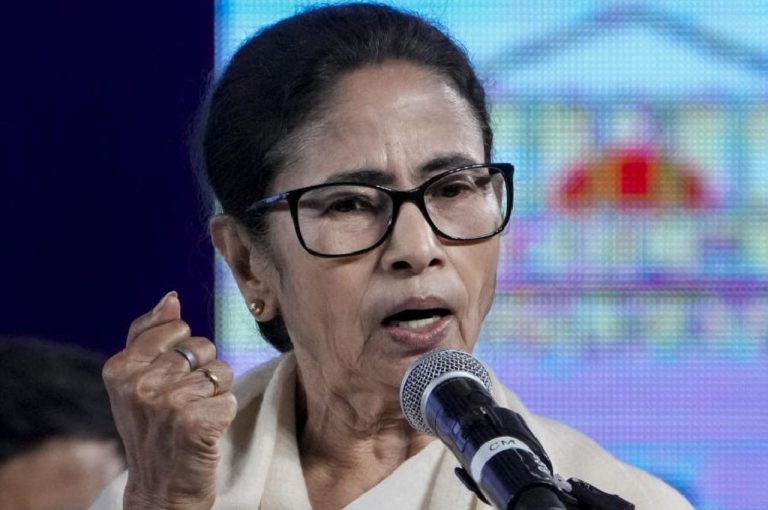
The Kolkata university merger proposal 2026 has emerged as a landmark initiative in Bengal’s higher education landscape. Chief Minister Mamata Banerjee announced her support for a plan to establish a new university by combining three of Kolkata’s most historic colleges: Asutosh College, Surendranath College, and Maharaja Manindra Chandra College.
This proposal underscores the intersection of academic legacy, governance, and future‑oriented reforms, where institutions with rich histories are being reimagined to meet the demands of modern education.
Asutosh College: Founded in 1916, named after Sir Asutosh Mukherjee, a pioneer of modern education in Bengal.
Surendranath College: Established in 1884, originally Ripon College, associated with nationalist leader Surendranath Banerjee.
Maharaja Manindra Chandra College: Founded in 1941, known for its contributions to humanities and social sciences.
Legacy: Together, these institutions nurtured generations of scholars, freedom fighters, and professionals.
9. Global Comparisons
Similar university mergers worldwide:
UK: University of Manchester formed by merging Victoria University and UMIST.
USA: Georgia State University merged with Perimeter College to expand access.
China: Mergers of provincial universities to create stronger research hubs.
Kolkata’s case mirrors these global practices where academic consolidation collides with governance, identity, and innovation.
10. Governance Lessons
The Kolkata merger proposal teaches:
Transparency builds credibility.
Community engagement ensures legitimacy.
Balanced autonomy protects academic freedom.
Judicial oversight safeguards fairness.
11. Future Outlook – Higher Education in Bengal
India must move towards:
Digitised monitoring systems for university reforms.
Public dashboards showing merger progress.
Public‑private partnerships for infrastructure development.
Educational campaigns linking heritage with modern innovation.
✅ Conclusion
The Kolkata university merger proposal 2026 is more than an administrative reform—it is a living testament to Bengal’s academic legacy and future aspirations. As Mamata Banerjee backs the plan to combine three historic colleges, ordinary students and faculty stand at the crossroads of tradition and modernity. For Bengal, the lesson is clear: democracy thrives when governance delivers education, fairness, and respect for both heritage and innovation.
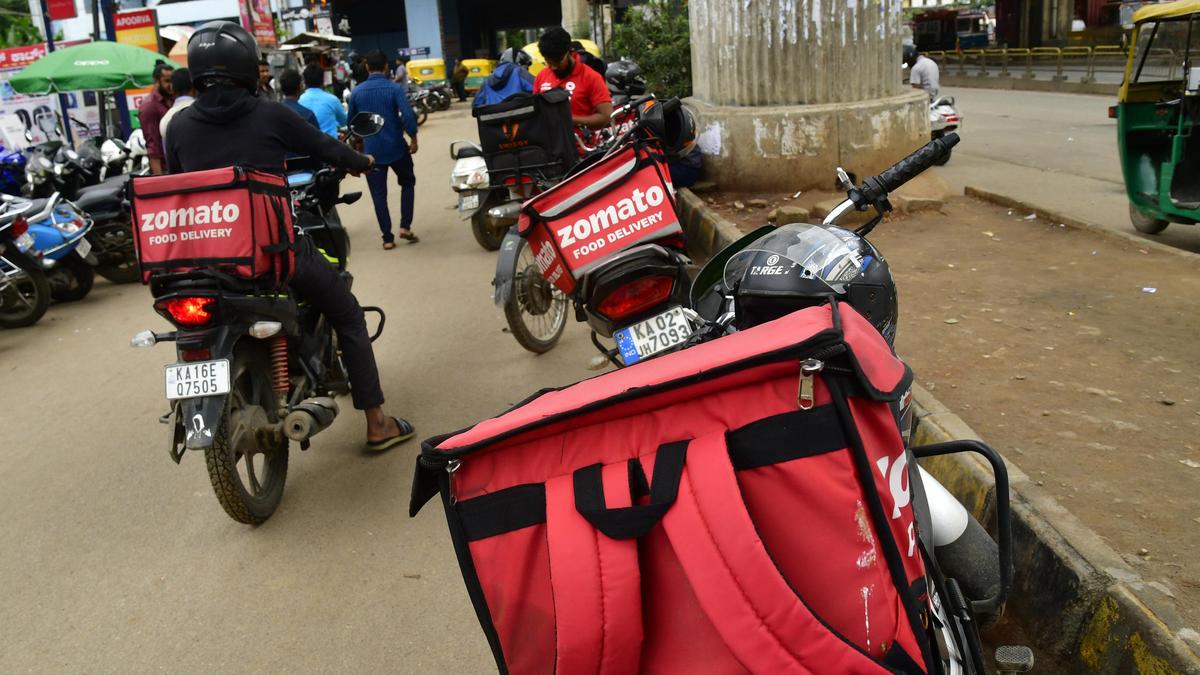
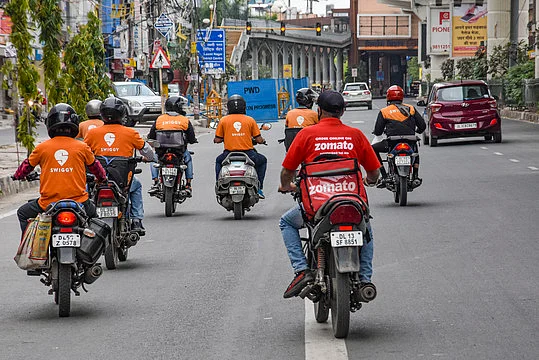
Karnataka has taken a significant step in labour welfare by constituting a dedicated Gig Workers’ Welfare Board, marking a landmark moment for thousands engaged in app-based and platform-driven employment across the State. The move recognizes the rapidly expanding gig economy and the unique vulnerabilities faced by workers who operate outside traditional employer-employee frameworks. Officials stated that the board will function as a structured mechanism to address social security, safety, and welfare concerns of gig and platform workers. The decision has been welcomed by labour rights groups, policy experts, and worker collectives, who have long demanded institutional support and recognition.
The constitution of the Gig Workers’ Welfare Board in Karnataka marks a significant step toward recognizing the rapidly expanding platform-based workforce within the formal welfare framework. Officials stated that the board will focus on social security, income stability, and occupational safety for workers engaged in app-based transport, delivery services, and freelance digital tasks. The move follows growing demands from labour unions and civil society groups that gig workers, often classified as independent contractors, remain outside traditional labour protections. By institutionalizing a dedicated body, the State aims to bridge regulatory gaps and extend structured support mechanisms to this vulnerable yet essential segment.
According to government sources, the board will include representatives from various departments, labour experts, platform aggregators, and worker associations to ensure balanced decision-making. Its mandate is expected to cover policy recommendations, grievance redressal, and the design of welfare schemes tailored to gig workers’ needs. Officials indicated that consultation with stakeholders was carried out before finalizing the board’s structure. The inclusion of worker representatives is viewed as a crucial measure to make welfare initiatives more responsive to ground realities, especially regarding income fluctuations, lack of insurance coverage, and limited access to formal credit systems.
One of the primary objectives of the board will be to create a comprehensive database of gig workers operating across Karnataka. Authorities believe accurate data is essential for implementing targeted benefits such as accident insurance, health coverage, and pension schemes. Registration drives are expected to be conducted through digital platforms, allowing workers to enroll using mobile applications or designated facilitation centres. Labour officials emphasized that proper identification will help the State monitor employment trends in the gig economy and assess the scale of social security requirements more effectively in the coming years.
Funding mechanisms for welfare schemes are also under consideration, with officials suggesting a combination of State support, nominal worker contributions, and levies on platform companies. The proposal reflects attempts to share responsibility among stakeholders benefiting from gig-based services. Labour economists noted that sustainable funding is key to ensuring long-term viability of welfare measures. However, discussions are ongoing regarding contribution rates and compliance structures. Ensuring that financial obligations do not burden workers while still generating sufficient resources remains one of the board’s immediate policy challenges.
Worker unions have welcomed the formation of the board, describing it as a long-awaited acknowledgment of gig workers’ contribution to urban economies. Representatives highlighted that delivery personnel and ride-hailing drivers often face long working hours, unpredictable earnings, and safety risks without adequate support. They urged the government to prioritize accident compensation and health insurance in the initial phase of implementation. Civil society groups also stressed the need for gender-sensitive provisions, as an increasing number of women are entering platform-based employment, often balancing domestic responsibilities alongside irregular work schedules.
Industry stakeholders, including platform companies, have expressed cautious optimism about the board’s formation. While acknowledging the need for worker welfare, some firms emphasized the importance of maintaining operational flexibility that defines gig-based models. They called for dialogue to ensure that regulatory frameworks do not disrupt service efficiency or increase costs excessively. Government officials assured that consultations will continue to balance innovation with social protection. The board is expected to serve as a forum for such discussions, reducing friction between labour rights advocates and digital service providers.
Experts believe Karnataka’s initiative could influence broader national policy on gig worker protections. As digital platforms expand across sectors, the absence of clear welfare frameworks has become a pressing concern. By establishing a dedicated board, the State positions itself as an early mover in addressing labour issues in the platform economy. Observers noted that effective implementation, transparent governance, and timely delivery of benefits will determine the board’s success. If executed well, the model could provide a reference for other States seeking to safeguard gig workers’ livelihoods.
The gig economy in Karnataka has grown rapidly in recent years, driven by sectors such as food delivery, ride-hailing services, logistics, domestic services, and freelance digital work. While this model has created flexible employment opportunities, it has also raised concerns regarding income instability, lack of health coverage, accident insurance, and job security. By establishing the welfare board, the government has acknowledged the need to balance innovation and worker protection. Officials noted that the board will work toward developing schemes that ensure basic protections without undermining the flexibility that defines gig work.
Authorities emphasized that the board’s formation reflects a broader commitment to inclusive growth. As urban centers like Bengaluru expand as technology hubs, the workforce supporting digital platforms has become an essential part of the economic ecosystem. However, many gig workers have lacked access to benefits available to formal sector employees. The new welfare board is expected to bridge this gap by designing targeted interventions such as insurance coverage, financial assistance during emergencies, and skill development initiatives. Policymakers believe such measures will enhance both worker well-being and sector sustainability.
Initial discussions suggest that the board will include representatives from government departments, labour experts, and worker associations to ensure diverse perspectives. This structure aims to foster transparency and participatory decision-making. Officials indicated that consultations with platform companies may also be part of the process to create workable policies that align with operational realities. The emphasis remains on creating a balanced regulatory environment that protects workers while allowing digital enterprises to thrive.
Labour organizations have described the move as a progressive recognition of changing employment patterns. They argue that gig workers often face unpredictable work hours, limited bargaining power, and exposure to occupational risks. Establishing a welfare board institutionalizes support mechanisms and provides a formal avenue for grievance redressal. Experts noted that this step could set a precedent for other states to follow, contributing to a national conversation on social security for non-traditional workers.
The announcement also carries economic significance. By ensuring better welfare measures, the government aims to stabilize the gig workforce, reduce attrition, and enhance productivity. A more secure workforce can improve service quality and reliability in sectors heavily dependent on gig labour. Analysts observed that integrating social security into emerging employment models reflects adaptive governance, aligning labour policy with technological and economic transformations.
SOCIAL SECURITY FRAMEWORK AND GIG WORKER PROTECTION
A primary focus of the Gig Workers’ Welfare Board will be designing social security schemes tailored to the needs of gig workers. These may include accident insurance, health coverage, maternity benefits, and financial aid during periods of illness or disability. Officials indicated that contributions for these schemes could involve a mix of government support and platform participation, ensuring sustainability. Experts stressed that such measures are essential in an industry where workers often bear occupational risks without institutional safeguards.
The board is also expected to address income security. Gig workers frequently face fluctuating earnings based on demand, platform algorithms, and competition. By studying wage patterns and working conditions, the board may recommend policies that promote fair compensation practices. Labour advocates highlighted that transparency in payment structures and dispute resolution mechanisms would strengthen trust between workers and platform companies.
Skill development and training are anticipated to form another key component of the board’s mandate. As technology evolves, gig workers may require new skills to remain competitive and access better opportunities. Officials stated that training programmes could focus on digital literacy, financial planning, and safety practices. By enhancing skills, the initiative aims to empower workers to diversify income sources and improve long-term employability.
Grievance redressal is a crucial aspect of worker welfare in the gig economy. Workers often face issues such as account deactivation, unfair ratings, or delayed payments without clear channels for appeal. The welfare board is expected to establish mechanisms that allow workers to raise concerns and seek resolution. Such processes can foster accountability and reduce conflicts within platform ecosystems.
Experts have also pointed out the importance of data collection. Reliable data on the number of gig workers, income trends, and occupational hazards is limited. The board may undertake surveys and research to inform policy decisions. Accurate data will enable targeted interventions and evaluation of scheme effectiveness, ensuring that resources are used efficiently.
Women gig workers and those from marginalized communities stand to benefit significantly from the initiative. Many face additional challenges, including safety concerns and limited access to resources. The board’s policies are expected to incorporate gender-sensitive measures and inclusivity, promoting equitable participation in the gig economy.
Platform companies are likely to play a role in implementing welfare measures. While discussions on contribution structures continue, experts note that collaboration between government and industry is essential. A cooperative approach can ensure that worker protections are practical and do not disrupt service delivery.
Public policy analysts have described the move as forward-looking, acknowledging that employment structures are evolving globally. By addressing gig worker welfare proactively, Karnataka positions itself as a leader in adapting labour policies to modern economic realities. The initiative may also attract positive attention from national and international observers.
Worker collectives have expressed cautious optimism, emphasizing the need for effective implementation. They noted that policy announcements must translate into accessible benefits. Continuous monitoring, transparent communication, and worker participation will be key to the board’s success.
Finally, the constitution of the Gig Workers’ Welfare Board represents a step toward redefining labour welfare in the digital age. It reflects recognition of the dignity and contribution of gig workers who form the backbone of many urban services. As the board begins its work, stakeholders hope it will create a supportive framework that balances innovation, economic growth, and social justice, setting a model for inclusive development in a rapidly changing employment landscape.
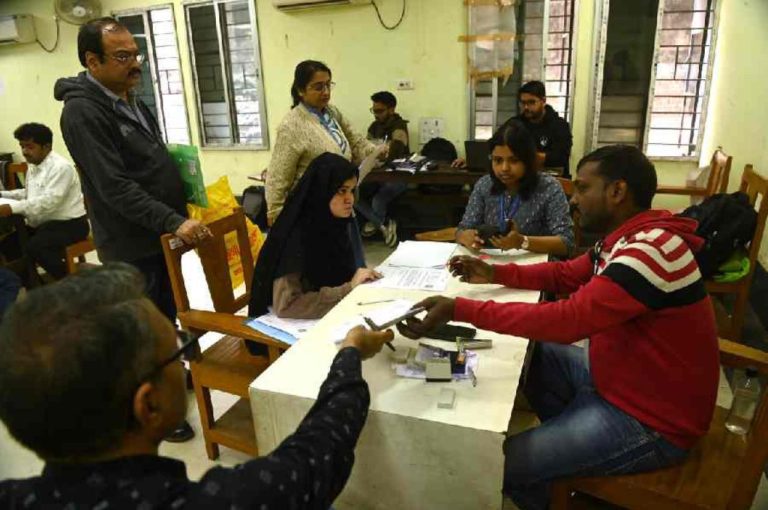
The Farakka SIR vandalism 2026 controversy has become a defining moment in Bengal’s electoral politics. During the Special Intensive Revision (SIR) of electoral rolls in Murshidabad district, a camp in Farakka was vandalised, allegedly by political supporters unhappy with the verification process. In response, the Election Commission of India (ECI) directed district officials to file First Information Reports (FIRs) against those responsible, signalling its determination to uphold electoral integrity.
This incident underscores the intersection of electoral governance, political defiance, and citizen rights, where the credibility of democracy depends on both institutional authority and political accountability.
2. The Incident
Location: Farakka, Murshidabad district, West Bengal.
Event: Vandalism at SIR hearing camp.
Cause: Anger over alleged harassment of voters during verification.
Response: ECI ordered district officials to file FIRs against perpetrators.
Significance: Highlights tension between political leaders and electoral authorities.
3. Why This Case Matters
Electoral integrity: Disruption of SIR hearings undermines voter roll transparency.
Public trust: Citizens lose confidence when leaders defy institutional authority.
Political stakes: Murshidabad is a key battleground in Bengal elections.
Governance challenge: Authorities must balance enforcement with fairness.
4. Farakka SIR Vandalism 2026: Political Reactions
TMC: Distanced itself from vandalism, emphasising respect for EC authority.
BJP: Condemned the incident, accused ruling party of shielding offenders.
Civil society: Expressed concern about erosion of democratic norms.
Observers: Warned that defiance of EC orders could destabilise electoral processes.
5. Governance Challenges
The Farakka vandalism reflects systemic governance issues:
Electoral transparency: Citizens lack trust in voter roll revision process.
Administrative neutrality: Allegations of bias against election officials persist.
Law enforcement: FIR orders must be implemented without political interference.
Judicial oversight: Courts may intervene if EC directives are ignored.
6. Community Concerns
Families: Fear wrongful deletion of names due to minor errors.
Students: Frustrated by rejection of school admit cards despite Supreme Court order.
Civil society groups: Demand transparency and grievance redressal mechanisms.
Opposition voices: Warn of potential misuse of relaxed verification standards.
8. Historical Context of Electoral Disputes in Bengal
1970s–80s: Allegations of voter list manipulation during Left Front rule.
2011: TMC rose to power, promising electoral reforms.
2019–2021: BJP gained ground, raising concerns about fictitious voters.
2026: Farakka vandalism reflects continuity of disputes over voter rolls.
9. Global Comparisons
Similar electoral disputes worldwide:
USA: Allegations of voter suppression through purges in Georgia and Florida.
UK: Concerns about disenfranchisement under new voter ID laws.
Nigeria: Disputes over duplicate registrations and ghost voters.
Murshidabad’s case mirrors these global struggles where electoral integrity collides with political rivalry and human vulnerability.
10. Governance Lessons
The Farakka vandalism teaches:
Judicial orders must be implemented swiftly.
Transparency in electoral processes is non‑negotiable.
Political leaders must respect institutional authority.
Community engagement reduces panic and misinformation.
11. Future Outlook – Electoral Governance in Bengal
India must move towards:
Digitised grievance redressal portals for voter roll issues.
Periodic audits of electoral rolls by independent agencies.
Public dashboards showing deletions and additions transparently.
Educational campaigns to help citizens verify their status.
✅ Conclusion
The Farakka SIR vandalism 2026 is more than a local controversy—it is a test of India’s democratic resilience and institutional authority. As the Election Commission orders FIRs against perpetrators, ordinary citizens bear the brunt of confusion, harassment, and fear of disenfranchisement. For Bengal, the lesson is clear: democracy thrives when governance delivers clarity, fairness, and respect for institutions.
The District Development Coordination and Monitoring Committee (DISHA) in Shivamogga has adopted a resolution expressing strong support for the VB Gram G initiative, marking a significant moment in the district’s development discourse. The decision was taken during a committee meeting attended by elected representatives, officials from various departments, and local stakeholders. Members emphasized that the programme holds substantial potential for rural transformation, infrastructure strengthening, and improved delivery of government services at the grassroots level. The resolution reflects a unified stance aimed at accelerating development efforts and ensuring that benefits reach the intended communities efficiently.
Officials present at the meeting stated that the committee reviewed the progress of ongoing schemes and identified VB Gram G as a key intervention capable of bridging development gaps in rural areas. Discussions focused on the need for better coordination among departments, timely fund utilization, and active monitoring of implementation at the village level. The resolution urges authorities to prioritize planning and execution under the initiative, highlighting its role in strengthening livelihoods, connectivity, and basic civic amenities.
Committee members noted that rural communities continue to face challenges related to infrastructure, access to services, and economic opportunities. By supporting VB Gram G, the DISHA committee signaled its intention to address these concerns through structured and targeted interventions. Officials stressed that effective implementation would depend on collaboration between local administrations, elected representatives, and community groups. Emphasis was placed on transparency, accountability, and regular review mechanisms to track progress.
The meeting also reviewed data on district-level development indicators, identifying areas where additional support and resources may be required. Members expressed optimism that the initiative would enhance coordination between central and state government schemes, ensuring that duplication is avoided and resources are used efficiently. The resolution called for strengthening monitoring systems to ensure that outcomes are measurable and aligned with the district’s development priorities.
FOCUS ON RURAL GROWTH AND DISHA COMMUNITY WELFARE
The resolution underscores the importance of focusing on rural welfare as a cornerstone of balanced regional development. Committee members highlighted that VB Gram G could play a transformative role in improving rural roads, sanitation, drinking water supply, and public facilities. Enhancing such infrastructure is expected to boost economic activity, improve living standards, and reduce migration pressures on urban centers.
Representatives from line departments outlined plans to align their ongoing projects with the objectives of the initiative. This includes integrating agricultural support schemes, skill development programmes, and health outreach efforts to create a comprehensive development framework. Officials emphasized that convergence of schemes would lead to more efficient outcomes and better service delivery.
Community participation emerged as a central theme during the discussions. Members stressed that involving local residents in planning and monitoring processes would ensure that development works address real needs. Village-level committees and local bodies are expected to play an active role in identifying priorities and providing feedback, strengthening accountability and ownership.
The committee also highlighted the need for capacity building among field-level staff to ensure effective execution. Training programmes, technical support, and digital monitoring tools are expected to be introduced to enhance efficiency. Members noted that empowering frontline workers is essential for translating policy directives into tangible outcomes on the ground.
The DISHA committee’s endorsement is seen as a morale booster for officials and stakeholders involved in the initiative. Observers noted that such institutional backing can accelerate implementation and foster a results-oriented approach. By adopting the resolution, the committee has sent a clear message about its commitment to inclusive development and coordinated governance in Shivamogga district.
Finally, members expressed hope that the support for VB Gram G would lead to visible improvements in rural living conditions over the coming months. They emphasized that sustained monitoring, timely intervention, and cooperation among all stakeholders will be key to achieving the intended goals. The resolution marks a collective step toward strengthening development efforts and ensuring that progress reaches every section of society in the district.
The adoption of the resolution is expected to strengthen institutional coordination at multiple administrative levels. Officials indicated that district authorities will now work more closely with taluk and gram panchayat bodies to ensure that planning under VB Gram G reflects ground realities. Structured review meetings, data sharing, and inter-departmental consultations will form part of the monitoring framework. Members noted that such coordination reduces duplication of work and helps address bottlenecks swiftly. By aligning local priorities with broader development goals, the district aims to create a seamless implementation process that delivers timely and measurable improvements in rural infrastructure and public services.
Financial planning was also discussed extensively during the meeting. Committee members stressed the need for efficient utilization of allocated funds and timely release of resources to implementing agencies. Transparent accounting practices and digital tracking systems are expected to enhance oversight and prevent delays. Officials noted that financial discipline is critical for ensuring that development works proceed without interruption. By maintaining strict adherence to budgetary guidelines, the administration hopes to maximize the impact of available resources and avoid cost overruns, thereby strengthening public confidence in governance and programme execution across the district.
Special attention is likely to be given to vulnerable and underserved communities under the initiative. Members emphasized that development interventions must be inclusive and address disparities in access to services. Remote villages, marginalized groups, and economically weaker sections are expected to receive focused support through targeted schemes. Officials highlighted that inclusive planning ensures equitable growth and social stability. The committee underlined the importance of social audits and community feedback mechanisms to verify that benefits are reaching intended beneficiaries, thereby reinforcing transparency and accountability at every stage of implementation.
Agriculture and allied sectors were identified as key areas where the initiative could bring tangible benefits. Improved irrigation, soil conservation measures, and access to agricultural support services are expected to enhance productivity and income levels for farmers. Members suggested that convergence with existing agricultural schemes could provide technical guidance, market access, and financial assistance. Officials noted that strengthening rural livelihoods reduces economic vulnerability and contributes to overall district development. Emphasis was placed on promoting sustainable farming practices that balance productivity with environmental conservation.
The committee also discussed the role of digital tools in enhancing monitoring and service delivery. Real-time tracking of project progress, digital documentation, and online grievance redressal systems are expected to improve efficiency and responsiveness. Officials indicated that digital platforms will allow better data management and quicker decision-making. Members highlighted that technology integration not only increases transparency but also empowers citizens to engage with governance processes. By adopting digital solutions, the administration aims to modernize rural development practices and ensure that progress is consistently measured and reported.
Health and education sectors are expected to benefit from coordinated planning under the resolution. Members noted that improved infrastructure, better connectivity, and integrated service delivery can enhance access to schools, healthcare centers, and welfare facilities. Officials highlighted the importance of upgrading primary health centers, ensuring availability of medical staff, and improving sanitation in rural institutions. Similarly, investments in school infrastructure and learning resources were emphasized as essential for long-term development. The initiative aims to create an environment where social services are strengthened alongside physical infrastructure.
Environmental sustainability was another key aspect discussed by the committee. Members stressed that development must proceed in harmony with ecological considerations, including water conservation, afforestation, and waste management. Officials indicated that guidelines would be followed to minimize environmental impact while executing infrastructure works. Emphasis was placed on promoting green practices and community awareness to protect natural resources. By integrating environmental safeguards, the initiative seeks to ensure that development gains are sustainable and beneficial for future generations, maintaining the ecological balance of the district.
Youth engagement and skill development were highlighted as important components of rural progress. Members observed that empowering young people with vocational training and employment opportunities strengthens the local economy. Officials indicated that partnerships with training institutions and industry bodies could help equip youth with relevant skills. By linking skill development with local economic activities, the initiative aims to reduce unemployment and migration. Encouraging youth participation in community development activities was also seen as a way to build leadership and civic responsibility.
The role of women’s participation in development efforts was strongly emphasized during the discussions. Members noted that involving women’s self-help groups and local leaders ensures that development initiatives address household-level concerns effectively. Officials stated that economic empowerment of women through livelihood programmes and financial inclusion initiatives would remain a priority. Strengthening women’s participation in planning and monitoring processes was seen as essential for inclusive governance. The committee highlighted that empowering women contributes significantly to social progress and community resilience.
Finally, the DISHA committee reiterated its commitment to continuous evaluation and course correction. Members agreed that regular assessments, field visits, and stakeholder consultations would help identify challenges and improve implementation strategies. Officials expressed confidence that sustained monitoring and cooperation among departments would translate policy intentions into tangible outcomes. The resolution, they noted, represents not just administrative approval but a collective responsibility to ensure meaningful development. The committee’s unified stance is expected to drive momentum, ensuring that the initiative delivers visible and lasting improvements across Shivamogga district.
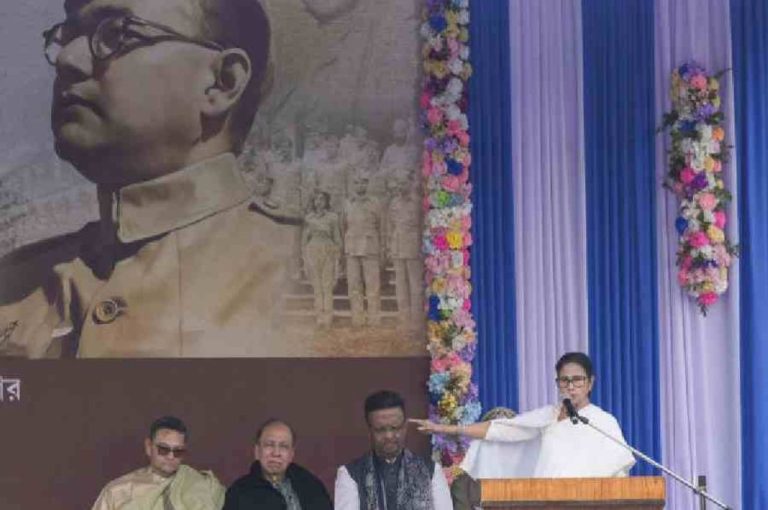
The Mamata Banerjee Netaji remark 2026 has become a defining moment in Bengal’s ongoing electoral disputes. During the Special Intensive Revision (SIR) of electoral rolls, Chief Minister Mamata Banerjee lashed out at the Election Commission of India (ECI), questioning its methods and alleging harassment of genuine voters. In a rhetorical flourish, she asked whether the EC would have “summoned Netaji Subhas Chandra Bose too” if he were alive, highlighting what she sees as the absurdity and injustice of the process.
This incident underscores the intersection of electoral governance, political rhetoric, and historical symbolism, where references to national icons are used to frame contemporary disputes.
2. Mamata Banerjee Netaji Remark 2026: The Remark
Location: Public address in Bengal.
Speaker: Mamata Banerjee, Chief Minister of West Bengal.
Message: Criticised EC’s SIR process as harassment of voters.
Symbolism: Invoked Netaji Subhas Chandra Bose to highlight perceived absurdity.
Significance: Elevated electoral disputes into a broader debate about democracy and respect for history.
3. Why This Remark Matters
Political symbolism: Netaji is revered across Bengal; invoking him adds weight to criticism.
Electoral integrity: Highlights concerns about fairness in voter roll revisions.
Public trust: Citizens question whether institutions respect their dignity.
Governance challenge: Authorities must balance electoral integrity with citizen rights.
4. Political Reactions
TMC: Framed Banerjee’s remark as defence of voter dignity.
BJP: Accused her of politicising Netaji’s legacy.
Civil society: Expressed concern about harassment and lack of transparency.
Observers: Warned that rhetoric could escalate tensions between EC and state government.
5. Governance Challenges
The Netaji remark reflects systemic governance issues:
Electoral transparency: Citizens lack trust in voter roll revision process.
Administrative neutrality: Allegations of bias against election officials persist.
Technology flaws: EC’s verification system rejected valid documents.
Public safety: Anxiety and harassment undermine democratic participation.
6. Community Concerns
Families: Fear wrongful deletion of names due to minor errors.
Students: Frustrated by rejection of school admit cards despite Supreme Court order.
Civil society groups: Demand transparency and grievance redressal mechanisms.
Opposition voices: Warn of potential misuse of relaxed verification standards.
8. Historical Context of Netaji in Bengal Politics
1940s: Netaji Subhas Chandra Bose symbolised resistance against colonial rule.
Post‑Independence: His legacy became a rallying point for multiple parties.
2011: Mamata Banerjee invoked Netaji’s ideals during her rise to power.
2026: Netaji’s name continues to be used as a symbol of dignity and resistance.
9. Global Comparisons
Similar rhetorical invocations worldwide:
USA: Leaders invoke Abraham Lincoln to frame democracy debates.
UK: Winston Churchill often cited in political disputes.
South Africa: Nelson Mandela invoked in governance controversies.
Bengal’s case mirrors these global practices where historical icons are used to legitimise contemporary political arguments.
10. Governance Lessons
The Netaji remark teaches:
Institutions must respect citizen dignity.
Transparency in electoral processes is non‑negotiable.
Historical symbolism must not overshadow governance responsibility.
Community engagement reduces panic and misinformation.
11. Future Outlook – Electoral Governance in Bengal
India must move towards:
Digitised grievance redressal portals for voter roll issues.
Periodic audits of electoral rolls by independent agencies.
Public dashboards showing deletions and additions transparently.
Educational campaigns to help citizens verify their status.
✅ Conclusion
The Mamata Banerjee Netaji remark 2026 is more than a rhetorical flourish—it is a test of India’s democratic resilience and institutional credibility. As Banerjee questions whether the EC would have summoned Netaji himself, ordinary citizens bear the brunt of confusion, harassment, and fear of disenfranchisement. For Bengal, the lesson is clear: democracy thrives when governance delivers clarity, fairness, and respect for both history and citizens.
The Murshidabad SIR vandalism 2026 controversy has become a defining moment in Bengal’s electoral politics. During the Special Intensive Revision (SIR) of electoral rolls, Farakka MLA Manirul Islam allegedly disrupted proceedings and vandalised materials at a hearing centre. Despite the Election Commission of India (ECI) ordering an FIR against him, Islam remained defiant, insisting he had done no wrong and would continue his protest against what he described as “harassment of voters.”
This incident underscores the intersection of electoral governance, political defiance, and citizen rights, where the credibility of democracy depends on both institutional authority and political accountability.
2. The Incident
Location: Murshidabad district, West Bengal.
Event: Alleged vandalism at SIR hearing centre.
Accused: Farakka MLA Manirul Islam.
ECI response: Directed officials to file FIR against Islam.
Islam’s stance: Defiant, claimed he was protecting voters from harassment.
Significance: Highlights tension between political leaders and electoral authorities.
3. Why This Case Matters
Electoral integrity: Disruption of SIR hearings undermines voter roll transparency.
Public trust: Citizens lose confidence when leaders defy institutional authority.
Political stakes: Murshidabad is a key battleground in Bengal elections.
Governance challenge: Authorities must balance enforcement with fairness.
4. Political Reactions
TMC: Distanced itself from Islam’s actions, emphasising respect for EC authority.
BJP: Condemned vandalism, accused ruling party of shielding offenders.
Civil society: Expressed concern about erosion of democratic norms.
Observers: Warned that defiance of EC orders could destabilise electoral processes.
5. Governance Challenges
The Murshidabad vandalism reflects systemic governance issues:
Electoral transparency: Citizens lack trust in voter roll revision process.
Administrative neutrality: Allegations of bias against election officials persist.
Law enforcement: FIR orders must be implemented without political interference.
Judicial oversight: Courts may intervene if EC directives are ignored.
6. Murshidabad SIR Vandalism 2026: Community Concerns
Families: Fear wrongful deletion of names due to minor errors.
Students: Frustrated by rejection of school admit cards despite Supreme Court order.
Civil society groups: Demand transparency and grievance redressal mechanisms.
Opposition voices: Warn of potential misuse of relaxed verification standards.
8. Historical Context of Electoral Disputes in Bengal
1970s–80s: Allegations of voter list manipulation during Left Front rule.
2011: TMC rose to power, promising electoral reforms.
2019–2021: BJP gained ground, raising concerns about fictitious voters.
2026: Murshidabad vandalism reflects continuity of disputes over voter rolls.
9. Global Comparisons
Similar electoral disputes worldwide:
USA: Allegations of voter suppression through purges in Georgia and Florida.
UK: Concerns about disenfranchisement under new voter ID laws.
Nigeria: Disputes over duplicate registrations and ghost voters.
Murshidabad’s case mirrors these global struggles where electoral integrity collides with political rivalry and human vulnerability.
10. Governance Lessons
The Murshidabad vandalism teaches:
Judicial orders must be implemented swiftly.
Transparency in electoral processes is non‑negotiable.
Political leaders must respect institutional authority.
Community engagement reduces panic and misinformation.
11. Future Outlook – Electoral Governance in Bengal
India must move towards:
Digitised grievance redressal portals for voter roll issues.
Periodic audits of electoral rolls by independent agencies.
Public dashboards showing deletions and additions transparently.
Educational campaigns to help citizens verify their status.
✅ Conclusion
The Murshidabad SIR vandalism 2026 is more than a local controversy—it is a test of India’s democratic resilience and institutional authority. As Farakka MLA Manirul Islam defies the Election Commission’s FIR order, ordinary citizens bear the brunt of confusion, harassment, and fear of disenfranchisement. For Bengal, the lesson is clear: democracy thrives when governance delivers clarity, fairness, and respect for institutions.
The Dinhata College TMCP clash 2026 has become a striking example of how student politics in Bengal often spills beyond ideological debates into cultural and social spaces. What began as a disagreement over the playlist for Saraswati Puja celebrations at Dinhata College in Cooch Behar escalated into a violent confrontation between rival factions of the Trinamool Congress Chhatra Parishad (TMCP).
This incident underscores the intersection of student politics, cultural traditions, and governance challenges, where even festive occasions become contested arenas of influence.
2. The Incident
Location: Dinhata College, Cooch Behar district, West Bengal.
Event: Saraswati Puja celebrations disrupted by factional clash.
Trigger: Disagreement over the playlist of songs to be played during festivities.
Escalation: Verbal arguments turned into physical violence between rival TMCP groups.
Response: Police intervened to restore order; college authorities expressed concern.
Significance: Highlights how student politics can destabilise academic and cultural environments.
3. Why This Case Matters
Cultural symbolism: Saraswati Puja is a revered festival in Bengal, especially in educational institutions.
Student politics: TMCP factions used the occasion to assert dominance.
Public trust: Parents and communities worry about safety in colleges.
Governance challenge: Authorities must balance cultural freedom with law and order.
4. Dinhata College TMCP Clash 2026: Political Reactions
TMC leadership: Distanced itself from the clash, urging discipline among student wings.
Opposition parties: Criticised TMC for failing to control its student organisation.
Civil society: Expressed concern about politicisation of cultural festivals.
Observers: Warned that factionalism could weaken TMC’s grassroots influence.
5. Governance Challenges
The Dinhata clash reflects systemic governance issues:
Campus discipline: Colleges struggle to maintain neutrality amid political influence.
Cultural autonomy: Festivals risk being hijacked by political agendas.
Law enforcement: Police must act swiftly to prevent escalation.
Judicial oversight: Courts may intervene if violence disrupts academic functioning.
6. Community Concerns
Students: Fear academic disruption and loss of cultural sanctity.
Parents: Worry about safety of children in politically charged campuses.
Civil society groups: Demand depoliticisation of educational institutions.
Local residents: Concerned about spillover of violence into community spaces.
Digitised grievance redressal portals for campus disputes.
Public dashboards showing disciplinary actions transparently.
Educational campaigns linking cultural festivals with civic responsibility.
✅ Conclusion
The Dinhata College TMCP clash 2026 is more than a campus dispute—it is a test of Bengal’s ability to reconcile student politics with cultural traditions. As Saraswati Puja celebrations turned violent over a playlist, ordinary students bore the brunt of factional rivalry. For Bengal, the lesson is clear: democracy thrives when governance delivers safety, fairness, and respect for both education and culture.
The Bengal bogus voter fear 2026 has become a major flashpoint in the state’s political discourse. According to reports, nearly 3.5 lakh individuals skipped hearings during the Special Intensive Revision (SIR) of electoral rolls, raising concerns about the persistence of “ghost voters” and bogus entries. The Election Commission of India (ECI) suspects that many of these absentees may be fictitious or improperly registered, sparking fears of manipulation in upcoming elections.
This incident underscores the intersection of electoral integrity, governance accountability, and citizen rights, where the credibility of democracy depends on transparent and fair voter roll management.
2. Bengal Bogus Voter Fear 2026: The Issue
Event: 3.5 lakh individuals skipped SIR hearings in Bengal.
Cause: Possible bogus entries, lack of documentation, or deliberate avoidance.
Response: ECI flagged concerns and directed officials to expedite verification.
Significance: Highlights systemic flaws in electoral administration.
3. Why This Case Matters
Electoral integrity: Bogus voters undermine free and fair elections.
Public trust: Citizens lose confidence when voter rolls are inaccurate.
Political stakes: Bengal’s voter list controversies directly affect poll outcomes.
Governance challenge: Authorities must balance electoral integrity with citizen dignity.
4. Political Reactions
TMC: Accused EC of harassing genuine voters through flawed processes.
BJP: Defended EC, claiming bogus voters must be weeded out.
Civil society: Expressed concern about harassment and lack of transparency.
Observers: Warned that voter list disputes could escalate into larger political confrontations.
5. Governance Challenges
The bogus voter fear reflects systemic governance issues:
Electoral transparency: Citizens lack trust in the voter roll revision process.
Administrative neutrality: Allegations of bias against election officials persist.
Technology flaws: EC’s verification system rejected valid documents.
Public safety: Anxiety and harassment undermine democratic processes.
6. Community Concerns
Families: Fear wrongful deletion of names due to minor errors.
Students: Frustrated by rejection of school admit cards despite Supreme Court order.
Civil society groups: Demand transparency and grievance redressal mechanisms.
Opposition voices: Warn of potential misuse of relaxed verification standards.
8. Historical Context of Electoral Roll Disputes in Bengal
1970s–80s: Allegations of voter list manipulation during Left Front rule.
2011: TMC rose to power, promising electoral reforms.
2019–2021: BJP gained ground, raising concerns about fictitious voters.
2026: Bogus voter fears reflect continuity of disputes over voter rolls.
9. Global Comparisons
Similar electoral disputes worldwide:
USA: Allegations of voter suppression through purges in Georgia and Florida.
UK: Concerns about disenfranchisement under new voter ID laws.
Nigeria: Disputes over duplicate registrations and ghost voters.
Bengal’s case mirrors these global struggles where electoral integrity collides with political rivalry and human vulnerability.
10. Governance Lessons
The bogus voter controversy teaches:
Judicial orders must be implemented swiftly.
Transparency in electoral processes is non‑negotiable.
Technology must support, not obstruct, citizen rights.
Community engagement reduces panic and misinformation.
11. Future Outlook – Electoral Governance in Bengal
India must move towards:
Digitised grievance redressal portals for voter roll issues.
Periodic audits of electoral rolls by independent agencies.
Public dashboards showing deletions and additions transparently.
Educational campaigns to help citizens verify their status.
✅ Conclusion
The Bengal bogus voter fear 2026 is more than a bureaucratic anomaly—it is a test of India’s democratic resilience. As 3.5 lakh individuals skip hearings, ordinary citizens bear the brunt of confusion, harassment, and fear of disenfranchisement. For Bengal, the lesson is clear: democracy thrives when governance delivers clarity, fairness, and respect for citizens.
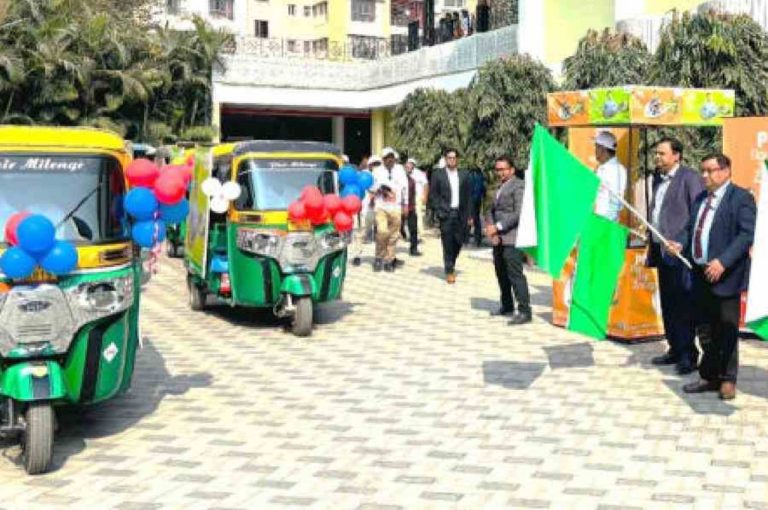
The Siliguri piped gas connections 2026 initiative marks a transformative step in Bengal’s energy infrastructure. Hindustan Petroleum Corporation Limited (HPCL) announced that nearly 3,000 households in Siliguri subdivision will receive piped natural gas (PNG) connections by March 2026. This project, part of the HP City Gas Distribution Project, reflects India’s broader push towards clean energy, reduced carbon emissions, and sustainable urban living.
2. Siliguri Piped Gas Connections 2026: The Announcement
Event: PNG Drive 2.0 awareness programme in Siliguri.
2020s: Expansion into tier‑2 cities like Siliguri.
2026: HPCL’s project reflects continuity of clean energy transition.
9. Global Comparisons
Similar energy transitions worldwide:
China: Rapid PNG expansion in urban households.
UK: Natural gas pipelines standardised across cities.
Brazil: CNG adoption reduced urban pollution.
Siliguri’s case mirrors these global practices where energy infrastructure modernisation collides with governance, technology, and community adaptation.
10. Governance Lessons
The Siliguri PNG project teaches:
Infrastructure planning must be integrated.
Transparency in pricing builds trust.
Community engagement ensures smooth rollout.
Judicial oversight protects consumer rights.
11. Future Outlook – Energy Governance in Bengal
India must move towards:
Digitised monitoring systems for pipeline progress.
Public dashboards showing household connections.
Public‑private partnerships for sustainable energy.
Educational campaigns linking clean energy with civic responsibility.
✅ Conclusion
The Siliguri piped gas connections 2026 initiative is more than an energy project—it is a living testament to Bengal’s modernisation and clean energy transition. As HPCL invests ₹1,700 crore and targets 3,000 households, ordinary citizens stand to benefit from convenience, savings, and sustainability. For Bengal, the lesson is clear: democracy thrives when governance delivers energy security, fairness, and respect for citizens.
The Suvendu Adhikari Greater Bangladesh remark 2026 has ignited intense political debate in Bengal and beyond. At a rally, BJP leader and Leader of Opposition in the West Bengal Assembly Suvendu Adhikari warned that Bengal would “turn into a Greater Bangladesh” if current trends continued. He urged NRIs and Hindus worldwide to unite and “save the state.”
This statement underscores the intersection of identity politics, diaspora mobilisation, and governance challenges, where rhetoric about cultural and demographic change becomes a tool of political strategy.
2. The Remark
Location: Delivered at a public rally in Bengal.
Speaker: Suvendu Adhikari, BJP leader and prominent opposition figure.
Message: Warned of Bengal becoming “Greater Bangladesh.”
Call to action: Urged NRIs and Hindus to mobilise in defence of the state’s identity.
Significance: Reflects BJP’s strategy of highlighting demographic anxieties.
3. Why This Remark Matters
Identity politics: Frames Bengal’s future in terms of cultural and religious identity.
Diaspora mobilisation: Calls on NRIs to play a role in state politics.
Electoral stakes: Bengal’s voter demographics are central to upcoming elections.
Governance challenge: Authorities must balance rhetoric with social harmony.
4. Suvendu Adhikari Greater Bangladesh Remark: Political Reactions
TMC: Condemned Adhikari’s remark as divisive and fear‑mongering.
BJP: Defended the statement as a warning about demographic imbalance.
Civil society: Expressed concern about polarisation and communal tension.
Observers: Warned that rhetoric could destabilise Bengal’s social fabric.
5. Governance Challenges
The “Greater Bangladesh” remark reflects systemic governance issues:
Communal harmony: Rhetoric risks inflaming tensions between communities.
Diaspora politics: NRIs increasingly drawn into domestic political debates.
Electoral transparency: Allegations of demographic manipulation persist.
Judicial oversight: Courts may intervene if rhetoric leads to unrest.
6. Community Concerns
Families: Fear rising polarisation in everyday life.
Youth: Demand jobs and education, frustrated by identity politics.
Civil society groups: Call for participatory governance and inclusivity.
Minority voices: Warn against rhetoric that marginalises communities.
Europe: Far‑right parties warn of “cultural replacement.”
Bengal’s case mirrors these global struggles where identity politics collides with governance, democracy, and social cohesion.
10. Governance Lessons
The Adhikari remark teaches:
Rhetoric must not undermine harmony.
Diaspora engagement must be constructive.
Transparency in electoral processes is vital.
Community dialogue reduces polarisation.
11. Future Outlook – Identity Politics in Bengal
India must move towards:
Balanced policies combining cultural respect and inclusivity.
Digitised monitoring systems for demographic data.
Public dashboards showing development progress.
Educational campaigns linking democracy with civic responsibility.
✅ Conclusion
The Suvendu Adhikari Greater Bangladesh remark 2026 is more than a political statement—it is a test of Bengal’s democratic resilience and social harmony. As Adhikari calls on NRIs and Hindus to “save the state,” ordinary citizens bear the brunt of polarisation and uncertainty. For Bengal, the lesson is clear: democracy thrives when governance delivers unity, fairness, and respect for all communities.