K-pop star and ENHYPEN member Sunoo celebrates his 21st birthday on June 24, and fans worldwide are showing their love by revisiting the most unforgettable Sunoo live performances. From his explosive debut to international tours and fan-favorite fancams, Sunoo continues to elevate each moment on stage with captivating charm, exceptional vocal control, and unmatched facial expressions.
In this tribute, we explore what makes Sunoo live performances so impactful—from debut stages and viral fancams to emotional moments during acoustic sets.

Sunoo’s Debut Stage with ENHYPEN Showcased His Natural Talent and Charisma as a Rookie Performer
When ENHYPEN debuted with “Given-Taken” in 2020, Sunoo immediately stood out. From that very first stage, he displayed mature poise, emotional delivery, and a strong grasp of choreography and camera interaction. While many rookies take time to find their footing, Sunoo live performances felt confident and refined from the beginning. His piercing eye contact and smooth transitions elevated the group’s performance and left a lasting impression.
The 4K Fancam of “Given-Taken” Highlights Sunoo’s Control, Facial Expressions, and Intensity on Stage
One of the most replayed Sunoo live performances is the 4K fancam of “Given-Taken,” which gave fans an uninterrupted view of his commanding stage presence. Every step, glance, and movement felt intentional. It’s this kind of visual storytelling that defines Sunoo’s ability to connect emotionally with the audience—even through a camera lens. His fans often say watching this fancam feels like watching a masterclass in how to own a stage.
Sunoo Delivered Passion and Power During the “Drunk-Dazed” Stage at the Hakanai Showcase Event
As ENHYPEN’s discography evolved, so did Sunoo live performances. His stage during the Drunk-Dazed era at the Hakanai Showcase revealed his growing vocal confidence and dynamic energy. While performing intricate choreography, Sunoo maintained his tone and breath control effortlessly. Fans were especially captivated by his delivery of the high notes—his voice rang clear, stable, and full of emotion, further establishing him as one of ENHYPEN’s core live performers.
ENHYPEN’s World Tour Stage for “Fever” Showed Sunoo’s Emotional Depth and Refined Stage Presence
The Fever performance during the MANIFESTO world tour has become one of the most iconic Sunoo live performances. The way Sunoo transitions between sharp dance movements and soft, emotional expressions illustrates his growth as an all-round performer. His stage presence commands attention without overpowering others. Many ENGENEs consider this performance a turning point that showed the full potential of his talent, both as a singer and performer.
Sunoo Stole the Spotlight with His Stunning Stage Presence at Coachella 2025

Performing at Coachella 2025 was a milestone not just for ENHYPEN but for Sunoo as well. Under the global spotlight, he delivered with confidence, grace, and intensity. Fans and media alike praised his powerful dance moves, precise timing, and beautiful live vocals. Among all Sunoo live performances, this Coachella moment stands out for its high stakes, global visibility, and the flawless execution he brought to the stage.
Studio and Collaborative Stages Gave Sunoo a Platform to Explore Creative Expression and Versatility
Beyond the official stages, Sunoo live performances have also included exciting collaborations and studio shoots. One such moment was the theatrical and vampiric Mix & Max performance with fellow member Ni-ki. He also impressed during the Mnet stage of “Criminal Love,” where his expressions and timing showed drama and elegance. Sunoo even charmed viewers as a guest MC on Inkigayo, proving his on-camera confidence goes beyond music alone.
Fans Around the World Are Celebrating Sunoo’s 21st Birthday by Reliving His Best Performances and Moments
As ENGENEs celebrate Sunoo turning 21, the love is pouring in through fan edits, livestream messages, and endless replays of favorite stages. During his 2024 birthday live on Weverse, Sunoo expressed his gratitude and shared wishes for a healthy, happy future and more amazing content. Fans often say watching Sunoo live performances is like receiving a gift—one filled with talent, warmth, and sincerity.
Why Sunoo Live Performances Continue to Resonate with Fans Across the Globe
What makes Sunoo live performances so iconic? It’s a combination of things—his expressive facial gestures, his vocal consistency, and his intuitive feel for the stage. Sunoo always brings emotional depth and full engagement to every appearance, whether in a group or during intimate moments in front of a live or virtual audience. His ability to evolve with each performance ensures that fans always get something fresh and memorable.

Fan Testimonials: Why Sunoo Is Their Ultimate Bias on Stage
Across social platforms like Reddit and X (formerly Twitter), fans frequently rank Sunoo live performances among the most replayable. One fan said:
“Sunoo’s expressions during ‘Chamber 5’ made me cry. He tells a story even when he’s not singing.”
Another wrote:
“Every time Sunoo performs ‘Polaroid Love,’ it feels like he’s singing just for me.”
These passionate reactions show how deeply fans connect with his artistry.
Frequently Asked Questions About Sunoo Live Performances
Q: When is Sunoo’s birthday?
A: Sunoo was born on June 24, 2003. He turned 21 in 2025.
Q: Which performances are most iconic for Sunoo?
A: “Given-Taken,” “Fever,” “Drunk-Dazed,” and his Coachella set are among the top Sunoo live performances.
Q: Does Sunoo perform solo?
A: While he hasn’t had a formal solo release, his lines and stage presence often make him the standout.
Sunoo Live Performances Reflect Growth, Confidence, and Artistic Mastery
Sunoo’s ability to combine visual appeal, strong vocals, and emotional delivery ensures that every performance remains unforgettable. From early debut moments to major festival stages, Sunoo live performances show consistent growth, heartfelt energy, and global appeal. As he steps into this next chapter at 21, fans can only expect more legendary performances from this ever-evolving artist.
West Bengal Common Board — The West Bengal Government is contemplating a bold educational reform that could transform the state’s school education landscape. Education Minister Bratya Basu recently revealed that the state is working on a plan to merge the separate boards that conduct the Class 10 (Madhyamik) and Class 12 (Uchcha Madhyamik) examinations into a single unified board. However, the initiative is currently on hold due to a lack of guidance and communication from the Union Ministry of Education.
West Bengal Common Board: Key Announcement by Bratya Basu
Speaking to the media at the state assembly, Bratya Basu outlined the rationale behind this proposal:
“Our aim is to introduce a common board that will harmonize the secondary and higher secondary education processes. This will help streamline administrative processes, ensure syllabus continuity, and prepare students more thoroughly for higher education,” said Basu.
He also pointed out that the state had “not received any formal communication” from the Centre concerning these changes. This lack of a green light is forcing the state to take a cautious and measured approach.
More on West Bengal’s education policy updates can be explored at the Banglar Shiksha portal — West Bengal’s official school education resource.
The Existing Boards and Why Change is Needed
Currently, West Bengal’s school education is divided between:
The West Bengal Board of Secondary Education (WBBSE) — responsible for conducting the Madhyamik (Class 10) examinations.
The West Bengal Council of Higher Secondary Education (WBCHSE) — responsible for the Uchcha Madhyamik (Class 12) examinations.
While this structure has been in place for decades, it can cause administrative inefficiencies, delays in releasing results, and inconsistencies in curriculum design across these two crucial stages.
If successfully implemented, a common board is expected to: Create a smoother academic transition for students between Classes 10 and 12. Standardize curricula and assessments across the final years of school. Simplify administrative processes and reduce paperwork burdens on schools. Allow for a single, unified academic calendar — helping teachers, parents, and students plan more efficiently.
Moreover, experts say that this restructuring would better align with national policies like the National Education Policy (NEP 2020), which emphasizes a more seamless and continuous 5+3+3+4 school structure.
More on India’s education reforms under the NEP can be found at:
→ https://www.education.gov.in/ (Ministry of Education, Government of India)
Concerns and Stakeholder Opinions
Although the proposal has been well-received by some quarters, educators, parents, and school leaders have voiced a mix of reactions:
Teachers’ Associations appreciate the promise of less administrative overlap, which can allow them to focus more on teaching rather than paperwork.
Parents remain cautiously optimistic but have raised questions about how quickly such a change can be implemented — especially as students prepare for important exams.
Students themselves worry about syllabus changes and whether this will affect the level of difficulty in their crucial board exams.
A senior principal of a leading Kolkata school noted:
“The idea is promising, but the transition must be gradual. Proper guidance, teacher training, and adequate counseling will be key to making this work smoothly.”
More on school leaders’ initiatives can be read at:
→ https://ncert.nic.in/ (NCERT — National Council of Educational Research and Training)
Waiting for Centre’s Clarification
Despite the enthusiasm around this plan, Bratya Basu emphasized that the state will wait until the Centre shares its official guidelines. Given that school curricula and examinations can have far-reaching implications — including national competitive exam eligibility — all decisions will need to be carefully synchronized with central education policies.
He added that any major change would involve close collaboration between the state education departments, teachers’ unions, school management, and parents’ groups across West Bengal.
What’s Next for West Bengal Students?
With the state’s attention firmly on improving the school education system, a final decision is expected after further consultation with stakeholders and after receiving the Centre’s views. Until then:
Schools will continue with the existing syllabus for Classes 10 and 12.
The state will encourage capacity-building workshops for teachers to prepare for any potential future changes.
Parents and students will receive timely updates as this plan progresses.
More updates on state and central education policies will be available at:
→ https://www.wbsed.gov.in/ (West Bengal School Education Department)
Conclusion: A Transformative Step in the Making
The idea of a common school board for Classes 10 and 12 in West Bengal could be a transformative step toward improving the quality and continuity of education. However, its success depends on transparent policies, robust support systems, and a collaborative approach involving all stakeholders — especially students, teachers, and parents. The state now waits for the Centre’s official input before moving forward, making this an eagerly watched issue for everyone invested in the future of education in West Bengal.
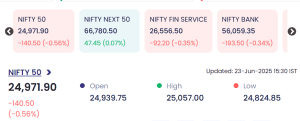
Mumbai: Indian equities ended in the red on 23 June 2025, weighed down by heightened global uncertainty and weak cues from oil and financial sectors. The benchmark Nifty 50 closed at 24,971.90, down 140.50 points or 0.56%, slipping below the 25,000 mark.
Opening: 24,939.75
Day’s High: 25,057.00
Day’s Low: 24,824.85
Sectors such as financial services, banking, and frontline stocks faced selling pressure, while select small and mid-cap stocks defied broader weakness to post sharp gains.
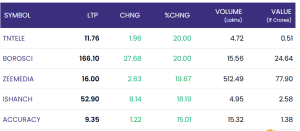
Despite the weakness in headline indices, certain small-cap and mid-cap counters registered stellar gains, with multiple stocks hitting the upper circuit:
Symbol
LTP
Change
% Change
Volume (Lakhs)
Value (₹ Cr)
TNTELE
11.76
+1.96
+20.00%
4.72
0.51
BOROSCI
166.10
+27.68
+20.00%
15.56
24.64
ZEEMEDIA
16.00
+2.63
+19.67%
512.49
77.90
ISHANCH
52.90
+8.14
+18.19%
4.95
2.58
ACCURACY
9.35
+1.22
+15.01%
15.32
1.38
Noteworthy:
ZEEMEDIA witnessed extraordinary volumes with over 512 lakh shares traded, indicating heightened investor interest.
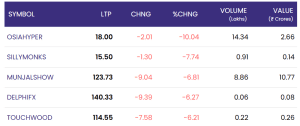
📉 Top Losers of the Day
On the flip side, a few stocks bore the brunt of selling pressure and saw sharp declines:
Symbol
LTP
Change
% Change
Volume (Lakhs)
Value (₹ Cr)
OSIAHYPER
18.00
-2.01
-10.04%
14.34
2.66
SILLYMONKS
15.50
-1.30
-7.74%
0.91
0.14
MUNJALSHOW
123.73
-9.04
-6.81%
8.86
10.77
DELPHIFX
140.33
-9.39
-6.27%
0.06
0.08
TOUCHWOOD
114.55
-7.58
-6.21%
0.22
0.26
📈 Market Insight: What’s Driving the Sentiment?
The day’s sell-off is attributed to:
Rising geopolitical tensions in West Asia, leading to a spike in global crude oil prices
Profit booking in financial and banking sectors
Weak global cues and caution ahead of key macroeconomic announcements
At the same time, broader interest in media, specialty chemicals, and manufacturing-related counters kept investor interest alive in select segments.
✅ Conclusion: Volatility Expected to Continue
The sharp divergence between benchmark indices and select small-cap gainers indicates a stock-specific market environment, with volatility expected to persist. Traders are advised to stay cautious as global uncertainty, coupled with monsoon-related macro risks, continues to weigh on sentiment.
As Nifty hovers near a psychological threshold, investors will closely monitor cues from global markets, oil prices, and FII flows in the coming sessions.
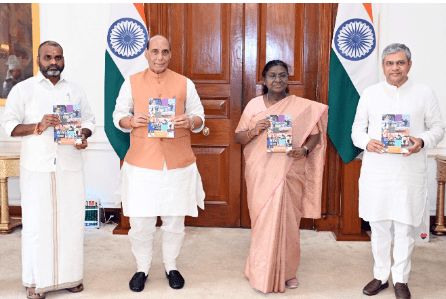
New Delhi: In a grand ceremony held at the Rashtrapati Bhavan Cultural Centre on June 23, 2025, President of India, Smt. Droupadi Murmu, received the first copies of the second volume of two distinguished books — ‘Wings to Our Hopes’ (English) and ‘Aashaon Ki Udaan’ (Hindi). These volumes are curated collections of her speeches delivered during the second year of her Presidency, reflecting her commitment to national progress, inclusive growth, and ethical leadership.
The books were released by Raksha Mantri Shri Rajnath Singh in the august presence of Union Minister for Information & Broadcasting Shri Ashwini Vaishnaw, Minister of State for I&B Dr L. Murugan, and other senior dignitaries and officials from the Ministry of Information and Broadcasting and the Publications Division.
📚 A Compilation of Presidential Vision
Published by the Directorate of Publications Division, the second volume of ‘Wings to Our Hopes’ and ‘Aashaon Ki Udaan’ encompasses a total of 51 selected speeches of President Droupadi Murmu, each one articulating the core values of Indian democracy, cultural richness, governance priorities, and the spirit of public service.
These speeches have been classified into 11 thematic sections, each capturing a unique dimension of her role as the constitutional head and moral compass of the Republic:
🔹 Thematic Sections of the Second Volume:
Addressing the Nation Reflections on Independence Day, Republic Day, and other national moments of pride and unity.
Fostering Holistic Development Through Education Emphasizing the transformative power of education, NEP 2020, and academic excellence.
Inspiring the Karmayogis for Selfless Service Motivating civil servants and public officials to uphold integrity and serve with compassion.
Armed Forces – Our National Pride Honouring the bravery, discipline, and dedication of India’s armed forces.
Role of Governance in Citizen Empowerment Stressing transparency, accessibility, and inclusive policies to uplift every citizen.
Recognizing Outstanding Achievements Felicitations and speeches at awards ceremonies celebrating excellence in various fields.
Building and Strengthening Global Connections Addresses during diplomatic meetings and state visits, projecting India’s global leadership.
Celebrating Our Cultural Heritage Promoting India’s diverse traditions, indigenous knowledge, and festivals.
Innovation in Agriculture: Driving India’s Growth Advocating modern agricultural practices and farmers’ welfare.
Integrating Self and Nature Encouraging harmony between humans and the environment, aligned with India’s climate goals.
Women’s Empowerment: Breaking Down Barriers Championing gender equality, leadership for women, and rights-based inclusion.
🎙️ Voices of the Dignitaries
Speaking at the event, Raksha Mantri Shri Rajnath Singh lauded the significance of compiling these presidential speeches, calling them “a roadmap for India’s socio-political consciousness and ethical governance.”
Shri Ashwini Vaishnaw, Minister for I&B, highlighted the importance of archiving such impactful addresses, which not only inspire citizens today but will serve as reference points for generations to come.
Dr L. Murugan, MoS for I&B, emphasized that the books beautifully capture the essence of President Murmu’s inclusive vision and grassroots connection.
🏛️ Symbolism of the Occasion
The event was more than a ceremonial release — it was a celebration of words as instruments of leadership. The President’s speeches, now bound into these volumes, reflect a period of significant transformation in India — where tradition meets technology, and policy is grounded in people-centricity.
The books will be made available through the Publications Division’s distribution channels in both physical and digital formats, allowing scholars, students, and citizens to engage with the President’s ideas and ideals.
✅ Conclusion: A Chronicle of Nation-Building Through Words
The release of ‘Wings to Our Hopes’ and ‘Aashaon Ki Udaan’ is not just the documentation of presidential speeches — it is the preservation of India’s democratic ethos and visionary dialogue. These volumes stand as a testament to President Droupadi Murmu’s inspiring leadership, compassionate governance, and her unwavering belief in inclusive, equitable, and empowered India.
As these books find their place in libraries, institutions, and public discourse, they will continue to nurture aspirations and reaffirm the collective hopes of a New India.
Strong Weekend Pushes Sitaare Zameen Par Ahead in the Box Office Race
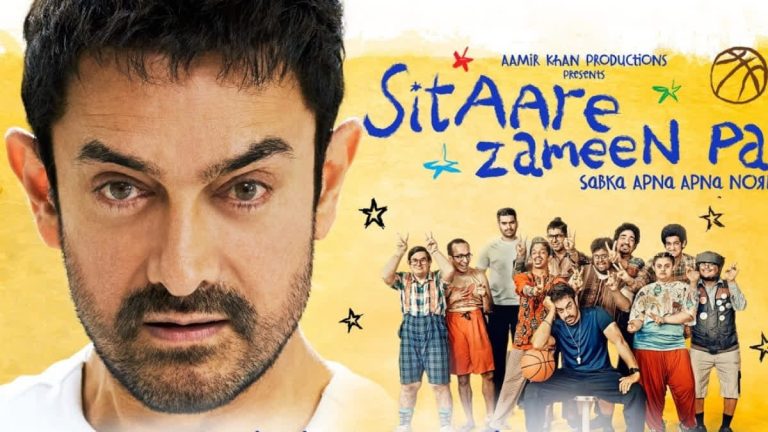
The Sitaare Zameen Par box office collection made a strong impression during its first weekend. Released on June 20, 2025, the film collected ₹11.7 crore on Friday in India. The positive reception and family-oriented appeal helped boost earnings across the weekend.
Saturday’s numbers showed remarkable growth, followed by a huge Sunday collection of ₹27.25 crore. By the end of its first weekend, the film recorded ₹59.9 crore in India, making it the sixth highest Hindi opening weekend of 2025, according to trade tracking site Sacnilk.
Sitaare Zameen Par Beats Laal Singh Chaddha’s Total India Earnings in Just 4 Days
Despite a predictable Monday drop, Sitaare Zameen Par box office collection remained steady. The film earned ₹8.27 crore on Day 4, bringing its India total to ₹66.42 crore. With this figure, it has officially overtaken Aamir Khan’s previous release, Laal Singh Chaddha, which had collected ₹61.36 crore in its entire run.
This performance highlights a significant comeback for Aamir Khan, three years after his last film. The numbers show that viewers are ready to return to theatres for emotionally engaging and meaningful content.
Near ₹95 Crore Global Total in Just Three Days Shows the Film’s Widespread Appeal
Internationally, the Sitaare Zameen Par box office collection also showed strong growth. According to industry sources, the global box office tally stood at approximately ₹93.5–₹95 crore by the end of Sunday. Though official Monday overseas data isn’t fully released, the film is expected to cross the ₹100 crore global mark within its first week.
This performance shows the cross-border appeal of inclusive, heartwarming storytelling backed by a superstar presence. International screens, particularly in North America and the Middle East, contributed significantly to the overseas revenue.
Praise From Audiences and Film Community Adds to the Film’s Strong Word-of-Mouth
While the film has not yet received confirmed public praise from top stars like Mahesh Babu or Javed Akhtar, it continues to earn acclaim from viewers and critics. Early reviews have highlighted its emotional narrative, authentic performances, and Aamir Khan’s restrained yet powerful portrayal.
Audiences have lauded the positive messaging and the balanced blend of humour and emotion. Many are calling it a spiritual successor to Taare Zameen Par, with a mature and inclusive take on sports and neurodiversity.
Aamir Khan Returns with a Heartfelt Story That Blends Sports, Emotion, and Social Awareness
Directed by R. S. Prasanna and written by Divy Nidhi Sharma, Sitaare Zameen Par centers on a basketball coach played by Aamir Khan. His character, a former professional athlete, must train a team of ten neurodivergent players for a national championship. Alongside Aamir, the film stars Genelia D’Souza as his on-screen wife.
The film is inspired by the 2018 Spanish movie Champions. However, it is deeply localized and reimagined to resonate with Indian sensibilities. The supporting cast includes newcomers like Aroush Datta, Samvit Desai, Gopi Krishna Varma, and Simran Mangeshkar.
The marketing and release strategy played a major role in the film’s initial success. The producers partnered with PVR-INOX for a tiered theatrical rollout. The movie first opened with a limited number of shows and expanded after receiving a warm audience response.
The release has been exclusive to theatres so far. While some reports speculated about a future YouTube Pay-Per-View release after eight weeks, this strategy has not been officially confirmed. As of now, Sitaare Zameen Par remains available only on the big screen.
Strong Weekday Performance Could Push Film Past ₹120 Crore in India
Looking ahead, the film’s future depends on weekday footfall and second-weekend collections. If the film maintains a ₹6–7 crore average per weekday, it could cross ₹100 crore domestically in its second week. Combined with overseas earnings, Sitaare Zameen Par may enter the ₹150 crore club globally.
The lack of strong competition this week at the box office also favours the film. Its family-friendly tone and school holiday timing further strengthen its appeal across all age groups.
Sitaare Zameen Par box office collection has shown that socially impactful stories can still perform well theatrically. With the right blend of emotion, entertainment, and inclusivity, Aamir Khan’s return has not only delivered at the box office but also touched hearts across the globe.
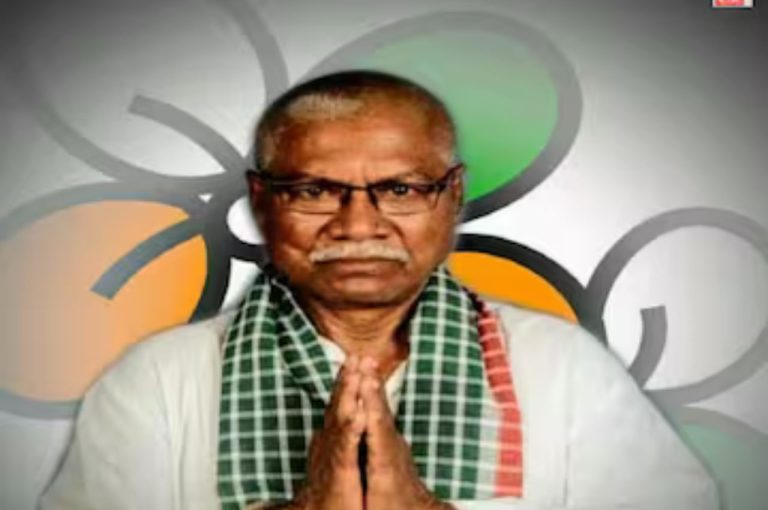
Manoranjan Byapari Health Scare: West Bengal’s political circles were jolted on Monday afternoon after renowned Dalit author-turned-Trinamool Congress (TMC) legislator, Manoranjan Byapari, suddenly fell ill during the state assembly’s ongoing monsoon session. The incident occurred as lawmakers debated pressing legislative matters in the monsoon session at Kolkata’s historic Vidhan Sabha, drawing concern across party lines.
Byapari was quickly provided first aid on-site before being shifted to the Seth Sukhlal Karnani Memorial (SSKM) Hospital, where doctors are currently monitoring him.
Incident Details: Fainting During Assembly Session
The unsettling moment took place at approximately 2:30 PM on Monday. Eyewitnesses report that Byapari — representing the Balagarh constituency — appeared visibly uncomfortable during the debates and eventually showed signs of dizziness.
Fellow MLAs seated nearby raised an alarm as the veteran writer and politician slumped in his seat. Immediate assistance was rendered by the assembly’s medical team who rushed in to check his vital signs.
As per the hospital’s latest update, Byapari experienced sudden dehydration and a brief drop in blood pressure, possibly triggered by Kolkata’s stifling humidity and the rigors of long legislative hours. The session was briefly paused to allow safe evacuation.
Immediate Medical Response and Hospitalization
Once emergency protocols were activated, the on-site doctors administered basic stabilization, including water, fluids, and measured oxygen. A stretcher was then used to shift him to a dedicated ambulance waiting at the assembly gates.
A senior TMC official present in the session remarked:
“Our primary concern was to ensure Shri Manoranjan Byapari received prompt and adequate care. Every MLA and staff member wished for his swift recovery as he was transferred to SSKM Hospital without delay.”
By approximately 3:15 PM, the ambulance carrying Byapari reached SSKM Hospital. Doctors promptly moved him into the intensive care unit for close observation and diagnostic tests including an ECG, blood tests, and vitals checkup.
Hospital Briefing and Health Status
Dr. Ravi Sharma, a spokesperson at SSKM Hospital, provided the following medical update late Monday evening:
“Manoranjan Byapari-ji is stable and under continuous observation. Our primary tests so far show mild dehydration and slight fatigue. Given his age and health profile, we will monitor him overnight and reassess his vitals in the morning.”
No signs of serious complications — such as cardiac distress or infections — have been detected. A discharge is anticipated in 48 to 72 hours if progress continues as expected.
Manoranjan Byapari: From Rickshaw-Puller to Literary Icon and MLA
This health scare has brought into sharp focus the remarkable life and career of Manoranjan Byapari, a story that embodies resilience and perseverance.
Born into a family displaced by Partition in the early 1950s and raised in refugee camps, Byapari spent his early years in poverty and hardship. Forced to take up odd jobs at a very young age — including working as a rickshaw-puller — he faced hunger, discrimination, and systemic exclusion at every turn.
Despite these adversities, a burning desire to rise above his circumstances led him to self-educate during an incarceration period in the 1970s. Byapari learned to read and write in jail — a formative experience that changed the course of his life.
Once released, he nurtured his newfound literacy into a passionate career as a writer. Throughout the 1980s and 90s, he penned scores of short stories, essays, and articles — often centered on caste oppression and the Dalit experience.
Byapari’s literary prowess became evident with his celebrated autobiography, “Interrogating My Chandal Life”, which explores the trauma and resilience that shaped him. Other acclaimed works include “I Write as I Want,”“There’s Gunpowder in the Air,” and essays that have been widely published in Bengali literary journals and international media.
As his prominence in Bengali literary circles grew, Byapari also became an outspoken voice on Dalit rights and socio-economic justice. This earned him recognition like the The Hindu Prize (2019) and a JCB Prize shortlist (2023).
Manoranjan Byapari Health Scare: Political Role and Public Service
Byapari’s trajectory into politics took a decisive turn in 2021 when the Trinamool Congress nominated him as a candidate for the Balagarh constituency. Winning the assembly seat by a comfortable margin, Byapari transitioned into a legislative role that reflected his lifelong commitment to uplift marginalized communities.
As a Dalit MLA, he has been an active participant in the West Bengal Assembly, often emphasizing policies on social equity, rural development, and education for underprivileged youth. Furthermore, he also holds the chairpersonship of the West Bengal Dalit Sahitya Academy since 2020 — a post that enables him to foster literature and cultural rights for Dalits.
Political and Public Reactions Pour In After Byapari’s Health Scare
The news of Manoranjan Byapari’s sudden illness sent shockwaves through the political landscape of West Bengal and beyond. Known for his fierce honesty, dedication to social justice, and rich literary background, Byapari enjoys respect across political and ideological lines — a rarity in today’s polarized environment.
Trinamool Congress Responds Swiftly
Trinamool Congress leaders and party spokespersons quickly expressed solidarity with their ailing colleague. Chief Minister Mamata Banerjee, who was not present at the assembly during the incident, was briefed immediately and is said to have personally enquired about his health from the hospital authorities. In a short message issued later in the evening, she wrote:
“Shri Manoranjan Byapari is not just a legislator; he is a powerful symbol of courage, creativity, and conscience. We are praying for his quick recovery and return to the Assembly where his voice is needed.”
Senior TMC leaders including Firhad Hakim, Partha Chatterjee, and Dr. Shashi Panja also took to social media to share updates and extend their wishes.
Opposition Leaders Join in Support
The goodwill extended beyond party lines. Suvendu Adhikari, Leader of Opposition and BJP MLA from Nandigram, also issued a statement:
“We may differ in ideology, but I have always admired Mr. Byapari’s rise from hardship and his contribution to public life. Wishing him strength and health. The Assembly is incomplete without voices like his.”
Left Front MLAs, Congress representatives, and independents followed suit, emphasizing how much they value Byapari’s balanced and inclusive approach to debate.
Public Sympathy and Social Media Storm
Soon after the news broke, supporters, citizens, and readers flooded social media with messages of concern. The hashtag #GetWellSoonByapari trended in West Bengal for several hours, with users posting photos from his book events, quotes from his speeches, and clippings of his assembly debates.
Popular Bengali writer Sirshendu Mukhopadhyay tweeted:
“A writer who walked miles on the margins is now a voice in the corridors of power. That is India’s real democracy. Let Manoranjan-ji recover soon. His story is still being written.”
Monsoon Session Pressures: The Background
The monsoon session of the West Bengal Legislative Assembly, which began on June 20, was expected to be one of the most heated and agenda-packed sessions of the year. With key discussions on rural employment, panchayat transparency, Mamata Banerjee’s new urban renewal schemes, and growing tension over central fund delays, the session has kept lawmakers on edge.
Add to that the sweltering Kolkata monsoon weather — with 85% humidity, sticky temperatures, and unpredictable downpours — and the physical toll on legislators becomes apparent.
On the day of Byapari’s illness, proceedings had been especially intense. Multiple interjections, a high-profile question hour, and opposition walkouts had already stretched nerves by noon. MLAs were engaged in back-to-back debates without adequate recess, breaks, or cooling facilities.
Assembly Speaker’s Statement
Assembly Speaker Biman Banerjee, while temporarily suspending the session after the incident, acknowledged that “long sessions with minimal breaks and extreme weather conditions are not ideal for anyone — especially senior legislators. We must reflect on these realities moving forward.”
There’s now growing demand for shorter sittings during high-heat periods and access to mobile health units inside the Assembly building — especially for MLAs above the age of 60.
Legislative Work and Hidden Health Hazards
While politics is often seen as a game of words and strategy, the health risks that come with active legislative roles are rarely discussed in the public domain. Yet studies show that politicians face considerable stress and health complications, especially during intense assembly or parliamentary sessions.
Common Risks During Sessions
Dehydration and Heat Stroke – Many MLAs wear traditional garments, which do not allow sweat to evaporate easily. Paired with little time for water breaks, dehydration is a common and dangerous risk.
Mental Stress – Political debates, especially those involving allegations, funding crises, or public anger, can spike cortisol levels. Repeated exposure to such stress can affect the heart, blood pressure, and mood regulation.
Sedentary Pressure – Lawmakers often sit continuously for 5–6 hours or more during sessions, leading to circulation issues, muscle fatigue, and spinal stress.
Erratic Meals – With sessions running long, lunch often gets skipped or delayed, affecting blood sugar levels and causing fatigue.
Medical Experts Weigh In
Dr. Mousumi Roy, a senior physician at Apollo Gleneagles, shared:
“When a senior lawmaker like Mr. Byapari collapses, it’s a wake-up call. Our politicians need scheduled hydration breaks, fast-response medical teams during sessions, and a flexible calendar. Mental and physical stress are intertwined, especially in heated monsoon sittings.”
Previous Incidents: A Pattern Emerging?
Manoranjan Byapari is not the first legislator to fall ill during a session. In the past decade, West Bengal has witnessed at least six incidents of similar nature:
In 2016, MLA Rabindranath Bhattacharya fainted during a budget discussion.
In 2020, CPI(M) veteran Anisur Rahman experienced a sudden drop in blood pressure and was admitted to a private hospital.
In 2022, two MLAs — one from TMC and one from BJP — had to be hospitalized for respiratory distress during prolonged monsoon proceedings.
While none of these incidents turned fatal, they reveal a pressing need to re-examine how legislative duties intersect with health.
Assembly and Health Reforms: The Way Ahead
Following the recent event, several MLAs have reportedly proposed forming a Health & Wellness Oversight Panel inside the Assembly. This committee could recommend:
Availability of ORS and cold water bottles
Shorter session lengths during summers and monsoons
Scheduled wellness checks for senior MLAs
Access to mental health professionals during budget or crisis weeks
A proposal for mandatory fitness certification for all new MLAs has also been floated, though it remains controversial.
1. West Bengal Legislative Assembly (Official Site)
Nadia Shradh Controversy— June 23, 2025 — In a tragic and troubling reminder of entrenched social prejudices, a family in Nadia district recently performed the shradh (Hindu death rites) for their own daughter after she chose to marry a man from a different faith. The case, which has sparked heated debate across the region, highlights the ongoing struggles of interfaith couples and the pressure they face due to long-standing societal norms.
Incident Sparks Shock and Concern
The incident took place in a small village in Nadia, where villagers gathered to conduct the symbolic funeral ceremony. The distraught parents, though present at the ritual, remained emotionally distant — saying they had “lost” their daughter forever the day she decided to defy family expectations and marry someone outside her religion.
While the couple had hoped to receive their parents’ blessings, they now face deep isolation and condemnation in their community. According to local witnesses, traditional Brahmin priests were called to oversee the ritual, which was completed with all customary practices — including lighting a funeral pyre and performing final prayers.
Interfaith Marriages Still Taboo in Many Communities
Though India’s legal framework permits consenting adults to marry across religion and caste lines under the Special Marriage Act of 1954, social realities often lag far behind legal protections. Even in 2025, stigma surrounding interfaith relationships — especially in rural pockets — can lead to ostracization, threats of violence, and permanent family estrangement.
Nadia Shradh Controversy: The Role of Community Pressure
Community members in Nadia defended the family’s decision, saying that their actions were driven by social pressure. “If they accept her back,” said one elder, “our village will talk forever. Inter-caste and interfaith marriages are dishonorable here.”
Such sentiments reflect the deep-rooted patriarchal mindset where honor is often tied to women’s choices. Advocacy groups say this underscores the need for counseling, awareness campaigns, and local legal aid to empower youth.
More on gender and social reform initiatives can be found at:
→ https://www.wcd.nic.in/ (Ministry of Women & Child Development)
Legal Support and Safe Spaces
While the family may have turned its back on the daughter, local human rights organizations and lawyers have reached out to offer legal support. Advocates emphasize that the couple has the right to live freely and without harassment under constitutional protections.
NGOs also help interfaith couples register their marriages securely under the Special Marriage Act and advise them on personal safety measures if they face intimidation.
More information on legal aid is available at:
→ https://nalsa.gov.in/ (National Legal Services Authority)
Psychological Impact of Familial Rejection
Experts in mental health warn that rejection by one’s own family can cause profound trauma. Psychologists working with such couples highlight feelings of shame, depression, and anxiety resulting from these incidents.
As Dr. Suman Sengupta, a Kolkata-based psychiatrist, noted:
“When a person is shunned by their parents and community, especially after making a deeply personal life choice, they experience immense emotional pain. This can have lifelong consequences.”
More on mental health and counseling support can be found at:
→ https://www.mohfw.gov.in/ (Ministry of Health and Family Welfare — Mental Health Resources)
Calls for Broader Social Change
Progressive leaders and civil society members have called for educational initiatives to promote interfaith understanding and acceptance in schools and community centers. Awareness drives about constitutional freedoms and the dignity of personal choices can help slowly erode these entrenched prejudices.
Meanwhile, the Supreme Court of India has also reaffirmed the right to choose one’s partner without fear or intimidation — a crucial legal backbone for interfaith couples.
More about Supreme Court verdicts on personal freedoms is available at:
→ https://www.sci.gov.in/ (Supreme Court of India)
Conclusion: Breaking Barriers with Compassion
The heartbreaking ritual performed in Nadia is a powerful reminder of the social work that remains to be done to ensure that every individual — regardless of gender, religion, or caste — can live a life of dignity and choice. Interfaith marriages may challenge tradition, but they also serve as a catalyst for progressive change.
As society grapples with these issues, a balanced conversation is vital — one that respects both tradition and personal freedoms. Education, legal support, mental health awareness, and a firm commitment to constitutional values will help bridge the chasm between rigid customs and individual rights.
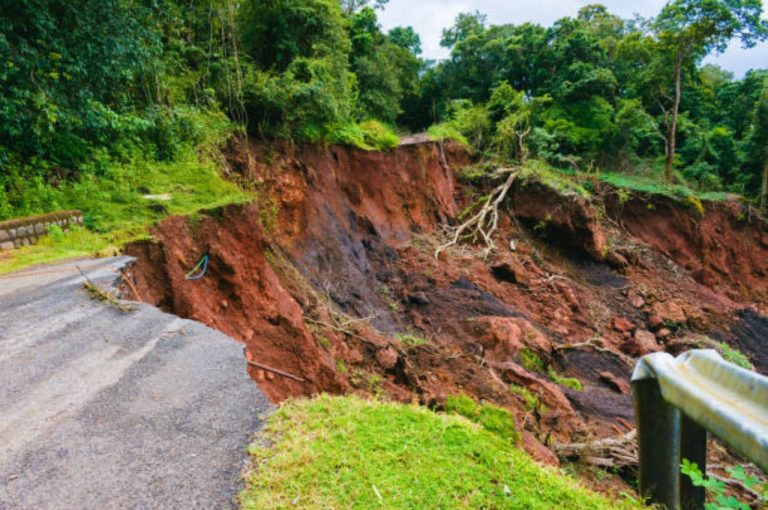
Lumding-Badarpur Landslide— A significant landslide on the Lumding-Badarpur railway section has disrupted train services and road traffic in Assam. The incident took place early Monday morning, leaving large stretches of tracks covered with mud and debris. Fortunately, no casualties were reported, but local officials fear the disruption could last several days as clearing operations continue.
The Impact on Train and Road Traffic
The affected rail route, a vital link connecting Assam with other northeastern states, was rendered impassable due to fallen trees, loose soil, and rocks. Several passenger and freight trains had to be canceled or rerouted, causing considerable delays and economic losses for the region.
Meanwhile, vehicular movement along the National Highway Authority of India (NHAI) stretch also faced restrictions due to ongoing repair work and debris clearance.
Local residents and civil society groups have alleged that ongoing NHAI construction work near the Lumding-Badarpur stretch may have destabilized the surrounding hillsides. Activists claim that heavy machinery and large-scale earth excavation weakened the soil and increased the risk of landslides during the monsoon.
“This is not the first time that careless construction practices have put our communities and infrastructure at risk,” said Anjan Das, a local schoolteacher who witnessed the landslide. “The NHAI must take responsibility and conduct geological assessments before further work.”
More on sustainable road development is available at: → https://www.morth.nic.in/ (Ministry of Road Transport & Highways)
Emergency Response and Relief Efforts
Teams from the National Disaster Response Force (NDRF) and the Assam State Disaster Management Authority rushed to the site to manage the situation. Clearing work was taken up promptly with excavators, bulldozers, and manual labor.
In addition, local administration officials set up an emergency control center to assist stranded passengers and facilitate the distribution of food and water.
More on NDRF operations can be read at: → https://www.ndma.gov.in/ (National Disaster Management Authority)
Environmental Impact and Safety Concerns
Landslides like this one have raised serious questions about the region’s environmental sustainability. Experts have noted that increased deforestation, illegal quarrying, and unplanned construction worsen soil erosion and destabilize hill slopes. Coupled with Assam’s heavy monsoon rains, these factors make such disasters all too common.
“A proper geological and environmental survey is mandatory before allowing major engineering projects,” said Dr. Indrani Bhattacharya, an environmental geologist. “Climate-resilient and ecologically sound designs could help minimize such catastrophes.”
More information on geological safety guidelines can be accessed at: → https://www.gsi.gov.in/ (Geological Survey of India)
Future Steps and Recommendations
In the wake of this incident, local organizations and safety advocates have put forward several recommendations to prevent such disasters:
Conduct thorough geological and environmental impact assessments before starting major infrastructure projects. Implement stricter monitoring protocols for ongoing NHAI work in hilly terrains. Launch public awareness campaigns on disaster preparedness for nearby communities.
More on public safety measures can be read at: → https://www.ima-india.org/ (Indian Meteorological Association)
Lumding-Badarpur Landslide: Conclusion
The Lumding-Badarpur landslide underscores the need for sustainable development that takes into account the fragile ecosystems of the northeastern region. Going forward, agencies like NHAI must work in closer collaboration with local experts and communities to prevent such tragedies.
As rescue and restoration efforts continue, people across Assam remain hopeful that both railway and road connections will be fully restored — and that lessons from this event will pave the way for safer, greener infrastructure across the region.
Bharat Forge, one of India’s leading engineering and defense manufacturing companies, has witnessed a surge in its share price after securing a landmark contract to supply indigenously developed close-quarter battle (CQB) carbines to the Indian Army. The contract, estimated at around ₹2,000 crore, is not only the largest carbine order in India since the introduction of the INSAS rifles over two decades ago but also a major milestone for the country’s ‘Make in India’ and ‘Aatmanirbhar Bharat’ initiatives. This development marks a turning point for India’s defense self-reliance and is set to have a significant impact on the nation’s military capability, the local economy, and Bharat Forge’s future growth trajectory.
Bharat Forge’s recent triumph in securing the Indian Army’s carbine contract marks a defining moment not only for the company, but for the entire Indian defense manufacturing ecosystem. The announcement has sparked optimism among investors, industry experts, and policymakers, all of whom see this as a validation of India’s growing capability to design, develop, and deliver sophisticated military hardware domestically. The contract’s sheer size and scope have set new benchmarks for indigenous defense procurement, signaling a shift away from reliance on foreign suppliers and toward homegrown innovation.
The surge in Bharat Forge’s share price reflects more than just market excitement—it indicates a broader confidence in the company’s strategic direction. For years, Bharat Forge has invested heavily in research, development, and advanced manufacturing technologies, positioning itself as a leader in the next generation of defense solutions. The company’s ability to outbid established global competitors demonstrates the maturity and competitiveness of Indian industry on the world stage.
At the heart of this success is the DRDO-Bharat Forge CQB carbine, a weapon meticulously designed to meet the unique operational requirements of the Indian Army. Unlike many previous procurements that relied on imported technology, this carbine is a product of Indian engineering, tested in diverse environments and tailored for the country’s specific security challenges. Its lightweight build, reliability, and adaptability make it especially suited for the fast-paced, close-quarters combat scenarios faced by Indian soldiers.
The contract is also expected to create a ripple effect throughout the Indian defense supply chain. Hundreds of small and medium enterprises (SMEs) that supply components, materials, and services to Bharat Forge will see increased demand, translating into new jobs and economic opportunities across multiple states. This multiplier effect is central to the government’s vision of defense-led industrialization and economic growth.
Bharat Forge’s Landmark Victory: Details of the Indian Army Carbine Contract
Bharat Forge, through its defense arm Kalyani Strategic Systems, emerged as the lowest bidder in a competitive Indian Army tender to supply over 400,000 CQB carbines. These carbines, designed by the Armament Research and Development Establishment (ARDE) of the Defence Research and Development Organisation (DRDO), are specifically crafted for urban and jungle warfare, fulfilling a long-standing need for compact, modern weapons in close combat scenarios. The Indian Army’s requirement for more than 4.25 lakh carbines underscores the scale of this procurement and its strategic importance for national security.
The CQB carbine is a 5.56×45 mm weapon, designed to be lightweight (not exceeding 3 kg without magazine and accessories), highly maneuverable, and effective at ranges of at least 200 meters. It is tailored for counter-terrorism and urban operations, with features like a bayonet and compact build to enhance infantry agility and effectiveness in close-quarter situations.
Share Price Surge and Market Impact: Bharat Forge’s Strategic Leap
The news of Bharat Forge winning the Indian Army contract has buoyed investor sentiment, resulting in the company’s share price rising even amid a generally weak broader market. This positive movement reflects the market’s confidence in Bharat Forge’s growing defense portfolio and its ability to deliver on large-scale, high-value orders. The company’s defense order book now stands at a significant value, with projections of strong order book growth for the next financial year.
While the previous fiscal was led by export orders, the coming year is expected to see major domestic defense deals, with new business secured during the last year—much of which came from the defense sector alone. This contract is a game-changer for Kalyani Strategic Systems, which has so far generated most of its revenue through exports but will now play a pivotal role in India’s defense modernization drive.
For the Indian Army, the induction of the new CQB carbines represents a long-awaited modernization of its infantry arsenal. The replacement of aging weapons with state-of-the-art carbines will enhance operational readiness, improve soldier confidence, and provide a critical edge in both conventional and asymmetric warfare scenarios. The Army’s satisfaction with the indigenous solution is likely to encourage further investments in local R&D and manufacturing.
The contract’s significance extends to the international arena as well. Bharat Forge’s success is being closely watched by defense ministries and procurement agencies around the world, many of whom are seeking to diversify their supply chains and reduce dependence on traditional arms exporters. The company’s ability to deliver at scale and on schedule could open doors to lucrative export opportunities in the coming years.
Within Bharat Forge, the win is seen as a validation of its long-term strategy to diversify beyond its traditional automotive and industrial businesses. The company’s defense division has steadily grown its portfolio, winning orders for artillery, armored vehicles, and now small arms. This diversification not only insulates the company from sector-specific downturns but also aligns it with national priorities for security and self-reliance.
The government’s role in facilitating this achievement cannot be understated. Policy reforms, streamlined procurement processes, and incentives for domestic manufacturing have created an environment where Indian companies can compete on equal footing with global giants. The ‘Buy (Indian)’ procurement category, in particular, has been instrumental in channeling investments and fostering innovation within the country.
Atmanirbhar Bharat in Action: Boost for Indigenous Defense Manufacturing
This contract is a resounding endorsement of India’s push for self-reliance in defense manufacturing. The Army’s decision to prioritize the DRDO-Bharat Forge CQB carbine over foreign alternatives signals a paradigm shift in the country’s defense acquisition strategy, reducing dependence on imports from other countries. The procurement falls under the ‘Buy (Indian)’ category, which mandates a minimum of 50% indigenous content, further strengthening the domestic defense ecosystem.
Large-scale production of the carbine will take place at Bharat Forge’s Pune facility, creating jobs and boosting the local economy. The scalable model established by this contract is expected to serve as a blueprint for future indigenous defense projects, enhancing India’s capabilities and global standing in defense technology.
Technological Excellence: Features and Significance of the DRDO-Bharat Forge CQB Carbine
The DRDO-Bharat Forge CQB carbine stands out for its advanced design and operational efficiency. Developed by ARDE, DRDO, the weapon underwent rigorous trials, outperforming other contenders in terms of reliability, accuracy, and cost-effectiveness. The carbine’s compact size, lightweight build, and effective range make it ideal for the Indian Army’s requirements in urban and jungle warfare, where agility and rapid response are critical.
The weapon’s induction will replace decades-old Sterling carbines, marking a generational leap in the Army’s small arms inventory. The CQB carbine’s indigenous design and production also align with India’s broader goals of technological sovereignty and defense innovation.
As production ramps up, Bharat Forge is expected to invest further in workforce training, quality control, and advanced manufacturing systems. The company’s Pune facility, already a hub of technological excellence, will serve as a model for future defense manufacturing clusters across India. These investments will not only ensure timely delivery of the Army’s order but also build capacity for future projects.
The carbine contract is also a testament to the collaborative spirit between India’s public and private sectors. The partnership between DRDO and Bharat Forge has combined the strengths of government-funded research with private sector efficiency and agility. This model is likely to be replicated in future defense projects, leveraging the best of both worlds to accelerate innovation and delivery.
For India’s young engineers and scientists, the project offers inspiration and tangible career opportunities. The success of the indigenous carbine is expected to boost enrollment in defense-related academic programs and encourage more startups to enter the sector. This infusion of talent and entrepreneurship will be vital for sustaining the momentum of India’s defense modernization.
Future Outlook: Bharat Forge’s Role in India’s Defense Modernization
With this contract, Bharat Forge cements its position as a cornerstone of India’s defense industrial base. The company’s investment in state-of-the-art manufacturing facilities and its collaboration with DRDO have positioned it as a key player in the modernization and indigenization of the armed forces. As the Indian Army prepares to induct over 400,000 CQB carbines, Bharat Forge’s ability to deliver high-quality systems at scale will be closely watched by both the government and industry stakeholders.
The success of this project is expected to open doors for further domestic and international defense contracts, with Bharat Forge likely to play a leading role in upcoming tenders for artillery, armored vehicles, and other advanced weapon systems. The company’s robust order book and strategic vision signal a bright future, not only for Bharat Forge but also for India’s ambitions of becoming a global defense manufacturing hub.
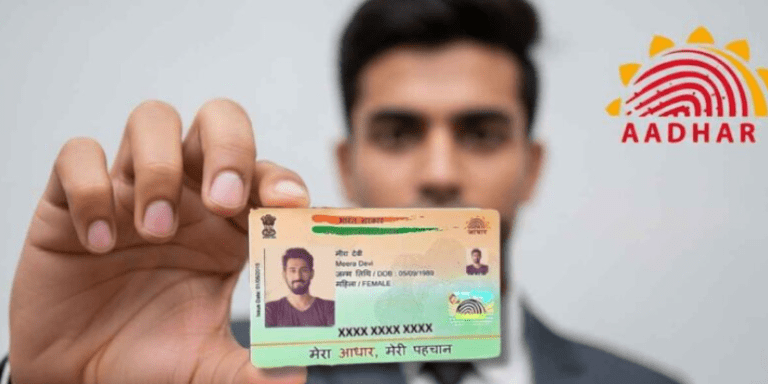
Aadhaar, India’s unique identification system, is set to undergo significant regulatory changes starting November 2025, impacting millions of citizens, businesses, and government agencies. The new rules, announced by the Unique Identification Authority of India (UIDAI), aim to enhance security, streamline processes, and address privacy concerns that have surfaced over the past decade. As it continues to be the backbone of digital identity and public service delivery in India, understanding these changes is essential for every resident and stakeholder.
The sweeping changes to it rules are expected to have a profound impact on how Indians interact with digital services and government schemes. For many, it is the gateway to essential benefits like subsidies, pensions, scholarships, and healthcare. The introduction of mandatory updates every ten years will help ensure that the system remains accurate and inclusive, preventing cases where outdated information leads to denial of services or benefits. This move is particularly significant for rural and marginalized communities who rely heavily on it for access to welfare programs.
The enhanced biometric security measures mark a major technological leap forward for UIDAI. By integrating multi-modal biometrics—fingerprints, iris scans, and facial recognition—the system will be better equipped to prevent identity theft, duplication, and fraud. This is especially important in a country as populous and diverse as India, where millions depend on it for daily transactions and verifications. The re-verification drive will also help weed out fake or duplicate entries, strengthening the integrity of the database.
For businesses, the new rules mean a period of transition and adaptation. While compliance will require investment in technology upgrades and staff training, the long-term benefits include reduced risk of fraud and improved customer trust. Organizations that proactively embrace the new consent-based data sharing protocols and transparent communication practices are likely to stand out in a crowded market, gaining a reputation for respecting user privacy and security.
The revamped grievance redressal mechanism is another highlight of the reforms. By leveraging artificial intelligence and real-time tracking, UIDAI aims to resolve complaints more efficiently and transparently. This should lead to greater satisfaction among users who have previously faced delays or confusion when dealing with Aadhaar-related issues. The multilingual support feature will also make the system more accessible to India’s linguistically diverse population.
Privacy advocates and digital rights groups have cautiously welcomed the changes, noting that explicit consent requirements and tighter penalties for misuse are steps in the right direction. However, some experts stress the need for continued vigilance, calling for regular independent audits and stronger data localization norms to further protect sensitive personal information. The ongoing evolution of Aadhaar rules reflects the dynamic nature of technology and the importance of adapting regulatory frameworks to new challenges.
Aadhaar Rules 2025: What’s Changing and Why It Matters
The Aadhaar system, launched in 2009, has become a critical part of India’s digital infrastructure, used for everything from opening bank accounts to receiving government subsidies. However, with over 1.3 billion it’s numbers issued and increasing concerns about data privacy, misuse, and identity theft, the government has decided to update the rules governing it’s usage, verification, and data management.
The new rules, effective from November 1, 2025, introduce several key changes:
Enhanced Biometric Security:
UIDAI will roll out upgraded biometric authentication standards, including multi-modal biometrics (fingerprint, iris, and facial recognition) for all new enrollments and updates. Existing the holders will be encouraged to re-verify their biometrics over the next three years to ensure data accuracy and prevent duplication or fraud.
Mandatory Periodic Aadhaar Updates:
All Aadhaar holders will be required to update their demographic and biometric details every 10 years. This move is designed to keep the database current and reduce the risk of outdated or incorrect information being used for authentication.
Stricter KYC (Know Your Customer) Norms:
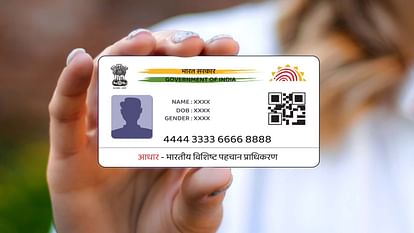
Banks, telecom operators, and other service providers must use the latest Aadhaar KYC APIs, which include real-time consent and dynamic QR code generation. This will make the KYC process more secure and transparent, ensuring that users are always aware of when and how their it’s data is being accessed.
Revamped Aadhaar Linking and De-linking Process:
Users will gain greater control over where their Aadhaar is linked. A new online portal will allow individuals to view, manage, and de-link their Aadhaar from various services (such as bank accounts, mobile numbers, and government schemes) at any time, empowering users with more privacy and choice.
Consent-Based Data Sharing:
Service providers must now obtain explicit, purpose-specific consent before accessing or sharing Aadhaar data. Blanket consents will no longer be allowed, and users will receive instant notifications whenever their Aadhaar is used for authentication or verification.
Improved Grievance Redressal Mechanism:
UIDAI will launch a centralized, AI-powered grievance redressal system, enabling faster resolution of complaints related to Aadhaar misuse, failed authentications, or data breaches. The system will offer multilingual support and real-time tracking of complaint status.
Tighter Penalties for Misuse and Data Breaches:
The amended rules introduce stiffer penalties for unauthorized access, data leaks, or fraudulent use of Aadhaar. Organizations found guilty could face heavy fines, suspension of Aadhaar access, and even criminal prosecution in severe cases.
Aadhaar Update 2025: How Will It Affect You?
For ordinary citizens, the new Aadhaar rules mean greater security, more transparency, and increased control over personal data. Here’s what you need to do:
Re-verify Biometrics:
If you enrolled for Aadhaar before 2020, you may be asked to update your biometrics at a local Aadhaar Seva Kendra. Notifications will be sent via SMS, email, and the mAadhaar app.
Regular Updates:
Mark your calendar for the 10-year update cycle. Failure to update your Aadhaar details could result in temporary suspension of services linked to your Aadhaar, such as subsidies, pensions, or bank access.
Monitor Aadhaar Usage:
Use the new UIDAI portal to track where your Aadhaar is linked and receive alerts whenever it’s used. This will help you quickly spot any unauthorized activity and take corrective action.
Consent Management:
Before sharing your Aadhaar with any service provider, check that you are giving specific, limited consent. Never sign blank consent forms or share Aadhaar details over insecure channels.
Grievance Redressal:
In case of issues, use the upgraded complaint system for speedy resolution. Keep your registered mobile number and email updated for seamless communication.
Aadhaar for Businesses: Compliance and Opportunities
Businesses and service providers will need to adapt their systems and processes to comply with the new Aadhaar regulations. Key implications include:
Upgrading KYC Systems:
Financial institutions, telecom companies, and government agencies must integrate the latest Aadhaar APIs and consent mechanisms. Legacy systems will need to be phased out by April 2026.
Staff Training:
Employees handling Aadhaar data must undergo mandatory training on the new rules, data privacy, and consent management. UIDAI will provide online certification modules for compliance.
Customer Communication:
Businesses must update their customer onboarding and communication materials to reflect the new consent and update requirements. Transparency in how Aadhaar data is used will become a key differentiator.
Data Security Investments:
With higher penalties for breaches, companies are expected to invest in stronger cybersecurity measures, regular audits, and incident response protocols to protect Aadhaar-linked data.
Opportunities for Fintech and Digital Services:
The new rules, while stricter, also open up opportunities for innovation in digital identity verification, secure consent management, and privacy-focused fintech solutions.
Aadhaar and Privacy: Addressing Past Concerns
The overhaul of Aadhaar rules comes in response to years of debate over privacy, surveillance, and data protection. Critics have long argued that the previous framework lacked adequate safeguards against misuse and did not give users enough control over their personal information.
Public awareness campaigns are expected to play a crucial role in the rollout of the new rules. UIDAI and government agencies will need to educate citizens about their rights, responsibilities, and the importance of regular updates. Effective communication will be key to ensuring that all segments of society—especially those in remote or underserved areas—are able to comply with the new requirements and benefit from the enhanced protections.
Looking ahead, the November 2025 Aadhaar reforms could serve as a model for other countries grappling with the challenges of large-scale digital identity systems. India’s experience demonstrates both the potential and the pitfalls of using technology to drive inclusion and efficiency in public service delivery. By focusing on user empowerment, security, and transparency, the new rules aim to strike a balance between innovation and protection.
As the implementation date approaches, citizens, businesses, and policymakers alike will be watching closely to see how the changes unfold in practice. The success of the reforms will depend not only on robust systems and regulations but also on the willingness of all stakeholders to embrace a culture of accountability and respect for individual rights in the digital age.
The November 2025 changes are designed to address these concerns head-on:
User Empowerment:
By allowing individuals to manage and de-link their Aadhaar from services, the new rules put control back in the hands of users.
Purpose Limitation:
Service providers can no longer use Aadhaar data for unspecified or unrelated purposes. Each use must be justified and consented to.
Transparency:
Instant notifications and detailed usage logs will help build trust and accountability.
Legal Recourse:
The strengthened grievance redressal and penalty mechanisms give users more confidence that violations will be addressed swiftly and fairly.
Privacy advocates have welcomed these reforms as a step in the right direction, though some continue to call for further measures, such as independent audits and stronger data localization requirements.