Why Was One Piece Episode 1134 Delayed and What Is Replacing It on June 22, 2025?
The delay of One Piece Episode 1134 is due to a planned recap installment titled Dr. Chopper’s Adventure Checkup – Good Friends at a Crossroad. Originally expected on June 22, 2025, the episode will not air as scheduled. Instead, this special edition will revisit major plot points from the Egghead Arc, helping new viewers catch up and reminding longtime fans of crucial moments.
This strategic break allows the animation team more time for quality production while maintaining narrative continuity. While delays can frustrate fans, this break ensures better pacing and higher animation quality in upcoming episodes.
New Official Release Date and Global Airing Time for One Piece Episode 1134 Across Multiple Time Zones
One Piece Episode 1134 will now premiere in Japan on Sunday, June 29, 2025, at 11:15 PM JST. International fans can stream the episode soon after it airs in Japan. Here’s a full breakdown of release times by major regions:
Pacific Daylight Time (PDT): 7:15 AM, Sunday, June 29
Eastern Daylight Time (EDT): 10:15 AM, Sunday, June 29
British Summer Time (BST): 3:15 PM, Sunday, June 29
Central European Summer Time (CEST): 4:15 PM, Sunday, June 29
Indian Standard Time (IST): 7:45 PM, Sunday, June 29
Philippine Standard Time (PST): 10:15 PM, Sunday, June 29
Japanese Standard Time (JST): 11:15 PM, Sunday, June 29
Australian Central Standard Time (ACST): 11:45 PM, Sunday, June 29
Keep in mind that release times may vary slightly by streaming platform and region, so always double-check your local listings.
Where and How You Can Watch One Piece Episode 1134 Immediately After It Airs in Japan
Once One Piece Episode 1134 premieres in Japan, it will be simulcast globally on leading platforms like Crunchyroll and Netflix. These services provide near-instant access for international viewers, depending on region-specific schedules.
To watch the episode as soon as it drops, you’ll need an active subscription to either streaming platform. Subtitled versions will be made available within minutes to hours of the Japanese airing, maintaining the show’s global popularity and accessibility.
Plot Preview: What Fans Can Expect from One Piece Episode 1134’s Upcoming Story Arc Development
One Piece Episode 1134 will spotlight a deeply emotional chapter in the life of Bartholomew Kuma, focusing on his transformation into a Pacifista. The story is expected to explore Kuma’s immense sacrifice, carried out to protect his daughter Jewelry Bonney.
Key elements may include:
Flashbacks showing Kuma’s decision to undergo painful cybernetic surgery.
Insights into the contrasting motivations of Dr. Vegapunk and Saint Saturn regarding the Pacifista program.
Scenes of Bonney’s treatment and emotional reaction to her father’s condition.
These scenes will likely connect past events to current developments in the Egghead Arc, creating a rich emotional foundation for future episodes.
Why the Recap Episode Is Important Before Watching Episode 1134 of One Piece
The recap episode replacing One Piece Episode 1134 serves an important function beyond filling a schedule gap. It offers both casual and dedicated viewers a chance to revisit essential character arcs and storylines from the ongoing Egghead Arc.
This recap will likely highlight the transformation of key characters, political conflicts, and advancements in the futuristic Egghead Island setting. Fans who watch it will be better prepared to understand the emotional weight of the next installment.
How the Delay Affects the Current Story Arc and Viewer Sentiment Worldwide
Although delays can frustrate some fans, many appreciate Toei Animation’s dedication to quality and storytelling. Social media platforms have shown a mixed reaction: some viewers are eager for a recap to stay caught up, while others express disappointment about the break in pacing.
However, most fans agree that the deeper look into Kuma’s backstory will be worth the wait. One Piece Episode 1134 promises not just action, but emotional depth and important revelations about one of the most mysterious characters in the series.
When to Watch, Where to Stream, and Why Episode 1134 Is a Must-Watch for One Piece Fans
To summarize:
One Piece Episode 1134 will now air on June 29, 2025.
It will be available on Crunchyroll and Netflix, depending on your region.
The episode focuses on Kuma’s emotional transformation and its effects on Bonney and the wider storyline.
A recap episode will air on June 22, helping fans remember key Egghead Arc details.
Make sure you have your streaming subscriptions ready and stay tuned for one of the most pivotal episodes of this arc.
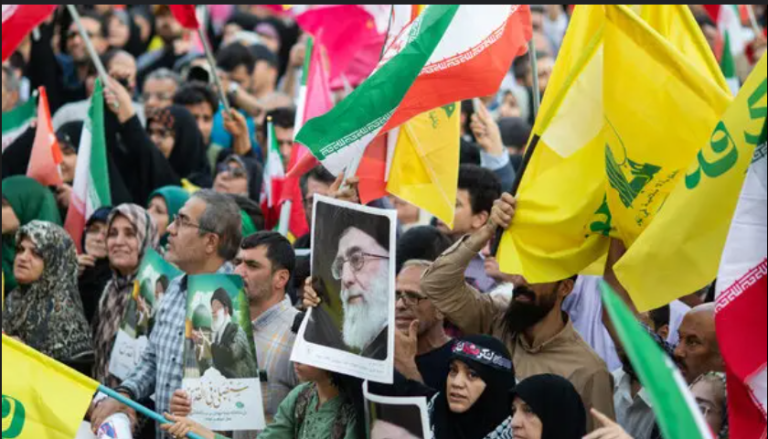
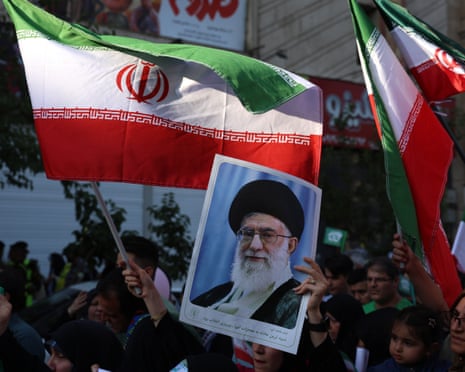
The Middle East is witnessing one of its most volatile periods in recent history as the Iran-Israel conflict enters a new and dangerous phase. Over the past week, both nations have exchanged devastating missile strikes and air raids, resulting in hundreds of casualties and widespread destruction. The situation has drawn urgent attention from world leaders, with the G7 summit placing the crisis at the top of its agenda. As the violence intensifies, the risk of broader regional escalation and humanitarian catastrophe looms large, leaving millions across the region and the world anxiously watching for any sign of de-escalation.
The Iran-Israel conflict has rapidly become the most pressing security crisis in the Middle East, with both nations locked in a deadly cycle of retaliation. As missile sirens wail in Tel Aviv and Haifa, and airstrikes rock Tehran, ordinary citizens on both sides have been thrust into a state of constant fear and uncertainty. Families in Iran have been forced to seek shelter in underground bunkers, while Israeli parents rush their children to fortified safe rooms at the sound of each alarm. The psychological toll is immense, as the threat of sudden violence looms over daily life.
International markets have responded with volatility, as oil prices surge and investors brace for further instability. The Strait of Hormuz, a vital artery for global energy supplies, has seen a sharp increase in naval patrols and insurance premiums, raising concerns about the conflict’s impact on the world economy. Major airlines have suspended flights over Iranian and Israeli airspace, further isolating the region and complicating efforts to deliver humanitarian aid.
Diplomatic channels remain strained, with backdoor negotiations reportedly underway between the United States, European Union, and regional powers such as Turkey and Qatar. However, public statements from both Tehran and Jerusalem remain defiant. Iranian officials insist they are acting in self-defense against “Zionist aggression,” while Israeli leaders argue that preemptive action is necessary to prevent Iran from acquiring nuclear weapons and threatening Israeli security.
The role of regional proxies has added another layer of complexity to the conflict. Hezbollah in Lebanon and various Iranian-backed militias in Syria and Iraq have issued statements of solidarity with Tehran, raising fears of a multi-front war. Israeli defense forces have increased their alert level along the northern border, preparing for possible rocket attacks from Hezbollah or incursions by other militant groups.
Iran-Israel Conflict: Relentless Strikes and Rising Toll
The latest hostilities erupted after Israel launched a series of preemptive airstrikes on Iranian military and nuclear sites, claiming to disrupt Iran’s alleged weapons programs and deter further aggression. Iran responded with a barrage of over 100 ballistic missiles targeting major Israeli cities, including Tel Aviv and Haifa. The attacks have resulted in significant loss of life on both sides, with Iran reporting at least 224 deaths—most of them civilians—and Israel confirming dozens of fatalities and hundreds of injuries. Hospitals in Tehran and Tel Aviv are overwhelmed, and both countries have declared states of emergency as air raid sirens and explosions become a daily reality for millions.
Inside Iran, the government has imposed strict controls on media coverage, but images and videos shared on social media reveal the extent of the devastation. Hospitals are overcrowded, and medical supplies are running dangerously low. Volunteers and aid workers are struggling to reach the hardest-hit neighborhoods, as ongoing airstrikes and roadblocks impede their progress. The Iranian Red Crescent has issued urgent appeals for international assistance, warning that the health system is on the brink of collapse.
In Israel, the Iron Dome missile defense system has intercepted many incoming projectiles, but the sheer volume of attacks has overwhelmed the system at times. Some missiles have struck residential areas, causing casualties and extensive property damage. Emergency services are stretched thin, and the government has called up reserve units to bolster civil defense and maintain public order.
The United Nations Security Council has convened multiple emergency sessions, but divisions among the permanent members have hampered efforts to pass a unified resolution. Russia and China have called for restraint on all sides, while the United States and several European countries have emphasized Israel’s right to self-defense. The lack of consensus has frustrated humanitarian organizations, who argue that immediate action is needed to protect civilians and prevent further escalation.
Religious leaders across the region have called for peace, urging both governments to consider the suffering of innocent people. Interfaith groups in Jerusalem, Tehran, and beyond have organized prayer vigils and peace marches, hoping to pressure political leaders into pursuing dialogue rather than destruction. However, the voices of moderation have so far been drowned out by the rhetoric of war.
Regional and Global Fallout: G7 Leaders Scramble for Solutions
The escalating conflict has dominated discussions at the G7 summit in Canada. Leaders from the United States, Germany, France, and other major powers have called for immediate restraint and a return to diplomatic dialogue. German Chancellor Friedrich Merz emphasized the need to halt Iran’s nuclear ambitions while affirming Israel’s right to self-defense. Meanwhile, US President Donald Trump insisted that the US is not directly involved in Israel’s military actions but warned of severe consequences if American interests are threatened. The United States Embassy in Tel Aviv suffered minor damage from Iranian missile strikes, underlining the risk of the conflict drawing in outside powers.
The conflict has also exposed deep divisions within both Iranian and Israeli societies. In Iran, anti-government protests have erupted in some cities, with demonstrators blaming the regime for provoking the conflict and failing to protect civilians. In Israel, debates rage over the government’s handling of the crisis, with some citizens demanding a more aggressive response and others calling for immediate negotiations to prevent further bloodshed.
Social media has played a pivotal role in shaping public perceptions of the conflict. Hashtags related to the Iran-Israel war have trended globally, with users sharing firsthand accounts, graphic images, and calls for peace. Misinformation and propaganda have also proliferated, complicating efforts to verify facts and understand the true scope of the crisis.
The economic impact of the conflict is already being felt across the region. In Iran, the rial has plummeted to record lows, and inflation is soaring as supply chains are disrupted. In Israel, tourism has ground to a halt, and businesses in affected cities are struggling to stay afloat. Both governments face mounting pressure to address the economic fallout, even as they pour resources into the ongoing military campaign.
Children are among the most vulnerable victims of the conflict. Schools in Tehran, Tel Aviv, and other cities have been closed indefinitely, and many families have been displaced from their homes. Humanitarian organizations warn that the long-term psychological effects on children could be severe, with trauma, anxiety, and loss becoming defining features of a generation.
Humanitarian Crisis: Civilians Trapped Amid Airstrikes and Evacuations
The human toll of the conflict is mounting rapidly. In Iran, mass evacuations are underway in parts of Tehran, with traffic jams and panic as residents flee targeted districts. Israeli civilians are also living under constant threat, seeking shelter from incoming missiles and coping with frequent power outages. Both governments accuse each other of targeting civilian infrastructure, while international aid agencies warn of a looming humanitarian disaster. The closure of borders and airspace across the region has made it difficult for relief organizations to deliver aid, and the United Nations has called for the establishment of safe corridors to allow for medical evacuations and humanitarian assistance.
International calls for a ceasefire have grown louder, with the Pope, the UN Secretary-General, and leaders from the African Union and ASEAN all urging an immediate halt to hostilities. Despite these appeals, both Iran and Israel have set strict preconditions for negotiations, making a diplomatic breakthrough unlikely in the near term.
The risk of the conflict spreading to neighboring countries remains high. Jordan and Egypt have reinforced their borders, while Saudi Arabia and the Gulf states are closely monitoring the situation. Any miscalculation or accidental strike could draw additional actors into the fray, potentially igniting a regional conflagration.
Cyber warfare has emerged as a new front in the conflict, with both Iran and Israel targeting each other’s critical infrastructure. Reports of power outages, disruptions to banking systems, and attacks on government websites have surfaced, highlighting the growing importance of cyber capabilities in modern warfare.
The conflict has also affected the global Jewish and Iranian diasporas, with rallies and protests taking place in major cities around the world. Community leaders have called for solidarity and support for those affected, while also condemning the violence and urging their home governments to pursue peace.
As the fighting continues, the world watches anxiously for signs of de-escalation. Analysts warn that the longer the conflict drags on, the harder it will be to rebuild trust and restore stability in the region. The scars left by this war—physical, emotional, and political—are likely to endure for years to come.
No End in Sight: Leaders Double Down as Fears of Regional War Grow
Despite mounting international pressure, neither Iran nor Israel appears willing to back down. Iranian leaders have vowed continued retaliation until Israeli strikes cease, while Israeli officials have threatened further escalation, including the possibility of targeting Iran’s top leadership. Military analysts warn that the current cycle of attacks could spiral into a broader regional conflict, drawing in neighboring countries and global powers. As the world watches with growing alarm, the urgent need for diplomacy and restraint has never been clearer, yet the path to peace remains perilously uncertain.
Karan Kundrra Eliminated from The Traitors India in a Dramatic Turn of Events
Karan Kundrra eliminated from The Traitors India became one of the biggest shockers in the third episode. The actor, who is widely known for his charisma and strong screen presence, didn’t get much time to adapt to the intense game format. His early exit came right after eliminations of Lakshmi Manchu, Raj Kundra, and Sahil Salathia—adding more tension among the remaining contestants.
The Traitors India Offers a Unique Reality Game with Strategy, Suspicion, and High Drama
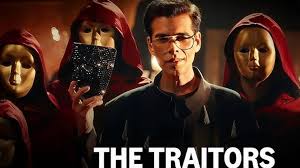
The Traitors India is the official Indian adaptation of the globally hit reality game show franchise, The Traitors. Streaming exclusively on Amazon Prime Video, the show brings together 20 celebrity contestants in a visually rich setting at Rajasthan’s iconic Suryagarh Palace. Hosted by Karan Johar, the show revolves around strategy, mind games, and intense betrayals, where three secret Traitors are chosen among the group to deceive the rest.
The core gameplay lies in identifying and eliminating the Traitors, while the Traitors attempt to stay hidden and slowly knock out the rest. The competition offers ₹1 crore in prize money to either the last remaining Faithful or the undetected Traitor. Karan Kundrra eliminated from The Traitors India proves just how quickly dynamics shift in this pressure-cooker format.
Karan Kundrra Shares Honest Reaction After Getting Eliminated Early from The Traitors India
Karan Kundrra eliminated from The Traitors India expressed his disappointment and confusion about the speed and complexity of the game. In an interview with News18, Karan said he needed more time to understand the mechanics and strategies. “I’m used to formats where there’s some breathing room,” he admitted. “But here, things escalated even before I could figure out the rhythm.”
The actor added that had he survived the Circle of Truth round, he might have gone much further in the game. The twist-filled eliminations left him with little opportunity to adapt or build alliances. Karan Kundrra eliminated from The Traitors India came not because of poor gameplay, but due to misjudgments and early suspicion from fellow contestants.
Raj Kundra and Other Contestants Reflect on the Game’s Intensity and Unpredictable Nature
Raj Kundra, another early evictee, offered his own insights into the show’s unpredictability. He said, “You have no idea who’s plotting behind your back.” Raj appreciated the multilayered strategy required to stay in the game. Even seasoned celebrities find it hard to read others or anticipate betrayals.
Raj said that he never imagined someone like Rebel Kid (Apoorva) or Raftaar would connect dots and turn on him. He described the show as “the Kalyug version of reality TV,” calling it the “baap of all shows.” His comments reinforce that the game goes beyond standard reality show drama.
Apoorva Mukhija, The Rebel Kid, Expresses Regret Over Karan’s Elimination from the Game
Apoorva Mukhija, known online as The Rebel Kid, took to her YouTube channel to speak about the episode where Karan Kundrra was eliminated from The Traitors India. She shared that Karan only seemed suspicious but wasn’t actually hiding anything. “I felt so sad after he was voted out,” she admitted. Apoorva’s comments reflect the emotional rollercoaster the contestants experience, often making difficult choices based on limited information.
These Are the Celebrity Contestants Still Competing on The Traitors India
Despite Karan Kundrra eliminated from The Traitors India, the show continues to grow in intensity. Here are the remaining participants still in the game:
Purav Jha
Harsh Gujral
Ashish G Vidyarthi
Apoorva Mukhija (The Rebel Kid)
Uorfi Javed
Jasmine Bhasin
Raftaar
Elnaaz Norouzi
Nikita Luther
Anshula Kapoor
Janvi Gaur
Maheep Kapoor
Jannat Zubair
Mukesh Chhabra
Sudhanshu Pandey
Sufi Motiwala
Each week, one or more contestants get eliminated either through banishment or betrayal, as the Faithfuls attempt to unmask the hidden Traitors. Karan Kundrra eliminated from The Traitors India was a stark reminder of how quickly trust can break.
The Traitors India Streams New Episodes Weekly with Shocking Eliminations and Twists
Amazon Prime Video airs new episodes of The Traitors India every Thursday at 8 PM IST. With high production quality, sharp editing, and unpredictable gameplay, the show continues to capture the attention of reality TV fans across the country. Karan Kundrra eliminated from The Traitors India might just be one of many emotional twists fans can expect.
The series not only highlights the strategic side of the contestants but also brings out their vulnerabilities, emotions, and instinct-driven decisions. As viewers speculate who the real Traitors are, one thing is clear—the drama has only just begun.
Will Smith, one of Hollywood’s most bankable stars, has left fans and industry insiders reeling after revealing that he turned down the lead role in Christopher Nolan’s mind-bending blockbuster “Inception.” The actor’s admission, made during a candid interview on a popular podcast, has reignited debates about career-defining choices, alternate Hollywood histories, and the emotional weight of missed opportunities. As the story trends across India and the globe, Smith’s revelation offers a rare glimpse into the high-stakes world of A-list casting—and the regrets that sometimes haunt even the most successful stars.
Will Smith’s revelation about turning down the lead role in “Inception” has sent shockwaves through both Hollywood and the global fan community. The story has reignited age-old debates about fate, timing, and the unpredictable nature of the film industry. For many, Smith’s candor serves as a reminder that even the most celebrated actors are not immune to doubt or second-guessing, especially when faced with scripts as complex as Christopher Nolan’s.
The script for “Inception” was famously intricate, weaving together layers of dreams, reality, and psychological tension. Smith admitted that, at the time, he struggled to connect with the material, feeling uncertain about how he could bring the character of Dom Cobb to life. This hesitation, he explained, stemmed from a desire to avoid projects where he couldn’t offer his best, a standard he has maintained throughout his career.
Industry insiders have long speculated about the alternate universe in which Smith took on the role. Some believe his signature blend of charisma, action chops, and emotional depth would have given “Inception” a different flavor—perhaps a more energetic, outwardly expressive Cobb. Others argue that Leonardo DiCaprio’s subtle, brooding performance was uniquely suited to Nolan’s vision, and that the film’s success was in part due to this perfect alignment of actor and director.
Smith’s decision to pass on “Inception” is often compared to his earlier choice to decline the role of Neo in “The Matrix.” In both cases, the films went on to become cultural phenomena, and the roles became synonymous with their eventual stars. Smith has spoken before about how these decisions shaped his perspective on Hollywood, teaching him that no single opportunity defines a career—even if it does leave a lingering sense of “what if.”
Will Smith’s Stunning Confession: Why He Said No to “Inception”
During the interview, Will Smith opened up about the moment he was approached for the lead role in “Inception,” a film that would go on to become a global phenomenon and cement Christopher Nolan’s reputation as a visionary director. Smith explained that at the time, he was inundated with offers and was seeking projects that aligned with his personal and creative goals. “I didn’t fully grasp the script,” Smith admitted. “It was so complex and layered, and I was worried I wouldn’t be able to do it justice. Looking back, I realize what a masterpiece it became.”
Smith’s honesty about his doubts and decision-making process resonated with listeners, many of whom took to social media to express both sympathy and surprise. The actor’s willingness to acknowledge his misstep—especially given the film’s subsequent success—has been praised as a sign of humility and self-awareness.
The actor’s openness about his regrets has struck a chord with fans and fellow actors alike. Many have praised Smith for his vulnerability and willingness to discuss the emotional impact of missed opportunities. In an industry where image is everything, such honesty is rare and refreshing, offering a more human side to the larger-than-life personas seen on screen.
Social media has exploded with reactions to Smith’s revelation. Fans have created countless memes and videos imagining Smith as Dom Cobb, while others have debated how the film’s tone, pacing, and even its iconic soundtrack might have changed with Smith in the lead. The hashtag #WillSmithInception has trended across platforms, with users from India and around the world weighing in on the alternate casting.
Bollywood’s own stars have joined the conversation, with some expressing admiration for Smith’s transparency and others reflecting on similar moments in their own careers. The Indian film industry, where “Inception” has a devoted fanbase, has used the occasion to discuss the importance of risk-taking and intuition in creative professions.
Film critics have noted that Smith’s revelation adds a new layer to the legacy of “Inception.” The film, already celebrated for its originality and technical brilliance, now stands as a testament to the unpredictable alchemy of casting. The right actor at the right time can elevate a script to greatness, but the path to that match is often filled with uncertainty and near-misses.
The Role That Got Away: How Leonardo DiCaprio Made “Inception” Iconic
After Smith declined the role, it was ultimately offered to Leonardo DiCaprio, who delivered a career-defining performance as Dom Cobb, the haunted dream thief. “Inception” was released in 2010 to critical acclaim, grossing over $830 million worldwide and earning four Academy Awards. DiCaprio’s portrayal of Cobb became instantly iconic, and the film’s innovative storytelling, visual effects, and philosophical depth have made it a modern classic.
Industry insiders have long speculated about what “Inception” might have looked like with Will Smith in the lead. Some believe Smith’s charisma and action-hero credentials could have brought a different energy to the film, while others argue that DiCaprio’s introspective style was the perfect fit for Nolan’s cerebral narrative. Smith himself acknowledged DiCaprio’s performance, saying, “Leo was incredible. He brought something unique to the role that I may not have been able to.”
Smith’s career, despite these high-profile rejections, remains one of the most successful in Hollywood history. His roles in “Men in Black,” “Ali,” “The Pursuit of Happyness,” and “King Richard” have earned him critical acclaim, box office success, and a devoted global following. Each project, Smith says, has taught him something new about himself and his craft, reinforcing his belief that every choice—good or bad—shapes an artist’s journey.
The story of “Inception” itself is one of bold vision and creative risk. Christopher Nolan spent years developing the script, determined to push the boundaries of what mainstream cinema could achieve. The film’s blend of action, philosophy, and visual spectacle set a new standard for blockbuster filmmaking, inspiring a generation of directors and screenwriters.
Leonardo DiCaprio’s performance as Cobb is now regarded as one of his best, but even he has spoken about the challenges of interpreting Nolan’s labyrinthine script. The role demanded not just emotional intensity but a willingness to dive into the film’s cerebral themes—something DiCaprio delivered with trademark dedication.
For Smith, watching “Inception” become a global phenomenon was bittersweet. He has described feeling both admiration for the film’s achievements and a pang of regret for not being part of it. Yet, he maintains that his decision was honest and true to where he was as an artist at the time—a principle he encourages younger actors to embrace.
Will Smith’s Career: Highs, Lows, and the Weight of Regret
This isn’t the first time Will Smith has turned down a major role that went on to become a cultural touchstone. Famously, he passed on the role of Neo in “The Matrix,” which was then played by Keanu Reeves. Smith’s career has nonetheless been marked by massive successes, including “Men in Black,” “Independence Day,” “Ali,” and “The Pursuit of Happyness.” However, the actor has been candid about the emotional toll of missed opportunities, describing them as “the ones that keep you up at night.”
Smith’s revelation about “Inception” has sparked renewed interest in the choices actors make and the unpredictable nature of Hollywood stardom. Fans and critics alike are reflecting on how different the film—and Smith’s own career—might have been if he had accepted Nolan’s offer. The story has also prompted discussions about the importance of risk-taking and trusting one’s instincts in the entertainment industry.
The entertainment industry is full of stories about roles that almost went to someone else. Smith’s “Inception” revelation joins a long list of Hollywood what-ifs, from Tom Selleck as Indiana Jones to Emily Blunt as Black Widow. These stories captivate audiences because they reveal just how much chance and instinct shape the movies we love.
Smith’s willingness to revisit his past decisions is also a lesson in resilience. Rather than dwell on missed opportunities, he has focused on growth and reinvention, continually seeking out new challenges and creative partnerships. This adaptability has allowed him to remain relevant in an industry known for its fickleness.
The impact of Smith’s revelation has also been felt in academic circles, where scholars of film and media are analyzing how star power influences audience perceptions. Would “Inception” have resonated as deeply with global audiences if Smith had played Cobb? Or would it have become a different kind of classic altogether? These questions highlight the complex interplay between casting, storytelling, and cultural impact.
In India, where Hollywood films enjoy a massive following, Smith’s story has sparked conversations about the universality of doubt and the courage it takes to make difficult choices. Aspiring actors, filmmakers, and fans have shared their own stories of risk and regret, drawing inspiration from Smith’s honesty.
Social Media Erupts: Fans React to Will Smith’s Inception Bombshell
The news of Smith’s decision quickly went viral, especially in India, where both the actor and the film enjoy a massive following. Hashtags like #WillSmith, #Inception, and #WhatIf trended across platforms, with fans sharing memes, fan art, and alternate casting theories. Some expressed disappointment that Smith missed out on such a landmark project, while others praised him for his honesty and vulnerability.
Bollywood celebrities and film critics also weighed in, speculating on how Smith’s involvement might have influenced the film’s global appeal. “Will Smith in ‘Inception’ would have been a game-changer,” tweeted one prominent Indian filmmaker. “But everything happens for a reason. DiCaprio was perfect, and Smith’s journey is inspiring in its own right.”
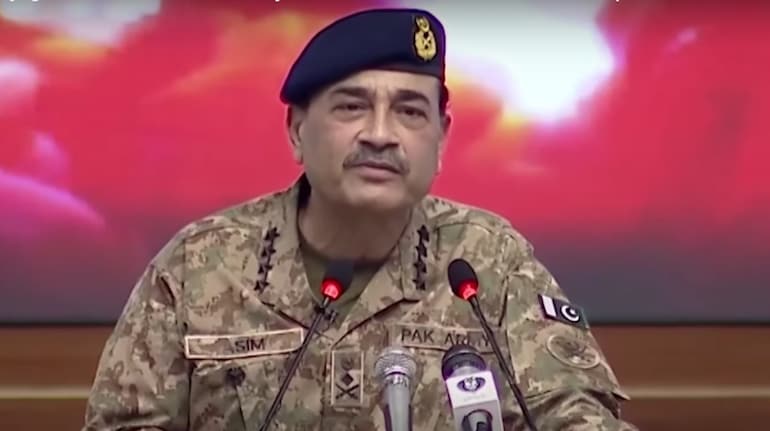
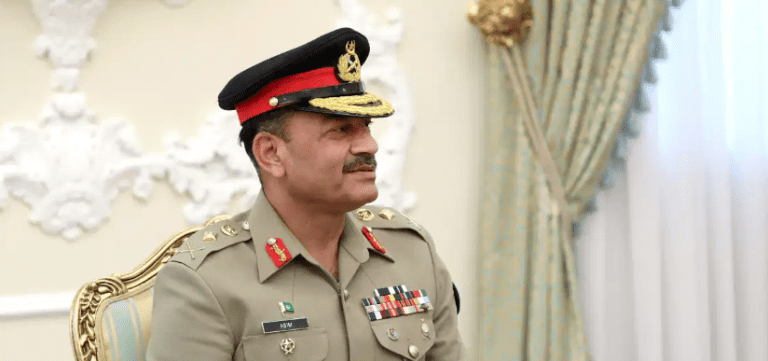
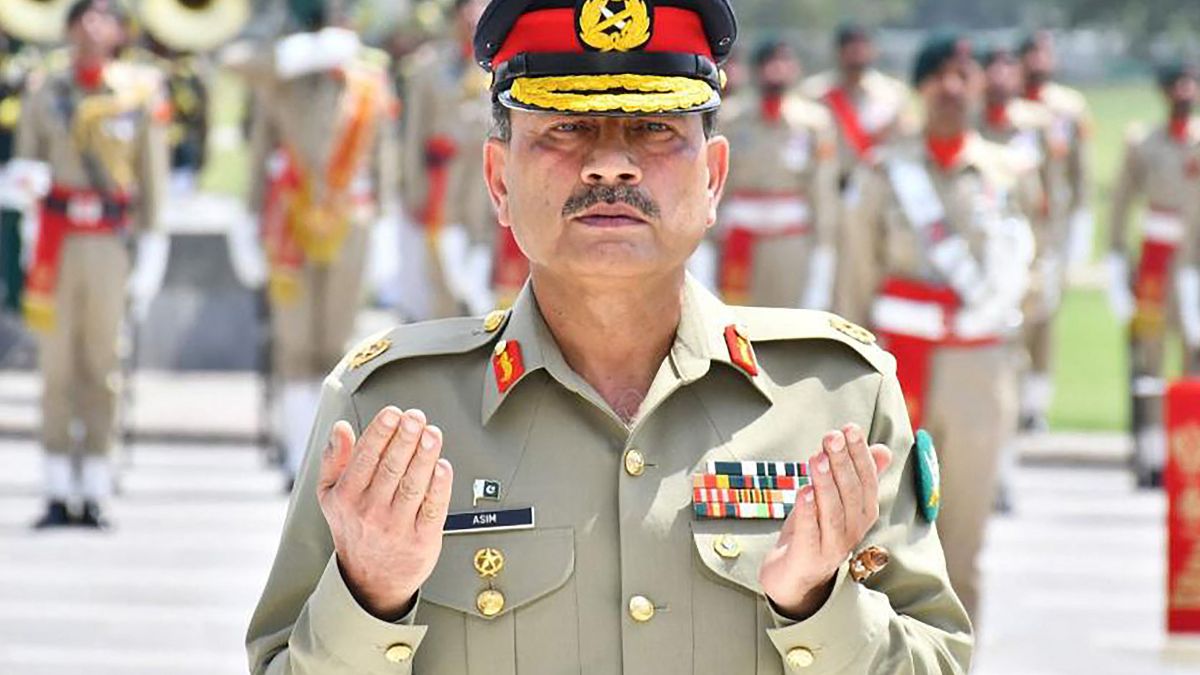
The recent US military parade in Washington, D.C., commemorating the 250th anniversary of the US Army, became the center of a diplomatic whirlwind after rumors circulated that Pakistan’s Army Chief, General Asim Munir, had been invited as an official guest. The parade, a rare spectacle in American tradition, showcased thousands of troops, tanks, and aircraft, drawing both national pride and political scrutiny. The event, presided over by President Donald Trump, was intended as a celebration of American military strength but quickly became entangled in South Asian geopolitics due to the reported invitation.
The diplomatic storm surrounding the US military parade and the rumors about General Asim Munir’s invitation has highlighted the delicate balance of power and perception in South Asian geopolitics. Even though the White House issued a categorical denial, the speed with which the story spread across Indian and Pakistani media demonstrates how quickly narratives can shape public opinion and political discourse. In India, the opposition seized the moment to question the government’s diplomatic strategies, while in Pakistan, the rumor became a flashpoint for protests among expatriate communities, reflecting deep divisions within the country’s political landscape.
The US military parade itself was a rare and symbolic event, marking the 250th anniversary of the US Army. Such displays of military strength are uncommon in American tradition, making this parade a significant occasion not only for the US but also for the international community. The parade showcased advanced weaponry, precision marching, and dramatic flyovers, all intended to project an image of unity and power. For many observers, the spectacle was a reminder of the United States’ enduring military influence, even as it navigates complex alliances and rivalries around the world.
In the aftermath of the parade, analysts have pointed out that the incident underscores the importance of clear and timely communication in international relations. The rapid spread of misinformation about Munir’s invitation could have led to unnecessary diplomatic tensions if not for the swift intervention by the White House. This episode serves as a case study in how governments must be proactive in addressing rumors and clarifying their positions to prevent misunderstandings that can escalate into larger conflicts.
US Military Parade: A Rare Spectacle Amid Global Scrutiny
US military parades are uncommon, and this year’s event stood out for its scale and symbolism, coinciding with President Trump’s birthday and a period of heightened global attention. As the parade unfolded, Indian media and opposition leaders seized on reports of Munir’s alleged invitation, framing it as a diplomatic setback for India in light of recent tensions and cross-border operations. The narrative gained traction, with political figures questioning the Modi government’s diplomatic influence and warning of potential shifts in regional alliances.
For the Pakistani diaspora, especially those aligned with opposition parties, the controversy offered an opportunity to voice their grievances against General Munir and the current military leadership. Demonstrations outside the Pakistan Embassy in Washington, D.C., were not just about the rumored invitation but also about broader concerns regarding democracy, civil rights, and the military’s role in Pakistan’s domestic affairs. These protests highlighted the transnational nature of political activism and the ways in which diaspora communities engage with homeland politics.
Meanwhile, in India, the episode has reignited debates about the country’s diplomatic standing on the global stage. Critics argue that the government must do more to strengthen its alliances and counter narratives that undermine its position, especially in the context of ongoing tensions with Pakistan. The controversy has also prompted calls for greater transparency and coordination between the Ministry of External Affairs and other branches of government to ensure that India’s interests are effectively represented abroad.
From the perspective of US foreign policy, the incident illustrates the challenges of maintaining a balanced approach to South Asia. The United States has strategic interests in both India and Pakistan, and any perceived favoritism can have far-reaching implications. While the parade was intended as a celebration of American military achievements, the controversy over Munir’s rumored invitation shows how even symbolic events can become entangled in regional rivalries and diplomatic sensitivities.
Media coverage of the incident has varied widely, with some outlets focusing on the spectacle of the parade and others delving into the political ramifications of the rumors. Social media played a crucial role in amplifying the story, with hashtags and viral posts fueling speculation and debate. This digital dimension underscores the need for media literacy and responsible reporting, as misinformation can quickly gain traction and influence public perceptions.
Asim Munir and the Rumor Mill: How the Controversy Began
Amid the escalating controversy, the White House issued a categorical denial, stating that no foreign military leaders, including General Munir, were invited to the parade. US officials clarified that the event was strictly a domestic affair, designed to honor American service members and showcase US defense capabilities. This emphatic statement was echoed by the Pentagon and widely reported in American and international media, aiming to quell speculation and prevent further diplomatic fallout.
For ordinary citizens in both India and Pakistan, the episode is a reminder of how international events can have local repercussions. The parade and its associated rumors became topics of conversation in homes, workplaces, and online forums, reflecting the interconnectedness of global and regional affairs. Many people expressed frustration with the spread of unverified information, while others saw the incident as an opportunity to discuss broader issues of national pride, security, and diplomacy.
Looking ahead, the controversy may prompt governments in the region to invest more in public diplomacy and strategic communication. By engaging directly with foreign publics and countering misinformation, countries can better manage their international image and protect their interests. The incident also highlights the importance of building resilient diplomatic channels that can withstand the pressures of rumor and speculation.
Ultimately, the Asim Munir military parade controversy is a testament to the enduring complexities of international relations in the digital age. It shows that in a world where information travels instantly and perceptions matter as much as facts, governments must be vigilant, responsive, and transparent. The lessons learned from this episode will likely inform future diplomatic strategies, not just in South Asia but around the world.
White House Issues an Emphatic Denial on Asim Munir Invite
Despite the denial, the episode sparked protests among Pakistani expatriates in Washington, D.C., particularly from supporters of Pakistan’s opposition PTI party. Demonstrators accused General Munir of undermining democracy and criticized his domestic policies, reflecting the deep divisions within Pakistan’s political landscape. Meanwhile, in India, opposition parties continued to leverage the controversy, arguing that the mere existence of such rumors indicated a weakening of India’s global standing and diplomatic leverage.
The aftermath of the Asim Munir military parade controversy continues to ripple through diplomatic circles, with analysts emphasizing the importance of crisis management in an era where misinformation can spread faster than official statements. Governments are increasingly aware that a single rumor, if left unchecked, can undermine months or even years of diplomatic engagement. This incident serves as a reminder that rapid, transparent communication is now an essential tool of statecraft, especially when national pride and international reputation are at stake.
For Pakistan, the episode has brought renewed attention to the role of its military in both domestic and foreign policy. General Asim Munir’s leadership has been a subject of debate within Pakistan, with supporters praising his stance on national security and detractors criticizing the military’s influence over civilian affairs. The rumors about his invitation to the US parade became a lightning rod for these debates, exposing the deep political divisions that persist within the country and among its diaspora.
In India, the controversy has sparked introspection about the country’s global image and the effectiveness of its diplomatic outreach. The swift politicization of the rumor by opposition parties highlights how foreign policy issues can quickly become entangled in domestic political battles. It also underscores the need for a unified and coherent approach to international relations, especially when dealing with sensitive issues involving neighboring countries and major global powers like the United States.
Political and Diplomatic Fallout in South Asia After Parade Rumors
The incident underscores the complexities of US diplomacy in South Asia, where perceptions and narratives can have significant consequences. While the US has reiterated its strong ties with India, it has also acknowledged Pakistan’s role as a key partner in regional security, further complicating the diplomatic equation. The rapid spread of rumors and the subsequent official denial highlight the challenges of managing international relations in an era of instant communication and heightened political sensitivities.
Ultimately, the Asim Munir military parade controversy serves as a reminder of the power of perception in global affairs. Even unsubstantiated reports can fuel political debate, provoke public protests, and strain diplomatic ties. The US administration’s swift response was crucial in containing the fallout, but the episode has left a lasting impression on the regional discourse, emphasizing the need for careful communication and strategic clarity in international engagements.
The US, meanwhile, finds itself navigating a complex web of alliances and rivalries in South Asia. The parade, intended as a celebration of American military heritage, inadvertently became a focal point for regional anxieties. Washington’s prompt denial of the invitation rumors was a calculated move to prevent any erosion of trust with its partners, particularly India, while maintaining its strategic ties with Pakistan. This delicate balancing act is emblematic of the broader challenges facing US foreign policy in a multipolar world.
Kyunki Saas Bhi Kabhi Bahu Thi Season 2 Brings Back the Magic of a Cultural Phenomenon
Kyunki Saas Bhi Kabhi Bahu Thi season 2 is officially in the works, and fans across the nation are rejoicing. The show, which first aired on Star Plus in 2000, quickly became one of the most-watched Indian soap operas in history. Created by television mogul Ekta Kapoor under Balaji Telefilms, the original show ran for over eight years with more than 1,800 episodes. Its impact on Indian households was unmatched, and it became the blueprint for many family dramas that followed.
Now, seventeen years after its final episode aired in 2008, the reboot is bringing the story back with a fresh yet familiar twist. Kyunki Saas Bhi Kabhi Bahu Thi season 2 is not just a nostalgic attempt, but a well-planned continuation that respects the emotional investment of its loyal viewers. The show aims to reconnect with a new generation while honoring the legacy of the original.
Mihir and Tulsi Return: A Deeper, More Mature Love Story This Time Around
In a recent interview, Amar Upadhyay, who plays Mihir Virani, opened up about what fans can expect from the new season. According to him, Kyunki Saas Bhi Kabhi Bahu Thi season 2 doesn’t just bring back the same characters—it evolves them. He explained that the core of the new season lies in how these beloved characters have grown over time.
“The love between Mihir and Tulsi has matured,” Amar shared. “We’ve evolved not just as characters, but as individuals and actors too. That emotional depth reflects in the new script. The audience will see how relationships change and grow while staying rooted in shared history.”
The emotional dynamics are no longer confined to younger love. Instead, they now explore a richer, more profound connection—making their story feel more realistic and resonant with long-time fans.
Smriti Irani’s Grand Comeback After 15 Years: Why This Role Still Matters
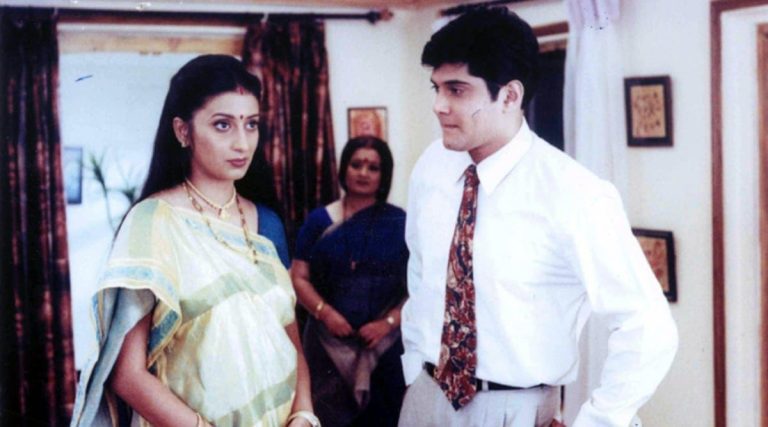
One of the most exciting aspects of Kyunki Saas Bhi Kabhi Bahu Thi season 2 is the return of Smriti Irani as Tulsi Virani. After more than a decade away from acting, Smriti, now a successful Union Minister, is stepping back into the shoes of the role that made her a household name. This marks her first acting project in 15 years.
Amar Upadhyay shared a personal anecdote about reuniting with her. “When we met at Ekta Kapoor’s house, it was like no time had passed. We picked up right where we left off,” he said. “She joked, ‘Tu boodha kab hoga?’ and I laughed, saying, ‘Abhi time hai.’ That comfort, that bond—it’s all still there.”
Despite her political career, Smriti remains as grounded and charismatic as ever. Her comeback signifies the importance of Tulsi as a character—not just for fans, but for her personally. Kyunki Saas Bhi Kabhi Bahu Thi season 2 promises to present her in a way that reflects both the character’s and the actor’s journey.
The Legacy That Shaped Indian Television Forever
The original show wasn’t just a hit—it was a revolution in Indian television. Kyunki Saas Bhi Kabhi Bahu Thi redefined the family drama genre with its intricate plotlines, emotional storytelling, and unforgettable characters. It captured the hearts of audiences across age groups and social backgrounds, becoming a part of everyday conversation in Indian households.
The show launched the careers of several actors and cemented Ekta Kapoor’s position as the “Queen of Indian Television.” Its catchphrases, characters, and even background score became iconic. With Kyunki Saas Bhi Kabhi Bahu Thi season 2, the creators are not only looking to recreate the magic but also to adapt to the changing tastes of today’s viewers.
Season 2 is expected to strike a delicate balance between tradition and modernity, retaining the soul of the original while embracing new-age storytelling.
What to Expect in the New Season: Emotions, Twists, and Enduring Bonds
While the full plot of Kyunki Saas Bhi Kabhi Bahu Thi season 2 is being kept under wraps, early reports suggest that the series will continue exploring family bonds, societal values, and personal sacrifices. However, this time around, the emotional stakes will be higher. The characters will navigate a more complex world—one where old values meet new challenges.
Amar Upadhyay confirmed that Mihir is here to stay “until the final episode,” putting an end to previous speculation about his character’s fate. In the original series, Mihir’s sudden death and unexpected resurrection were major turning points that drove massive audience engagement.
Additionally, the show will open with a special appearance by legendary actor Jeetendra, adding a grand touch to its return. Fans can also expect high production quality, gripping story arcs, and new characters who bring fresh energy while complementing the original cast.
When and Where to Watch: Mark Your Calendars
Kyunki Saas Bhi Kabhi Bahu Thi season 2 is scheduled to premiere on July 3, 2025—the same date the original series premiered in 2000. This symbolic launch date has stirred immense excitement among long-time fans. The reboot will air on Star Plus and will also be available for streaming on Disney+ Hotstar.
With the return of Mihir and Tulsi, combined with the strength of the Kyunki brand, the show is expected to dominate television ratings once again. Viewers are already counting down the days, eager to witness the beginning of a new era in Indian television.
Why This Reunion is More Than Just Nostalgia
The return of Kyunki Saas Bhi Kabhi Bahu Thi season 2 is not just another reboot—it’s a heartfelt tribute to storytelling, legacy, and connection. By bringing back Amar Upadhyay and Smriti Irani, the show bridges generations and emotions. It’s a celebration of love that matures, families that endure, and characters who continue to evolve.
As the anticipation builds, one thing is clear: television history is about to be rewritten once again.
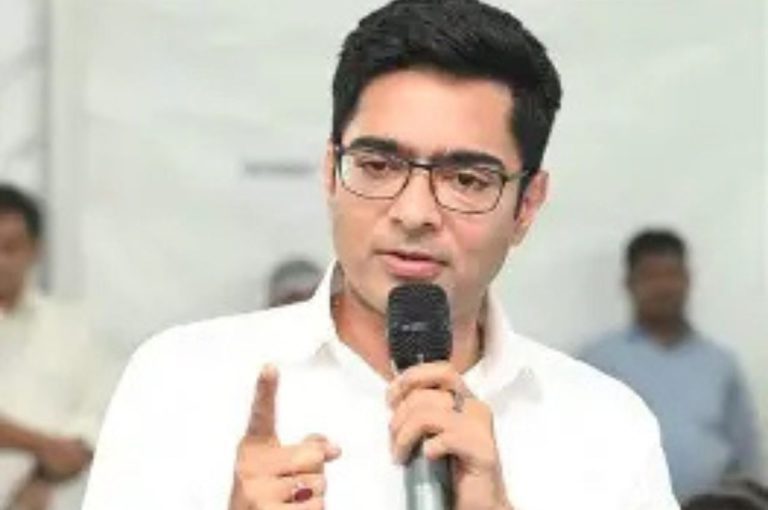
Pahalgam Attack: The aftermath of the Pahalgam terror attack in Jammu and Kashmir has sparked outrage not just among citizens but also in the political sphere. One of the most vocal critics has been Abhishek Banerjee, Trinamool Congress (TMC) national general secretary and Member of Parliament. His pointed five-question salvo aimed at the Central Government has intensified scrutiny over national security, border intelligence, and the government’s diplomatic response. With multiple fatalities—including tourists from West Bengal—the demand for answers has grown louder.
The Pahalgam Attack: What Happened?
On April 22, 2025, a brutal ambush by terrorists in Pahalgam, Kashmir, claimed the lives of over two dozen tourists, pony operators, and civilians. The attack was coordinated, targeted, and heavily armed. Initial reports suggest that the terrorists carried automatic rifles, used guerilla tactics, and selectively targeted individuals based on religious identity. The shock reverberated across India, especially in West Bengal, where several victims originated.
While local authorities and paramilitary forces responded quickly, national-level commentary and condemnation from the Centre were noticeably delayed—sparking criticism and speculation across political and civil society groups.
Abhishek Banerjee’s Five Key Questions to the Centre
In a direct and scathing public statement, Abhishek Banerjee laid out five critical questions, each centered on failures of intelligence, border security, accountability, and diplomacy.
How Did the Terrorists Infiltrate Indian Territory Undetected?
Banerjee questioned how heavily armed militants were able to infiltrate a high-security region and launch a full-scale attack without detection. This points to a serious border surveillance failure and raises concerns about the effectiveness of ongoing anti-terror operations and satellite monitoring.
Why Was the IB Chief Granted an Extension Amid Intelligence Lapses?
One of Banerjee’s most pointed accusations was directed toward the Intelligence Bureau (IB). He questioned why the Chief of the IB received a service extension despite what he termed a massive lapse. If the attack wasn’t anticipated despite years of intelligence training and funding, is the leadership being rewarded for failure?
Have the Perpetrators Been Neutralized or Arrested?
Abhishek asked a simple but critical question: “Are the terrorists who executed the Pahalgam massacre dead, arrested, or at large?” The lack of a clear update from national security forces has left many concerned. The absence of transparency fuels anxiety and speculation, particularly in vulnerable regions.
When Will India Reclaim Pakistan-Occupied Kashmir (PoK)?
Linking the issue to India’s long-standing diplomatic conflict, Banerjee asked: if nationalistic rhetoric about reclaiming PoK is genuine, why hasn’t there been strategic progress, especially after such attacks? He also called out a past claim made by former U.S. President Donald Trump that India had agreed to a ceasefire under foreign pressure—a claim never officially denied by the Indian government.
Why Has the International Community Not Condemned Pakistan?
Banerjee concluded by asking why, despite evidence of cross-border terrorism, countries continue to engage diplomatically and economically with Pakistan. He raised concerns over Pakistan receiving international aid, investment, and even seats in global security forums, while India seemingly struggles to project its position post-attack.
Political Response in Bengal and Beyond
Banerjee’s remarks have reignited discussions across Bengal’s political landscape. TMC leaders, including Rajya Sabha MP Derek O’Brien, have supported the move, saying it reflects the people’s voice. Opposition parties have been more cautious, but privately admit that the Centre’s lack of public clarity has created a vacuum.
Political analysts observe that Banerjee’s intervention may signal a shift toward assertive federal accountability—where state leaders question national governance on security matters more publicly.
Public Sentiment: Mourning Meets Outrage
In West Bengal, where several victims of the Pahalgam tragedy hailed from, public sentiment has shifted from grief to indignation. Candlelight vigils were held across districts like Nadia, Murshidabad, and Howrah. Victims’ families have demanded justice and clearer information about investigations and government action.
Social media remains abuzz with posts echoing Banerjee’s questions, many of which have trended on X (formerly Twitter) under hashtags like #PahalgamAttack and #WhereIsAccountability.
The Silence from the Centre
The most glaring point in Banerjee’s attack is not just the questions themselves, but the lack of response from the Central Government. As of June 15, there has been no official press conference or high-level statement offering answers to these queries.
The government’s silence has been perceived by critics as strategic, aimed at avoiding escalation—but it may backfire by deepening public mistrust.
Impact on India’s Global Image
If India is unable to respond with clarity and authority after a domestic terror attack, it risks eroding its reputation as a firm and secure democracy. International partners often look to how a government responds to such incidents when deciding on defense partnerships, foreign aid, and geopolitical alignment.
Banerjee’s challenge also indirectly highlights this reputational concern: How can India demand global support against terrorism when it offers no transparency internally?
Legal and Strategic Implications
Banerjee’s comments have indirectly pressed for:
A judicial inquiry into the incident;
Enhanced parliamentary oversight on intelligence agencies;
Revised protocols for information release during national security incidents;
Greater involvement of state governments in post-terror response mechanisms.
If pursued through legal means or political advocacy, these implications could reshape India’s counter-terror doctrine.
What Should Happen Next?
For meaningful resolution, the following steps are being called for by citizens, analysts, and political figures alike:
Detailed public report on the Pahalgam incident;
Status update on the search and neutralization of terrorists involved;
Diplomatic strategy to isolate state sponsors of terrorism;
Official denial or clarification on Trump’s ceasefire claim;
Parliamentary session dedicated to India’s counter-terror efforts.
Conclusion
Abhishek Banerjee’s five questions have opened a critical debate on the Centre’s handling of the Pahalgam terror attack. His intervention isn’t merely a political tactic—it reflects growing public demand for transparency, strategy, and compassion. In a country as diverse and democratic as India, demanding answers is not dissent—it is democracy in action.
Whether or not the Centre chooses to respond, the questions now echo across state assemblies, social platforms, and global diplomatic circles. India’s credibility depends not just on defending borders—but on answering its people.
Minecraft, the world’s most iconic sandbox game, is set for a dramatic transformation with the launch of the Vibrant Visuals update on June 17, 2025, for the Bedrock Edition. This update introduces a sweeping visual overhaul, including directional lighting, volumetric fog, biome-specific color tones, and physically based rendering, all while preserving the beloved blocky style that defines the game. For millions of players in India and worldwide, Vibrant Visuals promises a richer, more immersive experience that reimagines the look and feel of every world.
The announcement of the Vibrant Visuals update has sent waves of excitement throughout the Minecraft community, especially in India, where the player base is both vast and deeply passionate. For years, players have relied on community-made shader packs and resource packs to enhance their worlds, but Mojang’s official update promises a seamless, optimized visual experience that doesn’t compromise performance or compatibility. This means even players on lower-end devices can enjoy a richer, more atmospheric Minecraft without the hassle of third-party installations or the risk of game instability.
One of the most celebrated aspects of Vibrant Visuals is its attention to detail in lighting and environmental effects. As the sun rises and sets, players will notice dramatic shifts in color temperature and shadow length, making each in-game day feel more dynamic and lifelike. Biomes like deserts now glow with warm, golden hues at dusk, while taiga forests are bathed in cool, misty blues at dawn. These subtle yet powerful changes not only enhance immersion but also help players navigate and appreciate the diversity of Minecraft’s world.
The update’s physically based rendering (PBR) system is a game-changer for builders and redstone engineers alike. Blocks now reflect and absorb light based on their material properties—metallic blocks shine brilliantly, glass panes glimmer with reflections, and glowing blocks like sea lanterns and sculk sensors emit a soft, realistic radiance. This level of detail allows creators to design more visually complex structures, from futuristic cities to enchanted forests, knowing that their builds will look stunning under any lighting condition.
Vibrant Visuals also introduces volumetric fog and atmospheric effects that transform the mood of every biome. Dense fog rolls in over swamps and rivers at dawn, while mountain peaks pierce through clouds, creating breathtaking vistas. In the Nether and End dimensions, new lighting and fog effects add depth and danger, making these realms feel even more mysterious and challenging. These enhancements are especially noticeable during thunderstorms or when exploring deep caves, where shafts of light and swirling mist create a sense of tension and wonder.
VIBRANT VISUALS UPDATE: A NEW DAWN FOR MINECRAFT’S GRAPHICS
The Vibrant Visuals update is a landmark moment for Minecraft. Mojang Studios has crafted this official graphics overhaul with inspiration from the community and popular shader mods, bringing enhanced lighting, dynamic shadows, and an all-new atmosphere system to the game. Sunlight now casts realistic shadows, clouds stretch across the sky, and each biome features unique lighting and color tones, making every environment feel distinct and alive.
For players who love to explore, the update makes every journey feel fresh and exciting. The interplay of light and shadow brings new life to familiar landscapes, encouraging adventurers to revisit old builds and discover hidden beauty in places they thought they knew. The infinite cloud system adds a sense of vastness to the sky, while improved water reflections make lakes, rivers, and oceans more captivating. Whether sailing across a sunlit bay or climbing a snowy mountain, players will find themselves pausing to admire the scenery more often than ever before.
Mojang’s commitment to accessibility is evident in the update’s customizable settings. Players can adjust the intensity of lighting, fog, and other effects to suit their preferences and hardware capabilities. This ensures that Vibrant Visuals is not just a treat for those with high-end PCs or consoles but an inclusive upgrade for the entire Minecraft community. The ability to toggle the update on or off also means players can switch back to the classic look if they ever feel nostalgic or want to maximize performance.
The update’s impact extends beyond aesthetics; it’s also a celebration of Minecraft’s creative spirit. Builders can now use light and color as design elements, crafting dramatic interiors with glowing blocks or creating outdoor spaces that change character with the time of day. Redstone engineers can highlight their contraptions with reflective surfaces and glowing indicators, making their creations not just functional but visually striking. This opens up new possibilities for map makers, server owners, and educators who use Minecraft as a platform for storytelling and learning.
Multiplayer experiences are set to become even more engaging with Vibrant Visuals. Friends can explore, build, and compete in worlds that feel more alive and immersive, sharing screenshots and videos that showcase the game’s newfound beauty. The update is fully compatible with Realms, ensuring that collaborative projects and community events benefit from the enhanced visuals without any disruption to gameplay or server performance.
ENHANCED LIGHTING, SHADOWS, AND BIOME-SPECIFIC EFFECTS IN MINECRAFT
Lighting is at the heart of this update. Directional and volumetric lighting allow every block to cast its own shadow, while reflections shimmer in water and on metallic surfaces. Subsurface scattering gives leaves and grass a gentle glow, and mobs like spiders and sculk blocks now emit immersive, atmospheric light. These changes are purely visual and do not affect gameplay mechanics, ensuring a seamless experience for builders and adventurers alike.
SEAMLESS COMPATIBILITY AND PLAYER CHOICE WITH VIBRANT VISUALS
A major strength of the Vibrant Visuals update is its full compatibility with existing worlds. Players can toggle the new visuals on or off in settings, ensuring that everyone can enjoy Minecraft their way. The update is exclusive to Bedrock Edition for now, but Java Edition support is in development, with some features already appearing in test builds.
The Indian Minecraft community, known for its vibrant YouTube and streaming scene, is already buzzing with anticipation. Content creators are planning tours of their most impressive builds, while educators are excited about using the update to make virtual classrooms and history projects even more captivating. The update’s visual improvements are expected to inspire a new wave of creativity, with players experimenting with color palettes, lighting setups, and landscape design in ways that were previously only possible with mods.
Mojang’s transparency and engagement with the community have been key to the positive reception of Vibrant Visuals. Regular developer updates, sneak peeks, and feedback sessions have ensured that the update meets the needs and expectations of players worldwide. The team’s willingness to learn from popular mods and incorporate community suggestions demonstrates a commitment to co-creation and continuous improvement, setting a new standard for how major game updates are developed and released.
Performance optimization has been a central focus of the update’s development. Mojang has assured players that Vibrant Visuals will not significantly impact frame rates or stability, even on older devices. The update leverages modern rendering techniques to deliver stunning graphics without sacrificing the smooth, responsive gameplay that Minecraft is known for. This balance of beauty and performance is crucial for maintaining the game’s accessibility and appeal across diverse platforms.
The update’s rollout strategy is designed to minimize disruption and confusion. Players will receive clear instructions on how to enable or disable Vibrant Visuals, and support resources will be available for troubleshooting any issues. Mojang has also committed to ongoing bug fixes and performance tweaks, ensuring that the update remains stable and enjoyable for all users.
TECHNICAL EXCELLENCE AND COMMUNITY INSPIRATION DRIVE MINECRAFT’S VISUAL OVERHAUL
The update is a testament to Mojang’s commitment to technical excellence and community-driven design. Inspired by streamers and modders, the development team aimed to create a graphics upgrade that feels natural and comfortable for all players. Vibrant Visuals is just the beginning, with Mojang promising more visual improvements and creative possibilities in the future.
Looking ahead, the Vibrant Visuals update is just the beginning of a new era for Minecraft’s visual evolution. Mojang has hinted at future enhancements, including improved animations, particle effects, and perhaps even ray tracing for supported devices. The company’s roadmap includes regular feedback cycles, allowing the community to shape the direction of upcoming visual features and ensure that Minecraft continues to set the standard for creative, accessible sandbox gaming.
The update’s launch is expected to coincide with a surge in player activity, as both veterans and newcomers log in to experience the new look. Servers are preparing for an influx of visitors, and community events are being organized to celebrate the occasion. From build competitions to exploration challenges, the Indian Minecraft scene is poised for a season of unprecedented creativity and collaboration.
For educators and parents, the update offers new opportunities to engage students and children in learning through play. The enhanced visuals can make lessons in architecture, geography, and environmental science more immersive and memorable, while the game’s collaborative features foster teamwork and problem-solving skills. Minecraft’s role as an educational tool is set to grow even further with the arrival of Vibrant Visuals.
Mojang’s approach to the update reflects a broader trend in the gaming industry toward player empowerment and customization. By giving users control over their visual experience and prioritizing compatibility, the company ensures that Minecraft remains a platform where everyone can express themselves, regardless of their hardware or play style. This philosophy is likely to influence other developers and shape the future of game design.
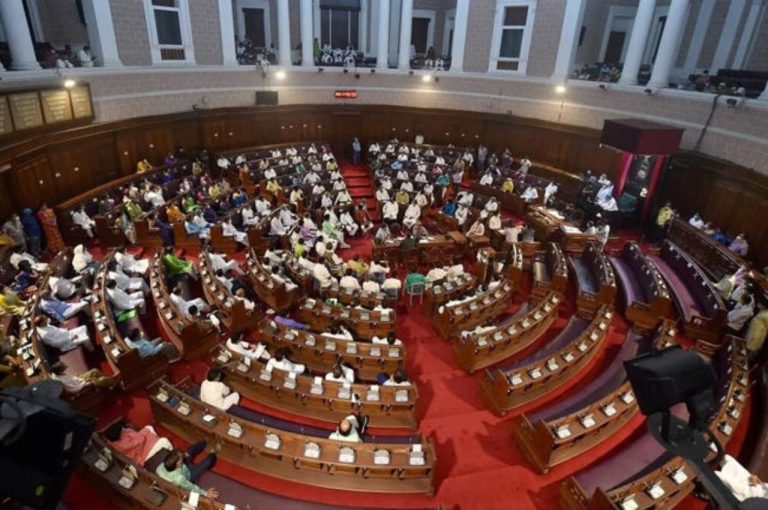
BJP MLA Suspended from Bengal Assembly: On June 16, 2025, dramatic scenes unfolded in the West Bengal Legislative Assembly when BJP members disrupted Chief Minister Mamata Banerjee’s speech addressing frozen central funds. The ensuing chaos culminated in the suspension of MLA Manoj Kumar Oraon (Kumargram, Alipurduar), triggering a walkout and sit-in protest by BJP legislators. The sudden turn of events has not only captured media attention but also sparked discussions on legislative discipline and inter-party conflict in the state.
BJP MLA Suspended from Bengal Assembly: What Sparked the Ruckus?
As the monsoon session resumed, Chief Minister Banerjee began highlighting the Centre’s decision to freeze funds under schemes such as MGNREGA and other centrally sponsored programs. She alleged that despite cooperation with investigating teams, West Bengal continued to suffer funding irregularities.
During her address, BJP legislators—led by Chief Whip Shankar Ghosh—began vociferous slogans and protests. The outburst escalated quickly, prioritizing political statements over parliamentary decorum.
Suspension of MLA Manoj Kumar Oraon
Speaker Biman Bandopadhyay intervened and announced the suspension of MLA Manoj Kumar Oraon for his role in the noisy disruption . The suspension—of unspecified duration—served as a strong assertion of the Speaker’s authority over house proceedings.
The decision triggered immediate repercussions. BJP legislators staged a walkout, followed by a sit-in protest on the Assembly lawn, displaying placards against the suspension.
Immediate Fallout: Show of Force & Political Theater
A sudden assembly of BJP MLAs on the lawn with protest posters highlighted deepening tensions between the ruling party and its opposition. Demonstrators emphasized the perceived injustice against Oraon and demanded revocation of the suspension.
However, official records suggest the Speaker acted within the Assembly’s procedural rights by invoking powers to maintain order.
Mamata’s Accusations & Broader Messaging
In her speech, Mamata Banerjee sharply criticized the central government, stating:
“The Union government has stopped payment under the MGNREGA scheme… The dues… are being diverted to other states…”
She also highlighted harrowing issues such as labeling Bengali-speaking citizens in other states as “Bangladeshis”—indicating widespread socio-political implications .
BJP’s Demand for Discussion on Education
Earlier in the session, BJP MLAs insisted on a debate on the state of the education system in West Bengal. However, the Speaker rejected their request, citing the subject’s sub judice status—meaning it is pending before a court . The BJP countered that past sessions included similar debates, calling the decision politically motivated and inconsistent .
Political and Legislative Implications
This incident has intensified political polarization. The BJP frames Oraon’s suspension as suppressing dissent and legislative dissent. Meanwhile, the ruling party emphasizes the necessity of maintaining parliamentary decorum and enforcing procedural discipline.
Questions are being raised around:
Speaker’s impartiality vs political alignment
Freedom to protest vs maintaining order within the House
Sub judice interpretations and consistency in legislative practice
Patterns of Disruption in Bengal’s Assembly
Disruptions by opposition members are not new in West Bengal’s political landscape, where interjections and protests are often used strategically. This incident aligns with a wider pattern where high-decibel protests within the House reflect electoral theatrics and political signaling.
Similarly, recent disruptions over topics like funding cuts, minority rights, and education reforms have shown the Assembly becoming a battleground as much as a legislature.
Expert Opinions & Legal Commentary
Constitutional experts suggest that disciplinary actions by the Speaker—like suspension—are necessary tools to preserve legislative decorum. However, the arbitrary nature and unclear duration can sometimes be challenged. Balancing free speech and disruption thresholds remains contentious.
Some analysts argue this could deepen distrust in democratic institutions if either party manipulates decorum rules unfairly.
What Lies Ahead?
BJP’s legal recourse: They may seek court intervention or notice to revoke suspension.
Assembly’s future conduct: Will the restoration of suspended MLAs lead to hardened divisions?
Central–state rhetoric: Funding disputes and allegations could escalate political confrontation beyond the House.
Conclusion
The suspension of MLA Manoj Kumar Oraon during a dramatic clash over suspended central funds has underscored deepening political chasms in West Bengal. As democracy plays out in real time, the event raises critical questions: what constitutes legitimate dissent in Parliament and how political theatrics shape legislative culture?
In the end, the Assembly drama offers more than just spectacle—it reflects the functioning (and fault lines) of democracy in a polarized India.















)