Friday, March 6, 2026
Home Blog Page 66

Vande Bharat Non Veg Meals 2026 – Detailed Analysis of Opposition Unity, Food Politics, and Governance Lessons in Bengal

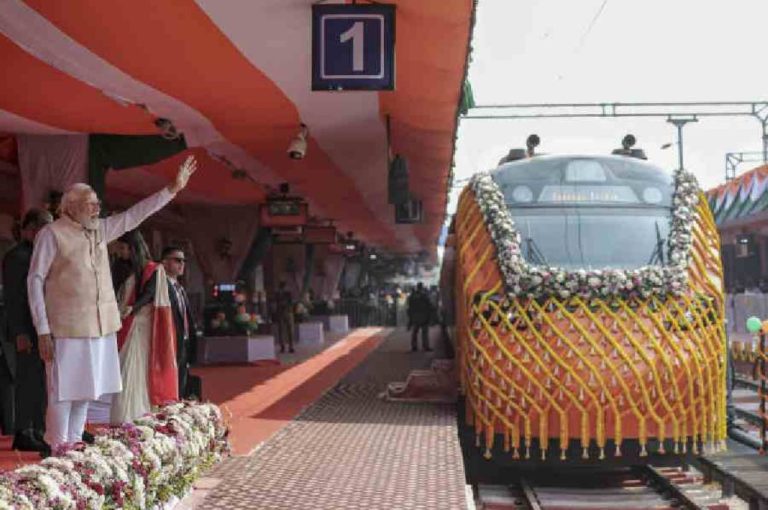
The Vande Bharat non veg meals 2026 debate has become a surprising point of unity among Bengal’s opposition parties. Veteran CPI(M) leader Samik Lahiri backed calls for serving non‑vegetarian meals on Vande Bharat trains, aligning with Trinamool Congress (TMC) leaders who had already criticised the restriction to vegetarian options. This unusual convergence highlights how food choices can become political battlegrounds, reflecting deeper questions of cultural identity, inclusivity, and governance.


2. Vande Bharat Non Veg Meals 2026: The Controversy

  • Trigger: Indian Railways announced vegetarian‑only meals on certain Vande Bharat routes.
  • Opposition response: TMC leaders criticised the move as insensitive to Bengal’s food culture.
  • Samik Lahiri’s support: CPI(M) leader backed the demand for non‑veg meals, stressing inclusivity.
  • Public reaction: Mixed, with some supporting vegetarian options for uniformity, others demanding diversity.
  • Significance: Food became a symbol of political resistance and cultural assertion.

3. Why This Case Matters

  • Cultural identity: Bengal’s cuisine is deeply rooted in fish, meat, and rice traditions.
  • Democratic inclusivity: Restricting meals risks alienating large sections of passengers.
  • Political symbolism: Opposition parties united against what they see as cultural imposition.
  • Governance challenge: Authorities must balance dietary diversity with logistical feasibility.

4. Political Reactions

  • TMC: Criticised vegetarian‑only policy as “anti‑Bengal.”
  • CPI(M): Samik Lahiri’s support showed rare alignment with TMC.
  • BJP: Defended Railways, citing efficiency and standardisation.
  • Civil society: Split between cultural pride and practical considerations.

5. Governance Challenges

The Vande Bharat meals debate reflects systemic governance issues:

  • Cultural sensitivity: Policies must respect regional food traditions.
  • Operational feasibility: Catering logistics across diverse routes is complex.
  • Public accountability: Citizens demand transparency in policy decisions.
  • Judicial oversight: Courts may intervene if policies are challenged as discriminatory.

6. Community Concerns

  • Families: Fear exclusion of traditional diets during travel.
  • Youth: Demand modern, diverse menus reflecting cosmopolitan tastes.
  • Civil society groups: Call for participatory decision‑making in public services.
  • Opposition voices: Warn of cultural homogenisation undermining diversity.

7. Government External Links for Assistance


8. Historical Context of Food Politics in India

  • 1960s: Debates over cow slaughter laws shaped food politics.
  • 1990s: Liberalisation introduced fast food chains, sparking cultural debates.
  • 2010s: Beef bans and vegetarian impositions became flashpoints.
  • 2026: Vande Bharat meals controversy reflects continuity of food politics.

9. Global Comparisons

Similar food politics worldwide:

  • France: School meals debates over halal and kosher options.
  • USA: Disputes over vegetarian vs meat menus in public institutions.
  • Japan: Balancing traditional diets with globalised food demands.

India’s case mirrors these global struggles where food choices collide with governance, identity, and inclusivity.


10. Governance Lessons

The Vande Bharat meals debate teaches:

  • Policies must respect diversity.
  • Transparency builds credibility.
  • Community engagement reduces conflict.
  • Judicial oversight ensures fairness.

11. Future Outlook – Food Governance in Public Services

India must move towards:

  • Digitised menu options allowing passengers to pre‑select meals.
  • Public dashboards showing catering diversity.
  • Public‑private partnerships for sustainable catering.
  • Educational campaigns linking food diversity with civic responsibility.

✅ Conclusion

The Vande Bharat non‑veg meals 2026 controversy is more than a catering dispute—it is a living testament to India’s cultural diversity and democratic resilience. As Samik Lahiri joins TMC in demanding inclusivity, ordinary passengers bear the brunt of systemic failures in balancing tradition and modernity. For Bengal, the lesson is clear: democracy thrives when governance delivers respect, fairness, and cultural sensitivity.

Also read: Home | Channel 6 Network – Latest News, Breaking Updates: Politics, Business, Tech & More
Gautam Deb vs Shankar Ghosh 2026 – Detailed Analysis of Allegations, Public Proof Challenge, and Governance Lessons in Bengal

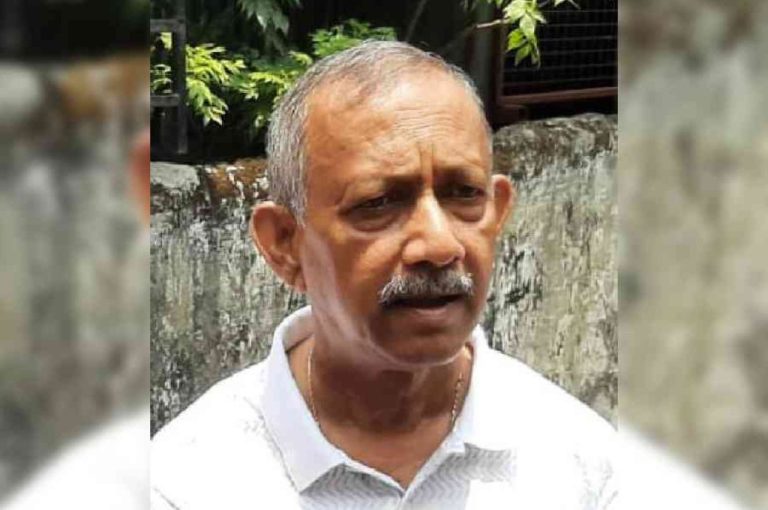
The Gautam Deb vs Shankar Ghosh 2026 controversy has become a flashpoint in Bengal’s political discourse. Siliguri Mayor Gautam Deb, a senior Trinamool Congress (TMC) leader, publicly challenged BJP MLA Shankar Ghosh to substantiate his allegations by placing proof in the public domain. Deb’s statement reflects the growing tension between TMC and BJP in North Bengal, where political rivalry often spills into governance debates and public confrontations.


2. Gautam Deb vs Shankar Ghosh 2026: The Allegations

  • Accuser: BJP MLA Shankar Ghosh.
  • Target: Mayor Gautam Deb and TMC’s governance in Siliguri.
  • Nature of charges: Allegations of corruption and mismanagement in civic administration.
  • Response: Deb demanded that Ghosh produce documentary evidence instead of making “baseless claims.”
  • Significance: Highlights the culture of accusation politics in Bengal.

3. Gautam Deb’s Challenge

  • Message: Proof must be shown in the public domain for credibility.
  • Tone: Assertive, aimed at defending civic governance.
  • Political symbolism: TMC positioned itself as transparent and accountable.
  • Community impact: Citizens urged to judge based on evidence, not rhetoric.

4. Why This Case Matters

  • Democratic integrity: Allegations without proof undermine public trust.
  • Governance accountability: Leaders must defend their record with transparency.
  • Political stakes: Siliguri is a key battleground in North Bengal.
  • Judicial relevance: Courts often intervene when allegations escalate.

5. Political Reactions

  • TMC: Framed Deb’s challenge as proof of confidence in governance.
  • BJP: Defended Ghosh, claiming corruption was evident in civic decline.
  • Civil society: Called for transparency and fact‑based politics.
  • Observers: Warned that unchecked allegations could destabilise governance.

6. Governance Challenges

The Siliguri controversy reflects systemic governance issues:

  • Transparency gaps: Citizens often lack access to civic records.
  • Administrative neutrality: Allegations of bias against civic officials persist.
  • Public accountability: Leaders must balance rhetoric with evidence.
  • Judicial oversight: Courts may demand proof in corruption cases.

7. Community Concerns

  • Families: Frustrated by civic issues like water supply and sanitation.
  • Youth: Demand jobs and better infrastructure.
  • Civil society groups: Urge leaders to focus on governance, not accusations.
  • Opposition voices: Warn of politicisation of civic administration.

8. Government External Links for Assistance


9. Historical Context of Political Rivalry in Siliguri

  • 2000s: Left Front dominated civic politics.
  • 2011: TMC rose to power, challenging Left dominance.
  • 2019–2021: BJP gained ground in North Bengal, intensifying rivalry.
  • 2026: Deb vs Ghosh reflects continuity of confrontational politics.

10. Global Comparisons

Similar political disputes worldwide:

  • USA: Mayors and governors often clash with opposition legislators over corruption allegations.
  • UK: Local councils face accusations of mismanagement, requiring public proof.
  • Africa: Civic leaders frequently challenged by opposition MPs.

Siliguri’s case mirrors these global struggles where political rivalry collides with governance accountability and citizen trust.


11. Governance Lessons

The Deb vs Ghosh case teaches:

  • Evidence must back allegations.
  • Transparency builds credibility.
  • Community engagement reduces misinformation.
  • Judicial oversight ensures accountability.

12. Future Outlook – Civic Governance in Bengal

India must move towards:

  • Digitised civic records accessible to citizens.
  • Public dashboards showing project progress.
  • Independent audits of civic finances.
  • Educational campaigns linking governance with civic responsibility.

✅ Conclusion

The Gautam Deb vs Shankar Ghosh 2026 controversy is more than a political spat—it is a test of Bengal’s democratic resilience. As Deb demands proof in the public domain, ordinary citizens bear the brunt of civic challenges and political rivalry. For Siliguri, the lesson is clear: democracy thrives when governance delivers transparency, fairness, and respect for citizens.

Also read: Home | Channel 6 Network – Latest News, Breaking Updates: Politics, Business, Tech & More

Disney Laung’ live-action Cast Reveal Brings Fresh Curiosity

0

Disney Laung’ live-action Film Takes Shape With New Cast

Disney Laung’ live-action has officially taken a major step forward with the announcement of its lead cast, drawing attention from audiences around the world. Disney Studios revealed the lineup through its official social media channels, confirming Australian-born actor Tegan Croft as Raquette and American actor Milo Manheim as Flynn Rider. The announcement has quickly become a talking point, especially at a time when live-action adaptations are closely examined by fans.We have a big update on Disney's “Tangled” live-action movie! It is being reported that there are four actresses and two actors that are on the short-list to play Rapunzel & Flynn.

Disney Laung’ live-action arrives with high expectations, as the original animated film holds a strong emotional place in Disney’s storytelling history. The studio’s decision to reveal the cast early signals confidence in the direction of the project. Early reactions suggest that the casting choices are being viewed more positively compared to recent debates surrounding other Disney live-action films.

Disney Laung’ live-action Casting Choices Gain Attention

Tegan Croft stepping into the role of Raquette has been one of the most discussed aspects of the Disney Laung’ live-action announcement. Known for her performance as Rachel in the DC series Titans, Croft has built a reputation for delivering strong screen presence and emotional range. Her casting reflects Disney’s focus on choosing an actor who can balance innocence, strength, and personal growth, all qualities associated with the character.tangled live action: Disney confirms cast for live-action Tangled with Teagan Croft and Milo Manheim - The Economic Times

Milo Manheim, who will portray Flynn Rider, brings experience from television and dance-based competition shows that have helped shape his public image. His background includes roles that emphasize charm, humor, and relatability, traits that align closely with the character’s personality. For many fans, his casting feels familiar yet fresh, offering a balance between honoring the original character and introducing a modern interpretation.

Since the announcement, Disney Laung’ live-action has seen fans describe the pairing as one of the closest matches to the animated characters’ original look and spirit. This reaction stands out, especially considering recent casting controversies surrounding other adaptations.

Disney Laung’ live-action and Fan Expectations

Disney Laung’ live-action now carries the responsibility of recreating the tone, emotion, and visual charm of the animated film while adapting it for a live-action format. Fans are particularly focused on how the film will translate iconic moments, character relationships, and emotional beats into a realistic setting. The casting reveal has eased some concerns, as many viewers feel the actors naturally fit the established character identities.Disney: Fan Casting A Live-Action Tangled

The studio’s approach appears to emphasize faithfulness rather than reinvention. This strategy may reflect lessons learned from audience responses to previous adaptations. By selecting actors who visually and emotionally resemble the original characters, Disney Laung’ live-action positions itself as a respectful continuation rather than a radical reinterpretation.

Attention is also turning toward production design, costume styling, and music adaptation. These elements will play a critical role in shaping how audiences receive the film. While Disney has not yet revealed details about filming locations or release timelines, anticipation continues to build.

Disney Laung’ live-action in the Broader Disney Strategy

Disney Laung’ live-action fits into the studio’s broader plan of revisiting classic animated stories through modern filmmaking techniques. Over the past decade, Disney has invested heavily in live-action adaptations as a way to connect older stories with newer audiences. Some projects have achieved commercial success, while others have faced criticism over creative choices.

In this context, Disney Laung’ live-action stands as a test of balance. The positive early reaction to casting suggests that Disney may be responding to audience feedback more carefully. The studio’s willingness to prioritize character authenticity could shape future casting decisions across upcoming adaptations. Also Read: Bengal Padma Shri Honours 2026 – Detailed Analysis of Prosenjit Chatterjee’s Recognition, 10 Other Awardees, and Governance Lessons

For Disney, the success of this film will depend not only on nostalgia but also on storytelling quality. Viewers today expect emotional depth, strong performances, and visual consistency. The casting of experienced young actors hints at a focus on performance-driven storytelling rather than spectacle alone.

Conclusion

Disney Laung’ live-action has entered public discussion with a cast reveal that has generated cautious optimism rather than controversy. With Tegan Croft and Milo Manheim leading the film, expectations are now centered on execution rather than casting debates. As production moves forward, the film’s ability to honor the original story while standing on its own will determine its lasting impact. For now, Disney Laung’ live-action has successfully captured attention and curiosity, setting the stage for what could become one of the studio’s more warmly received adaptations.

Darjeeling Hill Interlocutor Talks 2026 – Detailed Analysis of Pankaj Singh’s Arrival, Stakeholder Hopes, and Governance Lessons

The Darjeeling hill interlocutor talks 2026 have reignited debates about autonomy, governance, and identity in North Bengal. Centre‑appointed interlocutor Pankaj Kumar Singh arrived in Darjeeling to initiate dialogue with stakeholders in the hills, including political parties, civil society groups, and community leaders. BJP MP Raju Bista expressed hope that Singh would “take all stakeholders together,” signalling the importance of inclusive dialogue in resolving long‑standing disputes.

This development underscores the intersection of federalism, regional identity, and governance accountability, where the future of Darjeeling’s political landscape depends on transparent and participatory negotiations.


2. The Arrival of the Interlocutor

  • Location: Darjeeling hills, West Bengal.
  • Event: Pankaj Kumar Singh’s arrival for talks.
  • Objective: Engage all stakeholders in dialogue on governance and identity issues.
  • Response: Political leaders and citizens welcomed the move but expressed cautious optimism.
  • Significance: Marks a renewed attempt by the Centre to address hill concerns.

3. Why This Dialogue Matters

  • Identity politics: Gorkhas seek recognition of their distinct cultural and linguistic identity.
  • Governance gaps: Hill residents allege neglect in development and infrastructure.
  • Political stakes: Gorkhaland demand influences electoral outcomes in North Bengal.
  • National implications: Raises questions about federalism and state reorganisation in India.

4. Darjeeling Hill Interlocutor Talks 2026: Raju Bista’s Statement

  • Message: Singh must ensure inclusivity in talks.
  • Focus: All stakeholders—political parties, civil society, and ordinary citizens—must be heard.
  • Diplomatic tone: Emphasised unity and fairness.
  • Political symbolism: BJP positioned itself as a facilitator of dialogue.

5. Governance Challenges

The Darjeeling talks reflect systemic governance issues:

  • Autonomy vs integration: Balancing Gorkha identity with Bengal’s governance.
  • Trust deficit: Citizens sceptical of both state and central promises.
  • Dialogue breakdown: Past negotiations failed due to lack of cooperation.
  • Judicial oversight: Courts have occasionally intervened in hill governance disputes.

6. Community Concerns

  • Families: Fear instability if hill politics returns to agitation.
  • Youth: Demand jobs and education, frustrated by identity politics.
  • Civil society: Call for participatory governance and transparency.
  • Tourism stakeholders: Worry that political unrest could damage Darjeeling’s global image.

7. Government External Links for Assistance


8. Historical Context of Hill Politics

  • 1980s: Subash Ghising’s GNLF spearheaded the first major agitation for Gorkhaland.
  • 2007–2017: Bimal Gurung’s GJM revived the demand, leading to violent agitations.
  • 2011: Mamata Banerjee’s rise shifted state‑hill relations, with promises of development boards.
  • 2021–2026: BGPM and Hamro Party emerged as new players, reshaping alliances.
  • 2026: Singh’s arrival reflects continuity of unresolved grievances.

9. Global Comparisons

Similar autonomy disputes worldwide:

  • Scotland: Debate over loyalty to UK vs independence.
  • Catalonia (Spain): Tensions over autonomy and loyalty to Madrid.
  • Quebec (Canada): French identity vs Canadian federalism.

Darjeeling’s case mirrors these global struggles where regional identity collides with national integration and political pragmatism.


10. Governance Lessons

The Darjeeling talks teach:

  • Dialogue must be transparent and inclusive.
  • Community engagement ensures legitimacy.
  • Trust‑building is essential for peace.
  • Judicial oversight protects democratic values.

11. Future Outlook – Hill Governance in Bengal

India must move towards:

  • Balanced policies combining autonomy and integration.
  • Digitised project dashboards to track hill development.
  • Public‑private partnerships for sustainable tourism.
  • Educational campaigns linking identity with civic responsibility.

✅ Conclusion

The Darjeeling hill interlocutor talks 2026 are more than a political meeting—they are a test of Bengal’s ability to reconcile identity with governance. As Pankaj Kumar Singh begins dialogue and Raju Bista calls for inclusivity, ordinary citizens bear the brunt of uncertainty. For Darjeeling, the lesson is clear: democracy thrives when governance delivers jobs, fairness, and respect for both identity and integration.

Also read: Home | Channel 6 Network – Latest News, Breaking Updates: Politics, Business, Tech & More

Bangladesh T20 Pullout 2026 – Detailed Analysis of Harsh Vardhan Shringla’s Warning, Sports Diplomacy, and Governance Lessons

The Bangladesh T20 pullout 2026 has become a major talking point in South Asian sports and diplomacy. Member of Parliament and former Foreign Secretary Harsh Vardhan Shringla cautioned that Bangladesh’s withdrawal from the T20 cricket tournament would have serious consequences for the country’s sports ecosystem, regional cooperation, and international image. His remarks highlight the intersection of sports, politics, and diplomacy, where cricket is not just a game but a tool of national pride and regional engagement.


2. Bangladesh T20 Pullout 2026: The Pullout

  • Event: Bangladesh Cricket Board (BCB) announced withdrawal from the T20 tournament.
  • Reason: Financial constraints, scheduling conflicts, and internal management issues.
  • Impact: Tournament organisers face disruption; players lose exposure opportunities.
  • Significance: Cricket is central to Bangladesh’s identity, making the pullout symbolic of deeper challenges.

3. Harsh Vardhan Shringla’s Warning

  • Message: Pullout will affect Bangladesh’s sports credibility and regional standing.
  • Diplomatic angle: Sports are a bridge between nations; withdrawal weakens ties.
  • Economic impact: Loss of sponsorships, broadcasting rights, and tourism revenue.
  • Youth engagement: Fewer opportunities for young players to showcase talent internationally.

4. Why This Case Matters

  • National pride: Cricket is the most popular sport in Bangladesh.
  • Regional diplomacy: South Asian tournaments foster cooperation beyond politics.
  • Economic stakes: Sports generate jobs, tourism, and media revenue.
  • Governance challenge: Highlights need for better sports administration.

5. Political and Social Reactions

  • Bangladesh authorities: Defended decision citing unavoidable constraints.
  • India: Expressed disappointment, emphasising regional cooperation.
  • Civil society: Worried about impact on youth and sports culture.
  • Observers: Warned of long‑term reputational damage.

6. Governance Challenges

The Bangladesh pullout reflects systemic governance issues:

  • Financial mismanagement: Cricket boards struggle with debt and poor planning.
  • Scheduling conflicts: Overlapping tournaments strain resources.
  • Player welfare: Athletes lose opportunities for exposure.
  • Policy gaps: Lack of long‑term sports development strategies.

7. Community Concerns

  • Fans: Disappointed by absence of national team in tournament.
  • Players: Frustrated at losing international exposure.
  • Youth: Fear reduced opportunities for sports careers.
  • Civil society groups: Demand transparency in sports governance.

8. Government External Links for Assistance


9. Historical Context of Cricket in Bangladesh

  • 1971: Independence struggle intertwined with cricket as a cultural symbol.
  • 1997: Bangladesh won ICC Trophy, gaining ODI status.
  • 2000: Achieved Test status, marking entry into elite cricket.
  • 2010s: Emerged as competitive force in limited‑overs formats.
  • 2026: Pullout reflects continuity of challenges in sports governance.

10. Global Comparisons

Similar sports crises worldwide:

  • Sri Lanka: Financial struggles led to reduced participation in tournaments.
  • Zimbabwe: Governance issues disrupted cricketing commitments.
  • Kenya: Decline in cricket due to mismanagement and lack of funding.

Bangladesh’s case mirrors these global struggles where sports governance collides with national pride and international diplomacy.


11. Governance Lessons

The Bangladesh pullout teaches:

  • Financial transparency is essential.
  • Sports diplomacy strengthens regional ties.
  • Youth engagement must be prioritised.
  • Community trust depends on accountability.

12. Future Outlook – Sports Governance in South Asia

South Asia must move towards:

  • Regional sports councils to coordinate tournaments.
  • Digitised monitoring systems for cricket board finances.
  • Public dashboards showing player welfare schemes.
  • Educational campaigns linking sports with civic responsibility.

✅ Conclusion

The Bangladesh T20 pullout 2026 is more than a scheduling issue—it is a reminder of the fragile balance between sports, governance, and diplomacy. As Harsh Vardhan Shringla warns of consequences, ordinary fans and players bear the brunt of systemic failures. For South Asia, the lesson is clear: sports thrive when governance delivers transparency, fairness, and respect for athletes and fans alike.

Also read: Home | Channel 6 Network – Latest News, Breaking Updates: Politics, Business, Tech & More

Mark Ruffalo and Disney Link Draws Attention Amid New Industry Talk in 2026

0

Mark Ruffalo and Disney Projects Face Unclear Future

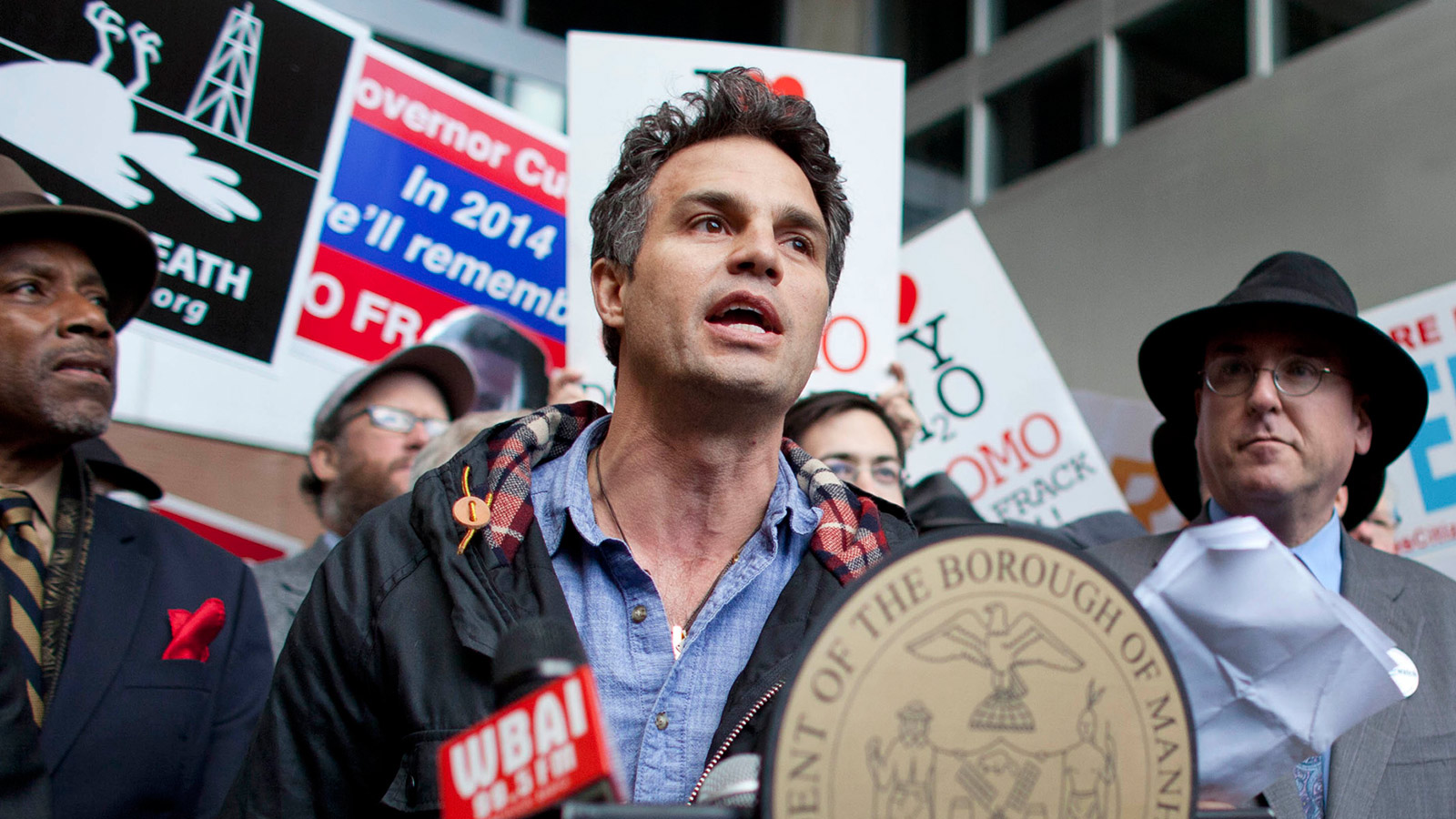
Mark Ruffalo has become the center of fresh discussion in entertainment circles following reports that suggest the actor may no longer be involved in future Disney projects. While the claims have spread quickly online, it is important to note that neither Disney nor Mark Ruffalo has officially confirmed any separation or change in professional association. Still, the speculation has created interest because of Ruffalo’s long-standing connection with the studio through major film franchises.Mark Ruffalo, Leonardo DiCaprio, Sign Letter Against Canada Pipeline

Mark Ruffalo has been one of the most recognizable faces in modern Hollywood, especially after portraying Bruce Banner, also known as the Hulk, in multiple Marvel Studios films. His association with Disney-backed projects has spanned more than a decade, making the recent reports particularly notable. According to industry chatter, some observers believe that comments made during a Golden Globes speech may have affected his standing. However, without formal statements, these remain unverified claims.

Mark Ruffalo’s History With Disney and Marvel Studios

Mark Ruffalo joined the Marvel Cinematic Universe in 2012 with The Avengers, stepping into the role of Bruce Banner. Over the years, his character evolved across several major releases, including Avengers: Age of Ultron, Thor: Ragnarok, Avengers: Infinity War, and Avengers: Endgame. His portrayal brought emotional depth and relatability to a character that balanced intelligence, vulnerability, and immense power.Mark Ruffalo presses Biden to act fast on 'forever chemicals' before Trump  takes office

Disney’s acquisition of Marvel Studios further strengthened Ruffalo’s association with the company. Beyond blockbuster films, he also appeared in Disney+ content, expanding the character’s presence into streaming platforms. This consistent collaboration made him a familiar and trusted figure within the studio’s creative ecosystem.

Because of this history, reports suggesting a pause or end to his involvement naturally draw attention. For many fans, Mark Ruffalo’s portrayal of the Hulk remains a defining part of the Marvel experience, and any uncertainty around his future involvement raises questions about character continuity and long-term storytelling.

Mark Ruffalo Speculation and Industry Reactions

Mark Ruffalo has long been known not only for his acting but also for his outspoken views on social and political issues. His Golden Globes speech, which reportedly sparked the current speculation, reflected positions he has expressed publicly in the past. While some industry watchers believe such moments can influence studio relationships, there is no concrete evidence linking the speech directly to any professional consequences.Mark Ruffalo talks climate change and what you can do about it | Grist

In the entertainment industry, rumors often emerge during transitional phases, especially when studios are restructuring their future plans. Disney, like many major studios, is currently reassessing its film and streaming strategies, particularly within large franchises. This broader context may also be contributing to uncertainty around returning cast members, including Mark Ruffalo.

It is also worth noting that actors frequently take breaks from long-running franchises to explore other creative opportunities. Ruffalo has continued to work in independent films, television dramas, and stage productions, demonstrating a career that extends well beyond studio franchises.

Mark Ruffalo’s Broader Career Beyond Disney

Mark Ruffalo’s body of work spans far beyond superhero cinema. He has earned critical acclaim for performances in films such as Spotlight, Foxcatcher, and The Kids Are All Right. His television work, particularly in limited series, has further established him as a versatile performer capable of handling complex and emotionally driven roles.

Outside acting, Ruffalo has also been active as a producer and advocate for environmental and humanitarian causes. These pursuits have shaped his public image as an artist who balances mainstream success with personal values. Even if his association with Disney were to change in the future, his career foundation remains strong and diverse.

For audiences, this context matters. While franchise roles bring visibility, they are only one part of an actor’s professional identity. Ruffalo’s reputation as a skilled performer ensures continued relevance regardless of studio affiliations. Also Read: Bengal Padma Shri Honours 2026 – Detailed Analysis of Prosenjit Chatterjee’s Recognition, 10 Other Awardees, and Governance Lessons

Conclusion

Mark Ruffalo remains a respected figure in the film industry, and current reports about his future with Disney should be viewed with caution. Without official confirmation, speculation alone cannot define the next phase of his career. Whether he continues with Disney-backed projects or moves in a different creative direction, his impact on modern cinema is already well established. For now, the situation stands as an example of how quickly rumors can shape conversation, even in the absence of confirmed facts.

Officially Cancelled ALICE IN BORDERLAND Marks the End After 3 Seasons With a Sudden Stop

0

Officially Cancelled ALICE IN BORDERLAND Brings a Popular Survival Series to a Close

Officially cancelled ALICE IN BORDERLAND has become the unexpected headline for fans of the Japanese survival thriller, as Netflix has decided not to continue the series beyond its third season. The announcement has quietly closed the chapter on a show that gained global attention for its intense storytelling, strong characters, and high-stakes games. While many viewers believed the story still had room to grow, the platform has now confirmed that there will be no fourth season, bringing the journey to an abrupt end.The Final Card: 'Alice in Borderland' Season 3 Main Trailer Previews Deadly Games That Await - About Netflix

The series, adapted from Haro Aso’s manga, followed ordinary people trapped in a deadly parallel world where survival depended on winning dangerous games. Over three seasons, the show built a loyal international audience, especially after the strong reception of its second season. Expectations were high that the narrative would expand further, but the decision to stop has changed those expectations completely.

Officially Cancelled ALICE IN BORDERLAND and Netflix’s Final Decision

Officially cancelled ALICE IN BORDERLAND reflects a clear and final choice by Netflix to move on from the series. Unlike many shows that receive a planned final season or a closing announcement in advance, this decision arrived without a long promotional buildup. There was no extended farewell message, teaser, or confirmation of a concluding arc. Instead, the news surfaced as a simple confirmation that the series would not continue.Did Netflix Really Cancel 'Alice in Borderland' Season 4?

From a business point of view, Netflix frequently reassesses its content based on viewership trends, production costs, and long-term strategy. Even successful international shows are not guaranteed extended runs. In this case, the platform appears to have concluded that the story reached a natural stopping point after three seasons, even though fans felt otherwise.

For viewers, the cancellation feels sudden because the series maintained strong engagement and discussion online. Many believed that at least one more season could explore unanswered elements of the Borderland world and the long-term consequences faced by the characters. The absence of a continuation has therefore left a sense of incompleteness for a section of the audience.

Officially Cancelled ALICE IN BORDERLAND Leaves Fans Reflecting on the Story

Officially cancelled ALICE IN BORDERLAND has sparked mixed reactions among fans, ranging from disappointment to quiet acceptance. Some viewers feel that the third season provided enough closure, staying close to the original manga’s direction and themes. Others argue that the television adaptation had developed its own identity and could have gone further without losing impact.Alice in Borderland': cancelled or ended? Fans react to Netflix announcement

What stands out is how the series connected with audiences beyond Japan. Its simple but powerful concept, combined with emotional character arcs, allowed it to cross language and cultural barriers. The games were not only about survival but also about trust, sacrifice, and human choice under pressure. These elements helped the show stand apart in the crowded survival-drama genre.

The cancellation also highlights a wider trend in streaming content, where even popular shows can end quickly if they do not align with platform priorities. For creators and viewers alike, this creates uncertainty, especially when stories are designed to build over multiple seasons. Also Read: Bengal Padma Shri Honours 2026 – Detailed Analysis of Prosenjit Chatterjee’s Recognition, 10 Other Awardees, and Governance Lessons

Despite its sudden ending, the series leaves behind a strong legacy. It introduced many international viewers to Japanese live-action storytelling and proved that non-English series can succeed globally when the narrative is compelling. The performances, visual style, and pacing will likely keep the show relevant for new viewers discovering it for the first time.

Conclusion

Officially cancelled ALICE IN BORDERLAND closes the door on a series that made a strong impact in a short span of time. While the lack of a fourth season feels abrupt, the three existing seasons remain a complete and memorable experience for many fans. The show’s intense world and emotional depth ensure it will continue to be discussed, even after its unexpected end.

Amartya Sen Electoral Roll Criticism 2026 – Detailed Analysis of Bengal SIR Haste, Voter Rights Concerns, and Governance Lessons

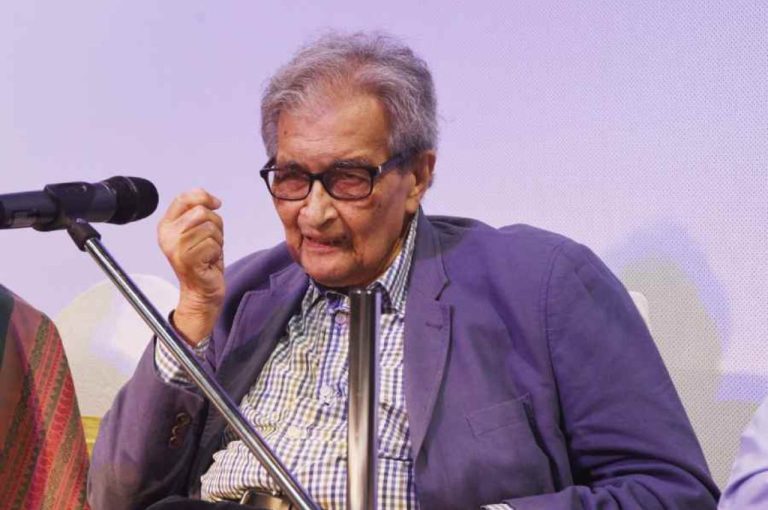
The Amartya Sen electoral roll criticism 2026 has sparked nationwide debate on the integrity of India’s democratic processes. Nobel laureate economist Amartya Sen, speaking from Boston, warned that the Special Intensive Revision (SIR) of electoral rolls in Bengal was being conducted with “undue haste,” leaving inadequate time for voters to submit required documents. He described the exercise as “unjust to the electorate and unfair to Indian democracy.”


2. The Context of SIR in Bengal

  • Purpose: The Special Intensive Revision aims to update electoral rolls before the upcoming Assembly elections.
  • Process: Citizens are required to submit documents verifying age, identity, and residence.
  • Concerns: Allegations of wrongful notices, bureaucratic harassment, and exclusion of genuine voters.
  • Timing: With elections months away, the hurried process has raised fears of disenfranchisement.

3. Amartya Sen’s Personal Experience

  • Notice served: EC officials visited Sen’s home in Santiniketan on January 7, issuing a hearing notice over a “logical discrepancy” in his voter form.
  • Discrepancy: Age difference between Sen and his mother was flagged as less than 15 years, though official records showed 19 years.
  • Documentation challenge: Sen noted he lacked a birth certificate, like many rural Indians, making verification difficult.
  • Resolution: Friends assisted him in navigating the process, but he worried about citizens without such support.

4. Why Sen’s Criticism Matters

  • Symbolic weight: As a Nobel laureate and Bharat Ratna awardee, Sen’s words carry global credibility.
  • Democratic integrity: His warning highlights risks of disenfranchisement in a state with high political stakes.
  • Class bias: He emphasised that poorer citizens are most vulnerable to exclusion due to lack of documents.
  • Political neutrality: Sen clarified he is not an election expert, but stressed fairness must override partisan advantage.

5. Amartya Sen Electoral Roll Criticism 2026: Political Reactions

  • TMC: Echoed Sen’s concerns, accusing EC of harassment.
  • BJP: Suggested the SIR was necessary to weed out fictitious voters.
  • Civil society: Expressed alarm at exclusion risks for underprivileged groups.
  • Observers: Warned that rushed revisions could undermine electoral legitimacy.

6. Governance Challenges

The SIR controversy reflects systemic governance issues:

  • Electoral transparency: Citizens lack trust in the voter roll revision process.
  • Administrative neutrality: Allegations of bias against election officials persist.
  • Technology flaws: EC’s verification system rejected valid documents.
  • Public safety: Anxiety and harassment undermine democratic participation.

7. Community Concerns

  • Families: Fear wrongful deletion of names due to minor errors.
  • Students: Frustrated by rejection of school admit cards despite Supreme Court order.
  • Civil society groups: Demand transparency and grievance redressal mechanisms.
  • Opposition voices: Warn of potential misuse of relaxed verification standards.

8. Government External Links for Assistance


9. Historical Context of Electoral Roll Disputes in Bengal

  • 1970s–80s: Allegations of voter list manipulation during Left Front rule.
  • 2011: TMC rose to power, promising electoral reforms.
  • 2019–2021: BJP gained ground, raising concerns about fictitious voters.
  • 2026: Sen’s criticism reflects continuity of disputes over voter rolls.

10. Global Comparisons

Similar electoral disputes worldwide:

  • USA: Allegations of voter suppression through purges in Georgia and Florida.
  • UK: Concerns about disenfranchisement under new voter ID laws.
  • Nigeria: Disputes over duplicate registrations and ghost voters.

Bengal’s case mirrors these global struggles where electoral integrity collides with political rivalry and human vulnerability.


11. Governance Lessons

The Amartya Sen case teaches:

  • Judicial orders must be implemented swiftly.
  • Transparency in electoral processes is non‑negotiable.
  • Technology must support, not obstruct, citizen rights.
  • Community engagement reduces panic and misinformation.

12. Future Outlook – Electoral Governance in Bengal

India must move towards:

  • Digitised grievance redressal portals for voter roll issues.
  • Periodic audits of electoral rolls by independent agencies.
  • Public dashboards showing deletions and additions transparently.
  • Educational campaigns to help citizens verify their status.

✅ Conclusion

The Amartya Sen electoral roll criticism 2026 is more than an academic observation—it is a test of India’s democratic resilience. As citizens face harassment, confusion, and fear of disenfranchisement, Sen’s words remind us that democracy thrives only when governance delivers clarity, fairness, and respect for citizens. For Bengal, the lesson is clear: electoral reforms must protect, not punish, the electorate.

Also read: Home | Channel 6 Network – Latest News, Breaking Updates: Politics, Business, Tech & More

Iceland unit 2025 Shoot Reveals Why Real Locations Still Matter in Modern Productions

0

Iceland unit and the late-stage decision that changed the season’s visual scale

Iceland unit activity became a major talking point during the summer of 2025, when additional scenes were filmed months after the main production schedule had already ended. Instead of relying on studio extensions or computer-generated environments, the makers chose to establish a dedicated Iceland unit to capture fresh material in real locations. This move surprised many, especially because principal photography had reportedly wrapped earlier, making this an unusual but deliberate creative decision.This shoot occurred in the summer of 2025, months after principal photography for the season had reportedly wrapped. An “Iceland unit” was specifically established for these additional scenes. The decision sparked debate

The Iceland unit was not a casual add-on. It involved a separate crew, planning logistics in a challenging environment, and scheduling actors for a focused shoot window. The intention was clear: to enhance realism and visual depth in key moments of the season. While such decisions often stay behind the scenes, this one became public and triggered strong reactions from viewers and industry observers alike.

Iceland unit production choice highlights realism over convenience

The use of an Iceland unit reflects a broader trend where some productions continue to value physical locations despite the availability of advanced CGI tools. Iceland’s landscapes offer natural scale, lighting, and texture that are difficult to recreate digitally without significant cost and effort. Glaciers, volcanic terrain, and wide open spaces bring an authenticity that visual effects alone often fail to fully match.Let's - This shoot reportedly took place in summer 2025, months after principal photography had already wrapped 🌍🎬. To capture these extra scenes, a dedicated “Iceland unit” was assembled, showing just how

Supporters of the Iceland unit decision argued that these real-world elements elevate the viewing experience. They believe audiences can sense when a scene is grounded in reality, even if they cannot clearly explain why. Natural weather conditions, unpredictable light, and real terrain contribute subtle details that make scenes feel more immersive and believable.

At the same time, critics raised concerns. The environmental impact of transporting cast and crew to Iceland was one issue, along with the financial cost of setting up a separate unit after production had already ended. Some questioned whether these scenes truly required real locations or if similar results could have been achieved using green screens and digital environments.

Iceland unit filming after wrap raises budget and sustainability questions

Filming with an Iceland unit after principal photography is complete is not a routine choice. It often means reopening budgets, extending contracts, and coordinating schedules that were already closed. From a production management perspective, this adds pressure and risk. Any delays due to weather or travel issues can quickly escalate costs.This scene was shot in summer 2025, long after the season had supposedly finished filming. Producers even formed a dedicated “Iceland unit” just to capture these extra shots. The move instantly split

Environmental concerns also became part of the discussion. Iceland is known for its fragile ecosystems, and large-scale filming requires careful handling. Modern productions are increasingly expected to follow sustainability guidelines, and fans are now more vocal about holding creators accountable. The Iceland unit therefore became a symbol of the tension between creative ambition and responsible production practices.

Iceland unit approach reflects long-term storytelling priorities

Despite the debate, the decision to move forward with the Iceland unit suggests confidence in long-term storytelling goals. These scenes were not filmed for spectacle alone. Reports indicate they were designed to strengthen narrative moments that required scale, isolation, or emotional weight that could only be achieved in a real environment.


View this post on Instagram


A post shared by Cinema Shorts (@cinemashortsig)

For creators, such choices often come down to impact. If a scene plays a crucial role in shaping audience perception or emotional response, the investment can be justified. The Iceland unit allowed the team to capture visuals that align closely with the story’s tone, rather than adjusting the story to fit technical limitations. Also Read: Bengal Padma Shri Honours 2026 – Detailed Analysis of Prosenjit Chatterjee’s Recognition, 10 Other Awardees, and Governance Lessons

This approach also sends a message about production values. In an era where speed and efficiency dominate content creation, choosing a location-based unit shows a willingness to slow down for quality. It positions the project closer to cinematic traditions, even within a serialized format.

Conclusion

The Iceland unit shoot in 2025 stands as a clear example of how creative priorities can outweigh convenience. While the decision invited criticism over cost and environmental impact, it also reinforced the importance of real locations in visual storytelling. By committing to authenticity and scale, the Iceland unit became more than just an extra shoot it became a statement about how stories are meant to be experienced.

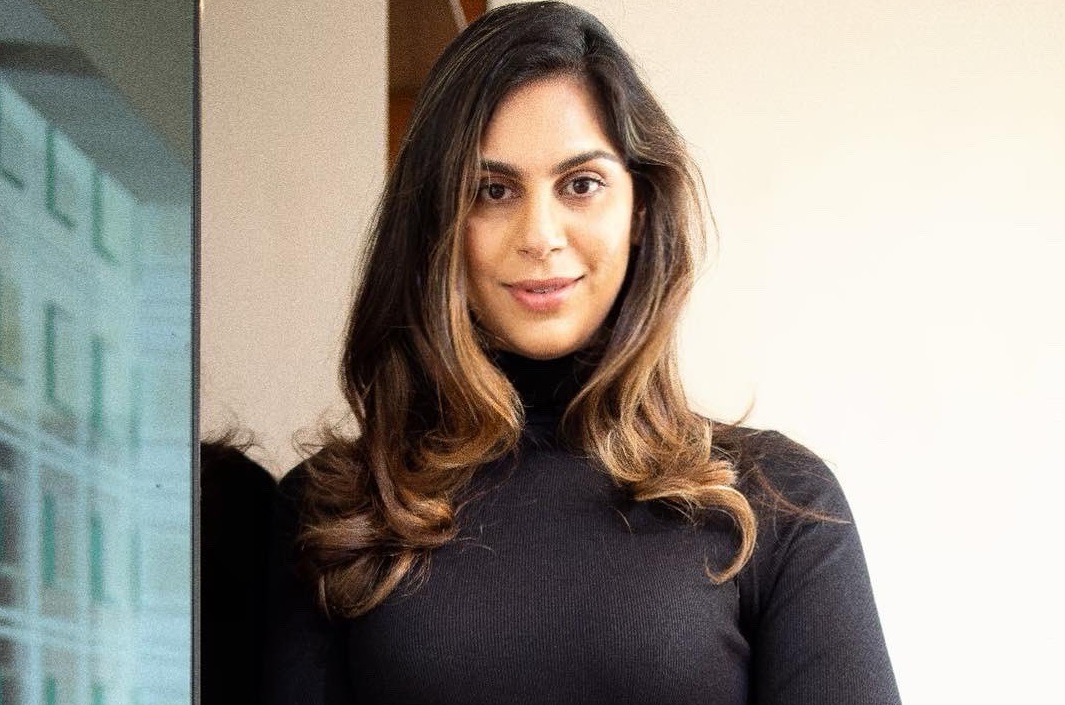
Upasana Kamineni Konidela 1: A Leadership Story Beyond the Spotlight

0

Upasana Kamineni Konidela and Her Expanding Influence in Indian Healthcare

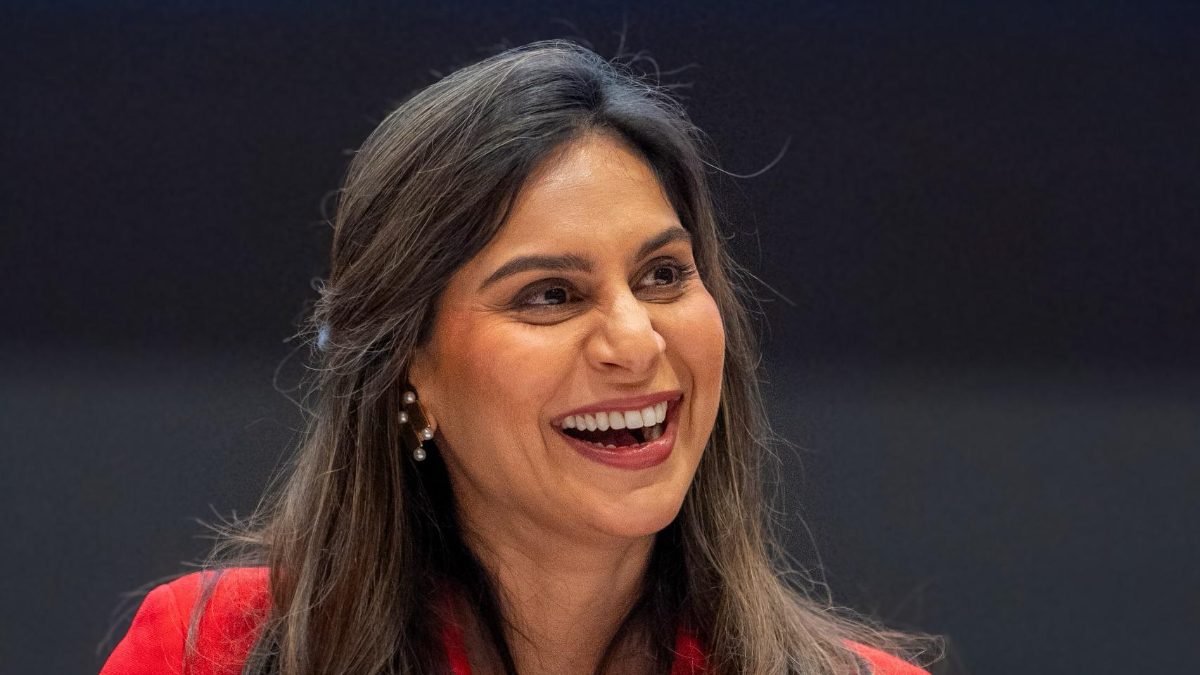
Upasana Kamineni Konidela has steadily built a public identity that goes far beyond celebrity associations. Known widely as the wife of actor Ram Charan, her professional journey stands independent and impactful. As Vice Chairperson of Apollo Hospitals, one of India’s largest healthcare groups valued at around ₹77,000 crore, she plays a key role in shaping policies that affect millions of patients across the country. Her work reflects a clear focus on healthcare access, preventive systems, and sustainable leadership rather than public visibility.Upasana Konidela glows in red, champions Indian healthcare at Harvard India Business Forum. See pics | Hindustan Times

Upasana Kamineni Konidela represents a new generation of Indian business leaders who combine structured management with social responsibility. Her leadership style is rooted in long-term thinking, patient-centric care, and innovation within traditional healthcare systems. Over the years, her presence within Apollo Hospitals has become increasingly prominent, especially in areas related to wellness, digital health, and community health programs.

Upasana Kamineni Konidela’s Role at Apollo Hospitals

Upasana Kamineni Konidela holds the position of Vice Chairperson at Apollo Hospitals, a healthcare institution that has played a major role in India’s private medical infrastructure. Her responsibilities are not symbolic. She actively participates in strategic planning, brand direction, and healthcare outreach initiatives. Under her leadership involvement, Apollo Hospitals has placed stronger emphasis on preventive healthcare, lifestyle management, and early diagnosis rather than only treatment-based systems.Women's Day: Upasana Kamineni Konidela on women empowerment, healthcare and marriage with Ram Charan | HealthShots

She has supported initiatives that bring healthcare education to the public, encouraging people to focus on nutrition, mental health, and long-term wellness. These efforts align with global healthcare trends but are adapted to Indian realities, where access and awareness remain uneven. Her contribution reflects a shift from hospital-centric care to community-focused healthcare models.

Upasana Kamineni Konidela and Her Entrepreneurial Vision

Beyond her hospital leadership role, Upasana Kamineni Konidela is also known for her entrepreneurial interests. She has invested in wellness-focused ventures that promote sustainable living, organic food systems, and mental well-being. These ventures align closely with her healthcare philosophy, which sees health as a combination of physical, mental, and environmental factors.Upasana Kamineni Konidela makes a powerful statement at Harvard India Business Forum 2025, says 'India is not just scaling healthcare but...' – Firstpost

Her business decisions show a preference for long-term value creation rather than short-term financial returns. This approach has helped position her as a serious business leader rather than a passive investor. She consistently advocates responsible entrepreneurship, especially in sectors connected to public well-being and social impact.

Upasana Kamineni Konidela’s Commitment to Philanthropy and Social Impact

Philanthropy forms a central part of Upasana Kamineni Konidela’s public work. Through various foundations and healthcare-linked initiatives, she supports programs focused on maternal health, child nutrition, and rural healthcare access. Her work emphasizes measurable outcomes rather than publicity-driven charity.Upasana gets a grand welcome from Telugu community in US - TeluguBulletin.com

She has also been vocal about mental health awareness, workplace well-being, and the need to normalize conversations around stress and emotional health. These efforts contribute to broader societal change and reflect her belief that leadership carries responsibility beyond boardrooms.

Upasana Kamineni Konidela as a Modern Indian Leader

Upasana Kamineni Konidela’s journey highlights how leadership today is no longer defined by titles alone. She operates at the intersection of business, healthcare, and social responsibility, setting an example for future Indian leaders, especially women in corporate roles. Her influence comes from consistent work, informed decision-making, and clarity of purpose.


View this post on Instagram


A post shared by Startupro (@startupro_)

Unlike many public figures, she maintains a low-key communication style that prioritizes substance over visibility. This approach has helped her earn credibility within professional circles while remaining relatable to the public. Also Read: Bengal Padma Shri Honours 2026 – Detailed Analysis of Prosenjit Chatterjee’s Recognition, 10 Other Awardees, and Governance Lessons

Conclusion

Upasana Kamineni Konidela continues to shape India’s healthcare and business landscape through focused leadership and long-term vision. Her work at Apollo Hospitals, combined with her entrepreneurial and philanthropic efforts, reflects a leadership model built on responsibility, clarity, and impact. In an era where influence is often confused with visibility, her journey stands as a reminder that real leadership is built through action, not attention.