Wednesday, December 17, 2025
Home Blog Page 660

Bengal Deportation Case: Three Wrongly Sent to Bangladesh, Rescued After Mamata Govt Intervention

Bengal Deportation Case: In a shocking case that highlights serious flaws in identity verification and inter-agency coordination, three Indian citizens from West Bengal were mistakenly deported to Bangladesh. These individuals, migrant workers who had been working in Maharashtra, were misidentified as Bangladeshi nationals and sent across the border without proper judicial process or verification.

The case came to light when a video message recorded from Bangladeshi custody surfaced, in which the deported men pleaded for help. Chief Minister Mamata Banerjee’s government responded quickly, launching a cross-border intervention that successfully brought the men back to India.

Bengal Deportation Case

Bengal Deportation Case: The Deported Individuals

The three men—all from Murshidabad and East Burdwan districts—were working as laborers in Mumbai when they were detained by local police. Reportedly, they were unable to produce documents deemed acceptable by law enforcement, and due to their Bengali-speaking background, suspicions of illegal immigration were raised.

They were transferred to the India-Bangladesh border region and handed over to the Border Security Force (BSF). Soon afterward, they were deported to Bangladesh, allegedly without proper verification of their Indian citizenship.

The Arrest and Deportation Chain

The incident unfolded in a concerning sequence:

  1. Detention in Mumbai: Based on suspicion and lack of adequate documents.
  2. Transfer to Bengal: The group was transported to Cooch Behar.
  3. BSF Action: The BSF allegedly accepted the detainees without legal paperwork and deported them to Bangladesh.
  4. Bangladesh Detention: Upon being pushed across the border, they were taken into custody by Bangladeshi officials.

The deportation drew criticism for bypassing legal checks. Deportations typically require oversight by courts, yet in this case, it was allegedly conducted solely at the administrative level.

Plea Video and Government Reaction

A mobile-recorded video appeal sent from Bangladeshi custody found its way to migrant welfare groups and eventually reached West Bengal authorities. In the video, the three men desperately asked to be rescued, stating they were Indian citizens and had been wrongly deported.

This triggered rapid response from the West Bengal Migrant Workers Welfare Board, chaired by TMC MP Samirul Islam. Working in coordination with central agencies, and after holding a flag meeting with Bangladesh’s border guards, the state successfully facilitated the return of the three individuals.

Safe Return and Emotional Reunions

On returning to India, the men were received at Mekhliganj in Cooch Behar by local administration and health teams. Physically exhausted and emotionally shaken, they recounted their experience in Bangladeshi detention—marked by uncertainty, fear, and lack of communication with their families.

Families of the deportees expressed both relief and outrage. “My brother did nothing wrong. He just wanted to earn for us,” said one family member. The human cost of administrative error, many argued, had gone too far.

Administrative Accountability and Investigation

The wrongful deportation sparked widespread criticism, with calls for formal investigations into the roles played by:

  • Mumbai Police, who detained the men.
  • The BSF, for deporting them without legal validation.
  • Central agencies, for lack of protocol in verifying citizenship before cross-border actions.

The state government demanded a review of procedures and accountability from federal authorities. No arrest or deportation should occur without identity verification and legal orders, said officials from the West Bengal administration.

Structural Weakness in Deportation Protocol

This case reflects deeper institutional vulnerabilities:

  • Language bias: Detaining people based on the Bengali language reflects regional prejudice.
  • Lack of due process: Skipping court procedures undermines constitutional safeguards.
  • Jurisdictional confusion: Maharashtra Police acted on suspicion and transferred people to a different state without involving local judiciary.

Activists argue for stronger migrant worker protection laws and a centralized database that can help verify identities more efficiently and fairly.

Political and Social Ramifications

The incident has also taken a political tone. Mamata Banerjee’s prompt intervention has been praised, but opposition parties have demanded accountability from the BSF and central forces.

There is growing concern over the treatment of migrant workers from eastern India in other states, and the risk of wrongful arrest and deportation for lack of “urban documentation.”

Expert Opinions

Legal experts stress that Indian citizens cannot be deported without court permission. The Foreigners Act mandates proper legal scrutiny, which was clearly absent.

Human rights groups recommend that the Ministry of Home Affairs draft updated guidelines, especially when handling suspected illegal immigrants. In states with significant inter-state migration, a more humane, rights-based approach is needed.

Conclusion and Recommendations

This incident underscores a serious flaw in the country’s internal migrant governance system. From profiling based on language, to denial of due process, to inappropriate deportation, each step in this case reflects administrative failure.

The return of the three individuals is a welcome outcome, but the story should not end there. India must adopt:

  • Clear ID verification protocols.
  • Mandatory judicial oversight before any deportation.
  • Compensation and rehabilitation for wrongly deported citizens.
  • Transparent accountability mechanisms for police and BSF officials involved.

In a democracy, no citizen should fear being exiled from their own country. This case must serve as a turning point for reform in India’s migrant and deportation policy frameworks.

Official Government Links:

  1. PIB India (Ministry of Home Affairs) – SOP for Repatriation

  2. Rajya Sabha – Written Reply by MHA on Deportation

Also read: Home | Channel 6 Network – Latest News, Breaking Updates: Politics, Business, Tech & More

Kim Woodburn Death: British TV Icon Dies at 83 After Brief Illness – A Look at Her Life, Family, Career, and Legacy

Kim Woodburn Death Confirmed: Television Star Passes Away at 83 After Private Health Battle

The news of Kim Woodburn’s death has sent shockwaves across the UK television community. The British television personality, best known for co-hosting How Clean Is Your House? and her controversial appearance on Celebrity Big Brother, died at 83. Her passing was confirmed by her manager on June 17, 2025. According to an official statement, Kim died after a short and private illness. While the specific cause of her death has not been disclosed, her Instagram followers were made aware of health issues earlier this year.

In a March 2025 Instagram post, Kim had mentioned, “No more videos for now, my loves. I need to get better!” This message marked the beginning of her final public communications. Her husband Peter, heartbroken by the loss, is currently grieving in private. Fans and celebrities alike are mourning the Kim Woodburn death and paying tribute to her fearless personality and career.

Also Read : Raman Rai Handa, Father of Bigg Boss Star Mannara Chopra, Dies at 72: Family Shares Statement

From a Troubled Childhood to Becoming a Household Name on British Television

Born Patricia Mary McKenzie on March 25, 1942, in Eastney, Hampshire, Kim had a childhood shaped by adversity. At the age of three, she and her sister were sent to a Catholic boarding school, where they were reportedly mistreated by nuns. In later interviews, including one with BBC’s Heaven and Earth, she opened up about the emotional scars from this time.

At 16, Kim moved to Liverpool and started working as a live-in cleaner, an experience that laid the groundwork for her later fame. Her early life was filled with hardship, including the heartbreaking loss of a stillborn child in her twenties. Kim buried her son in a Liverpool park, a deeply personal story she shared later in her autobiography.

The resilience she built through these years helped shape the no-nonsense, bold woman that would become a fixture of British television. The Kim Woodburn death has brought renewed attention to her extraordinary life journey.

How Clean Is Your House?

Rise to Stardom: ‘How Clean Is Your House?’ Brought Kim Woodburn Into the Spotlight

Kim Woodburn death has reminded viewers of her enormous impact on popular culture, especially through her breakout role on Channel 4’s How Clean Is Your House?. Starting in 2003, she co-hosted the show with Aggie MacKenzie, where the duo tackled some of the dirtiest homes in the UK. Armed with rubber gloves and blunt honesty, Kim became a national sensation. Her approach was direct, and audiences loved her for it.

The show aired until 2009, but its popularity led to international adaptations, guest appearances, and spin-offs. Kim’s larger-than-life personality made her a fan favorite. Her unforgettable catchphrases and stern demeanor became her trademarks. She didn’t just clean houses—she cleaned lives. Following the Kim Woodburn death, many have credited the show for inspiring healthier, cleaner home environments across the UK.

Celebrity Big Brother

Controversial and Unforgettable Moments in Reality TV: Kim Was Never Afraid to Speak Her Mind

Kim Woodburn wasn’t just a cleaning guru—she was a reality TV firecracker. Her appearance on I’m a Celebrity…Get Me Out of Here! in 2009 showed viewers a more vulnerable yet competitive side of her personality. She finished as runner-up, proving her popularity and resilience.

However, it was her time on Celebrity Big Brother in 2017 that reignited her fame—and controversy. Kim clashed openly with housemates, most notably with Coleen Nolan. The tension between them peaked again during an explosive episode of Loose Women in 2018, which ended with Kim storming off the set after a heated confrontation.

The Kim Woodburn death has brought these unforgettable moments back into conversation. Whether people agreed or disagreed with her, no one could ignore her.

Kim Woodburn’s Personal Life: A Private Marriage and a Life Shared With Her Husband Peter

Despite her public persona, Kim kept her private life relatively guarded. She married Peter Woodburn in 1979, and the couple remained devoted to each other for more than four decades. They lived in Nantwich, Cheshire, away from the media spotlight.

The couple shared an enduring bond, strengthened by shared values and mutual respect. In 2016, they appeared together on A Place in the Sun: Winter Sun, in search of a holiday home. Her husband has not released a personal statement yet, but her manager confirmed Peter is devastated and currently seeking privacy. The Kim Woodburn death leaves behind not only a television legacy but also a deeply personal loss for her husband and close friends.

Net Worth at the Time of Her Passing and Her Legacy in British Popular Culture

At the time of the Kim Woodburn death, her estimated net worth was around $5.48 million, according to PeopleAI. Her earnings came primarily from her work on television, especially How Clean Is Your House?, as well as appearances on other reality shows and media deals.

Kim also released an autobiography titled Unbeaten, where she candidly discussed her life struggles, achievements, and battles with depression. It was another window into her complex and courageous spirit.

Kim Woodburn’s legacy is one of strength, honesty, and resilience. The outpouring of tributes since her passing speaks to how deeply she touched people’s lives. The Kim Woodburn death is not just a loss for the entertainment world but for fans who saw her as an inspiration.

Kim Woodburn

Public Reaction to Kim Woodburn Death: Tributes, Memories, and Emotional Messages from Fans and Celebrities

Social media is flooded with tributes following the Kim Woodburn death. Fans are remembering her for her iconic one-liners, her fierce loyalty, and her fearless approach to life. Celebrities and former co-stars have expressed their grief and gratitude for having worked alongside such a powerful presence.

Aggie MacKenzie, her former co-host, shared a heartfelt message, stating that Kim was “a one-of-a-kind powerhouse” who will be greatly missed. The Kim Woodburn death marks the end of an unforgettable chapter in British TV history.


Kim Woodburn’s Death Reminds Us of Her Remarkable Life and Influence

As the nation mourns the Kim Woodburn death, we remember more than just a reality TV star. We honor a woman who overcame adversity, entertained millions, and remained unapologetically herself. Her story is one of triumph, resilience, and lasting legacy.

Her work will continue to inspire future generations of television personalities and audiences alike. Kim Woodburn, the Queen of Clean, may be gone, but her voice and influence remain louder than ever.

Sony Bravia 8 Series Delivers Stunning QD-OLED Experience with Game-Changing Visuals and Sound

Sony Bravia 8 Introduces QD-OLED TVs in India with Advanced XR Processor and Dolby Technologies

The Sony Bravia 8 QD-OLED TV series has officially launched in India, offering a premium entertainment experience powered by QD-OLED display technology and Sony’s intelligent XR processor. Available in 55-inch and 65-inch sizes, these smart televisions are packed with innovations aimed at both movie lovers and gamers.Sony Bravia 8

The QD-OLED panel illuminates each pixel individually, delivering precise black levels, vivid colors, and a level of contrast that brings every scene to life. The XR processor, enhanced with Artificial Intelligence, fine-tunes picture and sound in real-time to make content more immersive and realistic.

A Visual and Audio Upgrade with IMAX, Dolby Vision, and Acoustic Surface Audio+


The Sony Bravia 8 series is designed to offer a theater-like experience right at home. It supports Dolby Vision, Dolby Atmos, and IMAX Enhanced content, ensuring both visuals and sound reach cinematic standards. Sony has also integrated Acoustic Surface Audio+ technology, which uses actuators behind the screen to turn the panel into a speaker. This allows sound to follow the action on screen for a more immersive viewing experience.

To enhance contrast and depth, Sony has added XR Contrast Booster, which controls light more precisely, making bright scenes brighter and dark scenes richer. Coupled with XR Triluminos Max, it ensures accurate color reproduction and detailed textures across various lighting conditions.

Smart Features Designed for Streamers and Gamers Alike

For streaming lovers, the Bravia 8 includes Netflix Adaptive Calibrated Mode, Prime Video Calibrated Mode, and Sony Pictures Core, Sony’s own content platform. With 10 complimentary credits, users can enjoy 4K HDR and IMAX enhanced films right after setup. These features are designed to replicate a filmmaker’s original vision.Sony Bravia 8

Also Read : Google Pixel 10 Series: 3 Big Camera Upgrades That Change Everything

Gamers haven’t been left behind. The Sony Bravia 8 QD-OLED is optimized for PlayStation 5, offering Auto HDR Tone Mapping, 4K at 120fps, Variable Refresh Rate (VRR), and Auto Low Latency Mode (ALLM). These capabilities reduce lag and enhance clarity during fast-paced gameplay. The TV even switches automatically to Game Mode when a PS5 is connected, ensuring a smooth and responsive experience.

Build, Design, and Availability in India

Crafted for elegance and function, the Sony Bravia 8 series fits seamlessly into modern home decor while offering top-tier performance. It supports Studio Calibrated Mode, ensuring content looks as intended on screen.Sony Bravia 8

The TVs are available in two screen sizes:

  • 55-inch (K-55XR80M2) priced at ₹2,46,990
  • 65-inch (K-65XR80M2) priced at ₹3,41,990 They are now available across Sony Center stores, major electronics retailers, and e-commerce websites in India starting June 17, 2025.

Conclusion: 

The Sony Bravia 8 QD-OLED TV series is more than just a screen—it’s a complete entertainment hub blending sharp visuals, immersive audio, and real-time AI optimization. Whether you’re streaming your favorite films or playing on your PS5, this TV series promises a rich, cinematic experience at home.

SIGMA’s New 17-40mm Lens Brings Lightweight Power and Cinematic Versatility to APS-C Cameras

SIGMA Expands Its Art Lineup with the 17-40mm f/1.8 DC Lens

SIGMA has officially announced the 17-40mm f/1.8 DC Art lens, designed specifically for APS-C mirrorless cameras. This new addition stands out for maintaining a bright f/1.8 constant aperture across the entire zoom range, a rare feature in zoom lenses aimed at crop-sensor bodies.SIGMA 17-40mm f/1.8 DC Art Lens for APS-C Cameras

Offering a 25.5-60mm equivalent focal length (or 27.2-64mm for Canon RF mount), the lens delivers excellent versatility for photographers and videographers alike—from wide-angle landscapes to mid-range portraits. The lens is compatible with Sony E-mount, Fujifilm X-mount, L-mount, and Canon RF mount (available later).

Lightweight But Powerful Design Suited for Mobility and Film Work

SIGMA has focused on weight reduction and handling improvements with this release. Weighing just 535 grams, the new lens is more than 30% lighter than the previous 18-35mm f/1.8 model, while offering a longer focal range. It uses a 67mm filter thread and measures 72.9mm x 115.9mm, making it easier to balance on compact camera rigs and handheld setups.

Internally, the lens is built with 17 elements in 11 groups, including four aspherical and four Special Low Dispersion (SLD) elements. This advanced configuration helps minimize chromatic aberrations and unwanted flares, while the 11-blade rounded diaphragm creates soft, circular bokeh for cinematic depth.

Video-Centric Features with Precision Autofocus and Focus Breathing Control

SIGMAFor video shooters, SIGMA has added key upgrades that go beyond optics. The internal zoom design means the lens does not change in length during zooming—ideal for gimbal use. A High-speed Linear Actuator (HLA) drives the autofocus system, ensuring silent and fast AF performance, especially important during video recordings or live sessions.

Focus breathing has also been significantly suppressed to prevent distracting frame shifts when pulling focus. This makes the SIGMA 17-40mm one of the few APS-C zoom lenses engineered with cinematography in mind.

Photographers will also benefit from dual AFL (Auto Focus Lock) buttons, located on the lens barrel for both horizontal and vertical use. For Fujifilm users, these buttons are customizable, allowing either AF lock or AF activation, depending on your preference.

Aperture Control, Customization, and Durable Build

Most lens mounts, except Canon RF, feature a dedicated aperture ring with both a click switch and a lock switch. The click can be turned off for silent aperture changes, while the lock ensures no accidental movement during filming or shooting. The Canon RF version includes a programmable control ring instead.SIGMA

In terms of durability, weather sealing has been added to protect the lens from dust and moisture, along with a water- and oil-repellent front coating. The brass mount ensures reliable performance over time, especially for users who frequently change lenses.

The L-mount version of the lens offers extra flexibility, supporting both linear and non-linear focus modes, which can be customized further through the Sigma USB Dock UD-11.

Availability, Compatibility, and Price DetailsSIGMA

The SIGMA 17-40mm f/1.8 DC Art lens will be available on July 10, 2025, for L-mount, Sony E-mount, and Fujifilm X-mount users. The Canon RF version will follow in August 2025. Priced at $919, the lens brings professional-grade features to a more affordable level for APS-C shooters.

As the third f/1.8 constant zoom lens in the DC Art lineup—after the popular 18-35mm and 50-100mm—this lens extends SIGMA’s commitment to high-performance optics for creative professionals.

Also Read : Google Pixel 10 Series: 3 Big Camera Upgrades That Change Everything

Conclusion:

With brighter aperture, lighter build, and a strong focus on video usability, the SIGMA 17-40mm f/1.8 DC Art is poised to become a favorite among content creators. Whether you’re capturing cinematic visuals or dynamic street photography, this lens offers the flexibility and quality that today’s storytellers demand.

Google Pixel 10 Series: 3 Big Camera Upgrades That Change Everything

Google Pixel 10 Series Brings Tele-Macro Camera for Next-Level Close-Ups

The Google Pixel 10 Series is all set to make its global debut on August 20, and leaks suggest it’s not just another routine upgrade. One of the standout changes this year is a tele-macro camera, a feature that allows users to take sharp close-up shots using the telephoto lens  a rare and exciting addition in smartphone photography.Google Pixel 10 Series

This means users won’t be limited to just the ultrawide lens for macro shots anymore. With the tele-macro feature, you can zoom in on small subjects and capture them with fine detail, all from a slight distance avoiding issues like shadow blocking and light interference, which are common when your phone is too close to the subject.

While most telephoto lenses can’t focus on close objects, Google’s implementation reportedly allows for this through smart software and enhanced optics. This feature could make the Google Pixel 10 Series a top pick for mobile photography lovers, especially those interested in nature or product close-ups.

Camera Smarts Across the Board in the Pixel 10 Series

Google Pixel 10 SeriesApart from the tele-macro lens, Google is also sticking with an ultrawide lens with autofocus, meaning macro capabilities will be available on both lenses. If the subject is closer than the minimum focusing distance of the telephoto, the phone will automatically switch to the ultrawide. This kind of intelligent switching makes the camera experience seamless and eliminates manual guesswork.

The Pixel 10’s triple rear camera setup is expected to include:

  • A primary wide-angle lens
  • An ultrawide lens with macro focus
  • A telephoto lens with 5x optical zoom and macro capabilities

This setup will likely deliver improved detail, better lighting, and more flexibility across photography scenarios. Users may notice clearer shots, richer textures, and even better low-light performance, thanks to the advancements in hardware and Google’s software tuning.

Tensor G5 Chipset and Gimbal-Level Stabilization Also Incoming

The Google Pixel 10 Series will be powered by the new Tensor G5 chip, built by TSMC instead of Samsung. This shift could result in better energy efficiency and improved performance, especially in AI tasks like image processing and voice assistance.Google Pixel 10 Series

Rumors also point to gimbal-level stabilization, which could offer incredibly stable videos, even during movement. Whether you’re vlogging or capturing travel footage, this could be a game-changer for creators.

Another subtle but smart move from Google is the inclusion of Qi2 wireless charging across the lineup. Although the phones won’t have built-in magnets like Apple’s MagSafe, Google is expected to include magnets in its official cases, providing similar magnetic alignment benefits.

Color Updates and Global Launch Plans

Color options are also being refreshed this year, giving the Pixel 10 a new look. The series may include multiple models: Pixel 10, Pixel 10 Pro, Pixel 10 Pro XL, and the foldable Pixel 10 Pro Fold. All these devices are expected to launch at Google’s Made by Google event on August 20, and hit stores by August 28.

With the improved telephoto camera, smarter macro handling, and new processing power, Google is clearly aiming to reclaim the crown in mobile photography and performance.

Also Read : Apple iOS 26 Brings a Stunning Redesign, Smarter iPhones, and Powerful New Features 

Conclusion: The Google Pixel 10 Series isn’t just another step forward—it feels like a leap. From tele-macro photography to hardware refinements, Google is blending AI, optics, and user experience better than ever. If camera quality is a priority, this release might just be worth the wait.

Tinder New Double Date Feature Rolls Out with Exciting Twist to Group Dating 2025

Tinder New Double Date Makes Swiping More Social and Less Stressful

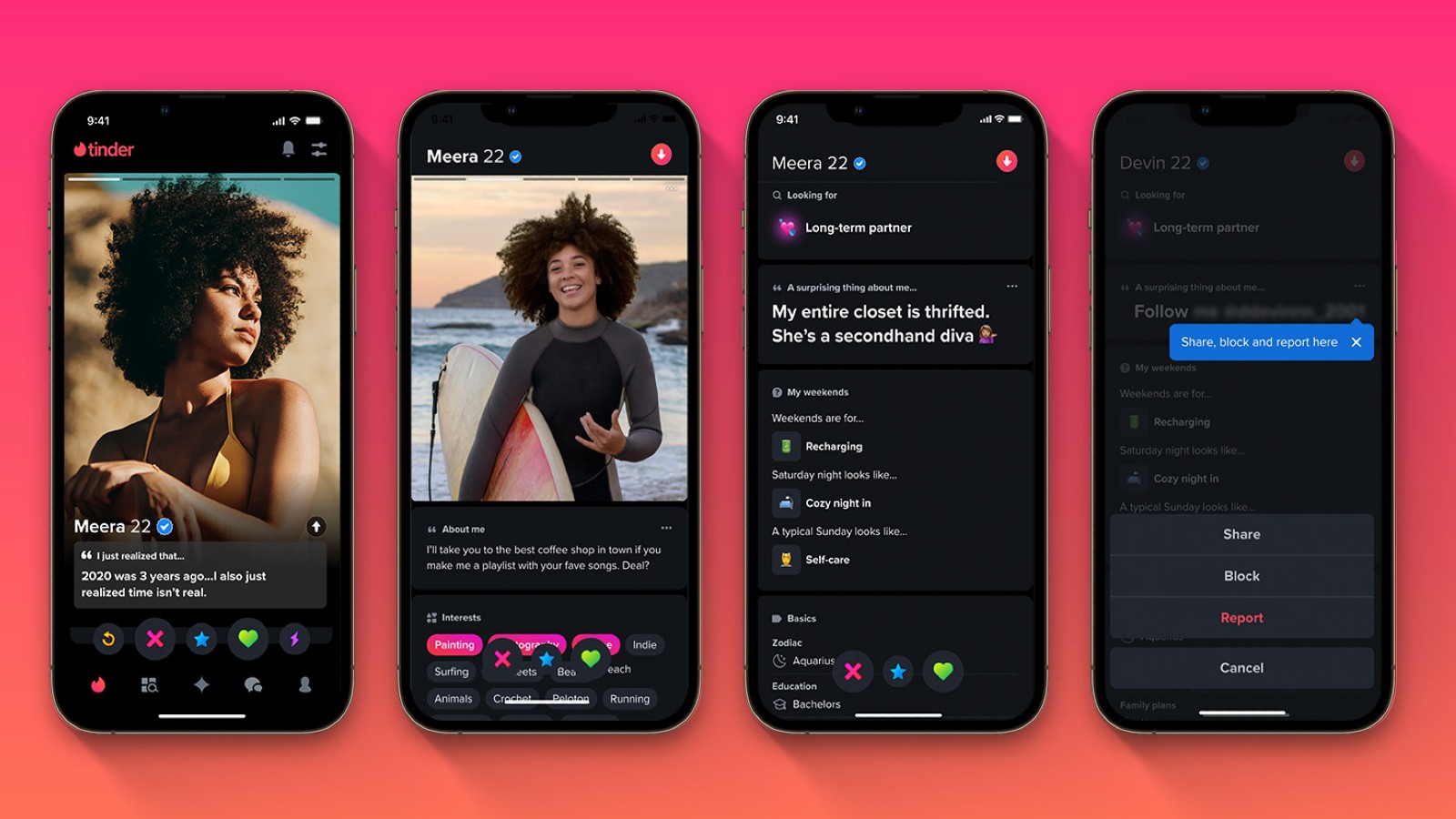
Tinder new double date feature is transforming how young people connect on dating apps. Available now in the U.S. and selected markets, this feature allows users to swipe and match in pairs, bringing a group dynamic to dating that appeals especially to Gen Z and younger millennials. With a global rollout planned for July 2025, Tinder is once again redefining digital matchmaking.

Tinder New Double Date

This new feature is designed to create a relaxed and social setting for users. Instead of the usual one-on-one experience, users can pair up with a friend and swipe together to match with other friend pairs. Once a match is made, all four users are placed in a group chat where they can interact without the pressure of a traditional date.

The Double Date option is easy to use just tap the Double Date icon on the main screen, invite up to three friends, and start swiping. A match is made if either person from the pair likes the other group. This format promotes fun interactions and makes it easier to break the ice, especially for first-time or shy users.

Why Tinder New Double Date Is Gaining Attention from Gen Z

The Double Date feature has already gained strong popularity during testing phases. Tinder reports that nearly 90% of users exploring this feature were under the age of 29, highlighting its strong pull among Gen Z. With the growing trend of social experiences and group hangouts, this mode aligns perfectly with what the younger crowd wants in a dating app.

Also Read: Garena Free Fire Max’s Thrilling Redeem Codes for June 16 Unlock Exciting Freebies

Tinder New Double Date

Women, in particular, showed higher engagement—being three times more likely to like a profile when using the double date option. Group chats created through Double Date also saw 35% more messages exchanged than traditional one-on-one Tinder conversations. This level of interaction makes dating more interactive, fun, and emotionally safe, especially for users who feel awkward or nervous in solo chats.

The results also show that Double Date has encouraged new and returning users to rejoin the app. Nearly 15% of people using this feature were either signing up for the first time or reactivating their old accounts, indicating that the group dynamic appeals to both new and seasoned users.

The Double Date mode builds on Tinder’s history of introducing socially engaging features like Matchmaker, where friends and family help pick matches, and Share My Date, which allows users to share their dating plans with loved ones. These features reflect Tinder’s growing focus on safety, trust, and a more communal experience in online dating.

More Social and Fun Dating, Coming Soon Worldwide

Tinder New Double DateThe Double Date feature is now live in the United States and select regions and will soon be available globally starting July 2025. Tinder is also enhancing the platform with other small yet notable updates, including a height filter for preferences and smarter recommendations based on user activity.

Tinder’s new direction seems to be heavily focused on creating a more fun, inclusive, and pressure-free dating space. Whether users are looking for love, new friends, or casual connections, Double Date adds a refreshing group vibe to the swiping experience.

Conclusion:
Tinder new double date feature brings a fresh take on dating apps, one where users don’t have to go it alone. With strong early engagement and positive feedback, it’s clear that swiping with friends may be the future of modern matchmaking. As the global rollout approaches, many more users will soon get the chance to turn dating into a shared, memorable adventure.

Apple iOS 26 Brings a Stunning Redesign, Smarter iPhones, and Powerful New Features

Apple iOS 26 Enhances iPhone with a Bold Design and Smarter Intelligence

Apple iOS 26 is here, and it’s more than just another update  it’s a whole new level of iPhone experience. From a beautiful system-wide design to advanced Apple Intelligence features, iOS 26 redefines how users interact with their iPhones. The new update touches nearly every corner of the device, from Phone and Messages to Maps, Apple Music, CarPlay, and Wallet, with smoother navigation, richer visuals, and smarter tools.

Apple iOS 26

One of the biggest highlights of iOS 26 is the Liquid Glass design, which adds a translucent, fluid style that makes apps and widgets feel more alive. It gives the interface a vibrant and responsive feel, all while preserving the familiar look users love. The Home Screen and Lock Screen now offer deeper customization options with animated effects and personalized widgets, giving users more control over how their iPhone looks and feels.

A Fresh Look with Liquid Glass and Customization Options

Apple Intelligence, the company’s built-in smart assistant framework, plays a central role in this update. It brings features like Live Translation in Phone and Messages apps, letting users communicate across languages seamlessly. More importantly, all of this happens on-device, ensuring privacy and fast performance. With visual intelligence, users can interact with anything on their screen—search, get suggestions, or take quick actions without switching apps.Apple iOS 26

The Messages app now has smarter tools to organize conversations. Messages from unknown senders are automatically filtered and placed in a separate folder, reducing spam and unwanted interruptions. Group chats have been upgraded with poll creation, custom backgrounds, and even Apple Cash transfers. These additions help users stay connected while staying in control.

Also Read : Garena Free Fire Max’s Thrilling Redeem Codes for June 16 Unlock Exciting Freebies

Smarter Communication and Daily Use Made Easier

Meanwhile, the Phone app now unifies Favorites, Recents, and Voicemails into a cleaner layout. A new Call Screening feature gathers caller information, letting users decide whether to answer or not  similar to Live Voicemail but more advanced. And for those frustrating customer service calls, Hold Assist alerts you the moment a real human joins the line.

Apple iOS 26 also enhances the driving experience with new CarPlay updates. Incoming calls now appear in a compact view, allowing drivers to stay focused on navigation. With support for pinned messages, Live Activities, and new widgets, CarPlay becomes even more interactive while keeping safety in mind.Apple iOS 26

In Apple Music, users get a DJ-like experience with AutoMix, which smoothly transitions between songs using beat matching. Lyrics Translation and Pronunciation tools make it easier to sing along to global hits, breaking down language barriers in music.

Maps now includes Visited Places, a feature that logs users’ favorite spots like restaurants or shops. These locations are securely stored and encrypted, offering users a personal history map without compromising privacy. Plus, smarter routing updates help users navigate traffic better with personalized suggestions.

Apple iOS 26 Adds Intelligent Touches Across Apps and Devices

The Apple Wallet experience is also getting a serious upgrade. Now users can pay with installments or rewards using Apple Pay directly from iPhone. Boarding passes are more useful than ever, with Live Activities for real-time updates, airport Maps, and lost luggage support via Find My integration.Apple iOS 26

Another exciting addition is the all-new Apple Games app, a central hub where users can find, play, and manage all their games. With updates on game events and quick access to Apple Arcade, this app makes gaming feel more social and organized.

For AirPods users, iOS 26 brings new features like studio-quality recording, voice isolation, and even a remote photo capture tool letting users take pictures or record videos by holding the stem of their AirPods.

Parents will appreciate better child safety controls with enhanced Communication Limits, smarter app approvals, and blurred sensitive content during FaceTime calls and shared albums.Privacy remains a top focus with improved fingerprinting protection in Safari and systemwide Accessibility updates, including Braille Access and Live Listen improvements.

Conclusion :
Apple iOS 26 delivers not just a visual upgrade, but a smarter and more personal iPhone experience. With thoughtful design, privacy-first intelligence, and new tools to stay connected, iOS 26 makes the iPhone feel brand new again.

Khidirpur Market Fire: Over 1,200 Shops Destroyed in Massive Kolkata Blaze

Khidirpur Market Fire: In the early hours of June 16, 2025, a devastating fire broke out in Kolkata’s historic Khidirpur (Kidderpore) wholesale market, specifically targeting the Orphanganj Market section. Within minutes, flames spread across narrow aisles lined with flammable goods—gunny bags, oil, and butter. Initial estimates indicate over 1,200 shops destroyed, impacting as many as 1,300 traders. This article offers a deep dive into the incident’s timeline, causes, human and economic toll, response, and long-term strategies for preventing such tragedies.

Khidirpur Market Fire

Timeline: How the Blaze Unfolded

  • 1:00 a.m. (approx.) – Initial blaze reported around a godown storing flammable goods—suspected short circuit origin.
  • 1:54 a.m. – Fire control room receives emergency call, dispatches 22 fire tenders.
  • 2:30 a.m. – Blaze intensifies, drawing water from Adi Ganga canal via nine pumps; effectiveness hampered by low tide.
  • Over the next seven hours, firefighters battled pockets of fire; containment declared by 8:00 a.m. .

Despite efforts, the 150-year-old structure, with its narrow lanes and wooden platforms, burned extensively lasting into daylight.

Khidirpur Market Fire

Location Context: Khidirpur & Orphanganj Market

Located in south Kolkata, Khidirpur’s Orphanganj Market is over a century old—a wholesale hub for fruits, staples, spices, and household goods. Its architecture—archaic tin sheds and wood-framed shops packed in tight lanes—mirrors the layout found in other dense markets like Burrabazar, making it prone to rapid fire spread.

Khidirpur Market Fire

Khidirpur Market Fire: Cause & Contributing Factors

  • Suspected Origin: Short circuit—possibly from tangled wiring in a shop or godown.
  • Fuel Load: High density of oils, butter, wooden packaging, gunny bags—serving as “flash fuel”.
  • Urban Design Challenges: Congested layout, poor water access, and antiquated electrical systems created perfect conditions for an unstoppable blaze.
  • Sabotage Claims: Some traders questioned timing (post half-day Sunday closure) and called for police investigation into potential foul play.

Fire Response & Emergency Services

  • Deployment: 22 fire tenders, Disaster Management teams.
  • Water Access: Initially drew from Adi Ganga canal; low tide forced switch to overhead tanks and hydrants.
  • Delay Allegations: Traders claimed fire tenders arrived 90 minutes after alert, and faced water shortages.
  • Official Response: Fire Minister Sujit Bose stated congestion delayed response but affirmed firefighters’ courage and efforts.

Human Toll: No Lives Lost but Traders Devastated

  • Casualties: Miraculously, no deaths confirmed. One trader injured in a minor explosion.
  • Shock & Loss: “Viraat khati” (huge loss) echoed by devastated traders; loss estimated between ₹2 lakh to ₹1.5 crore per shop.
  • Traders Affected: Approx. 1,300 families dependent on livelihoods now in crisis.

Economic Impact & Insurance Landscape

  • Wholesale Disruption: Immediate supply chain breakdown for food items and staples.
  • Financial Loss: Each shop hit financial ruin; credit cycles and supplier relationships severely affected.
  • Insurance Coverage: Most traders lack insurance; rebuilding may depend on state relief or self-funding.
  • Market Ecosystem: Neighbouring businesses face sales drop; whole sector may struggle to recover.

Government & Administrative Responses

  • Chief Minister’s Visit: Mamata Banerjee surveyed the site, spoke with affected traders, and pledged relief and a new structure.
  • Fire Minister’s Defense: Sujit Bose attributed delay to congestion; emphasized firefighting efforts.
  • KMC Action: Kolkata Municipal Corporation has initiated safety checks of major markets and launched redevelopment plans for Jadubabur Bazaar, Hatibagan, Sreemani & Satyanarayan Market.

Policy & Redevelopment Measures

  • Market Safety Audit: KMC to inspect privately managed markets for fire hazards—electrical wiring, drainage issues.
  • Public-Private Partnership: Jadubabur Bazaar targeted for urgent redevelopment; legal complexities due to multiple stakeholders.
  • Infrastructure Overhaul: Plans include installing fire extinguishers, widening lanes, and upgrading hydrants across older markets.

Lessons from Kolkata’s Fire History

  • Repeat Incidents: Market fires are common—from 2013’s Surya Sen Street blaze (19 killed) to the catastrophic 2018 Bagree Market fire.
  • Risk Zones: Burrabazar and other heritage markets feature tangled wiring and wooden structures—creating persistent hazards.
  • Regulatory Gaps: Enforcement of fire safety norms remains weak; regular audits and modernization are long overdue.

Voices from the Ground

  • Trader Testimony: Ramesh Barui said, “Everything is gone… my entire shop reduced to rubble”.
  • Criticism on Response: Pawan Kumar remarked, “We kept calling, but it took nearly an hour and a half”—highlighting urgent need for rapid emergency systems.

Investigation & Sabotage Claims

  • Forensic Review: Officials suspect a short circuit but will investigate sabotage theories.
  • Timing Concerns: Sunday midnight origin raised suspicion; absence of weekend traders may indicate planned arson.
  • Official Probe: Kolkata Police fire brigade and forensic teams launched probe; criminal cases possible if wrongdoing confirmed.

 The Rebuilding Road Ahead

  • Temporary Solutions: Relief camps, provisional livelihoods, and public support centers are being considered.
  • Redevelopment Blueprint: Plans include new fire-resilient infrastructure with wider lanes, metal sheds, and hydrant access.
  • Funding Dialogue: Discussions underway on integrating private investment, state funds, and insurance-linked reparation.

Restoration Timeline & Milestones

Phase Timeline Key Actions
Acute Relief 1–4 weeks Emergency shelters, financial aid
Audit & Demolition 1–3 months Hazard evaluation and site clearance
Design & Redevelopment 3–12 months Infrastructure modernization plans
Reconstruction 12–24 months New market structures completed

National Reflection: Urban Fire Risks

Kolkata’s fire lays bare the risks in India’s aging wholesale markets:

  • Urban density + outdated structures = disaster potential.
  • Regulatory attention needed to prevent repeat tragedies.
  • Policy implications: Redesign, fire audits, community awareness, and insurance reform are key.

Emergency Preparedness Measures

  • Municipal Upgrades: Mandatory retrofitting, hydrants, marshal zones.
  • Public Awareness: Trader training, fire drills, signage.
  • Emergency Protocols: Dedicated emergency response teams for high-risk zones.
  • Regulatory Push: Enforcement of fire codes, penalty systems, and scheduled inspections.

Looking Forward

  • Can Khidirpur be reinvented as a model for fire-safe wholesale hubs?
  • Will KMC enforce permanent modernization across all heritage markets?
  • Will national standards emerge from this calamity?

Conclusion: From Ashes to Action

The Khidirpur blaze is more than a market tragedy—it is a wake-up call for urban safety, heritage preservation, and community resilience. With over 1,200 shops in ruins and 1,300 livelihoods shattered, Kolkata stands at a crossroads. The fire’s aftermath presents an opportunity: to rebuild with foresight, fortify with infrastructure, and protect lives robustly.

DO FOLLOW:

Also read: Home | Channel 6 Network – Latest News, Breaking Updates: Politics, Business, Tech & More

G7 Summit: Modi Arrives in Canada for Powerful Diplomatic Reset

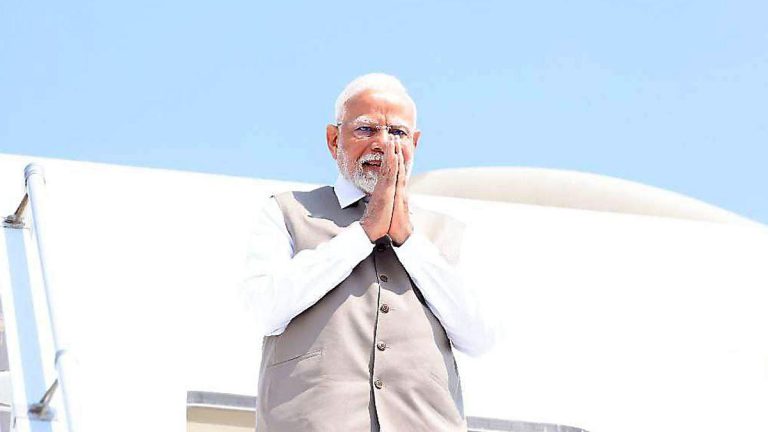
New Delhi – Prime Minister Narendra Modi’s arrival in Canada’s Kananaskis on Tuesday represents a significant diplomatic moment, marking his first visit to the North American nation in over a decade. The Prime Minister’s participation in the G7 Summit comes at a crucial juncture in India-Canada relations, offering hope for resetting bilateral ties that have experienced considerable strain in recent years.

G7 Summit

The G7 Summit, scheduled for June 16-17 in the picturesque Kananaskis region, marks Modi’s sixth consecutive participation in this prestigious international gathering. This continuity demonstrates India’s growing influence on the global stage and its commitment to multilateral diplomacy through the G7 Summit platform.

Strategic Focus on Global Challenges

The G7 Summit agenda reflects the pressing challenges facing the international community today. Discussions among world leaders will center on crucial global issues that require coordinated international responses. Energy security stands as a primary concern, particularly given ongoing global uncertainties and the need for sustainable energy transitions across developed nations.

G7 Summit

Technology and innovation form another cornerstone of the G7 Summit discussions. Leaders will exchange views on cutting-edge developments, with particular emphasis on the artificial intelligence-energy nexus and quantum-related technologies. These discussions at the G7 Summit underscore the growing importance of technological advancement in addressing global challenges and maintaining competitive advantages in the modern economy.

Also Read: PM Modi Cyprus Visit: Launch Of Strategic Partnership with Powerful Agreements

The Ministry of External Affairs emphasized that the G7 Summit would provide a platform for the Prime Minister to engage with leaders from G7 countries, other invited outreach nations, and heads of international organizations. This multilateral engagement highlights India’s role as a key stakeholder in global governance and its ability to contribute meaningfully to international discourse.

Three-Nation Diplomatic Tour

G7 Summit

Modi’s participation in the G7 Summit forms part of a broader three-nation diplomatic tour, demonstrating India’s active engagement in international affairs. The Prime Minister arrived in Canada on Monday evening local time, traveling from Cyprus at the invitation of Canadian Prime Minister Mark Carney. This invitation itself carries significant diplomatic weight, particularly given the recent history of India-Canada relations.

G7 Summit

The timing of Modi’s arrival for the G7 Summit allows for extensive bilateral engagements alongside the main summit proceedings. These side meetings often prove as valuable as the main summit discussions, providing opportunities for direct dialogue between leaders on specific bilateral issues.

Bilateral Diplomacy on the Sidelines

Beyond the main G7 Summit proceedings, Prime Minister Modi’s agenda includes several important bilateral meetings with other world leaders. These sideline discussions at the G7 Summit provide crucial opportunities for advancing India’s bilateral relationships and addressing specific regional and global concerns.

G7 Summit

The bilateral meetings scheduled during the G7 Summit come at a particularly significant time, occurring just over a month after India’s Operation Sindoor. This military operation targeted terror infrastructure in Pakistan and Pakistan-occupied Kashmir, undertaken in retaliation for the April 22 Pahalgam attacks. The timing adds context to Modi’s diplomatic engagements at the G7 Summit, as international partners seek to understand India’s security concerns and regional policies.


Diplomatic Reset with Canada

Perhaps the most watched aspect of Modi’s participation in the G7 Summit is the potential for diplomatic engagement with Canadian leadership. The relationship between India and Canada reached historic lows following what India characterized as baseless allegations connected to the killing of pro-Khalistani separatist Hardeep Singh Nijjar.

Prime Minister Mark Carney’s invitation to Modi for the G7 Summit signals the new Canadian government’s intention to repair ties with New Delhi. This invitation represents a significant diplomatic gesture, suggesting both nations recognize the importance of their bilateral relationship despite recent challenges.

Recent months have witnessed positive developments in India-Canada relations, with security officials from both countries resuming contact. Both sides have explored the possibility of appointing new high commissioners, indicating a mutual desire to normalize diplomatic relations. The G7 Summit provides an ideal platform for this diplomatic engagement.

Opportunities for Bilateral Reset

The Ministry of External Affairs has characterized both India and Canada as “vibrant democracies,” emphasizing shared values that could form the foundation for improved relations. The ministry expressed optimism that the forthcoming meeting between the prime ministers during the G7 Summit would offer an important opportunity to exchange views and explore pathways to reset bilateral ties.

G7 Summit

This diplomatic engagement at the G7 Summit comes at a time when both nations face various global challenges that require international cooperation. From climate change to economic recovery, from technological advancement to security concerns, India and Canada share interests that could benefit from closer collaboration.

Global Leadership Platform

Modi’s sixth consecutive participation in the G7 Summit underscores India’s growing role in global governance. As one of the world’s largest democracies and fastest-growing major economies, India’s voice at the G7 Summit carries significant weight in discussions about global challenges and solutions.

G7 Summit

The G7 Summit platform allows India to present its perspectives on crucial issues affecting the international community. From energy security to technological innovation, India’s experiences and capabilities contribute valuable insights to global discussions. The country’s successful digital transformation, renewable energy initiatives, and technological capabilities make it a valuable partner in addressing the challenges discussed at the G7 Meet.

This participation demonstrates India’s commitment to multilateral engagement and its willingness to contribute to global solutions while advancing its national interests through diplomatic channels provided by forums like the G7 Meet.

Census 2027 India Preparations Reviewed by Amit Shah with Revolutionary Digital Features

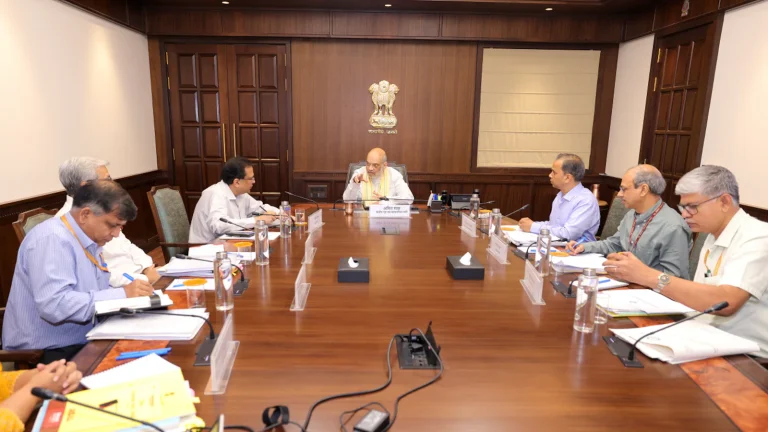
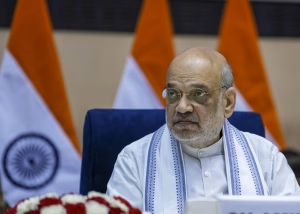
New Delhi – Home Minister Amit Shah conducted a detailed review of preparations for the upcoming Census 2027 India with Union Home Secretary Govind Mohan and other senior officials on Sunday. This comprehensive assessment marks a crucial milestone in the preparation for what will be the most technologically advanced census in Indian history, incorporating digital methodologies and enhanced data security measures.

The Census 2027 India review meeting included participation from the Union Home Secretary, Registrar General & Census Commissioner of India Mritunjay Kumar Narayan, and other senior officials responsible for implementing this massive national undertaking. The meeting focused on ensuring all logistical, technological, and administrative preparations are completed before the official commencement of census activities.

Historic Significance: 16th Census Since Beginning

Census 2027 India

The Census 2027 India holds exceptional historical significance as it represents the 16th census since the beginning of systematic population counting in India and the 8th census conducted after Independence. This milestone underscores the continuity of India’s commitment to comprehensive demographic data collection and statistical analysis for national planning and development.

The timing of Census 2027 India is particularly noteworthy as it will be conducted after a gap of 16 years, with the last census completed in 2011. This extended interval between censuses makes the upcoming enumeration even more critical for understanding demographic changes, population trends, and socio-economic transformations that have occurred during this period.

Official Notification and Implementation Timeline

Census 2027 India

The Census 2027 India will officially commence with the publication of notification in the official gazette on Monday, marking the formal beginning of the census process. This notification will provide legal framework and administrative guidelines for conducting the comprehensive population enumeration across the entire country.

Also Read About The PM Modi Cyprus Visit: Launch Of Strategic Partnership with Powerful Agreements

The reference dates for Census 2027 India have been strategically determined to accommodate geographical and climatic variations across different regions. For snow-bound areas including the Union Territory of Ladakh and non-synchronous snow-bound regions of Jammu and Kashmir, Himachal Pradesh, and Uttarakhand, the reference date will be 00:00 hours of October 1, 2026.

For the rest of the country, Census 2027 India will use March 1, 2027, at 00:00 hours as the reference date for population enumeration. This dual-date approach ensures accurate data collection while accounting for accessibility challenges in mountainous and snow-affected regions during winter months.

Two-Phase Implementation Strategy

The Census 2027 India will be conducted through a systematic two-phase approach designed to capture comprehensive demographic and socio-economic information. This structured methodology ensures thorough data collection while maintaining operational efficiency and accuracy throughout the enumeration process.

Census 2027 India

Phase one of Census 2027 India, known as the Houselisting Operation (HLO), will focus on collecting detailed information about housing conditions, assets, and amenities of each household across the country. This phase will provide crucial insights into living standards, infrastructure availability, and housing quality that inform policy decisions related to urban planning and rural development.

The second phase of Census 2027 India, designated as Population Enumeration (PE), will involve collecting demographic, socio-economic, cultural, and other detailed information about every individual within each household. This comprehensive data collection will provide a complete picture of India’s population characteristics and social composition.

Caste Enumeration: A Significant Addition

Census 2027 India

One of the most significant features of Census 2027 India is the inclusion of caste enumeration, marking a departure from previous census practices. This addition reflects the government’s commitment to gathering comprehensive demographic data that can inform policy decisions related to social justice, affirmative action, and equitable development.

The caste enumeration component of Census 2027 India will provide detailed insights into the social composition of India’s population, enabling more targeted and effective implementation of welfare schemes and development programs. This data will be crucial for understanding social dynamics and ensuring inclusive growth across all communities.

Massive Human Resource Deployment

The Census 2027 India will require unprecedented human resource mobilization, with approximately 34 lakh enumerators and supervisors deployed across the country. This massive workforce will be responsible for conducting door-to-door enumeration and ensuring comprehensive coverage of every household and individual.

Additionally, Census 2027 India will utilize around 1.3 lakh census functionaries who will oversee various aspects of the enumeration process, including supervision, quality control, and data management. This extensive human resource deployment demonstrates the scale and complexity of conducting a national census in a country with India’s vast population and geographical diversity.


Digital Revolution in Census Methodology

The Census 2027 India represents a revolutionary shift toward digital data collection methodologies, utilizing mobile applications for enumeration activities. This technological advancement will enhance data accuracy, reduce processing time, and minimize human errors associated with traditional paper-based census methods.

The digital approach for Census 2027 India includes provision for self-enumeration, allowing citizens to directly input their information through digital platforms. This innovative feature will provide convenience to respondents while reducing the workload on enumerators and improving overall efficiency of the census process.

The mobile application-based system for Census 2027 India will streamline data collection, enable real-time monitoring of enumeration progress, and facilitate immediate quality checks. This technological integration represents India’s commitment to modernizing statistical operations and leveraging digital tools for governance.

Stringent Data Security Measures

Recognizing the sensitive nature of census information, Census 2027 India will implement very stringent data security measures throughout the entire process. These comprehensive security protocols will protect citizen information during collection, transmission, and storage phases, ensuring privacy and confidentiality.

The data security framework for Census 2027 India will incorporate advanced encryption technologies, secure transmission protocols, and robust storage systems. These measures reflect the government’s commitment to protecting citizen privacy while conducting comprehensive demographic data collection.

Multiple layers of security verification and access controls will be implemented for Census 2027 India to prevent unauthorized access to sensitive information. Regular security audits and monitoring will ensure continuous protection of census data throughout the entire process.

Administrative Coordination and Oversight

Census 2027 India

The successful implementation of Census 2027 India requires extensive coordination between central and state governments, involving multiple administrative levels and departments. Home Minister Amit Shah’s personal review demonstrates the highest level of government commitment to ensuring successful census completion.

The Census 2027 India preparation involves detailed planning for logistics, training programs for enumerators, public awareness campaigns, and coordination with local administrative authorities. This comprehensive approach ensures smooth implementation across diverse geographical and administrative contexts.

National Planning and Development Implications

Census 2027 India

The Census 2027 India data will serve as the foundation for national planning, policy formulation, and resource allocation for the next decade. Accurate demographic information is essential for determining parliamentary constituencies, implementing welfare schemes, and planning infrastructure development.

The comprehensive data from Census 2027 India will inform decisions related to education planning, healthcare infrastructure, employment generation, and urban development. This information is crucial for evidence-based policy making and ensuring equitable development across all regions and communities.

Final Word: Milestone in Democratic Governance

The Census 2027 India represents a significant milestone in India’s democratic governance and statistical capacity. The combination of traditional enumeration methods with advanced digital technologies, comprehensive caste data collection, and stringent security measures positions this census as the most comprehensive and technologically advanced in Indian history.

Through Census 2027 India, the government demonstrates its commitment to transparent governance, evidence-based policy making, and inclusive development that addresses the needs of all citizens across the diverse landscape of modern India.