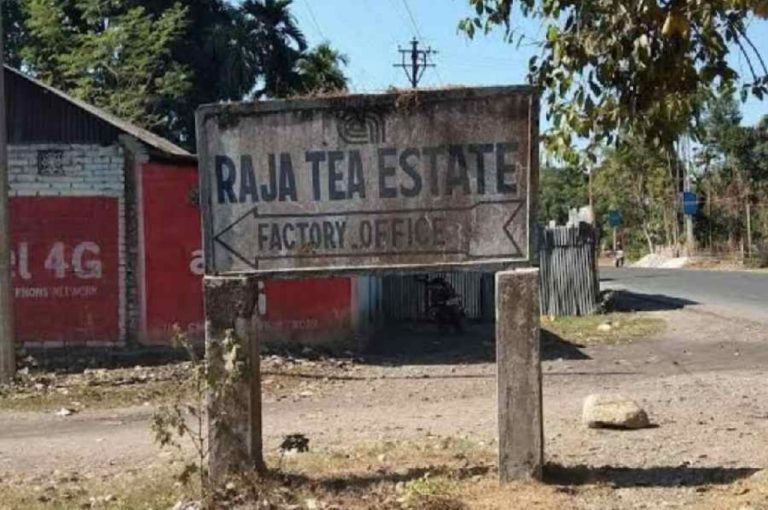
The Jalpaiguri tea garden closure 2026 has sent shockwaves across North Bengal. A tea estate in Jalpaiguri district was forced to shut down operations due to mounting financial losses, leaving 921 workers suddenly jobless. The closure highlights the fragile economics of Bengal’s tea industry, where global market fluctuations, rising costs, and governance gaps converge to threaten livelihoods.
2. Jalpaiguri Tea Garden Closure 2026: The Incident
Location: Jalpaiguri district, North Bengal.
Event: Closure of a tea garden due to financial losses.
19th century: British established tea plantations in Darjeeling and Jalpaiguri.
Post‑Independence: Tea became a major export commodity.
1990s: Liberalisation exposed gardens to global competition.
2010s: Rising costs and declining productivity led to closures.
2026: Jalpaiguri closure reflects continuity of systemic challenges.
9. Global Comparisons
Similar tea industry crises worldwide:
Sri Lanka: Tea estates struggle with debt and declining productivity.
Kenya: Workers face wage disputes amid global price drops.
China: Shift towards mechanisation reduces traditional employment.
Jalpaiguri’s case mirrors these global struggles where tea industry economics collide with worker livelihoods and governance gaps.
10. Governance Lessons
The Jalpaiguri closure teaches:
Financial transparency is essential.
Worker welfare must be prioritised.
Diversification reduces vulnerability.
Community engagement ensures legitimacy.
11. Future Outlook – Tea Industry Governance in Bengal
India must move towards:
Digitised monitoring systems for tea garden finances.
Public dashboards showing worker welfare schemes.
Public‑private partnerships for sustainable tea production.
Educational campaigns linking tea industry with civic responsibility.
✅ Conclusion
The Jalpaiguri tea garden closure 2026 is more than an economic event—it is a reminder of Bengal’s fragile social fabric. As 921 workers lose their jobs, ordinary citizens bear the brunt of systemic failures. For Bengal, the lesson is clear: democracy thrives when governance delivers jobs, fairness, and respect for workers.
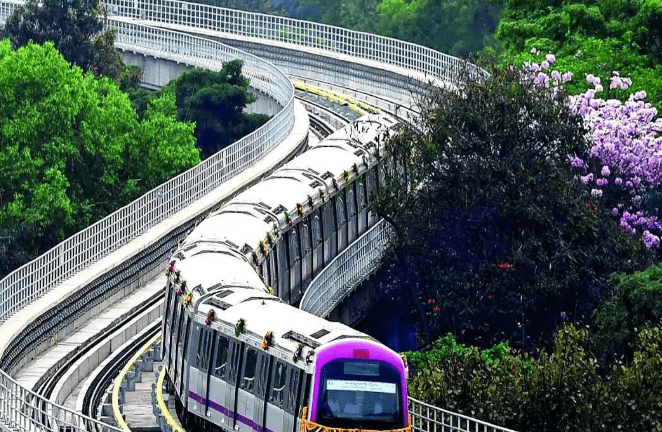
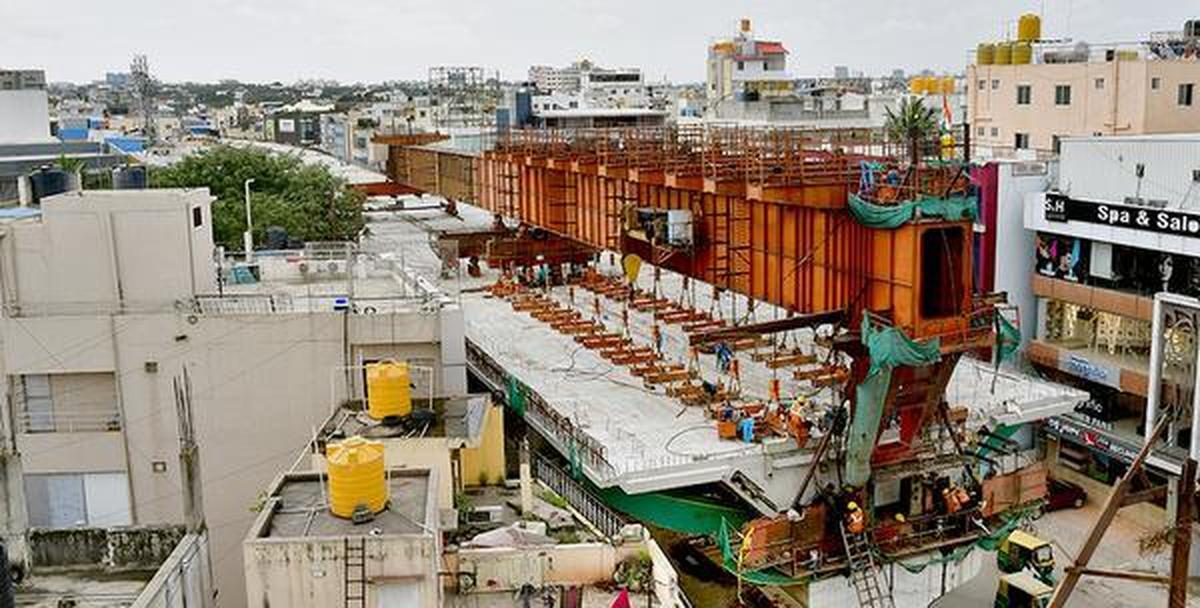
In a move aimed at enhancing urban aesthetics and commuter experience, the Bangalore Metro Rail Corporation Limited (BMRCL) has initiated a comprehensive beautification drive along the Pink Line corridor on Bannerghatta Road. Officials stated that the project will include landscaping, artistic installations, improved pedestrian pathways, and greenery enhancement along the metro stretch. The initiative aims to create visually appealing urban spaces while promoting sustainable and accessible infrastructure for daily commuters. Authorities emphasized that the drive is part of a broader effort to integrate functional transport infrastructure with aesthetic and environmental considerations, making city travel more pleasant and user-friendly.
The Pink Line, which connects key residential, commercial, and educational hubs, witnesses heavy daily footfall. BMRCL officials noted that enhancing the visual appeal of stations, surrounding areas, and pedestrian access points will improve the overall commuter experience. The beautification drive will include planting trees and shrubs, installing street furniture, murals, and digital information boards, as well as improving lighting and signage. Urban planners highlighted that such enhancements contribute to civic pride, community engagement, and environmental well-being, alongside functional urban mobility.
URBAN IMPACT AND COMMUNITY BENEFITS
Authorities emphasized that the project aims to create an inclusive and safe environment for all commuters, including senior citizens, differently-abled individuals, and school-going children. Wider walkways, tactile paving, seating arrangements, and shaded areas will be incorporated into the design to encourage pedestrian movement and accessibility. Experts noted that integrating usability and aesthetics ensures that urban spaces are not only visually attractive but also functional, promoting sustainable commuting practices.
The beautification drive also involves collaboration with local artists, community groups, and educational institutions to promote public art and cultural representation along the Pink Line corridor. Murals and installations will reflect local heritage, biodiversity, and social messages, creating a sense of identity and engagement among residents. Urban planners emphasized that such cultural integration transforms functional spaces into vibrant urban experiences, fostering community ownership and civic participation.
BMRCL officials stated that environmental sustainability is a key component of the project. The drive includes planting native tree species, installing vertical gardens, and implementing rainwater harvesting and waste management solutions along stations and surrounding areas. Urban environmental experts noted that greenery not only enhances aesthetic appeal but also improves air quality, reduces urban heat, and contributes to ecological balance in densely populated corridors.
The beautification effort is expected to complement ongoing infrastructure projects along Bannerghatta Road, including road widening, improved traffic management, and enhanced public transport connectivity. Officials highlighted that aesthetically appealing stations and surrounding areas can encourage greater metro usage, reduce reliance on private vehicles, and promote environmentally friendly commuting practices. Analysts suggest that such urban integration strategies reflect modern city planning approaches that combine mobility, sustainability, and public welfare.
Public awareness campaigns are being conducted alongside the drive to encourage citizen participation and responsible usage of enhanced urban spaces. Residents and commuters are being educated about the importance of maintaining cleanliness, respecting public art, and supporting greenery initiatives. Authorities noted that public engagement is critical for the long-term success and sustainability of beautification projects. Community involvement ensures that urban improvements are preserved and utilized responsibly.
Authorities emphasized that safety and security will remain a priority throughout the beautification drive. Improved lighting, CCTV surveillance, and designated pedestrian zones will enhance commuter safety, particularly during early morning and late evening hours. Experts noted that combining aesthetics with safety measures encourages public confidence in using metro services and public spaces, contributing to increased ridership and community satisfaction.
The initiative also aims to create economic opportunities for local vendors and artisans. Small-scale stalls, kiosks, and art installations created by local craftsmen will be integrated into designated areas along the Pink Line corridor. Officials stated that such initiatives support entrepreneurship, cultural preservation, and community development, making urban improvement projects economically inclusive.
BMRCL has committed to monitoring progress and quality throughout the project lifecycle. Periodic reviews, feedback mechanisms, and maintenance schedules will ensure that the beautification standards are maintained over time. Urban experts highlighted that sustained maintenance is crucial for the long-term success of such initiatives, preventing deterioration and preserving the intended aesthetic and functional benefits.
Finally, the Pink Line beautification drive reflects a broader trend in Bengaluru towards integrating urban infrastructure with aesthetic and environmental enhancements. Authorities noted that the project sets a benchmark for future metro corridors, combining commuter convenience, public art, greenery, and cultural representation. The initiative is expected to enhance urban livability, encourage sustainable transport, and foster civic pride among residents, positioning the Pink Line as a model for modern, attractive, and citizen-friendly urban infrastructure.
The Pink Line beautification drive has also drawn attention to its potential impact on mental well-being and community engagement. Urban planners noted that visually appealing, green, and safe commuting spaces contribute to reduced stress, promote walking, and enhance overall quality of life for city residents. By integrating art, greenery, and functional infrastructure, authorities aim to create an environment that encourages positive social interactions and a sense of belonging among commuters and local communities.
The project is expected to improve pedestrian connectivity between metro stations and nearby residential, commercial, and educational hubs along Bannerghatta Road. Wider sidewalks, designated crossings, and shaded waiting areas will enhance mobility and safety for daily commuters, particularly school and college students. Experts highlighted that such pedestrian-friendly measures are essential in high-traffic urban corridors to reduce accidents and promote sustainable transportation options.
Local artists and cultural organizations are being actively involved in the project, ensuring that public art along the Pink Line reflects Bengaluru’s heritage and diversity. Murals, sculptures, and interactive installations are being designed to narrate local stories and celebrate the city’s culture. Officials noted that involving communities in creating public art fosters civic pride, encourages responsible use of urban spaces, and strengthens social cohesion.
Environmental sustainability remains a core focus of the drive. Native trees, flowering plants, vertical gardens, and eco-friendly landscaping are being integrated into the corridor. Urban ecologists emphasized that these initiatives will help mitigate air pollution, reduce urban heat islands, and provide habitats for birds and pollinators, creating micro-ecosystems within city limits. Rainwater harvesting systems and waste management solutions are also being incorporated to ensure long-term environmental benefits.
The beautification drive is being synchronized with the city’s traffic management plans. Officials stated that strategic placement of pedestrian crossings, traffic calming measures, and directional signage will minimize disruptions during construction and improve long-term commuter flow. Urban planners emphasized that combining aesthetic improvements with functional design ensures the corridor is both visually attractive and efficient for daily commuting needs.
Small businesses and vendors along Bannerghatta Road are expected to benefit from the project. Designated kiosks, street markets, and spaces for local entrepreneurs will be included in the corridor’s plan, providing opportunities for livelihood and boosting local commerce. Authorities highlighted that integrating economic activity into urban beautification initiatives supports inclusive growth and strengthens community participation.
Safety enhancements are a critical component of the beautification project. Improved lighting, CCTV cameras, clear signage, and safe pedestrian pathways are being installed to ensure that metro commuters feel secure at all times. Experts noted that combining aesthetics with safety infrastructure encourages higher footfall and promotes public confidence in using metro services, especially during evening and night hours.
Public engagement and citizen feedback mechanisms are being actively promoted. Residents and daily commuters are encouraged to provide suggestions, report maintenance issues, and participate in awareness programs about cleanliness and greenery preservation. Officials stated that continuous community involvement is crucial for the project’s long-term sustainability and ensures that urban improvements align with residents’ needs.
The beautification drive is designed as a phased project to minimize disruption to metro operations and commuter flow. Authorities confirmed that work schedules are being planned carefully, with temporary barriers, alternate pathways, and public notices to ensure smooth travel. Urban management experts highlighted that phased execution is key to balancing construction activities with ongoing city life, maintaining both safety and convenience.
Finally, the Pink Line beautification initiative represents a model for future metro corridors across Bengaluru. By combining urban aesthetics, functional infrastructure, environmental sustainability, and cultural engagement, BMRCL aims to set a benchmark for integrated urban development. Officials expressed confidence that once completed, the corridor will enhance commuter satisfaction, encourage sustainable transport, and create vibrant, livable urban spaces that reflect Bengaluru’s identity and aspirations.
The Pink Line beautification project is also expected to promote active mobility, encouraging residents to walk or cycle between stations instead of relying solely on motorized transport. Wider walkways, dedicated cycle tracks, and shaded rest areas aim to make short commutes safer, healthier, and more enjoyable, reducing traffic congestion and environmental pollution along Bannerghatta Road.
BMRCL has emphasized that maintenance and long-term sustainability are integral to the project’s success. Regular pruning of greenery, cleaning of public spaces, and upkeep of artistic installations will be carried out to ensure the corridor remains attractive and functional. Authorities noted that structured maintenance schedules are essential to preserve both aesthetic and environmental benefits over time.
The initiative also incorporates educational elements, with informational boards highlighting local flora, fauna, and sustainable practices. Students and residents passing through the corridor can engage with these displays, promoting environmental awareness and civic responsibility. Experts noted that such interactive elements enhance the public value of urban infrastructure projects beyond their functional use.
Finally, officials hope that the beautification of the Pink Line corridor will serve as a model for citizen-centric urban planning in Bengaluru. By integrating aesthetics, accessibility, sustainability, and community participation, the project demonstrates how metro infrastructure can contribute to a more livable, vibrant, and environmentally responsible cityscape.
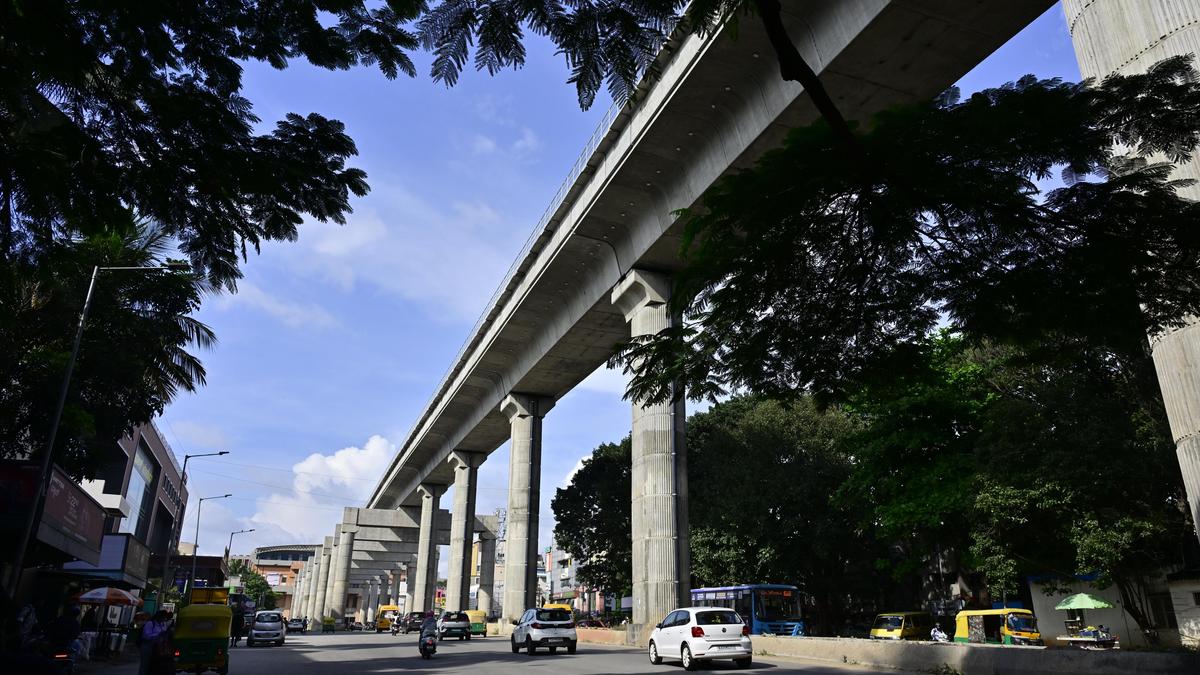
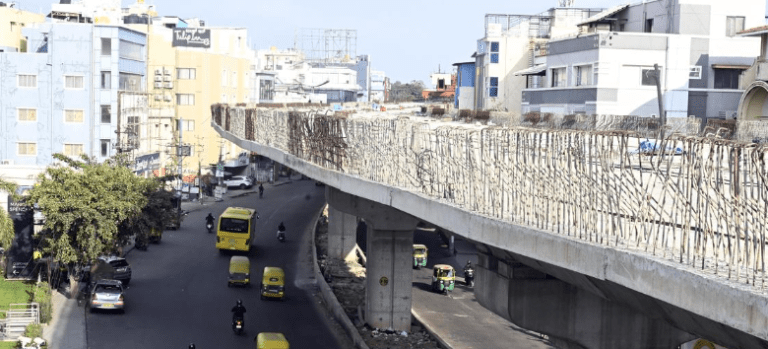
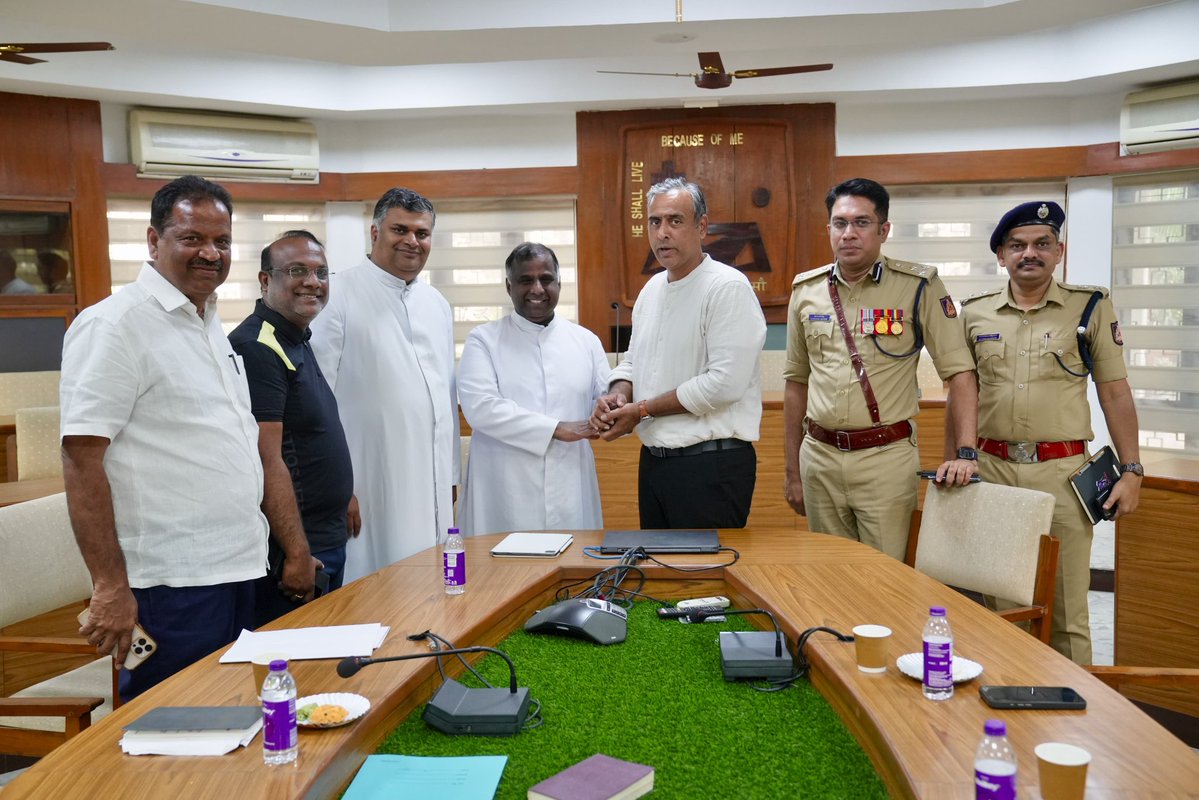
In a decisive administrative move, the Chief of the Greater Bengaluru Authority (GBA) has directed immediate commencement of construction work on the long-delayed Ejipura Flyover and development initiatives on the St. John’s land. Officials stated that the order aims to expedite projects that are critical to easing traffic congestion, improving urban infrastructure, and optimizing land use in densely populated areas. The GBA chief emphasized strict timelines, accountability of contractors, and regular monitoring to ensure that both projects progress without further delays. Authorities noted that these measures reflect a renewed focus on civic development and infrastructure modernization.
The Ejipura Flyover project has been under discussion for several years, with repeated delays due to land acquisition issues, environmental clearances, and funding bottlenecks. Residents and commuters have long demanded the flyover to address heavy traffic congestion during peak hours. The GBA chief’s directive prioritizes completing pending approvals, coordinating with contractors, and deploying resources immediately to resume construction. Officials stated that project management teams have been instructed to work in multiple shifts and maintain high standards of safety and quality.
Similarly, the St. John’s land development initiative has faced delays due to legal and administrative hurdles. The land, identified for urban development projects, including public amenities and infrastructure improvements, will now be marked for immediate survey and planning. Authorities indicated that systematic mapping, boundary marking, and feasibility assessments will begin under strict supervision. Urban planners emphasized that the project aims to enhance civic facilities while balancing environmental considerations, ensuring that the land is used optimally for public benefit.
The renewed focus on Ejipura Flyover and St. John’s land projects is also expected to generate employment opportunities for local communities. Authorities stated that construction activities will create jobs for skilled laborers, engineers, project managers, and support staff. Analysts note that infrastructure development often has a multiplier effect, boosting allied industries such as transport, construction materials, and logistics, while contributing to the local economy. Officials emphasized that workforce management will prioritize safety, fair wages, and timely completion of tasks.
Urban planners highlighted that the Ejipura Flyover will not only ease traffic congestion but also improve connectivity to critical public transport hubs, including bus and metro stations. This integration is expected to reduce commute times for thousands of daily travelers and support Bengaluru’s broader urban mobility objectives. Authorities noted that pedestrian access, cycling lanes, and public transport facilities will be enhanced alongside the flyover, promoting multi-modal transport options for residents.
The St. John’s land development is also anticipated to address longstanding public demands for community spaces. Officials stated that careful planning will ensure the inclusion of parks, recreational areas, and civic amenities to enhance quality of life. Experts noted that creating well-designed public spaces contributes to mental health, social cohesion, and environmental sustainability. Authorities have emphasized community involvement in planning to ensure that developments reflect local needs and preferences.
Monitoring and accountability mechanisms have been prioritized to prevent delays and ensure quality in both projects. The GBA chief has instructed daily progress reports, independent inspections, and real-time tracking of construction milestones. Officials confirmed that any lapses in contractor performance will be addressed immediately, and remedial actions will be implemented without delay. Analysts noted that strict oversight reduces the risk of cost overruns, project stalling, and quality compromise.
The directive has sparked optimism among business owners and real estate developers in the surrounding areas. Improved infrastructure is expected to enhance commercial activity, attract investments, and raise property values. Analysts highlighted that urban development projects, when executed efficiently, have significant long-term economic benefits, fostering growth and improving the overall urban ecosystem. The GBA’s immediate action demonstrates a proactive approach to leveraging infrastructure for economic development.
Community engagement will be a key focus throughout the project lifecycle. Authorities plan to hold periodic public consultations to update residents, address concerns, and gather feedback. Experts noted that such participatory approaches increase transparency, reduce opposition, and foster a sense of ownership among citizens. By involving the community, officials aim to ensure that developments meet both technical requirements and public expectations.
Environmental safeguards will accompany all construction activities. For the Ejipura Flyover, measures such as dust suppression, noise control, and proper waste management will be enforced. Similarly, St. John’s land will undergo ecological assessments to ensure minimal impact on surrounding greenery and water resources. Urban sustainability experts noted that integrating environmental management into infrastructure projects is essential for long-term resilience and quality of urban life.
Authorities are also coordinating with traffic police to minimize disruption during construction. Temporary diversions, phased construction, and clear signage will help maintain traffic flow while ensuring safety for commuters. Analysts emphasized that careful planning of construction schedules and public awareness campaigns is crucial to balance project execution with minimal inconvenience to city residents.
The GBA chief’s directive reflects a broader commitment to accelerating stalled projects and addressing urban challenges proactively. Officials noted that decisive administrative action is essential for building citizen confidence in governance. By setting strict deadlines and monitoring progress closely, authorities aim to demonstrate that public infrastructure initiatives can be executed efficiently, responsibly, and transparently.
Finally, the Ejipura Flyover and St. John’s land initiatives are being positioned as flagship projects for Bengaluru’s urban development agenda. Once completed, they are expected to enhance mobility, provide public amenities, stimulate economic growth, and improve quality of life for residents. Experts emphasized that the projects exemplify citizen-centric urban planning, combining infrastructure, environmental sustainability, and community welfare. The GBA chief’s orders mark a significant step toward transforming Bengaluru into a more connected, efficient, and livable city.
INFRASTRUCTURE IMPACT AND PUBLIC BENEFIT- GBA
The Ejipura Flyover is expected to significantly reduce traffic congestion, particularly in areas connecting key commercial and residential zones. Commuters have long faced delays due to narrow roads, frequent bottlenecks, and inadequate traffic management. Urban planners noted that the flyover will improve traffic flow, shorten travel times, and enhance connectivity between major arteries of Bengaluru. Authorities also highlighted that ancillary works, such as widening feeder roads, improving pedestrian pathways, and implementing traffic signals, will complement the flyover project to maximize its effectiveness.
The development of St. John’s land is expected to create opportunities for public amenities, green spaces, and potentially commercial infrastructure. Authorities stated that careful planning will ensure minimal disruption to existing communities while providing enhanced facilities such as parks, community centers, and urban utilities. Urban development experts noted that the initiative could serve as a model for effective land utilization, balancing economic development, public welfare, and environmental sustainability. Proper execution is expected to benefit both residents and businesses in the surrounding neighborhoods.
Officials have emphasized accountability measures for both projects. Contractors and engineers have been tasked with daily reporting, milestone tracking, and adherence to safety and quality standards. The GBA chief has instructed regular inspections, strict enforcement of deadlines, and prompt resolution of any challenges to prevent further delays. Urban development authorities stated that transparent monitoring and citizen feedback mechanisms will also be introduced to ensure community engagement and responsiveness throughout the project lifecycle.
The announcement has been welcomed by local residents and commuter groups, who have long awaited progress on both projects. Public representatives have praised the administrative decisiveness and expressed hope that the directives will translate into tangible improvements in traffic management, urban facilities, and overall quality of life. Community organizations noted that timely execution of infrastructure projects is crucial to sustaining Bengaluru’s growth and meeting the demands of a rapidly expanding urban population.
Environmental and urban planning experts have highlighted that both projects must balance development with ecological concerns. For the Ejipura Flyover, attention will be paid to minimizing pollution, managing drainage, and preserving existing green spaces. For St. John’s land, proper environmental assessments, landscaping, and sustainable design principles will be incorporated to ensure that urban development does not compromise ecological integrity. Authorities indicated that environmental compliance will be strictly monitored alongside construction progress.
The directive has also prompted coordination among multiple agencies, including traffic management authorities, municipal departments, and public works teams. Officials stated that joint planning committees will oversee implementation, resolve inter-departmental challenges, and ensure that both projects progress efficiently. Analysts noted that inter-agency collaboration is essential for large-scale urban infrastructure projects, reducing delays, and improving service delivery.
Public communication regarding both projects has been intensified. Authorities plan to provide regular updates, share timelines, and engage with residents through public meetings, notices, and digital platforms. This approach aims to enhance transparency, reduce misinformation, and allow citizens to monitor progress. Urban governance experts noted that effective communication fosters trust and encourages community participation, contributing to smoother project execution.
Financial oversight has also been emphasized by the GBA chief. Budget allocations, resource utilization, and procurement processes will be closely monitored to prevent cost overruns and ensure optimal use of public funds. Authorities stated that strict auditing and reporting procedures will accompany construction activities, aligning financial management with project timelines. Analysts suggest that financial transparency is key to maintaining public confidence in large-scale urban infrastructure initiatives.
Finally, officials expressed optimism that the immediate resumption of work on the Ejipura Flyover and St. John’s land will catalyze broader urban development in Bengaluru. Once completed, these projects are expected to improve mobility, enhance urban amenities, and boost economic activity in surrounding areas. The GBA chief’s directive underscores a commitment to decisive action, efficient execution, and citizen-centric urban planning, signaling a renewed focus on addressing long-standing infrastructure challenges in one of India’s fastest-growing metropolitan regions.
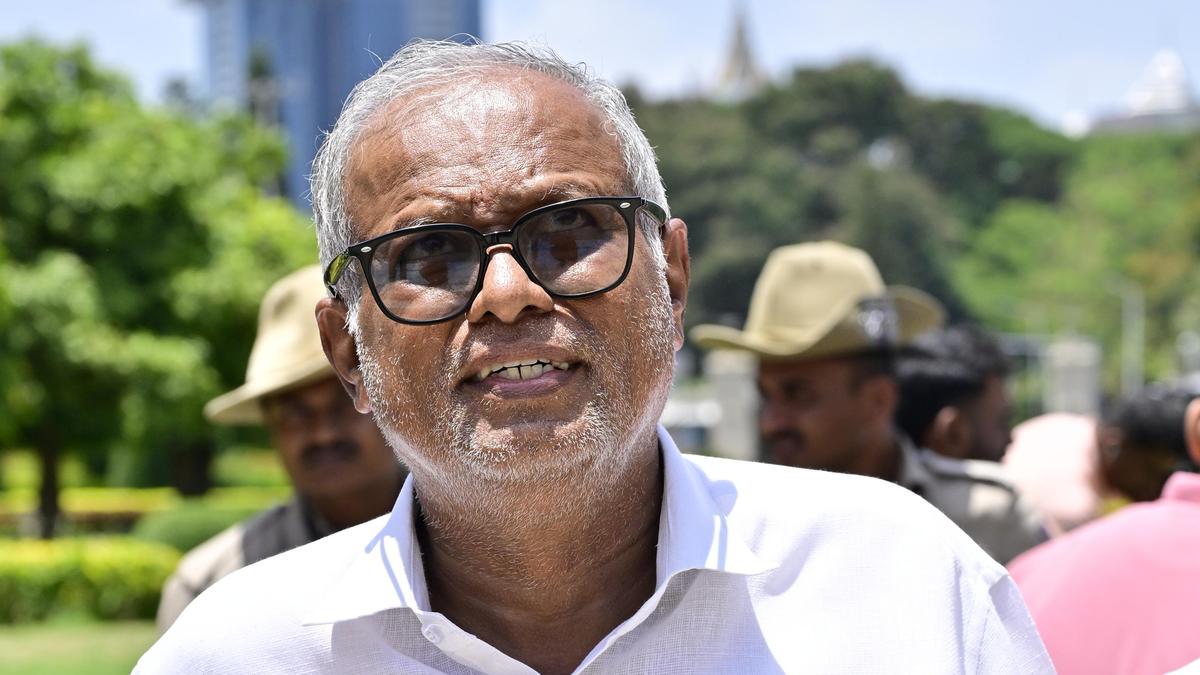
Bengaluru: In a political development drawing sharp attention, senior minister Suresh Kumar has questioned the propriety of a recent protest organized by the Congress party. Speaking to the media, Kumar criticized the timing, method, and intent of the demonstration, alleging that it was politically motivated rather than focused on genuine public grievances. He suggested that the protest disrupted public life and created unnecessary tensions in the city, raising concerns about the ethical standards of political mobilization. The minister also emphasized that protests must align with democratic principles and respect law and order, especially when involving urban centers.
Kumar’s remarks come amid heightened political activity in the state, with opposition parties increasingly staging demonstrations over governance issues. He claimed that the Congress protest appeared more designed to generate media attention and influence public perception than to address administrative problems. According to the minister, such actions risk diverting attention from real civic challenges and can erode trust between citizens and governance institutions. Analysts noted that Kumar’s criticism reflects broader tensions between ruling and opposition parties over political accountability and the use of public protests as a tool for messaging.
The minister also highlighted the legal and procedural concerns associated with mass demonstrations. He questioned whether the necessary permissions had been obtained and whether public safety measures were adequately considered. Authorities often require prior notice and compliance with civic regulations to ensure that protests do not disrupt essential services or compromise safety. Kumar argued that adherence to these rules is crucial for maintaining civic harmony and that political parties should model responsible behavior when organizing public gatherings.
POLITICAL TENSIONS AND PUBLIC RESPONSE- SURESH
The Congress party, for its part, defended the protest as a legitimate expression of citizen grievances. Party leaders stated that the demonstration aimed to highlight issues affecting ordinary citizens and to hold the administration accountable. They emphasized that peaceful protests are a cornerstone of democratic engagement and are essential for drawing attention to systemic problems. Political analysts observed that the disagreement between the minister and opposition leaders underscores the polarized environment in Karnataka’s current political landscape.
Public response to Kumar’s comments has been mixed. Supporters of the ruling party applauded his emphasis on propriety and adherence to law and order, arguing that protests should not inconvenience citizens or disrupt urban functioning. Meanwhile, Congress supporters maintained that protesting is an essential democratic right, especially when citizens’ issues remain unaddressed. The debate reflects ongoing tensions between civic administration, political accountability, and the methods through which parties mobilize support.
Kumar also drew attention to the economic and social impact of large-scale protests in urban areas. He argued that uncoordinated demonstrations can disrupt transportation, commerce, and daily life, affecting residents and businesses alike. Authorities often have to deploy additional police personnel, manage traffic diversions, and ensure emergency services remain uninterrupted. The minister suggested that political parties bear responsibility for ensuring that demonstrations are organized in a manner that minimizes disruption while still allowing citizens to express dissent.
The minister’s critique also highlighted concerns over political rhetoric and symbolism in public demonstrations. He questioned whether the protest messaging accurately reflected citizens’ priorities or primarily served partisan interests. Analysts noted that such statements by ruling party leaders can shape public perception and set the tone for how protests are reported in the media. Kumar’s comments are likely to fuel further debate on the balance between political activism, citizen rights, and governance responsibilities.
Local civic officials also weighed in on the issue, noting that prior coordination with authorities is essential for managing protests effectively. They emphasized that adherence to civic guidelines ensures safety, prevents clashes, and allows law enforcement to focus resources efficiently. Observers noted that while protests are a legitimate democratic tool, compliance with procedural requirements is critical for maintaining public confidence and minimizing unintended consequences.
The confrontation between Suresh Kumar and the Congress party over the protest reflects a broader national trend in which demonstrations are increasingly scrutinized for legality, timing, and public impact. Analysts suggest that the debate is emblematic of the tension between political messaging and civic responsibility, highlighting the challenges of balancing citizen rights with administrative order. The minister’s remarks underline the ruling party’s focus on propriety, law, and maintaining public trust.
Political observers also noted that the dispute could influence voter sentiment, particularly among urban constituencies directly affected by protests. Citizens’ experiences with traffic disruptions, public inconvenience, and heightened security presence often shape their perception of political parties’ effectiveness and concern for public welfare. Kumar’s comments are seen as an attempt to position the ruling party as a defender of civic order while challenging the opposition’s approach to public engagement.
As the debate continues, all eyes are on how both parties frame the narrative around the protest and the ensuing political discourse. Analysts suggest that the exchange between Suresh Kumar and the Congress party highlights the complex interplay of democratic rights, political strategy, and administrative responsibility. The controversy is likely to keep public attention focused on questions of accountability, propriety, and the appropriate methods for raising citizen concerns in Karnataka.
Authorities confirmed that they are monitoring the situation closely to ensure that civic order is maintained while allowing citizens to exercise their democratic rights. Police and municipal officials have been instructed to coordinate with political parties and organizers to prevent disruptions, maintain safety, and facilitate peaceful expression. Observers noted that effective management of such events is essential to uphold both public confidence and democratic norms, balancing freedom of expression with civic responsibility.
Kumar’s statements have sparked discussion among political analysts about the ethics and effectiveness of protests as a tool for political messaging. Experts suggest that while protests are a fundamental democratic right, their credibility is influenced by timing, transparency, and alignment with citizen concerns. They noted that criticisms like Kumar’s often aim to highlight perceived misuse of public platforms for partisan gain, emphasizing that responsible demonstration requires balancing advocacy with civic order.
The debate has also highlighted the role of media in framing political protests. Observers pointed out that coverage often emphasizes confrontation and spectacle, sometimes overshadowing the substantive issues being raised. Kumar’s comments are likely intended to redirect public focus toward governance responsibilities and the methods of protest organization, reinforcing the importance of accountability not only in policy but also in political conduct. Analysts note that media narratives around protests can significantly influence public perception, shaping the political landscape ahead of elections.
Civic officials emphasized that proper planning and coordination are critical for minimizing disruptions during demonstrations. Ensuring clear communication between organizers and authorities allows for the allocation of police personnel, traffic management, and emergency services. Officials noted that demonstrations that ignore such procedures can inadvertently compromise safety, frustrate residents, and strain municipal resources. Kumar’s critique aligns with these concerns, highlighting the need for political parties to act responsibly when mobilizing large crowds.
The Congress party, however, defended the protest as a legitimate avenue for expressing citizen grievances. Leaders stated that peaceful demonstrations are necessary to draw attention to issues that might otherwise be ignored, especially when administrative responses are slow or inadequate. They argued that the protest was organized with necessary precautions and aimed to prioritize public participation while raising awareness on policy and governance challenges. This defense underscores the ongoing tension between ruling and opposition parties over the acceptable methods of civic engagement.
Public reactions to Kumar’s critique have been divided. Supporters of the ruling party praised the emphasis on propriety and lawfulness, arguing that protests must respect civic life and urban order. Conversely, opposition supporters maintained that criticizing the protest’s legitimacy undermines citizens’ right to dissent and express dissatisfaction with governance. Social media debates have reflected these divisions, highlighting broader societal discussions about the balance between democratic expression and civic responsibility.
Analysts noted that the timing of the criticism is politically significant. Kumar’s statements come at a time of heightened opposition activity in the state, suggesting a strategic attempt to frame the narrative around accountability and propriety. By focusing on the methods and ethics of the protest rather than the issues themselves, the ruling party aims to shape public perception, emphasizing governance stability and responsible political conduct. Observers suggest that such positioning could influence voter sentiment, particularly in urban centers directly affected by demonstrations.
Legal experts weighed in on the matter, noting that protests are protected under constitutional rights but must comply with regulatory frameworks. Prior notice, route permissions, and coordination with municipal authorities are necessary to prevent legal complications. Kumar’s critique reinforces the importance of these procedures and serves as a reminder that political activism carries both rights and responsibilities. Experts suggested that adherence to legal norms ensures the legitimacy of the protest while protecting public safety.
Political commentators also highlighted the symbolic aspect of Kumar’s remarks. By questioning the propriety of the protest, he is framing the narrative around accountability, civic duty, and ethical conduct in political engagement. Observers noted that such messaging resonates with constituents concerned about urban order, administrative efficiency, and the responsible exercise of political influence. The remarks may also serve as a deterrent against future demonstrations that could disrupt civic operations or be perceived as politically opportunistic.
Community leaders emphasized the need for dialogue between political parties, civic officials, and residents. Constructive engagement can address grievances without compromising public safety. Kumar’s comments, while critical, may encourage political actors to adopt more structured approaches to protest organization, ensuring that citizen voices are heard without unnecessary disruption. Experts noted that fostering a culture of responsible civic engagement strengthens democracy by balancing expression with order.
As the situation evolves, attention remains on both the conduct of the Congress protest and the public response to Kumar’s critique. Analysts predict continued debate over political ethics, governance accountability, and civic responsibility. Authorities are expected to monitor developments closely, ensuring that demonstrations remain peaceful while safeguarding public services. The unfolding discourse reflects the broader challenges of balancing democratic rights with orderly administration, highlighting the complexities inherent in political engagement in Karnataka.
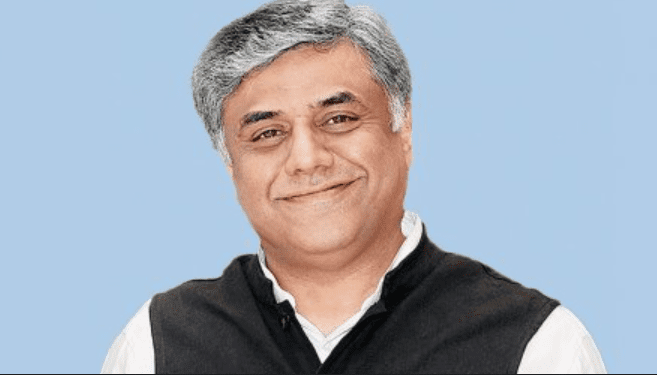
Rajeev Gowda, a prominent political figure, was arrested today at the Kerala border in connection with the Sidlaghatta civic official threat case, authorities confirmed. The arrest comes after months of investigation into allegations that Gowda had issued threats against municipal officials in Sidlaghatta, reportedly related to administrative decisions and civic governance matters. Police officials stated that the arrest was executed following intelligence reports confirming his presence near the border, and he has been taken into custody for questioning and further legal proceedings. The development has sparked widespread discussion regarding accountability, political conduct, and law enforcement efficiency.
Gowda’s arrest follows a series of complaints filed by Sidlaghatta civic officials, who alleged repeated threats and intimidation attempts affecting their professional duties. The officials reported that such threats created a climate of fear, hampering routine civic operations and administrative decision-making. Authorities noted that the case involved careful collection of evidence, including communications, eyewitness accounts, and corroborating testimonies, which ultimately led to the identification and apprehension of the accused. Legal experts stated that the arrest is an important step in upholding the rule of law and ensuring the safety of government officials.
The investigation reportedly involved coordination between Karnataka and Kerala police departments, highlighting inter-state cooperation in handling cases with cross-border implications. Senior officials emphasized that law enforcement agencies were committed to ensuring a fair and thorough investigation, protecting the rights of both the complainants and the accused. Officers involved in the operation confirmed that all procedural norms were followed during the arrest, which was carried out without incident. The case has attracted attention not only for its political sensitivity but also for its broader implications regarding civic administration and the enforcement of legal protections for officials.
Following the arrest, discussions have emerged regarding the broader implications of political interference in civic administration. Analysts suggest that the case may prompt a reevaluation of protocols for protecting municipal officials from coercion by influential individuals. Observers noted that while political engagement with civic matters is normal, threats or intimidation cross legal and ethical boundaries. Ensuring that elected representatives understand and respect these limits is crucial for maintaining functional urban governance and public trust.
Law enforcement officials emphasized the importance of inter-state coordination in ensuring that high-profile suspects cannot evade justice. The operation at the Kerala border demonstrated the capability of police forces to act decisively while maintaining procedural integrity. Officers stated that intelligence-sharing, surveillance, and careful planning were key components of the successful arrest. Analysts noted that such efficiency reinforces public confidence in the police and sends a strong signal that threats to civic employees will not go unaddressed.
The arrest has reignited debate about the role of municipal officials in navigating political pressures. Experts highlighted that civic employees often face dilemmas when implementing policies that may conflict with local political interests. Cases like the Sidlaghatta threat incident illustrate the vulnerability of municipal staff and the necessity of institutional protections. Observers argued that transparent grievance redressal mechanisms and strict legal enforcement are vital to ensure that public servants can carry out their duties without fear of retribution.
Political commentators have also noted the potential ramifications for local elections and party dynamics. Rajeev Gowda’s arrest may impact his political standing and influence voter perception. Analysts predict that the case could be leveraged by opposition parties to highlight accountability concerns and governance lapses. Public discourse around the arrest has been intense, with debates focusing on both the legal aspects and the ethical responsibilities of political figures in interacting with civic administration.
Legal experts pointed out that the case could establish precedents for how threats against civic officials are treated in the judiciary. By pursuing action against a politically prominent individual, authorities reinforce the principle that the law applies equally to all citizens, regardless of stature. Lawyers noted that swift and transparent judicial proceedings will be critical to maintaining credibility in the legal system and ensuring that similar cases are handled consistently in the future.
Civic associations have called for systemic reforms to prevent similar incidents. Recommendations include stricter codes of conduct for elected officials, mechanisms for rapid reporting of threats, and dedicated units to protect municipal employees. Advocates argue that institutional safeguards, combined with strict enforcement, will strengthen municipal governance and deter attempts at intimidation. The Sidlaghatta case serves as a reminder of the need for proactive measures to protect public servants from undue pressure.
Residents of Sidlaghatta and nearby areas expressed a mix of relief and concern following the arrest. Many citizens voiced support for law enforcement’s action, emphasizing the importance of accountability in maintaining the rule of law. Others highlighted ongoing worries about political influence affecting everyday governance, stressing that protection of civic officials is necessary for efficient service delivery. Community leaders underscored the need for transparency and fairness in both legal proceedings and municipal decision-making.
Authorities have confirmed that additional investigations are ongoing, including inquiries into potential co-conspirators and the context of threats made to civic officials. Police stated that the focus remains on building a comprehensive case to ensure justice for the affected municipal employees. Legal observers noted that the thoroughness of the investigation will be closely scrutinized, given the high-profile nature of the accused and the sensitivity of the matter.
The arrest has also sparked dialogue about political accountability and ethical conduct in governance. Analysts suggest that elected representatives must recognize the limits of their authority and the responsibilities they carry towards civic institutions. Instances of intimidation not only disrupt administrative efficiency but also erode public confidence in governance. Experts argue that promoting a culture of respect for civic processes is essential for sustainable urban development and democratic integrity.
Finally, the Sidlaghatta civic official threat case highlights the critical intersection of law enforcement, politics, and public administration. By apprehending Rajeev Gowda, authorities have reinforced the principle that no individual is above the law. Observers hope that the legal proceedings will proceed transparently, ensuring justice for civic officials while sending a strong deterrent message. The case underscores the importance of safeguarding municipal staff, strengthening institutional protections, and maintaining accountability among political actors, ensuring that governance continues without fear or undue influence.
POLITICAL AND LEGAL RAMIFICATIONS- RAJEEV
The arrest of a politically prominent figure has triggered reactions across party lines and among civic administration experts. Political analysts suggest that the case could have significant implications for local and state-level politics, as it raises questions about the conduct of elected representatives and their influence over civic institutions. Opposition parties have called for transparency and strict legal action, emphasizing that no individual, regardless of political standing, is above the law. Advocates for civic officials’ rights have noted that timely enforcement is critical to maintaining confidence in public administration.
Legal experts analyzing the case have highlighted the importance of procedural integrity. The arrest at an inter-state border underscores the challenges law enforcement faces when political figures are involved. Proper documentation, adherence to arrest protocols, and timely submission of evidence to the courts are essential to ensure that the legal process is upheld. Lawyers representing civic officials have stated that the arrest is a necessary step to deter further intimidation and to reinforce the principle that threats against government personnel will not be tolerated.
The Sidlaghatta civic official threat case has raised broader public awareness about the challenges faced by municipal employees in performing their duties. Civic officials often deal with politically sensitive issues, including licensing, permits, land regulation, and urban planning, which can expose them to pressure or threats from influential individuals. Authorities emphasized that ensuring protection and legal recourse for these officials is essential to maintain the integrity of civic governance and prevent administrative paralysis.
Local governance experts noted that the case could set a precedent for how threats against civic employees are treated legally and politically. By pursuing action against a high-profile individual, law enforcement agencies aim to convey a strong message that intimidation or coercion of public servants is unacceptable. Experts added that transparent legal proceedings and swift judicial review are necessary to maintain public trust in municipal and state governance structures.
Public reaction has been mixed, with citizens expressing both surprise and support for law enforcement’s action. Many residents emphasized the importance of holding influential figures accountable, particularly when civic administration and public services are affected. Social media discussions have highlighted concerns about political interference in municipal operations and the need for stronger safeguards to protect officials from harassment or threats.
Authorities have confirmed that Rajeev Gowda will be produced before a competent court in Karnataka for further proceedings. Legal counsel for the accused has requested that his client be treated fairly and allowed access to legal representation, emphasizing the principles of due process. Investigators stated that additional evidence and witness testimonies are being reviewed to build a comprehensive case. Officials reiterated that all steps are being taken to ensure the investigation proceeds without bias or undue influence.
The arrest has also prompted political leaders and civic associations to discuss measures to strengthen the safety and autonomy of municipal officials. Proposals include better reporting mechanisms, rapid response teams for threat situations, and policy guidelines to ensure that officials can perform duties without fear of reprisal. Experts argue that protecting civic employees is critical to effective governance and that high-profile cases like this can catalyze systemic reforms.
Observers note that the case underscores the intersection of politics, law enforcement, and public administration. By addressing threats against civic officials decisively, authorities aim to reinforce the principle that administrative processes must operate independently and without fear of intimidation. The outcome of the case is likely to influence public discourse, shape political accountability, and inform policies for safeguarding municipal personnel.
As proceedings continue, all eyes are on the judicial handling of the case and the response from political circles. Authorities have assured the public that the investigation will be thorough, impartial, and transparent. Meanwhile, civic officials and the community at large hope that the arrest of Rajeev Gowda will serve as a deterrent against future intimidation attempts, ensuring that municipal governance can proceed efficiently, safely, and without undue external pressure.
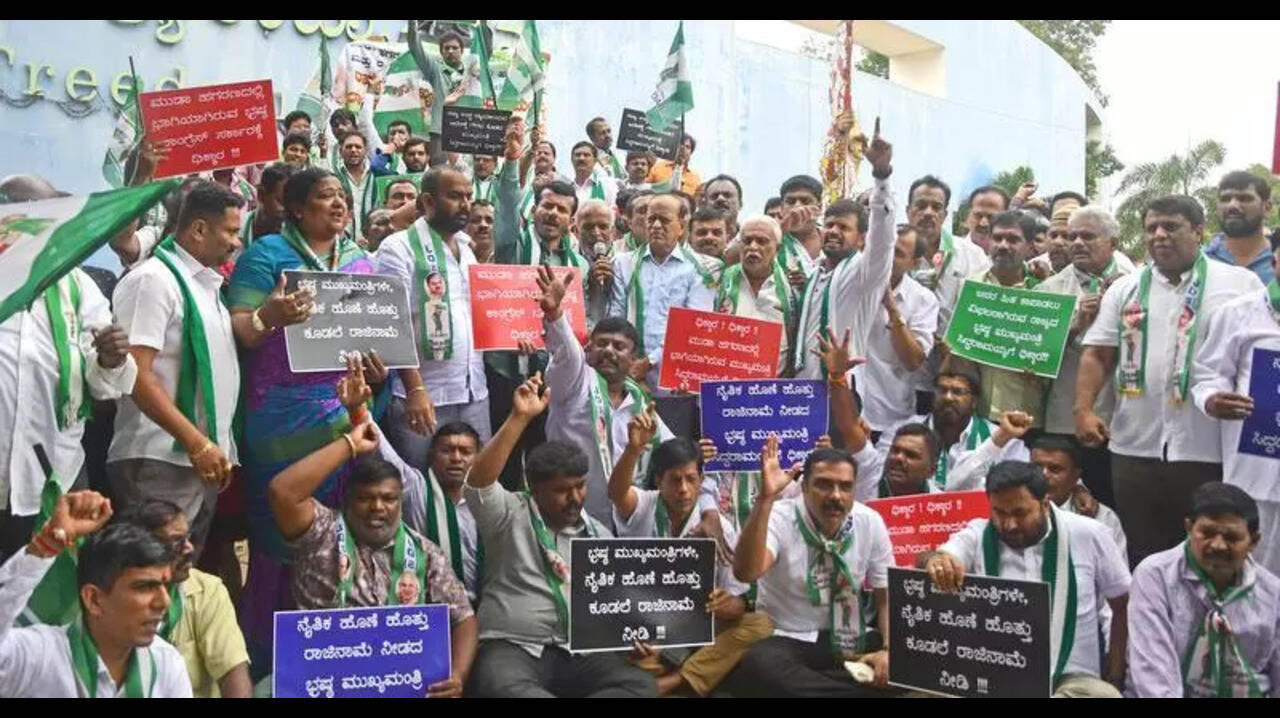
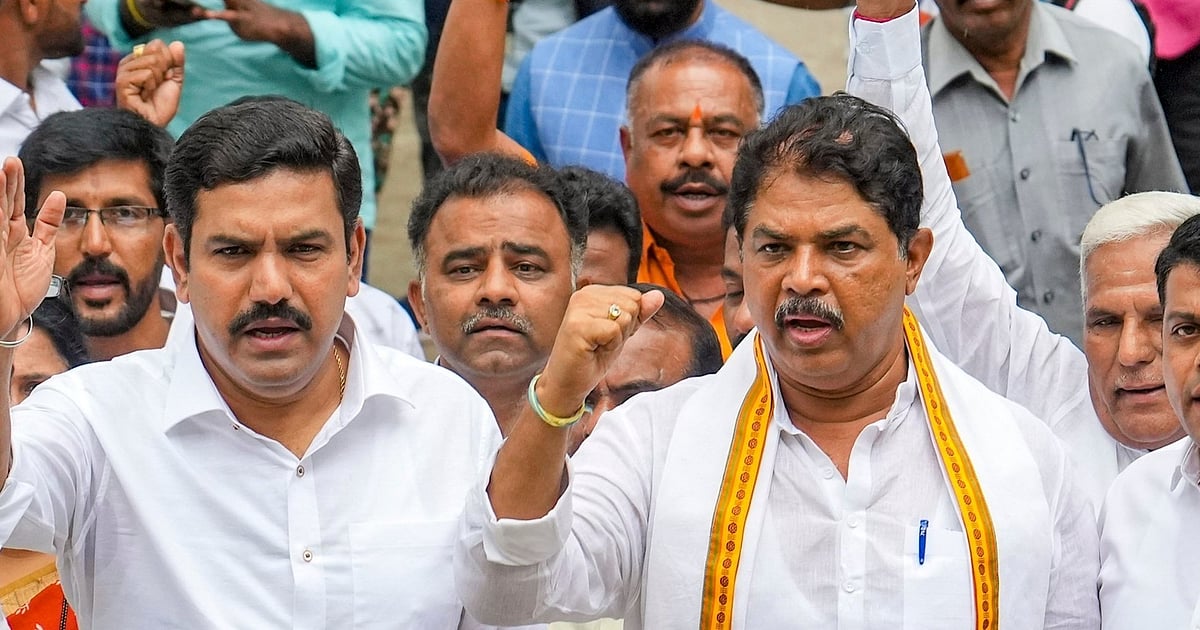
In a significant political development in Karnataka, the BJP and JD(S) have announced coordinated protests today, signaling a rare alignment of opposition voices on certain state issues. Leaders from both parties stated that the demonstrations aim to highlight governance lapses, administrative concerns, and specific policy decisions affecting citizens. The move has drawn attention across the political spectrum, with observers noting that such collaboration between ideologically distinct parties is unusual, underscoring the gravity of the issues being raised. Party cadres have mobilized in several districts, preparing to stage rallies, sit-ins, and public demonstrations to convey their message effectively.
Officials have indicated that the protests will focus on issues such as inflation, public welfare delivery, and development project implementation. Both parties are expected to raise grievances regarding perceived delays in government schemes, alleged neglect of rural infrastructure, and policy decisions seen as detrimental to common citizens. Leaders emphasized that the protest is planned to be peaceful and organized, with clear messaging intended to resonate with voters ahead of upcoming electoral cycles. Observers see this as an attempt to consolidate public sentiment and project a united front against perceived governance shortcomings.
The joint move has generated considerable media attention, with political analysts highlighting the potential impact on public perception. While BJP and JD(S) have historically maintained distinct ideological positions, their collaboration for this protest reflects strategic convergence on specific issues. Party spokespersons stated that the initiative is citizen-centric rather than politically opportunistic, aiming to hold the ruling dispensation accountable for administrative lapses. Analysts suggest that the protest could influence discourse in both urban and rural areas, drawing attention to local concerns while showcasing opposition unity.
ISSUES AND STRATEGY OF THE PROTEST- BJP
The protest agenda reportedly includes demands for improved infrastructure, better delivery of social welfare schemes, and transparency in government operations. Both parties plan to stage coordinated rallies in multiple constituencies, leveraging local leaders and activists to mobilize supporters. Demonstrators are expected to submit memoranda to authorities outlining specific grievances, including delays in project execution and inadequate attention to public grievances. Leaders emphasized that the protest is designed to be disciplined, avoiding disruptions while ensuring visibility of citizen concerns.
Political observers note that the collaboration between BJP and JD(S) in this protest highlights a broader strategy of leveraging public demonstrations to influence governance. By combining forces, the parties aim to amplify their voice and increase pressure on the state administration. Analysts point out that such protests also serve to signal to voters that opposition parties can come together on critical issues, potentially shaping narratives ahead of elections. The joint protest underscores the role of collective civic engagement in demanding accountability from governing authorities.
Party leaders stressed the importance of peaceful demonstration, urging supporters to follow guidelines, respect law enforcement directives, and avoid confrontations. Police and administrative officials have prepared to manage crowd movement, ensure safety, and facilitate smooth conduct of the rallies. Observers noted that the coordination between political parties and authorities is crucial to maintaining order while allowing citizens to express dissent. The planned protest reflects the democratic right to voice grievances, with both parties emphasizing responsible participation as a cornerstone of effective political advocacy.
The announcement of the protest has also prompted reactions from ruling party representatives, who have responded by highlighting government achievements and challenging the opposition’s claims. Political commentators note that such exchanges often intensify public debate, drawing attention to policy outcomes, governance effectiveness, and accountability mechanisms. Analysts suggest that while protests highlight citizen concerns, they also serve as a stage for political messaging, shaping voter perception and influencing public discourse in the run-up to future elections.
Civic observers have highlighted that protests like these contribute to a culture of accountability. By staging organized demonstrations, political parties can draw attention to specific issues and compel administrative action. Local residents and activists have expressed hope that the protests will result in concrete improvements in public service delivery, infrastructure development, and responsiveness to grievances. Community engagement through peaceful political action is seen as a means of ensuring that government policies remain aligned with citizens’ needs.
The joint protest also reflects an evolving political landscape in Karnataka, where issue-based collaboration among parties can temporarily bridge ideological divides. Analysts note that while ideological differences remain significant, strategic alliances for citizen-centric agendas can enhance political influence and public visibility. The protest, therefore, represents both a tactical maneuver and an effort to address genuine public concerns, demonstrating how politics and governance intersect in shaping state-level discourse.
Youth and student wings of both parties are expected to play an active role in mobilizing support, spreading awareness, and documenting the protests through digital platforms. Organizers have emphasized responsible engagement, including adherence to public safety norms and non-violent advocacy. The participation of young activists underscores the role of emerging political voices in amplifying concerns and engaging communities in civic matters. Such involvement also reflects broader trends in youth participation in political processes, particularly around accountability and governance issues.
Economic and social analysts observing the protest highlighted the potential implications for policy-making. By focusing on grievances that affect large sections of the population, the demonstration could prompt administrative review of schemes, infrastructure projects, and welfare delivery mechanisms. Authorities may engage in dialogue with opposition representatives to address concerns, ensuring that citizen needs are considered. The protest, therefore, serves not only as a political statement but also as a catalyst for potential policy response and governance improvement.
As the day of the protest unfolds, all eyes are on the coordination between BJP and JD(S) and the public’s response. Observers anticipate significant attendance across urban and rural constituencies, reflecting widespread concern over the issues being raised. The event is expected to reinforce the importance of civic engagement, accountability, and public advocacy in shaping governance. Leaders from both parties have reiterated that the protest aims to highlight citizen grievances responsibly, ensuring that the voices of affected communities are heard and addressed by authorities.
The planned BJP-JD(S) protest has also drawn attention to the methods of mobilization employed by the parties. Both organizations have been using social media platforms, local community meetings, and traditional outreach methods to inform supporters about the protest schedule and objectives. Flyers, WhatsApp groups, and local press briefings have been used extensively to ensure widespread awareness. Analysts note that such multi-channel communication strategies increase participation and create a sense of collective purpose among party cadres, enhancing the visibility and impact of the protest.
Authorities have confirmed that security arrangements are being strengthened to manage large gatherings effectively. Police officials are coordinating with local administration to deploy personnel at strategic locations, monitor crowd density, and ensure compliance with safety regulations. Traffic diversions, temporary barricades, and emergency response teams have been organized to mitigate any disruptions. Officials have emphasized that maintaining law and order while facilitating citizens’ right to protest is a priority, reflecting the balance between public safety and democratic freedoms.
The collaboration between BJP and JD(S) for this protest has sparked discussion among political analysts regarding the significance of issue-based alliances. Experts point out that while ideological differences exist, the convergence on governance-related grievances indicates a pragmatic approach to politics. Such collaborations are seen as attempts to consolidate public support and enhance bargaining power with the ruling administration. Observers note that this kind of tactical alignment can also influence voter perceptions, particularly in constituencies where dissatisfaction with local governance is high.
The protest’s agenda reportedly includes raising awareness about specific policy shortcomings, including delays in public welfare projects, rural infrastructure issues, and administrative inefficiencies. Both parties aim to present evidence, gather citizen testimonials, and highlight gaps in service delivery. By organizing a coordinated demonstration, BJP and JD(S) intend to pressure government authorities to expedite project completion, ensure transparency, and improve responsiveness. Analysts suggest that well-organized protests focusing on concrete issues can lead to tangible policy reviews and administrative interventions.
Political commentators have emphasized the symbolic importance of the protest. The unity of BJP and JD(S) in voicing common grievances sends a strong message to the public regarding accountability and governance. It also signals to other political stakeholders that collaboration is possible when citizen-centric issues are prioritized. Observers note that such demonstrations can strengthen democratic engagement by showcasing collective advocacy and the role of opposition parties in checking government action.
Local residents and civic groups have expressed mixed reactions to the planned protests. While some have welcomed the focus on governance and citizen concerns, others worry about potential traffic disruptions and inconvenience caused by large gatherings. Community leaders have called for peaceful participation and emphasized the importance of maintaining public order. Authorities have also requested cooperation from citizens to ensure that essential services and daily activities are not adversely affected.
The protest is expected to involve structured programs including speeches, rallies, and submission of memoranda to government officials. Party leaders are planning to engage directly with affected communities, highlighting their grievances and demonstrating solidarity. Organizers emphasized that the protest is designed to remain disciplined, with a clear focus on communicating actionable concerns rather than indulging in confrontational politics. Analysts suggest that disciplined demonstrations are more likely to receive positive media coverage and elicit responsive action from authorities.
Social media engagement around the protest has been significant, with hashtags, live updates, and short videos circulating widely. Observers note that digital amplification helps opposition parties reach younger demographics and urban voters, complementing on-ground mobilization. It also provides a real-time account of the protest, allowing citizens who are unable to attend physically to stay informed. Experts say that effective integration of digital and traditional outreach can enhance the overall impact and visibility of political demonstrations.
The involvement of youth and student wings in the protest is expected to energize the movement. Young participants are playing a key role in organizing logistics, coordinating volunteers, and documenting events. Analysts highlight that youth engagement in political action often introduces innovation, energy, and wider participation. Their involvement not only ensures effective execution but also strengthens democratic culture by fostering awareness and active citizenship among emerging generations.
As the day progresses, observers will closely watch the turnout, organizational efficiency, and public response to the BJP-JD(S) protest. The event is being seen as a measure of public sentiment regarding governance issues and administrative efficiency. Leaders have reiterated that the protest aims to highlight citizen grievances responsibly, promote dialogue with authorities, and encourage accountability. Analysts conclude that such coordinated demonstrations reflect the evolving dynamics of state politics, where citizen-focused agendas can temporarily bridge ideological divides to demand responsive governance.
The Alipurduar Pronam scheme 2026 marks a significant step in community policing and social welfare in Bengal. Launched by the Alipurduar district police, the initiative is designed to assist senior citizens, many of whom live alone or face challenges in accessing healthcare, security, and daily support.
This scheme reflects the growing recognition that elderly citizens require structured support systems, especially in districts where migration, urbanisation, and family fragmentation have left many vulnerable.
2. The Scheme
Name: Pronam (meaning “respectful greetings” in Bengali).
Objective: Provide assistance, security, and companionship to senior citizens.
Services: Regular check‑ins, medical support, emergency response, and counselling.
Community policing: Builds trust between police and citizens.
Significance: First such initiative in North Bengal, inspired by similar schemes in Kolkata.
3. Why Senior Citizen Assistance Matters
Demographic shift: India’s elderly population is projected to reach 300 million by 2050.
Family fragmentation: Migration of younger generations leaves elderly alone.
Health challenges: Chronic illnesses and limited mobility increase vulnerability.
Safety concerns: Rising cases of fraud, abuse, and neglect targeting senior citizens.
4. Community Reaction
Residents: Welcomed the scheme as a much‑needed support system.
Families: Relieved that elderly relatives have institutional backing.
Civil society: Called for expansion of Pronam to other districts.
Youth: Inspired to volunteer alongside police in assisting elders.
5. Governance Challenges
The Pronam scheme reflects systemic governance issues:
Resource allocation: Police must balance law enforcement with welfare duties.
Training gaps: Officers require sensitivity training to handle elderly needs.
Coordination issues: Need for synergy between police, health departments, and NGOs.
Judicial oversight: Courts have occasionally intervened in cases of elder abuse.
10. Future Outlook – Senior Citizen Governance in Bengal
India must move towards:
Digitised monitoring systems for elderly welfare.
Public dashboards showing Pronam’s reach and impact.
Public‑private partnerships for healthcare and counselling.
Educational campaigns linking respect for elders with civic responsibility.
✅ Conclusion
The Alipurduar Pronam scheme 2026 is more than a policing initiative—it is a living testament to Bengal’s evolving governance model, where law enforcement embraces social responsibility. As senior citizens receive assistance and respect, the challenge lies in scaling such initiatives across districts. For Bengal, the lesson is clear: democracy thrives when governance delivers safety, fairness, and respect for all generations.
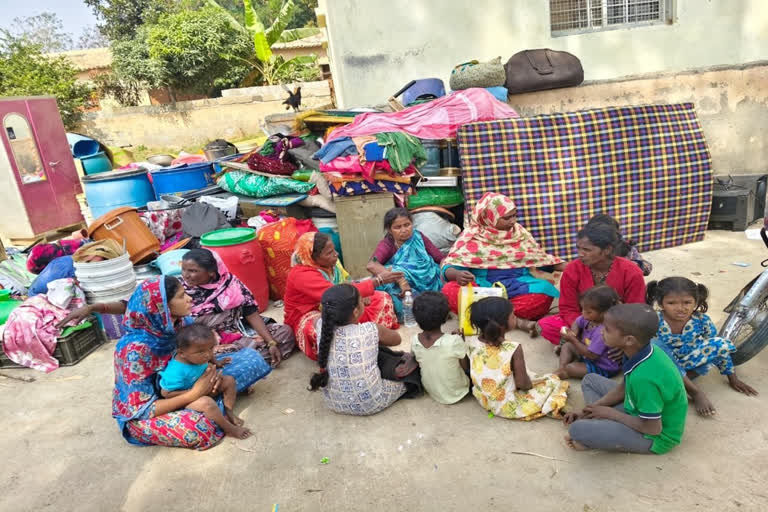
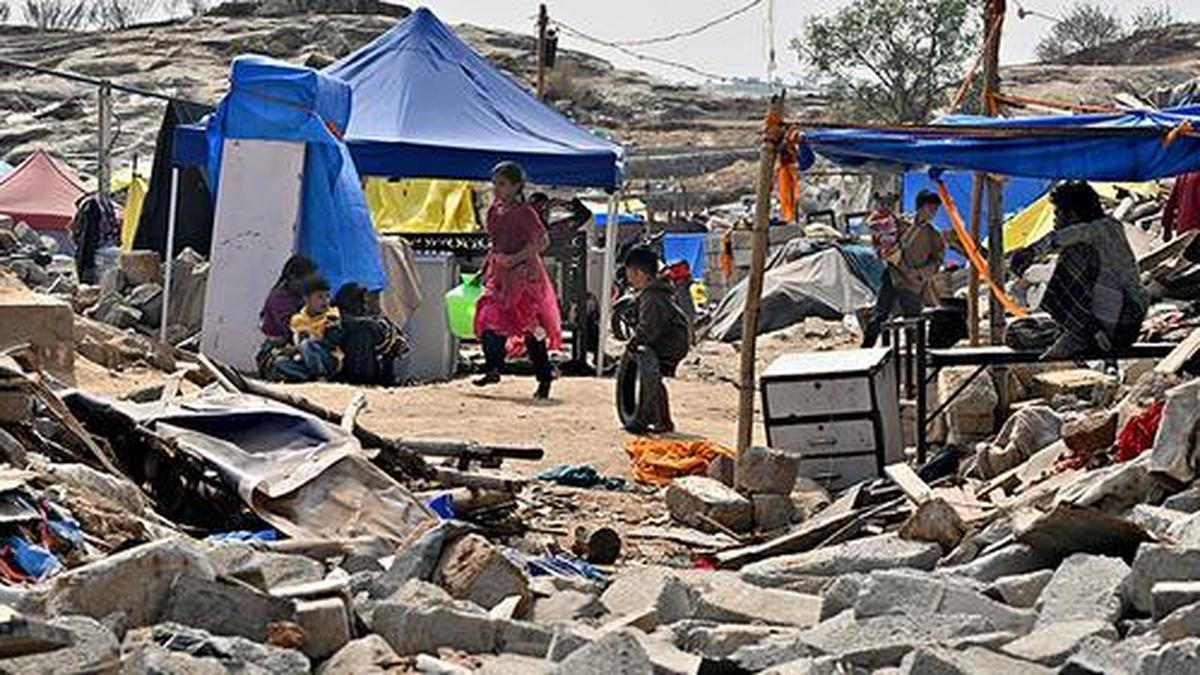
Families displaced during the Kogilu Layout demolition in Bengaluru observed what they called the “Poor People’s Republic Day,” highlighting the hardships faced by residents evicted from their homes. The commemoration took place near the site of the demolition, where affected families gathered to express their grievances, demand rehabilitation, and draw public attention to their plight. Many participants carried placards, shared personal stories, and held symbolic acts such as laying flowers or lighting candles, underscoring the human cost of urban development projects. Organizers emphasized that the observance was intended to be peaceful, reflecting the community’s collective struggle for justice and dignity.
The observance of “Poor People’s Republic Day” also underscored the emotional toll of displacement on families. Parents expressed concern over the disruption to children’s education, with some having to switch schools mid-year or travel long distances to continue studies. Elderly family members reported difficulties in accessing medical facilities after relocation. Mental health professionals present at the gathering highlighted that trauma from eviction can persist long after physical displacement, often affecting family dynamics, productivity, and social integration. These testimonies emphasized that rehabilitation planning must address not only housing but also social, educational, and psychological support.
Activists pointed out that forced evictions without adequate consultation violate basic human rights and constitutional guarantees of equality and dignity. They stressed that while urban development is necessary, it should not come at the cost of marginalizing vulnerable populations. The “Poor People’s Republic Day” served as a public reminder that city planning must incorporate social impact assessments and participatory decision-making. Legal experts suggested that affected residents could pursue claims for compensation, alternative housing, and restitution of livelihoods under existing laws, highlighting the importance of legal literacy among displaced communities.
The protest also drew attention to the socioeconomic disparities in Bengaluru, where rising property values and rapid urbanisation have disproportionately impacted low-income families. Residents argued that redevelopment often benefits wealthier investors while leaving marginalized communities at risk of homelessness and impoverishment. Community leaders emphasized that equitable urban development should balance economic growth with social justice, ensuring that no citizen is left without shelter or support. The event aimed to pressure authorities to consider long-term social consequences alongside infrastructure goals.
Local NGOs participating in the observance provided guidance and support to families in navigating bureaucratic procedures. They assisted in documenting grievances, submitting petitions, and seeking legal advice. Volunteers also organized discussions and workshops on housing rights, emphasizing the importance of collective action and civic engagement. These efforts highlighted the role of civil society in bridging gaps between displaced communities and government authorities, ensuring that the voices of the affected are heard and considered.
The event incorporated symbolic acts to emphasize the gravity of the displacement. Candles were lit in memory of lost homes, and floral tributes were laid at the edge of the demolished layout. Some participants held a silent march along nearby streets, visually representing the journey from security to uncertainty. These gestures served as powerful reminders of the human consequences of redevelopment decisions and created visual narratives that resonated with both the public and media, amplifying awareness of the issue.
Families also shared stories of resilience and community solidarity. Despite facing significant hardships, residents have organized themselves into support networks, sharing resources, providing temporary shelter, and advocating collectively for their rights. The observance demonstrated that marginalized communities, even when displaced, can mobilize effectively to draw attention to injustices. Organizers emphasized that community cohesion is critical in negotiating with authorities and ensuring that rehabilitation processes are inclusive and fair.
Policy experts observing the event stressed the need for long-term frameworks for urban redevelopment. They suggested that mandatory pre-demolition consultations, transparent compensation formulas, and guaranteed rehabilitation housing could prevent future conflicts. Public observances like “Poor People’s Republic Day” play a crucial role in highlighting gaps in existing policies and generating pressure for legislative or administrative reforms. Authorities were urged to recognize that displacement is not merely a physical relocation but a social and economic disruption requiring comprehensive redressal.
The observance also sparked wider public debate about the ethics of city planning and redevelopment in fast-growing urban centers. Residents of nearby neighborhoods and civic-minded citizens expressed solidarity, sharing stories of similar struggles and advocating for policy changes. Social media amplified these narratives, drawing attention to the human cost of urbanization. Discussions emerged about the need for inclusive governance where development initiatives incorporate citizen feedback and uphold human dignity.
Journalists covering the event highlighted that such symbolic commemorations challenge conventional narratives of urban progress. By framing Republic Day as a moment to remember displaced families, participants critiqued the disconnect between celebratory national events and the lived realities of marginalized populations. Media coverage emphasized the need for empathy-driven policymaking, ensuring that development projects are people-centric rather than solely profit- or infrastructure-driven.
As the day ended, organizers stressed that “Poor People’s Republic Day” is both a reminder and a call to action. Participants hope that sustained advocacy will lead to policy reforms, fair rehabilitation, and recognition of the rights of displaced citizens. Families expressed determination to continue raising awareness, asserting their dignity, and demanding justice. The observance served as a poignant reminder that true national celebration must encompass the welfare and rights of all citizens, especially those most vulnerable to the consequences of rapid urban development.
The Kogilu Layout demolition had displaced dozens of families, with many reporting inadequate notice, insufficient compensation, and disruption of livelihoods. Affected residents said that children’s education, access to healthcare, and basic amenities had been severely impacted. During the “Poor People’s Republic Day” observance, families recounted their experiences of losing homes built over decades and facing uncertainty about relocation. Activists and local NGOs supported the gathering, providing a platform for voicing concerns and advocating for faster and fairer rehabilitation measures. The event was marked by speeches, emotional narratives, and calls for policy intervention.
The symbolic choice of observing Republic Day in this context highlights the contrast between national celebrations of pride and equality and the lived realities of marginalized communities. Participants noted the irony of celebrating freedom and rights while being denied basic housing and security. Residents expressed that while the nation commemorates constitutional values and citizen rights, their experiences reflect exclusion from these protections. The observance served both as a protest and a plea for attention from authorities and society at large.
HUMAN IMPACT AND REHABILITATION CONCERNS
The families’ testimonies revealed the long-term social and economic consequences of forced displacement. Many displaced residents had small-scale businesses or informal employment linked to their original neighbourhood, which were disrupted by the demolition. Women and elderly family members reported heightened vulnerability due to loss of familiar community support systems. Psychologists and social workers accompanying the observance highlighted that forced displacement can lead to emotional distress, loss of identity, and disruption of social networks, emphasizing the urgent need for structured rehabilitation and counseling.
NGOs and activist groups reiterated demands for comprehensive rehabilitation policies that go beyond monetary compensation. Suggestions included allocation of permanent housing, access to basic amenities such as water and electricity, and support for rebuilding livelihoods. Local leaders participating in the observance stressed the importance of inclusive urban planning that prioritizes people’s welfare alongside development projects. They argued that displacement without adequate planning and compensation undermines social justice and erodes public trust in governance.
Participants also used the observance to call attention to systemic issues in urban development. They noted that eviction notices were sometimes issued without clear legal backing, while compensation amounts were insufficient to purchase alternative housing in the city. Families stressed that their efforts to negotiate with authorities were met with delays or bureaucratic hurdles. The symbolic act of marking “Poor People’s Republic Day” was intended to remind policymakers and the public that development must balance infrastructure goals with human rights considerations.
CIVIC RESPONSE AND SOCIAL AWARENESS
The observance drew attention from media, civil society organizations, and community leaders, sparking broader discussion about the treatment of marginalized populations in urban redevelopment projects. Social workers highlighted that similar cases of displacement have occurred across Bengaluru and other cities, raising questions about planning, transparency, and citizen participation. Advocates stressed that public awareness and civic engagement are crucial in ensuring accountability and humane treatment of affected communities.
Many visitors to the observance expressed solidarity, offering practical support such as food, clothing, and assistance with documentation. Local volunteers assisted in organizing the gathering, coordinating logistics, and facilitating discussions between displaced families and legal advisors. The event demonstrated the role of community support in amplifying the voices of those who might otherwise remain unheard. It also served as a reminder that civic engagement can take diverse forms, from formal protests to symbolic acts of commemoration.
The observance also highlighted the intergenerational impact of displacement. Children, who have lost access to schools or familiar neighbourhood environments, were present alongside parents and grandparents, symbolizing the long-term stakes of urban redevelopment decisions. Families emphasized that restoration of homes, community networks, and social stability is essential for ensuring that children grow up in secure and nurturing environments. The act of gathering on Republic Day reinforced the importance of rights, dignity, and equality for all citizens.
CALL FOR POLICY REFORMS
Civil society groups called on municipal authorities and urban planners to adopt more people-centric approaches in redevelopment initiatives. Recommendations included pre-demolition consultations with residents, transparent compensation mechanisms, and provision of temporary housing during transitional periods. Experts suggested that adherence to social impact assessments and stronger legal frameworks could prevent conflicts and reduce the trauma associated with forced evictions. The “Poor People’s Republic Day” observance, organizers stated, was intended to highlight these gaps and push for systemic reforms.
Local residents expressed hope that public visibility of their struggle would lead to meaningful action. They emphasized that recognition of their plight is a first step toward rehabilitation and justice. Families participating in the event also called for continued dialogue with authorities, stressing that collaborative solutions are possible if policymakers engage with affected communities empathetically.
As the day concluded, the observance left an enduring impression of resilience and determination among displaced families. By marking Republic Day through the lens of their hardships, participants sought to reclaim a sense of dignity and highlight the human cost of urban development. The “Poor People’s Republic Day” served as both a protest and a poignant reminder that true national pride must encompass social justice, inclusive development, and the protection of the most vulnerable citizens.
The Republic Day flower show at Lalbagh in Bengaluru has once again captivated the public, recording over 8 lakh visitors and generating revenue of ₹2.75 crore, authorities reported. The annual event, known for its vibrant floral displays, themed gardens, and horticultural innovations, continues to attract visitors from across Karnataka and neighbouring states. The massive turnout reflects the enduring popularity of Lalbagh as a cultural and recreational hub, as well as the public’s enthusiasm for horticulture and nature-based festivities. Organizers described the exhibition as a celebration of creativity, biodiversity, and national pride, timed to coincide with the Republic Day week.
The show featured elaborate arrangements of seasonal flowers, bonsai exhibits, and thematic installations highlighting environmental awareness and sustainable gardening. Decorative motifs and artistic landscapes were carefully curated to showcase both traditional floral artistry and contemporary horticultural trends. Visitors, including families, students, and tourists, were seen marveling at the diversity of flowers, capturing photographs, and participating in guided tours. The Lalbagh Botanical Garden authorities emphasized that the event serves not only as entertainment but also as an educational platform, fostering appreciation for plant varieties, gardening techniques, and ecological balance.
In addition to floral displays, the exhibition included competitions, workshops, and live demonstrations. Gardening enthusiasts had opportunities to learn about organic farming, pest management, and landscaping innovations. Students and young visitors engaged in interactive sessions on plant conservation and environmental stewardship. Organizers noted that the blend of visual splendor and informative content contributed to the high visitor engagement, with people spending hours exploring the themed sections. The show also highlighted efforts to incorporate eco-friendly practices in event management, including waste reduction and responsible resource use.
ECONOMIC AND TOURISM IMPACT
The Lalbagh flower show’s success has a significant economic dimension. With over 8 lakh attendees, ticket sales, food stalls, souvenir shops, and related services contributed to revenue of ₹2.75 crore. Local vendors, florists, and small businesses benefited from the inflow of visitors, reflecting the event’s role as a booster for micro and small enterprises. Tourism experts point out that the flower show complements Bengaluru’s wider tourism calendar, attracting visitors during the Republic Day period and extending the city’s reputation as a destination for cultural and recreational experiences.
Authorities have observed that the show enhances civic engagement and community participation. Horticultural clubs, local schools, and cultural organizations actively contribute to displays and competitions, creating a sense of ownership and pride. Volunteers assist in guiding visitors, maintaining exhibits, and ensuring smooth operations. Officials emphasized that such involvement strengthens awareness of plant conservation and gardening culture, fostering a lasting impact beyond the duration of the show.
The exhibition also showcased innovations in floriculture and landscape design. Growers and horticulturists displayed hybrid plants, rare species, and creative arrangements demonstrating modern gardening techniques. Expert talks and demonstrations provided insights into plant breeding, soil health, and sustainable landscaping practices. Organizers highlighted that these features encourage knowledge-sharing and inspire visitors to apply horticultural ideas in their homes and communities.
CULTURAL CELEBRATION AND COMMUNITY ENGAGEMENT
The Lalbagh flower show has long been intertwined with Bengaluru’s cultural identity. The Republic Day theme underscores national pride, with arrangements symbolizing heritage, patriotism, and unity. Children’s sections featured motifs of national symbols, eco-friendly themes, and miniature landscapes, while larger installations showcased the State’s flora alongside creative interpretations of historical and cultural icons. The integration of artistic expression and horticulture makes the show a multi-sensory experience, appealing to audiences of all ages.
Community engagement has been a cornerstone of the event. Students, gardeners, and local artists actively contribute to designing displays, creating a collaborative platform that blends creativity with horticulture. Competitions in flower arrangement, bonsai, and terrarium design encourage participants to showcase skill and imagination. Organizers highlighted that nurturing local talent through the show fosters both cultural pride and environmental awareness, creating a sustainable model of public engagement.
The revenue generated has enabled authorities to reinvest in garden maintenance, plant procurement, and future event planning. Organizers stressed that the financial success ensures continued investment in the Lalbagh Botanical Garden, enhancing infrastructure, educational programs, and visitor facilities. The flower show not only celebrates natural beauty but also supports the operational sustainability of one of India’s most iconic botanical institutions.
Visitors’ feedback indicated widespread satisfaction with the experience. Many praised the creativity, scale, and diversity of the displays, noting that the event offered both visual delight and educational value. Families appreciated the child-friendly exhibits, while horticulture enthusiasts found inspiration in innovative gardening techniques. Officials reported that crowd management, ticketing, and safety protocols were effectively implemented, contributing to a smooth experience despite the large turnout.
ENVIRONMENTAL AWARENESS AND FUTURE PLANS
Beyond aesthetics, the flower show aims to promote environmental consciousness. Information boards, interactive sessions, and expert guidance emphasized sustainable gardening, water conservation, and biodiversity protection. The event served as a platform to educate the public about the importance of green spaces in urban areas, highlighting the ecological role of gardens in improving air quality, reducing heat, and supporting wildlife.
Looking ahead, authorities plan to expand the Republic Day flower show’s scope by introducing more interactive sections, rare plant collections, and community-driven installations. The aim is to attract even larger audiences while maintaining educational and environmental value. Officials emphasized that Lalbagh remains committed to blending natural beauty with cultural celebration, ensuring that future editions continue to inspire, educate, and engage visitors.
The Lalbagh Republic Day flower show’s record turnout of over 8 lakh visitors and revenue of ₹2.75 crore reflects the event’s enduring appeal. Combining visual spectacle, cultural themes, and educational engagement, the exhibition reinforces Bengaluru’s status as a hub for horticultural excellence, civic participation, and sustainable urban recreation. Visitors left with memories of colourful landscapes, artistic innovation, and a renewed appreciation for nature, underscoring the event’s significance as both a cultural landmark and a celebration of national pride.
The overwhelming turnout at Lalbagh also highlighted the importance of efficient urban planning and crowd management. Authorities reported that additional entry points, ticket counters, and volunteer guidance helped streamline visitor flow and reduce congestion. Traffic management in surrounding areas was coordinated with local police and civic authorities to ensure smooth movement of vehicles and pedestrians. Emergency medical facilities and first-aid stations were strategically placed throughout the garden to handle any health contingencies. Organizers stated that these measures contributed to a safe and enjoyable experience for visitors, demonstrating that large-scale events can be managed effectively with careful planning.
The exhibition’s themed floral displays attracted particular attention for their creativity and symbolic representation. One of the central attractions depicted a large-scale map of India made entirely of flowers, symbolizing national unity and diversity. Other installations celebrated Karnataka’s cultural heritage, local flora, and environmental awareness messages. Children’s zones featured interactive gardens, educational exhibits, and storytelling sessions, allowing young visitors to engage with nature in a hands-on manner. Experts believe that such immersive experiences encourage early appreciation for plants and ecology, fostering environmentally conscious habits from a young age.
Local vendors benefited significantly from the high footfall. Food stalls, handicraft sellers, and flower nurseries reported robust sales, reflecting the economic ripple effect of the exhibition. Artisans and small entrepreneurs displayed handmade items inspired by floral motifs, combining traditional craft with the thematic appeal of the show. Organizers highlighted that supporting local businesses is an integral part of event planning, ensuring that the flower show contributes not only to cultural celebration but also to the livelihoods of communities connected to the horticultural and creative economy.
The participation of floriculture clubs and gardening societies further enriched the exhibition. Members presented rare species, bonsai collections, and innovative landscaping techniques, sharing knowledge with visitors and promoting horticultural education. Workshops on soil health, composting, pest management, and vertical gardening were conducted daily, encouraging citizens to adopt eco-friendly practices at home. Organizers emphasized that blending entertainment with education ensures that the flower show leaves a lasting impact beyond visual enjoyment.
Authorities also leveraged technology to enhance visitor engagement. Digital maps, mobile applications, and QR codes at different sections provided information about plant species, care techniques, and ecological significance. Visitors could scan codes to access audio guides and virtual tours, making the experience more interactive and informative. Officials highlighted that integrating technology helps modernize traditional exhibitions, reaching younger, tech-savvy audiences while preserving the educational core of the event.
The revenue generated through ticket sales, food, and merchandise contributes directly to the maintenance and improvement of Lalbagh Botanical Garden. Funds are being used to procure rare plants, upgrade pathways, maintain water bodies, and develop educational facilities. Organizers stated that this financial reinvestment ensures the garden remains a premier horticultural space, capable of hosting large-scale events while preserving biodiversity. Sustainable revenue generation is crucial for the long-term viability of such public institutions, allowing them to balance public access with environmental stewardship.
Environmental awareness campaigns integrated into the flower show also drew attention from educators and policymakers. Exhibits highlighting water conservation, soil management, and urban greening inspired visitors to adopt sustainable practices in their homes and communities. Talks by environmentalists and horticulturists emphasized the ecological role of gardens in reducing urban heat, supporting pollinators, and maintaining biodiversity. The interactive approach encouraged visitors to view the garden not just as a leisure space but as a living classroom promoting responsible stewardship of natural resources.
Cultural performances complemented the floral displays, adding a celebratory atmosphere to the exhibition. Classical music recitals, folk dance performances, and theatrical presentations were staged on open lawns, creating a fusion of horticulture and performing arts. Visitors appreciated the holistic experience, where visual, auditory, and educational elements combined seamlessly. Organizers emphasized that incorporating cultural elements helps attract diverse audiences and strengthens community participation in public events.
The Lalbagh flower show also set benchmarks for accessibility and inclusivity. Ramps, guided pathways, and signages were provided to assist differently-abled visitors. Families with young children were accommodated with stroller-friendly routes and rest areas. Special arrangements for senior citizens, including shaded seating and assistance volunteers, ensured that the exhibition was enjoyable for all age groups. Authorities stated that such inclusive planning is a priority to ensure that public events cater to diverse needs, making the experience equitable and welcoming for everyone.
Finally, the exhibition reinforced Bengaluru’s reputation as a city that celebrates nature, culture, and innovation simultaneously. Visitors expressed admiration for the scale, organization, and creativity of the show, noting that it provided both visual delight and educational value. With over 8 lakh attendees and ₹2.75 crore in revenue, the Lalbagh Republic Day flower show demonstrated the potential of public spaces to inspire, educate, and generate economic and social benefits. Authorities have pledged to continue enhancing the event in future editions, ensuring that it remains a flagship celebration of horticultural excellence, civic pride, and environmental consciousness.
The Gorkhaland demand 2026 has resurfaced with renewed intensity after Gorkha leaders met the Centre‑appointed interlocutor, Pankaj Kumar Singh, in Darjeeling. The Gorkha Janmukti Morcha (GJM) reiterated its long‑standing demand for a separate state of Gorkhaland, arguing that the aspirations of the hill people cannot be met within the framework of West Bengal.
This meeting highlights the continuity of identity politics in the Darjeeling hills, where questions of autonomy, governance, and cultural recognition remain unresolved.
2. Gorkhaland Demand 2026: The Meeting
Location: Darjeeling hills, West Bengal.
Participants: Leaders of the GJM and other hill organisations.
Interlocutor: Pankaj Kumar Singh, appointed by the Centre to engage stakeholders.
Outcome: Morcha reiterated demand for Gorkhaland, citing historical grievances.
Significance: Signals persistence of the movement despite political changes.
3. Why the Gorkhaland Demand Matters
Identity politics: Gorkhas seek recognition of their distinct cultural and linguistic identity.
Governance gaps: Hill residents allege neglect in development and infrastructure.
Political stakes: Gorkhaland demand influences electoral outcomes in North Bengal.
National implications: Raises questions about federalism and state reorganisation in India.
4. Political Reactions
TMC: Opposed division of Bengal, emphasised unity and development.
BJP: Expressed sympathy but avoided clear commitment, balancing state and national interests.
Civil society: Divided between calls for autonomy and fears of instability.
Observers: Warned that renewed agitation could destabilise the region.
5. Governance Challenges
The Gorkhaland demand reflects systemic governance issues:
Autonomy vs integration: Balancing Gorkha identity with Bengal’s governance.
Trust deficit: Citizens sceptical of both state and central promises.
Dialogue breakdown: Lack of cooperation undermines peace initiatives.
Judicial oversight: Courts have occasionally intervened in hill governance disputes.
6. Community Concerns
Families: Fear instability if hill politics returns to agitation.
Youth: Demand jobs and education, frustrated by identity politics.
Civil society: Call for participatory governance and transparency.
Tourism stakeholders: Worry that political unrest could damage Darjeeling’s global image.
1980s: Subash Ghising’s GNLF spearheaded the first major agitation.
2007–2017: Bimal Gurung’s GJM revived the demand, leading to violent agitations.
2011: Mamata Banerjee’s rise shifted state‑hill relations, with promises of development boards.
2021–2026: BGPM and Hamro Party emerged as new players, reshaping alliances.
2026: GJM reiterates demand, showing continuity of unresolved grievances.
9. Global Comparisons
Similar autonomy disputes worldwide:
Scotland: Debate over loyalty to UK vs independence.
Catalonia (Spain): Tensions over autonomy and loyalty to Madrid.
Quebec (Canada): French identity vs Canadian federalism.
Darjeeling’s case mirrors these global struggles where regional identity collides with national integration and political pragmatism.
10. Governance Lessons
The Gorkhaland demand teaches:
Dialogue must be transparent and inclusive.
Community engagement ensures legitimacy.
Trust‑building is essential for peace.
Judicial oversight protects democratic values.
11. Future Outlook – Hill Governance in Bengal
India must move towards:
Balanced policies combining autonomy and integration.
Digitised project dashboards to track hill development.
Public‑private partnerships for sustainable tourism.
Educational campaigns linking identity with civic responsibility.
✅ Conclusion
The Gorkhaland demand 2026 is more than a political slogan—it is a test of Bengal’s ability to reconcile identity with governance. As Gorkha leaders reiterate their demand before the interlocutor, ordinary citizens bear the brunt of uncertainty. For Darjeeling, the lesson is clear: democracy thrives when governance delivers jobs, fairness, and respect for both identity and integration.