Friday, December 26, 2025
Home Blog Page 71

Karnataka CM-Shrivakumar Camps Face Political Strain: Explosive 5-Year Rift

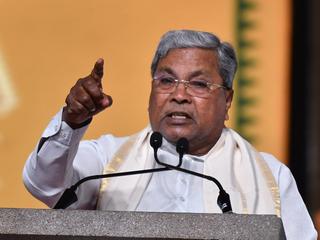
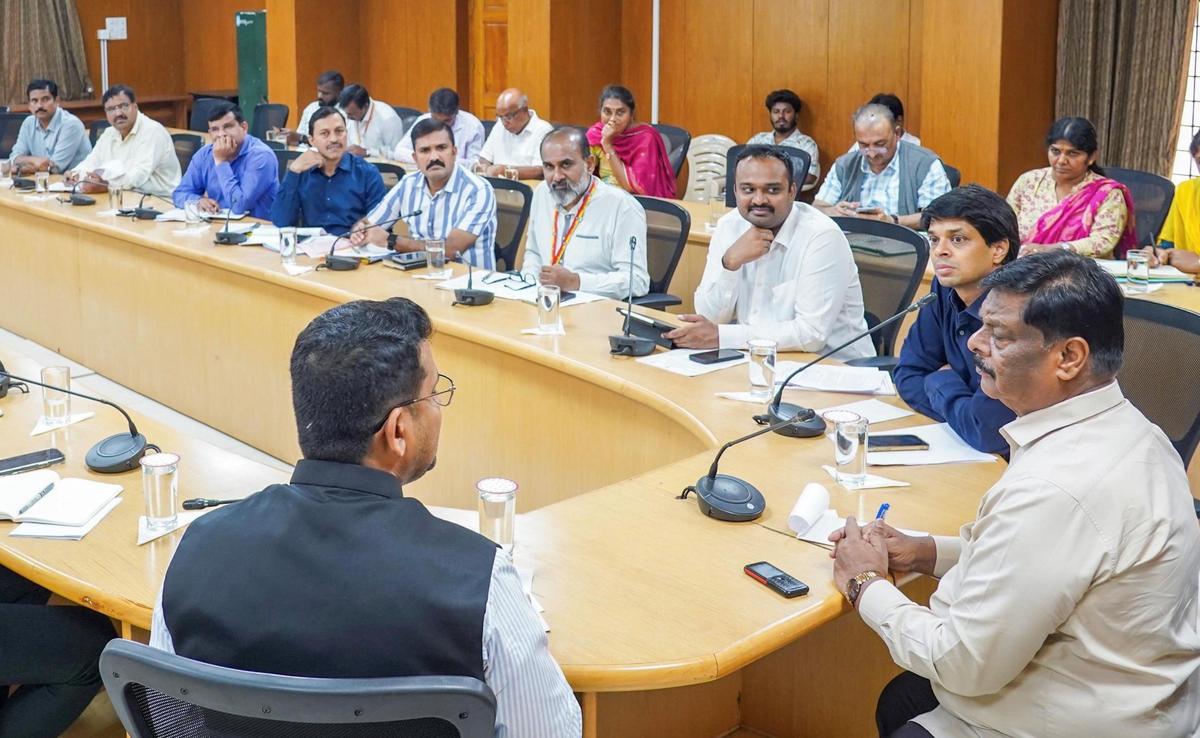
The internal faultlines between Karnataka Chief Minister Siddaramaiah and Deputy Chief Minister D.K. Shivakumar’s camps have become increasingly visible, signalling a potential reshaping of state politics. Reports suggest that disagreements over administrative appointments, policy priorities, and party strategy have exacerbated tensions within the ruling Congress framework. Observers note that while the two leaders maintain a public facade of unity, behind-the-scenes maneuvering and subtle power plays indicate a struggle for influence over the party’s direction in Karnataka. Political analysts suggest that this divide could have significant consequences for governance and electoral prospects in the coming years.

The rift reportedly intensified following recent cabinet reshuffles, with key portfolios being reassigned in ways that dissatisfied certain factions. Ministers aligned with Shivakumar are said to be frustrated by decisions perceived as marginalising their influence, while Siddaramaiah loyalists emphasise the need to consolidate administrative control. This tension has led to speculation about factional lobbying, with party functionaries caught in a delicate balancing act between loyalty to the CM and alignment with the Deputy CM. Sources indicate that informal meetings and closed-door discussions are now a regular feature as both camps attempt to assert authority.

Observers argue that the divide is not just about personalities but also policy priorities. Siddaramaiah’s camp is reportedly focused on social welfare schemes and maintaining a pro-poor governance agenda, while Shivakumar’s faction is seen as concentrating on infrastructural projects and economic development initiatives. This divergence in emphasis has led to disagreements over budget allocations and project approvals, further intensifying intra-party friction. Analysts note that such faultlines, if unchecked, could hinder decision-making processes and slow down governance initiatives critical to the state’s development.

Local party workers have expressed mixed reactions to the apparent schism. Some express concern that public perception of internal discord could weaken the party’s credibility, while others view the rivalry as a natural competition that strengthens overall party performance. Grassroots leaders note that while senior leadership disputes dominate headlines, the real impact will be felt at the constituency level, where factional loyalties could affect candidate selection, campaign strategies, and voter engagement. Maintaining cohesion among party workers remains a key challenge for both camps.

Recent media coverage has amplified the perception of a widening gulf between the CM and Deputy CM. Reports highlight contrasting public statements, differential attention to events, and selective media interactions, which are interpreted as subtle signaling of factional alignment. Political commentators emphasise that while such signals may be strategic, they also risk creating narratives of disunity, influencing voter sentiment ahead of upcoming elections. The Congress leadership at the national level is reportedly monitoring the situation closely to pre-empt any adverse consequences.Explainer: The War in Congress Over the Karnataka CM Post - The Wire

Leadership Struggle and Governance Implications

The apparent internal conflict has tangible implications for governance. Cabinet meetings reportedly witness subtle power struggles, with key decisions being delayed or debated more intensely than before. Officials note that while both camps collaborate on high-priority issues, disagreements on secondary projects can lead to administrative bottlenecks. The Deputy CM’s camp has reportedly pushed for accelerated infrastructure approvals, while Siddaramaiah-aligned ministers advocate a more measured approach, citing social welfare priorities and fiscal prudence. This ongoing negotiation underscores the delicate balancing act within the state government.

Political analysts warn that if the rift deepens, it could affect the Congress party’s performance in upcoming elections. Voter perception of internal discord, factional rivalry, and inconsistent messaging may undermine public confidence. Both camps are reportedly keenly aware of the stakes, with efforts underway to maintain a public image of unity while simultaneously strengthening grassroots networks. Party strategists emphasise the importance of internal cohesion to effectively counter opposition narratives, particularly from rival parties seeking to capitalise on perceived disarray.

The rift has also influenced the party’s legislative strategy. Instances of subtle disagreement in the state assembly have been noted, with factional loyalties occasionally guiding voting behaviour or policy support. Analysts argue that this may impact the smooth passage of legislation, as ministers aligned with differing camps seek to assert influence. While core policies remain largely uncontested, minor bills and administrative measures have witnessed delays or intense debate, reflecting the underlying political dynamics.

Within the party cadre, young leaders express concern over long-term implications. Aspirants seeking mentorship, portfolios, or electoral tickets face the challenge of navigating between the two camps. Factional alignment could influence career trajectories, creating an environment where political strategy becomes as important as administrative competence. Observers suggest that managing internal expectations and ensuring merit-based appointments are crucial to prevent disenchantment among emerging leaders and maintain organizational stability.

Public perception of governance has also been affected. Citizens note that while major welfare schemes continue, the pace of development projects in some constituencies appears inconsistent. Reports suggest that regions aligned with either camp experience differential attention, fueling speculation about preferential treatment. Analysts warn that such perceptions, if amplified, may erode trust in the administration’s impartiality. Both leaders are reportedly aware of the optics, prompting efforts to project coordinated action in public events and media engagements.

The national Congress leadership is reportedly attempting mediation to prevent escalation. Senior party figures have held discussions with both camps, urging compromise, consultation, and alignment on policy priorities. Meetings focus on reconciling differences in administrative style, prioritisation of initiatives, and communication strategy. Party officials emphasise the importance of unity ahead of elections and warn that prolonged discord could be exploited by opposition parties seeking to weaken Congress influence in Karnataka.

Shivakumar’s faction reportedly emphasises strengthening organisational networks, voter outreach, and party funding mechanisms. The camp is seen as keen on consolidating local leadership, securing loyalists, and ensuring that its influence extends to district and constituency levels. Conversely, Siddaramaiah’s camp focuses on policy delivery, social welfare schemes, and maintaining the perception of a responsive government. Analysts note that this divergence, while strategic, requires careful coordination to avoid operational friction within the administration.

Factional Rivalry and Political Strategy

Political commentators argue that such intra-party rivalries are common in coalition-style leadership structures. Karnataka’s Congress, balancing multiple strong personalities, faces the inherent challenge of managing competing ambitions. While rivalry can foster innovation and policy debate, excessive conflict risks destabilising governance and electoral credibility. Experts suggest that a delicate equilibrium between factional representation and centralised decision-making is essential for sustaining long-term political success in the state.

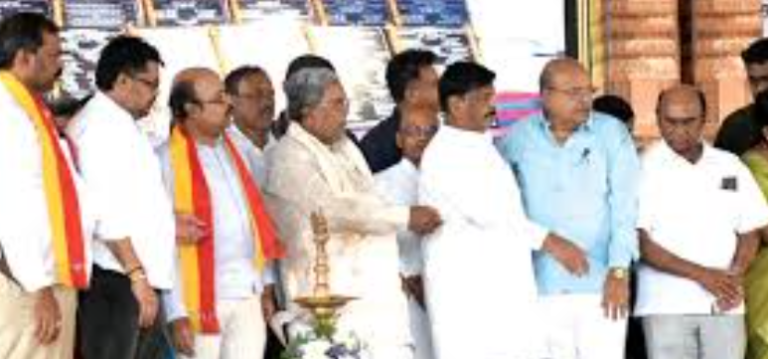
Observers note that both leaders are employing subtle public diplomacy to maintain credibility. While participating in joint events, ceremonial functions, and policy announcements, they also cultivate distinct public images aligned with their respective factions. Siddaramaiah’s messaging highlights experience, stability, and social welfare focus, whereas Shivakumar’s narrative emphasises action, development, and grassroots connectivity. This dual approach underscores the political balancing act and the necessity of projecting both unity and distinctiveness simultaneously.Siddaramaiah-DK Shivakumar call truce, but supporters continue CM post  battle

Grassroots feedback suggests that local workers are closely monitoring factional dynamics. Loyalty to a particular camp influences candidate selection, event organisation, and voter mobilisation. Analysts warn that if factionalism intensifies, it could lead to fragmented campaigning and diluted organisational coherence. Both camps are reportedly investing in maintaining influence over constituency-level leadership while projecting statewide coordination, recognising that internal management is as critical as public messaging for political outcomes.

The visible faultlines also extend to policy communication. Ministers from both camps emphasise different priorities in public statements, potentially creating mixed messaging about governance achievements. Social welfare, infrastructure, industrial development, and health initiatives are highlighted differently depending on factional alignment. Political strategists argue that coherent communication is essential to maintain public confidence and prevent the opposition from exploiting perceived disunity.

Regional leaders within the Congress party are reportedly caught in a delicate position, needing to navigate between allegiance to either camp. This dynamic affects decision-making, resource allocation, and administrative coordination. Analysts note that balancing political loyalty with governance responsibility is a significant challenge, with potential implications for both policy delivery and party cohesion. Ensuring that factional competition does not override governance imperatives is central to the leadership’s ongoing strategy.

Public opinion reflects mixed perceptions. While many citizens continue to support Congress governance based on policy outcomes, others express concern about internal conflicts affecting administration efficiency. Media coverage highlighting disagreements further amplifies scrutiny, compelling both camps to manage optics carefully. Analysts suggest that transparent, coordinated, and responsive governance could mitigate the impact of factional rivalry on public trust, while sustained discord could erode voter confidence ahead of elections.

The role of senior Congress leadership remains pivotal. National leaders are reportedly mediating between camps to avoid escalation, encouraging collaboration on major projects and electoral strategy. Guidance focuses on balancing political influence, maintaining unity, and ensuring consistent policy delivery. Observers note that proactive intervention at the top level is essential to prevent intra-party faultlines from becoming public crises or electoral liabilities.

Analysts argue that long-term implications depend on strategic compromise. If Siddaramaiah and Shivakumar’s camps can negotiate shared influence, prioritise governance, and maintain coherent public messaging, Congress can retain stability in Karnataka. However, failure to manage factionalism could empower opposition parties, create governance bottlenecks, and undermine voter confidence. The unfolding scenario highlights the complexity of coalition-style leadership and the importance of negotiation, compromise, and strategic foresight.dk shivakumar, siddaramaiah, karnataka chief minister battle, dks camp mlas  land in delhi, iqbal hussain

Experts highlight that factional rivalry may also present opportunities. Healthy debate, diverse perspectives, and competitive energy can lead to policy innovation, administrative efficiency, and enhanced outreach. If channelled constructively, internal competition could strengthen governance outcomes. Analysts stress that the leadership must create formal mechanisms to manage disputes, align priorities, and foster collaboration while retaining flexibility to accommodate differing viewpoints.

Both camps reportedly continue to coordinate on major public events, legislative business, and high-profile announcements to project unity. Observers suggest that this careful choreography is aimed at maintaining credibility among voters while allowing space for internal negotiation. Balancing the optics of cohesion with factional autonomy requires continuous effort and strategic planning, particularly in a state as politically active and diverse as Karnataka.

In conclusion, the visible faultlines between Chief Minister Siddaramaiah and Deputy Chief Minister D.K. Shivakumar’s camps underscore the complex dynamics of leadership within Karnataka’s Congress. The internal rivalry, while a natural outcome of competing ambitions, carries implications for governance, public perception, and electoral prospects. Effective mediation, strategic coordination, and prioritisation of policy delivery will determine whether Congress can maintain stability and credibility. Karnataka’s political future, particularly in the context of upcoming elections, may well hinge on how these internal tensions are managed and resolved.

Follow: Karnataka Government

Also read: Home | Channel 6 Network – Latest News, Breaking Updates: Politics, Business, Tech & More
Karnataka Launches Digital Heritage Portal to Preserve Cultural Legacy: Revolutionary 7-Year Initiative

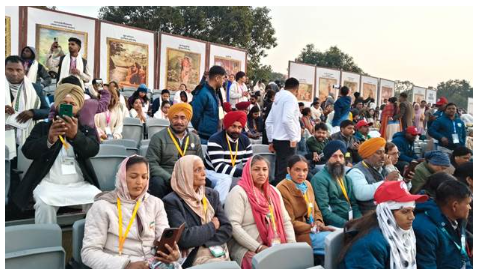
Karnataka has announced an ambitious plan to develop a comprehensive Digital Heritage Portal aimed at preserving the state’s rich cultural and historical legacy. The portal, envisioned as a centralized digital repository, will feature artifacts, manuscripts, monuments, folk traditions, and oral histories spanning centuries. By integrating modern technology with cultural documentation, the initiative seeks to ensure that Karnataka’s heritage remains accessible to scholars, students, and citizens while safeguarding it against decay or loss. Officials emphasise that this initiative marks a significant step toward leveraging technology for cultural preservation in the 21st century.

The initiative is spearheaded by the Karnataka Department of Archaeology and Museums in collaboration with the Department of Information Technology. It will involve digitisation of thousands of historical documents, rare manuscripts, temple inscriptions, and other cultural records. Using advanced scanning, imaging, and metadata tagging, each item will be catalogued and preserved in digital format. The portal aims to serve as a resource for researchers, historians, educators, and enthusiasts, offering easy online access while reducing the physical handling of fragile materials, thereby prolonging their lifespan.

Karnataka’s cultural wealth is immense, ranging from ancient temples, palaces, and forts to classical art forms such as Yakshagana and Carnatic music traditions. By digitising these diverse elements, the portal aims to create a unified platform that showcases the state’s legacy in a structured and accessible manner. Officials also hope to incorporate virtual reality and interactive tools, allowing users to experience heritage sites and cultural performances remotely. This approach will not only preserve artifacts but also engage younger generations, encouraging continued interest in Karnataka’s rich history.

In addition to physical artifacts, oral traditions and folk literature form a crucial part of Karnataka’s heritage. The Digital Heritage Portal will include recordings of folk songs, narratives, and rituals from different regions, documenting local dialects, performance techniques, and traditional knowledge systems. Teams of researchers and anthropologists will collaborate to capture these intangible cultural assets. The portal’s creators believe that digitising both tangible and intangible heritage will provide a holistic understanding of Karnataka’s cultural identity, bridging gaps between historical scholarship and public engagement.

The project has been welcomed by historians, archaeologists, and cultural activists. Experts emphasise that digitisation can prevent irreversible loss caused by natural decay, theft, or neglect. Additionally, by making heritage digitally accessible, the portal can facilitate global awareness of Karnataka’s cultural contributions. Scholars from across India and the world will be able to study manuscripts, inscriptions, and performances without physical travel, thereby expanding research opportunities. The initiative is seen as both a preservation strategy and a tool for knowledge dissemination.Karnataka to develop 'Digital Heritage Portal' to preserve cultural legacy  - The Hindu

Technology Meets Tradition: Digitising Karnataka’s Past

Modern technology forms the backbone of the portal. High-resolution imaging, 3D scanning, and virtual reality simulations will allow detailed preservation of sculptures, architecture, and artifacts. Advanced software will manage metadata, ensuring that every item is catalogued with historical context, provenance, and descriptions. Interactive maps and virtual tours of heritage sites will provide users with immersive experiences. By combining digital tools with traditional scholarship, Karnataka aims to create a dynamic platform that goes beyond archiving, offering educational and cultural enrichment for students, researchers, and tourists alike.

The portal will also incorporate machine learning and AI-driven tools to enhance searchability and classification. Algorithms will help in identifying historical patterns, cross-referencing related artifacts, and generating insights for research purposes. Additionally, multilingual access will ensure that information is available in Kannada, English, and other major languages, expanding outreach. Officials stress that technological innovation will be complemented by scholarly rigor, ensuring accuracy, authenticity, and cultural sensitivity throughout the digitisation process.

Funding for the initiative comes from the state government’s cultural preservation budget, supplemented by grants from private institutions and international cultural organisations. The collaborative model will include partnerships with universities, research institutes, and heritage conservation NGOs. By pooling resources and expertise, the project aims to achieve both scale and quality. Government officials have underscored that the portal will be a long-term commitment, with continuous updates, periodic audits, and integration of newly discovered heritage assets over the coming decades.

Community involvement forms a critical part of the project’s success. Local historians, cultural practitioners, and village elders are being invited to contribute knowledge, photographs, and oral histories. Training programs for volunteers and students are being conducted to ensure high-quality digitisation and documentation. By incorporating grassroots knowledge, the portal seeks to capture regional diversity and authenticity. Experts argue that engaging local communities will not only enrich the content but also promote public ownership and responsibility toward preserving Karnataka’s heritage.

Educators and students are expected to benefit significantly from the Digital Heritage Portal. Schools and universities can integrate digital resources into curriculum and research projects. Virtual tours of historical monuments, manuscripts, and traditional performances will supplement classroom learning. Additionally, students of archaeology, history, and performing arts will gain practical exposure to digital preservation techniques. By connecting technology with education, the portal will foster new generations of heritage-conscious citizens and professionals equipped with both cultural knowledge and digital skills.

The initiative also has potential economic implications. Digital access to Karnataka’s cultural heritage can boost tourism by enticing domestic and international visitors to explore historical sites physically. Heritage-based educational programs and cultural festivals linked to the portal may stimulate local economies. Moreover, start-ups and technology providers involved in digitisation, AI, and virtual reality can find opportunities for innovation and business expansion. By merging culture and commerce, the portal aims to create sustainable models for heritage promotion and preservation.

Preservation, Accessibility, and Global Engagement

Experts stress that the portal will serve multiple goals: preservation, accessibility, and global engagement. Digitisation ensures that fragile artifacts are protected while accessible globally. Researchers worldwide can study Karnataka’s manuscripts, inscriptions, and traditional arts remotely, fostering cross-cultural scholarship. The portal’s design also anticipates future integration with global digital heritage initiatives, allowing Karnataka’s treasures to feature in international databases and cultural exchanges. Such engagement strengthens both the state’s visibility and its contribution to the collective understanding of human history.Karnataka to develop 'Digital Heritage Portal' to preserve cultural legacy  - The Hindu

Challenges remain, particularly in documenting vast rural and remote cultural assets. Many traditional performances, folk rituals, and oral histories exist in small villages where access to technology is limited. Project teams are employing mobile digitisation units and portable recording devices to reach these areas. Language barriers, documentation gaps, and preservation of perishable materials are additional hurdles. Officials acknowledge these challenges and emphasise careful planning, local partnerships, and phased implementation to ensure comprehensive coverage.

Security and intellectual property considerations are also crucial. Digital artifacts must be protected against cyber threats, unauthorized copying, and misuse. Measures such as encryption, watermarking, and access controls are being implemented. Additionally, the portal will establish clear guidelines for use by researchers, educators, and the general public. Protecting the rights of cultural practitioners and ensuring ethical usage of heritage data is central to the project’s credibility and long-term sustainability.

Scholars highlight the importance of contextualisation. Digitisation alone is insufficient if artifacts, manuscripts, and performances are not accompanied by accurate historical, social, and cultural explanations. The portal will feature detailed annotations, scholarly commentary, and references to facilitate comprehensive understanding. Multimedia integration, including audio, video, and interactive timelines, will help users engage with heritage in multiple formats. Contextual clarity is critical to transforming the portal from a static repository into a vibrant learning and research tool.

Stakeholders emphasise that the Digital Heritage Portal will strengthen cultural identity and community pride. Citizens will have access to resources highlighting Karnataka’s contributions to literature, art, architecture, and science. By connecting people with their historical roots, the portal aims to foster appreciation and active participation in heritage preservation. Educational campaigns, public exhibitions, and virtual experiences will further promote cultural literacy and engagement among both residents and global audiences.

Implementation of the project involves careful phasing. Initial stages focus on digitising major monuments, manuscripts, and artifacts housed in museums and libraries. Subsequent phases will incorporate folk traditions, oral histories, and rural heritage. Continuous monitoring, quality audits, and expert validation will ensure accuracy and comprehensiveness. Officials stress that the phased approach balances scale, quality, and sustainability, ensuring the portal becomes a long-lasting, authoritative resource for Karnataka’s heritage.

The initiative has garnered support from international cultural preservation organisations. Collaboration with global institutions provides technical guidance, training, and potential funding support. Karnataka’s initiative aligns with international standards for digital archiving, metadata management, and public accessibility. Such collaboration enhances credibility and ensures that the portal’s methodologies are globally recognised, facilitating integration with larger cultural heritage networks. The project positions Karnataka as a leader in both digital preservation and heritage innovation.

Public outreach and awareness campaigns are planned to ensure maximum utilisation. Workshops, webinars, and school programs will introduce citizens to the portal and its features. By engaging students, teachers, researchers, and cultural enthusiasts, officials hope to make the platform a living resource, continuously enriched with contributions from multiple stakeholders. Public participation is seen as key to sustaining interest, relevance, and growth of the Digital Heritage Portal over the long term.Exploring the Cultural Heritage of Karnataka-Notable People Shape Its  Future - India's Biggest Dashakarma Bhandar | Poojn.in

The portal’s long-term vision includes integration with emerging technologies such as augmented reality, virtual reality, and AI-based analytics. Users will be able to virtually explore heritage sites, study 3D scans of artifacts, and access AI-assisted research tools. Such technological integration ensures that the portal is not just a digital archive but an immersive, interactive experience that bridges past and present. The combination of preservation and innovation highlights Karnataka’s commitment to making heritage accessible and engaging for the modern age.

Experts argue that the Digital Heritage Portal is both a preservation and a nation-building tool. By making cultural assets accessible, Karnataka reinforces its identity while contributing to broader Indian heritage narratives. The platform can serve as a model for other states seeking to digitise and safeguard their cultural wealth. With careful implementation, robust technology, and community participation, the portal is expected to set new benchmarks for cultural preservation and digital engagement.

As work progresses, Karnataka faces challenges of scale, technology, and inclusion, but the state’s determination is clear. Officials envision the portal as a living repository, continuously updated with new discoveries, performances, and artifacts. By combining scholarship, technology, and community engagement, the initiative promises to safeguard Karnataka’s legacy while inspiring citizens and scholars alike. The Digital Heritage Portal represents a forward-looking approach to heritage preservation — one that balances tradition with innovation for generations to come.

In conclusion, Karnataka’s Digital Heritage Portal is poised to become a cornerstone of cultural preservation. By combining modern digital tools with meticulous documentation and community participation, the initiative aims to protect, promote, and share the state’s rich legacy. From ancient temples to folk traditions, the portal will offer accessible, interactive experiences that engage local and global audiences alike. If successfully implemented, Karnataka will not only safeguard its heritage but also provide a model for other regions, ensuring that culture and history remain alive in the digital age.

Follow: Karnataka Government

Also read: Home | Channel 6 Network – Latest News, Breaking Updates: Politics, Business, Tech & More
Can Karnataka Keep Its Space Supremacy in India?: Critical 5-Year Challenge

Karnataka has long held the spotlight as India’s premier destination for space research, innovation, and development. From its sprawling campuses of the Indian Space Research Organisation (ISRO) in Bengaluru to numerous private aerospace start-ups, the state has built a robust ecosystem over decades. Karnataka’s edge comes from a unique combination of academic excellence, government support, and a skilled workforce. However, with other states rapidly investing in  infrastructure, the question now arises: can Karnataka retain its numero uno status, or will emerging competitors gradually chip away at its lead in India’s ambitious sector?

Bengaluru, often dubbed the “Space City of India,” houses ISRO’s headquarters, which coordinates multiple high-profile satellite launches, deep missions, and technological innovations. The city’s tech ecosystem, combined with aerospace research institutions and universities, has enabled a vibrant talent pool. Private players in technology, including satellite manufacturing and launch services, have found a supportive environment in Karnataka. This unique combination of public and private engagement has positioned the state as the nation’s frontrunner in aerospace ventures, attracting both domestic and international collaboration opportunities.

Over the past decade, Karnataka has witnessed exponential growth in its start-up ecosystem. Entrepreneurs are capitalising on affordable satellite technologies, data analytics, and launch services, creating new avenues for innovation. Government incentives, incubators, and research grants have further strengthened the ecosystem. Bengaluru’s technological heritage complements these efforts, allowing start-ups to tap into software, AI, and robotics expertise for applications. This synergy has given the state a competitive advantage, attracting investments and talent that are crucial for maintaining leadership in India’s space ambitions.

The state’s dominance, however, is being challenged by other regions. Telangana, Andhra Pradesh, and Tamil Nadu have launched dedicated space parks, funded research institutes, and forged public-private partnerships aimed at creating alternative hubs for aerospace innovation. These states are leveraging lower costs, dedicated infrastructure, and strategic incentives to attract companies and researchers. Karnataka, while still leading, faces the strategic challenge of retaining its edge in this increasingly competitive environment. The government and industry leaders acknowledge that without continuous investment and innovation, the state’s lead could be gradually eroded.

Academic institutions play a central role in Karnataka’s space supremacy. Institutes such as the Indian Institute of Science (IISc), BMS College of Engineering, and several premier universities offer specialised programs in aerospace engineering, satellite communication, and space sciences. These institutions have consistently produced a skilled workforce capable of handling sophisticated projects. Additionally, collaborative programs between universities and ISRO facilitate hands-on experience for students, ensuring a steady supply of trained engineers and researchers. Maintaining these academic pipelines is critical for sustaining the state’s leadership in the sector.Can Karnataka retain tag of India's top destination for space? - The Hindu

Infrastructure and Innovation: Keys to Retaining Leadership

Karnataka’s infrastructure advantage is significant but not unassailable. ISRO’s satellite assembly facilities, mission control centres, and testing labs provide an ecosystem difficult to replicate elsewhere. Private aerospace companies benefit from proximity to these resources, enabling knowledge transfer and rapid prototyping. However, other states are investing heavily in modern facilities, space parks, and launch pads. Karnataka’s challenge is to continue upgrading its infrastructure, while promoting private sector participation and collaborative projects that can drive cutting-edge innovation in satellite technology and deep-space exploration.

Innovation is another pillar of Karnataka’s supremacy. Start-ups and established companies in Bengaluru are experimenting with micro and nano satellites, reusable launch vehicles, and AI-powered satellite imagery analysis. Collaborations with global space agencies have further enhanced research capabilities, giving Karnataka a reputation for high-tech excellence. To sustain this advantage, the state must ensure continuous investment in R&D, incentives for technology transfer, and a regulatory environment that encourages experimentation while maintaining safety and compliance standards.

Private sector participation is rising across India, challenging Karnataka’s monopoly in space ventures. Companies in Telangana, Andhra Pradesh, and Maharashtra are emerging as serious contenders, offering competitive facilities and incentives. For Karnataka, retaining talent is crucial, as skilled engineers may relocate to newer hubs with lucrative opportunities. Strengthening local talent retention strategies, fostering start-ups, and supporting industry-academia partnerships will be essential to maintain the state’s preeminent position in the national space ecosystem.

The government of Karnataka recognises the stakes involved. Policy measures, such as the aerospace policy framework, tax benefits, and streamlined approval processes, aim to maintain Karnataka’s attractiveness to both domestic and international players. Additionally, the state is investing in satellite and rocket technology clusters that encourage collaboration between research institutions and private companies. Strategic vision combined with pragmatic governance is essential for retaining leadership, especially as other states ramp up their investments in space technology.

ISRO’s continued presence in Karnataka remains a significant asset. Major projects, including satellite launches, deep-space exploration missions, and research initiatives, are coordinated from Bengaluru. This centralisation of expertise provides not only technical advantages but also attracts international attention and funding. Maintaining this concentration of resources while fostering decentralised innovation hubs will help Karnataka continue to dominate India’s space sector. The challenge lies in balancing centralised institutional control with flexible, innovative approaches by private entities and start-ups.

The question of workforce retention is particularly pressing. With talent mobility increasing, engineers and scientists often relocate to regions offering better infrastructure, incentives, or international exposure. Karnataka must ensure that the ecosystem remains attractive through competitive compensation, research grants, and opportunities for career growth. Mentorship programs, training initiatives, and collaborative research projects with global agencies can reinforce the state’s position as the most desirable destination for aerospace professionals in India.

Competition and the Road Ahead

Other Indian states are making strategic investments to catch up. Telangana’s Aerospace and Defense Industrial Corridor, Andhra Pradesh’s space parks, and Tamil Nadu’s research clusters are designed to attract private investment and skilled personnel. These regions are creating specialised facilities for satellite assembly, testing, and launch operations. Karnataka must accelerate infrastructure development, promote policy clarity, and actively nurture collaborations to stay ahead. Failing to do so could see the state’s current supremacy challenged within the next five to ten years.

Global partnerships are increasingly vital. Karnataka has been proactive in establishing collaborations with international space agencies and private companies. These partnerships facilitate technology transfer, funding, and global market access. Continued international collaboration will be essential for Karnataka to maintain its competitive edge, especially in emerging areas like small satellite constellations, AI-powered space analytics, and deep-space exploration. These alliances also reinforce the state’s image as India’s primary space destination, enhancing both credibility and opportunity.

Start-ups form the backbone of Karnataka’s aerospace innovation. Companies focusing on satellite miniaturisation, space data analytics, and launch vehicle components have flourished in Bengaluru. The state must continue to support incubation centers, innovation labs, and accelerator programs that nurture early-stage ventures. Providing seed funding, mentorship, and infrastructure access will be critical to prevent talent and ideas from migrating to competing hubs. A thriving start-up ecosystem ensures sustained innovation, keeping Karnataka at the forefront of India’s space industry.Can Karnataka retain tag of India's top destination for space? - The Hindu

The academic pipeline must also evolve. Universities and technical institutes need to continuously update curricula to align with emerging space technologies. Programs in AI, robotics, satellite communications, and propulsion systems should be expanded. Internships, joint research programs, and collaborative projects with ISRO and private companies can equip students with practical skills. This ensures a continuous influx of trained professionals ready to lead research and development, solidifying Karnataka’s leadership in the aerospace sector.

Policy consistency is another crucial factor. Regulatory uncertainties, delays in approvals, or inconsistent incentives can drive investors and innovators to competing states. Karnataka must maintain a transparent and predictable policy environment. Clear rules regarding land allocation, taxation, R&D grants, and international collaborations will strengthen investor confidence. A stable policy framework, combined with strong infrastructure and talent, can reinforce Karnataka’s position as India’s number one space destination.

Karnataka also faces challenges related to affordability and access. With high costs of living in Bengaluru, many start-ups struggle to recruit and retain talent. Housing, office space, and research infrastructure costs are significantly higher compared to newer hubs. Strategic initiatives such as affordable incubators, shared lab spaces, and housing incentives can address these concerns. Ensuring equitable access to resources will prevent fragmentation of the talent and innovation ecosystem, maintaining Karnataka’s competitive advantage.

Public awareness and perception also play a role. Media coverage, international recognition, and successful missions enhance Karnataka’s reputation. Positive publicity can attract global talent, investors, and collaborators. Conversely, perceived complacency or stagnation may encourage new hubs to attract attention. The state must actively showcase its successes, highlight opportunities, and create an inclusive narrative that reinforces its space supremacy while motivating the next generation of scientists and innovators.

Collaboration between government, academia, and private sector remains a key strength. Joint initiatives, shared infrastructure, and cooperative research projects have driven Karnataka’s leadership. Expanding these partnerships, encouraging cross-sector innovation, and fostering interdisciplinary research can ensure the state remains a hub for cutting-edge technology. Such cooperation also enables rapid adaptation to emerging trends, from AI-enabled satellites to reusable launch technologies.

As the aerospace sector grows in India, Karnataka must anticipate future challenges. Emerging technologies, competitive incentives from other states, and global innovation trends will test the state’s agility. Strategic investments in next-generation propulsion systems, AI applications in space, and satellite constellations can secure leadership. Karnataka’s ability to combine policy foresight, infrastructure development, and talent nurturing will determine whether it can retain its numero uno tag in the rapidly evolving Indian space ecosystem.

The workforce, institutions, start-ups, policies, and infrastructure together create a delicate ecosystem. Karnataka has maintained dominance so far, but the competitive environment is intensifying. Sustained investment, consistent policy support, and innovation-led growth will be necessary to stay ahead. The coming years will test the state’s capacity to respond to challenges, harness opportunities, and maintain India’s top destination status amid growing competition.Can Karnataka retain tag of India's top destination for space? - The Hindu

For Karnataka’s citizens, students, and industry stakeholders, the question is both practical and emotional. Pride in hosting India’s achievements is intertwined with anxiety over potential competition. Retaining leadership is not only about infrastructure or missions; it reflects the state’s ability to foster innovation, support talent, and remain a beacon of scientific excellence. Karnataka’s response in the coming years will set the tone for India’s  ambitions and the state’s continued prominence on the global aerospace map.

The roadmap ahead is clear: strengthen infrastructure, nurture talent, incentivise start-ups, foster collaborations, and maintain policy consistency. Karnataka has the foundation, but sustaining its numero uno tag requires proactive action. The balance between innovation, governance, and collaboration will define whether the state continues to dominate India’s sector or gradually cedes ground to emerging hubs. For now, Karnataka’s leadership is intact, but the challenge of retaining it is both urgent and ongoing.

Follow: Karnataka Government

Also read: Home | Channel 6 Network – Latest News, Breaking Updates: Politics, Business, Tech & More

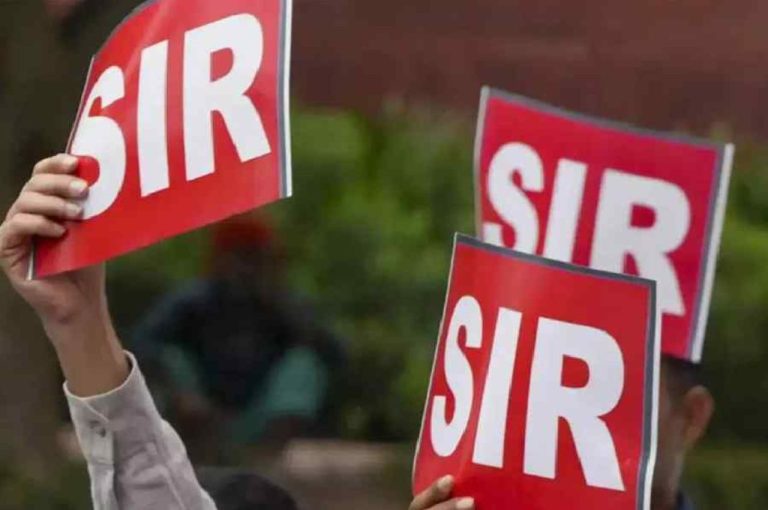
Saffron Shawl and Hijab Row Sparks Fresh Tensions in Haveri: Bold 5-Day Controversy

The saffron shawl and hijab controversy has resurfaced in Haveri district of Karnataka, reigniting debates on religious symbols, individual rights, and school regulations. Reports indicate that the issue emerged when a group of students reportedly wore saffron shawls in classrooms, coinciding with ongoing discussions about hijab usage in schools. The development has drawn attention from parents, educators, local leaders, and authorities. Schools have become flashpoints, with administrators attempting to balance adherence to dress codes, maintaining classroom decorum, and respecting students’ personal and religious expressions. The district finds itself in a complex and tense situation.

Community members in Haveri have expressed deep concern over the renewed controversy. Many residents fear that it could escalate tensions between different religious and cultural groups in the district. Parents of students involved have conveyed anxiety about the potential impact on education and daily routines. Teachers, too, face challenges, as classrooms become spaces of negotiation between enforcement of school rules and ensuring that students feel respected and safe. Observers note that while the issue appears to be about dress codes, underlying sentiments about identity, religion, and social dynamics are equally influential.

Local authorities, including the district education officers, have stepped in to monitor schools closely. They are conducting meetings with principals, teachers, and student representatives to clarify guidelines and prevent further incidents. Officials emphasise that schools must remain inclusive spaces for learning, without allowing symbols or attire that provoke conflict or disrupt classroom harmony. Meanwhile, discussions about the permissibility of saffron shawls and hijabs in educational settings continue among parents and local leaders. The district administration faces the dual task of maintaining peace while respecting constitutional rights.

Students caught in the controversy report feeling stressed and uncertain. Those wearing saffron shawls or hijabs describe mixed reactions from peers and teachers. Some say they face subtle peer pressure or confrontations, while others report supportive classmates. The emotional and social implications are significant, as adolescents navigate not only academic pressures but also the growing public attention to their personal choices. Many students now express the need for clearer guidance, uniform policies, and open dialogue to avoid further tension in their classrooms.Hijab-saffron shawl controversy lingers in Karnataka colleges

Community organisations in Haveri have reacted differently to the renewed row. Some have condemned the wearing of saffron shawls as an unnecessary provocation, while others defend the right of students to express their beliefs. Similarly, groups advocating for hijab rights stress the importance of personal freedom and religious expression. Both sides have called for calm and peaceful resolution, emphasising that education should not be compromised by disputes over attire. Social media posts have amplified tensions, with images and videos from schools circulating widely, drawing attention beyond the district.

The row comes amid a broader national debate on dress codes in educational institutions, particularly in Karnataka, where previous incidents surrounding hijabs created heated discussions. In Haveri, local authorities and educators are keenly aware of the sensitive nature of the issue. The district administration has urged restraint, highlighting the importance of dialogue and mutual understanding. Parents are being encouraged to discuss matters at home and prevent children from becoming targets of peer pressure or external agitation. Schools are being reminded to prioritise educational outcomes over political or ideological disagreements.

Administrative Action and Public Reactions

In response to the controversy, Haveri district officials have conducted inspections in several schools where incidents were reported. Meetings with teachers and students focused on clarifying existing dress code rules, highlighting that no attire should interfere with the academic environment. Meanwhile, school principals are instructed to act fairly and maintain records of any complaints or grievances. Authorities stress that enforcement must be neutral, avoiding favouritism or discrimination against any student, regardless of religious or cultural background. The approach aims to balance students’ rights with institutional responsibilities.

Parents and community leaders are also participating in efforts to de-escalate tensions. Forums and discussions have been organised to educate families on school rules and the importance of respecting differences. While some parents feel strongly that religious symbols should be accommodated, others argue for uniformity to prevent conflict. Observers note that public sentiment in Haveri is divided, reflecting broader societal debates. Authorities continue to emphasise dialogue and awareness campaigns as key tools to mitigate misunderstandings and promote coexistence within schools.

Students’ experiences reflect the complexities of the situation. Those wearing saffron shawls report attention from peers and scrutiny from some teachers. Hijab-wearing students similarly note that they face varying degrees of acceptance and resistance. Teachers are challenged to maintain impartiality while addressing concerns raised by parents and administrators. The emotional strain on adolescents is evident, highlighting the need for counselling and structured discussion spaces within schools. Educators emphasise the importance of teaching students about tolerance, empathy, and conflict resolution.

Local civil society groups have stepped in to mediate between differing viewpoints. Peace committees, community elders, and educators are encouraged to facilitate dialogue sessions where students, teachers, and parents can express concerns constructively. Workshops on diversity, respect, and secular values are being organised to reduce friction. These initiatives aim to provide students with a safe platform to discuss identity and beliefs, while ensuring that classroom learning is not interrupted. The approach highlights the importance of engagement over punitive measures.Saffron shawl and hijab row resurfaces in Haveri district of Karnataka -  The Hindu

Social media coverage has intensified scrutiny of the situation. Videos showing students wearing saffron shawls or hijabs have circulated widely, drawing commentary from outside the district. While some posts support students’ rights to express beliefs, others critique perceived provocations. Authorities caution parents and school communities against misinformation, urging verification before reacting. The widespread attention underscores how local school issues can quickly gain public visibility, adding pressure on administrators and families alike.

The district’s legal advisors have reviewed the situation, clarifying that constitutional protections allow for religious expression, but these must be balanced with institutional rules. Schools have been reminded to ensure policies are consistent, transparent, and communicated clearly to avoid misunderstandings. Legal experts note that while individual rights are protected, any attire that disrupts educational routines can be restricted. This framework guides current administrative actions, ensuring that both student freedom and school order are preserved.

Education officials report that proactive steps are underway to prevent further incidents. Teachers are encouraged to hold classroom discussions on diversity and mutual respect. Students are advised to report grievances through formal channels rather than escalate disputes. Authorities also plan to distribute circulars outlining permissible attire, while ensuring that rules do not target any particular community. By fostering a culture of understanding, the administration hopes to reduce tensions and allow students to focus on learning.

Balancing Rights, Education, and Harmony

Meanwhile, parents continue to monitor the situation closely. Some express relief that authorities are engaging with both sides, while others remain concerned about potential escalation. Community leaders stress that tolerance and dialogue are crucial, reminding all stakeholders that schools are spaces for learning rather than confrontation. At the same time, students face the challenge of maintaining focus amidst the ongoing public and social media scrutiny. The combination of administrative action and community engagement seeks to stabilise the situation.

The local media has reported extensively on the row, amplifying public awareness while drawing attention to the potential for conflict. Coverage highlights both the religious sensitivities involved and the need for procedural clarity in school governance. Parents and community representatives hope that attention will encourage adherence to neutral policies and prevent future flashpoints. The media focus also serves as a reminder to schools of their responsibility to manage conflicts with fairness, transparency, and sensitivity.

Teachers emphasise the need for patience and measured responses. They note that students may need guidance in understanding diverse viewpoints and managing disagreements respectfully. Training sessions on conflict resolution and inclusive education are being considered. Educators recognise that the row is about more than attire; it reflects broader societal conversations on identity, belonging, and respect. By embedding these lessons within classroom experiences, schools hope to cultivate empathy and civic awareness among students.Saffron shawl and hijab row resurfaces in Haveri district of Karnataka -  The Hindu

Students have expressed hope that calm and clarity will return. While some feel frustration at restrictions or attention, many appreciate efforts to ensure fairness and prevent conflict. Classroom discussions, peer support, and counselling services are being prioritised to reduce emotional strain. Adolescents are learning to navigate personal beliefs alongside institutional expectations, a challenge that is shaping their understanding of civic responsibility and mutual respect.

Community initiatives, including workshops and interfaith dialogues, have begun to address the tensions. Leaders emphasise the importance of coexistence, tolerance, and understanding. Students are encouraged to share perspectives, ask questions, and discuss challenges in moderated forums. These measures aim to reduce misconceptions, promote empathy, and encourage constructive engagement. The emphasis is on teaching peaceful resolution while respecting individual freedoms.

Administrators continue to monitor the situation daily. Updates from school principals and local officials are consolidated to track developments. Any incidents are addressed promptly to prevent escalation. The combined approach of policy enforcement, dialogue, and monitoring aims to stabilise school environments and protect the educational experience of all students.

Parents, students, and community representatives agree that resolution requires patience, communication, and sensitivity. While the saffron shawl and hijab row has reignited debates, the broader hope remains that education, tolerance, and understanding will prevail. Authorities and civil society groups continue to work together to ensure that classrooms remain safe, inclusive, and focused on learning rather than conflict.

Looking ahead, educational stakeholders stress long-term solutions. Clear guidelines on school attire, coupled with awareness campaigns, are being planned to prevent recurring issues. Training for teachers on managing sensitive situations is also prioritised. By creating an environment of respect and clarity, officials hope that students can concentrate on academic achievement while freely expressing their identities within reasonable limits.

For now, the district remains alert. Schools are being advised to exercise discretion, students are encouraged to follow protocols, and parents are urged to support dialogue over confrontation. The renewed row in Haveri highlights the delicate balance between individual rights and institutional order. How authorities, communities, and students navigate this balance in the coming days will likely determine whether classrooms return to calm or remain mired in tension.

Follow: Karnataka Government

Also read: Home | Channel 6 Network – Latest News, Breaking Updates: Politics, Business, Tech & More
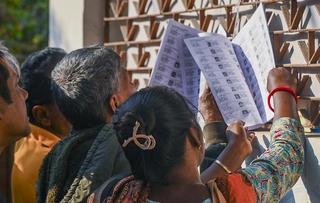
Karnataka HC Forces Fresh MBBS/BDS Allotment — Anxiety and Hope for Students: Critical 3-Step Reality

The Karnataka High Court has delivered a dramatic verdict in the ongoing admissions dispute: it has set aside the third-round provisional allotment list for MBBS and BDS courses issued by Karnataka Examinations Authority (KEA), ordering that the entire round be redone. The decision comes after numerous petitions challenged the fairness and transparency of the allotment process conducted recently. The annulment of the provisional list has shaken hopes of many students eagerly awaiting admission, while offering a flicker of hope for those who felt wronged by the earlier round.

Across Karnataka, medical and dental aspirants who had provisionally secured seats are now faced with uncertainty and anxiety. The cancellation means that assignments they may have counted on are no longer guaranteed, and they must await fresh counselling. For students who had reported to colleges, made plans, or even begun preparations for joining — the court’s order feels like a sudden reversal of fortune. At the same time, those who felt unfairly left out by the prior allotment see a chance for justice. The atmosphere is one of confusion, tension and cautious optimism.

Students and parents closely monitoring the developments have expressed mixed emotions. Some are frustrated — fearing that their earlier allotment might vanish, leaving them scrambling once again. Others feel relieved, believing that the fresh round will correct past injustices where merit and eligibility may have been overlooked. Many families have held off finalising plans — hostel bookings, relocations, fee payments — signaling the seriousness with which they now regard the fresh uncertainty. It is a moment of limbo for thousands across the state.

The challenge to the October-24 provisional list was rooted in complaints from students who argued that the process lacked transparency. A key contention was that after the addition of 443 new MBBS seats in certain colleges, fresh registrations and seat-options were allowed — but this, according to petitioners, was not part of the originally published guidelines. The resulting allotments allegedly bypassed some higher-ranked or eligible candidates in favour of others. These concerns triggered the legal proceedings that culminated in the High Court’s verdict.

In response to the petitions, when the case first came up, the High Court had intervened to prevent finalisation of the third-round seats. The provisional list remained under challenge, and the court ordered KEA to hold off on declaring a final allotment. That interim order bought time for a detailed judicial review of the entire counselling exercise. Many students welcomed this pause, hoping that justice would be served and procedural fairness ensured before final allocations became binding. The stakes had always been high — medical seats, after all, can shape futures.Karnataka NEET 2025 admissions: HC delivers split verdict for round 3

Transparency Questioned — Fresh Counselling Ordered: Karnataka

On the day of the decision, a deeper bench reviewed the matter and annulled the provisional list in its entirety. The court observed that the manner of introducing new seats mid-process, including allowing fresh registrations, had “rendered the counselling process opaque,” raising serious doubts about merit-based allocation. The judgement specifically directed KEA to conduct the third round of counselling afresh, strictly following the principles laid down by the apex court in a prior landmark case involving admissions allocation. The authorities have also been ordered to conclude the fresh allotment — including both stages of the third round — and declare the final list by a fixed date to avoid further delay.

For the students, this means a full re-ranking and re-allocation of seats, which could drastically alter the earlier provisional outcome. Some candidates who were earlier allotted seats — and had already accepted them — may lose their allocation. Conversely, those who missed out earlier may find themselves assigned seats on merit. The entire process must now be redone under greater scrutiny, with transparency and fairness as the guiding principles. For many, this is a second chance — but also a second period of uncertainty.

For authorities at KEA, the challenge ahead is enormous. The directive to redo counselling under tight deadlines demands careful planning. They must ensure that the fresh allotment process is transparent, merit-based, and free from the procedural oversights that led to this crisis. Communication with students must be clearer; all eligible candidates should get fair opportunity. At the same time, administrative efficiency will be tested, because thousands of aspirants expect quick resolution so their academic year is not disrupted further.

Among the students, reactions remain mixed. Some are vocal in their anger, blaming the earlier flawed allotment for causing distress, lost time, and false hopes. Others, however, see this as an opportunity to rectify wrongs. Many have turned to peer groups and social media to discuss possibilities — what colleges they might get now, whether their chances have improved, and whether the seat matrix might shift. Anxiety is high, because the outcome now depends not only on their NEET rank but also on how the fresh counselling is structured.

Parents of aspirants have voiced strong concerns. For many families, especially those from smaller towns, securing admission into a government medical or dental college has been a dream — accompanied by hopes of affordable education, stable future, and social mobility. The rollback of the provisional list threatens those dreams. Some parents have already spent money — on travelling, temporary lodging, or paid application fees — expecting the seat to be confirmed. The uncertainty now looms large, causing frustration and fear of loss.

For those who had provisionally accepted seats, the court’s verdict feels like lost ground. Some had started planning travel, hostel arrangements, or fee payments. Others had mentally prepared to move to new cities. Now, with everything on hold, they must wait — with no clarity on whether their effort and decisions will pay off. The emotional toll is evident. Students report sleepless nights, confusion, and a sense of limbo. For many, this isn’t just about a seat — it’s about hopes, aspirations and future careers.

The impact goes beyond individual candidates — the entire medical admissions ecosystem in Karnataka is shaken. Colleges preparing to welcome new batches now face uncertainty. Administrative schedules might be disrupted. Academic calendars may need adjustment. For institutions that had planned intake and orientation sessions, the sudden change brings logistical headaches. For medical aspirants across the state, it feels like the ground has shifted beneath their feet.

Legal experts say that the High Court’s decision is a wake-up call. Allowing new seats mid-process and fresh registrations without clearly updating the admission policy, they argue, compromises fairness. In their view, such shifts must be communicated transparently in official bulletins, and all candidates must be given equal chance under updated rules. Otherwise, merit and fairness — the core of such counselling — are undermined. The court’s verdict aims to restore that balance. But it also signals the urgency of reform in counselling procedures.Karnataka High Court directs KEA not to finalise third round allotment of  seats to medical and dental courses for now - The Hindu

For many students, this fresh round may not just be a second chance — it might determine their future career path. Those now hopeful of admission may finally get their chance. Others may lose seats and will need to re-evaluate plans. In a sense, everyone now stands at a crossroads. The final outcome, when published, will influence not just which college they attend — but the kind of education, financial burden, and opportunities they receive. The stakes are high — and so is the stress.

Observers note that the ripple effects could be long-term. Delayed admissions might push back the academic calendar; orientation, classes, and internship schedules might shift. For students from rural or remote backgrounds, delays in hostel allotment, financial planning, or relocation could become serious hardships. The uncertainty adds to pressure already high among medical aspirants — who deal with entrance exam stress, cut-offs, and fierce competition. Now, procedural turbulence adds another layer of anxiety.

Meanwhile, some students and activists are calling for greater transparency in not just seat allotments, but the entire counselling system — especially when seat matrices are adjusted mid-process. They argue for publicly accessible data: when new seats are added, which colleges, how many seats, who is eligible for fresh registration, and how preference ranking will adjust. They contend that only through such openness can confidence in the process be restored. The High Court’s demand for a fresh round is seen as the first step — but not the last.

As KEA prepares to roll out fresh counselling, many students are on edge. They are closely watching for official notifications, updated seat-matrices, option-entry windows, and revised schedules. Some have started preparing backup plans — alternate career paths, tuition-fee funding, or private college options — in case government seats slip away. The pressure is palpable. What could have been a celebratory moment — securing a medical seat — has turned into a test of endurance, patience, and hope.

For parents and guardians, the coming weeks will be difficult. Many have delayed big decisions — resignations, relocations, travel plans — waiting for final confirmation. Some fear financial loss if seats are lost or fees paid elsewhere. Others worry about missed academic sessions, backlog, or wasted time. The emotional burden is heavy. For entire families, the dream of a doctor’s career now dangles on a thread of judicial and administrative decisions.Do not finalise round 3 MBBS, BDS seat allotment until November 3: HC  directs KEA

In the midst of all this, the court’s verdict is being hailed by some as a victory for fairness — a chance to correct flawed allotments and restore merit-based admissions. For others, it’s a painful disruption. For the state’s medical aspirants, it is both: a second chance and a renewed uncertainty. Whether the fresh round will deliver justice or deepen confusion remains to be seen. What is certain is that thousands of futures depend on the next few weeks.

As the new counselling proceeds, students, parents, colleges and authorities alike face a delicate balancing act — fairness versus speed, transparency versus convenience, hope versus frustration. The decisions taken now will determine not just the composition of this year’s medical batch, but the faith of many in the admissions process itself. For an entire generation of aspirants, this moment is turning into a test of trust — in institutions, in courts, in fairness — perhaps for the very first time in their journey.

Follow: Karnataka Government

Also read: Home | Channel 6 Network – Latest News, Breaking Updates: Politics, Business, Tech & More

Bail Order Brings Painful Relief in Dharmasthala Case: Tense 7-Day Uncertainty

Bail may have been granted, but Chinnaiah, the key accused in the Dharmasthala case, continues to remain lodged in the Shivamogga Central Prison due to procedural delays and pending formalities. The unexpected gap between the court’s order and its implementation has raised concerns among family members, legal experts, and activists following the case closely. While the court’s decision was seen as a significant turning point, the lack of immediate release has created an atmosphere of confusion and emotional strain. For many, the situation reflects a deeper problem within the justice delivery system, where paperwork often delays freedom.

Outside the prison, relatives of Chinnaiah expressed mixed emotions. They welcomed the court’s decision but struggled to understand why the release had not yet materialised. According to them, they had prepared for his return shortly after the bail order, only to be informed that several administrative steps were still incomplete. These moments of uncertainty have intensified their frustration, particularly because they had been hopeful that the bail would bring an immediate end to his incarceration. The family continues to wait, watching each day pass with heightened anxiety.

Advocates familiar with the case note that the delay is not unusual in complex criminal matters involving multiple procedural layers. After the bail order is issued, several documents must be verified, signed, and transferred between courts, police departments, and prison authorities. Even minor discrepancies in paperwork can lead to hours or even days of delay. In this case, the verification process appears to have taken longer than anticipated, prompting discussions about the need for more efficient systems. For now, the legal team remains focused on completing every step necessary to secure his release.

The Dharmasthala case has remained in public conversation for months, drawing attention from community groups and legal observers. The bail order was seen as a milestone in a matter marked by tense developments and strong reactions from multiple sides. However, the inability to secure immediate release has overshadowed the significance of the order. Many expected the situation to change swiftly, but the current delay has placed all expectations on hold. As the legal team navigates the final processes, supporters emphasise patience while acknowledging the emotional toll on the accused’s family.

Legal Relief Overshadowed by Procedural SlowdownWhistleblower-Turned-Accused Masked Man In Dharmasthala Case Gets Bail

Inside Shivamogga Central Prison, officials have stated that they can act only once all documents are officially received and verified. Prison authorities maintain that the administrative process must be followed meticulously to avoid errors that could complicate the case further. They insist that the delay is procedural rather than deliberate. Nevertheless, the continued confinement of a person granted bail naturally raises questions among the community. Supporters have urged authorities to expedite the process while still adhering to legal requirements, highlighting the delicate balance between efficiency and correctness.

Those following the case closely say that such delays are not new. In several high-profile cases, accused persons granted bail have remained in custody for extended periods due to procedural backlogs, miscommunication, or delays in documentation. Legal scholars argue that reforms are urgently needed to ensure that court orders translate into action without unnecessary waiting. They point out that a bail order loses its immediate purpose if its enforcement is slowed by administrative hurdles. These concerns, though longstanding, have resurfaced strongly in the context of the Dharmasthala case.

For community members in Dharmasthala and neighbouring regions, the latest development has triggered renewed discussions about fairness and accountability within the system. While some welcome the court’s decision, others remain cautious, stating that the case still has a long way to go. The lack of immediate clarity regarding Chinnaiah’s release has added another layer of complexity to an already sensitive matter. Families connected to the case say they want closure, but the ongoing uncertainty has made emotional recovery difficult. Many feel the case continues to dominate their everyday lives.

Meanwhile, public sentiment reflects a mixture of relief and agitation. Supporters express hope that Chinnaiah will soon walk free, yet they worry that unresolved administrative issues might prolong his stay in prison. The legal team has emphasised that efforts are underway to speed up the process, but they also acknowledge that certain stages cannot be bypassed. Legal observers reiterate that while the court’s decision marks progress, its full effect will only be felt once the accused is physically released. Until then, the emotional and legal tension surrounding the case persists.

Back in Shivamogga, the prison stands as a symbol of the waiting period that now defines the case. Each day of delay adds to the emotional strain experienced by the accused’s family, who remain in constant contact with lawyers and officials. They recount sleepless nights and anxious conversations, hoping for a notification that has yet to arrive. Their concerns reflect a broader issue faced by many families navigating the complexities of the judicial process. The uncertainty of knowing freedom is granted but not yet delivered has left them emotionally unsettled.

A Test of Patience for Families and the System

Legal experts believe that once the final verification process is complete, the release will follow smoothly. However, they warn that such delays can influence public perception of the justice system. When a bail order does not result in immediate action, people often question the efficiency of judicial and administrative coordination. This can erode confidence in institutions responsible for ensuring fairness. The Dharmasthala case, now hinging on administrative procedures rather than judicial rulings, has inadvertently highlighted these systemic gaps.

For the broader community impacted by the case, the delay has reignited debates about the emotional cost of prolonged legal battles. Families on both sides have experienced months of stress, uncertainty, and social pressure. The bail order was expected to offer a sense of temporary closure, but the continued imprisonment has prevented that relief from taking hold. Community leaders stress the need for sensitivity and restraint during this transitional phase, warning that heightened emotions could give rise to misunderstandings or conflict. Maintaining calm has become an essential priority.

Even as the release remains pending, various groups continue to track developments closely. Activists and observers argue that delayed implementation of court orders is one of the most overlooked issues in the criminal justice process. They call for modernised systems that allow electronic transmission of documents, real-time verification, and automated checks to reduce delays. While such reforms may take time, they emphasise that immediate steps can still be taken to streamline the process. The Dharmasthala case, they say, should serve as an example prompting urgent administrative improvement.Bail granted, yet Dharmasthala whistleblower remains behind bars

Within the legal community, conversations reflect both practicality and empathy. Lawyers acknowledge that administrative delays are common in large systems but also recognise the emotional consequences for individuals waiting for release. They highlight instances where bail orders were implemented within hours and others where delays extended for days. These inconsistencies, they argue, point to a need for uniform procedures. In the current case, they remain hopeful that the final steps will be completed soon, allowing Chinnaiah to finally leave the prison gates.

Across Shivamogga and Dharmasthala, people remain divided in their responses. Some believe the delay is merely technical and should not be interpreted as resistance. Others view it as an example of deeper inefficiencies that need urgent reform. Families affected by the case, already exhausted by the long legal journey, say they want clarity above everything else. They express a longing for normalcy after months of tension and uncertainty. The prolonged wait has taken an emotional toll that cannot be easily measured or understood.

With each passing day, the contrast between the court’s decision and ground-level reality becomes more visible. The symbolic meaning of bail—freedom, relief, and a return to family—remains just out of reach. This has created a strange emotional space where legal victory coexists with personal distress. Supporters talk about the challenge of balancing hope with patience, especially when each update feels both promising and incomplete. The atmosphere surrounding the case continues to oscillate between cautious optimism and quiet frustration.

As discussions continue, attention remains fixed on when the final paperwork will be completed. Lawyers indicate that they are in constant communication with officials to prevent further delays. Prison authorities assure that they will act immediately once all requirements are fulfilled. Amid these statements, the family waits in a kind of suspended reality—neither celebrating the bail order nor accepting the continued confinement. Their days revolve around phone calls, visits to legal offices, and prayers for a swift resolution.

For those observing from outside, the situation underscores the fragility of hope within legal processes. A single missing signature, a delayed transfer of documents, or a clerical miscommunication can hold back an order meant to bring relief. This has prompted growing calls for better transparency and timelines for implementing bail decisions. Community members say that the gap between a ruling and its execution should never overshadow the significance of judicial outcomes. Yet in this case, that gap has become the central challenge.Dharmasthala: Belthangady Court Rejects Bail Plea Of Chinniah

The legal team has hinted that the release could come at any moment, but they avoid giving specific timelines, aware of how unpredictable administrative movement can be. They urge patience while acknowledging the emotional exhaustion felt by the family. Each update brings a mix of anticipation and anxiety. Until the final confirmation arrives, the sense of incompleteness persists. For now, the reality remains unchanged: bail has been granted, yet Chinnaiah continues to remain in the Shivamogga Central Prison, waiting for the system to unlock what the court has already allowed.

As the case inches toward its next stage, the larger conversation around procedural delays gains momentum. Whether this moment leads to greater scrutiny and reform remains to be seen. What is certain is that the emotional and psychological strain of this delay will not be forgotten easily by those directly affected. The Dharmasthala case, already complex and deeply felt, now rests on the hope that the final steps will be completed soon. Until then, the waiting continues—heavy, uncertain, and undeniably painful.

Follow: Karnataka Government

Also read: Home | Channel 6 Network – Latest News, Breaking Updates: Politics, Business, Tech & More

Bengaluru-Mumbai/Delhi Flights Grounded: Massive 24-Hour Anguish

The sudden cancellation of all flights by IndiGo from Bengaluru to Mumbai and Delhi until 11:59 p.m. on December 5 has sent shockwaves through thousands of travellers and disrupted countless plans. The official advisory from the airport authority at Kempegowda International Airport Bengaluru (KIA) came just hours before the first scheduled departures of the day, leaving passengers scrambling for alternatives. Families en route to reunions, business travellers rushing for meetings, and holiday-bound tourists alike found themselves stranded — a logistical nightmare unfolding in real time.

The advisory cited “operational constraints” — a vague term that offered little comfort to those left stranded. No specifics were given about the nature of the disruption: whether it was due to aircraft unavailability, crew shortages, or air traffic conflicts. IndiGo staff at counters and gates maintained an apologetic stance but admitted they had no clarity either. Passengers were told to seek refunds or reschedule, with no guarantee of seat availability. The uncertainty bred anger and anxiety, transforming early-morning anticipation into frantic phone calls and long queues.

At Bengaluru airport, the atmosphere turned tense as flight after flight was systematically scrubbed from departure boards. Passengers constantly refreshed airline apps hoping for rebooking notifications, but none arrived. Some travellers, meant to board connecting flights in Mumbai or Delhi, realized their entire itinerary was now in jeopardy. Taxi drivers waiting outside terminals faced cancellations, hotels lost bookings, and families expecting guests began calling desperately. For many, the day’s plans weren’t just delayed — they were evaporating in front of their eyes.

Among the stranded were individuals rushing to Delhi on urgent business. One young executive travelling for a last-minute merger meeting described the chaos: “My journey was planned six months ago, flights booked, hotels confirmed. And now… nothing. I was told maybe a flight after midnight tomorrow, if seats free.” Others were mid-journey — purchased tickets, airport transfer arranged, baggage checked. Some had senior citizens or children with them, making the uncertainty heavier. What was supposed to be a routine trip turned into a waiting game with no end in sight.

Families heading to Mumbai ahead of the holiday season were equally distressed. Parents flying in to meet their children, couples planning vacations, and relatives expecting grandchildren back home found themselves stuck. One mother travelling with her elderly father struggled to find alternate transport. “My father cannot travel by train easily,” she said. “We booked this flight months ago. Now we don’t know if we’ll reach in time, or at all.” The emotional toll, on top of the chaos, was becoming unbearable.All IndiGo flights from Bengaluru to Mumbai and Delhi cancelled till 11.59  p.m. on Dec 5, BIAL issues advisory - The Hindu

This shutdown came at a delicate time: the early December rush, with people travelling for winter holidays, year-end work assignments, and family gatherings. Both Mumbai and Delhi are major hubs for work and leisure, and flights from Bengaluru are usually packed. The abrupt grounding of all services to these cities threatened to cause a ripple effect — empty hotel rooms, cancelled plans, lost wages, and a cascading domino of disappointments for travellers across India.

CHAOS AT THE TERMINAL – STRANDED PASSENGERS AND FRUSTRATED PLANS

In the terminals, scenes of distress unfolded. Families crowded around help desks, stacks of luggage piled up, children dozed on benches, and elderly travellers stood in long queues hoping to get some travel advice. Airport announcements offered little more than apologies, while airline counters displayed generic forms for refund processing. Some travellers tried to call other airlines, but seats were scarce everywhere. For many, their only option was to wait — and hope.

Business travellers tried to salvage what remained of their day. A senior corporate official, dressed formally and harbouring hopes of catching an evening flight, sat hunched over his phone, refreshing booking portals. When nothing came up, he closed his eyes, exhaled sharply, and muttered: “This meeting cannot wait. I’ll have to take the train and hope for the best.” Others held video calls with clients in Mumbai, explaining delay after delay, uncertain if they’d ever reach in time. Productivity, promises, and plans — all hanging by a thread.

Young couples and vacation-bound friends appeared equally disillusioned. Some had planned getaways, long-awaited reunions, or weekend breaks in Delhi or Mumbai. Their travel bags became temporary couches as they sat by the gates, phones in hand, trying to find alternate flights or train tickets. Many resorted to sharing cabs back to the city or drove hundreds of kilometres, hoping to catch a train — a poor consolation for a journey meant to begin with ease and excitement.

Over in luggage-claim areas, frustrated wait-lists formed as baggage held for the cancelled flights awaited release. Some bags were cleared quickly, others remained locked or misplaced. Reports emerged of travellers leaving empty-handed despite being denied boarding — a bitter aftertaste added to their frustration. Meanwhile, airport staff struggled to manage the crowd, answer queries, and maintain order. The sense of confusion, uncertainty, and unresolved anger was thick in the air.

ACCOUNTABILITY, ALTERNATIVES AND AIRLINE RESPONSE

By noon, the official line from IndiGo remained brief: flights cancelled until 11:59 p.m., rebooking subject to seat availability, refunds possible but not guaranteed immediately, and no explanation beyond “operational constraints.” The airport authority’s advisory echoed the same, cautioning travellers against heading to terminals unless confirmed. No public announcement clarified whether the disruption was due to aircraft maintenance, crew shortage, airspace congestion or weather — leaving many to speculate.

Several travellers began exploring alternatives: other airlines, trains, bus routes. But surge pricing and lack of availability quickly complicated those paths. The state-run rail network saw a sudden uptick in bookings, pushing many trains to capacity. Others tried to book flights from nearby airports, but connecting transport was costly and uncertain. For many, the fallback options meant longer journeys, higher expenses and uncertain arrival times — inconvenient at best, heartbreaking at worst.

Passengers started demanding accountability. Social media groups and family chats exploded with anger and disbelief. Many demanded proper explanations, timely recompense, and assurance for safe arrival. Some vowed never to fly with IndiGo again, while others called for refunds that covered more than just ticket price — lost wages, alternate travel costs, and emotional distress. The involvement of so many stranded travelers gave the situation resonance beyond a simple travel cancellation.IndiGo flight cancellations LIVE: Airline cancels over 1,000 flights to  achieve reboot, says CEO Pieter Elbers - The Hindu

Travel experts weighed in, warning that repeated last-minute cancellations were eroding public trust in the aviation system. They argued that if airlines and airports fail to guarantee minimal standards of communication and contingency planning, passengers should be compensated beyond mere ticket refunds. Governments and regulators, they said, must step in to enforce accountability protocols, especially when large numbers of people are affected by systemic failures.

With night approaching and still no new flights confirmed, uncertainty loomed large. Hotels near the airport began filling up as some travellers opted to stay overnight, unable to leave for home. Others hopped into cars or shared taxis, heading back to city outskirts, resigned to sleep in makeshift arrangements or friends’ homes. Many simply sat, exhaustion and frustration etched on their faces, unable to sleep. What was supposed to be a 3-hour flight now felt like an ordeal stretching into infinity.

As midnight approached, the advisory remained firm: no flights until 11:59 p.m. People stared at departure boards, hoping for the names of their flights to flash back. But the screens stayed blank. No aircraft assignments, no gate numbers, no boarding calls. For many, the wait had crossed the threshold of despair — patience exhausted, plans shattered, and the knowledge that some journeys might never resume.

But the impact extended beyond just stranded travellers. The travel industry, particularly in Bengaluru, began to feel the ripple effect. Hotels lost bookings, cab drivers lost fares, local shops at the airport lost sales. Tourism bookings tumbled. For many small businesses dependent on steady travel flow, the grounding of flights was more than an inconvenience — it threatened income and livelihoods.

By early December evening, the public outcry had grown loud. Editorial columns, social media posts, and community groups echoed the same demand — transparency and responsibility. People pointed out that cutting off two major routes during peak travel time looked negligent, not occasional misfortune. The common sentiment was that airlines and airports are too quick to issue blanket cancellations without offering concrete support or clear reasons.

Calls rose for better regulatory oversight. Advocates said airlines must publish clear reasons for cancellations — mechanical faults, crew issues, airspace delays — instead of hiding behind vague “operational” terms. Compensation frameworks should cover more than ticket costs. Airlines should offer alternative transport, vouchers, or reimbursements for unavoidable consequences. In the absence of such protections, travellers remain vulnerable to systemic failures — and emotional damage.

For the now-stranded passengers, lessons began to emerge. Some resolved to avoid peak travel days, book buffer days around important events, or favour rail services when possible. Others said they would diversify travel plans — avoid relying on a single flight booking for critical journeys. The disruption exposed how fragile travel arrangements can be when everything depends on a single airline’s schedule.

In the aftermath, a few travellers did manage to rebook — some with other airlines, some on late-night flights after 11:59 p.m. But many accepted defeat and postponed their journeys. Reunion dinners got cancelled, business meetings delayed, holiday plans abandoned. What started as an inconvenience had turned into a wide-reaching crisis — unraveling lives, schedules, and expectations across networks of people.IndiGo cancels over 550 flights, triggers total chaos at Delhi, Mumbai,  Bengaluru, other airports; airline apologises for disruption - India Today

As the clock ticked beyond midnight, the departure boards remained dark, flights blank, gates silent. The airport, once bustling, felt like a graveyard of plans — baggage still lying, chairs empty, screens off. Travellers waiting in lobbies drifted into uneasy sleep, some on benches, some in cars, some on floors. A weary hush replaced the earlier panic; exhaustion had taken over.

In the quiet despair of the night, travellers wondered when normalcy would return. For many, December 5 would forever be remembered not as a travel day, but as a day of uncertainty, frustration, and dreams grounded before takeoff. The sudden shutdown of flights from Bengaluru to Mumbai and Delhi exposed vulnerabilities in air travel — and in the process, disrupted lives in ways far beyond the runway.

For the travelling public, the message was clear: in a system vulnerable to sudden breakdowns, always build backup plans. For airlines and regulators, the warning was loud: uncertain operations, opaque communication, and inadequate support cost far more than just lost flights. Until those lessons are learned, every passenger remains just one cancellation away from heartbreak.

Follow: Karnataka Government

Also read: Home | Channel 6 Network – Latest News, Breaking Updates: Politics, Business, Tech & More
Newlyweds Forced Into Virtual Reception After IndiGo Chaos: Stunning 2-Hour Heartbreak

The sudden cancellation of an IndiGo flight left newlyweds Arjun and Meera devastated on what was meant to be one of the most memorable days of their lives. Scheduled to fly from Bengaluru to Hubballi to attend their wedding reception, the couple arrived at the airport full of excitement and expectation. However, the abrupt announcement that their flight had been cancelled due to operational issues forced them into an unexpected crisis. As the minutes passed and alternative arrangements fell apart, the reality of missing their own reception began to sink in, turning joy into helpless disappointment.

Family members in Hubballi had already begun preparations for the reception, unaware of the trouble unfolding hundreds of kilometres away. Decorations were being arranged, guests had started gathering, and the atmosphere was buzzing with anticipation. Meanwhile, Arjun and Meera scrambled from counter to counter at the Bengaluru airport, pleading for answers and searching for any available alternative flight. Their efforts led nowhere, as they were informed that no seats were available for the rest of the day. The helplessness of the situation made each passing moment more painful for the couple.IndiGo flight cancellation: Bengaluru techie couple attends their own wedding  reception virtually; guests bless them from venue | Bengaluru News - The  Times of India

Their families anxiously called for updates, hoping for some miracle that would allow the couple to reach Hubballi on time. But as the airline staff repeated the same lines about operational disruptions and unavailable seats, it became clear that the reception would continue without them. What should have been an evening to remember became a moment of overwhelming frustration, emotional distress, and unavoidable distance. Their relatives tried to stall proceedings, but with guests already arriving in large numbers, delaying the event further became nearly impossible.

Arjun and Meera eventually returned to a nearby accommodation, exhausted and heartbroken. Knowing they could not physically attend the reception, they hurriedly set up a laptop to join the event virtually. The sight of guests milling around the decorated hall, captured through a shaky mobile camera, made the moment even more surreal. The couple sat in their wedding attire, looking into a screen instead of stepping onto the stage they had imagined for months. Emotional greetings poured in from relatives, but the absence of physical presence weighed heavily on them.

Their appearance on the projector screen drew applause from the crowd back in Hubballi, yet the celebration felt hollow for the newlyweds. The sound lag, the blurred visuals, and the inability to interact freely made the moment painfully detached. They watched as loved ones gathered for group photos, lined up to greet them, and took part in rituals that the two could only participate in through fragmented video calls. What should have been an evening of handshakes, hugs, and blessings became a distant, pixelated version of happiness.

The disappointment grew stronger as relatives attempted to comfort the couple through the screen, urging them to smile and make the best of the situation. But Meera’s expression revealed how difficult it was to cope with the emotional loss. Photographers shifted their cameras toward the stage, capturing pictures that would forever be incomplete without the bride and groom. The couple could only look on helplessly, silently grieving the moment they had dreamed of, planned for, and waited to experience. No virtual connection could replicate the significance of appearing before their loved ones in person.

A Day Unravelled by Operational Failure

Even after the virtual reception ended, the couple struggled to accept what had happened. They contacted IndiGo’s customer service in hopes of receiving some explanation or form of compensation. However, they were merely directed to apply for refunds online, with no gesture of accountability or empathy from the airline. Other passengers facing similar cancellations voiced their frustration as well, describing a lack of clear communication and minimal support from airport staff. The cancellation had sparked widespread irritation, but for Arjun and Meera, it had damaged an irreplaceable moment.

In Hubballi, relatives attempted to salvage the evening by taking extra photos, recording video messages, and sending voice notes to the couple. But nothing could hide the emptiness created by their absence. Guests exchanged conversations tinged with shock and sympathy, expressing disbelief that an airline cancellation could disrupt such a significant event. The incident also sparked discussions about the increasing frequency of last-minute flight cancellations across domestic routes. Many questioned whether stricter regulations and accountability measures were needed to protect passengers from such distress.IndiGo flight cancellations force newlyweds to attend their own reception  via video call

Arjun and Meera flew to Hubballi the next day, but the moment had already passed. When they visited the reception hall, the decorations were gone, chairs were stacked, and the atmosphere was cold and silent. Relatives who had stayed back tried to console them, offering reassurances and apologies that could not fill the emotional void they carried. The couple walked around the empty space imagining how the reception might have looked, but all they had were mental pictures and fragments of a celebration experienced only through a screen.

The emotional impact followed them long after the lights dimmed in the reception hall. For days, the couple revisited what happened, replaying the virtual recording and messages from their loved ones. Each time they watched the footage, the sense of loss deepened. What hurt most was not the money spent, the decorations dismantled, or the food wasted, but the unforgettable moment lost forever. Wedding receptions are meant to be lived, felt, and cherished in person. The stolen experience left behind only a void—heavy, painful, and deeply personal.

Family members back in Bengaluru and Hubballi expressed anger over the airline’s handling of the situation. They pointed out that last-minute cancellations without proper alternative arrangements are not just logistical inconveniences but emotional upheavals that disrupt milestones in people’s lives. The couple’s parents attempted to reason with airline officials, but every interaction ended with routine statements about operational disruptions. The lack of clarity on the specific reason behind the cancellation only added to the frustration.

Many guests felt that airlines should be more transparent about disruptions that affect special events. Some suggested that passengers facing critical occasions should be prioritized for rebooking. Others argued the need for compensation that reflects not just monetary loss but emotional damage. These discussions continued for days, spreading among family circles, community groups, and social conversations. For Arjun and Meera, however, nothing could change the fact that their wedding reception had unfolded without them—the ultimate heartbreak.

A Larger Question About Passenger Rights

As the incident gained attention among those who witnessed the aftermath, questions arose about the broader issue of passenger rights in India. With flight cancellations becoming increasingly frequent, travellers often find themselves left alone to deal with the consequences. Emotional distress, financial loss, and disruptions of important milestones are rarely addressed by airlines. Arjun and Meera’s story became a striking example of how an operational failure can create a ripple effect that touches lives far beyond the airport terminal.

Experts have pointed out that while operational disruptions are sometimes unavoidable, airlines must adopt better communication practices. Timely alerts, clearer explanations, and immediate rebooking support could significantly reduce the stress experienced by passengers. In situations involving major life events, airlines could explore offering priority options or flexible alternatives. These improvements, though seemingly minor, could prevent emotional tragedies like the one faced by the newlyweds. Public sentiment has increasingly leaned toward demanding higher accountability.

Arjun and Meera have chosen to remain composed despite their heartbreak, but they acknowledge that the memory of what happened will linger for years. Their wedding album will always feel incomplete without photographs from the reception. The emotional toll has left them cautious about future travel, especially with the same airline. They hope that their experience will prompt airlines to treat passengers not as ticket numbers, but as people whose lives can be deeply affected by operational decisions.

In the days that followed, the couple’s families arranged a small private gathering to recreate some of the rituals. Although heartfelt, the experience lacked the magic and scale they had originally planned. Arjun and Meera participated with sincere smiles, but beneath their expressions lay the weight of what had been lost. The recreated celebration was meaningful, but it could never replicate the grandeur and emotional energy of the original event. The family accepted this with quiet sadness, cherishing what little they could salvage.

The couple has since returned to Bengaluru, resuming their daily routines with the emotional heaviness of the incident still present. Their story has become a reminder of how fragile important moments can be and how deeply they depend on systems functioning as they should. While the world moves on, the memory of their disrupted reception remains etched in their hearts. For them, the incident is not just about a cancelled flight, but about a milestone stolen by circumstances beyond their control.IndiGo flight cancellations force newlyweds to attend their own reception  via video call

Arjun and Meera believe that sharing their experience may help others understand the impact of sudden cancellations. They hope their story encourages airlines to reconsider their approach to handling major disruptions. Whether through better planning, improved customer support, or more empathetic responses, changes are needed. They also remind other couples to plan additional buffer time whenever flights are involved in wedding logistics. Their message, though painful, is rooted in the desire to prevent others from facing similar heartbreak.

Even now, when they talk about their wedding day, their voices soften when the topic of the reception comes up. They acknowledge the love and support they received but cannot deny the sense of emptiness that overshadows the memory. They look forward to building new moments together, hoping future experiences will help heal the emotional void left behind. Yet the wound remains tender, a stark reminder of how one airline disruption can alter the emotional landscape of one of life’s most significant celebrations.

As the incident continues to spark conversation about accountability, the couple remains hopeful that future passengers will not face similar distress. The situation serves as a call for systemic improvements, greater sensitivity, and the recognition that behind every flight booking lies a human story. Arjun and Meera’s experience stands as a powerful example of how deeply travel disruptions can affect people’s lives, and why better safeguards are essential. For now, they carry forward with resilience, holding on to the hope that time will soften the memory of their unexpected heartbreak.

Follow: Karnataka Government

Also read: Home | Channel 6 Network – Latest News, Breaking Updates: Politics, Business, Tech & More

Empowering Moment with Compassionate Leadership: Himachal CM Sukhu Engages with Tong-Len Students in Dharamshala on 5th Dec, 2025

A Heartfelt Interaction: Himachal CM Sukhu Meets Tong-Len Students in Dharamshala

Himachal Pradesh Chief Minister Sukhvinder Singh Sukhu made a meaningful visit to the Tong-Len Charitable Trust School in Dharamshala, where he spent time interacting with students from economically disadvantaged backgrounds. The visit was calm, informal and personal — a refreshing contrast to typical official engagements. Instead of speeches or formal addresses, the Chief Minister chose conversation. His approach allowed the students to feel seen and heard rather than simply observed.

202506183431121

As he walked through classrooms and activity spaces, the children welcomed him with curiosity and excitement. Their smiles reflected a sense of respect, but also comfort — a reminder that leadership has the power to feel approachable when delivered with empathy.

Listening to Aspirations

The highlight of the visit came as the Chief Minister sat down with groups of students to ask them about their interests, ambitions and challenges. Many spoke about wanting to become doctors, engineers, teachers or artists. Some shared that they were the first in their families to receive formal education.

96132678

Sukhu encouraged them to dream without hesitation and work hard toward those dreams. He told the children that education is their strongest tool to transform their future and uplift their communities. His conversation carried a message of self-belief and determination — a simple yet powerful reminder that no background defines a person’s potential.

Supporting Vulnerable Communities

Tong-Len School has earned recognition for its work in supporting children from slum settlements and underprivileged families. Many students come from households facing financial instability or social challenges. The Chief Minister acknowledged these realities and emphasised the importance of continued government support to ensure equal educational opportunities.

tong len charitable trust kotwali bazaar dharamshala dharamshala charitable trusts oE9GT45IWr

He highlighted that every child deserves access to learning, safety, dignity and growth. The interaction reinforced the understanding that welfare and empowerment must go hand in hand with policy and implementation. For the students, it was reassuring to know that the system recognizes their hardships and stands committed to helping them overcome them.

A Gesture Rooted in Compassion

Before concluding his visit, Sukhu participated in a short reflection ceremony on the school grounds. His presence was not ceremonial, but reflective and grounded. The gesture symbolised kindness and responsibility — values that resonate deeply in the state’s education and welfare vision.

images?q=tbn:ANd9GcRClMlpcONsnqSb4o4UzdyVuTPzgaU85QCBcQ&s

Such visits, though simple in appearance, carry long-term emotional and motivational value. For students from marginalised backgrounds, recognition from leadership can validate their struggles and strengthen their motivation.

Impact Beyond the Day

The visit strengthened the bond between the government and communities working for social upliftment. The children gained confidence and encouragement. Teachers and coordinators felt acknowledged for their ongoing efforts. The administration reinforced its commitment to equitable education.

More importantly, it demonstrated that governance is not only about policies, but also presence — especially among those who need reassurance that the system includes them, not overlooks them.

Looking Ahead with Hope

For many children at Tong-Len School, the Chief Minister’s visit will not be remembered as a protocol event, but as a moment of interaction that made them feel important. The encouragement they received may influence their choices, efforts and belief in their own abilities for years to come.

The visit was a reminder that leadership is most powerful when it listens, supports and inspires. As these students continue their educational journey, the message they carry with them is clear: their dreams matter, their voices matter and their future is full of possibility.

Conclusion

The visit also highlighted the state government’s broader commitment toward accessible and quality education. CM Sukhu reiterated that education remains a driving force for social transformation, especially for children from displaced or underprivileged communities. He assured that the government would continue supporting institutions like Tong-Len Foundation, which has been working for years to uplift children living around slum settlements. The interaction left students feeling motivated and hopeful, while stakeholders viewed the visit as a meaningful step toward strengthening public participation in education reform.

Kaliachak Violence and Illegal Firearms Seizure in Malda 2025

The Kaliachak Violence and Illegal Firearms Seizure 2025 story has become a defining moment in Bengal’s governance and law‑and‑order discourse. In late November 2025, Malda’s Kaliachak region witnessed four murders in five days, gang clashes marked by indiscriminate firing, and the seizure of illegal firearms. Once known for mangoes and silk, Kaliachak is now in the spotlight for its volatile underbelly.


2. The Murders and Clashes

Between November 24 and 27, the region saw:

  • November 24: Wabaidulla Khan, a coal and brick trader, went missing; his body was found the next day.
  • November 25: Azhar Ali, a papad vendor, was shot dead by gunmen.
  • November 26: Criminals fired indiscriminately at Mojampur due to rivalry between a ration dealer and opponents.
  • November 27: Two men, Ekramul Sheikh and Badsah Sheikh, were hacked to death during a kangaroo court clash.

These incidents reflect the scale of violence engulfing the community.


3. Kaliachak Violence: Police Action

Police responded with:

  • Arrests of 13 individuals, including four women.
  • Seizure of illegal firearms and ammunition.
  • Crackdown on rival gangs led by history‑sheeters Asadullah Biswas and Enarul Sheikh.

This underscores the importance of law enforcement in volatile regions.


4. Governance Challenges

The incident highlights systemic governance failures:

  • Weak policing capacity in border regions.
  • Cross‑border trafficking of narcotics and fake currency.
  • Political patronage of local gangs.
  • Delayed response to community grievances.

5. Community Voices

Residents expressed anguish:

  • “Such incidents disturb us. Kaliachak is not only about crime,” said a local headmistress.
  • A medical practitioner emphasized the need for uninterrupted peace.
  • Families feared the violence overshadowed the region’s academic and business achievements.

These voices highlight the human dimension of governance failures.


6. Historical Context: Kaliachak’s Dual Identity

Kaliachak has long been known for:

  • Mango cultivation and silk production.
  • Academic excellence, producing doctors, engineers, and teachers.
  • Simultaneously, a reputation for narcotics, fake currency, and arms trade.

This dual identity reflects the contradictions of development and crime.


7. Political Fallout

The controversy has political consequences:

  • Opposition parties accused ruling leaders of negligence.
  • Civil society demanded stricter policing.
  • The issue has become a flashpoint ahead of the 2026 Assembly elections.

8. Broader Implications for Democracy

The incident raises fundamental questions:

  • Can democracy thrive if citizens remain unsafe?
  • Will governance prioritize law‑and‑order over political patronage?
  • How can development balance prosperity with peace?

9. Recommendations for Reform

Experts suggest:

  • Strengthening border policing in Malda.
  • Community policing initiatives to build trust.
  • Legal reforms to criminalize kangaroo courts.
  • Awareness campaigns on peace and civic responsibility.

10. Comparative Lessons from Other States

Other states have faced similar challenges:

  • Bihar’s border districts struggled with gang violence.
  • Uttar Pradesh cracked down on mafia networks.
  • Bengal’s case reflects a national struggle for law‑and‑order in border regions.

11. Human Stories: Families in Distress

Families of victims described:

  • Shock at sudden tragedies.
  • Fear of reprisals from gangs.
  • Anxiety about justice and accountability.

These stories highlight the human cost of governance failures.


12. Scientific and Economic Impact

Researchers emphasized:

  • Violence disrupts local economies and land prices.
  • Fear reduces investment in agriculture and silk industries.
  • Crime networks exploit cross‑border vulnerabilities.

This adds an economic perspective to the crisis.


13. Conclusion: A Test of Governance and Peace

The Kaliachak Violence and Illegal Firearms Seizure 2025 is more than a local incident — it is a test of governance, democracy, and peace. Unless systemic reforms are undertaken, communities will remain vulnerable, and public trust in institutions will erode.

The controversy underscores the urgency of balancing law‑and‑order with development and governance accountability.


🔗 Government External Links

For further reading and official updates, here are relevant government sources:

Also read: Home | Channel 6 Network – Latest News, Breaking Updates: Politics, Business, Tech & More