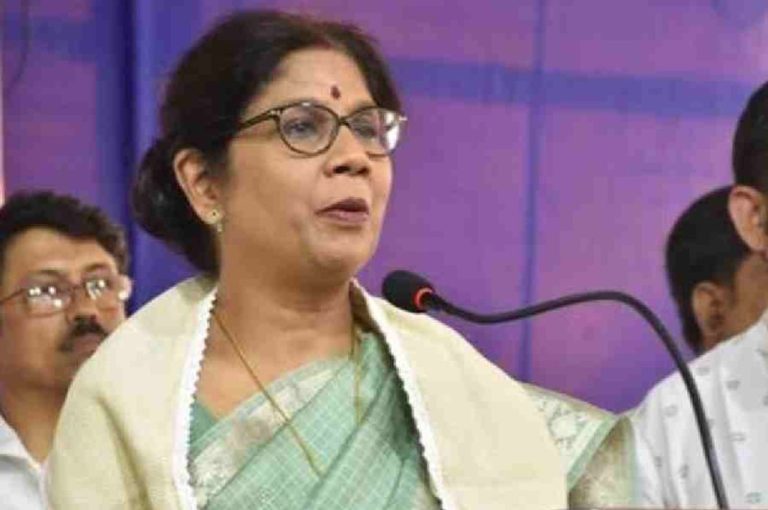
The Shashi Panja voter notice 2026 controversy has become a striking example of the confusion and anomalies plaguing Bengal’s Special Intensive Revision (SIR) of electoral rolls. Shashi Panja, West Bengal’s minister for women and child development, revealed that she had received a hearing notice under the ongoing SIR process. She alleged that the exercise was being carried out “in haste and without adequate preparation,” leading to harassment of ordinary citizens.
2. Shashi Panja Voter Notice 2026: The Incident
Location: Panja’s constituency in Kolkata.
Event: Minister received a hearing notice marking her as “unmapped.”
Cause: Despite her name being present in the 2002 voter list, the EC system flagged her record.
Response: Panja said she would attend the hearing without seeking ministerial privileges.
Significance: Highlights flaws in the verification process, even affecting senior public figures.
3. Why This Case Matters
Symbolic failure: A minister receiving a notice shows systemic flaws in the process.
Public trust: Citizens already frustrated by repeated summons now see leaders themselves caught in anomalies.
Political ammunition: TMC seized on the incident to criticise the BJP and the EC.
Judicial oversight: Supreme Court’s directives on transparency gain renewed importance.
4. Political Reactions
TMC: Framed Panja’s case as proof of voter harassment.
BJP: Defended the process as necessary to weed out fictitious voters.
Civil society: Condemned the lack of accountability and demanded reforms.
Observers: Warned that genuine voters could be disenfranchised due to technical flaws.
5. Governance Challenges
The Panja case reflects systemic governance issues:
Electoral transparency: Citizens lack trust in the voter roll revision process.
Administrative neutrality: Allegations of bias against election officials persist.
Technology flaws: EC’s verification system rejected valid documents and flagged genuine voters.
Public safety: Anxiety and harassment undermine democratic processes.
6. Community Concerns
Families: Fear wrongful deletion of names due to minor errors.
Students: Frustrated by rejection of Madhyamik admit cards despite Supreme Court order.
Civil society groups: Demand transparency and grievance redressal mechanisms.
Opposition voices: Warn of potential misuse of relaxed verification standards.
8. Historical Context of Electoral Disputes in Bengal
1970s–80s: Allegations of voter list manipulation during Left Front rule.
2011: TMC rose to power, promising electoral reforms.
2019–2021: BJP gained ground, raising concerns about fictitious voters.
2026: Panja’s case reflects continuity of disputes over voter rolls.
9. Global Comparisons
Similar electoral disputes worldwide:
USA: Allegations of voter suppression through purges in Georgia and Florida.
UK: Concerns about disenfranchisement under new voter ID laws.
Nigeria: Disputes over duplicate registrations and ghost voters.
Bengal’s case mirrors these global struggles where electoral integrity collides with political rivalry and human vulnerability.
10. Governance Lessons
The Panja case teaches:
Judicial orders must be implemented swiftly.
Transparency in electoral processes is non‑negotiable.
Technology must support, not obstruct, citizen rights.
Community engagement reduces panic and misinformation.
11. Future Outlook – Electoral Governance in Bengal
India must move towards:
Digitised grievance redressal portals for voter roll issues.
Periodic audits of electoral rolls by independent agencies.
Public dashboards showing deletions and additions transparently.
Educational campaigns to help citizens verify their status.
✅ Conclusion
The Shashi Panja voter notice 2026 is more than a bureaucratic anomaly—it is a test of India’s democratic resilience. As even ministers find themselves caught in the web of “unmapped” anomalies, ordinary citizens bear the brunt of confusion, harassment, and fear of disenfranchisement. For Bengal, the lesson is clear: democracy thrives when governance delivers clarity, fairness, and respect for citizens.
The Bengal Padma Shri honours 2026 have brought immense pride to the state. Eleven individuals from Bengal were conferred the Padma Shri, India’s fourth‑highest civilian award, announced by the Union Home Ministry on the eve of Republic Day. Among them, the most celebrated name was Prosenjit Chatterjee, the iconic actor who has dominated Bengali cinema for decades.
This year’s awards reflect the diverse contributions of Bengal’s citizens—from cinema and literature to music, weaving, embroidery, education, and social service.
2. Prosenjit Chatterjee – The Cinema Legend
Career span: Over 40 years, with more than 350 films.
Genres: Balanced mainstream commercial cinema with parallel art films.
Collaborations: Worked with directors like Rituparno Ghosh, Buddhadeb Dasgupta, and Srijit Mukherji.
Legacy: Known as “Bumba Da,” he is regarded as the face of modern Bengali cinema.
Significance: His Padma Shri is seen as overdue recognition of his contribution to Indian cinema.
3. Other Bengal Padma Shri Awardees
The list of 11 includes:
Ashok Kumar Halder (Malda): Dalit writer and educator, began as a railway security guard, later recognised for literature.
Ashok Kumar Halder
Harimadhav Mukherjee (Dakshin Dinajpur): Theatre personality, directed over 60 plays in regional languages; honoured posthumously.
Jyotish Debnath (Purba Burdwan): Weaver, trained over 10,000 artisans in Jamdani weaving.
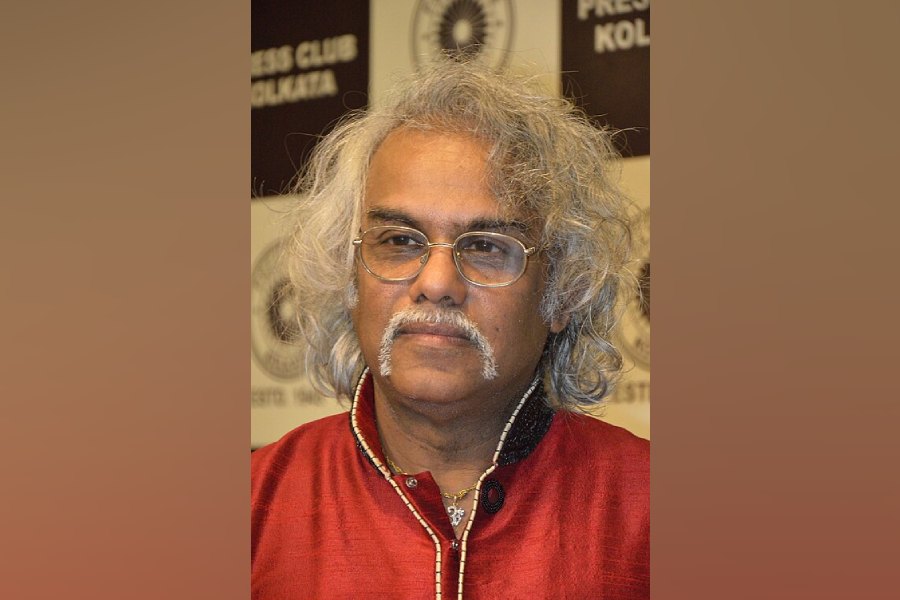
Kumar Bose (Kolkata): Tabla maestro of the Banaras Gharana, earlier recipient of Sangeet Natak Akademi Award.
1960s–70s: Icons like Satyajit Ray and Amartya Sen honoured.
1990s: Folk artists and social workers recognised.
2010s: Contemporary musicians and scientists awarded.
2026: Prosenjit’s Padma Shri adds to Bengal’s long list of cultural icons.
9. Global Comparisons
Similar honours worldwide:
USA: Presidential Medal of Freedom celebrates contributions across fields.
UK: Order of the British Empire recognises cultural and social service.
France: Legion of Honour awarded to artists, scientists, and activists.
India’s Padma awards mirror these global practices where civilian honours strengthen national identity and cultural pride.
10. Governance Lessons
The Bengal Padma Shri awards teach:
Awards must remain merit‑based.
Transparency builds trust.
Regional representation enriches national identity.
Depoliticisation ensures credibility.
11. Future Outlook – Civilian Honours in India
India must move towards:
Digitised nomination systems for transparency.
Public dashboards showing awardee contributions.
Annual heritage festivals celebrating awardees.
Educational campaigns linking awards with civic responsibility.
✅ Conclusion
The Bengal Padma Shri honours 2026 are more than a list of awards—they are a celebration of Bengal’s cultural, intellectual, and social contributions to India. As Prosenjit Chatterjee and 10 others receive recognition, the awards also spark debate about merit, politics, and governance in a poll year. For Bengal, the lesson is clear: democracy and culture thrive when governance delivers clarity, fairness, and respect for citizens’ achievements.
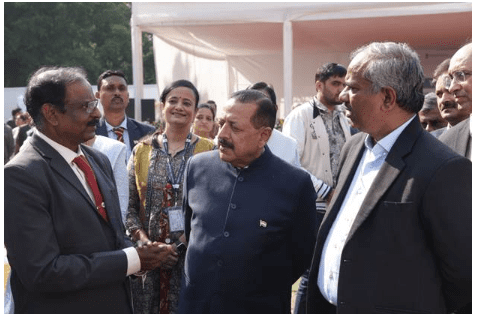
Union Minister of State (Independent Charge) for Earth Sciences, Dr Jitendra Singh, today hosted a special felicitation ceremony at Prithvi Bhawan, New Delhi, to honour scientists and researchers associated with India’s pioneering Deep Ocean Mission (DOM). These distinguished experts were invited by the Government of India as Special Guests to witness the Republic Day Parade 2026, recognising their outstanding contributions to India’s scientific and technological advancement.
The event celebrated the growing impact of the Ministry of Earth Sciences (MoES) in strengthening India’s capabilities in ocean exploration, climate science and geosciences.
Deep Ocean Mission Positions India at the Forefront of Marine Research
Interacting with the scientists during the ceremony, Dr Jitendra Singh lauded their relentless pursuit of knowledge, innovation and excellence, stating that the Deep Ocean Mission represents a transformative step in India’s scientific journey. He emphasised that advanced ocean research will play a crucial role in future domains such as:
Climate resilience
Marine biodiversity conservation
Resource exploration
Strategic technology development
National self-reliance in critical sciences
A special lunch was hosted by the Ministry of Earth Sciences to mark the occasion and celebrate the collective achievement of the scientific community.
Secretary MoES Highlights 19 Years of Service to the Nation
In a congratulatory message, Dr M. Ravichandran, Secretary, Ministry of Earth Sciences, described the occasion as a moment of historic pride. He noted that for the first time, the Ministry of Earth Sciences was represented as a special guest at the Republic Day ceremony.
He highlighted the Ministry’s contributions over the past 19 years in strengthening national capabilities across key domains including:
Weather forecasting
Climate services
Ocean and polar research
Geosciences
Disaster resilience
He reaffirmed that the Deep Ocean Mission symbolises India’s emergence as a serious global player in advanced scientific exploration.
Scientific Community Reaffirms Commitment to National Missions
The honoured scientists and researchers expressed their gratitude for the recognition and reaffirmed their commitment to achieving the long-term objectives of the Deep Ocean Mission. Their participation as Republic Day Special Guests was seen as an acknowledgement of the crucial role played by science, innovation and research in nation-building.
The event was attended by several eminent personalities including Dr Mrutyunjay Mohapatra, Director General of IMD, along with senior dignitaries, scientists and researchers from diverse fields such as biotechnology, space, atomic energy and startups.
Celebrating Science as a Pillar of National Progress
The felicitation ceremony reflected the Government’s growing emphasis on recognising scientific excellence and encouraging young researchers to contribute to national priorities. The Deep Ocean Mission stands as a symbol of India’s ambition, technological capability and commitment to frontier science.
Conclusion
The recognition of Deep Ocean Mission scientists as Special Guests at Republic Day 2026 highlights India’s commitment to scientific excellence and innovation-driven development. By honouring the nation’s researchers, the Government reaffirms that science and technology will remain central to India’s journey towards self-reliance and global leadership.
The Ministry of Information and Broadcasting (MIB) presented a visually striking tableau titled “Bharat Gatha: Shruti, Kriti, Drishti” at the 77th Republic Day Parade at Kartavya Path, showcasing India’s rich storytelling heritage and its evolution into a global media and content powerhouse.
The tableau offered a compelling narrative of India’s civilisational continuity in storytelling — from ancient oral traditions to modern digital platforms, cinema and contemporary media, celebrating the country’s enduring cultural influence and creative excellence.
Celebrating India’s Civilisational Journey of Storytelling
The theme “Bharat Gatha: Shruti, Kriti, Drishti” symbolically represented three dimensions of India’s narrative tradition:
Shruti (Oral traditions): Ancient wisdom passed through generations via storytelling, folklore and recitations
Kriti (Creative expression): Literary, artistic and cinematic traditions shaping cultural identity
Drishti (Vision for the future): India’s forward-looking role in global media, technology and storytelling innovation
Through vibrant visuals and symbolic representations, the tableau depicted how India’s storytelling ecosystem has continuously evolved while remaining deeply rooted in its cultural ethos.
WAVES Platform Highlights India’s Global Media Leadership
A key highlight of the tableau was the projection of WAVES as a global platform advancing India’s leadership in the media and entertainment ecosystem. The depiction emphasised India’s growing influence in:
Content creation and global storytelling
Innovation in media technologies
Cultural diplomacy
Creative economy and digital platforms
The tableau effectively communicated India’s emergence as a future-ready creative powerhouse, seamlessly blending tradition with technology.
Heritage Meets Innovation on Kartavya Path
The MIB tableau stood out for its artistic presentation that brought together civilisational heritage, artistic creativity and technological vision. It illustrated how India’s narrative traditions are not relics of the past but living, evolving forces shaping the nation’s cultural identity and global soft power.
Conclusion
The MIB tableau at the Republic Day Parade 2026 powerfully showcased India’s timeless storytelling legacy and its dynamic future in global media and cultural leadership. By celebrating both tradition and innovation, the tableau reinforced India’s position as a civilisation that tells its stories with authenticity, creativity and global impact.
The Border Roads Organisation (BRO) successfully executed a high-altitude rescue and road restoration operation at Chatergala Pass (10,500 ft) on the Bhaderwah–Chatergala axis in the Jammu region of the Union Territory of Jammu and Kashmir, following severe disruption caused by heavy snowfall on 23 January 2026.
The operation was carried out under Project Sampark, reaffirming BRO’s critical role in ensuring connectivity, safety, and operational readiness in some of India’s most challenging terrains.
The 118 Road Construction Company (RCC) of 35 Border Roads Task Force (BRTF) commenced snow clearance operations on the morning of 24 January 2026. Personnel worked continuously for nearly 40 hours under extreme weather conditions to clear around 38 km of road, which had been buried under 5 to 6 feet of snow.
By the evening of 25 January 2026, the route was successfully reopened, restoring vital communication and mobility along the strategic axis.
Safe Evacuation of Civilians and Troops Achieved Without Casualties
The timely restoration of the route enabled the safe evacuation of 20 stranded civilians and 40 troops of 4 Rashtriya Rifles, along with their weapons and essential stores. The entire rescue mission was completed by 02:30 hrs on 26 January 2026 with zero casualties, reflecting the high level of professionalism, preparedness and commitment of BRO personnel.
Close Coordination with Indian Army Ensures Successful Mission
The operation was executed in close coordination with the Indian Army, ensuring swift response, efficient evacuation, and restoration of critical communication links. The seamless cooperation between BRO and the Armed Forces once again highlighted the strength of institutional synergy in times of emergency.
BRO Reaffirms Commitment to Nation-Building in Extreme Terrains
The successful mission at Chatergala Pass underscores BRO’s enduring commitment to:
Infrastructure resilience
Operational readiness
Humanitarian assistance
Strategic connectivity in border regions
Through its tireless efforts in hostile and inhospitable environments, BRO continues to live up to its motto: “Shramena Sarvam Sadhyam”(Everything is achievable through hard work).
Conclusion
The high-altitude rescue and restoration operation at Chatergala Pass stands as a powerful testament to the dedication, courage and operational excellence of the Border Roads Organisation. By ensuring connectivity, saving lives and supporting national security operations, BRO continues to serve as a vital pillar of India’s strategic and humanitarian infrastructure.
Ships of the Indian Navy’s First Training Squadron (1TS) — INS Tir, INS Shardul, INS Sujata, along with ICGS Sarathi — arrived at Phuket Deep Sea Port, Thailand, on 25 January 2026 as part of their ongoing training deployment to Southeast Asia. The vessels were accorded a warm ceremonial welcome by the Royal Thai Navy (RTN), accompanied by the ceremonial performance of the RTN Band.
The visit marks another milestone in the growing maritime partnership between India and Thailand, reflecting their shared commitment to regional security, stability and cooperation.
Port Call Gains Special Significance During ASEAN–India Year of Maritime Cooperation
The visit assumes added importance as 2026 is being celebrated as the ASEAN–India Year of Maritime Cooperation, highlighting the strategic convergence between India and Southeast Asian nations in ensuring a free, open and rules-based maritime order.
The presence of the Indian Navy’s training squadron reinforces India’s commitment to strengthening people-to-people and professional naval linkages across the Indo-Pacific region.
Wide-Ranging Professional and Training Engagements Planned
During the port call, personnel from the Indian Navy and Royal Thai Navy will participate in a range of engagements designed to deepen interoperability and mutual understanding, including:
Interactions with senior RTN leadership
Professional exchanges between naval officers
Joint yoga sessions
Friendly sports fixtures
Passage Exercise (PASSEX) at sea
These activities aim to enhance operational coordination, cultural bonding and maritime professionalism between the two navies.
Strong Bilateral Naval Cooperation Between India and Thailand
India and Thailand share a long-standing and steadily evolving naval partnership, strengthened through regular engagements and joint initiatives such as:
Exercise Ayutthaya
Indo–Thai Coordinated Patrol (CORPAT)
SITMEX trilateral maritime exercise conducted last year
These exercises have significantly improved interoperability and trust among regional maritime forces. The Indian Navy also looks forward to building upon Thailand’s stewardship of the Indian Ocean Naval Symposium (IONS) as India is set to assume the IONS Chair from Thailand in February 2026.
Advancing MAHASAGAR Vision and India’s Role as a Responsible Maritime Partner
The deployment aligns with the Government of India’s strategic vision of MAHASAGAR (Mutual and Holistic Advancement for Security and Growth Across Regions). It reflects India’s consistent approach of constructive engagement, cooperative security and regional partnership across the Indian Ocean Region and Indo-Pacific.
The visit further reinforces India’s image as a trusted maritime partner committed to stability, collaboration and collective growth.
Conclusion
The arrival of the Indian Navy’s First Training Squadron at Phuket deepens India–Thailand maritime cooperation, strengthens regional naval ties and reaffirms India’s commitment to collaborative maritime security, capacity-building and regional stability under the MAHASAGAR framework.
Incidents of police personnel allegedly being involved in criminal cases have drawn public attention and sparked concern over systemic issues within law enforcement structures. While such cases may involve a small fraction of the force, their impact on public trust is disproportionately large. Law enforcement agencies are expected to uphold the law, and any deviation from this role raises serious questions about accountability, oversight, and institutional culture. Recent discussions among legal experts, civil society groups, and administrators suggest that these incidents point to deeper structural and psychological challenges rather than isolated lapses.
The issue goes beyond individual misconduct and enters the realm of institutional integrity. When officers are implicated in crimes ranging from corruption to abuse of power, it weakens the moral authority of the policing system. Citizens who rely on the police for protection may hesitate to approach them if confidence erodes. Analysts argue that trust is the foundation of effective policing. Without it, cooperation between communities and law enforcement diminishes, making crime prevention more difficult and investigations less effective.
Experts note that policing is a high-pressure profession. Officers often work long hours, face stressful situations, and operate in environments where decisions must be made quickly. Without proper mental health support and professional guidance, such stress can contribute to poor judgment or burnout. However, specialists caution that occupational stress cannot excuse unlawful behavior. Instead, it signals the need for stronger institutional support systems that help officers manage pressure without compromising ethical standards.
Criminologists observing recent debates say that examining recruitment processes can offer insights into long-term reform. Screening procedures that assess not only physical fitness but also psychological readiness and ethical judgment may reduce future risks. Background verification, aptitude evaluations, and personality assessments help identify candidates suited to high-responsibility roles. Experts argue that recruitment should focus on integrity and community orientation alongside technical competence. Strengthening entry-level standards builds a foundation for professional conduct throughout an officer’s career, making prevention of misconduct more effective than corrective action after incidents occur.
Periodic performance reviews are another area where systemic improvements can be made. Evaluations that reward lawful conduct, conflict resolution skills, and community engagement may shift incentives away from purely numerical targets such as arrest counts. When institutional recognition values professionalism and restraint, organizational culture gradually aligns with democratic principles. Supervisors play a central role in this process by providing constructive feedback and addressing early signs of problematic behavior. Early intervention systems, supported by data, can flag patterns of complaints or stress indicators before they escalate.
The role of public oversight committees has also been discussed by governance experts. Involving independent members from civil society, legal backgrounds, and academia in review panels can strengthen credibility. Such bodies can examine complaints, recommend policy changes, and ensure transparency in disciplinary outcomes. Their presence reassures citizens that accountability does not remain confined within the same hierarchy. At the same time, safeguards must ensure that oversight remains balanced and informed, protecting both citizens’ rights and officers’ due process.
Media responsibility forms another dimension of the discussion. Sensational reporting can amplify fear and mistrust, while careful, fact-based coverage helps maintain perspective. Experts suggest regular communication between law enforcement agencies and media outlets to clarify procedures and provide verified updates during sensitive cases. Balanced information reduces speculation and prevents narratives from overshadowing facts. Responsible reporting, they note, supports public awareness without undermining institutional credibility or ongoing investigations.
Educational outreach in schools and colleges has been proposed as a long-term trust-building measure. Programs that explain legal rights, duties of police, and channels for grievance redressal can foster informed citizens. When young people understand how institutions function, they are more likely to engage constructively. Joint initiatives involving officers and educators can also humanize both sides, replacing stereotypes with dialogue. Such engagement builds a social environment where accountability and cooperation coexist.
Ultimately, addressing police involvement in crime requires sustained, multi-layered reform rather than isolated responses. From recruitment and training to oversight and community engagement, each layer contributes to institutional integrity. Experts emphasize that change is gradual but cumulative. Transparent leadership, consistent enforcement of standards, and continuous evaluation can strengthen law enforcement systems over time. By viewing challenges as opportunities for improvement, institutions can evolve to better serve society while upholding the rule of law and public confidence.
Training gaps have also entered the conversation. Modern policing requires not only physical readiness but also strong grounding in ethics, human rights, and conflict resolution. If training focuses primarily on enforcement without equal emphasis on accountability and restraint, the risk of misuse of authority increases. Continuous professional development programs, experts suggest, are essential for reinforcing values that align with democratic policing principles. Such programs should include legal literacy, communication skills, and psychological resilience.
Oversight mechanisms play a crucial role in preventing misconduct. Internal disciplinary systems must be transparent and independent enough to act without bias. Where oversight bodies lack autonomy or resources, cases of wrongdoing may go unaddressed, creating a perception of impunity. Legal scholars argue that strong accountability frameworks not only deter misconduct but also protect honest officers by maintaining the institution’s credibility. Strengthening complaint redressal systems and ensuring timely investigation of allegations are seen as critical steps.
Public perception is shaped not only by the frequency of incidents but also by how authorities respond. Swift, transparent action against wrongdoing sends a message that no one is above the law. Conversely, delayed or opaque processes can fuel suspicion and resentment. Administrators emphasize that communication during such situations must be clear and factual to prevent misinformation. Maintaining transparency while respecting due process is a delicate but necessary balance.
SYSTEMIC CHALLENGES WITHIN POLICING STRUCTURES
One major structural issue often cited is workload imbalance. In many regions, police forces operate with staff shortages, leading to excessive responsibilities for individual officers. Fatigue and overextension can reduce attention to procedure and increase vulnerability to mistakes or poor decisions. Experts recommend rationalizing duties, improving recruitment, and leveraging technology to reduce manual burdens. Better working conditions, they argue, can improve morale and reduce the risk of ethical lapses.
Hierarchical pressures within police organizations may also influence behavior. Junior officers sometimes face expectations to meet performance targets or follow informal practices that may conflict with legal norms. Without safe channels to question unlawful instructions, individuals may feel compelled to comply. Institutional reforms that encourage ethical reporting and protect whistleblowers are seen as important safeguards. Creating a culture where adherence to law is valued over numerical targets can reduce systemic risks.
Political and social pressures further complicate the landscape. Police institutions often operate in environments where public expectations, media scrutiny, and political dynamics intersect. When officers are drawn into partisan or extralegal influences, institutional neutrality can suffer. Analysts stress the importance of insulating policing functions from undue interference. Clear guidelines and professional autonomy help maintain focus on lawful duty rather than external demands.
Resource limitations can also affect conduct. Lack of proper equipment, infrastructure, or training facilities may push officers to rely on informal methods. Investment in modernization, including forensic capabilities and digital tools, reduces dependence on coercive practices. When systems support lawful investigation methods, officers are less likely to resort to shortcuts that may cross legal boundaries.
Cultural factors within institutions deserve attention as well. If informal norms tolerate minor misconduct, more serious violations can gradually emerge. Leadership plays a key role in setting expectations. Senior officers who model ethical conduct and enforce discipline consistently create an environment where professionalism becomes the standard. Organizational culture, experts say, is shaped as much by daily behavior as by formal rules.
RESTORING TRUST AND BUILDING ACCOUNTABILITY
Restoring public confidence requires both preventive and corrective measures. Transparent investigation processes for alleged misconduct are central to this effort. Independent review bodies, judicial oversight, and civilian participation in monitoring mechanisms can enhance credibility. When communities see that complaints are handled fairly, trust begins to rebuild. Accountability, experts emphasize, is not anti-police but pro-institution, strengthening legitimacy.
Community policing initiatives offer another path toward rebuilding relationships. Regular engagement with residents through meetings, outreach programs, and joint problem-solving efforts fosters mutual understanding. When police are seen as partners rather than distant enforcers, the social gap narrows. Such relationships also help officers understand local concerns, reducing misunderstandings that could escalate into conflict.
Mental health and wellness programs for officers are gaining recognition as necessary investments. Counseling services, peer support systems, and stress management workshops can help personnel cope with occupational pressures. Supporting officers’ well-being ultimately benefits the public by promoting balanced decision-making. Experts argue that caring for the force internally is a preventive strategy against external misconduct.
Legal reforms may also be part of long-term solutions. Updating laws to reflect modern policing challenges, clarifying use-of-force standards, and ensuring clear procedural guidelines reduce ambiguity. When officers understand the legal boundaries of their authority, compliance improves. Periodic legal education keeps personnel aware of evolving standards and judicial interpretations.
Technology can enhance accountability as well. Body cameras, digital record systems, and automated tracking of procedures create verifiable records. Such tools protect both citizens and officers by providing objective evidence. However, experts caution that technology must be paired with ethical governance and data protection measures.
Ultimately, incidents of police involvement in crime highlight the need for continuous institutional reflection. Policing is a cornerstone of democratic governance, and its strength lies in public trust. By addressing structural weaknesses, reinforcing ethical culture, and maintaining transparent oversight, authorities can ensure that law enforcement remains aligned with its core mission. The challenge is ongoing, but sustained commitment to reform can transform moments of crisis into opportunities for stronger, more accountable institutions.
Farmers’ groups in Karnataka have urged the Union Government to formally recommend that the World Health Organization reconsider and revise the classification of arecanut from “carcinogenic” to “possibly carcinogenic to humans,” arguing that the existing categorization has deeply affected livelihoods, market perception, and the socio-economic fabric of arecanut-growing regions. The appeal emerged from a series of meetings held by growers’ associations, agricultural leaders, and trade representatives who contend that the current label has led to declining demand, price fluctuations, and growing anxiety among cultivators dependent on the crop for income. They have called for a science-based review that distinguishes between raw agricultural produce and processed consumption patterns.
Trade bodies associated with arecanut marketing have added that fluctuations in perception often translate directly into volatility in wholesale markets. Commission agents and exporters report that even unverified discussions about health classifications can trigger cautious buying behavior, leading to stock accumulation and delayed transactions. Such disruptions affect not only farmers but also workers involved in grading, packaging, and transportation. Market representatives argue that stable policy messaging and evidence-based clarification can reduce speculation-driven price swings. They emphasize that predictable demand patterns are essential for maintaining the viability of long supply chains linked to the crop.
Researchers in agricultural economics suggest that comprehensive impact assessments could help policymakers understand the full consequences of classification-related debates. These assessments would examine income levels, employment, and regional economic dependence on arecanut cultivation. By quantifying socio-economic linkages, authorities can better design support mechanisms if needed. Experts recommend that any future policy position presented at international forums should be supported by both scientific data and socio-economic analysis. Such integrated documentation, they say, strengthens the case for nuanced consideration without undermining public health objectives.
Educational institutions in arecanut-growing districts have also shown interest in contributing to the discussion. Universities and research centers may collaborate on studies exploring crop chemistry, processing variations, and patterns of use. Farmer groups believe that region-specific research can provide clarity often missing in global generalizations. They have called for funding and institutional backing to ensure that such studies meet international standards. Strengthening local research capacity, they argue, not only informs current debates but also prepares the sector to address future scientific or regulatory questions.
Communication specialists point out that public understanding of health classifications is frequently shaped by brief headlines rather than detailed explanations. They recommend that authorities develop clear outreach material explaining what scientific terms mean and how they are applied. Distinguishing between agricultural commodities and specific consumption behaviors can prevent misinterpretation. Transparent and consistent messaging, they say, protects both consumer awareness and farmer interests. Farmer organizations have expressed willingness to participate in awareness campaigns that present balanced information grounded in research.
As discussions continue, stakeholders across sectors emphasize dialogue rather than confrontation. The issue has drawn attention to the complex relationship between science, trade, and rural livelihoods. Observers note that the outcome will likely depend on sustained engagement between farmer bodies, government agencies, researchers, and international institutions. A collaborative path, they suggest, offers the best chance of addressing concerns while respecting global health frameworks. For farmers, the appeal represents hope that their voices and economic realities will be considered alongside scientific evidence in shaping future policy directions.
Arecanut cultivation forms a major component of the rural economy in several districts of Karnataka, including coastal and Malnad regions, where climatic conditions support its growth. Farmers say the crop supports thousands of families directly and indirectly through farming, trade, transport, and processing activities. According to growers, negative perceptions linked to health classifications have reduced confidence in both domestic and international markets. They argue that the issue is not merely agricultural but socio-economic, affecting employment, education, and financial stability in entire communities that have relied on arecanut cultivation for generations.
Representatives of farmer bodies stated that the classification often fails to clearly communicate the context in which health risks are studied. They claim that most scientific assessments focus on processed or combined consumption forms, while raw arecanut as an agricultural commodity is being indirectly stigmatized. Farmers believe that such generalization leads to misunderstanding among consumers and policymakers. They have urged authorities to commission detailed, updated research examining different forms of use, consumption levels, and regional practices. A clearer distinction, they say, could prevent blanket assumptions that harm agricultural producers.
Market impacts were highlighted as a major concern. Traders report that fluctuations in prices have increased over the years, with rumors and public health debates influencing demand patterns. Export prospects have also been affected in some regions where regulatory discussions mirror global health positions. Farmers’ organizations argue that the uncertainty makes long-term planning difficult. They emphasize that agriculture already faces challenges such as climate variability, rising input costs, and labor shortages. Adding reputational concerns about the crop further destabilizes the sector, they say, and discourages younger generations from continuing farming traditions.
The appeal to the Union Government centers on diplomatic engagement with international health bodies. Farmers are not seeking to deny health research, leaders clarified, but to ensure that classifications reflect nuanced understanding and updated evidence. They want the government to present data, sponsor scientific reviews, and advocate for clearer terminology that separates agricultural production from specific consumption practices. According to them, such an approach would protect public health discourse while preventing unintended economic consequences for cultivators.
State-level agricultural representatives have echoed these concerns, noting that policy communication must balance health awareness with farmer welfare. Officials acknowledge that arecanut plays a vital role in the state’s horticultural economy. They suggest that consultations between agricultural scientists, medical researchers, and policymakers could help create a more comprehensive understanding. The goal, they say, is not confrontation but constructive dialogue that protects both public health priorities and rural livelihoods.
FARMERS’ ECONOMIC AND SOCIAL CONCERNS
Farmers stress that arecanut cultivation involves long-term investment. Trees take several years to mature, and once plantations are established, shifting to alternative crops is not simple. Land preparation, irrigation systems, and labor arrangements are all structured around perennial cultivation. When market demand weakens due to perception issues, growers cannot quickly adapt. They argue that this structural rigidity makes the sector especially vulnerable to policy or classification changes that influence consumer behavior.
Rural credit systems are also tied to crop stability. Many farmers take loans based on expected yields and market prices. When uncertainty affects pricing, repayment becomes difficult, increasing financial stress. Farmer leaders warn that sustained negative sentiment could lead to indebtedness and migration away from agriculture. Such outcomes, they say, would have ripple effects on rural economies, affecting local businesses and service providers who depend on farm incomes.
Social dimensions further complicate the issue. Arecanut cultivation is deeply linked to cultural practices and local traditions in certain regions. Festivals, trade networks, and community structures have evolved around the crop. Farmers argue that when the crop is publicly associated with health risks without clear contextual explanation, it creates stigma that extends beyond economics. They seek communication strategies that respect cultural contexts while conveying scientific findings responsibly.
Agricultural experts have suggested exploring diversification as a long-term strategy, but farmers say diversification requires support, training, and assured markets. Sudden shifts without planning could worsen vulnerability. Therefore, they emphasize the need for gradual, research-backed decisions rather than abrupt narratives that affect demand. They request that any future advisories include consultation with agricultural stakeholders to anticipate economic consequences.
Local cooperatives have begun awareness initiatives aimed at clarifying the distinction between cultivation and consumption practices. They promote sustainable farming methods, improved post-harvest handling, and quality control to maintain market confidence. Farmer leaders believe that strengthening product standards and traceability can also help counter generalized perceptions. However, they maintain that international classification terminology remains a powerful influence that requires government-level engagement.
SCIENTIFIC, POLICY, AND GLOBAL DIMENSIONS
Public health researchers note that global health classifications are based on available evidence and aim to guide risk awareness rather than target farmers. They emphasize that such categorizations often consider patterns of use, frequency, and associated factors. Experts suggest that continued research, especially region-specific studies, can contribute to better understanding. Collaborative projects between agricultural universities and medical institutions could generate updated data that informs both health and agricultural policy.
Policy analysts point out that international classifications influence regulatory frameworks, labeling norms, and trade negotiations. Therefore, any effort to seek reconsideration requires careful preparation, scientific documentation, and diplomatic dialogue. The Union Government’s role would involve presenting evidence, facilitating expert consultations, and engaging through appropriate international channels. Analysts say that such processes are complex and take time but are not unprecedented when new evidence emerges.
Legal observers add that domestic policy responses may include improved consumer information, support for farmers, and research funding. Clear labeling and public education can help individuals make informed choices while avoiding misinformation. At the same time, economic support measures such as price stabilization, crop insurance, and diversification incentives can cushion farmers from volatility linked to perception shifts.
The debate has also sparked discussion on the broader challenge of balancing health awareness with agricultural sustainability. Many crops and products around the world face scrutiny over consumption-related health issues. Policymakers often navigate the delicate space between promoting safe practices and protecting producer livelihoods. Experts argue that transparent communication and evidence-based policymaking remain essential to maintaining trust among all stakeholders.
Farmer representatives conclude that their appeal is rooted in the desire for fairness and clarity. They seek a review that acknowledges evolving science and contextual realities. They have urged the Union Government to initiate dialogue at national and international levels while continuing to support research and farmer welfare domestically. The coming months may determine how the issue progresses, as stakeholders from agriculture, health, and policy domains work toward solutions that safeguard both public well-being and rural economic stability.
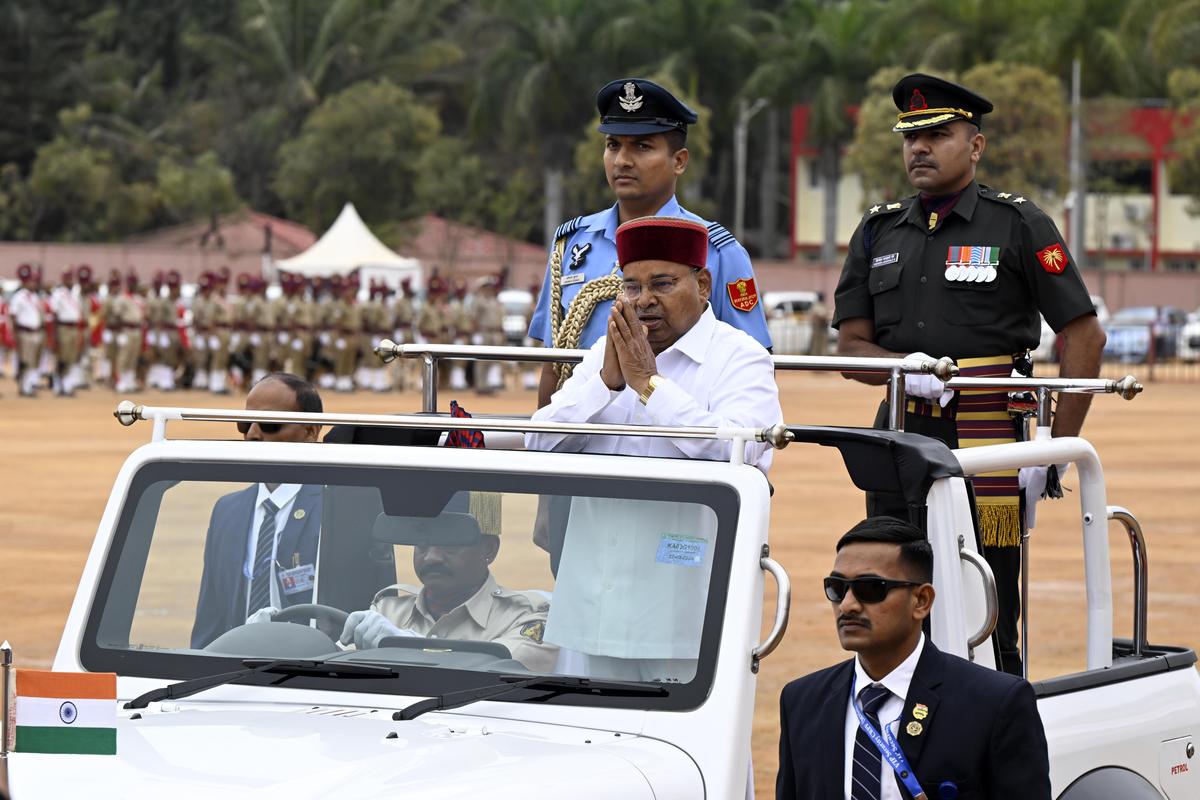
The Governor stated that one or another government welfare scheme has reached nearly 1.37 crore families across Karnataka during the financial year 2024–25, underlining what he described as an expansive and people-centric governance approach. Addressing a formal gathering, he highlighted that the scale of outreach reflects a focused administrative push to ensure that public benefits reach households across rural and urban regions. The remark drew attention to the breadth of welfare architecture currently in operation, covering sectors such as food security, healthcare, education, housing, and social protection. The Governor emphasized that welfare delivery today is not limited to policy announcements but measured by last-mile impact.
Policy analysts observing the Governor’s address noted that the scale of outreach indicates an evolving model of governance where welfare delivery is increasingly integrated rather than scheme-specific. Instead of isolated interventions, families often benefit from multiple programs that together address food security, health, education, and income stability. This layered approach, experts say, can create stronger social protection and reduce vulnerability to sudden economic shocks. They suggested that continued mapping of overlaps and gaps among schemes will help refine targeting, ensuring that resources are directed where they are most needed while avoiding duplication in future planning cycles.
Looking ahead, administrators are expected to focus on improving quality alongside coverage. While reaching 1.37 crore families demonstrates extensive inclusion, the next phase involves enhancing service standards, timely delivery, and measurable outcomes. Strengthening feedback systems, third-party evaluations, and social audits may become key tools in this process. The Governor’s remarks have thus been interpreted as both a recognition of progress and a call for sustained improvement. By combining scale with accountability, the state aims to build a welfare framework that remains responsive, transparent, and capable of adapting to the changing needs of its population.
He observed that the strength of a welfare state lies in its ability to identify vulnerable sections and design schemes that respond to real needs. Karnataka’s administrative machinery, he noted, has increasingly relied on data-driven identification of beneficiaries, allowing departments to track inclusion and reduce duplication. The figure of 1.37 crore families was presented as an indicator of the government’s intention to build a safety net that cuts across income levels and social categories. According to the Governor, the emphasis remains on dignity, accessibility, and transparency in public service delivery systems.
Food security schemes were cited as one of the major contributors to the large outreach. Subsidized grain distribution through the public distribution system continues to support millions of households, especially in low-income and rural communities. The Governor stated that ensuring regular access to essential food items reduces financial stress on families and contributes to nutritional stability. He noted that strengthening digital ration card systems and biometric verification has helped streamline distribution. Such measures, he added, aim to make welfare delivery efficient while minimizing leakages and ensuring that benefits reach intended recipients.
Healthcare initiatives were also highlighted as central to the welfare push. Government-backed health insurance programs and free treatment facilities in public hospitals have widened access to medical care. The Governor remarked that rising healthcare costs can push families into debt, making state-supported medical assistance critical. He praised frontline health workers and administrators for improving service delivery even in remote regions. Investments in infrastructure, medicine supply chains, and outreach camps have helped extend care to communities that previously faced barriers in accessing formal healthcare systems.
Education support schemes have formed another key pillar of the outreach. Scholarships, free textbooks, mid-day meals, and transport support have eased the financial burden on families while encouraging school attendance. The Governor said that such interventions not only address immediate needs but also shape long-term human development outcomes. By supporting children’s education, the state contributes to breaking cycles of poverty. He emphasized that inclusive education policies aim to ensure that students from diverse socio-economic backgrounds have equal opportunities to pursue learning and skill development.
Housing and basic amenities programs were also mentioned in the Governor’s address. Assistance for building homes, improving sanitation, and providing drinking water facilities has improved living standards in many regions. The Governor pointed out that stable housing provides a foundation for social and economic well-being. He noted that coordination between rural development, urban development, and social welfare departments has enabled integrated planning. This convergence of efforts reflects a shift toward holistic welfare, where multiple schemes collectively improve quality of life rather than operating in isolation.
WELFARE DELIVERY AND ADMINISTRATIVE REFORMS
The Governor stressed that reaching such a large number of families required strong administrative coordination and monitoring. Departments have increasingly used digital platforms to track beneficiaries and ensure timely disbursement of benefits. Direct benefit transfer systems, he said, have played a vital role in improving transparency and reducing delays. By linking welfare databases with identification systems, the government has aimed to reduce duplication and improve accountability. Officials were encouraged to continue refining data systems so that inclusion errors can be corrected and deserving households are not left out.
Local governance institutions have also been instrumental in welfare outreach. Panchayats, municipal bodies, and ward-level offices serve as the first point of contact for many citizens seeking assistance. The Governor acknowledged the role of grassroots officials in identifying beneficiaries, processing applications, and resolving grievances. Their engagement, he noted, ensures that schemes are not merely top-down directives but community-linked interventions. Regular training and capacity-building programs for local staff have been emphasized to maintain service quality and responsiveness.
Grievance redressal mechanisms were highlighted as a critical component of welfare administration. The Governor stated that effective systems must allow citizens to raise concerns about delays, exclusions, or errors. Helplines, online portals, and local offices provide multiple channels for communication. Ensuring that complaints are addressed promptly builds public trust and strengthens the legitimacy of welfare programs. The Governor called for periodic audits and feedback assessments to identify gaps and improve implementation strategies.
Financial management was another area discussed in relation to large-scale scheme outreach. Efficient budgeting, timely fund allocation, and monitoring of expenditure are necessary to sustain welfare initiatives. The Governor emphasized fiscal responsibility alongside social commitment, noting that resources must be used judiciously. Transparency in spending, he added, is essential for maintaining public confidence. Coordination between finance departments and implementing agencies ensures that projects do not stall due to funding bottlenecks.
Technology adoption continues to reshape welfare delivery. Digital applications for scheme registration, document submission, and status tracking have simplified procedures for many beneficiaries. The Governor remarked that technology can bridge distance and reduce paperwork, especially in remote areas. However, he also acknowledged the need for assistance centers to help those unfamiliar with digital systems. Combining technological innovation with human support ensures inclusivity and prevents digital divides from creating new barriers.
Monitoring and evaluation frameworks were cited as vital for measuring the real impact of schemes. The Governor said that beyond counting beneficiaries, authorities must assess outcomes such as improved health, school attendance, or housing quality. Data analysis helps refine programs and allocate resources more effectively. Periodic reviews at district and state levels allow administrators to respond to emerging challenges. Such evidence-based governance, he said, strengthens the credibility of welfare initiatives.
SOCIAL IMPACT AND FUTURE DIRECTIONS
The Governor described the outreach to 1.37 crore families as a reflection of the state’s commitment to social equity. Welfare schemes aim to support not only economically weaker sections but also groups facing social disadvantages. By addressing disparities, the government seeks to promote inclusive growth. The Governor noted that when families receive basic support, they are better able to participate in economic activities and community life. Welfare, in this sense, acts as a foundation for broader development.
Women’s empowerment has been an important dimension of many schemes. Support for self-help groups, maternal healthcare, and financial assistance programs has aimed to strengthen women’s economic and social roles. The Governor observed that empowering women contributes to improved family well-being and community resilience. Targeted initiatives for girls’ education and health further reinforce this approach. By integrating gender perspectives into welfare planning, the state seeks to create more balanced development outcomes.
Youth-focused programs were also highlighted. Skill development, scholarships, and employment-linked initiatives are designed to help young people transition into the workforce. The Governor stressed that investing in youth is essential for long-term progress. Skill training centers and entrepreneurship support schemes encourage innovation and self-reliance. Such efforts aim to harness demographic potential while reducing unemployment-related stress among families.
Support for senior citizens and persons with disabilities forms another aspect of welfare outreach. Pensions, healthcare access, and assistive devices help vulnerable groups maintain dignity and independence. The Governor noted that social protection must cover all stages of life. Ensuring accessibility and specialized support services allows these citizens to participate fully in society. Departments have been urged to maintain updated records and simplify procedures for these beneficiaries.
Environmental sustainability was briefly linked to welfare planning. The Governor remarked that development programs must consider long-term ecological balance. Housing schemes, infrastructure projects, and rural initiatives are increasingly integrating sustainable practices. Access to clean water, sanitation, and renewable energy solutions contributes both to well-being and environmental protection. Such integration reflects a broader understanding of welfare as interconnected with ecological health.
Concluding his remarks, the Governor said that welfare outreach is an ongoing process rather than a one-time achievement. The figure of 1.37 crore families represents progress, but continuous efforts are required to reach those still excluded. He urged officials to maintain dedication, transparency, and compassion in service delivery. By strengthening systems, encouraging feedback, and adapting to changing needs, the government aims to deepen its welfare impact. The address ended on a note of collective responsibility, emphasizing that inclusive governance is a shared goal that benefits society as a whole.
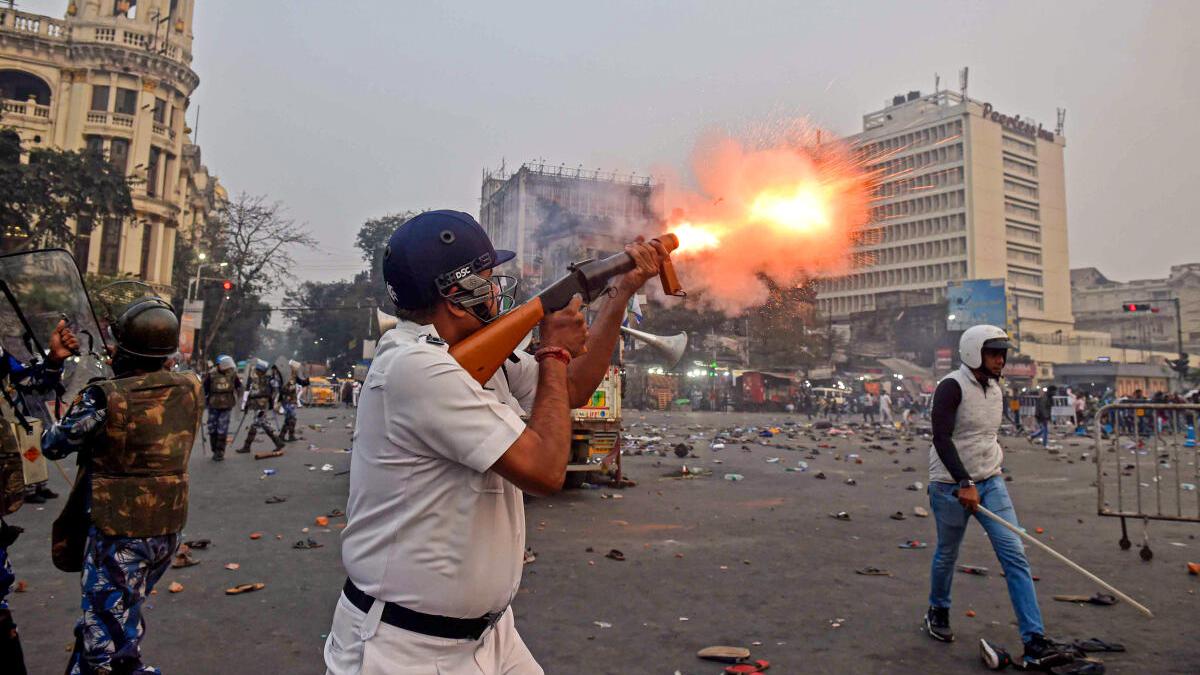
The Sakherbazar political clash 2026 has become a dramatic symbol of Bengal’s volatile electoral atmosphere. In Kolkata’s Sakherbazar area, a rally stage prepared for BJP leader Biplab Deb was set ablaze amid violent clashes between supporters of the Trinamool Congress (TMC) and the Bharatiya Janata Party (BJP).
This incident underscores the fragile balance between democracy and street‑level politics in Bengal, where rallies, processions, and public meetings often become flashpoints for confrontation.
2. The Incident
Location: Sakherbazar, Kolkata.
Event: Rally stage for Biplab Deb set on fire.
Cause: Violent clash between TMC and BJP supporters.
Response: Police deployed to control the situation.
Significance: Highlights rising tensions ahead of Bengal polls.
3. Why This Clash Matters
Symbolic violence: Burning of a rally stage is a direct attack on political expression.
Electoral stakes: Sakherbazar lies in South Kolkata, a politically sensitive zone.
Public safety: Ordinary citizens caught in the crossfire of party rivalries.
Governance challenge: Law enforcement stretched thin during election season.
4. Political Reactions
TMC: Accused BJP of provoking violence through aggressive campaigning.
BJP: Condemned the attack, blaming TMC for orchestrating the fire.
Civil society: Expressed concern about the erosion of democratic norms.
Observers: Warned that such clashes could escalate as polls approach.
5. Sakherbazar Political Clash 2026: Governance Challenges
The Sakherbazar clash reflects systemic governance issues:
Law and order: Police often struggle to maintain neutrality in politically charged zones.
Electoral transparency: Violence undermines free and fair elections.
Community trust: Citizens lose faith in institutions when clashes go unchecked.
Judicial oversight: Courts have occasionally intervened in election‑related violence cases.
6. Community Concerns
Families: Fear sending children outdoors during rallies.
Residents: Demand stricter policing and safety measures.
Civil society groups: Call for depoliticisation of public spaces.
Business stakeholders: Concerned about disruptions to local commerce.
8. Historical Context of Political Violence in Bengal
1960s–70s: Street clashes between Left and Congress supporters.
1990s: Rise of TMC brought new rivalries with Left Front.
2011: TMC’s victory shifted violence towards BJP–TMC confrontations.
2026: Sakherbazar clash reflects continuity of Bengal’s culture of street politics.
9. Global Comparisons
Similar political clashes worldwide:
USA: Violent confrontations during election rallies in contested states.
Thailand: Street protests often escalate into clashes between rival groups.
Kenya: Electoral violence linked to ethnic and party rivalries.
Bengal’s case mirrors these global struggles where democracy collides with political aggression and governance gaps.
10. Governance Lessons
The Sakherbazar clash teaches:
Law enforcement must remain neutral.
Community engagement reduces panic.
Transparency in electoral processes is non‑negotiable.
Judicial oversight ensures accountability.
11. Future Outlook – Electoral Governance in Bengal
India must move towards:
Digitised monitoring of rallies and clashes.
Public dashboards showing law and order incidents.
Community policing to build trust.
Educational campaigns linking democracy with civic responsibility.
✅ Conclusion
The Sakherbazar political clash 2026 is more than a local skirmish—it is a reminder of Bengal’s fragile democratic fabric. As Biplab Deb’s rally stage burns and supporters clash, ordinary citizens bear the brunt of political rivalry. For Bengal, the lesson is clear: democracy thrives when governance delivers peace, fairness, and respect for citizens.