New Delhi – Russian President Vladimir Putin commenced his highly anticipated two-day Putin India visit on Thursday evening, marking his first trip to the country in over four years. The visit, characterized by exceptional warmth and diplomatic significance, began with Prime Minister Narendra Modi personally receiving the Russian leader at Delhi’s Palam airport, breaking conventional protocol to extend a special welcome.
The Putin India visit represents the 23rd Annual India-Russia Summit, with the Russian President operating on a packed 27-hour schedule designed to maximize bilateral engagement and strengthen the historic partnership between the two nations.
Unprecedented Welcome at Palam Airport
As Putin’s aircraft touched down at Palam airport around 7 pm on Thursday, the Putin India visit officially began with PM Modi waiting at the tarmac to personally greet his Russian counterpart. This gesture, which deviated from standard diplomatic protocol, underscored the special nature of India-Russia relations. The two leaders exchanged warm smiles and embraced, with PM Modi leading Putin as he greeted both Russian and Indian officials present at the venue.
The personal reception by the Indian Prime Minister highlighted the depth of friendship between the two nations and set a cordial tone for the entire Putin India visit. Such high-level personal receptions are rare in diplomatic circles and reflect the mutual respect and trust that has developed between the two leaders over years of cooperation.
Historic Carpool from Airport to Residence
In a remarkable repeat of their Tianjin moment, PM Modi and Putin traveled together in the same vehicle from Palam airport to the Prime Minister’s official residence at 7 Lok Kalyan Marg. This rare carpool during the Putin India visit captured significant attention, as the two leaders were observed engaged in animated conversation and sharing light moments during the journey.
The carpool symbolized the comfort and camaraderie between the two leaders, going beyond formal diplomatic interactions. Such personal gestures during the Putin India visit demonstrate the unique character of India-Russia bilateral relations, which have remained strong despite global geopolitical shifts and pressures.
Private Dinner at Prime Minister’s Residence
Following their joint commute, the Putin India visit continued with a private dinner hosted by PM Modi at 7 Lok Kalyan Marg. While specific details of the dinner have not been disclosed, such intimate gatherings typically provide opportunities for candid discussions on bilateral and international issues away from formal negotiation settings.
The private dinner arrangement during the Putin India visit allowed both leaders to engage in frank dialogue and build upon their personal rapport, setting a positive foundation for the official talks scheduled for the following day.
During the Putin India visit, the Russian President offered high praise for Prime Minister Modi in a recent interview. Putin stated that India was fortunate to have a leader like Modi, emphasizing that the Prime Minister “lives and breathes India.” He commended Modi’s principled stance on US tariffs, noting that the Indian leader “is not one to give in to pressure.”
Putin stressed during the Putin India visit discussions that India is a great power, not a colonial dependency, and must be respected as such by all nations. He praised PM Modi’s straightforward yet non-confrontational approach to international relations, highlighting that both Russia and India aim to protect their lawful rights without provoking unnecessary conflicts.
Regarding India’s purchases of Russian oil, Putin defended the transactions during the Putin India visit, pointing out that the United States itself continues buying nuclear fuel from Russia for its power plants, arguing that India deserves the same commercial freedom.
Complete Schedule for December 5
The second day of the Putin India visit features an elaborate program beginning with a ceremonial welcome and tri-services guard of honor at Rashtrapati Bhavan. Putin will then pay homage at Mahatma Gandhi’s memorial at Raj Ghat, honoring India’s father of the nation.
The core of the Putin India visit involves comprehensive delegation-level talks with PM Modi at Hyderabad House, followed by joint statements at a press briefing. Both leaders will also participate in a business event organized by the Federation of Indian Chambers of Commerce and Industry and Roscongress.
President Droupadi Murmu will host a state banquet for Putin in the evening, with the Russian President scheduled to depart India around 9 pm on Friday, concluding the Putin India visit.
Key Agenda Items and Expected Outcomes
The Putin India visit agenda includes crucial discussions on defense cooperation, with potential talks about Russia supplying Su-57 fighter jets to India. Oil trade remains a focal point, as India seeks to balance its need for affordable crude amid international sanctions and tariff pressures.
Both nations have finalized an agreement on mobility of skilled and semi-skilled manpower during the Putin India visit. Negotiations on a free trade agreement between India and the Eurasian Economic Union, which includes Russia, have also commenced.
The Putin India visit is expected to yield several agreements spanning trade, academia, agriculture, and culture. Leaders aim to increase bilateral trade from the current $68 billion to $100 billion by 2030 and enhance systems for settling transactions in national currencies, reducing dependence on the US dollar.
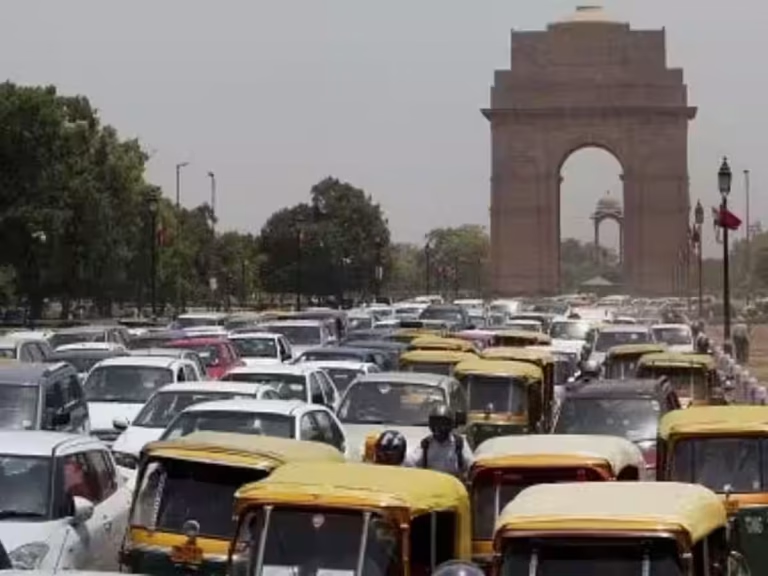
New Delhi – The Delhi Traffic Police has issued a comprehensive advisory for December 5, implementing significant Delhi traffic restrictions across multiple key areas of the capital. These measures have been put in place in connection with Russian President Vladimir Putin’s official visit to India, affecting major thoroughfares and requiring commuters to plan their journeys carefully.
President Putin arrived in India on Thursday evening and was received by Prime Minister Narendra Modi at Palam airport. The Russian President is scheduled to attend a ceremonial reception hosted by President Droupadi Murmu at 11:00 am on Friday, followed by a visit to Rajghat at approximately 11:30 am. These high-profile engagements necessitate extensive security arrangements and traffic management across the city.
Morning Delhi Traffic Restrictions: 10 AM to 11:30 AM
The first phase of Delhi traffic restrictions will be enforced from 10 am to 11:30 am, affecting several prominent roads in the capital. During this period, no vehicles will be permitted to park or halt on Mother Teresa Crescent, Teen Murti Marg, Akbar Road, MLNP, and Janpath Road. The traffic police have warned that any vehicles found parked in these restricted zones will be immediately towed away and impounded at designated locations.
Towed vehicles will be kept at the Traffic Pit near Kali Bari Mandir Marg and in front of Bhairon Mandir. Commuters are strongly advised to strictly adhere to these Delhi traffic restrictions to avoid inconvenience and penalties. The enforcement will be rigorous, with zero tolerance for violations during the specified timeframe.
Traffic diversions during this period will be implemented on several connecting roads, including Vandematram Marg to Simon Boliver Marg, Kautilya Marg, San Martin to Manas crossing, San Martin to ABHM crossing, San Martin to Abhai crossing, Sunheri Masjid, and roads surrounding Rail Bhawan. Motorists should anticipate delays and plan accordingly.
Routes to Avoid During Morning Delhi Traffic Restrictions
Commuters are advised to completely avoid Sardar Patel Marg, Mother Teresa Crescent, Teen Murti Marg, Akbar Road, MLNP, and Janpath Road during the morning hours. These routes will experience complete blockages, and attempting to use them will result in significant delays and potential penalties.
Instead, travelers should utilize alternative routes including DDU Marg, Asaf Ali Road, Maulana Azad Road, K Kamraj Marg, Raisina Road, and Rafi Marg. These roads will remain operational and provide viable options for navigating around the restricted zones.
Midday Delhi Traffic Restrictions: 11 AM to 12:30 PM
The second phase of Delhi traffic restrictions will be in effect from 11:00 am to 12:30 pm, covering a different set of locations. During this time window, parking and halting will be prohibited on Janpath Road, roundabout at Windsor Place, Firoz Shah Road, roundabout at Mandi House, Sikandra Road, and W-Point.
Similar to the morning restrictions, vehicles parked in these areas will face immediate towing and prosecution. The towed vehicles will be stored at Traffic Pit Kali Bari Mandir Marg and in front of Bhairon Mandir Traffic Pit. Vehicle owners should note that retrieval of towed vehicles involves both time and financial penalties.
Traffic diversions during this period will affect Janpath Tolstoy Marg, Tolstoy KG Marg, Ranjit Singh Flyover, and Barakhamba Road. Commuters traveling through central Delhi should factor in additional travel time and consider leaving earlier than usual to reach their destinations on schedule.
Afternoon Delhi Traffic Restrictions: 3 PM to 5 PM
The third and final phase of Delhi traffic restrictions will be implemented from 3 pm to 5 pm. This afternoon window will see parking and halting prohibitions on Janpath Road, Windsor Place, Firoz Shah Road, Mandi House, Sikandra Road, and Bhairon Marg. The advisory emphasizes that vehicles found in violation will be towed and their owners prosecuted under relevant traffic laws.
Alternative Routes for Smooth Navigation
To help commuters navigate the city despite Delhi traffic restrictions, the traffic police have designated several alternative routes. These include DDU Marg, Asaf Ali Road, Maulana Azad Road, Rafi Marg, and K Kamraj Marg. These arterial roads will remain accessible throughout the day and offer reliable options for cross-city travel.
Special Arrangements for Traffic Regulation
The Delhi Traffic Police has confirmed that special arrangements have been made to ensure smooth traffic regulation throughout December 5. Additional personnel will be deployed at key intersections and diversion points to assist motorists and manage traffic flow efficiently.
Commuters are urged to stay updated on real-time traffic conditions, allow extra travel time, use public transportation where possible, and cooperate with traffic personnel managing the Delhi traffic restrictions. These measures, though inconvenient, are essential for ensuring security during the high-level diplomatic visit.
By planning routes in advance and following the designated alternatives, residents can minimize disruption to their daily schedules while contributing to the smooth execution of this important state visit. The Delhi traffic restrictions are temporary but necessary for maintaining security and order during President Putin’s engagements in the capital.
Haryana – A chilling case from Haryana has come to light, exposing a woman whose actions were allegedly driven by deep resentment and a mindset rooted in jealousy. The disturbing pattern of crimes, described by investigators as stemming from Hate for beautiful girls, has shocked residents of Panipat and neighbouring regions. The accused, identified as 32-year-old Poonam, reportedly murdered four children, including her own son, over the last two years. Her motives, as confessed during interrogation, reflect a troubling psychological state that led her to target young girls in her family circle.
Background of the Accused
Police investigations have revealed that Poonam lived in Panipat and maintained regular interactions with extended family, creating opportunities for the crimes to occur. Officers stated that she often displayed behavioural traits that fit patterns associated with psychopathic tendencies, with the recurring factor of Hate for beautiful girls influencing her violent decisions. According to the superintendent of police, she feared that young girls around her might grow up to be more attractive, triggering extreme jealousy.
Confessions Highlight Deep Jealousy
During questioning, Poonam admitted that the sight of a young girl she considered beautiful would immediately evoke resentment. She reportedly told police that she experienced irritation and emotional discomfort, concerned that the child might eventually outshine her. Investigators believe this fixation, rooted in Hate for beautiful girls, served as the central motive in all the murders she carried out. Her statements pointed to a pattern of escalating hostility, which ultimately translated into repeated acts of violence.
A Pattern of Drowning
The method of killing remained consistent in each incident. Poonam used water-filled tubs or tanks to drown the children, creating the appearance of accidental deaths. This repeated approach aligned with her attempts to conceal her actions and avoid suspicion. However, the underlying motive, repeatedly tied to her Hate for beautiful girls, remained the driving force behind her choices. Police noted that she executed the acts with calculated timing, targeting moments when the children were alone and vulnerable.
The First Case in 2023
The series of crimes began in 2023 when Poonam allegedly drowned her sister-in-law’s nine-year-old daughter in a water tank at their home in Bhawar village, Sonipat. After committing the act, she feared that family members might suspect her involvement. In an attempt to divert attention, she made the devastating decision to kill her own three-year-old son, Shubham. This extreme step, influenced once again by her long-standing Hate for beautiful girls, was intended to mask her involvement in the earlier crime by portraying herself as a grieving mother rather than a suspect.
In August 2025, Poonam allegedly targeted her cousin’s six-year-old daughter in Sewah village. This murder was carried out in a manner similar to her previous acts, with the child’s body found in a water tank. Investigators later learned that this crime, too, stemmed from the same recurring emotional trigger rooted in her Hate for beautiful girls. Police noted that her behaviour appeared increasingly emboldened over time as she believed her methods could continue to pass off as tragic accidents.
The Final Murder That Exposed the Pattern
The fourth and final victim was Poonam’s six-year-old niece, whom she reportedly killed during a family wedding. The child was found drowned in a tub in a storeroom, raising immediate suspicion due to inconsistencies in the circumstances. The tragedy prompted a deeper investigation, and during interrogation, Poonam’s detailed confession brought her sequence of crimes to light. Each revelation highlighted the same motivation: her intense Hate for beautiful girls.
Police Assessment and Investigation
Authorities have described Poonam as displaying psychological disturbances that aligned with obsessive jealousy and emotional instability. Officers repeatedly noted how her actions were driven by Hate for beautiful girls, a phrase that surfaced in nearly every interrogation session. The superintendent of police emphasized that she was not well educated and often withdrew into negative thought patterns after marriage, further intensifying her resentment toward young, attractive girls in the family.
Community Shock and Ongoing Legal Steps
Residents of Panipat and surrounding villages remain deeply disturbed by the revelations. Family members, still struggling to process the loss, expressed disbelief that someone within their own household could commit such heinous acts. Legal proceedings are underway, and investigators continue psychological evaluations to understand the complete scope of her mental condition. The repeated references to Hate for beautiful girls serve as a grim reminder of the motives behind the tragic deaths of four innocent children.
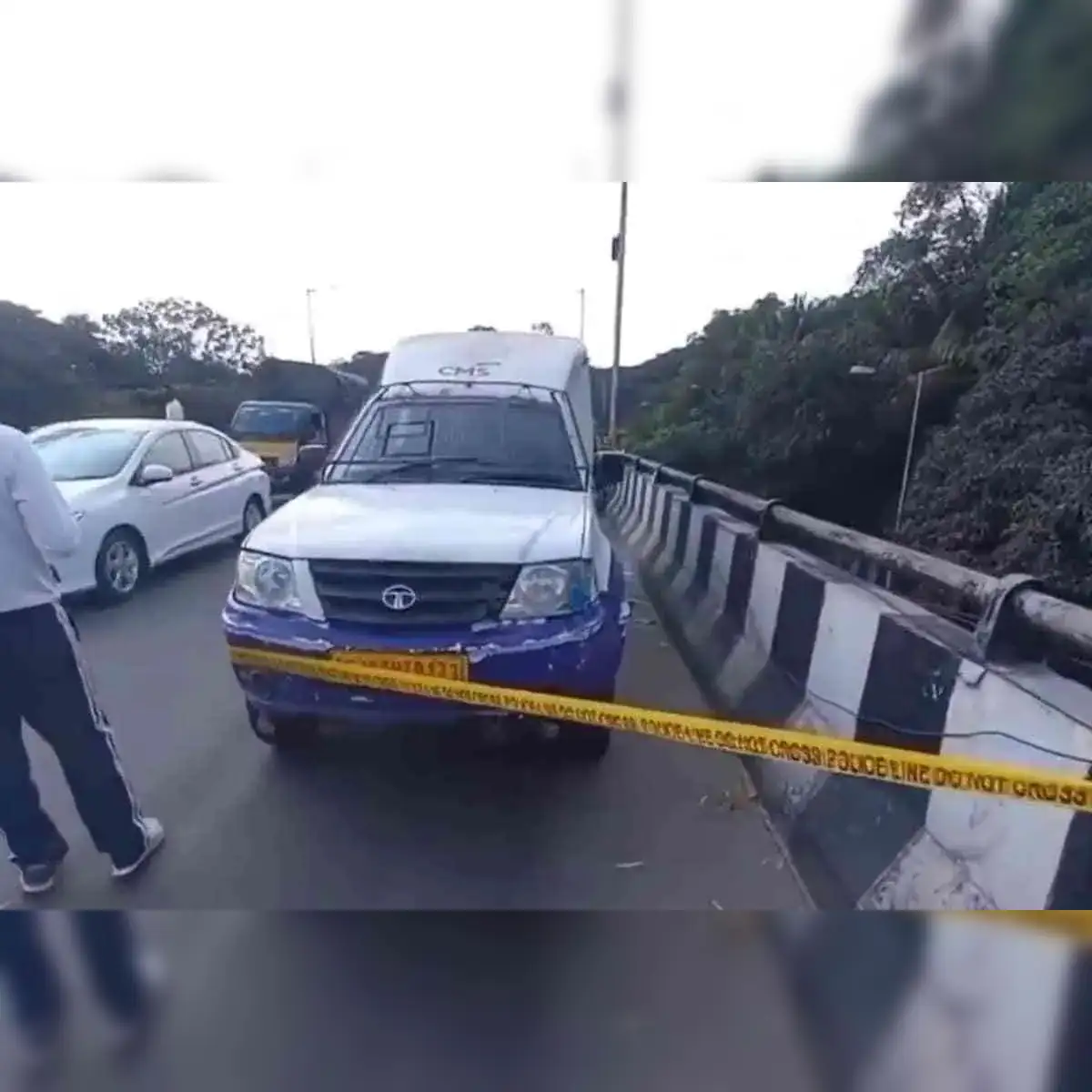
A serious theft allegation involving a head constable attached to the Bengaluru City Police has sparked widespread concern within the department after he was accused of stealing ₹11 lakh from a car belonging to an accused person. The incident, reported at the City Police Headquarters, has raised questions surrounding internal accountability, departmental oversight, and the ethical conduct expected from police personnel. Senior officers have taken note of the allegation and have initiated a detailed probe that is expected to examine procedural lapses, access protocols, evidence handling systems, and the role of supervisory officials responsible for monitoring staff behaviour on sensitive premises.
Background and Circumstances Leading to the Incident
The case began when an accused individual’s car was seized and brought to the City Police Headquarters as part of ongoing investigations into a separate criminal matter. As is standard practice, the vehicle was placed under police custody pending further inquiry. According to preliminary information, the head constable allegedly gained access to the vehicle and removed bundles of cash amounting to ₹11 lakh. The incident reportedly occurred during a shift change, when surveillance and monitoring of vehicle storage areas may have been less rigorous, allowing the accused officer to act without immediate detection.
Discovery of the Missing Cash
The alleged theft came to light when officers handling the primary case opened the car to document and inventory materials connected to their investigation. To their surprise, they discovered that the expected cash had gone missing. Initial confusion soon turned into suspicion as the vehicle had remained fully under police custody, limiting the number of individuals who could have accessed it. The matter was escalated to senior officers, who swiftly ordered a review of entry logs, CCTV footage, and access permissions. Within hours, investigators reportedly zeroed in on the head constable based on movement patterns captured on internal surveillance systems.
Internal Inquiry and Immediate Departmental Response
Upon receiving the complaint, senior officers initiated an internal inquiry and temporarily relieved the accused head constable of active duty pending investigation. Officials emphasised that the department treats such allegations with utmost seriousness, given the damage they inflict on public trust. A special team has been assigned to conduct the inquiry, examine electronic evidence, and question personnel who were on duty at the time. The Police Commissioner has directed supervisory officers to review all procedures surrounding vehicle seizures and custody handling to ensure similar lapses do not occur in the future.
CCTV Footage and Digital Evidence Under Scrutiny
One of the key elements of the ongoing investigation is the analysis of CCTV footage from multiple points inside the headquarters complex. Officials are examining recordings to determine the sequence of movements made by the head constable and establish a clear timeline. Investigators are also verifying whether the accused officer acted alone or if anyone aided him by overlooking protocols. The digital evidence is crucial not only in proving the allegation but also in identifying systemic vulnerabilities that allowed the incident to occur. Authorities believe this case may lead to stronger surveillance guidelines.
Statements from Senior Officers and Department Reaction
Senior officers have expressed disappointment over the allegation, noting that such incidents jeopardise the respect associated with the police force. They emphasised that no misconduct will be tolerated, especially within highly secure premises. The Police Commissioner has reiterated that the department remains committed to transparency and accountability. Officials have assured that strict action will be taken if the inquiry confirms the allegations. They also highlighted the need to restore confidence among citizens, reminding personnel that integrity remains the core expectation of public service, regardless of rank or experience.
Legal Implications and Possible Charges
If the allegations are proven true, the head constable could face multiple charges, including theft, criminal breach of trust, and misuse of official position. Legal experts note that theft committed from evidence or property under police custody carries serious consequences because it undermines the credibility of law enforcement. In addition to criminal charges, the officer could face suspension, departmental disciplinary measures, or permanent dismissal from service. The legal team assisting the inquiry will examine the applicable sections of the law, ensuring that the case is pursued with the severity it demands under the circumstances.
Concerns About Evidence Custody Management
The incident has reignited concerns regarding the management of seized vehicles and evidence in police custody. Critics argue that while guidelines exist, their implementation varies significantly across units. Many departments still rely on manual entry logs, limited CCTV coverage, and inadequate storage facilities. This case exposes the vulnerabilities in these systems, prompting calls for stricter compliance and oversight. Experts suggest that the police department must introduce automated locking systems, tamper-proof access control, and regular audits to reduce opportunities for internal theft and ensure that evidence remains secure throughout the investigation.
Impact on Ongoing Investigations
The disappearance of the cash has posed challenges for the primary investigation involving the accused individual whose car was seized. Officers say the missing money does not alter the nature of the case but complicates evidence documentation. Investigators must now record the cash theft as a separate incident, potentially affecting courtroom proceedings and case timelines. Legal teams may need to produce supplementary documentation to explain the gap in evidence, which can lead to delays and additional scrutiny from judicial authorities. This case highlights how misconduct within law enforcement can ripple into unrelated investigations.
Reactions from Police Associations and Ethical Concerns
Police associations and retired officers have expressed concern over the allegation, noting that a few misconduct incidents cast a shadow over thousands of officers who perform their duties with honesty. They emphasise that ethical training and internal counselling are essential components of police culture, especially for personnel working in high-pressure environments. Some associations advocate for continuous psychological evaluation and stronger mentorship systems to monitor behavioural changes among staff. They argue that ethical lapses often stem from workplace stress, financial pressures, or lack of accountability structures that discourage wrongdoing.
Public Response and Questions on Trust
Members of the public have reacted sharply to reports of the alleged theft, with many questioning how a crime of this scale could occur inside police headquarters, one of the State’s most secure buildings. Citizens say that such incidents damage confidence in the police, particularly for individuals who entrust valuables or documents during investigations. Civil society activists argue that the department must strengthen transparency, publish inquiry outcomes, and ensure that accountability measures are stringent. They believe that law enforcement must maintain a higher standard of conduct than the general public, given its role in upholding justice.
Systemic and Administrative Issues Under Review
The incident has pushed the department to examine deeper administrative issues that may have allowed the theft to occur. Officials are assessing whether routine checks were conducted, whether shifts were adequately supervised, and whether officers had unrestricted access to seized vehicles. Some internal reports indicate that protocols are not strictly followed during late-night hours, creating gaps that can be exploited. Administrators are now exploring additional security enhancements, including biometric entry logs, specialised custody officers, and mandatory documentation drills at the start and end of every shift.
Role of Supervisory Personnel in the Alleged Lapse
Investigators are also examining the role of supervisory officers who were responsible for overseeing the premises at the time of the alleged theft. Supervisors are expected to maintain high vigilance, ensure that evidence-holding areas remain secure, and enforce discipline among personnel. If negligence is established, disciplinary action may extend beyond the accused head constable. This case highlights the importance of leadership and accountability at every level of the police hierarchy. Experts say that systemic improvement can occur only when supervisors adopt a proactive and intervention-driven approach to monitoring staff behaviour.
Potential Reforms to Prevent Future Incidents
Following the incident, officials have proposed several reforms to strengthen custodial integrity. These include expanding CCTV coverage, securing the parking areas used for seized vehicles, and adopting digital inventory systems to reduce manual handling of evidence. The department is also considering an automated record-keeping platform that allows limited-permission access to ensure no officer can approach seized items without authorisation. Training sessions focused on procedural integrity, ethical conduct, and internal vigilance may be made mandatory. Such measures aim to prevent recurrence and reinforce a culture of honesty within the force.
Expert Insights on Police Integrity and Internal Vigilance
Criminologists and policing experts say that internal vigilance is as important as external enforcement for any law enforcement agency. They argue that corruption or misconduct within police ranks has a disproportionate impact because it erodes public trust in institutions responsible for justice. Experts recommend establishing independent internal oversight units, regular audits, and whistleblower protection frameworks to encourage reporting of misconduct. They believe that the Bengaluru incident underscores the need for institutions to constantly evaluate the moral climate within their ranks and invest in preventive strategies rather than reactive measures.
Past Incidents and the Need for Stronger Oversight
This incident is not the first time internal misconduct within police departments has come under scrutiny. While most officers uphold high professional standards, isolated cases of theft, bribery, or procedural manipulation have surfaced in the past. Analysts say such incidents highlight the importance of institutional memory—ensuring that lessons from previous lapses inform future reforms. Departments must identify recurring patterns, such as lack of surveillance or poorly maintained custody records, and implement structural corrections. The goal should be to foster a self-correcting system where preventive measures become part of everyday administration.
Administrative Accountability and Future Course of Action
As the inquiry progresses, senior officials are under pressure to ensure transparency and fairness in the proceedings. The department has assured that punitive action will be taken if guilt is established, including criminal charges and dismissal. Authorities also intend to publicise the findings to reinforce confidence among the public. In addition, the administration is likely to introduce revised guidelines for secure handling of seized vehicles. These guidelines may include new access restrictions, enhanced documentation rules, and improved supervisory systems to ensure that officers strictly follow evidence protection protocols.
Conclusion
The alleged theft of ₹11 lakh by a head constable from a car kept within Bengaluru City Police Headquarters has triggered a wide-ranging internal review that extends far beyond the immediate incident. It raises questions about the robustness of custodial procedures, the responsibility of supervisory staff, and the ethical expectations placed on law enforcement officers. While the inquiry is expected to bring clarity and accountability, the incident serves as a reminder that public trust in policing depends not only on operational effectiveness but also on the integrity and discipline displayed within the force.
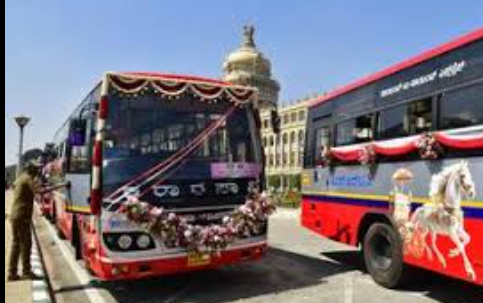
The Karnataka State Road Transport Corporation KSRTC has taken significant steps to address long-pending employee welfare concerns by disbursing compensation worth ₹4.38 crore to the dependants of deceased and medically unfit staff members. This development marks a key administrative intervention aimed at improving support structures for families affected by unexpected tragedies or long-term illnesses. In parallel, the transport utility has launched a new commercial management software, e-Vaneejya, intended to modernise internal operations, streamline financial tracking, and improve revenue oversight. Together, these measures reflect the corporation’s attempt to balance social responsibility with operational efficiency during a period of organisational transformation.
Background on Compensation and Welfare Gaps
For several years, the dependants of many KSRTC employees faced delays in receiving rightful benefits due to administrative bottlenecks, extended verification cycles, and fragmented documentation procedures. Employee unions have repeatedly highlighted that families of staff who died while in service often struggled with financial instability because compensation was not processed systematically. The corporation has been under pressure to improve its welfare mechanisms, particularly after multiple internal audits emphasised the urgency of clearing pending dues. The clearance of ₹4.38 crore is being viewed as a major corrective step to restore trust in the organisation’s commitment to employee welfare.
Details of the Compensation Disbursal
According to officials, the compensation amount was distributed to dependants spanning various units of the corporation, including operational personnel, maintenance staff, and employees engaged in administrative duties. The payments cover death-in-service cases, terminal benefits for those who passed away post-retirement while awaiting settlements, and special assistance for workers rendered medically unfit during service. Each disbursal was preceded by a verification process that matched service records with beneficiary applications. Officials said the streamlined mechanism used this time is likely to shape future disbursals, ensuring that delays are minimised and families receive timely financial support.
Impact on Dependants and Local Communities
Families who received the compensation are expected to experience relief after months or even years of uncertainty. Many dependants rely heavily on such settlement amounts to manage outstanding loans, secure education for children, and stabilise household expenses after the loss of a primary breadwinner. Local officials noted that the financial injection will have a broader community impact, strengthening rural and semi-urban households where many KSRTC employees reside. The disbursal also carries emotional significance, as it acknowledges the contributions of staff members whose services were central to connecting Karnataka’s transport network across districts.
Role of Employee Welfare Committees
Internal welfare committees played a crucial role in identifying pending cases and prioritising them for settlement. These committees—comprising representatives from human resources, legal divisions, and workers’ unions—were instrumental in pushing for quicker processing timelines. Their coordination ensured that medical unfitness cases, often overlooked in rigid administrative structures, received appropriate attention. The committees have also recommended a periodic review mechanism to prevent future backlogs. They insist that welfare should remain a core principle guiding KSRTC’s governance, especially since transport sector employees face occupational risks that require strong institutional safety nets.
Administrative Reforms and Accountability
The leadership of KSRTC has emphasised that clearing dues is part of a broader strategy to strengthen the organisation’s governance. Past criticism pointed to scattered data systems, dependency on manual paperwork, and insufficient accountability. As a result, the corporation has begun transitioning towards digital integration of welfare records, settlement workflows, and employee service histories. Officials say that once fully implemented, these changes will allow faster verification, automated flagging of pending claims, and better coordination between divisional branches. These reforms aim to ensure that compensation processes are not only timely but also transparent.
Introduction of e-Vaneejya Software
Alongside the welfare-focused initiatives, KSRTC unveiled its new commercial management software, e-Vaneejya. This digital platform has been developed to transform the way the corporation manages key commercial operations including ticketing revenue, contract services, advertising streams, and depot-level financial oversight. Administrators describe it as a comprehensive tool that integrates multiple revenue-generating components into a centralised digital dashboard. The software is designed to reduce data discrepancies, enable real-time monitoring, and improve decision-making across the organisation’s large network of depots and routes. It represents a strong step toward modern, technology-driven public transport management in the State.
Improving Revenue Tracking and Transparency
KSRTC’s previous systems for revenue management relied heavily on manual entries and separate departmental databases, often leading to inconsistencies and difficulties in reconciling financial information. With e-Vaneejya, officials say data will now flow into a uniform system, enabling precise tracking of earnings from bus services, leased spaces, and commercial tie-ups. The new system will allow managers to identify areas of revenue leakages and inefficiencies more effectively. This digital shift is expected to significantly reduce administrative errors, empower auditors, and foster a transparent financial culture across the corporation’s functioning.
Enhancing Operational Efficiency through Digital Tools
By digitising core commercial activities, KSRTC aims to streamline workflows that once involved multiple layers of paperwork. Depot managers will now have access to timely data, enabling faster approvals and easier coordination among operational staff. Officials highlight that e-Vaneejya’s analytics features can forecast demand patterns, helping the corporation plan route allocations, optimise schedules, and reduce operational waste. The system is also expected to help in planning tender processes, monitoring contract renewals, and ensuring compliance with financial standards. Over time, these improvements could lead to cost savings and better service delivery.
Stakeholder Reactions and Union Perspectives
Employee unions have welcomed the compensation disbursal, calling it an overdue but meaningful move. They emphasise that such gestures reinforce morale among the workforce, which often performs under challenging conditions. However, unions have also urged KSRTC to set stricter time frames for process completion so that families do not face unnecessary distress. On the introduction of e-Vaneejya, unions acknowledge the importance of transparency but emphasise that digital adoption should not result in downsizing or increased pressure on employees. They advocate for adequate training programmes to ensure staff are comfortable working with the new system.
Government’s Broader Public Transport Vision
The government views KSRTC’s reforms as part of a larger transformation of Karnataka’s public transport ecosystem. In recent years, the sector has faced rising operational costs, fluctuating ridership, and the need for rapid modernisation. By focusing on welfare, digital integration, and financial reform, the authorities hope to improve both employee well-being and service reliability. The launch of e-Vaneejya aligns with State-level plans to enhance digital governance across departments. Officials are optimistic that these combined efforts will contribute to a more resilient transport system capable of meeting the mobility needs of a growing population.
Challenges Ahead for Implementation
Despite the positive steps, KSRTC still faces multiple challenges in ensuring consistent delivery on welfare and digital reform. The corporation must strengthen its data security systems, train its workforce thoroughly, and maintain coordination between rural depots and central offices. Ensuring that dependants of employees continue to receive timely assistance requires continuous monitoring and periodic policy revisions. Similarly, the implementation of e-Vaneejya will require sustained technical support to avoid disruptions. Experts caution that successful reform depends on the balance between technological upgrades and humane, employee-centric administrative practices.
Technical Integration and Training Requirements
Officials have acknowledged that the transition to e-Vaneejya will require phased integration because many depots still operate on older software or manual systems. Comprehensive training modules are being planned to ensure that staff understand the platform’s workflows, data entry formats, and reporting mechanisms. The corporation is also working with software developers to provide help desks and field-level support teams for troubleshooting. Such training initiatives are expected to reduce errors, build user confidence, and ensure that the new software achieves its full potential in improving commercial oversight and organisational efficiency.
Need for Continuous Welfare Monitoring
Labour experts note that clearing outstanding dues is a positive step, but employee welfare must remain a continuous priority. They argue that transport employees often face occupational stress, long working hours, and health hazards that demand robust insurance and support systems. KSRTC is being encouraged to create a long-term welfare monitoring framework with clear timelines, digital tracking, and automatic notifications for pending cases. Regular audits, combined with employee feedback mechanisms, could ensure that no beneficiary is left waiting for essential support. This approach is crucial in maintaining trust between the workforce and the administration.
Expected Long-Term Benefits for the Corporation
The reforms are expected to generate long-term advantages for KSRTC by improving efficiency, reducing leakages, and strengthening employee satisfaction. Digital tools like e-Vaneejya are likely to enable data-driven planning, while welfare-focused initiatives can reduce attrition and improve organisational loyalty. Analysts say that a financially stable, technologically updated, and employee-friendly corporation is better positioned to expand routes, adopt green technologies, and collaborate with private players. These combined strengths could help KSRTC remain competitive in an evolving transport landscape and play a central role in shaping Karnataka’s mobility future.
Conclusion
By clearing ₹4.38 crore in compensation dues and launching the e-Vaneejya digital platform, KSRTC has demonstrated a commitment to both employee welfare and operational modernisation. These initiatives reflect a growing recognition that public sector organisations must balance compassion with efficiency to meet contemporary governance standards. While challenges remain, the corporation’s recent actions signal a clear shift toward a more transparent, responsive, and technology-driven framework. If sustained, these reforms could strengthen the organisation’s credibility, enhance workforce morale, and contribute significantly to Karnataka’s broader public transport goals.
The demand for skilled manpower from Karnataka continues to gather momentum on the global stage, with multiple European industries increasingly turning their attention towards the State’s technically job trained workforce. The latest development comes from Slovakia, where a cluster of manufacturing companies has begun scouting for specialised talent capable of supporting their expanding automotive and industrial operations. According to officials familiar with the recruitment requests, Slovakian employers are seeking candidates with advanced competencies, particularly in the automobile electrical domain, prompting Karnataka to accelerate its efforts to connect qualified youth with emerging international opportunities.
Industry analysts in Karnataka say the demand from Slovakian firms reflects a larger shift in European manufacturing, where companies are gradually moving away from traditional labour markets in Eastern Europe due to rising wages and demographic decline. With Slovakia experiencing an ageing workforce and a shrinking pool of young technical workers, foreign companies operating there are looking to countries with strong demographic advantages. Karnataka, with its expanding youth population, is seen as an important partner. Officials note that this demographic complementarity is likely to drive more bilateral engagements in the coming years, particularly in specialised manufacturing and heavy engineering.
Meanwhile, Karnataka’s labour and skill development officials emphasise that any recruitment of workers for overseas markets must happen through transparent, government-recognised channels. They stressed that the State has recently increased awareness drives across districts to warn jobseekers about fraudulent agencies promising foreign placements. The government is simultaneously strengthening its international migration monitoring systems to ensure worker protection abroad. Officials added that collaborations with legitimate international employers, such as the present Slovakian delegation, offer safer opportunities for youth while also generating state revenue through remittances, reinforcing Karnataka’s goal of creating ethical and well-regulated global employment pathways.
Additionally, Slovakian delegates conveyed that their industries are open to long-term commitments, including multi-year employment contracts for workers who perform well during training. They stated that skill progression pathways would be built into the employment structure, enabling workers to move from basic technical roles to supervisory positions depending on their performance. Karnataka’s delegation noted that such structured opportunities could reduce job insecurity for youth and enhance the credibility of overseas placements. The discussions also included the possibility of setting up pre-departure orientation centres specifically for Europe-bound workers to familiarise them with workplace norms and cultural expectations.
Training institutions in Karnataka, particularly those associated with the Skill Development Corporation, have begun preliminary assessments to determine the scale of upskilling required to meet Slovakian industry expectations. Officials said that while many local youth already possess basic mechanical and electrical skills, targeted modules focusing on European safety standards, industrial automation basics, and precision tool handling may be required. Discussions are underway to introduce Slovakia-specific training batches. Industry experts believe that offering such specialised modules will improve placement rates, reduce skill mismatches, and enhance Karnataka’s overall reputation as a supplier of competent, industry-ready manpower for global markets.
Economists examining the development point out that global mobility of skilled workers often produces secondary economic benefits for the home region. Remittances, they argue, tend to improve household incomes, support rural education, and create new avenues for micro-investments in local businesses. Karnataka’s officials say districts with high outward migration have historically demonstrated increased economic activity. With European placements generally offering stable salaries, they anticipate that successful recruitment to Slovakia could create long-term financial stability for many families. However, they stress that mobility must be supported by strong monitoring frameworks to prevent exploitation and ensure workers’ welfare abroad.
The State government is also exploring whether a bilateral workforce mobility agreement with Slovakia could be formalised in the future. While the current engagement is limited to interactions between industries and Karnataka’s skill ecosystem, officials say a formal agreement could streamline visa processing, standardise labour protections, and provide grievance-redress mechanisms for workers. Such agreements have already been executed with a few other countries, and Karnataka’s leadership hopes Slovakia may be added to that list. The Labour Department intends to present a detailed proposal to the Union government once the ongoing assessment of industry requirements and worker readiness is completed.
Surge in Demand for Technical Skills
In recent months, the State’s Overseas Employment and Skill Development initiatives have received an uptick in enquiries from companies in Europe, highlighting a shift in how global employers view Indian technical training systems. Slovakian companies, especially from the automotive manufacturing sector, are said to be looking for professionals who can handle high-precision assembly, electrical diagnostics, sensor-based automation, and advanced wiring systems used in modern vehicle production lines. Officials note that this demand reflects the reputation Karnataka has built through its industrial training ecosystem, polytechnic network, and exposure to global manufacturing practices over the past two decades.
Stellantis Leads the Latest Hiring Push
Among the major employers expressing interest is global automaker Stellantis, the multinational company responsible for models such as the Citroën C3, Citroën C3 Aircross, and Opel Frontera. As part of its ongoing expansion plans across Europe, Stellantis has sought fresh manpower support from Karnataka’s labour and skill departments. The company requires candidates with strong grounding in automobile electrical engineering, hands-on production experience, and the ability to adapt to rapidly evolving electric and hybrid vehicle technologies. Government officials have confirmed that the request is part of Stellantis’s broader global hiring strategy aimed at strengthening its European manufacturing units.
State Government’s Response Mechanism
The Karnataka government has said it is responding promptly to the new recruitment requests by coordinating with its district skill centres, employment exchanges, and Industrial Training Institutes. Officials are preparing a preliminary shortlist based on skills, certification levels, and relevant work experience. The process includes verifying candidate readiness, conducting orientation sessions on European industry expectations, and ensuring compliance with international labour standards. Authorities also emphasised that any recruitment for overseas positions will proceed strictly through government-regulated pathways to ensure transparency and protect the interests of job-seekers.
Training and Certification Drivers
Experts attribute Karnataka’s global employability to the strength of its training ecosystem, which includes formal ITIs, private sector skill academies, and industry-partnership programmes. Automobile electrical training has been a priority area for several years, especially as vehicle manufacturers shift towards electric and hybrid platforms. The State’s skilling curriculum incorporates diagnostics, CAN-bus systems, battery management, embedded systems, and mechatronics, giving trainees an edge in international labour markets. Slovakian companies, recognising this competency, are reportedly seeking not just entry-level workers but also mid-career professionals with deeper technical exposure
Why Slovakia is Looking Towards India
Slovakia has emerged as a key automotive manufacturing hub in Central Europe, with several global companies setting up large-scale production units due to the region’s favourable industrial policies and proximity to European markets. However, demographic shifts and a decreasing local workforce have created skill shortages in specialised manufacturing roles. As a result, Slovakian industries have begun exploring international recruitment, and India—particularly Karnataka—has become an attractive source due to its skilled labour base, English proficiency, and experience in adhering to global quality systems. Officials say this trend may accelerate in the coming years.
Opportunities and Challenges for Job-seekers
While the demand presents significant opportunities for Karnataka’s youth, experts caution that overseas roles require adaptability to different work cultures, rigorous technical expectations, and familiarity with global labour regulations. Candidates must be prepared for structured shifts, advanced technology, strict safety norms, and long-term skill upgradation. Government officials emphasise that all selected candidates will receive pre-departure orientation to prepare them for language barriers, cultural differences, and workplace expectations in Slovakia. The focus is on ensuring that migrant workers from Karnataka are skilled, informed, and equipped to build sustainable careers abroad.
Impact on Karnataka’s Global Mobility Landscape
The steady rise in global recruitment interest signifies a broader transformation in Karnataka’s workforce mobility patterns. Traditionally, migration from the State was focused on IT, nursing, hospitality, and Gulf-based trades. However, the recent expansion into European manufacturing marks a diversification of international job channels for technically trained workers. This shift also strengthens Karnataka’s positioning as a global skill supplier beyond the IT sector. Policymakers believe that if sustained, such opportunities could motivate more youth to pursue vocational training, especially in high-growth technical domains aligned with global industry demands.
Industry Reactions and Expert Commentary
Industry bodies in Karnataka have welcomed the new demand, stating that it validates the State’s long-term investments in skill development. Automobile sector experts note that Karnataka’s training curriculum is widely aligned with international standards, making it easier for graduates to integrate into global production ecosystems. Several industry associations have urged the government to streamline the recruitment pipeline further, create faster certification pathways for specialised skills, and widen the pool of technically trained professionals who meet European benchmark requirements.
Way Forward and Government Strategy
The State government is expected to formalise additional partnerships with international employers in the coming months to expand job opportunities for skilled youth. According to officials, the focus will be on enhancing language training, updating technical curriculum modules, and strengthening collaboration with European industry councils. The government also plans to introduce digital tracking for overseas employment to ensure timely support for migrant workers. If implemented effectively, these efforts could help Karnataka emerge as one of India’s leading contributors to the global skilled workforce in the industrial and automotive sectors.
Conclusion
The renewed interest from Slovakian companies marks another chapter in Karnataka’s growing role in the international skilled labour market. The State’s consistent emphasis on technical training, industry-aligned curricula, and structured skilling pathways has positioned its workforce for global opportunities. With Stellantis and other European manufacturers now actively seeking specialised automobile electrical talent, Karnataka’s youth stand to benefit from a new wave of overseas employment avenues. As the government strengthens its regulatory and support systems, the State is poised to continue shaping India’s global mobility and international workforce narrative in the months ahead.
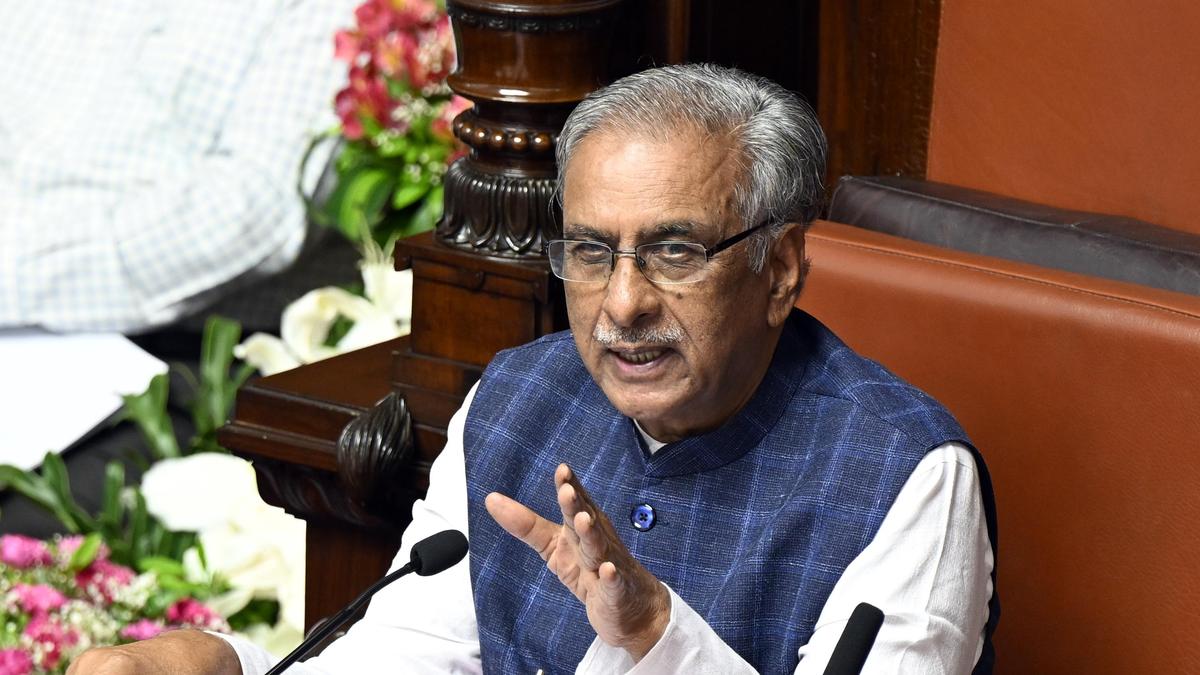
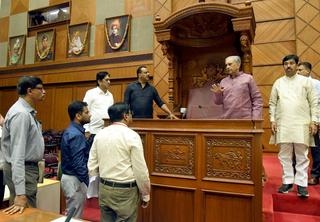
The ongoing internal debates within the Karnataka Congress over leadership roles in the Legislative Council have brought renewed focus on the position of Council Chairperson Basavaraj Horatti. Despite the ruling party’s attempts to assert control over key posts, political observers believe Horatti is likely to retain his role for the foreseeable future. The leadership tussle, driven by factional interests and the Congress’s efforts to consolidate power, has sparked discussions on legislative stability and the dynamics between the government and the opposition. The situation has become a defining marker of the evolving political landscape in Karnataka.
Background of the Council Dynamics
The Karnataka Legislative Council, with its unique composition and multi-party presence, has always required delicate political management. Horatti, a veteran politician with decades of legislative experience, has helmed the Chairperson’s post through multiple political shifts. Though the Congress holds significant influence in the House, it lacks complete dominance, making consensus-driven leadership crucial. In recent months, talk within party circles centred on whether the Congress would push for replacing Horatti with someone aligned more firmly with its organisational structure. This internal expectation emerged as part of a larger reshuffle being considered within the party.
Congress’s Internal Leadership Pressures
The Congress has been under pressure to reward loyalists, accommodate senior leaders, and restructure key legislative positions after forming the government. For some within the party, the Council Chairpersonship represents an important opportunity to assert political authority. Several groups reportedly argued that the position should reflect the party’s numerical strength and ideological priorities. However, the leadership has been cautious, aware that sudden changes may trigger friction with opposition parties and risk procedural complications. Balancing internal aspirations with institutional stability has therefore become a central challenge for the party’s decision-makers.
Why Horatti’s Position Appears Secure
Despite the internal pressures, many within and outside the Congress believe Horatti is likely to remain in the post. His long tenure has earned him respect across party lines, making him an acceptable figure to both the ruling and opposition benches. Additionally, any move to replace him would require strategic preparation and broad consensus—factors not currently aligned within the Congress. Leaders recognise that attempting a leadership overhaul without careful groundwork could escalate tensions during legislative sessions. As a result, stability has emerged as the immediate priority, favouring Horatti’s continued leadership in the Council.
Opposition’s Strategic Interests
For the opposition, particularly the BJP and JD(S), retaining Horatti as Chairperson helps maintain a familiar structure in the Council. His experience and reputation for neutrality give opposition members confidence in procedural fairness. They have, therefore, shown no urgency in pushing for a change. In fact, speculations suggest that any attempt by Congress to replace him would be met with coordinated resistance, potentially leading to procedural blocks. The opposition’s stance indirectly strengthens Horatti’s position, creating a political buffer that complicates Congress’s internal ambitions.
Pressure From Congress’s Factions
Factions within Congress continue to push for representation in high-profile legislative roles. These groups argue that senior party loyalists must be rewarded with institutional responsibilities, especially after contributing significantly to electoral victories. Some leaders view the Council Chairpersonship as a symbolic post that should reflect the ruling party’s authority. Yet, the high-command’s hesitation stems from concerns that faction-driven appointments could further intensify internal rivalries. With the party already juggling regional, caste-based, and leadership-alignment pressures, making major structural changes in the Council has proven politically risky.
Role of the High Command
The Congress high command has been closely monitoring the situation, aware that any misstep could fuel factional conflicts or embolden the opposition. Senior leaders reportedly favour a cautious approach, preferring to maintain continuity rather than disrupt legislative proceedings. The high command is also mindful of the larger political narrative—projecting stability and cohesion is vital as the party prepares for upcoming electoral battles. Replacing Horatti, a respected and experienced politician, could introduce uncertainties that undermine this narrative. Consequently, the leadership appears inclined to preserve the status quo.
Legislative Stability as a Priority
With crucial bills expected to be tabled in the coming months, the government is prioritising smooth functioning of the Council. Any attempt to alter the Chairpersonship now risks procedural disruptions and political confrontation. Leaders argue that consistency in the Council’s leadership is essential for ensuring orderly debate and timely passage of government initiatives. Horatti’s familiarity with the House and his ability to maintain decorum are considered assets. Therefore, institutional stability has emerged as a significant factor supporting his continuation in the role.
Public and Political Reactions
Political analysts and civil society observers have expressed varied opinions on whether Congress should attempt reshuffling key positions. Some argue that the ruling party is justified in seeking greater control over legislative leadership, while others believe continuity is crucial for safeguarding democratic functioning. Public discussions have also reflected scepticism about leadership tussles overshadowing more pressing governance issues. Many voters view the political manoeuvring as internal power-play rather than a matter of public interest. This widespread sentiment has influenced the party’s cautious approach to decision-making.
Horatti’s Reputation and Track Record
Basavaraj Horatti’s long political journey has shaped his standing in Karnataka’s legislative ecosystem. Known for his calm demeanour and ability to accommodate differing viewpoints, he has presided over the Council through politically turbulent phases. His experience enables him to manage debates, address disruptions, and uphold procedural traditions. Legislators across parties acknowledge his role in ensuring balanced discussions. This widespread respect has contributed significantly to the belief that his continuation will help maintain maturity and decorum in the Council, especially at a time of rising political friction.
Congress’s Difficulty in Reaching Consensus
Within Congress, decision-making on this issue has been complicated by the lack of consensus. Leaders from different regions and factions have divergent views on whether a reshuffle is necessary or prudent. Some argue that asserting control over the Council is essential for strengthening governance. Others insist that forcing a leadership change would invite unnecessary conflict. This internal divergence delays any decisive move, indirectly favouring Horatti. The inability to produce a unified stance reflects broader challenges the party faces in harmonising internal expectations with administrative priorities.
Impact on Legislative Functioning
The uncertainty surrounding leadership posts can influence legislative momentum. Although no official moves have been made, speculation has already created mild tension between parties. Government functionaries prefer that the Council operates without distractions, especially when policy issues demand attention. Opposition parties are alert to any signs of political overreach and have prepared strategies to counter attempts to alter leadership positions. Horatti’s presence, for now, offers predictability. Many believe that retaining him can reduce the risk of legislative standstills and ensure continuity in committee operations.
Complexities Behind Leadership Claims
Political positioning within the Council is shaped by factors beyond mere numbers. Personality, credibility, cross-party relationships, and procedural expertise all contribute to leadership suitability. Congress leaders recognise that installing a new Chairperson without broad acceptability could hamper the functioning of the House. Additionally, equations within the coalition supporting the government must be considered. These complexities explain why replacing Horatti is not a straightforward administrative decision but a politically sensitive process with long-term implications for governance and party dynamics.
Opposition’s Potential Responses
If Congress were to push aggressively for a new Chairperson, the opposition is expected to react strongly. Strategies may include procedural challenges, coordinated walkouts, or efforts to block legislative business. Such confrontational politics would reflect poorly on the ruling party and undermine its governance narrative. Recognising this, Congress leaders are wary of triggering avoidable disputes. The perception that Horatti ensures fairness and predictability has reduced the opposition’s willingness to consider an alternative. Thus, any move toward leadership change would likely escalate tensions within the Council.
Historical Precedents in Leadership Shifts
Karnataka’s political history features multiple instances where leadership changes in the Council triggered instability. Previous attempts to replace presiding officers have often resulted in prolonged disputes, disruptions, and claims of procedural violations. These precedents serve as cautionary examples for present-day decision-makers. Several leaders within Congress argue that the party must avoid repeating past mistakes. Maintaining Horatti, they suggest, is a prudent choice that ensures continuity and avoids reopening old political wounds. The historical lessons play a significant role in shaping current attitudes toward leadership changes.
Political Messaging and Optics
The Congress government is conscious of the optics associated with internal reshuffles. At a time when it seeks to project unity and efficiency, a contentious move to replace the Council Chairperson may send mixed signals. Critics could interpret the decision as factional appeasement rather than administrative necessity. The ruling party is therefore deliberating not only the operational implications but also the political messaging. Keeping Horatti in place aligns with a narrative of stability and maturity—attributes the government aims to highlight as it deals with complex governance responsibilities.
Implications for Future Political Strategies
The developments surrounding the Chairperson’s post could influence the party’s long-term strategies. Leaders involved in organisational restructuring must balance regional representation, loyalty, experience, and political rewards. Decisions made now will set precedents for future appointments. If Congress maintains status quo, it signals a preference for stability over consolidation of power. If it eventually pursues a leadership change, it indicates confidence in its legislative strength and willingness to assert control. Either path carries consequences for internal cohesion and the party’s positioning within the State’s political landscape.
Possible Scenarios Ahead
Three scenarios dominate political discussions. The first is continuation of the status quo, with Horatti remaining Chairperson until the political climate stabilises. The second involves a delayed reshuffle, executed only after the party builds broader consensus. The third, less likely scenario is an abrupt leadership change triggered by factional pressure or strategic calculations. The party’s next steps will depend on legislative priorities, internal negotiations, and the overall political environment. For now, momentum favours the first scenario, with stability being valued over confrontation.
Conclusion
The debate surrounding the Karnataka Legislative Council’s leadership has brought renewed attention to Basavaraj Horatti’s role and the Congress party’s internal complexities. Despite factional pressure and organisational expectations, the political climate seems to favour continuity. With crucial legislative tasks ahead, the government appears unwilling to risk instability by pursuing an abrupt change. Horatti’s experience, cross-party acceptance, and steady leadership have positioned him as the most viable choice for the immediate future. As deliberations continue, the coming months will determine whether stability or restructuring shapes the next phase of Karnataka’s legislative politics.
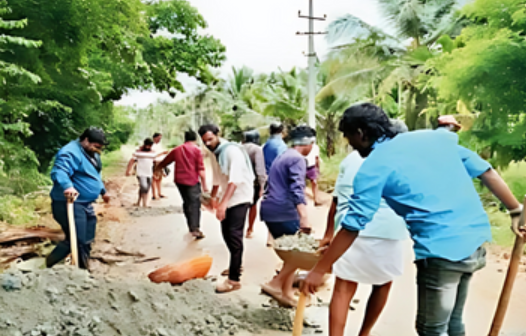
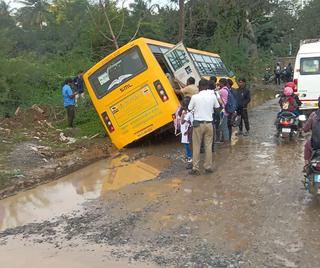
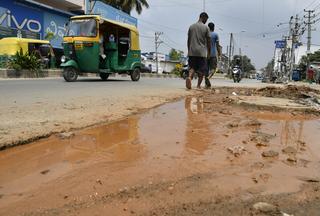
Residents of the labour colony in Kudremukh, frustrated by years of neglect and repeated appeals that went unanswered, have taken matters into their own hands by repairing a key internal road that had deteriorated beyond use. The stretch, critical for daily movement, school access, medical emergencies, and transport of essential goods, had become nearly impassable. Potholes, waterlogging, and erosion had turned the road into a hazard, especially during monsoon months. The community’s decision to carry out repairs collectively has brought attention to the long-standing issues of civic neglect, delayed developmental work, and lack of institutional accountability in the region.
Background
The colony is home to workers, daily-wagers, and families who depend heavily on the road for their everyday needs. Over the years, residents raised multiple complaints with local authorities, requesting immediate action to restore the damaged stretch. However, despite assurances, no significant repair work was initiated. As the condition worsened, residents struggled with mobility, with school buses avoiding the route and ambulances often unable to reach homes on time. The persistent inaction gradually pushed the community toward a collective decision: repair the road themselves using locally pooled funds and voluntary labour from within the colony.
Community-Led Initiative Begins
Faced with the absence of government intervention, the residents organised a meeting to chalk out an action plan. Contributions were collected from each household, depending on their capacity, to purchase basic materials such as gravel, cement, and tools. Local youth volunteered to take up physically demanding work, while older residents helped coordinate logistics and meals. The collective effort ensured that the repair work stayed uninterrupted. Over several days, volunteers filled potholes, levelled surfaces, and created drainage channels to prevent further water accumulation. The initiative also brought a renewed sense of unity and purpose among the residents.
Struggles During Repair Work
The task was far from easy. The colony had limited access to equipment typically required for road work. Heavy machinery, which would normally be supplied by government agencies or contractors, was unavailable. Residents depended entirely on manual labour and improvised tools. Transporting construction material up steep and uneven stretches further complicated the process. Frequent rainfall in the region washed away loose mud, forcing volunteers to redo certain sections. Yet, motivated by collective frustration and determination, the community continued until the surface was firm enough for vehicles to pass safely.
Government Inaction and Public Frustration
The residents’ decision has reignited frustration about the prolonged lack of response from authorities. Many expressed disappointment that repeated petitions, written complaints, and verbal requests failed to prompt even a temporary solution. While officials occasionally inspected the road and acknowledged the poor condition, no permanent work order was issued. For the residents, the absence of timely intervention felt like a reflection of systemic neglect. Some noted that the colony had not seen major infrastructural upgrades for years, despite its growing population and the continuous need for reliable roads.
Impact on Daily Life
Before the repairs, the damaged road severely disrupted the residents’ daily routines. Autos and taxis often refused to enter the colony, citing damage to their vehicles. School-going children had to walk long distances to reach the main road, especially during monsoon. Delivery of essential items such as groceries, LPG cylinders, and medical supplies was frequently delayed. The situation became particularly worrying for elderly residents and those with health issues, as emergency vehicles struggled to reach homes on time. The repair work has brought immediate relief, though residents emphasise that a community-led fix can only be temporary.
Calls for Accountability
Following the self-initiated repairs, community leaders have once again urged the gram panchayat and relevant public works departments to take responsibility. They argue that while the temporary fix has made the road usable, professionally executed repairs are essential to ensure long-term safety. Residents demand a clear timeline for the government to begin comprehensive restoration work. Some have suggested appointing a monitoring committee to track the progress of civic works, while others advocate for regular inspections to prevent roads from deteriorating to such an extent in the future.
Safety Concerns and Need for Permanent Solutions
Even after the successful community effort, experts warn that professionally engineered roads require proper foundation layers, drainage planning, and surface sealing—elements that cannot be replicated through manual patchwork. Without these, the repaired section may again deteriorate within months, especially during heavy rainfall. The residents have stressed that they do not want their initiative to be seen as a substitute for government responsibility. Their effort, they say, was driven by necessity and safety concerns, not by an intention to take over public infrastructure duties that rightfully belong to the authorities.
Political Reactions and Public Debate
The incident has sparked debate among local political leaders, with some acknowledging the community’s spirit while others criticise the government’s failure to deliver basic amenities. Opposition representatives argue that the situation highlights administrative inefficiency and lack of prioritisation of rural infrastructure. In contrast, local officials have claimed that budgetary constraints and pending project approvals delayed the repairs. Residents, however, remain unconvinced and highlight the urgency that was ignored. The situation has brought renewed attention to grassroots-level governance and the challenges faced by remote communities.
Role of Local Organisations
Several local welfare groups extended support to the colony residents by providing tools, drinking water, and snacks during the repair work. Youth associations helped coordinate volunteer schedules, ensuring that the work continued smoothly throughout the day. Some groups also documented the process to bring visibility to the issue, hoping that spreading awareness would pressure authorities into action. Their involvement reflects the growing reliance on community networks in areas where institutional support is slow or inconsistent, signalling a broader shift toward citizen-driven problem solving in neglected regions.
Environmental Challenges of the Region
Kudremukh’s terrain, known for its hilly landscape and heavy annual rainfall, makes road maintenance particularly demanding. The soil erosion caused by monsoon showers frequently damages unpaved or partially paved roads. Residents argue that these environmental conditions require more robust and timely interventions from the authorities. Without proper drainage and regular reinforcement, even newly paved roads can degrade rapidly. The colony’s experience underscores the need for specialised engineering solutions tailored to the region’s climate, rather than temporary repairs that fail to withstand seasonal wear.
Human Stories from the Colony
Behind the broader narrative are individual stories that illustrate the daily hardships caused by civic neglect. Parents recall carrying their children across muddy stretches to catch school buses. Drivers describe how their vehicles suffered frequent breakdowns. Shopkeepers mention the difficulty of transporting goods, which affected their business. Elderly residents speak of the fear of medical emergencies going unattended. These personal accounts collectively highlight why the community felt compelled to intervene. For many, contributing to the repair effort was not merely voluntary—it was essential for survival and dignity.
Economic Implications
Infrastructure issues such as damaged roads can significantly affect the economic stability of labour colonies. Residents often commute to nearby towns for work, and poor road connectivity limits job opportunities. Auto drivers and delivery workers in the colony reported loss of earnings due to vehicle damage and increased travel time. Traders relying on timely supply of goods experienced irregularities that hurt their business. By temporarily fixing the road, the community has helped stabilise local economic activity, though sustainable solutions require consistent government investment and long-term planning.
A Model of Community Resilience
Despite the adversity, the colony’s initiative is being hailed as a symbol of resilience and collective responsibility. Their effort demonstrates how communities can mobilise resources, organise labour, and implement solutions when faced with prolonged delays. Social workers note that such initiatives foster cooperation and strengthen community bonds. However, they caution that while citizen participation is admirable, it should not become the norm for essential services. Community-driven repair work should serve as a wake-up call for authorities to improve responsiveness, not a justification for outsourcing core civic duties to residents.
Renewed Appeals to Authorities
Following the completion of the temporary repairs, residents submitted a fresh memorandum to local authorities, documenting the entire process and the urgency behind it. They have requested an immediate site inspection and allocation of funds for a professionally constructed road. The memorandum also seeks clarity on timelines for future maintenance. Residents warn that ignoring the issue again could lead to repeated crises, forcing the community to rely on unsustainable measures. They hope the visibility generated by their efforts will finally push civic agencies to act with seriousness.
Comparisons With Other Regions
The situation in Kudremukh is not isolated. Several rural and semi-urban pockets in Karnataka have witnessed similar community-led initiatives after prolonged government inaction. In some regions, residents repaired bridges, cleared blocked drains, or restored pathways on their own. These instances point to a broader pattern where delays in administrative decision-making compel communities to intervene. Analysts argue that such recurring issues indicate the need for structural reforms in planning, fund allocation, and execution of basic infrastructure projects, especially in regions vulnerable to environmental erosion.
Long-Term Expectations
Residents believe that sustained government attention is crucial to ensuring that their colony does not continue to face cycles of neglect. They hope for regular monitoring, transparent updates on public works, and meaningful dialogue with officials. Some have suggested setting up a local grievance redress mechanism that allows complaints to be tracked and addressed without delay. Others advocate for community participation in decision-making, arguing that residents have firsthand knowledge of their local infrastructure needs. Overall, the expectation is for collaborative governance built on accountability and respect.
Conclusion
The labour colony residents of Kudremukh have demonstrated remarkable determination by repairing their road after years of unfulfilled promises from authorities. Their effort provides immediate relief but also exposes systemic issues surrounding civic responsiveness, rural infrastructure, and administrative delays. While the community’s spirit is commendable, sustainable change depends on prompt government intervention and long-term infrastructural planning. The incident stands as both a testament to collective action and a reminder of institutional responsibilities. Residents now await meaningful follow-through from authorities to ensure that their temporary fix becomes the starting point for permanent improvement.
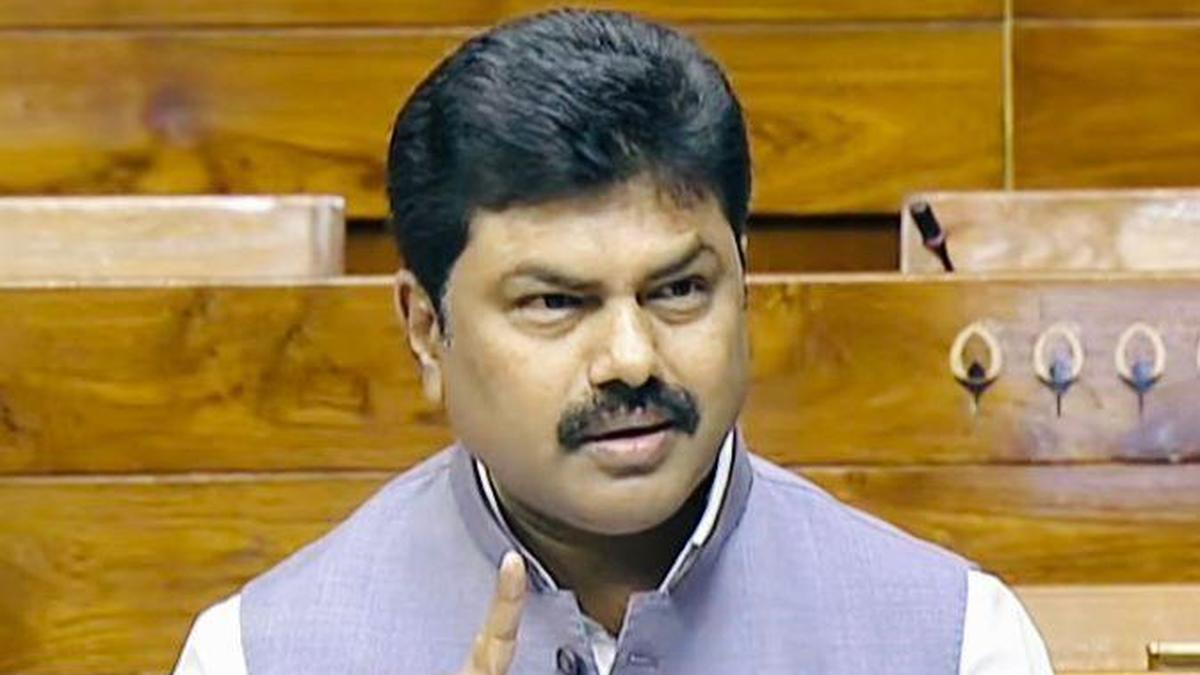
Shivamogga MP B. Y. Raghavendra brought national attention to the growing distress among areca nut farmers in Karnataka by raising the issue during Zero Hour in the Lok Sabha on December 4, 2025. His intervention highlighted the deepening crisis faced by growers in the Malnad region, where a sharp drop in yield caused by yellow leaf disease and leaf spot disease has affected livelihoods across several districts dependent on areca farming.
His remarks came at a time when farmers across the Western Ghats have been appealing for immediate assistance as unpredictable weather patterns, increased disease outbreaks, and rising cultivation costs continue to threaten long-term sustainability. By placing the concerns before the Union Government, the MP sought urgent policy and financial support to stabilise the sector and prevent the situation from worsening.
Beyond the immediate financial distress, experts warn that the unchecked spread of yellow-leaf disease and leaf spot disease could have long-term repercussions on the agricultural economy of the Malnad region. Areca is a major commercial crop supporting thousands of small and marginal farmers, and any sustained drop in productivity can erode rural incomes and deepen existing vulnerabilities. Agricultural scientists have repeatedly highlighted the need for continuous field-level surveillance, improved disease-resistant varieties, and timely extension services to mitigate such risks. However, growers argue that the support systems on the ground remain inadequate, leaving many to grapple with crop losses without clear institutional backing.
Growers’ associations in Shivamogga, Chikkamagaluru, Uttara Kannada, and adjacent districts have also been urging the government to deploy special research teams to study the sudden intensification of the diseases after this year’s heavy rainfall. They say that climate-linked changes—such as unseasonal rains, prolonged cloud cover, and rising humidity—have created conditions that favour the fast spread of fungal and viral infections in areca gardens. Many farmers have already invested significantly in fertilizers, fungicides, and labour to salvage their plantations, but with limited success. The increasing cost of cultivation without proportionate returns has pushed large sections of growers into debt.
Responding to the MP’s intervention, farmer groups expressed hope that the Centre would take a more proactive stance by approving emergency relief packages, subsidising disease-control measures, and strengthening the Indian Council of Agricultural Research network in the region. They also stressed the need for a minimum support price mechanism or other market-stabilisation tools to protect growers from sudden price crashes triggered by reduced yield or supply chain disruptions. Several growers said that unless the Union Government steps in with coordinated financial and technical support, the crisis could escalate into a larger rural livelihood emergency.
Local representatives from Malnad added that the issues raised in Parliament reflect ground realities that have persisted for years without comprehensive intervention. They believe that a collaborative approach involving the Union Government, the State Agriculture Department, research institutions, and farmer cooperatives is essential for long-term stability of the areca economy. Many hope that the renewed attention drawn by the MP’s speech will accelerate pending proposals related to disease management, crop diversification, and scientific advisory services. As the winter session continues, growers across Karnataka remain eager to see whether the Centre will introduce concrete measures addressing the concerns raised in the House.
Background: Areca Cultivation and Its Regional Importance
Areca cultivation has long been central to the economic backbone of Karnataka’s Malnad belt, particularly in districts such as Shivamogga, Chikkamagaluru, Uttara Kannada, Davangere, and parts of Hassan. The region’s climatic conditions, soil profiles, and traditional farming knowledge have helped build an agricultural ecosystem where thousands of families depend on areca plantations for income.
The crop is tied historically to community livelihoods, intergenerational plantations, and local trading economies that stretch across rural markets and small industries. Over decades, farming households have invested heavily in irrigation, land development, and disease management. However, the rising frequency of plant diseases and erratic rainfall patterns has made areca farming increasingly vulnerable. Many growers fear that continued instability may erode financial security and create long-term agrarian distress if timely intervention does not arrive from the Centre and State.
The MP’s Concerns in Parliament
While addressing the Lok Sabha, Raghavendra stressed that the current season delivered unusually poor yields due to widespread infestation of yellow leaf disease and leaf spot disease, both of which have troubled plantations for years but have worsened significantly in recent months. He informed the House that prolonged heavy rainfall this year accelerated the spread of these diseases, weakening plant health, reducing fruit set, and curtailing the overall productivity of plantations.
He pointed out that growers who rely on the annual harvest to manage loan repayments, labour expenses, and household needs have found themselves in a precarious position as incomes drop sharply. His remarks were directed at drawing the Union Government’s attention to what he described as a developing agrarian crisis that demands urgent scientific and financial intervention.
Impact of the Diseases on Areca Plantations
Yellow leaf disease and leaf spot disease have become persistent threats in Karnataka’s areca-growing zones. YLD is particularly feared because once it strikes, recovery of the plant becomes difficult and often impossible in severely affected areas. The disease causes yellowing, premature drying, and the gradual decline of palms, leading to reduced nut size and lower commercial value.
Leaf spot disease, though different in nature, creates a compounding effect, reducing the photosynthetic strength of plants and weakening their resilience. During the recent monsoon, unusually high rainfall created conditions ideal for the spread of fungal growth, increased moisture retention in orchards, and greater exposure to pathogens. Farmers observed symptoms earlier in the season than usual, which meant that disease pressure remained high throughout the peak growing stages. This extended exposure has significantly damaged the harvest potential.
Financial Stress Among Growers in Malnad
The MP told Parliament that the cumulative effect of these diseases has been devastating for growers, many of whom depend solely on areca as their primary source of income. With production falling drastically, farmers are now struggling to meet their regular financial commitments, ranging from bank loan repayments to procurement of fertilisers, pesticides, and labour for maintenance of plantations.
The Malnad region has already witnessed an increase in reports of long-term economic strain, particularly among small and marginal growers who lack financial buffers. Many growers fear that continued plant decline will push them deeper into debt, especially as recovery from such diseases often takes several seasons. This fear is compounded by the reality that areca plantations are permanent crops that require constant care, making it difficult for farmers to shift to alternative agricultural options without significant losses.
Demand for Central Government Intervention
To address this urgent situation, Raghavendra urged the Union Government to step in with measures designed to support growers and restore stability to the sector. His demands include scientific research interventions to control and manage YLD and leaf spot disease, technical guidance through agricultural universities, financial aid packages for affected households, and a structured support mechanism that can help growers revive plantation health. He emphasised that the Centre must work closely with the State to establish disease surveillance systems, expand the availability of disease-resistant planting material, and develop climate-resilient agricultural strategies for the Malnad region. He added that without external support, the region may witness a prolonged agricultural downturn that could affect thousands of families.
Possible Solutions and Agricultural Measures
Agricultural scientists have long argued for improved disease management strategies within areca plantations, recommending measures such as soil nutrition balancing, removal of diseased palms, improved drainage, and adoption of disease-resistant seedlings. However, such solutions require substantial financial investment and coordinated guidance from research institutions. The MP’s plea also signals the need for field-level training programs, farmer awareness campaigns, and government-supported subsidies for replantation wherever damage is irreversible. Many growers believe that a comprehensive intervention package can help prevent further spread of the diseases and protect plantations that are still healthy. Strengthening the supply chain for quality planting materials, increasing laboratory diagnostic support, and promoting integrated farm management systems are among the recommendations often shared by experts.
Role of Climate Variability in Intensifying the Crisis
The heavy rainfall that triggered this year’s disease outbreak has intensified discussions on climate variability and its impacts on plantation crops. Farmers across Malnad have witnessed unpredictable weather trends such as unseasonal downpours, extended wet spells, and reduced winter intensity. These conditions alter soil moisture levels, spread disease spores easily, and weaken plant immunity. Climate scientists argue that the region is undergoing structural climatic shifts that require anticipatory agricultural planning. Raghavendra’s speech indirectly signalled this issue by pointing to excessive rainfall as a key trigger for disease escalation. If climate instability continues at present levels, experts fear that not only areca farming but also other perennial crops in the Malnad belt could face long-term sustainability challenges.
Regional Reactions and Farmer Sentiments
The MP’s intervention has been welcomed by grower associations across Shivamogga, Sringeri, Sagara, Thirthahalli, and other areca hubs. Farmer groups expressed relief that their concerns have finally been amplified at the national level. Many associations have been petitioning local authorities for months, seeking compensation for crop losses and assistance for disease management. Local leaders note that while the State Government has provided some guidance, the scale of the crisis requires national-level support. Farmers believe that comprehensive intervention will help prevent a repeat of the severe damage experienced this season. They remain hopeful that the Union Government will respond with concrete programs such as disease-tracking missions, financial buffers, and improved access to scientific expertise.
Looking Ahead: The Need for Long-Term Strategies
As the debate moves forward, agricultural analysts argue that securing the future of areca growers requires long-term planning that extends beyond immediate relief. This includes investment in research to develop resilient areca varieties, climate-adaptive farming practices, and collaborative projects between research institutes and grower communities. The Malnad region’s agricultural landscape is heavily dependent on areca, and therefore any instability in the crop has far-reaching economic consequences. Sustained institutional support, renewed focus on plantation health, and policy continuity will be essential. With Raghavendra’s appeal now placed on the national stage, expectations are rising that the Centre will take proactive steps to protect one of Karnataka’s most important agricultural sectors.
Karnataka has set its sights on a transformative economic milestone, with Large and Medium Industries Minister M.B. Patil announcing plans to prepare a comprehensive vision document aimed at attracting 150 billion dollars in investments from the mobile and electronics components manufacturing sector. This ambitious roadmap is expected to redefine the State’s industrial identity, position Karnataka as a global hub for next-generation electronics, and deepen its foothold in one of the world’s fastest-growing manufacturing domains. The vision document, once completed, is likely to guide both policy innovation and investment mobilisation over the next decade. It also signals the government’s intent to nurture a resilient, technology-driven ecosystem that supports large enterprises, MSMEs, and startups.
At the core of this plan is a renewed focus on electronic system design and manufacturing, a sector that has been expanding rapidly in Karnataka due to its strong talent pool, R&D ecosystem, and proximity to global technology companies. According to officials, the vision document will include a detailed analysis of land availability, infrastructure requirements, and fiscal incentives. It will also identify emerging opportunities driven by demand for mobile phones, semiconductors, printed circuit boards, battery technology, and industrial electronics. The government views this initiative as a critical step toward reducing import dependency and boosting domestic value addition.
A Growing Electronics Landscape and Government Push
The move comes at a time when India is actively pushing to localise manufacturing of components that form the backbone of consumer electronics and telecommunications. Karnataka, with its established reputation as a technology powerhouse, aims to leverage this national momentum to attract multinational suppliers and domestic innovators. The vision document will outline strategies to create specialised clusters, streamline regulatory approvals, and promote supply-chain linkages essential for high-volume manufacturing.
Officials in the Industries Department emphasised that Karnataka has already witnessed a surge in proposals from global firms, particularly those looking to diversify manufacturing outside traditional Asian hubs. Bengaluru, Mysuru, Tumakuru, and Hubballi-Dharwad are being evaluated as potential zones for new electronics parks. These clusters are expected to focus on both core and ancillary production, enabling companies to scale efficiently. The government is also examining ways to expand the existing ecosystem in the Bengaluru region, where many semiconductor design and electronics R&D centres already operate.
Much of the State’s confidence stems from its existing electronic design industry, which contributes significantly to India’s export basket. By combining this with strong manufacturing incentives, Karnataka intends to create a seamless cycle of innovation, prototyping, and mass production. The vision document will also explore opportunities to position the State as a global destination for high-value components, including display modules, camera assemblies, power management systems, IoT sensors, and smart-device peripherals.
Karnataka Targets a Global Footprint in Mobile Manufacturing
A major component of the plan revolves around enhancing Karnataka’s standing in mobile phone manufacturing. Several companies operating in the sector have already expressed interest in either expanding capacity or shifting portions of their supply chain to the State. The government aims to support this trend by establishing large, plug-and-play manufacturing zones that offer both infrastructure reliability and cost efficiency. These zones may include dedicated warehousing facilities, logistics hubs, testing labs, and export-oriented services that reduce dependence on other States.
In addition to attracting manufacturers, the vision document will emphasise workforce development. Karnataka believes that a skilled labour force is essential for sustaining long-term growth in electronics manufacturing. For this reason, training institutions, polytechnics, and engineering colleges may be encouraged to create modules specifically tailored to mobile technology, assembly processes, and automation. With global markets demanding increasingly sophisticated devices, the State hopes to ensure that industries have the skilled personnel required to keep pace with technological advancements.
The government is also exploring partnerships with global industry associations to showcase Karnataka’s manufacturing potential. By hosting investment summits, participating in international expos, and conducting roadshows, the Industries Department aims to present its long-term vision to investors and decision-makers across major global markets. Officials noted that such outreach efforts have previously delivered strong results, especially in sectors like renewable energy and information technology. The same momentum is now expected in electronics manufacturing.
Strengthening Supply Chains and Enabling Local Value Addition
Another crucial area of focus is the supply chain ecosystem. The vision document will highlight how Karnataka can facilitate the localisation of electronic components that are currently imported. A major objective is to reduce the dominance of foreign suppliers in critical components and build a self-reliant manufacturing base. This includes everything from screens and sensors to power units, connectors, and micro-modules that form the building blocks of modern electronic devices.
Karnataka’s approach is expected to combine policy support with private-sector partnerships. The government may introduce targeted incentives for component manufacturers, offer capital subsidies, and provide tax benefits for companies investing in high-precision technologies. The idea is to create an environment where companies can innovate, scale, and export from Karnataka without being hindered by logistical or regulatory bottlenecks. Efforts will also be made to promote green manufacturing practices that align with global environmental standards.
Transport and logistics infrastructure will play a significant role in sustaining the growth of the electronics sector. The State is examining proposals to strengthen road connectivity between production clusters and airports, develop advanced cargo terminals, and establish integrated logistics parks. Efficient movement of goods is essential for meeting export commitments and reducing turnaround times for assembly lines. As a result, the vision document is expected to map out detailed strategies to enhance connectivity, optimise costs, and streamline supply chains.
The State government will also focus on fostering collaboration between industry and academia. Research institutions such as IISc, central laboratories, and private R&D centres will be encouraged to support innovation in electronic materials, energy-efficient systems, and next-gen technologies. By integrating academic research with commercial requirements, Karnataka aims to create a pipeline of breakthroughs that can directly translate into marketable products. Such collaborations are seen as vital for keeping the State competitive in a global market that evolves rapidly.
Startups, a major strength of Karnataka, will be given special attention. The vision document may outline special grants, incubation programmes, and industry partnerships to support entrepreneurs building solutions in robotics, wearables, AI-driven devices, electric mobility systems, and smart-home technologies. Officials believe that startups bring agility and creativity to the sector, complementing the scale and resources of established corporations. A dynamic ecosystem that nurtures innovation—from ideation to commercial deployment—will be central to Karnataka’s growth strategy.
The government is also likely to prioritise sustainability in its long-term vision. Electronics manufacturing often faces criticism for generating waste and consuming significant energy. To address these concerns, Karnataka may create standards for waste management, promote circular-economy practices, and encourage companies to adopt renewable energy sources. The State hopes that responsible manufacturing practices will not only protect the environment but also enhance Karnataka’s reputation among global investors who prioritise sustainability.
Electronics testing, certification, and compliance are additional areas where Karnataka aims to build strong capabilities. The government is considering the establishment of specialised testing labs that will enable companies to certify their products locally rather than rely on out-of-state facilities. This not only reduces costs but also accelerates time-to-market. The State believes that comprehensive testing infrastructure will be critical to attracting serious investments from component manufacturers.
Officials insist that Karnataka’s 150-billion-dollar vision is not merely an aspirational target but a realistic possibility rooted in the State’s proven track record. With the right policies, coordinated planning, and sustained industry engagement, the government believes that Karnataka can emerge as a manufacturing powerhouse capable of competing with global hubs in East Asia. The focus will be on long-term stability, attractive incentives, and a clear roadmap that gives investors confidence in Karnataka’s potential.
The vision document will also highlight the need for a transparent governance framework. Industries often face challenges related to land acquisition, licencing, compliance, and utility connections. The government is exploring ways to make these processes faster, simpler, and more predictable. By adopting digital platforms and single-window systems, Karnataka hopes to minimise delays and reduce friction for companies setting up manufacturing units.
Beyond manufacturing, the document will explore opportunities in service-based segments of the electronics ecosystem, including repair, refurbishing, remanufacturing, and post-sale operations. With rising consumer demand for sustainable and cost-effective product cycles, these services are becoming increasingly important. Karnataka aims to position itself as a leader in electronics lifecycle management, creating new employment opportunities and strengthening its export capabilities.
Officials noted that the vision document is also aligned with the State’s broader economic goals, including employment generation, regional development, and export expansion. By promoting electronics manufacturing in tier-2 and tier-3 cities, Karnataka aims to create balanced economic growth that benefits regions beyond Bengaluru. This decentralised approach is expected to reduce pressure on urban infrastructure while unlocking new opportunities for local economies.
As the document nears completion, industry bodies, trade organisations, and corporate representatives are being consulted extensively. The government aims to ensure that the final roadmap reflects the needs of the sector and offers a comprehensive strategy for long-term growth. Meetings with global companies, emerging manufacturers, and technology suppliers are expected to continue over the next few months.
In the months ahead, Karnataka is likely to unveil a series of policy updates, incentive packages, and infrastructure commitments aligned with the vision document. The government hopes that these measures will not only attract immediate investment but also establish the foundation for sustained technological leadership. The State believes that by setting bold targets and pursuing them with unwavering commitment, Karnataka can redefine its role in the global electronics landscape.
The State’s 150-billion-dollar ambition is being closely watched by industry leaders, economists, and policy analysts. Many believe that Karnataka’s experience in technology and innovation gives it a significant advantage. However, success will depend on the State’s ability to execute its plans efficiently, overcome structural challenges, and maintain investor confidence over the long term. The vision document, once unveiled, is expected to serve as a guideline for how Karnataka intends to meet these challenges.
For now, the State is moving ahead with optimism, backed by a strong track record and a forward-looking development agenda. Karnataka’s leadership believes that its blend of innovation, infrastructure planning, and global partnerships will help the State realise its ambitious economic goals. As the electronics industry continues to expand worldwide, Karnataka is determined to seize the moment and establish itself as a central force in global manufacturing.