Friday, April 24, 2026
Home Blog Page 80

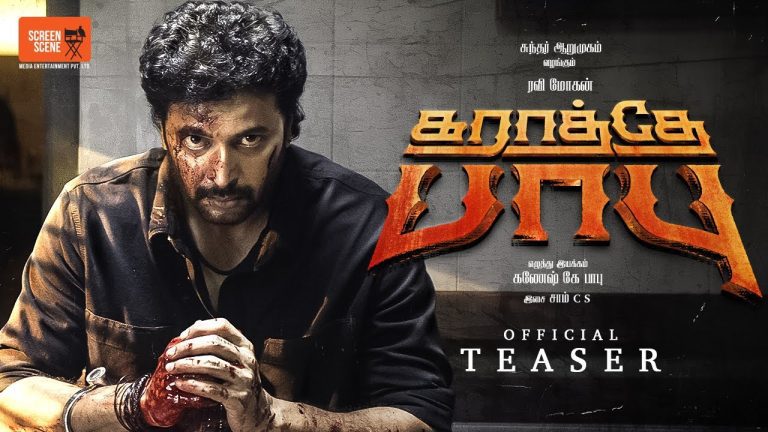
‘Karathey Babu’ Teaser: Ravi Mohan Starrer Unveils Dark and Dangerous Side of Politics 2026

Karathey Babu’ teaser: Ravi Mohan starrer unveils dark and dangerous side of politics in a powerful political drama

Karathey Babu’ teaser: Ravi Mohan starrer unveils dark and dangerous side of politics with an intense look at power, conflict, and responsibility inside the state’s political system. The newly released teaser offers a serious and grounded portrayal of politics, moving away from glamour and focusing on realism, pressure, and moral struggle.Karathey

The teaser introduces Ravi Mohan as Shanmugha Babu, popularly known as Karathey Babu, a committed member of the legislative assembly. His character is shown as someone who believes politics is not a tool for survival, but a responsibility tied closely to public service. From the opening moments, the teaser establishes a tense atmosphere inside the Assembly, where heated arguments and strong words set the tone for what follows.

Karathey Babu’ teaser highlights political chaos and personal resolve

The Karathey Babu’ teaser: Ravi Mohan starrer unveils dark and dangerous side of politics by showing how quickly stability can collapse after the sudden death of a powerful leader. What begins as routine political debate soon turns into confusion, power struggle, and unrest. The teaser does not rely on loud action but instead builds intensity through dialogue, expressions, and silence.

Ravi Mohan’s dialogue, where he draws a clear line between politics as a livelihood and politics as a duty, stands out as a defining moment. His calm yet firm presence reflects a leader trying to hold his ground in a system filled with pressure and hidden motives. The teaser suggests that Karathey Babu will face resistance not just from opposition parties, but also from within the system itself.Karathey

Visually, the teaser keeps a muted and serious tone. Dark interiors, crowded Assembly halls, and tense public moments underline the dangerous nature of power. The political setting feels real and relatable, avoiding exaggeration. This grounded approach strengthens the impact of the teaser and hints at a story rooted in real-world issues.

Karathey Babu’ teaser sets expectations for a serious political drama

The Karathey Babu’ teaser: Ravi Mohan starrer unveils dark and dangerous side of politics also introduces the larger world of the film, filled with experienced actors who add weight to the narrative. The supporting cast appears briefly, but their presence suggests strong conflicts and layered characters. The film is written and directed by Ganesh K Babu, known for handling emotions and character-driven stories with care.

Technically, the teaser reflects a sharp focus on storytelling. The background music builds tension without overpowering the visuals, while the editing keeps the pace steady. Cinematography captures both the public and private sides of politics, from Assembly debates to moments of isolation faced by the lead character.

The teaser makes it clear that the film will explore themes such as leadership, responsibility, ambition, and the cost of standing by one’s principles. Rather than offering easy answers, it hints at difficult choices and consequences. This approach positions the film as a serious political drama rather than a routine commercial entertainer.

The makers have confirmed that the film is planned for a summer 2026 theatrical release, with post-theatrical streaming rights secured. While the exact release date is yet to be announced, the teaser has already created strong interest among audiences who prefer meaningful cinema. Also Read:‘ Karathey Babu’ teaser: Ravi Mohan starrer unveils dark and dangerous side of politics

Conclusion

The Karathey Babu’ teaser: Ravi Mohan starrer unveils dark and dangerous side of politics promises a thoughtful and intense political drama that focuses on realism and character strength. With Ravi Mohan in a powerful role and a grounded narrative setup, the film appears set to offer a serious look at politics and leadership when it releases next year.

TN Assembly Passes Resolution, Asks Centre to Protect MGNREGS Amid Growing Federal Concerns 2026

TN Assembly passes resolution, asks centre to protect MGNREGS and retain its core principles

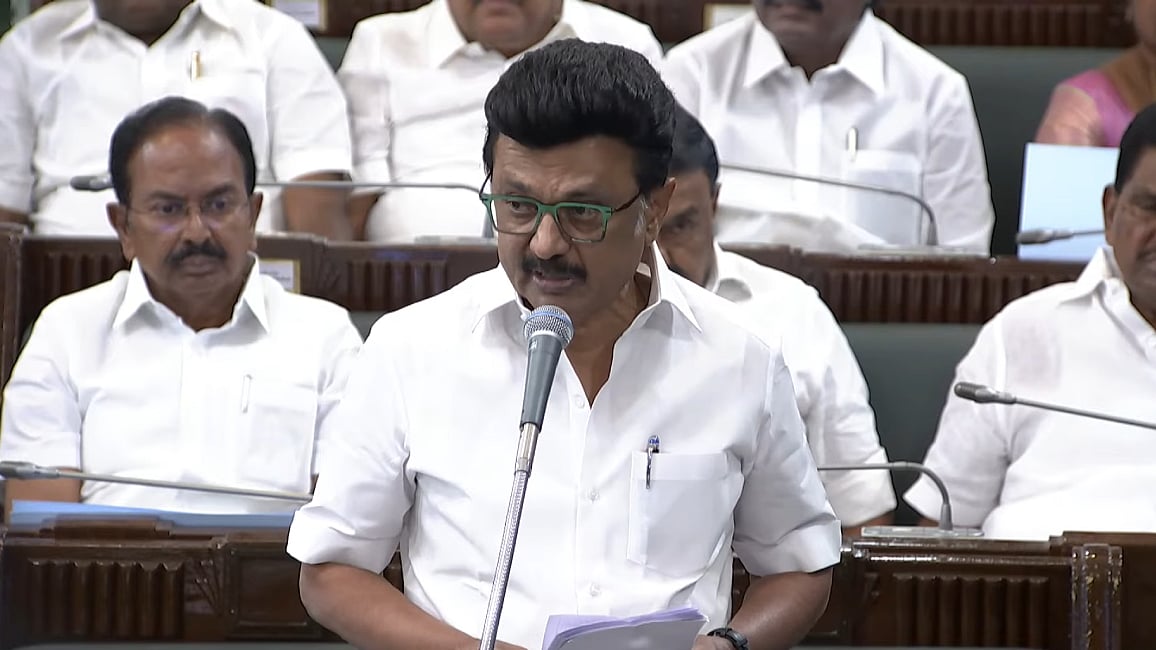
TN Assembly passes resolution, asks centre to protect MGNREGS as the Tamil Nadu Legislative Assembly unanimously adopted a strong resolution urging the Union government to safeguard the original structure, funding pattern, and identity of the rural employment guarantee programme. The move comes amid concerns over the Centre’s decision to rename the scheme and alter its financial framework.

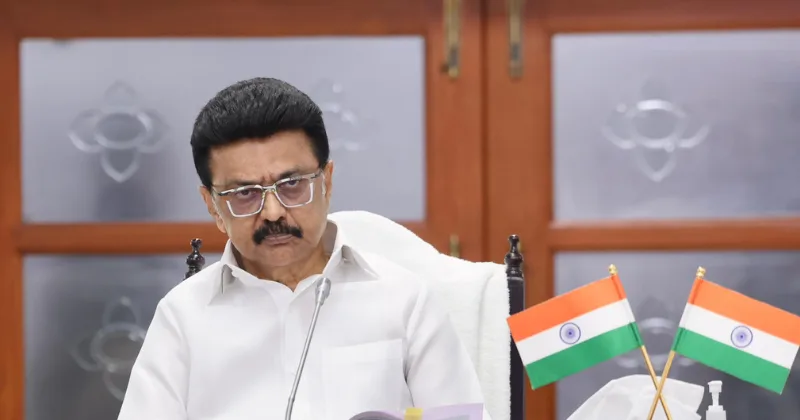
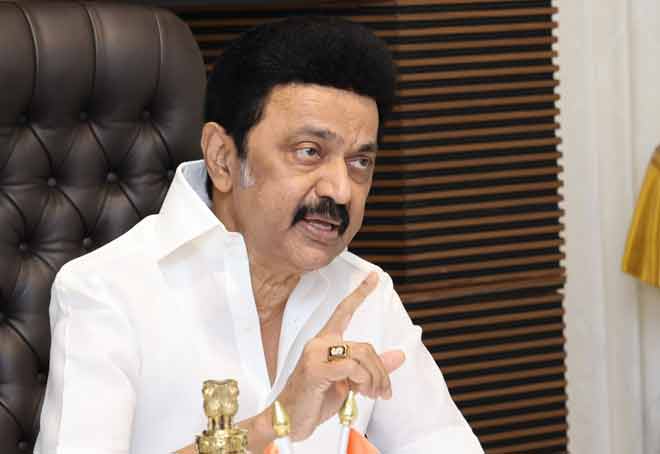
The resolution was moved by Chief Minister M K Stalin during the Assembly session on Friday. It called upon the Union government to retain the demand-driven nature of the Mahatma Gandhi National Rural Employment Guarantee Scheme (MGNREGS), preserve the existing cost-sharing structure, and continue using Mahatma Gandhi’s name in the programme.passes

The House expressed concern over the renaming of MGNREGS as Viksit Bharat–Guarantee for Rozgar and Ajeevika Mission (Gramin), popularly referred to as VB-G RAM G. According to the resolution, changing the name and structure of the scheme weakens its legal and social foundation and creates uncertainty among rural workers who depend on it for livelihood security.

Alliance parties of the ruling DMK supported the resolution. While the AIADMK stated that it did not believe the scheme would be scrapped, it chose not to oppose the resolution during the voice vote. BJP members were absent from the House on the day of the discussion.

Assembly passes key resolution to safeguard rural job scheme

Speaking in the Assembly, Chief Minister Stalin said the rural job guarantee scheme is not merely a welfare programme but a legal right guaranteed under the MGNRE Act, 2005. He stressed that any dilution of its demand-based funding model would directly harm rural households, especially women, Scheduled Castes, Scheduled Tribes, persons with disabilities, and the elderly. With wide support, the resolution passes despite political differences among parties.

The resolution urged the Centre to continue releasing funds based on actual employment demand and state performance, rather than discretionary or capped allocations. It also opposed any move to increase the states’ financial burden by raising their share to 40%, warning that such a change would strain state finances and affect implementation.passes

Stalin pointed out that Tamil Nadu has consistently been one of the best-performing states under MGNREGS. Around 65 lakh households in the state benefit from the scheme every year, providing employment to nearly 74 lakh workers. More than 85% of them are women, making the scheme a critical pillar of rural economic stability.

The Chief Minister highlighted that delays in fund release have become a recurring issue. For the current financial year, more than ₹1,000 crore in wage payments and material costs under MGNREGS were still pending. Similar delays were reported in other centrally sponsored schemes such as the Jal Jeevan Mission and the Pradhan Mantri Gram Sadak Yojana, affecting rural infrastructure and livelihoods.The resolution passes at a time when rural employment remains a major concern for Tamil Nadu.

According to Stalin, despite Tamil Nadu’s strong performance and repeated recognition by Union ministries, funds are often released late or partially. He described this as discriminatory treatment that undermines cooperative federalism.

Resolution passes with wide support amid funding concerns

Another major concern raised in the resolution was the removal of Mahatma Gandhi’s name from the scheme. The Assembly stated that Mahatma Gandhi symbolises dignity of labour, self-reliance, and rural empowerment, values that are central to the employment guarantee programme. passes

The House urged the Union government to restore the original name — Mahatma Gandhi National Rural Employment Guarantee Scheme — and avoid rebranding that, according to the resolution, serves no practical purpose and creates confusion at the grassroots level.

Responding to opposition members, Stalin said the resolution was not politically motivated but reflected the voices of rural workers who rely on the scheme for survival during agricultural lean seasons. He expressed hope that the concerns raised would be taken up seriously at the national level. Also Read: TN Assembly passes resolution opposing VB-G RAM G Bill, urges Union to retain MGNREGA

Conclusion

The adoption of the resolution reflects Tamil Nadu’s firm stand on protecting MGNREGS as a rights-based welfare programme. By calling for timely funding, structural continuity, and respect for federal principles, the Assembly sent a clear message that rural livelihoods cannot be compromised through policy changes made without wider consultation.

Laptops Given to Final-Year Students Only for Votes: Explosive Claim by AIADMK 2026

Laptops given to final-year students only for votes: AIADMK sparks intense debate over student welfare and government intent

Laptops given to final-year students only for votes: AIADMK became the centre of a sharp political clash in the Tamil Nadu Assembly on Friday, as opposition members accused the ruling DMK government of misusing a welfare scheme for electoral gains. The debate unfolded during the discussion on the motion thanking the Governor’s address, where rising prices of essential goods and delayed benefits to students dominated the proceedings.Laptops

The opposition argued that welfare measures must support students throughout their academic journey and not be timed to suit political interests. The government, however, firmly rejected the accusation and defended its policy decisions, saying the intent was educational support, not political advantage.

Laptops Given to Final-Year Students Only for Votes: AIADMK Flags Student Concerns

During the discussion, AIADMK MLA R B Udhayakumar strongly criticised the timing of the laptop distribution scheme. He claimed that providing laptops only in the final year of a course served little academic purpose and appeared to be linked to upcoming elections. According to him, students would have benefited far more if the devices had been issued at the beginning of their courses.

Udhayakumar argued that access to digital tools is essential from the first year, especially for students from economically weaker backgrounds. He said distributing laptops at the end of an academic programme limited their usefulness and raised doubts about the government’s real intention behind the move.

The MLA also connected the issue to the broader challenges faced by families, pointing to rising prices of essential commodities. He said inflation had increased the financial burden on households, making timely government support even more important for students pursuing higher education.

Laptops Given to Final-Year Students Only for Votes: Government Responds Firmly

Responding to the allegations, Finance Minister Thangam Thennarasu clarified that the laptop scheme was announced only last year, which is why final-year students were prioritised in the first phase. He rejected the charge that the distribution was politically motivated and said the decision was based on administrative timelines.

Importantly, the minister announced a key change going forward. From the coming academic years, laptops will be distributed to students in their first year itself. This, he said, would ensure that students can use the devices throughout their course for learning, research, and skill development.Laptop

Thennarasu added that education does not end with graduation and that laptops would remain useful for higher studies, competitive exams, and career preparation. He stressed that the scheme was designed with long-term student welfare in mind.

Other ministers also joined the debate, addressing concerns about inflation. They attributed rising prices to external factors such as fuel costs and national taxation policies. The government maintained that economic growth and increased per capita income had also contributed to price changes, while welfare measures continued to support vulnerable sections. Also Read: Tamil Nadu To Give 20 Lakh Free Laptops To College Students

Conclusion

The Assembly debate highlighted how welfare schemes like laptop distribution can quickly turn into political flashpoints. While the opposition insisted that laptops given to final-year students only for votes undermined student welfare, the government’s assurance of first-year distribution in future academic sessions may ease concerns. As prices rise and expectations grow, the effectiveness and timing of such schemes will remain under close public and political scrutiny.

Nayagan: Madras HC Delivers Historic and Shocking Verdict on Certification on January 27

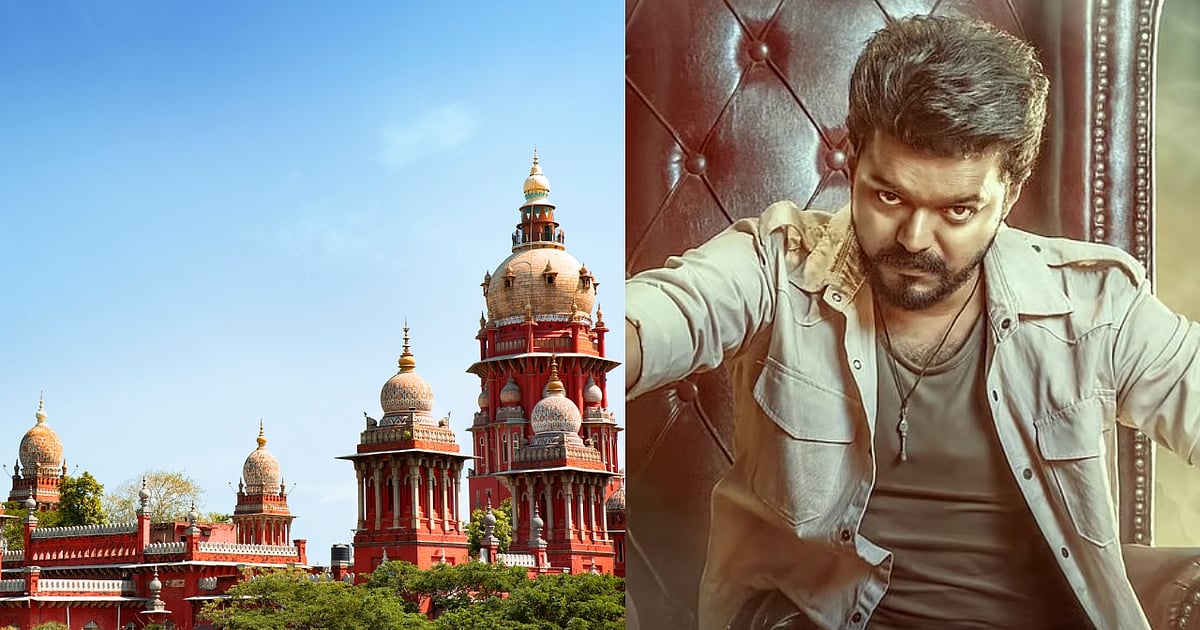
Madras HC verdict on Jana Nayagan certification on January 27 may decide the release fate of actor Vijay’s political film

Madras HC verdict on Jana Nayagan certification on January 27 is expected to be a crucial development for actor-politician Vijay and the makers of his upcoming film Jana Nayagan. The Madras High Court is set to pronounce its decision on appeals filed by the Central Board for Film Certification (CBFC), which challenged an earlier order directing the board to grant UA 16+ certification to the film. The ruling is keenly watched by the film industry and Vijay’s supporters, as it could determine the immediate future of the movie’s release. Nayagan

The appeals were heard by a division bench headed by Chief Justice Manindra Mohan Shrivastava along with Justice G Arul Murugan. After hearing detailed arguments from all sides, the bench had reserved its orders earlier this month. The court is now expected to deliver its verdict on January 27, a date that has gained importance for both legal and cinematic circles in Tamil Nadu.

Madras HC verdict on Jana Nayagan certification on January 27 and the legal background

The issue surrounding Jana Nayagan began when the film faced delays in obtaining certification from the CBFC. The producers had initially been informed that the movie would receive a UA 16+ certificate. However, the board later decided to refer the film to a revising committee, leading to uncertainty and postponement of the release.

Concerned over the delay, the film’s producer approached the Madras High Court seeking directions to the CBFC to issue the promised certification. A single judge of the High Court passed an order directing the board to grant UA 16+ certification without further delay. This decision brought temporary relief to the makers of Jana Nayagan.Nayagan

However, the CBFC challenged the single judge’s order before a division bench of the Madras High Court. The board argued that referring the film to a revising committee was part of the certification process and that it had the authority to do so. Following this, the division bench stayed the earlier order and took up the appeals for detailed hearing.

With arguments now completed, the Madras HC verdict on Jana Nayagan certification on January 27 will decide whether the CBFC must issue the UA 16+ certificate immediately or whether it can proceed with further review.

 Madras HC verdict on Jana Nayagan certification on January 27 and its wider impact

The outcome of the case is significant not just for Jana Nayagan, but also for future disputes involving film certification. If the court upholds the earlier direction, it may limit the CBFC’s ability to delay certification after communicating a decision to filmmakers. On the other hand, if the appeals are allowed, the board’s power to seek further review through revising committees could be reinforced.

The verdict also comes at a time when Vijay’s political activities have drawn public attention. As an actor who has announced his political intentions, any delay or controversy around his film naturally attracts wider discussion. Industry observers believe the ruling could set an important example for how certification disputes are handled in Tamil cinema.

In a separate but related development, Vijay has also approached the Madras High Court in another matter involving a tax penalty imposed by the Income Tax department. That case, dealing with alleged non-disclosure of income, is being heard independently and has no direct connection with the film certification issue. However, both matters have placed Vijay in the legal spotlight. Also Read: Madras HC verdict on Jana Nayagan certification on January 27

Conclusion

The Madras HC verdict on Jana Nayagan certification on January 27 is expected to bring clarity to a long-pending issue that has delayed the film’s release. With legal arguments concluded, all eyes are now on the court’s decision, which could shape not only the fate of Jana Nayagan but also future certification practices in the film industry.

Raj Thackeray Says ‘It’s Good Balasaheb Isn’t Here, He Would Have Been Distressed’ on Maharashtra’s Political Scenario

Raj Thackeray Expresses Discontent with Maharashtra Politics

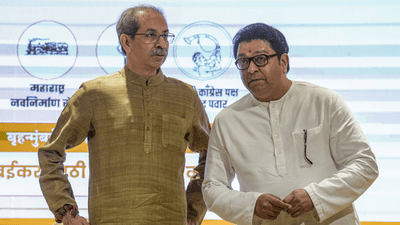
Raj Thackeray, president of the Maharashtra Navnirman Sena (MNS), offered a blunt assessment of the present political climate in Maharashtra, asserting that it was a blessing that Shiv Sena founder Balasaheb Thackeray was not alive to witness it. Speaking at a programme held to mark the start of Balasaheb Thackeray’s birth centenary year in Mumbai, Raj Thackeray criticised recent developments in state politics, describing them as deeply troubling and far removed from the vision of the late leader. His comments underscored growing dissatisfaction among sections of the political class with the ongoing shifts in alliances, defections and strategic manoeuvrings within the state’s political landscape.

The event, held at a prominent venue in the city, brought together leaders and supporters of both the Maharashtra Navnirman Sena and the Shiv Sena (Uddhav Balasaheb Thackeray faction) on a single platform — a gathering that itself was seen by observers as notable given the complex history between political rivals and relatives. During his speech, Raj Thackeray offered a mix of reflection on Balasaheb’s legacy and sharp critique of current political conduct.

Context of the Remarks at Balasaheb Thackeray’s Centennial

The remarks came as part of a programme that marked the beginning of the official celebrations for Balasaheb Thackeray’s 100th birth anniversary. Raj Thackeray’s speech combined personal reminiscences with pointed commentary on the current state of politics in Maharashtra. He expressed both admiration for Balasaheb’s leadership and dismay at how political affairs have unfolded in recent times, particularly following civic polls and post-election shifts.

Raj reflected on Balasaheb’s qualities, describing him as an unparalleled leader and a unique political force. He noted that Balasaheb’s blend of cultural influence, journalistic beginnings and leadership of the Shiv Sena helped define a generation of political engagement in the state. According to Raj, discussing Balasaheb’s life and work could fill hours, and the present gathering was only a beginning of what the centenary year will entail.

However, even as he paid homage to his late uncle, Raj Thackeray did not shy away from using the occasion to voice criticism of ongoing political realignments and perceived opportunism among contemporary leaders. He expressed concern over loyalties shifting in the aftermath of the recent municipal elections — developments he said would have deeply distressed Balasaheb if he were alive today.

Sharp Critique of Maharashtra’s Political Climate

In his address, Raj Thackeray did not mince words about how he views the current political dynamics in Maharashtra. He described the situation as “disgusting” and lamented the apparent erosion of principles that he believes Balasaheb stood for. According to Raj, the political environment had deteriorated to a state where leaders were more focused on tactical manoeuvring rather than steadfast adherence to ideological values.

His remarks drew on metaphorical language to convey his disapproval. Raj Thackeray characterised the contemporary political scene as resembling a “marketplace of slaves,” a phrase that illustrated his view that allegiances were being traded without regard for honour or legacy. He suggested that if Balasaheb were alive to witness such developments, he would feel deep distress and disappointment. This pointed imagery was meant to signal not just disagreement but a profound sense of disillusionment with the state’s political direction.

The reference to a “marketplace of slaves” also resonated with broader public narratives about party switching and shifting loyalties that have occurred in the aftermath of civic polls in key urban centres such as Kalyan-Dombivli, Thane and Ulhasnagar, where alliances have realigned and independent corporators have been courted by multiple parties. Observers noted that Raj’s critique was aimed at what he perceives as opportunistic behaviour that lacks ideological integrity.

Reaction and Significance of the United Appearance

Raj Thackeray’s speech was notable not just for its content but also for the setting. For the first time since recent election cycles, he shared the stage with his cousin Uddhav Thackeray, head of the rival Shiv Sena (UBT) faction. The public appearance of the two Thackeray scions together was widely discussed in political circles as a symbolic moment, even as Raj’s words highlighted points of contention about where Maharashtra’s political path is headed.

The unity on display at the event, juxtaposed with Raj’s stark criticism of current politics, illustrated the complex interplay between personal histories, family legacies and electoral pragmatism. While the gathering was framed as a tribute to Balasaheb Thackeray’s enduring influence, Raj’s speech made it clear that contemporary political grievances remain unresolved even as the legacy of a towering figure is honoured.

Reflections on Balasaheb Thackeray’s Enduring Legacy

Balasaheb Thackeray, who founded the Shiv Sena in 1966, remains a defining figure in Maharashtra’s political history. Known for his advocacy of regional identity, cultural pride and assertive political style, Balasaheb shaped the narrative of Marathi empowerment and mobilised support across generations. His legacy continues to be a touchstone for many leaders and supporters, even as political currents shift around his ideological heirs.

In reflecting on this legacy, Raj Thackeray emphasised that Balasaheb’s blend of journalism, cultural engagement and political leadership set him apart from many contemporaries. He acknowledged that speaking about such a multifaceted personality requires more than a single event, and that the centenary year would offer opportunities for deeper reflection on his contributions.

At the same time, Raj’s commentary about the distress Balasaheb would feel if he saw today’s politics underscored a tension between past ideals and present realities. It suggested that reverence for historical legacy does not preclude critical evaluation of how that legacy is interpreted or acted upon by current leaders.

Political Implications and Future Outlook

Raj Thackeray’s remarks are likely to reverberate across Maharashtra’s political landscape, especially as parties navigate post-election negotiations and leadership contests ahead of future electoral battles. His critique reflects broader questions about loyalty, strategy and the balance between ideological fidelity and political pragmatism.

The stark language used by Raj — such as describing the situation as “disgusting” and evoking distress — also reflects deep frustration among some political actors about shifting power dynamics and the perceived dilution of foundational ideals. As Maharashtra continues to grapple with coalition politics and evolving alliances, the debates sparked by such commentary could shape public discourse and party strategies.

Looking ahead, the centenary celebrations for Balasaheb Thackeray’s birth will likely continue to be occasions for reflection, homage and political signalling. Raj Thackeray’s comments, which blend tribute with critique, highlight the complex mixture of reverence for legacy and contemporary contestation that defines much of Maharashtra’s political narrative today.

Read More: https://channel6network.com/pm-modi-tribute-to-balasaheb-thackeray/

Balasaheb Thackeray’s Vision For Maharashtra Inspires Us: PM Modi Tribute’s him on 100th Birth Centenary

Prime Minister Narendra Modi Pays Tribute to Balasaheb Thackeray on Birth Centenary

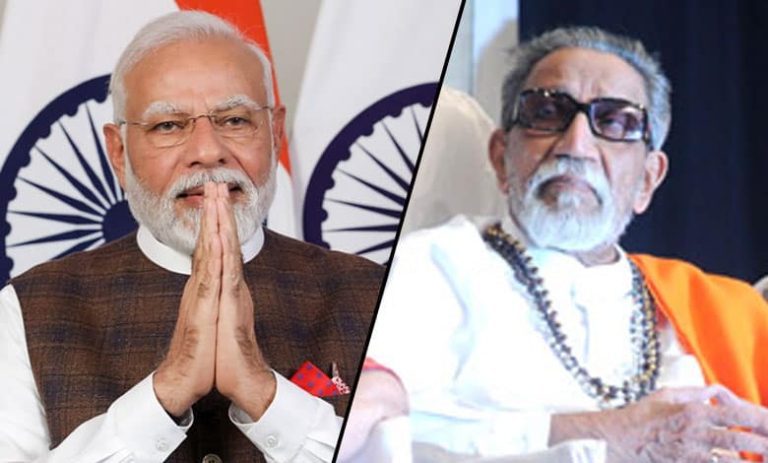
Prime Minister Narendra Modi honoured the legacy of Balasaheb Thackeray on the occasion of his 100th birth anniversary, describing the late Shiv Sena founder as a towering figure who profoundly influenced the socio-political landscape of Maharashtra. In his tribute, the Prime Minister emphasised that Thackeray’s vision for the progress of Maharashtra continues to inspire generations, and pledged to uphold those ideals in the years ahead. Modi’s tribute was shared through his social media platform, reaffirming the enduring respect and recognition for the veteran leader’s contributions.

Balasaheb Thackeray was born on January 23, 1926, in Pune and passed away on November 17, 2012, in Mumbai. His centenary was marked by leaders from across the political spectrum paying homage to his legacy and impact on Maharashtra’s public life. Modi’s remarks underscored Thackeray’s unique relationship with the people of Maharashtra and his role in shaping the state’s identity.

Narendra Modi on X: “On the birth centenary of the great Balasaheb Thackeray, we pay tribute to a towering figure who profoundly shaped Maharashtra’s socio-political landscape.

Known for his sharp intellect, powerful oratory and uncompromising convictions, Balasaheb commanded a unique connect with the people. In addition to politics, Balasaheb was deeply passionate about culture, literature and journalism. His career as a cartoonist reflected his keen observation of society and his fearless commentary on various issues.

We are greatly inspired by his vision for Maharashtra’s progress and will always work to fulfil it.”

Remembering a Visionary Leader Who Shaped Maharashtra’s Narrative

In his tribute, Prime Minister Modi reflected on Thackeray’s sharp intellect, powerful oratory, and uncompromising convictions, noting that these qualities helped him forge a deep connection with the people. According to the Prime Minister, Thackeray was more than a political leader; he was a cultural force whose influence extended into literature, journalism and social discourse. Modi specifically highlighted Thackeray’s early career as a cartoonist, which reflected his keen observation of society and his fearless approach to commenting on contemporary issues.

Balasaheb Thackeray’s journey from journalism to political leadership began in the early 1950s, when he worked as a cartoonist for a journal in Mumbai. He later launched his own political weekly, which became a platform for his critique of social and political trends. His deep engagement with issues affecting Maharashtrians led him to found the Shiv Sena in 1966, advocating for the rights and identity of the “Marathi manoos” within the state’s changing demographics and socio-economic context.

Thackeray’s Contributions to Culture, Politics and Social Identity

Thackeray’s influence on Maharashtra was not confined to electoral politics. He was a prominent commentator on social and cultural issues, and his journalistic work helped shape public opinion on matters of regional identity and local pride. Modi noted that Balasaheb’s involvement in culture and literature was a significant part of his persona, contributing to his widespread appeal and ability to mobilise public support.

Although Thackeray never held an elected office, his leadership of the Shiv Sena made him one of the most influential figures in Maharashtra for several decades. His articulation of regional aspirations and assertive stance on public issues earned him a dedicated following among many Maharashtrians, and his legacy remains a defining part of the state’s political history.

Prime Minister Modi Highlights Enduring Inspiration for Progress

Prime Minister Modi’s tribute focused on Thackeray’s vision for Maharashtra’s progress, which he described as an ongoing source of inspiration. Modi stated that the ideals championed by Balasaheb — particularly in relation to the state’s development and socio-political discourse — continue to guide efforts to advance Maharashtra’s interests. This aspect of his tribute reflects a broader acknowledgement of the impact that Thackeray had on both grassroots mobilisation and public imagination across the state.

The Prime Minister reaffirmed that efforts will always be made to fulfil Thackeray’s vision for Maharashtra’s progress, underscoring a continuity of purpose in striving towards societal development that resonates with the aspirations of its citizens.

Balasaheb Thackeray’s Foundational Role in Shiv Sena

Balasaheb Thackeray established the Shiv Sena on June 19, 1966, with a focus on advocating for the rights and interests of Marathi people in the face of growing economic competition and demographic changes within the state. His organisation’s formation marked a significant development in Maharashtra’s political dynamics, setting the tone for decades of regional activism that blended cultural identity with political ambition.

Under his leadership, the Shiv Sena became a major force in state politics, influencing policy debates and aligning with broader national trends. Thackeray’s approach often combined assertive rhetoric with grassroots mobilisation, and his legacy continues to influence political discourse in Maharashtra.

Beyond Politics: Thackeray’s Cultural and Journalistic Impact

Prime Minister Modi also drew attention to Thackeray’s passion for culture, literature and journalism. Before venturing into political leadership, Thackeray’s cartoons were widely published and recognised for their incisive commentary on societal issues. His transition from media to politics demonstrated his ability to engage with the public on multiple levels, shaping both opinion and action within the state.

This emphasis on his journalistic roots underscores the multifaceted nature of Thackeray’s influence — not only as a political strategist but also as a communicator whose work resonated with diverse segments of society. Modi reiterated that Thackeray’s perspectives continue to inform contemporary efforts to address the aspirations and challenges faced by Maharashtra.

Balasaheb Thackeray began his professional journey in early 1950s as a cartoonist for a journal.

Legacy and Contemporary Reflections on Thackeray’s Centenary

The centenary celebrations for Balasaheb Thackeray have brought renewed focus on his impact, with leaders and members of the public reflecting on his contributions to the state. The 100th anniversary of his birth offers an opportunity to reassess the enduring relevance of his ideas and the organisational structures he built. Modi’s tribute is part of a wider acknowledgment of Thackeray’s legacy and the ways in which it continues to influence political and cultural narratives within Maharashtra.

While Thackeray’s views and methods were sometimes polarising, his ability to articulate the concerns of many Maharashtrians and galvanise collective action made him a central figure in the state’s modern history. His legacy encompasses a blend of regional advocacy, political mobilisation and cultural engagement.

Reaffirming Commitment to Maharashtra’s Progress

Prime Minister Modi’s tribute reaffirmed a commitment to build upon the foundations laid by Balasaheb Thackeray, particularly in the context of Maharashtra’s development. By highlighting Thackeray’s vision as an enduring source of inspiration, Modi linked past achievements with present and future aspirations for the state. This linkage resonates with a broader political narrative aimed at integrating historical legacies into contemporary governance priorities.

In paying homage to Balasaheb Thackeray on his birth centenary, the Prime Minister underscored the significance of remembering leaders who have shaped regional identity and political discourse while reaffirming the ongoing relevance of their contributions to Maharashtra’s progress.

Read More: https://channel6network.com/chhagan-bhujbal-kin-discharge-money-laundering/

Madras HC Delivers Strong Setback, Stays Order Exempting Religious Structures from NOC 2026

Madras HC stays order exempting religious structures from NOC, putting focus back on law and public interest

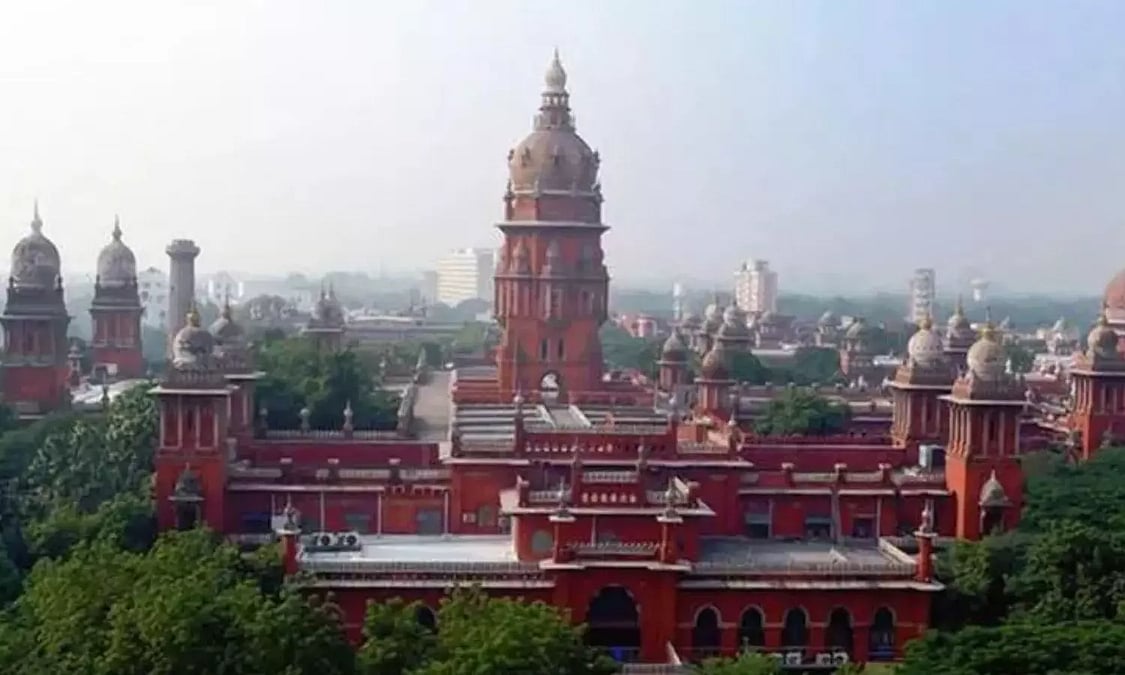
Madras HC stays order exempting religious structures from NOC, bringing renewed attention to the importance of planning rules and public safeguards in Tamil Nadu. The Madurai Bench of the Madras High Court passed an interim order halting the operation of a recent government decision that allowed certain religious buildings to avoid obtaining a No Objection Certificate for planning permission.

The court examined a government order issued by the Tamil Nadu Housing and Urban Development Department earlier this month. The order had stated that religious buildings which began functioning between 2019 and 2024 would not be required to submit a No Objection Certificate, provided they complied with existing building rules. However, the High Court observed that such an exemption could not be applied retrospectively.Madras

A division bench noted that government orders cannot undo statutory requirements that were already in force. The judges made it clear that planning regulations exist for a reason and must be followed uniformly, especially when it comes to constructions that may affect public order and community harmony.

Madras HC stays order exempting religious structures from NOC after PIL highlights risks

The case reached the High Court through a public interest petition filed by a Madurai-based real estate professional. In his plea, the petitioner argued that Tamil Nadu’s building rules clearly require a No Objection Certificate from the district collector before granting permission for constructing or converting a building into a religious structure.

He explained that the NOC process acts as a legal safeguard. It allows authorities to assess factors such as the suitability of the location, traffic impact, communal sensitivity, and possible law-and-order concerns. According to the petitioner, removing this requirement weakens the system meant to maintain peace and proper urban planning.

The petitioner also pointed out that the government order attempted to regularise buildings that were originally approved for non-religious use but were later used as religious places. He claimed that allowing such structures to continue without proper scrutiny could create long-term problems and encourage violations of planning laws.Madras

The court took note of these arguments and agreed that retrospective approval could set a dangerous precedent. The judges observed that once rules are framed, they must be followed from the date they come into effect. Any relaxation of such rules must be carefully examined and cannot be granted automatically.

 Madras HC stays order exempting religious structures from NOC amid rule clarity debate

During the hearing, the state government explained that while the building rules were introduced in 2019, detailed procedures for processing No Objection Certificates were finalised only in 2024. Based on this delay, authorities received representations seeking relief for religious buildings that had already started functioning.

According to the government, planning agencies and religious institutions requested the exemption to avoid administrative delays. The government order aimed to address these concerns by allowing such buildings to seek planning permission without insisting on an NOC.

However, the High Court was not convinced by this explanation. The bench observed that administrative delays cannot override statutory requirements. The judges stressed that any building, especially religious structures, must comply with the law in force at the time of construction or conversion.

The court also underlined that religious buildings often attract large gatherings and can impact surrounding areas. Therefore, scrutiny by district authorities is essential before granting permission. Skipping this step could affect public safety, traffic movement, and social balance.

After considering all arguments, the High Court stayed the government order and directed that existing rules should continue to be followed until the matter is fully heard. The case has been posted for further hearing later this month. Also Read: HC stays GO on conversion of non-religious buildings without NOC

Conclusion

The decision where the Madras HC stays order exempting religious structures from NOC reinforces the importance of uniform planning laws and public safeguards. The ruling from the Madras Bench is expected to guide future decisions on religious building approvals. The final outcome of the case is expected to clarify how religious buildings are regulated while balancing administrative convenience with public interest.

Dabba Politics Exposed: ‘Dabba engine’ will not run in Tamil Nadu, says CM Stalin 2026

 ‘Dabba engine’ will not run in Tamil Nadu, says CM Stalin amid fresh clash over development and state rights

‘Dabba engine’ will not run in Tamil Nadu, says CM Stalin, making it clear that the state will not accept what he described as empty promises from the BJP-led National Democratic Alliance at the Centre. The Chief Minister’s remarks came soon after Prime Minister Narendra Modi’s visit to Tamil Nadu, where the Centre once again promoted the idea of a “double-engine government” for faster development.

Chief Minister M K Stalin strongly rejected this claim and said Tamil Nadu has grown steadily without political alignment with the Union government. According to him, the state’s progress is based on long-term planning, social welfare policies, and strong administrative systems, not election-time visits or slogans. He said the so-called double-engine model does not suit Tamil Nadu’s needs or political culture.Dabba

Stalin highlighted that Tamil Nadu continues to perform well in education, health, industrial growth, and social development, even while facing what he described as repeated obstacles from the Centre. He urged a comparison of development indicators between states governed by the BJP and those run by non-BJP parties, stating that states outside the “double-engine” framework have shown stronger and more balanced growth.

‘Dabba engine’ will not run in Tamil Nadu, says CM Stalin while listing ignored state demands

Using the term dabba, the Chief Minister questioned repeated promises that have not turned into action. Expanding on his criticism, Stalin listed several long-pending demands that he said the Union government has failed to address. A major concern raised was the delay in releasing funds under the Samagra Shiksha scheme, which supports school education across the state. The Chief Minister said withholding education funds affects students directly and goes against the spirit of cooperative federalism.

He also demanded clarity on the proposed parliamentary delimitation exercise, expressing concern that Tamil Nadu could lose representation despite its success in population control. According to Stalin, states should not be punished for implementing effective social policies.

The Chief Minister further accused the Centre of neglecting the Tamil language and culture. He stated that Tamil Nadu has always protected its linguistic identity and will continue to do so, regardless of pressure from New Delhi. He also sought assurance that employment schemes like MGNREGA would continue without shifting the financial burden onto state governments.Dabba

In addition, Stalin called for scrapping the proposed VB-G RAM G model, arguing that it does not suit Tamil Nadu’s economic and social conditions. He said policy decisions must consider regional realities rather than imposing a one-size-fits-all approach.

 ‘Dabba engine’ will not run in Tamil Nadu, says CM Stalin as project delays draw attention

Another major focus of Stalin’s criticism was the delay in several important infrastructure and welfare projects. He pointed to the long-pending Madurai AIIMS project, stating that repeated announcements have not translated into real progress on the ground. The Chief Minister also highlighted delays in disaster relief assistance for Tamil Nadu, especially after natural calamities.

Approvals for key infrastructure projects such as the Hosur airport and Metro Rail projects in Coimbatore and Madurai were also raised as major concerns. According to Stalin, these projects are crucial for regional development, job creation, and urban mobility, but continue to face unnecessary delays from the Centre.

He reiterated Tamil Nadu’s demand for exemption from NEET, stating that the state’s education system has its own strengths and should be allowed to function without external pressure. He also demanded the immediate release of the Keezhadi excavation report, calling it an important part of Tamil history and identity.

Supporting the Chief Minister’s stance, senior leaders from the ruling party said people are looking for clear answers and action, not speeches. They raised concerns over voter-related issues, unequal language funding, delays in transport projects, and the continued detention of Tamil Nadu fishermen and boats by Sri Lanka. Also Read: Double Engine’ has failed everywhere, will never take off in TN: Stalin tells Modi

Conclusion

In conclusion, ‘Dabba engine’ will not run in Tamil Nadu, says CM Stalin reflects a deeper political message. The dabba remark quickly drew attention across political circles in the state. The state government has made it clear that development, dignity, and federal rights matter more than political alignment. For the state government, dabba promises without action will no longer be accepted. As national attention on Tamil Nadu grows, the demand for fairness and respect from the Centre remains at the heart of the debate.

Money Laundering Case: Allegations Collapse as Maharashtra Minister Chhagan Bhujbal and Kin Discharged After Years-Long Legal Battle

Major Court Order Clears Bhujbal Family in PMLA Case

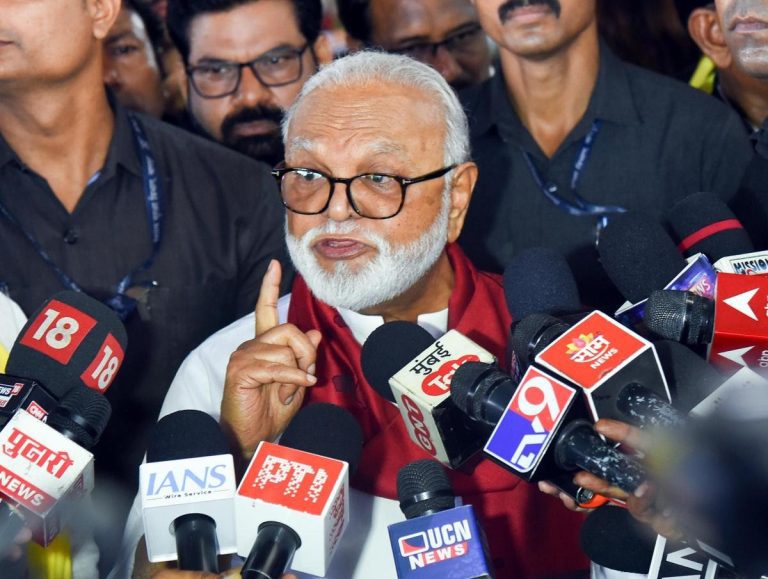
In a significant legal development, a special court in Mumbai has discharged Maharashtra minister Chhagan Bhujbal and his relatives from a high-profile money laundering case linked to alleged irregularities in the Maharashtra Sadan construction project and related dealings. The decision brings an end to a legal saga that has spanned nearly a decade, marked by arrests, bail hearings and multiple rounds of trial in different courts. The discharge was granted on the grounds that the Prevention of Money Laundering Act (PMLA) charges could not be sustained in the absence of a legally established predicate offence, a foundational requirement in money laundering cases.

Details of the Court Verdict and Legal Reasoning

On Friday, a special PMLA court presided over by Special Judge Satyanarayan Navander in Mumbai ruled that the prosecution could not proceed against Chhagan Bhujbal and the other accused because there was no subsisting predicate offence on the basis of which the money laundering charges were framed. Under the PMLA, a predicate offence — such as corruption or cheating — must be legally established before a money laundering case can be pursued. In this instance, courts had earlier discharged the accused in the underlying cases, meaning the essential foundation for the PMLA proceeding was missing.

The judge noted that if there is no existence of a predicate offence and no proceeds of crime linked to it, the continuation of the PMLA proceedings would be “a dead wood” exercise. As such, the court accepted the applications for discharge filed by Bhujbal, his son Pankaj and nephew Sameer, along with several others.

Accused and Entities Cleared by the Court

Besides Chhagan Bhujbal, who currently serves as the state’s food and civil supplies minister, the court discharged his son Pankaj Bhujbal and his nephew Sameer Bhujbal. A total of 46 individuals and entities were cleared in the PMLA case following the hearing. Among those discharged were former MP Sanjay Kakade and various companies linked to the Bhujbal family and other accused.

The court found that many of the accused had already been discharged in related cases — including corruption and cheating cases under investigation by the Anti-Corruption Bureau (ACB) and other agencies — and that those discharge orders had attained legal finality as they were not challenged by the state.

Background of the Money Laundering Case

The Enforcement Directorate (ED) had initiated the money laundering case under the PMLA based on two First Information Reports (FIRs) lodged by the Anti-Corruption Bureau and the Economic Offences Wing (EOW). The FIRs alleged financial irregularities in awarding state contracts for the construction of Maharashtra Sadan — a state guest house in New Delhi — as well as in a residential project in Navi Mumbai.

The ED claimed that Bhujbal, during his tenure as Public Works Department (PWD) minister in the mid-2000s, awarded contracts to certain firms without proper tendering, and that kickbacks and undue benefits were received through companies associated with his family. However, the special court observed that the preliminary cases underpinning these allegations had already collapsed due to lack of evidence, leaving no viable predicate offence for the PMLA prosecution.

Historical Legal Journey of the Case

The Maharashtra Sadan case has a long history. Following a public interest litigation and subsequent inquiry orders, the ACB filed FIRs in 2015 alleging irregularities in the awarding of public works contracts. The Enforcement Directorate then launched money laundering proceedings in 2016 based on those allegations. Bhujbal and several others were arrested in March 2016 in connection with the probe and spent over two years in custody before being granted bail by the Bombay High Court in 2018.

In earlier stages, courts had discharged Bhujbal and other accused from corruption charges related to the Maharashtra Sadan case in 2021 after finding that the essential ingredients of corruption, criminal conspiracy or fraud were not established. Similarly, in the case concerning the Navi Mumbai housing project, a Sessions Court had discharged most of the accused, determining that the allegations did not constitute a criminal offence.

The ED’s PMLA proceedings depended on those underlying allegations. Once the predicate offences were legally extinguished through prior discharge orders, the PMLA court held that there was no “proceeds of crime” to pursue under the anti-money laundering framework.

Reactions and Implications of the Court Order

The discharge of Bhujbal and his family has significant political and legal implications. As a senior leader of the Nationalist Congress Party (NCP) and a state minister with key portfolios, Bhujbal’s legal relief comes at a time when the political climate in Maharashtra is highly competitive, with multiple parties vying for public support ahead of future elections. The court’s decision removes a long-standing legal shadow over his political career and may reinforce his standing within his party and among supporters.

Defence counsel argued that the absence of evidence and the finality of prior discharge orders left no legal basis for continuing PMLA proceedings. The court’s acceptance of this argument reflects a strict interpretation of statutory requirements under the Prevention of Money Laundering Act, particularly the need for a predicate offence.

Meanwhile, the Enforcement Directorate had maintained that sufficient material existed to show that predicate offences were committed, including allegations of layering and siphoning of alleged proceeds of crime. However, the court’s focus on the legal necessity of a subsisting predicate offence effectively undermined the ED’s case.

Overview of Proceeds and Allegations

According to probe agency estimates referenced in the case, the proceeds of crime in relation to the Maharashtra Sadan allegations were believed to be around Rs 21 crore. Additionally, buyers in the Navi Mumbai residential project were reportedly cheated to the tune of over Rs 44 crore, according to allegations in the underlying FIRs. However, these figures could not be sustained as legal evidence once the predicate offences were extinguished.

Legal Precedent and the Role of Predicate Offences

The ruling reinforces legal principles that underpin anti-money laundering prosecutions in India. Under the PMLA, prosecution cannot proceed without an established predicate offence under Indian law. Predicate offences — such as corruption, cheating or fraud — form the foundation for claiming proceeds of crime. If a court finds that such predicate offences are not established, any PMLA proceeding based on them cannot legally continue.

In essence, the absence of legally sustainable underlying cases rendered the entire PMLA prosecution untenable, leading the court to discharge the accused after nearly a decade of litigation.

End of a Long Legal Chapter

The discharge of Chhagan Bhujbal, his son and nephew in the Maharashtra Sadan money laundering case marks the culmination of one of the state’s most long-running legal battles involving a senior political figure. With predicate offences deemed non-existent and prosecution unable to proceed under the PMLA, the court’s order effectively closes a chapter that began with arrests in 2016. The implications of this relief will resonate in legal and political circles, particularly as debates continue over accountability, anti-corruption enforcement and the intersection of law and politics in India’s governance framework.

Read More:  https://channel6network.com/congress-question-investment-claims-davos/

Congress Slams Maharashtra Government’s “Exaggerated” Investment Claims at Davos

Introduction: Political Opposition Challenges Davos Investment Claims

The Indian National Congress has raised sharp questions about the Maharashtra government’s recent claims of attracting substantial investments during its participation at the World Economic Forum (WEF) in Davos, Switzerland. Senior Congress leaders have criticised the numbers touted by the state government, emphasising the need for clarity on how many Memorandums of Understanding (MoUs) signed at the summit have been converted into actual projects and employment. Allegations by the opposition centre on questioning the authenticity, implementation capacity and registration status of companies linked to these deals, setting up a political confrontation over economic performance metric.

Congress Demands Accountability on MoU Figures and Implementation

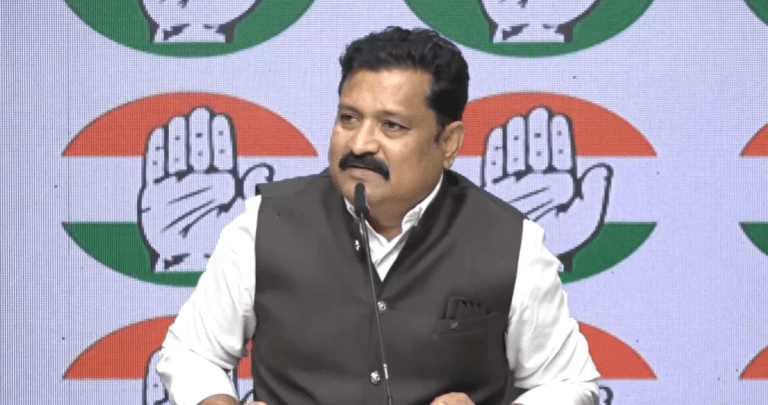
At a press conference held by the All India Congress Committee, Maharashtra Congress spokesperson Atul Londhe Patil directly challenged the state government’s announcements of investment commitments worth around ₹30 lakh crore during the WEF meet. Patil emphasised that while the government has reported large MoU figures, there has been insufficient transparency regarding how many of these commitments are backed by registered corporate entities with the financial capacity to execute the proposed projects.

Patil noted that available information suggests a significant proportion — estimated at 70 to 80 percent — of the companies involved might not even be registered entities. He questioned whether these companies have the credibility or financial strength necessary to fulfil their investment promises. “How many of the companies that signed the MoUs were listed and properly registered?” Patil asked, underscoring the demand for disclosure on corporate credentials before touting the agreements as economic successes.

The Congress also sought details on the actual benefits flowing to the state, particularly in terms of land allocation, manufacturing facilities, employment guarantees, and sector-wise implementation timelines. Questions raised included how many MoUs have been successfully converted into tangible investments and how many jobs have been created so far, testing the government’s ability to translate agreements into economic impact.

Political Context and Comparison with Past Claims

The opposition’s scrutiny comes in the backdrop of previous Davos engagements where the Maharashtra government had announced large investment figures. For instance, figures from earlier years included claims of MoUs worth ₹3.6 lakh crore in 2023-24 and figures around ₹15 lakh crore in 2024-25. Patil questioned whether such claims had translated into real development outcomes, given persistent challenges in the state’s economic indicators.

Congress leaders also highlighted broader governance issues in Maharashtra, arguing that investment figures alone should not overshadow core developmental priorities such as employment generation, infrastructure delivery and equitable growth. By juxtaposing past claims with current announcements, the opposition aims to put pressure on the government to justify its narratives with substantive performance data.

Criticism of Overseas Engagements and MoU Strategy

In addition to questioning the substance of the investment claims, Congress members criticised the very strategy of signing MoUs abroad with companies that could potentially engage domestically. Some leaders questioned the necessity of international travel by government officials for agreements that could be formalised within India. They suggested that the use of taxpayer funds for overseas trips should be justified by demonstrable economic returns and clear outcomes rather than headline figures alone.

The criticism also touched upon concerns regarding prioritisation of investment promotion over addressing pressing issues such as joblessness and local industry support. The Congress called for a white paper or detailed report outlining the status of each MoU, timelines for project rollouts, and mechanisms to measure real economic impact, rather than relying solely on aggregate investment figures reported at an international forum.

Government’s Response and Fadnavis’ Defence of Davos Outreach

In response to the opposition’s criticism, Maharashtra Chief Minister Devendra Fadnavis has asserted that the state’s Davos initiatives are aimed at showcasing Maharashtra as a global investment destination and should be judged on their long-term impact rather than immediate outcomes. Fadnavis dismissed organised criticism on social media as part of a “paid toolkit” campaign intended to undermine the government’s investment efforts, although he did not name specific critics.

The Chief Minister had earlier highlighted that Maharashtra signed MoUs worth around ₹30 lakh crore at Davos, with an expected potential to create up to 40 lakh jobs across industries, services, agriculture, and technology. Of these agreements, about 83 percent were said to involve direct foreign investment from 18 countries, including the United States, the United Kingdom, Japan, Switzerland and others.

The government has also pointed to a relatively high realisation rate from previous MoUs, claiming that about 75 percent of the commitments made in earlier years have begun to materialise on the ground. Fadnavis has suggested that many of the current MoUs are at preliminary stages and will take time to convert into operational projects and visible development outcomes.

Economic Experts Weigh in on Debate Over Claims and Conversions 

Economic analysts note that large MoU figures reported at international investment summits often comprise preliminary agreements that signal intent rather than binding contracts. They emphasise that the true measure of success lies in the actual implementation of projects, inflow of capital, job creation, and tangible contributions to economic growth. Experts also point out that the credibility of signing entities, regulatory clearances, and market conditions play a crucial role in converting MoUs into functioning investments. While summit announcements can generate global attention, rigorous follow-up and domestic policy support are essential for translating these into real economic benefits.

Such commentary supports the Congress stance that more substantive data — beyond aggregate values — is needed to evaluate the outcomes of investment promotion efforts such as those at Davos. Analysts recommend transparent tracking mechanisms and periodic public reporting on the progress of MoUs to build trust and accountability in such initiatives.

Broader Implications for Maharashtra’s Economic Narrative

The debate over the Davos investment claims reflects larger political dynamics in Maharashtra, where opposition parties seek to hold the government accountable for both policy rhetoric and economic performance. For the ruling administration, defending the summit outcomes becomes part of reinforcing its development agenda domestically. The contrast between headline numbers and measurable results may become a focal point in political discourse, especially as economic indicators remain central to public perceptions ahead of future elections.

By pressing for detailed disclosures, the Congress aims to shift the conversation from broad claims to specific outcomes that can be independently verified, ensuring that investment figures translate into real improvements for citizens and the state economy.

Read More: https://channel6network.com/maharashtra-83-fdi-davos-deals-fadnavis/