
A recent complaint by an environmental activist regarding unregulated tourism activities near the Kali Tiger Reserve has prompted the National Tiger Conservation Authority to seek a detailed report from the Karnataka government. The activist alleged that expanding commercial tourism—especially activities involving riverfront resorts, adventure sports, and vehicle movement—has begun disturbing wildlife corridors critical for tiger movement. The NTCA’s swift response signals growing national concern over the increasing pressure that tourism places on protected ecosystems. Conservationists, wildlife experts, and local communities are now calling for strict enforcement of ecological guidelines to safeguard one of Karnataka’s most sensitive tiger landscapes.
Environmentalists emphasise that the Kali landscape is among the last remaining contiguous habitats for apex predators such as tigers and leopards, and any fragmentation caused by unchecked tourism could have long-term consequences. They argue that even minor disturbances, such as frequent human movement or loud vehicles, can disrupt feeding and breeding cycles of wildlife. Officials note that in recent years, the rising popularity of eco-stays and adventure activities has pushed more operators into buffer zones. While tourism is vital for local livelihoods, they insist that it must align with conservation priorities to protect fragile ecosystems for future generations.
Local communities living along the periphery of the reserve have expressed mixed reactions to the issue. While some acknowledge that tourism provides employment and business opportunities, others fear that excessive intrusion may damage forests they have protected for decades. Many villagers say the noise from off-road vehicles and late-night activities often disturbs both humans and animals. They also worry that increasing footfall could lead to more human-wildlife conflict incidents. Some community leaders have requested the Forest Department to initiate detailed consultations to ensure that any tourism model adopted in the region remains sustainable, culturally respectful, and ecologically balanced.
Tour operators, on the other hand, maintain that responsible tourism can be a powerful conservation tool when regulated properly. They argue that visitors who experience the forest’s beauty often become advocates for wildlife protection. However, even they admit that clear guidelines are essential to prevent irresponsible practices by unlicensed or inexperienced operators. Several tour companies have urged the State to issue uniform rules on group size, campsite locations, waste management practices, and permissible activities. They believe such clarity would help genuine operators while deterring those who prioritise profit over environmental responsibility, ultimately preserving Kali Tiger Reserve’s delicate ecosystems.
Rising Concerns Over Habitat Disturbance
The activist’s complaint highlights incidents of overcrowding along the riverbanks near the reserve, where tourists often engage in activities like rafting, jungle treks, and late-night gatherings. These activities, according to the complaint, create disruptive levels of noise and movement at hours when wildlife relies on quiet environments. The region, which hosts tigers, elephants, leopards, and endangered bird species, functions as a delicate habitat where even minor disturbances can cause cascading effects on animal behaviour. The activist argues that unchecked tourism is altering natural patterns and pushing wildlife into narrower spaces, increasing the risk of conflict.
The NTCA’s decision to seek a report underscores the need for immediate assessment of tourism-related impacts. The authority has instructed the State to examine whether any activities violate the Wildlife Protection Act or the eco-sensitive zone regulations surrounding the reserve. Environmentalists believe that clarity on these legal boundaries is essential to prevent further encroachment. The request for a detailed report includes evaluating resort licenses, adventure sports permits, and the monitoring of areas frequently used by tourists. According to conservation groups, this review could help identify loopholes that have allowed tourism to expand without proper oversight.
Ecologists working in the region say the Kali landscape is uniquely vulnerable due to its dense forests, flowing river systems, and narrow wildlife corridors. Tigers here rely heavily on undisturbed stretches of land that connect breeding areas and hunting grounds. Increased human presence, especially during early mornings and late evenings, could interrupt these critical movements. Experts warn that tigers may avoid certain corridors entirely, leading to isolation of populations. This can reduce genetic diversity and weaken long-term survival prospects. They argue that the State must prioritise ecological stability over commercial tourism profits to ensure the reserve’s sustainability.
Local villagers have also expressed concerns about the changing landscape. While tourism generates income for some, many residents argue that unregulated activities are degrading the environment they depend on for farming and daily living. Several villagers have reported increased wildlife sightings near human settlements, which they attribute to disturbances in the core forest area. They claim that noise, headlights, and human gatherings push animals toward quieter zones—which are often near villages. The activist’s complaint reflects these community worries, suggesting that tourism growth is altering both ecological and social dynamics around the reserve.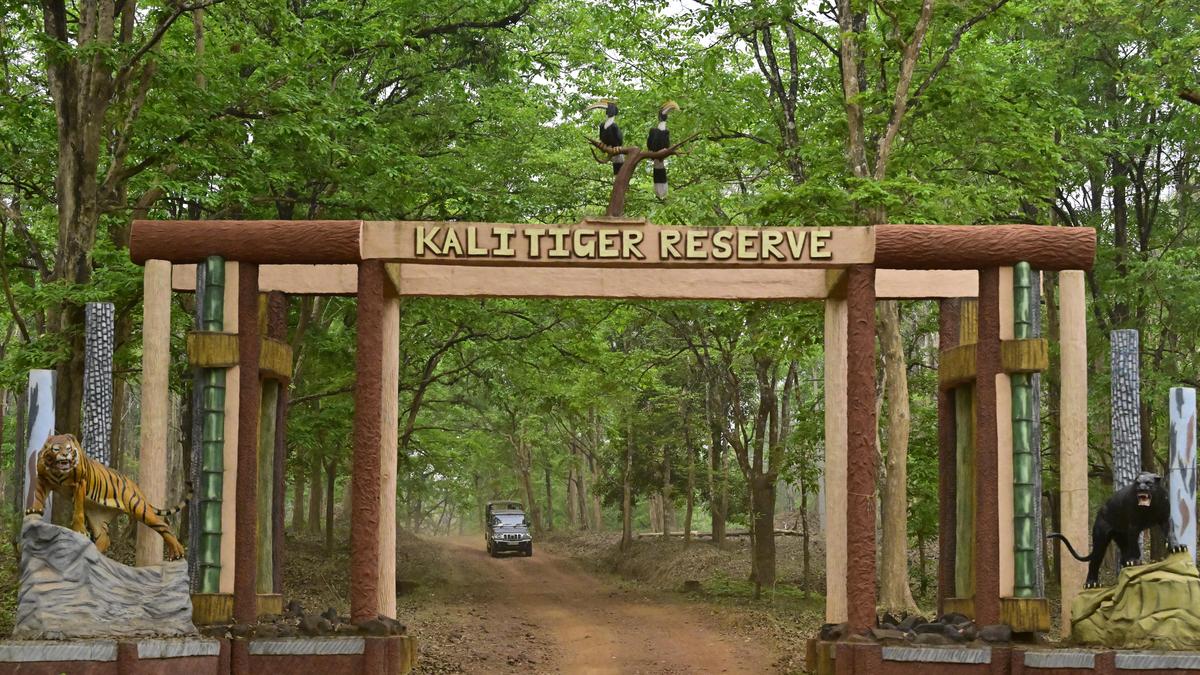
Forest department officials acknowledge that tourism, when unregulated, can pose risks to wildlife but maintain that several checks are already in place. They argue that routine patrolling, permit systems, and controlled access to certain areas help contain harmful activities. However, conservationists contend that existing measures are insufficient, especially given the rapid expansion of private resorts along the riverfront. They argue that the department lacks manpower to monitor every activity, making stricter guidelines essential. With NTCA now seeking detailed clarification, officials are expected to reassess their current monitoring strategies.
Balancing Tourism and Conservation Priorities
Wildlife experts emphasize that tourism around reserves can be beneficial only when ecologically sensitive guidelines are strictly followed. They argue that limiting visitor numbers, regulating adventure sports, and ensuring that commercial establishments operate outside critical zones are essential steps. The activist’s complaint alleges that some resorts offer activities such as night safaris or riverfront bonfires, which directly contradict standard conservation protocols. These activities can cause undue stress to nocturnal species, disrupt predator-prey interactions, and create accidental hazards. NTCA’s intervention is expected to push the State to review these claims thoroughly.
A significant concern raised by ecologists is the increasing vehicular movement near sensitive patches of the reserve. Vehicles transporting tourists often travel at high speeds, posing collision risks to animals that cross these roads. Several wildlife researchers have documented similar risks in other tiger reserves, where unregulated vehicle movement resulted in multiple wildlife fatalities. In the Kali region, activists warn that rising interest in adventure tourism has amplified road traffic. They say that strict speed monitoring, designated routes, and vehicle restrictions during peak wildlife hours must be implemented to reduce hazards.
Environmental lawyers observing the case note that the NTCA’s inquiry could lead to stronger regulatory action. They point out that eco-sensitive zones around tiger reserves are governed by strict norms regarding commercial activities. If any establishment is found violating these rules, the State may be required to issue closure notices or revise operational guidelines. They add that the report sought by NTCA will likely involve multiple departments, including tourism, revenue, and forest authorities. This interdepartmental collaboration could provide a clearer picture of the extent of tourism pressure and potential legal lapses.
Several conservation groups have emphasised the importance of community participation in managing tourism around the reserve. They argue that local residents possess firsthand knowledge of animal movement patterns, seasonal changes, and ecological rhythms. Including them in decision-making could lead to practical, sustainable tourism models that protect wildlife and support livelihoods. Programmes such as community-operated eco-lodges, regulated nature walks, and participatory conservation training have been successful in other parts of India. Activists say similar models could be adopted here to ensure that tourism does not compromise the ecological integrity of the Kali landscape.
Forest officials say the NTCA’s request for a detailed report is an opportunity to evaluate the region’s carrying capacity more scientifically. They plan to map sensitive wildlife zones, monitor tourist movement patterns, and assess existing infrastructure before recommending changes. Preliminary observations indicate that some adventure activities—particularly those involving river stretches—may require stricter supervision. Officials add that technology-based monitoring tools, such as GPS-enabled permits and camera surveillance, could help enforce restrictions. The aim is not to ban tourism altogether, they insist, but to create a framework where conservation interests, local livelihoods, and visitor experiences are balanced effectively.
Tourism operators, however, maintain that they contribute significantly to local income and argue that responsible tourism should be encouraged rather than restricted. They claim that many establishments follow eco-friendly practices such as controlled lighting, waste management, and regulated river-use protocols. Some operators believe the complaint may not reflect the practices of all businesses in the area. They have expressed willingness to cooperate with regulatory authorities to ensure compliance. NTCA’s report is expected to shed light on the balance between compliant operators and those that may be violating environmental norms.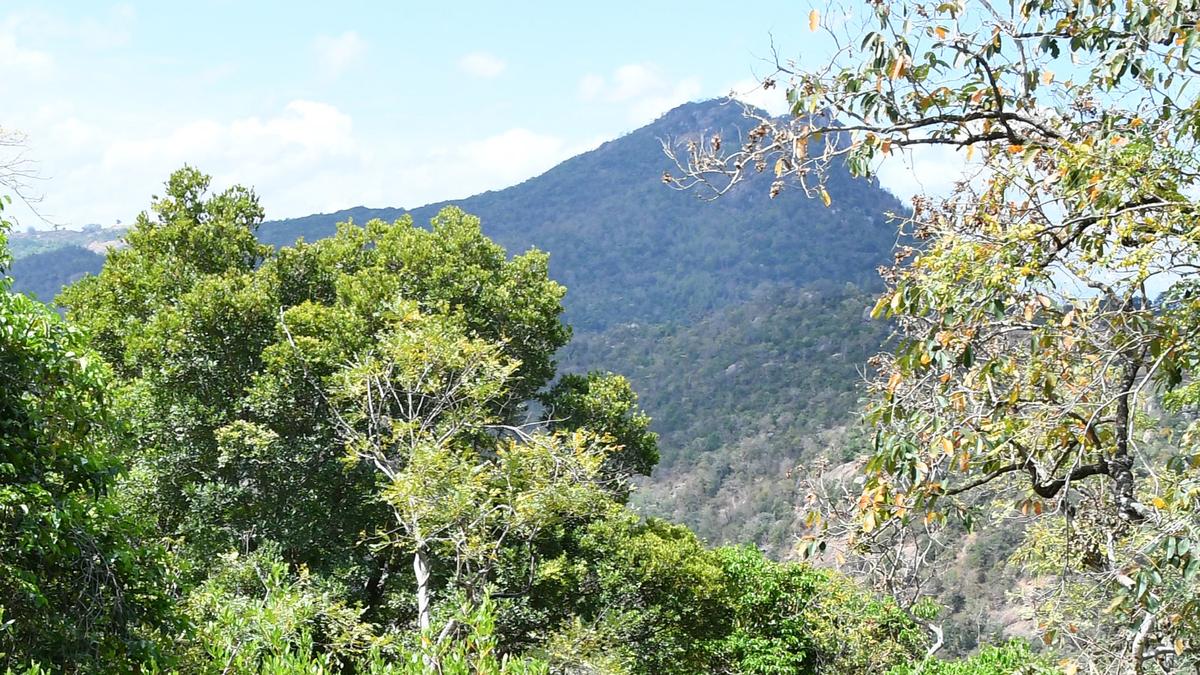
Conclusion
The concerns raised about tourism activities near the Kali Tiger Reserve have intensified the debate on how best to balance environmental protection with economic interests. NTCA’s prompt request for a detailed report reflects the seriousness of the issue and the need for immediate, evidence-based assessment. As Karnataka prepares its response, conservationists, local communities, tourism operators, and policymakers are all watching closely. The future of the region’s wildlife, particularly its tiger population, depends on how effectively authorities address the ecological risks outlined by the activist. Ensuring strict regulation, community involvement, and sustainable tourism could shape a more secure future for this fragile ecosystem.
Follow: Karnataka Government
Also read: Home | Channel 6 Network – Latest News, Breaking Updates: Politics, Business, Tech & More
