Sunday, April 26, 2026
Home Blog Page 102

Siliguri Mahakal Temple Funding Controversy 2026 – Detailed Analysis of Asok Bhattacharya’s Criticism, Governance Challenges, and Democracy Lessons

The Siliguri Mahakal temple funding controversy 2026 has ignited a fresh debate in Bengal’s political and civic circles. Veteran CPM leader and former Siliguri mayor Asok Bhattacharya criticised the state government’s decision to allocate public funds for the construction of the Mahakal temple, calling it “unethical” and a misuse of taxpayer money. His remarks highlight the tension between religious symbolism in governance and the principle of secular public expenditure.


2. The Controversy

  • Event: State government announced allocation of funds for Mahakal temple in Siliguri.
  • Criticism: Asok Bhattacharya argued that public money should not be used for religious projects.
  • Political undertone: He accused the ruling Trinamool Congress (TMC) of mixing religion with politics.
  • Community reaction: Divided—some welcomed the temple project as cultural pride, others echoed concerns about misuse of funds.

3. Why Temple Funding Matters

  • Secular governance: India’s Constitution mandates neutrality in matters of religion.
  • Public accountability: Taxpayer money is meant for welfare, infrastructure, and development.
  • Cultural identity: Temples and shrines are seen as heritage projects, but funding raises ethical questions.
  • Political symbolism: Religious projects often double as campaign strategies.

4. Siliguri Mahakal Temple Funding: Community Concerns

  • Supporters: Saw the temple as a boost to tourism and local economy.
  • Critics: Worried about diversion of funds from healthcare, education, and civic infrastructure.
  • Civil society: Called for transparency in allocation of public funds.
  • Neutral citizens: Expressed fatigue at politicisation of religion in governance.

5. Political Context

  • TMC government: Defended the project as cultural development.
  • CPM veteran Asok Bhattacharya: Called it “unethical” and demanded accountability.
  • BJP opposition: Highlighted contradictions in TMC’s secular claims.
  • Civil society: Urged focus on jobs, education, and healthcare instead of religious symbolism.

6. Governance Challenges

The controversy reflects systemic governance issues:

  • Secularism vs. symbolism: Balancing cultural pride with constitutional principles.
  • Transparency gaps: Lack of clarity on how funds are allocated.
  • Public trust deficit: Citizens question priorities of government spending.
  • Judicial oversight: Courts may be called upon to decide legality of such allocations.

7. Government External Links for Assistance


8. Historical Context of Religion and Politics in Bengal

  • 19th century: Temples and cultural institutions shaped Bengal’s renaissance.
  • Post‑Independence: Religious projects often linked with community identity.
  • 2011 onwards: Mamata Banerjee used cultural symbolism to consolidate political support.
  • 2026: Mahakal temple funding controversy reflects continuity of this strategy.

9. Community Impact

  • Residents: Divided between pride in temple project and concern about civic neglect.
  • Business owners: Hope for tourism boost but demand better infrastructure.
  • Youth: Call for jobs and education over religious projects.
  • Civil society: Demand participatory governance and citizen feedback mechanisms.

10. Global Comparisons

Similar controversies worldwide:

  • USA: Debates over public funding for churches and faith‑based schools.
  • UK: Concerns about state support for religious institutions.
  • Sri Lanka: Political parties often accused of using temples for electoral gain.

Siliguri’s case mirrors these global struggles where religious heritage intersects with public expenditure ethics.


11. Governance Lessons

The Mahakal temple funding controversy teaches:

  • Public funds must prioritise welfare.
  • Cultural projects must be inclusive.
  • Transparency in allocation builds trust.
  • Civil society vigilance ensures accountability.

12. Future Outlook – Bengal’s Political Landscape

India must move towards:

  • Transparent funding mechanisms for cultural projects.
  • Dialogue between Centre and state to reduce confrontation.
  • Integration of cultural heritage with tourism development.
  • Educational campaigns to highlight Bengal’s pluralistic traditions.

13. Conclusion

The Siliguri Mahakal temple funding controversy 2026 is more than a debate about money—it is a test of Bengal’s governance ethics. Asok Bhattacharya’s criticism reflects the tension between secular principles and political symbolism. For Bengal, the lesson is clear: democracy thrives when cultural pride is matched by governance that delivers for all citizens without compromising constitutional values.

Also read: Home | Channel 6 Network – Latest News, Breaking Updates: Politics, Business, Tech & More
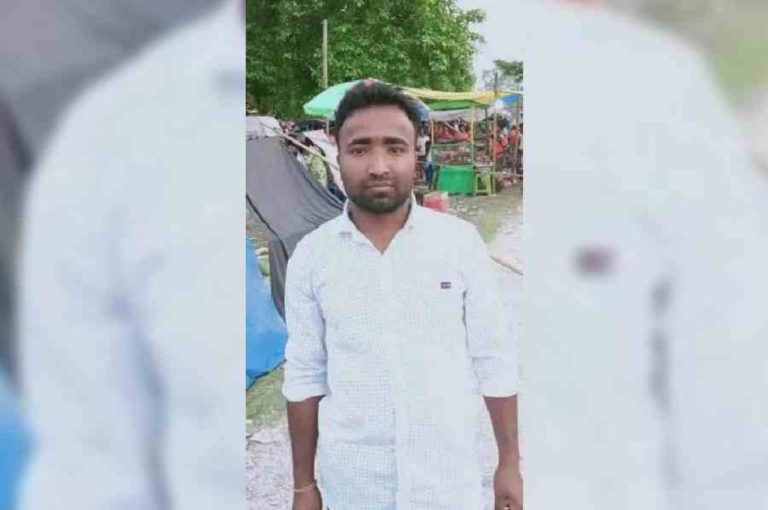
Sitalkuchi Migrant Worker Death Assam 2026 – Detailed Analysis of Himankar Pal’s Case, Political Reactions, and Governance Lessons for Bengal

The Sitalkuchi migrant worker death Assam 2026 has shaken Bengal’s political and social landscape. Himankar Pal, a 35‑year‑old resident of Kurshamari under Bhairathana gram panchayat in Sitalkuchi block, Cooch Behar, was found dead on railway tracks in Assam. His family alleged that he was murdered after an altercation during his journey home from Arunachal Pradesh. The incident has triggered grief, anger, and political debate, with the Trinamool Congress (TMC) calling it “deeply worrying”.


2. Sitalkuchi Migrant Worker Death Assam 2026: The Incident

  • Victim: Himankar Pal, 35, migrant worker from Sitalkuchi, Cooch Behar.
  • Journey: Left for Arunachal Pradesh in search of work but failed to secure employment.
  • Return: Boarded a bus back to Cooch Behar.
  • Altercation: Reportedly argued with the bus driver, possibly over money.
  • Death: Family alleges he was assaulted, killed, and thrown onto railway tracks in Assam.
  • Discovery: Assam police informed family late Saturday night.

3. Family’s Allegations

  • Himankar’s relatives claim the death was not accidental but a planned assault.
  • They suspect involvement of the bus driver and others during the journey.
  • Family members travelled to Assam to bring back the body.
  • A written complaint is being prepared at Sitalkuchi police station.
  • Demand for an impartial probe and swift arrests of those responsible.

4. Political Reactions

  • TMC leaders: Called the incident “deeply worrying,” linking it to repeated assaults on Bengal migrants in BJP‑ruled states.
  • Partha Pratim Roy (former Cooch Behar MP): Highlighted similarities with the recent death of a Beldanga youth in Jharkhand.
  • Opposition voices: Raised concerns about migrant safety and Centre‑state accountability.
  • Civil society: Urged protection of migrant workers and transparency in investigations.

5. Governance Challenges

The incident reflects systemic governance issues:

  • Migrant vulnerability: Workers often face hostility and exploitation outside Bengal.
  • Weak inter‑state coordination: Lack of mechanisms to protect migrants across borders.
  • Law enforcement gaps: Families receive sketchy details, undermining trust in police.
  • Political blame game: Centre vs. state confrontations overshadow justice for victims.

6. Government External Links for Assistance


7. Historical Context of Migrant Worker Deaths

  • 2010s: Murshidabad and Cooch Behar migrants frequently reported assaults in other states.
  • 2020 lockdown: Migrant crisis exposed systemic neglect nationwide.
  • 2024–25: Multiple cases of Bengal migrants dying in Jharkhand, Bihar, and Assam.
  • 2026: Himankar Pal’s death adds to a troubling pattern of migrant vulnerability.

8. Community Impact

  • Kurshamari village: Grief and anger among residents.
  • Families: Fear for loved ones working outside Bengal.
  • Daily wage earners: Expressed frustration at lack of protection.
  • Civil society groups: Called for awareness campaigns and legal safeguards.

9. Global Comparisons

Similar migrant worker crises worldwide:

  • Middle East: South Asian migrants face exploitation and abuse.
  • USA: Migrant farm workers often face hostility and poor protection.
  • Europe: Refugee and migrant labour protests highlight systemic discrimination.

Sitalkuchi’s case mirrors these global struggles where migrant labour remains vulnerable to violence and neglect.


10. Governance Lessons

The Sitalkuchi incident teaches:

  • Inter‑state labour agreements are essential to protect workers.
  • Community awareness campaigns can reduce panic and misinformation.
  • Rapid grievance redressal systems must be established.
  • Judicial oversight is vital to ensure accountability in migrant assaults.

11. Future Outlook – Migrant Protection in India

India must move towards:

  • Digitised migrant worker registries for tracking and protection.
  • Inter‑state coordination cells to handle disputes and assaults.
  • Public dashboards showing migrant safety measures transparently.
  • Educational campaigns to build respect for migrant labour.

12. Conclusion

The Sitalkuchi migrant worker death Assam 2026 is more than a tragic loss—it is a test of India’s governance capacity in protecting its most vulnerable citizens. Himankar Pal’s death reflects the deep insecurities of families dependent on migration for survival. For Bengal, the lesson is clear: labour rights and public order must be safeguarded through proactive governance, not reactive politics.

Also read: Home | Channel 6 Network – Latest News, Breaking Updates: Politics, Business, Tech & More
Cooch Behar BLO Resignations SIR 2026 – Detailed Analysis of Electoral Roll Burden, Governance Challenges, and Democracy Lessons for Bengal

The Cooch Behar BLO resignations SIR 2026 have drawn attention to the human cost of electoral roll verification in West Bengal. During the Special Intensive Revision (SIR) exercise, more than 40 Booth Level Officers (BLOs) in Sitai block resigned, citing unbearable workload, stress, and pressure from superiors. The incident has sparked political controversy, with the Trinamool Congress (TMC) blaming the Election Commission (EC) for overburdening grassroots officials, while the EC defended the process as necessary for electoral integrity.


2. Cooch Behar BLO Resignations SIR 2026: The Incident

  • Location: Sitai block, Cooch Behar district, West Bengal.
  • Event: Over 40 BLOs submitted resignation letters during the SIR hearings.
  • Reason: Excessive workload, long hours, and pressure to meet unrealistic deadlines.
  • Immediate impact: Hearings disrupted, raising concerns about voter disenfranchisement.
  • Political reaction: TMC accused EC of harassment; BJP defended EC’s directive.

3. Why BLOs Are Crucial

  • Grassroots role: BLOs verify voter lists at booth level.
  • Responsibilities: Checking documents, conducting hearings, resolving discrepancies.
  • Challenges: Heavy workloads during revision cycles, often without adequate support.
  • Symbolism: BLOs embody the frontline of India’s democratic machinery.

4. Community Concerns

  • Families: Fear wrongful deletions or exclusions from voter lists.
  • Citizens: Frustrated at repeated hearings and bureaucratic hurdles.
  • Minority groups: Worried about targeted disenfranchisement.
  • Civil society: Called for humane treatment of officials and better grievance redressal.

5. Political Context

  • TMC: Accused EC of harassment and overburdening BLOs.
  • BJP: Defended EC’s process as necessary to remove fictitious voters.
  • Other parties: Expressed concern about fairness and transparency.
  • Civil society: Urged prioritisation of human dignity in electoral processes.

6. Governance Challenges

The BLO resignations reflect systemic governance issues:

  • Workload imbalance: BLOs often handle hundreds of cases daily.
  • Communication gaps: Citizens unaware of schedules, leading to crowding.
  • Trust deficit: Allegations of bias undermine confidence in institutions.
  • Judicial oversight: Courts may need to intervene to protect officials’ rights.

7. Government External Links for Assistance


8. Historical Context of BLO Stress in Bengal

  • 2010s: BLOs reported harassment during voter list revisions.
  • 2020 lockdown: BLOs struggled with health risks while conducting fieldwork.
  • 2024–25: SIR flagged millions of discrepancies nationwide, increasing workload.
  • 2026: Current resignations highlight the human toll of bureaucratic pressure.

9. Community Impact

  • Families: Fear disenfranchisement if BLOs cannot manage hearings.
  • Students: First‑time voters face hurdles in proving eligibility.
  • Farmers and workers: Lose wages attending hearings.
  • Civil society groups: Demand grievance redressal mechanisms and humane treatment of BLOs.

10. Global Comparisons

Similar electoral roll controversies worldwide:

  • USA: Allegations of voter suppression through purges in Georgia and Florida.
  • UK: Concerns about disenfranchisement under new voter ID laws.
  • Nigeria: Disputes over duplicate registrations and ghost voters.

Cooch Behar’s case mirrors these global struggles where electoral integrity collides with human vulnerability.


11. Governance Lessons

The BLO resignations teach:

  • Human sensitivity must guide bureaucratic processes.
  • Workload distribution must be rationalised.
  • Community engagement ensures inclusivity.
  • Judicial oversight is vital to protect democratic rights.

12. Future Outlook – Democracy in Bengal

India must move towards:

  • Digitised grievance redressal portals for voter roll issues.
  • Periodic audits of electoral rolls by independent agencies.
  • Public dashboards showing deletions and additions transparently.
  • Educational campaigns to help citizens verify their status.

13. Conclusion

The Cooch Behar BLO resignations SIR 2026 are more than an administrative hiccup—they are a test of India’s democratic resilience. By resigning en masse, BLOs symbolise the human cost of bureaucratic rigidity. For Bengal, the lesson is clear: democracy must never come at the expense of human dignity, health, and voter rights.

Also read: Home | Channel 6 Network – Latest News, Breaking Updates: Politics, Business, Tech & More

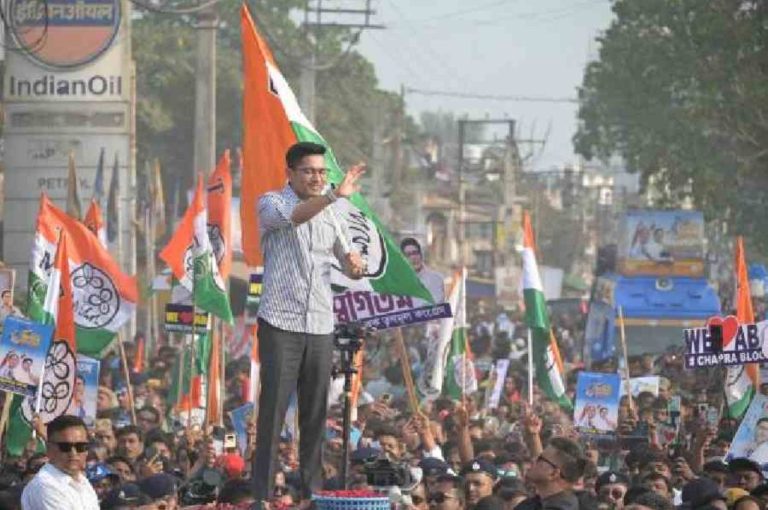
Abhishek Banerjee Chapra Rally 2026 – Detailed Analysis of Modi’s “Change” Slogan Counterattack, Bengal’s Political Narrative, and Governance Lessons

The Abhishek Banerjee Chapra rally 2026 has emerged as one of the most striking counterpoints in Bengal’s pre‑election campaign. Speaking just hours after Prime Minister Narendra Modi’s rally in Singur, Abhishek Banerjee, Trinamool Congress (TMC) national general secretary, mocked Modi’s slogan for “change” in Bengal. He declared that Bengal would not change itself but would instead transform the outsiders from Delhi and Gujarat who attempt to dictate its destiny.


2. The Rally in Chapra

  • Location: Chapra, Nadia district, about 100 km from Singur.
  • Event: Abhishek Banerjee’s roadshow drew massive crowds.
  • Message: Bengal will not bow to outsiders; it will resist attempts to impose external agendas.
  • Tone: Combative, defiant, and designed to energise TMC cadres.
  • Symbolism: Timing of the rally immediately after Modi’s speech amplified its impact.

3. Abhishek Banerjee Chapra Rally 2026: Political Messaging

  • Modi’s slogan: “Paltano dorkar, chai BJP sorkar” (“Change is necessary, so a BJP government is needed”).
  • Abhishek’s counter: “Yes, change is needed—but it is you who will change, Modiji.”
  • He accused BJP leaders of hypocrisy, shifting from “Jai Shri Ram” to “Jai Ma Kali” and “Jai Ma Durga.”
  • He framed BJP as outsiders and feudal lords (jomidars) imposing their will on Bengal.

4. Governance Challenges Highlighted

The rally reflects deeper governance issues:

  • Centre‑state tensions: BJP vs. TMC confrontations over electoral narratives.
  • Identity politics: Bengal’s cultural pride vs. outsider imposition.
  • Public trust: Citizens caught between competing claims of governance failure.
  • Electoral integrity: Ongoing disputes over the Special Intensive Revision (SIR) of voter rolls.

5. Government External Links for Assistance


6. Historical Context of Bengal’s Political Rhetoric

  • 2006–2008: Singur protests against Tata Nano project became a symbol of resistance.
  • 2011: Mamata Banerjee rose to power by leveraging grassroots anger.
  • 2019–2021: BJP gained ground in Bengal, challenging TMC dominance.
  • 2026: Abhishek’s rally reflects TMC’s strategy of reclaiming cultural and political narratives.

7. Community Impact

  • Supporters: Felt energised by Abhishek’s defiance and cultural pride.
  • Opponents: BJP leaders dismissed his rhetoric as populist.
  • Neutral citizens: Expressed concern about polarisation and governance delivery.
  • Civil society: Called for focus on jobs, education, and healthcare beyond slogans.

8. Global Comparisons

Similar strategies worldwide:

  • USA: Opposition leaders often counter presidential slogans with localised narratives.
  • UK: Political campaigns invoke regional pride against central authority.
  • Latin America: Leaders frame opponents as “outsiders” to mobilise grassroots support.

Chapra’s case mirrors these global tactics where identity and resistance become central to electoral campaigns.


9. Governance Lessons

The Chapra rally teaches:

  • Political rhetoric must be matched by governance delivery.
  • Centre‑state cooperation is essential for stability.
  • Civil society vigilance ensures democracy remains inclusive.
  • Symbolic timing of rallies can reshape narratives.

10. Future Outlook – Bengal’s Political Landscape

India must move towards:

  • Inclusive development policies that address Bengal’s socio‑economic challenges.
  • Dialogue between Centre and state to reduce confrontation.
  • Transparent electoral processes to build trust.
  • Integration of regional aspirations into national narratives.

11. Conclusion

The Abhishek Banerjee Chapra rally 2026 is more than a campaign event—it is a symbolic assertion of Bengal’s resistance to external imposition. By mocking Modi’s “change” slogan and reframing it as a call for outsiders to transform, Abhishek sought to energise supporters and reinforce TMC’s narrative of cultural pride and political defiance. For India, the lesson is clear: democracy thrives when electoral competition is matched by governance that delivers for all citizens.

Also read: Home | Channel 6 Network – Latest News, Breaking Updates: Politics, Business, Tech & More
Global Peace Push: Trump Invites PM Modi to Join Gaza ‘Board of Peace’, 2026

Trump Invites PM Modi to Be Part of Gaza “Board of Peace” Initiative

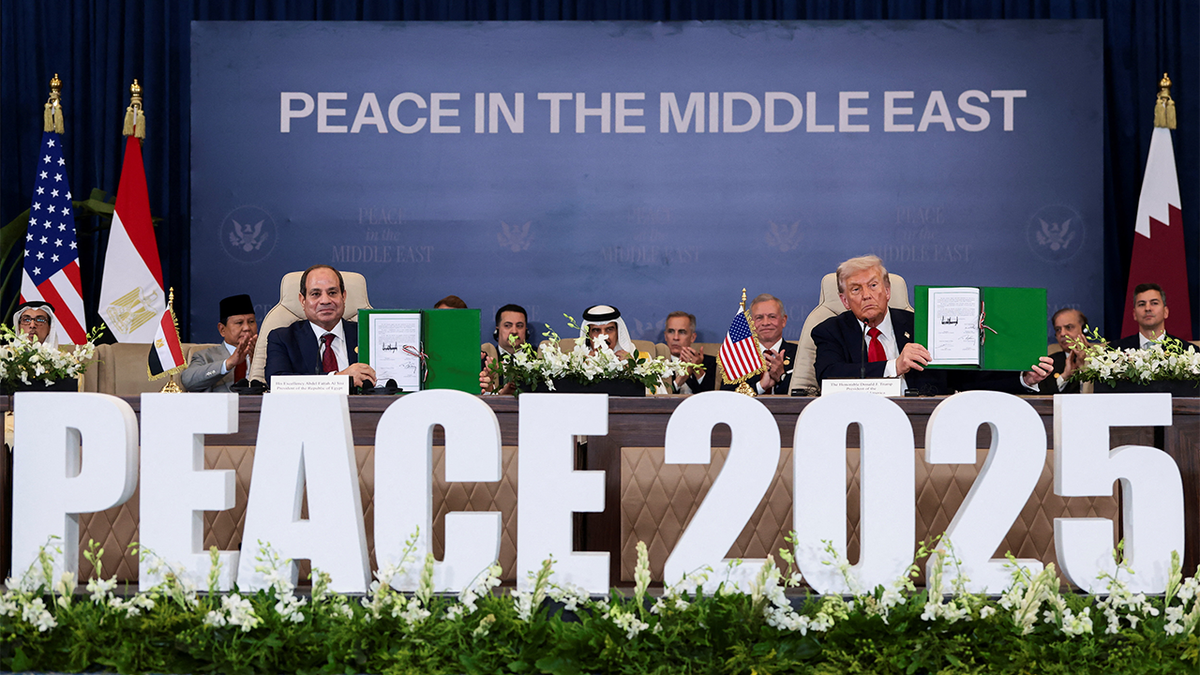
In a bold move aimed at securing lasting peace in the Gaza Strip and beyond, former U.S. President Donald Trump has formally invited Indian Prime Minister Narendra Modi to join a newly proposed international body called the “Board of Peace”. The initiative, unveiled this month, forms a central part of Trump’s broader plan to transition the Gaza region from conflict to stability and development.trump and el sisi hokding peace plan

The invitation, sent in a letter dated January 16, 2026, was shared publicly by U.S. Ambassador to India Sergio Gor on social media. In the message, Trump described the effort as a “critically historic and magnificent” endeavour to solidify peace in the Middle East and embark on a “bold new approach to resolving global conflict.”

“*It is my great honor to invite you, as Prime Minister of the Republic of India, to join me in a critically historic and magnificent effort to solidify peace in the Middle East and, at the same time, to embark on a bold new approach to resolving global conflict,” Trump wrote to Modi.

A New International Initiative

The Board of Peace is designed as a multilateral mechanism that would bring together world leaders and experts to oversee the implementation of peace and reconstruction efforts in Gaza following the October 2025 ceasefire agreement between Israel and Hamas. This ceasefire forms part of a larger 20-point roadmap Trump announced in September 2025, which aims to end the long-running conflict in Gaza and promote long-term stability.

According to White House statements, the Board of Peace is set to act as a strategic oversight body, mobilising international resources, coordinating aid, and supporting effective governance as Gaza transitions from conflict to peace and reconstruction. Such efforts include establishing a new Palestinian civil administration, reconstructing infrastructure, and fostering economic recovery.trump modi 660

Several countries have reportedly received invitations. Alongside India, nations such as Pakistan, Jordan, Greece, Cyprus, Canada, Turkey, Egypt, Paraguay, Argentina and Albania are among those approached to participate in the initiative. Some countries have publicly acknowledged receiving invitations, although responses from New Delhi remain under consideration.

India’s Geopolitical Role

The outreach to India highlights New Delhi’s growing global diplomatic stature and its traditional role as a key actor in international peace efforts. India has historically supported a two-state solution to the Israel-Palestine conflict and has maintained balanced diplomatic relations with countries across the Middle East.

If India accepts the invitation, its participation would signal renewed engagement in global conflict resolution mechanisms, particularly in an initiative that seeks to move beyond immediate humanitarian aid toward long-term governance and development assistance. However, New Delhi’s official response has not yet been announced.

Structure and Controversy

The concept of the Board of Peace has drawn both interest and scrutiny from international observers. The proposal envisages the body as a new international organisation and transitional governing administration, bringing together “a distinguished group of nations” to assume responsibility for peacebuilding. Trump’s letter emphasised that the Board would include leaders who are committed to peace, security and prosperity.

In addition to heads of state, the initiative’s executive committee announced by the White House includes prominent figures such as U.S. Secretary of State Marco Rubio, former British Prime Minister Tony Blair, Trump’s Middle East envoy Steve Witkoff, World Bank President Ajay Banga and Trump’s adviser Jared Kushner.2fda4f89 5657 42ba acca 02d62a3c82ba.jpg

While many leaders have been invited, some aspects of the Board, including proposed funding mechanisms and scope, have prompted debate. Reports indicate that permanent membership may be tied to contributions — reportedly as high as USD 1 billion — although official details from the White House have described these claims as “misleading.”

Broader Diplomatic Considerations

The invitation comes at a complex time for global diplomacy. The Board of Peace initiative aims to work alongside the United Nations Security Council, which in November 2025 endorsed the Comprehensive Plan to End the Gaza Conflict — a key component of Trump’s framework.

Critics, however, have expressed concern that new structures like this could potentially diminish the role of traditional multilateral institutions such as the U.N. and raise questions about accountability, representation and long-term legitimacy. These debates are likely to continue as countries consider their level of engagement.

Also read: https://channel6network.com/supreme-court-directs-eci/

Bhopal Lift Tragedy: 77-Year-Old Man Found Dead in Elevator Shaft After 10 Days

Bhopal Lift Tragedy: 77-Year-Old Pritam Giri Found Dead in Shaft After 10 Days

Bhopal, Madhya Pradesh: A deeply distressing incident has shaken residents of the Chinar Dream City residential complex in Bhopal, where the body of a 77-year-old man, identified as Pritam Giri, was discovered at the bottom of a disabled elevator shaft nearly ten days after he was reported missing. The grim discovery has raised serious questions about building safety, maintenance practices and responsiveness of authorities in high-rise residential communities.bhopal shocker 77 year old man dies after falling into lift shaft body found after 10 days 1768823054234 16 9

According to police and family members, Giri left his home in the Misrod area on January 6, telling his relatives he was heading towards nearby Mandideep for some work. When he did not return by evening, the family grew concerned and initiated a search. His son, Manoj Giri, filed a missing person complaint with the Misrod police station on January 7 after their efforts to locate him proved futile.

For over a week, both family members and police focused their efforts on tracking Giri’s movements, but no trace of his whereabouts was found. It was only when residents noticed a strong foul smell emanating from the lift area of the society that the possibility of a tragic outcome emerged.

A maintenance crew was called in to investigate the source of the smell. When technicians raised the lift, they made the horrifying discovery of Giri’s decomposed body at the bottom of the shaft. Family members identified the body based on details such as his clothes and slippers.

Preliminary police reports suggest that Giri likely fell into the lift shaft and sustained fatal injuries, particularly to his chest, as a result of the fall. The police have registered a case of unnatural death and the body has been sent for a post-mortem examination to determine definitive cause and timeline of death.

The tragic incident has sparked widespread concern among residents and neighbours, many of whom allege that poor maintenance and negligence played a central role in Giri’s death. According to family members and fellow residents, the lift in question had been non-operational since January 6, the same day Giri disappeared, and was stuck about two feet below the ground floor. Due to this, Giri’s son said he did not initially suspect his father would have used the elevator.

Residents also raised serious concerns about lack of functional CCTV cameras in the building, especially on the third floor where the incident likely occurred. They claimed that several cameras had been defunct for years, despite repeated complaints to the society administration.

“Despite regular maintenance charges being collected from residents, basic safety measures such as timely servicing of the lift and functional surveillance systems were neglected,” a resident told local media. Many living in the complex alleged that lift doors sometimes opened on floors even when the elevator car was absent — a dangerous fault that had been repeatedly reported without timely corrective action.

The family from Bhopal has voiced strong accusations against the builder, society management and maintenance agency, asserting that the tragedy could have been avoided if proper safety protocols had been followed. Manoj Giri said that in the days following his father’s disappearance, there was no onsite police inspection or thorough search of the building interior, leaving them to search elsewhere for Giri.ANI 20260119120312

Misrod police officials have stated that they will investigate the timeline of the lift’s breakdown, maintenance history and the responses to earlier complaints. Notices are expected to be issued to the lift operator and residential society’s maintenance team to understand when repairs were attempted and whether negligence occurred. The findings will inform potential legal action against those responsible if safety lapses are confirmed.

The incident has prompted calls from residents and civic observers for stricter enforcement of safety regulations in residential societies — especially in buildings relying on lifts for daily mobility. Advocates argue that regular mandatory inspections, functional CCTV surveillance and prompt maintenance can prevent such tragedies, particularly involving elderly residents who may be more vulnerable.

As grief and anger mix among Giri’s family and neighbours, the wider community is reflecting on the urgent need to address safety standards in condominium living spaces to ensure that no other family must endure a similar calamity.

Also read: https://channel6network.com/supreme-court-directs-eci/

A Major Reform Push in 2026: IIT Delhi Launches Centre of Excellence for Power Sector Regulation

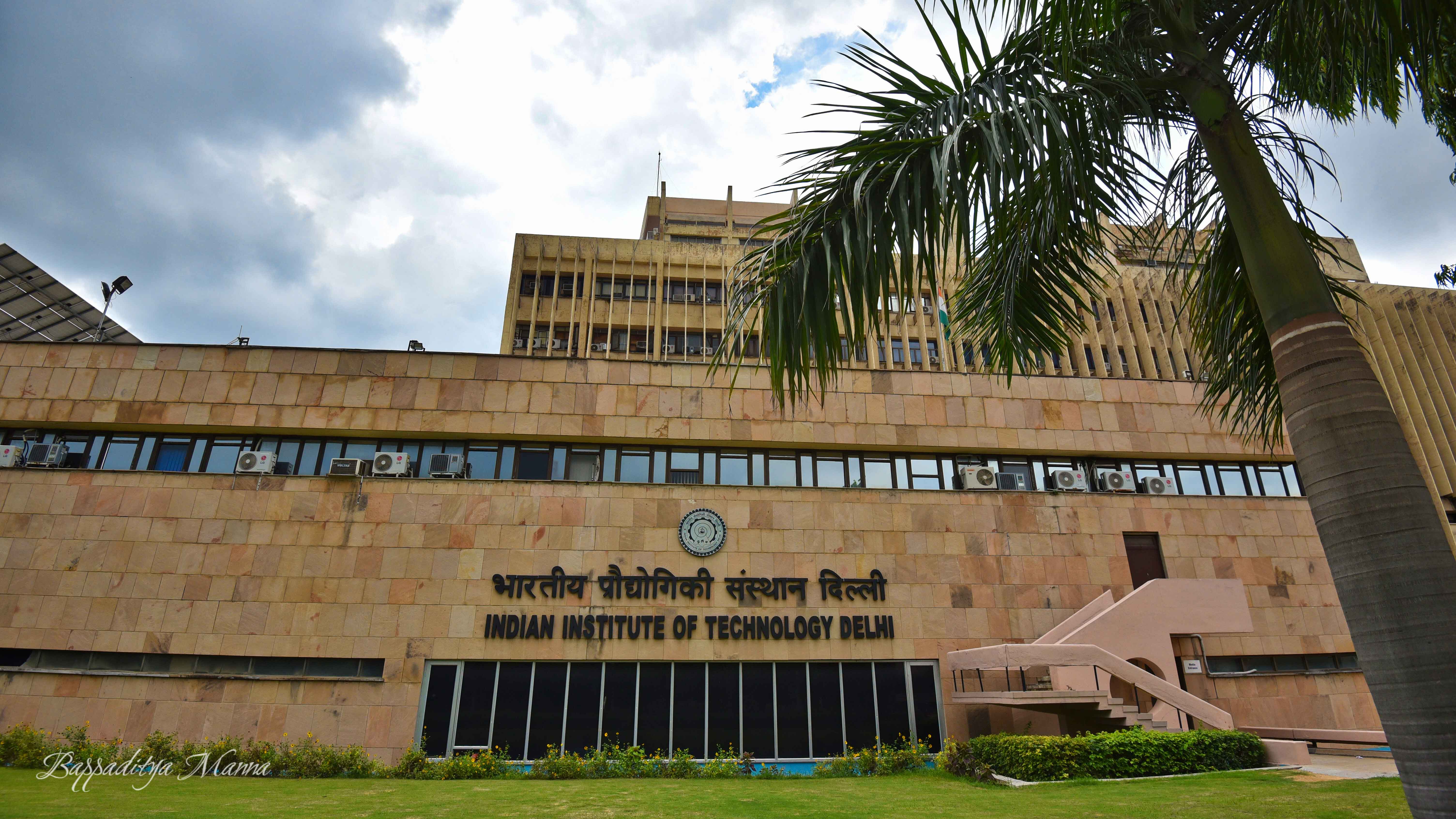
Centre of Excellence for Regulatory Affairs in Power Sector Launched at IIT Delhi to Strengthen India’s Energy Future

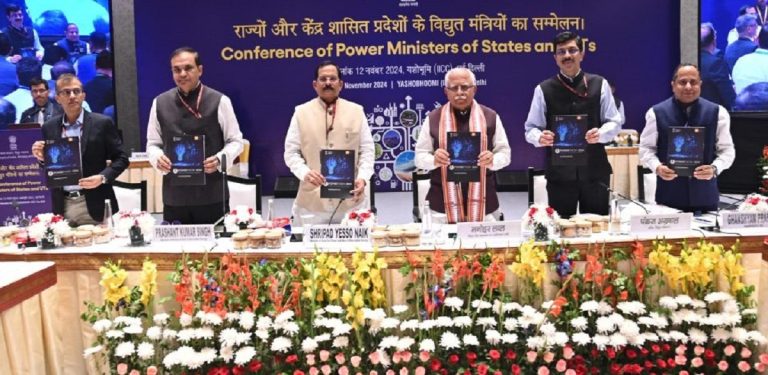
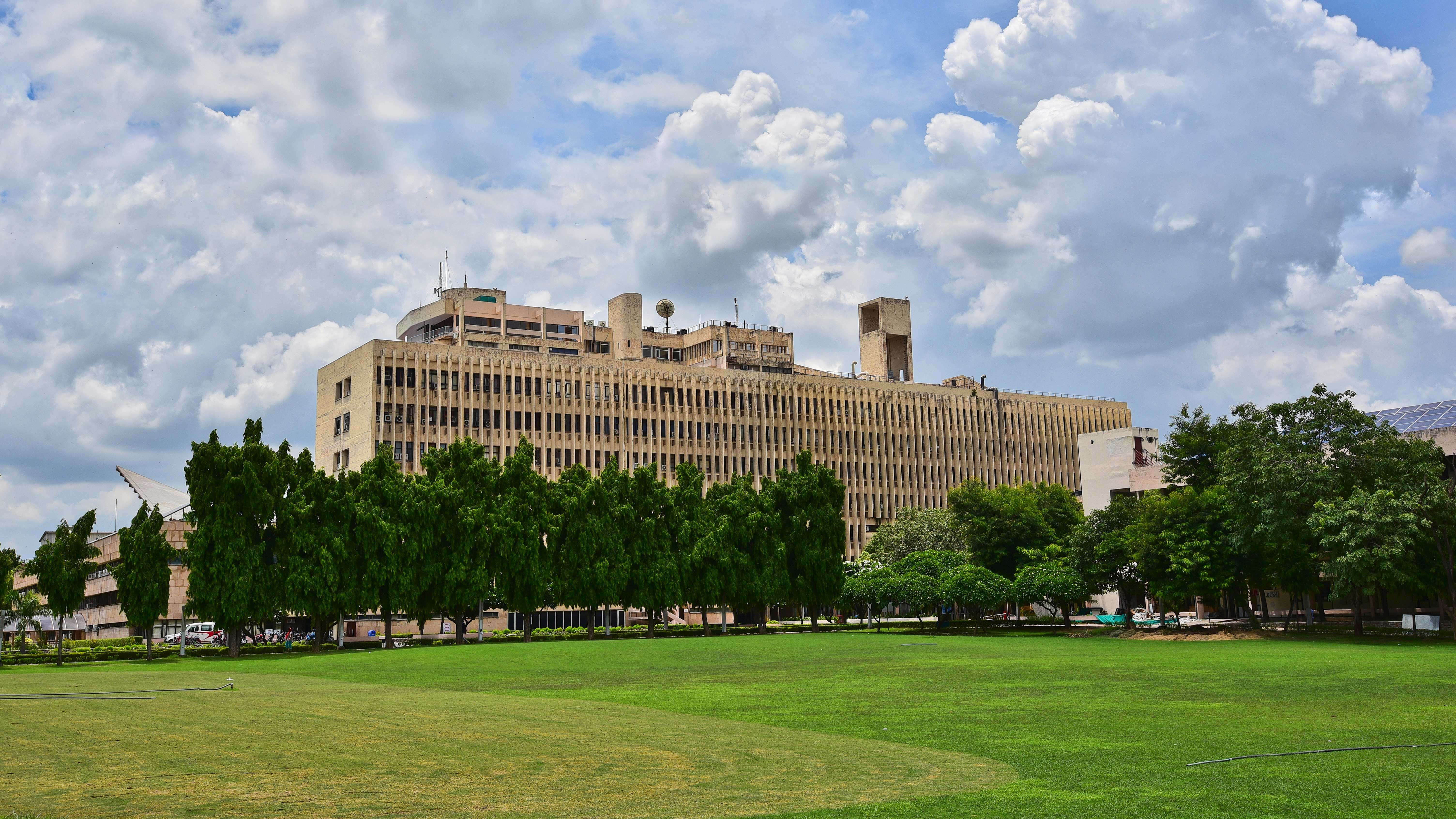
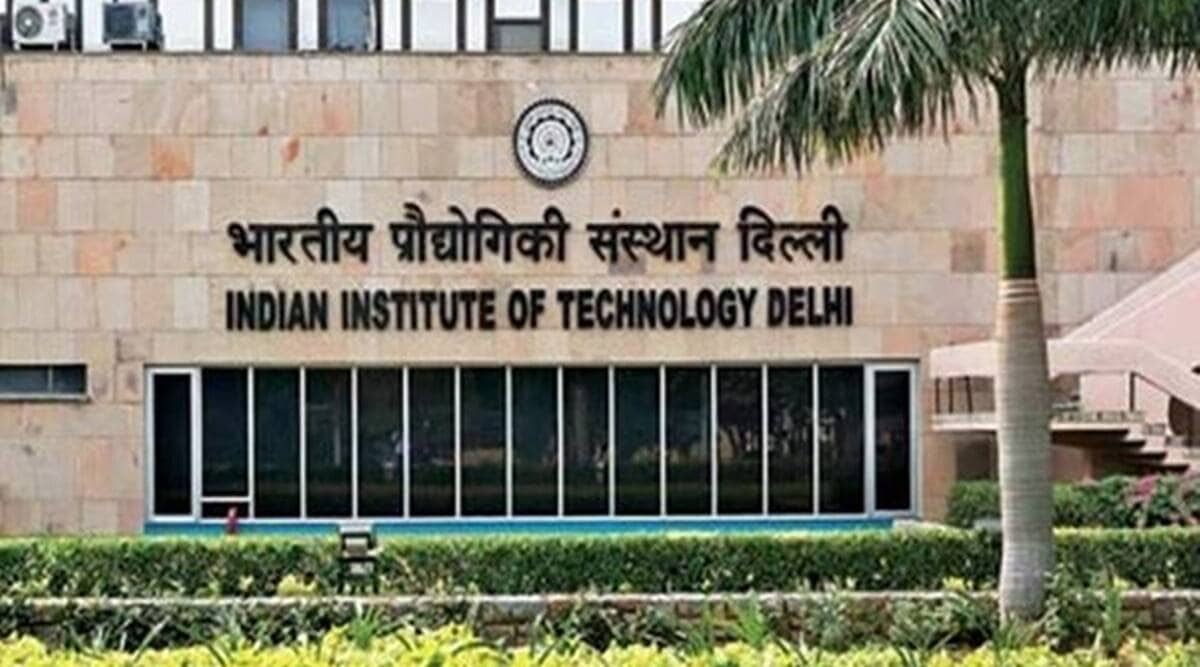
New Delhi: In a forward-looking initiative aimed at bolstering India’s rapidly evolving power sector, the Centre of Excellence (CoE) for Regulatory Affairs in the Power Sector was formally inaugurated at the Indian Institute of Technology (IIT) Delhi on January 19, 2026. The launch, officiated by Union Minister of Power Manohar Lal Khattar, marks a significant milestone in enhancing regulatory research, capacity building, and evidence-based policy support across the nation’s energy landscape.gallery lg1

The CoE has been jointly established by IIT Delhi, the Central Electricity Regulatory Commission (CERC) — India’s statutory power sector regulator — and Grid Controller of India Ltd. (Grid India), which operates major grid functions in the national electricity network. This collaborative institutional framework brings together academic excellence, regulatory insight, and system-level operational expertise to support and strengthen India’s regulatory capacity amid transformative changes in the sector.

Against the backdrop of a power sector undergoing significant transformation — propelled by rising electricity demand, large-scale integration of renewable energy, expanding electricity markets, and the increasing role of digital technologies — the CoE aims to serve as a national hub for regulatory research and capacity building. It is designed to support regulators, policymakers, and utilities in navigating technical, market, and policy challenges with robust analytical tools and evidence-based insights.

Bridging Policy, Research and Practice

Located within one of India’s premier technological institutes, the Centre will undertake multidisciplinary research covering areas such as power sector regulations, market design, grid operations, decarbonisation pathways, digitalisation, and emerging technologies like energy storage and green hydrogen. This comprehensive research agenda aligns with broader national goals of a clean energy transition and a more competitive, consumer-centric power sector.

According to the Ministry of Power, the CoE will also provide advisory and consultancy support to regulatory bodies and other stakeholders in the power ecosystem. It will act as a knowledge repository, facilitate global academic and policy linkages, and develop structured training programmes for regulators, distribution utilities, system operators, and power sector professionals.iit delhi 1200 1

In his remarks at the launch event, Power Minister Manohar Lal Khattar emphasised that as India accelerates its transition toward cleaner energy sources, competitive markets and consumer-focused reforms require strong regulation backed by research and data. Establishing the CoE at this juncture, he noted, will play a pivotal role in enabling informed and forward-looking regulation that supports sustainable and equitable growth in the sector.

Strengthening Evidence-Based Decision-Making

The Centre’s work will directly support policy and regulatory decision-making by addressing the power sector trilemma — balancing affordability, sustainability, and efficiency. It aims to equip regulators and policymakers with robust analytical tools and nationwide system models to evaluate proposals through lenses such as consumer welfare, system reliability, and investment signals. This approach is expected to help strike a judicious balance between operational soundness, economic viability, and long-term sectoral objectives.

Voices from Academia and Regulation

Professor Rangan Banerjee, Director of IIT Delhi, expressed enthusiasm about the partnership, highlighting the Institute’s commitment to generating new knowledge and analysis that can help the Indian electricity sector become sustainable, affordable and future-ready. He also highlighted the Centre’s role in enhancing regulatory organisations and professional capacities.

Jishnu Barua, Chairman of CERC, underscored that sound regulation must be built on data, rigorous analysis, and long-term thinking. He noted that the Centre will deepen regulatory research and support evidence-based policymaking — a crucial foundation as the power sector adapts to emerging market structures and technological shifts.

S. C. Saxena, Chairman and Managing Director of Grid India, added that regulatory frameworks must reflect the realities of grid operations. By linking operational insights with research and market design, the CoE is expected to strengthen the connection between theory and practice, enhancing both regulatory and operational effectiveness.

Addressing the Future of Power Regulation

The establishment of this Centre of Excellence positions India to better address the complexities and uncertainties inherent in the current energy transition. As renewable energy technologies like solar and wind gain prominence, and innovations such as energy storage, demand response, and digital grid solutions become mainstream, informed regulatory frameworks will be essential to maintain system reliability, attract investment, and protect consumers.8410993

In a sector where technological evolution and policy innovation are tightly interwoven, the Centre represents a strategic nexus for knowledge generation, capacity building and collaborative problem-solving. Its launch reflects a shared vision among academia, regulators, and system operators to build a resilient, efficient and future-ready power ecosystem for India.

ALso read: https://channel6network.com/supreme-court-directs-eci/

Oscar-Winning Maestro M.M. Keeravani to Craft an Inspiring Score for Republic Day 2026 Parade

Oscar-Winning Composer M.M. Keeravani to Compose Music for Republic Day 2026 Parade: A Historic Tribute to Vande Mataram

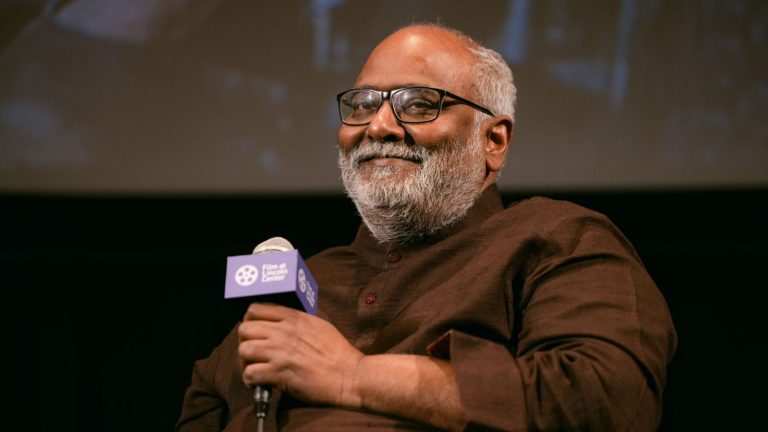
In a momentous announcement that has captured the imagination of music lovers and patriots alike, Oscar-winning composer M.M. Keeravani has been selected to compose a special musical tribute for India’s Republic Day Parade on 26 January 2026. The music is being crafted to commemorate the 150th anniversary of Vande Mataram, the iconic national song that has been an enduring symbol of India’s struggle for freedom and its cultural heritage.OIP

Taking to social media platform X, Keeravani expressed his deep sense of honour and gratitude for the opportunity to contribute to such a significant national event. “Dear all, Vande Mataram! On the occasion of the 150th anniversary of the iconic song Vande Mataram, I feel deeply honoured and privileged to have composed the music for the 26th January Republic Day Parade, under the aegis of the Ministry of Culture,” he wrote, emphasising the emotional weight of the project and inviting the nation to partake in the celebration.

The upcoming 77th Republic Day Parade will feature this musical piece as a central highlight among a myriad of cultural and ceremonial showcases. Preparations are currently underway at Kartavya Path in New Delhi, where rehearsals are in progress ahead of the grand event. This year’s celebrations will also be marked by distinguished international guests, including the President of the European Council and the President of the European Commission, who are set to attend as chief guests — underscoring the diplomatic and cultural significance of the occasion.

What makes this year’s celebrations particularly special is the sesquicentennial celebration of Vande Mataram, written by Bankim Chandra Chattopadhyay in 1876 and forever etched in India’s collective memory due to its role in inspiring the freedom struggle. Over its 150-year history, Vande Mataram has transcended generations, embodying national ethos, unity, and resilience. While Jana Gana Mana serves as the national anthem, Vande Mataram occupies a revered place as the national song — a testament to India’s enduring cultural spirit.l35020221212163325

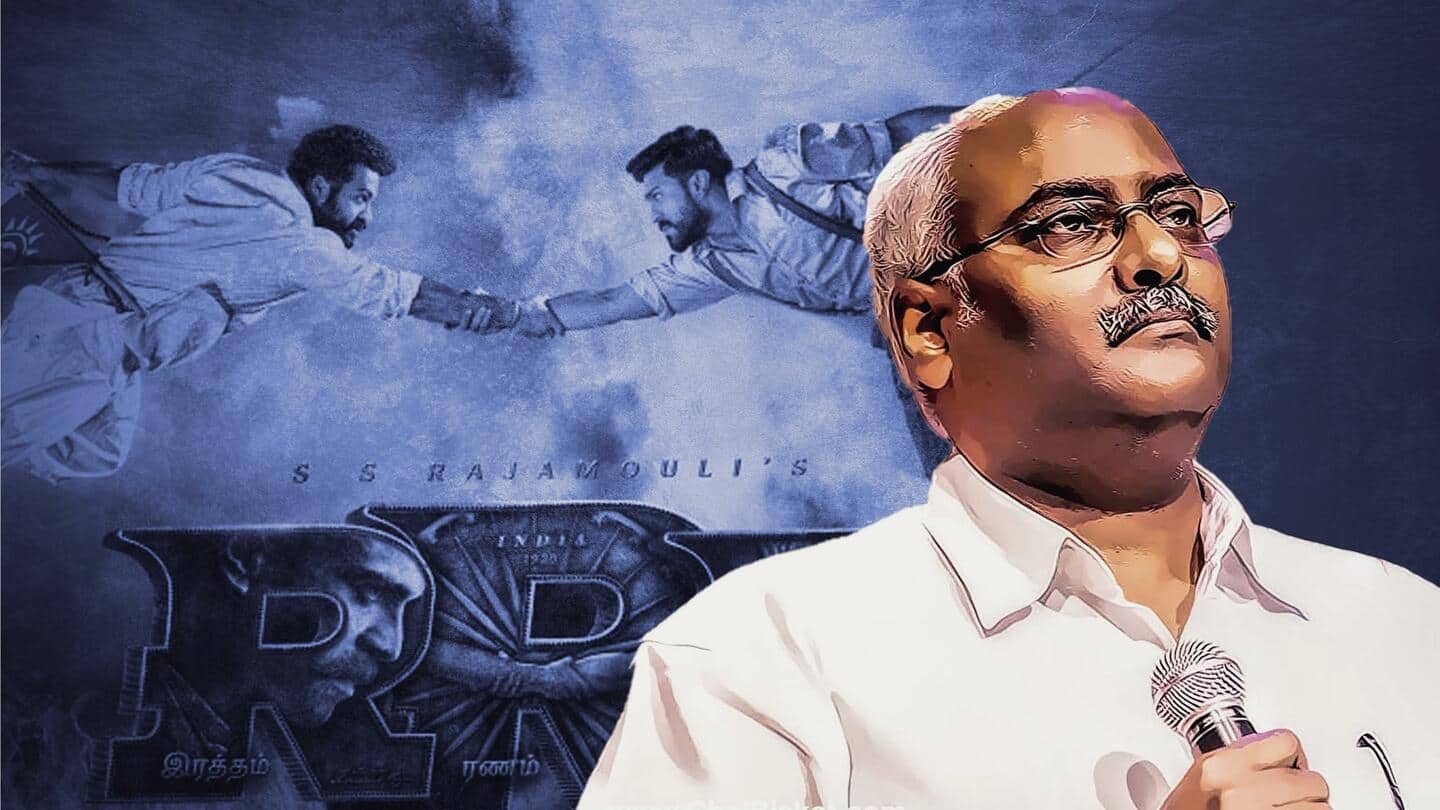
Against this historic backdrop, Keeravani’s involvement resonates with symbolic weight. Best known internationally for his Academy Award and Golden Globe–winning song “Naatu Naatu” from S.S. Rajamouli’s RRR, he has become a towering figure in Indian music, blending cinematic appeal with deeply rooted cultural sensibilities. His journey from regional cinema to global recognition exemplifies the power of Indian music on the world stage.

The Republic Day performance promises to be a grand spectacle. According to government announcements, around 2,500 artists from across India will participate in the presentation of Keeravani’s composition — an assembly indicative of the country’s vast cultural diversity and artistic excellence. Whether dancers, vocalists, or musicians, these performers will bring to life a rendition that honours both tradition and contemporary ethos, uniting audiences in shared pride.

While specific musical details about Keeravani’s composition for the parade have not been fully disclosed, there is widespread anticipation that the piece will balance classical richness with emotional resonance, reflecting the layered heritage of Vande Mataram. The challenge and opportunity lie in revisiting a song that has inspired millions, reimagining it for a modern republic while retaining its original fervour.MM Keeravani Syeda Eba Fatima 1693567650424 1693567650668

This project adds yet another remarkable chapter to Keeravani’s illustrious career. Beyond his international accolades, he has composed scores for some of the most memorable Indian films across multiple languages, seamlessly integrating folk, classical, and cinematic elements. His selection for the Republic Day Parade highlights not only his artistic stature but also the trust placed in him to encapsulate India’s spirit through the universal medium of music.

As India prepares to celebrate Republic Day 2026, the combination of historic observances, international participation, and artistic excellence will make this year’s parade an especially poignant tribute to national identity. Keeravani’s musical contribution is expected to resonate far beyond the parade route, echoing the enduring legacy of Vande Mataram and inspiring future generations with its powerful, unifying melody.

Also read: https://channel6network.com/supreme-court-directs-eci/

2 Key Spinners Cleared: Rehan Ahmed, Adil Rashid Get India Visas Ahead of T20 World Cup

0

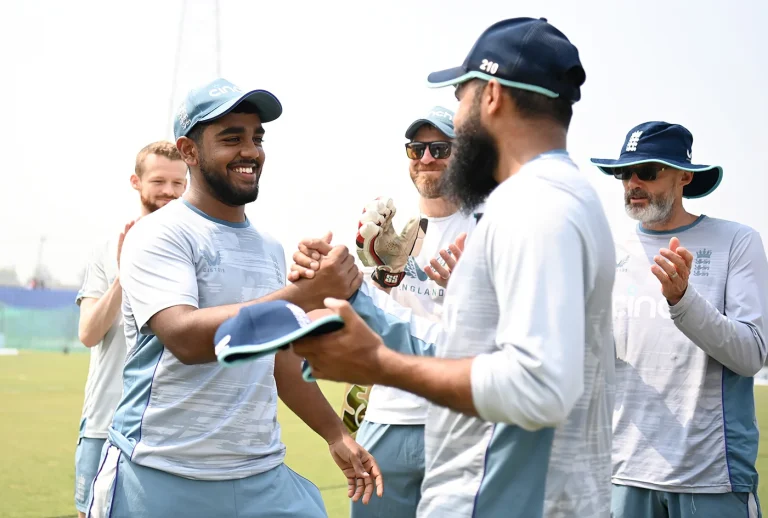
T20 World Cup: Rehan Ahmed and Adil Rashid Issued Visas to Travel to India, Ending Uncertainty Ahead of Tournament

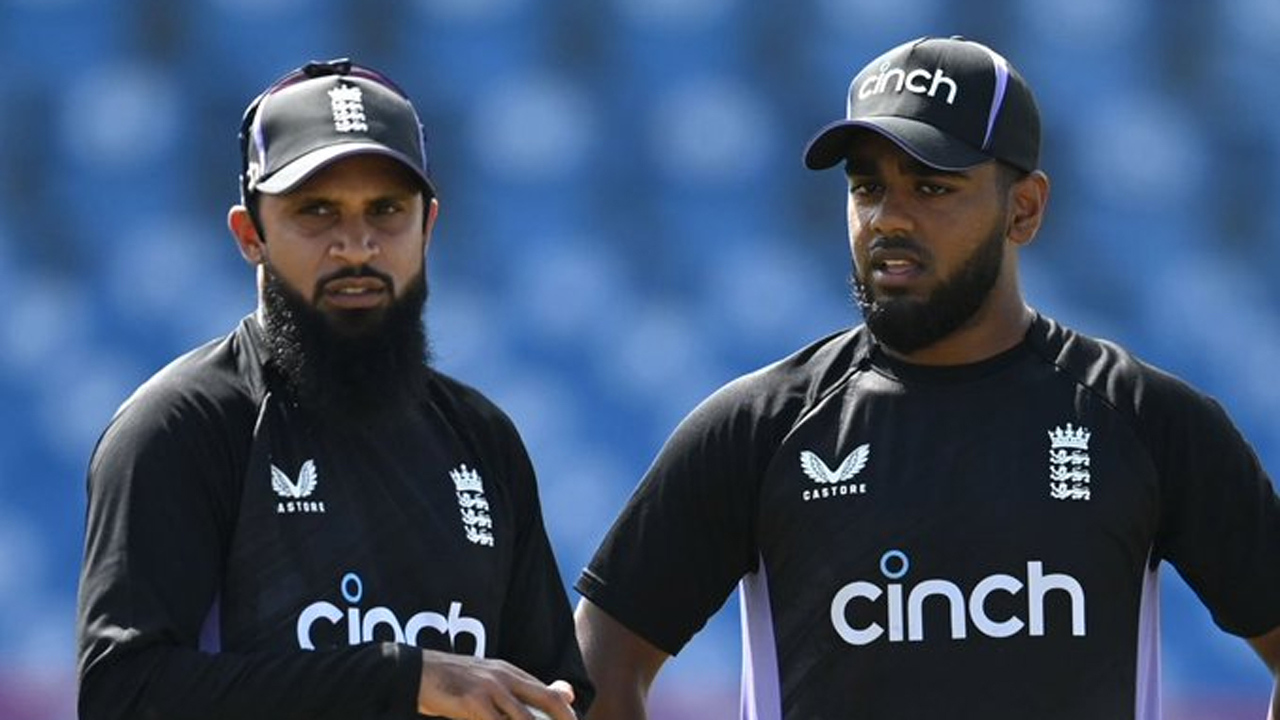
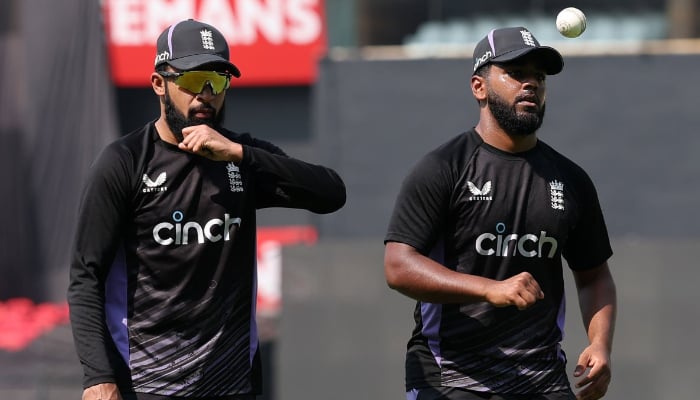
January 19, 2026 — Relief has finally come for England’s T20 World Cup preparations after spinners Rehan Ahmed and Adil Rashid were issued Indian visas, clearing a major hurdle that had threatened their participation in the upcoming ICC Men’s T20 World Cup 2026, which will be co-hosted by India and Sri Lanka beginning February 7. The development ends days of uncertainty that had loomed over the England squad due to delayed clearances for the two key players with Pakistani heritage.5c05c608c81d3dd8d9c20cc2780160ef

Visa approvals for Ahmed and Rashid were confirmed by cricket media and the International Cricket Council (ICC) on Monday, ending a period of speculation after it emerged that the rest of the England squad had received their visas while the two spinners remained in administrative limbo. The ICC said visa processing for all players, officials and support staff of Pakistani origin or nationality engaged in the tournament remains on track.

The delay had raised concerns within the England camp, since both Rashid and Ahmed are seen as crucial components of the team’s spin attack strategy in the T20 World Cup format. The situation briefly jeopardised their chances of joining the squad’s pre-tournament engagements, including warm-up matches and a preparatory white-ball series in Sri Lanka.

Visa Hurdle Clears After ICC Facilitation

The visa issue centred on the fact that both Rashid and Ahmed have family roots in Pakistan, a factor that has previously led to extra scrutiny for international travel to India. This is not unprecedented — past tours to India have seen similar delays for players of Pakistani descent, prompting additional administrative checks before visa clearance.

The ICC has been actively coordinating with Indian authorities to ensure seamless visa processing for all eligible participants. According to the governing body, there are 42 players and officials of Pakistani origin across participating teams, including England, Netherlands, USA and other nations, whose visa applications are being facilitated ahead of the event. While Rashid and Ahmed’s visas have now been granted, some other cases are expected to be resolved in the coming days.Adil Rashid

In England’s squad, Sikh-origin players such as Rashid and Ahmed, along with pacer Saqib Mahmood, had all been part of the visa facilitation efforts. Members of the Netherlands team and a staff member from Canada have also reportedly received their visas, reflecting broader progress in clearing administrative backlogs.

Impact on England’s World Cup Preparations

The earlier delays had posed tactical and logistical challenges for England’s preparation. Both spinners have been active in franchise cricket — Rashid in various global leagues and Ahmed in the Big Bash League — and their timely arrival in India now ensures that England can finalise its training plans and team combinations ahead of its World Cup campaign.

England’s first World Cup match is scheduled against Nepal on February 8 in Mumbai, and having a full squad available well ahead of that fixture is considered crucial by coaches and analysts. The team’s performance expectations are high after a mixed run of form in recent limited-overs series, and spin options like Rashid and Ahmed could influence the squad’s balance in Indian conditions.

Visa Processes Under Scrutiny

The episode underscored the complexities of visa arrangements for major international sporting events, especially when players have multi-national backgrounds or heritage ties that can trigger additional checks under host country protocols. Sport administrators have described the process as “standard procedure”, noting that it applies irrespective of nationality or team affiliation but can appear protracted due to sensitive administrative requirements.52494 5445055 updates

The ICC’s involvement in expediting clearances is seen as a necessary step to ensure that the World Cup roster is complete well before the start date. Officials are confident that all remaining pending visas will be issued by the January 31 deadline, which is a week before the tournament opener.

Wider Context for the T20 World Cup

The T20 World Cup is set to be one of the largest global cricket events, with matches spread across multiple cities in India and Sri Lanka. Teams from across the world, including traditional powerhouses and emerging sides, are preparing for high-stakes competition. Ensuring player availability — including the clearances of players with dual heritage — is critical for maintaining competitive integrity and fan engagement.

As England’s spinners prepare to join their teammates in India, the relief within the camp reflects broader hopes that administrative hurdles will not overshadow what promises to be a thrilling T20 World Cup season.

Also read: https://channel6network.com/juhi-1-love-filled-post-that-melted-hearts/

21-Point Transparency Push: Supreme Court’s Bold Order on West Bengal Voter List Discrepancies

Supreme Court Directs ECI to Display Voter Names Under ‘Logical Discrepancies’ Category in West Bengal SIR

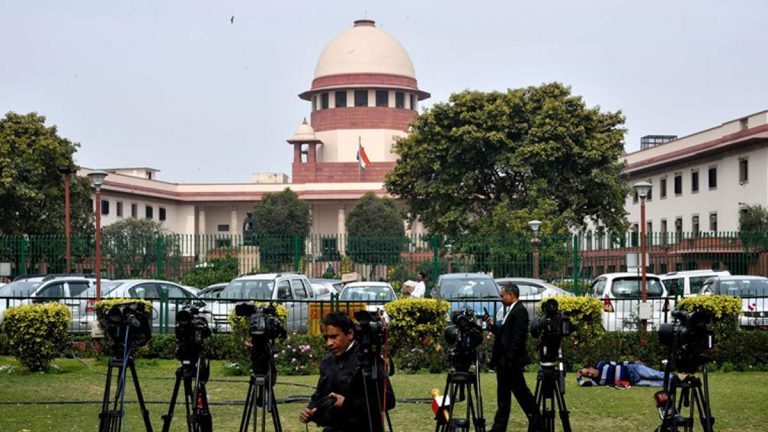
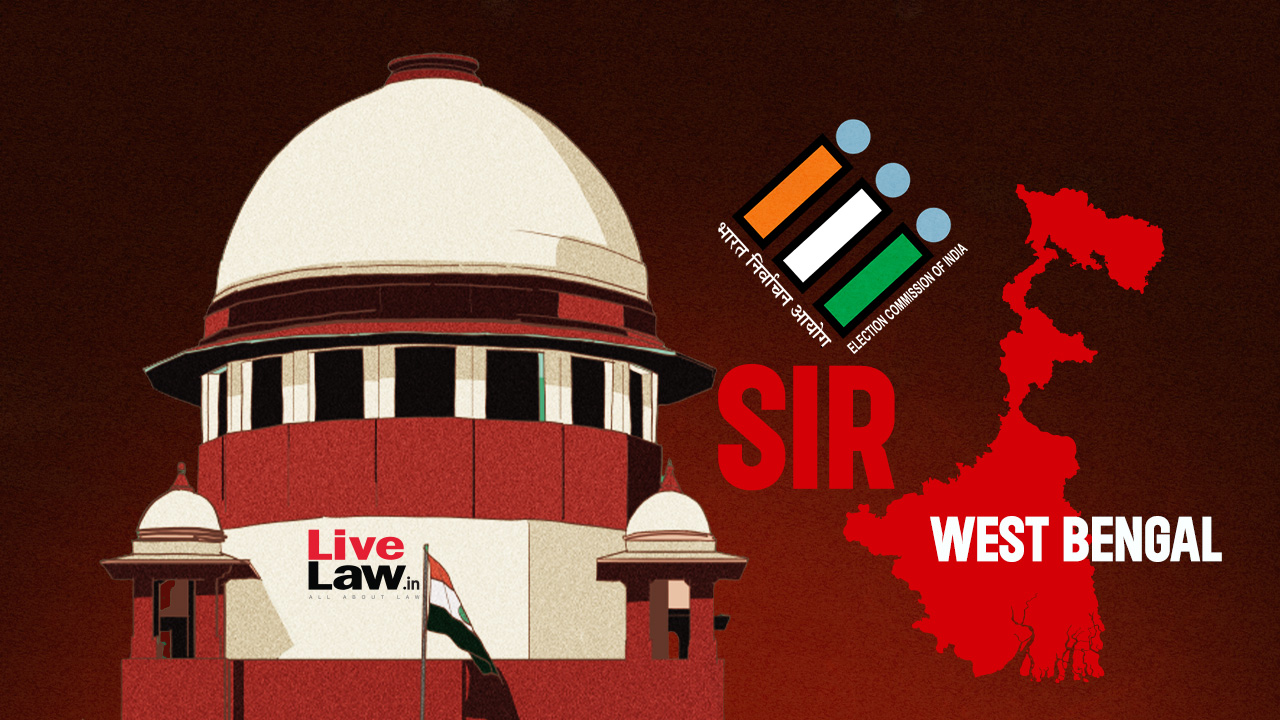
January 19, 2026 — In a significant ruling that could impact millions of potential voters, the Supreme Court of India on Monday ordered the Election Commission of India (ECI) to publicly display the names of electors flagged under the “logical discrepancies” category during the ongoing Special Intensive Revision (SIR) of electoral rolls in West Bengal. The directive aims to ensure transparency in the revision process and safeguard the electoral rights of citizens as the state prepares for upcoming general elections.Supreme Court

A three-judge bench led by Chief Justice Surya Kant, along with Justices Dipankar Datta and Joymalya Bagchi, emphasised that the SIR process — which is intended to clean up and update voter lists — must be conducted in a manner that does not unfairly disenfranchise eligible voters. The apex court’s order mandates that the names of those whose enrolment details have been tagged with “logical discrepancies” be displayed at accessible public locations such as gram panchayat bhavans, block offices and ward offices across West Bengal.

What Are ‘Logical Discrepancies’?

The “logical discrepancies” category refers to potential issues identified in voter details — such as mismatches in parental names, age differences between voters and their listed parents that fall outside expected parameters (less than 15 years or more than 50 years), and other irregularities when compared with data from the 2002 electoral rolls. These flags are generated during electronic verification, which compares current data with historical records from earlier rolls.

According to court filings, about 1.25 crore names in West Bengal have been tagged under this category, prompting concern among legal experts, political parties and civil society advocates that a significant number of genuine electors might face administrative challenges or be inadvertently excluded from the final voter list.

Under the Supreme Court’s orders, those whose names appear in the discrepancy lists will now have a clear opportunity to submit supporting documents or file objections at the designated offices. The bench also directed the West Bengal government to provide sufficient manpower to assist the Election Commission in managing the document submission and verification process at the grassroots level.

Ensuring Due Process and Preventing Exclusion

A central aspect of the court’s ruling is to reinforce due process and prevent arbitrary exclusion of eligible voters. Petitioners before the Supreme Court had alleged that the SIR exercise carried out by the Election Commission involved procedural irregularities, particularly through the introduction of the “logical discrepancies” category without clear statutory basis or formal guidelines.615244 west bengal sir map and sc

During hearings, senior advocates representing petitioners argued that the use of informal channels such as WhatsApp messages and oral instructions to communicate procedural directions to field officials undermined the transparency and legality of the revision exercise. They sought, among other reliefs, directions to formalise all communication and extend the deadline for claims and objections.

The court’s directive to post names publicly and facilitate hearings is expected to mitigate concerns that voters are being left without means to correct or validate their details. It also aligns with earlier extensions granted by the Election Commission for filing claims and objections, which have been pushed to January 19, and hearings will continue through February 7, leading up to the final publication of electoral rolls scheduled for February 14, 2026.

Political Reactions and Wider Context

The SIR process in West Bengal has sparked intense political debate, with opposition parties — especially the Trinamool Congress (TMC) — accusing the Election Commission of undermining voter rights and disproportionately targeting certain communities through the discrepancy categorisation. In separate court filings, TMC lawmakers alleged that tens of lakhs of voters were excluded without due notice or fair hearings.SIRRR

West Bengal Chief Minister Mamata Banerjee has also criticised parts of the SIR process, asserting that some electors have faced undue hardship and administrative confusion over document verification. These tensions have added urgency to calls for greater transparency and accountability in the revision exercise.

Election Commission’s Role Ahead

The Supreme Court’s ruling places a spotlight on the Election Commission’s dual responsibility to maintain accurate electoral rolls while safeguarding the democratic rights of citizens. By ordering the display of names and enabling accessible correction mechanisms, the court has underscored the need for procedural fairness in what is one of the most critical democratic exercises ahead of major elections.

As the SIR process progresses, authorities will be closely watched to ensure that implementation of the court’s directives is smooth and inclusive. The outcome could set important precedents for how voter list revisions are conducted nationwide, particularly in states with high stakes in electoral outcomes and diverse populations.

Also read: https://channel6network.com/juhi-1-love-filled-post-that-melted-hearts/