Sunday, April 26, 2026
Home Blog Page 104

1 Love-Filled Post That Melted Hearts: Juhi Chawla Pens A Birthday Note for Jay Mehta With Love

“The Best Friend One Can Ever Have…”: Juhi Pens Love-Filled Birthday Wish for Husband Jay Mehta

 Veteran Bollywood actress Juhi Chawla has melted hearts across the nation with a heartfelt and affectionate birthday tribute to her husband, businessman Jay Mehta, celebrating not just his special day but the deep bond they share. The post, shared on social media early Sunday morning, underscores a relationship built on friendship, laughter and mutual admiration — a rare and beautiful connection in the world of glitz and glamour.article 20182429173033450000

Juhi, best known for her memorable roles in Hindi cinema since the late 1980s, took to Instagram to share a series of candid photographs featuring her and Jay in joyous moments together. Alongside the images, she penned a loving message that struck a chord with fans and followers alike. “He lives, he laughs, and he takes EVERYONE along!! The best friend one can ever have. I’m so fortunate… Happy Birthday Jayyy!!!! 1,000 trees,” she wrote, blending affection, gratitude and an apparent environmental gesture in one post.

The unique sign-off — “1,000 trees” — sparked curiosity, with many interpreting it as a symbolic or literal plan to plant trees on Jay’s behalf as part of the birthday celebrations. While Juhi did not elaborate further in the caption, the inclusion of a green initiative reflects the couple’s growing public engagement with environmental consciousness, echoing global calls for sustainability.

Juhi and Jay’s Instagram exchange was swiftly peppered with warm wishes from friends and industry peers. Renowned filmmaker and choreographer Farah Khan left a cheerful note in the comments, “Happy birthday @jaymehtagram — have the best year,” accompanied by a red heart emoji, while actress Tanishaa Mukerji added her own celebratory “happy happy” message.bollywood actress juhi chawla husband businessman jay mehta photos+%25284%2529

The couple’s relationship — celebrated both onscreen and off — has been one of Bollywood’s enduring love stories. Juhi and Jay quietly tied the knot in 1995, in what was described at the time as an intimate ceremony away from the media spotlight. Over the decades, they have raised two children together — daughter Jahnavi Mehta and son Arjun Mehta — often showcasing a close-knit family life alongside their professional endeavors.

Jay Mehta is not just Juhi’s life partner but also her business collaborator. Through the Mehta Group, he has significant stakes in diverse industries, including co-ownership of the Kolkata Knight Riders (KKR) IPL franchise alongside Shah Rukh Khan’s Red Chillies Entertainment. The couple is frequently seen supporting the team together during Indian Premier League seasons, delighting fans with shared moments of pride and enthusiasm.article 202349216455860358000

It is worth noting that Jay’s life has been marked by both success and personal tragedy. Before marrying Juhi, he lost his first wife, Sujata Birla, in a tragic plane crash — an event that shaped his life long before he became a public figure. Juhi, then rising in her acting career, stood by him through this difficult period; their eventual union brought a blend of companionship and resilience.

Juhi’s affectionate note also reiterates her reputation as one of Bollywood’s most genuine and grounded personalities. Over the years, she has nurtured a loyal fan base not only for her diverse body of work — ranging from classic rom-coms like Yes Boss to character-driven roles in films such as Hum Hain Rahi Pyar Ke — but also for her affable nature off-screen. This latest birthday tribute has further endeared her to admirers, who continue to pour in heartfelt messages celebrating love and partnership.

Social media users responded enthusiastically to Juhi’s post, sharing their own birthday wishes for Jay and commending the couple’s warm, supportive dynamic. Many resonated with the sentiment of friendship as the foundation of a lasting relationship, echoing Juhi’s words that true companionship goes beyond romance to encompass laughter, shared values and unwavering presence through life’s ups and downs.

As Jay Mehta celebrates another year of life, his wife’s public tribute stands as a testament to enduring love and mutual respect — a story that continues to inspire fans across generations. In an age when celebrity relationships are often scrutinized and transient, Juhi and Jay’s journey remains a shining example of heartfelt connection and shared joy.

Also read: https://channel6network.com/the-raja-saab-box-office-alert-%e2%82%b9136-cr-crossed/
India’s Heat Emergency: 3 Powerful Warnings as Temperatures Soar

0

India’s Rising Heatwave Concerns Put Climate Resilience in Sharp Focus

As temperatures climb across large parts of India, the country is once again grappling with the growing intensity and frequency of heatwaves, bringing climate resilience back into sharp national focus. Several states have reported soaring daytime temperatures well above seasonal averages, prompting health advisories, school schedule adjustments and renewed concern over the long-term impact of extreme weather.jharkhand elections heatwave istock 660x330 1 2

Meteorological officials have warned that prolonged heat conditions could persist in many regions, particularly across central and northern India. Cities are experiencing unusually warm mornings and nights, reducing relief even after sunset. Experts say this pattern reflects broader climate shifts rather than isolated weather anomalies.

The impact of extreme heat is being felt most acutely by vulnerable populations. Outdoor workers, daily wage earners, farmers and the elderly face heightened health risks, including dehydration, heat exhaustion and heatstroke. Hospitals in some regions have reported a rise in heat-related ailments, while state governments have urged citizens to avoid peak afternoon hours and stay hydrated.

Urban areas are facing additional challenges due to the “heat island” effect, where concrete structures, limited green cover and high population density intensify temperatures. Urban planners and environmentalists argue that rapid, unplanned urbanisation has worsened heat stress, making cities increasingly difficult to inhabit during peak summer months.

The agricultural sector is also under strain. Higher temperatures threaten crop yields, particularly for water-intensive crops. Farmers are concerned about soil moisture loss and erratic weather patterns affecting sowing cycles. Agricultural experts stress the need for climate-smart farming practices, improved irrigation systems and heat-resilient crop varieties to safeguard food security.

In response, several state governments have activated Heat Action Plans aimed at minimising health risks. These include public awareness campaigns, emergency response protocols, distribution of drinking water and coordination with healthcare facilities. Some cities have also experimented with measures such as cool roofs, shaded public spaces and increased tree plantation drives.Extreme Heat Climate Change Art Concept

At the national level, climate adaptation has become a key policy discussion. Policymakers and researchers emphasize that while mitigation efforts to reduce emissions remain vital, adaptation strategies are equally urgent. Building climate-resilient infrastructure, strengthening early warning systems and integrating heat management into urban design are increasingly seen as necessities rather than optional measures.

The economic cost of heatwaves is another growing concern. Productivity losses due to reduced working hours, increased energy demand from cooling systems and strain on power grids can have significant economic implications. Analysts note that sustained heat stress could slow economic activity, particularly in sectors dependent on outdoor labour.

Public awareness around heat safety has improved in recent years, aided by digital alerts and social media campaigns. However, experts caution that awareness alone is not enough. Long-term solutions require coordinated efforts involving governments, private sector players, urban planners and local communities.

Climate scientists warn that extreme heat events are likely to become more frequent unless global and local climate action accelerates. For India, a country with diverse geography and a large population dependent on climate-sensitive sectors, the challenge is particularly complex.

As the nation navigates another intense summer, the heatwave serves as a stark reminder of the urgency to adapt to a warming world. How effectively India responds — through policy, planning and public participation — will shape not only its climate resilience but also the health and well-being of millions in the years ahead.concept image temperature rising due global abnormal high temperature phenomenon 3d rendering 651547 1332

Experts also stress the importance of community-level participation in tackling extreme heat. Simple interventions such as local cooling centres, neighbourhood water kiosks, staggered work hours and public education campaigns can significantly reduce heat-related risks. Civil society groups have called for greater coordination between municipal bodies and local residents to ensure that heat mitigation measures reach those most in need. As climate challenges intensify, grassroots preparedness is increasingly being viewed as a critical pillar of India’s broader climate resilience strategy.

Minneapolis Protests: Critical Update as Alaska Troops on Standby

Minneapolis – Governor Tim Walz mobilized the state National Guard to help bring the Minneapolis protests under control following intense clashes between protesters and federal agents on Saturday. The situation in Minneapolis and St. Paul has reached critical levels, prompting state authorities to deploy additional security forces to manage the unrest.

With ICE, Border Patrol, and the State National Guard now on the streets, a concerning development has emerged regarding potential military reinforcement. The Minneapolis protests have attracted national attention as federal and state authorities coordinate their response to the ongoing civil unrest.

Alaska Troops on Standby

A significant development in the Minneapolis protests came when a US Defense official revealed that at least 1,500 US Army troops are on standby for possible deployment to Minneapolis if the situation escalates further. These active-duty soldiers are from the 11th Airborne Division stationed at Fort Wainwright in Fairbanks, Alaska.

In the event these troops are deployed to the Minneapolis protests, the US Army would join other law enforcement agencies already on the ground, potentially intensifying an already volatile situation. This military readiness represents a significant escalation in the federal response to the ongoing civil unrest.

Origins of the Unrest

The city of Minneapolis has become a hotbed for the current Minneapolis protests ever since federal immigration operations against Somali immigrants started in December 2025. The situation has steadily deteriorated over several weeks as community tensions mounted.

The Minneapolis protests escalated significantly following a tragic incident involving Renee Nicole Good, a 37-year-old Minneapolis resident who was shot dead by ICE agent Jonathan Ross. This deadly encounter became a flashpoint that transformed sporadic demonstrations into sustained mass protests.

Federal Court Intervention

Amid the intensifying Minneapolis protests, a federal judge in Minnesota issued an order on Friday limiting the use of certain tactics on protesters. This judicial intervention aimed to protect demonstrators’ constitutional rights while maintaining public safety during the ongoing unrest.

However, the Minneapolis protests saw massive clashes on the very next day, January 17, suggesting that the court’s limitations did little to de-escalate tensions between protesters and law enforcement. The violence that erupted demonstrated the depth of community anger and frustration.

Violent Clashes and Tear Gas Deployment

Law enforcement used tear gas as thousands flooded the streets during the Minneapolis protests, demonstrating against the federal immigration operation in the state. The scale of the demonstrations overwhelmed initial police responses, necessitating additional security forces.

Major political figures joined the Minneapolis protests, with House Representative Ilhan Omar participating in demonstrations on Saturday. Her presence highlighted the political significance of the protests and the depth of community opposition to federal immigration enforcement tactics.

Civilian Casualties Reported

In some locations, the Minneapolis protests turned violent, with reports indicating that a family of four was injured during the clashes between protesters and law enforcement. These civilian casualties have further inflamed community tensions and raised questions about the proportionality of the law enforcement response.

Also Read: H-1B Visa Abuse: Trump Ally Slams Foreign Worker Program

The injuries sustained during the Minneapolis protests have become another rallying point for demonstrators who argue that federal agents are using excessive force against peaceful community members exercising their constitutional rights.

Military Deployment Options

According to official reports regarding the Minneapolis protests, the 11th Airborne Division at Fort Wainwright in Fairbanks, Alaska, represents “one of the many options” available if President Trump decides to deploy active-duty US troops to Minneapolis.

However, officials emphasized that regarding the Minneapolis protests, no final decision has been made about deploying active-duty military forces. The situation remains fluid, with authorities monitoring developments closely before making such a significant deployment decision.

Pentagon Response

When contacted for comments on the veracity of reports about potential deployment to the Minneapolis protests, the Pentagon did not confirm or deny the claims. Instead, officials provided a measured statement emphasizing military readiness.

Regarding the Minneapolis protests and potential troop deployment, the Pentagon stated that the US Army is “always prepared” for deployment when necessary. “The Department of War is always prepared to execute the orders of the Commander-in-Chief if called upon,” the official statement read.

Community Impact and Tensions

The Minneapolis protests have exposed deep divisions between federal immigration enforcement priorities and local community values. Minneapolis has a significant Somali immigrant population, and the targeted ICE operations have created widespread fear and anger within these communities.

The sustained nature of the Minneapolis protests indicates that community grievances extend beyond the immediate immigration enforcement actions to broader concerns about federal overreach and the protection of immigrant communities.

Potential Escalation Scenarios

Military analysts warn that deploying active-duty troops to the Minneapolis protests could significantly escalate tensions. Unlike National Guard troops who operate under state authority, active-duty military deployment would represent direct federal intervention with potentially broader legal and political implications.

The standby status of Alaska-based troops for the Minneapolis protests suggests federal authorities are preparing for multiple contingencies, including the possibility that the National Guard alone may prove insufficient to manage the unrest.

Looking Ahead

As the Minneapolis protests continue, all eyes remain on Governor Walz’s coordination with federal authorities and whether the situation will require the unprecedented step of deploying active-duty military forces. The coming days will be critical in determining whether tensions de-escalate or continue intensifying, potentially triggering the military deployment that currently remains on standby in Alaska.

H-1B Visa Abuse: Trump Ally Slams Foreign Worker Program

Washington D.C. – Key Trump ally and junior senator from Missouri, Eric Schmitt, has launched a fierce attack on what he calls H-1B visa abuse, blaming the program and foreign workers for widespread job losses across the United States. In a fiery statement made on Ryan James Girdusky’s podcast, the Republican senator made explosive claims about the controversial visa program.

Schmitt’s allegations of H-1B visa abuse center on his assertion that the American people are “being lied to” about the necessity of foreign workers, claiming they are brought in primarily because they are “more compliant” and cheaper than American workers, rather than due to any genuine skills shortage.

Enhanced Screening Measures

The senator’s claims regarding H-1B visa abuse were made approximately a month after the Trump administration initiated enhanced screening of H-1B and its dependent H-4 visa applicants. These new measures include comprehensive social media profile checks for all applicants seeking entry under these visa categories.

The Homeland Security Department recently announced a significant policy shift related to H-1B visa abuse concerns, pausing visa processing for 75 countries, including several key American allies. This unprecedented move signals the administration’s serious approach to addressing perceived problems with the current visa system.

False Promises to American Workers

The Missouri senator directly challenged the fundamental premise of the H-1B program when discussing H-1B visa abuse. “Americans have been told that the H-1B applicants are being brought in because there aren’t enough people present in the US to take up the kind of jobs that they do, that’s a lie,” Schmitt declared emphatically.

This accusation of H-1B visa abuse strikes at the heart of the program’s justification, which has long been that specialized foreign workers fill positions where qualified American candidates cannot be found. Schmitt’s statement suggests this rationale is fundamentally dishonest.

Employment Data Context

The December job report revealed challenging employment conditions that provide context for discussions about H-1B visa abuse. Employers added just 50,000 jobs, nearly unchanged from a downwardly revised figure of 56,000 in November, highlighting the difficult job market for American workers.

Meanwhile, the unemployment rate slipped to 4.4%, its first decline since June, from 4.5% in November. These employment statistics form the backdrop against which Schmitt’s allegations of H-1B visa abuse must be considered.

Corporate Layoffs and Replacements

Schmitt provided specific examples when discussing H-1B visa abuse, citing major technology companies. “When you see companies like Microsoft laying off thousands of workers and replacing them with H-1B applicants (foreign workers), the only difference is – foreign workers are more compliant,” he stated.

The senator’s analysis of H-1B visa abuse emphasizes the power dynamics involved. “They are here as guests and can be sent away if they’re not compliant and they’re cheaper,” Schmitt added, suggesting that corporations exploit these vulnerabilities to reduce labor costs and increase worker compliance.

Program Exploitation Claims

Schmitt asserted that H-1B visa abuse has become widespread throughout the system. “The H-1B program has been widely abused,” he declared, extending his criticism beyond just the primary visa program to related educational programs.

The senator’s allegations of H-1B visa abuse also encompassed the OPT (Optional Practical Training) work authorization for F-1 international students, which he characterized as basically “visa mills” that serve institutional rather than national interests.

Educational Institution Complicity

Regarding H-1B visa abuse and related programs, Schmitt criticized American universities’ role in the system. “US universities benefit because these students pay the full fee. They come in and then they’re able to work on that visa for a year or two,” he explained.

The senator’s critique of H-1B visa abuse extended to tax implications. “The employer doesn’t have to pay taxes but this displaces American students,” he added, suggesting a multi-layered system that disadvantages American citizens while benefiting educational institutions and employers.

Denaturalization Legislation

Earlier this month, Schmitt connected his concerns about H-1B visa abuse to broader immigration enforcement by announcing plans for denaturalization legislation. “If you come to our country, take our citizenship oath, and then proceed to commit fraud or other serious felonies, you don’t deserve to be an American,” he wrote on X, the platform formerly known as Twitter.

This proposed legislation addresses H-1B visa abuse concerns by introducing consequences for those who violate the terms of their admission. “I’m introducing legislation to revoke their citizenship and send them home,” Schmitt declared, signaling a hardline approach to immigration enforcement.

Compliance and Cost Factors

The senator’s analysis of H-1B visa abuse emphasizes two primary motivations for employers: cost reduction and worker compliance. By highlighting that foreign workers can be “sent away if they’re not compliant,” Schmitt suggests that the visa structure creates an inherently unequal power dynamic.

This aspect of H-1B visa abuse allegations points to systemic issues beyond individual cases of fraud or misrepresentation, suggesting that the program’s very structure encourages exploitation of both foreign workers and displacement of American workers.

Policy Implications

Schmitt’s comprehensive critique of H-1B visa abuse signals potential legislative action and policy reforms under the Trump administration. As a key ally of President Trump, his statements may foreshadow significant changes to visa programs and immigration enforcement mechanisms.

The senator’s focus on H-1B visa abuse reflects broader Republican concerns about immigration policy, labor market protection, and economic nationalism. His proposals suggest that substantial reforms to the current visa system may be forthcoming as the administration addresses what it views as systematic exploitation of American workers and gaming of immigration programs.

Yamuna Defoamer Usage: Shocking 48,000kg Used in 63 Days

0

New Delhi – The Yamuna defoamer usage reached unprecedented levels between October and December last year, with 48,000 kilograms of chemicals deployed over 63 days to combat froth formation near Kalindi Kunj. This massive chemical intervention was revealed in the Delhi Jal Board’s response to a question raised in the Delhi legislative assembly.

The Yamuna defoamer usage campaign cost approximately ₹80 lakh for chemical procurement alone, marking it as the longest-ever anti-froth drive conducted on the river. The extensive duration and quantity of chemicals used have raised significant environmental concerns among activists and experts.

Chemical Application Methods

According to the Delhi Jal Board‘s official response, the Yamuna defoamer usage at Kalindi Kunj involved chemical dilution in a 1:10 ratio, following the prevailing practice established over the last three years. This ratio was determined based on assessment of foam quantity and water quality parameters.

The board emphasized that Yamuna defoamer usage was kept to a minimum, supplemented by mechanical methods including the froth arrester system and aeration by boat for froth rupture. These combined approaches aimed to provide comprehensive foam control while reducing chemical dependency.

Understanding Froth Formation

The froth problem that necessitates Yamuna defoamer usage occurs when soap-like surfactant molecules in polluted waters turn into foam as they fall from a height at the nearby Okhla barrage. This phenomenon creates the characteristic white froth that has become synonymous with Yamuna pollution.

The issue worsens during winter months when temperature drops make froth bubbles much more stable. The surfactant molecules causing this problem are produced through biological, physical, and chemical processes, making Yamuna defoamer usage a recurring necessity.

Sources of Pollution

Multiple pollution sources contribute to the conditions requiring extensive Yamuna defoamer usage. These include detergents and surfactants in untreated domestic sewage, pollutants from industries and dhobi ghats, and materials released by decomposition of dying water hyacinth weeds in the Okhla barrage.

This complex pollution mix creates persistent froth formation that has made Yamuna defoamer usage an annual ritual, particularly around the Chhath Puja festival when devotees enter the river for religious ceremonies.

Political Controversy

The Yamuna defoamer usage has previously been criticized by the Bharatiya Janata Party (BJP) while in opposition. Delhi witnesses an annual controversy around the festival period when images of devotees standing in glacier-like froth chunks during Chhath Puja go viral on social media.

These viral images highlight the severity of pollution and the controversial nature of Yamuna defoamer usage as a solution, with critics questioning whether chemicals provide a sustainable answer to the river’s pollution crisis.

Water Quality Monitoring

When questioned about water quality testing during the 63-day Yamuna defoamer usage period, the DJB revealed that the on-site temporary laboratory was removed the day after the Chhath festival. However, samples continued to be tested at the Okhla laboratory throughout the campaign.

This monitoring approach during Yamuna defoamer usage aimed to ensure that chemical application remained within acceptable parameters while tracking its impact on water quality.

Historical Comparison

Official sources, speaking on condition of anonymity, revealed that previous years saw 12-15 tonnes of chemicals used for froth removal. This makes the 2024 Yamuna defoamer usage three to four times higher than previous years, marking a dramatic escalation in chemical intervention.

The significantly increased Yamuna defoamer usage has alarmed environmental experts and activists who question the long-term sustainability and ecological impact of this approach.

Environmental Concerns Raised

On December 16, Yamuna activist Pankaj Kumar wrote to the Lieutenant Governor and Delhi government, flagging excessive Yamuna defoamer usage for a prolonged period. Kumar noted that in previous years, defoamers were used only briefly around Chhath Puja.

However, this year’s Yamuna defoamer usage continued from October 15 for nearly 60 days, which Kumar warned could have long-term adverse impacts on the river’s ecology and aquatic life.

Application Pattern Analysis

Interestingly, the 63-day Yamuna defoamer usage trend showed that more chemicals were applied when foam levels were lower during October 15-November 15. This period coincided with better river flow due to larger water quantities released from Hathnikund barrage.

Daily Yamuna defoamer usage decreased when frothing actually increased later, raising questions about the application strategy and its effectiveness in controlling froth formation.

Ecological Impact Warnings

Environmental experts warn that excessive Yamuna defoamer usage harms aquatic life through multiple mechanisms. Constant spraying causes reduced oxygen transfer due to hydrophobic films on the water surface, leading to oxygen depletion in the river.

The Yamuna defoamer usage also disrupts natural microbial activity and causes accumulation of non-biodegradable silicone oils and silica particles in sediments. This accumulation alters soil chemistry and harms benthic organisms living in river sediments.

Long-term Sustainability Questions

The unprecedented scale of Yamuna defoamer usage in 2024 raises fundamental questions about the sustainability of chemical interventions for managing river pollution. Critics argue that such massive chemical deployment treats symptoms rather than addressing root causes of pollution.

The ₹80 lakh expenditure o defonamer usage represents a recurring cost that could potentially be redirected toward sustainable pollution control measures, including improved sewage treatment infrastructure and industrial effluent management.

As Delhi continues grappling with Yamuna pollution, the debate over appropriate intervention methods and the role of chemical solutions remains contentious, with environmental advocates calling for comprehensive pollution prevention strategies rather than chemical-dependent froth removal approaches.

Delhi Fog: IMD Predicts Rain Relief By Weekend Amid Zero Visibility

0

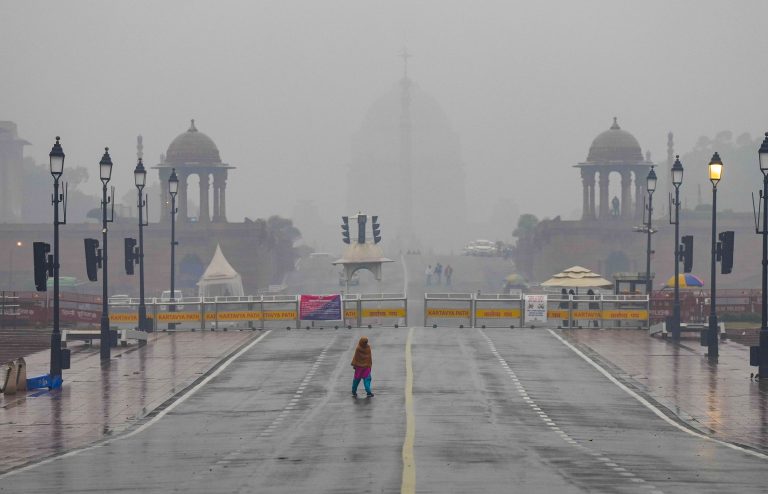
New Delhi – A thick blanket of Delhi fog continued to shroud the capital and its surrounding areas in the early hours of Sunday, severely impacting visibility and causing significant disruptions to transportation services. The India Meteorological Department (IMD) has forecast the possibility of rain toward the end of the coming week, potentially providing relief from the persistent foggy conditions.

The Delhi fog situation reached critical levels with Safdarjung recording zero visibility for nearly six hours, between 2.30am and 8.30am on Sunday. This extended period of zero visibility represents one of the most severe fog episodes experienced by the capital this winter season.

Zero Visibility Conditions Persist

According to meteorological observations, the Delhi fog caused visibility at Palam to dip to just 100 metres around 7.30am, creating hazardous conditions for commuters and travelers. The dense fog layer that enveloped the city demonstrated the intensity of the current weather pattern affecting the National Capital Region.

For Monday, IMD has issued a “yellow alert” for dense Delhi fog in isolated pockets of the city, warning residents and authorities to prepare for continued challenging visibility conditions. This alert system helps citizens take necessary precautions during adverse weather conditions.

Transportation Disruptions

The severe Delhi fog conditions led to significant disruptions in air and rail transportation throughout Sunday. While no flights were cancelled or diverted at Delhi’s Indira Gandhi International (IGI) airport, more than 500 flights experienced delays through the day.

According to data from flight tracking systems, the Delhi fog caused an average delay of approximately 34 minutes across affected flights. Northern Railways also reported delays to several trains during the early morning hours, impacting passengers’ travel schedules and creating inconvenience for commuters.

Temperature Trends

Despite the persistent Delhi fog, the city’s minimum temperature on Sunday was recorded at 5.3°C, about two degrees below normal but 0.9°C higher than Saturday’s minimum. This slight increase indicates a gradual warming trend as cold wave conditions abated across the region on Saturday.

Forecasts suggest that minimum temperatures will continue rising despite the Delhi fog, with readings likely to hover between 7°C and 9°C on Monday. This upward temperature trend coincides with changing wind patterns and approaching weather systems.

Rain Forecast Brings Hope

The weather agency has forecast “light rain” in the Capital on January 23, potentially breaking what has been largely a dry and cold winter spell. This precipitation could help disperse the persistent Delhi fog and improve air quality conditions in the region.

Meteorologists explained that although fresh snowfall is expected in the western Himalayan region on January 22, temperatures in areas affected by Delhi fog are unlikely to dip to the levels seen last week. The Capital’s lowest minimum last week was 3°C at Safdarjung, making it the coldest morning in three years.

Western Disturbance Impact

“A series of western disturbances is now expected and winds have already turned easterly. An active western disturbance is likely to bring rain to Delhi-NCR beginning the night of January 22 and continuing into January 23,” said Mahesh Palawat, vice-president (meteorology and climate change) at Skymet Weather.

This weather system could significantly impact the Delhi fog conditions, potentially clearing the atmosphere and bringing much-needed precipitation. Some pockets may even record moderate showers, according to meteorological predictions.

Fresh Snowfall in Hills

Palawat added that fresh snowfall is expected in the Himalayan hills, which typically influences weather patterns in the plains. The interaction between these hill systems and the Delhi fog conditions creates complex meteorological scenarios that require careful monitoring.

The meteorologist noted that minimum temperatures could dip again after the passage of this western disturbance, but another system is expected around January 26, preventing sustained cold conditions.

Temperature Recovery Ahead

“A significant dip in temperatures is likely only towards the end of the month, and even then, it may only fall to around 4-5°C in Delhi. The worst of the winter is over,” Palawat stated, offering reassurance to residents dealing with the Delhi fog and cold conditions.

Delhi’s maximum temperature on Sunday stood at 22.7°C, about three degrees above normal, indicating relatively mild daytime conditions despite the morning Delhi fog. The maximum temperature is forecast to remain mild on Monday, hovering between 24°C and 26°C.

Extended Forecast

Until January 24, maximum temperatures are expected to stay above 20°C, with no cold-day conditions likely in the region, according to weather officials. This relatively warm daytime trend contrasts with the persistent morning Delhi fog that continues to challenge commuters.

The gradual warming trend, combined with approaching western disturbances, suggests that the intensity of Delhi fog may decrease in the coming days. However, residents should remain prepared for continued foggy mornings until the weather systems bring the predicted rainfall.

Safety Precautions

Authorities advise residents to exercise caution while traveling during Delhi fog conditions, particularly during early morning hours when visibility remains severely compromised. Drivers should use fog lights, maintain safe distances, and reduce speeds when navigating through dense fog patches.

The IMD continues monitoring the situation closely, providing regular updates to help citizens and authorities manage the challenges posed by persistent Delhi fog conditions. As the week progresses, the anticipated rainfall should provide relief and improve overall visibility across the National Capital Region.

CBI Nabs Fugitives: Big Breakthrough After Decade-Long Hunt

0

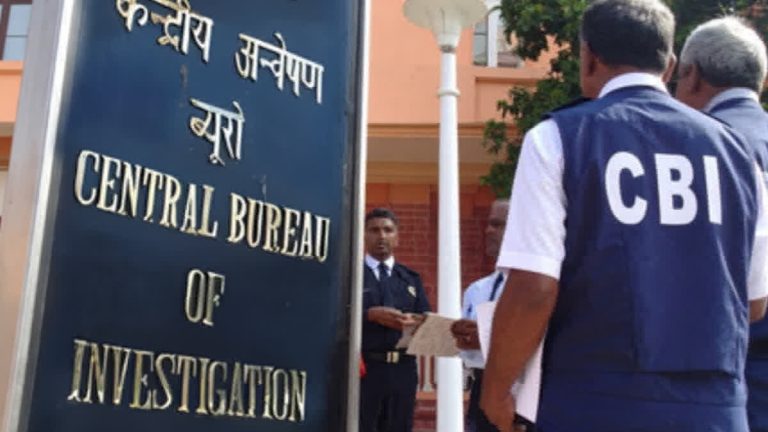
New Delhi – The Central Bureau of Investigation achieved a significant milestone when CBI nabs fugitives in two separate high-profile fraud cases after more than a decade of intensive pursuit. The agency arrested two proclaimed offenders who had successfully evaded capture for over ten years through sophisticated evasion tactics and careful concealment.

The CBI nabs fugitives operation demonstrates the agency’s persistent commitment to bringing criminals to justice, regardless of how long they manage to evade arrest. Both individuals were wanted in serious fraud cases involving misappropriation of public funds and compensation bills.

First Arrest: Tamanna Chakma Case

In the first major development where CBI nabs fugitives, the agency arrested Tamanna Chakma, also known as Tamie May, who was convicted along with 22 others on May 17, 2024, in a 14-year-old case involving alleged misappropriation of compensation bills.

The case in which CBI nabs fugitives originated from a complaint against the then zonal manager of NPCC Ltd, Silchar in Assam, identified as UP Mishra, and five other individuals. The agency had registered the case and conducted a trial that lasted nearly 12 years before reaching a conviction.

Chakma’s Evasion Tactics

According to the CBI spokesperson, Chakma failed to appear before the trial court during proceedings, prompting the court to issue an arrest warrant. Despite persistent and sustained efforts to trace the accused during the trial, she remained untraceable for an extended period.

The CBI nabs fugitives case became more complicated when Chakma also skipped court appearances after the judgment was delivered. Her ability to evade authorities for such an extended period highlighted the challenges faced by investigating agencies in tracking down determined fugitives.

Also Read: Bihar Kathavachak Arrested: Religious Preacher Accused of Rape

Sophisticated Investigation Methods

The success in this CBI nabs fugitives operation came through the CBI’s Shillong team, which employed multiple sophisticated investigation techniques. The team detained Chakma on Saturday in the Geeta Nagar police station area of Guwahati, Assam, utilizing advanced tracking methods.

The CBI nabs fugitives breakthrough was achieved through a combination of field verification, physical surveillance, and thorough Call Detail Record (CDR) analysis. These modern investigative tools proved crucial in locating and apprehending the elusive fugitive after years of unsuccessful attempts.

Second Arrest: Tripura Chit Fund Case

In the second instance where CBI nabs fugitives, officers arrested Tapan Pramanik on Sunday. Pramanik had been wanted for 13 years in connection with the notorious Tripura chit fund case, which defrauded numerous investors.

Pramanik served as director of MPS Agro-Animal Projects Ltd and came under CBI nabs fugitives scrutiny on October 8, 2013, along with other associates. The case involved serious allegations of fraudulent collection of public funds under false pretenses.

Details of the Chit Fund Fraud

According to the CBI spokesperson, in the case where CBI nabs fugitives Pramanik and others, the accused persons fraudulently and dishonestly collected huge amounts ranging from ₹3 to 4 crore from the public. The fraud was perpetrated through agents who solicited investments on the pretext of profitable returns.

The CBI nabs fugitives case revealed that the accused misappropriated the collected funds instead of investing them as promised to the public. This massive fraud affected numerous innocent investors who lost their hard-earned savings to the fraudulent scheme.

Legal Proceedings and Charge Sheets

The CBI nabs fugitives case progressed through multiple legal stages despite Pramanik’s absence. The CBI filed the first charge sheet on October 13, 2015, followed by a supplementary charge sheet on May 31, 2019, naming Pramanik and other accused individuals.

Pramanik did not join the investigation despite repeated summons, forcing the CBI nabs fugitives team to file a charge sheet against him as an absconder. An arrest warrant was subsequently issued by the court, but tracking him proved extremely challenging.

Proclaimed Offender Declaration

The court declared Pramanik a proclaimed offender on January 16, 2023, in the CBI nabs fugitives case, emphasizing the seriousness of his evasion and the necessity of his arrest. This declaration increased the legal consequences he would face upon capture.

Advanced Tracking Techniques

The success in this CBI nabs fugitives operation came through sophisticated digital tracking methods. CBI officers traced Pramanik through digital footprints, comprehensive field verification, physical surveillance, and detailed CDR analysis before finally arresting him in West Bengal’s Nadia district.

The CBI nabs fugitives breakthrough demonstrates how modern investigative techniques, when combined with traditional surveillance methods, can successfully locate even the most elusive criminals. The digital footprint analysis proved particularly valuable in tracking movements and establishing patterns.

Significance of Dual Arrests

These twin successes where CBI nabs fugitives send a strong message to other absconding criminals that no matter how long they evade justice, determined investigation and modern technology will eventually bring them to account. The arrests occurred in different states, showcasing the CBI’s pan-India operational capability.

Investigation Team Coordination

Both arrests resulted from excellent coordination between different CBI units and local law enforcement agencies. The Shillong team’s success in Guwahati and the team’s achievement in Nadia district demonstrate effective inter-state cooperation in tracking fugitives.

Legal Consequences Ahead

With both fugitives now in custody, they face serious legal consequences for their original crimes as well as additional charges related to evading arrest and skipping court proceedings. The cases will now proceed through the judicial system with the accused finally present to face trial.

Message to Other Fugitives

The successful operations send a clear deterrent message that prolonged evasion only delays but cannot prevent justice. The CBI’s unwavering commitment to pursuing fugitives, regardless of time elapsed, reinforces public confidence in the criminal justice system and demonstrates that sophisticated investigation techniques will ultimately prevail over evasion tactics.

India vs New Zealand ODI: Kohli’s Century Couldn’t Prevent Big Loss

0

Gujarat – In a dramatic conclusion to the India vs New Zealand ODI series, the visitors secured a historic 2-1 series victory despite a valiant century from Virat Kohli. New Zealand defeated India by 41 runs in the decisive third ODI at Indore, marking India’s first-ever ODI series loss to New Zealand on home soil.

The India vs New Zealand ODI decider saw the Black Caps post a formidable 337/8 in their 50 overs before restricting India to 296, with Kohli‘s magnificent 124 off 108 balls ultimately proving insufficient to prevent the historic defeat.

Mitchell and Phillips Dominate Indian Attack

The India vs New Zealand ODI series finale was defined by outstanding centuries from Daryl Mitchell and Glenn Phillips, who systematically dismantled the Indian bowling attack. Mitchell scored a commanding 137 runs, while Phillips contributed a brilliant 106, putting New Zealand in a commanding position.

Mitchell’s back-to-back authoritative centuries in the India vs New Zealand ODI series consistently troubled the Indian attack throughout the contest. After falling short in the opener with 93 runs, Mitchell had already notched an unbeaten 131 in the second ODI at Rajkot, and his third match performance sealed his status as Player of the Match and Series.

India’s Early Breakthroughs

The India vs New Zealand ODI match began promisingly for the hosts after captain Shubman Gill won the toss and elected to bowl. Arshdeep Singh, who returned to the playing XI after being snubbed for the first two ODIs, justified his selection immediately with a wicket in the opening over, removing opener Henry Nicholls for a golden duck.

Harshit Rana complemented Arshdeep’s efforts in the India vs New Zealand ODI decider by dismissing Devon Conway for just 5 runs in the second over. Rana later broke the partnership between Mitchell and Will Young (30), which was beginning to frustrate India and build dangerous momentum for New Zealand.

New Zealand’s Commanding Total

Despite India’s early breakthroughs in the India vs New Zealand ODI finale, Mitchell and Phillips dominated proceedings with their brilliant batting display. Their assault helped the visitors post a challenging target of 338, leaving India with a steep chase ahead.

Mohammed Siraj struck at a crucial moment during the India vs New Zealand ODI match to dismiss Mitchell, while Arshdeep Singh managed to keep Phillips in check. These breakthroughs gave India hope of preventing New Zealand from surpassing 350 and regaining some momentum in the contest.

Kohli’s Magnificent But Futile Century

Chasing 338 in the India vs New Zealand ODI decider, India suffered early setbacks with the dismissals of captain Rohit Sharma and Shubman Gill. Virat Kohli took charge, bringing calm to the middle and anchoring the innings with characteristic class and determination.

Kohli’s innings in this India vs New Zealand ODI match showcased his mastery, as he scored 124 runs off 108 balls. However, he kept losing batting partners at the other end, preventing India from building the partnerships necessary to chase down the massive target.

Supporting Contributions Fall Short

The India vs New Zealand ODI chase received valuable contributions from Nitish Kumar Reddy, who smashed a half-century with aggressive strokeplay, and Harshit Rana, who also reached fifty while providing late fireworks alongside Kohli.

Despite these efforts in the India vs New Zealand ODI finale, India’s middle order struggled to provide sustained support. Shreyas Iyer, KL Rahul, and Ravindra Jadeja all fell cheaply, placing enormous pressure on Kohli and the lower order to achieve an improbable victory.

The Decisive Moments

The India vs New Zealand ODI series decider reached its climax when Virat Kohli departed after his brilliant century. His wicket almost sealed India’s fate, while Kuldeep Yadav’s subsequent dismissal put a definitive stamp on New Zealand’s historic series victory.

Mohammed Siraj contributed a golden duck in the India vs New Zealand ODI finale, exemplifying India’s batting collapse in the crucial stages of the chase as the required run rate climbed to almost 9 runs per over.

Spin Battle Decides Series

Throughout the India vs New Zealand ODI series, New Zealand’s superiority came largely through spin bowling. The visitors’ spinners, including captain Michael Bracewell, Glenn Phillips, and debutant Jayden Richard Lennox, choked the scoring rate and forced errors from Indian batsmen.

In contrast, India’s spin unit struggled to apply sustained pressure during the India vs New Zealand ODI series, with Kuldeep Yadav being particularly targeted by Mitchell in multiple games. This tactical advantage proved crucial in New Zealand’s series triumph.

Series Overview and Context

The India vs New Zealand ODI series began with India winning the opening match in Vadodara, chasing down 301 with just an over to spare despite a fluent 93 from Kohli. New Zealand hit back decisively in Rajkot, where Mitchell’s unbeaten 131 off 117 balls steered the visitors home with 15 deliveries remaining.

While the 1-1 scoreline before the decider suggested a level contest, New Zealand proved to be the superior side across departments throughout the India vs New Zealand ODI series. Their edge in handling spin bowling and executing tactical plans ultimately proved decisive in securing their historic series victory on Indian soil.

Historic Achievement

This India vs New Zealand ODI series victory represents a significant milestone for the Black Caps, marking their first-ever ODI series win in India. The achievement comes despite fielding a second-string side led by Michael Bracewell, making the triumph even more impressive and highlighting the depth in New Zealand cricket.

Spain Train Derailment: Tragic Collision Kills 20 in Cordoba

Cordoba, Spain – A catastrophic Spain train derailment occurred near Adamuz station in Cordoba on Sunday evening, claiming at least 20 lives and injuring several others. The tragic incident involved a high-speed train that jumped onto the track in the opposite direction and collided with an oncoming train, creating a scene of devastation in southern Spain.

The Spain train derailment took place at 5:40 pm GMT (11:10 pm IST), sending shockwaves through the nation and prompting an immediate emergency response from multiple agencies. The severity of the accident has raised serious questions about rail safety protocols and infrastructure maintenance in the region.

Details of the Accident

According to ADIF, Spain’s official rail body, the Spain train derailment involved the Iryo 6189 evening train traveling between Malaga and Madrid. The train derailed from its designated track at Adamuz station, crashing onto an adjacent track in a catastrophic sequence of events.

The derailed train in this Spain train derailment then collided with a Madrid to Huelva train that was traveling on the adjacent track. This second train, heading toward another southern Spanish city, was also derailed upon impact, compounding the tragedy and increasing the number of casualties.

ADIF posted updates on their social media platform, informing the public about the Spain train derailment and providing details about the trains involved in the collision. Iryo, an Italian-run private rail operator, operates the Malaga-to-Madrid service that initiated the chain of events.

Emergency Response Mobilized

Following the Spain train derailment, Andalusia emergency services immediately mobilized comprehensive rescue operations. All rail traffic in the affected area was halted to facilitate emergency response and ensure the safety of rescue personnel working at the accident site.

Emergency services responding to the Spain train derailment included at least nine ambulances and multiple emergency support vehicles. First responders worked tirelessly to search through the wreckage, extract survivors, and provide immediate medical assistance to the injured passengers.

The coordination between various emergency agencies demonstrated the seriousness with which authorities treated this Spain train derailment, deploying maximum resources to handle the crisis and minimize further casualties.

Also Read: Bold Board of Peace for Gaza: India Invited by Trump Alongside Global Leaders

Rail Service Disruptions

The Spain train derailment has caused significant disruptions to high-speed rail services across the region. ADIF confirmed that high-speed service between Madrid and Andalusia has been completely interrupted following the incident, affecting thousands of travelers.

However, despite the Spain train derailment impact, commercial services between Madrid, Toledo, Ciudad Real, and Puertollano continue to operate normally. This partial service maintenance helps minimize the broader economic and social impact of the accident while ensuring passenger safety.

The suspension of Madrid-Andalusia services following this Spain train derailment is expected to continue until thorough safety inspections are completed and the accident site is fully cleared, potentially affecting travel plans for several days.

Royal Family Expresses Concern

King Felipe VI and Queen Letizia issued a statement on Sunday expressing their deep concern about the Spain train derailment. The royal couple said they were following “with great concern” news of the train disaster that had killed passengers and injured dozens in southern Spain.

“We are following with great concern the serious accident between two high-speed trains in Adamuz,” the royal palace stated on social media, acknowledging the gravity of the Spain train derailment and expressing solidarity with affected families.

The royal family’s immediate response to the Spain train derailment reflects the national significance of this tragedy and the widespread impact it has had on Spanish society.

Investigation and Safety Concerns

As authorities investigate the Spain train derailment, questions arise about what caused the initial derailment at Adamuz station. Understanding the root cause is crucial for preventing similar incidents in the future and ensuring the safety of Spain’s high-speed rail network.

The Spain train derailment investigation will likely examine multiple factors, including track conditions, signaling systems, train maintenance records, and operator protocols. Railway safety experts will analyze all available data to determine the sequence of events leading to this tragedy.

Comparative Context

This Spain train derailment occurred in the same week as another major railway disaster. Earlier in the week, a crane collapse derailed a train in Thailand, killing at least 22 people and injuring dozens. That train was traveling from Bangkok to Thailand’s northeast when a crane working on a high-speed rail project collapsed and struck the passing train.

The Thailand incident involved a crane that hit the passing train, causing it to derail and briefly catch fire. While different in circumstances, both incidents highlight the critical importance of railway safety and proper coordination of construction activities near operational tracks.

Impact on Community

The Spain train derailment has profoundly affected the local community in Adamuz and surrounding areas. The small station, typically quiet, became the center of a major tragedy that will likely have lasting impacts on residents and railway workers.

As rescue operations continue following the Spain train derailment, families anxiously await information about their loved ones. The coming days will be critical as authorities work to identify all victims, treat the injured, and provide support to affected families.

Moving Forward

The Spain train derailment serves as a stark reminder of the inherent risks in rail transportation and the constant need for vigilance in safety protocols. As Spain mourns the victims of this tragedy, authorities must focus on comprehensive investigations and implementing measures to prevent future disasters on the nation’s railway network.

Bihar Kathavachak Arrested: Religious Preacher Accused of Rape

Bihar – In a shocking case that has raised serious concerns about the abuse of religious authority, a Bihar kathavachak arrested incident has come to light involving allegations of sexual assault against a minor. Sharan Das, also known as Shravan Thakur, was taken into custody on Saturday for allegedly raping a minor girl on the pretext of marriage, according to officers aware of the case details.

The Bihar kathavachak arrested case was registered under relevant sections of the Protection of Children from Sexual Offences (POCSO) Act, highlighting the gravity of the charges against the religious preacher. Following his arrest, a special POCSO court remanded Das into 14 days of judicial custody, ensuring he remains in legal detention while the investigation proceeds.

Case Registration and Complaint

The Bihar kathavachak arrested incident follows a formal complaint registered at the Mahila police station on December 19, 2025. The case was initiated after the minor victim’s mother filed a detailed complaint outlining the serious allegations against the accused religious preacher.

The mother’s complaint became the foundation for legal action in this Bihar kathavachak arrested case, demonstrating the importance of family support and courage in reporting such heinous crimes. The Mahila police station, which specializes in cases involving crimes against women and children, took immediate cognizance of the complaint and initiated investigation procedures.

Allegations of Sexual Assault

According to investigators handling the Bihar kathavachak arrested case, the survivor alleged that the accused sexually assaulted her after making false promises of marriage. This pattern of exploitation, where perpetrators use marriage promises to manipulate and abuse victims, represents a common tactic employed by sexual predators to gain the trust of their victims.

The Bihar kathavachak arrested case took an even more disturbing turn when details emerged about the extent of the abuse. The religious preacher allegedly exploited his position of trust and authority within the community to perpetrate these crimes against the minor victim.

Also Read: Lift Crash: Devastating Tragedy in Delhi Claims 2 Lives, Owner Arrested

Forced Abortion Allegations

The complaint in the Bihar kathavachak arrested case includes extremely serious allegations beyond the initial sexual assault. According to the complaint filed by the victim’s mother, the minor was also forced to undergo an abortion, adding another layer of trauma and criminal liability to the case.

This aspect of the Bihar kathavachak arrested incident highlights the prolonged nature of the abuse and the complete disregard for the victim’s physical and mental wellbeing shown by the accused. Forcing a minor to undergo abortion constitutes additional criminal charges under various provisions of Indian law.

Another Accused Still Absconding

The Bihar kathavachak arrested case involves more than one perpetrator. The First Information Report (FIR) also names another man, Ram Udit Das alias Mauni, as an accused in the case. However, this individual remains absconding and has not yet been apprehended by law enforcement authorities.

Police officials are actively searching for the second accused in this Bihar kathavachak arrested case, with efforts underway to locate and arrest Ram Udit Das. The investigation aims to bring all perpetrators to justice and ensure they face appropriate legal consequences for their alleged crimes.

POCSO Act Provisions

The Bihar kathavachak arrested case has been registered under the Protection of Children from Sexual Offences (POCSO) Act, which provides stringent provisions for protecting children from sexual abuse and exploitation. The POCSO Act was specifically enacted to provide a robust legal framework for addressing crimes against minors.

Under POCSO provisions applicable in this Bihar kathavachak arrested case, the penalties for sexual assault of minors are severe, including lengthy imprisonment terms. The Act also provides for special courts to ensure speedy trial and justice for child victims of sexual crimes.

Abuse of Religious Authority

The Bihar kathavachak arrested incident raises serious questions about the abuse of religious authority and trust. Kathavachaks, who are religious preachers and storytellers in Hindu tradition, typically command significant respect and trust within their communities. This position of authority allegedly allowed the accused to exploit his victim.

Such cases highlight the vulnerability of individuals, particularly minors, who may be manipulated by those holding positions of religious or social authority. The Bihar kathavachak arrested case serves as a reminder of the need for vigilance and protection mechanisms even within religious and community settings.

Investigation Progress

Following the Bihar kathavachak arrested development, investigators are working to gather additional evidence and build a strong case for prosecution. The investigation involves collecting testimonies, medical evidence, and other relevant materials that will be crucial for ensuring conviction in court.

Authorities in the Bihar kathavachak arrested case are following proper legal procedures to ensure the integrity of the investigation and to protect the rights of the minor victim throughout the legal process. Special care is being taken to provide appropriate support and counseling to the survivor.

Legal Proceedings Ahead

With the Bihar kathavachak arrested suspect now in judicial custody, the case will proceed through the special POCSO court system designed to handle such sensitive matters. The 14-day judicial custody period allows investigators time to complete their inquiries while ensuring the accused remains in legal detention.

The Bihar kathavachak arrested case will likely involve multiple court hearings as prosecutors present evidence and arguments before the special court. The outcome will depend on the strength of evidence presented and the thorough investigation conducted by law enforcement authorities.

The case underscores the critical importance of protecting minors from sexual exploitation and holding perpetrators accountable, regardless of their social or religious standing in the community.