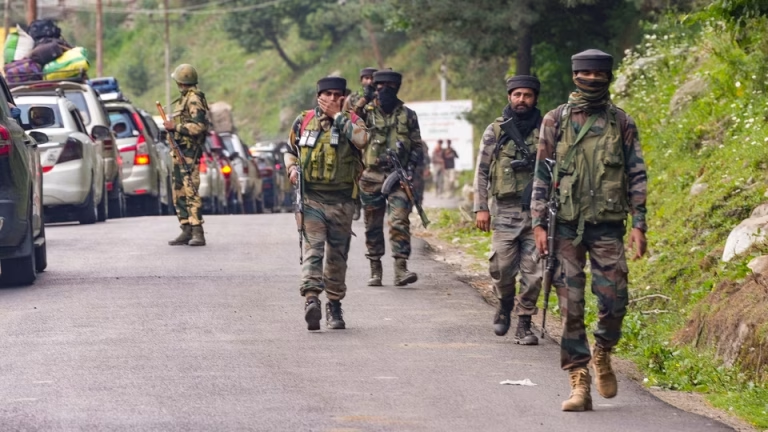
Jammu & Kashmir – A fierce Kishtwar encounter broke out between security forces and terrorists in the Singhpora area of Kishtwar district in Jammu and Kashmir on Sunday, with intermittent firing continuing as three terrorists of the Pakistan-backed Jaish-e-Mohammed terror outfit engaged in a gunbattle with security personnel. The militants also lobbed grenades at the security forces during the intense exchange of fire.
The Kishtwar encounter resulted in injuries to eight security personnel, with most of them suffering wounds from grenade blasts. All injured personnel were promptly evacuated to a hospital for medical treatment, demonstrating the quick response and evacuation protocols maintained by security forces in such operations.
Operation Trashi-I Sparks Confrontation
According to officials, the Kishtwar encounter started during a cordon and search operation named Operation Trashi-I, conducted by the Army’s Jammu-based White Knight Corps. The operation was launched in Sonnar village near Mandral-Singhoora in the Chatroo area around noon on Sunday.
The security forces initiated the coordinated search operation based on specific intelligence inputs about the presence of terrorists in the region. As troops moved to establish a cordon around the suspected area, they came under hostile fire from the concealed terrorists, triggering the Kishtwar encounter.
Professional Response Under Fire
The Army emphasized the exceptional professionalism displayed by troops during the Kishtwar encounter. “Troops displayed exceptional professionalism and resolve while responding to hostile fire under challenging terrain and conditions. Operations remain underway with additional forces inducted to reinforce the cordon, supported by close coordination with civil administration and security agencies,” an army spokesperson stated.
Additional forces were immediately rushed to the area to strengthen the cordon and prevent any escape attempts by the terrorists. The reinforcement strategy reflects the security establishment’s determination to neutralize the threat completely during the Kishtwar encounter.
Pattern of Terror Activities
The Kishtwar encounter is part of a concerning pattern of terrorist activities that have plagued the region over recent months. Multiple encounters have broken out in the area, indicating persistent attempts by Pakistan-backed terror groups to establish a foothold in the mountainous terrain.
On January 8, an encounter broke out between security forces and terrorists in Jammu and Kashmir’s Kathua district, highlighting the ongoing security challenges in the region. These successive incidents demonstrate the continuous threat posed by terror outfits operating in the area.
In November 2025, another significant Kishtwar encounter occurred in the Chatroo area when terrorists and security personnel clashed after the Jammu and Kashmir Police, assisted by the Indian Army, launched a joint operation based on specific intelligence inputs about terrorist presence.
That coordinated search operation was initiated during the early morning hours, and security forces came under fire, leading to an exchange of gunfire similar to the current Kishtwar encounter. These recurring incidents underscore the persistent security challenges in the mountainous districts.
Strategic Terror Hideouts
The mountainous districts of Kishtwar and Doda in the Jammu region have emerged as significant areas of concern for security forces. An army official revealed last month that approximately 35 Pakistani terrorists are believed to be hiding in mountain forests across these districts.
The challenging terrain and dense forest cover provide natural concealment for terrorists, making the Kishtwar encounter and similar operations particularly difficult and dangerous for security personnel deployed in the region.
New Counterterror Strategy
In response to the evolving threat, the army has implemented a new counterterror strategy in the region. The innovative approach focuses on intensifying operations in snow-clad higher reaches to curb terror activities, departing from traditional practices.
Unlike conventional methods that involved reducing operational activities during ‘chillai kalan’ (the coldest phase of winter in Kashmiri), the new strategy maintains aggressive operations throughout winter months. This shift aims to deny terrorists safe haven in higher reaches during harsh weather conditions, ensuring the Kishtwar encounter and similar operations continue year-round.
Technology Integration
Modern technology has become crucial in operations like the Kishtwar encounter. Officials confirmed that thermal imaging devices and unmanned aerial systems have proved invaluable for night operations and in terrain where conventional scouting is hazardous.
“This infusion of technology, combined with the army’s deep familiarity with the geography, allows for quick adaptation to evolving ground realities and ensures that no zone remains unmonitored,” an official explained. These technological advantages provide security forces with enhanced capabilities during challenging operations.
Coordination and Intelligence
The Kishtwar encounter demonstrates the importance of close coordination between various security agencies. The operation involved seamless cooperation between the Indian Army, Jammu and Kashmir Police, and civil administration, ensuring a comprehensive response to the terrorist threat.
Intelligence-based operations have become the cornerstone of counterterrorism efforts in the region, with specific inputs guiding search and cordon operations that lead to encounters like the current one in Kishtwar.
Ongoing Operations
As the Kishtwar encounter continues, security forces remain committed to neutralizing the terrorist threat completely. The operation reflects the broader security establishment’s determination to eliminate terrorism from Jammu and Kashmir through sustained operations, advanced technology deployment, and inter-agency coordination.
The coming hours will be crucial as security forces work to conclude the operation while ensuring minimal casualties and maximum impact against the Pakistan-backed terror infrastructure operating in the region.
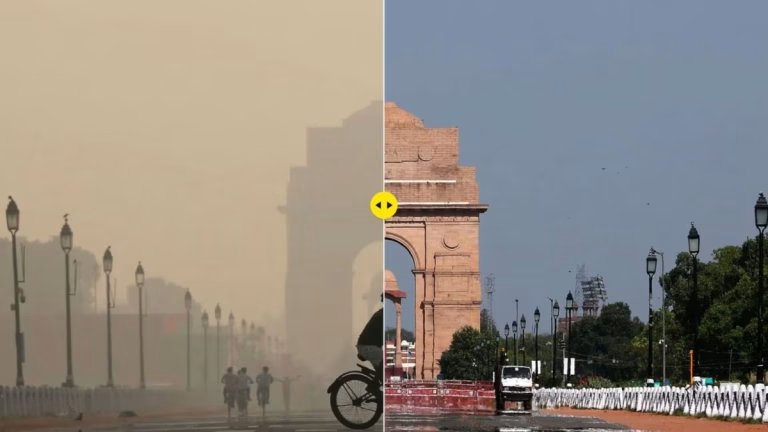
New Delhi – Delhi air quality plummeted to hazardous levels on Sunday as the city’s Air Quality Index (AQI) surged to 440, marking the most polluted January day in two years. According to the Central Pollution Control Board’s (CPCB) daily bulletin, the Capital clocked this alarming reading at 4pm, significantly worse than Saturday’s 400 and the highest for the month since January 14, 2024, when it reached 447.
The deterioration in Delhi air quality is particularly unusual for the second half of January, when air pollution typically shows improvement compared to the first half of the month, which generally marks the peak of the winter pollution season.
Historical Context of January Pollution
Sunday’s Delhi air quality crisis represents the joint-worst reading in the second half of January on record. The AQI last touched 440 during this period on January 17, 2019. Historical data reveals that the AQI for the latter half of January peaked at 430 in 2016, 375 in 2017, 403 in 2018, 370 in 2020, 407 in 2021, 387 in 2022, 407 in 2023, 409 in 2024, and 368 last year.
This marks the first time that Delhi air quality has remained at 400 or above for two consecutive days in this period since late January 2016, highlighting the severity of the current pollution crisis.
Meteorological Factors Behind Crisis
Scientists attributed the sharp decline in Delhi air quality largely to slow surface-level winds and a western disturbance that brings moisture and leads to emissions accumulating in the atmosphere. These meteorological conditions created a perfect storm for pollution to concentrate over the National Capital Region.
“We cannot control climate and meteorological conditions. What can be controlled is the emissions being generated at source. Such alarming levels show that our emissions in the region are only increasing and not decreasing,” said Dipankar Saha, former head of CPCB’s air lab.
GRAP Implementation Questions
The pollution crisis has raised serious questions about the effectiveness of the Graded Response Action Plan (GRAP) and ground-level management in controlling Delhi air quality. Experts pointed out that the fresh pollution crisis turned the lens on ineffectiveness of GRAP implementation, including concerns about lifting curbs too early.
“So even with Grap being implemented, it is doing little to control such drastic spikes when winds become calm,” Saha added, highlighting the limitations of current pollution control measures.
The Commission for Air Quality Management (CAQM) imposed Stage 4 of the GRAP curbs on Saturday evening, only after the air quality inched past the 400 mark for the first time this year.
Most Affected Neighborhoods
Several areas experienced extremely hazardous conditions as Delhi air quality deteriorated across the city. Anand Vihar emerged as Delhi’s most polluted neighborhood, recording an AQI of 497 at 12pm—just three points away from the peak of 500.
Other severely affected locations included Mundka and Rohini, both registering an average AQI of 491 each, placing residents at extreme health risk.
Industrial Pollution Sources
Sunil Dahiya, founder and lead analyst at think tank Envirocatalysts, emphasized that little action was being taken against prevalent sources affecting Delhi air quality. “It is clear that while Grap is not working, a key reason why it is not working includes our inability to control sources such as industries and thermal power plants in the National Capital Region,” he stated.
With easterly wind direction, significant pollution originates from Gautam Buddha Nagar and Bulandshahr, where industries are growing year-on-year. The lack of action against thermal power plants in NCR continues to impact Delhi air quality negatively.
Governance and Implementation Gaps
Mukesh Khare, part of the 11-member expert panel formed by the Delhi government in December to tackle air pollution, said such high levels of pollution affecting Delhi air quality in the latter half of January indicate failing governance at the civic level.
“We see policies being made, but implementation remains an issue. At present, around 30% of the pollution in NCR is coming from diffused sources. This includes road dust, footpaths, medians and even waste burning,” Khare explained.
Current Restrictions in Place
Multiple restrictions have been implemented since Friday when GRAP Stage 3 was invoked. These measures include bans on BS-3 petrol and BS-4 four-wheelers in Delhi, Gurugram, Faridabad, Ghaziabad and Gautam Budh Nagar, along with blanket curbs on private construction and demolition.
Under Stage 4 restrictions aimed at improving Delhi air quality, the entry of BS-IV truck traffic into Delhi is restricted. All construction and demolition work is prohibited, while schools up to Class 10 must shift to hybrid lessons.
Supreme Court Intervention
The air quality downturn comes shortly after the Supreme Court pulled up the CAQM for its inability to clearly identify the causes of air pollution in Delhi-NCR. Calling this a “complete failure of duty,” the court directed the statutory body to complete a source-identification exercise within two weeks.
Looking Forward
Forecasts indicated that weather conditions may help clean up Delhi air quality to some extent on Monday, when the AQI may return to the “very poor” zone. However, experts stress that long-term solutions require controlling emissions at the source rather than relying solely on favorable meteorological conditions.
Sunday marked Delhi’s first official “severe” air day of the year and the second-worst air day this winter after December 14’s reading of 461, underscoring the urgent need for effective pollution control measures.
Maharashtra – Deputy Chief Minister Eknath Shinde on Sunday night met with 29 Shiv Sena corporators who have been staying at Taj Land’s End hotel in Bandra since Saturday, addressing the ongoing Mumbai Mayor row that has dominated political discourse. Speaking to the media after the meeting, Shinde declared that Mumbai would have a Mahayuti mayor, a statement he and his allies have repeatedly emphasized in recent days.
The Mumbai Mayor row has intensified following Shinde’s decision to house the corporators in a hotel after the BJP-Shiv Sena alliance secured a narrow majority in the recent civic polls. “Even neighbouring cities like Kalyan-Dombivli will have a Mahayuti mayor,” Shinde asserted, reinforcing the alliance’s determination to control key municipal positions.
Opposition Allegations and Official Response
The Mumbai Mayor row escalated when the opposition Shiv Sena (UBT) claimed that corporators were being kept at the hotel because Shinde was bargaining for a better deal with the BJP. They also alleged concerns about potential poaching of corporators by rival parties.
Officially, the Sena had declared that the corporators were kept in a hotel for a three-day training session, as many corporators were first-time elected representatives requiring orientation and guidance for their new roles.
Shinde’s Strong Rebuttal
Addressing the opposition’s allegations in the Mumbai Mayor row, Shinde firmly stated, “The Shiv Sena is not a party that gets cowed down. The Sena (UBT) should take care of its own corporators,” hinting that opposition corporators might be vulnerable to poaching.
Minister Samant, who was also present, added to the discourse surrounding the Mumbai Mayor row by alleging that Sena (UBT) corporators would abstain from voting. “The media will realise who is not reachable at the time of the mayoral elections,” Samant said, hinting that some corporators from rival parties could vote for the Mahayuti mayoral candidate.
Mayorship Sharing Demands
When questioned about whether the Sena was demanding a sharing arrangement in the Mumbai Mayor row, Samant responded, “All parties that come to power feel they must have their own mayor.” Sources within the Sena revealed that since the birth centenary year of Sena founder Bal Thackeray will start on January 23, they wanted a Sena mayor this time, adding another dimension to the ongoing controversy.
Development-Focused Agenda
Beyond the political maneuvering in the Mumbai Mayor row, Shinde addressed the corporators about their responsibilities and urged them to prioritize development. “People want development,” he emphasized, asking them to prepare an action plan immediately.
Shinde warned the newly elected corporators that citizens must not face inconvenience and that corporators must be visible in their constituencies. “Get up in the morning and get to work,” he instructed. “Your wards must be the best in Mumbai.”
Political Strategy and Alliance Dynamics
The Mumbai Mayor row also reflects broader political strategies within Maharashtra. Taking a dig at the Thackeray cousins, Shinde claimed that the Mahayuti’s development work had scored over their emotional appeals to the electorate.
Samant reiterated that the civic body polls were contested as the Mahayuti alliance, emphasizing unity among coalition partners despite the current Mumbai Mayor row. “The Shiv Sena will not do what the earlier Shiv Sena headed by Uddhav Thackeray when he allied with the Congress after the 2019 polls did,” Samant declared.
Addressing the Mumbai Mayor row in the context of electoral performance, Shinde noted that the BJP emerged as the single largest party in the civic polls, followed by the Shiv Sena. He described these results as a precursor to the upcoming Lok Sabha and Vidhan Sabha elections.
In the recently concluded civic polls, the alliance of the BJP and Shinde-led Sena won a clear majority in the 227-member BMC, securing 89 and 29 seats, respectively. The Sena (UBT) won 65 seats, while its ally MNS emerged victorious on six seats.
Policy Initiatives and Reforms
Moving beyond the immediate Mumbai Mayor row, Shinde appealed to newly-elected Sena members to follow up on ambitious schemes like ‘pagdi-free Mumbai’. This initiative refers to a comprehensive plan to overhaul the old, problematic pagdi (tenant-ownership) system, aiming to clear stuck redevelopment projects that have plagued the city for years.
The emphasis on such policy matters suggests that despite the current political controversy, the administration is attempting to maintain focus on governance and urban development issues.
Looking Ahead
The resolution of the Mumbai Mayor row remains crucial for the functioning of the BMC, India’s richest municipal corporation. As the Mahayuti alliance holds a clear majority, the final decision on the mayoral position will likely reflect the power dynamics and negotiation outcomes between the BJP and Shiv Sena.
The coming days will reveal whether the training session narrative holds true or if deeper political bargaining is indeed underway. Regardless, the outcome of this controversy will set the tone for governance in Mumbai and potentially influence political equations in Maharashtra ahead of crucial national and state elections.
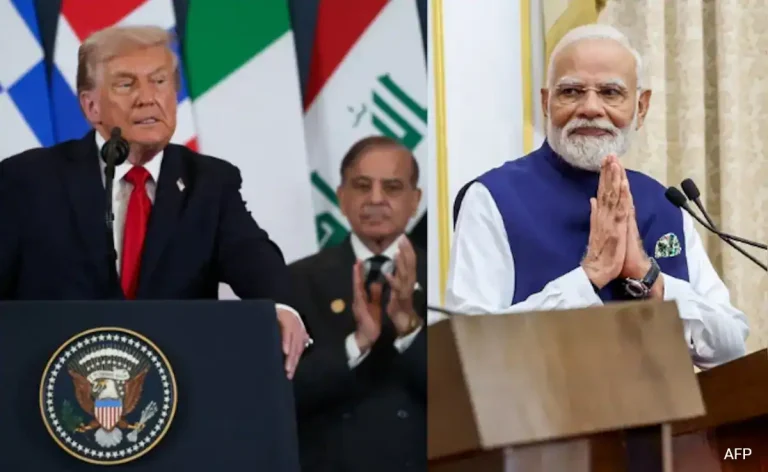
Washington D.C. – US President Donald Trump has extended an invitation to India to participate in the newly formed Board of Peace for Gaza, according to sources familiar with the development. This initiative marks a significant diplomatic effort to address the humanitarian crisis and reconstruction needs in the war-torn Palestinian enclave.
“India has been invited by President Trump to be part of the Board of Peace for Gaza,” confirmed a person with knowledge of the matter, speaking on condition of anonymity. The invitation positions India alongside several other major nations in this ambitious peace initiative.
Understanding the Board of Peace Initiative
The Board of Peace for Gaza was unveiled by President Trump as a crucial component of the second phase of the ceasefire agreement between Israel and Hamas. This international body is designed to oversee multiple critical aspects of Gaza’s recovery, including capacity-building for governance, reconstruction efforts, investments, and capital mobilization in the devastated territory.
The initiative represents a bold new approach to resolving global conflicts and aims to bring together international stakeholders in a coordinated effort to restore stability and peace in the Middle East.
Pakistan Also Receives Invitation
Hours before India’s invitation was confirmed, Pakistan’s Foreign Office announced that Prime Minister Shehbaz Sharif had received an invitation from Trump to join the Board of Peace for Gaza. This development indicates the broad international coalition that Trump is assembling to address the Gaza crisis.
The inclusion of both India and Pakistan in this initiative demonstrates the administration’s efforts to engage major regional powers in the Middle East peace process.
Global Leadership Joining the Initiative
The Board of Peace for Gaza has attracted participation from numerous world leaders representing different regions and political perspectives. Turkish President Recep Tayyip Erdogan, Egyptian President Abdel Fattah el-Sisi, and European Commission President Ursula von der Leyen have reportedly been invited to join the board.
Additionally, the leaders of France, Germany, Australia, and Canada have also received invitations, creating a diverse international coalition focused on Gaza’s reconstruction and long-term stability.
Financial Commitments and Charter Details
According to reports, a draft charter distributed by the Trump administration to approximately 60 countries outlines specific membership requirements for the Board of Peace for Gaza. Countries seeking membership lasting more than three years are expected to contribute $1 billion in cash, demonstrating a significant financial commitment to the initiative.
The charter defines the board as “an international organisation that seeks to promote stability, restore dependable and lawful governance, and secure enduring peace in areas affected or threatened by conflict.”
President Trump announced the founding executive members of the Board of Peace for Gaza on Friday. The leadership team includes former British Prime Minister Tony Blair, Trump’s son-in-law Jared Kushner, US Secretary of State Marco Rubio, Steve Witkoff (US special envoy to the Middle East), and World Bank Group President Ajay Banga.
These executive members will play crucial roles in shaping the board’s policies and overseeing its operations in Gaza.
Gaza Executive Board and Administration
The Board of Peace for Gaza will work in conjunction with a Gaza executive board, which has responsibility for overseeing the National Committee for the Administration of Gaza. This committee comprises Palestinian technocrats who will handle day-to-day governance and administrative functions in the territory.
This multi-layered approach aims to ensure both international oversight and local Palestinian participation in Gaza’s reconstruction and governance.
Trump’s Vision for Middle East Peace
In letters to world leaders, Trump outlined his vision for the Board of Peace for Gaza as an instrument to “solidify Peace in the Middle East” and “embark on a bold new approach to resolving Global Conflict.” These communications reveal the administration’s ambitious goals for the initiative.
The correspondence sent to Argentina’s President Javier Milei and Paraguay’s President Santiago Pena provided insights into the scope and objectives of this international effort.
Implications for Regional Stability
The Board of Peace for Gaza represents a significant departure from previous approaches to the Israeli-Palestinian conflict. By bringing together a diverse coalition of nations with varying perspectives on the Middle East, the initiative seeks to create a comprehensive framework for addressing Gaza’s immediate humanitarian needs while building long-term governance structures.
The success of the Board of Peace for Gaza will depend on sustained international cooperation, adequate funding, and the willingness of all stakeholders to work toward common goals. India’s participation, alongside other major powers, could bring valuable perspectives and resources to this critical peace-building effort.
As the initiative moves forward, the international community will be watching closely to see whether this innovative approach can deliver lasting peace and stability to one of the world’s most challenging conflict zones.
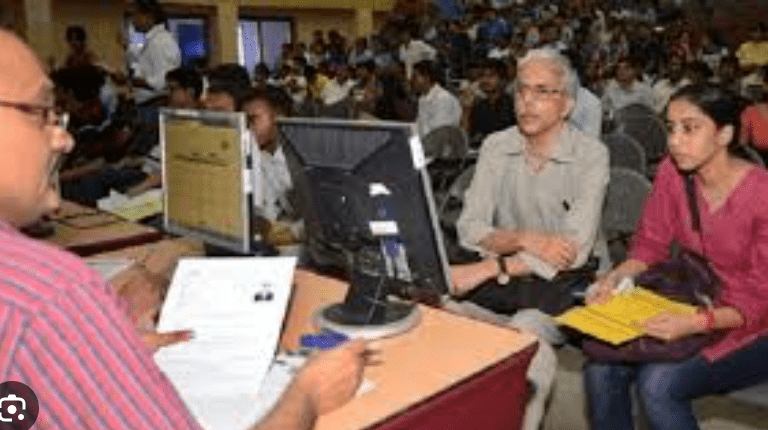
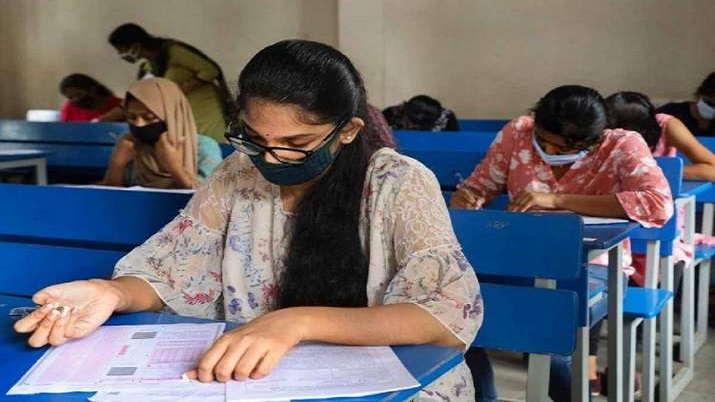
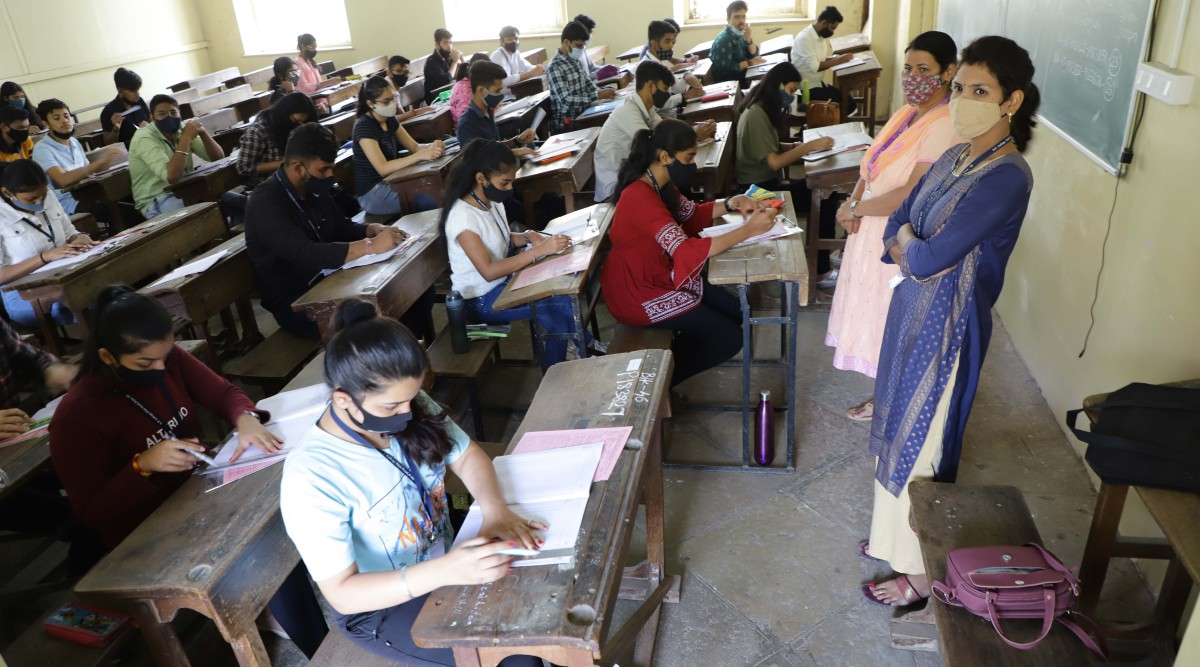
In a significant development for Karnataka students, the Karnataka Examinations Authority (KEA) has announced that vacant seats under the special quota in professional courses will now be allotted under the general merit category during the ongoing CET counselling process. This decision comes in response to unfilled seats from various special quotas, including those reserved for government employees’ children, defence personnel, and other categories. KEA officials stated that this move aims to maximise seat utilisation and ensure that eligible candidates under general merit have access to additional opportunities in professional courses across the state.
Vacant quota seats had posed challenges for college administrations, including delays in academic schedules and inefficient resource allocation. Reallocation under general merit mitigates these issues by ensuring timely admissions and full utilisation of available seats. Officials have indicated that ongoing monitoring and coordination between KEA and educational institutions will help prevent similar seat wastage in future counselling cycles.
The CET counselling process, which governs admissions to engineering, medical, and other professional programs, has faced challenges with seat vacancy due to unclaimed special quota seats. KEA’s decision is expected to reduce wastage of educational resources and provide a fair chance to meritorious students who might have otherwise missed out on admissions. Candidates and parents welcomed the announcement, calling it a practical solution to ensure optimal utilisation of seats.
Procedure for Allotment
KEA has outlined the procedural details for allotment of these seats. Candidates already registered for CET counselling under general merit will automatically be considered for vacant special quota seats. The allocation will follow merit order, and candidates are required to verify their eligibility and complete the necessary documentation within stipulated deadlines. Officials emphasised that failure to respond within the timeline may result in forfeiture of the opportunity.
Authorities have clarified that the seats reallocated under general merit will adhere strictly to merit-based ranking, maintaining transparency and fairness. KEA is also coordinating with colleges to update their seat matrices and ensure that newly allotted candidates are promptly informed. This process underscores the authority’s commitment to efficiency, equitable access, and adherence to the CET counselling framework.
Impact on Students and Educational Institutions
The move is expected to benefit thousands of students who were awaiting admissions under the general merit category. By opening special quota seats, KEA provides additional opportunities for meritorious students to secure placements in professional programs. Educational institutions also benefit by filling previously vacant seats, thereby optimising resources and classroom utilisation. College administrations have expressed support for the initiative, citing smoother academic planning and better alignment with student demand.
Students from across Karnataka have been urged to monitor KEA notifications and complete necessary formalities promptly. Online portals and helpline services have been enhanced to facilitate seamless communication and assistance during the allotment process. Officials have also clarified that no fresh applications are required, and only candidates already registered in the CET system are eligible for consideration.
Ensuring Fairness and Transparency
KEA stressed that the reallocation process will maintain strict merit-based principles to ensure fairness. The authority is taking steps to avoid confusion and disputes by providing clear communication regarding seat allotment, reporting schedules, and verification requirements. Candidates are encouraged to review official guidelines and verify their eligibility to avoid procedural complications.
Legal and academic experts have welcomed KEA’s initiative, noting that transparent reallocation mechanisms are essential to prevent disputes and maintain credibility in competitive admission processes. The move also reflects a pragmatic approach to education administration, balancing equitable access with efficient utilisation of available resources.
Future Implications for CET Counselling
By reallocating vacant special quota seats under general merit, KEA sets a precedent for handling unclaimed seats in future counselling cycles. Officials indicated that similar measures may be adopted in subsequent years to ensure maximum seat utilisation and reduce administrative bottlenecks. The decision is likely to influence policy discussions on quota management, student placement efficiency, and merit-based allocations in Karnataka’s higher education system.
Analysts suggest that KEA’s approach could serve as a model for other states facing similar challenges with unfilled quota seats. Streamlining the counselling process, enhancing communication, and ensuring merit-based fairness could improve student satisfaction and institutional efficiency, ultimately strengthening the state’s professional education framework.
Conclusion
KEA’s decision to allot vacant special quota seats under the general merit category represents a pragmatic and student-centric approach to managing admissions in Karnataka’s professional education landscape. By ensuring fair access, optimal utilisation of seats, and adherence to merit-based principles, the authority addresses both administrative efficiency and student aspirations. Candidates are advised to remain vigilant, complete required formalities promptly, and monitor official KEA updates to secure admission opportunities. The initiative underscores the state’s commitment to inclusive, transparent, and effective higher education governance.
The Karnataka Examinations Authority (KEA) has confirmed that vacant special quota seats in professional courses will now be allocated to candidates under the general merit category in the ongoing CET counselling. The special quotas, which include seats reserved for children of government employees, defence personnel, and other specified categories, had several vacancies due to unclaimed admissions. This initiative aims to optimise seat utilisation and ensure that deserving candidates under the general merit category are not deprived of educational opportunities. Officials emphasised that the decision reflects KEA’s commitment to fairness, transparency, and efficient administration of professional course admissions.
Reason for Reallocation
Vacancies in special quota seats had raised concerns about wastage of available educational resources. Many seats remained unfilled despite merit-based candidates waiting for counselling opportunities. KEA officials stated that reallocating these seats under general merit ensures maximum utilisation of resources while maintaining equitable access to professional courses. The measure also addresses logistical challenges faced by colleges, which often struggle with classroom management and academic planning due to vacant seats in key programs.
Eligibility and Merit Considerations
Candidates already registered under general merit in CET counselling are automatically eligible for the vacant seats. Allotment will strictly follow merit rankings, ensuring that top-ranking candidates receive priority in allocation. KEA emphasised that candidates must complete all required verification procedures within the stipulated timeline to secure admission. Failure to comply with documentation and reporting requirements may lead to forfeiture of the allotted seat. The process aims to uphold fairness while providing clarity to students about eligibility and allocation criteria.
Counselling Process and Seat Allocation
KEA has coordinated with colleges to update seat matrices and integrate vacant special quota seats into the general merit pool. Candidates will be notified through official portals, and counselling sessions will include options to select from the newly available seats. Authorities have reinforced that the reallocation is not a fresh application process; only candidates already participating in CET counselling will be considered. By streamlining procedures and centralising notifications, KEA aims to minimise confusion and ensure smooth admissions.
Benefits for Students and Institutions
The reallocation of special quota seats offers multiple benefits. Students under the general merit category gain access to additional opportunities in professional courses, increasing their chances of securing admission in preferred colleges and programs. Educational institutions benefit by filling previously vacant seats, optimising classroom utilisation, and ensuring smooth academic scheduling. College administrations have welcomed the initiative, noting that the process facilitates operational efficiency while maintaining merit-based fairness.
Transparency Measures
To maintain transparency, KEA has ensured that all notifications, seat updates, and counselling schedules are available on official platforms. Candidates are advised to monitor these portals regularly to avoid missing deadlines. The authority has also set up helplines and support services to assist students with queries related to the seat reallocation process. Legal experts highlight that transparent communication reduces disputes and ensures that students have clear guidance throughout counselling.
Impact on Merit-Based Admissions
The inclusion of vacant special quota seats under general merit ensures that deserving candidates are not overlooked due to administrative or procedural gaps. By strictly adhering to merit rankings, KEA preserves the integrity of the CET counselling system. Experts note that such measures help reinforce confidence among students and parents in Karnataka’s professional education admission framework, ensuring that merit remains the guiding principle for seat allocation.
Addressing Administrative Challenges
Vacant quota seats had posed challenges for college administrations, including delays in academic schedules and inefficient resource allocation. Reallocation under general merit mitigates these issues by ensuring timely admissions and full utilisation of available seats. Officials have indicated that ongoing monitoring and coordination between KEA and educational institutions will help prevent similar seat wastage in future counselling cycles.
Future Implications for CET Counselling
KEA’s approach sets a precedent for handling unclaimed quota seats in subsequent years. Officials suggest that such proactive measures could become a standard practice to optimise seat utilisation. By addressing gaps in the allocation process, KEA strengthens the efficiency and credibility of CET counselling, providing a model for other states to follow in managing reserved and general quota seats effectively.
The decision to allot vacant special quota seats under general merit demonstrates KEA’s commitment to student-centric, merit-based, and efficient administration. By ensuring fair access, reducing seat wastage, and maintaining transparency, the authority provides additional opportunities for deserving candidates while supporting institutional efficiency. Students are advised to remain attentive to notifications, complete documentation promptly, and participate actively in the counselling process to secure admission. The initiative highlights Karnataka’s focus on inclusive, accountable, and effective higher education governance, ensuring optimal outcomes for both students and institutions.
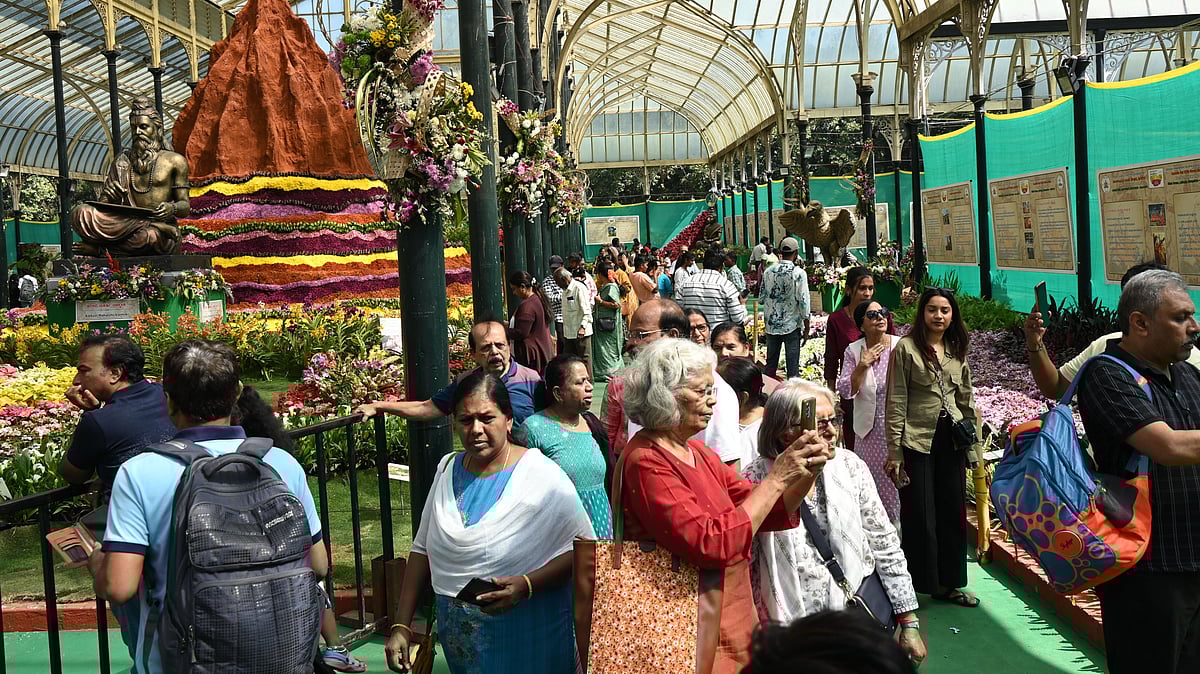
Bengaluru’s iconic Lalbagh Botanical Garden witnessed a surge of visitors this Sunday, as over 68,000 people thronged the premises to witness the annual flower show. Organised by the Karnataka Horticulture Department, the event showcased a vibrant array of floral displays, exotic plants, and themed gardens, making it one of the city’s most anticipated attractions. Officials said the turnout reflected the enduring popularity of the show and the public’s enthusiasm for horticulture, gardening, and environmental awareness. The event also provided families and tourists an opportunity to enjoy leisure time amidst nature while appreciating floral artistry.
Floral Diversity Captivates Visitors
This year’s Lalbagh Flower Show boasted an unparalleled variety of flora, from rare orchids and tulips to native lilies and seasonal roses. Horticulture experts curated the displays to highlight both aesthetic beauty and botanical diversity. Visitors were particularly impressed by the vibrant colour combinations and meticulous arrangement of plants, which created immersive visual experiences. Each section of the garden showcased a different theme, encouraging exploration and engagement. Experts emphasised that such diversity not only delights the senses but also educates the public about plant care, seasonal growth patterns, and the importance of preserving native species.
Interactive Zones Engage Young Minds
Special zones were created for children and students to interact with plants and learn about horticulture hands-on. Activities included seed planting, DIY terrarium workshops, and mini botanical quizzes. School groups and families appreciated the educational dimension, noting that children were excited to engage with nature directly. Volunteers guided students on how to care for plants, explaining concepts like soil nutrition, watering techniques, and pollination. The interactive exhibits helped cultivate an early interest in gardening and environmental stewardship among young attendees, ensuring that the next generation remains connected to nature and understands the importance of sustainable practices.
Cultural Motifs and Artistic Floral Installations
Several floral installations drew inspiration from Karnataka’s rich cultural heritage. Replicas of Mysuru Palace, traditional folk motifs, and iconic monuments were recreated entirely from flowers. These artistic displays served as both visual spectacles and cultural storytelling tools, linking horticulture with local traditions. Many visitors paused to capture photographs and share them on social media, spreading awareness of the event’s creative aspects. Organisers noted that combining culture with botanical artistry attracts wider audiences and makes the show a unique blend of education, entertainment, and heritage preservation.
Sustainable Practices Highlighted
Organisers placed emphasis on sustainability throughout the flower show. Many exhibits used organic fertilizers, drip irrigation, and composting methods to minimise environmental impact. Informational boards explained the benefits of eco-friendly gardening techniques, encouraging visitors to adopt similar practices at home. Experts highlighted that promoting sustainable horticulture is critical in urban areas like Bengaluru, where green spaces are limited, and environmental awareness is essential. The Lalbagh flower show thus functions not only as a visual spectacle but also as a platform for advocating sustainable practices to a broad audience.
Tourism Boost and Economic Benefits
The flower show has become a major tourism driver, attracting both domestic and international visitors. Hotels, transport services, restaurants, and local vendors reported a significant uptick in business during the event. Flower and plant sellers, handicraft artisans, and food vendors capitalised on the high footfall, benefiting economically from the surge of visitors. Officials noted that such cultural events contribute to the local economy while simultaneously promoting Karnataka’s horticultural reputation. The show strengthens Bengaluru’s profile as a city that celebrates environmental beauty and cultural heritage in tandem.
Volunteer Efforts and Community Participation
Hundreds of volunteers helped manage crowds, guide visitors, and maintain the floral displays throughout the show. Their efforts ensured smooth operations, safety, and visitor engagement. Community groups and horticulture clubs participated by contributing creative installations and educational workshops. This involvement fostered a sense of collective ownership, showcasing how public participation enhances the quality and appeal of large-scale events. Volunteers also assisted with visitor queries, photography zones, and interactive areas, making the experience more inclusive and engaging for families and tourists alike.
Media Coverage and Public Excitement
Extensive media coverage amplified the show’s reach, drawing attention to both the floral artistry and the educational initiatives. News outlets highlighted key attractions, innovative displays, and visitor experiences. Social media buzz contributed to real-time engagement, with visitors sharing photographs and video tours of elaborate floral setups. The extensive coverage helped attract more attendees throughout the day, reflecting the flower show’s growing significance as a cultural and horticultural landmark. Public excitement reinforced the event’s status as a must-visit attraction in Bengaluru’s annual calendar.
Conservation Messaging and Environmental Awareness
Environmental experts used the event to promote conservation messaging, educating visitors about endangered plant species, native flora preservation, and the importance of urban greenery. Informational boards and guided tours highlighted environmental challenges and the role of community involvement in protecting biodiversity. By combining aesthetics with education, the Lalbagh flower show encourages visitors to adopt eco-friendly habits, appreciate plant diversity, and contribute to urban conservation initiatives. Officials hope that sustained awareness efforts will inspire long-term engagement with horticulture and environmental responsibility.
The Lalbagh flower show, held biannually, coincides with major cultural and festive occasions, drawing residents and visitors from across Karnataka and neighbouring states. This year’s edition featured elaborate floral installations, including replicas of iconic monuments, animal-themed arrangements, and creative plant sculptures. Organisers emphasized that careful planning, landscaping expertise, and innovative design contributed to a visually stunning display that delighted visitors of all ages.
Visitor Experience and Highlights
Attendees praised the meticulous arrangement of flowers and the diversity of plant species on display. Exotic blooms imported from different parts of the country and abroad complemented indigenous flora, creating a vibrant tapestry of colours, textures, and fragrances. Families with children were particularly drawn to interactive exhibits and thematic garden sections, which offered both educational and recreational experiences. Photography enthusiasts took advantage of the elaborate floral backdrops, capturing memorable moments from the event.
Officials said this year’s show also included special demonstrations on sustainable gardening, organic cultivation, and vertical landscaping. Educational signage and guided tours aimed to raise awareness about environmental conservation and plant biodiversity. Visitors appreciated the balance of entertainment and education, making the Lalbagh flower show not just a visual feast, but also an informative experience for budding gardeners and nature enthusiasts.
Safety Measures and Crowd Management
With a turnout exceeding 68,000, authorities deployed extensive crowd management measures to ensure safety and smooth movement within the garden. Barricades, designated entry and exit points, and dedicated volunteers helped manage queues and prevent congestion in high-traffic areas. Medical teams and first-aid stations were set up at strategic locations to address emergencies, while police and security personnel maintained order.
Organisers stressed that visitor safety was a top priority, especially given the ongoing concerns around health and crowding. Public awareness campaigns encouraged attendees to follow social distancing guidelines and hygiene protocols. Officials noted that while large crowds were expected, meticulous planning ensured that the event proceeded without major incidents, allowing everyone to enjoy the displays safely.
Floral Arrangements and Innovative Themes
This year’s Lalbagh show featured elaborate thematic arrangements designed to capture public imagination. A dedicated section showcased replicas of historical monuments created entirely from flowers, while another zone highlighted endangered plant species to raise conservation awareness. The horticulture department also introduced artistic floral sculptures depicting animals, birds, and cultural motifs, which became focal points for photography and social media sharing.
Experts highlighted that the creative use of native and exotic species demonstrated horticultural skill and innovation. The arrangement of plants not only emphasized aesthetic appeal but also aimed to educate the public about plant diversity, seasonal bloom cycles, and sustainable gardening practices. Organisers believe that such innovation plays a key role in maintaining the show’s popularity year after year.
Economic and Tourism Impact
The Lalbagh flower show contributes significantly to the local economy, attracting tourists, vendors, and hospitality businesses. Hotels, restaurants, and transport services reported increased footfall during the event, while local flower sellers and artisans benefited from the surge in visitors. Officials noted that the show has become a key attraction in Bengaluru’s cultural and tourism calendar, drawing attention to the city’s rich horticultural heritage.
By promoting environmental awareness alongside tourism, the flower show serves multiple purposes. It not only fosters appreciation for plant life but also encourages eco-friendly tourism and sustainable practices. The economic benefits extend beyond ticket sales, generating revenue for small businesses and vendors who participate in the event.
Public Engagement and Cultural Significance
Visitors expressed delight at the opportunity to witness one of Bengaluru’s most cherished cultural events. Families, school groups, and gardening clubs used the event as an occasion to bond over shared interests and explore the beauty of nature. Educational institutions often organise field trips to the flower show, exposing students to botany, environmental science, and horticultural creativity.
The show’s timing during festive seasons adds cultural resonance, making it a celebration of both nature and community. Traditional floral motifs and arrangements reflecting local festivals and heritage helped connect visitors with Karnataka’s cultural identity. Organisers noted that such initiatives strengthen public engagement and cultivate appreciation for gardening and environmental stewardship.
Environmental Awareness and Conservation Efforts
The Lalbagh flower show also aims to highlight environmental conservation. Special exhibits focused on rare and endangered plant species, organic gardening techniques, and sustainable landscaping. Workshops and guided tours educated visitors on the importance of preserving biodiversity, reducing pesticide use, and maintaining green spaces in urban environments.
Environmentalists praised the initiative for combining aesthetics with education, noting that events like these help cultivate a conservation mindset among the general public. By presenting information in an engaging, visual format, the show encourages people to adopt eco-friendly practices at home and in their communities.
Conclusion
The Lalbagh flower show’s turnout of over 68,000 visitors reflects its enduring appeal and the public’s enthusiasm for horticulture, culture, and nature. Beyond the visual spectacle, the event serves as a platform for environmental education, tourism promotion, and community engagement. Meticulous planning, innovative floral designs, and robust safety measures ensured that the event was both enjoyable and informative. As Bengaluru continues to host such landmark events, the Lalbagh flower show remains a testament to the city’s commitment to blending culture, conservation, and public participation in a single, vibrant celebration of nature.
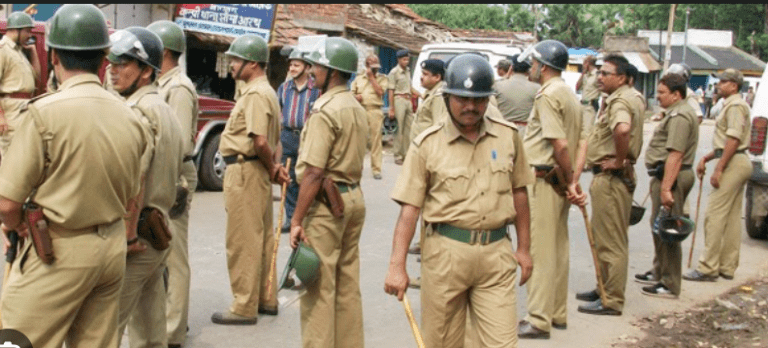
In a decisive administrative move, the Kadra Police Department has suspended a Sub-Inspector following allegations of misconduct. The suspension comes after preliminary inquiries indicated violations of departmental protocols, though officials have not publicly disclosed the specific charges. The decision underscores the administration’s commitment to maintaining discipline and accountability within law enforcement ranks. The incident has attracted significant attention locally, highlighting concerns over police conduct and the mechanisms in place to ensure that officers adhere to ethical and legal standards while performing their duties.
Initial reports suggest that the suspension is part of a broader internal review, aimed at addressing procedural lapses and preventing recurrence. Sources within the department said the Sub-Inspector was immediately relieved of duties pending further investigation. Senior officers stressed that the action is consistent with departmental guidelines and is intended to preserve public trust in the police force. The move also sends a clear message about zero tolerance for misconduct, signalling that accountability measures are being actively enforced.
Background and Allegations
The Kadra Police Sub-Inspector has served in the district for several years, handling both routine law enforcement and special operations. While specifics of the alleged misconduct remain undisclosed, sources indicate that it may relate to procedural irregularities or lapses in duty during official assignments. Local media reports suggest that citizen complaints and internal reviews contributed to the decision, reflecting the department’s sensitivity to both public perception and institutional integrity.
Observers note that suspensions of senior officers, while rare, are often prompted by situations where their continued presence could compromise ongoing investigations or departmental credibility. The Kadra incident thus highlights the balance police administrations must maintain between due process for personnel and safeguarding public trust. Analysts suggest that transparent communication about the nature and outcome of such actions is vital for reinforcing confidence in law enforcement.
Administrative Response and Oversight Measures
Following the suspension, senior police officials have initiated a formal inquiry to investigate the Sub-Inspector’s conduct. The inquiry is expected to examine all related cases, review procedural adherence, and interview witnesses. Authorities emphasised that the suspension is precautionary and not a final determination of guilt. The department has also reassured the public that policing in Kadra will continue without disruption and that operational responsibilities are being redistributed to ensure smooth functioning.
Internal oversight mechanisms, including supervisory audits and random checks, are likely to be strengthened in the aftermath of the incident. Police experts say that suspensions, when paired with robust review processes, serve both as corrective action and as a deterrent against future misconduct. Additionally, officers undergoing scrutiny often provide valuable insights that can help improve departmental policies and operational procedures, making accountability measures constructive rather than purely punitive.
Impact on Public Percep
The Kadra Police Department has taken a decisive step by suspending a Sub-Inspector after allegations of misconduct surfaced, raising questions about accountability and discipline within the force. The suspension, which follows a preliminary internal review, is intended to preserve public trust and ensure procedural integrity while investigations continue. Department officials have emphasised that the measure is precautionary and does not imply guilt. The move has sparked intense local and media attention, highlighting ongoing concerns about transparency, ethical policing, and the mechanisms that hold officers accountable in Karnataka.
The suspension also reflects the administration’s focus on upholding standards in a sensitive law enforcement environment. Officials said that while investigations are ongoing, all departmental duties of the officer have been reassigned to maintain uninterrupted policing. Observers note that such high-profile actions, when paired with internal reviews, serve both as corrective measures and deterrents, signalling zero tolerance for deviations from protocol or misconduct.
Background and Context
The Sub-Inspector, a longstanding officer in Kadra, has been entrusted with routine policing, crime investigation, and special operations. The allegations leading to suspension reportedly involve breaches of departmental procedures, although specific details remain confidential due to ongoing investigations. Sources indicate that both citizen complaints and internal audits contributed to the decision, reflecting heightened sensitivity to public perception and institutional integrity.
Suspensions of senior officers, while uncommon, are seen as necessary in situations where their continued presence could compromise investigations or departmental credibility. Analysts argue that such measures reinforce public confidence and demonstrate that accountability mechanisms function regardless of rank or tenure. The Kadra case highlights the challenge of balancing due process for officers with the imperative to maintain public trust in law enforcement institutions.
Investigation and Oversight Measures
Following the suspension, Kadra Police authorities have initiated a formal inquiry into the officer’s conduct. The process will examine all cases handled by the Sub-Inspector, review procedural adherence, and include interviews with colleagues, subordinates, and relevant witnesses. Officials emphasise that the inquiry is ongoing, and suspension should be viewed as a temporary administrative measure rather than a final judgment.
Enhanced internal oversight measures are being implemented to prevent similar incidents. Supervisory audits, random operational reviews, and stricter adherence to reporting protocols are being enforced across the department. Experts suggest that suspensions combined with rigorous oversight can serve as both corrective and preventative strategies, strengthening overall operational efficiency and reinforcing discipline among personnel.
Impact on Policing and Community Trust
The suspension has raised questions about trust between the police force and the communities it serves. Residents have expressed mixed reactions, with some welcoming the action as evidence of accountability, while others worry about systemic issues that enable misconduct. Civil society organisations stress the importance of transparency, urging the police to communicate the process and outcomes clearly to the public.
Public perception of law enforcement integrity is influenced significantly by visible enforcement of discipline. By taking swift action, the Kadra Police Department aims to demonstrate that misconduct will not be tolerated, regardless of rank. Observers note that accountability measures like suspension are essential for maintaining operational credibility and ensuring citizens feel secure and confident in their policing institutions.
Administrative and Political Implications
The suspension may also have administrative and political ramifications. Within the department, the action reinforces hierarchical oversight and underscores the consequences of deviating from protocol. Politically, opposition parties may seize the opportunity to question governance and law enforcement efficiency, further intensifying scrutiny on police operations in Kadra.
Officials have highlighted that the move is intended purely as an administrative step and should not be politicised. Nevertheless, in a climate where public accountability and political narratives often intersect, high-profile disciplinary actions frequently attract commentary from multiple stakeholders. Analysts caution that maintaining transparency throughout the inquiry process is critical to avoid speculation and maintain institutional credibility.
Operational Continuity Amid Suspension
Despite the suspension, Kadra Police authorities have ensured that operational duties are uninterrupted. Teams have been restructured, with responsibilities redistributed among other officers to maintain effective law enforcement. Local officials stressed that public safety remains the top priority, and citizens should not experience any lapse in policing services.
Ensuring operational continuity is crucial in preventing public unrest and maintaining trust in law enforcement institutions. Officials have also indicated that additional oversight mechanisms have been temporarily instituted to monitor cases previously managed by the suspended officer, ensuring procedural compliance and reducing risk of lapses.
Challenges in Police Accountability
The Kadra case underscores the broader challenges of enforcing accountability in law enforcement. While suspensions signal administrative responsiveness, structural issues such as inadequate training, limited oversight, and procedural ambiguities often complicate disciplinary measures. Experts advocate for comprehensive reforms, including regular audits, mandatory reporting, and a transparent grievance redressal system to strengthen accountability and deter misconduct.
The situation also highlights the delicate balance between enforcing discipline and preserving the morale of personnel. Ensuring fair investigations while maintaining operational effectiveness requires careful administrative planning and transparent communication both within the force and to the public.
Legal and Procedural Considerations
The suspension has been implemented in accordance with departmental rules and Karnataka Police regulations. Any further action, including potential dismissal or reinstatement, will depend on the outcomes of the formal inquiry. Legal experts note that adherence to due process is essential, as premature punitive measures without evidence could be challenged in courts, potentially undermining the department’s authority.
The officer’s right to representation and appeal will be preserved, while departmental authorities continue their investigation. Procedural compliance not only protects the rights of the individual officer but also strengthens the legitimacy of the disciplinary process in the eyes of the public and media.
The suspension of the Kadra Sub-Inspector highlights the Karnataka Police Department’s efforts to maintain integrity and uphold accountability within its ranks. The case has drawn public attention to policing standards, enforcement of rules, and the importance of transparent administrative action. As investigations continue, both departmental officials and civil society observers stress that restoring public confidence requires not only disciplinary action but also systemic reforms to prevent future misconduct.
Ultimately, the Kadra case serves as a reminder that effective policing depends on ethical conduct, vigilant oversight, and a balance between administrative authority and procedural fairness. How the department navigates this investigation will have lasting implications for trust, credibility, and operational culture within law enforcement in Karnataka.
The suspension has sparked discussions among citizens regarding police accountability and transparency. While some residents view the action as a necessary step to maintain law enforcement integrity, others express concern over potential systemic issues that allow misconduct to occur in the first place. Analysts note that public confidence in policing is closely linked to visible enforcement of discipline and responsiveness to complaints.
Civil society organisations have urged the department to ensure a fair and speedy investigation while keeping the public informed about outcomes. Transparency in such cases is crucial to avoid speculation and to demonstrate that misconduct is taken seriously regardless of rank. The Kadra suspension, therefore, is not only an administrative action but also a test of how effectively law enforcement agencies communicate accountability to the communities they serve.
The case remains under investigation, and further updates are expected as inquiries progress. Meanwhile, police authorities have reiterated their commitment to ethical enforcement and operational integrity, stressing that any deviation from prescribed conduct will be met with appropriate action. The suspension marks a significant moment for the Kadra Police Department and highlights the ongoing efforts to strengthen accountability mechanisms within Karnataka’s law enforcement framework.
In a dramatic operation that has once again highlighted the growing menace of wildlife trafficking, Customs officials at Kempegowda International Airport, Bengaluru, seized a consignment of exotic animals smuggled from Bangkok. The interception has sent shockwaves through enforcement circles, exposing the sophisticated methods used by traffickers and the rising demand for rare species in illegal markets. Officials said the animals were concealed in baggage and transported under distressing conditions, raising serious concerns about animal cruelty and biosecurity threats. The seizure has renewed focus on Bengaluru’s role as a transit hub in international smuggling networks and the urgent need for stronger deterrence.
The incident has also drawn attention to the evolving methods used by smugglers to evade airport surveillance. Officials said traffickers increasingly rely on short-haul international routes, believing these attract less scrutiny compared to long-distance flights. Concealment techniques have become more sophisticated, with specially designed containers that reduce noise and movement, making detection harder during routine checks. Enforcement agencies acknowledge that smugglers closely study screening procedures and adjust their tactics accordingly, turning wildlife trafficking into a constant race between criminals and authorities.
A senior Customs official noted that passenger profiling has become a crucial tool in intercepting such consignments. Behavioural cues, travel patterns, and inconsistencies in declarations often trigger closer inspection. In the Bengaluru case, timely intelligence played a decisive role, reinforcing the importance of information-sharing networks. However, officials admitted that intelligence-based interception cannot be foolproof, as syndicates frequently change carriers and routes. This underscores the need for continuous training of officers to identify emerging smuggling trends.
The seizure has also prompted renewed coordination between Customs and the State Forest Department. Wildlife officials said that post-seizure care is as critical as interception, as many animals suffer severe physical and psychological trauma. Rehabilitation requires specialised facilities, veterinary expertise, and long-term monitoring. Limited infrastructure and resources often strain forest departments, especially when multiple seizures occur in quick succession. Conservationists argue that strengthening rehabilitation capacity should be an integral part of anti-smuggling strategies.
Legal experts point out that wildlife trafficking cases often falter during prosecution due to procedural lapses and inadequate documentation. Ensuring airtight case records, including veterinary reports and chain-of-custody evidence, is essential for securing convictions. The Bengaluru seizure, they say, presents an opportunity to demonstrate effective prosecution and set a precedent. Strong legal outcomes could act as a deterrent and signal that wildlife crimes will attract serious consequences rather than token penalties.
Finally, the case has reignited debate on consumer responsibility in curbing illegal wildlife trade. Activists stress that demand for exotic pets sustains smuggling networks and normalises cruelty. They urge stricter regulation of online platforms where such animals are often advertised discreetly. Without societal rejection of illegal ownership, enforcement efforts risk becoming reactive rather than preventive. The Bengaluru seizure thus stands not only as a law enforcement success but also as a reminder that lasting solutions require collective ethical commitment.
The operation was carried out following specific intelligence inputs, which alerted Customs officers to suspicious luggage arriving from Thailand. Upon inspection, officials discovered several live exotic animals packed in cramped containers, many showing signs of stress and dehydration. The successful seizure prevented the animals from entering illegal trade channels, but authorities admitted that many such consignments may evade detection. The incident underscores the challenges faced by enforcement agencies as wildlife smuggling becomes increasingly organised and transnational.
Background: Rising Threat of Exotic Wildlife Smuggling
India has emerged as both a destination and transit point for illegal wildlife trade, with airports playing a crucial role in trafficking routes. Bangkok, in particular, has been identified globally as a major hub for exotic animal trade, both legal and illegal. Smugglers often exploit gaps in surveillance, misdeclare baggage contents, and use unsuspecting carriers or mules to transport animals across borders. Bengaluru airport, with its high volume of international passengers, has witnessed several such cases in recent years.
Customs officials said the demand for exotic pets such as rare birds, reptiles, and mammals has grown steadily, driven by social media trends and underground markets. Buyers are often unaware or indifferent to the legal and ethical implications, fuelling a lucrative black market. Smuggling syndicates capitalise on this demand by sourcing animals from breeding farms or capturing them from the wild, subjecting them to inhumane transport conditions that frequently result in injury or death.
The current seizure fits into a broader pattern of wildlife crimes that enforcement agencies are struggling to contain. Despite stricter laws under the Wildlife Protection Act and international conventions, traffickers continue to adapt their methods. Experts warn that unless enforcement is matched with public awareness and international cooperation, such crimes will persist and potentially escalate.
Details of the Seizure Operation
According to Customs officials, the seizure was made during routine screening of passengers arriving from Bangkok. Officers noticed irregularities in baggage scans, prompting a detailed physical inspection. Inside, they found multiple exotic animals hidden in specially modified containers designed to suppress movement and noise. Some animals were wrapped in cloth or plastic, severely restricting airflow.
Veterinary experts were immediately called in to assess the condition of the animals. Preliminary examinations indicated that several were severely dehydrated and traumatised due to prolonged confinement. The animals were subsequently handed over to forest and wildlife authorities for rehabilitation and further care. Officials confirmed that timely intervention was critical, as delays could have resulted in fatalities.
The passenger involved was detained for questioning, and officials are investigating whether the individual acted independently or as part of a larger smuggling network. Authorities suspect organised syndicates may be using passengers as carriers, offering financial incentives while shielding masterminds from direct exposure. The investigation is expected to focus on identifying handlers at both ends of the route.
Cruelty, Conservation, and Biosecurity Risks
Beyond the criminal aspect, the seizure has drawn attention to the severe cruelty inflicted on animals during smuggling operations. Wildlife experts note that exotic animals are often transported without adequate food, water, or ventilation, leading to high mortality rates. Those that survive frequently suffer long-term health issues, making rehabilitation challenging.
Conservationists warn that illegal trade poses a serious threat to global biodiversity. Many smuggled species are already vulnerable or endangered, and removing them from their natural habitats disrupts fragile ecosystems. Even captive-bred animals, when traded illegally, undermine conservation efforts by creating parallel markets that encourage further exploitation.
There are also significant biosecurity risks associated with wildlife smuggling. Exotic animals can carry diseases unfamiliar to local ecosystems, posing threats to native wildlife, livestock, and even human health. Officials stressed that preventing such animals from entering the country illegally is not only a conservation imperative but also a public health necessity.
The Bengaluru seizure has reignited calls for stricter screening protocols at airports, including enhanced use of technology and trained sniffer dogs. Experts argue that while seizures make headlines, they represent only a fraction of the overall trade. Strengthening detection mechanisms and ensuring swift prosecution are essential to dismantle trafficking networks.
Legal Action and Enforcement Challenges
Customs authorities have initiated legal proceedings under relevant provisions of customs and wildlife protection laws. If found guilty, those involved could face imprisonment, fines, and confiscation of assets. However, enforcement officials admit that securing convictions in wildlife smuggling cases remains challenging due to lack of awareness, jurisdictional complexities, and lengthy legal processes.
Coordination between Customs, forest departments, and international agencies is crucial for effective action. Officials said information from the current case would be shared with counterparts in Thailand to trace the origin of the animals and identify suppliers. Such cooperation is vital to disrupt cross-border networks that operate with relative impunity.
At the same time, enforcement agencies are under pressure to balance facilitation of legitimate travel and trade with rigorous security checks. With limited manpower and increasing passenger volumes, officials rely heavily on intelligence-driven operations. The success of the current seizure highlights the importance of actionable intelligence but also underscores the need for sustained investment in enforcement capacity.
Public Awareness and the Road Ahead
The seizure has sparked renewed discussion about public responsibility in curbing wildlife crime. Conservationists argue that demand reduction is key to addressing the problem. As long as buyers continue to seek exotic pets, smuggling networks will find ways to supply them. Awareness campaigns highlighting the legal consequences and ethical costs of owning exotic animals are seen as essential.
Animal welfare groups have urged authorities to ensure that rescued animals receive proper rehabilitation and are not reintroduced into exploitative conditions. They have also called for transparency in handling seized wildlife to build public trust and discourage illegal trade. The Bengaluru case, they say, should serve as a wake-up call rather than a fleeting news event.
Looking ahead, officials believe that technology, training, and international collaboration will play decisive roles in combating wildlife smuggling. Enhanced data sharing, profiling of high-risk routes, and stricter penalties could act as deterrents. However, experts caution that enforcement alone cannot solve the problem without addressing underlying demand and ensuring community participation.
Conclusion
The seizure of exotic animals smuggled from Bangkok at Bengaluru airport is a stark reminder of the persistent and evolving threat posed by wildlife trafficking. While the swift action by Customs officials prevented further cruelty and ecological harm, the incident exposes deeper challenges related to enforcement, conservation, and public awareness. As investigations continue, the case underscores the need for coordinated action across agencies and borders. Ultimately, protecting wildlife requires not just seizures and arrests, but a sustained commitment to ethical responsibility, legal enforcement, and global cooperation.
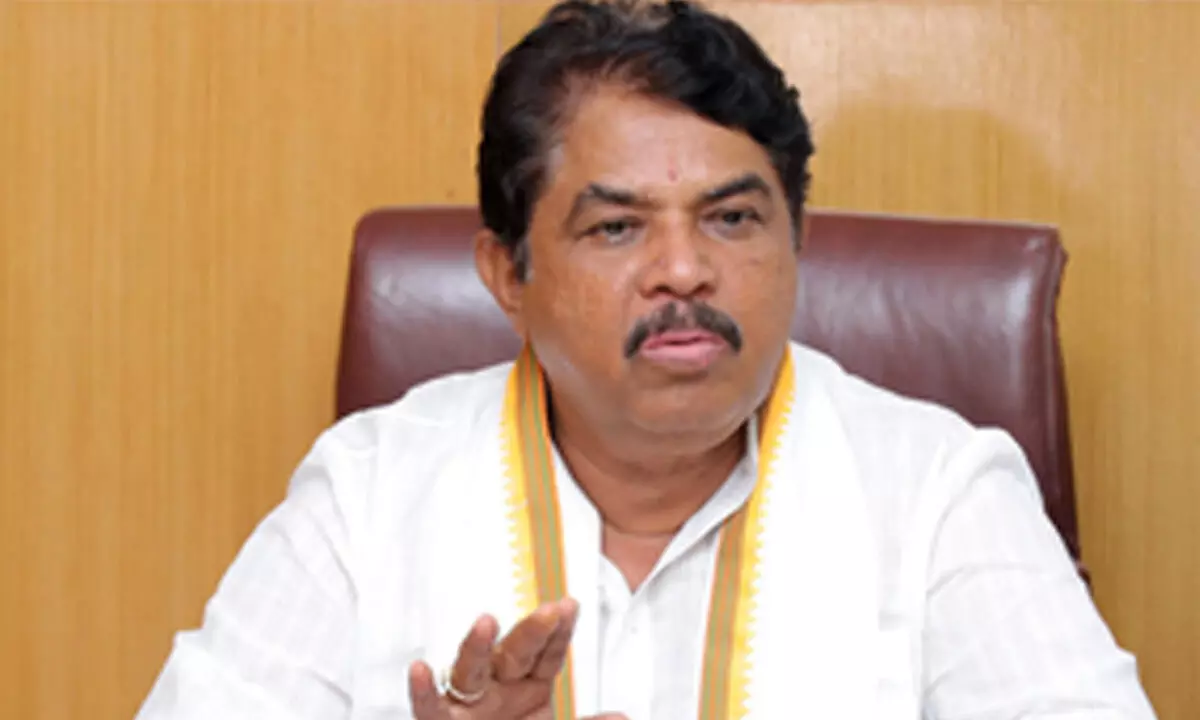
Karnataka politics was rocked by fresh controversy after senior BJP leader R. Ashok alleged the existence of a massive ₹2,500-crore bribery racket within the State Excise Department, demanding the immediate resignation of Excise Minister R.B. Thimmapur. The allegation has intensified the already charged political atmosphere, with the opposition accusing the Congress-led government of institutionalised corruption, while the ruling party has dismissed the claims as politically motivated. The issue has quickly escalated beyond routine political sparring, raising serious questions about governance, accountability, and transparency in one of the State’s most revenue-intensive departments.
Ashok’s statement, made publicly, has drawn sharp reactions from across the political spectrum. By placing a specific figure on the alleged bribery, the BJP leader has sought to project the issue as a systemic scam rather than isolated instances of wrongdoing. The Congress government, however, has countered by accusing the BJP of attempting to divert attention from its own record and destabilise the administration through sensational claims. As the debate unfolds, public attention has turned to whether the allegations will translate into formal investigations or remain confined to political rhetoric.
The allegation has also intensified pressure within the legislative arena, with opposition leaders indicating they may raise the issue forcefully in the Assembly and seek a structured debate. They argue that even if the government disputes the figures quoted, it has a responsibility to clarify how excise revenues are collected and monitored. Demands for tabling detailed departmental records and audit findings are likely to grow, potentially prolonging the controversy and keeping the Excise Department under sustained public and political scrutiny.
Within the ruling Congress, the leadership is faced with the challenge of containing political damage without appearing defensive. Party insiders suggest that while the government is unwilling to concede to resignation demands, it may consider internal reviews or administrative tightening to signal seriousness. Such steps, however, would need to be carefully calibrated to avoid lending implicit credibility to the opposition’s allegations while reassuring the public about transparency and accountability.
The episode has once again brought to the fore the broader issue of political accountability standards. Opposition parties frequently demand resignations over allegations, while governments often insist on evidence and due process. This recurring standoff reflects the absence of clear norms on ministerial responsibility in cases of alleged corruption. Analysts note that without consistent standards, resignation demands tend to become political tools rather than mechanisms of ethical governance.
As the dust settles, the longevity of the issue will depend on whether new information emerges or institutional action follows. If investigations are ordered or documentary evidence surfaces, the controversy could deepen significantly. If not, it may gradually recede amid other political developments. For now, Ashok’s charge has succeeded in thrusting the Excise Department into the spotlight, compelling both the government and opposition to navigate a sensitive terrain where perception, politics, and governance intersect.
Background of the Allegation
The Excise Department plays a critical role in Karnataka’s finances, overseeing liquor licensing, production, distribution, and enforcement. Given the high revenue involved, the department has historically been vulnerable to allegations of corruption, particularly around licence renewals, transfers, and enforcement actions. Ashok’s claim of a ₹2,500-crore bribery racket taps into long-standing public suspicion about irregularities in the sector.
According to the BJP leader, the alleged racket involves systematic collection of bribes from liquor manufacturers, distributors, and license holders, purportedly facilitated through a well-organised network within the department. He claimed that money was extracted at multiple levels, from local officials to senior administrators, creating what he described as a parallel economy thriving under political protection. Ashok argued that such a large-scale operation could not function without the knowledge or tacit approval of the political leadership overseeing the department.
The opposition has also linked the allegation to previous complaints from sections of the liquor trade, who have periodically raised concerns about arbitrary inspections, selective enforcement, and unofficial payments. While such complaints have surfaced in the past, they have rarely led to sustained investigations. By demanding the resignation of Minister R.B. Thimmapur, Ashok has attempted to escalate the matter from administrative irregularity to political accountability.
Opposition’s Demand and Political Strategy
The BJP has framed Ashok’s allegation as a moral and administrative crisis for the Congress government. Party leaders have argued that allowing the Excise Minister to continue in office while such serious allegations are in circulation undermines public trust. They have demanded not only Thimmapur’s resignation but also a comprehensive, independent probe into the functioning of the Excise Department.
Strategically, the BJP appears to be using the issue to reinforce its broader narrative that corruption has resurfaced under the Congress regime. By highlighting a specific department and a quantified figure, the opposition aims to give its criticism greater credibility and resonance. BJP leaders have accused the government of shielding corrupt officials and prioritising revenue generation over ethical governance.
The demand for resignation also serves as a pressure tactic. Even if no immediate action is taken, sustained political noise can weaken a minister’s position and force the government to respond. Political observers note that such allegations, when repeated consistently, can shape public perception regardless of their eventual outcome. For the BJP, the issue offers an opportunity to keep the government on the defensive and dominate the political discourse.
Government’s Rebuttal and Defence
The Congress government has categorically rejected Ashok’s allegations, terming them baseless and defamatory. Senior leaders have accused the BJP of indulging in political theatrics to compensate for its lack of substantive issues. According to the ruling party, the opposition has failed to produce concrete evidence to substantiate the ₹2,500-crore figure, making the claim irresponsible and misleading.
Excise Minister R.B. Thimmapur has reportedly denied any involvement in wrongdoing and expressed confidence that the department’s operations would withstand scrutiny. Government sources have argued that the Excise Department functions under established rules and procedures, with multiple layers of oversight. They have also pointed out that revenue collections are audited and monitored, making it difficult for such a massive racket to go unnoticed.
The Congress has further accused the BJP of hypocrisy, noting that allegations of corruption were frequently raised during previous administrations without decisive action. According to ruling party leaders, the opposition’s sudden concern for probity is politically convenient rather than principled. They have asserted that the government remains open to lawful scrutiny but will not yield to what it views as politically motivated demands for resignation.
Excise Department Under the Lens
Beyond the immediate political exchange, the controversy has drawn renewed attention to the functioning of the Excise Department itself. The department’s discretionary powers, particularly in licensing and enforcement, have long been identified as potential flashpoints for corruption. Experts argue that without structural reforms, allegations are likely to recur regardless of which party is in power.
Civil society groups have called for greater transparency in licence allocation, digital tracking of applications, and reduced human discretion. They argue that while periodic crackdowns and transfers may address symptoms, deeper reforms are necessary to tackle the root causes of corruption. The current controversy, they say, underscores the urgency of such measures.
Some former officials have noted that political oversight of revenue departments often creates conflicting incentives. On one hand, departments are expected to maximise revenue; on the other, they must enforce regulations strictly. This dual mandate, when combined with political pressure, can create environments where unofficial practices flourish. The allegations, therefore, resonate with broader concerns about governance rather than standing in isolation.
Public Reaction and Media Discourse
Public response to Ashok’s allegation has been divided. While some citizens view the claim as yet another instance of political mudslinging, others see it as a serious charge that warrants investigation. Social media platforms have amplified the issue, with supporters of both parties trading accusations and counter-accusations.
Media coverage has focused on the scale of the alleged racket and the demand for the minister’s resignation. Analysts have pointed out that even unproven allegations can damage institutional credibility, especially when they involve essential revenue departments. The controversy has also revived memories of past excise-related scandals, reinforcing public scepticism.
At the same time, sections of the public have expressed fatigue with corruption allegations that rarely lead to concrete outcomes. Many argue that without transparent probes and accountability, such controversies merely add to cynicism rather than reform. This sentiment places additional pressure on the government to demonstrate seriousness in addressing the issue.
Implications for Governance and Politics
The fallout from the bribery allegation could have implications beyond the Excise Department. If the issue escalates, it may prompt calls for legislative scrutiny or judicial intervention. For the Congress government, managing the controversy without appearing dismissive will be a delicate balancing act. For the BJP, sustaining the issue requires either new disclosures or sustained public mobilisation.
Politically, the allegation feeds into a familiar cycle where corruption charges become central to opposition strategy. Such issues often gain traction because they tap into public frustration with governance failures. However, their long-term impact depends on whether they lead to tangible action or fade amid competing news cycles.
The controversy also highlights the importance of institutional safeguards. Regardless of the truth of the specific allegation, the perception of corruption can be as damaging as proven wrongdoing. Restoring confidence requires not only rebutting claims but also strengthening systems to prevent abuse.
Conclusion
Ashok’s allegation of a ₹2,500-crore bribery racket in the Excise Department has triggered a major political confrontation in Karnataka, placing the Congress government and Excise Minister R.B. Thimmapur under intense scrutiny. While the opposition demands resignation and investigation, the ruling party dismisses the claims as politically driven. As the debate continues, the episode underscores enduring concerns about corruption, accountability, and governance in revenue departments. Whether the controversy results in meaningful reform or remains another chapter in political sparring will depend on the actions that follow, not just the accusations exchanged.
The Bharatiya Janata Party has mounted a sharp political attack on Karnataka Deputy Chief Minister D.K. Shivakumar for skipping the World Economic Forum meeting in Davos, framing the absence as symbolic of what it calls the State government’s lack of seriousness in attracting global investment. The issue has quickly snowballed into a wider political debate, with the BJP accusing the ruling Congress of mixed priorities, while the government insists that governance responsibilities at home took precedence. The controversy reflects deeper political fault lines over development narratives, leadership optics, and the politics of global visibility.
The controversy has also exposed internal differences in how political parties prioritise international engagement. Within the BJP, leaders have consistently projected global forums as essential extensions of governance, arguing that visibility translates into credibility. They contend that States competing for foreign direct investment must maintain a continuous international presence. By contrast, the Congress leadership in Karnataka appears to emphasise decentralised decision-making and on-ground administration, arguing that outcomes matter more than symbolic participation. This divergence in approach reflects contrasting political philosophies rather than a single administrative choice.
Observers note that the BJP’s criticism is aimed as much at perception management as policy debate. By framing the Davos absence as a snub to investors, the party seeks to plant doubts about the Congress government’s seriousness on economic growth. Such narratives, even if contested, can influence investor sentiment indirectly by shaping media discourse. The ruling party, therefore, faces the challenge of countering not just political attacks but also the broader impression that Karnataka’s global outreach may be losing momentum under its watch.
At the bureaucratic level, officials have attempted to downplay the political noise, stressing that investor interactions are ongoing through embassies, trade missions, and sector-specific engagements. They argue that global investment today relies less on summit diplomacy and more on sustained follow-up, regulatory ease, and project execution. According to them, Karnataka’s institutional capacity ensures continuity regardless of political travel schedules. However, they also acknowledge privately that high-profile forums provide access to decision-makers that routine channels cannot always replicate.
The episode has also sparked debate within civil society and academic circles about the actual returns from participation in elite global gatherings. Critics question whether such forums deliver measurable benefits proportional to the resources and political attention they command. Supporters counter that intangible gains, such as reputation-building and long-term relationships, are difficult to quantify but crucial. This broader debate has been drawn into the political crossfire, with both sides selectively invoking arguments that suit their narratives.
As the political exchange continues, attention is likely to shift back to measurable outcomes such as investment announcements, job creation figures, and project implementation timelines. If the Congress government is able to demonstrate strong economic performance in the coming months, the BJP’s criticism may lose traction. If not, the Davos absence could be repeatedly invoked as an early warning sign. For now, the issue remains a potent example of how governance decisions are quickly politicised in an environment where perception often rivals performance.
Background and Context
The World Economic Forum at Davos has traditionally been seen as a platform for Indian States to showcase investment potential, court multinational corporations, and signal policy stability. Karnataka, long regarded as a leading investment destination, has previously sent senior leadership to the summit to reinforce its global economic standing. Against this backdrop, the absence of the Deputy Chief Minister has been seized upon by the BJP as a political opportunity to question the Congress government’s commitment to economic diplomacy and investor confidence.
BJP leaders have argued that Davos is not merely a symbolic gathering but a crucial space for relationship-building that can translate into long-term economic gains. They claim that senior leadership presence sends a message of seriousness and ambition, especially when competition among States for foreign investment is intense. The party has contrasted the Deputy Chief Minister’s absence with past instances where Karnataka’s leaders actively engaged with global stakeholders to reinforce the State’s brand.
Political Attack and BJP’s Position
The BJP’s criticism has been pointed and persistent. Party spokespersons alleged that skipping the World Economic Forum undermines Karnataka’s image as a progressive, investment-friendly State. They questioned whether internal political compulsions or administrative disorganisation led to the decision, suggesting that the absence reflects misplaced priorities. According to the BJP, leadership visibility at global platforms is as important as policy intent, and the failure to show up sends a negative signal to potential investors.
Some BJP leaders went further, framing the issue as emblematic of what they describe as a governance style focused more on domestic political management than long-term economic strategy. They argued that while the Congress government highlights welfare schemes and social justice, it must also demonstrate equal commitment to economic growth and job creation. The Davos absence, they claimed, weakens Karnataka’s competitive edge at a time when other States are aggressively marketing themselves on the global stage.
Government’s Response and Explanation
The Congress government has firmly rejected the BJP’s accusations, stating that the Deputy Chief Minister’s decision to skip the World Economic Forum was driven by pressing administrative responsibilities in Karnataka. Government sources said the State leadership remained engaged with investment promotion efforts through other channels and that the absence of one leader does not diminish Karnataka’s economic outreach. They emphasised that development work on the ground cannot be paused for international events.
Senior Congress leaders argued that governance is not a photo opportunity and that tangible outcomes matter more than symbolic appearances. They pointed out that the government continues to engage investors through structured forums, departmental outreach, and follow-up mechanisms. According to them, the BJP’s criticism ignores the reality that investment decisions are influenced by policy stability, infrastructure, and governance quality rather than mere presence at high-profile events.
Political Optics Versus Administrative Priorities
The controversy has reignited a familiar debate in Indian politics about optics versus substance. For the BJP, the Deputy Chief Minister’s absence is an opportunity to frame the Congress government as lacking ambition on the global stage. For the Congress, the criticism underscores what it sees as an obsession with optics rather than governance outcomes. Political analysts note that such debates often resonate because they tap into public perceptions of leadership seriousness and global relevance.
The BJP has attempted to amplify the issue by linking it to broader narratives about Karnataka’s economic direction under the Congress. Party leaders have questioned whether the government is sufficiently proactive in engaging global investors, especially at a time when economic uncertainties demand assertive outreach. They argue that leadership presence at international forums complements domestic policy efforts and strengthens investor confidence.
On the other hand, the Congress has sought to reframe the discussion by highlighting the Deputy Chief Minister’s role in managing critical State-level responsibilities. Supporters argue that prioritising administrative work demonstrates commitment to governance rather than neglect. They also point out that Karnataka’s investment appeal rests on decades of institutional strength that cannot be undone by the absence of a single leader at one event.
Impact on Investment Narrative
The political sparring has inevitably drawn attention to Karnataka’s broader investment narrative. The State has historically positioned itself as a hub for technology, manufacturing, and innovation. Any suggestion of reduced global engagement risks denting that image, even if temporarily. Business chambers and industry observers have largely adopted a cautious stance, noting that while leadership presence matters, sustained policy clarity and execution are more critical.
Some industry voices have suggested that the controversy highlights the need for institutionalised investment promotion mechanisms that are not overly dependent on individual leaders. They argue that strong departments, professional outreach teams, and consistent follow-up can ensure continuity regardless of political schedules. At the same time, they acknowledge that high-profile events like Davos offer networking opportunities that are difficult to replicate elsewhere.
Opposition Strategy and Political Timing
The BJP’s attack also needs to be viewed in the context of political timing. With electoral narratives constantly evolving, opposition parties often seize moments that can be framed as governance lapses. By focusing on the Davos absence, the BJP aims to question the Congress government’s economic credibility without directly challenging its welfare agenda, which enjoys popular support.
Political commentators observe that such issues are effective because they blend symbolism with substance. The idea of skipping a global economic forum can be portrayed as a missed opportunity, regardless of the underlying reasons. For the BJP, the controversy allows it to project itself as pro-investment and globally oriented, reinforcing its broader national narrative.
Public Perception and Long-Term Implications
Public reaction to the controversy has been mixed. While some sections view the BJP’s criticism as legitimate scrutiny, others see it as political point-scoring. For many citizens, the relevance of the World Economic Forum is abstract, and their concerns are more immediate, relating to employment, infrastructure, and cost of living. The Congress government has attempted to tap into this sentiment by stressing that its focus remains on delivery rather than appearances.
In the long term, the impact of the controversy will depend on outcomes rather than rhetoric. If Karnataka continues to attract significant investment and generate employment, the Davos debate may fade into political background noise. Conversely, any slowdown could retroactively lend weight to the opposition’s criticism. The episode thus serves as a reminder that political narratives often gain or lose credibility based on subsequent developments.
Conclusion
The BJP’s dig at the Karnataka Deputy Chief Minister for skipping the World Economic Forum underscores the enduring tension between political optics and administrative priorities. While the opposition frames the absence as a missed global opportunity, the government insists that governance at home cannot be subordinated to international symbolism. The debate reveals how leadership decisions are increasingly scrutinised through both political and economic lenses. Ultimately, Karnataka’s development trajectory will be judged not by attendance at global forums alone, but by the tangible outcomes of policy, investment, and governance on the ground.