Hyderabad | January 17, 2026 — Wings India 2026, Asia’s largest civil aviation event, will be formally launched with a grand inaugural ceremony led by Union Minister of Civil Aviation Shri Rammohan Naidu, in the presence of senior dignitaries from India and abroad. The flagship four-day global aviation event will be held from 28 to 31 January 2026 at Begumpet Airport, Hyderabad.
Anchored around the theme: “Indian Aviation: Paving the Future – From Design to Deployment, Manufacturing to Maintenance, Inclusivity to Innovation and Safety to Sustainability”, the event will showcase India’s rapidly expanding aviation ecosystem and its growing role as a global hub for manufacturing, services, innovation, and sustainable aviation solutions.
A Global Platform for Aviation Excellence
Wings India 2026 will feature:
A large-scale international exhibition
Static aircraft displays and flying demonstrations
Aerobatic air shows
High-level international conference
Global CEOs Forum and Ministerial Plenary
B2B and B2G meetings
Aviation Job Fair
Awards Ceremony
Cultural programmes
The event will bring together policymakers, industry leaders, investors, innovators, and global stakeholders, reinforcing its status as a premier global aviation platform.
Participation Across the Aviation Value Chain
Prominent participation is expected from across the aviation ecosystem, including:
Airlines
Aircraft and engine manufacturers
MROs (Maintenance, Repair and Overhaul)
Airport developers
OEMs
Technology providers
Training institutions
Aviation service partners
The event will facilitate dialogue on emerging trends, investment opportunities, and collaborative pathways shaping the future of civil aviation in India and globally.
High-Level Conference and Thematic Sessions
The international conference will include 13 thematic sessions, covering key focus areas such as:
Airports and Infrastructure
Aircraft Leasing
Airlines and Aviation Economics
Helicopters and Regional Connectivity
Women in Aviation
MRO Ecosystem
Air Cargo and Logistics
Business Aviation and Small Aircraft
Aircraft Component Manufacturing
Sustainable Aviation Fuel (SAF)
Flying Training and Skilling
Advanced Air Mobility and Drones
This will be complemented by the Global CEOs Forum and Ministerial Plenary, enabling strategic global dialogue.
Strong International and State Participation
Wings India 2026 will witness:
Ministerial-level foreign delegations
Senior government officials from several countries
Official delegations from over 20 countries
Active participation from Indian states showcasing aviation-led growth, infrastructure development and investment opportunities
Air Shows, Innovation and Youth Engagement
The event will feature:
Static and flying aircraft displays
Aerobatic performances, including by the Surya Kiran Aerobatic Team (IAF)
Dedicated platforms for exhibitions, chalets, and business networking
An Aviation Job Fair connecting youth with industry leaders
A Civil Aviation Innovation Challenge for students to promote problem-solving and innovation
Cultural programmes showcasing India’s heritage
Celebrating Excellence
A prestigious Award Ceremony will continue the tradition of recognising outstanding contributions and excellence in civil aviation.
With its scale, vision, and international participation, Wings India 2026 is poised to become a landmark global aviation event, showcasing India’s aviation growth story while strengthening global partnerships, driving innovation, and shaping the future of civil aviation.
Port Louis | January 17, 2026 — Indian Coast Guard Ship (ICGS) Sankalp, an Offshore Patrol Vessel, arrived at Port Louis, Mauritius on January 17, 2026, as part of its ongoing Overseas Deployment to Friendly Foreign Countries in the Indian Ocean Region (IOR). The visit reaffirms India’s commitment to strengthening maritime cooperation, enhancing interoperability and deepening bilateral ties with Mauritius.
The deployment aligns with India’s maritime vision of SAGAR – Security and Growth for All in the Region, which seeks to promote maritime safety, regional security, and environmental protection across the Indian Ocean.
Strengthening Maritime Cooperation under SAGAR Vision
The port call underscores India’s role as a reliable maritime partner in the region. It reflects the Indian Coast Guard’s proactive engagement in capacity building, information sharing, and operational coordination with partner nations.
Highlighting India’s commitment to gender inclusivity in maritime operations, two women officers are embarked onboard ICGS Sankalp, showcasing the expanding role of women in the Indian Coast Guard and reinforcing India’s commitment to women empowerment in the maritime domain.
Joint Training and Professional Engagements
During its stay at Port Louis, the ship will engage in a comprehensive programme of professional interactions with the National Coast Guard of Mauritius and other maritime agencies. These engagements aim to strengthen cooperation and share operational best practices.
Planned activities include:
Sea and harbour drills
Oil pollution response exercises
Damage control and NBCD (Nuclear, Biological, Chemical Defence) exercises
Firefighting drills
Visit, Board, Search and Seizure (VBSS) joint training
Navigation bridge and Machinery Control Room (MCR) integration drills
These exercises are designed to enhance operational coordination, preparedness, and interoperability between the two maritime forces.
People-to-People Connect and Community Outreach
Beyond operational engagements, the port call will feature:
Friendly sports fixtures
Cultural exchanges
Community service activities
These initiatives are aimed at fostering camaraderie, goodwill, and stronger people-to-people ties between India and Mauritius. The visit will also serve as a platform to showcase India’s indigenous shipbuilding capabilities, supporting the vision of Aatmanirbhar Bharat.
Continuing Maritime Outreach in the Indian Ocean
The visit of ICGS Sankalp reinforces India’s commitment to maritime safety, security, capacity building and environmental protection in the Indian Ocean Region. It also highlights the Indian Coast Guard’s growing role in regional cooperation.
Following the completion of its visit to Mauritius, ICGS Sankalp will sail for Seychelles, continuing its overseas deployment and further strengthening India’s maritime engagement with key island nations in the region.
Conclusion
The port call of ICGS Sankalp at Port Louis stands as a strong symbol of India’s enduring partnership with Mauritius and its broader commitment to peace, security, cooperation, and collective growth in the Indian Ocean Region under the SAGAR framework.
New Delhi: Following widespread flight delays and cancellations by M/s IndiGo between 3–5 December 2025, the Directorate General of Civil Aviation (DGCA) has imposed a total financial penalty of ₹22.20 crore and directed deep systemic reforms to strengthen operational resilience and passenger protection.
The disruptions led to:
2,507 flight cancellations
1,852 delayed flights
Over 3 lakh passengers affected nationwide
A four-member inquiry committee was constituted by DGCA on the directions of the Ministry of Civil Aviation (MoCA) to conduct a comprehensive review.
Key Findings of the DGCA Inquiry
The committee identified systemic and managerial failures, including:
Over-optimisation of operations at the cost of safety buffers
Inadequate regulatory preparedness for revised FDTL norms
Deficiencies in software systems and operational planning tools
Weak management oversight and control mechanisms
Excessive crew utilisation, minimal buffer margins, heavy reliance on dead-heading and extended duty cycles
Failure to properly implement revised Flight Duty Time Limitation (FDTL) norms
The inquiry concluded that these practices significantly compromised operational resilience and passenger convenience.
Enforcement Action Against Senior IndiGo Officials
DGCA issued strict disciplinary actions against key officials of InterGlobe Aviation Ltd.:
CEO – Cautioned for inadequate oversight and crisis management
COO (Accountable Manager) – Warned for failure to assess winter schedule and FDTL impact
SVP (Operations Control Centre) – Directed to be relieved of operational responsibilities
Warnings also issued to senior officers in Flight Operations, Crew Planning and Roster Management
IndiGo has been instructed to submit a compliance report after internal accountability review.
₹22.20 Crore Total Financial Penalty Breakdown
Component
Amount
One-time systemic violations (6 CAR breaches)
₹1.80 crore
Continued non-compliance penalty (68 days × ₹30 lakh/day)
₹20.40 crore
Total Penalty Imposed
₹22.20 crore
Violations included failures under multiple Civil Aviation Requirements (CARs) related to:
FDTL compliance
Operational control
Accountability of management
Safety governance
Delegation failures
₹50 Crore Bank Guarantee for Long-Term Reforms
DGCA has also ordered IndiGo to furnish a ₹50 crore Bank Guarantee under a special framework titled:
IndiGo Systemic Reform Assurance Scheme (ISRAS)
Release of this guarantee will depend on DGCA-certified reforms across four pillars:
Reform Area
Linked Amount
Timeline
Leadership & governance reforms
₹10 crore
3 months
Manpower planning, rostering, fatigue management
₹15 crore
6 months
Digital systems & operational resilience upgrades
₹15 crore
9 months
Board-level oversight & sustained compliance
₹10 crore
9–15 months
Each stage will require independent verification by DGCA.
Passenger Relief Measures Recognised
DGCA acknowledged that IndiGo restored operations quickly after the disruption. It also noted that:
Refunds and CAR compensation were processed
IndiGo issued a ‘Gesture of Care’ voucher worth ₹10,000 (valid for 12 months) for passengers whose flights were cancelled or delayed over 3 hours during 3–5 December.
Internal Reforms Also Ordered Within DGCA
On directions of MoCA, DGCA itself has initiated an internal inquiry to improve regulatory preparedness and systemic resilience.
Conclusion
DGCA reiterated that:
Safety, compliance, and passenger welfare remain non-negotiable priorities.
The enforcement actions are aimed not just at penalisation, but at long-term structural correction to ensure sustainable airline operations and to safeguard the interests of pilots, crew, and passengers alike.
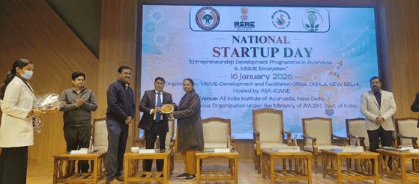
New Delhi, January 17, 2026 — On the occasion of National Startup Day 2026, the All India Institute of Ayurveda (AIIA), through its startup incubation centre AIIA–iCAINE (Incubation Centre for Ayurveda Innovation and Entrepreneurship), organised an Awareness Programme on MSME Opportunities for Ayurveda-based Startups at its campus in New Delhi. The programme was conducted in collaboration with the MSME–Development & Facilitation Office, Government of India.
The event brought together policymakers, academic leaders, startup enablers, and aspiring entrepreneurs to discuss strengthening the startup and MSME ecosystem, particularly in the fields of Ayurveda, wellness and integrative health innovations.
Focus on Innovation, Policy Support and Startup Enablement
The sessions highlighted key aspects critical for early-stage startups, including:
Government schemes and institutional support for MSMEs
Innovation and entrepreneurship frameworks in Ayurveda
Intellectual Property Rights (IPR) protection
Certification and standardization requirements
Financial support mechanisms and access to funding
Key Speakers and Contributions
The programme commenced with a welcome address by Dr. Arun Kumar, who underscored the growing relevance of innovation-driven entrepreneurship in Ayurveda.
Shri Sunil Kumar, Deputy Director, MSME outlined various MSME schemes and government initiatives supporting Ayurveda enterprises.
Prof. Manjusha Rajagopala shared insights on the role of academic institutions in nurturing innovation and entrepreneurial capacity.
The keynote address by Dr. R. K. Bharti, Joint Director, MSME emphasized the importance of a policy-backed ecosystem to promote startups and MSMEs, especially in traditional medicine and wellness sectors.
Expert Sessions on IPR and Funding
The technical sessions featured expert perspectives on critical startup enablers:
Ms. Sangeeta Nagar (former Senior Scientist, DPIIT) delivered a session on the importance of Intellectual Property Rights (IPR) for startups and innovators.
Ms. Jyoti Neeraj, Senior Manager, SIDBI elaborated on financial instruments, credit facilities, and funding opportunities available for startups and MSMEs.
The programme concluded with a vote of thanks by Shri Sujith Eranezhath, CEO, AIIA–iCAINE, and Shri Naveen Kumar, Assistant Director, MSME.
Strengthening the Ayurveda Startup Ecosystem
The event reaffirmed AIIA–iCAINE’s commitment to building a robust, innovation-driven entrepreneurship ecosystem rooted in Ayurveda and aligned with national priorities for startup growth, MSME development, and sustainable healthcare innovation.
Recognised as a Host Institute by the Ministry of MSME, AIIA–iCAINE continues to provide a structured platform for innovators to transform ideas into scalable and impactful enterprises.
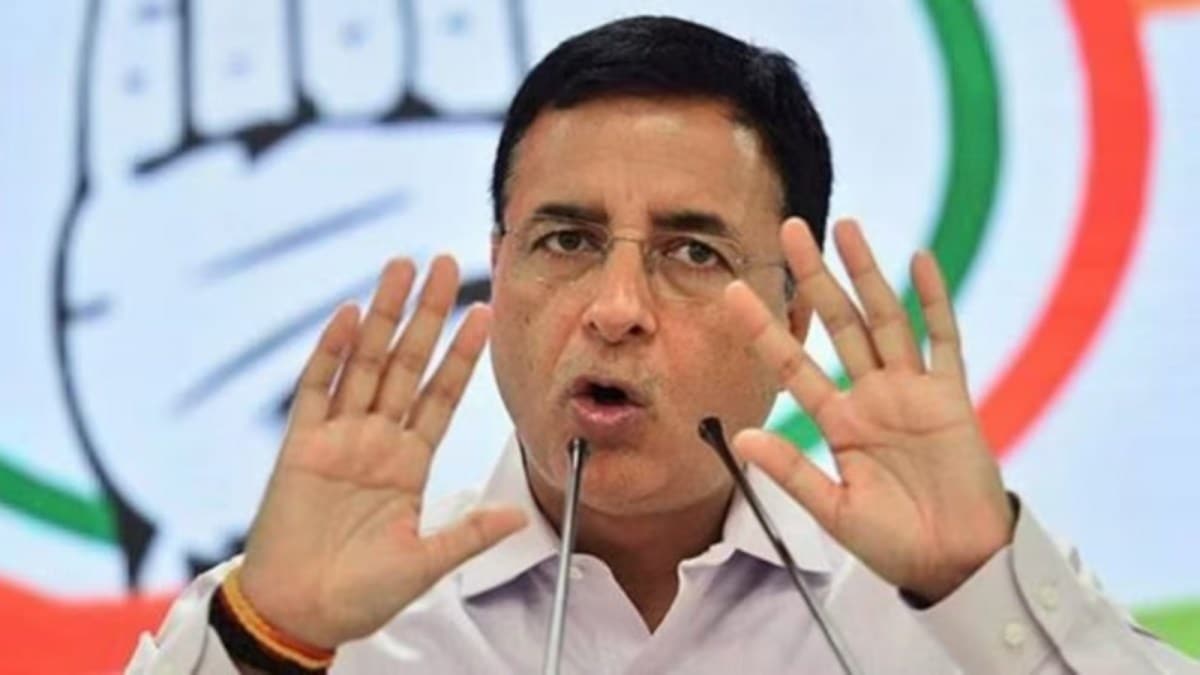
The Karnataka Housing Minister has formally invited senior Congress leader and party general secretary Randeep Singh Surjewala to participate in a major housing allotment programme scheduled to be held in Hubballi, signalling the political and administrative importance attached to the event. The programme, which will see the distribution of housing units and site allotment orders to thousands of beneficiaries, is being projected as a key milestone in the State government’s welfare agenda aimed at providing dignified housing to economically weaker sections. Officials said the event is expected to draw a large public gathering, senior ministers, legislators, and representatives from local bodies.
The invitation to Surjewala, a key strategist and national-level leader of the Congress, is being viewed as an indication of the party leadership’s focus on Karnataka, especially the northern districts. Hubballi-Dharwad has long been considered a politically significant region, and the government appears keen to highlight its development initiatives there. Sources in the Housing Department said preparations are being made on a large scale to ensure the smooth conduct of the programme, with special emphasis on transparency, beneficiary verification, and public outreach.
The upcoming housing allotment programme in Hubballi has gained added prominence with the Karnataka Housing Minister extending an invitation to senior Congress leader Randeep Singh Surjewala, underlining the government’s emphasis on welfare-driven governance. The event is expected to benefit a large number of families from economically weaker sections, many of whom have been awaiting permanent housing for years. Officials said the programme will mark a significant step in reducing the housing backlog in the region and demonstrate the State’s renewed focus on inclusive development.
The presence of Surjewala, a key figure in the Congress leadership, is being seen as an attempt to align State-level welfare initiatives with the party’s national vision. Hubballi, located in north Karnataka, has often featured prominently in political calculations, and the government appears keen to showcase tangible development outcomes there. Senior officials said the event would also serve as a platform to communicate the broader objectives of the housing policy, including transparency, accountability, and timely delivery.
From an administrative perspective, the Housing Department has intensified preparations to ensure error-free allotment. Beneficiary lists have been reviewed multiple times, and district officials have been instructed to address grievances promptly. The government has stressed that the programme is not merely ceremonial, but a decisive move to provide stability and dignity to families living in insecure conditions. Observers say the success of the event could strengthen public confidence in welfare schemes, provided the allotments translate into swift possession and adequate infrastructure.
Hubballi Housing Allotment Seen as Test Case for Welfare Delivery
The large-scale housing allotment event planned in Hubballi is being viewed as a test case for the Karnataka government’s ability to deliver welfare schemes efficiently. By inviting Randeep Singh Surjewala, the Housing Minister has signalled the political importance attached to the programme, which aims to distribute house allotment orders to thousands of eligible beneficiaries. The initiative is part of a broader strategy to address housing insecurity among vulnerable communities across the State.
Officials said many beneficiaries belong to families that have lived in rented homes or informal settlements for decades. For them, the allotment represents more than ownership of a house; it signifies long-awaited social security. The government has reiterated its commitment to ensuring that houses are built to acceptable standards and provided with basic amenities. Past criticism over delays and quality issues has prompted stricter monitoring mechanisms, according to department sources.
Politically, the event allows the Congress to reinforce its welfare narrative at a time when delivery of promises is under public scrutiny. Surjewala’s presence is expected to boost morale among party workers and strengthen coordination between the State and central leadership. Analysts note that while such events generate goodwill, sustained follow-up will be crucial. The real impact will be measured by how quickly beneficiaries are able to move into their homes and whether supporting infrastructure keeps pace with housing construction.
Welfare, Politics, and Expectations Converge at Hubballi Housing Event
From a political standpoint, Surjewala’s participation adds weight to the event and reinforces the Congress’s focus on social justice and inclusive growth. Party leaders believe that visible welfare delivery can strengthen public trust and counter criticism from opposition parties. However, observers caution that expectations are high, and any lapses could attract scrutiny. The Hubballi event, therefore, is not just a ceremonial gathering but a moment that could shape perceptions of the government’s housing agenda in the months ahead.
Focus on Housing for the Poor
The housing allotment event is part of the State government’s broader effort to address the long-standing issue of housing shortages among low-income families. According to officials, the beneficiaries include families from economically weaker sections, scheduled castes, scheduled tribes, minority communities, and other vulnerable groups who have been waiting for years to receive permanent housing. Many of the houses have been constructed under State-funded schemes, while others are part of centrally sponsored programmes implemented with State support.
The Housing Minister said the government is committed to ensuring that every eligible family has access to a safe and permanent home. He stressed that housing is not merely about providing shelter, but about offering stability, security, and dignity to families that have lived in precarious conditions for decades. The Hubballi event, he added, is symbolic of the government’s intent to accelerate housing delivery and clear long-pending applications across districts.
Political Significance of the Invitation
The invitation also comes at a time when the party is working to consolidate its base in Karnataka ahead of future electoral challenges. By associating national leaders with State-level welfare programmes, the party aims to project unity, stability, and a clear focus on governance. Party insiders said Surjewala’s presence would also provide an opportunity for interaction with local leaders and workers, strengthening organisational coordination in the region.
Preparations in Hubballi
District administration officials in Dharwad said extensive arrangements are underway to manage the expected turnout. Temporary structures, seating arrangements, drinking water facilities, and medical support are being planned to accommodate beneficiaries and visitors. Police officials said security arrangements would be tightened, given the presence of senior political leaders and large crowds.
Revenue and housing department staff have been tasked with ensuring that beneficiary lists are finalised and verified well in advance to avoid confusion or grievances on the day of the event. Officials said allotment letters and documents are being cross-checked to ensure accuracy, as errors in names or details could undermine the credibility of the programme. Local elected representatives are also being involved in outreach efforts to inform beneficiaries about the event and guide them on required documentation.
Beneficiaries’ Expectations
For many beneficiaries, the Hubballi event represents the culmination of years of waiting and uncertainty. Several applicants said they had applied for housing assistance long ago but faced repeated delays due to funding constraints, land availability issues, or administrative bottlenecks. The announcement of the allotment programme has generated a sense of relief and cautious optimism among families who have been living in rented houses, temporary shelters, or informal settlements.
Beneficiaries expressed hope that the allotment would be followed by timely possession and basic infrastructure such as water supply, electricity, drainage, and road connectivity. Some also urged the government to ensure that housing colonies are developed with access to schools, healthcare facilities, and public transport, so that families are not forced to live on the margins despite owning a house.
Addressing Past Criticism
Housing schemes in Karnataka have often faced criticism over delays, quality of construction, and allegations of irregularities. The current government has repeatedly stated that it is taking corrective measures to improve monitoring and accountability. Officials said new quality checks have been introduced, and contractors are being held to stricter standards to ensure durability and safety of houses.
The Housing Minister acknowledged past shortcomings and said the government is determined to restore public confidence. He said the Hubballi event would demonstrate the administration’s seriousness in delivering results rather than making announcements alone. By involving senior leaders and conducting public allotment programmes, the government hopes to send a message that welfare schemes are being implemented transparently and at scale.
Role of Local Bodies
Local bodies, including municipal corporations and gram panchayats, play a crucial role in identifying beneficiaries and supporting implementation of housing projects. Officials said coordination with local institutions has been strengthened to ensure that deserving families are not left out. In urban areas like Hubballi, issues such as land availability and infrastructure integration require close cooperation between multiple departments.
Elected representatives at the local level said they have been receiving numerous queries from residents regarding eligibility criteria, timelines, and post-allotment procedures. They welcomed the large-scale allotment programme, saying it would reduce pressure on local administrations and address persistent demands from citizens. However, they also cautioned that follow-up support would be essential to ensure successful rehabilitation of beneficiaries.
Broader Welfare Narrative
The housing allotment event fits into the broader welfare narrative that the Karnataka government has been promoting. Along with housing, the administration has highlighted initiatives related to food security, education support, healthcare access, and employment generation. Party leaders argue that these programmes collectively aim to reduce inequality and improve quality of life for marginalised communities.
Surjewala’s participation is expected to reinforce this narrative at the national level as well. By highlighting Karnataka as a model for welfare implementation, the Congress leadership may seek to draw parallels with its governance approach in other States. Political analysts note that such events serve both administrative and symbolic purposes, blending service delivery with political messaging.
Expectations from Surjewala’s Visit
During his visit, Surjewala is expected to address beneficiaries and party workers, emphasising the importance of inclusive development and social justice. He may also hold meetings with local leaders to review organisational matters and discuss feedback from the ground. Sources said the visit could include interactions beyond the housing event, depending on time and security considerations.
Party workers in the region have welcomed the invitation, seeing it as an opportunity to raise local issues directly with a senior leader. They believe his presence will energise the cadre and provide clarity on the party’s future plans in Karnataka. However, some observers caution that public expectations must be managed carefully to avoid over-politicisation of welfare programmes.
Looking Ahead
As the date of the Hubballi housing allotment event approaches, attention is focused on execution and follow-through. While the event itself is important, beneficiaries and civil society groups stress that the real test lies in timely handover of houses, maintenance of quality, and provision of essential services. They argue that housing policy should be seen as a long-term commitment rather than a one-time gesture.
The invitation to Randeep Singh Surjewala underscores the political weight attached to the programme, but it also raises expectations of accountability and sustained engagement. Whether the event marks a turning point in Karnataka’s housing delivery or remains a symbolic milestone will depend on how effectively the promises made on stage translate into lasting improvements on the ground.
Late-Night Collision Triggers Panic, Raises Fresh Questions on Highway Safety
Former Karnataka Minister Narasimha Naik had a narrow escape after being involved in a road accident in Yadgir district, an incident that sent shockwaves across political and administrative circles. The accident occurred when the vehicle in which Naik was travelling met with a collision under circumstances that are still being examined by the local police. Though the impact caused significant damage to the vehicle and briefly disrupted traffic, Naik escaped without any injuries, much to the relief of his supporters, family members, and colleagues.
According to preliminary information, the accident took place while the former minister was travelling along a stretch known for heavy vehicle movement and poor visibility during night hours. Eyewitnesses reported a loud impact, followed by a brief period of confusion as passersby rushed to assist. Emergency services were alerted immediately, and local police reached the spot to secure the area and manage traffic. Naik was safely escorted away from the scene and later confirmed to be unharmed.
Residents of the area where the accident occurred said the stretch has long been considered risky, especially after sunset. Poor illumination, uneven road surfaces, and frequent movement of heavy vehicles contribute to near-miss incidents almost daily. Locals claimed that complaints to authorities have yielded limited results, with temporary fixes replacing long-term solutions. The accident involving a senior political figure has once again drawn attention to these concerns, with residents hoping it will finally prompt sustained corrective action rather than short-term responses.
Senior police officials said statements from drivers and eyewitnesses were being recorded to reconstruct the sequence of events accurately. They added that forensic examination of the vehicles involved would help determine speed, braking patterns, and possible mechanical issues. Police sources stressed that even though no injuries were reported, the investigation would follow standard procedures to establish accountability. Officers maintained that accidents involving public figures are treated no differently from others, and any violation of traffic laws would be acted upon as per rules.
Medical professionals point out that escaping unhurt from road accidents often depends on factors such as vehicle safety features, seatbelt usage, and speed at the time of impact. Experts noted that many accidents turn fatal due to non-compliance with basic safety norms. They argue that public figures surviving accidents should be used as examples to reinforce awareness about safe driving practices. Highlighting responsible behaviour, they say, can influence broader public attitudes towards road safety compliance.
Political supporters of Narasimha Naik gathered briefly after news of the accident spread, offering prayers and expressing relief over his safety. Several described the incident as “divine providence” while also acknowledging the dangers faced during frequent travel for public work. Party workers said the former minister has been actively visiting districts and constituencies, often travelling long distances by road. They urged authorities to ensure safer travel conditions not only for leaders but also for grassroots workers and citizens.
Road safety activists have called for the accident to be used as a data point in revisiting district-level safety planning. They argue that isolated enforcement drives are insufficient without infrastructure investment. Activists recommend improved signage, speed-calming measures, proper lane markings, and periodic road audits. They also stress the need for coordination between public works departments, police, and local bodies to reduce accident rates, especially in districts like Yadgir with growing vehicular traffic.
As the incident fades from immediate headlines, observers warn against complacency. Karnataka continues to report a high number of road accidents annually, many of them fatal. Experts stress that meaningful change requires political will, consistent funding, and long-term planning. While Narasimha Naik’s escape ended without tragedy, many believe it should serve as a reminder of the risks faced daily by thousands of commuters. Whether this incident translates into sustained safety reforms remains a key question for policymakers and administrators alike.
Police officials said that initial findings point to possible overspeeding or misjudgment by one of the vehicles involved, though a detailed investigation is underway. The condition of the road, lighting, and traffic density are also being examined as contributing factors. Officials stressed that no conclusions would be drawn until all evidence, including vehicle condition and driver statements, is thoroughly reviewed.
The news of the accident spread rapidly across Yadgir and neighbouring districts, prompting a steady stream of phone calls and messages to Naik’s residence. Political leaders across party lines expressed relief at his safety, while also urging authorities to improve road safety measures in the region. Several leaders described the incident as a reminder of how unpredictable travel on Karnataka’s highways can be, even for experienced public figures.
Narasimha Naik, known for his long political career and grassroots connect, later reassured supporters that he was safe and thanked those who rushed to help at the accident site. He also acknowledged the swift response of the police and emergency personnel, stating that timely assistance prevented further complications. His calm response helped ease public anxiety and prevented speculation from escalating.
Political Reactions, Public Concern, and the Broader Road Safety Debate
The accident has once again brought the issue of road safety in northern Karnataka into focus. Yadgir district, like several others in the region, has witnessed a steady rise in road accidents over the past few years, often attributed to poorly maintained roads, inadequate lighting, and reckless driving. Local residents argue that despite repeated appeals, many accident-prone stretches continue to lack basic safety infrastructure.
Political observers noted that Naik’s survival has sparked renewed discussions within political circles about the safety of elected representatives and former ministers who frequently travel across districts. Many leaders undertake extensive road journeys to stay connected with constituents, often late at night or early morning. Analysts argue that improved road conditions and stricter enforcement of traffic rules are essential not only for public safety but also for ensuring uninterrupted public service.
Opposition leaders have urged the government to treat the incident as a wake-up call. They pointed out that if a senior political leader can narrowly escape a serious accident, the risks faced by ordinary citizens are far greater. Calls have been made for immediate audits of accident-prone zones, installation of speed-monitoring systems, and better signage along highways and district roads.
Local administration officials have stated that a review of road conditions in the area will be undertaken. They have also promised stricter checks on speeding, drunk driving, and overloaded vehicles, which are often cited as major causes of accidents in the district. Traffic police have been instructed to increase night patrols and conduct awareness drives among drivers.
Public reaction has been a mix of relief and concern. While many residents expressed gratitude that Naik was unharmed, they also voiced frustration over recurring accidents in the region. Social activists argue that road safety discussions often gain momentum only after high-profile incidents, while everyday accidents involving common citizens fail to attract sustained attention or action.
Transport experts say that Karnataka’s road safety challenge requires a multi-pronged approach. Infrastructure upgrades must go hand in hand with behavioural change among drivers. Experts highlight that overspeeding, fatigue, and disregard for traffic rules remain major contributors to accidents, especially on long highway stretches. Regular safety audits, better enforcement, and public awareness campaigns are seen as crucial steps.
Within political circles, Narasimha Naik’s narrow escape has been viewed as a moment of reflection. Several leaders have privately acknowledged the need to reassess travel schedules, vehicle safety standards, and the use of trained drivers for long journeys. Some have suggested that senior leaders should set an example by adhering strictly to road safety norms, thereby influencing public behaviour.
The incident has also renewed discussions on emergency response preparedness in rural and semi-urban areas. While the swift arrival of police and assistance in this case was appreciated, experts warn that many accident victims are not as fortunate. Delays in medical response, lack of nearby trauma care facilities, and poor coordination can often turn survivable accidents into fatal ones.
As investigations into the accident continue, police are expected to submit a detailed report outlining the sequence of events and any violations detected. Authorities have emphasised that accountability will be ensured if negligence is established. The findings may also contribute to broader policy discussions on improving road safety in Yadgir and similar districts.
For Narasimha Naik, the incident appears to have reinforced the unpredictability of life and public service. Supporters say the former minister remains committed to public engagement but is likely to exercise greater caution while travelling. His escape, while fortunate, has become a catalyst for renewed debate on road safety, governance responsibility, and the urgent need to make Karnataka’s roads safer for everyone.
Ultimately, the accident stands as both a moment of relief and a serious warning. While one life was spared, the incident underscores the fragility of safety on Indian roads. Whether this episode leads to lasting reforms or fades into routine news will depend on how decisively authorities act in the days ahead.
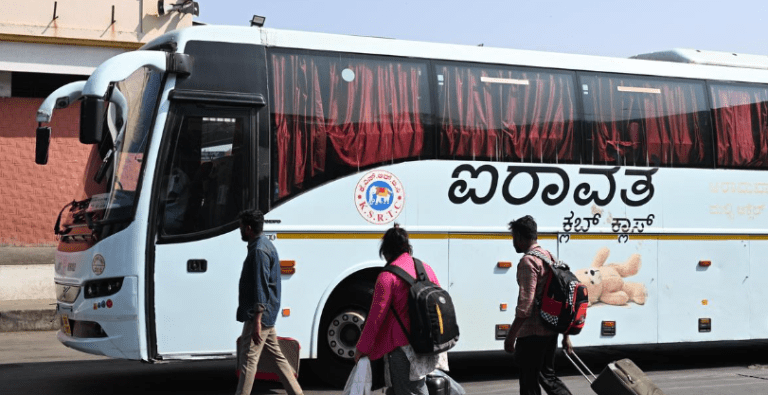
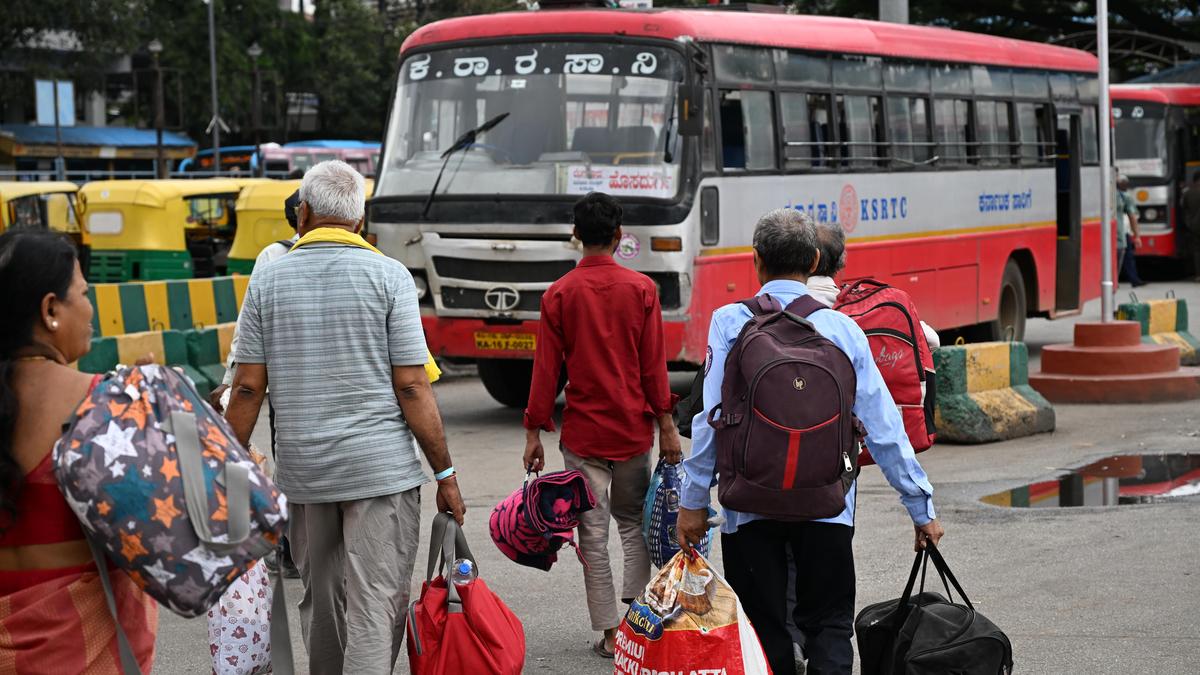
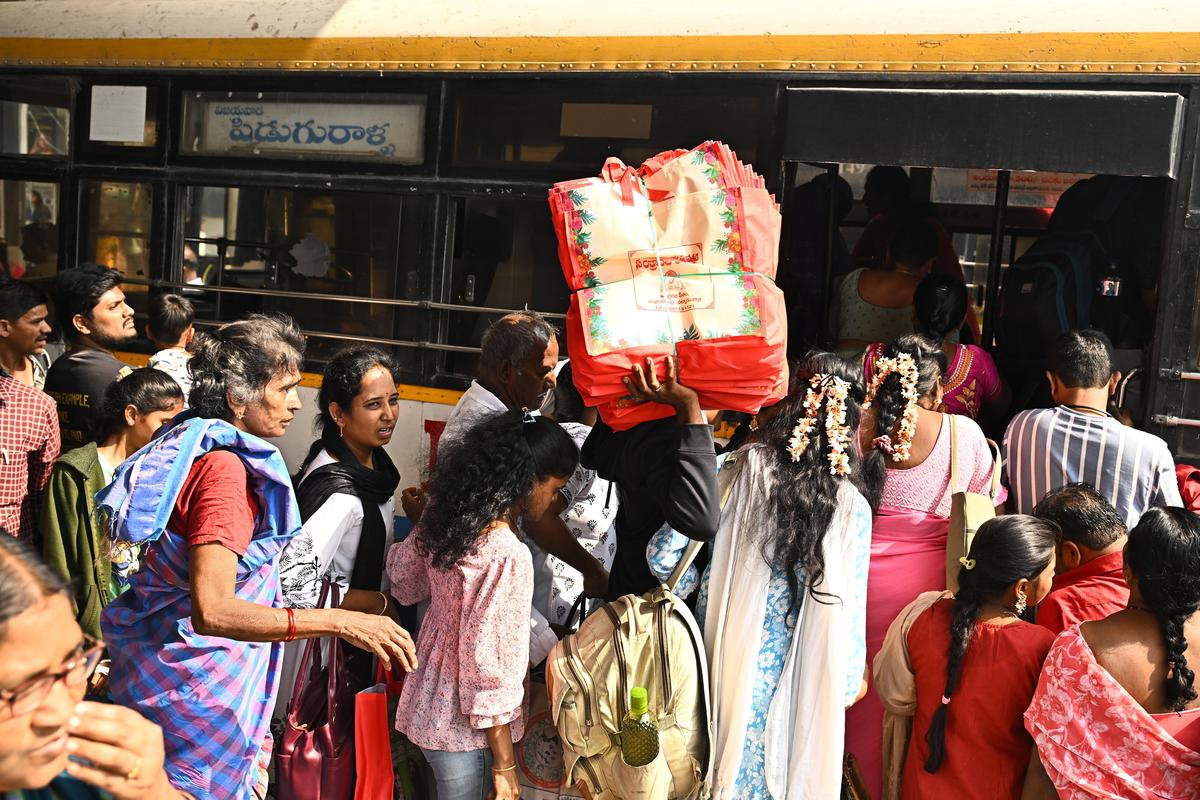
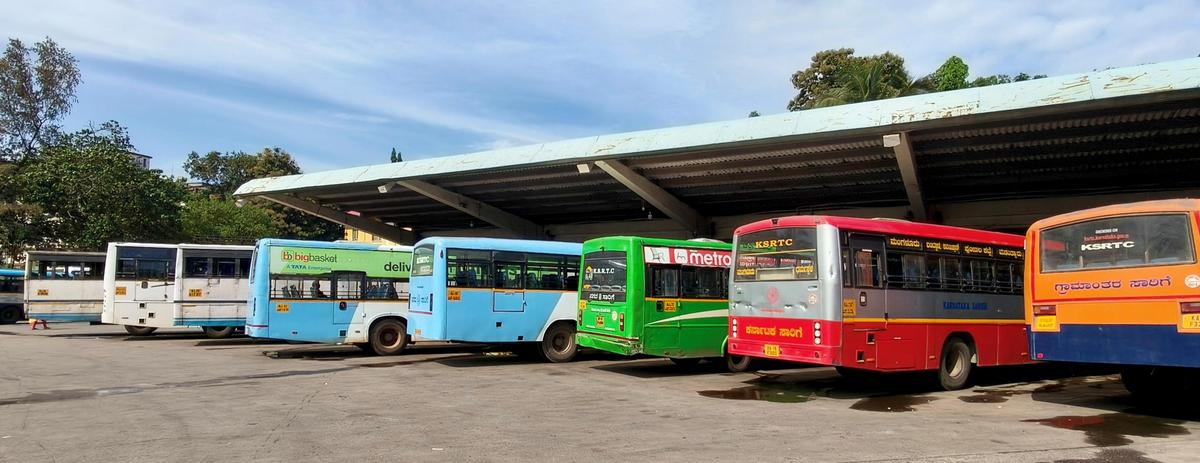
The Karnataka State Road Transport Corporation (KSRTC) has intensified its enforcement drive against ticketless travel, penalising over 4,300 passengers across the State in a recent operation. Officials said the crackdown was aimed at curbing revenue leakage, ensuring fare compliance, and promoting fairness among commuters who regularly purchase valid tickets. The drive involved surprise inspections by checking squads across major routes, bus stands, and long-distance services, with a focus on both urban and rural sectors.
Revenue Protection and Financial Sustainability
KSRTC officials say the crackdown on ticketless travel is primarily driven by the need to protect revenue streams critical for daily operations. Fare evasion, even in small numbers, accumulates into significant losses over time, affecting fuel procurement, vehicle maintenance, and staff payments. With rising operational costs, transport authorities argue that strict enforcement is unavoidable. Officials emphasise that every unpaid ticket directly weakens the corporation’s ability to improve services, add new routes, and maintain punctuality, making passenger compliance a key pillar of public transport sustainability.
Targeted Checks on High-Risk Routes
The recent enforcement drive focused on routes known for frequent violations, including long-distance inter-district services and high-density urban corridors. KSRTC sources said past data helped identify locations and timings where ticketless travel was common. Surprise inspections were carried out to prevent advance warnings, ensuring genuine compliance checks. Transport planners believe such data-driven enforcement improves efficiency and avoids unnecessary inconvenience to regular commuters, while sending a strong message to habitual offenders who exploit gaps in routine checks.
Role of Conductors and On-Board Staff
Conductors play a frontline role in preventing ticketless travel, but often face resistance or verbal confrontations from passengers. KSRTC officials said the enforcement drive reinforced the authority of on-board staff, assuring them of institutional backing. Training sessions are also being planned to help conductors handle disputes calmly and lawfully. Staff representatives say consistent enforcement reduces pressure on individual conductors, as passengers are less likely to argue when inspections are regular and penalties are uniformly imposed.
Passenger Awareness and Behaviour Change
KSRTC maintains that enforcement alone is not the solution and must be paired with awareness. During inspections, many passengers were reportedly informed about fare rules, penalties, and ticketing options. Officials believe repeated messaging can gradually change commuter behaviour. Transport experts note that when passengers understand how fare evasion affects service quality, compliance improves. Educational efforts, they say, are essential to shift public perception from viewing penalties as punishment to seeing them as part of a fair system.
Digital Ticketing as a Preventive Tool
The corporation is increasingly promoting digital ticketing to reduce disputes and unintentional violations. Mobile ticketing apps, QR-based passes, and electronic validation systems are seen as tools to minimise human error and fare evasion. KSRTC officials say wider adoption of digital systems can improve transparency and speed up checks. However, experts caution that digital literacy and access gaps must be addressed to ensure rural and elderly passengers are not disadvantaged.
Legal Framework and Penalty Enforcement
Ticketless travel is a punishable offence under transport regulations, and KSRTC has reiterated its commitment to enforcing existing laws. Officials clarified that penalties are imposed only after verification, following due process. Legal experts argue that consistent enforcement strengthens the credibility of public institutions. When rules are applied selectively, compliance weakens. Uniform penalty enforcement, they say, not only deters violations but also reinforces respect for public transport regulations among commuters.
Mixed Public Response to the Crackdown
Public reaction to the drive has been divided. Many regular commuters welcomed the action, saying it discourages unfair practices and protects honest passengers. Others raised concerns about harsh penalties for minor or genuine mistakes. KSRTC officials responded by stating that inspectors have been instructed to differentiate between deliberate evasion and accidental lapses. Balancing firmness with fairness, authorities say, is essential to maintain public trust while enforcing discipline.
Impact on Service Quality
Transport analysts believe that improved fare compliance can directly enhance service quality. Increased revenue allows KSRTC to invest in cleaner buses, better maintenance, and improved passenger amenities. Officials argue that passengers often demand better services without recognising the financial implications of fare evasion. By reducing ticketless travel, the corporation hopes to reinvest recovered revenue into operational improvements that benefit commuters across the State.
Future Enforcement Strategy
KSRTC plans to continue enforcement drives at regular intervals rather than treating them as one-time actions. Officials said inspection data would be reviewed to refine strategies and identify emerging patterns. Randomised checks, combined with technology-driven monitoring, are expected to form the backbone of future enforcement. Authorities believe predictable enforcement loses effectiveness, while sustained and varied checks help establish long-term compliance among passengers.
Public Cooperation as the Key Factor
Ultimately, KSRTC officials stress that public cooperation is vital for the success of any enforcement initiative. A public transport system, they argue, functions efficiently only when passengers respect rules and share responsibility. The recent crackdown, penalising over 4,300 ticketless travellers, is being positioned not just as a punitive measure but as a reminder of collective accountability. Officials hope that sustained awareness and enforcement will foster a culture of fairness and responsibility among commuters.
According to KSRTC officials, ticketless travel continues to be a persistent challenge despite repeated awareness campaigns. Inspections revealed passengers travelling without tickets, using expired passes, or occupying reserved seats without valid authorisation. Officials noted that such practices not only affect the corporation’s revenue but also place an unfair burden on honest commuters. The penalties imposed during the drive are expected to act as a deterrent and reinforce the importance of fare discipline.
KSRTC sources said that enforcement teams were deployed strategically during peak travel hours, festivals, and high-footfall routes. The inspections covered ordinary, express, and premium services, ensuring uniform enforcement across categories. Officials stressed that the objective was not merely to penalise but to educate passengers about their responsibilities. Many passengers were reportedly counselled on fare rules and the consequences of violations during the checks.
The transport corporation highlighted that ticketless travel significantly impacts its financial health. Revenue losses from fare evasion affect maintenance, fleet expansion, and service quality. Officials explained that KSRTC operates under tight financial constraints, and compliance by passengers plays a crucial role in sustaining operations. Ensuring fare collection, they said, directly contributes to better services, improved safety standards, and timely payments to staff.
Passenger reactions to the crackdown have been mixed. While some commuters welcomed the move, stating that strict enforcement discourages unfair practices, others expressed concerns over occasional misunderstandings related to ticketing or pass validation. KSRTC officials responded by stating that staff have been instructed to exercise discretion and verify cases carefully before imposing penalties, ensuring genuine errors are distinguished from deliberate evasion.
The Karnataka State Road Transport Corporation (KSRTC) has intensified its enforcement drive against ticketless travel, penalising over 4,300 passengers across the State in a recent operation. Officials said the crackdown was aimed at curbing revenue leakage, ensuring fare compliance, and promoting fairness among commuters who regularly purchase valid tickets. The drive involved surprise inspections by checking squads across major routes, bus stands, and long-distance services, with a focus on both urban and rural sectors.
Transport experts have supported KSRTC’s initiative, noting that fare compliance is essential for public transport sustainability. They argue that consistent enforcement, combined with user-friendly ticketing options, can significantly reduce violations. Experts also suggest that regular drives, rather than sporadic checks, help establish a culture of compliance among commuters and reduce repeat offences over time.
The crackdown on ticketless travel, penalising over 4,300 passengers, signals KSRTC’s renewed focus on financial discipline and service sustainability. Officials emphasised that public cooperation is essential for maintaining an efficient transport system. By combining enforcement with awareness and improved ticketing systems, KSRTC aims to ensure equitable, reliable, and financially viable public transport for commuters across Karnataka.
KSRTC has also been promoting digital ticketing and pass systems to minimise disputes and errors. Officials said that increased adoption of mobile ticketing and QR-based passes can reduce instances of ticketless travel and improve transparency. Awareness campaigns are being planned to familiarise passengers with digital options, especially in semi-urban and rural areas where adoption remains limited.
Employee unions within KSRTC have welcomed the enforcement drive, stating that fare evasion directly affects the corporation’s ability to maintain buses and improve working conditions. Union representatives said conductors often face challenges when dealing with ticketless passengers and welcomed institutional support through inspection drives. They added that consistent enforcement also strengthens the authority of on-board staff.
KSRTC officials indicated that similar drives will continue periodically across the State. Data from inspections will be analysed to identify high-risk routes and timings, allowing targeted enforcement. The corporation also plans to review penalty structures and operational procedures to ensure fairness and effectiveness, while maintaining commuter trust.
The crackdown on ticketless travel, penalising over 4,300 passengers, signals KSRTC’s renewed focus on financial discipline and service sustainability. Officials emphasised that public cooperation is essential for maintaining an efficient transport system. By combining enforcement with awareness and improved ticketing systems, KSRTC aims to ensure equitable, reliable, and financially viable public transport for commuters across Karnataka.
A Member of Parliament has sought the intervention of the National Commission for Women (NCW) following allegations of verbal abuse and threats made against a woman municipal officer, triggering fresh debate on workplace safety and dignity for women in public service. The MP, in a formal representation, urged the NCW to take cognisance of the incident, stressing that intimidation of officials, particularly women officers, undermines governance and discourages independent decision-making within civic bodies.
Institutional Accountability and Administrative Response
The MP’s appeal to the National Commission for Women has intensified scrutiny on how institutions respond when public officials, particularly women, face intimidation. Observers note that seeking NCW intervention elevates the issue beyond a routine administrative complaint, placing it within the broader framework of gender justice and workplace safety. Such interventions are often seen as crucial in compelling authorities to act decisively, especially when power imbalances or political pressure could otherwise dilute accountability.
Administrative experts argue that incidents of verbal abuse against municipal officers reflect deeper systemic issues. Municipal officials are frequently caught between political expectations and statutory obligations, making them vulnerable to coercion. When women officers assert authority in such spaces, resistance can turn hostile. Strengthening institutional backing, experts say, is essential to ensure officers can function independently without fear of reprisals.
Senior bureaucrats have stressed that zero tolerance towards threats against officials must be enforced uniformly. They argue that failure to act firmly in such cases risks normalising intimidation as a political tool. Clear protocols for registering complaints, providing legal support, and initiating disciplinary or criminal proceedings are seen as necessary steps to restore confidence within the administrative machinery.
There are also calls for clearer demarcation between political oversight and administrative functioning. Analysts suggest that frequent interference in routine civic matters often leads to confrontations that escalate unnecessarily. Reinforcing the autonomy of municipal officers, while maintaining accountability through established channels, could reduce such conflicts and protect officials from undue pressure.
Within administrative circles, the incident has triggered discussions on the need for training in conflict management and legal awareness. While officers are trained to handle public grievances, dealing with politically charged abuse requires institutional mechanisms rather than individual resilience. Experts stress that responsibility lies with the system to shield officers, not with individuals to endure hostility.
Women’s rights activists have welcomed the move to involve the NCW, calling it a necessary step to ensure independent scrutiny. Activists argue that formal complaints to statutory bodies often act as deterrents and empower women officers to speak up against harassment. They stress that systemic solutions, including strict enforcement of service rules and sensitisation of political representatives, are essential to create a safer work environment for women in public administration.
Gender, Governance, and the Larger Implications
Women’s organisations argue that this case reflects a recurring pattern where women in authority are targeted through verbal abuse and threats to undermine their confidence. They point out that such acts are not isolated incidents but part of a broader culture that resists women’s leadership in governance. Intervention by bodies like the NCW, they say, is crucial to challenge this culture and reaffirm constitutional protections.
Legal scholars emphasise that intimidation of public servants, particularly women, has implications beyond individual cases. It affects policy implementation, service delivery, and public trust in institutions. When officers hesitate to enforce rules due to fear, governance suffers. Ensuring swift and visible consequences for offenders is therefore essential to uphold both gender justice and administrative integrity.
Political analysts note that the MP’s move may also set a precedent for how similar cases are handled in the future. By escalating the issue to a national statutory body, it signals that harassment of women officials will be challenged at the highest levels. This could encourage more officers to report abuse, breaking the culture of silence that often surrounds such incidents.
There is growing demand for institutional safeguards such as grievance redress cells specifically for women officers in local bodies. Experts argue that accessible, responsive mechanisms can prevent escalation and provide timely relief. Such systems, if backed by authority, could significantly improve the working environment for women in municipal governance.
Ultimately, observers say the case underscores a critical test for democratic institutions. Protecting women officers from abuse is not merely about individual justice but about safeguarding the rule of law. As the NCW examines the complaint, the outcome will be closely watched as a measure of the state’s commitment to dignity, equality, and fearless public service.
According to the complaint, the municipal officer was allegedly subjected to abusive language and threats while discharging her official duties. The incident reportedly occurred during an interaction related to municipal administration, where differences over procedural matters escalated into verbal intimidation. The MP described the incident as unacceptable, stating that no public servant, especially a woman officer, should face harassment or coercion for performing her lawful responsibilities.
The issue has drawn attention to the broader problem of harassment faced by women officers in local governance. Civic officials often function at the frontline of administration, dealing directly with public grievances, enforcement, and regulatory actions. Experts note that women officers are particularly vulnerable to verbal abuse and threats when their decisions affect vested interests. Such incidents, they argue, reflect entrenched patriarchal attitudes and resistance to women exercising authority in public spaces.
In the representation to the NCW, the MP reportedly highlighted the psychological impact of such incidents on women officers. Continuous exposure to abuse and threats can lead to stress, fear, and reluctance to act decisively, affecting both individual well-being and administrative efficiency. The MP urged the Commission to ensure accountability and recommend strong action against those responsible, to send a clear message that intimidation of women officials will not be tolerated.
Political reactions to the incident have been sharp. Leaders across party lines have condemned the alleged abuse, calling for respect towards public officials regardless of gender or rank. Some opposition leaders have accused ruling party representatives of failing to protect officials from political pressure and intimidation. They argue that the incident is symptomatic of a larger erosion of institutional respect and rising hostility towards bureaucrats performing regulatory functions.
The municipal administration has reportedly sought a detailed report on the incident. Senior officials have reiterated their support for the officer involved, stating that civic staff must be allowed to function without fear or interference. Administrative sources indicate that internal reviews are underway to assess whether protocols were violated and whether additional security or safeguards are required for officers working in sensitive or high-conflict environments.
Women’s rights activists have welcomed the move to involve the NCW, calling it a necessary step to ensure independent scrutiny. Activists argue that formal complaints to statutory bodies often act as deterrents and empower women officers to speak up against harassment. They stress that systemic solutions, including strict enforcement of service rules and sensitisation of political representatives, are essential to create a safer work environment for women in public administration.
Legal experts note that verbal abuse and criminal intimidation of public servants can attract penal provisions under existing laws. They argue that swift legal action, where warranted, is crucial to uphold the rule of law. Delays or inaction, they warn, could embolden perpetrators and discourage officials from performing their duties impartially. Experts also underline the importance of institutional backing for officers who take firm but lawful administrative decisions.
The NCW is expected to examine the complaint and may seek reports from the State government and local authorities. Depending on its findings, the Commission could issue recommendations, seek action taken reports, or call for stronger safeguards for women officers. Observers say the outcome of this intervention could set an important precedent in reinforcing institutional support for women in governance roles.
The MP’s appeal to the National Commission for Women has intensified scrutiny on how institutions respond when public officials, particularly women, face intimidation. Observers note that seeking NCW intervention elevates the issue beyond a routine administrative complaint, placing it within the broader framework of gender justice and workplace safety. Such interventions are often seen as crucial in compelling authorities to act decisively, especially when power imbalances or political pressure could otherwise dilute accountability.
The incident has once again brought into focus the challenges faced by women in public service, particularly at the grassroots level. As calls grow louder for accountability and institutional protection, many believe that decisive action in this case will be a test of the system’s commitment to ensuring dignity, safety, and respect for women officers entrusted with public responsibilities.
The MP’s appeal to the National Commission for Women has intensified scrutiny on how institutions respond when public officials, particularly women, face intimidation. Observers note that seeking NCW intervention elevates the issue beyond a routine administrative complaint, placing it within the broader framework of gender justice and workplace safety. Such interventions are often seen as crucial in compelling authorities to act decisively, especially when power imbalances or political pressure could otherwise dilute accountability.
Weight loss stories often revolve around extreme workouts, strict diets, or expensive fitness plans. However, a recent transformation story from Maharashtra has caught public attention for a different reason. A man from the state reportedly lost 12 kg in just 90 days by making simple yet consistent changes to his eating habits, without following any crash diet or intense gym routine.
According to the individual, the key to his transformation was not what he ate, but when and how he ate. He revealed that for years, his biggest mistake was irregular meal timing, frequent overeating, and late-night dinners. By correcting these habits and bringing discipline to his daily routine, he achieved steady and sustainable weight loss.
‘I Always Ate at the Wrong Time’: The Turning Point
The man shared that before starting his journey, his lifestyle was similar to that of many working professionals. He would often skip breakfast, eat a heavy lunch, snack frequently in the evening, and consume his largest meal late at night. This pattern, he admitted, played a major role in his gradual weight gain.
“I always ate at the wrong time,” he said, reflecting on his past habits. Long gaps between meals followed by overeating made him feel sluggish, bloated, and constantly tired. Despite consuming home-cooked food most days, the lack of structure and portion awareness was affecting his metabolism and overall health.
The turning point came when he noticed a sharp increase in his weight and started experiencing low energy levels and poor sleep. That was when he decided to make a change, beginning with his eating schedule.
The 90-Day Eating Habit Reset
Instead of following a trendy diet, the Maharashtra man focused on resetting his daily eating routine. He planned his meals in advance and stuck to fixed timings, ensuring that his body received nutrition at regular intervals.
He started his day with a light but balanced breakfast, something he had skipped for years. Lunch became his heaviest meal of the day, while dinner was kept light and consumed at least two to three hours before bedtime. This simple shift helped improve digestion and reduced unnecessary calorie intake at night.
In addition, he reduced portion sizes without completely eliminating any food group. Rather than cutting carbohydrates or fats entirely, he focused on moderation and balance.
What He Ate and What He Avoided
The man did not follow any extreme food restrictions. His meals largely consisted of simple, home-cooked dishes common in Maharashtrian households. Rice, roti, vegetables, lentils, curd, fruits, and nuts formed the core of his diet.
However, he consciously reduced his intake of fried foods, sugary snacks, and processed items. Late-night snacking, which was once a daily habit, was completely eliminated. He also cut down on sugary beverages and increased his water intake throughout the day.
Another important change was mindful eating. He avoided eating while using his phone or watching television and paid attention to hunger and fullness cues. This helped him avoid overeating and emotional eating.
No Crash Diets, No Extreme Workouts
One of the most notable aspects of his journey was that he did not rely on crash diets or intense exercise regimens. While he did include light physical activity such as walking, his primary focus remained on food discipline and consistency.
By avoiding extreme calorie restriction, he ensured that his weight loss was gradual and sustainable. Over 90 days, he lost approximately 12 kg, averaging a loss of about 1 to 1.5 kg per week, which is often considered a steady pace for long-term results.
He reported feeling more energetic, sleeping better, and experiencing improved digestion as his body adjusted to the new routine.
The Role of Consistency and Patience
The man emphasized that consistency played a bigger role than motivation. There were days when progress seemed slow, but he continued following his routine without reverting to old habits.
He tracked his meals and weight weekly rather than daily, which helped him stay patient and focused. Instead of aiming for quick results, his goal was to build habits he could maintain even after reaching his target weight.
By the end of 90 days, not only had he lost 12 kg, but he also noticed visible changes in his posture, stamina, and overall confidence.
Why Meal Timing Matters
Experts often highlight that irregular eating patterns can disrupt metabolism and lead to weight gain. Eating large meals late at night, skipping breakfast, and frequent snacking can affect insulin levels and digestion.
In this case, correcting meal timing helped the man regulate hunger hormones and reduce unnecessary calorie consumption. Eating dinner early and keeping it light allowed his body enough time to digest food before sleep, contributing to better metabolic health.
A Relatable Story for Many Indians
What makes this story resonate with many readers is its simplicity. The man did not rely on imported diet foods or expensive programs. His approach was realistic and suitable for Indian households, especially those balancing work, family, and social commitments.
Many people struggle with weight not because of unhealthy food alone, but due to poor eating schedules and portion control. This journey highlights how small changes, when followed consistently, can lead to significant results.
Key Takeaways from the Journey
The Maharashtra man’s transformation offers several practical lessons. Structured meal timing can be as important as food choice. Portion control does not mean starvation. Avoiding late-night eating can significantly impact weight and energy levels. Most importantly, sustainable results come from habits that can be followed long-term.
His story serves as a reminder that weight loss does not always require drastic measures. Sometimes, correcting everyday habits is enough to bring about meaningful change.
A Healthier Lifestyle Beyond Weight Loss
Today, the man says his goal is no longer just weight loss, but maintaining a healthier lifestyle. He continues to follow fixed meal timings and mindful eating practices, even after achieving his initial target.
His experience shows that lasting transformation is not about temporary diets but about understanding one’s body and making informed, consistent choices. For many looking to begin their fitness journey, this story offers both motivation and a practical roadmap grounded in everyday life.
A tragic road accident on the Solapur–Pune National Highway near Mohol in Maharashtra resulted in the deaths of five devotees, sending shockwaves across the region. The incident occurred in the early hours when the car in which the devotees were travelling met with a severe crash, leaving little chance for survival. Local residents and emergency responders rushed to the spot after hearing a loud impact, but all five occupants were declared dead.
The accident has once again highlighted the dangers associated with high-speed travel on national highways, particularly during night and early morning hours.
What Happened on the Solapur–Pune Highway
According to preliminary information, the car was travelling from Solapur towards Pune when it lost control near Mohol and crashed violently. The impact was so severe that the vehicle was completely damaged. Eyewitnesses said the car appeared to have rammed into a stationary object or divider, though officials are yet to confirm the exact cause.
Police officials stated that the crash occurred on a stretch of the highway known for frequent accidents due to speeding and poor visibility. The exact time of the accident is being verified, but initial reports suggest it took place before dawn.
Victims Were Devotees on a Religious Journey
The five people who lost their lives were devotees believed to be returning from or travelling to a religious destination. While authorities have not officially released all identities, sources said the victims were adults and were part of the same group. Their sudden deaths have left families and local communities in deep shock.
Officials confirmed that all five died on the spot due to the intensity of the crash. No other vehicles were reported to be involved in the accident.
Emergency Response and Rescue Efforts
After receiving information about the accident, local police, highway patrol teams, and emergency medical services reached the site immediately. Fire brigade personnel were also deployed to remove the mangled vehicle and retrieve the bodies trapped inside.
The deceased were later sent to a nearby government hospital for post-mortem examinations. Traffic on the Solapur–Pune National Highway was briefly disrupted as authorities cleared debris and restored normal movement.
Police Begin Investigation Into Cause
The Maharashtra Police have registered a case of accidental death and launched an investigation to determine the exact cause of the crash. Initial suspicions include over speeding, driver fatigue, or loss of control, but officials said mechanical failure and road conditions would also be examined.
A senior police officer said that forensic teams would inspect the vehicle to check for any technical issues, while CCTV footage from nearby areas would be reviewed to reconstruct the sequence of events.
Rising Concerns Over Highway Safety
This accident has once again raised serious concerns about road safety on Maharashtra’s national highways. The Solapur–Pune stretch, in particular, has witnessed multiple fatal accidents in recent years. According to transport department data, high-speed collisions and driver negligence remain among the leading causes of highway deaths in the state.
Road safety activists have repeatedly demanded stricter enforcement of speed limits, better signage, improved lighting, and regular safety audits on accident-prone stretches.
Two Fatalities Daily: NHAI Takes Steps to Make Solapur-Pune Highway Safer
This report explains that the Solapur-Pune National Highway has seen a significant increase in traffic over the past decade — from about 30,000 vehicles per day initially to around 42,000 by the end of 2024 — and that on average two people die in road accidents daily within Solapur district. It notes that the National Highway Authority of India is planning infrastructure upgrades including new flyovers to address accident-prone locations near villages and farms.
Authorities Urge Caution for Night Travel
Following the accident, authorities urged motorists to exercise extreme caution while travelling on highways, especially during late-night and early-morning hours. Police officials reminded drivers to avoid over speeding, ensure adequate rest before long journeys, and strictly follow traffic rules.
They also advised religious groups and tour organisers to plan journeys carefully, ensure experienced drivers are hired, and avoid continuous long-distance travel without breaks.
Political and Public Reactions
The tragic deaths sparked reactions from local leaders and citizens, who expressed grief and demanded stronger safety measures. Messages of condolence poured in for the victims’ families, with calls for accountability and preventive action growing louder.
Residents of Mohol and surrounding areas reiterated long-standing demands for improved safety infrastructure on the highway, including better dividers, warning signs, and increased police patrolling.
A Grim Reminder of Road Safety Challenges
The deaths of five devotees in this accident serve as a grim reminder of the risks associated with road travel and the urgent need for enhanced safety measures. As Maharashtra continues to witness rapid growth in vehicle numbers and highway traffic, experts stress that infrastructure development must go hand in hand with strict enforcement and public awareness.
For the families of the victims, the tragedy has brought irreversible loss. For authorities, it has once again underlined the responsibility to ensure safer roads so that such devastating incidents can be prevented in the future.







 ader problem of harassment faced by women officers in local governance. Civic officials often function at the frontline of administration, dealing directly with public grievances, enforcement, and regulatory actions. Experts note that women officers are particularly vulnerable to verbal abuse and threats when their decisions affect vested interests. Such incidents, they argue, reflect entrenched patriarchal attitudes and resistance to women exercising authority in public spaces.