Sunday, April 26, 2026
Home Blog Page 107

Mumbai Mayor Suspense Deepens After BMC Polls 2026 as BJP, Shiv Sena and Thackeray Camps Fall Short of Clear Majority

No Clear Winner in BMC, Mayor’s Race Remains Open

The Brihanmumbai Municipal Corporation elections have delivered a fractured mandate, leaving Mumbai without a clear answer on who will occupy the powerful mayor’s office. Despite intense campaigning and high political stakes, no single party or alliance has managed to secure an outright majority in the 227-member civic body. As a result, negotiations, tactical alliances, and political manoeuvring are now at the centre of Mumbai’s civic future.

The mayoral post in Mumbai is not just ceremonial but holds significant administrative and symbolic importance. With control over Asia’s richest municipal corporation, the outcome will shape the city’s governance, infrastructure priorities, and political narrative ahead of future state and national elections.

How the Numbers Stack Up in the BMC

According to the post-poll arithmetic, the Bharatiya Janata Party has emerged as the single largest party but remains short of the halfway mark required to form a stable civic administration on its own. The ruling Shiv Sena faction led by Chief Minister Eknath Shinde has also put up a competitive performance but does not command enough numbers independently.

Meanwhile, the Shiv Sena faction led by Uddhav Thackeray has retained a strong urban base, especially in traditional Sena pockets, but its tally too falls below the majority threshold. Smaller parties and independents now hold the balance of power, making them crucial players in the mayoral decision.

With the majority mark set at 114 corporators, none of the major contenders have crossed this figure, keeping the race wide open.
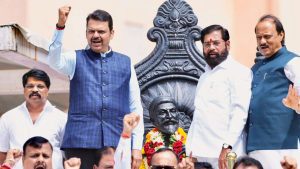
Mumbai mayor suspense
Maharashtra CM Devendra Fadnavis with Deputy CMs Eknath Shinde and Ajit Pawar, and others leaders in Mumbai

BJP’s Strategy: Largest Party, But No Easy Path

The BJP’s position as the single largest party gives it a psychological edge, but translating numbers into leadership is proving difficult. Party leaders argue that as the top performer, the BJP has a legitimate claim to the mayor’s post. However, without post-poll support, numbers alone may not be enough.

The BJP is reportedly exploring options to win over independents and smaller groups while also keeping channels open with like-minded parties. Still, the arithmetic remains tight, and any alliance would need careful negotiation to avoid internal dissent.

Shiv Sena (Shinde) Eyes Power Through Alliances

The Shiv Sena faction led by Eknath Shinde sees the BMC as a critical test of its political legitimacy after the party split. While its tally reflects organisational strength, it lacks the numbers to stake an uncontested claim.

This has pushed the Shinde-led camp to consider post-poll alignments. Leaders within the faction have indicated that stability and governance will be key considerations in any alliance talks, signalling openness to negotiations if it ensures control of the civic body.

Thackeray Camp Banks on Legacy and Urban Support

For the Uddhav Thackeray-led Shiv Sena, the BMC results are being viewed as a reaffirmation of its traditional support base in Mumbai. The party has historically dominated the civic body for decades, and retaining a significant presence has strengthened its claim to the mayoral post.

Leaders from the Thackeray camp argue that Mumbai’s electorate has not abandoned the party’s legacy and grassroots connect. However, like its rivals, it faces the challenge of converting moral claims into numerical strength.

Role of Smaller Parties and Independents

With the big three falling short, smaller parties and independent corporators have emerged as kingmakers. Their combined strength could determine who forms the civic administration. These groups are expected to drive hard bargains, seeking key committee positions, development assurances, or policy commitments in return for support.

Political observers note that such situations often lead to unstable alliances, raising concerns about governance continuity in a city that already faces infrastructure and administrative challenges.

Mayor’s Election Process and What Happens Next

The mayor of Mumbai is elected by corporators through an internal vote, making post-poll alliances crucial. Until the mayor is elected, administrative uncertainty is likely to continue. The process could take weeks as parties assess their options and negotiate support.

Senior leaders across parties have publicly called for respecting the mandate while privately working to consolidate numbers. The delay has also sparked debate about whether Mumbai needs reforms in its civic governance structure to avoid prolonged political deadlock.

Why the Mayor’s Post Matters So Much

Control of the BMC goes beyond civic administration. With an annual budget running into tens of thousands of crores, the municipal corporation plays a key role in shaping Mumbai’s infrastructure, healthcare, education, and urban planning.

Politically, winning the mayor’s post is seen as a statement of dominance in Maharashtra’s most influential city. For parties preparing for upcoming elections, the BMC outcome will influence narratives around leadership, governance capability, and voter trust.

Political Signals Ahead of Bigger Battles

The suspense over Mumbai’s mayor is also being read as a preview of future electoral contests. The fractured verdict suggests that voters are willing to split mandates, prioritising local candidates and issues over party loyalties.

Analysts believe the final outcome will depend not just on numbers but on who can present the most stable and credible governance model for the city.

Uncertain Road Ahead for Mumbai’s Civic Leadership

As talks continue behind closed doors, Mumbai remains without a clear civic leader. Whether the BJP leverages its position as the largest party, the Shinde-led Shiv Sena builds a workable coalition, or the Thackeray camp stages a comeback through alliances, the coming days will be crucial.

For now, the numbers have delivered a clear message: Mumbai’s electorate has kept all sides in check, ensuring that the next mayor will emerge not just from electoral strength, but from political negotiation and compromise.

Read More: https://channel6network.com/congress-maharashtra-mayoral-posts-sapkal/
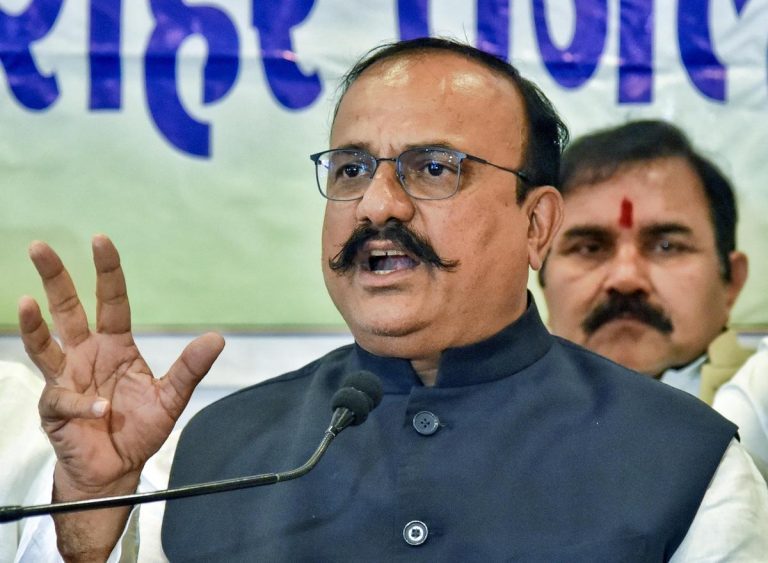
Congress Set to Secure Mayoral Posts in Five Cities, Claims 350 Corporators Across Maharashtra: Sapkal

Congress Claims Strong Civic Poll Performance

The Congress has asserted that it is poised to play a significant role in Maharashtra’s urban governance after the recently concluded civic body elections. According to senior party leader Nana Patole Sapkal, the Congress will have its mayors in five cities and has secured around 350 corporator positions across the state. The claim marks a notable moment for the party, which has been attempting to rebuild its organisational strength at the grassroots level after facing electoral setbacks in recent years.

Sapkal described the outcome as a clear indication that voters in urban areas have begun to re-engage with the Congress, especially on issues of local governance, civic infrastructure, and public services. He said the results reflected the party’s sustained efforts to connect with voters beyond alliance politics.

Five Mayoral Posts as a Symbolic Boost

The Congress leader emphasised that securing mayoral positions in five cities is not merely about numbers but about influence in city administration. Mayors play a crucial role in shaping municipal priorities, from budget allocations to development projects. Sapkal stated that Congress-led mayors would focus on transparency, inclusive development, and improving basic civic amenities.

While the party has not officially announced the names of all five cities at the time of the statement, the leadership suggested that these wins were spread across different regions of Maharashtra, highlighting the party’s broader urban footprint rather than strength in just one belt.

350 Corporators Strengthen Urban Base

Beyond mayoral posts, Sapkal highlighted that the Congress has won approximately 350 corporator seats across various municipal corporations and councils in the state. This figure is significant in the context of Maharashtra’s highly competitive civic politics, where multi-cornered contests often fragment the vote.

He noted that corporators are the backbone of municipal governance, directly interacting with citizens on everyday issues such as water supply, roads, sanitation, and local healthcare facilities. According to Sapkal, the large number of corporators would allow the Congress to influence policy decisions even in civic bodies where it may not be leading the administration.

Focus on Local Issues Over Alliances

Sapkal credited the party’s performance to its decision to prioritise local issues over state-level political equations. He said the Congress campaign focused on unemployment, rising cost of living, deteriorating civic infrastructure, and alleged neglect of urban services. “People voted for those who spoke about their daily problems,” he remarked, adding that voters were looking for accountability at the local level.

The leader suggested that while alliances play a role in state and national elections, civic polls are often decided by the credibility of candidates and their connection with local communities. He argued that Congress candidates benefited from long-standing grassroots work and familiarity with ward-level issues.

Implications for Maharashtra Politics

Political observers see the Congress claim as an attempt to project momentum ahead of future elections. Urban areas have traditionally been challenging for the party in Maharashtra, with regional and national parties dominating municipal politics. If the figures cited by Sapkal hold, they could signal a partial revival of the Congress in cities where it had lost ground over the past decade.

Sapkal said the results would also strengthen the party’s bargaining position in any future political negotiations. He maintained that the Congress remains a relevant force in Maharashtra politics and is capable of contesting elections independently when needed.

Response to Critics and Rivals

Addressing criticism from rival parties, Sapkal dismissed suggestions that the Congress gains were overstated. He said the party would present official data as municipal bodies are formally constituted and mayors elected. “Numbers will speak for themselves,” he said, asserting that the Congress had achieved these results despite limited resources compared to larger parties.

He also rejected claims that voter turnout or fragmented opposition votes were responsible for the Congress performance, insisting that the results reflected genuine public support. According to him, citizens were responding positively to the party’s emphasis on social justice and inclusive governance.

Role of Grassroots Organisation

Sapkal attributed much of the party’s success to its booth-level organisation and the work of local leaders. He said the Congress invested time in identifying credible candidates with a clean image and strong local presence. Training sessions, door-to-door outreach, and issue-based campaigning were highlighted as key strategies.

He added that the party plans to further strengthen its urban units by empowering corporators and ensuring regular engagement with residents. “Winning seats is only the first step; delivering results on the ground is the real challenge,” Sapkal said.

What Lies Ahead for Congress in Civic Bodies

Looking ahead, the Congress leadership has indicated that it will push for collaborative governance where it does not have a majority, while firmly implementing its agenda in cities where it leads. Sapkal said the party would prioritise affordable housing, improved public transport, and better waste management systems.

He also hinted that the civic poll performance could shape the party’s strategy for upcoming elections. The leadership views municipal governance as a platform to demonstrate administrative capability and rebuild public trust.

A Test of Governance, Not Just Numbers

While the Congress claims of five mayors and 350 corporators signal a morale boost, the real test will lie in governance. Urban voters are increasingly demanding efficient service delivery and transparency. Sapkal acknowledged this, stating that the party’s performance in municipal bodies would determine whether the current support translates into sustained political gains.

As Maharashtra’s cities grapple with rapid urbanisation and infrastructure challenges, the Congress now has an opportunity to prove its relevance at the local level. Whether it can convert this claimed mandate into visible improvements on the ground will be closely watched in the months ahead.

Read More: https://channel6network.com/shinde-keeps-sena-flock-together/

The Raja Saab Box Office in Critical Alert: ₹136 Cr Crossed, Day 9 Tumbles Dramatically

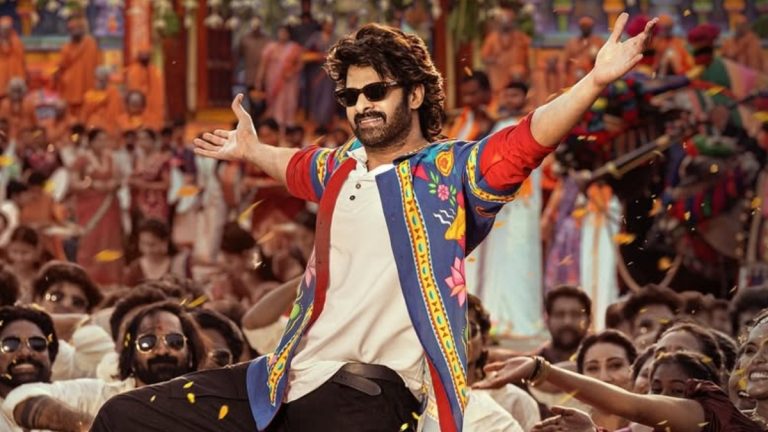
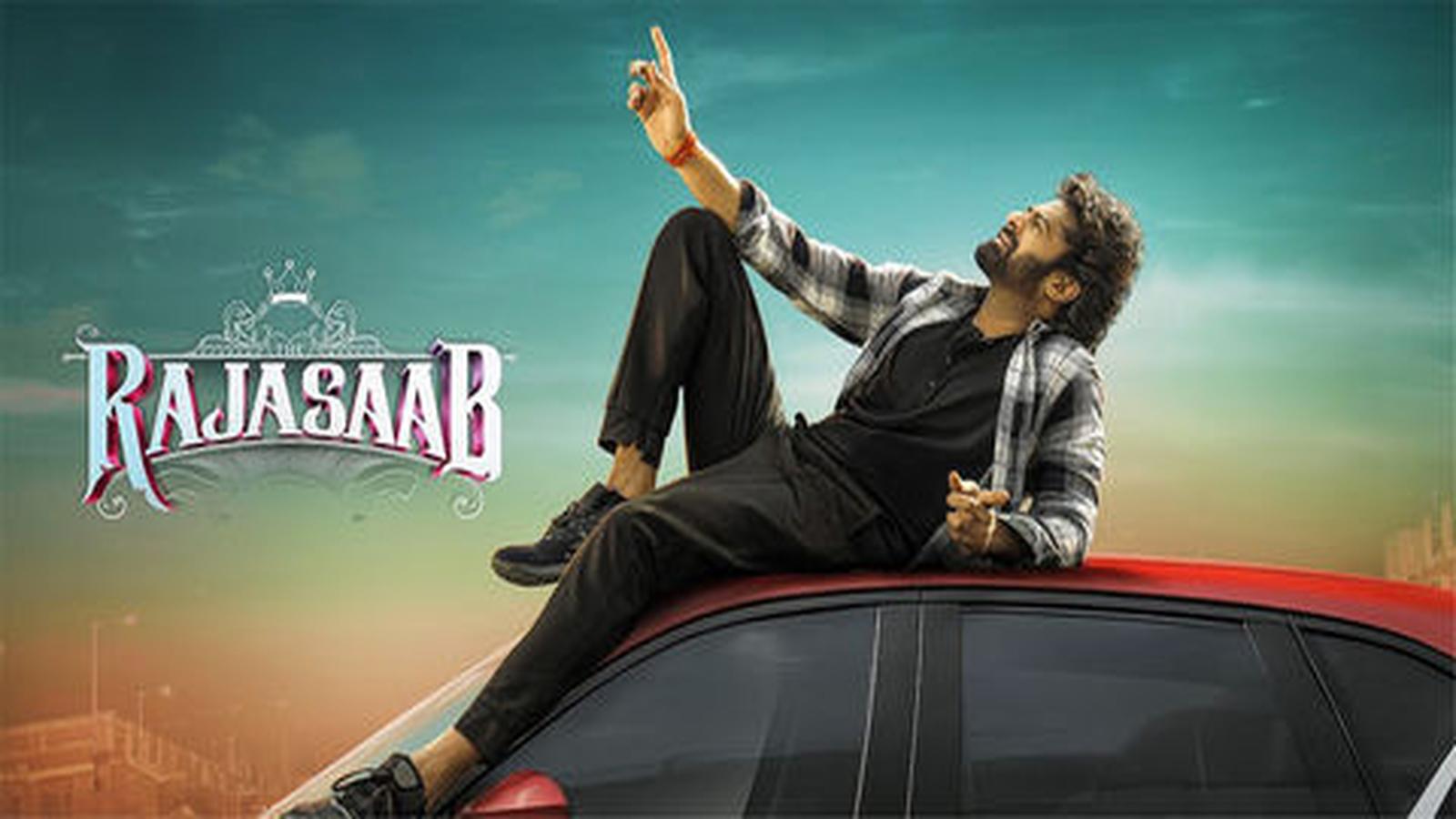
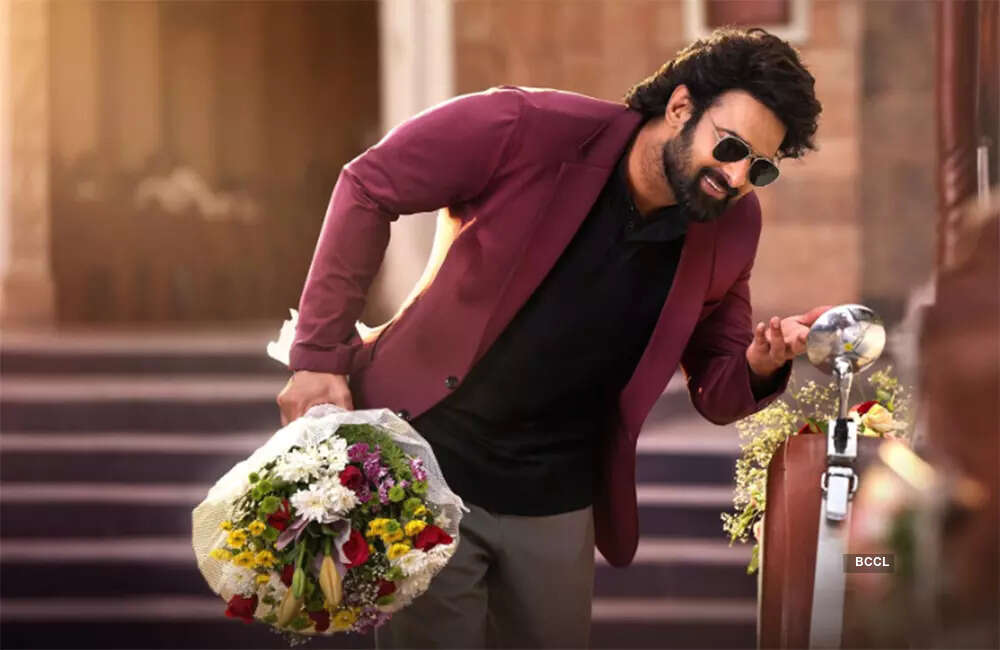
The Raja Saab Box Office Day 9: Prabhas Starrer Logs Lowest 2nd Saturday Earnings, Crosses ₹136 Crore in India

January 18, 2026 — Prabhas’s latest release The Raja Saab has hit a noticeable slowdown at the box office, recording its lowest single‑day earnings so far on its second Saturday even as its cumulative India net crosses the ₹136 crore mark after nine days in theatres.the raja saab et00383697 1750072273 1

The fantasy horror‑comedy, directed by Maruthi and headlined by Prabhas alongside a strong ensemble cast including Sanjay Dutt, Malavika Mohanan, Nidhhi Agerwal and Boman Irani, entered its second weekend with muted audience turnaround. According to industry tracker Sacnilk and multiple trade reports, the film grossed around ₹2.8–3.0 crore on Saturday, marking its weakest daily tally since release and underlining the sharp drop in footfalls post the opening week.

Audience reactions on social media have been mixed to lukewarm, with many praising Prabhas’s performance but pointing out issues in storytelling and pacing. Critics have echoed similar sentiments, noting that while the film has visually striking sequences and strong star power, inconsistent writing and underdeveloped subplots have affected repeat viewership. Industry insiders suggest that unless positive word-of-mouth picks up in key regions, sustaining high box office numbers in the second week may remain a challenge for the film.The Raja Saab Europe 2025 10 171982447a35fbdf5bf197630c8b65c0

Despite a strong launch during the Sankranti festive period — where the film opened to significant anticipation and robust advance bookings — weekend and weekday collections trended downward. The Raja Saab amassed approximately ₹130 crore in its first week across all languages, powered largely by Prabhas’s star appeal and a wide pan‑Indian release. However, the second weekend has failed to sustain that momentum, with occupancy figures and ticket sales lagging behind expectations.

Industry observers note that while crossing the ₹136‑crore threshold in India is a respectable feat, it falls short of benchmarks typically associated with a high‑profile pan‑Indian entertainer featuring a star of Prabhas’s stature. Mixed critical reception and weaker word‑of‑mouth are believed to have contributed to the slump, with audience engagement dropping sharply after the first few days of release.

While the domestic box office shows signs of slowing, The Raja Saab has maintained a modest performance in overseas markets, particularly in the US, UAE, and Australia, where Prabhas’s fanbase remains strong. Analysts suggest that international revenue could help offset some of the decline in Indian collections, but sustaining momentum will depend heavily on word-of-mouth and social media buzz in the coming weekdays. Trade experts also point out that the film’s digital streaming rights and satellite deals could contribute significantly to its overall profitability, even as theatrical growth slows.The raja saab box office collection 1768545073727

The Raja Saab opened energetically on its debut day with strong figures — estimated to be among Prabhas’s better opening day collections — but the subsequent days saw a progressive decline. Daily earnings dipped from strong weekend numbers through the first week, and the lackluster turn on the second Saturday signals a continuing challenge for the film to grow its weekend box office take.

Trade sources point out that occupancy rates across regions remained modest on Day 9, with stronger turnout in evening and night shows relative to the morning and afternoon slots, suggesting that while there remains some interest among the core audience, overall traction is limited.

Compared with other recent Telugu releases, The Raja Saab’s performance has also been overshadowed by competitors in select markets. For instance, Chiranjeevi’s film Mana Shankara Varaprasad Garu has reportedly posted better cumulative numbers in the overseas box office and maintained steadier earnings domestically in its initial run, further highlighting how The Raja Saab’s momentum has tapered more rapidly than expected.126247093

With total India net collections now exceeding ₹136 crore, attention will turn to how the film performs on Day 10 and beyond, particularly whether Sunday footfalls offer any recovery or if the downward trend persists. Sustained performance in key South Indian circuits and the Hindi‑speaking belt could still shape The Raja Saab’s ultimate box office fate as it moves into the second week of its theatrical journey.

Also read: https://channel6network.com/timeless-charm-srk-stuns-in-black-at-joy-award/

PM Modi’s 2-Pronged Strategy to Handle Nijjar Case and Trade Talks: “Clever and Ruthless”

PM Modi “can handle Nijjar trial and Canada trade pact together”; Veteran Canadian journalist calls him “clever and quite ruthless”

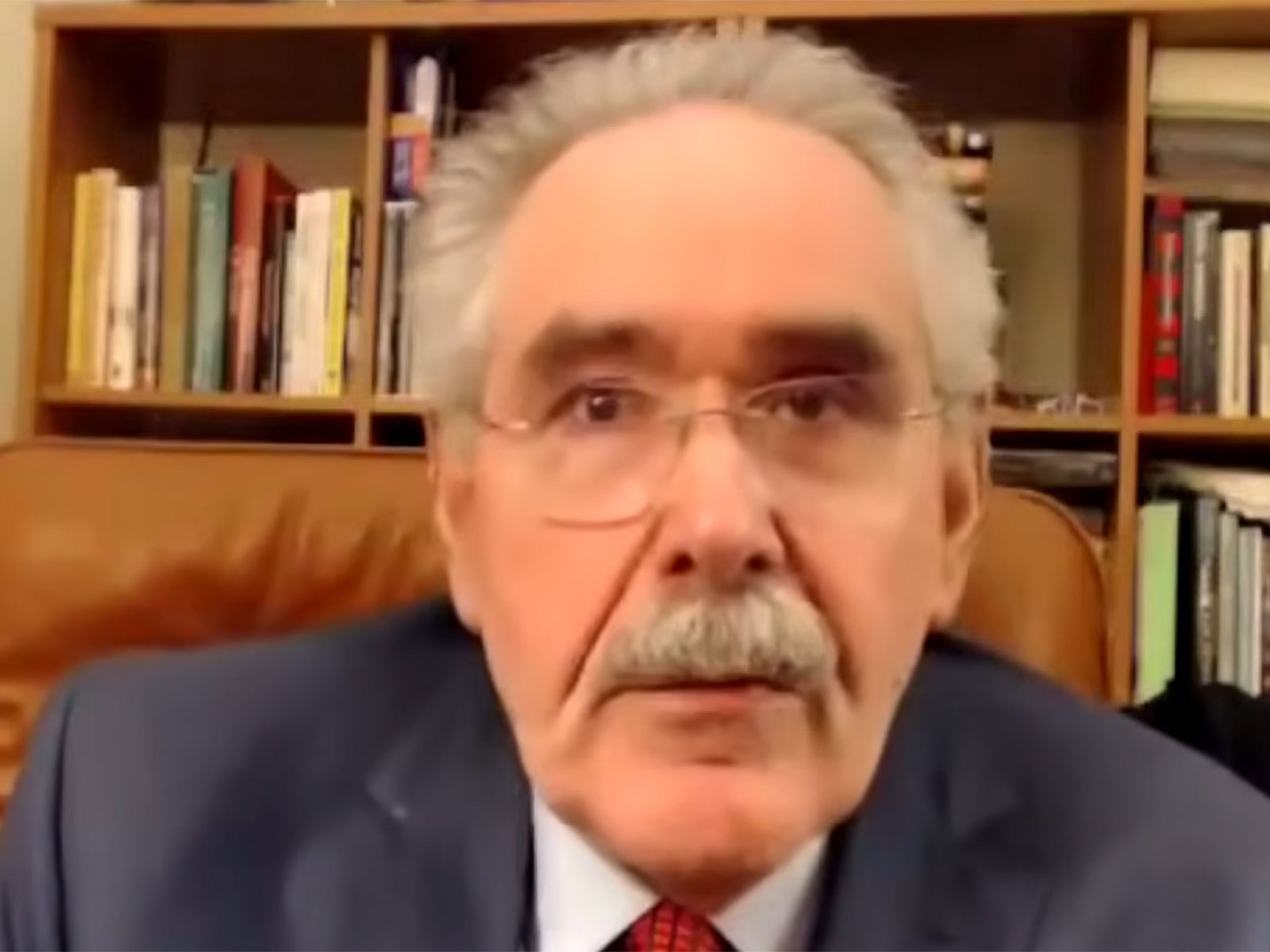
Veteran Canadian journalist Terry Milewski has offered a striking assessment of Indian Prime Minister Narendra Modi’s diplomatic capabilities, saying he is one of the few leaders capable of simultaneously managing the contentious Hardeep Singh Nijjar trial in Canada and advancing a renewed India-Canada trade agreement — despite years of bilateral tensions.cbcterry.jpg?crop=1

In an interview with ANI, Milewski described Modi as “enormously clever” and “quite ruthless,” suggesting that these traits could enable the Indian prime minister to navigate what remains one of the thorniest diplomatic issues between New Delhi and Ottawa.

A Diplomatic Knot: Nijjar and Canada

The dispute between India and Canada traces back to June 2023, when Hardeep Singh Nijjar was shot dead outside a Sikh gurdwara in Surrey, British Columbia. Nijjar, a Canadian Sikh separatist leader involved with the Khalistan movement and designated a terrorist by India, became the centre of a diplomatic crisis after Canadian Prime Minister Justin Trudeau alleged that Indian government agents might have been involved — claims India strongly rejected.

The incident strained relations so much that trade talks and diplomatic engagement stalled for two years, with both countries expelling diplomats and limiting high-level negotiations.

Milewski said the Nijjar case — which is now moving through Canada’s legal system — has been over-amplified by a small but vocal segment of Khalistan supporters and is poorly understood by most Canadians. He argued that the legal process, not executive pressure, will determine outcomes, adding that “the Canadian prime minister cannot simply call the RCMP and shut it down.”

“Clever and Quite Ruthless”

Milewski’s comments highlight his view of Modi’s strategic acumen. Calling Modi “one of the few leaders who can juggle both the Nijjar challenge and trade negotiations,” the journalist noted Modi’s political finesse and resolve.ANI 20260118134603

He also invoked India’s Home Minister Amit Shah as part of the leadership mix potentially capable of addressing complex issues: a reference that underlines the political weight the Indian leadership places on the broader relationship with Canada.

Trade and Diplomacy: Restarting Talks

Despite the fallout from the diplomatic row, there are signs that economic engagement could be revived. Since 2025, under Canadian Prime Minister Mark Carney, India-Canada relations have cautiously improved, with both sides reaffirming shared goals in areas such as clean energy, AI and counterterrorism and resuming discussions on trade frameworks like a Comprehensive Economic Partnership Agreement (CEPA).

Recent statements from both capitals suggest trade negotiations could move forward in parallel with resolving challenging issues, rather than one before the other — a dynamic Milewski says Modi is well placed to manage.

Balancing Global Image and Domestic Politics

Experts note that Modi’s ability to juggle international crises like the Nijjar case while pushing forward trade negotiations is also linked to his keen sense of domestic political optics. By demonstrating control over sensitive issues abroad, he strengthens his image at home as a leader who is decisive and unyielding, capable of protecting Indian interests while pursuing economic growth. Milewski highlighted that this dual approach — managing both foreign disputes and domestic expectations — is a hallmark of Modi’s governance style, one that combines strategic ruthlessness with calculated diplomacy.

In the interview, Milewski also commented on the Khalistan movement’s role in shaping perceptions. He described the movement’s Canadian supporters as a “polished elite group” adept at political influence but cautioned that their priorities — such as ignoring Sikh holy sites in Pakistani Punjab — are strategically “bizarre.”?url=http:%2F%2Fnpr brightspot.s3.amazonaws.com%2F95%2F4f%2Ff3484aa94d06b9cea830046fe77a%2Fmilewski terry

He warned that the Nijjar killing, regardless of who was responsible, has given the Khalistan cause a propaganda boost — complicating bilateral ties further and creating a narrative that continues to echo in political circles on both sides.

Looking Ahead

As India and Canada edge towards reconciling diplomatic differences, Milewski’s comments underscore Modi’s reputation as a leader undeterred by complex geopolitical challenges. Whether India-Canada relations can fully reset will depend on how both countries balance justice for past disputes with future economic partnership ambitions — a task the veteran journalist believes Modi is uniquely positioned to undertake.

Also read: https://channel6network.com/union/

Modi Singur Rally Bengal 2026 – Detailed Analysis of PM’s Infiltrator Allegations, “Maha Jungle Raj” Claim, and Governance Lessons for Indian Democracy

The Modi Singur rally Bengal 2026 has become a defining moment in West Bengal’s political discourse. Addressing a massive crowd in Singur, Prime Minister Narendra Modi accused the ruling Trinamool Congress (TMC) of protecting infiltrators and presiding over a “maha jungle raj”. His speech blended sharp political critique with calls for change, energising BJP cadres and sparking heated debate across the state.

Modi Singur Rally Bengal 2026


2. The Rally in Singur

  • Location: Singur, Hooghly district, historically significant for land acquisition protests.
  • Event: PM Modi addressed thousands of supporters, emphasising BJP’s national strength.
  • Message: Alleged that TMC shelters infiltrators, undermining Bengal’s security.
  • Tone: Assertive, combative, and aimed at mobilising voters ahead of elections.
  • Symbolism: Singur chosen for its resonance with grassroots struggles and political symbolism.

Modi Singur Rally Bengal 2026


3. Modi Singur Rally Bengal 2026: Political Messaging

  • Modi’s speech framed Bengal as suffering under lawlessness and corruption.
  • He invoked the term “maha jungle raj” to describe governance failures.
  • Allegations of infiltrator protection were positioned as a national security issue.
  • The rally was designed to project BJP as the alternative to TMC’s dominance.

4. Governance Challenges Highlighted

The rally reflects deeper governance issues:

  • Border security: Allegations of infiltration linked to porous borders with Bangladesh.
  • Law and order: Claims of rising crime and political violence.
  • Centre‑state tensions: BJP vs. TMC confrontations over governance narratives.
  • Public trust: Citizens caught between competing political claims.

5. Government External Links for Assistance


6. Historical Context of Singur

  • 2006–2008: Singur became nationally known for protests against Tata Nano factory land acquisition.
  • 2011: Mamata Banerjee leveraged Singur protests to rise to power.
  • 2019–2021: BJP gained ground in Hooghly district, challenging TMC dominance.
  • 2026: Modi’s rally in Singur symbolises BJP’s attempt to reclaim grassroots narratives.

Modi Singur Rally Bengal 2026


7. Community Impact

  • Supporters: Felt energised by Modi’s call to end “maha jungle raj.”
  • Opponents: TMC leaders dismissed allegations, citing Bengal’s cultural resilience.
  • Neutral citizens: Expressed concern about polarisation and governance delivery.
  • Civil society: Called for focus on jobs, education, and healthcare beyond political rhetoric.

8. Global Comparisons

Similar political strategies worldwide:

  • USA: Leaders often frame opponents as threats to national security.
  • UK: Political campaigns invoke law‑and‑order narratives to mobilise voters.
  • Brazil: Allegations of corruption used to energise opposition movements.

Singur’s case mirrors these global tactics where security and governance narratives dominate electoral campaigns.


9. Governance Lessons

The Singur rally teaches:

  • Political rhetoric must be matched by governance delivery.
  • Centre‑state cooperation is essential for stability.
  • Civil society vigilance ensures democracy remains inclusive.
  • Symbolic locations like Singur carry powerful electoral resonance.

10. Future Outlook – Bengal’s Political Landscape

India must move towards:

  • Inclusive development policies that address Bengal’s socio‑economic challenges.
  • Dialogue between Centre and state to reduce confrontation.
  • Transparent electoral processes to build trust.
  • Integration of regional aspirations into national narratives.

11. Conclusion

The Modi Singur rally Bengal 2026 is more than a campaign event—it is a symbolic assertion of BJP’s ambition to expand its footprint in Bengal. By accusing TMC of protecting infiltrators and invoking “maha jungle raj,” Modi sought to energise supporters and frame the election as a battle for governance integrity. For India, the lesson is clear: democracy thrives when electoral competition is matched by governance that delivers for all citizens.

Also read: Home | Channel 6 Network – Latest News, Breaking Updates: Politics, Business, Tech & More

West Bengal BLO Hospitalisation SIR 2026 – Detailed Analysis of Electoral Roll Pressure, Governance Challenges, and Democracy Lessons

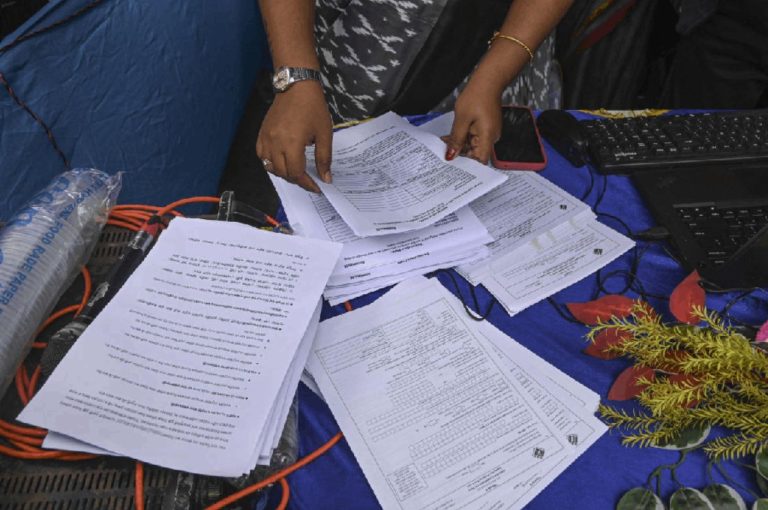
The West Bengal BLO hospitalisation SIR 2026 incident has sparked heated debate about the human cost of electoral roll verification. A Booth Level Officer (BLO) collapsed with a brain stroke while performing duties during the Special Intensive Revision (SIR) exercise. The Trinamool Congress (TMC) accused the Election Commission (EC) of exerting excessive pressure on grassroots officials, while the EC defended the process as necessary for electoral integrity.


2. West Bengal BLO Hospitalisation SIR 2026: The Incident

  • Location: South Dinajpur district, West Bengal.
  • Event: A BLO suffered a brain stroke while engaged in SIR hearings.
  • Immediate response: The officer was hospitalised, raising concerns about workload and stress.
  • Political reaction: TMC leaders blamed EC’s “unrealistic deadlines and pressure tactics.”
  • Public sentiment: Sympathy for the officer and anger at bureaucratic insensitivity.

3. Why BLOs Are Crucial

  • Grassroots role: BLOs verify voter lists at booth level.
  • Responsibilities: Checking documents, conducting hearings, resolving discrepancies.
  • Challenges: Long hours, heavy workloads, and pressure during election cycles.
  • Symbolism: BLOs embody the frontline of India’s democratic machinery.

4. Community Concerns

  • Families: Fear for the health and safety of BLOs.
  • Citizens: Frustrated at repeated hearings and bureaucratic hurdles.
  • Minority groups: Worried about targeted exclusions during SIR.
  • Civil society: Called for humane treatment of officials and better grievance redressal.

5. Political Context

  • TMC: Accused EC of harassment and overburdening BLOs.
  • BJP: Defended EC’s process as necessary to remove fictitious voters.
  • Other parties: Expressed concern about fairness and transparency.
  • Civil society: Urged prioritisation of human dignity in electoral processes.

6. Governance Challenges

The BLO hospitalisation reflects systemic governance issues:

  • Workload imbalance: BLOs often handle hundreds of cases daily.
  • Communication gaps: Citizens unaware of schedules, leading to crowding.
  • Trust deficit: Allegations of bias undermine confidence in institutions.
  • Judicial oversight: Courts may need to intervene to protect officials’ rights.

7. Government External Links for Assistance


8. Historical Context of BLO Stress in Bengal

  • 2010s: BLOs reported harassment during voter list revisions.
  • 2020 lockdown: BLOs struggled with health risks while conducting fieldwork.
  • 2024–25: SIR flagged millions of discrepancies nationwide, increasing workload.
  • 2026: Current hospitalisation highlights the human toll of bureaucratic pressure.

9. Community Impact

  • Families: Fear disenfranchisement if BLOs cannot manage hearings.
  • Students: First‑time voters face hurdles in proving eligibility.
  • Farmers and workers: Lose wages attending hearings.
  • Civil society groups: Demand grievance redressal mechanisms and humane treatment of BLOs.

10. Global Comparisons

Similar electoral roll controversies worldwide:

  • USA: Allegations of voter suppression through purges in Georgia and Florida.
  • UK: Concerns about disenfranchisement under new voter ID laws.
  • Nigeria: Disputes over duplicate registrations and ghost voters.

Bengal’s case mirrors these global struggles where electoral integrity collides with human vulnerability.


11. Governance Lessons

The BLO hospitalisation teaches:

  • Human sensitivity must guide bureaucratic processes.
  • Workload distribution must be rationalised.
  • Community engagement ensures inclusivity.
  • Judicial oversight is vital to protect democratic rights.

12. Future Outlook – Democracy in Bengal

India must move towards:

  • Digitised grievance redressal portals for voter roll issues.
  • Periodic audits of electoral rolls by independent agencies.
  • Public dashboards showing deletions and additions transparently.
  • Educational campaigns to help citizens verify their status.

13. Conclusion

The West Bengal BLO hospitalisation SIR 2026 is more than a medical emergency—it is a test of India’s democratic resilience. By collapsing under pressure, the BLO symbolises the human cost of bureaucratic rigidity. For Bengal, the lesson is clear: democracy must never come at the expense of human dignity, health, and voter rights.

Also read: Home | Channel 6 Network – Latest News, Breaking Updates: Politics, Business, Tech & More

Balurghat Civic Chief Appointment 2026 – Detailed Analysis of Surajit Saha’s Leadership, Urban Governance Challenges, and Development Lessons for Bengal

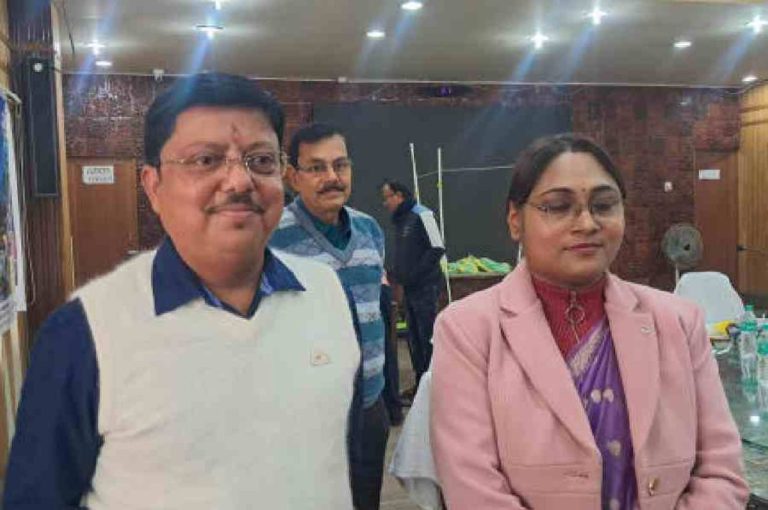
The Balurghat civic chief appointment 2026 marks a significant moment in South Dinajpur’s urban governance. Surajit Saha has been elected as the new chairman of Balurghat municipality, succeeding previous leadership amid political shifts and administrative challenges. His appointment is expected to influence the trajectory of civic development, infrastructure projects, and public services in the district.


2. Balurghat Civic Chief Appointment 2026: The Appointment

  • Location: Balurghat municipality, South Dinajpur district.
  • Event: Surajit Saha elected as new civic chief.
  • Significance: Reflects political consolidation and administrative restructuring.
  • Community reaction: Mixed—supporters welcomed fresh leadership, while critics questioned continuity of governance.

3. Why Civic Leadership Matters

  • Urban infrastructure: Decisions on roads, drainage, and housing depend on municipal leadership.
  • Public services: Water supply, sanitation, and waste management are overseen by civic bodies.
  • Local economy: Municipal policies affect trade, small businesses, and employment.
  • Community trust: Leadership shapes citizen confidence in governance.

4. Governance Challenges in Balurghat

  • Drainage and flooding: Monsoon rains often overwhelm civic infrastructure.
  • Waste management: Growing urban population strains disposal systems.
  • Transport: Congestion and lack of modern facilities hinder mobility.
  • Healthcare and education: Civic bodies play a role in maintaining primary health centres and schools.

5. Political Context

  • TMC dominance: The ruling Trinamool Congress consolidated control in South Dinajpur.
  • Opposition voices: BJP and Left parties criticised civic mismanagement.
  • Symbolism: Appointment seen as part of TMC’s strategy to strengthen grassroots governance.
  • Civil society: Called for transparency and accountability in municipal decisions.

6. Government External Links for Assistance


7. Historical Context of Balurghat Municipality

  • Colonial era: Balurghat developed as an administrative hub.
  • Post‑Independence: Municipality expanded to include modern civic services.
  • 2000s: Rapid urbanisation created new governance challenges.
  • 2026: Appointment of Surajit Saha reflects continuity and change in civic leadership.

8. Community Impact

  • Residents: Expect improved drainage, roads, and sanitation.
  • Business owners: Hope for streamlined licensing and infrastructure support.
  • Youth: Demand better recreational facilities and digital services.
  • Civil society: Calls for participatory governance and citizen feedback mechanisms.

9. Global Comparisons

Similar civic leadership transitions worldwide:

  • USA: Mayoral appointments often reshape city governance priorities.
  • UK: Local councils influence housing and transport policies.
  • Japan: Municipal chiefs play a key role in disaster preparedness.

Balurghat’s case mirrors these global struggles where local leadership directly impacts urban resilience and citizen welfare.


10. Governance Lessons

The Balurghat appointment teaches:

  • Leadership continuity must balance with innovation.
  • Community participation ensures legitimacy.
  • Transparency in decision‑making builds trust.
  • Integration of technology can modernise civic services.

11. Future Outlook – Urban Governance in Bengal

India must move towards:

  • Smart city initiatives tailored for smaller municipalities.
  • Digitised grievance redressal portals for citizens.
  • Public dashboards showing civic project progress.
  • Educational campaigns to build awareness of municipal responsibilities.

12. Conclusion

The Balurghat civic chief appointment 2026 is more than a routine administrative change—it is a test of Bengal’s urban governance capacity. Surajit Saha’s leadership will be judged by his ability to balance political expectations with citizen welfare. For Balurghat, the lesson is clear: urban progress depends on civic leadership that is transparent, inclusive, and responsive to community needs.

Also read: Home | Channel 6 Network – Latest News, Breaking Updates: Politics, Business, Tech & More

Bengal Government EC FIR Directive 2026 – Detailed Analysis of Baruipur East & Moyna Voter Dispute, Governance Challenges, and Democracy Lessons

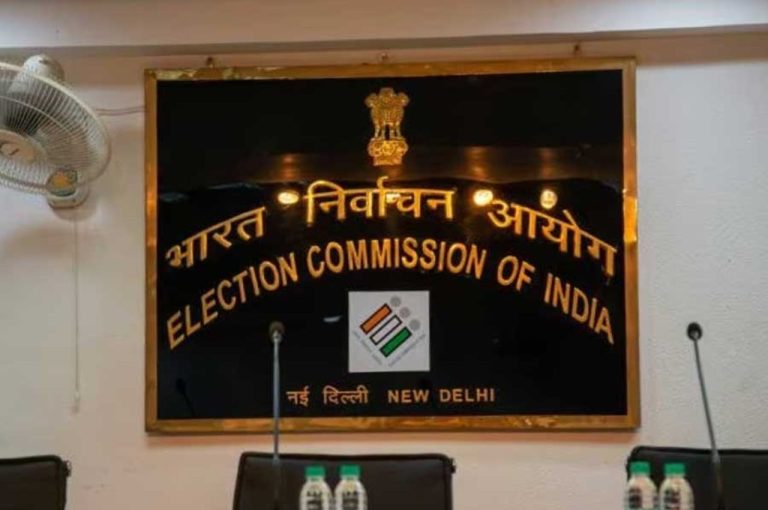
The Bengal government EC FIR directive 2026 has triggered a fresh confrontation between the state administration and the Election Commission of India. The Commission directed the lodging of First Information Reports (FIRs) against four officials in connection with alleged fictitious voter entries in Baruipur East and Moyna constituencies. The Bengal government responded by questioning the legality of the directive, insisting that such orders must be formally issued before action is taken.


2. Bengal Government EC FIR Directive 2026: The Incident

  • Location: Baruipur East (South 24 Parganas) and Moyna (East Midnapore).
  • Event: EC flagged fictitious voter entries during Special Intensive Revision (SIR).
  • Directive: FIRs to be lodged against four officials allegedly responsible.
  • State response: Bengal government communicated to EC that FIRs cannot be filed without a formal written order.
  • Political tension: The issue escalated into a Centre‑state confrontation over electoral integrity.

3. Why FIRs Against Officials Matter

  • Accountability: Ensures officials are held responsible for negligence or misconduct.
  • Deterrence: Prevents future manipulation of electoral rolls.
  • Transparency: Reinforces public trust in democratic processes.
  • Legal precedent: Raises questions about the scope of EC’s powers vis‑à‑vis state governments.

4. Community Concerns

  • Citizens: Fear wrongful deletions or exclusions from voter lists.
  • Minority groups: Worried about targeted disenfranchisement.
  • Daily wage earners: Frustrated at repeated hearings and bureaucratic hurdles.
  • Civil society: Called for independent audits of electoral rolls.

5. Political Context

  • TMC government: Questioned EC’s directive, framing it as politically motivated.
  • BJP opposition: Defended EC’s move, citing need to remove fictitious voters.
  • Other parties: Expressed concern about fairness and transparency.
  • Civil society: Urged both sides to prioritise voter rights over political rivalry.

6. Governance Challenges

The FIR directive reflects systemic governance issues:

  • Centre‑state tensions: EC directives often clash with state administrative autonomy.
  • Legal ambiguity: Extent of EC’s powers to order FIRs remains contested.
  • Trust deficit: Allegations of bias undermine confidence in institutions.
  • Judicial oversight: Courts may need to intervene to clarify jurisdiction.

7. Government External Links for Assistance


8. Historical Context of Electoral Roll Disputes in Bengal

  • 2000s: Allegations of bogus voters became common in border districts.
  • 2011–2019: Electoral roll revisions often coincided with political clashes.
  • 2024–25: SIR flagged millions of discrepancies nationwide.
  • 2026: Current FIR directive reflects Bengal’s long history of contested voter lists.

9. Community Impact

  • Families: Fear disenfranchisement if hearings are mishandled.
  • Students: First‑time voters face hurdles in proving eligibility.
  • Farmers and workers: Lose wages attending hearings.
  • Civil society groups: Demand grievance redressal mechanisms.

10. Global Comparisons

Similar voter roll controversies worldwide:

  • USA: Allegations of voter suppression through purges in Georgia and Florida.
  • UK: Concerns about disenfranchisement under new voter ID laws.
  • Nigeria: Disputes over duplicate registrations and ghost voters.

Bengal’s case mirrors these global struggles where electoral integrity collides with human vulnerability.


11. Governance Lessons

The FIR directive teaches:

  • Legal clarity is essential in Centre‑state relations.
  • Human sensitivity must guide bureaucratic processes.
  • Community engagement ensures inclusivity.
  • Judicial oversight is vital to protect democratic rights.

12. Future Outlook – Democracy in Bengal

India must move towards:

  • Digitised grievance redressal portals for voter roll issues.
  • Periodic audits of electoral rolls by independent agencies.
  • Public dashboards showing deletions and additions transparently.
  • Educational campaigns to help citizens verify their status.

13. Conclusion

The Bengal government EC FIR directive 2026 is more than a bureaucratic dispute—it is a test of India’s democratic resilience. By questioning the legality of EC’s order, the Bengal government has reignited debates about jurisdiction, accountability, and electoral integrity. For Bengal, the lesson is clear: democracy must never come at the expense of human dignity and voter rights.

Also read: Home | Channel 6 Network – Latest News, Breaking Updates: Politics, Business, Tech & More

Kingmaker Eknath Shinde Keeps Sena Flock Together Amid Poaching Fears at Mumbai Luxury Hotel

Eknath Shinde’s Strategic Move in a Fluid Political Moment

Maharashtra’s political churn has once again brought Deputy Chief Minister and Shiv Sena leader Eknath Shinde to the centre of power negotiations. Amid growing speculation of attempts to woo legislators from rival camps, Shinde has moved his party’s MLAs to a luxury hotel in Mumbai, a step widely seen as a precautionary measure against poaching. The decision underlines the continuing instability in state politics and Shinde’s pivotal role as a kingmaker in any future alignment.

The move comes at a time when alliance equations remain fluid and backchannel talks are believed to be underway among multiple political players. By keeping his legislators together, Shinde aims to project unity and strength while ensuring that his camp remains intact during a sensitive phase.

Why the Fear of Poaching Has Returned

Political poaching, a recurring feature in Maharashtra politics over the past few years, has resurfaced as a concern amid speculation of fresh realignments. Leaders across parties have hinted at attempts to influence legislators through inducements or promises of power. In this context, Shinde’s decision to house his MLAs together is seen as a defensive strategy rooted in recent political memory.

The Shiv Sena split of 2022, which saw Shinde lead a rebellion with a large group of MLAs, reshaped the state’s political landscape and ultimately led to a change in government. That episode has made all sides wary of similar moves, especially during moments of uncertainty. A senior leader from Shinde’s camp was quoted as saying that the objective was to “ensure there is no scope for confusion or mischief.”

Luxury Hotel as a Political Fortress

The choice of a luxury hotel in Mumbai is not incidental. Such locations offer privacy, security, and controlled access, making them ideal for keeping legislators together during politically sensitive periods. Party sources indicated that the MLAs were briefed about the evolving political situation and asked to remain united.

While the exact number of legislators staying at the hotel has not been officially disclosed, Shinde’s faction commands a significant bloc in the Maharashtra Assembly, giving him substantial leverage in any government formation or reshuffle. By keeping his flock together, Shinde signals that his camp cannot be easily fractured.

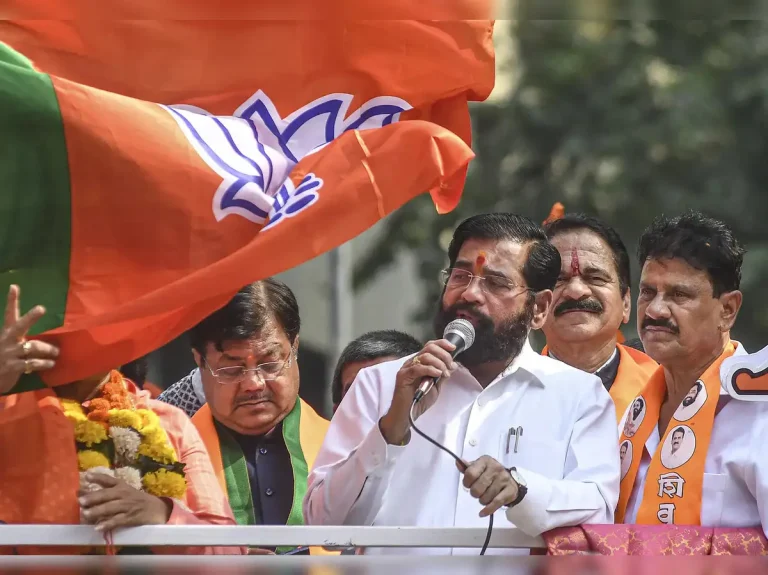
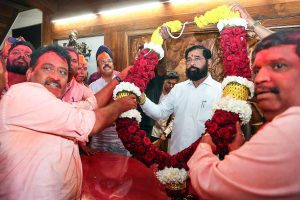
Maharashtra Deputy Chief Minister Eknath Shinde being felicitated as BJP-Shiv Sena combine inched closer to the winning figure on vote counting day of the Maharashtra civic poll results on January 17, 2026.

Shinde’s Kingmaker Status in Maharashtra Politics

Eknath Shinde’s rise from a regional leader to a central figure in Maharashtra politics has been marked by decisive moves and strategic timing. As the leader who split the Shiv Sena and aligned with the BJP to form the government in 2022, Shinde demonstrated his ability to alter political equations dramatically.

Even now, his support base within the Assembly makes him indispensable to any stable coalition. Political observers note that without Shinde’s backing, any alliance would struggle to secure a comfortable majority. This kingmaker status explains why rival camps may be keen to test the loyalty of his legislators, and why Shinde is determined to prevent any erosion of his numbers.

Opposition Leaders and Political Messaging

Opposition leaders have been quick to comment on the hotel move, describing it as evidence of mistrust within alliances and a symptom of unstable politics. Some have accused the ruling coalition of fostering an environment where legislators feel the need to be “guarded” to prevent defections.

Shinde’s camp, however, has dismissed such criticism, arguing that keeping legislators together is a routine political practice during times of intense speculation. A party functionary remarked that “unity meetings” were being misrepresented as defensive manoeuvres, adding that the leadership merely wanted to ensure clear communication within the party.

Numbers, Loyalty, and the Arithmetic of Power

In Maharashtra’s 288-member Assembly, numbers remain crucial. Even small shifts in legislative support can tilt the balance of power. Shinde’s group, which commands dozens of MLAs, forms a critical pillar of the ruling arrangement. Any reduction in this number could have significant consequences for government stability.

This arithmetic explains why Shinde is keen to avoid even the perception of internal dissent. By keeping legislators together, he reinforces the message that his camp remains cohesive and disciplined, a signal aimed as much at allies as at rivals.

Lessons from Past Political Upheavals

Maharashtra’s recent history is replete with dramatic political shifts, from midnight swearing-in ceremonies to high-profile defections. These episodes have normalised practices such as relocating legislators to resorts or hotels to prevent poaching. Shinde himself has been both an architect and a beneficiary of such moves in the past.

Analysts point out that while these tactics may appear dramatic, they reflect deeper structural issues in party systems, including weak ideological commitment and the growing influence of power politics over grassroots mandates.

What This Means for Governance and Stability

While political manoeuvring continues, governance inevitably takes a back seat during periods of uncertainty. Critics argue that repeated episodes of speculation and counter-strategies distract from policy-making and administrative priorities. Supporters of the ruling coalition, however, contend that ensuring political stability is a prerequisite for effective governance.

Shinde’s move is thus framed by his supporters as a step to safeguard stability rather than undermine it. By preventing defections, they argue, the leadership is trying to avoid sudden crises that could derail governance.

Looking Ahead: A Test of Political Endurance

As Maharashtra navigates another phase of political uncertainty, Eknath Shinde’s ability to hold his flock together will be closely watched. Whether the current fears of poaching translate into actual attempts or fade away remains to be seen. What is clear, however, is that Shinde continues to occupy a crucial space in the state’s political matrix.

His decision to keep legislators together at a luxury hotel underscores both the fragility and the high stakes of Maharashtra politics. In a landscape shaped by shifting loyalties and strategic calculations, Shinde’s next moves could once again prove decisive in determining who holds power in the state.

Read More: https://channel6network.com/fadnavis-at-davos-2026-maharashtras-growth/

Cult Classic Returns: Anupam Kher Signals Final Stages of ‘Khosla Ka Ghosla 2’

0

Anupam Kher Announces Schedule Wrap for ‘Khosla Ka Ghosla 2’, Says “The Con Is Bigger Than the Biggest”

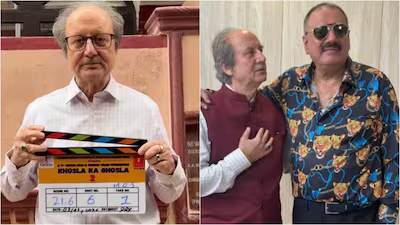
Veteran actor Anupam Kher has announced the completion of a major shooting schedule for the much-anticipated sequel Khosla Ka Ghosla 2, delighting fans of the cult classic and signalling that the film is rapidly moving toward its final stages of production. In a social media post filled with gratitude and excitement, Kher revealed that he has wrapped up nearly 90 percent of his scenes for the project, which has been in active production since the start of January.Khosla ka Ghosla Khosla ka Ghosla 2 Anupam Kher Boman Irani jpg

In his announcement, Kher described the experience of working on the sequel as “exhausting but exhilarating,” and emphasised that the story has grown bigger and more ambitious than ever before. With a playful nod to the central theme of the film, he said, “This time the con is bigger than the biggest,” hinting at unexpected twists and a larger-than-life narrative that promises to elevate the original’s inventive blend of humour and social satire.

The first Khosla Ka Ghosla, released in 2006, became a beloved favourite for its witty depiction of a middle-class family battling a crooked property dealer in Delhi. Its unique mix of comedy, emotion and sharp social commentary resonated deeply with audiences, making it a standout in Indian cinema and earning it cult status over the years. Expectations for the sequel have been intense, especially as the project reunites several key members of the original cast.

Anupam Kher’s post included behind-the-scenes glimpses from the film set featuring reprises of beloved characters alongside familiar faces, creating a strong sense of nostalgia among long-time fans. The original ensemble — which includes actors who played the members of the Khosla family — returned to breathe new life into the story, blending old chemistry with fresh energy.

Beyond returning cast members, the sequel has also introduced new additions to the ensemble, bringing fresh dynamics and character arcs to the narrative. The buzz around these developments has been growing steadily, with cinephiles and followers of the original film voicing excitement on social media and in fan communities.

The production of Khosla Ka Ghosla 2 has been taking place across various locations, including parts of Delhi and the surrounding region, adding to the film’s authentic urban backdrop. Despite facing challenging conditions, including winter weather during outdoor shoots, the cast and crew maintained a spirited working environment, with Kher often highlighting moments of camaraderie and fun during breaks in filming.

Kher’s gratitude extended beyond his co-actors to include technicians, writers, directors and the broader unit members who worked tirelessly to bring the sequel to life. He has consistently praised the collective effort behind the project, emphasising that the collaborative energy on set reflected the dedication and passion of everyone involved.ve4apqnzdgcuodzn 1681316919 16 9

In addition to professional accolades, Kher has also gained appreciation off the set for his thoughtful and generous gestures toward crew members. One such moment that resonated widely was his act of gifting a smartphone to a hardworking watchman on the film set, an event that quickly made headlines and drew praise for humaneness and humility. The watchman’s joyful reaction was widely shared online, illustrating the compassionate side of the veteran actor beyond his on-screen persona.

Industry observers see the sequel as a potential landmark in contemporary Hindi cinema — not only because of its roots in a beloved story but also due to the way it bridges generations of moviegoers. The original appealed to a broad audience through its relatable characters and grounded storytelling, and the sequel aims to preserve that essence while expanding the scope of its narrative and humour.social image 2025 07 26T155912993 6884b2a2649b0

With a majority of the shooting now wrapped, attention is rapidly shifting toward post-production, where editing, music scoring and final touches will determine the film’s tone and pacing ahead of its release. Producers and cast members have remained tight-lipped about an official release date, but speculation is rife that audiences can expect a launch later this year.

As anticipation for Khosla Ka Ghosla 2 continues to build, Anupam Kher’s update has invigorated fans of the franchise and Bollywood enthusiasts alike. His heartfelt celebration of the schedule wrap — combined with his promise of a bigger, bolder con — ensures that excitement around the project remains strong as it moves closer to hitting the big screen.

Also read: https://channel6network.com/timeless-charm-srk-stuns-in-black-at-joy-award/