Sunday, April 26, 2026
Home Blog Page 108

Fadnavis at Davos 2026: Maharashtra’s Ambitious Growth Roadmap Takes Global Stage

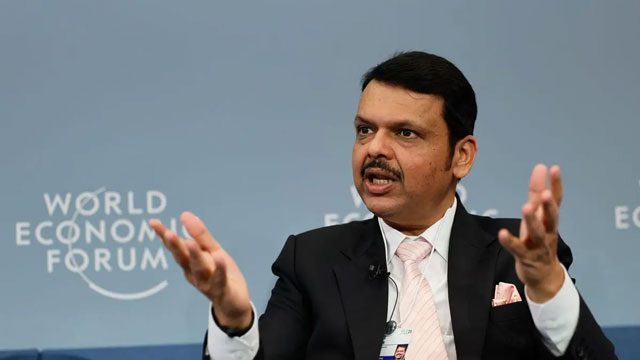
Devendra Fadnavis Heads to Davos for WEF 2026

Maharashtra Chief Minister Devendra Fadnavis is set to represent the state at the World Economic Forum (WEF) Annual Meeting 2026 in Davos, Switzerland, with a strong focus on positioning Maharashtra as one of India’s most attractive destinations for global investment. The visit is aimed at showcasing the state’s long-term development roadmap, policy stability, and sector-specific opportunities to global business leaders, policymakers, and institutional investors.

The Maharashtra government plans to use the Davos platform to project the state’s economic resilience, infrastructure readiness, and reform-oriented governance model. The outreach is part of a broader strategy to deepen international partnerships and attract investments that can accelerate job creation and industrial growth across the state.

‘Magnetic Maharashtra’ Campaign Goes Global

At the core of the state’s pitch at Davos is the ‘Magnetic Maharashtra’ vision, a branding and investment outreach initiative designed to highlight Maharashtra’s strengths as a manufacturing, financial, and innovation hub. The campaign underscores the state’s competitive advantages, including its large consumer market, skilled workforce, strong logistics network, and progressive policy framework.

Officials accompanying the chief minister are expected to hold multiple bilateral meetings with multinational corporations, global funds, and industry leaders across sectors such as automobiles, electronics, renewable energy, fintech, data centres, and advanced manufacturing. The aim is to convert global interest into concrete investment commitments and memoranda of understanding.

Maharashtra Chief Minister Devendra Fadnavis is set to represent the state at the World Economic Forum (WEF) Annual Meeting 2026 in Davos, Switzerland.

Showcasing Maharashtra’s Development Roadmap

During his interactions at Davos, Fadnavis is expected to outline Maharashtra’s medium- and long-term development roadmap, focusing on infrastructure expansion, industrial corridors, urban transformation, and sustainable growth. Key areas of emphasis include the Mumbai–Nagpur Samruddhi Expressway, metro rail expansion in major cities, port-led development, and the strengthening of logistics and export infrastructure.

The roadmap also highlights policy reforms undertaken to improve ease of doing business, including faster approvals, digital governance systems, and sector-specific incentive schemes. Maharashtra has consistently ranked among the top states in investment inflows, and the government aims to build on this momentum by aligning state priorities with global capital trends.

Focus on Manufacturing, Green Energy and Technology

Manufacturing remains a central pillar of Maharashtra’s growth strategy, with the state positioning itself as a preferred destination for both traditional and high-tech industries. At Davos, the delegation is expected to promote opportunities in electric vehicles, semiconductors, defence manufacturing, and aerospace, supported by industrial parks and dedicated clusters.

Green energy and sustainability are also key themes of the Maharashtra pitch. The state is targeting significant capacity addition in solar, wind, and green hydrogen, in line with India’s climate commitments. Officials are expected to highlight Maharashtra’s renewable energy potential and policy incentives aimed at attracting clean energy investments.

Technology-driven sectors such as fintech, artificial intelligence, and digital services are likely to feature prominently, with Mumbai and Pune being projected as innovation hubs with strong startup ecosystems and access to global talent.

Building on Past Investment Outcomes

Maharashtra’s presence at global investment forums has historically translated into large investment proposals and project announcements. According to government data shared in previous investor summits, the state has attracted investment proposals worth several lakh crore rupees over recent years, with a significant portion already under implementation.

At Davos 2026, the focus is not only on signing new agreements but also on reinforcing confidence among existing investors. The chief minister is expected to highlight successful project executions, policy continuity, and the state’s commitment to resolving investor concerns through proactive governance.

Engagements with Global Leaders and Corporations

The Davos schedule is expected to include meetings with global CEOs, heads of sovereign wealth funds, and representatives of international financial institutions. These interactions are aimed at exploring partnerships in infrastructure financing, industrial expansion, and technology transfer.

Fadnavis is also likely to participate in thematic discussions and panel sessions focused on economic growth, sustainable development, and the role of sub-national governments in driving global investment. Through these platforms, Maharashtra seeks to position itself as a reliable and future-ready partner in the global economy.

Maharashtra’s Economic Significance

Maharashtra is one of India’s largest contributors to national GDP and remains a key driver of industrial and financial activity. The state accounts for a significant share of foreign direct investment inflows into the country and hosts major financial institutions, stock exchanges, and corporate headquarters.

By leveraging the global visibility of the World Economic Forum, the Maharashtra government aims to reinforce the state’s image as an economic powerhouse with policy stability and long-term growth potential. The Davos visit is seen as an extension of the state’s proactive economic diplomacy.

Strategic Timing After Political Stability

The Davos outreach comes at a time when the Maharashtra government is seeking to capitalise on political stability and renewed investor confidence following recent electoral milestones. Officials believe that a stable governance environment strengthens the state’s pitch to global investors looking for long-term certainty and scale.

The chief minister’s engagements are expected to emphasise governance reforms, transparent policymaking, and the state’s readiness to partner with global players across sectors.

Looking Ahead: Converting Interest into Action

While global forums like Davos serve as important platforms for outreach, the Maharashtra government has indicated that follow-up mechanisms are equally critical. Dedicated teams are expected to track investor interactions and facilitate on-ground support to ensure that discussions at Davos translate into actual investments and project launches.

The state’s participation at WEF 2026 is thus positioned not merely as a symbolic presence, but as a strategic exercise to advance Maharashtra’s long-term development goals, strengthen its global economic footprint, and create sustainable employment opportunities.

As Maharashtra takes its growth story to the world stage, the Davos visit underscores the state’s ambition to remain at the forefront of India’s economic transformation while aligning with global trends in sustainability, innovation, and inclusive development.

Read More: https://channel6network.com/maharashtra-leader-raj-k-purohit-passes-away/

Timeless Charm: SRK Clearly Stuns in Black at Joy Awards 2026

SRK Shines in Black at Joy Awards 2026, Fondly Recalls Film Shooting in Riyadh

Bollywood superstar Shah Rukh Khan made a striking appearance at the Joy Awards 2026 in Riyadh, Saudi Arabia, effortlessly commanding attention with his timeless charm and global star power. Dressed in a sleek black outfit, the actor exuded elegance and confidence as he walked the carpet, once again reaffirming his status as one of the most recognisable faces in international entertainment.SRK watch at Joy Awards

SRK’s all-black ensemble, marked by understated sophistication, became one of the most talked-about fashion moments of the evening. His look reflected a perfect balance of classic style and contemporary appeal, drawing admiration from fans and fashion enthusiasts alike. As photos and videos from the event circulated widely on social media, admirers praised the actor’s enduring charisma and ability to stand out on any global platform.

Beyond the glamour, Shah Rukh Khan took the opportunity to share heartfelt reflections on his association with Saudi Arabia. Speaking at the event, the actor recalled shooting a film in Riyadh, describing the experience as memorable and enriching. He spoke warmly about the city, its landscapes and the hospitality he received during the shoot, noting that the warmth of the people left a lasting impression on him.

The actor expressed happiness at returning to Riyadh, highlighting how the city and the event itself have evolved over the years. He mentioned that while his previous visits were largely work-driven, he now looks forward to spending more time in the region, possibly even returning for leisure. His remarks resonated strongly with the audience, reflecting a genuine connection with the place and its people.

Shah Rukh Khan also spoke about the love and respect he continues to receive from fans in the Middle East. He acknowledged the support of audiences who have followed his work for decades, stating that their appreciation transcends language and borders. The moment underscored the actor’s rare ability to connect emotionally with viewers across cultures, a quality that has defined his long and successful career.153467230

The Joy Awards 2026 brought together prominent figures from global cinema, music and entertainment, reinforcing Riyadh’s growing reputation as a major cultural hub. SRK’s presence added immense prestige to the event, and his interactions with fellow international celebrities highlighted the increasing crossover between Bollywood and global entertainment industries.

Fans were quick to react to Shah Rukh Khan’s appearance, flooding social media with messages celebrating his look, humility and global influence. Many described his presence as iconic, noting how effortlessly he continues to represent Indian cinema on international stages. The overwhelming response further proved that the actor’s appeal remains as strong as ever.

The actor’s appearance at the Joy Awards also reflected the growing cultural exchange between India and the Middle East, with Indian cinema enjoying increasing popularity in the region. Shah Rukh Khan’s presence symbolised this deepening connection, as his films continue to resonate with diverse audiences and contribute to stronger ties between global entertainment industries.

On the professional front, Shah Rukh Khan continues to remain at the centre of audience excitement. With new projects lined up and expectations running high, his appearance at the Joy Awards has only added to the anticipation surrounding his next cinematic outing. Industry observers see his global engagements as a reflection of Bollywood’s expanding footprint worldwide.051A1476

SRK’s appearance at the Joy Awards 2026 was more than a fashion statement; it was a moment that blended nostalgia, cultural connection and star power. As he reminisced about filming in Riyadh and celebrated the present, Shah Rukh Khan once again demonstrated why he remains a beloved global icon, admired not just for his work on screen but also for his warmth, grace and ability to connect across borders.

Also read: https://channel6network.com/airspace-clampdown-republic-day-rehearsals/

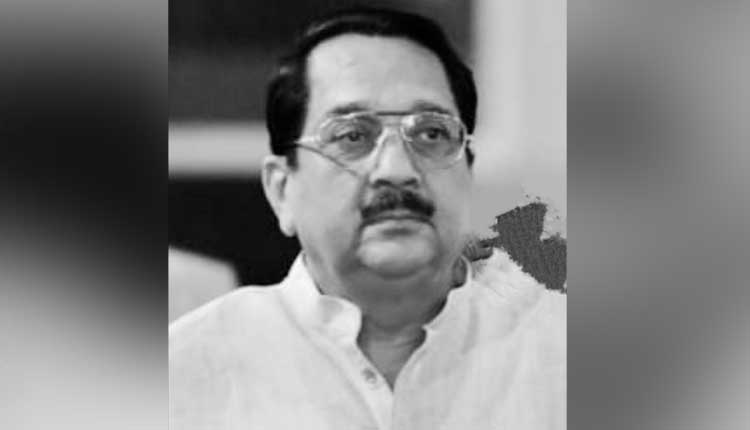
Veteran Maharashtra Leader Raj K Purohit Passes Away at 71, Leaves Lasting Political Legacy

Former Maharashtra Minister Raj K Purohit Dies at 71

Senior Bharatiya Janata Party leader and former Maharashtra minister Raj K Purohit passed away on January 18, 2026, at the age of 71. He died following an illness at a private hospital in Mumbai, leaving behind a legacy of decades of public service in Maharashtra’s political landscape. His death has elicited profound sorrow across political and social circles in the state, with leaders and admirers paying tribute to his contributions to public life.

A Distinguished Political Career Spanning Decades

Born on August 31, 1955, in Sirohi, Rajasthan, Raj K Purohit rose to become one of Maharashtra’s most recognizable political figures. He began his legislative career in 1990 and went on to serve five terms as a Member of the Maharashtra Legislative Assembly, representing the Mumbadevi constituency four times and later winning from the Colaba seat. His political journey spanned more than 25 years, during which he held several influential roles, including serving as the President of the BJP’s Mumbai unit and as chief whip for the party in the Maharashtra Assembly between 2014 and 2019.

Purohit also served as a Cabinet minister in the Maharashtra government, where his tenure was marked by active involvement in urban governance and policy advocacy. Known for his grassroots connect, he championed issues affecting migrant communities in Mumbai and worked tirelessly to address housing and civic concerns faced by residents.

Leader of Migrant Communities and Urban Advocacy

Throughout his career, Raj K Purohit was widely regarded as a powerful voice for north Indian communities in Mumbai, particularly migrant tenants who faced challenges in housing and related issues. His advocacy earned him respect across demographic lines and strengthened his reputation as a community leader deeply connected to urban constituencies. Party workers and civic leaders often referred to him as a mediator who could bridge gaps between government agencies and local communities.

He was also credited with strengthening the BJP’s organisational base in south Mumbai, a region historically significant for the party’s political strategy. His tenure as the BJP’s city president helped consolidate party presence in key wards and expand its outreach efforts in urban Maharashtra.

Tributes Pour In From Political Leaders

Leaders across the political spectrum expressed deep sorrow at Purohit’s passing and highlighted his contributions to Maharashtra’s political fabric. BJP national general secretary Vinod Tawde said he was “pained” to learn of Purohit’s demise, describing him as a popular public representative who maintained a deep connection with the people from his early days as a municipal corporator to his tenure as an MLA and minister. Tawde emphasised that Purohit’s death was an “irreparable loss” for the party and prayed for strength for his bereaved family and admirers.

Maharashtra Chief Minister Devendra Fadnavis paid tribute on social media, mourning the loss of a close friend and senior leader who played a significant role in organisational growth and party expansion. Fadnavis highlighted Purohit’s dedication, positivity and confidence, noting that his commitment to public service and leadership strength made a lasting impact on both the party and the broader community.

Family Legacy and Recent Events

In a poignant turn of events, Purohit’s death came just one day after his son Akash Purohit, also a BJP leader, secured a win in the Brihanmumbai Municipal Corporation elections. Akash Purohit won from ward number 221, continuing the family’s political engagement in Mumbai’s civic and legislative processes. The juxtaposition of celebration and loss marked a deeply emotional moment for the Purohit family and the local political community.

Final Rites and Public Homage

Raj K Purohit’s mortal remains were placed for public homage at Rajhans Building on Marine Drive in Mumbai from 11 am to 1 pm, allowing party workers, well-wishers and citizens to pay their last respects. Funeral arrangements were scheduled with full ceremonial honours, and his final rites were set to be performed at Muktidham in Chandanwadi. These arrangements reflected the deep respect he commanded within political and social circles.

Impact on Maharashtra’s Political Landscape

Purohit’s passing represents a significant moment in the political history of Maharashtra. As a long-serving legislator, cabinet minister and party organiser, his leadership influenced both policy and party dynamics in Mumbai and beyond. His tenure spanned periods of rapid urban change, and his advocacy for migrant communities and housing issues remained central to his public service ethos.

Political analysts note that Purohit’s absence will be felt within the BJP’s organisational ranks, particularly in areas where he had built strong grassroots networks. His contributions to public life extended beyond electoral victories to shaping civic engagement and community advocacy in one of India’s largest cities.

Remembering a Seasoned Leader

Raj K Purohit’s life was defined by commitment to public service, strategic political leadership and a grassroots orientation that connected him with diverse voter groups. From early roles as a local corporator to his later responsibilities as minister and party leader, he embodied a model of political engagement grounded in responsiveness to constituent needs.

His death at 71 has prompted reflection on his legacy and the contributions he made to Maharashtra’s civic and political development. As the state mourns his passing, many remember him as a leader who brought determination and earnest devotion to public life — qualities that will continue to resonate in Maharashtra’s political memory.

Read More: https://channel6network.com/fadnavis-pune-grand-tour-2026/

Ayodhya at 1: 5 Powerful Ways the Ram Mandir Has Transformed the Sacred City

0

Ayodhya Marks Ram Mandir Anniversary Amid Spiritual Fervor and Rapid Transformation

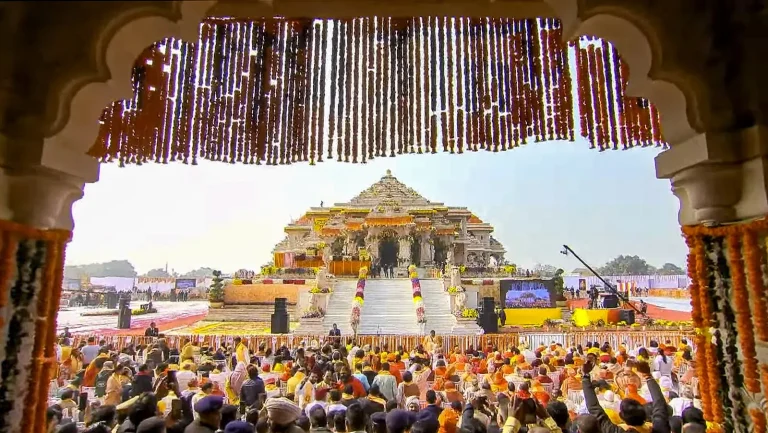
Ayodhya witnessed a surge of devotion and activity as the city marked the anniversary of the Ram Mandir consecration, a moment that continues to shape its religious, cultural and economic identity. Thousands of devotees gathered at the temple town, offering prayers and participating in rituals that reflected the deep spiritual significance of the occasion.Ram Mandir 1

The anniversary comes at a time when Ayodhya is undergoing a dramatic transformation. Infrastructure projects, improved connectivity and tourism-driven development have reshaped the city, turning it into one of India’s most prominent spiritual destinations. Authorities reported smooth crowd management and enhanced security arrangements to ensure the safety of pilgrims.

Religious leaders highlighted the temple’s importance as a symbol of faith and unity for millions of devotees across the country. Special prayers, bhajans and cultural programmes were organised throughout the day, creating an atmosphere of celebration and reverence.

The growing national and international attention on Ayodhya has also led to increased cultural exchanges and heritage-focused initiatives. Museums, cultural centres and exhibition spaces are being developed to showcase the city’s historical and spiritual legacy, offering visitors a deeper understanding of its significance beyond religious rituals.

Local residents have expressed cautious optimism about the changes underway, noting improvements in public infrastructure, employment opportunities and civic services. Authorities have reiterated their commitment to ensuring that development remains people-centric, with special emphasis on preserving local traditions and supporting livelihoods linked to tourism and cultural activities.

As Ayodhya continues to evolve, planners and administrators are focusing on long-term sustainability. Measures aimed at environmental conservation, traffic management and crowd regulation are being strengthened to ensure that the city can accommodate growing pilgrim numbers while maintaining its spiritual calm and cultural harmony.

The anniversary celebrations also highlighted the role of community participation in Ayodhya’s transformation. Volunteers, local organisations and temple authorities worked together to manage crowds, assist pilgrims and maintain cleanliness, reflecting a collective effort to uphold the city’s welcoming and spiritual character.Ayodhya Ram Mandir inauguration photo

Educational and religious institutions in and around Ayodhya have begun expanding programmes focused on philosophy, ethics and cultural studies, drawing students and scholars from across the country. This growing academic interest is contributing to Ayodhya’s emergence as a centre for learning alongside its spiritual prominence.

Looking ahead, officials believe Ayodhya’s evolving identity presents an opportunity to blend faith, culture and development responsibly. With continued emphasis on harmony, heritage preservation and inclusive growth, the city is poised to serve as a model for sustainable religious tourism in India.

Beyond its spiritual impact, the Ram Mandir has emerged as a catalyst for economic growth in the region. Local businesses, hotels and transport services have seen a steady rise in demand as tourist footfall continues to increase. Artisans and vendors selling religious items and traditional crafts have also benefited from the influx of visitors.

The state and central governments have invested heavily in Ayodhya’s development, focusing on road networks, railway stations and public amenities. These efforts aim to accommodate the growing number of pilgrims while preserving the city’s heritage and spiritual character.

Civic authorities have emphasised sustainable development, with plans to manage waste, improve sanitation and ensure environmental protection amid rising tourism. Officials have stated that long-term planning is essential to balance religious tourism with the needs of local residents.

The anniversary has also sparked broader conversations about cultural identity and heritage preservation. Supporters view the temple as a landmark moment in India’s civilisational journey, while administrators stress the importance of maintaining harmony and inclusivity as the city evolves.

As Ayodhya continues its transformation, the Ram Mandir anniversary serves as both a spiritual milestone and a reminder of the city’s changing role on the national stage. With faith, infrastructure and tourism converging, Ayodhya stands at the centre of a narrative that blends tradition with modern development.

Also read: https://channel6network.com/airspace-clampdown-republic-day-rehearsals/

Maharashtra CM Fadnavis Inaugurates Pune Grand Tour 2026, Welcomes Global Cyclists

Historic Cycling Event Kicks Off in Pune

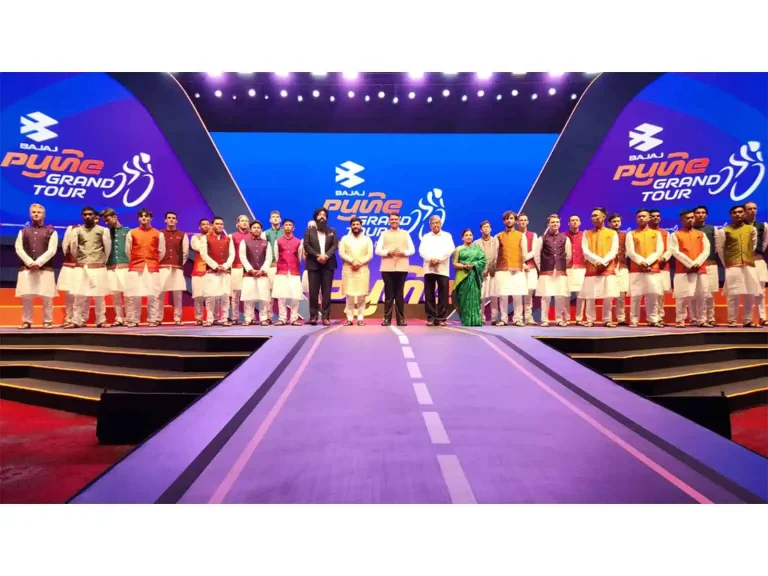
Maharashtra Chief Minister Devendra Fadnavis officially inaugurated the Pune Grand Tour 2026 on January 17, marking the commencement of India’s first-ever UCI 2.2 category multi-stage professional road cycling race. The inauguration ceremony brought together top dignitaries and international athletes in Pune to celebrate what officials described as a landmark moment for the state’s sporting and tourism profile.

The five-day event, scheduled from January 19 to January 23, will feature elite riders competing on a 437-kilometre route that spans diverse terrain across the Deccan Plateau and Sahyadri ranges. The Chief Minister welcomed cyclists from over 35 countries, highlighting the global nature of the competition and its potential to put Pune and Maharashtra on the world sports map.

Massive International Participation Sets New Benchmark

The Bajaj Pune Grand Tour 2026 has drawn 171 elite cyclists from 29 teams representing five continents, bringing a high-level competitive field to Indian roads. Organised by the Pune District Administration in collaboration with the Government of Maharashtra and the Cycling Federation of India, the event showcases the scale and ambition of professional cycling infrastructure being developed in the region.

This multi-stage race is being celebrated as a breakthrough for Indian cycling, with participation that reflects growing global interest in professional cycling events on the subcontinent. Supporters believe this will help build a lasting sporting legacy for India while positioning it as a new destination for elite competitive cycling.

Fadnavis Highlights Record-Breaking Preparation and Legacy Vision

In his address at the inauguration, Fadnavis underscored that preparing 437 kilometres of race-ready roads, complete with safety systems and logistics aligned with international standards, was achieved in record time. He said the pace of execution had not been seen in the last three decades, signalling both administrative efficiency and commitment to international-grade sports infrastructure.

Fadnavis described the event as more than just a competition. “The Bajaj Pune Grand Tour represents the future of Indian sport. What typically takes decades has been accomplished in months,” he said. He emphasised that this race would contribute to a long-term legacy envisioned for decades ahead, enhancing Pune’s global recognition as a destination for world-class sport, tourism and culture.

Maharashtra CM Fadnavis inaugurates Pune Grand Tour 2026, welcomes global cyclists

Route and Stages Designed for Competitive Challenge and Scenic Appeal

The event will open with a 7.5-kilometre prologue in Pune, followed by four challenging stages that include a mix of urban circuits and mountainous terrain. Stage one will feature an 87.2-kilometre course through Mulshi-Maval, allowing cyclists to navigate flat sprints and technical sections. The second stage will span 105.3 kilometres through the Maratha Heritage Circuit, taking riders past historic and scenic points such as Purandar Fort and Khadakwasla Lake. The third stage will challenge riders on 134 kilometres across fast, rolling terrain, while the final stage’s 95 Kilometres Pune Pride Loop will traverse central landmarks before reaching a dramatic city finish.

Organisers see this combination of terrain and route as an opportunity to highlight Pune’s cultural and natural assets, blending athletic prowess with tourism promotion.

Road Upgrades and Local Infrastructure Boosts

Extensive road resurfacing and infrastructure upgrades were completed in preparation for the race, transforming stretches that previously suffered from uneven surfaces and potholes. Local municipal bodies and public works departments have worked together to widen and smooth roads in Pune and surrounding villages, enhancing both safety for cyclists and everyday commuting for residents. These upgrades are expected to benefit the region long after the event concludes, addressing longstanding infrastructure challenges.

Residents have noted the improvements with interest, pointing out that enhanced road quality, fresh tarmac and the removal of speed breakers along key routes have created smoother travel conditions that were lacking for years.

Event’s Cultural and Economic Vision

Officials involved in organising the tour say it will not only elevate professional cycling in India but also strengthen Pune’s broader cultural and economic profile. By bringing international athletes and media attention to the region, authorities expect increased tourism activity and global recognition for Maharashtra’s sporting capabilities. There are hopes that this event will establish a recurring place on the international cycling calendar, creating sustainable interest and economic opportunities for local communities.

Fadnavis emphasised the role of sporting events in promoting healthy lifestyles, campaigning for cycling as both a competitive sport and a solution for urban challenges such as pollution and lifestyle diseases.

Safety, Hospitality and State Support Assurances

The Chief Minister assured full support from the Maharashtra government to ensure the safety, hospitality and overall experience for riders, teams and officials. Safety systems along the route, accommodation logistics and event coordination have been finalised in collaboration with local authorities, federal officials and international cycling bodies. Fadnavis reiterated the administration’s commitment to delivering a world-class event that prioritises athlete welfare and high standards of competition.

He encouraged riders to compete with sportsmanship and highlighted cycling as one of the oldest yet continuously evolving sports that combines tradition with modern competitive excellence.

Read More: https://channel6network.com/maharashtra-fadnavis-credits-modi/

Cycling’s Broader Impact on Urban Life and Environment

Event stakeholders have also pointed to cycling’s potential impact on urban lifestyles, advocating for greater integration of cycling infrastructure in cities as part of sustainable development strategies. Leaders involved in planning the event have drawn attention to how cycling can help tackle pollution, traffic issues and public health concerns, encouraging a shift toward more active and ecologically friendly modes of transport.

The Pune Grand Tour’s success could inspire similar events and initiatives that integrate sport, public health and urban planning goals.

Outlook for International Recognition and Future Editions

With the successful inauguration of the Pune Grand Tour 2026, organisers and officials are optimistic about the race’s future. There are plans to elevate the event’s status in subsequent years, potentially attracting even larger fields of international competitors and higher classification within the global cycling circuit.

As the world’s cycling community watches the unfolding competition in Pune, the event’s legacy potential and impact on Indian sport and tourism remain key talking points among organisers and participants alike.

Conclusion: A Milestone for Indian Sport and Global Cycling

The Pune Grand Tour 2026 stands as a landmark event in India’s sporting history, combining elite cycling competition with cultural celebration and strategic infrastructure development. Maharashtra Chief Minister Devendra Fadnavis’s inauguration highlighted not only the race’s immediate thrill but also its long-term aspirations. With elite athletes from around the world lining up for the challenge, Pune is poised to shine as a new hub of international cycling excellence.

Read More: https://channel6network.com/maharashtra-election-result-win-aimim-tickets/

Union Budget 2026 Expectations Rise as Optimism Grows Over Growth, Jobs and Middle-Class Relief

All Eyes on Union Budget 2026 as Middle Class, Jobs and Growth Take Centre Stage

As India moves closer to the presentation of the Union Budget 2026, expectations are running high across sectors, with the middle class, industry leaders and economists keenly watching for policy signals that could shape the country’s economic trajectory in the coming year. Scheduled to be presented in early February, the budget is expected to balance fiscal discipline with growth-oriented measures at a time when global uncertainties and domestic aspirations intersect.union budget 2026 sectors

For the middle class, tax relief remains the most anticipated announcement. With rising living costs, housing loan burdens and healthcare expenses, there is widespread demand for higher income tax exemptions and rationalisation of slabs. Many salaried taxpayers are hoping for adjustments that increase disposable income and boost consumption, which has shown signs of uneven recovery in recent months.

The government is also expected to focus strongly on job creation, especially for youth. With a large working-age population entering the labour market every year, employment generation through manufacturing, services and emerging sectors such as green energy and artificial intelligence is likely to be a key theme. Incentives for startups, skill development programmes and support for small and medium enterprises could feature prominently.

Infrastructure development is expected to remain a cornerstone of the budget. Continued investment in roads, railways, ports and urban transport is seen as critical for sustaining economic momentum and attracting private investment. Analysts believe higher capital expenditure could help create jobs while improving long-term productivity.

The agriculture sector, which supports a significant portion of the population, is also expected to receive focused attention. Measures to improve farmer incomes, expand irrigation coverage and strengthen crop insurance mechanisms are likely to be explored. There is also growing discussion around encouraging sustainable farming practices and technology adoption in rural areas.

On the fiscal front, the government faces the challenge of managing deficits while maintaining growth. Adherence to fiscal consolidation targets is expected, though experts suggest flexibility may be required to address developmental priorities. Any move to widen the tax base without increasing rates could help strengthen government finances.

Another area of focus is likely to be digital governance and financial inclusion. With India’s expanding digital economy, the budget may introduce initiatives to strengthen cybersecurity, promote digital payments and support innovation in fintech. Education and healthcare spending, particularly in public infrastructure, are also expected to see steady allocations.

Growing confidence among middle-class households has emerged as a key factor shaping expectations from the upcoming budget. With stable employment trends and rising consumption patterns, many believe targeted relief measures and improved social security provisions could further strengthen household spending power and economic confidence.Screenshot 2026 01 14 130905

Market sentiment has also turned increasingly positive in the run-up to the budget, with investors and businesses expressing confidence in the government’s reform-oriented approach. Stable macroeconomic indicators, strong tax collections and resilient domestic demand have strengthened expectations that the budget will provide a clear and credible roadmap for sustained growth. Analysts believe that continued policy consistency, coupled with targeted incentives, could further enhance investor confidence and position India as a reliable engine of global economic expansion.mutual fund investors budget 2026

Infrastructure momentum is expected to receive a strong push, reinforcing optimism around long-term growth. Continued investment in transport, logistics and urban development is seen as a catalyst for job creation, regional connectivity and private sector participation, helping sustain India’s development trajectory.

As the countdown to Budget Day begins, expectations continue to build. The Union Budget 2026 is widely seen as a roadmap for economic stability, inclusive growth and long-term resilience, with its impact likely to be felt across households, businesses and markets alike.

Also read: https://channel6network.com/airspace-clampdown-republic-day-rehearsals/

Fadnavis’ Bold Claim: ‘Maharashtra Relies a Lot on PM Modi’ as Mahayuti Secures 20 Civic Body Wins

Mahayuti Registers Dominant Victory Across Civic Bodies

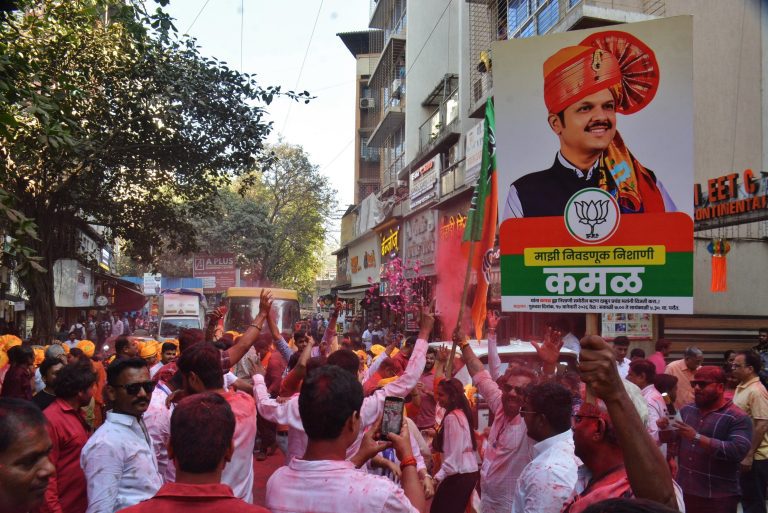
The BJP-led Mahayuti alliance has emerged with a decisive mandate in Maharashtra’s municipal corporation elections, securing control over several key urban civic bodies. The results marked a significant political moment for the ruling coalition, reinforcing its grip on urban Maharashtra and consolidating its position ahead of future electoral battles.

Following the declaration of results, Deputy Chief Minister Devendra Fadnavis described the verdict as a reflection of public trust in the Mahayuti government’s leadership and governance approach. He emphasised that the alliance’s performance across major cities demonstrated voter confidence in stability, development and effective administration.

‘Maharashtra Relies a Lot on PM Modi’: Fadnavis

Reacting to the sweeping win, Fadnavis said Maharashtra places strong faith in Prime Minister Narendra Modi’s leadership. According to him, the election results showed that voters continue to associate development, decisive governance and national leadership with the Prime Minister.

“Maharashtra relies a lot on PM Modi,” Fadnavis said, adding that the Prime Minister’s vision and policies have had a deep impact on urban voters. He stated that civic poll results reflected the electorate’s approval of both state and central government initiatives, particularly those focused on infrastructure, urban development and welfare delivery.

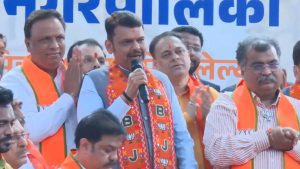
Maharashtra CM Devendra Fadnavis addresses BJP workers in Mumbai.

BJP Workers Credited for Ground-Level Campaigning

Fadnavis reserved special praise for BJP workers, crediting their extensive ground-level efforts for the alliance’s success. He noted that party workers reached voters ward by ward, addressing local civic concerns while communicating the broader development agenda of the Mahayuti.

According to party leaders, thousands of BJP workers were deployed across municipal wards, focusing on door-to-door outreach, local meetings and coordination with alliance partners. Fadnavis said the results belonged as much to grassroots workers as to the leadership, underlining their role in converting organisational strength into electoral success.

Urban Development Agenda Resonates with Voters

The Mahayuti campaign during the civic elections focused strongly on urban infrastructure, public transport, sanitation, housing and digital governance. Leaders highlighted ongoing and proposed projects in cities such as Mumbai, Pune, Nagpur, Thane and Nashik, positioning the alliance as capable of delivering long-term urban transformation.

Fadnavis said voters responded positively to assurances of coordinated governance between civic bodies, the state government and the Centre. He argued that such coordination is essential for large cities that require massive investments and efficient administrative execution.

Opposition Faces Setback in Key Cities

The civic poll outcome proved challenging for opposition parties, which struggled to match the Mahayuti’s organisational reach and unified campaign narrative. In several municipal corporations, opposition parties were unable to convert local dissatisfaction into electoral gains, resulting in fragmented verdicts or clear Mahayuti dominance.

Political observers noted that divisions among opposition parties and a lack of cohesive messaging weakened their campaign. Fadnavis said the results reflected voters’ preference for clarity and stability rather than political uncertainty at the civic level.

Numbers Reflect Strong Mandate

According to preliminary figures shared by election authorities, the Mahayuti alliance secured a majority or emerged as the single largest bloc in multiple municipal corporations across the state. In several key cities, BJP candidates and alliance partners won a significant share of total wards, strengthening their bargaining position in civic governance.

Party leaders highlighted that the alliance improved its tally compared to previous municipal elections, particularly in urban centres where competition is traditionally intense. The improved performance was cited as evidence of growing support for the Mahayuti’s governance model.

Impact on Maharashtra’s Political Landscape

The civic election results are expected to have broader political implications for Maharashtra. Control over municipal corporations allows parties to influence urban policy, resource allocation and grassroots administration. Analysts believe the Mahayuti’s strong showing will boost its confidence ahead of upcoming state and national electoral contests.

Fadnavis said the mandate would encourage the government to accelerate urban development projects and improve service delivery. He added that civic bodies under Mahayuti leadership would focus on transparency, efficiency and citizen-centric governance.

Role of Leadership and Alliance Unity

Leaders within the Mahayuti alliance stressed that unity among alliance partners played a crucial role in the victory. Coordinated seat-sharing, joint campaigning and consistent messaging helped avoid vote division and confusion among supporters.

Fadnavis acknowledged the role of alliance partners in strengthening the campaign, stating that collective effort and shared goals were essential in achieving the sweeping outcome. He said the alliance would continue to work together to meet public expectations at the civic level.

What Lies Ahead for Civic Governance

With the new municipal councils set to take charge, attention now shifts to governance priorities and policy implementation. Issues such as infrastructure upgrades, waste management, flood control, affordable housing and public transport are expected to dominate civic agendas.

Fadnavis said the government would closely coordinate with newly elected corporators to ensure timely execution of projects. He reiterated that voters would judge parties not just on election promises but on visible improvements in everyday civic life.

Conclusion: A Vote of Confidence in Mahayuti Leadership

The sweeping victory of the BJP-led Mahayuti in Maharashtra’s civic body polls marks a strong endorsement of its leadership and governance approach. Devendra Fadnavis’s assertion that Maharashtra relies heavily on Prime Minister Narendra Modi underscores the central role of national leadership in shaping voter sentiment, even in local elections.

As civic bodies begin a new term, the results have set high expectations for performance and accountability. For the Mahayuti, the mandate offers both political momentum and the responsibility to deliver on promises made to urban voters across Maharashtra.

Read More: https://channel6network.com/maharashtra-election-results-2026-mahayuti-bjp/

Mamata Banerjee Mahakal Temple Siliguri 2026 – Detailed Analysis of Foundation Stone Ceremony, Political Messaging, and Governance Lessons for Bengal

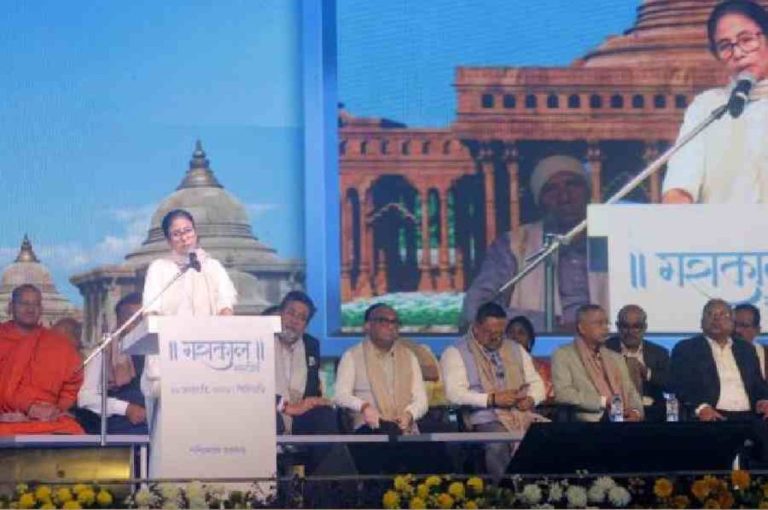
The Mamata Banerjee Mahakal temple Siliguri 2026 event was both a religious and political spectacle. West Bengal’s Chief Minister laid the foundation stone of the Mahakal shrine in Siliguri, a move seen as part of her broader outreach to cultural and spiritual sentiments in North Bengal. At the same time, she used the platform to slam alleged atrocities in BJP‑ruled states, blending religious symbolism with political messaging.


2. Mamata Banerjee Mahakal Temple Siliguri 2026: The Ceremony

  • Location: Siliguri, gateway to North Bengal and the Northeast.
  • Event: Foundation stone laying of the Mahakal temple.
  • Symbolism: The temple project is expected to boost tourism, cultural pride, and spiritual identity.
  • Community participation: Local residents, priests, and party workers attended the event.
  • Tone: Mamata Banerjee emphasised Bengal’s tradition of inclusivity and harmony.

3. Political Messaging

  • Mamata Banerjee criticised atrocities in BJP‑ruled states, framing Bengal as a model of peace and pluralism.
  • She positioned herself as a protector of cultural heritage and champion of social justice.
  • The temple project was presented not just as religious infrastructure but as a symbol of governance that respects tradition.
  • Her speech blended spiritual appeal with political critique, a hallmark of her campaign style.

4. Governance Challenges

The event reflects systemic governance issues:

  • Balancing development with cultural preservation.
  • Managing Centre‑state tensions in politically charged contexts.
  • Ensuring inclusivity in projects that carry religious symbolism.
  • Addressing public expectations of both spiritual and material progress.

5. Government External Links for Assistance


6. Historical Context of Temples and Politics in Bengal

  • 19th century: Temples played a role in Bengal’s cultural renaissance.
  • Post‑Independence: Religious institutions often linked with community identity.
  • 2011 onwards: Mamata Banerjee used cultural symbolism to consolidate political support.
  • 2026: Mahakal temple project reflects continuity of this strategy.

7. Community Impact

  • Residents: Welcomed the temple project as a boost to tourism and local economy.
  • Priests: Saw it as recognition of spiritual traditions.
  • Opposition voices: Criticised blending of religion with politics.
  • Civil society: Called for focus on jobs, education, and healthcare alongside cultural projects.

8. Global Comparisons

Similar strategies worldwide:

  • USA: Leaders often invoke religious symbolism in campaign speeches.
  • India (other states): Temples and shrines frequently used as political backdrops.
  • Sri Lanka: Religious sites play a role in political legitimacy.

Siliguri’s case mirrors these global struggles where religious heritage intersects with political messaging.


9. Governance Lessons

The Mahakal temple event teaches:

  • Cultural projects must be inclusive to avoid alienation.
  • Political messaging through religion must balance respect with governance delivery.
  • Community participation ensures legitimacy.
  • Judicial oversight may be needed to prevent misuse of public funds.

10. Future Outlook – Bengal’s Political Landscape

India must move towards:

  • Transparent funding for cultural projects.
  • Dialogue between Centre and state to reduce confrontation.
  • Integration of cultural heritage with tourism development.
  • Educational campaigns to highlight Bengal’s pluralistic traditions.

11. Conclusion

The Mamata Banerjee Mahakal temple Siliguri 2026 event is more than a foundation stone ceremony—it is a symbolic assertion of Bengal’s cultural identity and political positioning. By invoking spirituality while criticising BJP‑ruled states, Mamata Banerjee reinforced her dual role as guardian of tradition and challenger of political adversaries. For Bengal, the lesson is clear: democracy thrives when cultural pride is matched by governance that delivers for all citizens.

Also read: Home | Channel 6 Network – Latest News, Breaking Updates: Politics, Business, Tech & More

Buxa Tiger Reserve Sighting 2026 – Detailed Analysis of Habitat Restoration, Grassland Expansion, and Conservation Lessons for Bengal

The Buxa Tiger Reserve sighting 2026 has reignited hope for tiger conservation in North Bengal. A tiger was recently photographed inside the reserve, confirming the presence of the apex predator in a landscape long debated for its dwindling population. Conservationists hailed the sighting as proof that Buxa’s habitat still “fits the bill” for tigers, provided urgent steps are taken to expand grasslands and prey base.


2. The Sighting

  • Location: Buxa Tiger Reserve, Alipurduar district, West Bengal.
  • Event: A tiger was clicked by camera traps, validating its presence in the reserve.
  • Significance: First confirmed photographic evidence in years, countering doubts about tiger extinction in Buxa.
  • Symbolism: A reminder that conservation efforts can revive habitats once written off.

3. Why Buxa Matters

  • Ecological importance: Part of the Eastern Himalaya biodiversity hotspot.
  • Strategic location: Shares borders with Bhutan, making it a transboundary conservation zone.
  • Cultural heritage: Home to indigenous communities who coexist with forests.
  • Tourism potential: Tiger presence boosts eco‑tourism prospects in North Bengal.

4. Habitat Challenges

  • Grassland shrinkage: Encroachment and agriculture reduced open spaces needed for prey species.
  • Prey depletion: Decline in deer and gaur populations weakened tiger survival chances.
  • Human pressure: Villages inside and around the reserve create conflict zones.
  • Fragmented corridors: Connectivity with Bhutan and Assam forests disrupted by roads and railways.

5. Conservation Response

  • Grassland restoration projects initiated to expand prey base.
  • Anti‑poaching patrols strengthened to protect herbivores.
  • Community engagement programs launched to reduce human‑wildlife conflict.
  • Scientific monitoring using camera traps and drones to track tiger movement.

6. Government External Links for Assistance


7. Historical Context of Tigers in Buxa

  • 1980s: Buxa declared a tiger reserve under Project Tiger.
  • 1990s–2000s: Reports of dwindling tiger numbers raised alarm.
  • 2010s: Doubts emerged about tiger extinction in the reserve.
  • 2026: Current sighting revives hope for revival through habitat restoration.

8. Buxa Tiger Reserve Sighting 2026: Community Impact

  • Villagers: Expressed pride but also concern about safety.
  • Farmers: Worried about livestock predation.
  • Youth: Saw eco‑tourism opportunities in tiger presence.
  • Civil society: Called for balancing conservation with livelihood security.

9. Global Comparisons

Similar tiger conservation challenges worldwide:

  • Nepal: Chitwan National Park revived tiger numbers through prey base expansion.
  • Bangladesh: Sundarbans tigers face habitat loss due to climate change.
  • Russia: Siberian tiger conservation succeeded with strict anti‑poaching laws.

Buxa’s case mirrors these global struggles where habitat restoration and prey base management are key to tiger survival.


10. Governance Lessons

The Buxa sighting teaches:

  • Scientific monitoring is vital for credible conservation.
  • Grassland expansion must be prioritised.
  • Community participation ensures coexistence.
  • Judicial oversight can protect reserves from encroachment.

11. Future Outlook – Tiger Conservation in Bengal

India must move towards:

  • Digitised tiger monitoring systems accessible to forest officials.
  • Eco‑friendly tourism models to generate revenue for conservation.
  • Cross‑border cooperation with Bhutan for corridor management.
  • Integration of conservation with rural development in North Bengal.

12. Conclusion

The Buxa Tiger Reserve sighting 2026 is more than a photograph—it is a symbol of resilience. The tiger’s presence proves that with habitat restoration, prey base strengthening, and community cooperation, Buxa can once again become a thriving tiger landscape. For Bengal, the lesson is clear: conservation success depends on respecting nature’s balance while empowering local communities.

Also read: Home | Channel 6 Network – Latest News, Breaking Updates: Politics, Business, Tech & More

South Dinajpur SIR Name Discrepancy Hearings 2026 – Detailed Analysis of Electoral Roll Verification, Governance Challenges, and Democracy Lessons

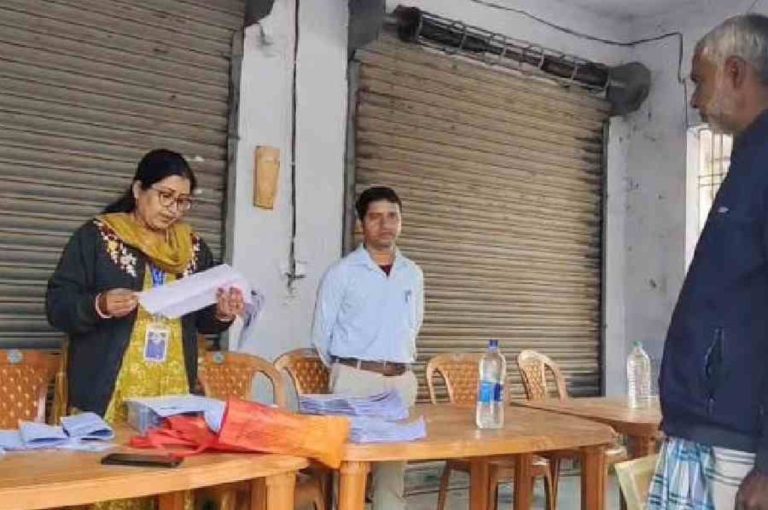
The South Dinajpur SIR name discrepancy hearings 2026 highlight the complexities of electoral roll verification in West Bengal. The Sub‑Divisional Officer (SDO) of Gangarampur called citizens for hearings after discrepancies in the spelling of names were flagged during the Special Intensive Revision (SIR) process. While the intention was to ensure accuracy in voter lists, the move triggered frustration among residents who felt harassed over minor clerical errors.


2. The Incident

  • Location: Gangarampur subdivision, South Dinajpur district.
  • Event: Citizens summoned for hearings due to spelling mismatches in names on voter rolls.
  • Trigger: SIR flagged discrepancies between voter ID cards and other documents.
  • Community reaction: Anger and confusion, as many felt the errors were trivial and did not warrant hearings.
  • SDO’s stance: Claimed hearings were necessary to maintain electoral integrity.

3. Why Name Discrepancies Matter

  • Legal accuracy: Electoral rolls must match official documents to prevent fraud.
  • Identity verification: Spelling errors can lead to duplicate entries or wrongful deletions.
  • Inclusivity: Ensures first‑time voters and migrants are not excluded.
  • Transparency: Protects against allegations of bias or manipulation.

4. Community Concerns

  • Frustration: Citizens felt harassed over minor spelling mistakes.
  • Hardship: Daily wage earners lost income attending hearings.
  • Fear: Minority communities worried about targeted exclusions.
  • Relief: Some welcomed the hearings as a chance to correct errors.

5. Political Context

  • TMC: Accused the Election Commission of acting under BJP’s influence.
  • BJP: Defended hearings as necessary to remove fictitious voters.
  • Civil society: Called for sensitivity and transparency in hearings.
  • Opposition parties: Warned of disenfranchisement if grievances are not addressed.

6. Governance Challenges

The hearings reflect systemic governance issues:

  • Clerical errors: Minor spelling mistakes escalate into bureaucratic hurdles.
  • Communication gaps: Citizens often unaware of hearing schedules.
  • Trust deficit: Allegations of bias undermine confidence in institutions.
  • Judicial oversight: Courts may need to intervene if disputes escalate.

7. Government External Links for Assistance


8. Historical Context of Electoral Roll Verification in Bengal

  • 2000s: Allegations of bogus voters became common in border districts.
  • 2011–2019: Electoral roll revisions often coincided with political clashes.
  • 2024–25: SIR flagged millions of discrepancies nationwide.
  • 2026: Current hearings reflect Bengal’s long history of contested voter lists.

9. South Dinajpur SIR Name Discrepancy: Community Impact

  • Families: Fear disenfranchisement if hearings are mishandled.
  • Students: First‑time voters face hurdles in proving eligibility.
  • Farmers and workers: Lose wages attending hearings.
  • Civil society groups: Demand grievance redressal mechanisms.

10. Global Comparisons

Similar voter roll controversies worldwide:

  • USA: Allegations of voter suppression through purges in Georgia and Florida.
  • UK: Concerns about disenfranchisement under new voter ID laws.
  • Nigeria: Disputes over duplicate registrations and ghost voters.

South Dinajpur’s case mirrors these global struggles where electoral integrity collides with human vulnerability.


11. Governance Lessons

The SIR name discrepancy hearings teach:

  • Human sensitivity must guide bureaucratic processes.
  • Digital tools must be audited to prevent wrongful flagging.
  • Community engagement ensures inclusivity.
  • Judicial oversight is vital to protect democratic rights.

12. Future Outlook – Democracy in Bengal

India must move towards:

  • Digitised grievance redressal portals for voter roll issues.
  • Periodic audits of electoral rolls by independent agencies.
  • Public dashboards showing deletions and additions transparently.
  • Educational campaigns to help citizens verify their status.

13. Conclusion

The South Dinajpur SIR name discrepancy hearings 2026 are more than clerical corrections—they are a test of India’s democratic resilience. By calling citizens for hearings over spelling mismatches, the Election Commission has signalled urgency in protecting electoral integrity. For Bengal, the lesson is clear: democracy must never come at the expense of human dignity and voter rights.

Also read: Home | Channel 6 Network – Latest News, Breaking Updates: Politics, Business, Tech & More