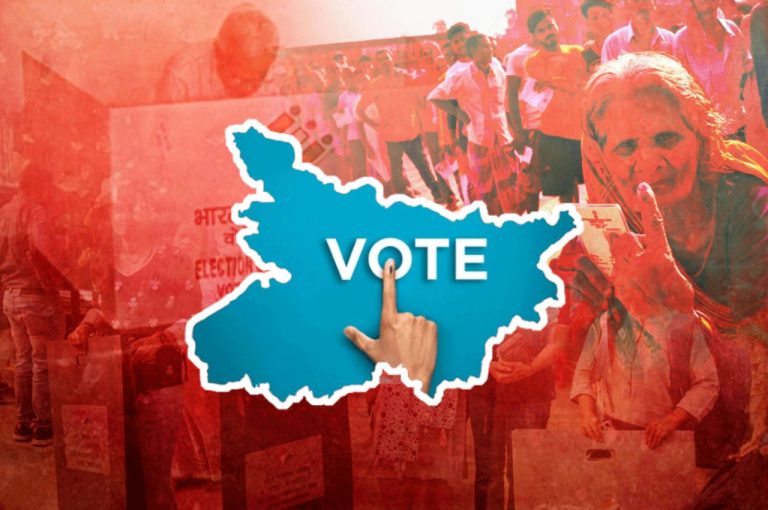
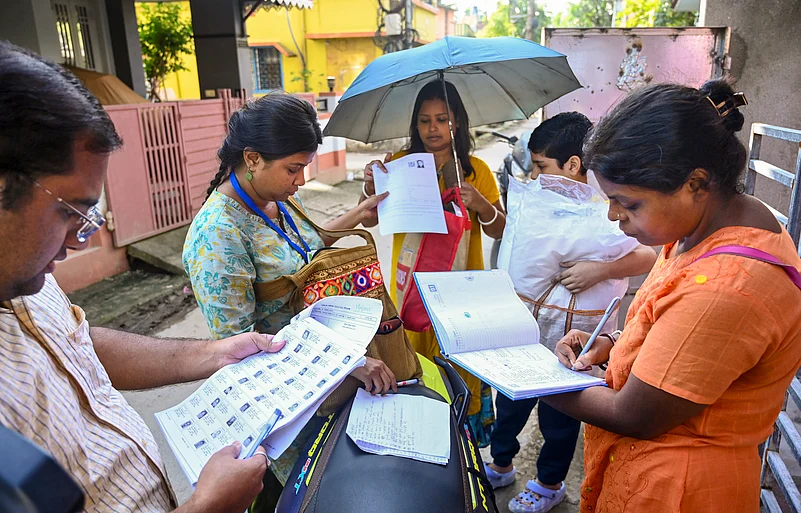
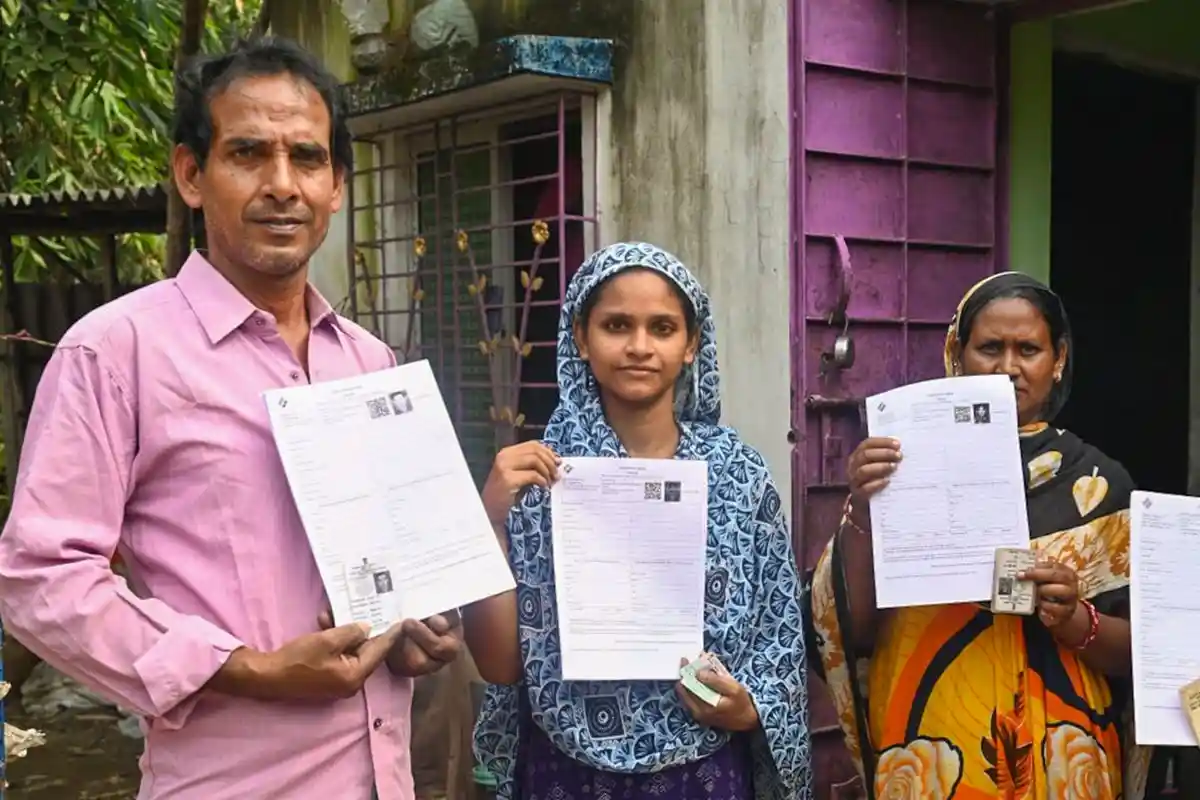
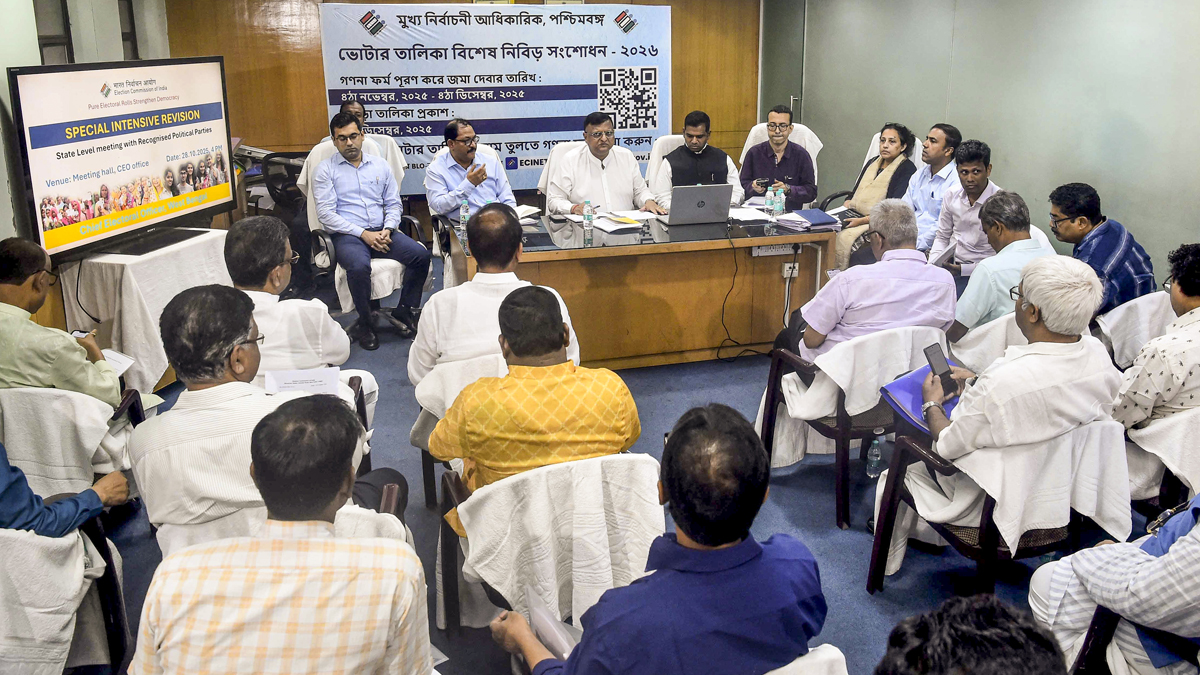
The West Bengal SIR hearing venues expansion 2026 marks a significant step in the Election Commission’s efforts to complete voter list verification before the upcoming elections. With widespread protests, logistical challenges, and mounting public anxiety, the Commission announced that the number of hearing venues would be doubled across the state to ensure the process concludes by February 7, 2026. This decision reflects both the urgency of electoral integrity and the governance challenges of balancing inclusivity with efficiency.
2. SIR Hearing Venues Expansion: The Decision
Election Commission directive: Double the number of SIR hearing venues statewide.
Timeline: Completion deadline set for February 7, 2026.
Objective: Speed up hearings, reduce crowding, and address grievances more effectively.
Impact: Citizens will have more accessible venues, reducing travel and waiting times.
3. Why SIR Hearings Matter
Electoral roll integrity: Ensures only eligible voters remain on the list.
Democratic participation: Protects the rights of first‑time voters, migrants, and vulnerable groups.
Transparency: Prevents bogus entries and fraudulent voting.
Accountability: Provides citizens a chance to contest wrongful deletions.
4. Community Concerns
Protests: Citizens in districts like Uttar Dinajpur and Murshidabad expressed anger over repeated notices.
Hardship: Daily wage earners lost income attending hearings.
Fear: Minority communities worried about targeted exclusions.
Relief: Doubling venues may ease congestion and reduce frustration.
5. Political Context
TMC: Accused the Election Commission of acting under BJP’s influence.
BJP: Defended the process as necessary to remove fictitious voters.
Civil society: Called for transparency and fairness in hearings.
Opposition parties: Warned of disenfranchisement if grievances are not addressed.
6. Governance Challenges
The expansion reflects systemic governance issues:
Logistical strain: Managing hearings across thousands of venues.
Communication gaps: Citizens often unaware of hearing schedules.
Trust deficit: Allegations of bias undermine confidence in institutions.
Judicial oversight: Courts may need to intervene if disputes escalate.
8. Historical Context of Electoral Roll Verification in Bengal
2000s: Allegations of bogus voters became common in border districts.
2011–2019: Electoral roll revisions often coincided with political clashes.
2024–25: SIR flagged millions of discrepancies nationwide.
2026: Current expansion reflects Bengal’s long history of contested voter lists.
9. Community Impact
Families: Fear disenfranchisement if hearings are mishandled.
Students: First‑time voters face hurdles in proving eligibility.
Farmers and workers: Lose wages attending hearings.
Civil society groups: Demand grievance redressal mechanisms.
10. Global Comparisons
Similar voter roll controversies worldwide:
USA: Allegations of voter suppression through purges in Georgia and Florida.
UK: Concerns about disenfranchisement under new voter ID laws.
Nigeria: Disputes over duplicate registrations and ghost voters.
Bengal’s case mirrors these global struggles where electoral integrity collides with human vulnerability.
11. Governance Lessons
The SIR venue expansion teaches:
Human sensitivity must guide bureaucratic processes.
Digital tools must be audited to prevent wrongful flagging.
Community engagement ensures inclusivity.
Judicial oversight is vital to protect democratic rights.
12. Future Outlook – Democracy in Bengal
India must move towards:
Digitised grievance redressal portals for voter roll issues.
Periodic audits of electoral rolls by independent agencies.
Public dashboards showing deletions and additions transparently.
Educational campaigns to help citizens verify their status.
13. Conclusion
The West Bengal SIR hearing venues expansion 2026 is more than a logistical adjustment—it is a test of India’s democratic resilience. By doubling venues, the Election Commission has signalled urgency in protecting electoral integrity. For Bengal, the lesson is clear: democracy must never come at the expense of human dignity and voter rights.
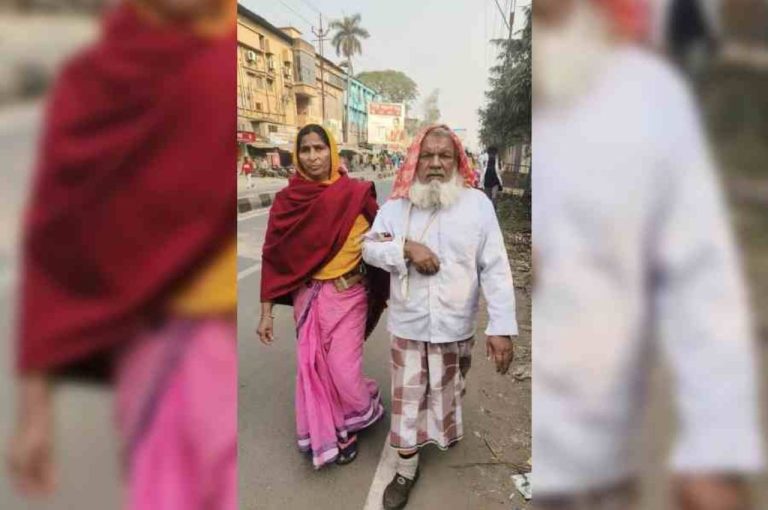
The Behrampore Abhishek Banerjee rally traffic curbs 2026 have sparked widespread debate in Murshidabad district. While the Trinamool Congress roadshow was meant to showcase political strength, the accompanying traffic restrictions caused crippling hardship for ordinary citizens. Patients, commuters, and families were forced to walk long distances as buses, rickshaws, and e‑rickshaws were barred from entering the town for nearly ten hours.
2. Behrampore Abhishek Banerjee Rally Traffic Curbs 2026: The Incident
Location: Behrampore town, Murshidabad district.
Event: Roadshow led by Abhishek Banerjee, TMC’s national general secretary and Diamond Harbour MP.
Restrictions: Bus stand shifted 3 km away; buses barred from entering town from 7 am to 5 pm.
Impact: Thousands of commuters, including patients and families, forced to walk 3–5 km.
Symbolism: A 300‑metre roadshow caused disruption across the entire town.
3. Human Stories of Hardship
Murtaj Sheikh (60, Farakka): Walked 3 km with a fractured arm in a sling to reach a bus after medical review.
Ranjit Murmu (30, Sagardighi): Walked 5 km with his wife, carrying sacks of household items on their heads.
Shahrukh Sheikh (Jangipur): Carried his five‑year‑old daughter for 3 km after hospital discharge.
These stories highlight the disconnect between political spectacle and public welfare.
8. Historical Context of Political Rallies in Bengal
2011: Mamata Banerjee’s rallies disrupted Kolkata traffic during Assembly campaign.
2019: BJP and TMC rallies in North Bengal caused transport chaos.
2021: Assembly election roadshows led to clashes and civic disruption.
2026: Current Behrampore incident adds to Bengal’s long history of political spectacle vs. public inconvenience.
9. Global Comparisons
Similar challenges worldwide:
USA: Presidential motorcades often disrupt city traffic.
UK: Political marches in London cause transport delays.
Bangladesh: Dhaka rallies frequently paralyse urban life.
Behrampore’s case mirrors these global struggles where political freedom collides with civic convenience.
10. Governance Lessons
The Behrampore rally teaches:
Public communication must precede traffic curbs.
Alternative transport should be arranged for patients and vulnerable groups.
Police neutrality is vital in managing political events.
Civil society vigilance ensures accountability.
11. Future Outlook – Balancing Politics and Public Life
India must move towards:
Codified rules for political rallies to minimise disruption.
Digital alerts for commuters about traffic restrictions.
Community consultation before imposing curbs.
Integration of civic welfare into political planning.
12. Conclusion
The Behrampore Abhishek Banerjee rally traffic curbs 2026 are more than a local inconvenience—they are a test of Bengal’s governance capacity. While political roadshows are part of democracy, they must not come at the expense of ordinary citizens’ dignity and mobility. For Murshidabad, the lesson is clear: democracy thrives when political expression coexists with respect for public welfare.
Bengal SIR: ECI Sets Target of Seven Lakh Hearings Per Day to Complete Process by February 7
The Election Commission of India (ECI) has significantly stepped up its efforts to complete the Special Intensive Revision (SIR) of electoral rolls in West Bengal, setting an ambitious target of seven lakh hearings per day to meet the February 7 deadline. The move comes amid mounting pressure to finalise the voter verification exercise well ahead of the publication of the final electoral roll.
The SIR exercise, undertaken to update and cleanse voter lists, involves hearing claims and objections related to the draft electoral rolls published earlier. West Bengal, given its large electorate and politically sensitive environment, has emerged as one of the most challenging states for the Commission in terms of scale and logistics.
To meet the accelerated timeline, the ECI has expanded the number of hearing centres across the state to approximately 6,500, nearly doubling the existing capacity. With this expansion, each centre is expected to conduct over 100 hearings daily. The Commission believes that enhanced infrastructure, combined with additional manpower, will make the target achievable.
Officials associated with the process said the revision drive has entered a critical phase, as a substantial number of voters were flagged during earlier scrutiny. These include cases involving document discrepancies, non-linkage with earlier electoral rolls, and logical errors in application forms. Each such case requires a personal hearing before electoral registration officers to determine eligibility.
The deadline for completing hearings on claims and objections is February 7, following which the final electoral roll is scheduled to be published on February 14. The completion of this process is essential before any further steps can be taken towards conducting the next Assembly elections in the state.
The push for speed follows concerns over the pace of progress so far. With a massive number of cases pending, the Commission has acknowledged the need for tighter coordination at the district and booth levels. Additional assistant electoral registration officers and supervisory staff have been deployed to reduce delays and streamline decision-making.
The SIR process has also drawn sharp political reactions in the state. Several parties have raised concerns over procedural rigidity, alleging that minor discrepancies such as spelling variations or documentation gaps could result in the exclusion of eligible voters. The Election Commission, however, has reiterated that the exercise is being conducted strictly in accordance with established guidelines, with safeguards in place to ensure that no eligible voter is disenfranchised unfairly.
Election officials have emphasised that hearings are an opportunity for voters to present their case and clarify discrepancies. Voters whose names are marked for verification have been advised to attend hearings at designated centres with necessary documents to avoid exclusion from the final roll.
Administratively, the scale of the exercise remains formidable. Managing lakhs of hearings daily requires precise coordination, reliable data management systems, and sustained effort from election staff operating under tight timelines. Despite the challenges, the Commission has expressed confidence that the revised strategy will allow the process to conclude on schedule.
Officials have reiterated that the objective of the Special Intensive Revision is to strengthen the credibility of the electoral process by ensuring that voter rolls are accurate and up to date. According to the Election Commission, the exercise is routine but assumes added significance in states with high population mobility and dense electorates like West Bengal.
Special instructions have been issued to district election officers to prioritise cases involving senior citizens, persons with disabilities, and migrant workers to ensure they are not inconvenienced by repeated visits. Flexible hearing schedules and alternative verification mechanisms are being explored to accommodate voters unable to attend hearings during working hours.
The Commission has also directed field officials to adopt a facilitative approach rather than a punitive one while conducting hearings. Electoral officers have been advised to assist voters in rectifying errors and submitting additional documents where required, instead of outright rejection of claims.
The outcome of the SIR in West Bengal is being closely watched, as it will not only shape the state’s electoral roll but also set a precedent for similar exercises elsewhere. With the February 7 deadline approaching rapidly, the coming weeks will be crucial in determining whether the Commission can successfully balance speed with accuracy in one of the country’s most complex electoral exercises.
U.S. Forces Kill Al-Qaeda Affiliate Leader Linked to Deadly ISIS Ambush in Syria
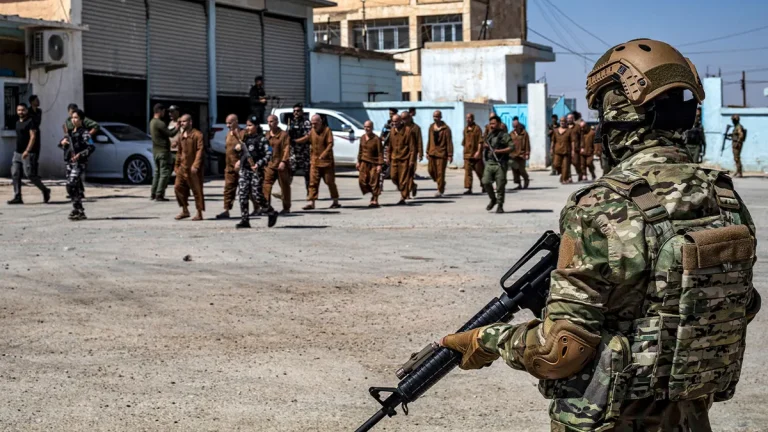
In a significant escalation of its ongoing counter-terrorism operations in Syria, the United States military has announced the death of an Al-Qaeda-affiliated leader with direct ties to an ISIS ambush that killed three American personnel last December. The strike, carried out by US Central Command (CENTCOM) on January 16 in northwest Syria, marks a continuation of Washington’s efforts to retaliate against extremist groups that target U.S. forces and allies in the region.
CENTCOM identified the slain militant as Bilal Hasan al-Jasim, describing him as a senior operative with both plotting capabilities and established connections to the ISIS gunman responsible for the December attack in Palmyra. In that ambush, a single gunman opened fire on a joint U.S.–Syrian patrol, killing two U.S. soldiers — Sergeant Edgar Brian Torres-Tovar and Sergeant William Nathaniel Howard — along with their American interpreter Ayad Mansoor Sakat. The incident also wounded several U.S. and Syrian personnel, highlighting the persistent threat posed by extremist factions in the region.
According to a statement from Admiral Brad Cooper, commander of CENTCOM, the strike underscores Washington’s resolve to pursue and eliminate terrorists who pose a direct threat to American forces. “The death of a terrorist operative linked to the deaths of three Americans demonstrates our resolve in pursuing terrorists who attack our forces,” Admiral Cooper said, adding, “There is no safe place for those who conduct, plot, or inspire attacks on American citizens and our warfighters. We will find you.”
The operation that killed al-Jasim is part of a broader campaign known as Operation Hawkeye Strike, which was launched in December by U.S. forces with the backing of regional partners. In response to the deadly Palmyra ambush, Hawkeye Strike has involved a series of large-scale airstrikes and precision attacks aiming to dismantle ISIS infrastructure, disrupt logistics, and degrade command networks across Syria. CENTCOM reports that more than 100 ISIS infrastructure and weapons sites have been struck with over 200 precision-guided munitions since the campaign began. Additionally, U.S. and partner forces have captured over 300 ISIS operatives and killed more than 20 militants over the past year, according to military statements.
While the December attack was one of the deadliest involving U.S. forces in Syria in recent years, it also demonstrated that ISIS and affiliated extremist groups remain capable of violent reprisals even after losing territorial control. The U.S. presence in Syria remains focused on counter-terrorism operations following the territorial defeat of ISIS in 2019, but the December 2025 ambush highlighted ongoing vulnerabilities for American and allied forces operating in a complex battlefield environment where multiple militant factions still operate.
The strike on al-Jasim and subsequent operations signal both a tactical and symbolic response by the United States. On the tactical level, U.S. forces aim to sever operational links between ISIS and other extremist organizations such as Al-Qaeda, preventing future attacks. On the strategic level, Washington is emphasizing that attacks on its personnel will be met with swift and decisive military action, aiming to deter similar incidents in the future.
However, analysts caution that targeting individual militant leaders, while impactful, is unlikely on its own to end extremist threats in Syria. The region remains a mosaic of competing armed groups, fractured governance, and deep-rooted grievances — factors that have allowed remnants of ISIS and Al-Qaeda affiliates to persist despite sustained international efforts. U.S. military operations, therefore, continue alongside diplomatic and security cooperation with local and regional partners to address the broader conditions that enable extremist violence.
The recent strike follows through on commitments made by U.S. officials to pursue those responsible for the December ambush, reinforcing the message that attacks on American forces will provoke a robust response. As the situation in Syria evolves, and as extremist groups adapt to military pressure, U.S. forces and their partners appear prepared to sustain pressure on militants to prevent future attacks and support stability in a region long plagued by conflict.
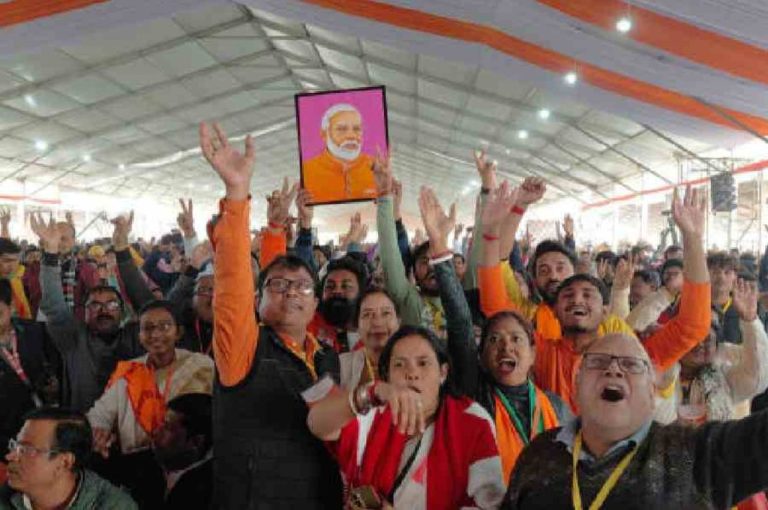
The Modi Malda rally BJP Bengal 2026 has become a defining moment in West Bengal’s pre‑election atmosphere. Addressing a massive crowd, Prime Minister Narendra Modi highlighted BJP’s ability to win in states once considered politically hostile, such as Kerala, and asked rhetorically: “If BJP can win in Kerala, why not in Bengal?”. His statement was both a challenge to the ruling Trinamool Congress (TMC) and a rallying cry for BJP supporters in Bengal.
2. Modi Malda Rally BJP Bengal 2026: The Rally in Malda
Location: Malda district, a politically sensitive region in North Bengal.
Event: PM Modi addressed thousands of supporters, emphasising BJP’s national reach.
Message: BJP’s victories in Kerala were cited as proof of the party’s growing acceptance.
Tone: Assertive, optimistic, and aimed at energising cadres ahead of polls.
Symbolism: Malda, with its mixed demographics, was chosen to showcase BJP’s ambition to penetrate new voter bases.
3. Political Context
TMC dominance: West Bengal has been a stronghold of Mamata Banerjee’s Trinamool Congress.
BJP’s rise: Since 2019, BJP has emerged as the main opposition in Bengal.
Kerala comparison: Modi’s reference to Kerala was symbolic—if BJP can break barriers in the south, Bengal is not impossible.
Electoral stakes: Bengal’s 42 Lok Sabha seats make it a crucial battleground.
4. Governance Challenges Highlighted
The rally reflects deeper governance issues:
Polarisation of voters along political and cultural lines.
Centre‑state tensions between BJP‑led Union government and TMC‑ruled Bengal.
Trust deficit between citizens and institutions.
Need for inclusive development beyond electoral rhetoric.
2019: The party surged to 18 seats, challenging TMC’s dominance.
2021 Assembly elections: BJP emerged as the main opposition but fell short of forming government.
2026: Current rally signals BJP’s determination to expand further.
7. Community Impact
Supporters: Felt energised by Modi’s Kerala comparison, seeing it as proof of BJP’s national strength.
Opponents: TMC leaders dismissed the claim, citing Bengal’s unique political culture.
Neutral citizens: Expressed concern about rising polarisation and the need for governance beyond slogans.
Civil society: Called for focus on jobs, education, and healthcare rather than political rivalry.
8. Global Comparisons
Similar political strategies worldwide:
USA: Parties often cite victories in unexpected states to energise supporters.
UK: Labour and Conservatives highlight breakthroughs in rival strongholds.
Brazil: Leaders use symbolic victories to project national strength.
Modi’s Kerala reference mirrors these global tactics where symbolic wins are used to inspire confidence in new battlegrounds.
9. Governance Lessons
The Malda rally teaches:
Symbolic victories matter in shaping political narratives.
Electoral rhetoric must be matched by governance delivery.
Centre‑state cooperation is essential for stability.
Civil society vigilance ensures democracy remains inclusive.
10. Future Outlook – Bengal’s Political Landscape
India must move towards:
Inclusive development policies that address Bengal’s socio‑economic challenges.
Dialogue between Centre and state to reduce confrontation.
Transparent electoral processes to build trust.
Integration of regional aspirations into national narratives.
11. Conclusion
The Modi Malda rally BJP Bengal 2026 is more than a campaign event—it is a symbolic assertion of BJP’s ambition to expand its footprint in Bengal. By invoking Kerala, Modi sought to inspire confidence that Bengal too could witness a political shift. For India, the lesson is clear: democracy thrives when electoral competition is matched by governance that delivers for all citizens.
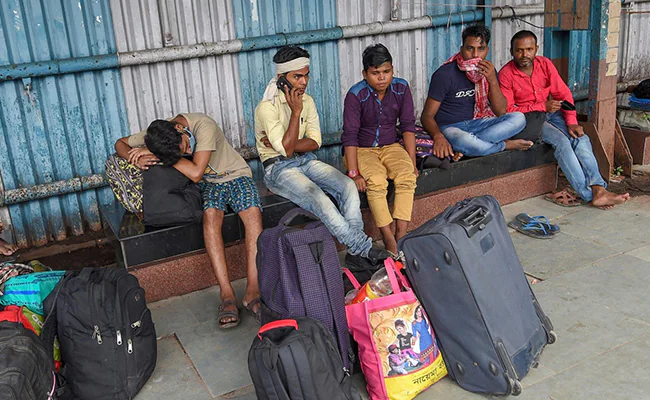
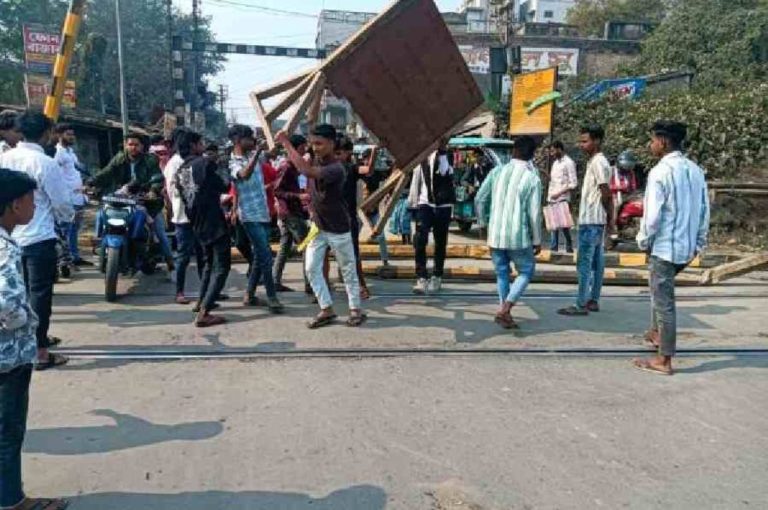
The Beldanga migrant worker protests 2026 have once again exposed the fragile relationship between migrant labour, state governance, and public order in India. Following reports of a fresh assault on a worker from Murshidabad in Bihar, residents of Beldanga erupted in anger, blocking NH12 and railway tracks. The situation escalated until police resorted to a lathicharge to disperse the mobs. The incident underscores the deep anxieties of migrant families and the challenges of maintaining law and order amid rising inter‑state tensions.
2. Beldanga Migrant Worker Protests 2026: The Incident
Location: Beldanga, Murshidabad district, West Bengal.
Trigger: Reports of a migrant worker from Bengal being assaulted in Bihar.
Reaction: Mobs blocked NH12 highway and railway tracks, disrupting traffic and train services.
Police response: Lathicharge used to disperse protesters after hours of unrest.
Community sentiment: Anger, fear, and frustration over repeated attacks on migrant workers outside Bengal.
3. Why Migrant Workers Are Vulnerable
Economic dependence: Thousands from Murshidabad migrate to Bihar, Jharkhand, and Delhi for work.
Low wages and informal contracts: Workers often lack legal protection.
Social tensions: Migrants face hostility in host states, sometimes framed as outsiders.
Weak grievance redressal: Families back home feel helpless when attacks occur far away.
4. Political Context
Opposition parties accused the ruling government of failing to protect migrant workers.
The state government highlighted compensation and relief measures for affected families.
Civil society groups demanded inter‑state coordination to prevent such assaults.
The protests reignited debates about labour rights and federal responsibility.
5. Governance Challenges
The Beldanga protests reflect systemic governance issues:
Inter‑state coordination failures in protecting migrant labour.
Weak law enforcement in host states where assaults occur.
Lack of communication between governments and affected families.
Public order dilemmas when protests escalate into violence.
Supreme Court of India:https://main.sci.gov.in (main.sci.gov.in in Bing) (bing.com in Bing)
7. Historical Context of Migrant Worker Protests in Bengal
2010s: Murshidabad workers faced repeated assaults in other states, sparking local anger.
2020 lockdown: Migrant workers stranded across India highlighted systemic neglect.
2024–25: Reports of violence against Bengal migrants in Bihar and Jharkhand triggered protests.
2026: Current Beldanga fury reflects the persistence of these tensions.
8. Community Impact
Families expressed fear for loved ones working outside Bengal.
Daily wage earners lost income due to road and rail blockades.
Students and commuters faced disruption in transport services.
Civil society groups demanded better protection and awareness campaigns.
9. Global Comparisons
Similar migrant worker crises worldwide:
Middle East: South Asian migrants face exploitation and abuse.
USA: Migrant farm workers often face hostility and poor protection.
Europe: Refugee and migrant labour protests highlight systemic discrimination.
Beldanga’s case mirrors these global struggles where migrant labour remains vulnerable to violence and neglect.
10. Governance Lessons
The Beldanga protests teach:
Inter‑state labour agreements are essential to protect workers.
Community awareness campaigns can reduce panic and misinformation.
Rapid grievance redressal systems must be established.
Judicial oversight is vital to ensure accountability in migrant assaults.
11. Future Outlook – Migrant Protection in India
India must move towards:
Digitised migrant worker registries for tracking and protection.
Inter‑state coordination cells to handle disputes and assaults.
Public dashboards showing migrant safety measures transparently.
Educational campaigns to build respect for migrant labour.
12. Conclusion
The Beldanga migrant worker protests 2026 are more than a local disturbance—they are a test of India’s governance capacity in protecting its most vulnerable citizens. The fury in Murshidabad reflects the deep insecurities of families dependent on migration for survival. For Bengal, the lesson is clear: labour rights and public order must be safeguarded through proactive governance, not reactive policing alone.
AIMIM Breaks New Ground in Maharashtra Civic Polls
In the 2026 Maharashtra municipal corporation elections, Asaduddin Owaisi’s All India Majlis-e-Ittehadul Muslimeen (AIMIM) achieved a notable milestone by fielding and winning seats with six Hindu and Buddhist candidates across key urban centres in the state. The results mark a significant expansion of the party’s outreach beyond its core support base, reflecting broader voter acceptance and cross-community appeal. AIMIM secured more than 120 seats across multiple municipal corporations, placing itself among the influential players in Maharashtra’s urban political landscape.
Historic Wins by Non-Muslim Candidates
At least three of the six Hindu and Buddhist winners on AIMIM tickets were elected in Aurangabad (also referred to as Chhatrapati Sambhajinagar), two in Nagpur, and one in Mumbai’s Brihanmumbai Municipal Corporation (BMC). In Aurangabad, candidates such as Kakasaheb Kakde won in Ward No. 9 (reserved for Scheduled Caste candidates), while Ashok Ranganath Hiwrale and Vijayshree Jadhav also secured victories under the party banner. Their wins underscore AIMIM’s broader mobilisation strategy and organisational strength at the grassroots level in urban Maharashtra.
In Nagpur, Pawan Koye won from a ward reserved for Scheduled Tribe candidates, and Varsha Dongre also emerged victorious, adding to AIMIM’s growing presence in the 151-member Nagpur Municipal Corporation. These wins demonstrate that the party’s reach was not confined to traditionally expected constituencies, but also extended into areas where diverse voter groups made independent choices.
The lone non-Muslim victor in Mumbai was Vijay Ubale, who secured a seat from Ward No. 140 (Deonar-Govandi area) in the BMC. A mathematics teacher by profession, Ubale is seen as a representative of grassroots leadership with strong local support in a ward marked by diverse demographic representation.
AIMIM’s Broader Electoral Performance
Overall, AIMIM’s performance in the civic elections was impressive and considerably improved compared to previous cycles. The party won around 114 to 125 ward seats across 12 to 13 civic bodies, making it one of the notable gains among urban election results. AIMIM’s best showing came in Chhatrapati Sambhajinagar, where it captured more than 30 seats, followed by significant wins in other cities such as Malegaon, Nanded, Amravati and Dhule. The party also recorded wins in Thane and Jalgaon civic bodies.
Analysts note that AIMIM’s strategy of presenting a combination of social workers, first-time contestants and leaders with deep community engagements contributed to its success. The party’s narrative of inclusive politics, which emphasises representation for all communities, resonated with diverse voter segments across wards.
Significance of Cross-Community Victories
The fact that candidates from Hindu and Buddhist backgrounds won on AIMIM tickets is significant for several reasons. First, it highlights a broadening base for a party often perceived as focused primarily on minority politics. Party leaders including Imtiaz Jaleel have cited these results as proof that AIMIM’s support now extends beyond traditional Muslim voters to include segments such as Scheduled Castes, Scheduled Tribes and other communities.
Second, these victories come in wards that were previously considered strongholds of other political formations, underscoring a shift in voter priorities toward candidates they perceive as responsive to local issues, regardless of party identity. In many areas where these candidates won, voters expressed frustration with established parties and sought alternatives focused on community development, civic services and accessible leadership.
Voices and Leadership Perspectives
Imtiaz Jaleel, AIMIM’s Maharashtra president, stated that the victories of non-Muslim candidates reflect the party’s expanding appeal and its potential to unite diverse communities under a common agenda. According to him, the success of these candidates shows that AIMIM’s base is no longer confined to any single community but spans a wider social spectrum.
For Vijay Ubale, winning in Mumbai was an affirmation of local trust and grassroots connection. His success has been attributed to consistent engagement with residents on civic concerns such as infrastructure, sanitation and public services, which are often the primary issues for urban voters.
Impact on Maharashtra’s Civic Political Landscape
AIMIM’s victories, including those of the six Hindu and Buddhist candidates, have altered the political map in several municipal corporations. In cities like Chhatrapati Sambhajinagar and Malegaon, AIMIM emerged as a key player, finishing ahead of some regional parties and traditional contenders. The diversified representation is expected to influence civic decision-making and coalition dynamics as municipal bodies take shape following the elections.
Political analysts believe that these results could encourage further expansion of AIMIM’s footprint in urban local body politics. The party’s ability to attract support from various communities could make it a potential kingmaker in municipal councils where no single party has an outright majority.
Future Outlook and Implications
The election outcomes signal a shift in Maharashtra’s urban electoral dynamics, where voters increasingly evaluate candidates based on their local impact and leadership qualities rather than mere party affiliation. AIMIM’s cross-community success could have implications for future contests, encouraging other parties to reassess their candidate selection and outreach strategies.
As municipal councils prepare to convene and elect key office bearers, the presence of AIMIM corporators — including the six non-Muslim winners — may introduce new perspectives on civic governance and coalition formation. The results also highlight the evolving nature of urban politics in Maharashtra, where emerging political forces continue to challenge traditional party hierarchies and reshape local political conversations.
Conclusion: A Milestone in Inclusive Urban Politics
The 2026 Maharashtra municipal corporation election results underscored the growing influence of the All India Majlis-e-Ittehadul Muslimeen, with six Hindu and Buddhist candidates winning on the party’s ticket across different cities. These victories illustrate a broader trend of inclusive political engagement and expanding support bases that transcend conventional community lines. As civic governance structures take shape, the presence of diverse representatives from AIMIM is likely to contribute to a more pluralistic urban political environment in Maharashtra.
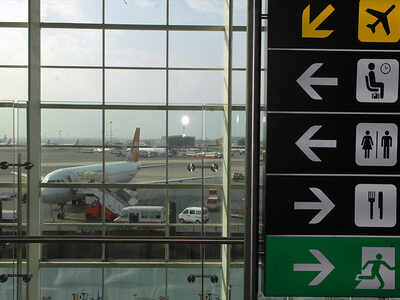
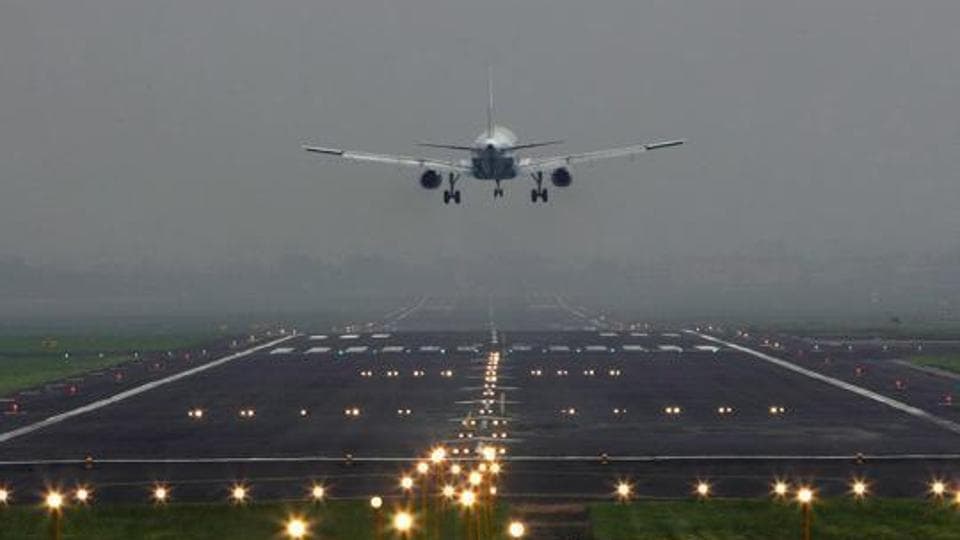
Flight operations at Delhi’s Indira Gandhi International Airport are set to face disruptions over the coming days as authorities impose airspace restrictions ahead of Republic Day rehearsals and ceremonial events. A travel advisory has been issued warning passengers of possible delays and rescheduling between January 21 and January 26 as security arrangements intensify in the national capital.
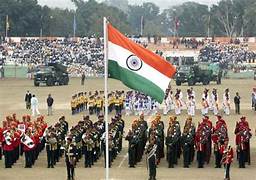
The temporary restrictions are part of standard security protocols implemented every year in the run-up to Republic Day. With fighter jet flypasts, helicopter movements, and parade rehearsals taking place over central Delhi, controlled airspace management becomes necessary to ensure safety during the high-profile national celebrations.
Airspace Restrictions to Affect Flight Schedules
According to airport and aviation officials, certain time windows during the day will see partial closures or regulated use of airspace around Delhi. This could lead to delayed departures, longer holding times for incoming flights, and occasional changes in flight routes. While airport operations will continue, airlines may need to adjust schedules to comply with security guidelines.
Passengers traveling through IGI Airport during this period have been advised to stay updated with their airline notifications. Authorities have also recommended arriving earlier than usual, especially for domestic flights, as congestion at security checkpoints is expected due to heightened checks.
Airlines on Alert as Passenger Traffic Remains High
January remains a busy travel period for Delhi airport, with winter travel, business movement, and post-holiday returns keeping passenger traffic steady. Airlines are working closely with air traffic control to minimize inconvenience, though officials acknowledge that some delays are unavoidable.
Several carriers have already begun informing passengers about potential schedule changes and urging flexibility. Industry sources say airlines may combine or retime certain flights to manage operational challenges while ensuring safety remains the top priority.
Security Takes Center Stage Ahead of Republic Day
The Republic Day celebrations bring thousands of personnel and multiple layers of security coordination across Delhi. Alongside ground-level arrangements, airspace management plays a crucial role in preventing any unauthorized aerial activity during rehearsals and the main event.
The week-long airspace clampdown is expected to test both passengers and airlines but officials maintain that meticulous planning is in place to limit chaos. Aviation authorities have assured that real-time coordination between air traffic control, airlines, and security agencies will help manage peak-hour congestion, while contingency plans are ready to handle emergencies.
Travelers are being urged to remain patient and cooperative, with officials stressing that the temporary disruption is a necessary step to ensure the safety and flawless execution of Republic Day celebrations.
Security agencies are maintaining strict vigilance not only over parade routes and venues but also across airports and air corridors. The airspace restrictions are being implemented in coordination with civil aviation authorities, the Indian Air Force, and local law enforcement.
Advisory for Passengers
Travelers planning to fly in or out of Delhi during the affected dates are advised to check flight status frequently, remain reachable for airline alerts, and allow extra buffer time for airport procedures. Officials have emphasized that cooperation from passengers will help ensure smoother operations during this sensitive period.
Passengers with connecting flights have also been advised to keep sufficient layover time, as even minor delays could impact onward travel. Those with flexible travel plans may consider adjusting flight timings to avoid peak rehearsal hours.
Temporary Inconvenience for a National Occasion
While the disruptions may cause short-term inconvenience, authorities have stressed that such measures are essential for the smooth conduct of one of India’s most important national events. Similar restrictions are imposed annually and are lifted immediately after Republic Day ceremonies conclude.
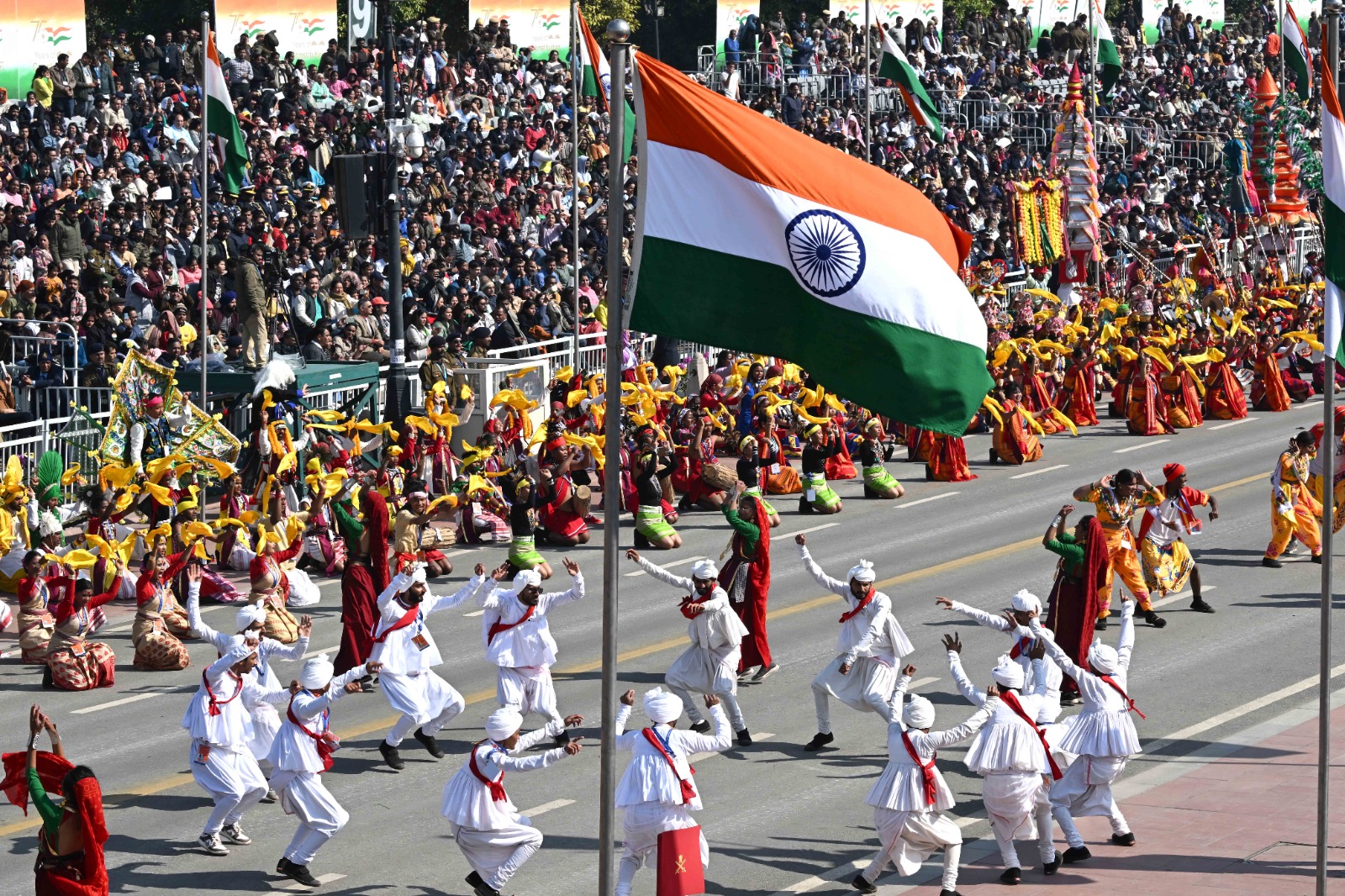
As Delhi prepares to host the grand celebrations showcasing India’s military strength and cultural diversity, airport officials remain focused on balancing security needs with passenger convenience. Travelers are encouraged to plan ahead, stay informed, and exercise patience as the city moves into Republic Day mode.
Republic Day Security Alert Issued After Intelligence Flags Potential Threats
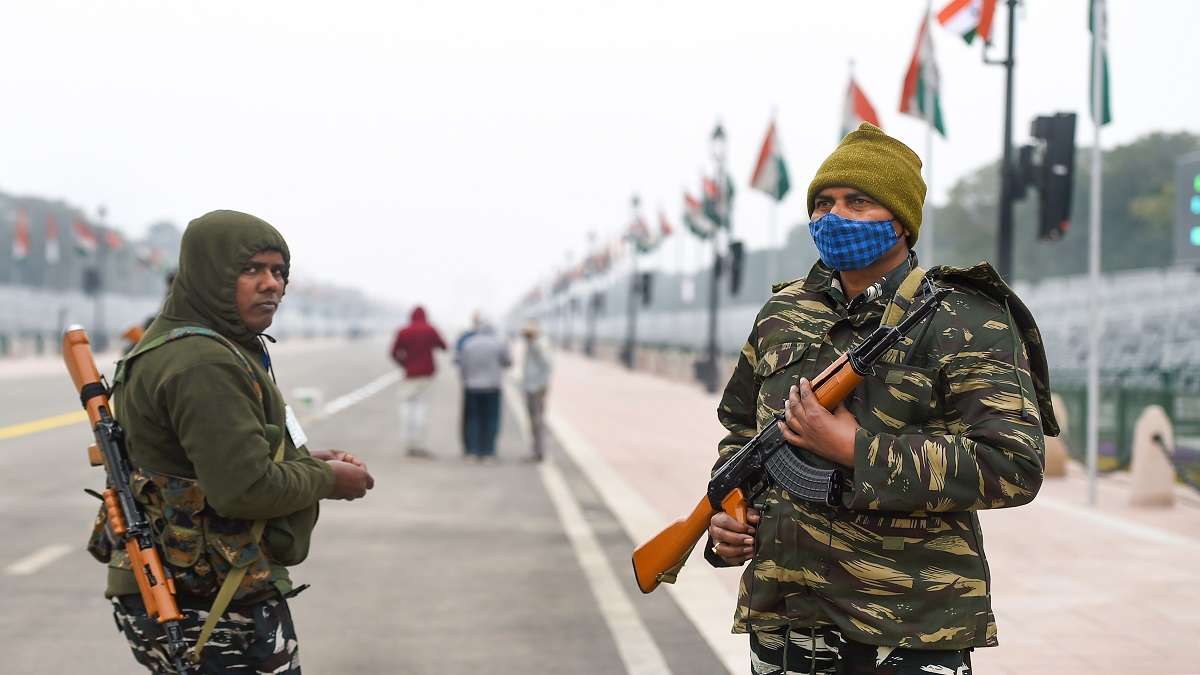
With Republic Day celebrations approaching, Indian intelligence agencies have issued a high-level security alert, warning of possible threats from extremist elements linked to Khalistani and Bangladeshi outfits. The alert has prompted heightened vigilance across Delhi and several other major cities, as security forces move swiftly to ensure that national celebrations proceed without disruption.
Officials familiar with the intelligence inputs said the warnings point to attempts by hostile groups to exploit large public gatherings and symbolic national events. Republic Day, marked by grand parades, public functions, and the presence of senior political and military leadership, is considered a high-risk occasion, making preventive action critical.
Enhanced Security Measures in Place
Following the alert, multiple layers of security have been activated across sensitive zones. In Delhi, police, paramilitary forces, and intelligence units have intensified patrols, surveillance, and vehicle checks. Key installations, government buildings, transport hubs, and crowded public areas have been placed under close watch.
Security agencies are also conducting regular mock drills and coordination meetings to test preparedness and response time. Senior officials have been instructed to maintain round-the-clock monitoring, while rapid response teams remain on standby to address any emerging threat.
Authorities have emphasised that these measures are precautionary and aimed at ensuring public safety rather than responding to any immediate incident.
Focus on Extremist Networks
According to security officials, the intelligence inputs suggest that extremist groups operating outside India may be attempting to revive sleeper networks or inspire lone-wolf actions during the Republic Day period. Such groups often seek attention by targeting high-profile events that attract national and international focus.
Agencies are closely tracking digital communications, financial movements, and cross-border links that could indicate planning or coordination. Special attention is being given to online platforms where propaganda or coded messaging is suspected to circulate.
Officials noted that recent global developments and regional tensions have increased the need for vigilance, especially in urban centres with dense populations and critical infrastructure.
Security Across Major Cities
While Delhi remains the primary focus due to the main Republic Day parade, other metropolitan cities including Mumbai, Kolkata, Chennai, Bengaluru, and Hyderabad have also stepped up security. State police forces have been advised to coordinate closely with central agencies to ensure a unified response.
Transport hubs such as airports, railway stations, and bus terminals are seeing enhanced checks. Hotels, public venues, and event locations hosting Republic Day-related programs have been instructed to follow strict access control measures.
Local administrations have also been asked to engage with resident welfare associations and community leaders to report any suspicious activity promptly.
Public Cooperation Emphasised
Authorities have urged citizens to remain alert and cooperate with security personnel during the festive period. People attending public events have been advised to follow instructions, avoid restricted areas, and report unattended objects or unusual behaviour.
Officials stressed that public awareness plays a crucial role in preventing security incidents. “Safety is a shared responsibility,” a senior officer said, adding that timely information from citizens can significantly strengthen preventive efforts.
Despite the alert, officials reassured the public that there is no cause for panic and that the situation remains under control.
Learning From the Past
India’s security framework for national events has evolved significantly over the years, shaped by past experiences and threats. Each Republic Day sees an extensive security exercise involving thousands of personnel, advanced surveillance systems, and coordinated intelligence sharing.
Experts say that proactive alerts and early preventive measures are key to neutralising threats before they materialise. The current alert, they note, reflects a robust intelligence mechanism rather than an indication of imminent danger.
Looking Ahead
As 26th January draws closer, security agencies will continue to review and update threat assessments while maintaining a strong on-ground presence with another high. Authorities remain confident that with coordinated efforts, strict vigilance, and public cooperation, the celebrations will proceed peacefully.
The focus, officials say, is to ensure that the spirit of the Republic Day—honouring the Constitution and democratic values—is upheld in an atmosphere of safety and unity across the country.
Senior Karnataka Minister Prioritises Domestic Work Over Global Forum
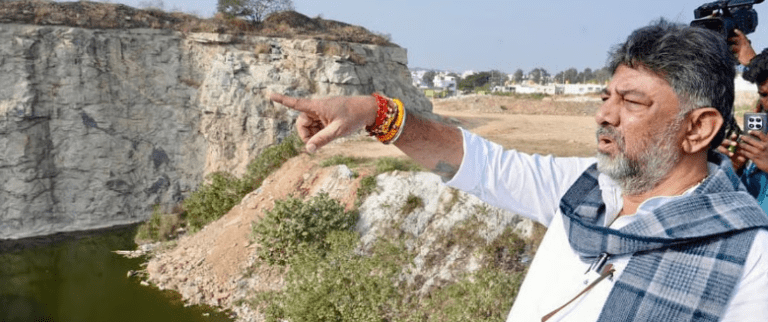
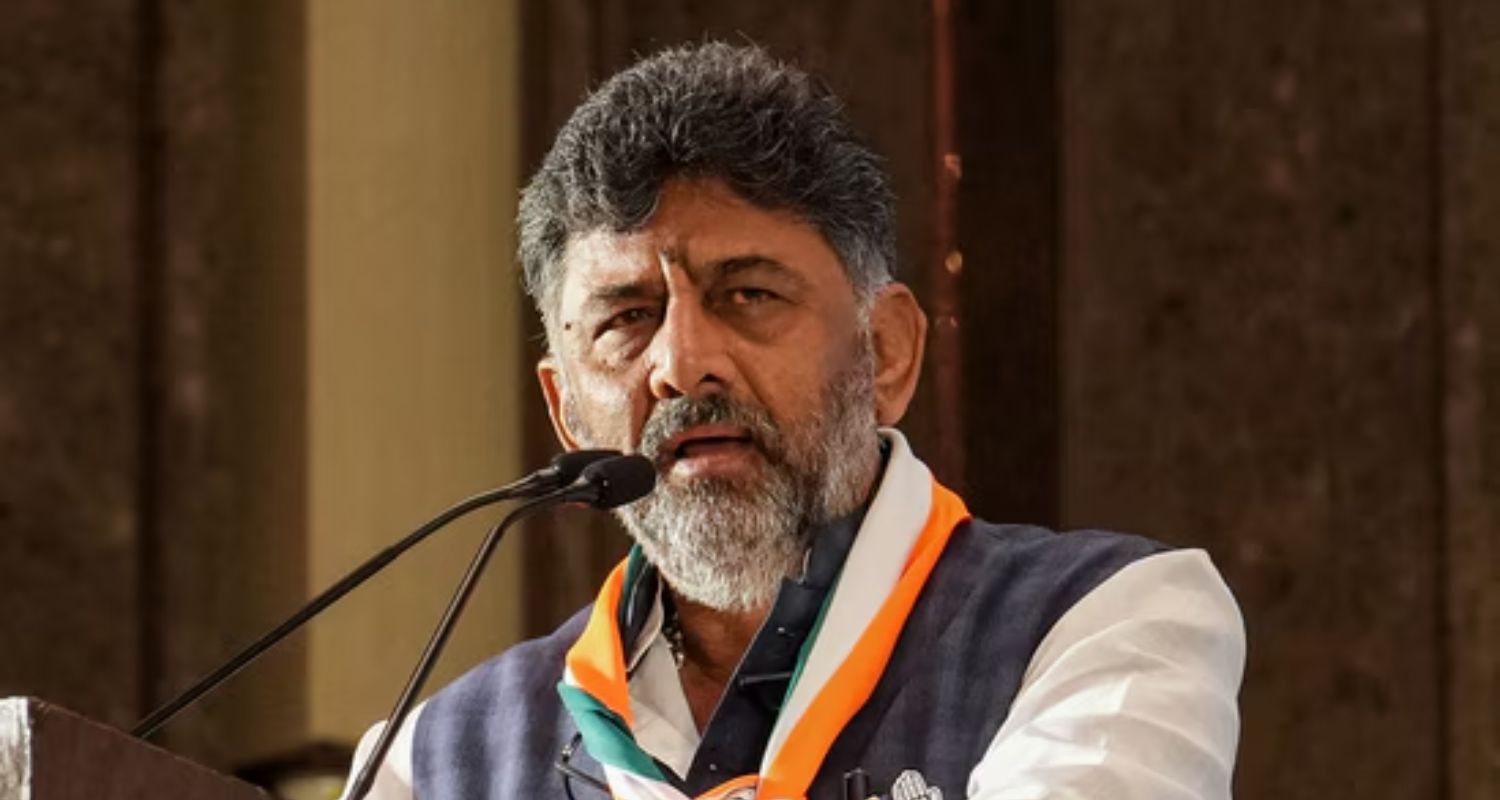
Karnataka’s senior leader and Finance Minister, D.K. Shivakumar, has opted out of attending the Davos World Economic Forum, citing a “busy schedule” filled with state governance responsibilities. The minister, known for his active engagement in both political and economic matters, emphasised that ongoing developmental projects and financial management in Karnataka require his direct oversight. Analysts suggest that while international forums offer visibility and networking opportunities, Shivakumar’s decision underscores a focus on prioritising local governance and on-ground administrative duties over global engagements.
Shivakumar’s absence comes at a time when Karnataka has been actively seeking investment, promoting economic growth, and engaging with global business communities. Experts note that while attending Davos could have enhanced the state’s visibility among international investors, his decision reflects the practical constraints faced by ministers balancing local administrative priorities with global commitments. Political commentators highlight that such choices are increasingly being viewed as signals of commitment to domestic governance over personal or political optics.
Implications for Karnataka’s Global Engagement
Observers believe that while the decision to skip Davos may reduce Karnataka’s direct representation at the international forum, it does not diminish the state’s overall global economic outreach. Officials have indicated that senior bureaucrats and other economic delegations will participate in Davos-related events, ensuring Karnataka’s presence and engagement with global investors and business leaders. Analysts argue that effective delegation and strategic planning can maintain visibility while allowing key ministers to focus on domestic priorities without compromising state interests.
Economic experts emphasise that Karnataka’s development agenda continues to attract international attention, even in the absence of key ministers at global forums. Investment proposals, infrastructure projects, and industrial initiatives are being presented through virtual sessions and delegations. Experts note that in an increasingly digital world, physical attendance at conferences, while valuable, is not the sole determinant of investment traction or policy visibility. Strategic participation, timely follow-ups, and efficient project implementation remain crucial for sustaining investor confidence.
Political analysts suggest that Shivakumar’s decision also reflects careful time management amidst competing priorities. The minister has been heavily involved in state-level economic planning, budget implementation, and ongoing negotiations with industrial stakeholders. Commentators argue that this prioritisation may enhance governance outcomes at home, signalling to citizens and investors alike that Karnataka’s leadership is committed to ensuring smooth execution of policies and projects. The decision may also be intended to mitigate criticism over perceived distractions from core responsibilities.
Some observers view this move as a subtle political statement, highlighting the minister’s emphasis on tangible governance rather than symbolic international appearances. In recent years, Karnataka has faced scrutiny over project delays, infrastructure challenges, and fiscal management. By prioritising domestic oversight, Shivakumar reinforces the perception that state ministers are accountable first to local development and citizen welfare, rather than to global forums or media optics. Analysts argue that such messaging can enhance public trust and political credibility.
The decision has also drawn commentary from opposition parties and economic analysts. While some express disappointment over reduced ministerial visibility at Davos, others acknowledge that sustained domestic governance often has a more direct and measurable impact on economic growth. Observers highlight that strategic delegation, virtual participation, and effective briefing of attending officials can ensure Karnataka’s priorities are adequately represented at international platforms.
Officials report that preparations for Karnataka’s participation in Davos-related events continue under the guidance of senior bureaucrats and economic delegates. Presentations on state industrial policy, investment opportunities, and infrastructure projects are being finalised. Analysts suggest that a coordinated approach, even without ministerial presence, can maintain Karnataka’s global image and investor interest while allowing key leaders to focus on critical domestic governance issues.
Public reaction has been largely understanding, with citizens recognising the pressures faced by senior ministers managing both political and administrative responsibilities. Social media commentary indicates that many view Shivakumar’s choice as pragmatic, prioritising the delivery of on-ground projects over ceremonial or symbolic appearances. Civic engagement experts suggest that visible, effective domestic governance can sometimes achieve more tangible benefits than attending international forums, reinforcing trust between government and citizens.
Finally, analysts argue that Shivakumar’s decision is part of a broader trend where Indian ministers are increasingly balancing global engagements with local responsibilities. While Davos provides networking and policy-exchange opportunities, immediate domestic priorities such as infrastructure completion, investment implementation, and welfare programme oversight require direct ministerial attention. Observers conclude that Karnataka’s growth trajectory remains robust, with strategic planning, delegation, and effective governance ensuring continued national and international confidence.
Shivakumar’s decision comes amid a busy schedule in Karnataka, where several infrastructure and investment projects are reaching critical stages. Analysts note that his presence in the state ensures closer monitoring of ongoing works such as industrial corridors, urban development schemes, and welfare initiatives. By prioritising on-ground supervision, Shivakumar is reinforcing administrative efficiency, which is crucial for timely completion of projects and avoiding delays that can impact investor confidence. Political observers argue that this approach reflects a hands-on governance style, signalling that ministers are actively engaged with execution rather than relying solely on high-profile international events.
The minister has reportedly delegated responsibilities for Davos-related engagement to senior officials and economic advisors. These delegates are tasked with representing Karnataka’s investment priorities, showcasing industrial policies, and interacting with potential global investors. Analysts highlight that effective delegation allows the state to maintain a global presence without diverting senior leadership from domestic governance. Digital presentations, one-on-one investor meetings, and virtual forums are being leveraged to ensure Karnataka’s initiatives are communicated effectively, demonstrating that physical absence does not necessarily compromise the state’s visibility or appeal to international business stakeholders.
Political commentators suggest that Shivakumar’s decision may also be a strategic move to avoid criticism of attending expensive global events amidst local economic challenges. With citizens closely monitoring government spending and public welfare, ministers prioritising domestic issues can project responsibility and alignment with public expectations. Analysts note that visible commitment to local projects strengthens political capital, particularly ahead of upcoming elections. By staying focused on state-level governance, Shivakumar may be reinforcing his image as a leader prioritising effective administration and tangible results over international appearances.
Observers note that Karnataka’s industrial and investment climate remains strong despite the minister’s absence. The state continues to attract both domestic and international interest through Global Investors Meet follow-ups, industrial policy briefings, and sector-specific investment initiatives. Experts suggest that Karnataka’s strong fundamentals—skilled workforce, robust infrastructure, and proactive industrial policies—reduce dependency on individual ministers attending global events. Strategic communication, investor engagement by officials, and virtual outreach allow the state to capitalise on opportunities while ensuring that ministers focus on projects requiring direct oversight.
Shivakumar has been actively involved in budget planning, fiscal monitoring, and resource allocation for Karnataka. Analysts argue that the Davos visit coincides with critical deadlines in state projects and financial management, making ministerial attention essential. By being present in Karnataka, Shivakumar can address administrative bottlenecks, coordinate between departments, and ensure the timely implementation of policies. Experts emphasise that high-profile forums are valuable for visibility, but the immediate impact of domestic governance on economic outcomes often outweighs symbolic participation at international events.
Some industry representatives have expressed understanding of Shivakumar’s choice, noting that effective governance at home directly benefits investors. Timely execution of projects, regulatory clarity, and smooth operational management often outweigh the benefits of networking at global events. Analysts highlight that the minister’s focus on domestic administration demonstrates a results-oriented approach, ensuring that investment proposals and industrial initiatives are implemented efficiently. By prioritising on-ground work, Karnataka’s leadership is sending a message that governance and delivery are central to its development strategy.
Experts have also highlighted that participation in forums like Davos can be effectively supplemented by virtual presence, pre-recorded presentations, and delegation of responsibilities. Karnataka’s economic team is reportedly preparing detailed reports, sectoral briefs, and project portfolios to be presented to international investors. Analysts suggest that such modern approaches allow the state to maintain global engagement while ensuring ministers are available for critical decision-making at home. This strategy is increasingly adopted in governance to balance visibility with practical administrative demands.
Political analysts note that Shivakumar’s absence has minimal implications for Karnataka’s international reputation due to the state’s robust investment promotion machinery. Senior bureaucrats, investment officers, and policy experts attending in his stead are tasked with ensuring that key messages reach international investors and stakeholders. Experts stress that continuity, clarity, and follow-up are often more important than individual presence, as investment decisions are influenced by the state’s policies, infrastructure readiness, and long-term growth potential rather than personal attendance at conferences.
Public reaction to Shivakumar’s decision has been largely supportive, with citizens appreciating ministers prioritising domestic governance. Social media commentary and civic discussions indicate that residents value tangible progress in infrastructure, welfare, and economic development over ceremonial participation in global events. Analysts argue that visible commitment to local projects can strengthen public trust in government, boost political credibility, and encourage citizen engagement in development initiatives. Shivakumar’s decision reinforces the notion that accountability and effective governance are central to leadership, particularly in states with significant developmental ambitions.
Finally, experts predict that Shivakumar’s choice will be remembered as a pragmatic governance decision, balancing international engagement with domestic priorities. Analysts suggest that Karnataka’s continued focus on investment promotion, infrastructure development, and policy execution ensures that the state remains attractive to investors. Strategic delegation, virtual engagement, and meticulous on-ground supervision reflect a modern approach to governance. Observers conclude that prioritising results over optics may set a precedent for future leadership decisions, reinforcing the importance of effectiveness and accountability in public service.