Sunday, April 26, 2026
Home Blog Page 110

Karnataka to Allot 42,345 Houses to Poor Families on January 24

Major Step in Affordable Housing for Marginalised Communities

Karnataka is set to witness a historic moment in social welfare as the state government prepares to allot 42,345 houses to underprivileged families on January 24. This initiative, part of the state’s ongoing affordable housing scheme, aims to provide secure, permanent homes to families living in precarious conditions. Officials have emphasised that the scheme not only addresses shelter needs but also seeks to improve overall quality of life by offering basic amenities, legal ownership, and access to public services. Experts consider this one of the largest single-day housing allotments in the state’s history.

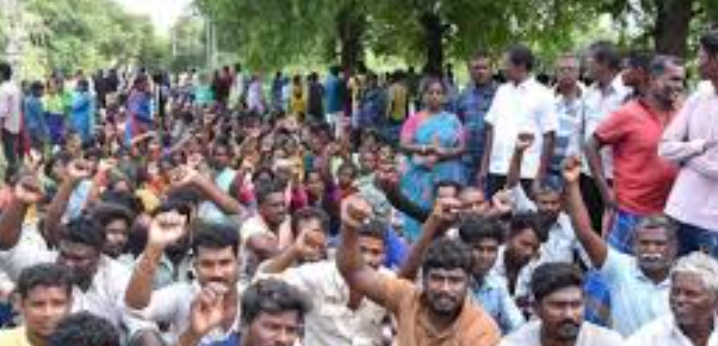
The beneficiaries include families from economically weaker sections, Scheduled Castes, Scheduled Tribes, and other marginalised groups who had applied through official channels. Authorities have ensured that housing units are distributed equitably across urban and rural districts, prioritising regions with acute housing shortages. The scheme has involved a rigorous selection process, verification of applications, and coordination between local bodies and state housing departments. Residents are expected to gain not just physical homes but also social recognition and improved economic stability.42,345 houses to be allotted to poor families on january 24 - The Hindu
Empowering Citizens and Strengthening Communities

Housing experts emphasise that homeownership is crucial for social and economic empowerment. Secure housing improves access to education, healthcare, and employment opportunities while reducing vulnerability to exploitation and social exclusion. By providing legal title deeds, the government ensures that families can invest confidently in their homes, access bank loans, and participate in community development programmes. Analysts suggest that such large-scale allotments contribute to reducing urban slums, strengthening local communities, and fostering inclusive growth across Karnataka.

The state government has also invested in complementary infrastructure for these housing units. Roads, water supply, sanitation, and electricity connections have been integrated into project planning, ensuring that beneficiaries receive fully functional homes. Local bodies have been tasked with maintenance and community engagement to ensure sustainable management. Officials argue that such holistic planning is key to long-term success, as residents require more than just housing—they need integrated access to civic amenities, schools, healthcare facilities, and marketplaces.

Political leaders have hailed the initiative as a milestone in social welfare. Several ministers and district officials have visited housing sites to monitor progress, interact with beneficiaries, and ensure smooth allotment on January 24. Opposition parties have welcomed the move while calling for regular monitoring and transparency in allotments to avoid duplication or misuse. Experts emphasise that clear communication, proper documentation, and citizen awareness are critical for effective implementation of large-scale welfare projects.

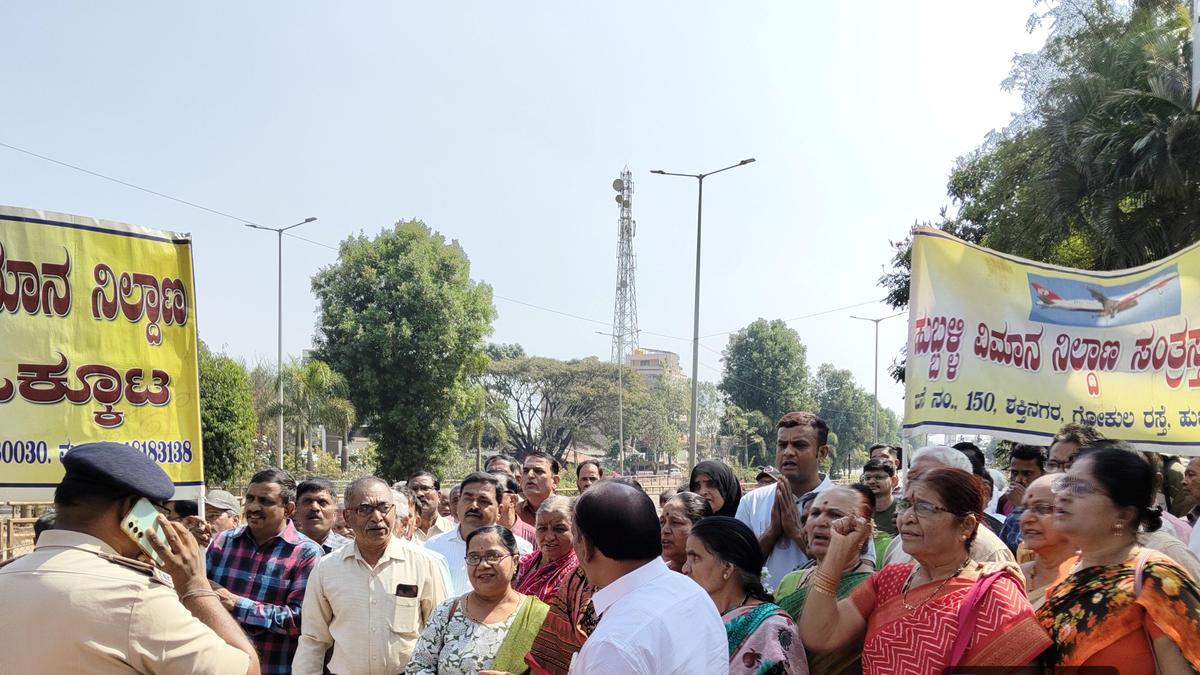
Community reactions have been overwhelmingly positive. Beneficiaries expressed joy and relief, noting that homeownership represents security, dignity, and hope for the future. Many families living in rented or temporary shelters will finally have a stable environment for raising children and pursuing livelihoods. Activists highlight that government initiatives like this reduce inequality, improve social cohesion, and foster a sense of belonging, particularly among communities historically deprived of basic amenities and property rights.KSDB to distribute over 42k houses in Hubballi on Jan 24 | Hubballi News -  The Times of India

Financially, the state has allocated substantial resources for construction, infrastructure, and maintenance of these houses. Officials have indicated that partnerships with housing corporations, banks, and construction agencies have been leveraged to ensure timely completion. Experts argue that efficient fund utilisation, accountability, and adherence to quality standards are essential for the credibility and sustainability of such mass housing schemes. Poor execution can undermine public trust and limit the impact of even the most ambitious initiatives.

The scheme also reflects Karnataka’s commitment to achieving national housing targets under initiatives such as the Pradhan Mantri Awas Yojana. By addressing urban and rural housing gaps simultaneously, the state aims to create a model for inclusive development that integrates welfare, infrastructure, and livelihood opportunities. Analysts believe that successful implementation of this housing allotment could set benchmarks for future welfare projects and inspire similar initiatives in other states.

Experts stress that follow-up support is critical to ensure the success of housing schemes. Providing training on home maintenance, access to microfinance, and opportunities for skill development can help residents fully benefit from their new homes. Additionally, community-based programmes can foster neighbourly cooperation, safety, and shared responsibility, contributing to a cohesive and self-sustaining neighbourhood. Holistic planning ensures that the allotment is not just a one-time benefit but a foundation for long-term empowerment.42,345 houses to be allotted to poor families on january 24 - The Hindu

Finally, the allotment of 42,345 houses on January 24 is being hailed as a transformative step for Karnataka’s social welfare landscape. By combining infrastructure, legal security, and community engagement, the government aims to uplift marginalised families and strengthen social equity. Citizens, policymakers, and social organisations are closely watching the process to ensure transparency, fairness, and long-term impact. This initiative represents not only the provision of homes but also a reaffirmation of the state’s commitment to inclusive growth, dignity, and opportunity for all.

Officials have confirmed that allotment ceremonies will be conducted with strict adherence to schedules and protocols. Beneficiaries have been notified in advance and required to complete documentation formalities. Local authorities are coordinating logistics to ensure a smooth distribution, including arranging transportation, verification counters, and assistance for elderly or differently-abled recipients. Analysts note that efficient organisation is crucial in events of this scale to prevent overcrowding, delays, and potential disputes. The government’s emphasis on orderly execution reflects the importance attached to this initiative, ensuring that the landmark housing allotment makes a lasting positive impact on thousands of underprivileged families.


The Karnataka Housing Board has highlighted that modern construction standards have been implemented for these homes. Each unit is designed with durability, safety, and basic amenities in mind, including electricity, water supply, and sanitation facilities. Experts emphasise that quality construction is vital for sustainability, as poorly built units could undermine the scheme’s long-term goals. By integrating construction excellence with social welfare objectives, the government seeks to provide beneficiaries not only shelter but a safe, comfortable, and dignified living environment, strengthening trust in public housing initiatives and ensuring that the impact of the scheme endures for decades.


Urban planning specialists note that these housing units have been strategically distributed across districts to reduce congestion in major cities. By promoting housing development in suburban and semi-urban areas, the government aims to balance population growth, encourage decentralisation, and improve access to infrastructure and services. Analysts suggest that such spatial planning can foster regional development, reduce strain on city resources, and create new economic opportunities in underdeveloped areas. The integration of these housing units with existing urban frameworks ensures that residents benefit from connectivity, public transport, and proximity to schools, healthcare facilities, and employment hubs.


Social welfare experts stress that homeownership significantly improves economic stability for low-income families. With legal titles and secure dwellings, families can leverage their property for financial access, including bank loans and small business initiatives. Analysts point out that housing security also encourages investment in education, health, and livelihoods, creating a ripple effect of socio-economic advancement. By offering permanent homes, the government empowers citizens to break cycles of poverty, invest in their futures, and contribute more actively to local economies. Experts argue that housing schemes of this scale have long-term benefits extending far beyond mere shelter provision.


Community leaders have praised the initiative as a milestone in Karnataka’s social welfare programmes. Many highlight that homeownership strengthens neighbourhood cohesion, fosters safety, and provides residents with a sense of belonging. Local committees have been formed to engage beneficiaries in community management, maintenance, and civic participation. Analysts note that such engagement promotes collective responsibility and ensures that housing developments function as sustainable, inclusive communities. The allotment of 42,345 houses is seen as an opportunity to reinforce civic pride, social cohesion, and community-driven development in both urban and rural districts of Karnataka.


The government has emphasised transparency and fairness in the allotment process. Applications were meticulously verified, with priority given to families with documented economic need, absence of prior housing, and eligibility under state welfare norms. Activists and civic observers have lauded the use of digital records, application tracking, and public notification systems to ensure accountability. Analysts suggest that transparency not only prevents duplication or fraud but also builds confidence among citizens that welfare programmes are managed ethically, improving the credibility of government initiatives and setting a benchmark for future housing projects.


Experts highlight the role of complementary social programmes alongside housing. Authorities are integrating skill development, vocational training, and financial literacy workshops with housing schemes to enhance residents’ long-term well-being. Such programmes aim to equip beneficiaries with tools for economic self-sufficiency and community engagement. Analysts emphasise that housing alone cannot eliminate poverty; a holistic approach combining shelter with livelihood and empowerment initiatives is necessary to maximise social impact. Karnataka’s approach in linking housing allotment with wider welfare and development schemes represents an effort to create sustainable improvements in quality of life for marginalized families.


Environmental considerations have been included in housing planning. Green spaces, water conservation measures, and waste management systems have been incorporated to promote sustainability and improve living conditions. Urban development experts note that integrating environmental safeguards into mass housing ensures healthier, more livable communities and reduces long-term operational costs. By prioritising eco-friendly construction and community planning, the government demonstrates a commitment to sustainable urbanisation and responsible resource management. Analysts believe that environmentally conscious housing will serve as a model for future projects across the state, balancing social welfare with ecological preservation.


Financial and logistical planning for the 42,345 houses involved coordination between multiple departments. Budget allocations, construction schedules, and resource management were carefully monitored to ensure timely completion. Experts argue that inter-departmental coordination is crucial for large-scale welfare projects, preventing delays, cost overruns, and administrative bottlenecks. Authorities also coordinated with banks, utilities, and local bodies to ensure that houses are fully functional and beneficiaries receive seamless access to services. The meticulous planning reflects the government’s focus on operational efficiency, ensuring that the scheme’s objectives are achieved without compromise.


Finally, analysts note that the allotment represents a transformative moment for Karnataka’s social development. Providing permanent homes to thousands of families not only addresses immediate shelter needs but also promotes dignity, security, and socio-economic empowerment. Citizens, policymakers, and community organisations are watching closely, hoping that the initiative is executed flawlessly and provides a replicable model for future welfare projects. The January 24 allotment of 42,345 houses is expected to strengthen Karnataka’s commitment to inclusive growth, improve living conditions, and create a long-lasting positive impact for the most vulnerable populations.

Follow: Karnataka Government

Also read: Home | Channel 6 Network – Latest News, Breaking Updates: Politics, Business, Tech & More

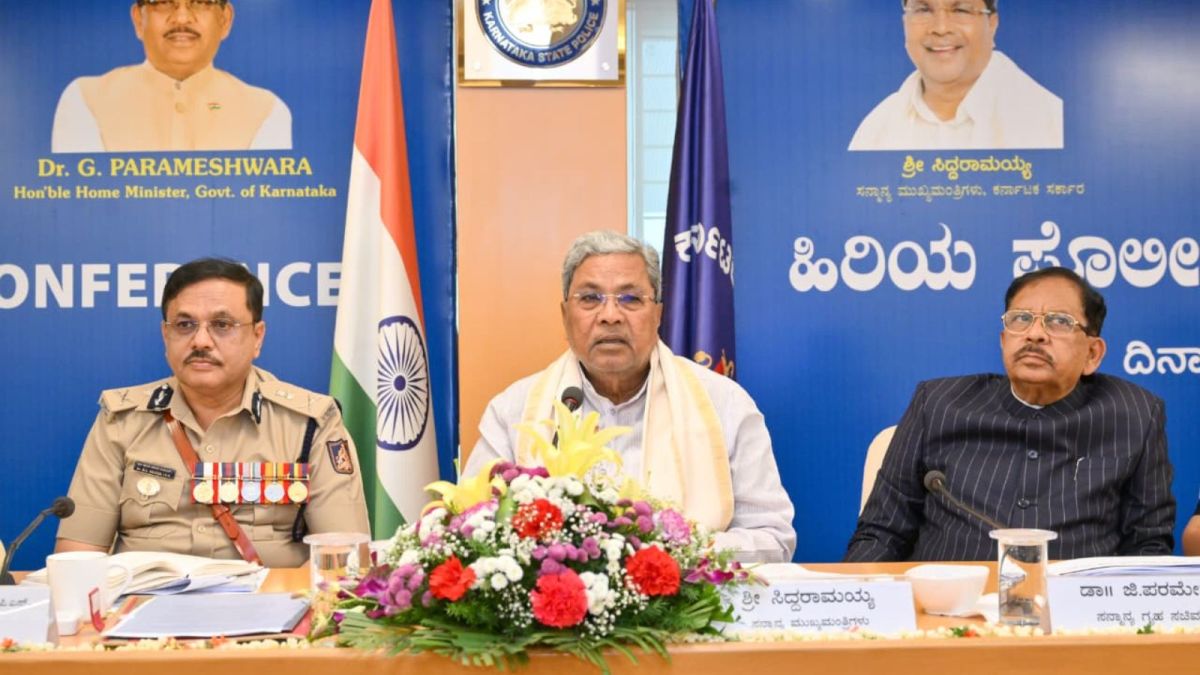
Karnataka Police Booked in 88 Criminal Cases Last Year, Siddaramaiah Slams

Former CM Criticises Police Accountability

Former Karnataka Chief Minister Siddaramaiah has strongly criticised the state police, calling it “shameful” that law enforcement personnel were booked in 88 criminal cases last year. Speaking at a public forum, he expressed concern over the erosion of public trust in the police and emphasised that those tasked with maintaining law and order should be held to the highest standards of conduct. Siddaramaiah argued that such incidents tarnish the image of the entire department and compromise citizens’ faith in justice, demanding immediate corrective action and accountability measures to restore credibility.

The revelation that 88 police personnel were booked in criminal cases last year has raised concerns about recruitment and screening processes. Experts suggest that background checks, psychological evaluations, and integrity assessments must be strengthened to prevent individuals prone to misconduct from entering the force. Analysts argue that early intervention through rigorous recruitment standards can significantly reduce future instances of criminal behaviour within the police department, ensuring that only candidates with high ethical standards and commitment to public service are entrusted with law enforcement responsibilities.


Training and capacity building are being highlighted as critical areas for reform. Analysts point out that ethical training, conflict resolution, and human rights education should be integrated into police curricula. Ongoing professional development programmes can reinforce accountability and awareness of legal and societal responsibilities. Experts argue that a lack of continuous training contributes to misconduct, as officers may be unaware of proper procedures or the broader implications of their actions. Enhancing skill sets and ethical awareness could help create a more professional and responsive police force.


Internal oversight mechanisms are under scrutiny following the booking of 88 police officers. Experts recommend that regular audits, real-time monitoring, and disciplinary review boards be empowered to detect and respond to misconduct swiftly. Currently, delayed investigations and bureaucratic hurdles often shield personnel from immediate accountability. Strengthening oversight ensures that violations are addressed in a timely manner, discouraging misconduct and enhancing public trust. Independent internal affairs units with the authority to act autonomously are suggested as a model to prevent administrative interference in corruption or abuse cases.


Citizen engagement is being emphasised as a key factor in accountability. Community policing initiatives, feedback channels, and citizen advisory boards can help ensure that police actions are monitored externally. Analysts note that when communities actively participate in oversight, misconduct is less likely to go unnoticed. Public awareness campaigns about reporting mechanisms and rights when interacting with law enforcement can further empower citizens. The combination of citizen vigilance and internal reforms can act as a deterrent, creating a culture of accountability within the police department.


The impact of police misconduct on vulnerable communities has drawn attention. Human rights groups note that marginalized populations often suffer disproportionately when law enforcement personnel abuse their authority. Mishandling of complaints, biased enforcement, or harassment can create fear and discourage cooperation with the police. Experts argue that equitable law enforcement requires systemic checks to prevent discrimination, protection of citizens’ rights, and transparent grievance redressal. Addressing misconduct is essential not only for public trust but also for the fair application of justice in society.


Political implications of the 88 cases are significant. Opposition parties have seized on the data to highlight governance failures, while analysts suggest it could influence upcoming elections by shaping public perception of law and order. Legislative debates and demands for comprehensive reforms are expected to follow. Observers argue that politically neutral enforcement of accountability is necessary to maintain institutional credibility. Ensuring that the process is transparent and devoid of partisan interference will be critical for sustaining confidence in both the police and the justice system.


Technological interventions are being considered to improve monitoring and prevent misconduct. Use of body cameras, GPS tracking, and digital logging of actions can enhance transparency in policing. Analysts highlight that technology can reduce opportunities for abuse, provide evidence in misconduct cases, and improve operational efficiency. While human oversight remains essential, integrating technological safeguards offers a modern solution to age-old challenges of accountability and corruption, ensuring that officers remain answerable for their actions in real time.


Civil society organisations have called for a review of disciplinary procedures. Experts note that delayed or inconsistent disciplinary action often undermines trust and emboldens errant officers. Recommendations include stricter timelines for investigations, independent panels to oversee disciplinary action, and publication of outcomes to ensure transparency. Analysts argue that visible enforcement of consequences is crucial to reinforce ethical standards, deter potential misconduct, and demonstrate to the public that the police force operates under the rule of law.


Media coverage has played a key role in highlighting the issue and pressuring authorities to act. News outlets and social media campaigns have amplified public awareness of police misconduct, prompting discussions on systemic reforms. Analysts note that sustained media scrutiny can accelerate policy interventions and ensure that corrective measures are not merely superficial. By keeping the issue in the public eye, journalists contribute to transparency, accountability, and the broader push for professionalisation of law enforcement in Karnataka.


Finally, experts emphasise that addressing the booking of 88 police personnel requires a multi-pronged approach: recruitment reforms, training, oversight, citizen engagement, technological monitoring, and political will. Siddaramaiah’s criticism underscores the urgency of these reforms, calling attention to the broader implications for public trust, law and order, and governance. For Karnataka to maintain a credible police force, authorities must combine punitive action against individuals with structural reforms that prevent recurrence, ensuring a professional, accountable, and citizen-focused law enforcement system.

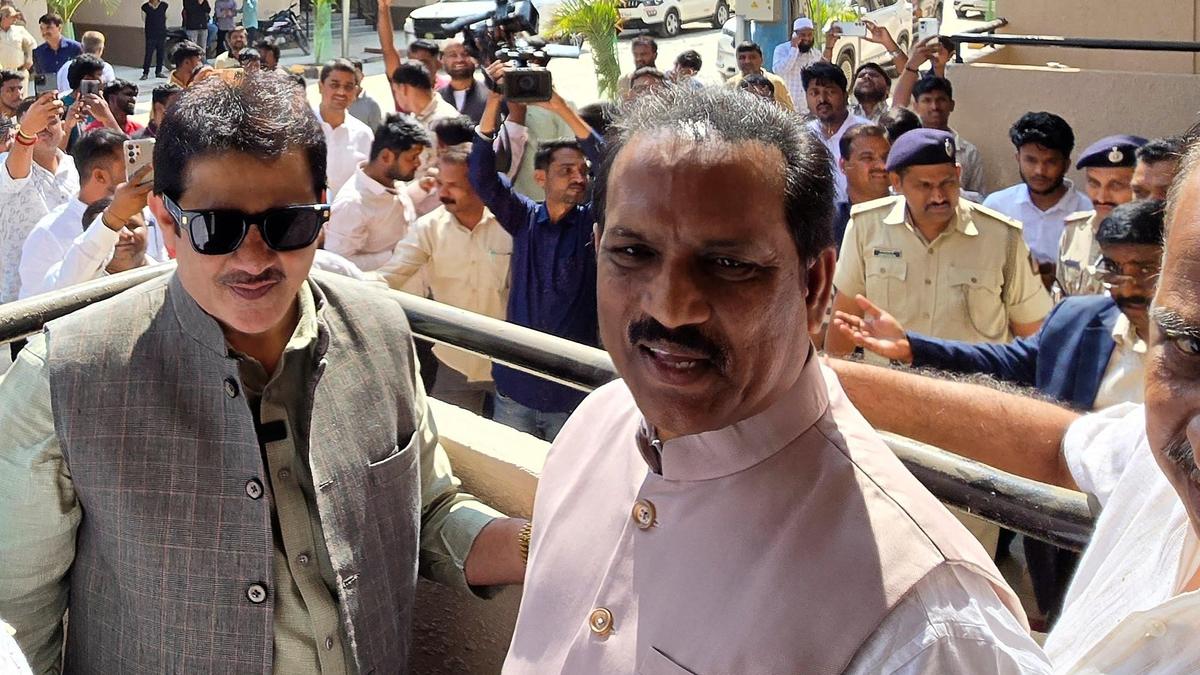
The cases reportedly involved a range of criminal charges, including abuse of authority, assault, and corruption-related offences. Activists and political analysts highlight that these incidents indicate systemic lapses in police oversight, recruitment, and monitoring mechanisms. Experts argue that when law enforcement personnel violate laws themselves, it not only undermines the justice system but also emboldens criminal elements, affecting overall law and order. Public confidence in policing is essential for civic cooperation, and widespread misconduct can severely hamper the effectiveness of security measures.Bengaluru: Police Involvement in 88 Criminal Cases Is Shameful, Says CM  Siddaramaiah Bengaluru, January 17: While it may not be possible to  completely eliminate crime, it is certainly possible to reduce the

Political Repercussions and Calls for Reform

Siddaramaiah’s remarks have reignited political debate over police reforms in Karnataka. Opposition parties have echoed his concerns, urging the government to take stringent action against errant officers and implement mechanisms to prevent recurrence. Discussions have focused on strengthening internal vigilance units, improving transparency in complaint redressal, and ensuring disciplinary procedures are swift and effective. Experts stress that political will, combined with procedural reforms, is critical for creating a professional and accountable police force capable of serving citizens impartially.

Civil society organisations have emphasised the need for independent oversight to monitor police behaviour and investigate complaints without bias. Whistleblower protections, mandatory reporting of misconduct, and routine audits of departmental practices are being suggested as measures to improve accountability. Activists argue that public confidence in law enforcement can only be restored if citizens see that misconduct is punished consistently and transparently, without shielding personnel due to hierarchical influence or political pressure.

The state police department has responded, asserting that all complaints are thoroughly investigated and that disciplinary action is taken against officers found guilty of wrongdoing. Officials also highlighted ongoing efforts to enhance training, ethical awareness, and community policing initiatives. However, analysts argue that reactive measures are insufficient; structural reforms addressing recruitment, oversight, and systemic accountability are necessary to prevent similar incidents in the future and restore public trust.

Human rights activists stress the societal impact of police misconduct, particularly on vulnerable populations. Cases of abuse and corruption not only violate individual rights but also create fear and mistrust in communities that rely on law enforcement for protection. Strengthening grievance redressal mechanisms, ensuring legal accountability, and promoting a culture of ethical policing are considered critical to safeguarding citizens’ rights and maintaining social stability in Karnataka.

Experts have also highlighted that the rise in criminal cases against police personnel reflects broader governance challenges. In addition to accountability lapses, inadequate training, poor monitoring, and lack of community engagement contribute to misconduct. Analysts recommend systemic reforms, including digitised complaint tracking, regular performance evaluations, and citizen feedback mechanisms, to create a more transparent and professional police force. Such measures can help mitigate instances of abuse while enhancing operational efficiency.Embarrassing': Siddaramaiah flags concern over outside police forces  cracking drug cases in state | Bangalore News - The Indian Express

Political analysts suggest that public discourse around police accountability may influence policy priorities and funding allocations. Siddaramaiah’s statement has prompted calls for legislative reviews, potentially leading to reforms in police conduct regulations and disciplinary procedures. Lawmakers and policymakers are now under pressure to implement measures that ensure transparency, ethical enforcement, and citizen confidence, especially as high-profile cases continue to draw media and public scrutiny.

Community reactions have largely echoed Siddaramaiah’s concerns, with citizens expressing dismay over repeated incidents of police misconduct. Social media campaigns and public discussions have amplified demands for accountability, transparency, and professional integrity within the police force. Local civic organisations are also advocating for regular public reporting of police performance metrics, independent audits, and stricter adherence to legal frameworks governing law enforcement conduct.

The 88 criminal cases against Karnataka police personnel last year underscore the urgent need for comprehensive reforms. Experts argue that a combination of policy initiatives, technological interventions, and cultural change is essential to address misconduct effectively. Initiatives such as body cameras, real-time monitoring, and citizen grievance portals are being considered to enhance accountability. Ensuring that officers understand their responsibilities and the consequences of misconduct is vital for rebuilding trust.Siddaramaiah Slams Karnataka Police Over Vigilance

Finally, Siddaramaiah emphasised that public confidence in law enforcement is the foundation of a functional democracy. He stressed that accountability, transparency, and adherence to ethical standards must guide policing practices. The state government’s response, combined with civil society advocacy, will determine whether Karnataka’s police can regain credibility and demonstrate commitment to serving citizens faithfully. Analysts note that decisive action now could prevent future misconduct, strengthen law enforcement, and restore faith in the justice system.

Follow: Karnataka Government

Also read: Home | Channel 6 Network – Latest News, Breaking Updates: Politics, Business, Tech & More
Karnataka Secures ₹1.53 Lakh Crore Investment Post GIM

Fresh Investment Proposals Signal Confidence in Karnataka

Karnataka has attracted fresh investment proposals worth ₹1.53 lakh crore following the Global Investors Meet (GIM), a development hailed by state officials as a major boost to the region’s economic prospects. Industries across technology, manufacturing, renewable energy, and infrastructure have reportedly submitted proposals, reflecting confidence in the state’s business-friendly policies. Minister for Large and Medium Industries, Murugesh Nirani, and other officials have highlighted the potential for job creation, increased industrial output, and enhanced regional competitiveness. Analysts note that such high-value proposals could significantly strengthen Karnataka’s GDP and position the state as an industrial and technological hub in India.

The surge in investment proposals reflects growing investor confidence in Karnataka’s policy framework. Authorities have implemented single-window clearance systems, streamlined licensing procedures, and offered tax incentives for key sectors such as electronics manufacturing, renewable energy, and IT services. Experts suggest that these measures, combined with robust infrastructure and a skilled workforce, make Karnataka highly attractive for both domestic and foreign investors. Stakeholders note that investor confidence is not only a reflection of policy incentives but also of the state’s historical track record in timely project execution, which assures capital deployment yields tangible returns.Karnataka attracted fresh investment proposals worth ₹1.53 lakh crore post  GIM: Patil - The Hindu


Several high-profile companies have reportedly expressed interest in setting up manufacturing and R&D units in Karnataka. Industry sectors such as semiconductors, biotechnology, and automotive components are leading the investment proposals, aligning with national initiatives like ‘Make in India’ and the PLI (Production Linked Incentive) scheme. Analysts predict that successful execution of these proposals could position Karnataka as a major hub for advanced manufacturing and technological innovation. The focus on R&D-led projects is also expected to attract talent, foster innovation ecosystems, and promote knowledge-based industries across urban and semi-urban regions.


The proposals also emphasise renewable energy projects, including solar and wind power investments. Karnataka’s renewable energy potential, combined with supportive policies and incentives, has attracted domestic and international investors. Experts point out that integrating clean energy projects with industrial development not only ensures sustainability but also reduces dependency on conventional energy sources. Authorities are reportedly considering green corridors and industrial clusters powered predominantly by renewable energy, which would make Karnataka a model for sustainable industrialisation. Public and environmental groups have welcomed this focus on green energy as a forward-looking approach to balancing growth with ecological preservation.


Employment generation is projected as a major outcome of these investments. Analysts estimate that large-scale industrial projects could create direct employment for hundreds of thousands of workers and indirect opportunities in ancillary industries and logistics. Vocational training institutes and skill development programmes are being aligned with investor requirements to ensure workforce readiness. Officials emphasise that inclusive growth strategies, such as hiring local talent and supporting small-scale suppliers, will maximise the benefits of industrial expansion and provide sustainable livelihood opportunities to communities in and around industrial clusters.


Infrastructure development is a key component of the investment proposals. Authorities are focusing on upgrading roads, logistics networks, power supply, and digital infrastructure to support new projects. Special Industrial Zones (SIZs) and industrial corridors are being mapped to concentrate development efficiently and reduce congestion. Experts note that infrastructure readiness is a critical factor for investor confidence, as seamless connectivity and reliable utilities significantly reduce project risk. By prioritising infrastructure alongside industrial proposals, Karnataka aims to create an enabling environment for rapid industrial growth and long-term economic resilience.


Public-private partnerships (PPPs) are expected to play a crucial role in executing these investment proposals. Officials indicate that collaboration with private entities in areas like infrastructure, skill development, and technology transfer will facilitate faster implementation and reduce government burden. Analysts suggest that PPPs can accelerate development while ensuring accountability, as private investors are incentivised to deliver projects efficiently. The combination of government support, private sector expertise, and community engagement is seen as a formula for sustainable growth and successful realisation of the ₹1.53 lakh crore investment pipeline.


Investors have expressed particular interest in Tier-II and Tier-III cities such as Hubballi-Dharwad, Mangaluru, and Mysuru, where industrial land is available and costs are lower compared to Bengaluru. Authorities emphasise that diversifying industrial development beyond the capital reduces regional disparities, enhances economic inclusion, and alleviates urban congestion. Analysts predict that these cities could emerge as industrial and technological hubs, attracting ancillary businesses and supporting local entrepreneurship. The decentralised approach also promises a more balanced distribution of employment opportunities and better utilisation of regional resources and talent pools.Karnataka attracted fresh investment proposals worth ₹1.53 lakh crore post  GIM: Patil - The Hindu


Economic analysts highlight that the inflow of ₹1.53 lakh crore in proposals could significantly increase Karnataka’s contribution to national GDP. Large-scale investments in manufacturing, IT, and renewable energy are expected to boost exports, attract foreign direct investment (FDI), and strengthen the state’s industrial base. Experts emphasise that Karnataka’s ability to convert proposals into actual projects is crucial to realise these macroeconomic benefits. Efficient project execution, regulatory clarity, and proactive investor engagement are therefore vital to translating investment potential into measurable economic growth and regional development.


The government has initiated sector-specific task forces to evaluate proposals, ensure compliance with legal and environmental norms, and facilitate implementation. These task forces are tasked with expediting approvals, resolving bottlenecks, and coordinating with local authorities to provide infrastructure and utility support. Experts note that such focused governance mechanisms can enhance investor confidence and ensure timely completion of projects. By proactively managing the investment pipeline, Karnataka aims to maintain a competitive edge over other states in attracting high-value industrial and technological investments.


Finally, the ₹1.53 lakh crore investment proposals post-GIM demonstrate Karnataka’s capacity to attract large-scale economic engagement. Officials emphasise that implementation will be closely monitored, with periodic reviews, community consultation, and environmental oversight ensuring that industrial growth benefits the state holistically. Citizens, business leaders, and policymakers are optimistic that these investments will enhance employment, strengthen infrastructure, and create a sustainable industrial ecosystem. As Karnataka moves forward, balancing economic expansion with social and environmental responsibility will be key to realising the full potential of the proposed investments.

The GIM served as a platform for investors to engage directly with policymakers, showcasing Karnataka’s infrastructure, workforce talent, and regulatory support. Officials emphasized the ease of doing business initiatives, including single-window clearances, policy incentives, and streamlined approvals, which reportedly influenced investor confidence. Sectors such as electronics manufacturing, renewable energy projects, and IT-enabled services have shown particular interest, signalling the state’s alignment with national development priorities. Stakeholders believe these proposals, if executed efficiently, can stimulate economic activity across urban and rural regions, benefitting local communities.

Implications for Employment and Industrial Growth

Industry experts note that the investment proposals could translate into significant employment generation, particularly in manufacturing hubs and IT corridors. The state government has projected that large-scale industrial and infrastructure projects will create direct and indirect jobs, catering to skilled and semi-skilled labour alike. Local entrepreneurs may also benefit from ancillary supply chain opportunities, while vocational training programmes are expected to align with workforce requirements. Economists emphasize that these investments can foster inclusive growth, reduce regional disparities, and provide long-term stability to Karnataka’s industrial landscape.

Officials also stressed that the GIM has reinforced Karnataka’s image as a reliable and investor-friendly destination. Comparative analyses show that states hosting similar investor meets have witnessed accelerated industrialisation and enhanced export capabilities. By securing ₹1.53 lakh crore in proposals, Karnataka signals its capacity to attract both domestic and foreign investments, strengthening economic resilience. Analysts further note that successful execution of these proposals depends on efficient regulatory monitoring, transparent policy implementation, and timely infrastructure development to support industrial clusters.Karnataka secured new investment proposals worth Rs 1.53 lakh cr post GIM:  Minister M B Patil - The Economic Times

State authorities have initiated detailed reviews of each proposal to ensure feasibility, alignment with environmental norms, and adherence to legal frameworks. Investment promotion agencies are coordinating with departments to expedite approvals, land allotment, and resource allocation. Public-private partnerships are being explored to facilitate smooth execution and reduce project delays. Experts argue that such proactive engagement not only builds investor trust but also demonstrates the state’s commitment to translating proposals into actionable development projects.

Investors are reportedly drawn to Karnataka due to its strategic location, skilled workforce, and robust industrial ecosystem. Key cities such as Bengaluru, Hubballi-Dharwad, Mysuru, and Mangaluru offer infrastructure advantages, connectivity, and access to talent pools. Analysts predict that investments in sectors like electronics, automotive, biotechnology, and IT services will boost export potential, attract international partnerships, and enhance Karnataka’s competitiveness on the global stage. Local economies are expected to benefit through ancillary business growth and technology transfer opportunities.

Public sentiment has largely been positive, with local communities hopeful that the proposed projects will generate employment and improve living standards. Civic leaders and industry representatives have called for careful planning to ensure that development benefits are equitably distributed and that small and medium enterprises are integrated into supply chains. Analysts emphasize that inclusive growth, combined with infrastructure expansion and skill development initiatives, will maximise the impact of these massive investments on Karnataka’s socio-economic landscape.

Environmental sustainability has been identified as a priority during the review of investment proposals. Authorities are considering the ecological impact of large-scale industrial projects, including land use, water resources, and emissions. Renewable energy and green technology projects are being encouraged to align with climate goals. Experts stress that balancing industrial growth with environmental preservation is critical for long-term sustainability, ensuring that economic development does not compromise natural resources or community well-being.

Economic analysts predict that if these investment proposals materialise, Karnataka could witness significant GDP growth over the next five years. Large-scale industrial projects are expected to enhance regional infrastructure, including roads, power supply, and urban amenities. Additionally, the state could see an increase in foreign direct investment, technology partnerships, and knowledge transfer. Authorities have committed to closely monitoring project implementation to ensure timely completion and alignment with state development objectives.

Finally, the successful attraction of ₹1.53 lakh crore in proposals post-GIM underscores Karnataka’s strategic vision for industrial and economic development. Officials emphasise that effective implementation, community engagement, environmental safeguards, and workforce development will be key to translating these proposals into tangible economic benefits. As investors, policymakers, and citizens monitor progress, Karnataka is positioned to strengthen its reputation as a leading investment destination, balancing growth with sustainability and inclusive development.

Follow: Karnataka Government

Also read: Home | Channel 6 Network – Latest News, Breaking Updates: Politics, Business, Tech & More

Excise Officials Caught Taking ₹25 Lakh Bribe in Karnataka: CORRUPTION EXPOSED

Lokayukta Operation Unveils Bribery in Excise Department

In a major anti-corruption breakthrough, the Karnataka Lokayukta has trapped an Excise Deputy Commissioner and an Excise Superintendent accepting a bribe of ₹25 lakh for the clearance of a liquor licence. The officials were caught during a sting operation aimed at exposing malpractice in the liquor licensing process. Authorities confirmed that the bribe was demanded to expedite approval for a commercial liquor outlet, bypassing legal procedures and regulatory scrutiny. The operation has sent shockwaves through the department and has reignited discussions about transparency, accountability, and corruption in state regulatory mechanisms.

The sting operation was conducted over several weeks after complaints from whistleblowers regarding irregularities in liquor licence approvals. The Lokayukta team meticulously documented exchanges and financial transactions, ensuring airtight evidence for legal proceedings. Following the trap, both officials were immediately taken into custody, and departmental proceedings have been initiated. Law enforcement agencies are also investigating whether other officers were complicit or if this was an isolated incident. Public response has been overwhelmingly supportive, with citizens demanding strict punishment to deter future corruption in government services.

The incident has reignited public debate over corruption in revenue-generating departments in Karnataka. Experts argue that the Excise Department, due to its control over lucrative liquor licences, is particularly susceptible to bribery and malpractices. Citizens have expressed concern over the prevalence of discretionary powers that allow officials to manipulate approvals for personal gain. Transparency advocates insist that cases like this highlight the urgent need to reform processes, minimise human discretion, and integrate digital oversight mechanisms to prevent corruption while maintaining efficiency in public service delivery.


The Lokayukta’s trap has highlighted the effectiveness of independent oversight bodies in curbing corruption. By documenting the bribe and catching officials red-handed, the operation provides concrete evidence that can withstand legal scrutiny. Analysts believe that such operations not only serve justice in individual cases but also act as a deterrent for other officials who may be tempted to engage in similar malpractice. The case underscores the importance of empowering anti-corruption agencies with resources, authority, and autonomy to monitor high-risk departments effectively.Lokayukta traps Excise Deputy Commissioner and Superintendent accepting ₹25  lakh for liquor license clearance - The Hindu


Political reactions have been swift, with opposition parties calling for wider investigations into the Excise Department. Many argue that the ₹25 lakh bribery case is unlikely to be isolated, pointing to systemic weaknesses in enforcement, supervision, and auditing mechanisms. Some leaders have urged the state government to consider temporary suspension of officials in sensitive roles, while others have demanded full digitisation of liquor licence approvals to eliminate opportunities for discretionary corruption. The case is likely to feature prominently in legislative debates about transparency and public accountability.


Public outrage has been amplified by social media, where citizens have demanded not only punishment for the caught officials but also structural reforms. Hashtags and online campaigns have called for digitisation, automatic processing, and stricter oversight to prevent future malpractice. Citizens also emphasise that transparency in liquor licensing has broader social implications, as corruption distorts market access, undermines small business operators, and erodes public trust. The Lokayukta’s operation has been widely hailed as a positive example of accountability in action.


Legal analysts note that the case against the Deputy Commissioner and Superintendent could set an important precedent. Charges could include criminal misconduct, corruption, abuse of office, and violation of public trust. Conviction could result in imprisonment, fines, and permanent disqualification from government service. Lawyers stress the need for a transparent and swift trial to maintain public confidence in the legal system. If successful, this case could influence policies on how bribery cases are investigated and prosecuted in revenue-sensitive departments across Karnataka.


Experts have highlighted the importance of internal departmental reforms alongside punitive measures. Regular audits, monitoring of transactions, and rotation of officials in high-risk positions are suggested to reduce opportunities for bribery. Training in ethics, accountability, and regulatory compliance can instil professional integrity among staff. By combining preventative measures with strict enforcement, authorities aim to create an environment where public service is safeguarded, and corruption is minimised, ensuring citizens’ trust in government processes.


The financial implications of corruption in the liquor licensing sector are significant. Bribes for expedited approvals distort the market, create unfair competition, and reduce government revenue. Analysts argue that strict oversight and digital systems not only prevent malpractices but also improve revenue realisation and investor confidence. The ₹25 lakh bribe case demonstrates how unethical practices in regulatory departments can have wide-reaching economic effects, reinforcing the need for reforms in high-stakes public service areas.Lokayukta police trap top Bengaluru Excise officers in ₹80 lakh licence  bribery case | Bangalore News - The Indian Express


The arrest of the officials has prompted calls for reviewing pending liquor licence applications for irregularities. Civil society organisations and activists are urging the government to re-examine approvals granted over the last few years to ensure that no licences were issued through bribery or undue influence. By investigating prior approvals, authorities aim to prevent loopholes from undermining regulatory integrity and to restore public confidence in governance. The review could have major implications for the liquor business sector and departmental accountability.


Whistleblowers and citizen vigilance are also being credited for enabling the Lokayukta operation. Experts stress that protecting whistleblowers is critical to uncovering corruption in high-value sectors. Legal safeguards, anonymity, and support mechanisms encourage reporting of malpractices, increasing the reach and effectiveness of oversight. The case serves as an example of how collaboration between citizens, anti-corruption bodies, and law enforcement can successfully expose wrongdoing, ensuring that public servants remain accountable to the citizens they serve.


Finally, this high-profile case is expected to serve as a deterrent to other officials who might consider engaging in corruption. Analysts predict stricter scrutiny across revenue departments, increased use of digital monitoring, and greater transparency in high-value approval processes. For citizens, the case is a reminder that corruption, while persistent, can be exposed and punished when effective oversight mechanisms are employed. The Lokayukta’s action reinforces the principle that government authority must serve the public interest and maintain integrity, regardless of rank or position.

Impact on Governance and Liquor Licensing System

Experts note that such incidents erode public trust in regulatory bodies and highlight the need for systemic reforms. The liquor licensing process in Karnataka, considered one of the more lucrative and complex regulatory systems, is susceptible to misuse due to discretionary powers held by officials. Transparency initiatives, digitisation of approvals, and routine audits are being suggested as ways to minimise human intervention in the licensing process. The Lokayukta’s intervention demonstrates that independent oversight mechanisms can serve as effective deterrents, ensuring accountability for public servants entrusted with regulatory authority.

Political analysts believe that the incident could have broader implications for the state’s governance narrative. Opposition parties have seized the opportunity to call for stricter anti-corruption measures and greater transparency in licensing systems. Citizens and activists have echoed these demands, highlighting recurring cases of corruption in revenue-generating departments. Social media platforms have amplified the story, calling for swift legal action and systemic reforms. Experts argue that punitive measures against officials caught accepting bribes are crucial, but long-term solutions lie in structural reforms that reduce opportunities for discretionary exploitation.

The excise department, meanwhile, has issued a statement reaffirming its commitment to uphold the law and cooperate with investigations. Senior officers have called for an internal review of procedures and reassignment of duties to prevent further incidents. Officials stressed that whistleblowers and public complaints will be taken seriously, and that digitised processes will gradually replace manual approvals to enhance transparency. Analysts believe that technology, combined with vigilant oversight, can significantly reduce the likelihood of bribery and malpractices in departments handling high-value approvals.Lokayukta Cracks Down, Seizes Illicit Assets Worth Crores

Legal experts note that the Deputy Commissioner and Superintendent could face charges under anti-corruption laws, criminal breach of trust, and abuse of official position. Conviction could lead to imprisonment, fines, and permanent disqualification from government service. The case is expected to set a precedent for stringent action against corrupt officials in Karnataka, sending a strong signal to public servants about the consequences of malpractice. Legal analysts emphasise that a fair and timely trial is critical to maintaining public confidence in the justice system.

Public reactions have been largely supportive of the Lokayukta’s action. Citizens have praised the sting operation as a reminder that corruption will not be tolerated and that independent oversight bodies play a vital role in enforcing accountability. Activists have also called for a review of all pending liquor licences to ensure that approvals have not been unduly influenced by bribery. They argue that systemic vulnerability, rather than isolated misconduct, often enables such malpractices, making preventive measures essential alongside punitive action.

The incident has reignited discussions on reforming the liquor licensing process in Karnataka. Experts suggest introducing online applications, automatic tracking, and transparent scoring systems to determine eligibility for licenses. By reducing human discretion, authorities aim to minimise opportunities for bribery. Additionally, regular training of officials on ethical practices and strict monitoring of high-risk transactions can further strengthen integrity in the system. The Lokayukta’s trap underscores the importance of vigilance, demonstrating that even senior officials are not above the law.

Economists note that corruption in the liquor licensing sector has wider implications for revenue collection. Illicit approvals, bribery, and delayed processes can distort market dynamics, create unfair competition, and reduce government earnings. Efficient, transparent, and accountable licensing mechanisms not only curb corruption but also enhance revenue realisation and investor confidence. The ₹25 lakh bribery case has prompted authorities to reassess the effectiveness of current monitoring and audit systems, ensuring that public resources are protected from misuse.

Experts also highlight the importance of public awareness and whistleblower protection. Citizens play a critical role in reporting irregularities and supporting anti-corruption initiatives. Strengthening legal protections for whistleblowers and incentivising reporting can further deter officials from engaging in malpractice. The Lokayukta’s successful trap demonstrates that coordinated action between oversight bodies, law enforcement, and vigilant citizens can expose corruption, reinforcing the principle that government authority must always serve the public interest.

Finally, the Deputy Commissioner and Superintendent’s arrest sends a clear message to other government officials that corruption will be met with swift action. Analysts believe that this case could catalyse broader reforms in regulatory departments prone to bribery, fostering a culture of integrity and accountability. For citizens, the incident serves as both a warning and a reassurance: while malpractice exists, independent oversight mechanisms like the Lokayukta remain effective tools for protecting public interest and ensuring transparency in governance.

Follow: Karnataka Government

Also read: Home | Channel 6 Network – Latest News, Breaking Updates: Politics, Business, Tech & More

Families Protest Airport Expansion, Demand 1 Bold Fair Relocation

Displaced Residents Raise Voices Over Airport Expansion

In a dramatic demonstration of public dissent, families displaced by the proposed airport expansion in Karnataka staged a protest, demanding alternative relocation sites and fair compensation. Residents claim that prior resettlement plans are inadequate and fail to consider the social, economic, and cultural impacts of moving entire communities. The protest, held near the expansion site, drew attention from media, local authorities, and activists, highlighting the tension between large-scale infrastructure projects and the rights of affected citizens. Many protesters held placards demanding justice, transparency, and immediate dialogue with government representatives.

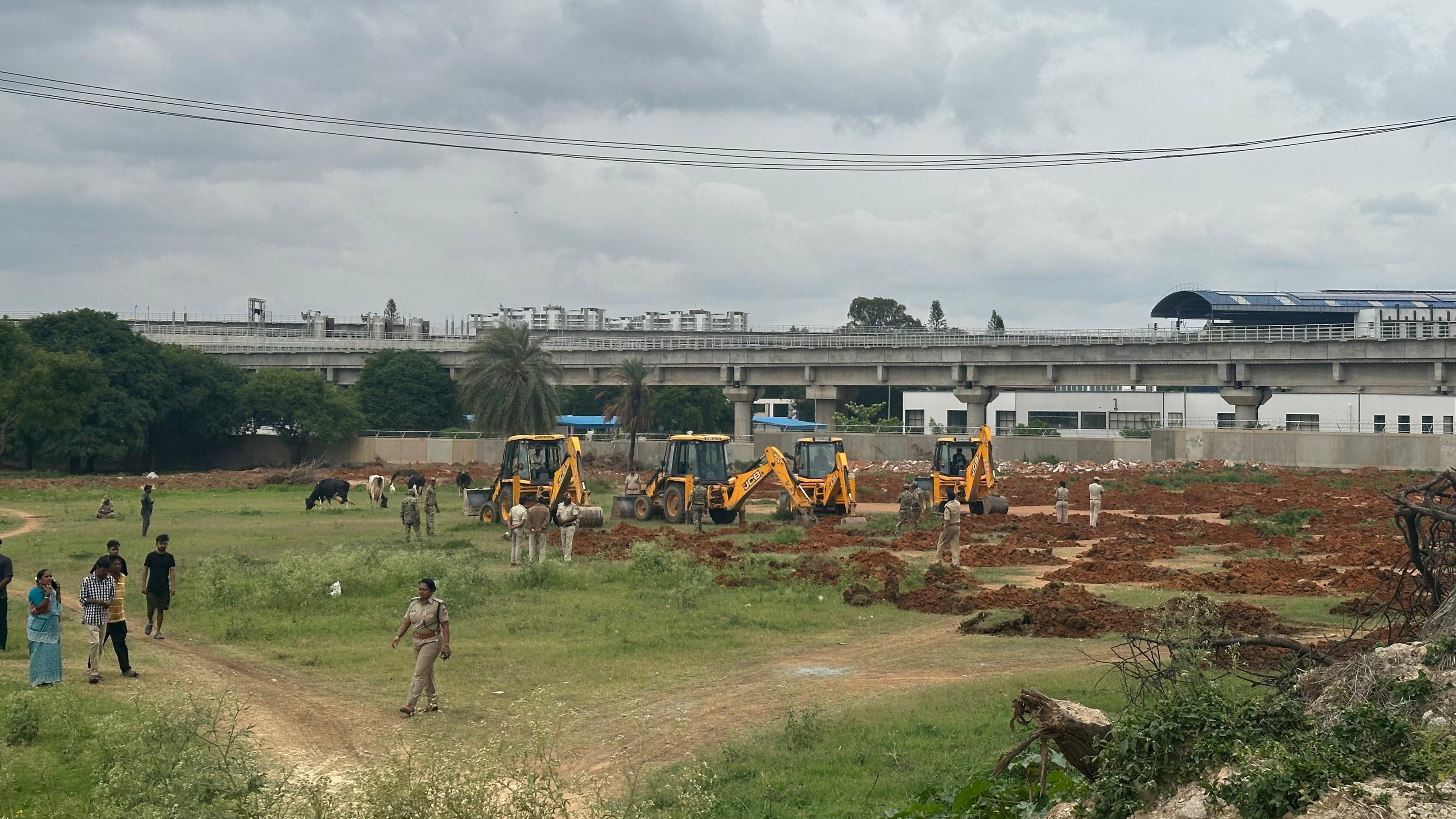
Residents argue that previous relocation proposals overlook access to livelihoods, educational institutions, and healthcare facilities. Farmers, in particular, fear the loss of fertile land and disruption to agricultural activities that sustain their families. Several families have lived in the affected area for generations, and the proposed displacement threatens community cohesion and cultural heritage. Activists supporting the protest emphasise that urban infrastructure development must balance growth with social equity. They urge authorities to consider inclusive solutions, such as alternative sites that maintain proximity to existing amenities and employment opportunities.Tamil Nadu airport expansion: Madurai villagers protest land acquisition, over 1000 cops deployed | India News - Times of India

Government Response and Negotiations

The protest by displaced families has highlighted long-standing grievances regarding land acquisition policies in Karnataka. Residents argue that previous compensation schemes have been inadequate and fail to reflect rising property values and the cost of rebuilding livelihoods. Several families expressed concerns that resettlement plans focus solely on housing, ignoring access to essential services such as electricity, water supply, and public transport. Activists stress that urban infrastructure projects like airport expansion must adopt a holistic approach, integrating social, economic, and environmental considerations to prevent community displacement from resulting in long-term hardship and marginalisation.


Urban planners point out that the choice of alternative sites is critical to ensure continuity of employment for displaced residents. Many families rely on local markets, agricultural land, and small businesses for income, which could be disrupted if relocated far from their current neighbourhoods. Advocates recommend selecting sites within a reasonable distance from existing infrastructure and marketplaces to minimise economic loss. Phased relocation and temporary housing support can mitigate disruption while providing time for families to adapt. Proper planning and consultation with affected residents can reduce resistance to relocation and facilitate smoother execution of large-scale urban development projects.


Civil society organisations have criticised the lack of adequate public consultation before announcing relocation plans. Many affected families claim that they were not informed in advance or given an opportunity to voice concerns. Activists argue that participatory planning is essential for building trust between residents and authorities. Public hearings, focus groups, and inclusion of community representatives in site selection committees can ensure that relocation plans address real-world needs. Without transparency, communities may feel coerced into resettlement, exacerbating resentment and creating social tension that could hinder project implementation.


The airport expansion project, while crucial for regional economic growth, has become a flashpoint for debates over developmental priorities. Government officials emphasise that increased passenger traffic and cargo handling require expanded infrastructure to maintain competitiveness and connectivity. However, residents argue that development should not come at the cost of human displacement. Experts note that balancing economic progress with social justice is a challenge for urban authorities worldwide, and Karnataka’s handling of this situation may set a benchmark for future infrastructure projects involving large-scale land acquisition.


Families involved in the protest have shared stories of multi-generational residence, highlighting emotional attachment to their homes and neighbourhoods. Elders stress that relocation threatens cultural traditions, communal bonds, and social networks built over decades. Children’s schooling and local friendships are also at stake, making the process of displacement highly disruptive. Activists argue that relocation plans must include provisions for continuity in education, healthcare, and community cohesion. Failure to do so risks not only social unrest but also long-term psychological and economic consequences for affected families.


Legal experts note that land acquisition in India is governed by strict regulations under the Right to Fair Compensation and Transparency in Land Acquisition Act. This framework mandates proper valuation, rehabilitation, and consent of affected families. However, discrepancies between legal provisions and on-ground implementation often lead to disputes. Authorities handling the airport expansion must ensure compliance with statutory requirements to avoid litigation. Observers believe that prompt, transparent resolution of grievances can prevent prolonged legal battles and ensure that the project progresses without unnecessary delays while safeguarding the rights of displaced communities.


Environmental considerations also intersect with the relocation debate. Some proposed alternative sites for resettlement are near ecologically sensitive zones, raising concerns about sustainable land use. Urban planners advocate for comprehensive environmental assessments to ensure that relocation does not create new challenges, such as deforestation, water scarcity, or soil erosion. Integrating ecological concerns into resettlement planning ensures that development projects maintain long-term sustainability. Experts argue that proper site selection, coupled with infrastructure support, can make resettlement viable without compromising environmental integrity, while simultaneously ensuring residents’ livelihoods are protected.


Political leaders have stepped into the controversy, urging government authorities to engage in meaningful dialogue with displaced families. Representatives have visited protest sites, promising to advocate for fair compensation, alternative housing, and improved civic amenities. Analysts believe that political intervention can expedite negotiations but caution that long-term solutions must be institutionalised rather than rely solely on temporary interventions. The government’s response in balancing the demands of economic growth with citizen welfare is being closely monitored, as the outcome could influence broader policy approaches to urban infrastructure projects in Karnataka.


Media coverage of the protest has amplified the concerns of displaced families, drawing national attention to the challenges posed by airport expansion. News reports emphasise the human cost of development and highlight stories of families struggling to reconcile resettlement with livelihoods and cultural continuity. Analysts note that widespread media attention increases public accountability, encouraging authorities to adopt more transparent, participatory, and humane approaches. At the same time, media scrutiny adds pressure to ensure that relocation plans are implemented ethically, efficiently, and with full respect for the rights of affected communities.


Finally, experts stress that the resolution of the dispute will serve as a benchmark for future infrastructure projects. Successful negotiations, fair compensation, and transparent relocation procedures can demonstrate that development and citizen welfare are not mutually exclusive. Conversely, mishandling the situation could lead to prolonged protests, legal challenges, and social unrest. As the dialogue between authorities and displaced families continues, the airport expansion project remains at a crossroads, illustrating the broader challenges of balancing urban growth, infrastructure development, and the protection of vulnerable communities in Karnataka.

Authorities have acknowledged the protest and promised engagement with displaced families to address their concerns. Officials have indicated plans to assess potential relocation sites more comprehensively, factoring in access to schools, hospitals, and employment opportunities. Compensation packages, infrastructure support at new sites, and community resettlement programs are reportedly under review. While the government asserts that the airport expansion is crucial for regional economic development and improved connectivity, officials are aware that unresolved displacement issues can cause long-term social unrest.

Local leaders and activists have called for transparent processes in site selection and compensation calculation. They argue that affected families must be included in decision-making to ensure fairness and prevent arbitrary relocation. Civil society organisations have highlighted previous instances where rapid infrastructure projects led to incomplete rehabilitation, resulting in protests, litigation, and prolonged hardship. Experts stress that urban development policies should integrate displacement mitigation strategies at the planning stage, ensuring projects like airport expansions do not undermine the welfare of local communities.

The protest has also drawn attention to broader questions of governance and accountability. Citizens question whether authorities have conducted adequate environmental and social impact assessments before moving forward with expansion. Activists stress that public hearings, community consultations, and independent monitoring mechanisms are essential for maintaining trust. Failure to address grievances effectively could escalate tensions, disrupt project timelines, and invite judicial intervention. Observers note that balancing large-scale infrastructure needs with citizens’ rights is a recurring challenge in rapidly urbanising regions.Airport expansion: Displaced families seek alternative sites, stage protest - The Hindu

Affected families emphasise that relocation without proper planning could disrupt children’s education and access to healthcare. Many households rely on informal jobs or local commerce, which could be lost if resettlement sites are far removed from their current locations. Activists have proposed phased relocation, ensuring that residents maintain livelihoods during the transition. They also advocate for skill development programs and temporary financial assistance to mitigate the economic impact of displacement. These measures, they argue, are crucial for sustainable resettlement and maintaining social stability amid urban expansion projects.

The airport authority has responded by stating that dialogue with displaced communities is ongoing, and multiple site options are being considered. Officials insist that the project will adhere to legal frameworks governing land acquisition and rehabilitation. They also emphasise that infrastructure development is necessary to accommodate increasing passenger traffic and promote regional growth. Analysts note that the resolution of such disputes is often pivotal to the success of large-scale projects, as social unrest can lead to construction delays, cost overruns, and reputational damage for implementing authorities.

Community leaders have urged for a participatory approach to relocation planning, where residents actively evaluate potential sites. They emphasise that resettlement must not simply involve physical relocation but also the restoration of social networks, access to markets, and continuation of cultural practices. Activists highlight the importance of creating new settlements that are livable, accessible, and inclusive, rather than temporary or inadequate housing arrangements. The protest has thus drawn attention to the need for holistic planning in urban infrastructure projects.

The incident has also sparked political engagement, with representatives from local and regional parties visiting the site to mediate between authorities and residents. Some politicians have promised to raise the issue in legislative forums, stressing that citizen welfare should not be compromised for developmental projects. Political analysts suggest that how the government handles this protest could influence public perception and electoral outcomes in the area. Maintaining a balance between economic growth and social justice remains a pressing challenge.Airport expansion: Displaced families seek alternative sites, stage protest - The Hindu

Experts in urban development stress the importance of long-term planning in airport expansions. They note that displaced communities should be treated as stakeholders rather than obstacles. Proper planning, inclusive engagement, and timely grievance redressal can prevent protests, legal battles, and project delays. The airport expansion, while critical for regional connectivity, must incorporate these principles to avoid setting precedents that undermine social accountability in future projects.

Finally, families involved in the protest have vowed to continue peaceful demonstrations until their demands for alternative relocation sites and fair compensation are addressed. Authorities have assured citizens that all concerns will be evaluated, and a final decision will be made in consultation with residents. The unfolding situation highlights the delicate balance between urban development, infrastructure expansion, and the fundamental rights of communities, serving as a reminder that sustainable progress must prioritize people alongside economic growth.

Follow: Karnataka Government

Also read: Home | Channel 6 Network – Latest News, Breaking Updates: Politics, Business, Tech & More

3 Students Killed in Karnataka Road Accident, Truck Driver Arrested

Fatal Accident on Highway Claims Young Lives

A devastating road accident in Karnataka has claimed the lives of three students, sending shockwaves through the local community and sparking calls for enhanced road safety measures. The incident occurred when a truck collided with the vehicle carrying the students, leading to immediate fatalities at the scene. Authorities swiftly reached the location and confirmed that the victims, all in their late teens or early twenties, were pronounced dead before they could be moved to a hospital. Eyewitnesses described a chaotic scene, with bystanders rushing to help and police cordoning off the area for investigation.

The incident has sparked renewed debate about the safety of young commuters on Karnataka’s highways. Experts point out that students often rely on motorcycles, small cars, or shared transport for commuting, making them particularly vulnerable in areas frequented by heavy vehicles. The need for separate lanes, stricter speed regulation near educational zones, and frequent road safety audits has been emphasised. Parents and school authorities have called for better enforcement of traffic rules, especially during peak hours when students are travelling. Public campaigns targeting both drivers and young commuters are being considered as a preventive measure to avoid similar tragedies in the future.


Road safety analysts have highlighted that reckless overtaking by heavy vehicles remains a leading cause of fatal accidents in the state. The circumstances of this crash, involving a truck overtaking dangerously on a curve, illustrate the risks posed by inadequate enforcement. Authorities are reportedly reviewing driver logs, duty hours, and adherence to legal limits on speed and load. Investigators are also examining whether the truck had undergone timely safety inspections and whether the driver received proper training. These assessments aim to establish responsibility and determine whether systemic issues in road safety management contributed to the fatal accident.


The families of the victims have described the loss as unbearable, with local authorities providing immediate counselling support. Community groups and NGOs are stepping in to assist, arranging emergency financial aid, and helping with funeral preparations. The emotional impact has extended across the community, as students from nearby schools and colleges have expressed shock and grief. Vigils and remembrance events are being organised to honour the deceased, highlighting the deep sense of loss among peers, educators, and residents. Such tragedies have prompted calls for community engagement in advocating for safer road practices around educational institutions.


Eyewitnesses at the scene described chaos and confusion in the moments following the collision. Some bystanders attempted first aid and called emergency services, while police cordoned off the accident site to prevent further mishaps. Traffic in the area was temporarily halted, with officials rerouting vehicles to manage congestion and facilitate investigation. Authorities are now analysing patterns of accidents in the vicinity to identify high-risk zones. Urban planners and road engineers are being consulted to determine whether the existing road design contributed to the accident, including blind curves, lack of speed-breakers, and inadequate signage warning drivers of curves or pedestrian activity.


Police have taken comprehensive steps to collect forensic evidence, including vehicle damage assessment, skid mark analysis, and examination of the driver’s adherence to traffic laws. Legal proceedings are expected to consider charges of culpable homicide not amounting to murder, negligent driving, and potential violations of state motor vehicle regulations. The truck company itself may face scrutiny if negligence in maintenance, overloading, or driver training is detected. Authorities have underscored that both individual and institutional accountability will be assessed to prevent similar incidents, sending a clear message about the seriousness of traffic law enforcement in Karnataka.


Educational institutions near the accident site have intensified awareness campaigns, educating students about the risks of road travel and safe commuting practices. Defensive driving workshops, safety drills, and awareness sessions are being planned in collaboration with the traffic police. Teachers and administrators are stressing the importance of helmet use, seatbelts, and adherence to speed limits for students who commute independently. By integrating safety education into everyday school activities, institutions hope to reduce the vulnerability of students to traffic accidents, complementing government efforts and reinforcing a culture of caution among young road users.


The State Transport Department has indicated plans to introduce stricter enforcement mechanisms for trucks operating on highways. This includes mandatory GPS tracking, speed monitoring devices, and regular fitness checks for vehicles transporting heavy loads. Truck operators may also be required to maintain duty logs and undergo periodic safety audits to ensure compliance. Experts believe that combining legal enforcement with technological interventions could reduce reckless driving and prevent fatalities. The Karnataka government’s approach is increasingly focused on integrating real-time monitoring with punitive action, creating a system where accountability is clear and violations are swiftly addressed.


Social media campaigns and public discussions have highlighted the growing frustration over recurring road accidents in Karnataka. Citizens are urging faster legal action against negligent drivers and better road infrastructure. Some community activists have suggested the installation of crash barriers, reflective markings, and better illumination on accident-prone stretches. Urban planners also stress the importance of zoning around educational institutions and residential areas to minimise exposure to high-speed traffic. The combination of technological, infrastructural, and behavioural interventions is being advocated as a holistic solution to curb fatalities and improve safety for vulnerable road users.


Legal experts note that the case could influence future court decisions regarding road safety and liability in Karnataka. If the truck driver and company are held accountable for negligence, it could set a precedent for stricter penalties for commercial vehicle operators. Discussions are ongoing regarding the adequacy of current regulations, the role of insurance in compensating victims, and potential reforms in licensing and driver training protocols. Advocacy groups emphasise that legal clarity and swift action are essential not only for justice in this case but also for preventing similar incidents across the state, reinforcing accountability at multiple levels.


The community is now focused on healing and advocating for systemic changes. Residents, educators, and students alike have stressed that the loss of young lives must catalyse improvements in road safety. Measures under discussion include infrastructure upgrades, speed regulation, safety education, technological monitoring of vehicles, and stricter enforcement of traffic laws. Authorities have pledged to implement lessons from this tragedy, signalling a commitment to proactive prevention. While grief remains profound, stakeholders hope that these initiatives will help reduce fatalities on Karnataka’s roads and prevent future accidents involving vulnerable groups, especially students and young commuters.

The truck driver was promptly arrested by local police and is currently under investigation. Preliminary reports suggest that the truck may have been speeding and failing to follow safety protocols, although authorities are examining CCTV footage, traffic signals, and other evidence to determine the exact sequence of events. The victims’ families have been informed, and officials have pledged a thorough probe into the accident. Community leaders and students have expressed shock and grief, highlighting the emotional impact of the tragedy on the wider public.

Calls for Stricter Road Safety Measures

Road safety advocates have raised concerns over increasing traffic accidents in the state, especially those involving heavy vehicles. Experts argue that fatalities like this underline the need for stricter enforcement of speed limits, better signage, and awareness campaigns for both drivers and pedestrians. Officials have indicated that the truck company’s licensing, vehicle maintenance, and adherence to regulations will also come under scrutiny. Authorities are expected to take action not only against the driver but also against potential lapses in vehicle compliance, aiming to prevent future tragedies.20-year-old student dies by suicide in Gujarat; students protest alleging  college's negligence

Local residents have held vigils in memory of the students, emphasizing the need for safer roads near educational institutions. Public pressure has increased for installing speed breakers, improving road lighting, and conducting regular patrols in accident-prone zones. Educational institutions in the area have also expressed grief and have started counselling support for students affected by the loss of their peers. The incident has reignited the conversation on Karnataka’s traffic management policies and the urgent steps required to curb preventable accidents.

The State Transport Department has pledged to assist in the investigation and review traffic rules compliance for heavy vehicles. Authorities are also examining whether overloading, driver fatigue, or lack of proper permits played a role in the crash. Legal experts note that criminal proceedings may include charges of culpable homicide, negligent driving, and violations of motor vehicle regulations. The truck driver could face severe penalties if found responsible, reinforcing the state’s stance on accountability in road safety violations.

Eyewitnesses recounted the moments leading up to the accident, describing the truck overtaking recklessly on a curve and colliding with the smaller vehicle carrying the students. Bystanders immediately attempted rescue, but the impact was too severe. Police officials documented the scene, recorded witness statements, and coordinated with emergency services to manage the aftermath. The area has since been marked for traffic audits to assess road design and safety hazards that could contribute to future incidents.

The tragic accident has also sparked social media discussions, with citizens demanding government accountability and stricter enforcement of road safety regulations. Several online campaigns have highlighted similar accidents in Karnataka, stressing the urgency of preventive measures. Advocacy groups have called for the installation of cameras, real-time monitoring of heavy vehicles, and regular checks to ensure compliance with traffic laws. Citizens argue that such measures are critical to protecting vulnerable road users, especially students and young adults.

Families of the victims are currently receiving support from local authorities, including counselling, legal assistance, and logistical help. Community members have organised condolence meetings and are contributing to funeral arrangements. Local politicians and public representatives have visited the families to express solidarity and pledged to address road safety concerns in the area. The grief has united the community in mourning while also reigniting long-standing debates over traffic safety enforcement and infrastructure quality.

Educational institutions in the vicinity have announced temporary closures and safety awareness campaigns for students. Teachers and administrators have stressed the importance of responsible commuting and adherence to traffic rules, both as pedestrians and vehicle occupants. Many schools plan to coordinate with local authorities to conduct workshops on road safety, defensive driving, and accident prevention. The goal is to reduce the risk of future tragedies while raising awareness among students about the responsibilities of road users.What Is a Hit and Run in Oklahoma? - (405) 888-5400 - Wirth Law Office -  Oklahoma City

Authorities have confirmed that forensic examinations of the vehicles involved, including brake performance, tyre conditions, and mechanical functioning, are underway. The police report will be submitted to the local magistrate, who will initiate legal proceedings based on evidence. Additionally, municipal authorities are reviewing road conditions, including visibility, signage, and potential obstructions, to identify systemic issues that may have contributed to the accident. Public safety officials have reiterated the importance of preventive measures to avoid repeat incidents.Jogger injured in hit-and-run in Malad West | Mumbai news

Finally, the community continues to mourn the loss of the three students while demanding justice. The arrest of the truck driver marks the first step in a legal process that will determine accountability and compensation. The tragedy underscores the urgent need for a multi-pronged approach to road safety, combining infrastructure improvement, stricter regulation of heavy vehicles, public awareness campaigns, and legal enforcement. Citizens and authorities alike are watching closely, hoping that lessons from this incident will lead to tangible measures preventing similar future losses.

Follow: Karnataka Government

Also read: Home | Channel 6 Network – Latest News, Breaking Updates: Politics, Business, Tech & More

Kapali Awakens, Sparking Hope and Debate for Kannada Film Fans: CINEMA REVIVAL 2.0

AMB Cinemas Brings Life Back to Kapali

Bengaluru’s historic Kapali theatre has reopened its doors under the management of AMB Cinemas, signalling a new chapter for cinema-goers and the local entertainment industry. The theatre, which had been closed for several years due to declining footfalls and maintenance challenges, now boasts modern amenities, upgraded sound systems, and digital projection facilities. Film enthusiasts and local audiences have expressed excitement, seeing the revival as a chance to reconnect with the city’s rich cinematic culture. However, the reopening has also sparked debate: will it serve as a boost for Kannada cinema or primarily cater to commercial, multilingual releases?

The reopening of Kapali also has potential ripple effects on neighbouring businesses. Cafes, restaurants, and retail outlets around the theatre anticipate increased footfall as audiences attend screenings. Local vendors have expressed optimism that the theatre’s revival will reinvigorate the East Bengaluru economy, providing additional employment opportunities for youth and part-time workers. Analysts suggest that a thriving cinema culture in the area could serve as a model for integrating urban entertainment hubs with local commerce, making theatre districts self-sustaining while supporting ancillary businesses reliant on consistent crowd activity.


AMB Cinemas has announced plans to implement advanced ticketing solutions at Kapali, including online booking, QR-code scanning, and priority seating options. These initiatives aim to streamline the audience experience, reduce waiting times, and enhance safety measures by managing crowds more effectively. Observers believe that modernised booking systems also provide opportunities for targeted marketing, promotions, and loyalty programs, which can help maintain sustained interest in Kannada cinema releases. By combining technology with nostalgia, the theatre hopes to attract both traditional moviegoers and younger, tech-savvy audiences who are accustomed to seamless, digital-first entertainment experiences.


The revival is also a significant cultural milestone for Kannada cinema. Analysts note that urban theatres like Kapali have historically shaped audience perception, setting the tone for box-office success. Premieres and first-week performances at central venues often influence word-of-mouth publicity, critical reviews, and overall visibility for films. Kannada filmmakers argue that urban screenings are vital for balancing regional and city audiences, ensuring that productions not only succeed in rural strongholds but also achieve broader recognition. Kapali’s reopening thus provides a crucial platform for both commercial and experimental Kannada films, potentially boosting the industry’s profile nationally.


Industry veterans have also emphasised the role of Kapali in supporting smaller filmmakers. Unlike multiplexes prioritising high-grossing releases, Kapali’s programming flexibility allows screening of independent and low-budget Kannada films that may otherwise struggle for urban visibility. Filmmakers anticipate that curated slots and weekend specials could provide much-needed exposure, cultivating a niche audience for diverse cinematic content. By serving as a testing ground for innovative storytelling and experimental narratives, Kapali can foster a creative ecosystem where emerging talent finds opportunities to showcase work alongside mainstream releases, strengthening the Kannada film industry’s creative diversity.


Audience experience remains a critical consideration for the theatre’s management. Theatres like Kapali must balance technological upgrades with comfort, aesthetics, and nostalgia to create an immersive environment. Officials have highlighted improvements such as ergonomic seating, superior acoustics, and enhanced screen quality to rival modern multiplex standards. At the same time, they plan to retain the theatre’s historic charm, preserving its identity as a cultural landmark. Fans have welcomed this approach, noting that the combination of modern amenities and nostalgic architecture encourages them to return to theatres, creating a sense of continuity with the city’s cinematic past.


The reopening is also an opportunity for event-based promotions to engage audiences. AMB Cinemas has indicated plans to host film festivals, actor meet-and-greets, and interactive workshops alongside regular screenings. Such events can strengthen community ties, foster loyalty, and increase media attention on Kannada cinema. Experts note that audience engagement beyond mere film-watching is increasingly essential in urban markets, where viewers have multiple entertainment options. By creating experiential value through curated events, Kapali aims to differentiate itself from conventional multiplexes, positioning the theatre as a hub for cultural and cinematic interaction within the city.


Local governance and civic authorities have been closely involved in the theatre’s reopening, particularly regarding safety and urban planning. Traffic management, pedestrian flow, and emergency preparedness have been coordinated with municipal authorities to ensure minimal disruption. Observers highlight that such collaboration is crucial for high-density urban theatres, where public safety and convenience play a major role in audience retention. By integrating theatre operations with city planning, Kapali sets a precedent for responsible urban cinema management, demonstrating that cultural revival can be achieved without compromising safety or infrastructure efficiency.


Financial analysts suggest that Kapali’s revival could influence ticket pricing strategies for Kannada cinema. Central urban theatres often set benchmarks for pricing, balancing affordability with revenue generation. By offering flexible pricing for weekday, weekend, and special screenings, Kapali aims to attract a diverse audience, from students to working professionals. Properly calibrated pricing strategies can ensure sustained footfall, prevent empty seats, and maximise exposure for Kannada films. Analysts believe that the success of Kapali’s model could guide pricing policies for other theatres across Karnataka, promoting both accessibility and profitability for the regional cinema ecosystem.


Cinema critics highlight that Kapali’s return also provides a benchmark for audience trends in the digital era. With OTT platforms gaining popularity, theatres must compete with on-demand streaming by offering immersive, communal experiences. Kapali’s blend of nostalgia, technology, and curated programming is being closely watched as a case study. Critics suggest that audience response to screenings, attendance patterns for Kannada films, and engagement with special events will help determine the viability of similar revivals in other parts of the city. A successful relaunch could encourage other historic theatres to modernise while retaining cultural relevance.


Finally, the reopening of Kapali is being seen as a litmus test for the future of urban Kannada cinema. Its success will depend on careful scheduling of films, strategic marketing, audience engagement, and balancing commercial viability with regional promotion. While some fear that commercial interests could dominate, others are optimistic that the theatre can become a cultural hub, supporting both mainstream and experimental films. As screenings resume, industry insiders and fans alike will closely monitor Kapali’s impact on box-office performance, audience preferences, and the broader revival of Karnataka’s film culture in urban centres.

AMB Cinemas’ entry into Kapali aims to create a multiplex-style experience while retaining the theatre’s nostalgic charm. Officials say the theatre will screen a mix of Kannada films, regional cinema, and select Bollywood and international releases, providing diverse options for audiences. Upgraded seating, hygiene protocols, and enhanced concession facilities are expected to attract both families and young audiences. Cinema analysts note that the revival could rejuvenate urban theatres, which have struggled in recent years due to competition from streaming platforms and home-viewing culture.Mahesh Babu Brings South India's First Dolby Cinema to Bengaluru with AMB  Cinemas Kapali - Oneindia News

Impact on Kannada Film Industry

Kannada filmmakers and producers have shown cautious optimism. Many believe the reopening of Kapali, a centrally located theatre, could provide a key platform for launching new films and attracting urban audiences who often drive box-office success. Industry insiders argue that the presence of a high-quality, centrally located screening venue helps regional cinema compete with films from other languages, which traditionally dominate Bengaluru’s multiplex screens. The theatre’s management has assured preferential slots for Kannada releases, emphasising that supporting local cinema is a core objective of the revival.

Despite optimism, some industry voices caution that the revival might not automatically translate into a boon for Kannada films. With AMB Cinemas also screening commercial Hindi and international releases, scheduling could prioritise higher-grossing films, potentially limiting prime-time slots for regional cinema. Filmmakers and distributors stress the need for careful planning to ensure Kannada films receive adequate exposure and marketing support. Audience engagement strategies, including discounted screenings, promotional events, and tie-ups with local colleges, could play a decisive role in sustaining footfalls for regional productions.

Cinema enthusiasts argue that Kapali’s revival comes at a crucial time, as theatres nationwide are grappling with post-pandemic challenges. Analysts suggest that quality facilities, enhanced viewing experiences, and effective marketing could encourage city audiences to return to theatres, benefiting Kannada cinema indirectly. By providing a dedicated urban screening space, Kapali could become a testing ground for innovative cinematic formats, including weekend premieres, interactive screenings, and regional film festivals, all of which can strengthen the local industry.

The reopening has also reignited nostalgia among long-time Bengaluru residents, who recall Kapali as a cultural landmark for decades. For many, the theatre represents more than just a venue; it is a space where generations have experienced iconic films, celebrated festivals, and community gatherings. Preservation of this cultural heritage, alongside modernisation, has been a key selling point for AMB Cinemas, appealing to both loyal patrons and younger audiences seeking contemporary entertainment experiences.

Financially, analysts believe that Kapali’s revival could influence box-office dynamics in Bengaluru. With a central location and upgraded facilities, the theatre can attract a premium segment of audiences willing to pay higher ticket prices. This could, in turn, impact revenue projections for Kannada films, especially if strategic screenings are scheduled to coincide with major releases. However, theatre owners emphasise that maintaining affordability and accessibility for diverse audiences is crucial to ensure sustained patronage.AMB Cinemas going to Bengaluru - Telugu360

Local residents have expressed mixed reactions to the revival. While many welcome the convenience and improved experience, some express concerns over increased traffic and parking issues around the theatre. Authorities have indicated plans to coordinate with the municipal corporation for traffic management and crowd control during peak screening times. Additionally, hygiene, safety, and COVID-appropriate measures are being maintained to reassure audiences returning to theatres after long breaks.

Industry observers also view Kapali’s revival as a test case for the broader regional cinema ecosystem. Success could encourage other historic theatres across Karnataka to modernise and reopen, creating more avenues for Kannada films. Conversely, if footfalls fail to meet expectations or scheduling skews heavily toward Hindi and international films, concerns may arise about the sustainability of such urban revival projects. The outcome at Kapali may shape the strategic approach for regional cinema promotion in the coming years.

Film critics have highlighted the importance of programming choices in determining Kapali’s impact. Curated screenings, themed film weeks, and collaborations with independent filmmakers can enhance the theatre’s role as a cultural hub rather than merely a commercial space. Critics also note that audience engagement, including Q&A sessions, director talks, and interactive events, could foster a loyal patron base that supports Kannada cinema, helping regional films gain visibility in a competitive urban market.AMB Cinemas Kapali: Bengaluru | Movie Showtimes & Ticket Booking Near You  in Bengaluru - BookMyShow

As Kapali prepares to host its first wave of screenings under AMB Cinemas, anticipation is high among audiences and industry stakeholders alike. The theatre’s success could reinvigorate urban cinema culture in Bengaluru, support regional filmmaking, and preserve the city’s heritage. However, balancing commercial imperatives with cultural responsibility, ensuring Kannada cinema receives priority, and maintaining audience satisfaction will be key to determining whether Kapali’s revival becomes a milestone for the local film industry or just another urban multiplex venture.

Follow: Karnataka Government

Also read: Home | Channel 6 Network – Latest News, Breaking Updates: Politics, Business, Tech & More

2nd FIR Lodged Against Embassy Group Over Kadugodi Forest Felling: BOLD ALERT

Rising Concerns Over Illegal Deforestation

Authorities in Bengaluru have filed a second First Information Report (FIR) against the Embassy Group for allegedly cutting down trees in the Kadugodi forest area without proper approvals. The incident comes after the company faced earlier scrutiny over similar activities in the ecologically sensitive zone. Forest officials and environmental activists have expressed serious concerns about the cumulative impact of such actions on local biodiversity and the urban ecosystem. Legal experts note that repeated violations could attract stringent penalties under the Forest Conservation Act and related environmental laws, as urban forests continue to face pressure from rapid development projects.

The recurring tree-felling incidents in Kadugodi have prompted calls for a stricter regulatory framework to monitor urban green zones. Experts argue that satellite-based tracking and regular inspections could help identify illegal encroachments early. Civil society groups have also demanded that a public portal be established, allowing citizens to report unauthorized activities in forested areas. This move, they say, would complement government efforts and increase transparency. By involving communities in monitoring, authorities can create a collaborative approach to urban forest protection, making it harder for developers to bypass environmental safeguards without facing immediate scrutiny.


Urban planning authorities have come under scrutiny as the Kadugodi incident highlights gaps in the enforcement of environmental clearances. Critics say that while laws exist on paper, enforcement at the ground level remains inconsistent. Multiple layers of approvals from municipal corporations, state departments, and the Forest Department can sometimes create loopholes, which developers exploit. Environmentalists have urged authorities to streamline and tighten these processes, ensuring that no construction activity proceeds without verified approvals. They also emphasise the importance of clear demarcation of forest boundaries to prevent accidental or intentional encroachments by private parties.


Local residents near Kadugodi have expressed anger and frustration over repeated environmental violations. Many fear that continued deforestation will disrupt the ecological balance, leading to increased flooding during monsoons and rising temperatures in the area. Community members have initiated petitions demanding immediate action, including restoration of lost green cover and strict punishment for the developers. Some resident associations have also started planting saplings in nearby areas to mitigate the damage. Residents insist that their voices should play a decisive role in urban development decisions, arguing that long-term environmental sustainability must outweigh short-term commercial interests.


The environmental impact of the tree felling goes beyond aesthetics, affecting local biodiversity. Kadugodi forest is home to birds, small mammals, and numerous plant species, many of which rely on the area as a habitat corridor connecting larger forest patches. Loss of trees disrupts these ecosystems, affecting breeding patterns, food sources, and natural shelter. Conservationists warn that repeated felling without restoration threatens to create isolated green patches, reducing the resilience of the urban forest network. They advocate for immediate afforestation efforts to restore the ecological functions of the area, alongside legal accountability for the developers.


Legal experts note that repeated FIRs against the same developer strengthen the government’s case in court. The Forest Conservation Act, 1980, allows authorities to impose fines, initiate criminal proceedings, and even halt ongoing projects if violations are established. Additionally, the Karnataka Preservation of Trees Act mandates penalties for cutting trees without permission in urban areas. Analysts believe that persistent non-compliance could set a legal precedent, reinforcing the principle that developers cannot flout environmental laws with impunity. This case may also encourage other states to adopt stricter monitoring mechanisms to prevent similar violations in urban forested areas.


The Embassy Group’s legal team has stated that they are reviewing the allegations and will respond to the FIRs in accordance with the law. While cooperation with authorities has been emphasized, environmentalists remain wary due to the recurrence of the violation. Transparency in reporting, detailed documentation of any approvals obtained, and adherence to court directives will likely be crucial in determining the outcome. Legal observers believe that the developer’s response, combined with ongoing investigative efforts by the Forest Department, will set the tone for how similar cases involving high-profile developers are handled across Karnataka.


Experts in urban ecology argue that the Kadugodi case highlights a larger challenge facing Bengaluru: the rapid urbanisation of ecologically sensitive zones. With rising real estate demand, forested and green areas often come under pressure from construction projects. Environmentalists emphasise that city planning must integrate green infrastructure preservation, including parks, tree-lined streets, and urban forests, into the regulatory framework. Without proactive measures, the city risks long-term environmental degradation, including worsening air quality, heat islands, and reduced groundwater recharge. The FIR serves as a reminder of the need for a balanced approach between urban growth and ecological sustainability.


The Karnataka Forest Department has also indicated plans to implement stricter monitoring of all forested areas adjacent to urban developments. This includes regular ground inspections, mapping of high-risk zones, and coordination with municipal authorities to track unauthorized activities. Officials are considering technology-driven solutions such as drone surveillance and GIS-based monitoring to complement human inspection. By ensuring continuous vigilance, the department aims to prevent similar incidents in other regions, making urban forests less vulnerable to exploitation. These measures reflect a growing emphasis on proactive conservation rather than reactive enforcement after violations occur.


Public sentiment regarding the FIR has been largely supportive, with citizens expressing relief that authorities are taking action against repeated violations. Social media discussions highlight widespread concern for Bengaluru’s dwindling green cover and the need for accountability in urban development projects. Many environmental groups have called for a restoration plan for Kadugodi forest, including replanting native species and creating community awareness programmes. Citizens also expect timely updates on the investigation and transparent disclosure of penalties imposed. The public response underscores the increasing role of citizen engagement in shaping environmental governance in rapidly urbanising cities.


The Kadugodi FIR incident may also influence policy discourse at the state level. Lawmakers and environmental committees are expected to review urban forestry policies and examine the adequacy of existing penalties. Analysts suggest that recurring violations could accelerate legislative reforms to impose stricter penalties, faster judicial processes, and mandatory restoration obligations for developers. The case exemplifies the tension between commercial expansion and ecological preservation, and how public pressure, legal frameworks, and vigilant authorities together determine the fate of urban forests. For Kadugodi, the second FIR sends a strong signal that repeated environmental violations will not be tolerated.

The Kadugodi forest, a patch of green in East Bengaluru, plays a crucial role in maintaining the city’s ecological balance, acting as a carbon sink, habitat for local wildlife, and buffer against rising urban temperatures. Residents have long complained about illegal encroachments and tree felling in the area, noting that it exacerbates air pollution and reduces green cover. Environmentalists argue that unchecked development in and around forests not only threatens flora and fauna but also increases the risk of soil erosion, flooding, and loss of natural beauty in the rapidly urbanising region.Second FIR against Embassy Group for illegal tree felling in Kadugodi forest  - The Hindu

Regulatory Oversight and Legal Implications

The Karnataka Forest Department confirmed that preliminary investigations indicate the Embassy Group carried out the felling without mandatory permissions from state authorities. Officials said that a detailed survey will be conducted to estimate the number of trees felled and the corresponding ecological damage. The FIR notes that prior permissions are required for any construction or land modification in forest areas, and violations can lead to imprisonment and hefty fines. Legal analysts have highlighted that repeated FIRs against a single developer set a precedent, signalling increased vigilance by authorities in protecting Bengaluru’s remaining forested areas.

Local environmental groups have escalated the matter, demanding stricter monitoring and immediate restoration of the damaged area. They argue that corporate accountability is essential, especially in cases where urban expansion encroaches on protected zones. Proposals include imposing compensation charges, reforestation drives, and ensuring that no further construction activities commence until legal compliance is fully verified. Activists also emphasise the importance of transparency, urging public access to documents detailing environmental clearances and project approvals.

The second FIR comes amid a larger debate on Bengaluru’s urban planning policies, which critics claim favour commercial development over ecological conservation. Experts warn that repeated encroachments and weak enforcement could irreversibly damage urban forests, which are vital for groundwater recharge, air quality, and maintaining biodiversity. The Kadugodi incident has reignited public discourse on sustainable city planning, highlighting the need for stronger checks and balances to prevent exploitation of green zones by private developers.

Forest officials have assured citizens that the investigation will be thorough and that measures will be taken to prevent recurrence. Satellite imagery and on-ground surveys are being employed to identify any further illegal activities, while legal teams are preparing to challenge the developer in court if required. Authorities have also signalled that penalties could include not just fines but restrictions on future projects, making adherence to environmental norms a mandatory requirement for all developers operating in sensitive zones.

The Embassy Group, for its part, has stated that it is cooperating with the authorities and reviewing the allegations. Corporate representatives emphasised that any discrepancies would be addressed in accordance with legal and environmental requirements. However, activists remain sceptical, pointing to the recurrence of such incidents as indicative of systemic negligence or prioritisation of profit over ecological responsibility. The ongoing legal scrutiny has drawn attention from media, residents’ associations, and urban planners who are advocating for a more balanced approach to development.Second FIR against Embassy Group for illegal tree felling in Kadugodi forest  - The Hindu

Environmentalists see the Kadugodi case as a microcosm of a larger urban challenge in Bengaluru, where rapid real estate growth often clashes with ecological preservation. They stress that unless stricter enforcement and public oversight are implemented, urban forests across the city may continue to shrink. Community-driven monitoring, in combination with regulatory action, is seen as crucial to safeguarding these green spaces for future generations. The second FIR is thus being hailed as a necessary step to reinforce the message that forest laws will be enforced rigorously, irrespective of developer stature.Embassy Kadugodi Forest Land Dispute: Rs 22,000 Cr Conflict

Follow: Karnataka Government

Also read: Home | Channel 6 Network – Latest News, Breaking Updates: Politics, Business, Tech & More

Chinnaswamy Stadium’s Conditional Clearance Sparks 1 Hope for Fans

Conditional Approval Amidst Safety Concerns

Bengaluru’s iconic Chinnaswamy Stadium has received a conditional nod to host upcoming cricket matches, though final crowd capacity will be determined only after a comprehensive safety review. Officials from the Karnataka State Sports Authority and the Fire Department have stated that the stadium meets structural requirements but emphasised that crowd management, emergency preparedness, and evacuation protocols must be rigorously evaluated before allowing full-scale attendance. The move comes ahead of a packed cricket calendar, including domestic and international fixtures, and marks a step forward in reviving the city’s sporting events after a period of strict restrictions.

The safety review will examine multiple aspects, including emergency exits, fire safety equipment, seating arrangements, and ingress and egress routes for spectators. Authorities have mandated that the stadium management present a detailed plan covering crowd control, medical facilities, and coordination with local police and emergency services. Temporary limitations on seating may be imposed based on risk assessments, and stadium officials have assured compliance with all directives. Fans and teams alike are closely watching the process, hopeful that the venue will soon resume hosting large-scale matches without compromising safety.

Balancing Spectator Experience and Safety Protocols

Officials stressed that while restoring crowd attendance is important for the game’s vibrancy, safety cannot be compromised. The stadium has undergone periodic inspections in the past, but this conditional approval introduces stricter compliance measures, especially in light of global best practices for sporting venues. Emergency response drills, signage improvements, and training of ground staff are expected to be part of the preparatory measures before final clearance. Organisers have welcomed the approach, acknowledging that a careful balance between fan experience and safety is essential to prevent accidents and ensure smooth conduct of matches.Bengaluru police edge closer to conditional nod for matches at Chinnaswamy  Stadium

The conditional approval has generated considerable excitement among fans, who have been eagerly awaiting the return of full-scale matches at the Chinnaswamy Stadium. Many supporters highlighted the unique atmosphere created by a packed stadium, which they argue is crucial for player morale and match-day energy. Season ticket holders expressed hope that safety measures will be both robust and unobtrusive, allowing them to enjoy matches without fear. Meanwhile, local vendors and businesses around the stadium are preparing for increased activity, anticipating a boost in revenue once crowd attendance resumes under the new protocols.


Officials emphasised that emergency preparedness will be a cornerstone of the final clearance. Detailed evacuation plans are being reviewed, including simulations for rapid egress in case of fire, structural issues, or medical emergencies. Stadium staff have been undergoing training to handle large crowds, including identifying potential hazards and assisting spectators during emergencies. Authorities stressed that no compromise will be made on these protocols, and only after a satisfactory review will the stadium’s seating capacity be finalised. This cautious approach aims to prevent any recurrence of past incidents at crowded sporting venues elsewhere in the country.


Traffic and commuter management around the stadium is another key aspect of the safety review. Given Bengaluru’s dense urban infrastructure, officials have coordinated with city traffic police to implement temporary diversions, parking restrictions, and shuttle services on match days. Public transport connectivity, especially metro and bus services, is being strengthened to minimise congestion. Authorities have stated that effective management of external crowds is as critical as internal stadium safety. These measures are designed to ensure smooth movement of spectators, prevent overcrowding at entry points, and reduce the risk of accidents outside the stadium premises.


The stadium’s security infrastructure has been upgraded to meet modern standards. CCTV surveillance, metal detectors, and X-ray screening facilities are now operational at all entry gates. In addition, stadium security personnel have undergone intensive drills, including crowd control, first aid, and coordination with local police. Officials have also installed emergency communication systems, allowing staff to relay critical information instantly. These enhancements aim to create a controlled environment where both spectators and players can focus on the game without safety concerns, reflecting the administration’s commitment to world-class sporting standards.


Medical preparedness has been a central focus of the conditional clearance. Ambulance services will be stationed at strategic points, while medical teams will be available on-site throughout the match duration. Protocols for handling injuries, health emergencies, and heat-related issues have been developed in consultation with local hospitals. Authorities emphasise that the presence of comprehensive medical infrastructure is essential not only for player safety but also for the large number of spectators who may require immediate attention during high-attendance events. This initiative is expected to enhance overall confidence among fans planning to return to the stadium.


The conditional approval also provides an opportunity for the stadium management to implement new technological solutions for crowd monitoring. Digital ticketing systems, QR-based entry passes, and real-time tracking of spectator inflow are being trialled to ensure orderly admission. Such measures will help manage crowd density in various stands, prevent bottlenecks, and maintain compliance with safety norms. Organisers have stated that technology will complement traditional measures, such as security personnel and crowd marshals, allowing a seamless experience for spectators while ensuring adherence to the highest safety standards.


Fans and sports associations have welcomed the announcement, seeing it as a positive step towards resuming normal sporting events. The Indian Premier League (IPL) and other domestic tournaments could benefit from this development, as players often perform better in front of live audiences. Cricket enthusiasts have expressed hope that phased capacity increases will eventually restore full-scale attendance, enhancing both the excitement and commercial viability of matches. Additionally, local businesses, including food vendors, hotels, and transport operators, are expected to benefit from the gradual return of spectators, boosting the city’s economy alongside sporting enthusiasm.


The stadium management has committed to strict enforcement of safety rules inside the premises. Spectators will be required to follow seating arrangements, maintain orderly entry and exit, and adhere to instructions from staff and marshals. Any violations could lead to temporary restrictions or penalties. Officials emphasise that compliance by the public is as critical as the safety measures implemented by authorities. The combined efforts of management, security personnel, and spectators are essential to ensure that the stadium functions as a safe and enjoyable venue, reflecting the broader trend of professionalised event management in India’s major sporting arenas.


Environmental and maintenance concerns have also been factored into the approval process. Stadium authorities are conducting regular inspections of seating areas, emergency exits, and structural components to ensure longevity and safety. Waste management protocols are being revised to handle large crowds, with emphasis on cleanliness and hygienic facilities. Water supply, lighting, and sanitation systems are being tested under simulated high-attendance conditions to anticipate potential issues. These measures aim to create a sustainable environment where both players and spectators can enjoy matches without facing logistical or infrastructural difficulties.


Finally, the conditional nod to Chinnaswamy Stadium serves as a model for other sports venues in Karnataka and across India. The cautious, phased approach demonstrates that large-scale sporting events can resume safely if authorities, organisers, and spectators collaborate effectively. Officials have indicated that lessons learned from this process will inform future approvals for stadiums in urban areas, balancing the excitement of live sports with the paramount importance of safety. As cricket fever builds in Bengaluru, the city looks forward to the return of packed stands, thrilling matches, and a rejuvenated sporting culture anchored in safety and professional management.

Stadium authorities have also indicated plans to deploy modern crowd management technology, including digital ticketing, real-time monitoring of entry points, and surveillance systems, to enhance security. Medical teams and ambulances will be stationed strategically during events, and communication protocols with municipal authorities will be strengthened. These measures aim to reassure spectators that attending matches will be safe while maintaining the electrifying atmosphere the Chinnaswamy Stadium is known for. The conditional approval thus reflects a cautious optimism for the resumption of live sports with spectators in Bengaluru.Cricket Set to Return to Chinnaswamy? Bengaluru Police Signal Conditional  Nod After Safety Review - Oneindia News

Officials clarified that the stadium’s ultimate capacity limit will depend on the results of the final safety audit. While preliminary estimates suggest a reduced capacity compared to full seating, the process allows for incremental increases if all safety parameters are satisfactorily met. This phased approach mirrors global practices where venues gradually scale up attendance after rigorous evaluation. Sports fans have expressed mixed reactions, appreciating the emphasis on safety but also eager for full-capacity matches, particularly for high-profile domestic and international fixtures.

The conditional nod also underscores the importance of compliance with urban safety regulations in stadiums located in densely populated areas. Bengaluru’s municipal authorities have highlighted that crowd management extends beyond the stadium, including traffic regulation, public transport access, and emergency services along the surrounding roads. A coordinated approach between stadium management, police, and civic bodies is considered essential for smooth match-day operations. Authorities have indicated that any lapses in compliance could result in immediate revocation of clearance, emphasizing accountability at all levels.

The upcoming safety review and final clearance are likely to set a precedent for other sporting venues in Karnataka. Experts believe that adherence to strict safety standards will boost public confidence and encourage higher attendance once approvals are finalised. The Chinnaswamy Stadium, known for hosting IPL, international matches, and national tournaments, has long been a symbol of Bengaluru’s cricketing culture. Conditional clearance, therefore, signals not only the resumption of sporting events but also a renewed focus on spectator safety and operational excellence.Karnataka cabinet gives conditional nod for matches at Chinnaswamy Stadium  with safety rules

Once final clearance is granted, organisers plan to coordinate ticketing strategies to manage crowd inflow efficiently. Special arrangements may include staggered entry times, priority access for season ticket holders, and clear communication of safety rules to spectators. Fans have expressed excitement about returning to the stadium, with social media buzzing with anticipation about the potential reopening for marquee matches. Authorities have reiterated that this conditional approval is an opportunity to demonstrate that large-scale events can resume safely, serving as a model for other venues in Karnataka and across India.

Follow: Karnataka Government

Also read: Home | Channel 6 Network – Latest News, Breaking Updates: Politics, Business, Tech & More

The Alliance Dilemma Shaping Karnataka’s Civic Poll Emotions: BOLD POWER PLAY 3.0

High Command Calculations Versus Grassroots Resistance

As Karnataka prepares for the long-delayed civic body elections, the Bharatiya Janata Party finds itself navigating a familiar but politically sensitive crossroads. The BJP high command is increasingly inclined towards forging an alliance with the Janata Dal (Secular) for local body polls, even as strong resistance continues within the State unit. The move, if enforced, could reshape electoral arithmetic across urban local bodies, zilla panchayats, and taluk panchayats, but it also risks unsettling the party’s grassroots cadre, many of whom see the JD (S) as a long-term rival rather than a strategic partner.

Senior party sources indicate that the central leadership views a coalition as a pragmatic necessity in the current political climate. With the Congress firmly in power in Karnataka and organisationally strong at the local level, a divided opposition could significantly weaken the BJP’s prospects. The JD (S), despite its shrinking footprint, still retains influence in specific regions, particularly in parts of Old Mysuru and select rural belts. For the high command, an alliance is less about ideological convergence and more about electoral consolidation.

The tension between the central leadership’s strategic calculations and the State unit’s ground realities is also reflected in the party’s communication channels. While the high command has begun circulating narratives about the benefits of a coalition to select leaders, district-level cadres report mixed reactions, with many fearing loss of influence and marginalisation. Meetings held in urban centres have seen heated discussions over seat-sharing formulas, candidate prioritisation, and potential rebel movements. Observers note that managing these internal dynamics requires careful messaging and reassurance from the top, lest dissatisfaction translates into poor campaign performance or active resistance from party workers who feel their efforts are undervalued.


Political analysts say the situation underscores the growing role of centralisation in party politics, particularly in national parties like the BJP. While historically Karnataka’s unit enjoyed significant autonomy in local election strategy, recent patterns show the high command asserting influence on key alliances and candidate selections. This has benefits in terms of uniform strategy and coordination, but also risks alienating experienced State leaders who understand local demographics, caste dynamics, and personal networks. In civic elections, where votes are often swayed by community ties and candidate familiarity rather than ideology, misalignment between strategy and local knowledge could prove costly.


Another significant challenge is reconciling the ambitions of individual leaders at both the BJP and JD(S) ends. Seat-sharing negotiations, especially in contested urban wards, have generated friction, with leaders from both parties demanding priority candidacies. These demands risk triggering intra-alliance rivalries, which could undermine cohesion and voter confidence. Party strategists emphasise that balancing these aspirations while maintaining a united front requires careful compromise, disciplined enforcement of alliance agreements, and transparent communication. Failure to manage personalities, they argue, could reduce the strategic advantage of the coalition into mere symbolic collaboration without operational effectiveness.


The alliance debate has also prompted discussion about electoral messaging. The BJP’s narrative has traditionally focused on governance performance and a strong leadership image, whereas JD(S) campaigns emphasise local issues and personal touch with voters. Combining these messaging strategies without diluting clarity is a delicate task. Campaign materials, rallies, and public outreach efforts must be coordinated to avoid sending contradictory signals to voters. Political commentators note that civic elections are sensitive to perception, and any visible disagreement or incoherence between alliance partners could be exploited by the Congress, reinforcing the importance of disciplined alignment before the first public campaign.


Financial considerations also play a crucial role in shaping the alliance strategy. Pooling resources between BJP and JD(S) allows the alliance to contest more seats effectively, fund voter outreach campaigns, and enhance visibility in urban and semi-urban areas. Smaller parties or independent candidates often struggle with these logistical costs, making coalition support critical for maximum reach. However, central leadership must also account for the long-term impact on cadre morale and ensure that shared resources are distributed fairly. Mismanagement in resource allocation could exacerbate resentment among party workers who have invested years in local organisational building.


Finally, the impending alliance decision could have ripple effects beyond civic polls. A successful BJP-JD(S) coalition would signal to other regional and national actors that strategic flexibility can overcome historical rivalries, potentially influencing Assembly and parliamentary strategies. Conversely, forcing a coalition without local buy-in could undermine the BJP’s internal cohesion, weaken candidate loyalty, and embolden opposition narratives about party instability. As Karnataka approaches polling season, the high command faces a complex calculation: prioritising immediate electoral gains while managing long-term organisational health, balancing pragmatism with political sentiment, and ensuring that the alliance, if formed, translates into tangible success at the ballot box.

However, resistance from the State unit has been vocal and persistent. Many BJP leaders argue that local body elections are fundamentally different from Assembly or parliamentary polls. Civic elections are heavily influenced by personal equations, local rivalries, and cadre-level mobilisation. BJP workers who have spent years opposing JD (S) leaders at the grassroots level fear that a sudden alliance could demoralise workers, confuse voters, and benefit JD (S) disproportionately. Several district leaders have privately conveyed that seat-sharing at the local level could erode the BJP’s organisational strength rather than enhance it.BJP to counter Congress campaign on VB-G RAM G Act - The Hindu

The unease is particularly sharp in districts where BJP and JD (S) cadres have a history of intense competition, including physical confrontations and bitter electoral battles. Local leaders argue that alliances decided at the top often fail to account for ground realities, where cooperation between rival cadres is neither automatic nor guaranteed. They fear that forced alliances could result in sabotage, lacklustre campaigning, or even rebel candidates, undermining the very objective of coalition politics.

Despite these concerns, the central leadership appears determined to assert its authority. Party strategists believe that opposition unity, even if uneasy, is essential to counter the Congress’ welfare-driven political narrative. They argue that municipal governance failures, rising urban issues, and allegations of mismanagement can be better capitalised upon through a united front. From this perspective, internal discomfort is seen as a manageable cost compared to the strategic disadvantage of contesting alone.

JD (S) leaders, meanwhile, have signalled cautious openness to an alliance, aware that their party’s survival and relevance increasingly depend on strategic partnerships. For the JD (S), civic polls offer an opportunity to regain lost ground and remain politically visible between larger electoral battles. However, they too face internal challenges, with sections of their cadre wary of playing a secondary role in a BJP-led alliance.

Political observers note that the BJP’s dilemma reflects a broader tension between centralised decision-making and regional autonomy within national parties. While the high command prioritises numbers and optics, State units are more attuned to local dynamics. In Karnataka, this tension is amplified by the State BJP’s ongoing efforts to rebuild after electoral setbacks and leadership transitions. Many leaders fear that an externally imposed alliance could derail internal consolidation efforts.

The timing of the decision adds another layer of complexity. Civic polls are expected to be announced soon, leaving little room for prolonged negotiation or cadre reconciliation. If the high command moves swiftly to formalise an alliance, State leaders may have limited scope to influence terms or prepare the ground. Conversely, delaying the decision risks sending mixed signals to voters and potential allies.

Electoral Arithmetic, Risks, and the Larger Political Message

From a purely numerical standpoint, the BJP-JD (S) alliance presents both opportunities and risks. In urban centres like Bengaluru, the BJP traditionally enjoys a stronger presence, while the JD (S) influence is limited. In such areas, BJP leaders question the value of accommodating a weaker partner at the cost of internal dissatisfaction. In contrast, in semi-urban and rural pockets, JD (S) vote banks could prove decisive in close contests, potentially preventing vote-splitting that benefits the Congress.

Analysts point out that local body elections are often less about party ideology and more about service delivery, civic infrastructure, and candidate credibility. An alliance could help pool resources and avoid three-cornered contests, but it could also blur accountability. Voters may struggle to attribute responsibility for governance outcomes, weakening the opposition’s ability to present a clear alternative to the ruling party.Held a meeting with senior Congress leaders from Assam, under INC President  Sh. Mallikarjun Kharge ji and LOP Sh. Rahul Gandhi ji's leadership, in New  Delhi today. Through collective leadership and a

There is also the question of messaging. The BJP has consistently projected itself as a strong, independent force capable of winning elections on its own. Repeated alliances with regional parties risk diluting this narrative, particularly among urban and youth voters who value clarity and decisiveness. State leaders worry that aligning with the JD (S), a party they have often criticised for opportunistic politics, could expose them to charges of inconsistency and political expediency.

At the same time, the Congress is closely watching the developments, ready to exploit any visible discord within the opposition. A fractured BJP-JD (S) arrangement could provide the ruling party with ammunition to portray the opposition as divided and power-hungry. Congress leaders are expected to emphasise stability and continuity in civic governance, contrasting it with what they may describe as an unstable opposition alliance.

Within the BJP, the debate has also triggered introspection about long-term strategy in Karnataka. Some leaders argue that alliances should be tactical and limited, while the party focuses on expanding its base organically. Others contend that in a fragmented political landscape, rigid adherence to solo contests could be counterproductive. The high command appears to lean towards the latter view, prioritising immediate electoral outcomes over long-term cadre sentiment.

The final decision, when it comes, is likely to set a precedent for future elections in the State. If the high command overrules the State unit successfully and delivers electoral gains, it could strengthen central authority within the party. Conversely, if the alliance backfires, it may reinforce calls for greater autonomy for State units in electoral decision-making.

For voters, the alliance debate underscores the fluid nature of political alignments in civic elections. While parties argue over strategy, local issues such as water supply, waste management, roads, and urban planning remain at the forefront of public concern. How effectively any alliance translates into improved governance will ultimately shape voter response.BJP-JD(S) alliance struggles amid internal conflicts | Bengaluru News - The  Times of India

As Karnataka heads towards civic polls, the BJP’s alliance dilemma highlights the complex interplay between strategy, sentiment, and structure within political parties. Whether the high command’s calculated approach prevails over grassroots resistance remains to be seen. What is certain, however, is that the decision will have implications far beyond the immediate election, influencing party cohesion, opposition politics, and the broader narrative of governance in the State.

Follow: Karnataka Government

Also read: Home | Channel 6 Network – Latest News, Breaking Updates: Politics, Business, Tech & More