Monday, April 27, 2026
Home Blog Page 111

Reconnects Hearts at Kousali Institute: 1 GRATITUDE MILESTONE

Alumni Giving Back to Shape the Future

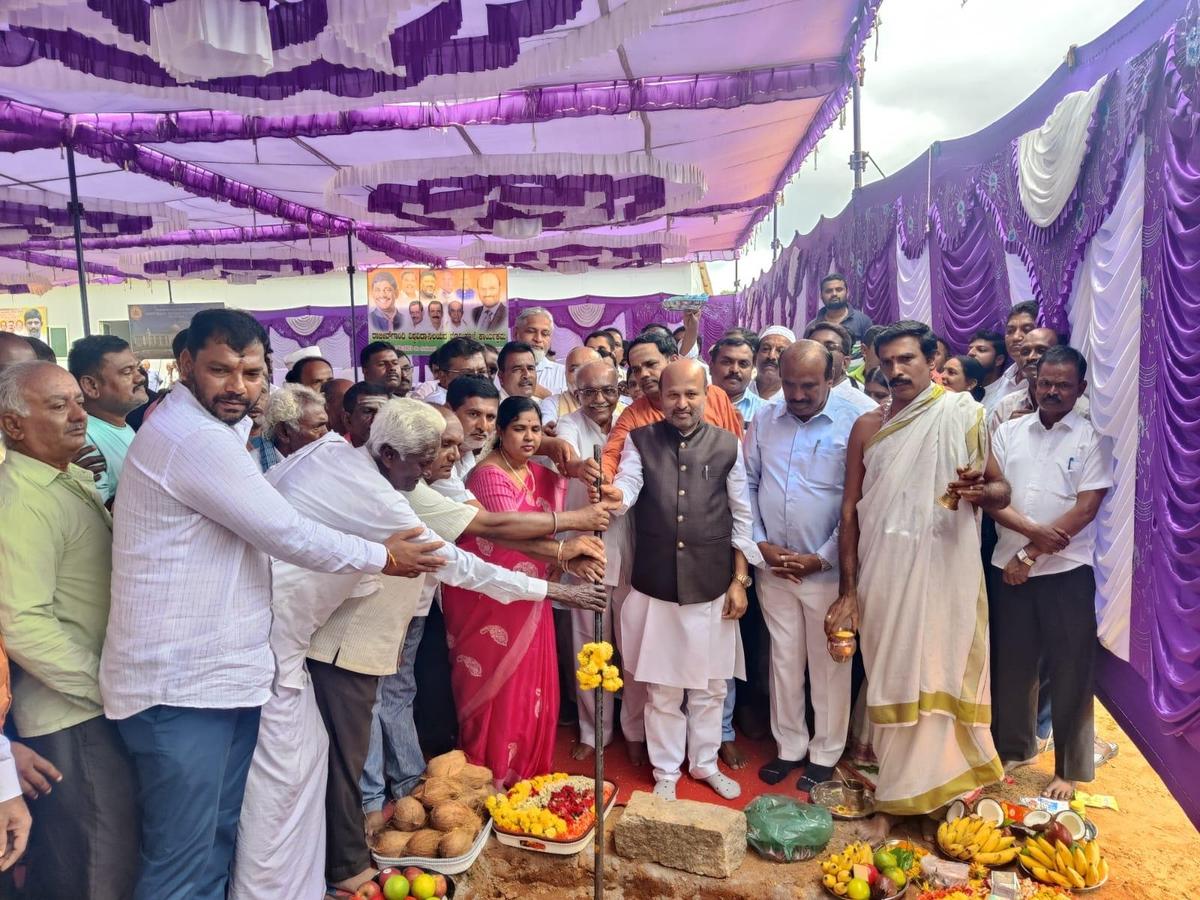
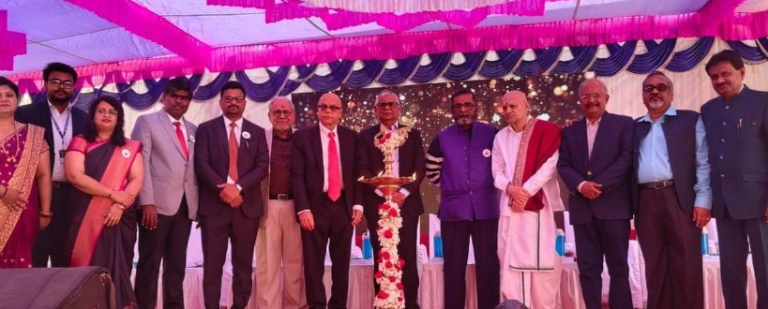
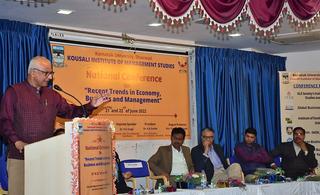
In a significant gesture of gratitude and institutional loyalty, alumni of the Kousali Institute of Management Studies in Dharwad have contributed over ₹2 crore towards the development of their alma mater. The contribution, pooled through coordinated alumni efforts across India and abroad, is being viewed as a landmark moment in the institute’s history. Founded to nurture management talent in north Karnataka, the institute has long relied on academic rigour and community support to grow. The alumni initiative marks a shift from emotional attachment to structured participation in institutional development, reflecting the growing maturity of alumni engagement in higher education.

The funds have been earmarked for multiple development initiatives aimed at strengthening academic infrastructure and improving student facilities. According to institute authorities, priorities include modernisation of classrooms, expansion of digital learning resources, upgrading library facilities, and supporting research-driven academic activities. Alumni representatives said the idea was not merely to donate funds, but to contribute meaningfully to the long-term academic ecosystem that shaped their own professional journeys. Many contributors recalled their formative years at the institute and credited its faculty and culture for providing a strong foundation in management education.

The alumni-driven contribution has also revived conversations around long-term institutional planning at the Kousali Institute. Administrators said the availability of dedicated funds allows the institute to think beyond annual budget constraints and focus on phased development goals. These include strengthening industry-academia collaboration, introducing contemporary management tools, and creating spaces for innovation and entrepreneurship. With alumni backing, the institute believes it can implement reforms that require sustained financial commitment rather than short-term allocations.


Several senior alumni involved in the initiative said the contribution was motivated by a sense of responsibility rather than obligation. Many recalled the challenges faced during their student years, including limited infrastructure and resources, and expressed a desire to ensure that future batches have better learning environments. Alumni leaders emphasised that the initiative was inclusive, encouraging participation from all batches and income levels, reinforcing the idea that collective effort, rather than individual magnitude, defines meaningful institutional support.


Education experts have pointed out that alumni engagement of this scale can significantly influence an institution’s reputation. Sustained alumni support often signals academic credibility, governance stability, and strong internal culture. In competitive education ecosystems, such signals matter for student admissions, faculty recruitment, and partnerships. The Kousali Institute’s initiative, experts say, could position it more prominently among regional management schools, attracting students who value strong alumni networks alongside academic training.


Faculty members noted that alumni contributions can directly impact pedagogical quality. Enhanced infrastructure enables the use of case-based learning, simulation tools, and digital platforms that mirror real-world business environments. Professors also highlighted the potential for collaborative research projects involving alumni working in industry, which could enrich classroom discussions and provide students with practical insights into contemporary management challenges.KIMS alumni contribute over ₹2 crore to develop alma mater in Dharwad - The  Hindu

The initiative has also encouraged introspection among current students about their own future role as alumni. Many students said the contribution served as a reminder that education is a shared journey extending beyond graduation. Student councils have discussed ways to strengthen alumni-student interaction through mentorship programmes, career guidance sessions, and alumni-led workshops, ensuring that the bond between batches remains active and purposeful.


From a regional development perspective, the alumni contribution underscores the importance of strengthening educational institutions outside major metropolitan centres. By supporting an institute in Dharwad, alumni are indirectly contributing to local economic and social development. Graduates trained with better resources are more likely to contribute meaningfully to regional industries, public administration, and entrepreneurship, reinforcing the role of education as a catalyst for balanced growth.


Institute officials said the contribution would also be used to improve student support services, including counselling, career development, and skill enhancement initiatives. In an increasingly competitive job market, such support systems play a critical role in preparing students for professional life. Alumni involvement in these areas is expected to add practical depth and relevance, bridging the gap between academic learning and workplace expectations.


As implementation begins, the Kousali Institute plans to document and institutionalise alumni engagement practices to ensure continuity. Administrators believe that formal frameworks for alumni participation will help sustain momentum and encourage future contributions, both financial and non-financial. The current initiative, they said, is not an endpoint but the beginning of a long-term partnership between the institute and its alumni, rooted in shared values and mutual growth.

The alumni base of the Kousali Institute spans diverse sectors including banking, information technology, manufacturing, entrepreneurship, public policy, and academia. Several alumni currently hold senior leadership positions in reputed organisations, both within the country and overseas. Their collective contribution, organisers said, reflects a shared belief that institutions thrive when former students remain actively connected beyond graduation. The alumni association played a crucial role in coordinating the fundraising drive, reaching out to batches across decades and encouraging participation irrespective of contribution size.

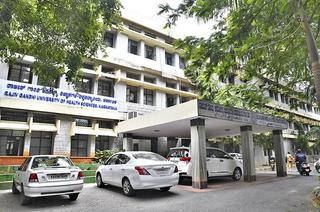
Institute officials described the contribution as one of the largest alumni-led financial initiatives undertaken by a management institute in the region. They noted that while government funding and university grants remain essential, alumni support adds a unique dimension by aligning institutional growth with industry relevance. Faculty members said the initiative would help bridge gaps between academic theory and real-world practice, enabling students to access better resources, exposure programmes, and mentorship opportunities guided by alumni experiences.Kousali Institute of Management Studies Dharwad Campus: Photos, Virtual Tour

Students currently enrolled at the institute have welcomed the development, describing it as both inspiring and reassuring. Many said the gesture reinforced their belief that the institute values long-term relationships and community building. Student representatives expressed hope that the enhanced facilities would improve learning outcomes and create more opportunities for internships, industry interaction, and research exposure. The contribution, they said, has also set a benchmark for future batches, encouraging them to remain engaged with the institute after graduation.

Strengthening Institutional Identity and Regional Impact

The alumni initiative has also drawn attention to the broader role of regional educational institutions in shaping local talent. The Kousali Institute of Management Studies has traditionally catered to students from semi-urban and rural backgrounds, providing access to professional education that might otherwise be out of reach. By investing in infrastructure and academic quality, alumni are effectively contributing to regional capacity-building and workforce development. Education experts note that such contributions help decentralise excellence, reducing overdependence on metropolitan institutions.

Administrators said the institute plans to ensure transparency and accountability in the utilisation of the funds. A dedicated committee comprising faculty members, alumni representatives, and administrators will oversee project implementation. Regular updates are expected to be shared with contributors, reinforcing trust and encouraging sustained engagement. Officials stressed that alumni involvement would not be limited to financial support alone, but would extend to guest lectures, curriculum inputs, mentorship programmes, and placement assistance.

The initiative has also sparked discussions within academic circles about the evolving culture of alumni philanthropy in India. Traditionally, large-scale alumni giving has been more common in foreign universities, but Indian institutions are increasingly witnessing similar trends. Analysts attribute this shift to the growing professional success of alumni, improved organisational structures within alumni associations, and a stronger emotional connection to institutions that enabled social mobility.

For the Kousali Institute, the contribution represents more than just financial support; it is a reaffirmation of institutional credibility. Faculty members noted that alumni confidence reflects satisfaction with the education they received and belief in the institute’s future direction. Such validation, they said, strengthens morale within the campus and motivates continuous improvement in teaching and research practices.

Local leaders and educationists in Dharwad have also welcomed the development, describing it as a positive example for other institutions in the region. They noted that alumni-driven development reduces pressure on public funding and fosters a sense of shared responsibility. The initiative, they said, demonstrates how educational institutions can evolve into lifelong communities rather than transactional spaces limited to a few academic years.Kousali Institute of Management Studies Dharwad Campus: Photos, Virtual Tour

As the institute prepares to implement development projects supported by the alumni contribution, there is a renewed sense of optimism on campus. Administrators believe that the coming years will see tangible improvements in academic quality, student experience, and institutional visibility. The alumni, in turn, see their contribution as an investment in future generations rather than a symbolic gesture.

In the larger narrative of higher education, the Kousali Institute’s alumni initiative stands as a reminder that institutions endure when relationships outlast classrooms. The ₹2-crore contribution is not merely a financial milestone, but a powerful expression of belonging, responsibility, and faith in the transformative power of education.

Administrators said the institute plans to ensure transparency and accountability in the utilisation of the funds. A dedicated committee comprising faculty members, alumni representatives, and administrators will oversee project implementation. Regular updates are expected to be shared with contributors, reinforcing trust and encouraging sustained engagement. Officials stressed that alumni involvement would not be limited to financial support alone, but would extend to guest lectures, curriculum inputs, mentorship programmes, and placement assistance.

The initiative has also sparked discussions within academic circles about the evolving culture of alumni philanthropy in India. Traditionally, large-scale alumni giving has been more common in foreign universities, but Indian institutions are increasingly witnessing similar trends. Analysts attribute this shift to the growing professional success of alumni, improved organisational structures within alumni associations, and a stronger emotional connection to institutions that enabled social mobility.

Follow: Karnataka Government

Also read: Home | Channel 6 Network – Latest News, Breaking Updates: Politics, Business, Tech & More

7 Truths Behind Karnataka’s Fiscal Strain: STATE BUDGET SHOCK

The State budget this year arrives at a moment of intense fiscal pressure, with the government facing the difficult task of sustaining welfare commitments while keeping the deficit under control. Over the past few years, expenditure obligations have expanded sharply, driven by social welfare schemes, salary revisions, and rising interest payments. At the same time, revenue growth has remained uneven due to economic uncertainties and structural limitations in tax collection. The Finance Department has acknowledged that maintaining fiscal discipline without cutting essential services will be one of the toughest challenges ahead. The budget, therefore, reflects a careful attempt to walk a tightrope between political promises and financial prudence.

One of the most debated aspects of the State budget is the narrowing fiscal headroom available for future contingencies. Natural disasters, health emergencies, or sudden economic shocks require immediate financial responses, but limited reserves restrict the government’s flexibility. Analysts note that excessive pre-commitment of funds reduces the ability to respond swiftly to unforeseen events. This vulnerability becomes more pronounced in a climate where extreme weather events and public health risks are increasingly frequent. Strengthening fiscal buffers, therefore, is emerging as an urgent priority alongside routine budgetary planning.


The effectiveness of subsidy delivery has also come under scrutiny in the context of rising fiscal stress. While subsidies aim to support vulnerable populations, inefficiencies in targeting can inflate costs without proportionate benefits. Experts argue that improved beneficiary identification and technology-driven monitoring can significantly reduce leakages. Rationalising subsidies does not necessarily imply withdrawal but smarter allocation. With fiscal pressure mounting, the State may be compelled to review whether existing subsidies are reaching intended groups and delivering outcomes that justify continued expenditure at current levels.


Public sector undertakings continue to exert pressure on the State’s finances, particularly loss-making enterprises that depend on budgetary support. Recurring bailouts divert resources from priority sectors such as education, healthcare, and infrastructure. Although reforms and restructuring efforts have been announced periodically, implementation has been slow. Financial experts stress that decisive action, including strategic disinvestment or professional management reforms, is essential to reduce long-term fiscal drag. Without addressing these structural issues, the budget risks repeatedly accommodating inefficiencies rather than correcting them.


The budget also reflects the tension between short-term political expectations and long-term economic planning. Populist measures can provide immediate relief and political goodwill but often lack built-in exit strategies. Over time, this creates rigid expenditure patterns that are difficult to adjust. Economists caution that sustained fiscal stress could limit the State’s ability to invest in productivity-enhancing sectors. A shift towards long-term planning, supported by realistic revenue assumptions, is essential to prevent fiscal fatigue and ensure intergenerational equity.


Another challenge lies in aligning district-level spending with State-level fiscal priorities. Delays in fund release, underutilisation of allocated resources, and weak project execution dilute the impact of budgetary allocations. Strengthening coordination between departments and improving local capacity for financial management could improve outcomes without increasing expenditure. Fiscal pressure, experts argue, should act as a catalyst for better governance practices rather than merely prompting spending cuts or increased borrowing.


Ultimately, the State budget underscores the need for a broader public conversation on fiscal responsibility. Transparent communication about constraints, trade-offs, and long-term consequences can help build public support for difficult decisions. Fiscal discipline is not merely an accounting exercise but a governance imperative that shapes development outcomes. As Karnataka navigates competing demands with limited resources, the choices made today will influence economic resilience, social equity, and institutional credibility for years to come.

Karnataka’s welfare-heavy spending pattern has significantly altered the composition of the budget. Flagship guarantee schemes aimed at income support, food security, transport subsidies, and energy relief account for a large share of recurring expenditure. While these programmes have provided immediate relief to vulnerable sections, economists point out that they reduce fiscal flexibility. Once introduced, such schemes are politically difficult to roll back, locking the government into long-term commitments. The challenge lies in ensuring that welfare spending translates into sustainable social outcomes rather than becoming a permanent fiscal burden that crowds out development expenditure.

Revenue mobilisation continues to be a key concern for the State. Although Goods and Services Tax collections have shown improvement compared to previous years, they remain sensitive to broader economic trends. Any slowdown in consumption or industrial activity has a direct impact on State revenues. Additionally, Karnataka’s dependence on central transfers exposes it to uncertainties arising from changes in tax devolution and grant allocation. Delays in compensation or lower-than-expected transfers can disrupt budget planning, forcing the State to rely more heavily on borrowing to meet expenditure commitments.

Borrowing has emerged as a double-edged sword in the State’s fiscal strategy. While loans help bridge the gap between income and expenditure, they also increase the debt stock and interest burden. A growing share of revenue receipts is now earmarked for servicing past debt, leaving less room for fresh investments. Financial experts warn that if borrowing continues at the current pace without corresponding revenue growth, it could weaken the State’s long-term fiscal health. The government, however, maintains that borrowing is being used responsibly to fund productive expenditure and support economic growth.State budget: Tackling fiscal pressure a challenging task - The Hindu

Capital expenditure, often seen as the engine of long-term development, faces pressure in this constrained fiscal environment. Investments in infrastructure such as roads, irrigation, urban transport, and public health facilities are essential for economic expansion and job creation. However, with a significant portion of resources tied up in committed expenditure, allocations for capital projects risk being squeezed. Policymakers argue that cutting back on infrastructure spending would be counterproductive, as it could slow growth and further strain revenues in the future.

Another area adding to fiscal stress is the rising cost of salaries and pensions. Government employees form a substantial portion of recurring expenditure, and periodic revisions in pay scales increase financial obligations. Pension liabilities, in particular, have grown steadily as the workforce ages and life expectancy improves. Although reforms such as contributory pension schemes aim to address future liabilities, their impact will be visible only in the long term. In the short term, the State must continue to allocate large sums to meet these obligations.

The budget also reflects the impact of external factors on State finances. Inflation has increased the cost of goods and services procured by the government, pushing up expenditure across departments. At the same time, interest rate fluctuations influence borrowing costs. Global economic uncertainties, climate-related disruptions, and supply chain challenges further complicate fiscal planning. These factors, largely beyond the State’s control, make revenue projections more uncertain and increase the risk of deviations from budget estimates.

Reforms, Risks, and the Road Ahead- Fiscal

To tackle fiscal pressure, the government has emphasised the need for structural reforms and improved efficiency in public spending. One key focus area is enhancing tax compliance and widening the tax base without increasing rates. Measures such as digitisation of tax administration, data-driven enforcement, and curbing evasion are expected to yield better results over time. However, these reforms require strong institutional capacity and coordination between departments, which can take time to deliver tangible gains.State budget: Tackling fiscal pressure a challenging task - The Hindu

Non-tax revenue presents another opportunity for easing fiscal stress. User charges for public services, dividends from State-owned enterprises, and monetisation of government assets can provide additional resources. Experts note that Karnataka has significant untapped potential in this area, particularly through better management of public sector undertakings and rational pricing of services. Political sensitivity, however, often limits the government’s ability to revise user charges, even when costs have risen sharply.

Fiscal consolidation also depends on improving the quality of expenditure. Outcome-based budgeting, where spending is linked to measurable results, is increasingly seen as essential. By prioritising programmes that deliver clear social and economic benefits, the government can ensure better value for money. Reducing leakages, duplication, and inefficiencies in welfare delivery could free up resources for development spending. The challenge lies in implementing robust monitoring mechanisms and ensuring accountability at all levels of administration.

The State’s urban centres, particularly Bengaluru, play a crucial role in revenue generation. However, rapid urbanisation has increased demands for infrastructure, public transport, housing, and sanitation, all of which require substantial investment. Balancing the fiscal needs of urban development with rural welfare priorities adds another layer of complexity to budget planning. Policymakers must ensure that growth engines are adequately funded while maintaining social equity across regions.

Political considerations inevitably shape budget decisions, especially in a competitive electoral environment. Welfare schemes often enjoy strong public support, making them difficult to rationalise or scale back. At the same time, fiscal responsibility laws impose limits on deficits and borrowing. Navigating this tension requires clear communication with the public about the trade-offs involved in budgeting. Transparency in fiscal decision-making can help build trust and support for difficult but necessary reforms.

The role of the Centre–State relationship is also critical in determining Karnataka’s fiscal space. Changes in tax sharing formulas, centrally sponsored schemes, and conditional grants directly affect State finances. Greater predictability and flexibility in transfers would enable better budget planning. State governments have repeatedly called for a more cooperative federal framework that recognises their expenditure responsibilities and revenue constraints.

Looking ahead, economic growth remains the most sustainable solution to fiscal pressure. A growing economy expands the tax base, increases employment, and generates higher revenues without raising rates. The budget’s success will therefore depend on its ability to stimulate investment, support industries, and create jobs. Strategic spending on education, skill development, innovation, and infrastructure can lay the foundation for long-term growth.State budget: Tackling fiscal pressure a challenging task - The Hindu

In conclusion, tackling fiscal pressure is undeniably a challenging task for the State government. The budget reflects an attempt to balance immediate social needs with long-term financial stability in a complex and uncertain environment. While tough choices lie ahead, the path forward will depend on prudent fiscal management, structural reforms, and sustained economic growth. How effectively these elements come together will determine whether the State can navigate its fiscal constraints without compromising development or social welfare.

Follow: Karnataka Government

Also read: Home | Channel 6 Network – Latest News, Breaking Updates: Politics, Business, Tech & More
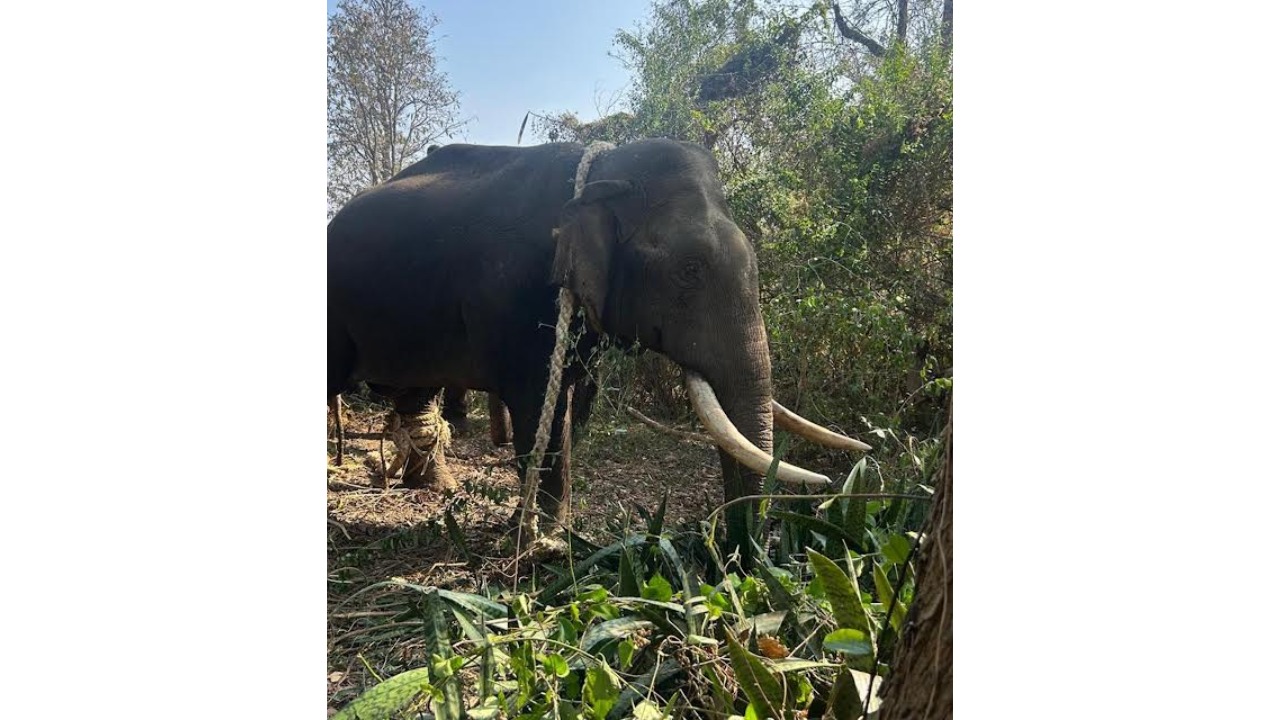
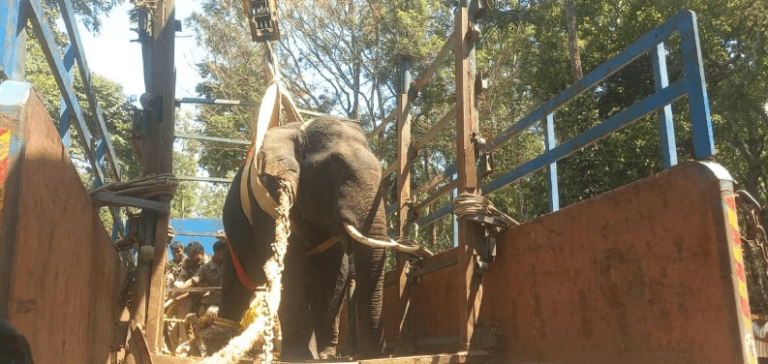
Forest Department Captures Tusked Animal After Fatal Attack in Hassan: BOLD ACTION, 1 ELEPHANT, A VILLAGE’S RELIEF

Follow: Karnataka Government

Also read: Home | Channel 6 Network – Latest News, Breaking Updates: Politics, Business, Tech & More

How Stray Dogs Claimed a Rider in Belagavi: TRAGIC CHASE, 1 NIGHT, A YOUNG LIFE LOST

A fatal accident in Belagavi has once again drawn attention to the growing menace of stray dogs in urban Karnataka, after a two-wheeler rider lost his life when he crashed into a wall while trying to escape a pack of dogs chasing him. The incident, which occurred late at night on a poorly lit stretch of road, has shocked residents and sparked renewed debate on civic negligence, road safety, and the human cost of unresolved urban problems. What might otherwise have been an uneventful ride home turned into a moment of panic that ended in irreversible loss.

According to police officials, the victim was riding his motorcycle through a residential area when several stray dogs suddenly began chasing the vehicle. Startled and attempting to speed away, the rider lost control while negotiating a bend and rammed into a compound wall. The impact was severe, and the man sustained fatal injuries. Locals rushed him to a nearby hospital, but doctors declared him dead on arrival. The incident unfolded within seconds, yet its consequences have left a deep mark on the neighbourhood.

Residents of the area say stray dogs have been a persistent problem for years, particularly during night hours when traffic is sparse and dogs tend to roam in packs. Several people claim they have previously complained to the civic authorities about aggressive behaviour by strays, especially near junctions and residential lanes. However, no effective action was taken, they allege. The death of the biker has intensified anger among locals, many of whom believe the tragedy was preventable.

The victim’s family has been left devastated. Relatives described him as a cautious rider who used the same route regularly. They argue that he was not speeding recklessly but reacted instinctively to an unexpected threat. For them, the cause of death was not mere accident but systemic failure. Their grief has quickly turned into demands for accountability, questioning why known danger zones remain unaddressed despite repeated complaints.Pursued by stray dogs, bike rider drives into wall and dies in Belagavi -  The Hindu

Police have registered a case of accidental death and initiated an inquiry. Officials said they are examining CCTV footage from nearby buildings to reconstruct the sequence of events. While the legal process may classify the incident as an accident, the broader circumstances have triggered a public conversation about responsibility that extends beyond individual actions.

A CITY STRUGGLING WITH STRAY DOG MENACE

Belagavi, like many growing cities in Karnataka, has seen a steady rise in stray dog populations over the past decade. Rapid urban expansion, inadequate waste management, and inconsistent animal birth control programmes have created conditions where stray animals thrive. Open garbage dumps and food waste on streets attract dogs, leading to territorial behaviour and pack formation, particularly at night. Experts say such conditions significantly increase the risk of aggressive chasing incidents involving pedestrians and two-wheeler riders.

Medical professionals note that panic-induced accidents caused by stray dogs are not uncommon, though fatalities often go underreported. Riders instinctively accelerate or swerve to escape barking or chasing dogs, increasing the likelihood of losing balance or colliding with obstacles. In areas with poor lighting, narrow roads, or sudden curves, the risk multiplies. The Belagavi incident fits a troubling pattern seen in several towns and cities across the State.

Civic officials admit that managing stray dog populations remains a challenge. While animal birth control rules mandate sterilisation and vaccination, implementation is uneven. Budget constraints, lack of trained personnel, and logistical hurdles often slow down programmes. In some wards, sterilisation drives are conducted sporadically, leaving large gaps where dog populations continue to grow unchecked. Residents argue that these explanations offer little comfort when lives are lost.A 44-year-old man on a bike died after driving into a wall in Athani in  Belagavi district of Karnataka on January 16. The victim's name is  Vishvanath Shirol. Police said he was

Animal welfare groups caution against knee-jerk reactions that call for culling. They argue that poorly executed removals only create temporary relief, as new dogs quickly move into vacated territories. Instead, they advocate sustained sterilisation, vaccination, and waste management. However, they also acknowledge that aggressive dogs posing immediate danger must be handled urgently. The challenge, they say, lies in balancing animal welfare with human safety.

The incident has also highlighted the lack of street infrastructure. Several residents pointed out that the stretch where the accident occurred has inadequate lighting and no warning signage. A compound wall stands dangerously close to the road, leaving little margin for error. Urban planners note that road design often ignores worst-case scenarios, assuming ideal driving conditions rather than accounting for sudden hazards like animals or pedestrians.

Political leaders have weighed in, with some demanding a comprehensive stray dog policy and others calling for immediate action in identified hotspots. The tragedy has become a rallying point for citizens demanding that civic authorities move beyond reactive measures. Many argue that only sustained, city-wide planning can prevent such deaths from recurring.

NEGLIGENCE, ACCOUNTABILITY, AND THE COST OF INACTION

At the heart of the outrage is a sense of neglect. Residents say that complaints about stray dogs are often met with bureaucratic delays or passed between departments. Responsibility is split between municipal bodies, animal husbandry departments, and contractors, leading to confusion and inaction. In the meantime, citizens adapt by avoiding certain roads at night or carrying sticks to ward off dogs, normalising a dangerous situation.

Legal experts note that while stray dog attacks and chase-related accidents are often classified as mishaps, there is growing jurisprudence around civic liability. Courts have previously held municipalities accountable for failing to maintain safe public spaces. However, families of victims rarely pursue lengthy legal battles, either due to lack of awareness or emotional exhaustion. As a result, systemic accountability remains elusive.

Public health specialists warn that the issue extends beyond accidents. Stray dogs are also linked to rabies risk, especially in areas with low vaccination coverage. Karnataka has made progress in reducing rabies cases, but sporadic outbreaks still occur. A comprehensive approach to stray dog management, they argue, would address both immediate safety concerns and long-term public health goals.

The Belagavi tragedy has reignited calls for data-driven interventions. Activists suggest mapping accident-prone zones linked to stray dog activity, improving lighting, installing speed calming measures, and conducting targeted sterilisation drives. They also emphasise the role of waste management, noting that reducing open garbage can significantly alter dog behaviour patterns.

For the victim’s family, policy debates offer little solace. Their loss is personal and permanent. Neighbours have come together to support the family, organising meetings and submitting fresh petitions to authorities. Candlelight vigils and protests have been planned, not only to mourn the dead but to demand change. The family insists that no other household should experience a similar tragedy.

Civic authorities have promised immediate steps, including surveys of stray dog populations in the area and coordination with animal control teams. Officials say temporary measures such as night patrols and awareness drives will be initiated. However, residents remain sceptical, recalling past assurances that failed to translate into action.A 44-year-old man on a bike died after driving into a wall in Athani in  Belagavi district of Karnataka on January 16. The victim's name is  Vishvanath Shirol. Police said he was

The incident has also prompted introspection among urban policymakers. As cities expand, the interface between humans and animals becomes more complex. Ignoring this reality leads to repeated crises, each followed by brief outrage and eventual forgetting. Sustainable urban governance, experts argue, must account for all inhabitants of the city, human and animal alike, through planning rather than reaction.

In the final analysis, the death of the Belagavi biker stands as a stark reminder of how ordinary neglect can lead to extraordinary tragedy. It was not caused by reckless driving or extreme conditions, but by a moment of fear triggered by a problem long left unresolved. As investigations continue and promises are made, the larger question remains unanswered. How many such lives must be lost before safety, planning, and accountability move from words to action.

Karnataka Biker Crashes Into Wall After Being Chased By Stray Dog, Dies

The tragedy has also sparked conversations about how citizens are forced to modify everyday behaviour in response to systemic failure. Many two-wheeler riders in Belagavi admit they slow down excessively at night, avoid certain lanes altogether, or honk continuously to scare away dogs. Such adaptations, while pragmatic, highlight how unsafe conditions have become normalised. Urban safety experts warn that when residents begin altering mobility patterns out of fear, it signals a deeper governance breakdown that extends beyond isolated incidents.

Municipal workers on the ground privately acknowledge that complaints related to stray dogs surge after fatal incidents but taper off once public attention fades. This reactive cycle, they say, prevents long-term planning. Sterilisation drives are often launched hastily without follow-up monitoring, reducing their effectiveness. In some cases, dogs caught and released without proper assessment return to the same localities, continuing aggressive behaviour. The absence of sustained funding and ward-level accountability remains a key obstacle.

The Belagavi incident has also brought focus on the psychological impact of such accidents. Survivors of similar chases describe lasting fear, anxiety while riding, and reduced confidence on roads. Mental health professionals note that sudden panic-triggered accidents can leave deep trauma not only for victims’ families but also for eyewitnesses and first responders. These invisible consequences rarely feature in official assessments, yet they shape how communities experience public spaces.

Urban animal management specialists argue that cities like Belagavi need decentralised response units rather than centralised control rooms. Quick-response teams at the ward level could address aggressive dog behaviour before it escalates into fatal outcomes. Such models, they say, require political commitment and administrative restructuring, but have shown success in other regions when consistently implemented. The current system, they argue, reacts after damage is done rather than preventing it.

As public anger continues, social media has become a space for sharing similar experiences from across Karnataka. Riders from Hubballi, Dharwad, Kalaburagi, and Bengaluru have posted accounts of near-misses involving stray dogs. This collective outpouring suggests the Belagavi death is not an isolated case but part of a wider pattern. The amplification of these voices has increased pressure on local administrations to act decisively rather than issue routine statements.

In the coming days, whether the Belagavi incident becomes a turning point or another forgotten statistic will depend on sustained civic response. If investigations, policy reviews, and on-ground interventions follow through, the tragedy may yet prevent future deaths. If not, it risks joining a long list of avoidable losses caused by neglect. For now, the city mourns one life lost too soon, while confronting uncomfortable questions about safety, responsibility, and the true cost of inaction.

Follow: Karnataka Government

Also read: Home | Channel 6 Network – Latest News, Breaking Updates: Politics, Business, Tech & More

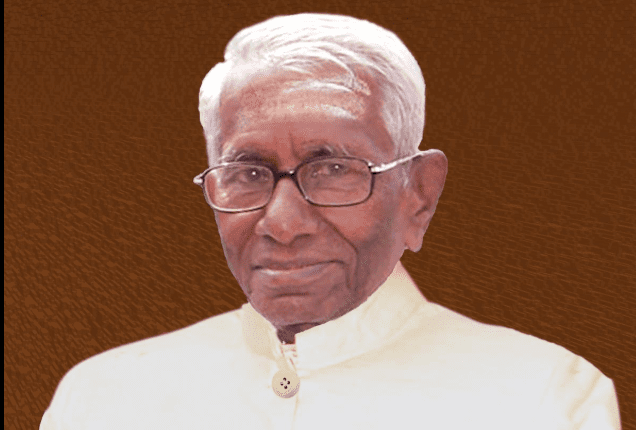
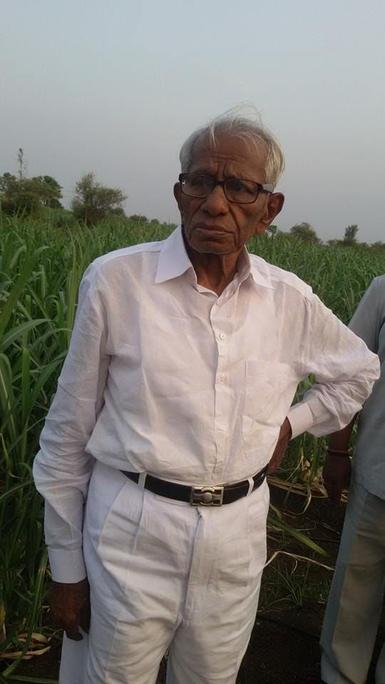
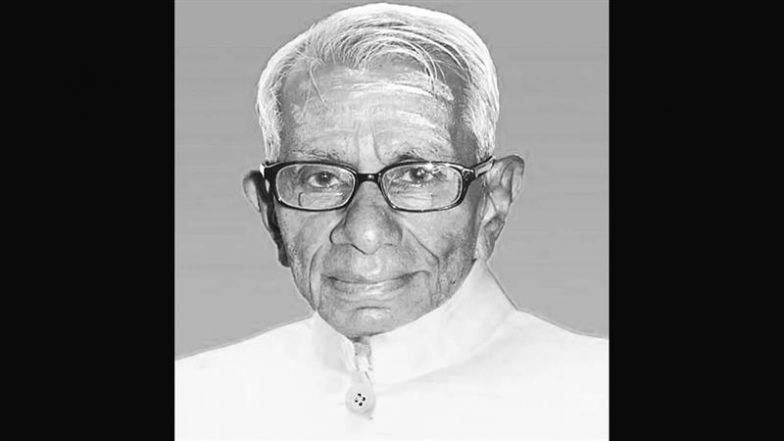
Bheemanna Khandre Between Freedom and Power: UNYIELDING LEGACY, 7 DECADES, ONE LIFE

Bheemanna Khandre’s life reads like a bridge between two Indias. One shaped by the fire of the freedom movement and another moulded by the complexities of contemporary democratic politics. Few leaders in Karnataka have lived through, participated in, and influenced such contrasting phases of history. From witnessing colonial rule to navigating coalition politics and governance in an independent State, Khandre’s journey reflects both the idealism and the compromises that have defined Indian public life across generations. His political career cannot be reduced to positions held or elections won alone. It is rooted in lived experience, social mobilisation, and an evolving understanding of power.

Khandre’s personal life was marked by simplicity, a trait often highlighted by those who worked closely with him. Despite holding positions of influence, he maintained a lifestyle rooted in restraint and accessibility. Visitors recount how meetings were conducted without elaborate protocol, reinforcing his belief that public representatives must remain approachable. This simplicity was not performative but deeply ingrained, shaped by years of struggle and collective living during the freedom movement. It strengthened his credibility among ordinary citizens, who saw in him a leader untouched by excess.

His relationship with constituents went beyond electoral cycles. Khandre was known to intervene in individual grievances, from land disputes to access to welfare schemes, often following up personally with officials. This hands-on approach reflected an older tradition of politics where representation involved sustained engagement rather than episodic outreach. For many families, his presence at moments of crisis created bonds of trust that endured across generations, turning political loyalty into something more personal and enduring.

In moments of political disagreement, Khandre displayed a capacity for restraint that contrasted sharply with the confrontational tone of modern politics. He believed that disagreement did not require hostility and that institutions thrived on debate conducted with mutual respect. Former colleagues recall that even during intense legislative sessions, he avoided personal attacks, focusing instead on policy substance. This approach earned him respect from opponents, reinforcing his image as a statesman rather than a partisan tactician.

Khandre’s legacy also lives on through the political journeys of those he mentored. Several leaders who rose through local bodies and party structures credit him with shaping their understanding of public service. He encouraged patience, ethical conduct, and a long-term view of politics, warning against shortcuts that might deliver quick success but erode credibility. In this sense, his influence extended beyond his own career, shaping political culture in subtle but lasting ways.

As Karnataka’s politics became increasingly shaped by media scrutiny and rapid public opinion shifts, Khandre remained cautious about spectacle-driven governance. He often remarked that visibility should not replace accountability, and that quiet administrative work mattered as much as public gestures. This perspective, though less glamorous, reflected a governance ethic rooted in responsibility rather than performance. It also underscored the widening gap between older and newer styles of political engagement.

In the broader sweep of Karnataka’s political history, Bheemanna Khandre stands as a connective figure. He links the moral urgency of the freedom movement with the pragmatic demands of democratic governance. His life reminds us that political relevance is not always measured by dominance or controversy, but by consistency, integrity, and service over time. As the State continues to evolve, his story remains a reference point for what it means to carry history forward without being trapped by it.

Bheemanna Khandre: A life spanning freedom movement and contemporary  politics in Karnataka - The Hindu

Born in a time when India was still under British rule, Bheemanna Khandre grew up in an atmosphere charged with political awareness and social awakening. The freedom movement was not a distant national event for him but a lived reality that shaped values, discipline, and purpose. Participation in the struggle was often informal, rooted in village-level mobilisation, underground activities, and collective resistance rather than grand speeches. These early experiences instilled in him a belief that politics was inseparable from social responsibility, a belief that would continue to guide his later years in public office.

As Karnataka transitioned from the era of princely states and colonial administration into linguistic reorganisation and democratic consolidation, Khandre emerged as a leader who understood both grassroots realities and institutional politics. His early engagement with public life was marked by close contact with rural communities, particularly farmers, labourers, and marginalised groups. Unlike leaders shaped purely by post-independence electoral politics, Khandre carried with him a moral authority derived from sacrifice and participation in the freedom struggle. This distinction gave his voice a certain weight in political discourse.

Over the decades, Khandre’s political evolution mirrored the transformation of Indian politics itself. From idealistic mass movements to structured party systems, from consensus-driven leadership to competitive electoral strategies, he adapted without losing his core identity. He became known as a leader who valued dialogue over confrontation, continuity over spectacle. In an era increasingly dominated by short-term political gains, his long view of history often set him apart.

FROM FREEDOM FIGHTER TO LEGISLATOR

Bheemanna Khandre’s formal entry into electoral politics came at a time when the Congress dominated Karnataka’s political landscape. For leaders like him, the party was not merely an organisation but an extension of the freedom movement’s legacy. His association with the Congress was rooted in ideological alignment rather than convenience. He believed in its commitment to social justice, secularism, and institutional democracy, even as the party itself evolved and faced internal contradictions.

As a legislator, Khandre built a reputation for being accessible and attentive to constituency concerns. His understanding of rural Karnataka was not academic but experiential. Issues such as irrigation, land rights, agricultural credit, and rural infrastructure featured prominently in his interventions. He was particularly vocal about the need to balance development with equity, warning against policies that prioritised urban growth at the expense of villages. This perspective resonated strongly in regions that felt marginalised by rapid economic change.

Khandre’s tenure in public office coincided with periods of political churn in Karnataka. The State witnessed shifts from single-party dominance to coalition governments, ideological realignments, and changing voter expectations. Through these transitions, he remained a stabilising presence, often acting as a bridge between senior leadership and younger politicians. His ability to negotiate, mediate, and maintain institutional memory proved valuable during times of internal party conflict and administrative uncertainty.Bheemanna Khandre: A life spanning freedom movement and contemporary  politics in Karnataka - The Hindu

Beyond legislative work, Khandre played a role in shaping political culture at the local level. He encouraged participation, nurtured emerging leaders, and emphasised ethical conduct in public life. While he was not immune to the compromises inherent in politics, colleagues often described him as someone who placed limits on expediency. His political decisions were typically informed by long-term consequences rather than immediate gains, a quality increasingly rare in contemporary politics.

Importantly, Khandre’s identity as a freedom fighter continued to inform his political conduct. He viewed dissent as legitimate, institutions as sacred, and public office as a trust rather than a privilege. During debates on governance and civil liberties, he frequently invoked the sacrifices of the freedom movement to remind both supporters and critics of the responsibilities that came with independence. This historical consciousness gave depth to his interventions, grounding present-day politics in past struggles.

NAVIGATING MODERN POLITICS WITH OLD VALUES

As Karnataka entered the era of liberalisation and coalition politics, the challenges facing leaders like Khandre multiplied. Governance became more complex, public expectations rose, and political competition intensified. Yet, he remained committed to a style of politics that prioritised dialogue and incremental reform over polarisation. While this approach sometimes appeared out of step with the changing political climate, it earned him respect across party lines.

One of the defining aspects of Khandre’s later political life was his ability to coexist with newer forms of leadership. He did not resist generational change but sought to guide it. Younger politicians often turned to him for counsel, valuing his historical perspective and pragmatic wisdom. In a political environment increasingly shaped by media narratives and rapid messaging, Khandre’s measured style offered a contrast that many found reassuring.

His views on governance reflected a deep faith in institutions. Whether discussing the legislature, bureaucracy, or local self-government, he emphasised the importance of process and accountability. He was critical of shortcuts that undermined democratic norms, arguing that erosion of institutions would ultimately harm both the State and its citizens. These concerns gained renewed relevance as debates over federalism, administrative autonomy, and democratic integrity intensified in recent years.

Social justice remained central to Khandre’s political vision. He consistently highlighted the needs of marginalised communities, advocating policies that addressed structural inequality rather than symbolic inclusion. His understanding of caste, class, and regional disparities was shaped by decades of engagement rather than abstract theory. This grounded approach enabled him to articulate concerns in a manner that resonated with both policymakers and the public.

Even as he aged, Khandre continued to engage with contemporary political debates. He was not a relic of the past but a participant in the present, adapting his language and priorities without abandoning foundational principles. His presence in public life served as a reminder that politics need not be divorced from ethics, nor leadership from humility.

In reflecting on Bheemanna Khandre’s life, it becomes clear that his significance lies not in singular achievements but in continuity. He represents a generation that carried the ideals of the freedom movement into the everyday work of governance, navigating contradictions without surrendering core values. His journey illustrates how history lives on through individuals who adapt to change while remembering where they came from.

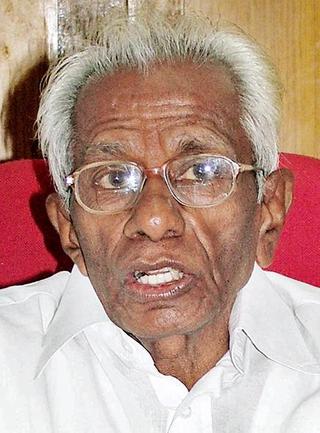
Khandre’s story is also a reminder of what is often lost in contemporary politics. Patience, institutional respect, and moral restraint rarely dominate headlines, yet they are essential to democratic endurance. By spanning eras and embodying both struggle and governance, Bheemanna Khandre offers a lens through which Karnataka’s political evolution can be understood.Bheemanna Khandre Dies: Former Karnataka Minister and Freedom Fighter  Passes Away at 102 After Prolonged Illness | 📰 LatestLY

As newer leaders shape the future, the legacy of figures like Khandre remains instructive. It challenges the present generation to ask whether power is being exercised with the same sense of responsibility that once defined public life. In a fast-changing political landscape, his life stands as quiet testimony to the enduring relevance of values forged in the freedom movement and tested in the realities of democratic governance.

Follow: Karnataka Government

Also read: Home | Channel 6 Network – Latest News, Breaking Updates: Politics, Business, Tech & More
How Slums Are Made and Razed in Bengaluru: BRUTAL CYCLES, 2 CITIES, ONE PAIN

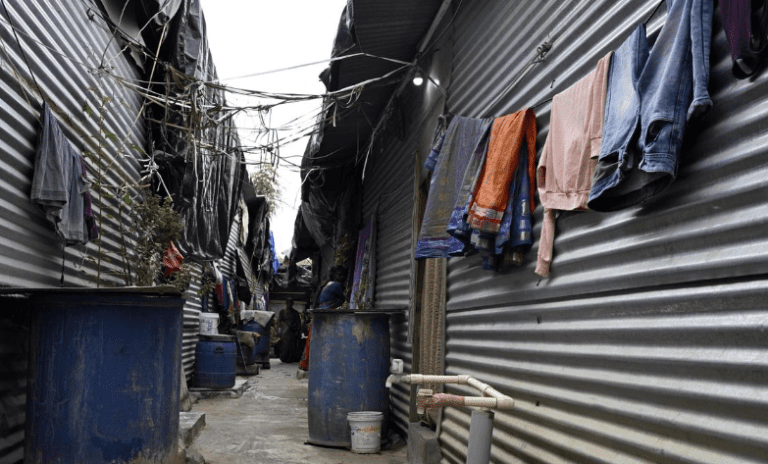
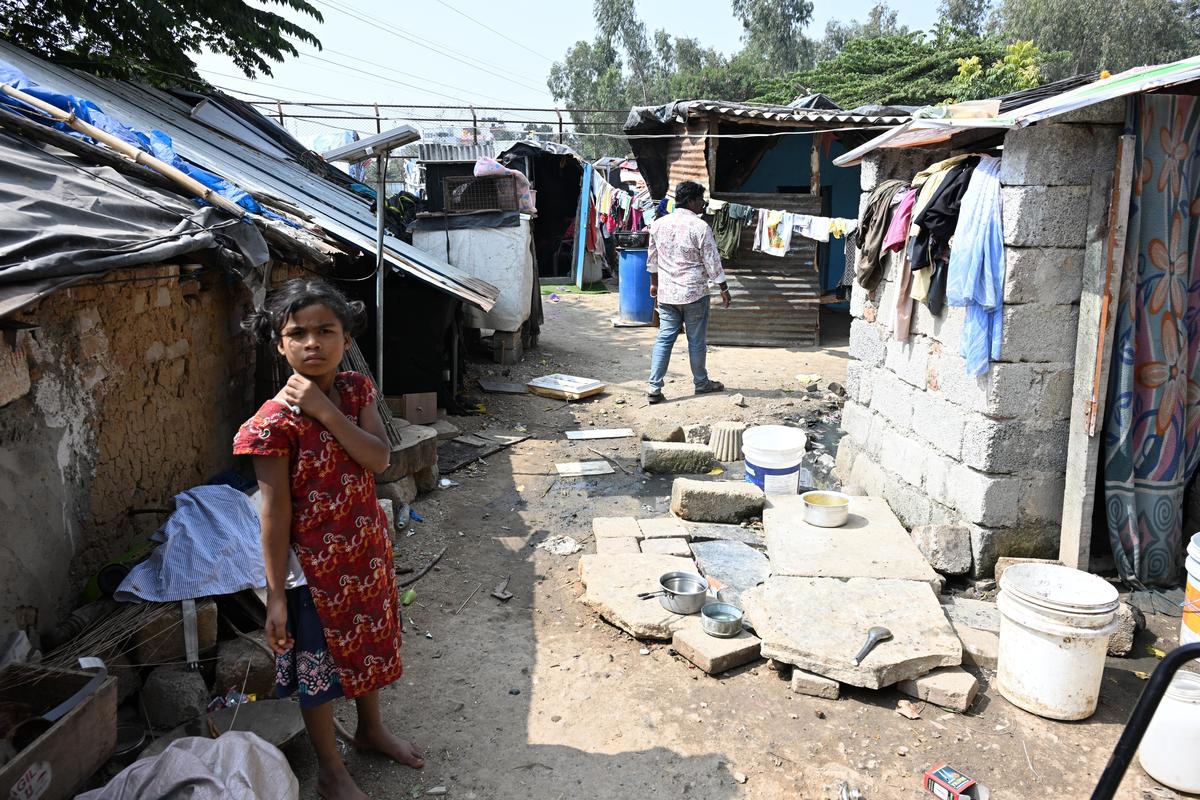
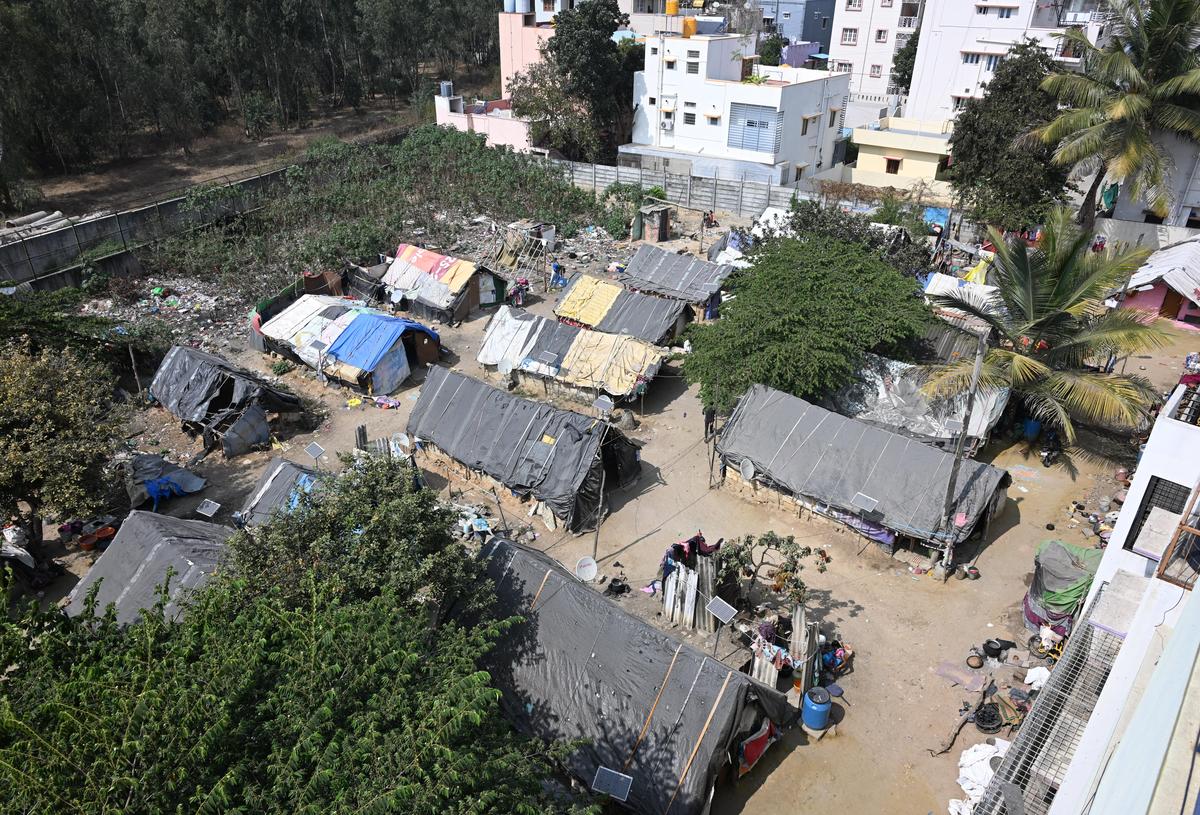
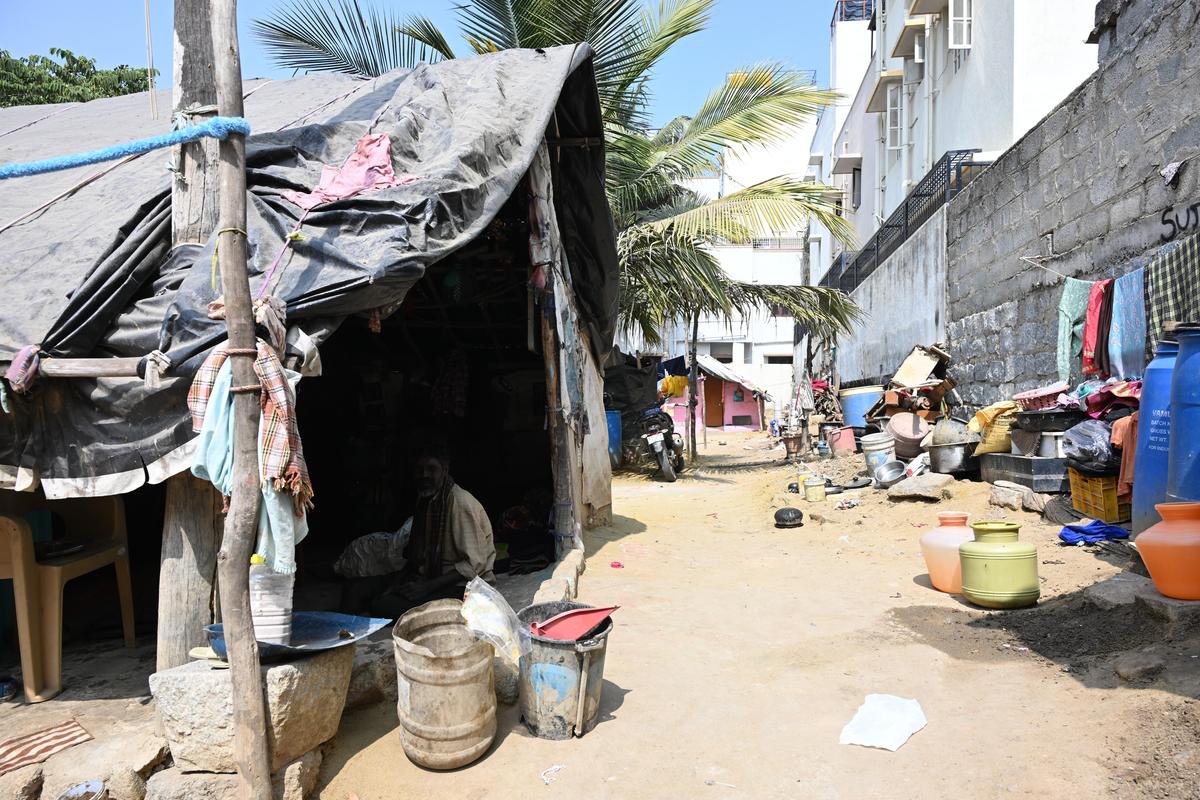
Bengaluru’s slums are not accidental formations on the city’s margins but products of a repeating urban cycle shaped by migration, land politics, informal labour, and selective governance. As the city expanded into India’s technology capital, it simultaneously absorbed thousands of workers who built its roads, apartments, offices, and infrastructure, yet were never formally planned for. Slums emerged as survival spaces for these populations, growing quietly on vacant public land, lake beds, railway edges, and unused private plots. Over decades, these settlements became part of the city’s functional ecosystem, even as they remained officially invisible.

The making of slums in Bengaluru is closely tied to migration patterns. Workers from north Karnataka, Andhra Pradesh, Tamil Nadu, Odisha, West Bengal, and northern states arrive in search of daily wage work. Construction, waste management, domestic labour, street vending, and factory jobs draw people faster than the city’s housing systems can absorb them. With rental housing unaffordable and public housing scarce, migrants occupy land informally, often with tacit acceptance from local authorities. What begins as temporary shelter slowly turns into semi-permanent neighbourhoods with tin roofs, shared water taps, and informal electricity connections.

Land plays a central role in how slums are both created and destroyed. Many settlements arise on land considered undesirable at a particular moment, such as flood-prone areas, lake buffers, or land tied up in legal disputes. For years, these spaces remain ignored, allowing slums to grow. Over time, as land values rise or infrastructure projects are planned, the same land becomes valuable. Suddenly, settlements that were tolerated for decades are labelled illegal encroachments, setting the stage for eviction and demolition.How slums are made and razed in Bengaluru - The Hindu

Political mediation often shapes the life cycle of slums. Local leaders, ward-level politicians, and intermediaries sometimes facilitate access to water, ration cards, voter IDs, and electricity connections in exchange for political support. This informal recognition provides residents a sense of security, even if legal tenure remains absent. Over time, generations grow up believing the settlement is permanent. This fragile stability, however, depends on political convenience. When priorities shift, protection disappears, exposing residents to eviction drives.

Urban planning in Bengaluru has historically prioritised commercial growth and infrastructure over affordable housing. Master plans repeatedly underestimated the housing needs of low-income workers, focusing instead on IT corridors, flyovers, and commercial zones. Slums filled this planning gap by providing proximity to workplaces. Domestic workers lived near gated communities, sanitation workers near wards they served, and construction workers near project sites. Slums thus became embedded within the city’s economic machinery, even as they were excluded from its formal imagination.

FROM INFORMAL HOMES TO “ILLEGAL ENCROACHMENTS”

The razing of slums in Bengaluru often begins with a change in narrative. Settlements once described as “poor localities” are reframed as “illegal encroachments” obstructing development or environmental restoration. Eviction notices typically cite lake rejuvenation, road widening, metro expansion, or public safety. While these objectives may be legitimate, the process often ignores the history of how the settlements came to exist and the city’s own role in allowing them to grow without alternatives.

Demolitions are frequently sudden and traumatic. Notices may be served with little warning, sometimes pasted on walls just days before action. Residents scramble to save belongings as bulldozers arrive, often escorted by police. Women, children, the elderly, and daily wage workers bear the immediate impact. Homes built over years are reduced to rubble within hours. For many families, documents proving residence are destroyed along with their houses, further weakening their ability to claim rehabilitation.

Relocation, when offered, is usually on the city’s outskirts. Rehabilitation colonies are often located far from workplaces, schools, and healthcare facilities. Long commutes increase expenses and reduce income stability. Many relocated families eventually return to informal settlements closer to the city core, restarting the cycle. Others rent out allotted flats and move back to slums, revealing a disconnect between housing policy and lived realities.How slums are made and razed in Bengaluru - The Hindu

Environmental arguments are commonly used to justify evictions, especially around lakes and stormwater drains. While encroachments do contribute to ecological degradation, critics argue that selective enforcement targets the poor while overlooking violations by commercial establishments, luxury apartments, and infrastructure projects. This unequal application of environmental law fuels resentment and deepens distrust between slum communities and authorities.

Legal battles around slum demolitions often hinge on proof of residence before a cut-off date. Many residents lack formal documentation, especially migrants and informal workers. Even those eligible for rehabilitation face bureaucratic hurdles. Court orders may temporarily halt demolitions, but prolonged litigation creates uncertainty, leaving families in limbo. In some cases, slums are demolished despite ongoing legal proceedings, highlighting the imbalance of power between residents and the state.

Civil society groups and activists have repeatedly pointed out that slums are not merely housing problems but symptoms of deeper structural failures. They argue that demolitions without adequate rehabilitation violate the right to shelter and dignity. Surveys, mapping exercises, and participatory planning are often demanded but rarely implemented meaningfully. Instead, eviction becomes the default response to urban pressure.

WHO BENEFITS, WHO BEARS THE COST

The political economy of slum demolition reveals clear winners and losers. Cleared land often becomes available for infrastructure projects, commercial development, or beautification efforts that benefit middle and upper classes. Improved roads, restored lakes, and new transit corridors enhance property values and urban aesthetics. Meanwhile, displaced residents absorb the social and economic costs, losing not just homes but access to livelihoods, education, and community networks.

For the urban poor, slums provide more than shelter. They offer social support systems, childcare networks, credit arrangements, and cultural continuity. Demolitions fracture these networks, pushing families into isolation and vulnerability. Children’s education is disrupted, healthcare access declines, and women often face increased insecurity. The long-term psychological impact of repeated displacement is rarely acknowledged in policy discussions.

Bengaluru’s governance structure further complicates the issue. Multiple agencies control land, housing, and infrastructure, leading to fragmented responsibility. While one department clears slums for development, another struggles to provide housing. Coordination failures result in piecemeal solutions that address symptoms rather than root causes. Affordable rental housing, worker hostels, and inclusive zoning remain underdeveloped despite repeated policy announcements.

There are also instances where slums are selectively regularised. Settlements with political backing or strategic electoral importance may receive land titles, basic services, and upgrades. This uneven approach reinforces perceptions of arbitrariness and fuels competition among slum communities. Those excluded from regularisation feel punished for lacking political influence rather than legal standing.

Urban scholars argue that Bengaluru’s approach reflects a broader contradiction. The city depends on informal labour but resists integrating informal lives into formal planning. Slums are tolerated when they serve economic needs and removed when they inconvenience development agendas. This conditional acceptance creates instability, ensuring that slums are never fully resolved but continuously reproduced.

The question of dignity lies at the heart of the issue. When slums are portrayed solely as problems to be erased, residents are reduced to obstacles rather than citizens. Their contributions to the city’s growth remain unrecognised. A more humane approach, experts suggest, would treat slum residents as stakeholders in urban development, involving them in planning, upgrading, and decision-making.

Some alternative models exist. In-situ upgradation, where slums are improved without displacement, has shown promise in limited cases. Secure tenure, basic services, and community participation can transform settlements into liveable neighbourhoods. However, scaling such models requires political will and a shift away from demolition-driven urbanism.How slums are made and razed in Bengaluru - The Hindu

As Bengaluru continues to grow, the cycle of slum creation and destruction shows no sign of ending. Migration persists, affordable housing remains inadequate, and land pressures intensify. Without structural reform, new slums will emerge even as old ones are erased. The city will continue to build and break lives simultaneously.

In the end, how Bengaluru treats its slums reflects how it values its people. Slums are not failures of residents but failures of planning, policy, and inclusion. Until the city confronts this truth, bulldozers will keep returning, and the promise of an equitable urban future will remain out of reach for those who built the city but were never allowed to belong to it.

The media narrative surrounding slums and demolitions also plays a powerful role in shaping public perception. Headlines often frame evictions as necessary clean-up operations or development milestones, rarely foregrounding the human cost. Visuals of bulldozers and cleared land dominate coverage, while stories of displaced families fade quickly. This selective storytelling normalises displacement and reduces public empathy. Over time, it creates a moral distance between the city’s middle class and the urban poor, making repeated demolitions socially acceptable rather than politically contentious.

Judicial interventions have offered limited relief. While courts have occasionally emphasised the right to shelter and ordered rehabilitation, implementation remains inconsistent. Legal protections are often procedural rather than substantive, focusing on notice periods or documentation rather than long-term housing security. For slum residents, approaching courts requires resources, time, and legal awareness that many do not possess. As a result, access to justice becomes uneven, reinforcing existing inequalities rather than correcting them.

Urban planners increasingly warn that demolitions undermine resilience rather than improving it. Displaced populations often move into more precarious locations, such as deeper floodplains or unstable land, increasing vulnerability to climate-related disasters. Bengaluru’s recurring floods have exposed how eviction-driven planning worsens risk by pushing the poor into invisible, unsafe spaces. Instead of resolving environmental challenges, the cycle of displacement frequently shifts the problem geographically while deepening social fragility.

Ultimately, the question is not whether slums should exist, but why cities continue to produce them. Bengaluru’s experience shows that slums are an outcome of exclusionary growth, not individual failure. Until housing, transport, and employment policies are aligned with the realities of informal labour, slums will keep reappearing in new forms. Breaking the cycle requires acknowledging slum residents as integral to the city’s life, deserving of stability, dignity, and a permanent place in its future.

Follow: Karnataka Government

Also read: Home | Channel 6 Network – Latest News, Breaking Updates: Politics, Business, Tech & More

Ramanagara’s Healthcare Dream Gains Political Voice: CRUCIAL 650 BEDS, ONE HOPE

The long-standing demand for advanced healthcare infrastructure in Ramanagara district received renewed attention after the Bengaluru Rural Member of Parliament flagged the urgent need for a 650-bed hospital at the proposed Rajiv Gandhi University of Health Sciences medical college campus. Raising the issue at a public and administrative forum, the MP argued that merely establishing a medical college without a fully functional, high-capacity teaching hospital would defeat the broader purpose of improving healthcare access in the region. The intervention has brought healthcare planning in Ramanagara back into focus, highlighting both the district’s structural gaps and its growing population pressures.

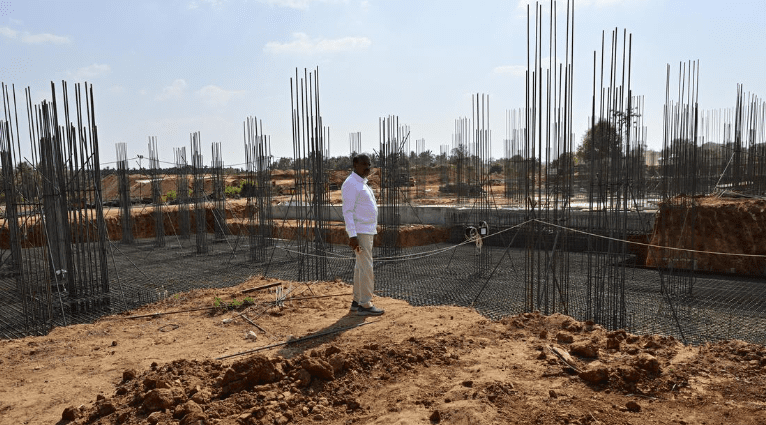
Ramanagara, located strategically between Bengaluru and Mysuru, has long suffered from inadequate tertiary healthcare facilities. Residents often depend on Bengaluru for specialised treatment, resulting in delays, high out-of-pocket expenses, and overcrowding at city hospitals. The proposed RGUHS medical college campus was envisioned as a transformative project that could address these issues. However, concerns have been raised that without a sufficiently large hospital attached to it, the institution may remain largely academic in nature, offering limited real-world benefit to patients in the district and surrounding rural areas.MP flags need for 650-bed hospital at proposed RGUHS medical college campus  in Ramanagara - The Hindu

The MP emphasised that a 650-bed hospital is not an aspirational figure but a functional necessity. According to him, a hospital of this scale would ensure compliance with medical education norms, enable comprehensive clinical training for students, and simultaneously serve as a referral centre for Ramanagara and neighbouring districts. He warned that underestimating bed capacity at the planning stage could lead to systemic stress within a few years, given population growth and rising disease burdens. His remarks were widely seen as a push to integrate public health needs with educational infrastructure planning.

Health experts have echoed these concerns, noting that medical colleges without adequate hospital capacity struggle to balance teaching requirements and patient care. A smaller hospital, they argue, often becomes overburdened, compromising both quality of treatment and medical education. In the case of Ramanagara, where district hospitals already operate under pressure, a large, well-equipped teaching hospital could significantly reduce patient migration to Bengaluru. The MP’s intervention has therefore been welcomed by public health advocates as timely and pragmatic rather than politically symbolic.

Local leaders and civil society groups have also highlighted the socio-economic dimension of the demand. Ramanagara has a significant rural and semi-urban population, with many families dependent on daily wages. For them, travelling to Bengaluru for treatment often means loss of income in addition to medical expenses. A 650-bed hospital within the district could improve early diagnosis, reduce treatment delays, and enhance maternal and child healthcare outcomes. The MP stressed that healthcare infrastructure should be designed around people’s lived realities rather than minimum regulatory thresholds.

ADDRESSING STRUCTURAL GAPS IN REGIONAL HEALTHCARE

The demand for a large hospital at the RGUHS campus has also reopened discussions on the uneven distribution of healthcare infrastructure across Karnataka. While Bengaluru boasts multiple super-speciality hospitals, districts like Ramanagara remain dependent on under-resourced government facilities. Officials familiar with district health data point out that the current bed-to-population ratio in Ramanagara falls well below recommended levels. Emergency care, trauma services, and specialised departments are particularly lacking, making a multi-speciality teaching hospital a critical requirement rather than a luxury.

The MP underlined that the proposed hospital should not be viewed merely as an adjunct to the medical college but as a regional healthcare anchor. He suggested that the facility be planned with departments such as cardiology, oncology, nephrology, and advanced trauma care from the outset. This, he argued, would prevent the common problem of phased expansion that often leaves hospitals operating in a perpetual state of incompleteness. His comments reflect a broader shift in policy discourse that prioritises long-term capacity over incremental development.MP flags need for 650-bed hospital at proposed RGUHS medical college campus  in Ramanagara - The Hindu

Government officials have acknowledged that integrating a 650-bed hospital into the medical college plan would require higher initial investment. However, they also concede that delayed expansion typically costs more in the long run. Land acquisition, infrastructure modification, and equipment procurement become more complex once operations begin. In this context, the MP’s demand has been framed as fiscally responsible as well as socially necessary. Sources indicate that the Health Department has been asked to reassess project estimates and feasibility reports accordingly.

Medical education regulators have also weighed in on the issue, pointing out that national norms increasingly emphasise patient load and clinical exposure for accreditation. A larger hospital would not only strengthen the academic standing of the proposed RGUHS campus but also attract better faculty and postgraduate programmes. This could, in turn, create a virtuous cycle of improved healthcare delivery and academic excellence. The MP argued that Ramanagara deserves an institution that can compete with established medical colleges rather than a scaled-down facility that struggles for relevance.

For local communities, the hospital represents more than infrastructure. It symbolises recognition of long-neglected healthcare needs. Community leaders have recalled how public assurances in the past often resulted in partial facilities that failed to meet expectations. The MP’s insistence on a specific bed count has therefore been interpreted as an attempt to lock in accountability at the planning stage. By articulating a clear demand, he has given citizens a measurable benchmark against which future progress can be assessed.

POLITICAL, ADMINISTRATIVE, AND PUBLIC IMPLICATIONS

Politically, the issue has cut across party lines, with leaders from different affiliations acknowledging the merit of the demand. While debates continue over funding sources and timelines, there is broad consensus that Ramanagara requires a major healthcare upgrade. The MP’s intervention has also placed pressure on the State government to clarify its vision for the RGUHS campus. Is it meant to be a flagship institution driving regional development, or a modest addition to the existing medical education landscape? The answer, many argue, will be reflected in decisions taken now.

Administratively, the proposal raises questions about coordination between departments. Establishing a 650-bed hospital involves the Health, Medical Education, Public Works, and Finance departments, among others. Past projects have shown that lack of coordination often leads to delays and cost overruns. The MP has reportedly urged the government to constitute a dedicated task force to oversee planning and execution, ensuring that the hospital component does not get diluted over time. Such a mechanism, he believes, is essential to translate intent into outcome.

Public reaction in Ramanagara has been largely positive, with residents expressing cautious optimism. Many recall earlier announcements that failed to materialise or resulted in facilities operating far below capacity. This time, however, the specificity of the demand has generated hope that the project may be executed with greater seriousness. Patients’ groups have highlighted how a large government hospital could also act as a counterbalance to expensive private healthcare, improving affordability and access for lower-income families.

Healthcare economists have pointed out that investing in a large teaching hospital can have multiplier effects. Beyond direct health benefits, it can generate employment, boost ancillary services, and stimulate local economies. For Ramanagara, which has been seeking sustainable development pathways, the hospital could become a key institutional anchor. The MP’s argument aligns with this broader development perspective, framing healthcare infrastructure as both a social service and an economic investment.

As discussions continue within government corridors, the demand for a 650-bed hospital has emerged as a defining aspect of the proposed RGUHS medical college project. Whether the government embraces this vision fully will determine the institution’s long-term impact. For now, the MP’s intervention has ensured that healthcare capacity remains central to the conversation, preventing the project from being reduced to a symbolic announcement. In doing so, he has given voice to a collective aspiration for dignified, accessible, and robust public healthcare in Ramanagara.MP flags need for 650-bed hospital at proposed RGUHS medical college campus  in Ramanagara - The Hindu

Ultimately, the debate underscores a simple but powerful truth. Medical colleges matter, but hospitals save lives. By insisting that the proposed campus integrate a large, well-equipped hospital from the start, the Bengaluru Rural MP has reframed the project as a public health mission rather than a mere educational expansion. For the people of Ramanagara, this insistence represents hope that policy decisions will finally align with their everyday realities and long-standing needs.

The issue has also prompted comparisons with similar medical college projects elsewhere in the State, where inadequate hospital capacity has limited long-term impact. In several districts, teaching hospitals started with lower bed strength and struggled to scale up due to funding constraints and administrative delays. Public health observers argue that Ramanagara has an opportunity to avoid repeating these mistakes by planning ambitiously from the outset. The MP’s emphasis on learning from past shortcomings has strengthened the case for approving the 650-bed hospital as an integral component rather than an optional future expansion.

Within the medical fraternity, there is growing support for the proposal, particularly among doctors working in district and taluk hospitals. Many have pointed out that a large teaching hospital could ease the workload on existing facilities by acting as a referral hub. This would allow smaller hospitals to focus on primary and secondary care while complex cases are handled at the RGUHS campus. Such a tiered system, they say, is essential for improving efficiency and patient outcomes across the district’s healthcare network.

Students aspiring to study medicine have also viewed the proposal positively. A well-equipped 650-bed hospital would provide richer clinical exposure, hands-on training, and research opportunities. Educationists note that students trained in robust public hospitals are more likely to develop a service-oriented outlook and may be inclined to work in government or rural settings after graduation. The MP highlighted this aspect, stating that infrastructure decisions today would shape the quality and social commitment of future medical professionals.

As the proposal moves through administrative scrutiny, attention is now focused on timelines and political will. Citizens and local representatives alike stress that announcements must be followed by clear milestones and transparent updates. The demand for a 650-bed hospital has raised expectations, but it has also created an opportunity for the government to demonstrate seriousness in healthcare planning. For Ramanagara, the coming months may determine whether this vision becomes a landmark achievement or another deferred promise.

Follow: Karnataka Government

Also read: Home | Channel 6 Network – Latest News, Breaking Updates: Politics, Business, Tech & More

Shah Rukh Khan to Return Brings 1 Unexpected Twist to the Don Franchise

0

Shah Rukh Khan to Return Could Redefine the Future of Don

Shah Rukh Khan to Return to the Don franchise is once again being discussed, and this time the conversation has taken a surprising turn. After months of uncertainty around the future of the iconic action series, new reports suggest that Shah Rukh Khan may be open to reprising his role as Don, but only under a specific condition that could change the direction of the franchise.Don 3 gets messier as Shah Rukh Khan enters the picture after Ranveer's exit with a BIG condition

Shah Rukh Khan had earlier stepped into the Don series after Amitabh Bachchan, leading the franchise in two successful films. His portrayal redefined the character for a new generation and set high expectations for any future continuation. When reports surfaced that Ranveer Singh would take over the role, the news received mixed reactions. However, recent updates indicate that Ranveer Singh is no longer associated with the project, leaving the franchise at a crossroads once again.

At the same time, there were strong reports suggesting that Hrithik Roshan was in talks with the makers. These discussions created fresh excitement, but no official confirmation followed. With no clear lead actor finalized, attention has now shifted back to Shah Rukh Khan.

Shah Rukh Khan to Return Depends on a Creative Shift

According to recent reports, Shah Rukh Khan is willing to consider returning as Don, but only if director Atlee becomes part of the project. The actor is said to be keen on bringing Atlee on board to increase the scale of the film and deliver a strong cinematic experience.Don 3: Amitabh Bachchan, Shah Rukh Khan And Ranveer Singh To Share The Screen In Farhan Akhtar Film? | Bollywood News - News18

Atlee, who previously collaborated with Shah Rukh Khan on Jawan, played a key role in presenting the actor in a larger-than-life avatar. That film’s success appears to have strengthened the actor-director trust. Industry observers believe Shah Rukh Khan sees Atlee as someone who understands mass appeal while maintaining narrative control, which could help the Don franchise evolve without losing its identity.

However, this condition places the makers in a difficult position. The Don series has its own established style, and bringing in a new director would mean reworking creative plans. As of now, neither Shah Rukh Khan nor the production team has officially commented on these reports, leaving the situation open-ended.

Shah Rukh Khan to Return Adds More Casting Uncertainty

Casting decisions around the Don franchise remain unclear. Kiara Advani was initially signed as the female lead, but reports later suggested that she exited the project. Following her exit, Kriti Sanon’s name surfaced as a possible replacement. Once again, no official confirmation has been provided, adding to the uncertainty surrounding the film.Shah Rukh Khan Reportedly Has One Condition For Don 3 Creators For Possible Return

While the Don franchise remains in limbo, Shah Rukh Khan is currently focused on other commitments. He is working on the film KING, directed by Siddharth Anand. The project features a strong cast including Abhishek Bachchan, Deepika Padukone, and Suhana Khan. The film is expected to be a major release and reflects Shah Rukh Khan’s continued dominance in the industry.


View this post on Instagram


A post shared by DNA India (@dna_india)

Ranveer Singh, meanwhile, is reportedly preparing for his next project, Pralay, directed by Jai Mehta. The film will feature Kalyani Priyadarshan opposite him, and production is expected to begin soon. With Ranveer moving forward and Hrithik Roshan’s talks still unconfirmed, the Don franchise stands at a critical decision point. Also Read: V Achieved This Massive Milestone With Record Instagram Growth in 2026

Conclusion

Whether Shah Rukh Khan to Return actually happens depends on creative alignment and final decisions by the makers. Until then, the Don franchise remains one of the most closely watched projects in Indian cinema, with fans waiting for clarity on who will ultimately carry the legacy forward.

Vijay Jana Nayagan Vs CBFC Turns Into 1 Major Roadblock Before Release

0

Vijay Jana Nayagan Vs CBFC Creates Uncertainty Around Film Release

Vijay Jana Nayagan Vs CBFC has become a serious issue just days before what was expected to be one of the biggest Tamil film releases in recent times. Jana Nayagan, promoted as Vijay’s last film before his full political entry, was planned for a massive release on January 9 across a record number of screens. The film carried strong expectations from fans and industry circles, but certification objections have now brought everything to a halt.Thalapathy Vijay starrer Jana Nayagan hits legal roadblock just hours before release as Madras High Court stays CBFC clearance : Bollywood News Thalapathy Vijay starrer much-anticipated film Jana Nayagan, touted to be

According to information shared with the makers, the Central Board of Film Certification raised concerns after viewing the film. Several dialogues and scenes were found to be critical of the ruling Tamil Nadu government. Certain portions were also seen as offensive towards the Central government. These issues led the CBFC to seek changes before granting certification, creating an unexpected delay for the release.

The makers of Jana Nayagan reportedly refused to alter or remove the disputed content. These dialogues and episodes were written with Vijay’s political positioning in mind and were considered crucial to the film’s message. The team believed that editing these scenes would dilute the impact of the story and the political tone the film intended to carry.

Vijay Jana Nayagan Vs CBFC Reflects Political Sensitivity

The disagreement between the makers and the CBFC quickly escalated. With neither side willing to compromise, the release date was stalled. The producers explored legal options, hoping for quick relief, but the matter soon reached higher courts.Jana Nayagan Censor Row: Madras HC to Decide Vijay Film’s Release Before Jan 9 | News9

The Supreme Court made it clear that it would not intervene in the certification dispute. This decision placed the responsibility back on the makers to resolve the issue through the Madras High Court. Legal experts believe that without a settlement or compromise, it will be extremely difficult for Jana Nayagan to secure certification before the Tamil Nadu assembly elections.

This timing has made the situation more complicated. Films that carry political messaging often face closer scrutiny during election periods. Jana Nayagan, which reportedly mirrors Vijay’s political ambitions, is now caught between creative intent and regulatory boundaries.

The delay has also raised concerns within the film industry. A project of this scale involves heavy investments in production, promotion, and distribution. Every day of uncertainty adds financial pressure on the producers, distributors, and theatre owners who had already prepared for a large release.

Vijay Jana Nayagan Vs CBFC Becomes a Financial and Legal Challenge

Beyond politics, the impact of this delay is deeply financial. The producers have invested significant money expecting a smooth release backed by Vijay’s strong fan base. Promotions were already in motion, and advance planning for shows across regions had begun.VIJAY'S 'JANA NAYAGAN' TO BE SEEN BY NEW CBFC PANEL | 6 January, 2026 By KOMAL NAHTA Thalapathy Vijay's Tamil film, Jana Nayagan, has hit a major roadblock because it is still

With no clear release date, the financial risk increases. Interest costs, marketing expenses, and contractual commitments continue to pile up. Industry insiders suggest that even a short delay could affect the film’s momentum and box office potential.

For Vijay, the situation is equally sensitive. Jana Nayagan was positioned as a bridge between his cinema career and his political journey. The controversy has shifted focus from the film’s story to legal and certification hurdles, creating unwanted pressure on both fronts.

While discussions may still happen behind closed doors, the outcome depends largely on whether the makers are willing to make limited changes or pursue a prolonged legal route. Until then, the fate of Jana Nayagan remains uncertain. Also Read: V Achieved This Massive Milestone With Record Instagram Growth in 2026

Conclusion

The Vijay Jana Nayagan Vs CBFC issue highlights the fine line between creative expression and certification rules, especially during politically sensitive periods. With legal options narrowing and financial pressure increasing, the coming days will be crucial in deciding when and how Jana Nayagan reaches the audience.

India Women Blind Cricket Creates a Moment Beyond Medals in 1 Powerful Journey

0

India Women Blind Cricket Shows Success Beyond the World Cup

India women blind cricket has given the country many proud moments through international victories and growing recognition. Recently, one such moment stood out not because of a match result or a trophy, but because of a deeply personal act by the captain of the Indian women’s blind cricket team. After leading the team to World Cup success, she fulfilled a long-held dream of her mother by taking her on a flight for the very first time.India's women's blind cricket team captain and World Cup winner recently fulfilled a deeply personal dream by taking her mother on a flight for the first time. From years of sacrifices on

For years, the captain’s mother stood behind her journey, offering constant support through financial struggles, social challenges, and the demanding realities of raising a visually impaired daughter in India. Her sacrifices were not visible to the public, but they were foundational to the success that later followed. This simple act of sharing a flight together became a symbol of gratitude, dignity, and emotional victory that went far beyond sport.

India Women Blind Cricket and the Strength Behind the Success

India women blind cricket has grown steadily despite limited resources, minimal media attention, and fewer opportunities compared to mainstream sports. Players often come from modest backgrounds and rely heavily on family encouragement to continue training and competing at national and international levels.

The captain’s journey reflects this reality. Her early years involved constant travel for practice, dependence on others for mobility, and a strong emotional bond with her mother, who played multiple roles as caregiver, motivator, and protector. While the cricketing world celebrated match-winning performances and championship titles, the real work happened quietly at home.Indian blind women's cricket team captain fulfils dream with mother's first flight

Taking her mother on a flight was not a luxury gesture. It represented closure to years of struggle and a reversal of roles. The daughter, once dependent on her mother for every step forward, was now able to give her mother an experience she never imagined possible. This moment resonated strongly with followers of India women blind cricket because it reflected the shared reality of many athletes in the para-sports ecosystem.

India Women Blind Cricket Reflects a Larger Social MeaningFor most people, a flight is just a journey. For Deepika TC and her mother, it was a dream come true. Days after leading India's women's blind cricket team to an unbeaten

India women blind cricket is not only about competition. It also challenges long-standing assumptions about disability, independence, and women’s participation in sport. Moments like this underline how sporting success can change personal lives, not just public perception.

The image of a World Cup-winning captain sitting beside her mother above the clouds carries meaning beyond emotion. It shows how achievement can restore pride, offer respect, and create new memories for families who once only focused on survival and stability.

For many supporters, this story reinforced the idea that real success is measured by impact, not applause. Trophies may be displayed in cabinets, but moments like these live quietly within families and communities. They also bring attention to the need for better institutional support for women athletes with disabilities, who continue to face unequal access to funding, facilities, and recognition.


View this post on Instagram


A post shared by Classywomenn (@classywomenn)

The captain’s gesture did not require speeches or publicity. It spoke through action. In doing so, it highlighted the human side of India women blind cricket, reminding audiences that behind every medal is a network of unseen sacrifices. Also Read: V Achieved This Massive Milestone With Record Instagram Growth in 2026

Conclusion

India women blind cricket continues to inspire not only through victories, but through stories that reveal the true meaning of progress. This simple journey between a mother and daughter stands as a reminder that some achievements matter most when they change lives, not scoreboards.