Monday, December 29, 2025
Home Blog Page 111

TRAI drive test shows strong 4G/5G data speeds for Airtel and RJIL, gaps in MTNL voice quality across Delhi

The Telecom Regulatory Authority of India (TRAI) has released the results of its Independent Drive Test (IDT) for the Delhi Licensed Service Area, assessing how mobile networks actually perform on the ground during October 2025. Tests covered 402 km of city routes, 14 hotspot locations, 6.1 km of walk tests and inter‑operator calling, across 2G, 3G, 4G and 5G services.​

Scope and methodology

TRAI’s teams drove through dense urban neighbourhoods and major institutional and commercial hubs, including areas such as Shalimar Bagh, Paschim Vihar, Dwarka, Rohini, Kirti Nagar, Cyber Hub Gurugram and several metro stations and schools. The tests captured real‑world performance for voice and data in vehicles, at busy public places and on crowded pedestrian routes, using standardised equipment and protocols approved by the regulator.​

Voice service performance

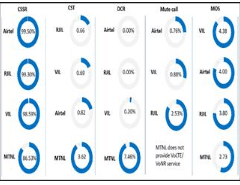
For call setup success rate (CSSR), Airtel  and RJIL (Jio)  recorded around 99.5% and 99.3% respectively, while VIL (Vodafone Idea)  stood near 98.6% and MTNL  lagged at about 86.5% in auto‑selection mode. Drop call rates were virtually zero for Airtel and RJIL, about 0.2% for VIL and a high 7.46% for MTNL, highlighting a marked quality gap on the legacy MTNL network.​


Call quality and user experience

Average call setup times were well under one second for RJIL, VIL and Airtel at roughly 0.66–0.82 seconds, while MTNL connections took over 3.6 seconds to be established. Mean Opinion Score (MOS), which reflects perceived voice clarity, was highest for VIL at 4.38, followed by Airtel at 4.00, RJIL at 3.80 and MTNL at 2.73, with silence/mute issues reported at relatively low levels for the packet‑switched 4G/5G networks.​

Overall data download and upload speeds

In combined 5G/4G/2G measurements, RJIL delivered the fastest average download speed at about 249 Mbps, closely followed by Airtel at around 234 Mbps, while VIL averaged roughly 23.8 Mbps and MTNL’s 3G/2G network trailed at about 5 Mbps. For uploads, Airtel led with roughly 31.8 Mbps, followed by RJIL at 26 Mbps, VIL at 11.4 Mbps and MTNL at just 1.68 Mbps, underscoring the gulf between modern 5G/4G networks and legacy platforms.​

Latency and hotspot performance

Median latency (50th percentile) was lowest for Airtel at about 11.7 ms, with RJIL around 15.2 ms, MTNL around 21.3 ms and VIL at roughly 35 ms, indicating quicker response times on the leading 5G/4G networks. At hotspot locations, RJIL’s 5G downlink speeds reached nearly 292 Mbps and Airtel’s about 235 Mbps, while VIL’s 5G clocked about 30 Mbps; on 4G, hotspot downlink speeds ranged from roughly 18 Mbps for VIL to over 44 Mbps for RJIL.​

Coverage gaps and technology mix

TRAI noted that 4G and 5G services were not observed on MTNL during the tests, meaning its users in Delhi still rely primarily on 3G/2G networks with significantly lower speeds and poorer voice quality. By contrast, Airtel, RJIL and VIL offered multi‑generation coverage, with 5G contributing strongly to the highest data speeds, especially along high‑traffic corridors and institutional clusters.​

Implications and next steps

The regulator has already shared operator‑wise findings with all telecom service providers so they can address localised gaps in coverage, call drops, latency and throughput. Detailed results, including route‑wise and location‑wise performance, are available on TRAI’s website, and the authority has invited stakeholders to seek clarifications from its Delhi regional office.​

For more real-time updates, visit Channel 6 Network.

Source: PIB
Ancient Ways of Life vs SIR Bengal 2025: Tribal Communities Struggle with No Papers for Surname and Address Changes, Governance Failures, Electoral Roll Challenges, and Policy Reform Needs

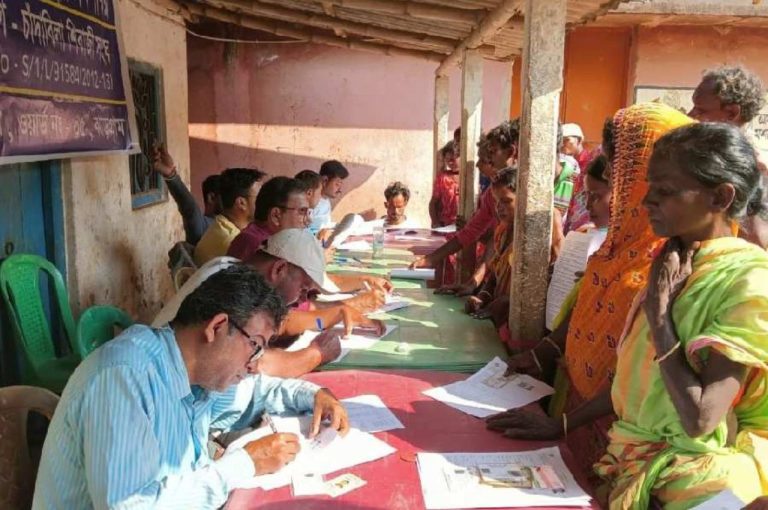
The Ancient Ways of Life vs SIR Bengal 2025 controversy highlights the collision between indigenous traditions and modern governance. As the Special Intensive Revision (SIR) of electoral rolls unfolds across Bengal, tribal communities like the Sabars face exclusion due to lack of documentation for surname and address changes. Their ancient ways of life — marked by mobility, oral traditions, and unregistered marriages — clash with bureaucratic demands for paper proof.


2. The SIR Exercise: What It Means

The Election Commission mandated the SIR to update voter rolls.

  • BLOs (Booth Level Officers) must verify voter identities against the 2002 electoral roll benchmark.
  • Families without proper linkage risk exclusion.
  • Documents like land records, marriage certificates, and registered addresses are required.
  • Aadhaar is accepted only as identity proof, not citizenship proof.

For tribal families, these requirements are nearly impossible to meet.


3. Ancient Ways of Life vs SIR Bengal 2025: The Sabar Community’s Struggles

The Sabars, an indigenous tribal group in Jungle Mahal districts, face unique challenges:

  • Frequent surname changes without legal documentation (e.g., Mallik to Sabar).
  • Mobility across hamlets for livelihood, leaving them without permanent addresses.
  • Unregistered marriages, especially women migrating from Jharkhand to Bengal.
  • Illiteracy and lack of awareness about bureaucratic procedures.

These factors make compliance with SIR requirements extremely difficult.


4. Case Studies: Human Stories

  • Ashwini Mallik of Jhargram: His father’s name appeared differently in electoral rolls (Mallik vs Sabar). He had to file a court affidavit costing ₹200 to prove identity.
  • Tumpa Mallik of Purba Singhbhum: Married in Bengal but lacked proof of address change. She struggled to trace her parents’ polling station in Jharkhand’s 2003 list.
  • Tea garden workers in Alipurduar: Living on leasehold land without ownership records, they fear exclusion.

These stories reflect the human cost of bureaucratic rigidity.


5. Governance Challenges

The SIR exposes governance failures:

  • Rigid documentation requirements ignoring tribal realities.
  • Delayed communication with communities.
  • Weak support systems for illiterate families.
  • Political interference in enumeration camps.

6. Civil Society Response

Local clubs and organisations stepped in:

  • Chandabila Shibaji Sangha opened apolitical help desks to assist Sabars.
  • Paschim Banga Kheria Sabar Kalyan Samity mobilised support, sacrificing income during harvest season.
  • Volunteers made phone calls and internet searches to trace old voter lists.

Civil society’s role underscores the gap left by governance structures.


7. Historical Context: Tribal Rights in Bengal

Tribal communities like Sabars, Santals, Oraons, and Mundas have long faced marginalisation.

  • Census 2011 recorded around 53 lakh tribal people in Bengal.
  • Concentrated in Jungle Mahal districts and tea gardens of North Bengal.
  • Historically excluded from mainstream governance due to lack of documentation.

The SIR controversy continues this pattern of exclusion.


8. Political Fallout

Political parties are deeply involved:

  • Trinamool Congress and BJP deployed workers to assist tribal families.
  • Both parties seek to consolidate tribal votes ahead of the 2026 Assembly elections.
  • Opposition accuses ruling party of negligence, while ruling party blames EC.

The controversy has become a political flashpoint.


9. Broader Implications for Democracy

The incident raises fundamental questions:

  • Can democracy be credible if tribal families are excluded?
  • Will voter rolls reflect reality if ancient traditions are ignored?
  • Does governance risk losing legitimacy if citizenship is reduced to paperwork?

10. Recommendations for Reform

Experts suggest:

  • Flexible documentation norms for tribal communities.
  • Recognition of oral testimony in voter verification.
  • Community awareness campaigns in tribal languages.
  • Compensation schemes for families losing income during SIR.
  • Policy reforms to integrate tribal traditions into governance.

11. Human Dimension: Fear and Resilience

Despite challenges, tribal families show resilience:

  • Queuing outside photo studios for passport‑size pictures.
  • Seeking help from local clubs.
  • Expressing enthusiasm for completing forms despite difficulties.

Their determination reflects the desire to be recognised as citizens.


12. Conclusion: A Test of Governance and Identity

The Ancient Ways of Life vs SIR Bengal 2025 controversy is more than a bureaucratic exercise — it is a test of governance, democracy, and identity. Unless systemic reforms are undertaken, tribal families will remain vulnerable, and public trust in institutions will erode.

The clash between ancient traditions and modern bureaucracy underscores the urgent need for inclusive governance that respects diversity.


🔗 Government External Links

For further reading and official updates, here are relevant government sources:

Also read: Home | Channel 6 Network – Latest News, Breaking Updates: Politics, Business, Tech & More

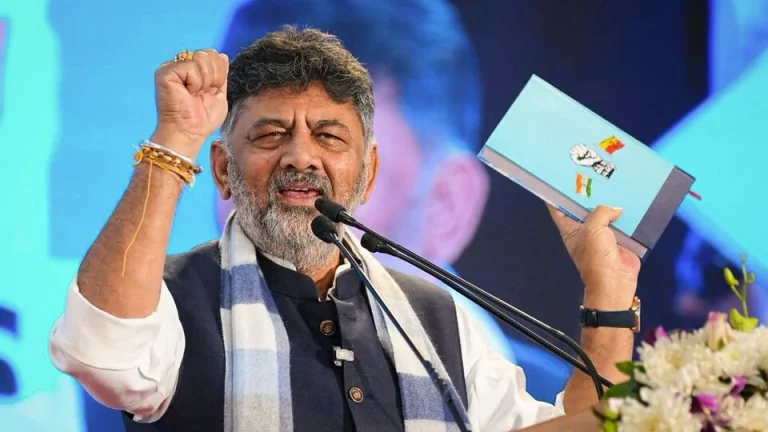
Karnataka CM Tussle: DK Shivakumar’s Stunning ‘Not in Hurry’ Statement

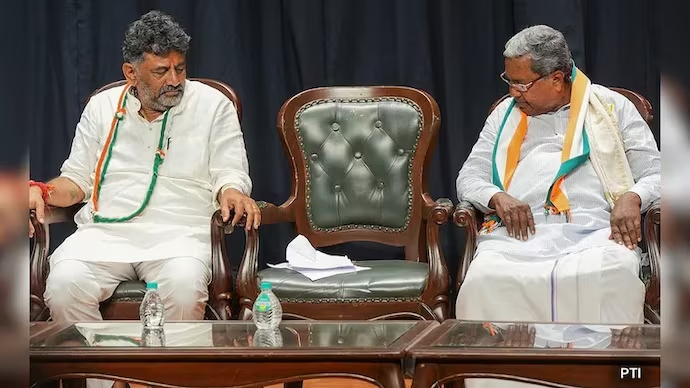
Karnataka – Deputy Chief Minister DK Shivakumar has categorically denied holding any discussions about replacing Siddaramaiah as Chief Minister, even as the Karnataka CM tussle continues to dominate state political discourse. Speaking on Thursday, Shivakumar insisted that he is “not in a hurry for anything,” attempting to defuse mounting speculation about an imminent leadership change in the state government.

No Mumbai Discussions on Leadership

In his statement addressing the Karnataka CM tussle, Shivakumar clarified that he had not met top party leaders during his recent visit to Mumbai. He emphasized that if any discussions regarding the chief ministerial position were to occur, they would take place in Bengaluru or Delhi, not in Mumbai. This clarification came amid widespread speculation that backroom negotiations were underway to resolve the leadership question.

The Deputy Chief Minister’s remarks regarding the Karnataka CM tussle appear designed to calm tensions while maintaining his position in what has become an increasingly public dispute. By stating he is “not in a hurry,” Shivakumar signals patience while not entirely dismissing his aspirations for the top post.

Origins of the Power Struggle

The Karnataka CM tussle traces its roots to an alleged “power-sharing agreement” dating back to 2023 between Siddaramaiah and Shivakumar. This arrangement, frequently referenced in political circles, has become the central point of contention in the current leadership crisis. The agreement reportedly outlined a formula for sharing the chief ministerial position between the two leaders during the five-year term.

While Shivakumar has occasionally alluded to a “secret deal” in the context of the Karnataka CM tussle, he recently described any such arrangement as restricted to just “five-six” Congress insiders. He declined to elaborate publicly, arguing that open discussion would only weaken the party. This reluctance to provide details has fueled further speculation about the actual terms of any agreement.

Battle of Subtle Messages

The Karnataka CM tussle has manifested through carefully crafted public statements and social media posts. Shivakumar recently made a cryptic post stating that “keeping one’s word is greatest strength” and “word power is world power.” This message was widely interpreted as a subtle nudge to the party high command, reminding them of alleged commitments made regarding leadership rotation.

Chief Minister Siddaramaiah responded to the Karnataka CM tussle with his own carefully worded remarks, interpreted by many observers as a direct counter to his deputy. His response underlined the simmering friction at the top of state politics and his determination to serve the full five-year term. This exchange of veiled messages has brought the internal party conflict into public view.

Additional Contender Emerges

The Karnataka CM tussle has become more complex with Karnataka Home Minister G Parameshwara implying that he remains in the race for the Chief Minister’s post. His entry into the discussion comes amid demands from Dalit organizations for a Dalit Chief Minister, adding another dimension to the leadership dispute.

Parameshwara’s positioning in the Karnataka CM tussle reflects broader caste-based political calculations within the Congress party. His candidacy represents the aspirations of Dalit communities for representation at the highest level of state government, complicating what was initially a two-way contest between Siddaramaiah and Shivakumar.

Congress High Command Intervention

The Karnataka CM tussle has reached a stage where central party intervention appears imminent. Top party leadership, including Congress President Mallikarjun Kharge and Rahul Gandhi, are reportedly preparing to convene for talks with both state leaders to resolve the leadership question definitively.

The high command’s involvement in the Karnataka CM tussle reflects concerns that the public nature of the dispute could damage the party’s image and governance effectiveness. Kharge, himself from Karnataka and once considered a potential chief minister, brings both local knowledge and national authority to the mediation effort.

Strategic Patience or Political Calculation

Shivakumar’s assertion that he is “not in a hurry” regarding the Karnataka CM tussle can be interpreted multiple ways. It may represent genuine patience and deference to party leadership, or it could be a strategic positioning to appear reasonable while maintaining pressure for eventual leadership transition.

The Karnataka CM tussle places Shivakumar in a delicate position. Appearing too eager could alienate party leadership and public opinion, while remaining entirely silent might suggest weakness or abandonment of his claims. His current approach attempts to balance these competing considerations.

Implications for Governance

The ongoing Karnataka CM tussle raises concerns about its impact on state governance and policy implementation. Public leadership disputes can distract from administrative priorities and create uncertainty among bureaucrats and party workers about whose directives to follow. The Congress party faces pressure to resolve the Karnataka CM tussle quickly to maintain effective governance.

Unresolved Contest

As the Karnataka CM tussle continues, the contest for Karnataka’s top post remains unresolved. Shivakumar maintains he’s playing the long game, emphasizing patience and party loyalty. Meanwhile, party insiders await clarity from the Congress high command on how to definitively settle the leadership question.

The Karnataka CM tussle exemplifies broader challenges facing the Congress party in managing internal power dynamics and generational transitions. How the party resolves this dispute may set precedents for handling similar conflicts in other states where leadership succession questions arise.

Immigration Reforms Trump: Dramatic Policy Overhaul Announced After Attack

Washington D.C. – President Donald Trump announced comprehensive immigration reforms Trump administration will implement, declaring on Thursday his intention to “permanently pause migration from all Third World Countries” and launch what he described as “reverse migration” to restore order in the United States. The sweeping proposals mark one of the most aggressive immigration policy announcements in recent American history.

Core Components of Immigration Reforms Trump Proposed

The immigration reforms Trump outlined encompass multiple dimensions of migration policy, touching on admission procedures, benefit eligibility, and deportation protocols. In a fiery social media post, the President argued that immigration policies had weakened the country despite technological progress, claiming the United States needed time “to fully recover” from what he characterized as years of mismanagement.

The President’s announcement represents a fundamental restructuring of American immigration policy, with implications for millions of individuals currently residing in or seeking entry to the United States. These immigration reforms Trump proposed respond directly to recent security incidents and reflect long-standing concerns within his administration about border security and national identity.

Termination of Previous Administration’s Approvals

A central element of the immigration reforms Trump announced involves reversing decisions made during the Biden administration. The President vowed to terminate “millions of Biden illegal admissions,” including those he alleged were approved under President Joe Biden’s “Autopen.” This reference suggests Trump intends to challenge the validity of immigration approvals made through automated or expedited processes.

The immigration reforms Trump detailed include pledges to remove anyone deemed “not a net asset to the United States” or “incapable of loving our Country.” These subjective criteria raise questions about implementation mechanisms and the legal standards that will guide such determinations. The broad language suggests extensive discretionary authority for immigration officials in evaluating individual cases.

Federal Benefits Elimination

The immigration reforms Trump proposed include ending all federal benefits for non-citizens, representing a significant policy shift that would affect various categories of immigrants, including legal permanent residents who have not yet naturalized. This aspect of the proposal could impact healthcare access, nutritional assistance, housing support, and other federally funded programs currently available to non-citizens.

By eliminating federal benefits, the immigration reforms Trump outlined aim to reduce what the administration characterizes as incentives for immigration and burdens on American taxpayers. Critics argue such policies could create humanitarian concerns and potentially violate international obligations, though the administration maintains that prioritizing citizens’ welfare represents responsible governance.

Denaturalization and Deportation Protocols

Among the most controversial immigration reforms Trump announced is the proposal to denaturalize migrants who “undermine domestic tranquility.” Denaturalization—the process of stripping citizenship from naturalized Americans—has historically been rare and typically reserved for cases involving fraud in the naturalization process or concealment of material facts.

The immigration reforms Trump detailed expand deportation criteria to include any foreign national considered a public charge, security risk, or “non-compatible with Western Civilization.” This last criterion introduces cultural compatibility as an immigration standard, marking a departure from traditional merit-based or family-based immigration frameworks. The immigration reforms Trump proposed would grant authorities significant latitude in determining cultural compatibility.

Also Read: Green Card Crackdown: Trump’s Sweeping Immigration Review Explained

Reverse Migration Concept

A distinctive feature of the immigration reforms Trump announced involves what he termed “reverse migration.” The President argued that only reverse migration could resolve what he called illegal and disruptive population growth. While the precise mechanics of reverse migration remain unclear, the concept appears to involve actively encouraging or compelling immigrants to leave the United States and return to their countries of origin.

The immigration reforms Trump outlined through reverse migration suggest not merely halting new arrivals but actively reducing the existing immigrant population. Implementation would require substantial resources, legal frameworks, and potentially cooperation from receiving countries. The immigration reforms Trump proposed through reverse migration represent an unprecedented approach to population management.

Third World Migration Pause

The immigration reforms Trump announced include a permanent pause on migration from Third World countries, a term that encompasses developing nations across Africa, Asia, Latin America, and other regions. This broad geographical scope would affect immigration from the majority of the world’s nations, fundamentally altering America’s traditional role as a destination for global immigration.

The immigration reforms Trump proposed through this pause raise questions about compatibility with existing treaty obligations, family reunification policies, and economic immigration programs. The blanket nature of the pause, rather than country-specific restrictions, represents a maximalist approach to immigration reduction.

National Recovery Rationale

The President framed the immigration reforms Trump administration will pursue as necessary for national recovery. He argued that the United States needed breathing room to address internal challenges before accepting additional immigrants. This rationale positions the immigration reforms Trump proposed as temporary emergency measures, though the use of “permanent pause” suggests longer-term implementation.

Holiday Message and Tone

The President concluded his announcement of immigration reforms Trump would implement with a sharply worded Thanksgiving message: “HAPPY THANKSGIVING TO ALL, except those that hate, steal, murder, and destroy everything that America stands for, You won’t be here for long!” This statement reinforced the enforcement-focused nature of the proposed policies and signaled the administration’s determination to implement the immigration reforms Trump announced swiftly and comprehensively.

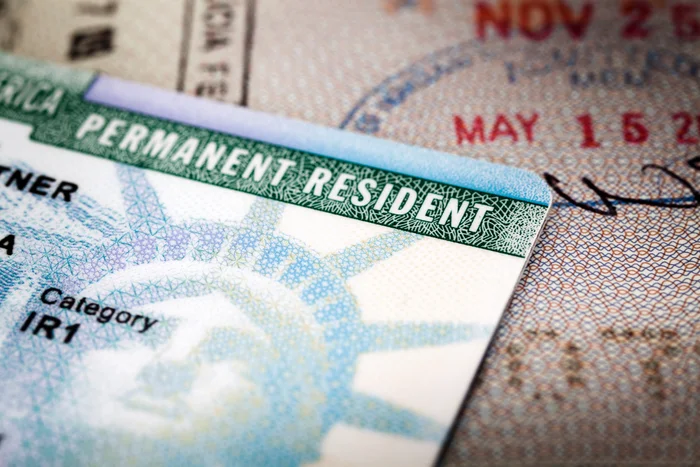
Green Card Crackdown: Trump’s Sweeping Immigration Review Explained

Washington D.C. – The Trump administration has initiated a comprehensive green card crackdown following a shooting incident near the White House involving an Afghan national. US Citizenship and Immigration Services (USCIS) Director Joseph Edlow announced that he has directed a “full-scale, rigorous reexamination of every Green Card for every alien from every country of concern” at President Donald Trump’s request, marking a significant shift in immigration policy.

Catalyst for Policy Change

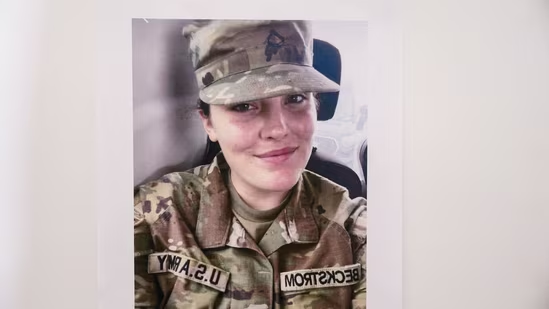
The green card crackdown comes in direct response to a tragic security incident that occurred Wednesday near the White House in Washington, DC. Afghan national Rahmanullah Lakanwal opened fire at two National Guard service members, resulting in the death of US Army Specialist Sarah Beckstrom, 20, while US Air Force Staff Sergeant Andrew Wolfe, 24, remains in critical condition.

Lakanwal entered the United States in 2021 as part of a program from the previous administration that evacuated and resettled thousands of Afghans following the chaotic US withdrawal from Afghanistan. Significantly, his asylum was approved after Trump became president, adding complexity to the political narrative surrounding the green card crackdown.

USCIS Director’s Statement

Director Joseph Edlow issued a strong statement on social media platform X, emphasizing the administration’s commitment to national security through this green card crackdown. “At the direction of @POTUS, I have directed a full scale, rigorous reexamination of every Green Card for every alien from every country of concern,” Edlow declared.

The USCIS director sharply criticized the previous administration’s approach to refugee resettlement. “The protection of this country and of the American people remains paramount, and the American people will not bear the cost of the prior administration’s reckless resettlement policies. American safety is non-negotiable,” he added, framing the green card crackdown as a necessary security measure.

Scope of the Review

The green card crackdown represents an unprecedented examination of immigration status for individuals from designated high-risk nations. The new policy guidance enables USCIS officials to consider country-specific factors from 19 designated ‘high-risk countries’ during the review of immigration requests. This comprehensive approach aims to identify potential security threats among current green card holders.

USCIS, which operates under the Department of Homeland Security, stated in its announcement that the policy guidance takes effect immediately and applies to requests pending or filed on or after November 27. This swift implementation demonstrates the urgency the administration places on the green card crackdown measures.

Also Read: US Ends Immigration From Afghanistan: Dramatic Action After White House Attack

Designated High-Risk Countries

The green card crackdown specifically targets individuals from 19 countries identified as presenting elevated security concerns. These nations are Afghanistan, Myanmar, Burundi, Chad, the Republic of the Congo, Cuba, Equatorial Guinea, Eritrea, Haiti, Iran, Laos, Libya, Sierra Leone, Somalia, Sudan, Togo, Turkmenistan, Venezuela, and Yemen.

These are the same countries that Trump announced a travel ban on in a proclamation issued in June this year, establishing a consistent pattern in the administration’s immigration policy. The green card crackdown essentially extends existing travel restrictions into a broader review of immigration status for individuals already residing in the United States.

Impact on Indian Community

A critical question for many observers concerns whether Indians will be affected by the green card crackdown. The answer is definitively no. Indians residing in the United States will not be affected by this comprehensive review of green card holders. India does not appear on the list of 19 designated high-risk countries subject to the enhanced scrutiny measures.

This exemption provides significant relief to the substantial Indian immigrant community in the United States, many of whom hold green cards or are in various stages of the immigration process. The green card crackdown’s limited scope to specific nations means Indian nationals can proceed with their immigration processes without additional concerns stemming from this policy change.

Understanding Green Cards

The US government issues Green Cards, also known as Permanent Residence Cards, which grant holders lawful permanent resident status. This status provides a pathway to US citizenship after a set period, typically three to five years, and allows individuals to reside and work in the country indefinitely. The green card crackdown puts these privileges under renewed scrutiny for individuals from designated countries.

Green card holders enjoy numerous benefits, including the ability to live and work anywhere in the United States, sponsor certain relatives for immigration, and eventually apply for citizenship. The green card crackdown potentially places these rights in jeopardy for thousands of individuals from the 19 targeted nations.

Political Context

The green card crackdown reflects broader tensions within American immigration policy. The Trump administration has consistently blamed the Biden administration for what it characterizes as insufficiently rigorous vetting procedures, particularly regarding Afghan refugees evacuated during the 2021 withdrawal. This latest policy initiative represents the administration’s attempt to address perceived security vulnerabilities in the immigration system.

Implementation Timeline

The immediate implementation of the green card crackdown means affected individuals may face enhanced scrutiny beginning November 27. USCIS officials will conduct comprehensive reviews of existing green card holders from the 19 designated countries, examining their backgrounds, activities, and potential security concerns. The full scope and duration of these reexaminations remain unclear, though the administration has emphasized thoroughness over speed in conducting the green card crackdown.

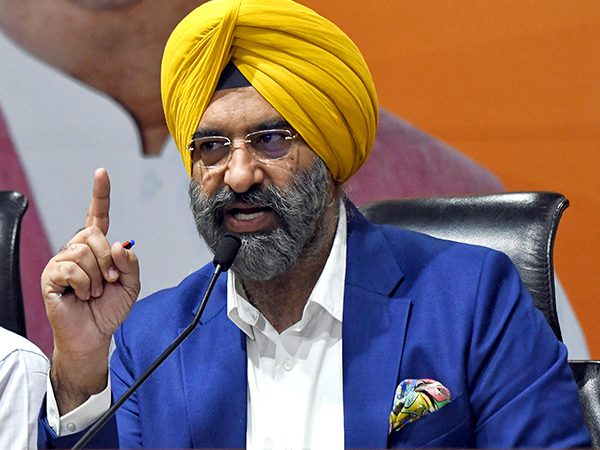
Air Quality Monitoring Stations: Delhi’s Bold Expansion Plan Revealed

New Delhi – Delhi is set to significantly expand its environmental surveillance capabilities with the addition of six new air quality monitoring stations in strategically selected green zones across the capital. Environment Minister Manjinder Singh Sirsa announced on Thursday that commissioning of these continuous ambient air quality monitoring stations (CAAQMS) is expected by January 15, following delays caused by tendering complications.

Network Expansion Details

The introduction of six new air quality monitoring stations will substantially enhance Delhi’s pollution tracking infrastructure. Once operational, the total number of stations under the Delhi Pollution Control Committee (DPCC) will increase from 24 to 30, while the city’s overall monitoring network will expand from 40 to 46 stations. This expansion represents a significant investment in environmental data collection and analysis capabilities.

Currently, the city’s air quality monitoring stations are distributed among multiple agencies. Sixteen stations are operated by the Central Pollution Control Board (CPCB), eight by the India Meteorological Department (IMD), and two by the Indian Institute of Tropical Meteorology (IITM). The six new air quality monitoring stations will add to DPCC’s existing network, strengthening localized pollution tracking capabilities.

Strategic Location Selection

The placement of these air quality monitoring stations follows a deliberate strategy focused on greener, relatively cleaner areas of Delhi. Three of the six stations will be established within green academic campuses: Jawaharlal Nehru University (JNU), Indira Gandhi National Open University (IGNOU), and Netaji Subhash University (West Campus). These educational institutions provide ideal locations due to their expansive green spaces and relatively lower pollution exposure.

The remaining three air quality monitoring stations will be positioned in ecologically significant zones. One station will be installed deep inside the Central Ridge at the ISRO Earth station near Malcha Mahal, another at Delhi Cantonment, and the third at the Commonwealth Games Sports Complex in east Delhi. These locations were specifically chosen for being free of encumbrances, with no construction or legal impediments that could delay deployment.

Overcoming Tendering Challenges

The rollout of these air quality monitoring stations faced significant procedural hurdles. Originally scheduled for completion by August, the project encountered delays during the tendering process. An initial tender issued in June attracted only one bidder, which was subsequently rejected by authorities. The DPCC then issued a second tender, which concluded successfully with multiple bidders participating.

Minister Sirsa explained the timeline: “The bidding process was completed successfully and this time, the work order has also been awarded. Work will be completed in two months and we plan to commission the stations by January 15.” The minister had first announced the plan on April 15, with the initial deadline set for August to ensure the air quality monitoring stations would be fully operational by winter.

Also Read: Grap 3 Restrictions Revoked: Shocking Decision Amid Delhi’s Toxic Air

Comprehensive Monitoring Capabilities

The new air quality monitoring stations will feature advanced equipment capable of measuring an extensive range of pollutants and meteorological parameters. Minister Sirsa detailed the comprehensive monitoring capabilities: “The pollutants measured will include particulate matter (PM2.5 and PM10), sulphur dioxide (SO2), oxides of nitrogen (NO, NO2, NOₓ), ammonia (NH3), carbon monoxide (CO), ozone (O3) and BTEX (benzene, toluene, ethylbenzene and xylene).”

Beyond pollutant tracking, these air quality monitoring stations will also collect crucial meteorological data. Wind speed, wind direction, temperature, humidity, rainfall, and solar radiation will all be continuously monitored, providing valuable context for understanding pollution patterns and dispersion.

Third-Party Operations and Maintenance

The six new air quality monitoring stations will be operated and maintained by a third-party vendor selected through the competitive bidding process. This operational model ensures professional management with 24×7 operations, routine and preventive maintenance, and periodic calibration according to recognized protocols. The contract includes provisions for security, continuous technical support, and stringent penalties for prolonged downtime or non-performance.

According to tender documents, the winning bidders will operate and maintain the air quality monitoring stations for the next 10 years. Once the contract is finalized, the DPCC and environment department will hand over the six sites for construction, operationalization, and long-term upkeep, ensuring continuity and reliability in data collection.

Strategic Environmental Impact

An environment department official confirmed that selected locations are “free of any encumbrances for the winning bidders,” facilitating smooth deployment of the air quality monitoring stations. The strategic placement in greener or low-pollution zones may influence the city’s overall average air quality index (AQI), potentially providing a more comprehensive picture of pollution distribution across Delhi.

Minister Sirsa emphasized the broader environmental significance: “By expanding our high-quality monitoring network, Delhi is building a stronger safety net around the national capital and moving towards cleaner air through evidence-based decisions.” The expanded network of air quality monitoring stations will enable more precise identification of pollution sources and better-informed policy interventions.

Timeline and Future Outlook

The revised commissioning schedule targets January 15, placing the air quality monitoring stations operational during the peak pollution season when monitoring is most critical. This timing will allow immediate utilization of the enhanced monitoring capabilities during winter months when Delhi typically experiences its worst air quality episodes.

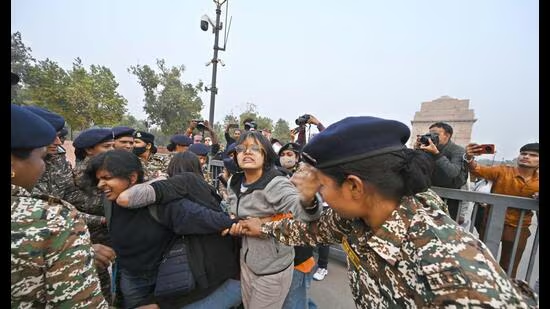
India Gate Violence: Shocking Police Custody Order and Digital Evidence Mystery

0

New Delhi – A Delhi court has remanded four individuals to police custody for two days in connection with the India Gate violence case that emerged from a November 23 protest against air pollution. Judicial Magistrate Sahil Monga ruled that custody was necessary for the investigation, though not for the full duration requested by authorities, marking a significant development in the controversial case.

Digital Evidence Complications

Investigators have revealed troubling findings regarding the seized phones of arrested students involved in the India Gate violence incident. The devices contained “auto-delete” features and formatted data, significantly hampering access to media files and chat logs. A senior police officer confirmed that many media files and chat logs are missing, suggesting a deliberate attempt to erase material before seizure.

“Much of the phone evidence is no longer readily accessible,” police conceded to the court. All seized devices have now been sent to the Forensic Science Laboratory (FSL) to retrieve and reconstruct deleted content, a process that could prove crucial in establishing the sequence of events during the India Gate violence.

Court’s Balanced Approach

In granting the custody order related to the India Gate violence case, Judicial Magistrate Sahil Monga emphasized the complexity of the investigation. “Considering the nature of allegations, the stage of investigation, recovery of digital devices and the need for confrontation, identity verification and device examination, this court finds police custody remand necessary, though not for the period requested,” the magistrate stated.

The court took note of various recoveries claimed by police, including six unlabelled spray bottles seized from students near Parliament Street. However, court documents indicate no verified evidence yet confirms that pepper spray was actually used on police officers during the India Gate violence.

Allegations of Extremist Links

Police investigators presented serious allegations in their remand plea regarding the India Gate violence accused. Evidence has allegedly surfaced showing that the accused expressed support for militant movements linked to Jharkhand and groups affiliated with Naxalite ideology. Police cited a video recorded at the Press Club on November 14, accessed during the probe, where an accused was allegedly heard supporting the militant movement of Jharkhand.

Also Read: Grap 3 Restrictions Revoked: Shocking Decision Amid Delhi’s Toxic Air

“They were holding posters protesting the death of Naxalite leader Madvi Hidma and shouting a slogan that translates to, ‘The more you kill Hidma, the more Hidma will emerge from every home’,” police stated in their plea. Investigators further claimed, “There is strong suspicion that the accused have deep-rooted links with anti-national Naxalite and militant movements. The extent of these associations is still being probed and must be unearthed in detail.”

Video Evidence and Online Activity

Police told the court that videos on social media platforms showed some accused attending the 50th anniversary of the Radical Students Union (RSU), described as a “banned Maoist-linked front organisation.” The accused allegedly participated in events “supporting Maoist figure Basavaraj, killed by security forces on May 21,” according to investigators examining the India Gate violence case.

Several online videos allegedly showed the accused raising slogans including “Lal Salaam.” Footage from Parliament Street reportedly shows them blocking police, confronting officers, holding sit-ins demanding the release of ‘comrades’, and even pushing or striking constables despite repeated warnings to disperse during the India Gate violence incident.

Allegations of Resistance and Misconduct

ACP Upasana Pandey of Nandgram circle provided detailed accounts of alleged resistance during detention. “We found that several students had supplied false addresses and withheld identity details, possibly to avoid verification. Some women accused, detained at night, allegedly resisted detention by pushing officers, shouting, throwing a printer, damaging ‘important files’, and breaking equipment inside the police station,” Pandey stated regarding the India Gate violence suspects.

She added, “These four women provided false personal details and were unwilling to cooperate during night detention. They confronted officers, pushed them, threw a printer and broke it. They also damaged crucial files. These acts were directed at female staff, making the situation more hostile.”

Defense Maintains Innocence

A lawyer representing the accused in the India Gate violence case strongly rejected police claims. “We are still waiting for the police to show us the evidence. They are making large claims with zero proof. They’re trying to frame students,” the defense counsel asserted.

Student groups have maintained that the protest was “for clean air, not politics.” A Delhi University law student present during the arrests described witnessing friends being physically mistreated. “I saw my friend pinned to the ground and beaten—even inside the police station—but now the police is spinning terror links. We will seek bail for everyone tomorrow,” the student stated.

Investigation Continues

The India Gate violence case continues to develop as forensic experts work to retrieve deleted data from seized devices. The two-day police custody period will allow investigators to conduct confrontations, verify identities, and examine digital devices thoroughly. As the probe intensifies, the contrasting narratives between police allegations and defense claims regarding the India Gate violence will require careful judicial scrutiny.

National Guard Shooting: Tragic Death Near White House Shakes Nation

Washington D.C. – The nation mourns the loss of Specialist Sarah Beckstrom, a West Virginia National Guard member who succumbed to injuries sustained in a National Guard shooting near the White House on Wednesday, November 26. President Donald Trump announced the tragic death on Thursday, describing Beckstrom as a “highly respected, young, magnificent person” who is “no longer with us.”

Details of the Fatal Incident

The National Guard shooting occurred just blocks away from the White House, a day before Thanksgiving, when a gunman opened fire on two West Virginia National Guard troops who were on patrol duty. Sarah Beckstrom, 20, and Andrew Wolfe, 24, became victims of this unprovoked attack that has sent shockwaves throughout the nation. President Trump was not present at the White House when the National Guard shooting took place.

The incident has raised serious concerns about security in the nation’s capital and the safety of military personnel deployed for protective duties. Both victims were fulfilling their service obligations when they were targeted in this senseless act of violence.

Presidential Response and Condolences

President Trump expressed deep sorrow over the National Guard shooting during his address to the media. He provided updates on both victims, noting that Andrew Wolfe remains in “very bad shape” and is “fighting for his life.” The President expressed hope for better news regarding Wolfe’s condition but acknowledged the severity of his injuries.

Governor Patrick Morrisey of West Virginia also confirmed Sarah Beckstrom’s death through a social media post, writing, “A few moments ago, Specialist Sarah Beckstrom passed away from the injuries sustained during yesterday’s horrific shooting. This is not the result we hoped for, but it is the result we all feared.”

Tribute to a Fallen Hero

Governor Morrisey paid tribute to Beckstrom’s service and character following the National Guard shooting tragedy. He stated, “Sarah served with courage, extraordinary resolve, and an unwavering sense of duty to her state and to her nation. She answered the call to serve, stepped forward willingly, and carried out her mission with the strength and character that define the very best of the West Virginia National Guard.”

The 20-year-old specialist’s dedication to duty and her ultimate sacrifice have been recognized by officials at both state and federal levels. Her death represents a profound loss not only for her family and the West Virginia National Guard but for the entire nation.

Suspect Identification and Condition

The suspect in the National Guard shooting has been identified as 29-year-old Rahmanullah Lakanwal, an Afghan national who entered the United States in 2021. President Trump referred to the suspect as a “monster” and confirmed that he is also in “serious condition” following the incident. The circumstances of how the suspect sustained injuries have not been fully detailed in official statements.

Lakanwal’s entry into the United States came through Operation Allies Welcome, a program implemented under the Biden administration to evacuate and resettle Afghan nationals following the withdrawal of American forces from Afghanistan.

Political Implications and Immigration Debate

The National Guard shooting has sparked intense political debate regarding immigration policies and vetting procedures. President Trump used the incident to criticize the previous administration’s handling of Afghan refugee resettlement. “As you know the DHS has confirmed that the suspect is an Afghan national flown here by the previous administration, who was such a bad administration,” Trump stated during his media address.

In a video message released Wednesday night, before announcing Beckstrom’s death, Trump called for the reinvestigation of all Afghan refugees who entered the country under the Biden administration. “If they can’t love our country, we don’t want them,” he declared, characterizing the National Guard shooting as “a crime against our entire nation.”

Potential Terrorism Charges

US Attorney General Pam Bondi indicated that the suspect in the National Guard shooting might face terrorism charges. This development suggests that federal authorities are treating the attack as potentially motivated by extremist ideology rather than as an isolated criminal act. The investigation into the suspect’s background, motivations, and potential connections to terrorist organizations continues.

The possibility of terrorism charges elevates the National Guard shooting from a local security incident to a matter of national security concern, potentially influencing future policy decisions regarding refugee vetting and military deployment in the capital.

Security Concerns and Future Implications

The National Guard shooting has raised critical questions about the security protocols surrounding military personnel deployed in and around the nation’s capital. The fact that two service members were targeted while on routine patrol duty suggests potential vulnerabilities in current security arrangements.

This tragic National Guard shooting incident will likely prompt comprehensive reviews of protection measures for military personnel serving in domestic assignments, particularly those in high-profile locations. The attack occurred during what should have been a routine patrol, highlighting the unpredictable nature of threats facing service members even on home soil.

As the investigation continues and Andrew Wolfe fights for his life, the nation remembers Specialist Sarah Beckstrom’s service and sacrifice while grappling with the broader implications of this devastating National Guard shooting.

User-Generated Content Regulation: Supreme Court Orders Critical New Framework

New Delhi – The Supreme Court has issued a landmark directive emphasizing the urgent need for effective user-generated content regulation mechanisms across digital platforms. In a significant judgment delivered on Thursday, the court ordered the Centre to draft comprehensive guidelines within four weeks following public consultations, addressing the growing concerns over accountability and oversight of online content.

The Court’s Vision for Content Oversight

Chief Justice of India Surya Kant and Justice Joymalya Bagchi, presiding over the bench, articulated a clear vision for user-generated content regulation that balances freedom of expression with societal responsibility. The court emphasized that regulations should not “throttle” anyone but create a “sieve” to filter inappropriate content. The bench highlighted a critical legal gap where content creators face no accountability for material uploaded on online platforms.

“This is something very strange that I create my own platform and channel but there is no accountability. There must be a sense of responsibility attached to such content,” the bench observed, underscoring the fundamental challenge in current user-generated content regulation frameworks.

Origins of the Legal Challenge

The case emerged from podcaster Ranveer Gautam Allahbadia’s petition seeking protection from multiple cases filed over his vulgar remarks on India’s Got Latent, a show broadcast on YouTube. The court had previously, in March, requested the Centre to provide guidelines specifically addressing obscene and undignified speech online. This petition has now evolved into a broader examination of user-generated content regulation across all digital platforms.

The Supreme Court’s intervention reopens fundamental tensions in content moderation, particularly as both technology companies and regulatory authorities struggle to prevent abuse effectively. The challenge becomes especially acute on video platforms and podcasts, where audio-visual formats make detection of unlawful or denigrating content significantly more difficult than text-based material.

Proposed Regulatory Mechanisms

Attorney General R Venkataramani presented a detailed note from the Ministry of Information and Broadcasting suggesting amendments to the Code of Ethics under the Information Technology Rules, 2021. These proposed changes for user-generated content regulation incorporate separate guidelines addressing obscenity, accessibility for online curated content, and emerging challenges like artificial intelligence and deepfakes.

Also Read: Karnataka Power Tussle: Kharge Promises Swift Resolution Before December

The Centre’s proposal classifies online curated content under four distinct categories: U rating for content suitable for all children, U/A rating divided into three subcategories (children below 7 years, between 7-13 years, and above 16 years), and A rating exclusively for adult content. This classification system aims to establish clearer boundaries for user-generated content regulation.

Age Verification and Preventive Measures

A critical component of the proposed user-generated content regulation involves implementing stronger age-verification mechanisms. The court questioned the adequacy of current one-line disclaimers that viewers barely register before objectionable material begins playing. Chief Justice Kant noted, “A warning of one line and then the video starts—by the time a person understands the warning, it is already there.”

The bench suggested that videos containing adult content should verify user age through Aadhaar or PAN card authentication before becoming accessible, supplemented by appropriate disclaimers. This represents a significant enhancement in user-generated content regulation compared to existing minimal safeguards.

Challenges with Current Self-Regulatory Bodies

The court expressed skepticism about existing self-regulatory mechanisms, questioning their effectiveness in user-generated content regulation. When informed about self-regulatory bodies headed by former judges and industry associations handling complaints, the bench observed, “Is there a single instance of any action taken. If the problem has been taken care of, then why are these incidents happening.”

The court emphasized that “these self-styled bodies cannot be effective” and called for an autonomous body free from influence of platform operators. This criticism extends to questioning whether intermediaries would genuinely regulate content that is “per se anti-national” or disruptive of societal values without independent oversight.

Timing and Viral Content Concerns

A significant challenge identified in user-generated content regulation is the timing gap between content upload and removal. The court noted, “By the time the platform and takedown is ordered after 48 or 72 hours, it becomes viral. So how to plug that gap.” This observation highlights the need for preventive mechanisms rather than reactive measures in user-generated content regulation.

Solicitor General Tushar Mehta acknowledged governmental recognition of this challenge, stating, “Freedom of speech is a valuable right but it cannot lead to perversity and obscenity. Today young boys and girls have easy access to technology.”

Balancing Rights and Responsibilities

Senior advocate Prashant Bhushan raised concerns that overly broad guidelines could damage freedom of expression rights, citing instances of social media accounts being blocked for genuine dissent against government actions. The court assured that user-generated content regulation would be applied on a trial basis, stating, “We will not put a seal of approval if we find these provisions are used to gag someone.”

The bench emphasized protecting multiple fundamental rights: “Freedom of speech and expression has to be protected and respected but the society and innocent children also have a fundamental right of dignity.”

Karnataka Congress Turmoil: Explosive Power Struggle Between Siddaramaiah and Shivakumar

Karnataka – The Karnataka Congress turmoil reached new heights on Thursday, November 27, as Chief Minister Siddaramaiah and his deputy DK Shivakumar engaged in a very public exchange of pointed messages. What has emerged is a full-blown leadership crisis within the state’s ruling party, with both leaders deploying similar vocabulary about keeping one’s “word” while staking their claims to the top position.

The Battle of Words

The Karnataka Congress turmoil manifested through carefully crafted social media posts that revealed the depth of discord between the two leaders. Deputy Chief Minister DK Shivakumar, 63, initiated the exchange with a post emphasizing the importance of keeping promises. His message declared that “keeping one’s word is the greatest strength in the world” and stressed that “everyone has to walk the talk.” The post concluded with a powerful assertion: “Word power is World power.”

This was widely interpreted as a public reminder to the party leadership about an alleged promise that Shivakumar would assume the chief minister’s role for the second half of the government’s five-year term. The state government completed 2.5 years in office on November 20, marking what many see as a critical juncture in the Karnataka Congress turmoil.

Siddaramaiah’s Strong Response

Hours later, Chief Minister Siddaramaiah, 77, delivered his response, employing similar vocabulary while making clear his intention to serve the full term. His post emphasized that “the mandate given by the people of Karnataka is not a moment, but a responsibility that lasts five full years.” He countered Shivakumar’s “word power” concept by stating, “A Word is not power unless it betters the World for the people.”

The Chief Minister further asserted that their commitment to Karnataka means “the World to us,” and proceeded to list his accomplishments and future plans. He referenced his earlier term as Chief Minister from 2013 to 2018, claiming that 157 of 165 promises were fulfilled with over 95 percent delivery. For the current term, he stated that 243 out of 593 promises are already completed, with every remaining commitment to be fulfilled “with commitment, credibility, and care.”

The Controversial 2.5-Year Formula

At the heart of the Karnataka Congress turmoil lies the contentious “2.5-year formula”—an arrangement that has become a recurring source of internal conflict within the party. While Congress has not officially acknowledged such an agreement, DK Shivakumar recently mentioned a “secret deal” without elaborating further. This formula typically involves a power-sharing arrangement where a veteran leader and younger successor split the chief minister’s tenure equally.

Also Read: Karnataka Power Tussle: Kharge Promises Swift Resolution Before December

The Karnataka Congress turmoil mirrors similar crises the party has faced in other states. This formula has previously emerged in Rajasthan and Chhattisgarh, both of which subsequently lost power in following elections. The pattern suggests that such internal arrangements, whether official or perceived, create significant challenges for party unity and electoral prospects.

Historical Parallels and Cautionary Tales

The current Karnataka Congress turmoil bears striking resemblance to previous party disputes. In Rajasthan in 2020, a power struggle erupted between Chief Minister Ashok Gehlot, approaching 70, and his deputy Sachin Pilot, who was barely 45. Despite an open rebellion, Pilot could not secure sufficient support and lost his positions as deputy CM and state Congress chief, though he remained with the party.

Similarly, Chhattisgarh witnessed rivalry between Chief Minister Bhupesh Baghel and minister TS Singh Deo. The 2.5-year formula in that state was intended to balance factions after the 2018 election victory. Unlike Pilot, TS Singh Deo chose persistent internal pressure over open rebellion. The Gandhis eventually brokered a tactical truce in June 2023, making him deputy CM just months before assembly elections. However, Congress did not retain power in either state.

The Karnataka Congress turmoil also reflects broader challenges the party has faced with generational transitions. Similar feuds over leadership succession have apparently damaged the party’s prospects in Punjab and Madhya Pradesh over the past decade.

High Command’s Position

Congress President Mallikarjun Kharge, himself from Karnataka and once considered a potential chief minister, has stated that decisions regarding the Karnataka Congress turmoil will be made exclusively by the high command—essentially Sonia Gandhi, Rahul Gandhi, and himself. He emphasized that such matters should not be discussed publicly, attempting to contain the growing controversy.

The Generational Challenge

The Karnataka Congress turmoil fundamentally represents a generational shift challenge. With Siddaramaiah at 77 and Shivakumar at 63, the question of succession timing remains contentious. The public nature of their dispute, conducted through social media posts and thinly veiled references, demonstrates how the Karnataka Congress turmoil has moved beyond private disagreements to become a spectacle that could impact the party’s credibility and governance effectiveness in the state.