Monday, April 27, 2026
Home Blog Page 118

BMC Results 2026 Spotlight a 14-Year Wealth Journey Ending in a 1900 Percent Jump

BMC Election Results 2026: Richest Candidate’s Wealth Jumps 1900 Percent in 14 Years

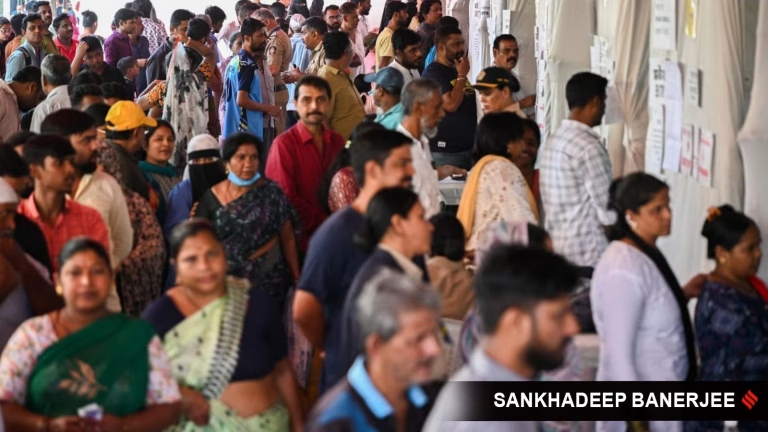
The results of the Brihanmumbai Municipal Corporation(BMC) elections in 2026 have once again turned the spotlight on the rising wealth of political candidates with one name standing out sharply. The richest candidate in this year’s BMC elections has reported a staggering increase in personal assets of nearly 1900 percent over the last 14 years raising fresh questions about wealth accumulation and transparency in local politics.BMC building

According to election affidavits filed over multiple election cycles the candidate’s declared assets have grown dramatically since first entering the political arena in the early 2010s. What began as modest wealth has now multiplied into a massive fortune placing the candidate far ahead of others contesting the civic polls.

From Modest Beginnings to Massive Wealth

Data from past election records show that the candidate’s assets were relatively limited during their initial political stint. Over the years however there has been a steady and sharp rise in declared wealth including investments in real estate businesses and financial instruments. The growth trajectory has drawn attention because it far exceeds average income growth trends even in a city like Mumbai.

Political observers note that while wealth growth among politicians is not uncommon the scale of increase in this case is exceptional. A 1900 percent jump over 14 years has prompted discussions about the sources of income and the broader issue of money power in civic elections.

What the Affidavits Reveal

The candidate’s latest affidavit lists high-value properties luxury vehicles and substantial movable assets. There has also been a marked rise in bank deposits and investments compared to previous declarations. At the same time liabilities reported by the candidate remain relatively low which further amplifies the scale of net worth growth.hand placing vote card ballot box preparation upcoming elections person shown inserting marked action 352457157

Election officials have clarified that candidates are required to declare their assets accurately and that discrepancies if any can be examined under existing legal provisions. Still the figures have triggered intense public debate especially on social media where voters are questioning how civic representatives amass such wealth over relatively short periods.

Money Power in Civic Politics

The BMC election is often described as one of the most expensive local body elections in the country given the corporation’s enormous budget and influence. Control of the civic body offers significant administrative power which makes these elections highly competitive and resource intensive.

Experts argue that rising candidate wealth reflects the increasing cost of political participation. Campaign expenses advertising and organisational reach often favour those with deep financial resources. As a result wealthier candidates tend to dominate the electoral landscape leaving limited space for grassroots leaders with fewer resources.

Public Reaction and Political Responses

Voters have expressed mixed reactions to the revelations. While some argue that wealth growth does not automatically imply wrongdoing others believe such figures highlight the urgent need for stronger oversight and accountability mechanisms. Civil society groups have renewed calls for stricter monitoring of candidate finances and greater transparency in political funding.videoblocks elections 2026 waving flag b7bbiba7c thumbnail 1080 02

Political parties have largely avoided direct comment focusing instead on electoral performance and governance promises. However analysts believe the issue of candidate wealth will continue to feature prominently in public discourse especially as civic bodies play a crucial role in urban development and service delivery.

A Broader Debate Ahead

The staggering rise in wealth of the richest BMC candidate has reopened a broader debate about ethics accountability and equity in Indian politics. As Mumbai looks ahead to the formation of its next civic administration the conversation is likely to extend beyond election results to the kind of leadership voters want.

For many citizens the figures serve as a reminder that transparency in public life remains a key concern. Whether this renewed scrutiny leads to meaningful reform or fades after the election cycle remains to be seen but for now the numbers have certainly left an impression that is hard to ignore.

Also read: https://channel6network.com/israel-kills-10-in-gaza/
4 Decisive Developments: Trump Successfully Engages Venezuela’s Machado Behind Closed Doors

0

Private Talks in Washington

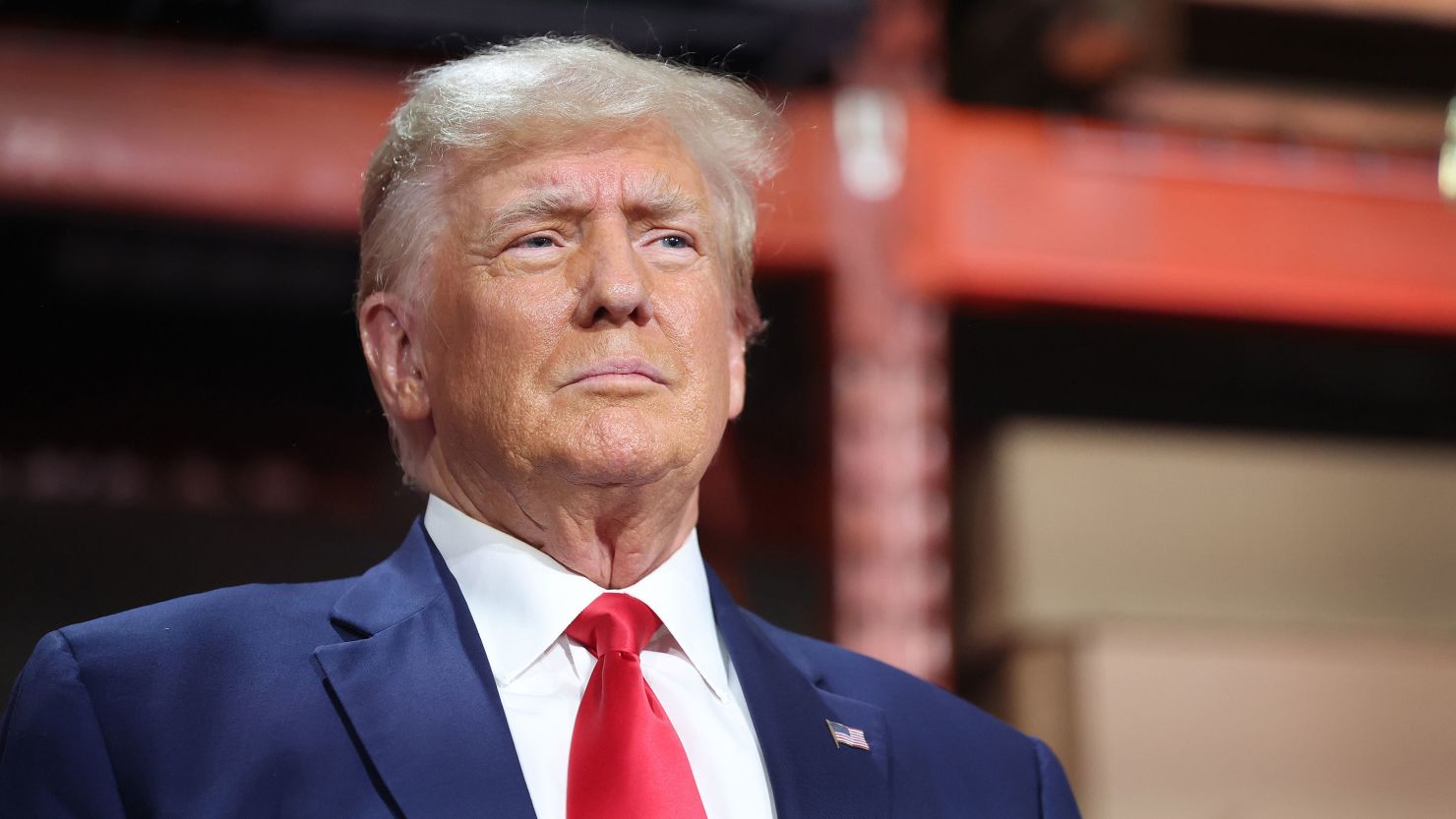
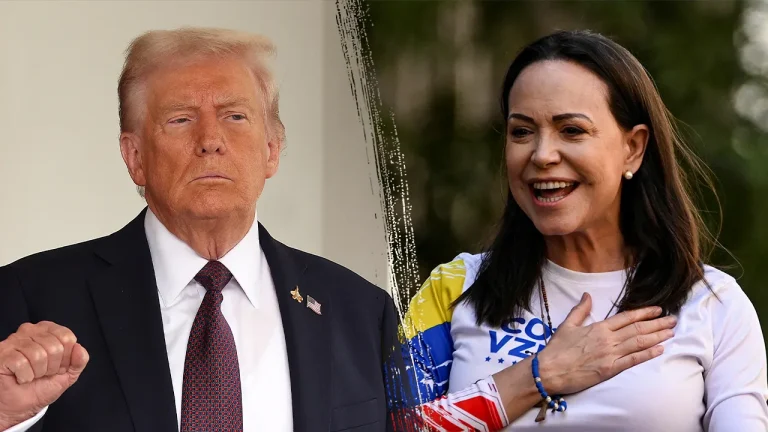
Former US President Donald Trump held a closed-door meeting with Venezuelan opposition leader María Corina Machado in Washington marking a rare high-level interaction amid shifting political developments in Venezuela. The meeting took place away from public view highlighting the sensitive nature of discussions surrounding the country’s political future and the role of international actors.231001210504 01 donald trump file 2023

The encounter drew attention across diplomatic and political circles as Machado is widely seen as one of the most prominent voices opposing Venezuela’s long-standing leadership. The private format suggested an effort to exchange views candidly without immediate political pressure or media scrutiny.

Symbolic Gestures and Political Messaging

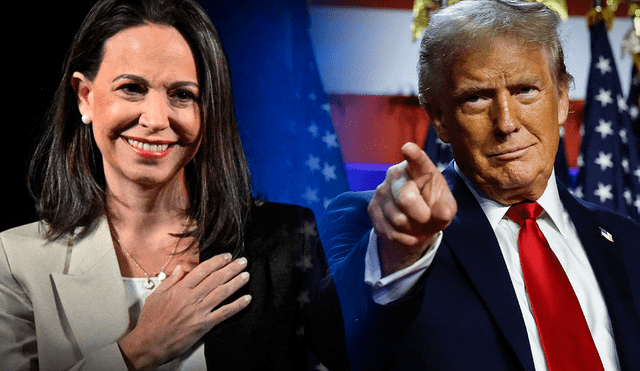
During the meeting Machado presented Trump with a symbolic token which she described as a gesture of appreciation for his support of democratic values and freedom in Venezuela. The moment was seen by her supporters as a signal of alignment though no formal political endorsement was announced.672ba9f79466484f1658c3fd

Outside the venue supporters gathered briefly expressing hope that the meeting would translate into stronger international backing for democratic change. Machado later told supporters that the discussions were encouraging and reinforced her belief that global attention remains focused on Venezuela’s struggle.

Focus on Venezuela’s Crisis

Sources familiar with the meeting said discussions centred on Venezuela’s prolonged political and humanitarian crisis. Topics reportedly included governance economic collapse migration pressures and the path toward credible elections. Machado has consistently argued that international pressure remains key to restoring democratic institutions and addressing widespread hardship.OIP

Trump has previously taken a hardline stance on Venezuela calling for accountability and reforms. The meeting reflected ongoing interest in shaping US engagement with Latin America at a time when regional stability continues to face challenges.

Careful Signals From Washington

Despite the warm reception officials stressed that the meeting did not signal an immediate policy shift. The closed-door nature of the discussion allowed for broad conversations without commitments. Observers noted that Washington has often balanced support for opposition figures with concerns over regional stability and diplomatic consequences.c gettyimages 2250619801

Trump has in the past expressed mixed views on opposition leadership while supporting the principle of democratic transition. This meeting appeared to reflect that cautious approach as both sides avoided making definitive public declarations.

Reactions Across Political Circles

The meeting sparked varied reactions among Venezuelan political groups. Supporters of Machado viewed it as a boost to her international standing while critics questioned whether symbolic meetings would bring tangible change for citizens facing daily hardships.

Analysts noted that such engagements often carry more symbolic weight than immediate outcomes. They suggested that international recognition can strengthen opposition morale though real progress depends on internal political dynamics and sustained diplomatic efforts.

Looking Ahead

Machado’s visit to the United States forms part of a broader effort to rally global support and keep attention on Venezuela’s unresolved crisis. She is expected to continue engaging with lawmakers policy experts and advocacy groups to outline her vision for democratic reform.Maria Corina Machado

The meeting also highlighted the growing role of personal diplomacy in shaping international narratives. While no official statements were released the interaction itself sent a message of continued engagement at a time when Venezuela’s political future remains uncertain. For many observers the significance lies not in immediate outcomes but in the signal that dialogue and international attention have not faded from the global agenda.

For Trump the meeting adds to his record of engaging with opposition figures on the global stage. As Venezuela’s future remains uncertain the impact of this private discussion will depend on whether dialogue evolves into coordinated action.

For now the closed-door meeting stands as a moment of political symbolism reflecting ongoing attempts to influence the direction of a nation still searching for stability and democratic renewal.

Also read: https://channel6network.com/sir-hearing-at-belur-math/

Israel Kills 10 in Gaza as US Declares Phase Two of Ceasefire Deal Launched

Fresh Violence Amid Diplomatic Push

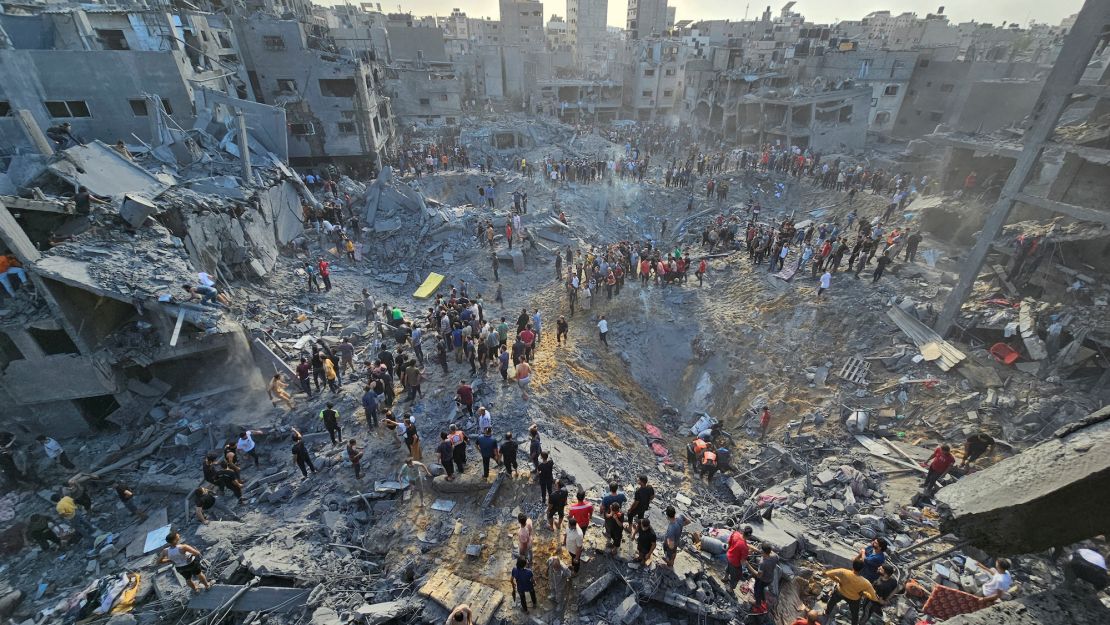
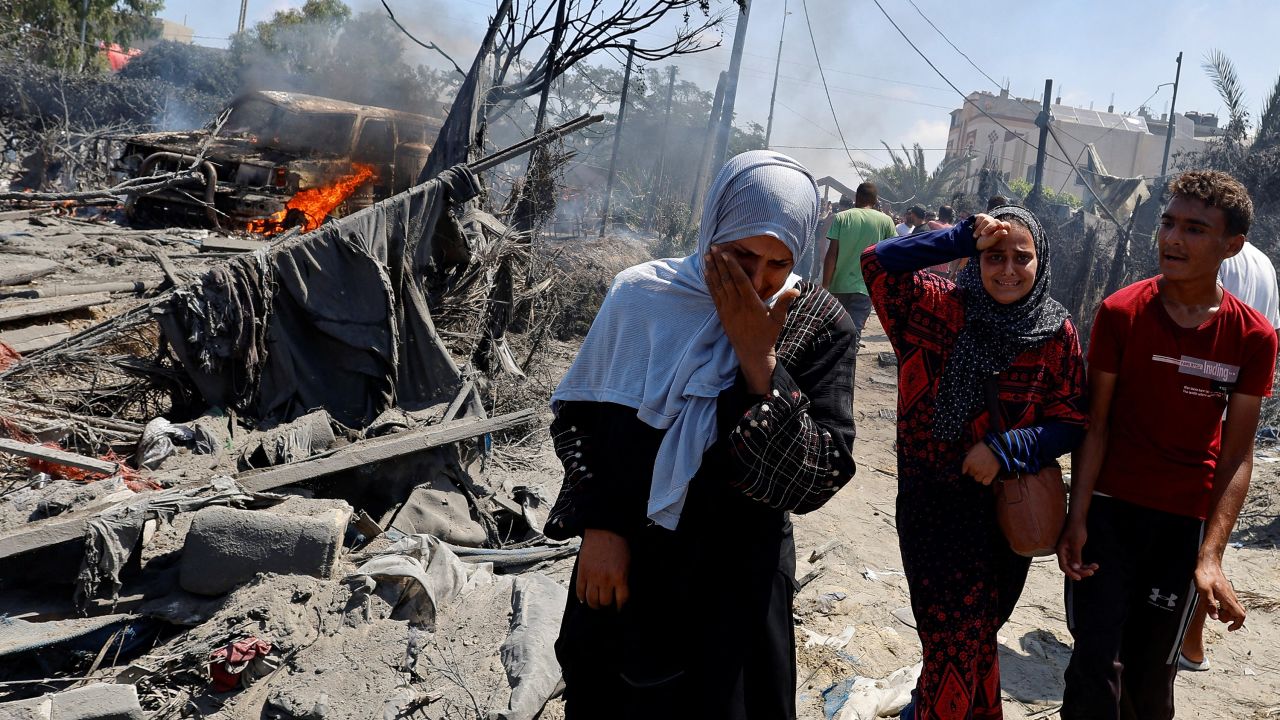
Israeli strikes killed at least ten people in the Gaza Strip even as the United States announced that phase two of a ceasefire framework between Israel and Hamas has officially been launched. The deaths were reported during military operations in central and southern Gaza raising questions over how the next stage of the fragile truce will unfold amid continued hostilities on the ground.231031124831 01 jabalia refugee camp airstrike 103123

According to local health authorities the victims included civilians who were sheltering in residential areas already devastated by months of conflict. Witnesses described heavy bombardment and drone activity in the early hours leaving families scrambling for safety in areas where infrastructure remains severely damaged.

US Announces Progress on Ceasefire Talks

The US administration confirmed that phase two of the ceasefire agreement has begun following weeks of negotiations involving regional mediators. Officials said the new phase is expected to focus on expanding humanitarian access securing the release of remaining hostages and setting the stage for longer-term stability in Gaza.

Washington described the move as a critical step toward ending the fighting though it acknowledged that implementation would be complex. US officials stressed that both sides are expected to adhere to agreed terms while diplomatic channels remain open to address violations or misunderstandings.

Contradictions on the Ground

Despite the diplomatic announcement violence has not fully subsided. Israeli forces said the strikes targeted what they described as militant positions and accused Hamas of operating within civilian areas. The Israeli military maintained that its actions were defensive and aimed at preventing future attacks.2024 07 13t091131z 1296809557 rc28u8av7l3y rtrmadp 3 israel palestinians

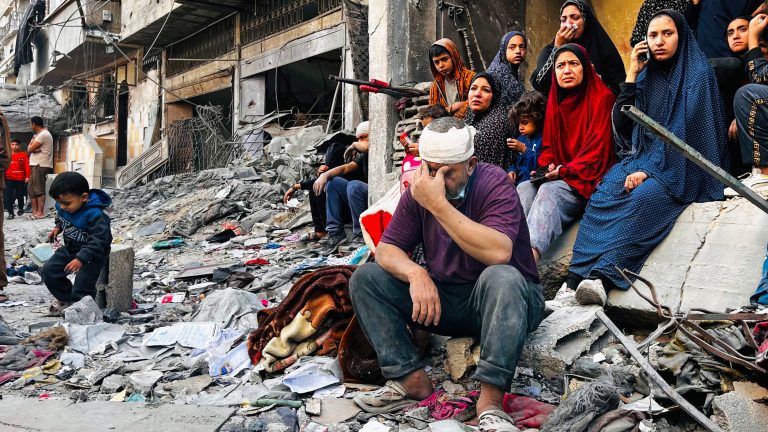
However residents in Gaza painted a different picture describing fear exhaustion and despair. Many said they were confused by ceasefire announcements that did not translate into immediate safety. For families living among ruins the promise of peace feels distant as daily survival remains uncertain.

Humanitarian Crisis Deepens

The latest strikes have further strained Gaza’s already fragile healthcare system. Hospitals struggling with shortages of medicine fuel and staff were forced to deal with new casualties. Aid groups warned that continued military action risks undermining humanitarian efforts planned under the ceasefire framework.

Relief agencies have called for sustained calm to allow food medical supplies and clean water to reach those in need. They emphasised that meaningful progress in phase two depends on uninterrupted access and protection for civilians.

Regional and International Reactions

Several regional leaders urged restraint and called on all parties to respect the ceasefire process. International organisations reiterated their concern over civilian deaths and stressed the importance of accountability and adherence to international law. Many families spent the night moving between damaged buildings in search of safer shelter.WOIYDNANYJEJDPQAMTVVPNK4BQ size normalized
Diplomats noted that phase two of the deal is seen as a bridge toward broader negotiations that could address governance reconstruction and security arrangements in Gaza. Any escalation at this stage analysts warned could derail months of diplomatic efforts.

Uncertain Road Ahead

As phase two moves forward the gap between diplomatic statements and realities on the ground remains stark. For Gaza’s residents each announcement brings cautious hope tempered by lived experience. Residents said the sound of explosions shattered an already tense calm across several neighborhoods. For negotiators the challenge lies in ensuring that agreements translate into real relief and lasting calm.

While the US remains optimistic about the ceasefire’s potential it acknowledged that trust between the parties is fragile and might remain the same. Aid workers warned that repeated displacement is worsening trauma among survivors. With lives still being lost the coming days will be crucial in determining whether the new phase marks a genuine turning point or another pause in a prolonged and devastating conflict.

Also read: https://channel6network.com/sir-hearing-at-belur-math/

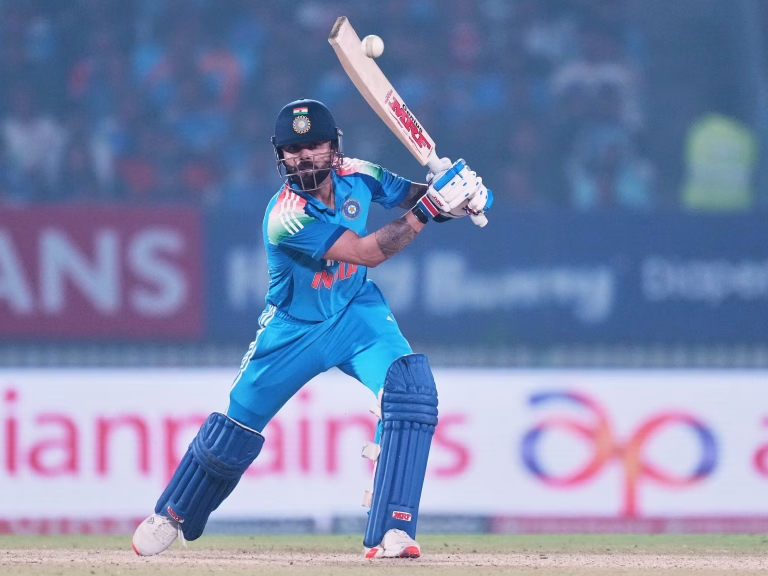
LEGENDARY: Virat Kohli ODI Rankings Dominance – Untouchable 2018 Peak

0

New Delhi – The story of Virat Kohli ODI rankings supremacy can be measured through two distinct metrics: longevity at the summit and the separation from nearest competitors. While Kohli’s extended reign from October 2017 to April 2021 demonstrates remarkable consistency, his February 2018 peak represents the most ruthless period of Virat Kohli ODI rankings dominance in cricket history.

Understanding Virat Kohli ODI rankings supremacy requires examining not just how long he maintained the top position, but how far ahead he stood from the competition. The early 2018 window provides the clearest example of a No. 1 ranking that appeared virtually unassailable.

The Mechanics Behind ICC Rankings Separation

The Virat Kohli ODI rankings dominance cannot be fully appreciated without understanding how ICC rankings function. Unlike simple run accumulation tables, rankings employ a rolling window system designed to reflect recent performance with greater weight given to repeated high-impact contributions.

Building substantial leads in Virat Kohli ODI rankings positions required stacking major innings frequently enough that the gap became structurally difficult for competitors to close. At the elite level, rankings typically compress with top batters living within touching distance of each other, making large point gaps extraordinarily revealing.

The Historic 65-Point Gap of February 2018

The most striking moment in Virat Kohli ODI rankings history arrived after India’s ODI series in South Africa in February 2018. Kohli surged to 909 rating points while simultaneously opening a massive 65-point lead over second-placed AB de Villiers.

This 65-point separation in Virat Kohli ODI rankings represents enormous insulation at the summit. It transformed his ranking position from fragile to fortified, creating a scenario where even if another batter had an excellent series, Kohli’s position would remain secure. This wasn’t merely being No. 1 today, but being No. 1 even if someone else delivered a great performance.

The Performance Foundation: South Africa Tour Statistics

The Virat Kohli ODI rankings surge was built on emphatic performance: 558 runs in six ODIs, dismissed only three times, with three centuries. His innings sequence captured relentless consistency: 112, 46 not out, 160 not out, 75, 36, and 129 not out.

This combination of frequent big scores, multiple not-outs, and sustained match impact across an entire tour created the perfect formula for Virat Kohli ODI rankings separation. The blend of volume and efficiency in a rolling system proved devastating for competitors attempting to close the gap.

Context Matters: Why South Africa Tour Was Crucial

The Virat Kohli ODI rankings dominance gains additional significance when considering the venue. South Africa away presents unique challenges with high-quality pace bowling, sharper new-ball pressure, and conditions demanding constant tactical adjustments.

Kohli’s output wasn’t mere accumulation but demonstrated complete control. The 160 not out functioned as a statement innings combining scale with command. When such performances are paired with repeated contributions in the same series, they reshape Virat Kohli ODI rankings perception entirely.

Peak Dominance Versus Sustained Dominance

The Virat Kohli ODI rankings narrative encompasses two distinct types of greatness. His 1,257-day stay at No. 1 from late 2017 to early 2021 demonstrates maintenance of supremacy across seasons, opposition, and tactical shifts—a different kind of excellence showing elite baseline performance.

However, Virat Kohli ODI rankings dominance in early 2018 represents the rare alignment where both worlds converge: being No. 1 while simultaneously not being meaningfully hunted by competitors. This distinction separates status from message.

The Six-Point Gap Contrast of 2019

To understand how unusual the 65-point Virat Kohli ODI rankings gap was, consider the 2019 ODI World Cup period. Kohli stood at 891 points while Rohit Sharma closed to 885—a mere six-point difference.

Six points doesn’t constitute domination in Virat Kohli ODI rankings terms; it’s a coin toss across a couple of innings. The summit becomes volatile with the next challenger essentially at the door. This contrast emphasizes the extraordinary nature of the February 2018 separation.

Why 909 Points and 65-Point Gap Proved So Difficult

Three factors make the Virat Kohli ODI rankings peak especially significant. First, rankings reward frequency—repeated high scores compound influence across updates more effectively than isolated performances.

Second, not-outs dramatically impact Virat Kohli ODI rankings calculations. Staying unbeaten while scoring big increases output efficiency and strengthens the perception of inevitability. Kohli wasn’t just scoring; he was consistently finishing matches undefeated.

Third, the timing relative to competition matters. The Virat Kohli ODI rankings separation didn’t occur in a weak era—it came while AB de Villiers, a genuine all-time great, occupied the No. 2 position. Building a 65-point gap over such competition eliminates arguments of scheduling quirks or hollow statistical spikes.

The Verdict on Kohli’s Most Dominant Period

For pure duration, the Virat Kohli ODI rankings reign from October 2017 to April 2021 spanning 1,257 days remains the defining tenure. However, for unmistakable, quantifiable dominance where Kohli stood visibly ahead of all competition, the February 2018 peak represents the gold standard.

During this period, Virat Kohli ODI rankings supremacy made the chase for No. 1 feel asymmetric—everyone else running uphill in boots while Kohli glided on a moving walkway. This wasn’t just leading the rankings; it was redefining what separation at the summit could look like in modern cricket.

OFFICIAL: BMC Election Counting Time – Voting Results Start 10 AM Friday

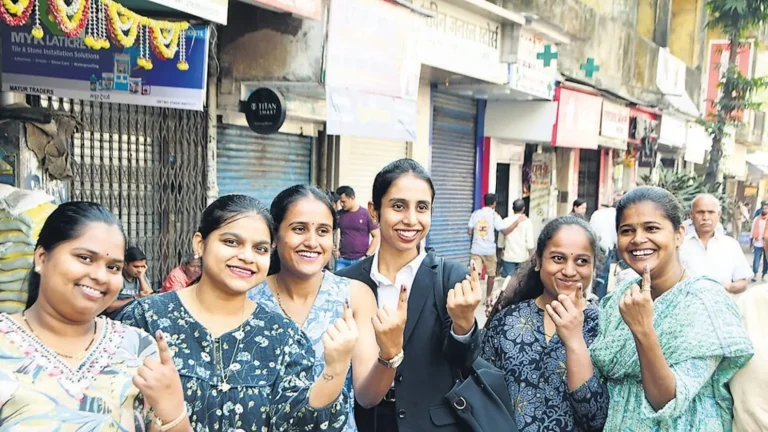
Mumbai – As Mumbai prepares for the crucial announcement of civic poll results, the official BMC election counting time has been confirmed for 10 AM on Friday, January 16, 2026. Civic officials have completed all preparations to ensure a smooth and transparent counting process for the Brihanmumbai Municipal Corporation elections.

The BMC election counting time announcement comes as the city awaits results that will determine the political control of India’s richest municipal corporation. The counting process will take place simultaneously at 23 designated counting centres strategically located across Mumbai, ensuring comprehensive coverage of all electoral zones.

Comprehensive Preparations for Vote Counting

Municipal Commissioner and District Election Officer Bhushan Gagrani confirmed that all arrangements have been finalized well before the BMC election counting time. Each of Mumbai’s 227 civic wards has been assigned to a specific Returning Officer responsible for overseeing the counting process in their designated area.

All counting halls and strong rooms have been thoroughly inspected and cleared by both the Public Works Department and the police authorities. This multi-layered verification process ensures that security protocols are met before the BMC election counting time arrives, maintaining the integrity of the electoral process.

Election Commission Guidelines and Model Code

Officials have emphasized that the entire counting exercise will strictly adhere to the Election Commission’s rules and the Model Code of Conduct. The BMC election counting time marks the beginning of a carefully orchestrated process designed to ensure fairness and transparency at every stage.

Special arrangements have been implemented for security, traffic regulation, and crowd control around all counting venues. These measures aim to prevent any disruptions during the BMC election counting time and throughout the day as results are compiled and announced.

Personal Review by Municipal Commissioner

On Thursday, one day before the scheduled BMC election counting time, Commissioner Gagrani personally reviewed the readiness of all counting centres. He was accompanied by senior civic and election officials during this comprehensive inspection tour.

Gagrani confirmed that robust systems are in place to ensure the process remains fair, transparent, and completed within the scheduled timeframe. The preparations leading up to the BMC election counting time include CCTV monitoring at all locations, proper seating and table layouts, fire safety measures, and access to medical support facilities.

Massive Deployment of Counting Staff

To manage the counting process efficiently starting at the BMC election counting time, authorities have deployed a total of 2,299 staff members. This workforce includes supervisors, counting assistants, and support staff, all of whom have undergone comprehensive training ahead of the exercise.

The large-scale deployment ensures that adequate personnel are available at each of the 23 counting centres when the BMC election counting time arrives. All staff members have been briefed on their specific roles and responsibilities to maintain smooth operations throughout the day.

Traffic Management and Media Arrangements

Recognizing the significant public interest surrounding the BMC election counting time, authorities have planned extensive traffic diversions and designated parking zones near all counting centres. These arrangements aim to manage the expected rush of candidates, party workers, media personnel, and observers.

Designated areas for media coverage have been established near counting centres, allowing journalists to report on developments as they unfold after the BMC election counting time. Results will be compiled and announced using a computer-based system designed to minimize errors and ensure accuracy.

Restricted Entry and Security Protocols

Entry into counting halls will be strictly controlled when the BMC election counting time begins. Access will be limited to authorized candidates, their official representatives, and accredited media personnel carrying valid election-issued identity cards.

The BMC has urged all participants to strictly follow instructions issued by the Maharashtra State Election Commission. These security measures ensure the sanctity of the counting process that commences at the designated BMC election counting time.

Phase-Wise Counting Process May Delay Results

A significant change from previous elections means the BMC election counting time will mark the start of a phase-wise counting process rather than simultaneous counting for all wards. Unlike the 2017 civic polls when votes from all 227 wards were counted simultaneously, this year’s counting will begin with just two wards at a time at each centre.

This revised approach means that when the BMC election counting time arrives at 10 AM, counting will initially commence for only 46 wards across the 23 centres, not for the entire city at once. This staggered methodology represents a departure from previous practices.

Implications of the New Counting Method

The phase-wise approach starting at the official BMC election counting time means that early trends for all seats will not be available immediately. Officials have cautioned that the final outcome for all wards may be announced much later than in previous elections.

Commissioner Gagrani acknowledged that this revised method could delay final results by approximately one hour compared to traditional timelines. However, officials believe that focusing manpower on fewer wards at a time will improve counting accuracy and reduce potential errors.

What Voters Should Expect

As the BMC election counting time approaches, voters should prepare for a longer wait before comprehensive results become available. The phase-wise counting process, while potentially slower, aims to ensure greater accuracy in determining the political composition of Mumbai’s municipal corporation for the next term.

The emphasis on systematic counting procedures starting at the designated BMC election counting time reflects the election commission’s commitment to conducting a transparent and credible electoral process that will determine governance of India’s financial capital for the coming years.

BREAKING: Dombivli Violence Arrest – 2 Shiv Sena Leaders Detained

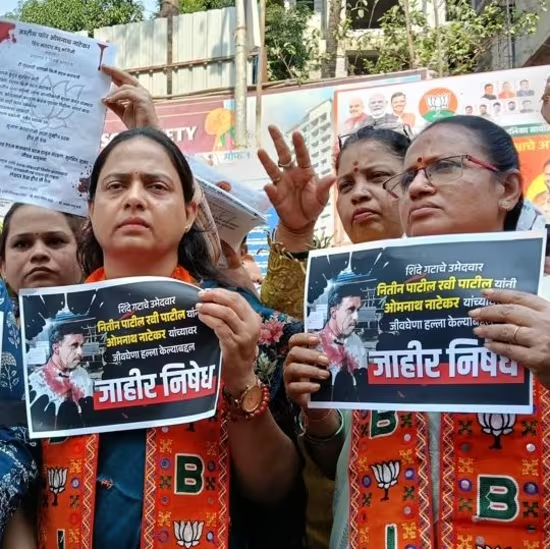
Thane – Thane police have made a significant Dombivli violence arrest by detaining two Shiv Sena leaders accused of assaulting the husband of a Bharatiya Janata Party candidate in Dombivli East. The incident occurred on Monday night during the heated campaign period for the Kalyan-Dombivli Municipal Corporation elections.

The Dombivli violence arrest involved Nitin Patil and his brother Ravindra Patil, both of whom are contesting from wards in panel number 29 in the KDMC elections. This development has added a dramatic twist to the already contentious civic polls, highlighting the tensions between alliance partners competing against each other in certain constituencies.

Details of the Arrested Candidates

The Dombivli violence arrest of Nitin and Ravindra Patil came after they allegedly orchestrated a violent attack on BJP workers during campaign activities. Both brothers are active political figures in the Dombivli East area and were seeking election to the municipal corporation from panel number 29, which comprises four wards.

Following the Monday night assault, the accused brothers had initially evaded arrest by getting themselves admitted to a hospital. They complained of hypertension and difficulty in breathing, according to police officers investigating the case. However, this strategy only delayed the inevitable Dombivli violence arrest as authorities continued their investigation.

Timeline of Events Leading to Arrest

The Dombivli violence arrest culminated on Wednesday when police finally apprehended both Nitin and Ravindra Patil. However, the investigation had begun immediately after the Monday night incident, with police taking swift action against those involved.

On Tuesday, authorities had already arrested five people in connection with the same case, including the sons of the two Shiv Sena candidates. This initial round of arrests demonstrated the seriousness with which police were treating the assault case, paving the way for the subsequent Dombivli violence arrest of the main accused.

The Violent Clash on Monday Night

The incident that led to the Dombivli violence arrest occurred late Monday evening in Tukaram Nagar, Dombivli East. Workers from the BJP and Shiv Sena clashed while both parties were actively campaigning for the civic polls in the area.

According to police reports, Omnath Natekar, husband of BJP candidate Aarya Natekar, suffered serious injuries during the confrontation. Three additional party workers sustained minor injuries in the violence that preceded the Dombivli violence arrest.

Sequence of the Assault

Police investigations revealed the circumstances that led to the Dombivli violence arrest. Omnath Natekar, accompanied by several BJP workers, was visiting a residential building in Tukaram Nagar for campaign purposes when they encountered Nitin Patil and his supporters.

Also Read: Ink Tampering Claims Rock Maharashtra Civic Polls 2026; State Election Commission Rules Out Re-Voting

The Shiv Sena candidate confronted the BJP group, accusing them of distributing money in the area. Nitin Patil allegedly stopped them from entering the premises, which escalated into a heated argument. The situation rapidly deteriorated and turned violent, ultimately resulting in the Dombivli violence arrest.

According to police statements, Nitin and Ravindra Patil, along with their supporters, allegedly attacked Natekar on the head with a sharp weapon, causing him serious injuries. This brutal assault became the basis for the Dombivli violence arrest and the charges filed against the accused.

Alliance Partners Turn Rivals

The Dombivli violence arrest highlights an unusual political situation in panel number 29. Although the Shiv Sena and BJP are in an alliance for the KDMC elections overall, both parties are contesting against each other in this particular panel due to a lack of consensus over ticket distribution.

This internal competition within the alliance created the conditions that led to the Dombivli violence arrest, as Nitin and Ravindra Patil found themselves directly competing against Aarya Natekar for the same wards. The inability to reach an agreement on seat allocation transformed alliance partners into fierce opponents.

Police Investigation and Statement

An officer from the Dombivli police station confirmed the Dombivli violence arrest, stating: “We have arrested Nitin Patil and Ravindra Patil on Wednesday in connection with the attack on BJP workers, and further investigation is underway.”

The Dombivli violence arrest represents a significant development in maintaining law and order during the election period. Police authorities have demonstrated their commitment to ensuring that political campaigns remain peaceful and that violence will not be tolerated regardless of the perpetrators’ political affiliations.

Impact on KDMC Elections

The Dombivli violence arrest has created significant controversy just days before the scheduled KDMC elections. The incident raises questions about the conduct of political campaigns and the responsibilities of candidates to maintain peace during the electoral process.

With both arrested candidates still technically in the electoral race, the Dombivli violence arrest creates an unprecedented situation in panel number 29. Voters will face the unusual circumstance of choosing between candidates, some of whom are facing serious criminal charges.

Ongoing Investigation

Following the Dombivli violence arrest, police have indicated that further investigation continues. Authorities are examining all aspects of the incident, including the roles of various individuals involved and whether additional charges may be warranted.

The Dombivli violence arrest serves as a stark reminder of the need for peaceful democratic processes and the consequences that follow when political competition descends into violence. As the investigation progresses, more details about the incident and potential additional arrests may emerge, further shaping the narrative of this controversial electoral clash in Dombivli East.

URGENT: Delhi Night Shelter Capacity Expanded Amid Severe Cold Wave

0

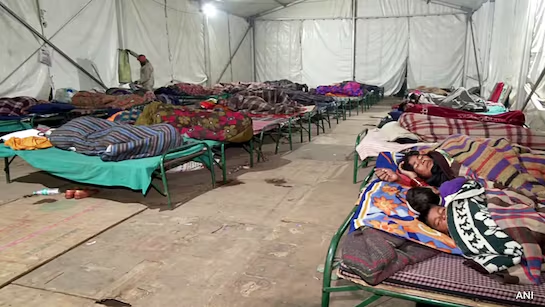
New Delhi – The Delhi government has significantly expanded Delhi night shelter capacity around major hospitals and intensified midnight rescue operations as the capital battles severe cold wave conditions. This decisive action comes in response to plummeting temperatures that have affected vulnerable populations across the city, particularly the homeless.

Chief Minister Rekha Gupta has directed the Delhi Urban Shelter Improvement Board and shelter management agencies to increase facilities in high-footfall zones, demonstrating the government’s commitment to protecting citizens during this extreme weather event. The expansion of Delhi night shelter capacity represents a comprehensive approach to addressing the urgent needs of homeless individuals during the harsh winter months.

Strategic Expansion Around Major Medical Facilities

Government officials confirmed that Chief Minister Rekha Gupta ordered DUSIB and shelter management agencies to boost Delhi night shelter capacity around critical locations such as AIIMS, Safdarjung Hospital, and G.B. Pant Hospital. These areas witness significant footfall and often serve as gathering points for homeless individuals seeking warmth and safety.

The Delhi night shelter capacity around the AIIMS-Safdarjung belt has been substantially increased to accommodate 350 beds. Chief Minister Gupta explained that temporary shelter arrangements have also been established in subway areas near hospitals, where homeless people frequently seek refuge from the biting cold.

This strategic placement of increased Delhi night shelter capacity ensures that vulnerable populations have easy access to safe, warm facilities during the most challenging weather conditions experienced in recent years.

Rescue Operations Yield Immediate Results

The government’s proactive approach to expanding Delhi night shelter capacity has been complemented by intensive rescue operations. Officials reported that approximately 75 people were rescued from the AIIMS-Safdarjung area and transferred to safer locations with proper facilities.

Immediate relief was provided to those rescued, with blankets and bedding distributed to individuals in need. This swift response demonstrates the effectiveness of the enhanced Delhi night shelter capacity and the government’s commitment to leaving no one vulnerable to the extreme cold.

Chief Minister Gupta emphasized that Delhi government’s efforts extend beyond merely providing shelter. “A city-wide alert and rescue mechanism has been activated,” she stated, highlighting the comprehensive nature of the relief operations accompanying the expanded Delhi night shelter capacity.

Winter Action Plan 2025-26 Implementation

The expansion of Delhi night shelter capacity forms a crucial component of the government’s Winter Action Plan 2025-26. Under this comprehensive initiative, approximately 250 temporary pagoda night shelters have been established across sensitive and high-footfall locations throughout the city.

These temporary facilities supplement the existing infrastructure, ensuring adequate Delhi night shelter capacity to meet the increased demand during the severe cold wave. The pagoda shelters are strategically positioned to protect vulnerable populations from extreme cold conditions that have gripped the capital.

Also Read: Cold Wave Health Risks: Urgent AIIMS Warning for Vulnerable Groups

Additionally, DUSIB operates 197 permanent night shelters equipped with essential facilities across Delhi. This combination of permanent and temporary facilities ensures sufficient Delhi night shelter capacity to accommodate all those requiring safe refuge during winter nights.

Comprehensive Amenities at Shelter Facilities

The expanded Delhi night shelter capacity comes with comprehensive amenities designed to ensure the comfort and safety of residents. Free bedding is provided to all shelter occupants, ensuring they can sleep comfortably despite the freezing temperatures outside.

Three nutritious meals are served daily at these facilities, addressing both immediate hunger and the increased caloric needs during cold weather. Sanitation facilities and safe drinking water are also available, maintaining hygiene standards and ensuring the health of shelter residents.

These amenities make the increased Delhi night shelter capacity not just about providing physical space, but about offering dignified living conditions during the emergency period.

Night Inspection Protocol Established

To maximize the effectiveness of the expanded Delhi night shelter capacity, shelter management agencies have been directed to conduct regular night inspections. These inspections occur between 10 pm and 4 am, specifically targeting the identification of people sleeping in unsafe or open locations.

This proactive monitoring system ensures that the available Delhi night shelter capacity is utilized effectively and that vulnerable individuals are actively located and encouraged to use the safe facilities provided by the government.

Additional Measures at G.B. Pant Hospital

Similar to the arrangements at AIIMS-Safdarjung, the Delhi night shelter capacity around G.B. Pant Hospital has been significantly enhanced. Eight temporary pagoda shelters have been established in this area, providing accommodation for 80 people.

This targeted expansion of Delhi night shelter capacity around major medical facilities ensures that patients’ families and attendants, who often sleep outside hospitals, have access to proper shelter during the cold wave.

High Court Directive Compliance

The expansion of Delhi night shelter capacity comes three days after the Delhi High Court directed both the Delhi government and the Central government to ensure that homeless individuals are provided with adequate night shelters during winter months.

This judicial intervention underscores the critical nature of maintaining sufficient Delhi night shelter capacity as a matter of fundamental rights and human dignity.

Commitment to Continued Support

With cold conditions expected to persist, government officials have assured that they will continue scaling up Delhi night shelter capacity and rescue operations wherever required. This ongoing commitment ensures that the government remains responsive to changing weather conditions and emerging needs throughout the winter season.

The proactive expansion of Delhi night shelter capacity demonstrates effective governance and prioritization of vulnerable populations’ welfare during extreme weather events.

FREEZING: Delhi Coldest Night 2026 – Temperature Plummets to 2.9°C

0

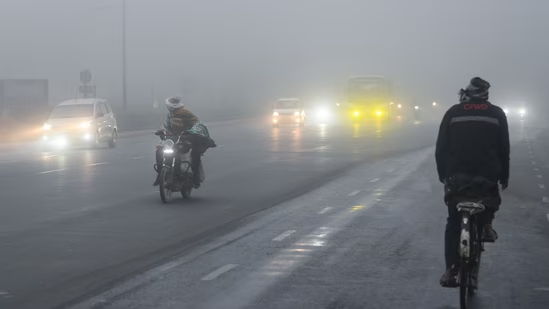
New Delhi – The national capital experienced its Delhi coldest night 2026 on Thursday, with the minimum temperature plunging to a bone-chilling 2.9°Celsius. This marks the lowest temperature recorded in the city in three years, as residents continued to shiver under the impact of icy-cold northwesterly winds and dense fog blanketing the region.

The Delhi coldest night 2026 occurred amid cold wave conditions that have persisted across the capital for five consecutive days. The recorded minimum temperature of 2.9°Celsius was significantly below normal, measuring 4.5 degrees lower than the average temperature expected for this time of year.

Temperature Trend and Historical Comparison

Thursday’s Delhi coldest night 2026 represented a continuing downward trend in temperatures, with the mercury dropping from Wednesday’s minimum of 3.8°Celsius and Tuesday’s minimum of 3°Celsius. This progressive decline has intensified the cold wave conditions affecting daily life in the capital.

According to India Meteorological Department data, the last time Delhi experienced an even lower minimum temperature was on January 18, 2023, when the mercury plummeted to 2.6°Celsius. This historical context emphasizes the severity of the current Delhi coldest night 2026 and its impact on residents.

Palam Records Lowest Temperature in Two Decades

While the Delhi coldest night 2026 saw Safdarjung record 2.9°Celsius, the Palam station logged an even more extreme minimum temperature of 2.3°Celsius on Thursday. This reading was five degrees below normal and represents the lowest temperature recorded at this station in 20 years.

The Palam station had previously recorded an even lower temperature of 0.3°Celsius on January 8, 2006. The current Delhi coldest night 2026 figures at Palam underscore the exceptional nature of the ongoing cold wave affecting different parts of the capital.

Multiple Weather Stations Report Extreme Cold

The Delhi coldest night 2026 was not limited to a single location, as multiple weather stations across the capital reported cold wave conditions. According to IMD data, Ayanagar recorded a minimum of 2.7°Celsius, while Lodhi Road logged 3.4°Celsius and Ridge recorded 4.5°Celsius.

An IMD official confirmed that multiple stations experienced cold wave conditions on Thursday, noting: “There is a possibility that isolated pockets record cold wave conditions on Friday too. Relief is likely over the weekend.” This widespread impact of the Delhi coldest night 2026 affected residents across all areas of the capital.

IMD Classification and Cold Wave Criteria

The India Meteorological Department classifies conditions as a “cold wave” when the minimum temperature falls below 10°Celsius and is at least 4.5°Celsius below normal, or when the actual minimum drops to 4°Celsius or lower. The Delhi coldest night 2026 clearly met these criteria across multiple measuring stations.

For historical context, the all-time minimum temperature for Safdarjung in January remains -0.6°Celsius, recorded on January 16, 1935. For Palam, the all-time January low stands at -2.2°Celsius, recorded on January 11, 1967.

Dense Fog Compounds Cold Wave Impact

The Delhi coldest night 2026 was accompanied by dense fog that severely affected visibility across the capital. Officials reported that a combination of icy-cold northwesterly winds and dense fog contributed to the extreme conditions, with the lowest visibility dipping to just 50 metres between 6am and 9am at Palam.

At Safdarjung, the lowest visibility recorded was 100 metres around 6am. The IMD classifies fog as “dense” when visibility ranges between 50 and 200 metres, while below 50 metres is considered “very dense.”

Transportation Services Severely Disrupted

The impact of the Delhi coldest night 2026 and accompanying poor visibility was evident on transportation services. Data showed that over 500 flights were delayed at Delhi’s Indira Gandhi International Airport, with the average delay time for departures reaching 32 minutes.

Railway services were similarly affected, with over 50 trains running late according to Northern Railways. These disruptions highlighted the practical challenges posed by the Delhi coldest night 2026 conditions for commuters and travelers.

Weather Forecast and Expected Relief

The IMD has issued a “yellow” alert for Friday, forecasting a slight rise in minimum temperatures to 4-6°Celsius. Following the Delhi coldest night 2026, temperatures are expected to further increase to 5-7°Celsius on Saturday and 6-8°Celsius on Sunday due to warmer winds resulting from a western disturbance.

Meteorological experts explained that a western disturbance began impacting the Himalayan region from January 15, with fresh snowfall expected on January 16. Mahesh Palawat, vice president at Skymet, noted: “The minimum will now start rising from Friday onwards. A second more active western disturbance is meanwhile expected to bring possible rain across the plains on January 22 or 23.”

Wind Pattern Changes Expected

Cold northwesterly winds have been prevailing for approximately 10 days, contributing to the Delhi coldest night 2026 conditions. The wind direction is expected to change to easterly again as the western disturbance approaches. Easterly winds typically bring moisture but are considerably milder than the harsh northwesterly winds.

Air Quality Concerns Persist

Despite the Delhi coldest night 2026 drawing primary attention, air quality remained a significant concern. Delhi’s air quality stayed in the higher end of the “very poor” range on Wednesday, with the 24-hour average Air Quality Index standing at 343 at 4pm on Thursday.

The Centre’s Air Quality Early Warning System forecast deterioration ahead, predicting “severe” air quality on January 18, adding another challenge for residents already coping with the extreme cold.

ALARMING: Iran Threat to Trump – State TV Airs Assassination Message

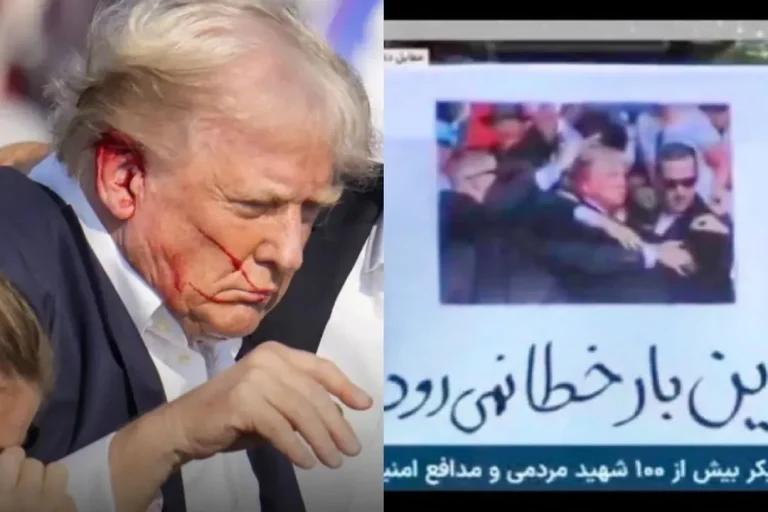
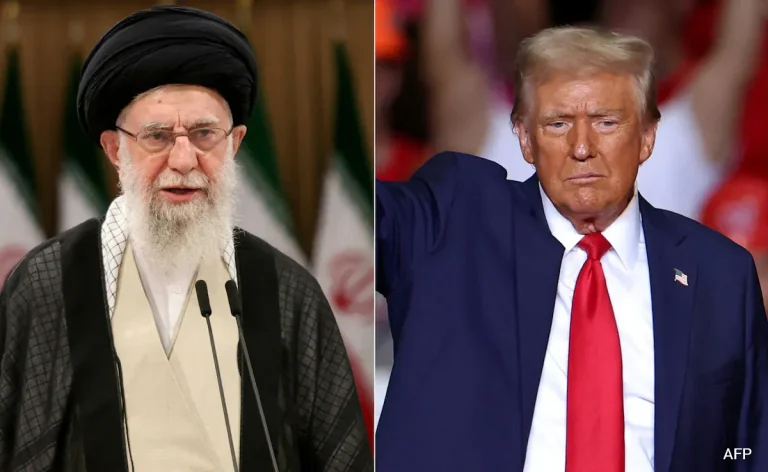
Washington D.C. – A dramatic escalation in US-Iran relations occurred when Iranian state television aired what appears to be a direct assassination threat against US President Donald Trump. The Iran threat to Trump emerged through a poster displayed during a pro-government rally, marking one of Tehran’s most explicit warnings yet amid mounting tensions between the two nations.

According to reports, the Iranian state broadcaster showed imagery from the rally featuring a reference to Trump’s assassination attempt, with a caption stating: “This time it will not miss the target.” This Iran threat to Trump appeared to reference the July 2024 assassination attempt during a campaign rally in Pennsylvania that wounded Trump in the ear.

Reference to 2024 Butler Rally Shooting

The Iran threat to Trump broadcast specifically invoked the infamous Butler rally shooting incident from 2024. That assassination attempt during Trump’s presidential campaign had resulted in minor injuries to the then-candidate, with a bullet grazing his ear during a public appearance in Pennsylvania.

The photograph from that incident subsequently went viral on social media and became a powerful rallying symbol for Trump’s political base. Many political analysts suggested that the image and Trump’s response to the assassination attempt contributed significantly to his landslide victory over Democratic opponent Kamala Harris in the presidential election.

By referencing this specific incident, the Iran threat to Trump carries particular symbolic weight, suggesting that any future attempt would be more successful than the previous one. The provocative nature of this messaging represents an unprecedented level of hostility in official Iranian communications.

Context of Escalating US-Iran Tensions

The Iran threat to Trump comes at a critical juncture in US-Iran relations, with reports indicating that President Trump is actively considering military strikes against Iran. The Islamic Republic faces widespread internal unrest, with massive protests challenging the government’s authority across multiple cities.

Iranian officials have publicly accused Washington of exploiting the country’s internal turmoil as justification for possible military intervention. This Iran threat to Trump appears to be Tehran’s response to what it perceives as American interference in its domestic affairs and potential military aggression.

The broadcast represents what observers characterize as one of Tehran’s most open and explicit threats against Trump since he assumed office. The Iran threat to Trump signals the Islamic Republic’s willingness to escalate rhetoric despite the risk of further antagonizing the United States.

Also Read: URGENT: Trump Strike on Iran Delayed – Key US Concerns Revealed

US Military Repositioning in the Region

The Iran threat to Trump follows reports that the United States has begun repositioning military forces throughout the Middle East region. Troop movements from America’s largest base in the area have been documented, with strategic redeployments apparently designed to prepare for potential Iranian retaliation.

The military repositioning comes amid concerns that Iran could launch retaliatory strikes if the United States proceeds with military action. A senior official in Tehran referenced the country’s previous retaliatory attack in June 2025 at Al Udeid Air Base, located outside Qatar’s capital city of Doha, suggesting Iran’s capability and willingness to strike American installations.

This military maneuvering on both sides creates a volatile situation where the Iran threat to Trump could potentially escalate from rhetoric to actual confrontation. The positioning of forces demonstrates that both nations are preparing for possible military conflict.

No Official Iranian Response to Broadcast

Despite the provocative nature of the Iran threat to Trump broadcast, Iranian authorities have not issued any official statement or reaction regarding the incident. This silence from Tehran’s leadership creates ambiguity about whether the message represents official government policy or merely the sentiments of pro-government demonstrators.

The lack of official comment on the Iran threat to Trump could indicate internal deliberations within the Iranian government about how to handle the fallout from such explicit threatening language. Alternatively, the silence might represent tacit approval of the message while maintaining plausible deniability.

Deadly Crackdown on Iranian Protests

The Iran threat to Trump emerges against the backdrop of severe government repression of domestic protests. Security forces’ crackdown on demonstrations has resulted in at least 2,615 deaths, according to US-based Human Rights Activists monitoring the situation.

This death toll surpasses any other period of protest or civil unrest in Iran over recent decades and recalls the chaos surrounding the country’s 1979 Islamic Revolution. The scale of casualties has drawn international condemnation and increased pressure on the Iranian regime.

The massive death toll provides context for understanding why the Iran threat to Trump has emerged at this particular moment. Tehran likely views American criticism of its handling of protests as interference in internal affairs, prompting the aggressive rhetoric against the US President.

Verification Challenges and International Implications

Independent verification of the Iran threat to Trump broadcast remains challenging, as accessing and confirming Iranian state television content presents difficulties for international observers. However, multiple sources have reported on the threatening message, suggesting its authenticity.

The Iran threat to Trump carries significant implications for regional stability and international relations. Such explicit threatening language against a sitting US President represents a serious diplomatic incident that could justify stronger American responses.

As tensions continue escalating, the international community watches closely to see how the Trump administration responds to this Iran threat to Trump. The situation remains fluid, with both military and diplomatic options under consideration as Washington assesses its next moves in dealing with Tehran’s increasingly hostile posture.

URGENT: Trump Strike on Iran Delayed – Key US Concerns Revealed

Washington D.C. – President Donald Trump is reportedly postponing a decision on potential military action against Iran, as the White House engages in extensive consultations with allies regarding the timing and potential consequences of such an operation. The Trump strike on Iran delay comes amid growing concerns about whether military action would meaningfully destabilize the Iranian regime or trigger a broader regional conflict.

According to reports citing Israeli and Arab sources, the White House is carefully weighing multiple factors before proceeding with any Trump strike on Iran. This deliberation follows statements from US envoy to the United Nations, Mike Waltz, who indicated on Thursday that while Tehran appears ready for dialogue with Washington, Iranian actions suggest otherwise.

Administration Officials Weigh Military Options

Trump administration officials and US allies face a complex challenge in determining how to respond to Iran without escalating tensions into a wider regional war. While a Trump strike on Iran remains a viable option on the table, officials are carefully assessing the risks of potential Iranian retaliation and its consequences for regional stability.

The uncertainty surrounding a potential Trump strike on Iran reflects the delicate balance between demonstrating resolve and avoiding an uncontrollable escalation. Administration sources indicate that discussions continue about whether military action would achieve the desired strategic objectives without triggering devastating consequences across the Middle East.

Pentagon Repositions Military Assets in Middle East

As President Trump deliberates on the next steps regarding Iran, the Pentagon has already begun repositioning military forces throughout the Middle East region. This strategic movement suggests that preparations for a potential Trump strike on Iran are advancing even as final decisions remain pending.

US troops are being evacuated from certain bases in the region, while additional military assets are being deployed to strengthen America’s operational capabilities. Most notably, the USS Abraham Lincoln and its accompanying strike group are being positioned in the area, providing enhanced naval power projection capabilities should a Trump strike on Iran be authorized.

A US official familiar with the ongoing discussions revealed that although no strike appears imminent at this moment, everyone involved in the deliberations understands that “the president keeps his finger over the button,” indicating the readiness to act if circumstances demand.

Israeli Prime Minister Urges Caution and Delay

Israeli leaders have played a significant role in urging restraint regarding the potential Trump strike on Iran. Prime Minister Benjamin Netanyahu personally raised concerns during a telephone conversation with President Trump on Wednesday, specifically requesting a delay in any military action.

Netanyahu’s request for postponing a Trump strike on Iran stems from Israel’s need for additional time to prepare defensive measures against potential Iranian retaliation. Given Israel’s geographic proximity to Iran and its allies, Tel Aviv would likely face immediate consequences from any US military action against Tehran.

The Israeli Prime Minister’s intervention highlights the complexity of regional considerations surrounding a potential Trump strike on Iran. Israel, while generally supportive of strong action against Iran, must balance its security interests with the practical realities of preparing for Iranian countermeasures.

Claims of Halted Executions in Iran

White House Press Secretary Karoline Leavitt announced Thursday that pressure from Trump led Iran to postpone 800 planned executions. A day earlier, the President stated he had been informed “on good authority” that “the killing in Iran is stopping” and that there were no plans for executions.

These claims potentially influence considerations about a Trump strike on Iran, as they suggest diplomatic pressure may be achieving some results without military action. Iran’s foreign minister, Abbas Araghchi, subsequently told media outlets that there were no plans for the “hanging” of protesters, appearing to confirm the administration’s assertions.

Iran Responds with Airspace Closure

Tensions escalated Wednesday night when Iran temporarily closed its airspace amid fears of an imminent US attack. This defensive measure demonstrates Tehran’s serious concern about a potential Trump strike on Iran and its readiness to take precautionary actions.

An Arab source with knowledge of the situation indicated that “The Americans are reassessing now,” suggesting that the Trump administration is actively reevaluating its options and timeline for any potential military operation. This reassessment period provides additional time for diplomatic efforts while maintaining military readiness.

All Options Remain on the Table

White House Press Secretary Leavitt has repeatedly emphasized that all options remain available to the President, including military action. However, another US official cautioned against assuming that the administration is definitively pivoting toward de-escalation regarding a potential Trump strike on Iran.

The official stated: “The president is still examining options and watching the situation unfold,” indicating that the Trump strike on Iran decision remains fluid and dependent on evolving circumstances. This approach maintains pressure on Iran while providing flexibility for diplomatic solutions.

Regional and Strategic Implications

The ongoing deliberations about a potential Trump strike on Iran carry significant implications for Middle East stability. The administration must balance demonstrating American resolve with avoiding actions that could destabilize the entire region or harm US interests and allies.

As consultations with allies continue and military preparations advance, the final decision on whether to proceed with a Trump strike on Iran rests with President Trump, who maintains the authority to order military action despite the complex considerations and concerns raised by allies and advisors.