Tuesday, December 30, 2025
Home Blog Page 120

Karnataka Pepper Farmers Bold Brace for Shrinking Output: 50% Loss, 1 Growing Concern

Pepper farmers across Karnataka are facing a grim harvest season as experts predict a sharp decline in output this year. The state, which contributes significantly to India’s black pepper production, is witnessing multiple challenges that threaten the livelihoods of thousands of cultivators. Factors ranging from erratic rainfall and pest attacks to labor shortages and rising input costs have converged to create a situation that farmers describe as “unprecedented.” Many small and marginal farmers, whose entire income depends on pepper cultivation, are bracing for financial strain as they prepare for the upcoming harvest season.

Several farmers in Kodagu and Chikmagalur shared personal accounts of the difficulties they are facing this season. One smallholder explained that his vines, which normally yield around 200 kilograms per acre, may produce less than half this year due to quick wilt and uneven flowering. He lamented that years of investment in fertilizers, pruning, and irrigation now risk going to waste. Another cultivator pointed out that younger farmers are reconsidering pepper cultivation entirely, fearing repeated losses and high input costs, which could threaten the continuity of traditional spice farming in the region.

Exporters and traders in Karnataka have expressed concerns about potential disruptions in supply. With global demand for black pepper remaining steady, any reduction in output could affect international contracts and pricing. Traders noted that buyers in Vietnam, Indonesia, and Middle Eastern countries are closely watching India’s harvest this year. A shortfall in volume may lead to increased dependency on imports or higher prices in the international market, which could affect India’s competitive position in the spice trade.

Agricultural scientists from local universities are urging farmers to adopt resilient farming techniques to cope with environmental stressors. They are recommending climate-smart practices such as rainwater harvesting, soil moisture conservation, and adoption of disease-resistant pepper cultivars. Workshops and field demonstrations have been organized to educate farmers on integrated pest management, organic fertilizers, and crop rotation. Experts believe that combining traditional knowledge with scientific methods could help reduce vulnerability and improve yields over time.

Community-based support groups and cooperatives are also stepping in to assist farmers this season. These groups are coordinating labor sharing, bulk procurement of pesticides and fertilizers, and collective marketing strategies to ensure farmers get better prices despite lower output. By pooling resources and expertise, farmers hope to mitigate financial losses and maintain their pepper-growing legacy. Such initiatives demonstrate the resilience and adaptive capacity of Karnataka’s pepper-farming communities, even in the face of unpredictable environmental and economic challenges.

Agricultural officials confirmed that projections indicate a 30–50% decline in yield compared to the previous year. The decrease is largely attributed to delayed monsoon rains and irregular water availability, which have affected flowering and berry formation. Farmers report that pepper vines, which typically require consistent irrigation and shade, have suffered from both drought-like conditions and high humidity spells, resulting in increased susceptibility to fungal infections. Disease outbreaks, particularly foot rot and quick wilt, have further weakened the crop, compounding the farmers’ worries.


Environmental Stressors and Pest Attacks Hit Hard

Farmers across Kodagu, Chikmagalur, and Hassan districts, which are major pepper-producing regions in Karnataka, are reporting a surge in pest infestations. The long pepper borer and scale insects have attacked vines more aggressively this year, partly due to changing climatic conditions and delayed preventive measures. Many cultivators admitted that chemical interventions are expensive and sometimes unavailable in time, leaving crops vulnerable. Agro-experts said that the unusual weather patterns, including sudden heavy showers followed by dry spells, have created ideal conditions for pests and diseases to spread rapidly.

In addition to biological challenges, erratic rainfall has affected the flowering stage, which is critical for pod formation. Pepper plants rely on steady moisture and moderate temperatures for optimal fruit development. Deviations in temperature and precipitation have caused flowers to drop prematurely or fail to develop, leading to reduced yields. Farmers noted that in some estates, up to 60% of potential pods have been lost, directly impacting expected income. The cascading effect of environmental stressors has created anxiety among cultivators, many of whom lack crop insurance or access to alternative revenue sources.

Labor shortages have further intensified the crisis. Pepper harvesting is labor-intensive, requiring skilled workers to climb vines and pluck berries carefully to avoid damage. Many seasonal laborers who usually travel from nearby districts or states are unavailable due to rising wage demands, health concerns, or COVID-19-related disruptions. Farmers lament that without adequate manpower, even surviving crops may not be harvested in time, resulting in further financial loss. Local cooperatives and associations are attempting to arrange labor, but high costs are stretching already tight budgets.Pepper farmers in Karnataka expecting sharp decline in output this year -  The Hindu


Economic Pressures and Market Concerns

The financial implications of reduced output are profound for pepper farmers, most of whom are smallholders. With production expected to drop significantly, supply shortages could push up market prices, but cultivators fear that the increase may not fully compensate for losses incurred due to disease, pest control, and labor costs. Many farmers operate on thin margins, relying on timely sales to clear loans taken for fertilizer, irrigation, and maintenance. Reduced output combined with rising input costs threatens to leave many indebted, sparking concerns about long-term sustainability of pepper cultivation in Karnataka.

Experts warned that market instability could affect not only farmers but also the wider supply chain, including traders, exporters, and allied industries. Karnataka is a major supplier of black pepper both domestically and internationally. Any reduction in output could have repercussions on export commitments, potentially impacting India’s market share and trade earnings. Traders and processors are already revising contracts and negotiating prices, creating uncertainty that trickles down to growers who are left unsure about returns on their investment.

Government intervention is seen as crucial to mitigating the crisis. Authorities have urged farmers to adopt integrated pest management practices, apply bio-fungicides, and maintain soil health to improve resilience. Training sessions and extension programs are being organized in key pepper-growing districts, although the effectiveness depends on timely adoption by cultivators. Financial aid, crop insurance schemes, and emergency loans are also being discussed to support farmers during this lean production period.


Adaptation and Coping Strategies by Farmers

Amid these challenges, some progressive farmers are experimenting with adaptive techniques to salvage their crops. Methods such as mulching, drip irrigation, and intercropping with shade-providing crops have been implemented in select estates to reduce water stress and improve soil moisture retention. Cultivators are also using organic formulations to combat pests in an environmentally sustainable manner. While these interventions may not fully compensate for the losses, they are seen as essential to protecting remaining yields and preventing complete crop failure.

Farmers’ cooperatives and associations have stepped in to facilitate information sharing and provide technical guidance. Groups encourage members to monitor disease outbreaks, report early symptoms, and coordinate labor schedules for efficient harvesting. Local agricultural universities are assisting with diagnostic testing and recommending varietals that are more resistant to prevailing pests and climatic conditions. Despite limited resources, these collaborative measures aim to reduce damage and optimize whatever harvest is possible.

Financially, some cultivators are exploring forward contracts with traders to lock in prices for remaining produce, attempting to minimize market uncertainty. Others are negotiating delayed repayment schedules with banks and credit agencies, seeking flexibility until harvest outcomes are clear. Community-based savings and loan initiatives have also become an informal safety net for families facing liquidity issues, though such mechanisms cannot fully offset the losses caused by diminished yield.


Government and Policy Interventions Under Review

State agricultural authorities have announced a series of inspections to evaluate the health of pepper vines and assess the scale of damage. Early reports indicate that affected areas may require targeted interventions such as subsidized fungicides, financial relief packages, and technical support for pest management. Officials are also considering strengthening crop insurance schemes to cover smallholders for climate-related losses. Awareness programs focusing on climate-resilient practices, disease monitoring, and proper fertilizer application are being intensified in the districts.

Policymakers are reviewing export strategies to maintain India’s competitiveness in the global pepper market despite reduced output. Support for cooperative marketing, storage infrastructure, and price stabilization mechanisms are being discussed to help farmers negotiate fair rates for their produce. Agricultural economists suggest that long-term planning for pepper cultivation must include climate adaptation strategies, pest-resistant varietals, and modern irrigation systems to protect livelihoods against recurring environmental shocks.Pepper farmers in Karnataka expecting sharp decline in output this year -  The Hindu

Community leaders stress that while government interventions are necessary, farmer awareness and proactive engagement remain critical. Cultivators are urged to adopt early warning systems, record-keeping for pest attacks, and soil testing to enhance decision-making. The combination of government support, scientific guidance, and grassroots vigilance is seen as the most promising path to mitigate the impact of declining pepper production.Pepper farmers in Karnataka expecting sharp decline in output this year -  The Hindu


Looking Ahead: Uncertain Harvest, Enduring Resilience

As Karnataka’s pepper season approaches, farmers continue to brace for a significant drop in output. The uncertainty of yield has left many anxious about their financial stability and future prospects. Yet, despite setbacks, farmers remain determined to protect their vines, implement preventive measures, and salvage as much produce as possible. Their resilience highlights the emotional and economic stakes of spice cultivation in a region where agriculture is not just a profession but a way of life.

The situation underscores the need for comprehensive strategies combining climate adaptation, pest control, financial safeguards, and market stability. Whether through government intervention, cooperative support, or individual initiative, Karnataka’s pepper farmers are navigating a challenging season with grit and determination. The months ahead will determine not only the harvest’s volume but also the resilience of small and marginal farmers who form the backbone of India’s spice industry.

Follow: Karnataka Government

Also read: Home | Channel 6 Network – Latest News, Breaking Updates: Politics, Business, Tech & More
Mandya Pushes for Safer Midday Meals in Schools: 9 Hidden Gaps, 1 Emotional Mission

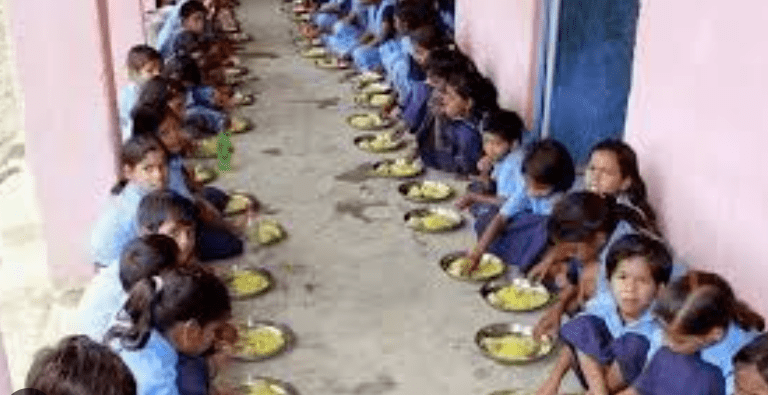
A renewed wave of administrative action has surged across Mandya district, where education authorities have ordered stricter monitoring of midday meal services in government and aided schools. The decision follows repeated complaints of unhygienic food, delayed supply, inadequate nutrition, and irregular supervision. For a district known for its agricultural heritage and large school-going population from rural households, midday meals are not just a scheme, but a critical nutritional lifeline. The renewed inspections aim to rebuild trust among students, parents, and teachers who depend heavily on the quality of meals served daily.

Officials reported that several irregularities were uncovered during surprise inspections in the past two months. These included stale ingredients, insufficient portions, incomplete menu plans, and lack of proper storage facilities. In some schools, children reportedly avoided eating meals due to taste, smell, or visible contamination. Teachers also complained that occasional disruptions in supplies forced them to request parents to send food from home, defeating the scheme’s purpose. In many villages, parents expressed concern that their children were being deprived of both nutrition and dignity, with some even contemplating shifting to private institutions.


Tightened Rules to Improve Safety, Nutrition and Accountability

The district administration has now instructed headmasters, school development committees, and local gram panchayats to conduct rigorous weekly inspections. Headmasters are required to maintain records of food quality, quantity, and nutritional balance prescribed by the meal program. Cooked meals must follow rotating menus that include vegetables, lentils, eggs (where applicable), and fortified rice. Mandya officials clarified that any deviation from the menu without a valid supply issue will now attract penalties.

Special instructions have also been issued for handling eggs and milk, two items that often raised concerns regarding freshness and adequate supply. Education officers emphasized that boiled eggs should be served intact and not cut, to maintain hygiene. There were also warnings to contractors supplying milk powder to ensure proper labeling and timely distribution. Local health officials will coordinate with schools to begin random testing of meals for contamination, particularly in high-temperature days where spoilage risks are higher.

Mandya’s Block Education Officers (BEOs) have been told to conduct sudden inspections without informing the schools beforehand. This change, authorities say, will help identify hidden negligence that scheduled visits often miss. The administration also plans to introduce a daily photo-recording system where schools must upload pictures of cooked meals before distribution. These images will serve as visual evidence of quality and portion size, creating traceable accountability for every school under the scheme.Mandya Mid-Day Meal Egg Row: 84 Students Shift Schools


Parents Demand Respect, Not Just Food

For many families in Mandya’s agrarian communities, midday meals serve a critical function beyond hunger relief — they symbolize equality and dignity. Parents complain that poor-quality meals create emotional discomfort for children, who may be teased by others or discouraged from eating at all. Some children fear speaking up due to harsh treatment when they complain about food. In public meetings, rural mothers expressed that dignity matters just as much as nutrition. Giving substandard meals, they argued, sends a message that government school students deserve less.

Parents from sugarcane worker families particularly emphasized that their children often leave early for school without breakfast, making midday meals their first meal of the day. When this meal lacks hygiene or taste, children’s attention, energy, and confidence decline. Teachers echoed these concerns, explaining that hungry students struggle to concentrate, become irritable, and lose interest in classroom activities. Several educators stressed that the midday meal initiative should not be treated as a charity, but as a right — one that directly affects learning outcomes and long-term health.

With stronger monitoring now in force, local parent committees are being encouraged to participate in weekly reviews. Many parents welcome the idea, saying it gives them a voice in school management. They believe that if parents gain direct involvement, negligence will reduce because communities will keep watch. Officials hope such participation will also rebuild emotional trust in government schooling, which has been weakening as families shift toward private institutions out of fear of poor facilities.


Contractors Under Scrutiny as Supply Chains Face Questions

A major focus of the intensified inspection is the network of contractors responsible for supplying raw materials. Mandya authorities found that a few suppliers provided low-grade rice, expired masalas, and vegetables that did not meet agreed standards. Some schools alleged that they were pressured to accept materials without complaint due to political or business influence. Food supply politics have historically created opaque procurement systems, allowing contractors to save money at the cost of children’s diet.

District officials are now reviewing all contractor agreements. They plan to blacklist suppliers who repeatedly violate norms, and bring cooperative societies or women-led self-help groups into the supply chain to ensure transparency. Self-help groups in nearby taluks have previously demonstrated better accountability due to their local presence and community monitoring. Authorities say involving such groups could reduce corruption and provide economic support to rural women.

Revised guidelines will also require contractors to maintain daily delivery logs, hygiene certifications, and receipts. These documents must be accessible for random auditing. Mandya officials emphasize that the aim is not to punish indiscriminately, but to reform supply systems so that quality food becomes sustainable and predictable, rather than dependent on lucky inspections.

Stricter monitoring of midday meals in schools in Mandya district of Karnataka - The Hindu


Strengthening Infrastructure and Cooking Spaces

The monitoring initiative has also prompted a relook at kitchen infrastructure in Mandya’s schools. Many institutions lack proper ventilation, waste disposal pits, or storage shelves. Cooking is often done in narrow, smoky spaces, posing health hazards to cooks and increasing contamination risk. Education officers have asked school authorities to prepare a detailed infrastructure report within 30 days, listing needs such as water filters, gas stoves, insulated containers, and clean flooring.

Some schools have received interim funds to repair or reconstruct cooking areas. In the next phase, authorities plan to prioritize schools in remote villages, where kitchen conditions are often the worst. Cooks have also requested better honorariums and protective gear, such as aprons, gloves, and hairnets. Many complained that they handle food without basic safety equipment, even though they are expected to meet high hygiene standards. Officials have assured them that support will soon follow.

Health experts argue that infrastructure is not optional but essential to food safety. Poorly stored ingredients and unclean cooking environments can cause mild to serious illnesses, affecting entire classrooms. They stress that improving kitchens is an investment in education, as sick or hungry children cannot learn, no matter how well a teacher performs. The district’s plan, therefore, combines physical upgrades with nutritional obligations to build a more reliable system.


Community Monitoring and Child Feedback as Central Tools

One of the most innovative components of the Mandya monitoring system is the inclusion of child feedback in meal evaluation. District education authorities have instructed schools to introduce feedback cards and group discussions where children can safely express their complaints or praise about meals. Teachers must report these opinions alongside inspection data. Officials believe that students are the direct stakeholders, and their voices should shape meal reforms more than paperwork or administrative expectations.

Community monitoring committees comprising parents, teachers, and local leaders are also being formed across taluks. These committees will make unannounced visits during meal hours, taste the food, and check for hygiene standards. They will maintain records that will be submitted every month. Officials say these committees will offer a cultural advantage — people from the community understand local food habits, preferences, and quality expectations better than distant bureaucratic observation.

As Mandya advances toward a more accountable midday meal system, education leaders argue that the scheme’s success depends on consistent, emotional investment — not occasional outrage. They emphasize that meals served in schools are not welfare leftovers, but foundational support for children’s physical and intellectual growth. For a district that takes pride in feeding the state through agriculture, it is only fitting that its children receive food that reflects dignity and care.Stricter monitoring of midday meals in schools in Mandya district of Karnataka - The Hindu


Conclusion: Nutrition, Dignity, and the Future of Public Schooling

The intensified monitoring of midday meals in Mandya represents a shift from reactive inspections to proactive accountability. For parents, this push is not merely about hygiene or menu fulfilment; it is about respect for their children’s place in the education system. For teachers, it offers hope that nutrition will strengthen learning outcomes. For the government, it sets a benchmark that meal quality is inseparable from educational rights. The reform highlights an emotional truth — a child’s first equality in school begins on their plate.

As stricter monitoring continues, Mandya is setting an example that accountability need not be a punitive burden but a shared responsibility between institutions and communities. The district’s effort demonstrates that when food becomes a tool of dignity, schools become more than classrooms — they become nurturing environments. It remains to be seen how consistently these reforms are implemented, but Mandya’s renewed commitment brings a promising message: no child should sit hungry, disrespected, or unserved in a space meant to build their future.

As stricter monitoring continues, Mandya is setting an example that accountability need not be a punitive burden but a shared responsibility between institutions and communities. The district’s effort demonstrates that when food becomes a tool of dignity, schools become more than classrooms — they become nurturing environments. It remains to be seen how consistently these reforms are implemented, but Mandya’s renewed commitment brings a promising message: no child should sit hungry, disrespected, or unserved in a space meant to build their future.

Follow: Karnataka Government

Also read: Home | Channel 6 Network – Latest News, Breaking Updates: Politics, Business, Tech & More
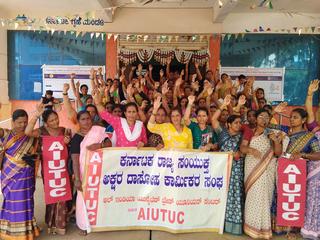
₹100 Crores of Silence: Farmers Voice Bold Emotional Outcry Over Unequal Sugarcane Pricing

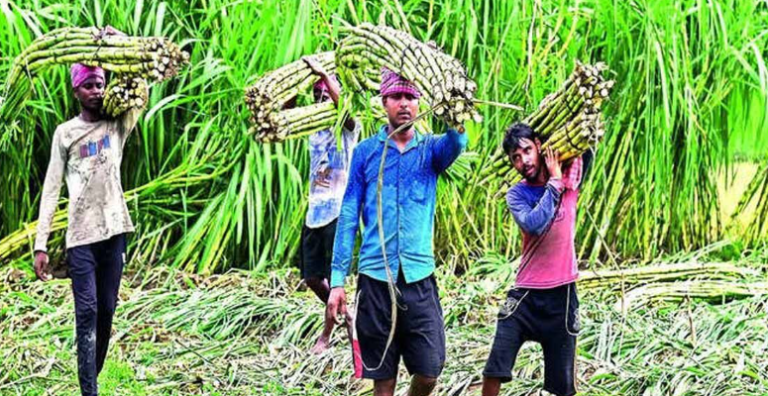
Sugarcane farmers across Karnataka have raised strong allegations of regional discrimination in the pricing of their produce, sparking a wave of protests that highlight deep economic disparities within the state’s agricultural sector. While farmers in northern districts claim they are being forced to sell their crop at far lower prices than their counterparts in the south, government responses remain slow, triggering anger and financial anxiety for thousands of cultivators. Many protestors argue that sugar mills and state policies are favouring certain regions, leaving others vulnerable to exploitation.

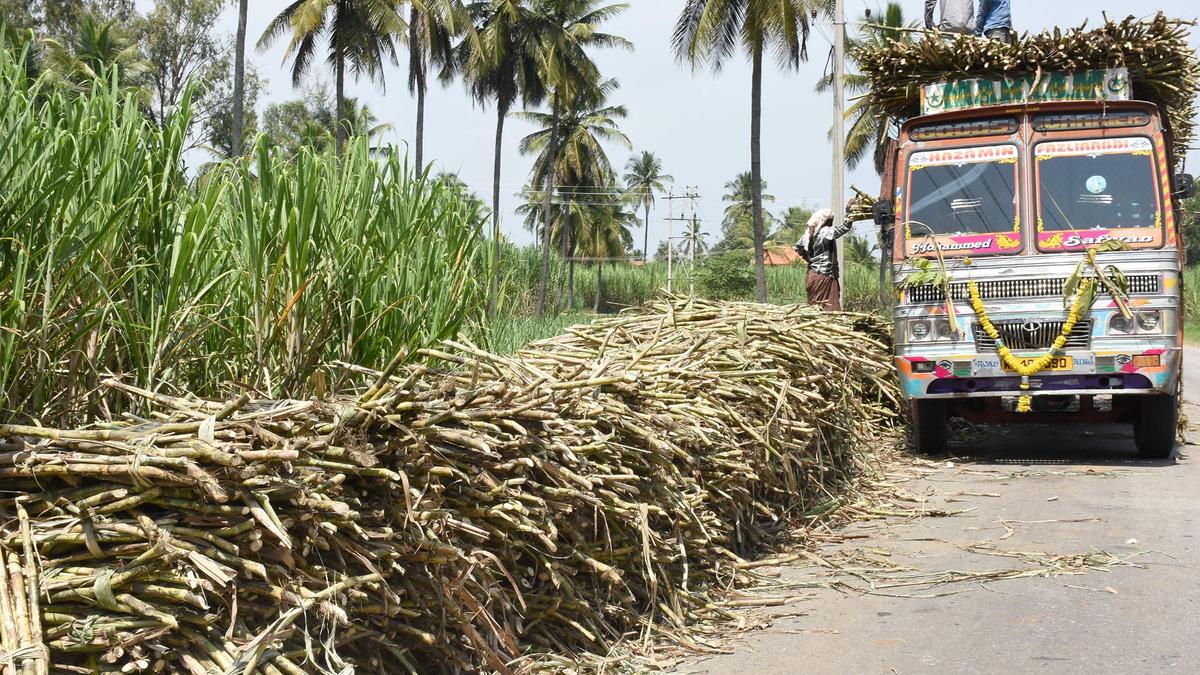
Farmers say that despite rising production costs, mill owners in districts like Belagavi, Vijayapura, and Bagalkot are allegedly offering prices far lower than those given in southern districts such as Mandya and Mysuru. In some areas, farmers are being paid less than ₹3,000 per tonne, while others receive rates exceeding ₹3,500. For growers who depend on strict cultivation cycles and increasing fertilizer and labour expenses, this discrepancy has become more than a minor issue — it is a threat to their livelihoods. Their frustration has escalated into visible demonstrations and demands for uniform state intervention.

The disparity in sugarcane pricing has also brought attention to ongoing structural problems within Karnataka’s cooperative sector. Many farmer cooperatives in the north have become inactive or financially weak due to years of mismanagement, political interference, and lack of transparency. In comparison, southern cooperatives continue to function with stronger leadership, better access to credit, and greater government backing. Farmers argue that revitalizing cooperative structures with democratic reforms could shift bargaining power back into the hands of cultivators, enabling them to negotiate fair prices with mills. They demand that audits be made public and leadership elections be conducted without political bias.

Another major grievance relates to the calculation of cane price based on “recovery rate,” the metric used to determine how much sugar can be extracted from each tonne. Farmers claim that mills manipulate recovery data to offer lower rates, especially in the north. They allege that transparency in testing is lacking and that many farmers are not allowed to witness laboratory evaluations of sugar content. Activists have proposed that every mill must permit farmer representatives to monitor the testing process and that pricing should be declared only after publicly verified assessments. They believe that fair evaluation systems will eliminate backdoor tactics used to justify unequal pricing.

Economists following the issue say the dispute serves as a reminder that agricultural value chains need inclusive policy design. They argue that industrial interests must be balanced with farmer sustainability, and that market reforms should not ignore existing regional disparities. By introducing legal safeguards for fair pricing and timely payments, the government could stabilize not only agricultural livelihoods but also industrial growth tied to sugar production. Experts also suggest exploring alternative revenue models, including earnings from ethanol, to boost farmer income without burdening mills excessively.Farmers allege regional discrimination in sugarcane pricing in Karnataka -  The Hindu

As the debate continues, farmers across Karnataka remain determined to push for a uniform price that reflects their labour, investment, and dignity. They insist that agricultural justice cannot be selective or region-based. Their movement is expected to intensify during the upcoming harvest season, when procurement negotiations are at their peak. For growers who have endured fluctuating prices and mounting debt for years, this struggle represents more than an economic demand — it is a call for respect and equal treatment. The coming months will reveal whether policymakers choose to acknowledge these grievances or allow one of the state’s most crucial agricultural communities to remain divided by regional inequity.


Farmers Demand Uniform Pricing and Timely Payments

As protests spread across sugar-producing regions, farmers insist that the government introduce a standardized minimum support price (MSP) for sugarcane that applies uniformly across Karnataka. Demonstrators argue that preferential pricing, largely influenced by influential mill owners and political networks, leaves thousands of growers without negotiating power. In northern districts, farmers claim that mill lobbies dominate decision-making and dictate arbitrary prices without government oversight, forcing cultivators to accept unequal rates due to lack of alternatives.

Many farmers emphasize that the issue is not merely about fluctuating market rates, but about timely payment delays that jeopardize their financial planning. In numerous villages, farmers said they often wait months to receive money from sugar mills, while mills in other regions pay promptly. They point to a systematic imbalance that affects purchasing power, loan repayment cycles, and the ability to reinvest in the next crop season. Rural debt continues to rise, leaving cultivators trapped between mill pressure and loan interest cycles.

Agricultural unions also argue that uniform pricing will not only protect individual farmers, but also ensure healthy competition among sugar mills. By establishing transparency, farmers believe that regional politics and private interests will lose their grip over commodity valuations. Protest leaders assert that the government must mandate mills to publicly declare pricing, payment timelines, and bonus structures, preventing secret negotiations that disadvantage growers in certain areas.


Regional Imbalance and Political Influence Shape the Debate

Farmers from the north argue that their struggles reflect not only agricultural inequality but also political neglect. They allege that sugar mills in southern areas benefit from closer relationships with political leaders who influence pricing decisions, subsidies, and market conditions. Northern cultivators claim that despite their districts contributing significantly to total sugar cane production, they are treated as secondary stakeholders compared to regions that enjoy historic ties with sugar mill owners and cooperative networks.

Several cultivators highlighted that northern Karnataka produces more sugarcane acreage, yet receives less attention in agricultural policy-making. Their view is that committees formed to discuss cane pricing often include representatives from southern mills, limiting equitable representation. Farmers further allege that repeated petitions to district authorities and agricultural boards have been ignored, deepening their mistrust toward institutional mechanisms. Protestors say that they are fighting not only a market battle but a systemic one.

The political debate surrounding cane pricing is also gaining momentum as farmer groups threaten to intensify protests if the state government does not intervene. Rural leaders warn that discriminatory treatment may affect upcoming electoral dynamics, as agricultural distress triggers resentment among northern communities. Several activists caution that if disparities persist, it may breed emotional disconnect and regional tension that could weaken trust in state institutions.


Economic Consequences Push Farmers to the Brink

While regional inequality dominates the discourse, the financial strain it creates is even more severe. Farmers say that operational costs for sugarcane cultivation have increased sharply due to fertilizer shortage, higher diesel prices, labour wage hikes, and irrigation expenses. But without fair compensation, the profit margin has narrowed drastically. Many cultivators report earning only minimal surplus after clearing debts, and in extreme cases, they work at a loss.Karnataka sugarcane protests explained: How a 9-day agitation forced the  Siddaramaiah govt to raise cane price to Rs 3,300 per tonne

Some growers have started contemplating crop switching to escape the uncertainty of sugarcane pricing. However, this too poses risks, as sugarcane fields are long-term investments requiring heavy initial expenditure and extended harvest cycles. Switching crops after years of investment leads to loss of labour, land restructuring expenses, and long delays in income. Farmers express fear that without intervention, thousands may abandon sugarcane altogether, affecting both the agricultural economy and downstream industries dependent on it.

Experts warn that the financial crisis could impact mill operations as well. If farmers begin reducing cultivation, Karnataka’s sugar production could significantly decline in coming years, affecting distilleries, ethanol production, and export targets. Economists stress that unresolved pricing conflicts may trigger a cascading effect that destabilizes entire supply chains. The looming tension between pricing inequality and farmer survival is therefore no longer just a regional debate but a concern that may affect state-level revenue and industrial output.


State Government Faces Pressure to Break the Deadlock

Faced with growing protests, the state government is under increasing pressure to mediate pricing disputes and guarantee fair remuneration for farmers. Political leaders have made assurances, but demonstrators demand concrete policy changes rather than verbal promises. Many farmers insist that any government announcement must include legal backing to prevent mills from violating agreements once protest momentum fades.

Farmers are also calling for penalties against mills that delay payments beyond regulated timelines. They emphasize that late payments create a domino effect, pushing cultivators into informal borrowing, ultimately increasing rural debt burden and farmer distress. Agricultural activists argue that government responsibility goes beyond price announcements; it must ensure enforcement and accountability through monitoring committees, audits, and clear grievance redressal mechanisms in each district.

Officials have hinted at forming new guidelines, but farmer unions warn that temporary solutions will not end the crisis. They urge the government to involve independent economists, agricultural researchers, and neutral farmer representatives instead of relying on mill-dominated committees. Protestors maintain that the time has come to treat sugarcane pricing not merely as a market decision but as a constitutional guarantee of equal opportunity and fair economic treatment across regions.

Farmers allege regional discrimination in sugarcane pricing in Karnataka -  The Hindu


Path Ahead: Farmers Demand Equity, Transparency, and Dignity

As tensions escalate, the conflict over sugarcane pricing highlights deeper questions of equity, representation, and economic justice. Farmers assert that they are not fighting for favour or charity, but for a system that treats all regions with equal respect. Their appeal is rooted not only in financial survival but in emotional demand for recognition of their contribution to Karnataka’s economy. They believe that every grower, regardless of geography, deserves the dignity of equal pricing, timely payment, and transparent negotiations.

The protests are expected to continue if decisive action is not taken. Farmer groups plan to expand mobilization efforts, conduct statewide marches, and organize sit-ins at district administrative offices. They have also expressed readiness to block mill entrances if necessary, warning that their patience is wearing thin. Civil society organizations and economic researchers are beginning to support the movement, indicating that the issue may soon gain wider public visibility.

As the state weighs its response, one thing remains clear — sugarcane farmers across Karnataka are united by a shared belief that justice in pricing is essential for sustaining their lives, their families, and the agricultural identity of their regions. Their struggle is not only numerical but deeply emotional, emerging from years of silent compromise. Whether the government acts with fairness or with political caution will determine not only the future of farming, but the trust of thousands who toil in these fields season after season.

Follow: Karnataka Government

Also read: Home | Channel 6 Network – Latest News, Breaking Updates: Politics, Business, Tech & More
Protect the Constitution: Unity in 14 Voices

Constitution: The Alternative Law Forum (ALF) has launched a unique multilingual video series that brings the Preamble of the Indian Constitution to the screens of people across Karnataka, voiced in more than 14 regional languages. This initiative aims to revive constitutional awareness while celebrating the diversity of cultures and dialects spoken in the state. By making the Preamble accessible to everyone in their mother tongue, ALF hopes to strengthen emotional connections with the values of justice, liberty, equality, and fraternity.

The project was launched in Bengaluru with the participation of activists, educators, language researchers, and students who collectively emphasized the importance of preserving regional identities while building constitutional consciousness. Organizers highlighted how the Preamble remains the moral and foundational compass of India, yet is often recited mechanically without deeper understanding. Through creative audio-visual interpretation, the video series intends to spark genuine appreciation, especially among younger audiences.


Celebrating Linguistic Identity Through Constitutional Values

The ALF team worked with speakers and cultural leaders from different linguistic groups in Karnataka to ensure authenticity in diction, tone, and cultural resonance. Each video features a narrator representing a specific community, dressed in traditional attire, reciting the Preamble in their distinctive language. This linguistic bouquet includes Tulu, Kodava, Urdu, Soliga, Byari, Halakki, Lambani, Dakhni, among others spoken widely by pockets of Karnataka’s population. Organizers emphasized that the initiative is not merely a translation project, but a representation of identities that often remain unacknowledged in mainstream narratives.

For many participants, the experience of speaking the Preamble in their own language was described as empowering. One contributor, a Halakki speaker, shared that their culture is usually associated only with folklore and dance, but the project allowed them to see their language as part of constitutional dialogue. This emotional reaction, according to ALF members, reinforces that constitutional values become meaningful when rooted in lived experiences. The campaign intends to challenge the notion that the Constitution belongs only to scholars, courts, or lawmakers, instead spotlighting its presence in everyday civic life.ALF launches video series of Preamble in Karnataka's various languages -  The Hindu

The videos also address a broader concern about fading linguistic traditions. Researchers have long warned that several languages spoken by Karnataka’s tribal and coastal communities are facing erosion. By using constitutional text to preserve these languages, ALF hopes to encourage documentation and intergenerational transfer of linguistic knowledge. The organizers plan to distribute the videos to government schools, colleges, and community organizations.

BENGALURU: In a landmark effort to bring the Constitution closer to people’s everyday lives, the Alternative Law Forum (ALF) has launched a video series rendering the Preamble in Karnataka’s many languages, turning a legal text into a living, spoken promise shared across communities. The initiative blends law, culture, and digital media, giving the Preamble a new emotional register as it is heard in the accents, cadences, and vocabularies of people from different corners of the state. For many viewers, hearing the foundational values of justice, liberty, equality, and fraternity in a familiar tongue is less a lesson and more a moment of recognition: a sense that the Constitution is not a distant document, but something that belongs to them.

The series is part of a broader effort by ALF and allied groups to demystify the Constitution and move it out of the exclusive domain of courts, lawyers, and government institutions. Instead, the Preamble is treated as a shared cultural text, as central to public life as a popular song or a folk saying. In a state often defined by its linguistic diversity, this approach carries special weight: different communities may speak different languages, but they can now gather around one shared set of constitutional ideals, each expressed in words close to home.

Each video in the series features the Preamble read aloud or performed in a specific language of Karnataka, accompanied by simple visuals that reflect the community or region associated with that tongue. The mood is intentionally intimate rather than grandiose. Many of the recordings take place in ordinary spaces — homes, community halls, local landmarks, even open fields — to reinforce the idea that the Constitution lives where people live, not only in the halls of power. Subtle background sounds, like street noise or birds, are often left in, underscoring that constitutional values are meant for the real, everyday world.

The choice to foreground multiple languages also sends a political and cultural message. In a time when debates about language, identity, and belonging routinely flare up, ALF’s project quietly insists that a shared constitutional framework can hold many tongues together without demanding uniformity. The Constitution, in this telling, does not erase difference; it weaves difference into a larger fabric. Viewers watching the playlist can move from one language to another, hearing the same Preamble reshaped by different rhythms and word choices, yet always guided by the same core ideas.

The series has been rolled out on popular social platforms, where short-form video content is already part of daily life for young people. ALF hopes this familiarity of format will make it easier for the Preamble to travel beyond classrooms, courtrooms, and official ceremonies. Instead of appearing only once a year on Constitution Day or Republic Day, the Preamble can now pop up in a scrolling feed, shared between friends, family members, and classmates. The underlying bet is simple: if people encounter the Constitution more often and in more personal ways, they are more likely to care about what it says.ALF launches video series of Preamble in Karnataka's various languages -  The Hindu


Expanding Constitutional Literacy Through Digital Platforms

ALF’s multilingual campaign aligns with a growing movement to disseminate the Preamble widely through cultural mediums. The organization plans to release one video at a time on educational platforms and social media channels, accompanied by contextual information about each language and community. The structure includes explanations of how constitutional values intersect with social justice movements, gender rights, and environmental struggles faced by Karnataka’s marginalized groups. The goal is to make the Constitution relatable rather than theoretical.

Legal experts at the launch stressed that constitutional awareness must keep pace with contemporary challenges, including growing digital misinformation, polarization, and attacks on dissent. Many pointed out that a citizen who understands their rights and duties through their own linguistic lens becomes more confident in asserting democratic freedoms. They argued that language serves as an entry point to inclusivity, and when people hear constitutional values in familiar tones, they develop a deeper sense of belonging to the nation’s legal framework.

Teachers who attended the event expressed that students often find civics textbooks monotonous, but multimedia storytelling can make constitutional studies engaging. ALF is therefore planning collaborative workshops with educators to help integrate the videos into classroom discussions. The initiative also seeks to encourage grassroots organizations to translate civic guidance, voter awareness messages, and complaint redressal information into regional languages, expanding the practical utility of multilingual education.


A Bridge Between Grassroots Culture and Modern Rights Movements

What makes ALF’s project striking is its attempt to bridge ancient linguistic heritage with modern democratic ideals. Karnataka’s linguistic diversity is not limited to widely recognized tongues but includes dialects shaped by centuries of migration, trade, agriculture, forest life, and coastal livelihoods. Many of these languages do not receive governmental support, which means speakers sometimes lack resources for education or cultural transmission. By linking them to the Constitution, the initiative proposes a form of dignity and acknowledgment that goes beyond symbolic celebration.ALF launches video series of Preamble in Karnataka's various languages -  The Hindu

Activists at the launch emphasized that many communities who speak these languages also face discrimination, land disputes, or limited access to welfare. When they hear the promise of justice and equality in their own vernacular, it invites them to view the Constitution as a tool that represents them. The videos, therefore, serve not only as cultural artifacts but as empowerment instruments. The ALF video featuring the Soliga community, for instance, is expected to resonate with tribal groups fighting for forest rights in Karnataka and elsewhere across India.

The initiative also demonstrates how constitutional literacy can be decentralized. Rather than relying solely on government or academic institutions, community-driven projects can reinterpret legal documents creatively. ALF plans to organize public screenings in coastal villages and tribal settlements, followed by open discussions where people can express what the Preamble means within their local struggles. This format may encourage communities to seek legal support for issues they previously assumed were beyond their reach.


The Road Ahead: Inclusion, Documentation, and Policy Conversations

ALF’s multilingual Preamble effort has opened the door for future expansions, including versions in sign language and scripts developed for endangered tongues. Linguists involved in the project have recommended creating written documentation for languages lacking standardized scripts. They suggest pairing video recitation with archival efforts, ensuring that linguistic and cultural histories are preserved alongside constitutional awareness. Participants believe that if policymakers support such initiatives, the state could advance broader inclusion in education systems.

There were also calls to integrate multilingual civic education into elections, government schemes, and legal aid policies. Many speakers pointed out that citizens frequently struggle to access services simply because information is not available in familiar regional languages. Translating constitutional and legal texts in ways that resonate at the grassroots level has been suggested as a step toward reducing power imbalances between institutions and citizens. ALF representatives said they hope the project sparks dialogue about linguistic rights as an integral part of democratic rights.

As the video series is gradually released to the public, legal scholars, cultural historians, teachers, artists, and activists are anticipated to join hands for workshops, research discussions, and creative events inspired by the initiative. Whether in classrooms, community halls, folk art performances, or digital platforms, the Preamble is expected to find new life in the voices of Karnataka’s diverse speakers. The videos may eventually serve as educational tools, cultural documentation, and political inspiration.


Conclusion: A Constitutional Message Woven with Emotion

The ALF multilingual Preamble series shows how constitutional principles gain depth when expressed in the emotional language of communities often pushed to the margins. Instead of treating the Preamble as a distant legal statement, the project draws it close to everyday lives. Its impact lies not only in translation but in recognition, identity, and empowerment. When a citizen hears “equality” or “fraternity” in the voice of their culture, it transforms abstract ideals into lived promises.

At a time when public discourse is marked by polarization, this initiative stands as a quiet yet powerful reminder that India’s strength lies in unity without uniformity. The Constitution was written for everyone, but it becomes truly meaningful only when every citizen feels ownership over its words. Through this effort, ALF is not just reciting the Preamble; it is reviving its spirit — one language, one community, and one emotional connection at a time.

Follow: Karnataka Government

Also read: Home | Channel 6 Network – Latest News, Breaking Updates: Politics, Business, Tech & More
1 Minor Mother in a Hostel Washroom: The Heart-Wrenching Scandal

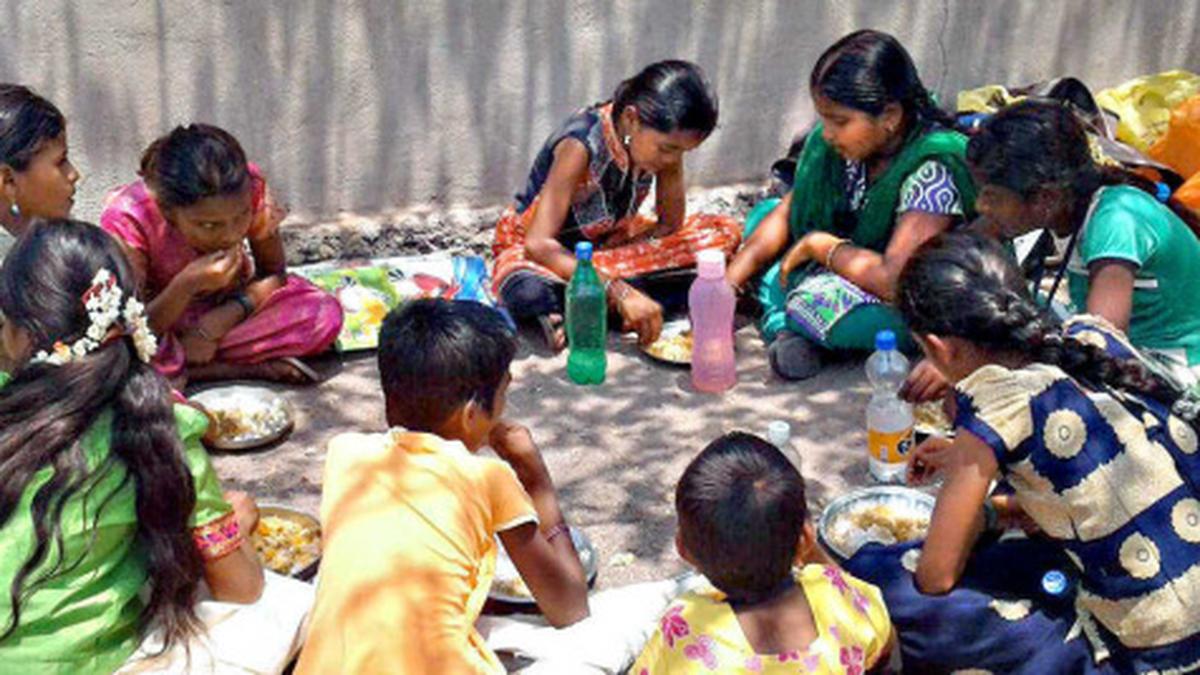
A 16-year-old girl delivered a baby inside the washroom of a government-run hostel in Koppal district, prompting the police to book a youth on charges of rape and name five hostel authorities for negligence. The incident has raised serious questions about the supervision, monitoring and safety of minors in government hostels across Karnataka. Police officials said that the girl was living in the hostel as a student from an economically weaker background and had reportedly concealed her pregnancy for several months. The delivery took place earlier this week, and authorities stated that the hostel staff were unaware of her condition until she was found in pain and bleeding.

Following the discovery, the hostel administration rushed her to a government hospital, where medical examination confirmed that she had delivered a baby. Hospital officials immediately informed the local police, who began an investigation into how the pregnancy went unnoticed and the circumstances under which the assault occurred. The girl remains under medical care. Officials said that the newborn is stable and currently under observation as the Child Welfare Committee is expected to determine further custody arrangements. Police sources said that the youth accused of sexual assault has been arrested under the Protection of Children from Sexual Offences (POCSO) Act, which strictly classifies sexual acts involving minors as offences regardless of consent.

District administration sources said that the government may issue guidelines directing all hostels for minors to maintain confidential student observation records that document health, behavioural changes and any signs of distress. Officials noted that such practices exist in policy frameworks but are rarely implemented in day-to-day management. A senior officer from the Social Welfare Department stated that hostels often lack medical partnerships with local health centres, leading to delayed identification of critical conditions. The review is expected to include provisions for mandatory quarterly medical screenings carried out exclusively by government-recognized institutions for hostel students.

Legal experts have pointed out that in cases involving minors, accountability extends beyond criminal charges to administrative liability. Depending on the inquiry results, hostel authorities may face penalties for failure to protect a child under their supervision, which is mandated under the Juvenile Justice Act. They added that negligence in such institutions could qualify as professional misconduct and could lead to dismissal or suspension of government staff. The scope of action may also include reallocation of trained personnel to hostels housing higher numbers of underprivileged minors, especially girls.

Officials are also reviewing student interaction protocols inside hostels, as most institutions do not have structured communication systems between wardens and students. Current procedures often focus on academic performance, attendance, and administrative compliance rather than personal well-being. Psychologists consulted by the committee said that students require regular access to counselling to report stress, exploitation or anxiety symptoms. Authorities are reportedly considering proposals for introducing periodic workshops that educate students about safety, reproductive health awareness and legal rights related to sexual exploitation.

The child’s family has been informed, and counselling sessions have been recommended for them as well, according to officials familiar with the case. Investigators believe that family support is vital to prevent further distress to the minor, particularly once she leaves the hospital. Officials said that interactions between authorities and families will be monitored to ensure that no external pressure affects the legal process or compromises the welfare of the survivor. Authorities have not disclosed whether the minor will continue her education from the same hostel or will be shifted to alternate accommodation under state protection.

Meanwhile, district officials have begun documenting hostel infrastructure and staffing patterns to assess whether overcrowding may have contributed to poor monitoring. In some hostels, wardens supervise more students than permitted under state norms, and caretakers are frequently assigned additional duties outside of student welfare. The department has been asked to verify whether staffing shortages influenced the lack of observation in this case. Officials said that staffing guidelines, including the required presence of qualified female wardens for girl hostels, may be reissued and enforced more strictly if shortcomings are confirmed.

While the police investigation continues, the state government is expected to review funding mechanisms for hostel management, particularly allocations for medical check-ups, staff training and emergency support systems. Some officials have indicated that current funding rarely includes specific allocations for counselling services, which are essential for adolescent welfare in residential facilities. The official review is likely to recommend financial provisions targeting health and safety monitoring. Authorities said that long-term action will depend on inquiry outcomes, but the case has underscored the need for institutional reforms to ensure the security of minors in state-run hostels.

Trapped in washroom: Bengaluru girl raped by classmate inside men's toilet

Authorities are now investigating whether the accused was known to the girl, whether the incident involved coercion, and if any other persons were aware of the situation. A senior police official said that the statements of the minor have been recorded in the presence of child welfare personnel. In addition to the youth, five individuals associated with the hostel have been named for failure to observe and report the situation in the institution. The authorities being investigated include the hostel warden, caretakers, and individuals responsible for regular student welfare monitoring. Police said that a formal report on negligence has been filed and further inquiry will determine the specific roles and lapses involved.

Officials from the Education Department and the Women and Child Development Department have taken note of the case, and joint reports have been sought to verify whether the hostel administration followed safety protocols, supervision rules, and health monitoring practices mandated by the state. District officials stated that routine medical examinations were required but allegedly not implemented, a lapse which may have contributed to the pregnancy remaining undetected. The case has highlighted administrative failures in identifying health issues among minor students and reporting them immediately to authorities.

Investigation Focuses on Safety Norms, Lack of Monitoring in Hostels

The incident has generated concern surrounding management practices and oversight in government hostels, which house students from marginalized and economically weak communities. Hostels of this category are expected to maintain records, conduct regular health checks, provide counselling facilities, and ensure constant supervision. Officials said that these responsibilities were not carried out as required, leading to a situation where a minor remained pregnant and delivered a child without detection.

A district official stated that the administration is reviewing whether the staff had sufficient training to recognize health concerns among students, especially those who live away from their families and are dependent on hostel facilities. A senior officer investigating the matter added that the girl did not report the pregnancy to anyone, and there is no evidence at present that she sought help from hostel staff. However, investigators also stated that a minor cannot be expected to take responsibility for reporting exploitation. Authorities emphasized that the core responsibility lies with the institution to observe behavioural or physical changes and assess students’ welfare through established procedures.Muskan, accused in sensitive 'blue drum' murder case, gives birth to baby girl - The Hindu

Members of the Child Welfare Committee held preliminary meetings with the police and government departments to determine immediate action. Officials stated that the committee will ensure the minor receives counselling, medical support and protection. Further directions will address whether the minor will continue studying from the hostel or be shifted to a different protected environment. A review of whether the hostel met the child protection norms stipulated under the Juvenile Justice Act and the Karnataka Hostel Management Standards has also been initiated.

Local child rights activists said that this incident reflects a larger problem of neglect and inadequate monitoring in hostels across several districts. They claimed that issues often go unnoticed due to lack of training, insufficient staffing and minimum communication between hostel authorities and families. The activists stated that preventive mechanisms must include medical check-ups for adolescent girls, compulsory appointments of female wardens in girls’ hostels, and access to complaint systems that minors can trust. Officials said these suggestions will be studied, but no formal announcement has been made regarding reforms yet.

Police officials confirmed that forensic and medical evidence has been recorded, and the case will be pursued under Section 376 of the Indian Penal Code along with relevant provisions of the POCSO Act. Investigators are verifying the timeline of events, including when the girl met the accused youth, how many times contact occurred and whether the minor attempted to communicate her situation to anyone. The police said that they are also investigating whether there were earlier complaints from other students that may indicate gaps in supervision. Information from hostel residents will be collected to understand whether they noticed the girl’s physical changes or behaviour indicating distress.Kolkata law college rape case: Accused sent to police custody till July 8 - The Hindu

Long-Term Actions to Be Determined After Official Reports

Authorities said that further administrative action against hostel officials will depend on investigations by both the police and the Education Department. If negligence is proven, charges may include failure of duty under child protection laws and violation of hostel management guidelines. The government has also asked for a detailed review of procedures for medical inspections, reporting mechanisms, and appointment protocols for staff managing minor students.

Medical professionals handling the case expressed concern that the minor did not receive prenatal care despite carrying the pregnancy to full term. Doctors said that the lack of support placed both the girl and the newborn at significant risk. They stated that the girl will require continued medical attention due to the health implications associated with childbirth at a young age. Authorities confirmed that counselling has been initiated to address psychological trauma.

The Child Welfare Committee will issue directives once the minor is stabilised, including instructions regarding education, safety arrangements, and legal support. Investigators said that confidentiality will be maintained throughout the proceedings to protect the identity of the minor. The police reiterated that action will be taken against anyone found to have obstructed reporting or failed to discharge duties that could have prevented the situation.

Officials stated that this case will likely influence administrative discussions on hostel reforms. However, they said that immediate priority remains the health and protection of the minor and evidence collection for prosecution. Further details are expected after departmental reports are reviewed and consolidated in the upcoming weeks.

Follow: Karnataka Government

Also read: Home | Channel 6 Network – Latest News, Breaking Updates: Politics, Business, Tech & More
Acquittal of Murugha Mutt Seer Triggers Emotional Debate in Karnataka: Shocking 1-Case Relief

Chitradurga witnessed a dramatic legal development after the District and Sessions Court acquitted the seer of Murugha Mutt in the first of multiple POCSO cases registered against him. The court ruled that there were no sufficient grounds for conviction based on the evidence presented in this specific case, granting the religious leader a major legal respite. The verdict has stirred intense reactions across Karnataka, with followers of the mutt expressing relief, while child rights groups and legal activists warn that the outcome must not be interpreted as full exoneration. The seer continues to face trial in other pending cases, keeping public attention firmly glued to the next legal steps.

Supporters of the mutt describe the judgment as a long-awaited clarification, asserting that the case lacked strong corroboration from the beginning. Many devotees believe that the allegations were politically motivated or influenced by internal disputes within the mutt. They argue that the court’s observation reinforces the need to examine accusations without prejudice, especially when they involve religious leaders who command social influence. As news of the verdict spread, religious gatherings were held in and around Chitradurga, with followers offering prayers and expressing hope that the remaining cases will also collapse in the coming months.Bail for Murugha mutt seer in one of two cases of sexual assault on minors  - The Hindu


Court’s Decision Raises Questions: Legal Experts Say Acquittal Applies Only to One Case: Murugha

Judicial observers emphasize that the acquittal is restricted to one of the POCSO cases registered against the seer, not the entire set of allegations. The court concluded that contradictions in witness statements and lack of clear evidence made it legally untenable to convict the accused in this particular case. Lawyers following the trial stress that criminal law demands strong, conclusive proof when the charges involve protection of minors, and that the benefit of doubt, however limited, must go to the accused. However, they warn against drawing broad conclusions about the seer’s innocence when other FIRs and charges are still under scrutiny.

Child rights activists, meanwhile, express anxiety over what they see as a discouraging outcome for survivors of sexual violence. They argue that the high-profile nature of the case places tremendous pressure on those who testified, and that institutional power may silence or discourage victims from speaking openly. Activists call for protection of survivors’ identities, reassurance from authorities, and strict monitoring of any attempts to influence ongoing investigations. They assert that the judicial process must continue without fear, regardless of societal pressure or the religious weight carried by the accused.

Legal experts also caution that evidence gathering in cases involving children often faces obstacles, particularly when survivors are influenced by family, community, or intimidation. They emphasize that a failure to convict in one case could reflect investigative gaps rather than the absence of wrongdoing. These gaps might include delays in recording statements, insufficient medical evidence, or inconsistencies caused by stress or fear in child witnesses. Observers believe that the remaining trials will require heightened scrutiny to prevent the misuse of influence or religious authority to manipulate outcomes or weaken testimonies.


Mixed Reactions Across Karnataka as Mutt Politics, Religious Influence Highlight Case’s Complexity

The Murugha Mutt is not merely a spiritual space but a socio-political powerhouse with influence over large Lingayat communities across various districts. This makes the case deeply complicated, involving not just legal proceedings but also community dynamics and political implications. Political parties are responding cautiously, wary of alienating influential constituencies ahead of upcoming electoral cycles. Some leaders urge that the law be allowed to function independently, while others privately acknowledge that the case has the capacity to alter community loyalties if it results in a conviction or broader exoneration.Karnataka seer Shivamurthy Sharana arrested in POCSO case after court  issues NBW

Within the mutt, senior devotees and administrative representatives insist that the acquittal marks the beginning of the seer’s return to leadership. They reiterate that the institution has suffered reputational damage due to allegations they describe as unverified and exaggerated. Some mutt members even hint at plans to restore the seer’s public role if further cases fall apart. Critics, however, warn that reinstating him prematurely could undermine the seriousness of pending trials and place survivors at risk if community pressure escalates.

Outside the mutt, concerned citizens and women’s groups are planning to mobilize public dialogue about the challenges faced in prosecuting sexual abuse cases involving powerful individuals. They argue that Indian society often struggles to separate religious reverence from accountability, and that survivors must not be judged or blamed for accusations against figures with social stature. They are urging a broader discussion on how community respect must remain compatible with legal scrutiny, especially when children are at the center of the allegations.


As the legal process moves forward, all eyes remain on how authorities will handle subsequent trials. Lawyers involved with the remaining cases insist that the evidence continues to be examined and that further hearings will explore issues not addressed in the acquitted case. The state’s investigative agencies are also facing fresh pressure to ensure that their work withstands judicial evaluation in the remaining proceedings, including securing witness protection against possible intimidation, persuasion, or social ostracism.

Families in Chitradurga familiar with the mutt’s outreach efforts express deep emotional conflict over the controversy. Some are hesitant to comment publicly, fearing community backlash, while others quietly admit that the allegations have shaken their trust. They emphasize that the verdict does not eliminate the pain and confusion experienced by local families who once saw the mutt as a source of spiritual direction and moral authority. For many, today’s relief among devotees is counterbalanced by questions that the subsequent cases must answer.SC rejects Chitradurga Muruga mutt seer's bail petition in 2022 Pocso case  | Latest News India

Ultimately, the acquittal in the first case marks only the beginning of a much longer legal and social journey. Whether the Murugha Mutt’s leader is eventually cleared or held accountable will depend on facts established in the remaining trials and the judicial integrity with which they are conducted. Until then, Karnataka faces a delicate moment, navigating the thin line between religious reverence and justice for potential survivors. The future will reveal whether the verdict becomes a moment of genuine truth—or a temporary pause in a complex pursuit of accountability.

The psychological impact on survivors who came forward remains a critical concern among mental health professionals. Counselors who work with children in sensitive cases emphasize that acquittals, especially in high-profile matters, often intensify fear, guilt, or self-doubt among complainants. They warn that the pressure of community judgment can be heavier than the courtroom process, particularly when the accused is a revered religious figure. Families of survivors may face social isolation, stigma, or financial harassment in the coming months, making long-term counseling and institutional support essential if justice is to be pursued fairly and without coercion.

At the same time, community leaders who support the seer argue that child witnesses are vulnerable to manipulation from external influences, including political and personal rivalries. They insist that false accusations must also be treated with seriousness, especially when they involve powerful positions that attract both respect and resentment. These leaders claim that the acquittal signals the need to reassess how complaints are handled and verified before subjecting religious institutions to reputational damage. However, legal professionals caution that such sweeping statements may undermine the credibility of genuine survivors, diverting attention away from the objective judicial process.

The ongoing tension reflects a broader national struggle over how Indian society reconciles faith, accountability, and legal systems. High-profile figures in religious and political spheres often attract intense loyalty, making allegations against them emotionally charged for their followers. Experts argue that the justice system must continue to maintain neutrality, insulated from public pressure or communal lobbying. They emphasize that each case must stand on its own merits, with the court examining evidence rather than public emotion. Whether the seer is guilty or innocent should ultimately be established case by case, not through collective sentiment or assumptions.

The acquittal also places scrutiny on the quality of investigations and the role of the police. Critics argue that poorly collected evidence, delayed procedures, or improper witness handling can significantly weaken a case. This raises questions about whether the acquittal reflects factual innocence or investigative incompetence. Civil society groups are demanding an audit of police procedures in all related cases, claiming that law enforcement agencies must be trained to handle POCSO accusations with greater urgency, professionalism, and sensitivity. Without such reform, they fear that similar cases involving vulnerable victims may collapse in court despite valid evidence.

Meanwhile, political reactions continue to be measured but tense. While mainstream parties are avoiding direct comment, insiders reveal that strategies are quietly shifting based on how the community responds to the verdict. Leaders are closely monitoring whether public sentiment strengthens around the mutt or grows more divided as future hearings progress. With Lingayat institutions playing a crucial electoral role in Karnataka politics, no major party wants to risk alienating either devout followers or increasingly vocal rights groups. The courtroom has thus become a space where legal questions are deeply entangled with social cohesion and political arithmetic.

As Karnataka braces for the remaining trials, the Murugha Mutt case stands at a crossroads between legal scrutiny and public perception. The acquittal brings temporary relief to supporters, but it also sharpens expectations for truth, justice, and institutional accountability. The coming months will reveal whether the judicial system can deliver outcomes rooted in evidence and fairness, rather than influence or emotion. For now, both devotees and activists wait with cautious patience, knowing that the final verdicts will not only define the fate of one seer, but also shape how India confronts allegations of abuse against the powerful in spaces of faith and authority.

Follow: Karnataka Government

Also read: Home | Channel 6 Network – Latest News, Breaking Updates: Politics, Business, Tech & More

New smart glasses Launch in India: Oakley–Meta Partnership Brings A Fresh Upgrade in 2025

0

New smart glasses Bring Oakley’s Design and Meta’s AI to India

new smart glasses are set to enter the Indian market as Meta and Oakley confirm the launch of their performance-focused eyewear next month. This collaboration brings Meta’s hardware and AI tools together with Oakley’s well-known frame design. The product aims to fit into daily use, outdoor activity and content capture without needing to pull out a phone.new smart glasses

The new smart glasses will be priced at Rs 41,800, placing them in the premium category of smart eyewear in India. Pre-orders begin on November 25 through Sunglass Hut’s official website, and the nationwide sale starts on December 1, 2025, across Sunglass Hut stores and other partner outlets.

New smart glasses Combine Camera, Audio and Voice-Based Tools

Meta is positioning these glasses as an option for users who want hands-free photography, quick information access and simple voice-based controls. The hardware includes a built-in camera capable of Ultra HD 3K video recording, open-ear speakers and Meta’s integrated AI assistant. This combination is designed to help users record short moments, manage everyday tasks and stay connected without lifting a phone.Oakley Meta HSTN AI glasses go on sale in India from Dec 1: Price, features  | Gadgets - Business Standard

The design comes in six frame and lens combinations, all compatible with prescription lenses. Lens options include PRIZM Ruby, PRIZM Polar Black, PRIZM Deep-Water, Transitions Amethyst, Transitions Grey and a Clear variant. This variety allows users to pick a style based on outdoor use, work settings or indoor activity.

Oakley’s design approach focuses on a secure fit for movement, making the new smart glasses usable during running, cycling and training. The open-ear speakers sit along the frame, letting users hear audio while still being aware of their surroundings. This feature is intended for people who want audio guidance or music without closing off ambient sound.

New smart glasses Arrive With Multiple Frame Options and Hindi Support

Meta has added voice controls that work in both English and Hindi. Users can activate the assistant by saying a simple command such as “Hey Meta, take a video,” which immediately starts recording without touching the frame. This voice system can also handle calls, messages, search results, reminders and basic tasks. Hindi support can be enabled through the Meta AI app, reflecting an India-specific update.Oakley and Meta unveil AI-powered smart glasses for Athletes with built-in  camera: Price, availability and more | Mint

The company has hinted at further additions for Indian users, including UPI Lite payments, which have been listed as “coming soon.” This suggests that future software updates may enable simple payment actions directly through voice commands.

The new smart glasses also carry an IPX4 water-resistance rating, allowing them to tolerate splashes or light exposure to water. This level of durability is aimed at users who spend time outdoors or in training environments where sweat and moisture are common.

Battery performance is another focus. Meta says the glasses offer up to 8 hours of typical use and 19 hours on standby. Fast charging brings the battery to approximately 50% in around 20 minutes. The carrying case functions as a power bank, adding up to 48 extra hours of usage, making it suitable for travel or long activity days.

New smart glasses Offer Performance Features for Outdoor Users

On the software side, the new smart glasses will support apps such as Strava and Garmin, allowing users to track activity metrics without looking at a phone or smartwatch. This integration positions the glasses as a practical tool for outdoor fitness routines, cycling routes, distance tracking and training progress.Meta unveils its Oakley smart glasses | TechCrunch

The product aims to stand between regular eyewear and a wearable assistant. Instead of focusing on entertainment or heavy computing features, Meta is presenting the new smart glasses as a utility device meant for recording short clips, accessing quick information and improving convenience in daily tasks. Oakley’s design brings familiarity to users who already trust the brand for sports and outdoor gear.

The Indian launch shows Meta’s interest in wearable products for markets where outdoor activities, cycling, running and short-form video capture continue to grow. The partnership with Oakley adds durability and comfort, making the glasses structured for long hours of use. Also Read: ChatGPT Go Subscription Free for 12 Months in India, A Bold Tech Move That Changes Everything

Conclusion

The new smart glasses mark Meta and Oakley’s entry into India’s premium wearable segment, offering a mix of camera tools, AI support and everyday convenience. Their design and features position them for people who want simple, hands-free access to information and content capture without relying on a phone.

Microsoft’s Copilot Set to Leave WhatsApp Soon After Major Policy Shift in 2025

0

Microsoft’s Copilot Faces Removal From WhatsApp After New Restrictions

Microsoft’s Copilot is now confirmed to be leaving WhatsApp early next year following Meta’s quiet but impactful update to its business API policy. This move comes shortly after it was revealed that ChatGPT would also step away from the messaging platform. The updated rules limit the presence of general-purpose AI chatbots on WhatsApp, leaving only Meta’s own AI service active on the platform. As a result, Microsoft has announced that Copilot will no longer be available on WhatsApp from 15 January 2026, marking a clear shift in how third-party AI tools operate within the app.Microsoft to Remove Copilot from WhatsApp as Platform Tightens Rules on AI  Chatbots - CXO Digitalpulse

Microsoft shared that Copilot first arrived on WhatsApp toward the end of 2024, offering quick responses, assistance, and simplified tasks directly through the chat interface. The company stated that it is “proud of the impact” Copilot has had on users but emphasized that the removal is tied directly to WhatsApp’s updated rules. According to Microsoft, the policy effectively blocks all large language model chatbots except Meta AI, leaving no option for Copilot to remain accessible on the platform.

Microsoft’s Copilot Moves Away From WhatsApp as Meta Alters Access Rules

Microsoft addressed user concerns by saying that it is preparing a smooth transition so that people can continue using the chatbot on other platforms, including mobile apps, web portals, and PC versions. The company also highlighted a key point: all Copilot chats on WhatsApp are unauthenticated, meaning they cannot be transferred to other Copilot services. Users who want to save their older conversations must export their chats through WhatsApp’s built-in tools before the January 2026 deadline.Microsoft removes Copilot AI from WhatsApp in 2026 | Technobezz

Meta’s updated policy is written broadly, covering all major AI and machine learning tools. The policy states that providers or developers of AI systems including large language models and general-purpose assistants are not allowed to access or use the WhatsApp Business Solution. This rule applies regardless of how the AI connects to the platform. In practice, the rule removes all outside AI chatbots while keeping Meta AI as the only approved assistant that WhatsApp users can interact with.

Microsoft’s Copilot Departure Creates a Notable Change in WhatsApp AI Use

Meta’s official reasoning centers on server load and system management. By restricting high-volume AI tools, the company claims it can maintain better control over performance and stability across the platform. However, the timing and structure of the policy suggest a deeper strategic angle. With other AI chatbots stepping away, Meta AI becomes the only major assistant available on WhatsApp, naturally directing all traffic toward Meta’s own system. This move increases user dependence on Meta AI, which could lead to higher engagement levels and strengthen Meta’s plans for AI-based services inside WhatsApp.Microsoft Copilot to Exit WhatsApp on January 15 as Meta Enforces New AI  Rules

Recent disclosures from Meta also add another dimension. The company confirmed that conversations with Meta AI may be used to help show personalized content and ads. As Meta AI gains more daily interactions, this creates more data points for improving ad targeting, which can potentially increase revenue. Keeping Meta AI as the only chatbot on WhatsApp positions it at the center of both platform activity and advertising tools.

For users, the removal of Microsoft’s Copilot from WhatsApp marks a shift in how third-party AI assistants will operate within widely used communication apps. Over the last year, chat-based AI tools had become common for productivity, quick research, short answers, and even creative assistance. With both Copilot and ChatGPT leaving the platform, the diversity of AI choices on WhatsApp reduces significantly. Users depending on Copilot for daily tasks must now either export their chats or relocate their workflow to other Copilot apps. Also Read: ChatGPT Go Subscription Free for 12 Months in India, A Bold Tech Move That Changes Everything

Microsoft’s Copilot Transition Highlights Meta’s Updated Direction for AI Tools

The change also reflects a growing divide in how major tech companies are shaping their AI ecosystems. Meta is positioning WhatsApp as a tightly controlled environment with its own AI at the center, while Microsoft continues to expand Copilot across multiple operating systems and productivity platforms. These shifts suggest that competition among AI developers is moving from open-platform availability to closed-system integration, where each company protects its own services.Copilot Leaves WhatsApp Jan 15 2026: Migration to Copilot Apps | Windows  Forum

Overall, the departure of Microsoft’s Copilot from WhatsApp highlights a significant platform change driven by Meta’s updated policy. As users prepare for the transition, companies like Microsoft aim to guide them toward alternative ways to access the chatbot across their ecosystem.

Conclusion:
The removal of Microsoft’s Copilot from WhatsApp marks a clear policy shift by Meta, leaving Meta AI as the only assistant on the platform and pushing users to rely on other devices and apps to continue using Copilot.

Friday Black Sale Brings Major Price Drops on Popular Premium Smartphones in 2025

0

Friday Black Sale Offers Fresh Reductions on iPhone and Samsung Flagships

Friday Black sale has started across major retail platforms with noticeable price cuts on several premium smartphones. Popular models from Apple and Samsung, along with other flagship devices, are now listed at reduced rates on Amazon, Flipkart, and Croma. This round of offers focuses on making recently launched and previous-generation flagship phones more accessible through price drops, bank discounts, and EMI plans.Amazon Black Friday sale: Check deals, offers on Apple, Samsung smartphones  | Tech News - Business Standard

One of the most highlighted offers during the Friday Black sale is on the iPhone 16. On Croma, the phone is available at a starting price of Rs 66,490 before applying additional discounts. Buyers using select bank cards can get a further Rs 4,000 reduction, which brings the effective price down to Rs 62,490. This discount is significant when compared to the original launch price of Rs 79,900. Croma is also offering no-interest EMI options and exchange benefits, giving buyers more flexibility in payment methods without increasing the overall cost. These combined offers have made the iPhone 16 one of the most sought-after deals during the sale.

Friday Black Sale Creates Strong Attraction With Notable Discounts Across Platforms

The Friday Black sale also includes price cuts on Samsung’s premium lineup. The Samsung Galaxy S24 Ultra, one of the most powerful Android flagships of the year, is listed at Rs 84,999 on Amazon. This is a sharp drop from the original price of Rs 129,999. Additional cashback offers and flexible EMI choices are also available. The reduced price has brought the device into a more compelling value range for buyers who were waiting for a lower price before upgrading.Samsung's Black Friday Sale offers up to Rs 30,000 discount on Galaxy Z  Fold, Flip 6, S24 Series, more | Technology News – India TV

Another major highlight of the Friday Black sale is the offer on Samsung’s foldable phones. The Samsung Galaxy Z Fold6 is listed on Flipkart at Rs 103,890, compared to its initial price of Rs 164,999. This makes it one of the strongest deals in the foldable category. Bank cashback offers up to Rs 4,000 can further reduce the effective cost. With foldable phones usually priced at a premium, this discount makes the Z Fold6 more accessible to users exploring new form factors in smartphones.

Friday Black Sale Highlights Big Cuts on iPhone 16 and Other Premium Models

The Samsung Galaxy Z Flip6, another foldable model, is also included in the Friday Black sale. On Amazon, it is available at Rs 67,599, much lower than its original price of Rs 109,999. Select bank cards can add an extra discount of up to Rs 3,000, and no-interest EMI plans for up to three months make the purchase easier for those wanting a compact foldable device. The Flip6 has been a popular choice for people looking for a combination of style and practicality, and the sale price is expected to attract more buyers.

Apart from Apple and Samsung, the Friday Black sale includes discounts on other flagship phones such as the Nothing Phone 3 and more models that fall under the premium category. Each platform has introduced varied offers, combining direct price cuts with exchange benefits and additional cashback options. Buyers can choose based on their preferred brand, EMI duration, and bank partnerships. These layered discounts play a key role in making premium phones more accessible to a wider group of users during the sale period.Black Friday 2024: Best discounts on iPhone, Samsung, Pixel and more |  Express.co.uk

Retailers have designed the Friday Black sale to draw attention from buyers planning year-end purchases. With the increase in competition among e-commerce platforms, these price reductions aim to create a strong demand surge across categories. Premium smartphones often receive the highest interest during big sale events, and the current offers reflect this trend. Brand-loyal customers, as well as buyers looking to switch platforms, have multiple choices to compare across price ranges and feature sets.

Friday Black Sale Extends Savings on Samsung Foldables and High-End DevicesApple iPhone 15 for Rs 57,999 and other top deals from Flipkart Black  Friday sale | Technology News - The Indian Express

The sale also helps buyers who are waiting for a value-driven moment to upgrade from older devices. Premium phones that generally carry a high price tag appear more approachable during this period, especially when combined with exchange bonuses. These exchange deals allow users to reduce the price further by trading in older smartphones, adding extra value to the promotional pricing.

Overall, the ongoing Friday Black sale delivers notable discounts on new and recent flagship smartphones, making it a strong opportunity for users planning a purchase. With price drops across platforms, bank offers, EMI plans, and added bonuses, the sale presents a practical way for buyers to secure premium devices at more manageable prices. Also Read: ChatGPT Go Subscription Free for 12 Months in India, A Bold Tech Move That Changes Everything

Conclusion:


The Friday Black sale brings meaningful price reductions across popular premium smartphones, giving buyers a chance to upgrade with better value and easier payment options.

iQOO 15 Launches in India With Powerful New Additions That Stand Out in the Flagship Market

0

iQOO 15 Brings Fresh Flagship Energy to the Indian Smartphone Segment

iQOO 15 arrives in India with a strong push into the premium smartphone market, launching in two storage variants priced at Rs 64,999 for the 12GB + 256GB model and Rs 71,999 for the 16GB + 256GB option. The brand has announced launch offers that include up to Rs 7,000 discount, an additional Rs 7,000 exchange benefit, and a Rs 1,000 coupon discount. With this introduction, the company is targeting users who want flagship-level speed, display quality, and gaming performance without stepping into the ultra-luxury category.iQOO 15 confirmed to launch in India in November: Specs, expected price and  everything else we know

The launch of iQOO 15 also marks the debut of a new interface element called Atomic Island. Inspired by the idea of providing real-time interactive alerts, it brings a floating feature that shows notifications and allows quick actions such as controlling music or handling timers without switching screens. This addition gives the phone a more dynamic feel and aims to enhance daily usability for people who rely heavily on on-screen shortcuts.

iQOO 15 Introduces a New Display and Performance Package That Draws Attention

One of the strongest highlights of iQOO 15 is its display. According to the brand, this is the first Android device to come equipped with Samsung’s 2K M14 LEAD OLED panel. The display is designed to deliver higher clarity, improved color accuracy, and better brightness management. With rising competition among premium phones, this screen technology positions the model as one of the sharper visual experiences currently available in India. Combined with a smooth interface and focus on details, the phone aims to appeal to users who value clean visuals for streaming, reading, and gaming.iQOO 15 confirmed to launch in India on November 26: Expected  specifications, features and more | Mint

Powering iQOO 15 is the Snapdragon 8 Elite Gen 5 chipset, which the company calls India’s fastest processor at launch. This hardware brings 144fps gameplay capability, targeting gamers who want long, consistent performance without sudden frame drops or heating interruptions. The phone also includes what the company claims to be the largest single-layer VC cooling system in the country, built to maintain temperature even during extended heavy use. By emphasizing cooling efficiency, the model separates itself from devices that struggle with heat control during graphics-intensive tasks.

iQOO 15 Expands the User Experience With a New Interactive Feature

Battery performance is another area where iQOO 15 attempts to meet the expectations of power users. The phone supports fast charging suitable for users who do not want long waiting times between gaming, streaming, and multitasking. While the exact charging numbers are not highlighted in the launch details, the focus remains on stable power delivery rather than pushing only high-speed charging claims. This approach keeps the phone aligned with users who value durability and long-term battery health.iQOO 15 set to launch in India in November with new 'Dynamic Glow'  interface - All details | Technology News (HT Tech)

The camera setup on iQOO 15 aims to balance clarity, speed, and performance. With a flagship-grade sensor arrangement, the device focuses on natural color output, controlled sharpness, and low-light stability. While the brand does not challenge the top-tier camera phones directly, it offers a capable system that blends well with the overall hardware package. The addition of new computational enhancements is meant to create more consistent results when shooting indoors, outdoors, or in mixed lighting.

Design-wise, iQOO 15 continues the clean and minimal approach the brand is known for. The build carries a premium finish with refined edges, making it suitable for users who prefer simple, modern aesthetics without unnecessary design elements. The placement of controls and ports follows a practical layout that supports comfortable everyday use. Although the model focuses heavily on performance, the design retains enough sophistication to appeal to premium buyers.

iQOO 15 Strengthens Its Position With Hardware Built for Heavy Performance

Connectivity features in iQOO 15 include updated network support, Wi-Fi enhancements, and improved Bluetooth stability. These upgrades aim to create smoother transitions when shifting between apps, calls, and media. The phone also carries software optimizations that help maintain performance over long periods instead of relying on speed alone. This balance between hardware and system tuning is an important factor in creating a reliable, long-term user experience.iQOO 15 India Launch Confirmed to Take Place in November Through Official  Amazon Listing - Gizbot News

With the launch of iQOO 15, the company strengthens its presence in India’s high-performance smartphone segment. The combination of an advanced display, new interactive features, a powerful chipset, and a strong cooling system gives the model several distinguishing qualities. The phone is positioned for users who prioritize performance, gaming, visual clarity, and smooth everyday use. Also Read: ChatGPT Go Subscription Free for 12 Months in India, A Bold Tech Move That Changes Everything

Conclusion:
The arrival of iQOO 15 adds a strong contender to India’s flagship smartphone lineup, offering performance-focused features and refined upgrades wrapped in a practical design.