Tuesday, December 30, 2025
Home Blog Page 123

Arunachal Pradesh India Territory: Shocking Detention Sparks Diplomatic Row

Arunachal Pradesh – India has strongly reiterated its sovereignty over the northeastern state following a diplomatic incident that has brought the long-standing territorial dispute back into the spotlight. The Ministry of External Affairs issued a firm statement on Tuesday, emphasizing that the Arunachal Pradesh India territory question is not up for debate, describing the region as an integral and inalienable part of the nation.

Detention Incident Triggers Fresh Tensions

The latest controversy erupted when Prema Wangjom Thongdok, a UK-based Indian citizen, was detained at Shanghai airport on November 21 while traveling from London to Japan. What should have been a routine three-hour layover turned into a harrowing experience when Chinese immigration authorities declared her passport invalid simply because it listed Arunachal Pradesh as her birthplace. The incident has brought the sensitive issue of Arunachal Pradesh India territory to the forefront of bilateral relations once again.

Thongdok’s ordeal lasted several hours, during which she was reportedly subjected to questioning and denied the right to continue her journey as planned. The incident has raised serious concerns about the treatment of Indian citizens traveling through Chinese airports, particularly those hailing from the disputed region.

China Reiterates Territorial Claims

In response to the growing controversy, Chinese foreign ministry spokesperson Mao Ning defended the actions of immigration officials, claiming that no compulsory measures, detention, or harassment had occurred. However, she went further by reasserting China’s claim over the region, referring to it by the Chinese name “Zangnan” and stating that China has never acknowledged what she termed the “so-called Arunachal Pradesh illegally set up by India.”

This statement represents yet another attempt by Beijing to challenge India’s sovereignty over the Arunachal Pradesh India territory, a position that has been consistent in Chinese diplomatic rhetoric but remains unacceptable to New Delhi. The reference to the region as illegally established particularly drew sharp criticism from Indian officials.

India’s Firm Response to Chinese Claims

MEA spokesperson Randhir Jaiswal issued a strongly worded response, categorically rejecting China’s assertions. “Arunachal Pradesh is an integral and inalienable part of India, and this is a self-evident fact,” Jaiswal stated, adding that no amount of denial by the Chinese side would change this indisputable reality. The statement reinforced India’s unwavering position on the Arunachal Pradesh India territory matter.

Jaiswal further highlighted that the detention issue had been taken up strongly with Chinese authorities through diplomatic channels. He pointed out that Chinese officials have failed to provide a satisfactory explanation for their actions, which violate several international conventions governing air travel. The spokesperson noted that China’s own regulations permit visa-free transit for up to 24 hours for nationals of all countries, making the detention even more questionable.

Violation of International Travel Norms

The incident has raised broader questions about compliance with international aviation and transit protocols. India has emphasized that the treatment of Thongdok violated established norms that facilitate smooth international travel. The MEA’s statement underscored that Chinese authorities acted contrary to their own published guidelines, which should have allowed the Indian citizen to transit without impediment.

The Arunachal Pradesh India territory dispute has thus extended beyond mere territorial claims to affect the practical aspects of international travel, potentially impacting thousands of Indian citizens who may need to transit through Chinese airports.

Regional Leadership Condemns Incident

Arunachal Pradesh Chief Minister Pema Khandu expressed deep shock over the incident, describing the treatment of Thongdok as “appalling racial mockery.” His statement reflected the sentiments of residents of the northeastern state, who have increasingly found themselves caught in the crossfire of this territorial dispute.

The chief minister’s response highlighted the human dimension of the Arunachal Pradesh India territory controversy, emphasizing how geopolitical tensions directly affect ordinary citizens going about their daily lives.

Historical Context and Ongoing Tensions

India has consistently and categorically rejected all Chinese claims over the northeastern state, maintaining that the Arunachal Pradesh India territory is non-negotiable. The state is home to over 1.3 million Indian citizens and has been administered by India since the country’s independence.

In recent years, China has intensified its claims by renaming dozens of towns and geographical features in the region as part of a sustained campaign to assert sovereignty. These actions have been systematically rejected by India, which views them as attempts to create a false historical narrative.

Implications for Bilateral Relations

The Shanghai airport incident comes at a time when India-China relations remain strained following border tensions in recent years. The detention of an Indian citizen over her birthplace in Arunachal Pradesh India territory demonstrates how the territorial dispute continues to manifest in unexpected ways, affecting people-to-people contact and travel.

As diplomatic channels work to resolve this specific incident, the broader question of the Arunachal Pradesh India territory remains a fundamental point of contention between the two Asian giants, with neither side showing any willingness to compromise on their core positions.

West Bengal BLO Health Crisis During SIR 2025: Booth Level Officers Collapse Under Electoral Roll Workload, Governance Failures, Political Reactions, and Policy Reform Demands

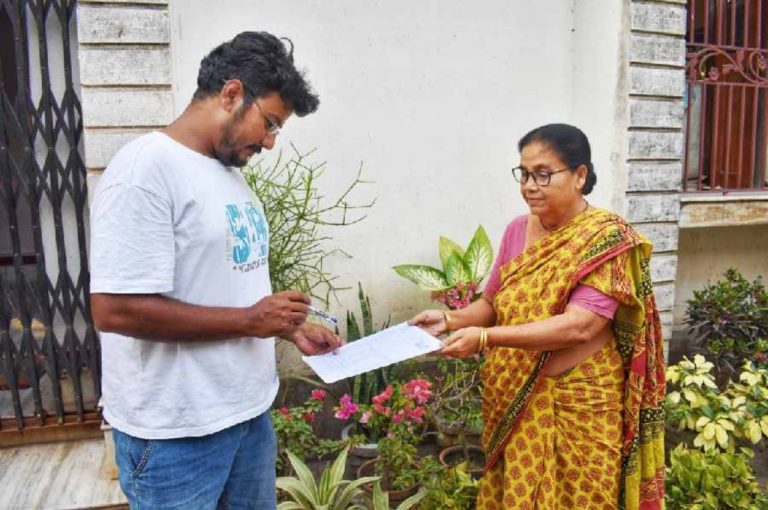
West Bengal BLO Health Crisis During SIR 2025: West Bengal BLO Health Crisis During SIR 2025: The Booth Level Officers (BLOs) of West Bengal, often described as the foot soldiers of India’s democracy, are facing an unprecedented health crisis. The Special Intensive Revision (SIR) of electoral rolls, launched in November 2025, has imposed crushing workloads on BLOs, leading to collapses, hospitalisations, and even suicides. Reports from across the state reveal that BLOs are working 12–16 hours daily, juggling outdoor verification with late‑night digitisation tasks, leaving them physically and mentally exhausted.


2. The SIR Process: What BLOs Are Tasked With

The Special Intensive Revision is a comprehensive exercise aimed at cleansing and updating voter rolls before the 2026 Assembly elections. BLOs are tasked with:

  • Distributing and collecting 7.64 crore enumeration forms across households.
  • Verifying voter details against official records.
  • Uploading data into the Election Commission’s app.
  • Correcting errors, handling duplicate entries, and ensuring accuracy.

The timeline is November 4 – December 4, 2025, with draft rolls scheduled for publication on December 9, 2025.


3. Human Toll: Collapses and Hospitalisations

Within weeks of the SIR launch, alarming incidents have been reported:

  • At least six BLOs collapsed in different districts, requiring hospitalisation.
  • BLOs complained of panic attacks, chest pain, and dangerously high blood pressure.
  • In Krishnanagar, BLO Rinku Tarafdar died by suicide, overwhelmed by workload and fear of punitive action.
  • In Baruipur, BLO Tanushree Haldar Naiya fainted while working late at night and was admitted to hospital.

Doctors treating BLOs confirmed that most cases were linked to excessive stress and exhaustion.


4. Voices from BLOs: “Beyond Human Limits”

BLOs themselves have spoken out:

  • Sukhdev Das (Katwa BLO): “Every day, new targets are set. Even after working outdoors for eight hours, I digitise 150 forms at night. I am not getting any rest. It is a helpless situation.”
  • Usha Devi (wife of Sukhdev): “My husband has been working inhumanly for two weeks. His blood pressure shot up to 195/110. He never had such problems before.”

These testimonies highlight the human dimension of the crisis, beyond statistics.


5. West Bengal BLO Health Crisis During SIR 2025: Governance Response

District magistrates and election officers acknowledged the burden but described the situation as “helpless.” They promised:

  • Technical assistance for digitisation issues.
  • Additional personnel to handle emergencies.
  • Patient handling by supervisors to reduce stress.

However, BLOs argue that these measures are inadequate, demanding deadline extensions and workload reduction.


6. Political Reactions

The crisis has triggered political controversy:

  • Trinamool Congress (TMC): Accused the Election Commission of imposing “inhuman and unexplained hurriedness.”
  • Mamata Banerjee: Wrote to the Chief Election Commissioner demanding a halt to the SIR, citing BLO deaths.
  • Opposition leaders: Compared the SIR to demonetisation and the Covid lockdown, calling it chaos imposed on citizens.

The issue has thus become a political flashpoint, with parties framing the narrative around governance and accountability.


7. Historical Context: BLOs as Democracy’s Backbone

Since their introduction, BLOs have been the backbone of electoral administration, ensuring that every voter is counted. Yet they remain underpaid, overworked, and underappreciated. The current crisis echoes past grievances about workload, recognition, and compensation, but the scale of distress in 2025 is unprecedented.


8. Governance Challenges

The crisis highlights systemic governance failures:

  • Unrealistic timelines: Two years’ work compressed into one month.
  • Understaffing: BLOs juggle regular duties with SIR responsibilities.
  • Technology gaps: The BLO app is slow and error‑prone.
  • Financial strain: BLOs spend personal money on stationery, transport, and mobile data.

9. Broader Implications for Democracy

The BLO health crisis raises fundamental questions:

  • Can voter rolls be updated fairly if BLOs are collapsing?
  • Will errors and omissions disenfranchise genuine voters?
  • Does the Election Commission risk losing credibility if frontline staff revolt?

The health and morale of BLOs directly affect the integrity of elections.


10. Recommendations for Reform

Experts suggest:

  • Staggered timelines for voter roll revision.
  • Hiring additional staff to support BLOs.
  • Improved technology for faster digitisation.
  • Compensation packages for BLO families.
  • Policy reform to recognize BLOs as permanent electoral staff.

11. Human Dimension: Families in Fear

Families of BLOs live in constant fear:

  • Wives and children worry about sudden collapses.
  • Communities rally around BLOs admitted to hospitals.
  • The crisis has created a climate of anxiety across districts.

12. Conclusion: A Cry for Justice

The West Bengal BLO Health Crisis During SIR 2025 is not just about workload; it is about dignity, recognition, and the survival of democracy’s frontline workers. Unless the Election Commission addresses their demands, the credibility of the 2026 Assembly elections may be at risk.

The BLOs’ cry — “Two years’ work in a month” — is a reminder that democracy cannot function without respecting the human limits of those who safeguard it.


🔗 Government External Links

For further reading and official updates, here are relevant government sources:

Also read: Home | Channel 6 Network – Latest News, Breaking Updates: Politics, Business, Tech & More

Malda Mango Market Mob Assault Death 2025: Youth Dies After Brutal Attack, Police Arrest Three, Governance Challenges, Law and Order Issues, and Policy Reform Needs in West Bengal

Malda Mango Market Mob Assault Death 2025: On November 23, 2025, Malda district in West Bengal, known for its thriving mango trade, witnessed a shocking incident of mob violence. A 28‑year‑old youth, Samjan Sheikh, was brutally assaulted at the wholesale mango market in Aambazar, Englishbazar, on suspicion of theft. Despite police intervention and medical attention, Sheikh succumbed to his injuries later that night. Another youth, Ajoy Harijan, also sustained serious injuries but survived.

The incident has sparked outrage, raising questions about law and order, mob justice, and governance failures in Bengal’s districts.


2. The Incident: Sequence of Events

  • Sheikh and Harijan were reportedly moving “suspiciously” around the mango market.
  • A mob cornered them, accusing them of theft.
  • Both were beaten severely before police arrived.
  • They were taken to Malda Medical College and Hospital (MMCH) for treatment.
  • Later that night, Sheikh collapsed in police custody and was declared dead on arrival at MMCH.

The brutality of the assault and the subsequent death highlight the dangers of mob vigilantism.


3. Malda Mango Market Mob Assault Death 2025: Police Response and Arrests

Malda Superintendent of Police Pradeep Kumar Yadav confirmed:

  • Three individuals — Pintu Mandal, Sujan Ghosh, and Raja Ghosh — were arrested for alleged involvement.
  • CCTV footage is being examined to identify other attackers.
  • A magisterial inquest and videography of the post‑mortem have been arranged.

The arrests mark an important step, but questions remain about why the mob was able to act unchecked in a busy market.


4. Family’s Complaint

Sheikh’s wife, Kaifa Khatun, lodged an FIR alleging mob lynching. She demanded justice and accountability, insisting that her husband was innocent. Her voice reflects the anguish of families who lose loved ones to mob violence without due process.


5. Mob Justice: A Growing Concern

The Malda incident is part of a troubling trend:

  • Mob assaults on suspicion of theft, cattle smuggling, or political rivalry have increased in Bengal.
  • Victims are often poor, marginalized, or without strong social protection.
  • Such incidents erode trust in law enforcement and judicial systems.

Experts warn that mob justice undermines the rule of law and normalizes violence.


6. Governance Challenges

The incident exposes governance gaps:

  • Weak policing: Failure to prevent mob formation in busy markets.
  • Delayed medical response: Victims often die due to inadequate emergency care.
  • Judicial delays: Perpetrators sometimes escape punishment due to slow trials.
  • Public mistrust: Citizens resort to mob action instead of reporting crimes.

7. Malda’s Socio‑Economic Context

Malda is famous for its mangoes, but also faces challenges:

  • High population density in market areas.
  • Economic vulnerability of daily wage earners.
  • Political volatility with frequent clashes.
  • Weak infrastructure in hospitals and policing.

These factors create conditions where mob violence can erupt quickly.


8. Human Cost: The Victim’s Story

Sheikh’s death is not just a statistic. He was a young man from Maheshmati village, with family responsibilities and aspirations. His sudden death leaves behind grieving relatives, economic hardship, and a community shaken by fear.


9. Political Reactions

  • Local leaders condemned the incident, demanding stricter policing.
  • Civil society groups highlighted the dangers of mob vigilantism.
  • Opposition parties accused the ruling government of failing to maintain law and order.

The incident has thus become a political flashpoint, reflecting broader tensions in Bengal’s governance.


10. Broader Implications for Democracy

Mob violence undermines democratic values:

  • Rule of law: Justice must be delivered through courts, not mobs.
  • Human rights: Every citizen deserves protection from arbitrary violence.
  • Public trust: Citizens must feel safe in markets and public spaces.

The Malda case is a reminder that democracy cannot thrive without law and order.


11. Recommendations for Reform

Experts suggest:

  • Stronger policing in market areas.
  • Awareness campaigns against mob justice.
  • Fast‑track courts for lynching cases.
  • Community policing to build trust.
  • Improved emergency healthcare for victims of violence.

12. Conclusion: A Call for Accountability

The Malda Mango Market Mob Assault Death 2025 is a tragic reminder of the dangers of mob justice. While arrests have been made, systemic reforms are needed to prevent recurrence. For Sheikh’s family, justice means accountability. For Bengal, it means restoring faith in law and governance.


🔗 Government External Links

For further reading and official updates, here are relevant government sources:

Also read: Home | Channel 6 Network – Latest News, Breaking Updates: Politics, Business, Tech & More

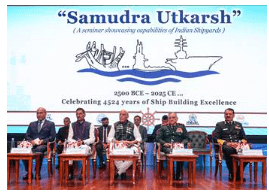
Samudra Utkarsh 2025: India Showcases Shipbuilding Strength and Maritime Ambition

Raksha Mantri Rajnath Singh called on international partners to harness India’s dynamic shipbuilding sector, co-developing next-generation maritime capabilities and resilient supply chains for a secure future. Speaking at Samudra Utkarsh, a seminar organized by the Department of Defence Production in New Delhi, Singh highlighted India’s integrated and indigenously developed shipbuilding ecosystem, which supports public and private shipyards, MSMEs, and a robust value chain spanning steel, propulsion, electronics, and advanced combat systems.​

Shipyards: Pillars of Blue Economy and Maritime Innovation

Indian shipyards were acclaimed as vital pillars of India’s emerging Blue Economy, capable of delivering everything from aircraft carriers (like INS Vikrant) to high-efficiency commercial vessels, research ships, and green-fuel enabled platforms. Singh underscored the sector’s technological depth, with indigenous platforms, modular construction, and digital shipyard tools, all aligned to global standards. Every Indian naval and coast guard vessel now under construction is built domestically—a testament to Aatmanirbhar Bharat and visionary policy reforms including Maritime India Vision 2030.​


Strengthening Global Role and Infrastructure

Forward-looking reforms have led Indian shipyards to become preferred hubs for commercial shipbuilding, ship repair, and maritime innovation, with growing international clients seeking complex refits in India. The seminar celebrated India’s journey from Lothal’s ancient docks to modern shipyards, emphasizing its consistent evolution and resilience. Advanced facilities, sustainability-focused practices, and digital transformation ensure competitiveness on the world stage.​

Heritage Meets Modern Ambition: Samudra Utkarsh

On the theme “2500 BCE to 2025 CE: Celebrating 4,524 Years of Shipbuilding Excellence”, Samudra Utkarsh showcased Indian shipbuilding expertise alongside expanded collaborations, skill development, and export competitiveness. The event featured releases of sectoral reports and exhibitions, while senior defence leaders reaffirmed commitment to modernisation, innovation, and a thriving maritime sector.​


For more real-time updates, visit Channel 6 Network.

Source: PIB

DFS Secretary Urges Swift Resolution of IBC Cases at NCLT: 2025

Secretary, Department of Financial Services (DFS), Shri M. Nagaraju, chaired a review meeting to address issues related to pending Insolvency and Bankruptcy Code (IBC) cases at National Company Law Tribunal (NCLT). Senior officials from the DFS, Insolvency and Bankruptcy Board of India (IBBI), and top management of public sector banks participated, acknowledging progress on cases admitted, resolved, and disposed outside the IBC framework. Secretary Nagaraju stressed strict adherence to timelines for admitting Corporate Insolvency Resolution Process (CIRP) applications and for resolving cases, aiming for an efficient and robust resolution environment.​

Monitoring and Strategic Bank Action

Chief Executives of Public Sector Banks (PSBs) were advised to monitor the top twenty cases pending for admission and the top ten accounts pending for resolution at NCLT, encouraging personal oversight to accelerate outcomes. During discussions on cases where resolution plans are pending with the Committee of Creditors (CoC), banks were directed to take a coordinated approach and expedite actions by working with counsels to minimize delays in CIRP application filings.​


Implementation of IBBI Circular and Asset Restitution

The meeting highlighted the newest IBBI circular (dated November 4, 2025), instructing Resolution Professionals to file required undertakings before Special PMLA Courts for restitution of assets attached by Enforcement Directorate. This procedural improvement is anticipated to resolve conflicts between insolvency and anti-money-laundering frameworks, accelerate recovery, and assure correct distribution of reclaimed assets for creditor benefit.​

Streamlining the IBC Ecosystem: DFS Secretary

Secretary Nagaraju urged banks to adopt strategic approaches, streamline stakeholder collaboration, and reinforce the IBC ecosystem. These steps aim to maximize value, boost recoveries, and prevent future delays, aligning with principles of accountability and transparency throughout the insolvency process.​


For more real-time updates, visit Channel 6 Network.

Source: PIB

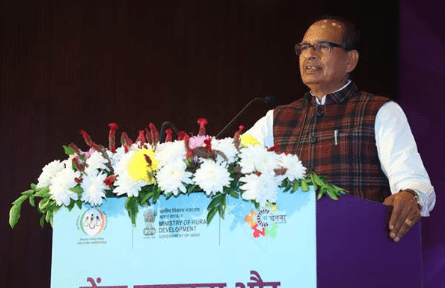
Nayi Chetna 4.0: National Campaign Launched for Gender Equality and Women’s Empowerment

Union Minister for Agriculture & Farmers’ Welfare Shri Shivraj Singh Chouhan and Union Minister for Women and Child Development Smt. Annapurna Devi jointly launched ‘Nayi Chetna 4.0’, a month-long campaign to advance gender equality and rural women’s empowerment. The drive, organized under the Deendayal Antyodaya Yojana – National Rural Livelihoods Mission (DAY-NRLM), brings together 11 ministries to promote safer and more dignified environments while encouraging women’s economic contribution and shared responsibility for domestic work.​

Lakhpati Didis, Women’s Voices, and Community Action

Shri Shivraj Singh Chouhan highlighted transformative progress made under Prime Minister Narendra Modi, noting more than two crore rural women have become ‘Lakhpati Didis’ through Self-Help Groups (SHGs). The campaign aims to change discriminatory social attitudes by fostering respect for daughters and empowering women to speak out against violence and injustice. “Our endeavor is to ensure no woman ever has tears in her eyes,” said Chouhan, who stressed community-led Action for violence-free villages and substance abuse awareness by women at the grassroots.​


Joint Advisory and ‘Whole of Government’ Approach

A joint advisory was issued, signed by 11 key ministries covering women and child development, education, home affairs, justice, health, MSMEs, panchayati raj, information & broadcasting, agriculture, youth, and social justice. The initiative’s comprehensive approach leverages national resources to combat discrimination, strengthen safety nets, and expand women’s access to assets, credit, skills, and entrepreneurship.​

Empowerment, Policy Advocacy, and Future Outlook; Nayi Chetna 4.0

The campaign empowers over 10 crore rural women mobilized through SHGs to build awareness against gender-based violence and establish gender-responsive villages. Nayi Chetna 4.0 directs policy attention to safe mobility, economic opportunities, unpaid care work, and leadership in decision-making, ensuring gender equality is integral to inclusive rural development.​


For more real-time updates, visit Channel 6 Network.

Source: PIB

Malda Doctor Heroic E Rickshaw Delivery 2025: Emergency Obstetric Care, Saving Mother and Child, Rural Healthcare Challenges, and Policy Lessons for West Bengal

Malda Doctor Heroic E Rickshaw Delivery: On November 23, 2025, in the bustling town of Englishbazar, Malda district, West Bengal, a young obstetrician, Dr. Debchandan Roy, performed a life‑saving act that captured public imagination. Responding to frantic cries outside his chamber, he rushed to find a heavily pregnant woman in acute labour inside an e‑rickshaw. With no time to reach a hospital, Dr. Roy improvised a makeshift labour room on the roadside, covering the vehicle with cloth, and successfully delivered a baby girl.

This incident, now widely discussed, highlights both the heroism of frontline doctors and the gaps in rural healthcare infrastructure that force such improvisations.


2. The Incident: Emergency in Motion

The patient, a 20‑year‑old woman from Jahaj Field, Malda, went into sudden labour while traveling with relatives. The jerks of the e‑rickshaw ride likely triggered acute contractions. Within minutes, the baby was about to be born.

  • Dr. Roy instructed family members and assistants to cover the rickshaw with cloth.
  • He performed the delivery in that improvised space.
  • The newborn was underweight and required urgent hospitalisation.
  • The mother needed stitches and primary care.

Both were rushed to a nearby nursing home, where they stabilised.


3. Community Response: Praise for Presence of Mind

Residents of Englishbazar, family members, and the Indian Medical Association (IMA) praised Dr. Roy’s quick thinking. In a region where maternal mortality remains a challenge, his intervention prevented tragedy. The story spread rapidly, symbolising the dedication of rural doctors who often work beyond their means.


4. Malda Doctor Heroic E Rickshaw Delivery: Rural Healthcare Challenges in Bengal

The incident underscores systemic issues:

  • Limited emergency facilities in smaller towns.
  • Delayed access to hospitals due to traffic and poor transport.
  • Shortage of trained obstetricians in rural areas.
  • Dependence on improvisation during emergencies.

Such challenges often force doctors to act outside conventional settings, risking their own safety and professional liability.


5. Maternal Health in India: A Broader Context

India has made progress in reducing Maternal Mortality Ratio (MMR), but challenges persist:

  • National MMR: 97 per 100,000 live births (2020 data).
  • West Bengal’s MMR remains higher than the national average.
  • Rural women face greater risks due to poor access to antenatal care and emergency obstetric services.

The Malda incident reflects these realities, where timely intervention by a single doctor saved two lives.


6. The Role of E‑Rickshaws in Rural Transport

Interestingly, the e‑rickshaw — a common mode of transport in Bengal — became the site of a life‑saving delivery. While usually criticised for unsafe rides, in this case it became a mobile labour room. This highlights the importance of community transport systems in emergencies, especially where ambulances are unavailable.


7. Policy Lessons: What Needs to Change

The incident offers lessons for policymakers:

  • Strengthen emergency obstetric care in rural hospitals.
  • Deploy mobile medical units in vulnerable districts.
  • Train paramedics and midwives for roadside emergencies.
  • Improve ambulance networks for faster response.
  • Raise awareness among families about safe maternal practices.

8. Human Dimension: Courage Under Pressure

Dr. Roy’s act was not just medical but deeply human. He overcame fear, improvised under pressure, and prioritised the lives of mother and child. His story resonates because it reflects the essence of medical ethics — saving lives at all costs.


9. Historical Parallels: Roadside Deliveries in India

Roadside deliveries are not uncommon in India, especially in rural belts:

  • Women often deliver in taxis, buses, or even fields due to lack of access.
  • Such cases highlight systemic gaps in maternal healthcare.
  • The Malda incident stands out because a trained doctor was present, ensuring safety.

10. Governance and Accountability

The incident raises governance questions:

  • Why are women still forced to deliver outside hospitals in 2025?
  • What measures are being taken to strengthen maternal health services?
  • How can doctors be supported to handle emergencies without risking professional liability?

These questions demand urgent answers from health authorities.


11. Recommendations for Reform

Experts suggest:

  • Infrastructure investment in district hospitals.
  • Maternal health monitoring through digital platforms.
  • Community health workers trained in obstetric emergencies.
  • Insurance coverage for maternal complications.
  • Recognition and support for doctors who act heroically in emergencies.

12. Conclusion: A Symbol of Hope and Urgency

The Malda Doctor Heroic E‑Rickshaw Delivery 2025 is both inspiring and sobering. It shows the courage of doctors and the resilience of communities, but also exposes the fragility of rural healthcare systems. For Bengal and India, it is a reminder that maternal health must remain a priority, and that no woman should be forced to deliver in unsafe conditions.


🔗 Government External Links

For further reading and official updates, here are relevant government sources:

Also read: Home | Channel 6 Network – Latest News, Breaking Updates: Politics, Business, Tech & More

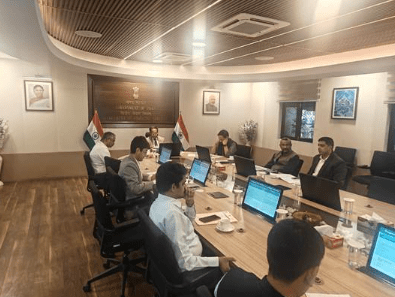
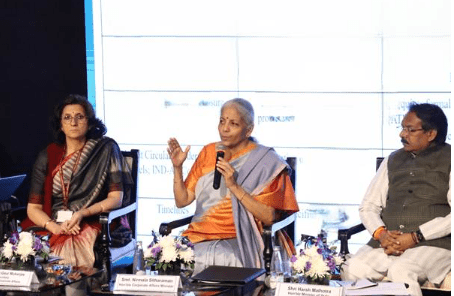
Nirmala Sitharaman Leads MCA Review, Sets Vision for Viksit Bharat 2047

Union Finance and Corporate Affairs Minister Nirmala Sitharaman chaired a review meeting with the Regional Directorates and Registrar of Companies in New Delhi, emphasizing the need for process simplification and user-centric reforms to enable India’s development goals for Viksit Bharat 2047. She called for governance that is easy, transparent, and facilitative, and urged the Ministry of Corporate Affairs (MCA) to adopt a forward-looking approach.​

Driving Legislative and Structural Reforms

Sitharaman highlighted the importance of frequent legislative reforms, such as updates to the Insolvency and Bankruptcy Code (IBC), as evidence of India’s responsiveness to a rapidly changing regulatory environment. She directed the MCA to build a live dashboard for improved transparency and standardized manuals for enforcement, ensuring rule simplification and timely service delivery. The FM credited Indian corporate governance frameworks for earning public trust by delivering transparent financial information.​


Maximum Governance, Minimum Government

Minister of State for Corporate Affairs Harsh Malhotra reiterated the motto of “maximum governance, minimum government,” advocating frequent stakeholder interactions, compliance simplification, and efforts to reduce the burden of forms. Malhotra further suggested digital guidance materials to empower stakeholders, along with time-bound processes for efficient service.​

Elevating India’s Corporate Landscape

Discussions included improvements in the delivery of services such as incorporation, mergers, voluntary exits, e-governance, and adjudication procedures. Advanced compliance tools and harmonized forms will ease regulatory challenges and strengthen India’s competitive edge in the global market. The review meeting reinforced the government’s commitment to modernize systems aligned with national development goals.​


For more real-time updates, visit Channel 6 Network.

Source: PIB

Tea Garden Shutdown Threat 2025: Massive Silt Loss, Worker Crisis, Government Intervention Needs, and Future of Bengal’s Tea Industry

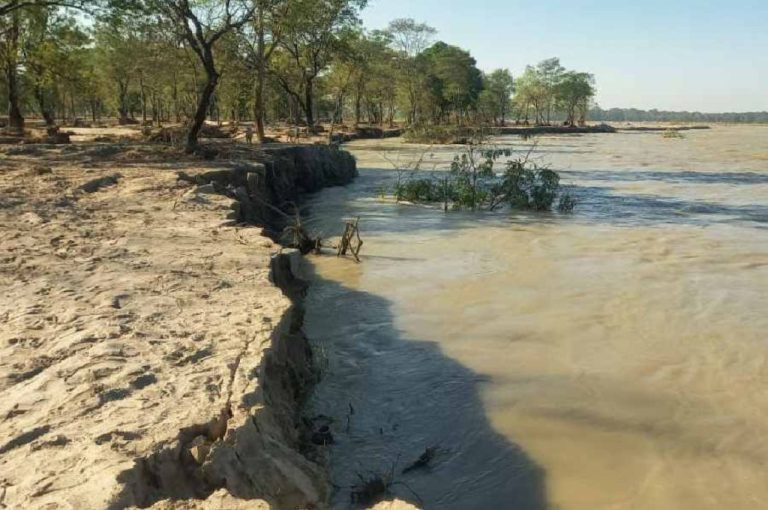
Tea Garden Shutdown Threat 2025: The Subhasini Tea Estate in Alipurduar district, West Bengal, is facing an unprecedented crisis. Following the October 2025 floods, nearly 92 hectares of young tea bushes were buried under heavy silt after the Torsha river changed its course and inundated the plantation. Estate officials warn that unless urgent government intervention arrives, the garden may be forced to suspend operations, leaving over 1,200 workers jobless.


2. The Floods: Nature’s Fury

On the intervening night of October 4–5, 2025, torrential rains caused the Torsha river to swell and breach its banks. The river diverted into the Subhasini estate, submerging vast stretches of tea plantations. Workers from the Nadi Line were evacuated to the garden school premises as waters rose dangerously. By morning, the damage was catastrophic:

  • 92 hectares of plantation destroyed.
  • Entire stretches buried under silt, unfit for replantation.
  • One‑fourth of the estate’s productive area lost in a single day.

3. Tea Garden Shutdown Threat 2025: The Scale of Loss

Experts assessed that the silt‑covered land is unsuitable for tea cultivation. Replantation would require massive investment, soil rehabilitation, and years of waiting before bushes mature. For an estate already struggling with rising costs and stagnant tea prices, the loss is crippling.


4. Worker Crisis

The Subhasini Tea Garden employs 1,257 workers, most of whom live in estate quarters and depend entirely on the garden for livelihood. With operations threatened:

  • Workers fear loss of wages and rations.
  • Families face food insecurity.
  • Migration to towns may increase if shutdown occurs.

The crisis is not just economic but deeply social, affecting education, healthcare, and community stability.


5. Government Response

Chief Minister Mamata Banerjee visited Subhasini soon after the floods during a meeting at Nilpara to assess damage. She assured support but concrete measures are awaited. Estate officials argue that without financial aid or rehabilitation packages, closure is inevitable.


6. Tea Industry Context in Bengal

West Bengal’s tea industry, concentrated in Darjeeling, Jalpaiguri, and Alipurduar, is a major employer and export earner. However, it faces multiple challenges:

  • Climate change impacts — erratic rainfall, floods, and droughts.
  • Stagnant tea prices despite rising production costs.
  • Labour unrest over wages and benefits.
  • Competition from Assam and international markets.

The Subhasini crisis exemplifies how vulnerable tea estates are to environmental shocks.


7. Environmental Dimensions

The floods highlight broader ecological issues:

  • River course changes due to deforestation and soil erosion.
  • Siltation reducing soil fertility.
  • Climate variability increasing disaster frequency.

Experts urge integrated river management and climate‑resilient agricultural practices to protect tea estates.


8. Governance Challenges

The crisis exposes governance gaps:

  • Lack of disaster preparedness for tea estates.
  • Weak coordination between estate management and government agencies.
  • Insufficient insurance coverage for plantations.

Without systemic reforms, similar disasters may recur across North Bengal.


9. Worker Voices

Workers expressed despair: “If the garden shuts down, we have nowhere to go. Our children study here, our rations come from here. We cannot survive without the estate.” Their voices reflect the human dimension of the crisis, beyond statistics and economics.


10. Recommendations for Policy Reform

Experts suggest:

  • Emergency relief packages for affected estates.
  • Soil rehabilitation programs to restore fertility.
  • Insurance schemes for tea gardens against climate disasters.
  • Alternative livelihood training for workers.
  • Climate‑resilient planning integrating river management and plantation protection.

11. Broader Implications for Bengal’s Tea Industry

The Subhasini case is a warning for the entire industry. If one‑fourth of a plantation can be lost overnight, similar risks loom over other estates. The future of Bengal’s tea industry depends on climate adaptation, government support, and sustainable practices.


12. Conclusion: A Garden’s Plea for Survival

The Flood‑Hit Subhasini Tea Garden Shutdown Threat 2025 is not just about one estate — it is about the survival of an industry, the dignity of workers, and the resilience of communities. Unless urgent steps are taken, Subhasini may become a symbol of how climate change and governance failures can erase livelihoods overnight.


🔗 Government External Links

For further reading and official updates, here are relevant government sources:

Also read: Home | Channel 6 Network – Latest News, Breaking Updates: Politics, Business, Tech & More

Swavlamban 2025: Raksha Mantri- India’s Defence Innovation Era Driven by Startups and Entrepreneurs

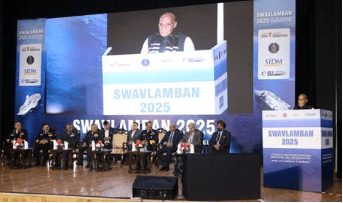
Raksha Mantri Rajnath Singh declared India’s defence sector is entering a golden era of innovation, propelled by young entrepreneurs and start-ups who fuse economic strength, strategic vision, and technological advancement. Addressing the fourth edition of the Indian Navy’s Swavlamban seminar in New Delhi, Singh called for a “profit-plus” approach in the private sector—blending financial returns with nationalism, duty, and strategic responsibility.​

Strong Domestic Supply Chain and Reduced Import Dependency

The minister stressed that India must remain ahead of global geopolitical shifts by proactively strengthening its domestic defence supply chain. He noted that local manufacturing of components and subsystems would cut costs and boost reliability and strategic independence. Singh urged the private sector, R&D labs, and startups to help lift indigenous content and set a target for private industry’s share in defence manufacturing to exceed 50% in the coming years.​


Swavlamban Seminar: Showcasing Innovation and Collaboration

Swavlamban 2025 featured an extensive exhibition with around 80 MSMEs and startups showcasing new naval technologies, including AI, autonomous systems, quantum computing, smart munitions, and stealth solutions. Products developed via iDEX (Innovations for Defence Excellence) challenges now strengthen Navy, Army, Air Force, Coast Guard, and CAPFs—highlighting pan-defence ecosystem impact and fostering collaboration for future operational deployments.​

New Launches: SARATHI App and Innovathon

The SARATHI app, unveiled by the Defence Minister, is an analytical tool for managing all stages of naval armament, from development to disposal, enhancing quality and indigenisation. The event also launched Innovathon, a Naval hackathon inviting students, technologists, and developers to solve real-world maritime challenges in algorithms, encryption, and intelligence systems. MoUs between IIT Madras, Apollo Micro Systems, and the Navy further boosted indigenous R&D and production.​

Conclusion

Swavlamban 2025 spotlights India’s transformation from technology importer to exporter, with defence innovation and strategic autonomy now central to growth. The integrated push—supported by government, industry, and research networks—aims to ensure India’s security, reduce import dependency, and position the nation as a builder and leader in the sector.​


For more real-time updates, visit Channel 6 Network.

Source: PIB