Tuesday, April 28, 2026
Home Blog Page 123

BMC Polls 2026: Nana Patekar Patiently Travels Three Hours to Vote, Urges Citizens to Participate

A Journey for Democracy

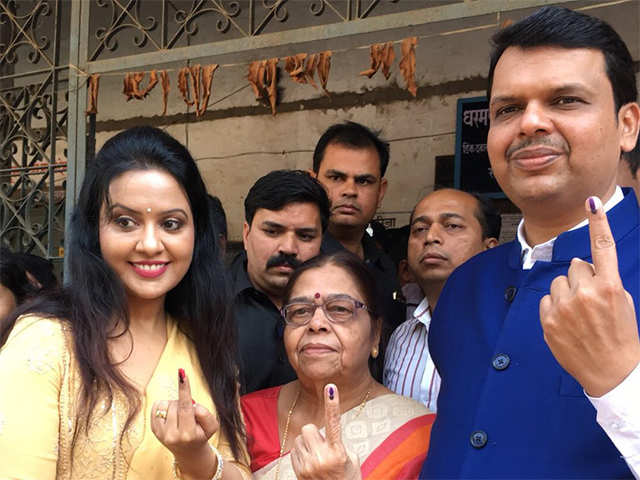
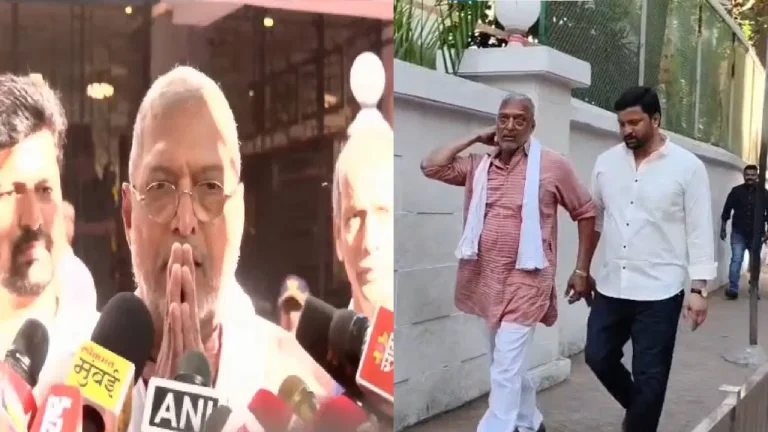
Veteran actor Nana Patekar made a remarkable effort to cast his vote in the 2026 Brihanmumbai Municipal Corporation (BMC) elections, traveling three hours from his residence to reach his designated polling booth. Known for his candid personality and grounded nature, Patekar’s journey was more than a commute—it was a statement about the importance of civic responsibility. “It was worth every minute,” he said, smiling as he walked out of the booth, ballot in hand. “Today, we all hold the remote control for our city’s future in our hands.”nana patakara 24a47c7ea9fc5b46d890c25bd1344d13
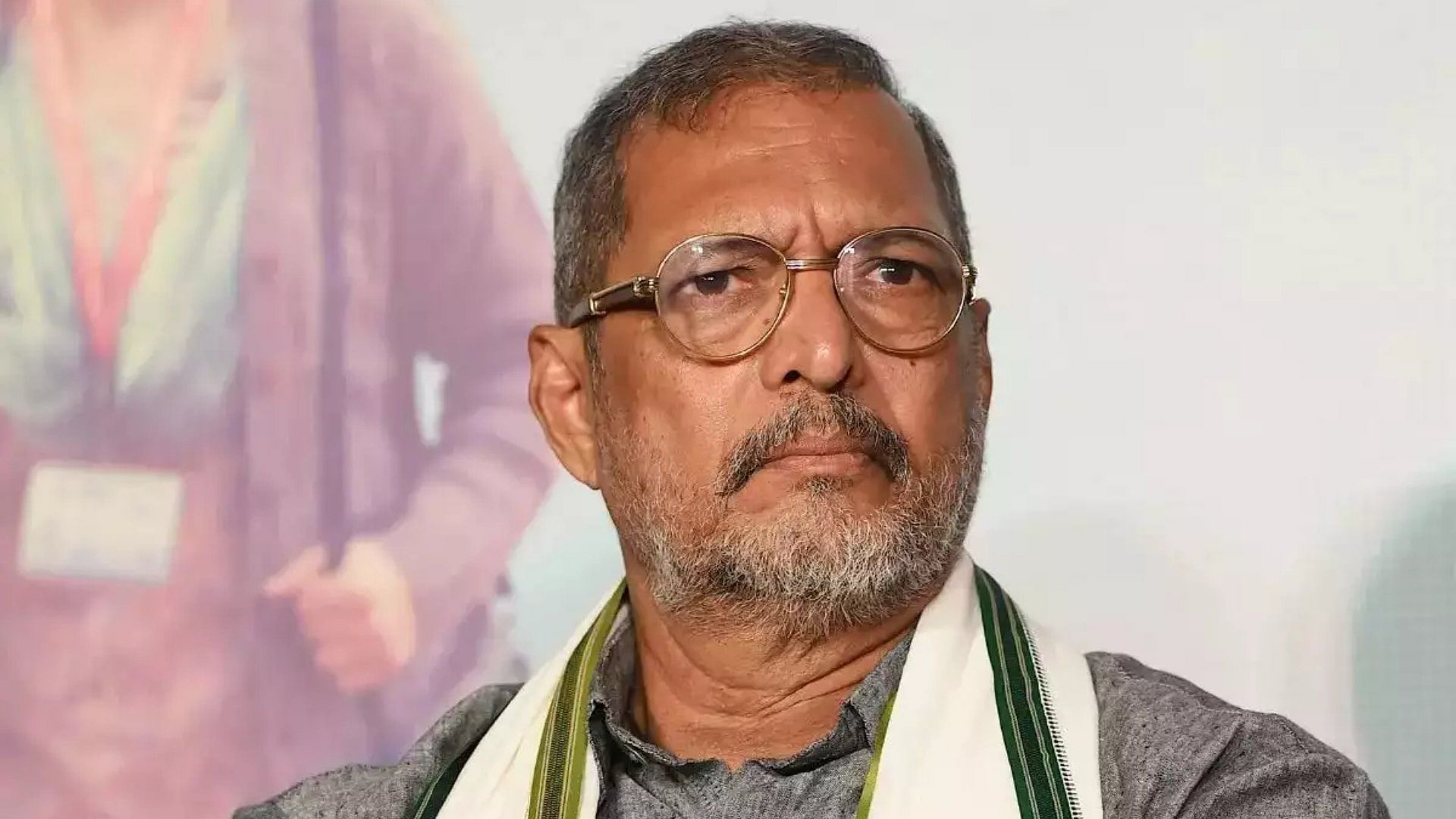
His presence at the polling station drew attention not for glamour, but for his quiet determination and sincerity. Fans and fellow voters gathered to watch him vote, many capturing the moment on their phones, not to celebrate celebrity, but to witness a citizen leading by example. His actions reflected a message that resonated beyond the film industry: participation in local elections is essential, and every vote carries weight.

BMC Voting as a Personal Duty

After BMC voting, Nana Patekar addressed the media with his trademark mix of humility and earnestness. He spoke about the real issues that municipal elections influence—roads, water supply, public transport, waste management, and healthcare services. “These are the things we experience every day,” he said. “Voting is our chance to have a say in how our city is run. Every vote matters, and every citizen has the power to make a difference.”

Patekar’s words were striking not only because of their simplicity, but because they humanized the act of voting. In a city as fast-paced as Mumbai, where people often rush through their routines, his dedication served as a reminder that democracy requires effort, patience, and conscious choice. Traveling three hours just to cast a vote symbolized that civic duty is worth prioritizing, even amidst a busy life.

Encouraging Young and First-Time Voters

The actor made a special appeal to young voters and first-time participants, emphasizing that local elections are not just routine exercises, but opportunities to shape the city’s daily functioning. “No matter how busy you are, take the time to vote,” he said. “Your choice today decides your roads, your schools, your hospitals. Every citizen’s participation matters.”15nana patekar

This message is especially important in the context of municipal elections, which historically see lower voter turnout compared to state or national polls. Nana Patekar’s example serves as an inspiring nudge, showing that meaningful participation starts with individual commitment.

Inspiring Public Engagement

Social media quickly picked up Patekar’s journey, with many praising his effort and humility. Fans noted that seeing a celebrity go to such lengths for voting made the act feel more accessible and significant. For many, the images of Patekar patiently waiting in line or walking from his car to the booth brought a sense of normalcy and relatability to the voting process, bridging the gap between public figures and ordinary citizens.

Civic Responsibility at the Forefront

As the BMC elections continue across Mumbai, Patekar’s example highlights the impact that individual actions can have on collective civic consciousness. In a bustling metropolis where life often moves faster than attention spans, the actor’s three-hour journey is a quiet yet powerful reminder that democracy thrives when citizens actively participate.bollywood actor nana patekar duning an interview 1640967

By sharing his experience and encouraging others to vote, Nana Patekar transformed a personal act into a collective call for engagement. His message was clear: voting is not just a right but a responsibility, and the power to shape the city’s future truly lies in the hands of its residents.

Through his dedication, Nana Patekar reminds Mumbaikars that every ballot counts, every voice matters, and every citizen has the potential to influence change. In a world where civic apathy often overshadows participation, his actions shine as a hopeful example for voters across the city.

Also read: https://channel6network.com/india-pushes-for-high-localisation/
BMC Election 2026: Akshay Kumar Casts First Vote Sharing an Uplifting Call for Participation

Early Morning Vote Sets the Tone

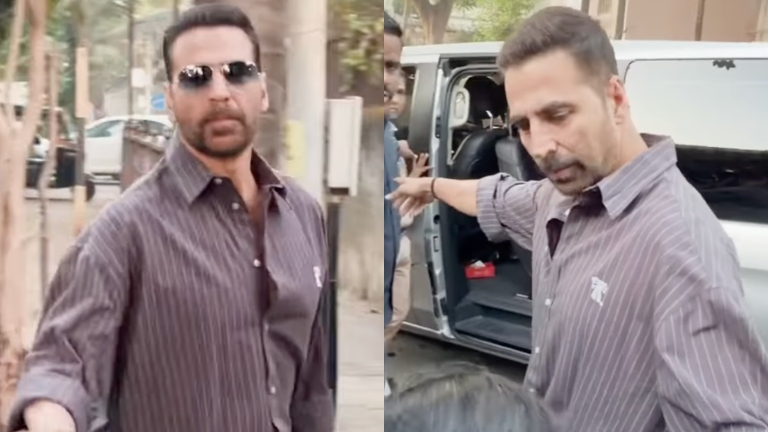
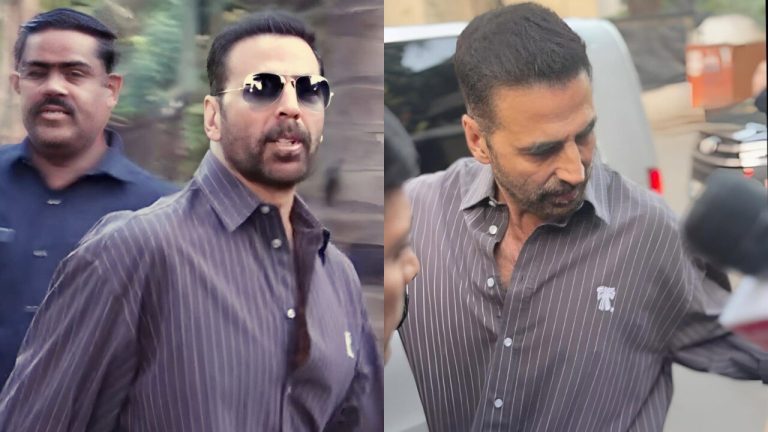
Bollywood actor Akshay Kumar was among the first prominent figures to cast his vote on polling day for the Brihanmumbai Municipal Corporation BMC Election 2026. Arriving early at a polling booth in Mumbai, the actor exercised his democratic right and urged citizens to actively participate in the civic process. His early appearance at the polling station quickly drew public attention and set a positive tone for the day.akshay kumar voting

After voting, Akshay Kumar briefly interacted with the media, emphasising the importance of every vote in shaping the city’s future. His presence underscored the growing involvement of public figures in encouraging civic responsibility.

‘The Remote Control Is in Our Hands

Speaking to reporters, Akshay Kumar described voting as a powerful tool for citizens. He remarked that “today the remote control is in our hands,” highlighting that elections give people the authority to decide how their city is governed. His statement resonated widely as a simple yet impactful reminder of the power of democracy at the grassroots level.akshay kumar 1534992

The actor stressed that municipal elections directly affect daily life, from roads and water supply to cleanliness and healthcare. By voting, he said, citizens actively influence decisions that shape Mumbai’s development.

Focus on Civic Responsibility

Akshay Kumar also appealed to voters to step out and participate in large numbers. He noted that while national and state elections often attract high turnout, local body elections are equally crucial and deserve the same level of public engagement.Akshay Kumar Arrives FIRST To Vote

According to him, voting in civic polls reflects awareness and responsibility, as local governance plays a direct role in determining the quality of life in the city. His message particularly targeted younger voters and first-time participants, urging them not to treat the election as routine.

Celebrity Influence on Voter Awareness

The actor’s participation once again highlighted the role celebrities play in promoting democratic values. In past elections as well, film personalities have often been seen voting early to encourage citizens to follow suit. Akshay Kumar’s comments and visibility are expected to further amplify voter awareness and turnout in Mumbai.

Observers believe such gestures help bridge the gap between politics and the public, making elections feel more accessible and relevant to everyday citizens.

Voter Turnout and Ground Mood

As polling progressed through the day, election officials reported steady voter turnout across several wards in Mumbai. Long queues were seen at polling booths in the early hours, particularly in residential areas, indicating heightened public interest in this year’s civic elections. Security arrangements remained tight to ensure a smooth and peaceful voting process, with officials urging voters to follow guidelines and cooperate with polling staff.

Issues Driving the Civic Contest

The BMC election has seen intense campaigning around everyday civic issues such as road conditions water supply waste management flooding during the monsoon and transparency in municipal governance. Voters are expected to weigh past performance against promises of better infrastructure and improved quality of life. The focus on local issues has made this election especially relevant for citizens, reinforcing the idea highlighted by Akshay Kumar that individual votes directly shape how the city functions.

BMC Election and Its Significance

The BMC election is considered one of the most significant civic polls in the country, given the corporation’s massive budget and influence over India’s financial capital. The outcome will determine the administration of essential services and major infrastructure projects for the next term.

As Mumbai votes, attention remains focused on voter participation levels and public sentiment. Akshay Kumar’s early vote and strong message served as a reminder that democracy functions best when citizens actively take part.

A Call to Participate

With polling underway across the city, Akshay Kumar’s remarks reinforced a simple message: voting is not just a right but a responsibility. As Mumbai decides its civic leadership, his words echoed the idea that real power lies with the people, at least for one day, when the choice is firmly in their hands.

The Raja Saab Box Office Day 6: Prabhas Starrer Struggles to Hit Rs. 200 Crore Mark

0

Slowdown After an Encouraging Start

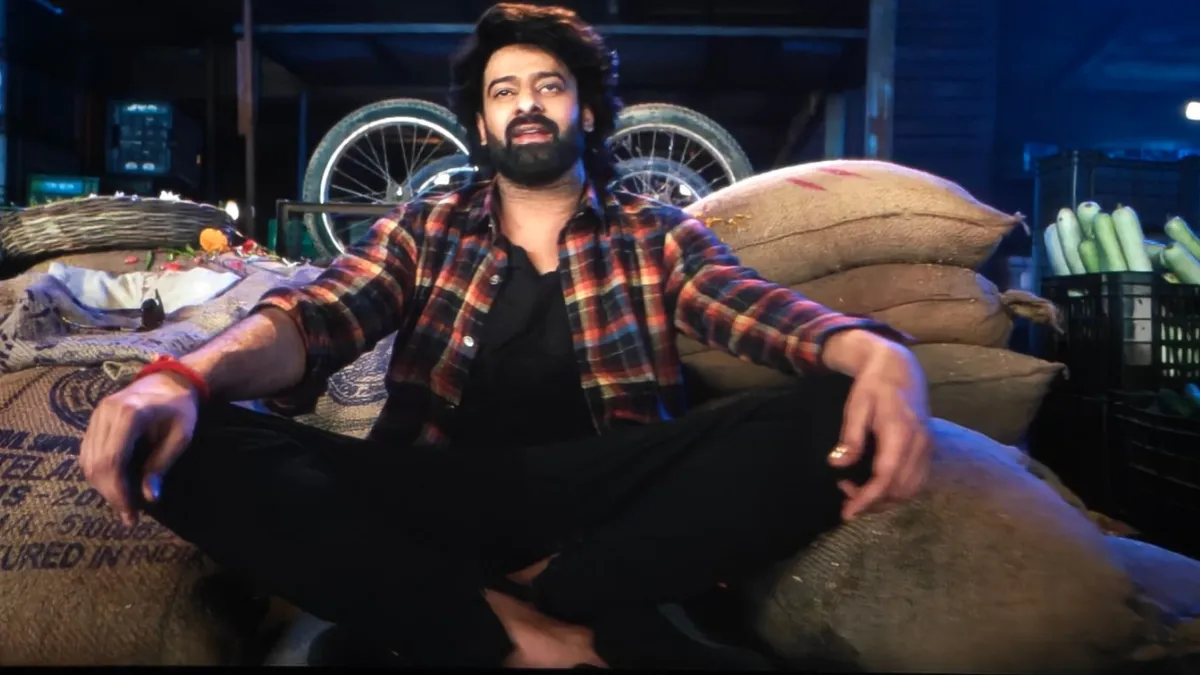
The Raja Saab, starring Prabhas, entered its sixth day at the box office with visible signs of fatigue after an initially promising opening. The film generated strong buzz ahead of its release and benefited from festive-season curiosity, translating into healthy numbers on Day 1. However, the momentum has steadily declined since the opening weekend, raising concerns about its overall box office trajectory.Prabhas The Raja Saab 1768099683847

Despite high expectations surrounding Prabhas’ return in a mass-appeal entertainer, the film has struggled to maintain consistency during the crucial weekday period. By Day 6, the worldwide collections remain short of the ₹200 crore milestone, a benchmark often considered essential for big-budget pan-India releases.

Impact of Competition and Release Timing

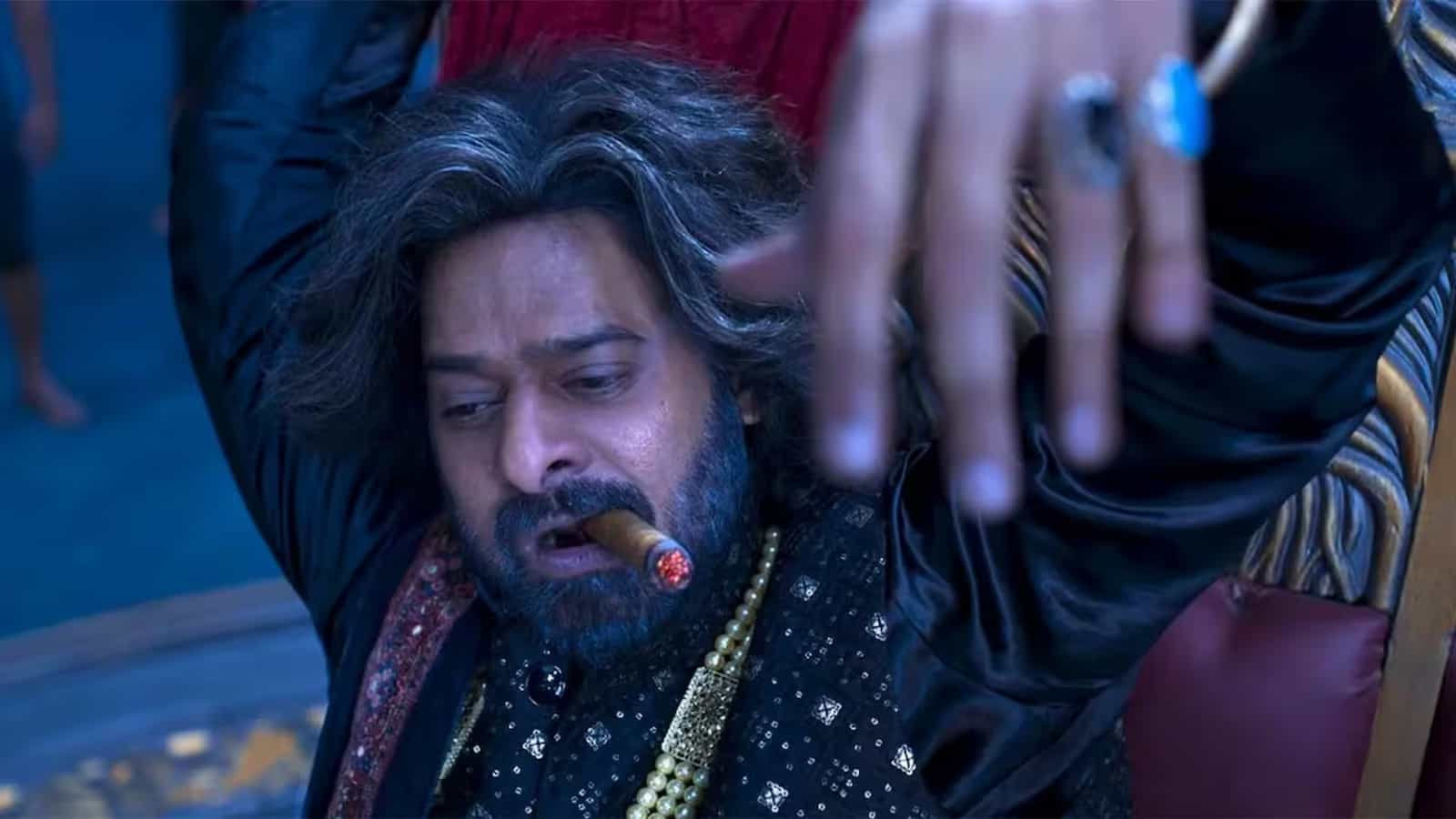
Another factor influencing The Raja Saab’s box office performance is the competitive release window. With multiple films vying for audience attention during the festive period, screen share and show timings have been divided. This has limited the film’s ability to capitalise fully on the holiday advantage. Moreover, viewers appear to be exercising greater selectivity, opting for strong word-of-mouth titles over star-driven releases. As a result, sustaining momentum beyond the opening weekend has become increasingly challenging for big-budget films, including The Raja Saab.The Raja Saab

Weekday Drop Raises Concerns

The sharp dip in collections from Monday onward has become a key talking point among trade observers. While a drop after the weekend is common, The Raja Saab appears to have witnessed steeper-than-expected declines. Limited footfalls in theatres during weekdays suggest that word-of-mouth has been mixed, affecting repeat viewership.

Urban centres and non-core markets, especially in the Hindi belt, have not delivered the numbers typically associated with a Prabhas-led film. The Telugu version continues to contribute the bulk of the earnings, but dubbed versions have shown comparatively modest traction.

Performance Across Regions

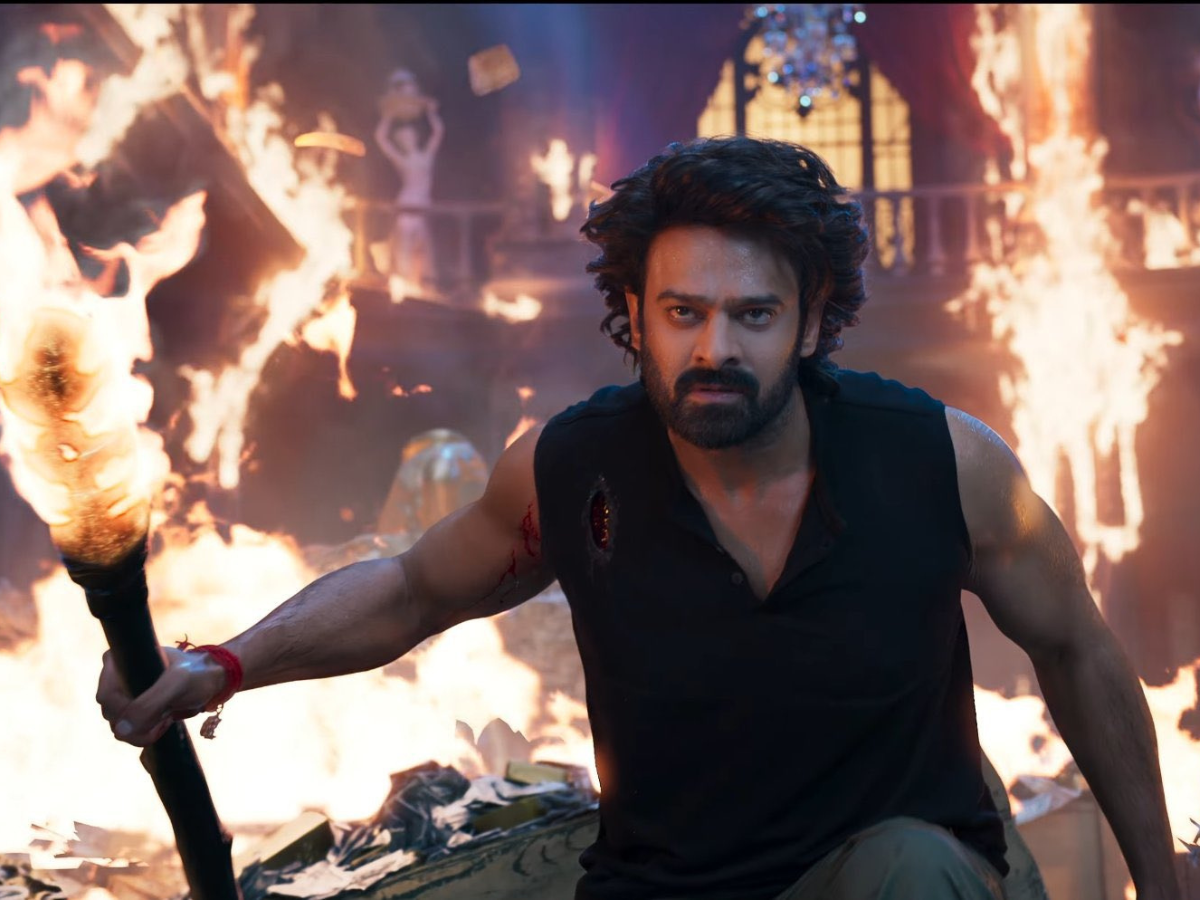
Region-wise performance highlights a clear imbalance. Andhra Pradesh and Telangana remain the strongest markets for the film, driven by Prabhas’ loyal fan base. However, collections in Tamil, Kannada and Hindi-speaking regions have not scaled up to expectations.the raja saab worldwide box office collection day 1 2026011068874

The Hindi version, in particular, has struggled to sustain audience interest beyond the opening days. Given Prabhas’ pan-India appeal following his previous blockbusters, the underwhelming response in North India has come as a surprise to many in the trade.

Budget and Break-Even Equation

A major question looming over The Raja Saab is its break-even status. Mounted on a sizable budget, the film requires strong theatrical performance to recover costs. With collections progressing at a slower pace, reaching the break-even mark through box office revenue alone appears challenging in the immediate future.

That said, theatrical earnings are only one part of the revenue equation. The film has already secured significant returns through digital, satellite and music rights. These non-theatrical deals are expected to cushion losses and reduce pressure on box office numbers, a common trend for large-scale productions today.

Audience Response and Content Debate

Audience feedback has been divided. While some viewers have appreciated the film’s attempt to blend humour with fantasy elements, others have pointed out issues with pacing and narrative depth. Expectations were particularly high due to Prabhas’ star power, which may have amplified disappointment among certain sections of viewers.

Social media discussions reflect this split response, with fans defending the film’s intent while neutral audiences remain cautious. The mixed reception has clearly influenced weekday occupancy rates.

The Road Ahead

The coming weekend will be crucial for The Raja Saab. A noticeable jump in collections could help stabilise its overall run and bring it closer to respectable lifetime figures. Without a strong weekend revival, however, the film risks tapering off sooner than anticipated.

For now, The Raja Saab stands at a crossroads. While it may not emerge as a runaway box office success, its final verdict will depend on how it performs in the next few days and how effectively non-theatrical revenues balance theatrical shortcomings. As things stand on Day 6, the film’s journey to break-even remains uncertain, keeping trade circles closely watchful.

India Successfully Pushes for High Localisation as 80% of 114 Rafale Jets to Be Built Domestically

A Major Boost to Indigenous Defence Manufacturing

India is pressing ahead with an ambitious plan to ensure high levels of domestic production in its proposed acquisition of 114 Rafale fighter jets. In a significant policy push, the government has made it clear that nearly 80 percent of the aircraft will be manufactured in India. The move marks a decisive step in strengthening the country’s defence manufacturing base in line with the Make in India and Atmanirbhar Bharat initiatives.Untitled design 11

The proposed deal with French aerospace major Dassault Aviation goes far beyond a conventional defence purchase. It is being positioned as a long-term strategic programme aimed at building deep industrial capabilities within India’s aerospace sector. By insisting on extensive localisation, New Delhi is seeking to transform the acquisition into a catalyst for technological growth and industrial self-reliance.

From Import to Indigenous Production

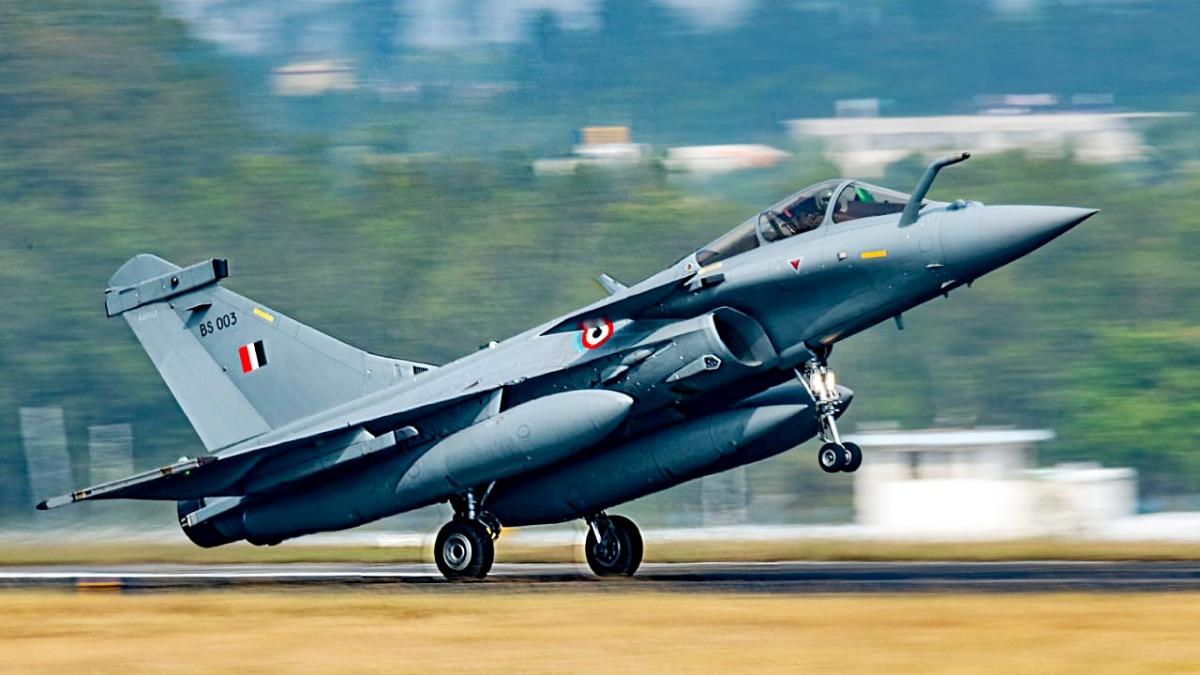
This approach represents a clear departure from India’s earlier Rafale procurement. In 2016, the Indian Air Force inducted 36 Rafale jets in fly-away condition to meet urgent operational requirements. While that deal significantly enhanced combat capability, it offered limited scope for domestic manufacturing.iaf rafale webp

The proposed 114-jet programme is designed as a full-scale Make in India project. Under the plan, a large portion of the work, ranging from manufacturing complex airframe structures to final assembly integration and testing, will be carried out within the country. This shift reflects India’s determination to move from being a major arms importer to a producer with advanced manufacturing credentials.

Strategic Partnerships and Industrial Growth

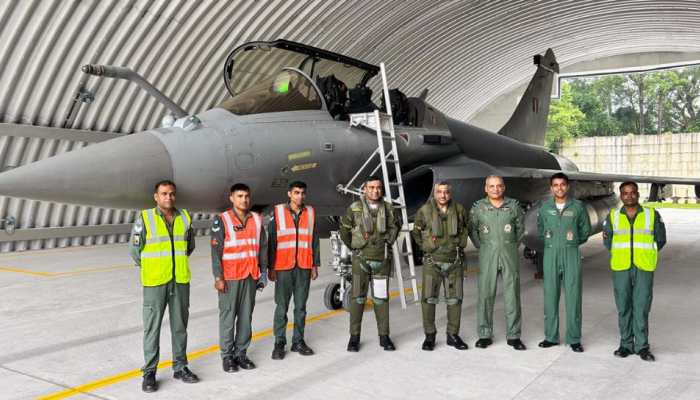
Localisation is expected to be achieved through a strategic partnership between Dassault Aviation and an Indian Production Agency. This agency is likely to include a major private sector company alongside a public sector entity, creating a balanced industrial framework.23rafale 1

The project is expected to generate thousands of high-skilled jobs across engineering manufacturing and quality assurance domains. In addition, it is likely to spur the growth of ancillary industries supplying components materials and services, creating a strong multiplier effect for the broader economy. The emphasis on domestic production also opens opportunities for Indian firms to integrate into global aerospace supply chains.

Strengthening the Indian Air Force

For the Indian Air Force, the acquisition of 114 Rafale jets is operationally critical. The service is facing a shortfall in fighter squadrons even as regional security challenges continue to evolve. The Rafale, a proven 4.5-generation multi-role combat aircraft, has already demonstrated its effectiveness within the IAF.

Inducting a larger fleet is essential for maintaining air superiority and operational readiness. Building the aircraft is also expected to result in long-term benefits such as reduced maintenance costs quicker turnaround times and greater control over upgrades and modifications throughout the aircraft’s service life.

Beyond Airframes and Assembly

The localisation plan extends well beyond the physical structure of the aircraft. The government has indicated that this industry should be involved in producing a wide range of systems and sub-systems. These include avionics radar components and elements related to propulsion and electronic systems.1827565 zee media subro 7

Such comprehensive localisation is aimed at ensuring that Indian firms gain life-cycle expertise in advanced fighter aircraft manufacturing. This knowledge base is seen as critical for future indigenous programmes and for positioning this country as a credible player in high-end defence production.

A Test of Strategic Autonomy

Defence analysts view the proposed Rafale programme as a test case for broader defence industrial ambitions. While negotiations remain complex and the final contours of the contract are yet to be defined, the government’s firm stance on technology transfer and local production sends a strong signal to global defence manufacturers.

If successfully executed, the project could redefine India’s role in the global defence ecosystem. Beyond strengthening the Indian Air Force, it has the potential to establish India as a long-term hub for advanced aerospace manufacturing, reinforcing both national security and economic resilience for decades to come.

PM Modi Shares 3 Enduring Messages Highlighting the Indian Army’s Quiet Valor

Saluting Courage on Army Day

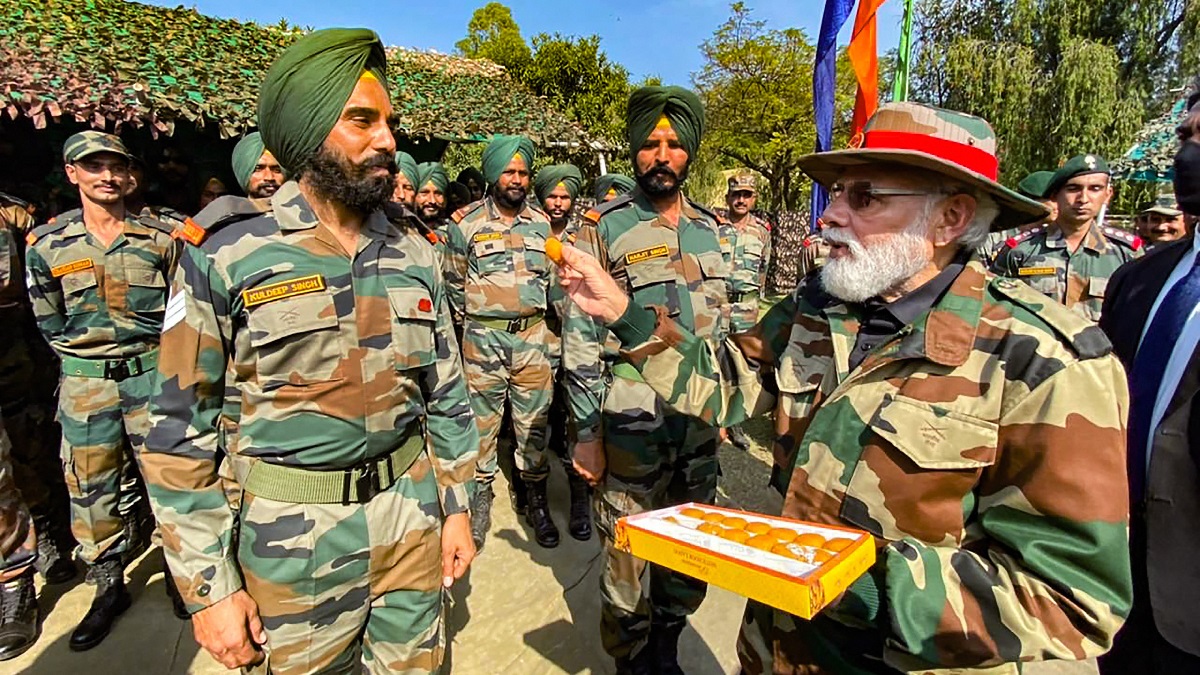
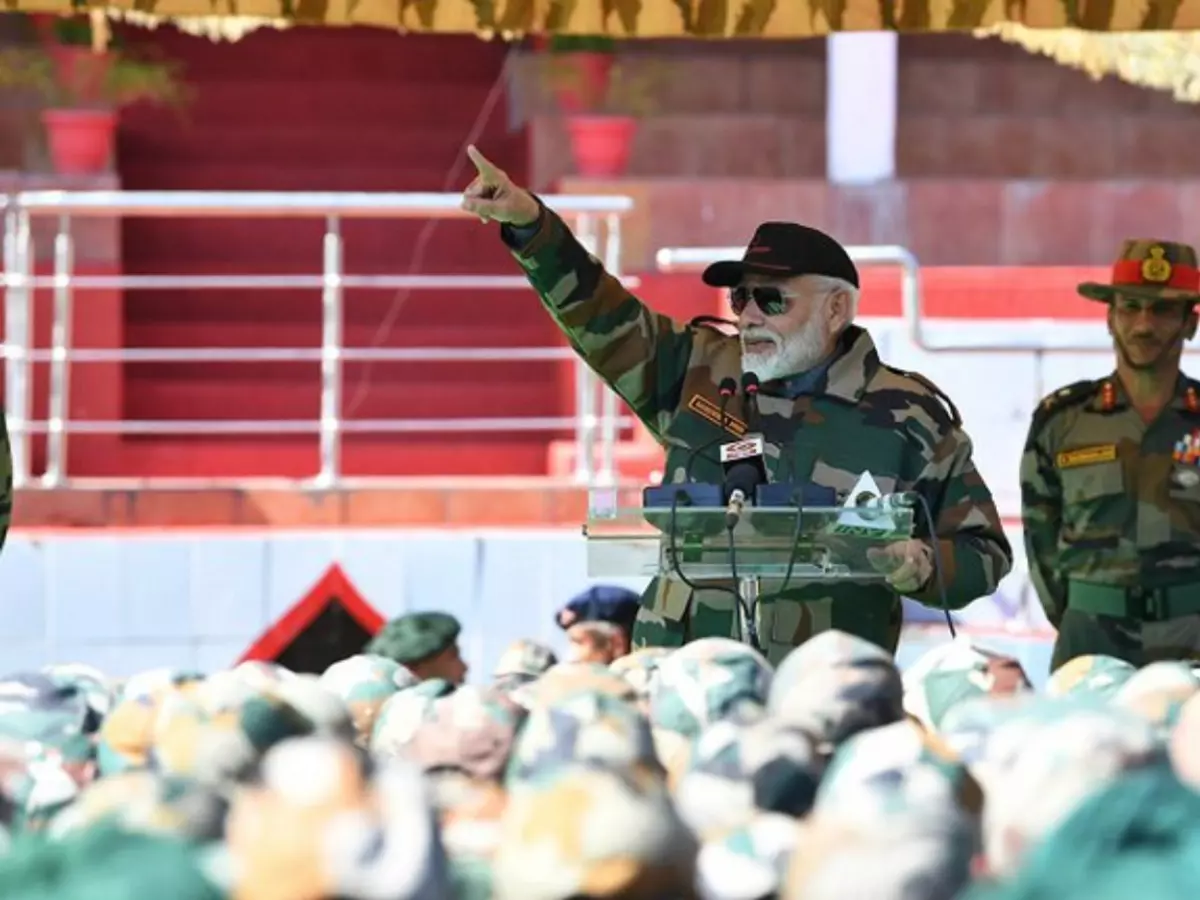
Prime Minister Narendra Modi on Wednesday extended his heartfelt greetings to personnel of the Indian Army on the occasion of Army Day, lauding their courage discipline and unwavering dedication to the nation. In his message, the prime minister also remembered the soldiers who laid down their lives in the line of duty, acknowledging their supreme sacrifice and the enduring legacy they have left behind.EH4fp6wU8AAC6NT e1572317626987

Army Day is observed every year on January 15 and holds special significance in India’s military history. The day marks the moment when Field Marshal K M Cariappa took over as the first Indian Commander in Chief of the Army in 1949, symbolising the transfer of leadership from British rule to Indian command. Since then, the day has stood as a tribute to the bravery and professionalism of the Indian Army.

Remembering the Ultimate Sacrifice

In his Army Day message, the prime minister paid solemn homage to the fallen soldiers whose lives were lost while protecting the nation. He noted that their courage and selflessness continue to inspire generations of Indians and serve as a reminder of the price paid to safeguard the country’s sovereignty and security.

By remembering the martyrs, the prime minister emphasised that the nation remains forever indebted to those who chose duty above life. Their families, he said, have shown immense strength and resilience and the country stands with them in gratitude and respect.

Praising the Dedication of Armed Forces Personnel

Prime Minister Modi also highlighted the tireless service of Army personnel who operate under challenging conditions across diverse terrains. From icy heights and dense forests to deserts and coastal regions, soldiers remain vigilant at all times to protect the nation’s borders and maintain internal security.pm modi pti1 1636013265

He praised the discipline and professionalism of the armed forces, stating that their commitment goes beyond the call of duty. The Army’s readiness to respond to threats and emergencies reflects its strong sense of responsibility and its deep-rooted values of honour and service.

Role Beyond National Defense

Over the years, the Indian Army has played a vital role not only in defending the country but also in supporting civilians during times of crisis. Whether it is disaster relief operations rescue missions during floods and earthquakes or assistance during health emergencies, the Army has consistently stood at the forefront.

The prime minister acknowledged these efforts and said that the Army’s humanitarian role has strengthened the bond between soldiers and citizens. Such actions have reinforced public trust and admiration for the armed forces, making them a pillar of strength in both war and peace.

Nationwide Observance and Public Sentiment

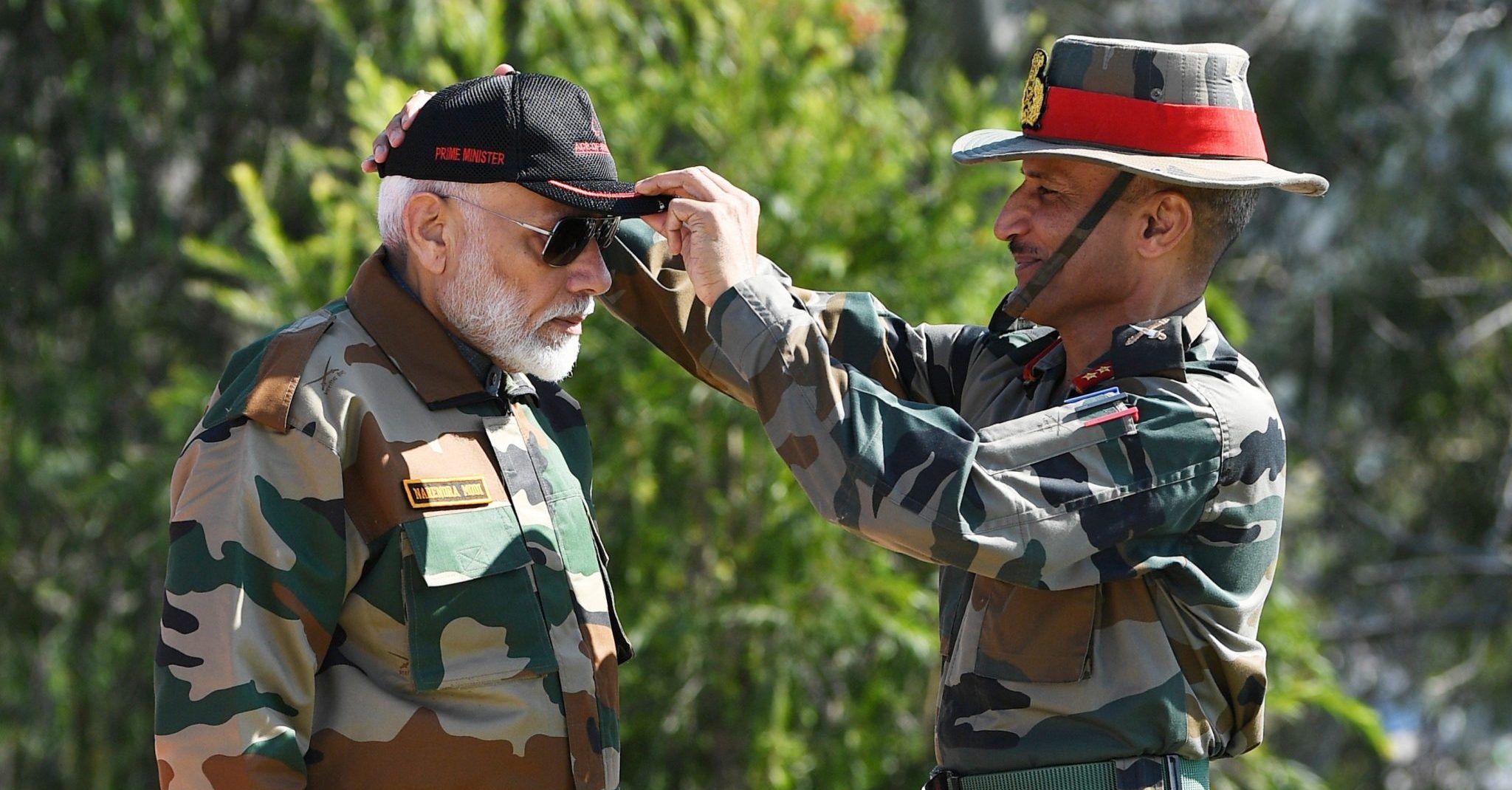
Army Day is marked across the country with ceremonial events parades and tributes at war memorials. These observances reflect the nation’s collective respect for its soldiers and provide an opportunity for citizens to express gratitude for their service.modi army uniform 61fb8b0942d19

Messages of appreciation poured in from leaders across the political spectrum as well as from citizens who took to social media to honour the armed forces. The day served as a moment of unity where the nation came together to salute the bravery and sacrifices of its soldiers.

PM Modi’s Message of Pride and Gratitude

The prime minister Narendra Modi’s Army Day wishes captured the spirit of pride and respect that the nation holds for its armed forces. His tribute reaffirmed that the courage and dedication of the Indian Army remain a source of inspiration and reassurance for the country.

As India observes Army Day, the focus remains on honouring those who serve and remembering those who gave their lives for the nation. The day stands as a powerful reminder of the values of sacrifice duty and patriotism that continue to define the Indian Army.

Explosive Political Face-Off Erupts in Mumbai Over India’s Richest Municipal Corporation in 2026

Maharashtra Local Body Polls: High-Stakes Battle for India’s Richest Municipal Corporation Unfolds in Mumbai

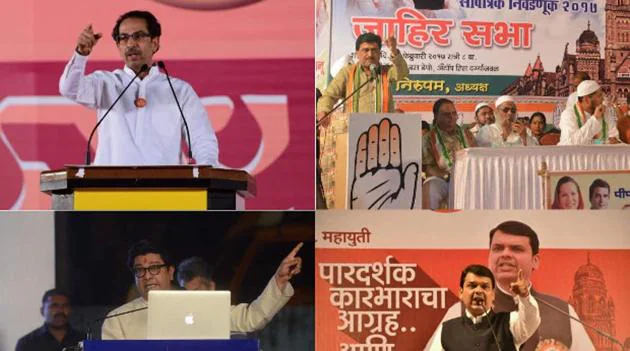
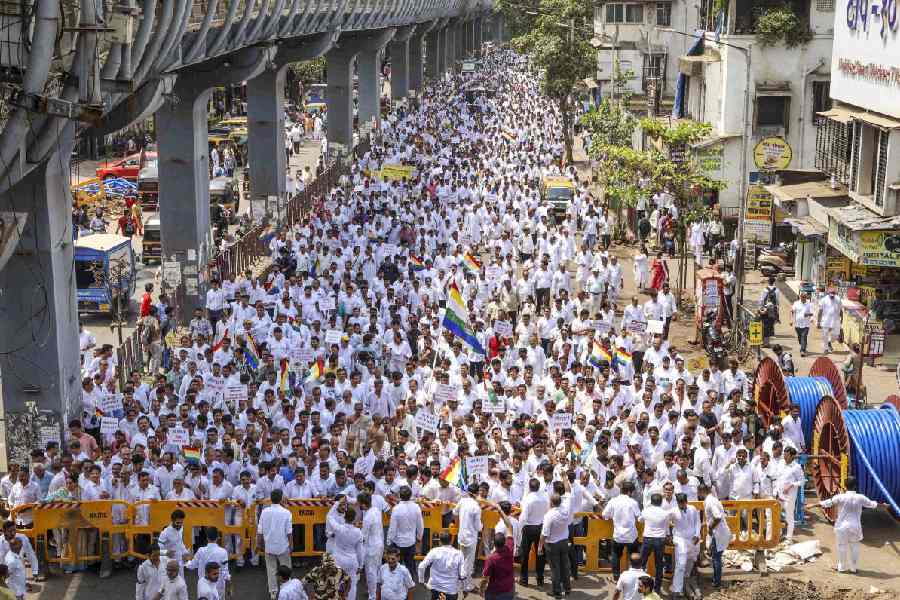
Mumbai has once again become the epicenter of political activity as the Maharashtra local body polls set the stage for a fierce contest over the Brihanmumbai Municipal Corporation BMC, widely regarded as India’s richest civic body. With an annual budget running into tens of thousands of crores, control of the BMC is not just about local governance but about political influence financial power and administrative command over the country’s financial capital.1745070686 jain temple

The upcoming civic elections are being closely watched as they are seen as a litmus test for major political parties ahead of future state and national polls. Mumbai’s civic body governs essential services such as water supply roads public health education waste management and urban infrastructure for over two crore residents. Whoever controls the BMC gains not only access to vast financial resources but also the ability to shape the city’s development narrative for the next five years.

For decades the Shiv Sena held an unchallenged grip over the BMC making it the party’s strongest political bastion. However the political landscape in Maharashtra has changed dramatically in recent years following party splits shifting alliances and intense rivalry among former allies. As a result the contest this time is expected to be one of the most competitive in the history of Mumbai’s municipal politics.PTI05 18 2024 000255B 0 1716188523263 1716188615310

The ruling coalition in Maharashtra is keen to make significant inroads into the civic body and sees the BMC election as an opportunity to consolidate its position in urban Maharashtra. On the other hand opposition parties view Mumbai as the gateway to regaining political momentum and demonstrating their relevance among urban voters. Campaign strategies are being sharpened with a strong focus on governance issues local development and civic accountability.

Key concerns dominating the campaign include the condition of roads recurring flooding during the monsoon housing redevelopment public transport air pollution and transparency in municipal spending. Political parties are attempting to connect with voters by highlighting past achievements while promising efficient administration and corruption-free governance. Slum redevelopment and affordable housing have also emerged as major talking points given Mumbai’s growing population and limited land availability.devendra fadnavis

The financial might of the BMC adds another layer of intensity to the battle. With a budget larger than that of several Indian states the corporation plays a crucial role in executing large-scale infrastructure projects including coastal roads metro connectivity sewage treatment plants and healthcare facilities. Control over these projects translates into long-term political visibility and influence making the stakes exceptionally high.

Another significant factor shaping the election is the changing voter demographic. Young voters professionals migrants and middle-class residents are increasingly vocal about civic issues and service delivery. Social media and digital campaigning are playing a larger role than ever before with parties trying to appeal to first-time voters and tech-savvy citizens through targeted messaging.

Administratively the election is also seen as a test of democratic resilience at the grassroots level. After delays in civic polls across Maharashtra due to legal and procedural challenges the Mumbai election is expected to restore elected representation in local governance. Civil society groups and activists have stressed the importance of transparency voter awareness and accountability during the election process.

As the campaign gains momentum political observers believe that the outcome of the Mumbai civic polls will have implications far beyond municipal limits. A decisive victory could reshape political equations in Maharashtra while a fragmented mandate may lead to new alliances and power-sharing arrangements.

With campaigning intensifying and political rhetoric rising Mumbai is bracing itself for a closely fought contest. The battle for India’s richest municipal corporation is not merely about winning seats but about defining the future direction of the city and setting the tone for Maharashtra’s political landscape in the years to come.

Also read: https://channel6network.com/us-troops-middle-east-withdrawal-bases-threat/

IND vs NZ 2nd ODI: Stunning Mitchell Century Levels Series in Rajkot

0

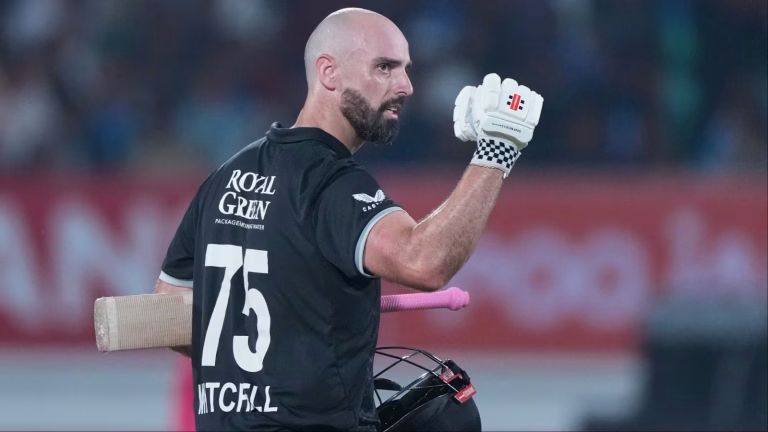
Rajkot, Gujarat – New Zealand delivered a commanding performance in the IND vs NZ second ODI, defeating India by seven wickets in Rajkot to level the three-match series 1-1. Daryl Mitchell’s masterful unbeaten 131 proved the difference as the Kiwis successfully chased down India’s total of 284/7 with relative ease, finishing at 286/3 in 47.3 overs.

Mitchell’s Match-Winning Performance in IND vs NZ

Daryl Mitchell produced an exceptional batting display in the IND vs NZ encounter, anchoring New Zealand’s chase with supreme confidence and skill. His unbeaten 131 came off outstanding batting as he took control of the innings and guided his team to victory with calculated aggression and solid technique.

Mitchell’s innings was characterized by intelligent shot selection and the ability to rotate strike effectively during the middle overs before accelerating when required. He formed crucial partnerships that kept New Zealand ahead of the required run rate throughout the IND vs NZ chase, never allowing India’s bowlers to build sustained pressure.

The New Zealand batsman reached his fifty with authority and continued his momentum, attacking Indian bowlers when opportunities presented themselves. His century, celebrated with a powerful six down the ground, effectively sealed the outcome of the IND vs NZ contest and demonstrated his class as a finisher.

Will Young’s Crucial Contribution in IND vs NZ

Will Young played a vital supporting role in the IND vs NZ second ODI, scoring a valuable 87 runs that complemented Mitchell’s century perfectly. Young’s innings provided stability at the other end and helped build the foundation for New Zealand’s successful chase.

Young’s fifty came at a crucial juncture in the IND vs NZ match, ensuring that wickets at the top didn’t derail New Zealand’s pursuit of 285. His partnership with Mitchell took the game away from India, with the pair adding a substantial stand that put immense pressure on the Indian bowling attack.

Despite being deceived by Kuldeep Yadav on one occasion when a ball fell in no man’s land, Young maintained his composure and continued accumulating runs. His eventual dismissal by Kuldeep came after he had done significant damage to India’s hopes of defending their total in the IND vs NZ encounter.

Phillips Provides Finishing Touch in IND vs NZ

Glenn Phillips added the finishing touches to New Zealand’s victory in the IND vs NZ second ODI with an unbeaten 32 that included crucial boundaries. His cameo ensured that the momentum stayed firmly with New Zealand as they approached the target.

Phillips smashed a six in the closing stages of the IND vs NZ chase that effectively ended any remaining Indian hopes of a comeback. His ability to score quickly meant Mitchell could continue batting with freedom, knowing that runs were coming from both ends.

KL Rahul’s Heroic Century for India in IND vs NZ

Despite the defeat, KL Rahul emerged as India’s hero in the IND vs NZ second ODI with a sensational unbeaten 112 off 92 deliveries. Rahul’s century showcased his class and temperament, coming during a tricky period when India needed someone to anchor the innings.

Rahul demonstrated excellent judgment throughout his IND vs NZ innings, taking his time initially to assess conditions before pressing the accelerator at precisely the right moments. His century came with a magnificent six down the ground, a shot that epitomized his confidence and control.

The wicketkeeper-batsman received limited support from teammates but ensured India posted a competitive 284/7. His knock included skillful strokeplay, including effective deployment of the reverse sweep, and he found boundaries when India needed momentum in the IND vs NZ contest.

India’s Batting Performance in IND vs NZ

India’s innings in the IND vs NZ second ODI started promisingly with Rohit Sharma and Shubman Gill providing a solid foundation. Gill reached fifty before falling for 56 to Kyle Jamieson, while Rohit departed for a modest score, picking out deep cover.

Virat Kohli’s innings in the IND vs NZ match generated excitement, with the batting maestro surpassing a Sachin Tendulkar feat early in his knock. However, he fell on 23, disappointing fans who hoped for another substantial innings from the former captain.

Shreyas Iyer’s soft dismissal for just 8 runs added to India’s troubles in the IND vs NZ encounter, while Ravindra Jadeja chipped one back to Bracewell after a useful contribution. Nitish Kumar Reddy provided some late impetus with a six, and Nitish Rana’s brief cameo helped India cross 280 before he picked out long off.

India’s Bowling Struggles in IND vs NZ

India’s bowling attack struggled to make breakthroughs consistently in the IND vs NZ second ODI. Harshit Rana provided the first breakthrough, hitting the stumps to send Conway’s stump dancing and getting India off to an encouraging start.

Prasidh Krishna removed Nicholls with a chopped-on dismissal but also dropped Mitchell at a crucial stage, a miss that proved costly in the IND vs NZ result. Kuldeep Yadav, introduced after 20 overs, picked up Will Young’s wicket but couldn’t stem the flow of runs as Mitchell attacked him for 13 runs in one over.

Mohammed Siraj’s return to the attack couldn’t change India’s fortunes in the match chase, as New Zealand maintained control throughout. The Indian bowlers lacked consistent support for each other and couldn’t build pressure that might have resulted in a collapse.

Series Implications of IND vs NZ Result

The victory in the match second ODI levels the three-match series at 1-1, setting up a decisive final encounter. New Zealand’s ability to chase down 285 comfortably demonstrates their batting depth and resilience after losing the opening match.

For India, the match defeat raises questions about their bowling strategy and field placements during run chases. The dropped catch and inability to break the Mitchell-Young partnership proved decisive, highlighting areas requiring improvement before the series decider.

Looking Ahead After IND vs NZ Second ODI

Both teams will analyze their performances from this match encounter as they prepare for the crucial series finale. New Zealand will draw confidence from their comprehensive victory, while India must address their bowling shortcomings and ensure better support for KL Rahul’s batting heroics in the deciding match.

Dhaula Kuan Waterlogging: Breakthrough Rs.3.5 Crore Solution Announced by NHAI

0

New Delhi – The chronic Dhaula Kuan waterlogging issue that has plagued commuters for years may finally see resolution as the National Highways Authority of India (NHAI) has released ₹3.5 crore to the Delhi Cantonment Board (DCB) for implementing a comprehensive drainage solution. This significant investment aims to address the persistent flooding problem at the Parade Road underpass near Dhaula Kuan Metro station.

Understanding the Dhaula Kuan Waterlogging Problem

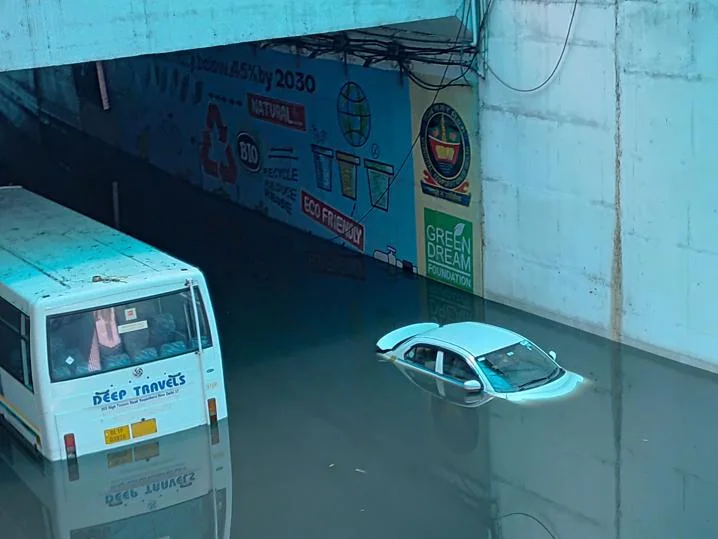
The Dhaula Kuan waterlogging issue specifically pertains to flooding at the underpass near Metro pillar numbers 156 and 157. This stretch regularly becomes inundated during heavy rainfall, causing severe disruption to traffic movement and significantly affecting nearby residential areas, including parts of Rama Vihar.

The Parade Road underpass serves as a crucial connector between Dhaula Kuan and Delhi Cantonment, witnessing heavy traffic volumes daily. During monsoon season, the Dhaula Kuan waterlogging problem intensifies as the underpass frequently accumulates water due to inadequate stormwater discharge infrastructure, leading to vehicle breakdowns and extensive traffic congestion.

Multi-Agency Coordination to Address Dhaula Kuan Waterlogging

The Dhaula Kuan waterlogging matter has been under active discussion among multiple agencies working under a coordination framework to resolve infrastructure bottlenecks on the national highway corridor in the capital. The agencies involved include NHAI, the Public Works Department (PWD), Delhi Cantonment Board, and the School of Planning and Architecture (SPA).

This collaborative approach ensures that all stakeholders contribute their expertise and resources toward developing a permanent solution to the Dhaula Kuan waterlogging crisis that has affected commuters and residents for extended periods.

Financial Commitment for Dhaula Kuan Waterlogging Solution

Following a crucial meeting between NHAI officials and Chief Minister Rekha Gupta last week, significant progress was made on addressing the Dhaula Kuan waterlogging issue. The status note from the UT-level committee meeting held on August 21, 2025, recorded that NHAI had released ₹3.5 crore to the Delhi Cantonment Board specifically for implementing a drainage solution in the affected area.

This substantial financial commitment demonstrates NHAI’s recognition of the severity of the Dhaula Kuan waterlogging problem and the urgent need for infrastructure upgrades to prevent future flooding incidents during monsoon seasons.

Technical Assessment of Dhaula Kuan Waterlogging

The Delhi Cantonment Board informed the committee that a comprehensive study is currently underway to assess the drainage requirements necessary to eliminate Dhaula Kuan waterlogging permanently. This technical assessment will provide detailed specifications for the infrastructure improvements required to handle increased water volumes during heavy rainfall.

Also Read: Delhi Carbon Credit Framework: Revolutionary Revenue Strategy for 2026 Unveiled

Officials emphasized that understanding the precise drainage needs is crucial for designing an effective long-term solution to the Dhaula Kuan waterlogging challenge, ensuring that investments made now will prevent similar problems in the future.

Infrastructure Improvements to Prevent Dhaula Kuan Waterlogging

A key decision made regarding the Dhaula Kuan waterlogging solution involves NHAI allowing a drain to pass under NH-48. This drain will connect the PWD drain near Metro pillar 156 on one side with the DCB drain on the other, creating an integrated drainage network.

An official explained, “The proposal includes constructing a culvert to facilitate the crossing. The DCB indicated that the existing drain crossing was not designed to handle the increased volume of water, necessitating augmentation of the outfall capacity.” This infrastructure upgrade represents a critical component in resolving the Dhaula Kuan waterlogging issue.

Long-Term Strategy for Dhaula Kuan Waterlogging

Officials noted that DCB drains currently lack proper outfall infrastructure, contributing significantly to the Dhaula Kuan waterlogging problem. Linking the PWD drain with a strengthened DCB drainage system could offer a sustainable long-term solution to waterlogging not only around the Parade Road underpass but also in adjacent areas like Rama Vihar.

This integrated approach addresses the root causes of Dhaula Kuan waterlogging rather than merely treating symptoms, ensuring more effective flood prevention during monsoon seasons.

Hydrological Study for Dhaula Kuan Waterlogging

A detailed hydrological study is now being conducted by the School of Planning and Architecture to assess ground conditions and determine the optimal implementation strategy for resolving Dhaula Kuan waterlogging. This scientific approach ensures that solutions are based on accurate data and sound engineering principles.

The hydrological assessment will examine water flow patterns, soil conditions, drainage capacity requirements, and other technical factors essential for designing infrastructure that can effectively manage stormwater and prevent Dhaula Kuan waterlogging during intense rainfall events.

Master Drainage Scheme Development

Beyond addressing immediate Dhaula Kuan waterlogging concerns, the Delhi Cantonment Board is working through SPA to prepare a comprehensive master drainage scheme for the entire Delhi Cantonment area. This broader planning initiative will ensure systematic drainage infrastructure development that prevents waterlogging issues from emerging in other locations.

The master drainage scheme represents a proactive approach to urban water management, incorporating lessons learned from the Dhaula Kuan waterlogging experience to design more resilient infrastructure across the cantonment area.

Impact on Traffic and Residents

The Dhaula Kuan problem has severely impacted daily commuters who rely on the Parade Road underpass as a vital traffic artery. During monsoons, flooding forces traffic diversions, increases journey times, and creates hazardous driving conditions that have resulted in numerous vehicle breakdowns.

Residential areas near the underpass, particularly Rama Vihar, have also suffered due to Dhaula Kuan, with water entering nearby properties and creating health and safety concerns for residents during rainy seasons.

Expected Timeline and Implementation

With financial resources now allocated and technical studies underway, implementation of solutions to address Dhaula Kuan issue of waterlogging is expected to commence following completion of assessment work. The multi-agency coordination framework ensures that construction activities will be properly sequenced and executed efficiently.

While specific timelines have not been publicly announced, the combination of released funds, ongoing studies, and high-level government attention suggests that relief from Dhaula Kuan issue of waterlogging may finally be achievable in the near future, bringing much-needed respite to affected commuters and residents.

Delhi Startup Policy: Revolutionary Rs.325 Crore Plan Unveiled for Youth

New Delhi – The Delhi government has announced plans to introduce a comprehensive Delhi Startup Policy with a substantial investment of ₹325 crore over the next five years. Education Minister Ashish Sood revealed this ambitious initiative on Wednesday, emphasizing the government’s commitment to fostering a robust entrepreneurial ecosystem in the national capital.

Comprehensive Framework of Delhi Startup Policy

The Delhi Startup Policy is currently at an advanced stage of development and will encompass a comprehensive legal framework covering all critical aspects necessary for a thriving startup ecosystem. According to Education Minister Ashish Sood, the policy will address key areas including incubation facilities, funding mechanisms, industry linkage opportunities, and market access channels.

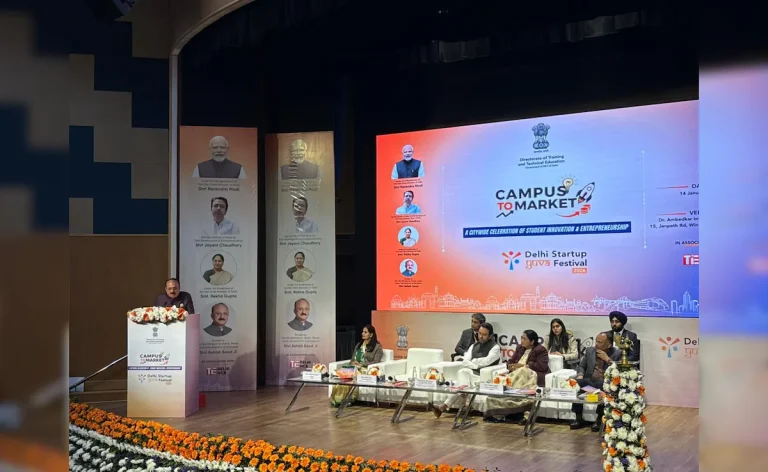
The minister made this significant announcement while addressing participants at the Capital’s first annual Youth Startup Festival, highlighting that the Delhi Startup Policy represents a major step forward in supporting youth entrepreneurship and innovation in the city.

Ambitious Target of Delhi Startup Policy

The Delhi Startup Policy sets an ambitious target of enabling 5,000 startups to be developed by Delhi’s youth by 2035. This goal reflects the government’s long-term vision of transforming the capital into a major hub for startup activity and entrepreneurial innovation.

Education Minister Sood stated, “The Delhi government will soon introduce the Delhi Startup Policy, under which a provision of ₹325 crore has been proposed for the next five years. The policy aims to enable 5,000 startups to be developed by Delhi’s youth by 2035, covering incubation, funding, industry linkage, and market access.”

This target demonstrates the government’s confidence in Delhi’s youth and their potential to contribute significantly to the startup ecosystem, positioning the capital as a leading entrepreneurial destination.

Delhi Startup Festival Showcases Initiative

The announcement of the Delhi Startup Policy was made at the Delhi Startup Yuva Festival organized by the higher and technical education department at the Dr. Ambedkar International Centre. The festival witnessed participation from 11 universities, colleges, and Industrial Training Institutes (ITIs) from the capital, demonstrating widespread institutional engagement.

Also Read: Delhi Carbon Credit Framework: Revolutionary Revenue Strategy for 2026 Unveiled

The festival served as a platform to showcase the interconnected and youth-driven entrepreneurial spirit that the Delhi Startup Policy aims to nurture. It brought together students, educators, entrepreneurs, and policymakers to celebrate innovation and discuss the future of startup development in the city.

Campus to Market Initiative Under Delhi Startup Policy

A cornerstone of the Delhi Startup Policy is the “Campus to Market” initiative, which aims to foster an entrepreneurial ecosystem connecting students at all educational levels. This initiative encompasses schools, colleges, and technical skill development centres, creating a comprehensive support network.

Minister Sood emphasized that the Campus to Market initiative under the Delhi Startup Policy is “not just a slogan but is being implemented as a proper system, ensuring that a student’s idea can easily reach mentorship, funding, and the market.”

The initiative represents a systematic approach to entrepreneurship education and support, ensuring that young innovators receive guidance throughout their journey from concept to commercialization.

Financial Support Mechanisms in Delhi Startup Policy

The Delhi Startup Policy includes substantial financial support mechanisms to encourage youth entrepreneurship. At the festival, the top six student-led startups were awarded equity-free grants of ₹10 lakh each, providing significant seed capital without diluting ownership.

Additionally, the top 100 startups received ₹1 lakh in financial support to help mitigate early-stage risks. These grants under the Delhi Startup Policy are designed to provide crucial initial funding that often proves challenging for young entrepreneurs to secure through traditional channels.

The equity-free nature of these grants is particularly significant, as it allows startup founders to maintain full control of their ventures while receiving government support to develop and scale their businesses.

Holistic Ecosystem Approach of Delhi Startup Policy

Education Minister Sood explained that the Delhi Startup Policy is part of a broader ecosystem approach to education and skill development. “The present Delhi government is now creating a complete ecosystem from school education to higher and technical education, placing skills, entrepreneurship, and innovation at its core,” he stated.

This ecosystem approach within the Delhi Startup Policy brings together both public and private institutions, fostering collaboration and resource sharing. The integration of various educational institutions ensures that entrepreneurial thinking and skills are cultivated from an early age and across different educational pathways.

Incubation and Industry Linkage in Delhi Startup Policy

The Delhi Startup Policy places significant emphasis on incubation facilities and industry linkages. Incubation support will provide startups with essential infrastructure, mentorship, and resources during their critical early stages of development.

Industry linkage components of the Startup Policy will facilitate connections between startups and established businesses, creating opportunities for collaboration, knowledge transfer, and market access. These linkages are crucial for helping startups understand market dynamics and establish commercial relationships.

Market Access Support Under Delhi Startup Policy

Market access represents another critical pillar of the Startup Policy. The policy recognizes that even innovative startups often struggle to reach customers and establish market presence. By providing structured market access support, the Delhi Startup Policy aims to bridge this gap and accelerate startup growth.

This support may include connections to potential customers, participation in trade fairs and exhibitions, government procurement opportunities, and assistance with marketing and distribution strategies.

High-Level Support for Delhi Startup Policy

The Delhi Startup Festival and the announcement of the Startup Policy received high-level government attention. The festival was inaugurated by Union Minister of State (Independent Charge) for Skill Development and Entrepreneurship, Jayant Chaudhary, while Chief Minister Rekha Gupta was also present.

This high-level participation underscores the importance both central and state governments place on entrepreneurship development and their commitment to supporting the implementation of comprehensive policies like the Startup Policy.

Future Prospects of Delhi Startup Policy

As the Startup Policy moves toward formal introduction, it promises to transform the capital’s entrepreneurial landscape significantly. With its comprehensive framework, substantial financial commitment, and integrated ecosystem approach, the policy is positioned to make Delhi a leading startup destination in India and globally.

AI Impact Summit: Big Venue Shift to Bharat Mandapam Over Security

New Delhi – A significant venue change has been announced for a public exhibition connected to the upcoming AI Impact Summit scheduled in Delhi this February. The Innovation Festival, originally planned for Central Park in Connaught Place, has been relocated to Bharat Mandapam following security and logistical assessments by authorities.

Venue Relocation for AI Impact Summit Exhibition

The AI Impact Summit exhibition, known as the Innovation Festival, was originally scheduled to run from February 15 to 20 at Central Park. However, officials from the Union ministry of electronics and information technology (MeitY) confirmed Wednesday that security and logistical considerations necessitated the venue change.

A senior official within the IT ministry explained that authorities had been advised to move the AI Impact Summit exhibition to a more manageable venue. “We have been advised on security and logistics considerations to move to a more manageable venue and so much of what was intended will be at the main venue,” the official stated, confirming that festival activities would be partially integrated into the broader summit programming at Bharat Mandapam in Pragati Maidan.

The Innovation Festival was conceived as a public engagement space featuring interactive stalls and demonstrations by global AI firms, serving as a key side event for the main AI Impact Summit. MeitY had anticipated significant public footfall at the festival when plans were initially announced.

Police Communication Regarding AI Impact Summit Changes

Delhi Police officers familiar with the matter revealed they were informed during a Wednesday meeting with MeitY officials that events scheduled for Central Park had been moved to Bharat Mandapam. However, an officer who requested anonymity clarified that there was no written or verbal communication from police to the ministry expressing concerns about logistics or crowd control issues.

This statement suggests the decision to relocate the AI Impact Summit exhibition originated from internal assessments rather than specific police recommendations, though security considerations remain a primary factor in the venue change.

Global Significance of AI Impact Summit

The AI Impact Summit represents one of the largest global gatherings focused on artificial intelligence technology. Prime Minister Narendra Modi is scheduled to inaugurate the event on February 19 and will host a CEOs’ roundtable during the summit. A gala dinner for participating heads of state is planned for February 18.

This AI Impact Summit marks the fourth in a series of global AI meetings, following previous gatherings held in the United Kingdom, South Korea, and France. Officials anticipate over 150,000 in-person attendees and more than 300 side events throughout the summit week, underscoring the event’s massive scale and international importance.

Also Read: Rajghat Power Plant Redevelopment: Ambitious Transformation Into Leisure Hub

High-Profile Attendees at AI Impact Summit

More than 100 global CEOs and approximately 15 heads of state have confirmed their participation in the AI Impact Summit so far, according to MeitY officials. The roster of confirmed technology leaders includes Microsoft co-founder Bill Gates, Nvidia CEO Jensen Huang, Google CEO Sundar Pichai, Anthropic CEO Dario Amodei, and Google DeepMind CEO Demis Hassabis.

Indian business leaders confirmed for the AI Impact Summit include Reliance Industries chairman Mukesh Ambani, Infosys chairman Nandan Nilekani, Cisco president Jeetu Patel, and Adobe CEO Shantanu Narayen. OpenAI CEO Sam Altman is reportedly “most likely” to attend, while discussions continue with senior executives from Meta and Microsoft.

Political leaders expected at the AI Impact Summit include French President Emmanuel Macron, Brazilian President Luiz Inácio Lula da Silva, and UK Deputy Prime Minister David Lammy. Chinese officials have received invitations, though their participation remains unconfirmed.

Pre-Summit Preparations and Modi’s Vision

In preparation for the AI Impact Summit, Prime Minister Modi held a closed-door roundtable earlier this month with a dozen Indian AI startups selected under the India AI Mission to build indigenous, sovereign AI models. According to participants, Modi urged companies to project an “Indian vision” at the summit, emphasizing ethical, transparent, and inclusive AI systems reflecting India’s linguistic and social diversity.

Expected Outcomes from AI Impact Summit

Outcomes from the AI Impact Summit are anticipated to include a possible leadership declaration along with more than a dozen “specific and tangible deliverables” focused on improving access to AI resources, supporting developing countries, and promoting responsible AI adoption globally.

Comprehensive Programming at AI Impact Summit

Beyond main plenary sessions, the AI Impact Summit week will feature extensive parallel events and thematic programmes. These include an AI Impact Expo showcasing AI applications across sectors, plus multiple sessions comprising keynotes, panel discussions, and closed-door roundtables involving global technology leaders, policymakers, and experts.

The Global Partnership on Artificial Intelligence (GPAI) Council is scheduled to meet on February 20 during the final day of the AI Impact Summit, marking a significant multilateral engagement.

Knowledge Products and Global Challenges

The AI Impact Summit will produce several “knowledge products,” including a Global Tech Leaders’ Vision Document, an International AI Safety Report led by AI researcher Yoshua Bengio, and multiple casebooks examining real-world AI impact in sectors such as health, education, agriculture, energy, and gender empowerment.

Three flagship global challenges—AI for All, AI by Her, and YUVAi—are being held as part of the AI Impact Summit, aimed at promoting inclusive innovation, women-led AI development, and youth participation. These challenges have attracted thousands of applications from over 130 countries, including significant participation from the Global South.

Pre-Summit Activities

Leading up to the AI Summit, over 340 pre-summit events have been organized by big tech companies, non-profit organizations, and think tanks in partnership with MeitY, demonstrating the extensive preparation and international collaboration preceding this landmark gathering.