Tuesday, December 30, 2025
Home Blog Page 126

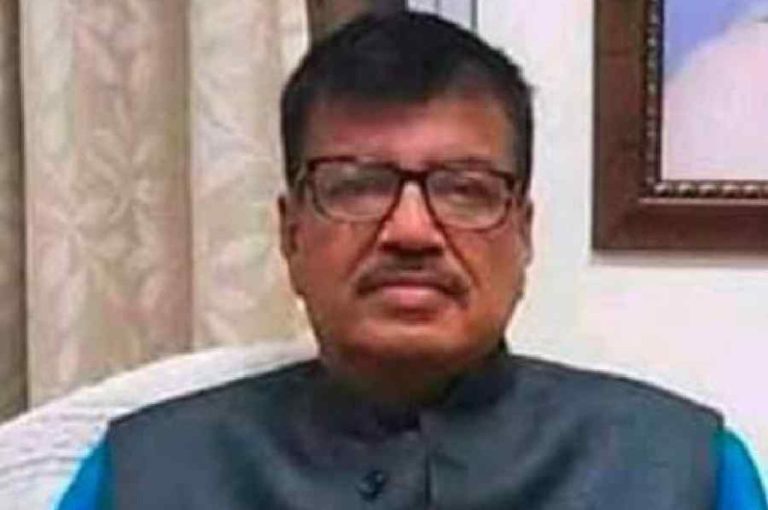
Cooch Behar Civic Boss Resignation Controversy 2025: Rabindranath Ghosh Defies TMC District Leadership, Factionalism in North Bengal, Electoral Risks, and Governance Challenges Ahead of Assembly Elections

Civic Boss Resignation Controversy 2025: The political landscape of West Bengal has been jolted by the Cooch Behar Civic Boss Resignation Controversy 2025, where Rabindranath Ghosh, chairman of the Cooch Behar municipality, has refused to step down despite directives from the district Trinamool Congress (TMC) leadership. His defiance has triggered factionalism within the party, raising concerns about governance, unity, and electoral prospects in North Bengal — a region where the BJP remains a formidable challenger.


2. Background: TMC vs BJP in Cooch Behar

Cooch Behar has historically been a political battleground:

  • In the 2021 Assembly elections, BJP won seven of nine seats, while TMC managed only two.
  • The balance shifted slightly after Udayan Guha won the Dinhata by‑election, raising TMC’s tally to three MLAs.
  • In the 2024 Lok Sabha elections, TMC reclaimed the Cooch Behar seat by projecting unity.

The current feud threatens to undo that fragile unity, potentially giving the BJP an advantage in the upcoming 2026 Assembly polls.


3. Civic Boss Resignation Controversy 2025: The Directive to Resign

On November 11, 2025, district president Abhijit De Bhowmik sent Ghosh a WhatsApp message instructing him to resign within seven days. A written communication followed the next day. Ghosh, however, rejected the directive, arguing that only the state leadership or Mamata Banerjee herself had the authority to demand his resignation. He declared: “If the state leadership or Mamata Banerjee asks me to step down, I will do so without a minute’s delay.”


4. Ghosh’s Defiance and Supporters’ Mobilization

More than a week after the directive, Ghosh remains firmly in his post. His supporters have:

  • Escalated the matter to Mamata Banerjee, sending a letter signed by over 500 people, including senior leaders like Partha Pratim Roy and Binay Krishna Barman.
  • Threatened to take to the streets if attempts to unseat him continue.
  • Gathered regularly at Roy’s residence to strategize.

This mobilization reflects the deep factional divide within the district TMC.


5. The Two Factions in Cooch Behar TMC

According to sources, the district committee is split into two camps:

  • Faction One: Led by district president Abhijit De Bhowmik, supported by state minister Udayan Guha, MP Jagadish Chandra Barama Basunia, and district chairman Girindranath Barman.
  • Faction Two: Led by Rabindranath Ghosh, supported by Partha Pratim Roy, Khokan Mia, Binay Krishna Barman, Parimal Barman, Azizul Haque, and Laxmikant Sarkar.

This division has created a parallel leadership structure, undermining party discipline.


6. Political Observers’ Concerns

Analysts warn that the timing of such open discord is damaging for TMC:

  • In North Bengal, BJP considers the region its stronghold.
  • In 2021, BJP won 33 of 54 seats in the region.
  • With Assembly polls only months away, factional feuds in a key district like Cooch Behar place TMC at a disadvantage.

Observers argue that unless Mamata Banerjee intervenes decisively, the feud could erode TMC’s electoral prospects.


7. Governance Implications

The controversy has broader governance implications:

  • Municipal stability: Prolonged factionalism could paralyze civic administration in Cooch Behar.
  • Public trust: Citizens may lose confidence in TMC’s ability to govern effectively.
  • Electoral credibility: Internal disputes weaken TMC’s claim of being a united front against BJP.

8. Historical Context: Factionalism in Bengal Politics

Factionalism is not new in Bengal politics. Both TMC and its predecessor, the Congress, have faced internal splits. However, the stakes are higher in North Bengal, where BJP has made significant inroads. The current feud recalls earlier episodes where internal divisions cost parties crucial seats.


9. Possible Outcomes

Several scenarios could unfold:

  • Mamata’s intervention: If she orders Ghosh to resign, the dispute may settle.
  • No‑confidence motion: District leadership may attempt to remove Ghosh through the civic board.
  • Street protests: Ghosh’s supporters may escalate agitation, deepening the crisis.
  • Electoral fallout: BJP could exploit the discord to consolidate its position.

10. Conclusion: A Test of Leadership

The Cooch Behar Civic Boss Resignation Controversy 2025 is a test of Mamata Banerjee’s leadership and TMC’s organizational discipline. Ghosh’s defiance reflects the fragility of party unity in North Bengal, while the factional feud underscores the challenges of balancing local leadership with central authority.

With Assembly elections looming, the outcome of this controversy will shape not only the future of Cooch Behar but also the broader trajectory of TMC in Bengal politics.


🔗 Government External Links

For further reading and official updates, here are relevant government sources:

Also read: Home | Channel 6 Network – Latest News, Breaking Updates: Politics, Business, Tech & More

WB SIR Assistance Camp Fire Controversy 2025: TMC Alleges BJP Role in Kalyani Incident, Electoral Roll Revision Tensions, Political Reactions, and Governance Challenges

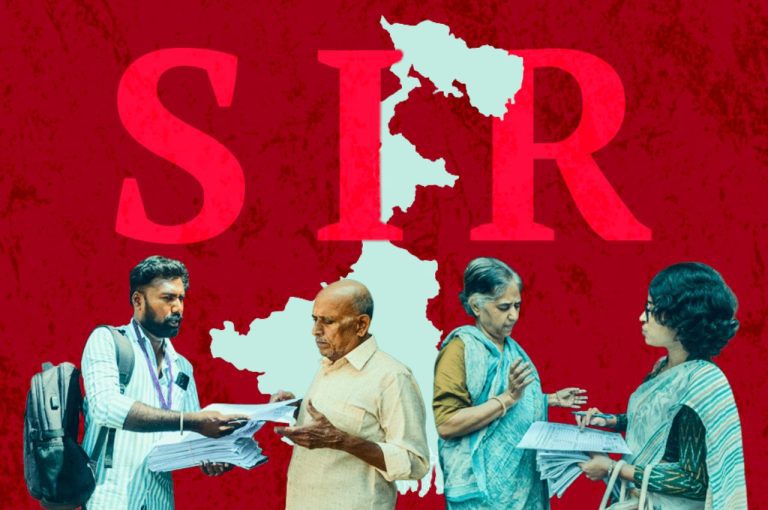
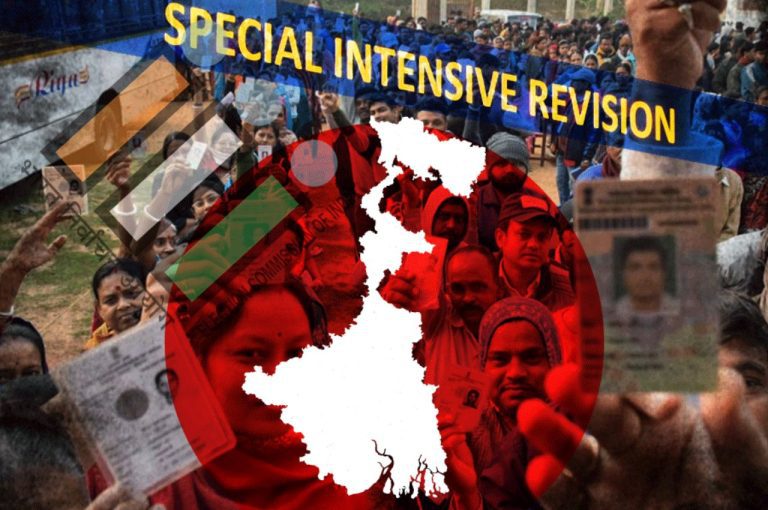
SIR Assistance Camp Fire Controversy 2025: On November 24, 2025, the political atmosphere in West Bengal intensified after the Trinamool Congress (TMC) alleged that BJP workers vandalized and set fire to a Special Intensive Revision (SIR) assistance camp in Ward No. 6 of Kalyani town, Nadia district. The camp, located adjacent to the TMC party office, was meant to help citizens with voter roll verification during the ongoing SIR exercise.

The BJP immediately denied the allegations, claiming the incident was the result of internal conflicts within the ruling party. The controversy has added fuel to the already heated debate surrounding the SIR process, which has been marred by reports of BLO stress, suicides, and protests.


2. The Incident: What Happened in Kalyani

According to the TMC, the camp was vandalized and torched by BJP supporters. Videos circulated on social media showed damaged property and burnt equipment. The TMC described the attack as a deliberate act of vandalism, aimed at disrupting assistance to voters during the SIR.

Police officials confirmed that a manhunt has been initiated to identify and arrest those responsible. However, BJP leaders dismissed the allegations, insisting that the fire was linked to internal disputes within TMC ranks.


3. The SIR Context: Why Camps Matter

The Special Intensive Revision (SIR) of electoral rolls is a massive exercise across West Bengal, involving:

  • Distribution of 7.64 crore enumeration forms.
  • Verification of voter details by Booth Level Officers (BLOs).
  • Digitisation of collected data.
  • Assistance camps set up by political parties to help citizens with corrections and submissions.

These camps are crucial for ensuring that voters, especially in rural and semi‑urban areas, can access support during the verification process.


4. Political Reactions: TMC vs BJP

  • TMC’s Position: The party accused BJP of orchestrating the attack to intimidate voters and disrupt the SIR process. Chief Minister Mamata Banerjee has already criticized the Election Commission for imposing unrealistic workloads on BLOs, and the camp fire adds another layer of grievance.
  • BJP’s Response: Local BJP leaders denied involvement, claiming the incident was a result of TMC’s internal factionalism. They accused the ruling party of politicizing the issue to gain sympathy.

The clash reflects the deep mistrust between the two parties, especially in Nadia district, a politically sensitive region.


5. Governance Challenges: Law and Order at Stake

The incident raises serious governance questions:

  • Security of electoral infrastructure: How safe are assistance camps and BLOs during the SIR?
  • Neutrality of the process: Can voter roll revision be conducted fairly amid political violence?
  • Role of police: Ensuring impartial investigation and preventing further escalation.

The credibility of the SIR process depends on maintaining law and order and protecting citizens’ access to electoral services.


6. Human Cost: BLO Stress and Suicides

The camp fire controversy comes against the backdrop of BLO deaths linked to SIR stress. In Nadia district itself, BLO Rinku Tarafdar was found dead, leaving a note about the “inhuman workload.” Her death triggered political outrage, with Mamata Banerjee asking the Election Commission: “How many more lives will be lost?”

The Kalyani incident adds to the perception that the SIR process is not only administratively flawed but also politically volatile.


7. Historical Context: Electoral Violence in Bengal

West Bengal has a long history of electoral violence and political clashes:

  • From the panchayat elections to Assembly polls, clashes between rival parties are common.
  • Camps, rallies, and booths often become flashpoints.
  • The Kalyani fire fits into this larger pattern of politicized conflict around electoral processes.

8. SIR Assistance Camp Fire Controversy 2025: Broader Implications for Democracy

The controversy has implications beyond Kalyani:

  • Public trust: Citizens may lose confidence in the fairness of the SIR.
  • Electoral participation: Fear of violence could discourage voter engagement.
  • Political stability: Escalating clashes could destabilize governance ahead of the 2026 elections.

Ensuring transparency and safety in the SIR is essential to safeguard democratic credibility.


9. Recommendations for Reform

Experts suggest:

  • Neutral monitoring: Independent observers for assistance camps.
  • Enhanced security: Police protection for BLOs and camps.
  • Clear guidelines: Election Commission must regulate party‑run camps.
  • Community involvement: Local NGOs can help ensure safe voter assistance.

10. Conclusion: A Test for Electoral Integrity

The West Bengal SIR Assistance Camp Fire Controversy 2025 is more than a local incident; it is a test of India’s electoral integrity. With TMC alleging BJP’s involvement and BJP denying the charge, the truth may take time to emerge. But the larger issue remains: can electoral roll revision be conducted fairly and peacefully in West Bengal?

The answer will shape not only the credibility of the 2026 Assembly elections but also the future of democratic governance in the state.


🔗 Government External Links

For further reading and official updates, here are relevant government sources:

Also read: Home | Channel 6 Network – Latest News, Breaking Updates: Politics, Business, Tech & More

Congratulations Zhao Lusi: 1 Major Move That Marks a New Turning Point in Her Career

0

Congratulations Zhao Lusi as She Begins a New Chapter With Her Own Studio

Congratulations Zhao Lusi as she officially announced the launch of her new studio along with a new agency partnership. This development has created a strong wave of interest in the industry, as it signals a clear shift in the direction of her professional journey. For many years, she has earned recognition for her steady growth, consistent performances and relatable screen presence. With this move, she is taking full control of her next phase, shaping her career with a more independent approach.Zhao Lusi alleges management company abused her emotionally and financially; says she was extorted out of 2.05 million yuan - Report | - Times of India

Her decision reflects confidence gained through experience, as well as the need for a stable structure that supports her long-term plans. Fans expressed happiness and relief, seeing this step as proof that she is ready to refine her work environment and choose projects that align with her artistic pace.

Congratulations Zhao Lusi as She Builds a Path Filled With Fresh Opportunities

This announcement has raised curiosity about the direction she may take next. Having her own studio allows more creative freedom, better planning and closer involvement in the decision-making process. Many believe this can help her take on roles that highlight her strengths more clearly, especially in projects where emotional depth and character development are central.Wow! Zhao Lusi Establishes a New Company, Holding 90% of Shares – A New Chapter Begins ✨🚀#zhaolusi - YouTube

Her new agency affiliation adds another layer to the shift. It is expected to provide structural support, better coordination and access to a wider range of scripts. Industry observers say that this combination studio independence and agency backing creates a balanced foundation for her future work. It also signals that she is preparing for steady, long-term growth instead of quick, unpredictable moves.

Fans have followed her career from her early days, watching her transform from a rising actress into a well-recognized name in historical, romance and modern dramas. This new beginning has brought back the anticipation of seeing her return to the small screen. Many shared that they hope this step gives her the breathing space she needs to protect her health, improve her workflow and choose roles that reflect her capabilities fully.

Congratulations Zhao Lusi as She Steps Into a Phase of Stability

Her performances have often shown a natural charm that makes viewers connect with her instantly. Whether playing light-hearted roles or emotional characters, she carries a steady balance that appeals to a wide audience. With her new studio, she now has the structure to build a long-lasting career path, free from unnecessary pressure.Zhao Lusi announces establishment of new studio - MyDramaList News

People within the industry have pointed out that such a move requires clear planning and trust in one’s own ability. The decision also suggests that she values a working environment where her artistic goals and professional needs are aligned. The shift provides a stronger base to manage schedules, projects and long-term strategies more efficiently.

Congratulations Zhao Lusi as Her Fans Look Forward to Her Return

The public reaction has been warm and emotional. Many fans celebrated the announcement with messages expressing pride and relief. They shared their hopes of seeing her return to dramas soon, especially after a period of reduced screen appearances. Her supporters have always encouraged her to choose stability over pressure, and this new chapter appears to be moving in that direction.Zhao Lusi Ex agency KU basically went bankrupt after she left, investors pulled out shares - YouTube

There is a sense of reassurance in knowing she is surrounded by a structure built to support her. Her studio also reflects a symbol of maturity showing that she has reached a point where she can guide her career with clarity. People believe that this foundation will help her secure roles that highlight her experience and widen her performance range. Also Read: Steve Harrington and 3 Subtle Moves Showing Joe Keery’s Support for LGBTQ+ Youth

Conclusion

Congratulations Zhao Lusi as she enters this new phase. Her decision marks a thoughtful step toward stability, independence and long-term growth. With a new studio and agency beside her, she is preparing for a grounded and promising future, and audiences look forward to seeing her back on screen soon.

Lee Soon-jae Passed Away: 1 Remarkable Legacy That Lives On

Lee Soon-jae Passed Away Leaving Behind a Powerful Reminder of Dedication

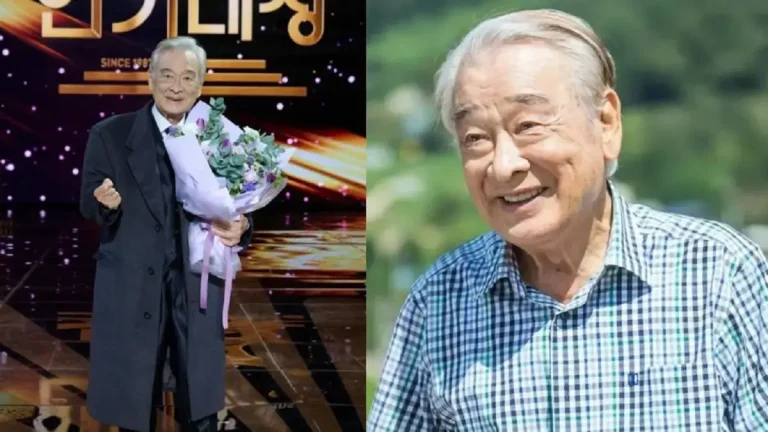
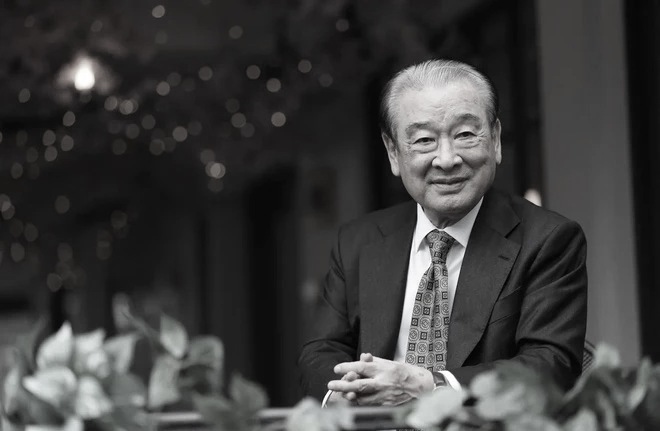
Lee Soon-jae passed away, marking the end of a long and influential chapter in Korean entertainment. His passing has created a deep sense of loss across the country, as he was widely respected for his unmatched dedication to acting. Even at 90, he remained active, receiving the Daesang and proving that age never limited his commitment to his craft. His life stood as an example of discipline, consistency and sincere passion for storytelling.Senior actor Lee Soon-jae passed away early on the 25th. He was 91.An agency official said, "Actor L.. - MK

Lee Soon-jae Passed Away After Decades of Impact on Screen

For more than six decades, he carried the image of the warm, wise elder on screen. Audiences connected with him instantly because he brought calmness and depth into every role. He portrayed grandfathers, mentors and leaders with a natural presence that made his characters feel familiar. His passing has made many revisit his older works, recognizing how stable and lasting his influence has been. Younger actors often mentioned that his professionalism guided the standards they followed in their own careers.Artists remember actor Lee Soon Jae

His journey began at a time when the entertainment industry was still growing, and he became one of the figures who shaped its direction. His roles in dramas, films and theatre revealed the same steady approach: clear expression, disciplined preparation and complete respect for the audience. This is why his performances never felt rushed or exaggerated. They carried a sense of honesty that made viewers feel connected to him regardless of the genre.

Lee Soon-jae Passed Away but His Work Still Holds Meaning

His last few years showed no signs of slowing down. Instead of stepping back, he worked with even greater focus, showing that talent is strengthened through continuous effort. Winning the Daesang at 90 was more than an award. It was a message that consistency creates excellence, no matter how long it takes. Many people admired how he continued attending rehearsals, learning lines and staying active without complaint.Legendary Korean Actor Lee Soon-jae Passes Away at 91

Colleagues described him as a person who never looked for attention even though he received plenty of it. He valued discipline more than fame. His respect for acting kept him grounded, and this attitude is what made people admire him not only as an actor but also as a human being. With his passing, the industry is not just losing a senior figure but someone who represented stability and sincerity.

Lee Soon-jae Passed Away Yet His Influence Will Shape Future Generations

His performances often showed what wisdom looks like when expressed calmly. People who grew up watching his roles felt comfort in his presence. Many said he reminded them of their own grandparents steady, patient and reliable. That connection explains why audiences feel such a strong sense of loss today. He had the ability to make even the simplest lines meaningful.


View this post on Instagram


A post shared by 𝓽𝓸𝓷 (@lol_with__me)

Younger actors often said they learned from simply observing him. He showed them that punctuality, humility and preparation are not optional. These principles remain valuable lessons for the new generation of entertainers who grew up in a faster, more competitive industry. His passing reminds many that acting is not only about visibility but also about responsibility and respect for the craft. Also Read: Steve Harrington and 3 Subtle Moves Showing Joe Keery’s Support for LGBTQ+ Youth

Conclusion

Lee Soon-jae passed away, but his influence continues through the roles he left behind and the values he practiced every day. His life showed how dedication can create a lasting impact, and his legacy will remain a quiet but strong presence in Korean entertainment.

West Bengal BLO Protest Against SIR Workload 2025: March in Kolkata Over Electoral Roll Revision Pressure, Deaths, Governance Challenges, and Policy Reform Demand

Protest Against SIR Workload 2025: On November 24, 2025, Booth Level Officers (BLOs) across West Bengal announced a march in Kolkata to protest against the excessive workload imposed during the Special Intensive Revision (SIR) of electoral rolls. BLOs, who are primarily teachers, para‑teachers, and government staff, argued that the Election Commission of India (ECI) has set unrealistic deadlines, forcing them to complete tasks equivalent to two years’ work in just one month.

The protest, organized by the BLO Adhikar Raksha Committee, reflects growing frustration among frontline electoral staff and raises serious questions about governance, electoral transparency, and worker rights.


2. The SIR Process: What BLOs Are Asked to Do

The Special Intensive Revision is a comprehensive exercise to update voter rolls before the 2026 Assembly elections. BLOs are tasked with:

  • Distributing enumeration forms to households.
  • Collecting completed forms and verifying voter details.
  • Uploading data into the Election Commission’s app.
  • Correcting errors and handling duplicate entries.

The exercise began on November 4, 2025, and is scheduled to end on December 4, 2025, with draft rolls to be published on December 9, 2025.


3. BLOs’ Complaints: “Two Years’ Work in a Month”

BLOs argue that the workload is inhuman:

  • Door‑to‑door verification across thousands of households.
  • Digitisation of millions of forms within weeks.
  • Constant phone calls from voters and supervisors.
  • Personal expenses on stationery, transport, and mobile data.

One BLO explained: “We have been asked to complete tasks within a short period of time, but such work usually takes more than two years.”


4. Protest Against SIR Workload 2025: Deaths and Health Toll

Reports indicate that several BLOs across states have died due to stress:

  • In West Bengal, at least two BLOs died by suicide.
  • In Kerala and Rajasthan, BLOs collapsed after days of overwork.
  • In Gujarat, BLOs reported illness linked to exhaustion.

These tragedies have intensified anger, with BLOs demanding compensation for families and immediate workload relief.


5. Political Reactions

  • Mamata Banerjee, Chief Minister of West Bengal, wrote to the Chief Election Commissioner demanding a halt to the SIR, citing BLO deaths and “inhuman pressure.”
  • Rahul Gandhi compared the SIR to demonetisation and the Covid lockdown, calling it “chaos imposed on citizens.”
  • Mallikarjun Kharge argued that the actual number of BLO deaths was far higher than reported.

The issue has thus become a national political controversy, with opposition parties accusing the Election Commission of negligence.


6. BLO Adhikar Raksha Committee’s Demands

The committee leading the Kolkata march has outlined specific demands:

  • Extension of deadlines for SIR tasks.
  • Reimbursement of expenses incurred during enumeration.
  • Compensation for deceased BLOs’ families.
  • Recognition of BLOs as essential electoral staff with proper benefits.
  • Reduction of workload and clearer guidelines.

7. Governance Challenges

The crisis highlights systemic governance issues:

  • Unrealistic timelines imposed by the Election Commission.
  • Understaffing, forcing BLOs to juggle regular duties with SIR responsibilities.
  • Technology gaps, with the BLO app often malfunctioning.
  • Financial strain, as BLOs spend personal money without reimbursement.

8. Broader Implications for Democracy

The BLO protests raise fundamental questions about India’s electoral process:

  • Can voter rolls be updated fairly if BLOs are overworked?
  • Will errors and omissions disenfranchise genuine voters?
  • Does the Election Commission risk losing credibility if frontline staff revolt?

The health and morale of BLOs directly affect the integrity of elections.


9. Historical Context: BLOs as Democracy’s Backbone

Since their introduction, BLOs have been the foot soldiers of democracy, ensuring that every voter is counted. Yet they remain underpaid, overworked, and underappreciated. The current protests echo past grievances about workload, recognition, and compensation.


10. Recommendations for Reform

Experts suggest:

  • Staggered timelines for voter roll revision.
  • Hiring additional staff to support BLOs.
  • Improved technology for faster digitisation.
  • Compensation packages for BLO families.
  • Policy reform to recognize BLOs as permanent electoral staff.

11. Conclusion: A Cry for Justice

The West Bengal BLO Protest Against SIR Workload 2025 is not just about workload; it is about dignity, recognition, and the survival of democracy’s frontline workers. Unless the Election Commission addresses their demands, the credibility of the 2026 Assembly elections may be at risk.

The BLOs’ cry — “Two years’ work in a month” — is a reminder that democracy cannot function without respecting the human limits of those who safeguard it.


🔗 Government External Links

For further reading and official updates, here are relevant government sources:

Also read: Home | Channel 6 Network – Latest News, Breaking Updates: Politics, Business, Tech & More

Reverse Migration in Bengal 2025: SIR Electoral Roll Drive Sparks Bangladeshis’ Voluntary Return from Hakimpur Border Village, Historical Context, Governance Challenges, and Policy Implications

Reverse Migration in Bengal 2025: In November 2025, the border village of Hakimpur in North 24 Parganas, West Bengal, witnessed a phenomenon described by locals as “history coming full circle.” For decades, Hakimpur was a sanctuary for refugees fleeing violence in East Pakistan during Partition (1947) and again during the Bangladesh Liberation War (1971). Today, however, the flow has reversed: undocumented Bangladeshi migrants are voluntarily walking back across the border into Bangladesh, fearing exposure during the Special Intensive Revision (SIR) of electoral rolls.


2. The Trigger: Special Intensive Revision (SIR) of Electoral Rolls

The Election Commission of India (ECI) launched the SIR across West Bengal in November 2025. BLOs (Booth Level Officers) began door‑to‑door verification of voter records, scrutinizing documents such as voter ID, Aadhaar, and ration cards. For undocumented migrants who had lived for years on forged papers or borrowed identities, the risk of detection became too high.

Rather than face legal consequences, many chose to quietly return to Bangladesh, carrying belongings in polythene bags tied to bamboo poles.


3. Reverse Migration in Bengal 2025: Voices from the Ground

Local elders and residents described the unprecedented sight:

  • Haripada Mondal (79): “I have never seen so many illegal Bangladeshis waiting to return. They know they have no documents, so they are going back on their own.”
  • Animesh Majumdar (84): Recalled cooking rice for refugees under a banyan tree in 1971. Today, he watched migrants gather under the same tree, preparing to leave.
  • Ajay Pal (70): “All my life I have seen only inflow, from 1947 to 1971 and even later. This is the first time I am watching people queue up to go back. It is unsettling.”

These testimonies highlight the emotional resonance of the reversal, linking present events to historical memory.


4. Community Response: Feeding the Departing Migrants

Despite the reversal, the village’s humanitarian instinct remained unchanged. Residents lined up with utensils, thermos flasks, puffed rice, biscuits, lentils, and tea to feed departing migrants. As shopkeeper Mantu Mondal (50) explained: “You feed anyone who is needy on this road — that is our rule. In 1971, people were entering. Today, people are leaving. But feeding them remains constant.”

This continuity of compassion underscores the shared humanity across borders, even amid political and legal complexities.


5. Migrants’ Perspective: Fear of Verification

Migrants admitted their decision was pragmatic:

  • Shahidul (32): Worked in a brick kiln in Bongaon using a borrowed ID. “I cannot show any legal papers. Better to return before the checks begin.”

Most were daily wage laborers from Bangladesh’s Khulna, Satkhira, Bagerhat, and Jessore districts, who had crossed illegally years ago for work.


6. Security Forces Confirm the Trend

Border Security Force (BSF) personnel reported a sharp increase in reverse crossings since mid‑November. They emphasized that the movement was voluntary, not forced, with migrants openly admitting their undocumented status.


7. Historical Context: From Inflow to Outflow

Hakimpur’s story is deeply tied to South Asian history:

  • 1947 Partition: Refugees fled communal violence in East Pakistan.
  • 1971 Liberation War: Thousands escaped Operation Searchlight and Pakistani army atrocities.
  • Post‑1971 decades: Economic migrants continued to cross into India.

For seventy years, the border belt saw inflows. The current reversal marks a unique moment in history.


8. Governance Challenges

The reverse migration highlights several governance issues:

  • Electoral integrity: Ensuring rolls are free of illegal entries.
  • Border management: Preventing future undocumented crossings.
  • Humanitarian concerns: Managing voluntary returns with dignity.
  • Community dynamics: Balancing compassion with legal enforcement.

9. Political Implications

The phenomenon has political ramifications:

  • BJP narrative: May highlight the reversal as proof of strict verification.
  • TMC concerns: Could raise humanitarian issues and criticize stress on BLOs.
  • Electoral stakes: North 24 Parganas is politically sensitive, making the SIR a flashpoint.

10. Broader Lessons for Policy

Experts suggest:

  • Strengthening border infrastructure.
  • Ensuring fair verification processes that do not harass genuine citizens.
  • Providing legal clarity on voluntary returns.
  • Documenting migration patterns for future policy.

11. Conclusion: History Moves Outward

As dusk settled on Hakimpur, silhouettes of migrants disappeared into fading light. Villager Ajay Pal summed it up: “This road brought thousands in. Today it is sending them back.”

The Reverse Migration in Bengal 2025 is more than a local event; it is a symbolic turning point in South Asian migration history, shaped by electoral governance, border politics, and human resilience.


🔗 Government External Links

For further reading and official updates, here are relevant government sources:

Also read: Home | Channel 6 Network – Latest News, Breaking Updates: Politics, Business, Tech & More

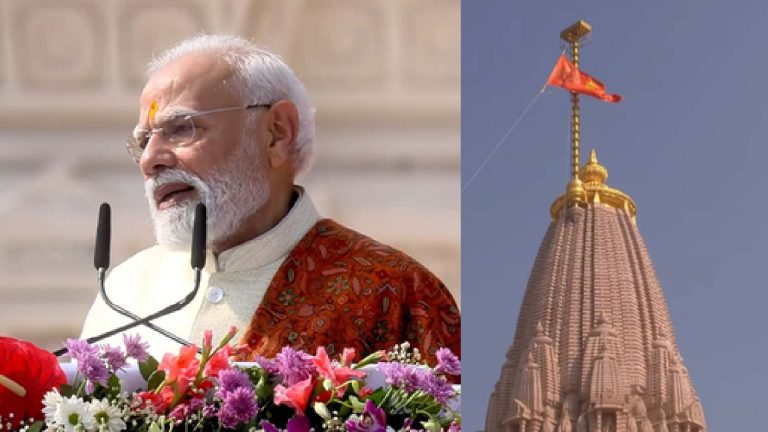
Inspiring PM Modi Ram Mandir Flag Hoisting: Historic Dhwajarohan Ceremony

Uttar Pradesh – A momentous occasion unfolded in Ayodhya on Tuesday as PM Modi Ram Mandir flag hoisting ceremony took place, formally marking the completion of the grand temple’s construction. Prime Minister Narendra Modi hoisted a saffron flag atop the Ram temple in a ceremony known as ‘Dhwajarohan,’ symbolizing the culmination of centuries of aspirations and dedication. This historic event, attended by prominent leaders including Uttar Pradesh Chief Minister Yogi Adityanath and Rashtriya Swayamsevak Sangh chief Mohan Bhagwat, represents a significant milestone in India’s cultural and spiritual landscape.

The PM Modi Ram Mandir ceremony comes nearly two years after the consecration ceremony of the Ram Temple, which occurred in January 2024.

Symbolism of the Sacred Flag

During the PM Modi Ram Mandir flag hoisting, the Prime Minister emphasized the profound symbolism of the saffron flag, describing it as a symbol of resolve that guides the nation on the path of awakening and dedication. The flag measures 10 feet in height and 20 feet in length, bearing the image of a radiant Sun symbolizing Lord Ram’s valour, an ‘Om,’ and the Kovidara tree. The flag was hoisted atop a ‘shikhar’ constructed in the traditional Nagara architectural style, representing ancient Indian temple architecture’s grandeur.

Powerful Message of Commitment

The PM Modi Ram Mandir address delivered during the ceremony carried a powerful message about keeping one’s word and maintaining unwavering commitment. Modi stated that the flag will inspire citizens to keep their promises, even at the cost of their lives, using the profound phrase “Pran jaaye par vachan na jaaye, jo kaha jaaye wohi kia jaaye” (Life may go but the word should not be broken, what is said should be done). This statement encapsulates the values of integrity and dedication that the temple represents.

Embodiment of Truth and Dharma

During the PM Modi Ram Mandir ceremony, the Prime Minister explained that the flag represents the embodiment of Brahma, where truth and Dharma are firmly established. He emphasized that the flag symbolizes the triumph of truth and righteousness, core principles that have guided Indian civilization throughout its history. This spiritual and philosophical interpretation adds deeper meaning to the physical act of flag hoisting.

Healing Centuries of Wounds

The PM Modi Ram Mandir speech touched upon the emotional and historical significance of the occasion. Modi stated, “Today, the entire India and the world is Ram-may. There is extraordinary satisfaction in the heart of every Rama devotee. There is boundless gratitude. There is unfathomable supernatural bliss.” He spoke movingly about how the wounds of centuries are being healed and the pain of centuries is being put to rest through this momentous occasion.

The Prime Minister emphasized that the resolve of centuries is being fulfilled, referencing the completion of a sacrifice whose fire remained lit for 500 years, acknowledging the long struggle that preceded this achievement.

Ayodhya’s Transformative Power

In his PM Modi Ram Mandir address, the Prime Minister highlighted Ayodhya’s unique significance as the city where Lord Ram demonstrated how a person is shaped by their values and culture. Modi drew a powerful parallel, noting that “When Ram went into exile from Ayodhya, he was a prince, but when he returned, he returned as the epitome of righteousness, Maryada Purushottam Ram.” This observation underscores the transformative power of adhering to dharma and righteousness.

Technical Aspects of Flag Hoisting

The PM Modi Ram Mandir flag hoisting was accomplished through a button-push mechanism, demonstrating the blend of tradition and modern technology. The carefully designed flag, with its specific dimensions and symbolic imagery, was raised to crown the temple’s magnificent structure. The traditional Nagara architectural style of the shikhar upon which the flag was hoisted represents authentic Indian temple construction techniques passed down through generations.

Distinguished Attendees

The PM Modi Ram Mandir ceremony witnessed the presence of key political and spiritual leaders. Uttar Pradesh Chief Minister Yogi Adityanath, who has been instrumental in facilitating the temple’s construction, stood alongside the Prime Minister. Rashtriya Swayamsevak Sangh chief Mohan Bhagwat’s presence signified the cultural and ideological importance of the occasion, bringing together governmental and organizational leadership in this historic moment.

Timeline of Temple Development

The PM Modi Ram Mandir flag hoisting represents the latest milestone in the temple’s journey. The consecration ceremony in January 2024 marked the installation of Ram Lalla in the sanctum sanctorum. Prior to that, PM Modi had performed ‘Bhoomi Pujan’ on August 5, 2020, laying the foundation for construction. The Dhwajarohan ceremony now signifies the formal completion of the temple structure, though work continues on various aspects of the sprawling complex.

National and Global Resonance

The PM Modi Ram Mandir event resonated far beyond Ayodhya, with the Prime Minister noting that “the entire India and the world is Ram-may.” This statement acknowledges the global Hindu community’s emotional investment in the temple and recognizes the universal values of truth, righteousness, and dedication that Lord Ram embodies. The ceremony serves as a unifying moment for millions of devotees worldwide who have followed the temple’s construction with keen interest and devotion.

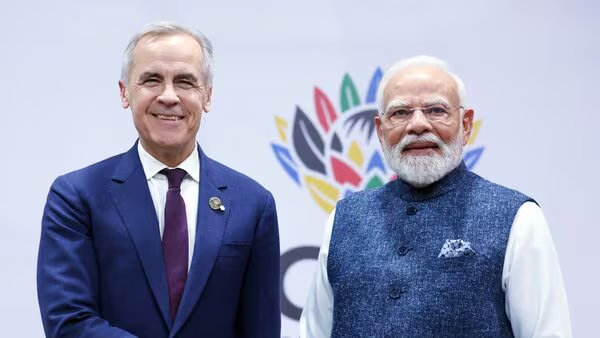
Historic Mark Carney India Visit 2026: Ambitious Trade Deal Announced

New Delhi – A significant diplomatic milestone has been achieved as Mark Carney India visit has been confirmed for 2026, following Canadian Prime Minister Mark Carney’s acceptance of Prime Minister Narendra Modi‘s invitation. This announcement comes alongside the launch of ambitious negotiations for a Comprehensive Economic Partnership Agreement (CEPA) aimed at doubling bilateral trade between the two nations to $50 billion (CAD 70 billion) by 2030, marking a dramatic turnaround in relations that had deteriorated significantly in recent years.

The Mark Carney India visit confirmation represents the culmination of months of diplomatic efforts to reset relations between the two nations following a period of significant tension.

Bilateral Meeting at G20 Summit

The decision regarding the Mark Carney India visit and the comprehensive trade deal was announced following a bilateral meeting between PM Modi and his Canadian counterpart on the margins of the G20 Leaders’ Summit in Johannesburg on Sunday. The meeting demonstrated substantial progress in bilateral relations, with both leaders expressing confidence that the CEPA will serve as a “powerful economic anchor” for future cooperation.

According to the Canadian Prime Minister’s Office readout, the leaders expressed optimism that the agreement would help more than double two-way trade to CAD 70 billion by 2030, representing an ambitious economic target for both nations.

High Ambition Trade Deal

Union Commerce Minister Piyush Goyal described the agreement discussed ahead of the Mark Carney India visit as a “high ambition” deal. Speaking at a Delhi event organized by the Indo-Canadian Business Chamber on Monday, Goyal emphasized that “the strengths of Canada, and strengths of India, together can become a force multiplier for businesses, for investors.” This characterization suggests the trade deal will be comprehensive and far-reaching, covering multiple sectors and creating substantial opportunities for businesses in both countries.

Enhanced Diplomatic Engagement

Beyond the economic partnership that will be further developed during the Mark Carney India visit, the two countries have agreed to “enhance diplomatic staffing levels to meet growing consular demands and to strengthen people-to-people linkages, including through reciprocal knowledge transfer.” This commitment demonstrates recognition that strengthening bilateral relations requires robust institutional support and enhanced human connections beyond just trade agreements.

More Expansive Than Previous Negotiations

Sources familiar with the developments leading to the Mark Carney India visit indicate that the comprehensive trade talks will be more expansive than earlier negotiations discontinued in September 2023 due to diplomatic tensions. Canada and India first entered into CEPA talks in 2010, but those were scrapped when Justin Trudeau became Prime Minister in 2015. Fresh negotiations commenced but shifted toward an Early Progress Trade Agreement (EPTA) before being “paused” by Ottawa in August 2023.

Diplomatic Reset After Crisis

The positive trajectory leading to the Mark Carney India visit represents a remarkable turnaround from the diplomatic crisis that erupted in September 2023, when then-Prime Minister Trudeau made allegations regarding Indian agents and the killing of pro-Khalistan figure Hardeep Singh Nijjar. India described those accusations as “absurd” and “motivated,” and bilateral ties deteriorated significantly. A reset was signaled when Carney replaced Trudeau as Prime Minister in March this year.

Prime Ministers’ Statements

Prior to leaving Johannesburg, Carney emphasized the economic significance of the relationship that will be strengthened during his Mark Carney India visit, stating on social media platform X: “India is the world’s fifth largest economy, and that means big new opportunities for Canadian workers and businesses.”

PM Modi also expressed satisfaction with the meeting, posting on X: “Had a very productive meeting with Prime Minister Mark Carney of Canada. We appreciated the significant momentum in our bilateral ties since our earlier meeting held during the G7 Summit hosted by Canada.” He added that the leaders agreed to advance relations in trade, investment, technology and innovation, energy, and education.

Business Community Enthusiasm

Goldy Hyder, president and CEO of the Business Council of Canada, welcomed the restart of trade talks ahead of the Mark Carney India visit, stating: “We welcome the restart of trade talks and the opportunity to take a new more ambitious approach to the relationship, including through enhanced energy cooperation.” A Business Council of Canada-led trade delegation is expected to accompany Carney during his trip to India in the first quarter of 2026.

Strategic Cooperation Areas

In his speech, Commerce Minister Goyal outlined key areas for collaboration that will likely be discussed during the Mark Carney India visit. These include critical minerals, mineral processing technologies, clean energy, nuclear energy, and supply-chain diversification. Goyal emphasized that India offers strong advantages in emerging technologies such as artificial intelligence, quantum computing, machine learning, and next-generation data centres, supported by the world’s largest annual pool of STEM graduates.

Current Trade Statistics

According to Canadian government data, India was Canada’s seventh largest goods and services trading partner in 2024, with $30.9 billion in two-way trade. The ambitious target of reaching $50 billion by 2030 would represent a substantial increase from current levels, requiring sustained effort and cooperation from both governments and business communities to achieve.

Shocking Pregnant Woman Kills Mother-in-Law: Delhi Murder Case Exposed

0

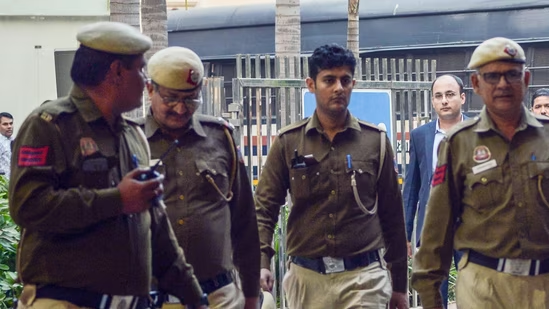
New Delhi – A horrifying case emerged from north Delhi’s Wazirabad area when a pregnant woman kills her mother-in-law in what police describe as a premeditated murder stemming from a family property dispute. The 32-year-old accused, identified as Aafreen, allegedly used a hammer to bludgeon 58-year-old Nasrin Ishatakh before attempting to destroy evidence by setting their house on fire. This shocking incident has revealed the dark undercurrents of family tensions and property conflicts that sometimes lead to extreme violence.

Police have arrested Aafreen and placed her in custody as investigations continue into the brutal crime that occurred on November 19.

Details of the Crime

The case where a pregnant woman kills her mother-in-law unfolded on November 19 when authorities received a PCR call reporting a house fire in Wazirabad. Aafreen, who is approximately four to five months pregnant, allegedly carried out the brutal attack using a hammer, striking her mother-in-law multiple times before attempting to conceal the crime. The accused then set fire to the first floor of the two-storey building in an apparent effort to destroy evidence and make the death appear accidental.

A senior Delhi Police officer explained that during the initial PCR call, responders were informed that an elderly woman was trapped inside the burning house. The Station House Officer and Assistant Commissioner of Police rushed to the scene, where they found the first floor engulfed in flames.

Discovery and Initial Response

When the pregnant woman kills scenario first came to light, firefighters worked to douse the flames consuming the first floor of the residence. After extinguishing the fire, authorities discovered the charred body of Nasrin Ishatakh. She was immediately transported to a hospital, where medical professionals declared her dead on arrival. Part of the house sustained significant damage from the fire, adding to the destruction caused by this tragic incident.

Family Background and Living Arrangements

In this case where a pregnant woman kills her mother-in-law, the family dynamics provide crucial context. Nasrin lived with her three sons and a daughter-in-law in the two-storey house. Two sons, Adnan and Rizwan, resided on the first floor, while Rizwan worked as a teacher at a nearby school. Both were at work when the incident occurred. The third son, Salman, lived with his wife Aafreen on the second floor. The couple had married relatively recently, in April of this year, making their marriage just seven months old at the time of the crime.

Also Read: Delhi AQI: Alarming Surge Toward Severe Pollution Levels

Inconsistent Statements Raise Suspicion

The investigation into how a pregnant woman kills her mother-in-law intensified when Aafreen provided multiple inconsistent statements to authorities. Raja Banthia, Deputy Commissioner of Police North, explained that what initially appeared to be a fire accident quickly became suspicious due to Aafreen’s contradictory accounts. She initially claimed that three or four men had assaulted her and robbed jewelry from the house. Later, she changed her story, alleging that she had also been struck with a hammer during the supposed robbery.

Forensic Evidence and Investigation

As police investigated the case where a pregnant woman kills her mother-in-law, the crime team and Forensic Science Laboratory conducted thorough inspections of the scene. Investigators discovered crucial evidence, including a bloodstained hammer and detected the distinct smell of kerosene throughout the premises. These findings suggested that the fire had been deliberately set using an accelerant, contradicting the initial appearance of an accidental blaze.

Autopsy Reveals Brutal Attack

The autopsy results in this case where a pregnant woman kills her mother-in-law provided definitive evidence of foul play. Medical examiners determined that Nasrin died from severe head injuries after sustaining four separate blows to the head. The severity and number of injuries clearly indicated a violent assault rather than an accident. Following receipt of the autopsy report, police officially registered a murder case and intensified their investigation.

Property Dispute Motive

Another police officer familiar with the investigation stated that the post-mortem examination, physical evidence, and witness statements all indicated a planned killing motivated by property disputes. In situations where a pregnant woman kills a family member, financial and property conflicts often emerge as primary motivators. Investigators believe that tensions over family property ownership and inheritance rights created fatal animosity between Aafreen and her mother-in-law.

Questioning of Family Members

As the investigation into how a pregnant woman kills her mother-in-law progressed, authorities detained and questioned other family members to gather comprehensive information about family dynamics, property disputes, and the events leading to the murder. These interrogations aimed to establish whether other family members had knowledge of tensions or disputes that might have contributed to the violent outcome.

Current Legal Status

Following her arrest in this case where a pregnant woman kills her mother-in-law, Aafreen has been placed in police custody. Authorities continue investigating all aspects of the crime, including the precise timeline of events, the extent of premeditation, and whether any other individuals were aware of or involved in planning the murder. The pregnant woman kills case has shocked the local community and highlighted the devastating consequences of unresolved family property disputes.

Important Public Holiday Delhi: Shaheedi Diwas Closure Schedule Announced

0

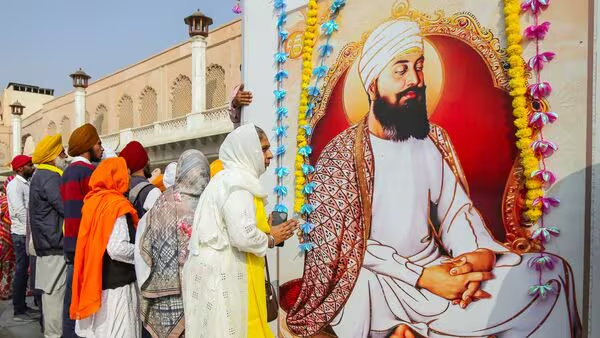
New Delhi – The Delhi government has officially declared a public holiday Delhi on November 25 to commemorate Shaheedi Diwas, marking the 350th martyrdom anniversary of Guru Tegh Bahadur, the ninth Sikh guru. This significant religious observance honors the supreme sacrifice made by the revered Sikh guru and provides residents an opportunity to participate in commemorative events and reflect on his enduring legacy of courage, compassion, and religious freedom.

Delhi Chief Minister Rekha Gupta announced the public holiday Delhi earlier, emphasizing that the day honors Guru Tegh Bahadur’s enduring message of courage, compassion, and the fundamental right to practice one’s faith without fear or persecution.

Grand Three-Day Commemoration at Red Fort

The public holiday Delhi coincides with the culmination of a grand three-day commemoration held at the historic Red Fort from November 23 to 25. This extensive congregation brings together devotees and citizens from across the capital and throughout the country to pay homage to Guru Tegh Bahadur’s martyrdom. The Delhi government organized special programs, including an impressive light and laser show at the Red Fort, creating a memorable tribute to the spiritual leader’s sacrifice.

Chief Minister Gupta called it the capital’s “good fortune” to host the 350th martyrdom day commemorations at such a historically significant venue, urging families to participate in the three-day congregation.

Government Schools and Educational Institutions

The public holiday Delhi will result in closures across the educational sector. All government schools in the capital will remain shut on November 25 for the Shaheedi Diwas observance. Additionally, some private schools have also announced closures, though this varies by institution. Parents and students should verify with their respective schools regarding specific closure policies, as private educational institutions may have different operational decisions regarding the public holiday Delhi.

Government Office Closures

All Delhi government offices will remain closed on November 25, according to official announcements. The public holiday Delhi for government offices means that administrative services, bureaucratic functions, and routine governmental operations will be suspended for the day. Citizens seeking government services should plan accordingly and schedule their visits for other working days. However, this closure applies specifically to Delhi government establishments and may not extend to central government offices operating within the capital.

Banking Services Remain Operational

Despite the public holiday Delhi for government institutions and schools, banking services will continue as usual. According to the Reserve Bank of India’s regional holiday schedule, all private and public sector banks will remain open on Tuesday, November 25. This means customers can conduct their regular banking transactions, including deposits, withdrawals, and other financial services without interruption. The public holiday Delhi does not affect banking operations, providing continuity for commercial and financial activities.

Emergency and Healthcare Services

Essential services will continue operating normally during the public holiday Delhi. Emergency services and government hospitals will remain fully functional throughout the day, ensuring that critical healthcare needs are met without disruption. Medical emergencies, ambulance services, and hospital operations will proceed as scheduled, maintaining the safety net that residents depend upon regardless of the public holiday Delhi observance.

Also Read: Delhi AQI: Alarming Surge Toward Severe Pollution Levels

Transportation Services Continue Normally

The public holiday Delhi will not impact public transportation systems. Delhi Metro services will operate according to their regular schedule, providing commuters with uninterrupted rail transit across the capital. Similarly, buses and taxis will function normally, ensuring that residents can travel freely for personal, religious, or commercial purposes. The continuation of transportation services during the public holiday Delhi facilitates participation in commemorative events while maintaining the city’s mobility infrastructure.

Chief Minister’s Appeal to Citizens

While announcing the public holiday Delhi, Chief Minister Rekha Gupta encouraged widespread participation in the commemorative events. She specifically emphasized that the government declared the holiday to enable every family to celebrate this significant religious festival together. The chief minister stated, “The Delhi government has also declared a public holiday on the 25th so that everyone can celebrate this festival together.”

Historical Significance of the Observance

The public holiday Delhi marks a milestone anniversary—350 years since Guru Tegh Bahadur’s martyrdom. The ninth Sikh guru sacrificed his life defending religious freedom and the rights of others to practice their faith. His martyrdom in Delhi holds profound significance for Sikhs and all those who value religious tolerance and freedom of conscience. The public holiday Delhi provides an opportunity for reflection on these universal values that remain relevant in contemporary society.

Complete Closure Summary

To summarize the public holiday Delhi schedule: government schools and offices will be closed, while banks, emergency services, hospitals, and all public transportation will operate normally. This balanced approach allows for religious observance and commemoration while maintaining essential services that citizens depend upon daily. Residents are encouraged to plan their activities accordingly and consider participating in the commemorative events at the Red Fort to honor Guru Tegh Bahadur’s legacy.