Tuesday, April 28, 2026
Home Blog Page 125

4 Lives Lost in One Moment on a Dangerous Karnataka Curve

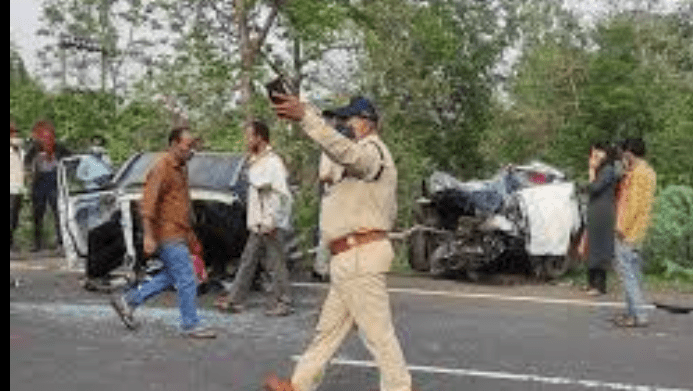
Four people lost their lives in a tragic road accident near Tirthahalli in Shivamogga district after two vehicles collided head-on while overtaking on a sharp curve. The accident, which occurred in the early hours of the day, has once again highlighted the dangers of reckless overtaking on narrow and winding roads in the Malnad region. The impact of the collision was severe, leaving both vehicles badly mangled and killing all four occupants on the spot.

According to police officials, the accident took place on a curving stretch of the road where visibility is limited due to the terrain. Preliminary investigations suggest that one of the vehicles attempted to overtake another vehicle at high speed despite the curve, leading to a direct collision with an oncoming car. The force of the crash was such that rescue teams faced difficulty extricating the victims from the wreckage.

Local residents who heard a loud crash rushed to the spot and alerted the police and emergency services. By the time help arrived, all four occupants had succumbed to their injuries. The bodies were later shifted to a government hospital for post-mortem examination. The identities of the deceased were confirmed after police contacted their families.4 die in accident near Tirthahalli in head-on collision in Karnataka - The  Hindu
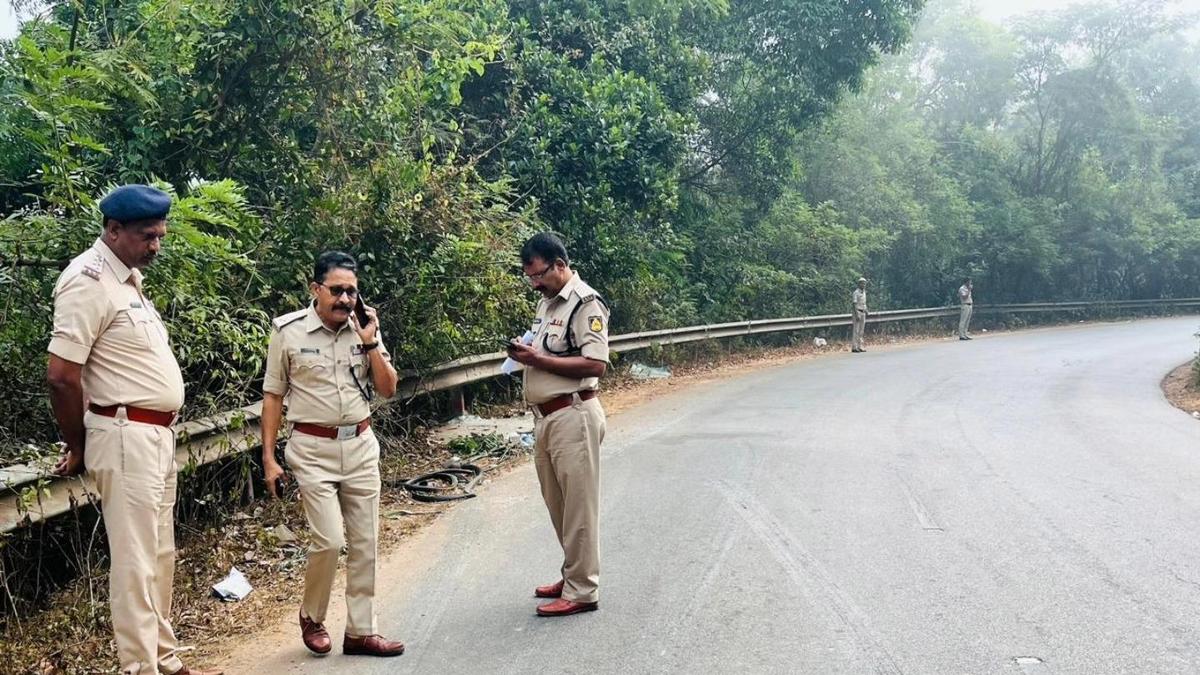
Officials said the victims included both drivers and passengers, and initial findings indicate that none of them had time to react or take evasive action. The accident site is known locally as a risky stretch, with multiple curves and frequent incidents reported in the past.

DANGEROUS ROADS AND RECURRING ACCIDENTS

The road where the accident occurred is part of a route frequently used by commuters, tourists, and transport vehicles connecting interior villages with Tirthahalli town. Despite moderate traffic volume, the stretch is considered hazardous due to sharp bends, uneven road width, and lack of adequate warning signage. Residents have repeatedly raised concerns about speeding and risky overtaking on this section of the road.

Police officials noted that overtaking on curves is one of the leading causes of fatal accidents in hilly regions of Karnataka. Drivers often underestimate oncoming traffic and overestimate their ability to complete overtaking manoeuvres in limited space. “Even a moment’s misjudgment on such roads can be fatal,” a senior police officer said, adding that excessive speed further reduces reaction time.

In this case, skid marks and vehicle damage patterns indicate that the collision happened at considerable speed. Investigators are also examining whether road conditions, lighting, or driver fatigue played a role in the accident. Mechanical inspection of the vehicles has been ordered to rule out technical failure.

The incident caused traffic disruption for several hours as police and emergency personnel cleared the debris and conducted preliminary spot inspection. Vehicles were diverted through alternative routes until normal movement was restored.4 die in accident near Tirthahalli in head-on collision in Karnataka - The  Hindu

COMMUNITY GRIEF AND FAMILY DISTRESS

The sudden loss of four lives has plunged families and communities into grief. Relatives of the deceased gathered at the hospital, struggling to come to terms with the tragedy. Many described the victims as responsible individuals who were travelling for personal or work-related reasons. The shock was compounded by the fact that the accident occurred in broad daylight on a familiar route.

Local residents expressed anger and helplessness over repeated accidents in the area. “Every few months, we hear about someone dying on this curve. Nothing changes,” said a resident, urging authorities to take concrete safety measures. Villagers recalled earlier accidents at the same location and questioned why warning signs, speed breakers, or protective barriers had not been installed.

Community leaders demanded immediate intervention, including proper signage, rumble strips, and stricter enforcement of speed limits. They also called for awareness campaigns to educate drivers about the dangers of overtaking on curves and hill roads.

POLICE ACTION AND OFFICIAL RESPONSE

The police have registered a case and launched a detailed investigation into the accident. Officials said they will examine CCTV footage from nearby areas, if available, and record statements from witnesses. The exact sequence of events leading to the collision will be reconstructed to determine responsibility.

Senior officers have reiterated appeals to motorists to exercise caution, particularly on ghat roads and curving stretches. “Overtaking on curves is extremely risky. Drivers must wait for clear visibility and follow traffic rules strictly,” an official said. Police also warned that strict action would be taken against reckless driving, including speeding and dangerous overtaking.

The district administration has been informed about the accident, and officials are expected to review safety conditions on accident-prone stretches. However, residents remain sceptical, noting that similar assurances have followed past incidents without lasting improvement.

A RECURRING WARNING ON ROAD SAFETY

The Tirthahalli accident adds to Karnataka’s growing list of fatal road mishaps, many of which are caused by human error rather than unavoidable circumstances. Road safety experts stress that while infrastructure improvements are important, driver behaviour plays a decisive role in preventing accidents. Impatience, speed, and disregard for basic safety norms often turn ordinary journeys into irreversible tragedies.4 die in accident near Tirthahalli in head-on collision in Karnataka - The  Hindu

As families mourn the loss of their loved ones, the incident serves as a grim reminder of how quickly lives can be lost on unsafe roads. For local communities, the hope is that this tragedy will finally prompt meaningful action to make the stretch safer. Until then, the curve near Tirthahalli stands as a silent witness to lives cut short by a single, fatal decision.

Road safety activists say the accident highlights a persistent gap between awareness and enforcement on rural and semi-urban roads. While traffic rules clearly prohibit overtaking on curves and blind spots, enforcement remains sporadic due to manpower constraints and the vast stretch of interior roads. Activists argue that regular patrols, speed monitoring, and surprise checks could act as deterrents. They stress that without visible enforcement, warning signs alone may not be sufficient to change driving behaviour on dangerous stretches.

Experts have also pointed to road design as a contributing factor in such accidents. Narrow carriageways, lack of proper banking on curves, and absence of crash barriers increase the severity of collisions. In hilly regions like Malnad, roads often cut through difficult terrain, but engineers say safety features must be prioritised during upgrades. Reflective markings, convex mirrors at curves, and rumble strips before sharp bends could significantly reduce accident risks.

The incident has renewed calls for identifying and officially notifying accident-prone “black spots” across Karnataka. Once notified, these locations are supposed to receive focused attention, including engineering improvements and enhanced enforcement. Residents near Tirthahalli claim that despite multiple fatal accidents, the curve where the collision occurred has not received adequate attention. They demand that authorities formally classify it as a black spot to ensure time-bound safety interventions.

Families of the victims have urged the government to look beyond compensation and address systemic issues. While ex-gratia payments may provide temporary relief, relatives say they do not prevent future loss of life. Some family members have called for stricter penalties for reckless driving, arguing that lenient enforcement emboldens risky behaviour. They believe accountability must extend beyond individual drivers to include institutional responsibility for unsafe road conditions.

Medical professionals note that head-on collisions are among the deadliest forms of road accidents due to the combined speed of both vehicles. Survivability is often low, especially when seatbelts are not worn or vehicles lack advanced safety features. Doctors emphasise that even small reductions in speed can drastically reduce fatality rates. They urge motorists to prioritise caution over haste, particularly on unfamiliar or winding roads.

The accident has also raised concerns about emergency response times in interior regions. Although locals rushed to help, professional medical assistance took time to reach the spot due to distance and terrain. Experts suggest strengthening emergency response networks, including better ambulance coverage and first-responder training for local communities. Faster medical intervention, they say, can sometimes make the difference between life and death in serious crashes.

Transport department officials have reiterated the need for continuous driver education. Awareness campaigns, they say, should not be limited to urban centres but extended to rural areas where driving habits are often shaped by familiarity rather than formal training. Officials believe refresher programmes, particularly for commercial and frequent drivers, could reinforce safe driving practices and reduce complacency.

The role of vehicle safety standards has also come under discussion. Road safety advocates argue that stronger enforcement of safety norms, including mandatory seatbelt use and vehicle fitness checks, could mitigate the impact of accidents. They note that older vehicles without modern safety features remain common on rural roads, increasing vulnerability during high-impact collisions.

For the local administration, the tragedy presents an opportunity to reassess priorities. Officials are expected to conduct a detailed safety audit of the stretch and recommend corrective measures. However, residents insist that audits must translate into visible action. They point out that repeated studies without implementation only deepen public frustration and erode trust in institutions.

As Karnataka continues to grapple with high road accident fatalities, the Tirthahalli collision stands as another stark reminder of the cost of inaction. Each accident leaves behind grieving families and unanswered questions. Unless enforcement, infrastructure, and awareness improve together, experts warn that such tragedies will continue to repeat themselves. For now, the curve near Tirthahalli remains a symbol of preventable loss and an urgent call for safer roads.

Follow: Karnataka Government

Also read: Home | Channel 6 Network – Latest News, Breaking Updates: Politics, Business, Tech & More

1 Dream Gains Hope as Mysuru Backs New Airline Vision: BOLD TAKEOFF

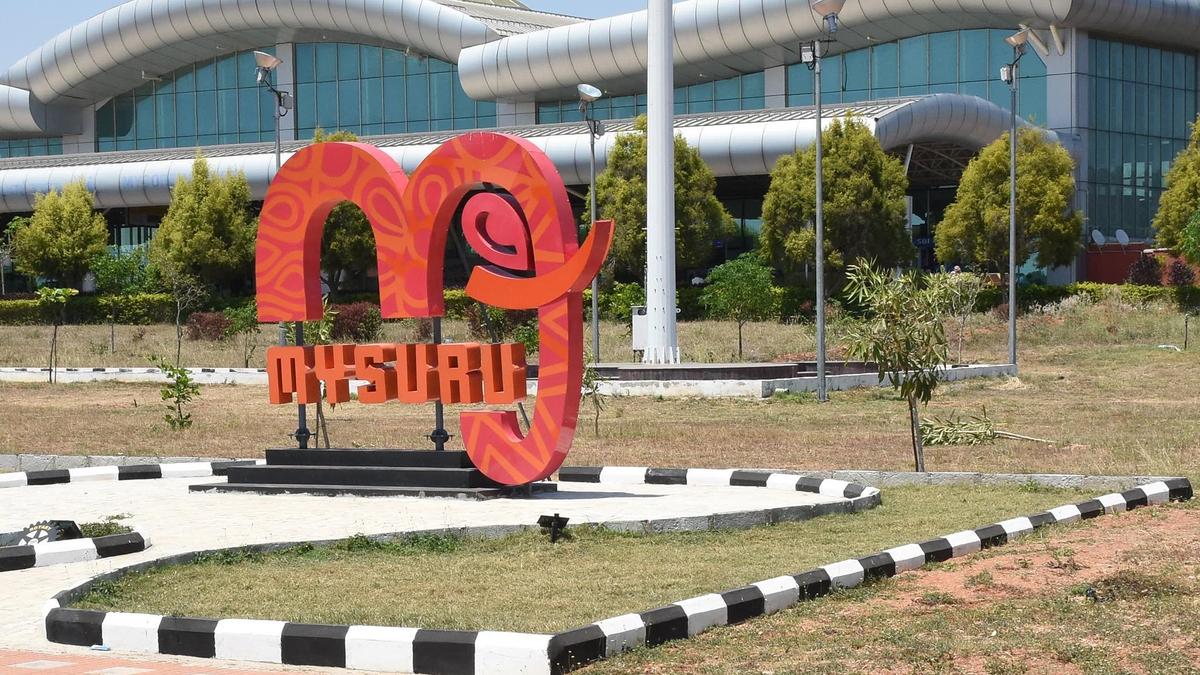
Skanjet Aviation’s proposal to launch a regional airline has received significant institutional support with the Mysore Chamber of Commerce and Industry (MCCI) formally backing the initiative. The endorsement is being seen as a major boost for regional aviation aspirations in southern Karnataka, particularly for cities like Mysuru that have long sought stronger air connectivity to unlock economic and tourism potential. Industry observers say the backing lends credibility to the proposal and could help accelerate discussions with regulators, investors, and infrastructure providers.

The proposed regional airline aims to focus on short-haul routes connecting Tier-2 and Tier-3 cities, addressing long-standing gaps in air connectivity. Skanjet Aviation has positioned the project as a commercially viable and regionally transformative venture, aligned with broader national goals of improving last-mile aviation access. With MCCI’s support, the initiative has gained momentum among local business leaders who see improved air connectivity as essential for trade, investment, and job creation.

According to representatives of the Chamber, the lack of frequent and affordable air services has been a constraint for Mysuru’s industrial and tourism growth. Despite having an operational airport, the city has struggled to retain consistent flight operations. MCCI officials believe that a regionally focused airline, designed around realistic demand patterns rather than metro-centric models, could address this challenge more sustainably.

Skanjet Aviation officials have welcomed the endorsement, stating that institutional backing from a respected industry body strengthens their case. They emphasised that regional airlines require local stakeholder support to succeed, as passenger demand, operational viability, and route sustainability are closely linked to regional economic activity.Skanjet Aviation's proposed airline gets backing from Mysore Chamber of  Commerce and Industry - The Hindu

REGIONAL CONNECTIVITY AND ECONOMIC POTENTIAL

Business leaders in Mysuru argue that improved air connectivity could significantly enhance the city’s attractiveness as an investment destination. Mysuru has a growing presence in manufacturing, education, tourism, and information technology, yet limited flight options often force travellers to rely on Bengaluru. This dependency, they say, adds time and cost, discouraging potential investors and business travellers.

MCCI has highlighted that a regional airline could support not just Mysuru, but also neighbouring districts by creating a network of short routes. Such connectivity could facilitate faster movement of professionals, students, and tourists, while also enabling quicker transport of high-value goods. Chamber members believe this would strengthen supply chains and encourage decentralised economic development.

Tourism stakeholders have also welcomed the initiative, noting that Mysuru attracts visitors throughout the year for its heritage, festivals, and cultural events. Better regional air links could help tap into new domestic tourist markets, particularly from smaller cities that currently lack direct access. Hospitality industry representatives say this could lead to higher occupancy rates and longer tourist stays.

From an employment perspective, the proposed airline is expected to generate direct and indirect jobs, including pilots, cabin crew, ground staff, maintenance personnel, and service providers. Local training institutes may also benefit if demand for aviation-related skills increases.

CHALLENGES AND INDUSTRY REALITIES

Despite the optimism, aviation experts caution that launching and sustaining a regional airline remains challenging. High operating costs, fluctuating fuel prices, regulatory compliance, and limited passenger volumes on certain routes can affect viability. Past attempts at regional connectivity in India have seen mixed results, with several airlines struggling to maintain operations beyond initial phases.

Skanjet Aviation has acknowledged these challenges and indicated that its business model is designed to be lean and demand-driven. The company has reportedly studied route economics carefully and plans to deploy aircraft suited for short-haul operations with lower break-even thresholds. Industry insiders say such realism is essential if the airline is to avoid the pitfalls faced by earlier ventures.

MCCI officials have stated that their support does not imply ignoring risks, but rather recognising the potential benefits if the project is executed prudently. They have offered to facilitate dialogue between the airline and local industries to help build stable passenger demand, particularly from corporate and institutional travellers.Skanjet Aviation's proposed airline gets backing from Mysore Chamber of  Commerce and Industry - The Hindu

ROLE OF POLICY AND INFRASTRUCTURE

The success of the initiative will also depend on supportive policy frameworks and airport infrastructure readiness. Regional airlines rely heavily on efficient ground handling, reasonable airport charges, and coordinated scheduling. Stakeholders have pointed out that smaller airports must be operationally flexible to accommodate regional carriers with quick turnarounds.

MCCI has urged authorities to ensure that Mysuru airport is fully equipped to support regular regional operations. This includes streamlined processes, adequate staffing, and coordination with aviation regulators. Business leaders argue that infrastructure investments made over the years must translate into sustained flight connectivity to justify public expenditure.

There is also emphasis on collaboration between the airline, local government, and tourism bodies to promote routes and build passenger awareness. Experts note that regional aviation often requires coordinated marketing efforts, especially in the early stages, to familiarise travellers with new options.

Looking ahead, stakeholders believe that the next critical phase will involve translating institutional support into concrete commitments. This includes finalising route plans, securing regulatory clearances, and building partnerships with service providers at regional airports. Business leaders in Mysuru have emphasised that continued dialogue between Skanjet Aviation, industry bodies, and government agencies will be crucial to maintaining momentum. If these efforts remain aligned, the initiative could move from a promising proposal to an operational reality, marking a significant step forward for regional aviation and economic connectivity in southern Karnataka.

A STEP TOWARDS REGIONAL ASPIRATIONS

The backing from the Mysore Chamber of Commerce and Industry has elevated Skanjet Aviation’s proposal from a standalone business plan to a regionally supported initiative. For Mysuru, the endorsement reflects a broader aspiration to reduce dependence on metropolitan hubs and assert its identity as a connected, competitive city.

While regulatory approvals and operational milestones still lie ahead, stakeholders believe that institutional support at this stage sends a strong signal of confidence. Whether the airline ultimately takes off will depend on execution, policy support, and sustained demand. However, the development has already sparked renewed discussion on the importance of regional aviation as a catalyst for balanced economic growth.Skanjet Aviation's proposed airline gets backing from Mysore Chamber of  Commerce and Industry - The Hindu

For a city that has long waited for reliable air links, the initiative represents more than a commercial venture. It embodies the hope that improved connectivity can bring Mysuru closer to national and regional markets, strengthening its economic future. With industry bodies stepping forward, the dream of a regional airline serving the heart of Karnataka now appears one step closer to reality.

Follow: Karnataka Government

Also read: Home | Channel 6 Network – Latest News, Breaking Updates: Politics, Business, Tech & More
1 Journey That Put Belagavi on the Global Aerospace Map: BOLD LEGACY

Follow: Karnataka Government

Also read: Home | Channel 6 Network – Latest News, Breaking Updates: Politics, Business, Tech & More
1 Silent Act That Shook a School and a Community: TRAGIC LOSS

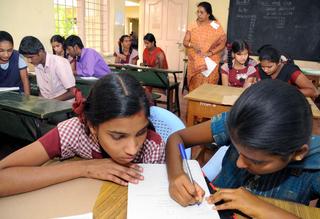
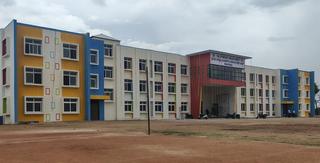
A deeply disturbing incident has sent shockwaves through Shikaripur taluk in Shivamogga district, where a government school teacher, who was also serving as a Booth Level Officer (BLO), died by suicide on the premises of the school where he worked. The incident, which came to light during school hours, has raised serious concerns about workplace stress, administrative pressure, and the mental health challenges faced by teachers entrusted with multiple non-academic responsibilities.

The incident has also prompted renewed discussion within academic circles about the ethical implications of assigning election duties to educators without adequate safeguards. Senior educators argue that while civic participation is important, it should not come at the cost of mental well-being. They stress that teachers are trained to educate and mentor students, not to constantly navigate bureaucratic targets and compliance pressures. The Shikaripur case, they say, exposes the gap between policy intent and on-ground realities faced by government school staff.

Psychologists note that suicides at workplaces often indicate prolonged distress rather than impulsive action. In many cases, individuals feel trapped between professional expectations and personal limitations, unable to seek help due to fear of stigma or disciplinary consequences. The absence of institutional counselling mechanisms in the education department has been flagged as a major concern. Experts recommend mandatory mental health check-ins during high-pressure assignments such as election work.

Parents of students studying at the school expressed concern about the emotional impact on children who learned about the incident. Many said schools must also have protocols to address trauma among students and staff following such events. Child psychologists warn that exposure to death within familiar spaces like schools can cause anxiety and fear if not handled sensitively. They urged authorities to provide counselling support to students and teachers affected by the tragedy.

Opposition leaders in the district demanded that the State government announce compensation for the family and ensure that responsibility is fixed if administrative pressure is found to be a contributing factor. They also called for a comprehensive audit of additional duties assigned to teachers across Karnataka. According to them, repeated tragedies involving government employees reflect deeper governance failures rather than isolated personal issues.

As the investigation progresses, the Shikaripur incident continues to resonate across Karnataka’s education sector. For many teachers, it has become a symbol of silent suffering and unacknowledged stress. Whether the tragedy leads to policy reform or fades into bureaucratic files will determine its long-term significance. For now, it stands as a painful reminder that institutions must value human lives as much as administrative efficiency.

According to police officials, the deceased was a middle-aged teacher employed at a government school in a village under the Shikaripur Assembly constituency. He was found dead inside the school building, triggering panic among staff and villagers. Preliminary investigations indicate that he ended his life by hanging himself inside a classroom when no students were present. The incident was reported to the police immediately after school staff discovered the body.

The teacher had been assigned additional duties as a Booth Level Officer in connection with electoral work. BLOs are responsible for voter verification, enumeration, and continuous updating of electoral rolls, a task that often involves extensive fieldwork, documentation, and strict deadlines. Colleagues and locals have indicated that he had been under visible stress in recent weeks, allegedly due to pressure related to official responsibilities.

Police have registered a case of unnatural death and initiated an investigation. The body was sent for post-mortem examination, and statements are being recorded from family members, colleagues, and school authorities to ascertain the circumstances that led to the tragic decision.

ADMINISTRATIVE PRESSURE AND MULTIPLE ROLES

The incident has reignited a long-standing debate over the burden placed on teachers by assigning them non-teaching duties, particularly election-related work. Teachers across Karnataka are frequently deployed as BLOs, census enumerators, and officials for various government surveys, in addition to their academic responsibilities. While such duties are considered essential for governance, critics argue that the lack of adequate training, support, and time allocation creates immense psychological pressure.

Sources within the education department revealed that the deceased teacher had been involved in voter list verification exercises, which require door-to-door visits, coordination with election officials, and regular reporting. Failure to meet targets or discrepancies in data often invite scrutiny from higher authorities. Teachers’ associations claim that this constant pressure, coupled with accountability mechanisms, leads to anxiety and emotional exhaustion.

Colleagues described the teacher as dedicated and soft-spoken, known for his commitment to students and punctuality. “He never complained openly, but he looked tired and preoccupied in the last few days,” said a fellow teacher. Some staff members recalled that he had expressed concern over completing BLO-related work within tight timelines while managing school duties.

Education activists argue that such incidents are not isolated and reflect systemic issues. They point out that teachers, particularly in rural areas, often lack access to counselling or mental health support. When administrative pressure escalates, many suffer in silence due to fear of being seen as inefficient or uncooperative.Teacher ends life in school in Shikaripur in Karnataka - The Hindu

REACTION FROM FAMILY AND COMMUNITY

The death has left the teacher’s family devastated. Relatives said he was the sole earning member of the household and deeply committed to his profession. Family members have reportedly told police that he appeared anxious in recent days but did not clearly articulate the reasons for his distress. They have urged authorities to conduct a thorough and impartial investigation into whether official pressure contributed to his death.

The local community expressed shock and grief, with villagers gathering outside the school to mourn. Many parents said the incident had deeply unsettled them, especially as the school is considered a safe space for children and educators alike. Some villagers questioned whether sufficient safeguards are in place to protect the mental well-being of government employees performing high-pressure duties.

Local leaders and social organisations visited the school and extended condolences to the family. Several demanded accountability and called on the government to review policies that compel teachers to shoulder excessive administrative responsibilities. Candlelight vigils were reportedly held in nearby villages as a mark of respect for the deceased teacher.

OFFICIAL RESPONSE AND POLICE INVESTIGATION

Senior police officials stated that all angles are being examined, including personal, professional, and administrative factors. “At this stage, we have not found any suicide note. We are speaking to family members, colleagues, and officials to understand if there was any undue pressure or harassment,” a police officer said.

Officials from the education department and election authorities have also visited the school. They said they would cooperate fully with the investigation and provide necessary records related to the teacher’s official assignments. However, they refrained from making detailed public comments, stating that conclusions should not be drawn until the investigation is complete.

The district administration has reportedly sought a detailed report on the incident. There are indications that higher officials may review the working conditions of BLOs, particularly those drawn from the education sector. While such reviews have been promised in the past, teachers’ unions argue that meaningful reforms are yet to materialise.

TEACHERS’ UNIONS DEMAND REFORMS

Teachers’ associations across Karnataka reacted strongly to the incident, terming it a wake-up call for the government. Union leaders said that repeated assurances about reducing non-academic workload have not translated into concrete action. They pointed out that teachers are often treated as default manpower for every administrative task, regardless of the strain it causes.Teacher ends life in school in Shikaripur in Karnataka - The Hindu

Unions demanded immediate counselling support for teachers engaged in election duties and clear guidelines limiting the workload assigned to BLOs. They also called for accountability mechanisms that focus on support rather than punishment. “When something goes wrong, the pressure falls entirely on the teacher, while systemic flaws are ignored,” a union representative said.

Some unions have threatened to intensify protests if the government fails to address their concerns. They argue that without structural changes, such tragedies may recur, further demoralising the teaching community.

BROADER CONCERNS OVER MENTAL HEALTH

Mental health experts say the incident highlights the urgent need to address stress and emotional well-being among public servants. Teachers, in particular, face unique challenges due to increasing expectations from multiple fronts—academic performance, administrative compliance, and community engagement. When these demands are coupled with inadequate support systems, the risk of burnout and depression rises significantly.

Experts stress that suicide is often the result of a complex interplay of factors and caution against simplistic explanations. However, they emphasise that recognising warning signs, fostering open communication, and providing accessible mental health services can help prevent such tragedies. They also call for destigmatising mental health issues in the workplace, especially in government institutions.

A CALL FOR INTROSPECTION AND ACTION

The death of the teacher in Shikaripur is more than an isolated tragedy; it is a stark reminder of the human cost of administrative overload and institutional neglect. As investigations continue, the incident has sparked difficult questions about how society treats its educators and frontline government workers.

For the grieving family, no inquiry or reform can undo the loss. But for the education system and the administration, the tragedy presents an opportunity for introspection. Whether it leads to meaningful change will depend on how seriously authorities address the underlying issues of workload, accountability, and mental health support.Teacher ends life in school in Shikaripur in Karnataka - The Hindu

As the school remains closed temporarily and students mourn a teacher they respected, the silence left behind serves as a powerful indictment of a system that often demands resilience without providing care. The hope among many is that this loss will not fade into routine statistics, but instead prompt reforms that ensure no educator feels so overwhelmed that life itself seems like the only escape.

Follow: Karnataka Government

Also read: Home | Channel 6 Network – Latest News, Breaking Updates: Politics, Business, Tech & More

1 Report, A City’s Pain and the Politics of Silence: EXPOSED TRUTH

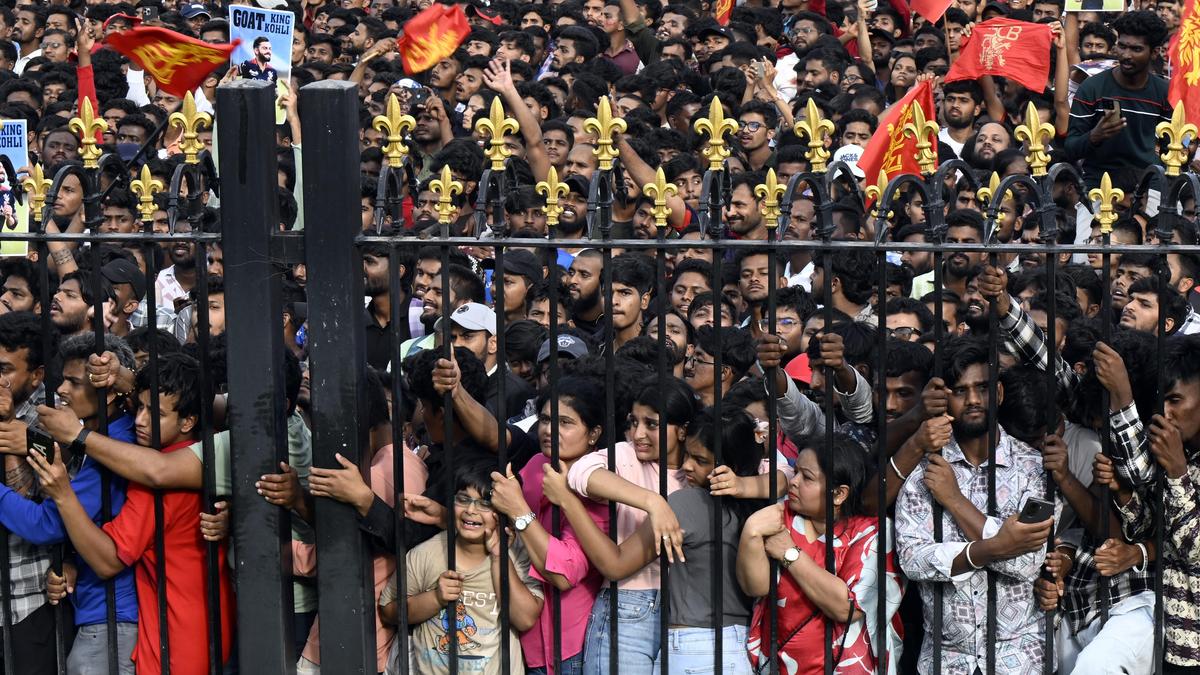
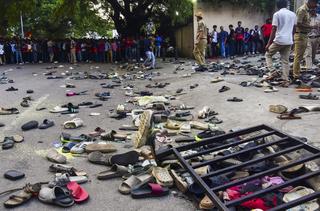
A political controversy has erupted in Karnataka after a BJP Member of the Legislative Council alleged that the Congress-led State government is deliberately withholding crucial portions of the D’Cunha Commission report on the Bengaluru stampede, accusing it of attempting to “save face” rather than take responsibility for administrative lapses. The stampede, which claimed multiple lives and left several injured, had triggered public outrage and demands for accountability. The opposition now claims that the government’s selective disclosure of the findings amounts to suppressing the truth and shielding those responsible from scrutiny.

The BJP leader alleged that the report, prepared after extensive inquiry, contains serious observations on crowd management failures, police preparedness, and decision-making by senior officials. According to him, the government has only shared portions that are politically convenient, while omitting sections that point to systemic negligence. He said such an approach undermines the very purpose of a judicial or quasi-judicial inquiry, which is meant to bring transparency, fix responsibility, and ensure corrective action.

The stampede had occurred during a high-footfall event in the city, drawing large crowds under inadequate safety arrangements. In the aftermath, the State government announced the appointment of a one-man commission headed by retired High Court judge Justice Michael D’Cunha to probe the incident. The commission was tasked with examining the sequence of events, identifying lapses, and recommending measures to prevent similar tragedies in the future. When the report was submitted, expectations were high that it would provide a clear and comprehensive account of what went wrong.BJP MLC alleges Karnataka govt hiding contents of D'Cunha report on Bengaluru  stampede to save face - The Hindu

However, the BJP MLC alleged that the government’s handling of the report has only deepened public suspicion. He claimed that instead of placing the full report in the public domain or tabling it in the legislature in its entirety, the government has chosen to remain evasive. This, he argued, reflects a lack of political will to confront uncomfortable truths and accept institutional failures that may have occurred under its watch.

ALLEGATIONS OF SUPPRESSION AND POLITICAL MOTIVES

According to the BJP leader, the alleged suppression of the D’Cunha report is not an isolated incident but part of a broader pattern where inconvenient findings are quietly buried. He accused the ruling dispensation of prioritising image management over justice for victims and accountability for officials. “If the government has nothing to hide, why is it afraid of releasing the full report?” he asked, adding that transparency is the first step towards restoring public trust after such tragedies.

The opposition claims that the report includes pointed remarks on delayed decision-making, lack of coordination between agencies, and inadequate crowd control measures, despite advance knowledge of large gatherings. The BJP MLC alleged that certain recommendations, particularly those calling for disciplinary action or structural reforms, have not been acted upon or even acknowledged publicly. He warned that ignoring these findings could set a dangerous precedent, where lessons from tragedies are not learned, increasing the risk of recurrence.

The Congress government, meanwhile, has rejected the allegations, stating that due process is being followed. Government representatives have maintained that the report is under examination and that necessary steps will be taken after a thorough review. They have also argued that selective leaks and political statements by the opposition are aimed at creating sensationalism rather than contributing constructively to policy reform.

However, critics argue that such explanations do little to address concerns about transparency. Legal experts point out that while governments are entitled to study commission reports, prolonged delays or partial disclosures can raise legitimate questions. They note that commissions of inquiry are instituted not merely as internal advisory mechanisms but as tools to assure the public that the truth will be placed on record without fear or favour.BJP MLC alleges Karnataka govt hiding contents of D'Cunha report on Bengaluru  stampede to save face - The Hindu

IMPACT ON VICTIMS, ACCOUNTABILITY, AND PUBLIC TRUST

Beyond the political sparring, the controversy has reopened wounds for families of those who lost their lives in the stampede. Many relatives have expressed frustration over the lack of clarity on who was responsible and what corrective steps have been taken. For them, the report represents not just a document but a pathway to closure and assurance that such negligence will not be repeated. Any perception that its contents are being hidden adds to their sense of injustice.

Civil society groups have echoed these concerns, calling for the immediate release of the full report. They argue that transparency is essential not only for accountability but also for informed public debate on urban safety, event management, and policing in a rapidly growing city like Bengaluru. With frequent large-scale events, protests, and religious gatherings, experts say the city remains vulnerable unless systemic reforms are undertaken based on honest assessments.

The issue has also sparked debate within legislative circles about the need for clearer norms on the publication of commission reports. Some legislators have suggested that time-bound disclosure should be made mandatory, except in cases involving national security or sensitive personal data. Such reforms, they argue, would prevent governments of any political colour from selectively using inquiry findings.

As the political heat intensifies, pressure is mounting on the Karnataka government to clarify its position and dispel allegations of suppression. Whether the full D’Cunha report is made public or not may significantly influence public perception of the government’s commitment to accountability. More importantly, it will determine whether the tragedy becomes a turning point for safer urban governance or another episode lost in political crossfire. For a city still grappling with the emotional and administrative fallout of the stampede, the demand remains simple yet powerful: truth, transparency, and tangible action.

BJP MLC alleges Karnataka govt hiding contents of D'Cunha report on Bengaluru  stampede to save face - The Hindu

The controversy has also sharpened focus on the institutional responsibility of commissions of inquiry themselves. While such panels are constituted to independently assess facts, their effectiveness ultimately depends on how governments act on their findings. Former judges and senior bureaucrats have observed that reports often lose significance when recommendations are neither debated nor implemented. In the Bengaluru stampede case, the demand is not only for disclosure but also for a clear action-taken report that explains which recommendations are being accepted, modified, or rejected, and on what grounds.

Urban governance experts argue that the stampede exposed deeper structural issues in Bengaluru’s event management ecosystem. They point to overlapping jurisdictions between civic bodies, police, and event organisers, which often result in confusion during emergencies. The D’Cunha report, they believe, likely addresses these coordination gaps. If such insights are kept from public scrutiny, experts warn, opportunities for systemic reform will be lost. Transparency, they stress, is essential for informed policy corrections in a city that routinely hosts large gatherings.

Within the ruling party, there are indications of unease over the growing criticism. Some Congress leaders privately acknowledge that prolonged silence over the report risks eroding public confidence. They argue that proactive disclosure could help the government frame the narrative around reform rather than blame. However, others fear that full disclosure may expose administrative lapses that could be politically damaging. This internal tension reflects the larger dilemma governments face between political caution and democratic accountability.

The opposition, meanwhile, has indicated that it will continue to raise the issue both inside and outside the legislature. BJP leaders have suggested that they may seek judicial intervention if the report is not released in full. They argue that the right to information and the public’s right to know cannot be subordinated to political convenience. By framing the issue as one of transparency rather than partisanship, the BJP hopes to broaden public support beyond party lines.

Legal commentators note that courts in the past have intervened when governments failed to act on commission reports, especially in cases involving loss of life. While the judiciary generally avoids encroaching on executive functions, it has emphasised transparency as a cornerstone of democratic governance. If litigation arises, the government may be required to justify any decision to withhold portions of the report, further intensifying scrutiny over its actions.

The controversy has also reignited discussions on crowd safety protocols across Karnataka. Following the stampede, authorities had announced temporary measures, including revised crowd limits and better deployment of personnel. However, activists argue that without publicly acknowledging what went wrong, such measures remain superficial. They insist that meaningful reform must be grounded in an honest assessment of failures, something only a full disclosure of the inquiry report can provide.

For Bengaluru’s residents, the issue resonates beyond politics. The city has witnessed multiple incidents linked to overcrowding and inadequate planning, raising concerns about public safety. Citizens’ groups have demanded that lessons from the stampede be incorporated into standard operating procedures for all major events. They believe that transparency over the D’Cunha report would empower citizens to demand better preparedness from authorities and organisers alike.

Media analysts observe that the government’s handling of the report could set a precedent for future inquiries. If selective disclosure becomes normalised, it may weaken the credibility of commissions as instruments of truth-finding. Conversely, full disclosure could strengthen democratic norms and reassure citizens that governments are willing to confront uncomfortable realities. The current standoff thus has implications far beyond a single report or incident.

As political rhetoric intensifies, the risk is that the core issue—preventing future tragedies—may be overshadowed. Experts caution that prolonged confrontation could delay implementation of crucial safety reforms. They urge all stakeholders to refocus attention on victims and preventive measures rather than political point-scoring. The stampede, they remind, was a human tragedy first and a political issue only later.

Ultimately, the debate over the D’Cunha report reflects a larger question confronting democratic governance: whether truth and accountability can prevail over political expediency. The coming days will test the Karnataka government’s commitment to transparency and reform. For the families affected by the stampede and for a city seeking safer public spaces, the outcome will signal whether lessons have truly been learned or merely deferred.

Follow: Karnataka Government

Also read: Home | Channel 6 Network – Latest News, Breaking Updates: Politics, Business, Tech & More

DFS Launches Paripoorna Mediclaim Ayush Bima for CGHS Beneficiaries to Expand Healthcare Coverage: 2026

In a significant step to strengthen healthcare security for government employees, the Department of Financial Services (DFS), Ministry of Finance, has launched Paripoorna Mediclaim Ayush Bima for beneficiaries of the Central Government Health Scheme (CGHS). The optional insurance plan is designed to complement existing CGHS facilities by offering wider hospital access, cashless treatment, and coverage for modern and AYUSH-based therapies at affordable premiums.


A Complementary Health Cover for Government Employees

The newly introduced Paripoorna Mediclaim Ayush Bima enhances the healthcare safety net available to CGHS beneficiaries by providing additional financial protection during medical emergencies and planned treatments.

The scheme focuses on:

  • Cashless hospitalization

  • Coverage for modern medical procedures

  • Inclusion of AYUSH treatments

  • Access to a large nationwide hospital network

The initiative aims to ensure greater flexibility, choice, and peace of mind for Central Government employees and their families.


Eligibility and Insurance Coverage Details

The policy is exclusively available to CGHS beneficiaries, with the following coverage structure:

  • Maximum of 6 members per policy

  • Coverage limited to in-patient hospitalization within India

  • Two Sum Insured options:

    • ₹10 lakh

    • ₹20 lakh

To maintain affordability, the product offers a co-payment model, allowing beneficiaries to choose:

  • 70:30 cost sharing (Insurance Company : Subscriber)

  • 50:50 cost sharing

This flexible structure enables employees to select coverage based on their financial preferences and healthcare needs.


Key Features of Paripoorna Mediclaim Ayush Bima

Hospitalisation Benefits

  • Room rent capped at:

    • 1% of Sum Insured per day (Normal room)

    • 2% of Sum Insured per day (ICU)

  • Pre-hospitalisation expenses covered for 30 days

  • Post-hospitalisation expenses covered for 60 days

Treatment Coverage

  • AYUSH treatments covered up to 100% of the sum insured for in-patient care

  • Modern treatments covered up to 25% of sum insured, with an optional rider for 100% coverage

Additional Benefits

  • Cumulative bonus of 10% for every claim-free year (up to 100% of sum insured)

  • Premium discounts compared to regular policies:

    • 28% discount for 70:30 co-pay model

    • 42% discount for 50:50 co-pay model

  • No GST on premium to maximise affordability


Designed for Seamless Access and Financial Security

DFS highlighted that the scheme is structured as a retail product for CGHS beneficiaries, ensuring easy enrollment and flexibility. It is intended to work alongside CGHS facilities by expanding treatment choices, reducing out-of-pocket burden, and improving access to quality healthcare services across India.

The plan provides:

  • Additional financial security

  • Wider hospital network access

  • Support for both traditional and modern treatment systems

  • Hassle-free cashless settlement process


Availability and Purchase

The Paripoorna Mediclaim Ayush Bima policy will be available shortly through:

  • New India Assurance Company Limited offices

  • The company’s online platform

CGHS beneficiaries are encouraged to explore and adopt the scheme based on their healthcare and financial planning needs.


Conclusion

The launch of Paripoorna Mediclaim Ayush Bima marks a progressive reform in employee welfare by bridging gaps in healthcare coverage for Central Government staff. By combining affordability, flexibility, modern treatment options, and AYUSH coverage into one policy, the DFS has created a comprehensive insurance solution that enhances the existing CGHS framework. The initiative reflects the Government’s broader commitment to inclusive healthcare access, financial protection, and long-term well-being of its workforce.


For more real-time updates, visit Channel 6 Network.

Source: PIB

Jal Shakti Minister Launches Landmark Aquatic Biodiversity Initiatives under Namami Gange at WII Dehradun: 2026

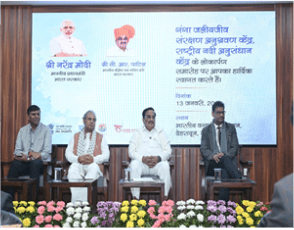
Reinforcing the Government of India’s commitment to protecting rivers as living ecosystems, Union Minister for Jal Shakti Shri C.R. Paatil inaugurated a series of transformative aquatic biodiversity conservation initiatives under the Namami Gange Mission at the Wildlife Institute of India (WII), Dehradun. The initiatives mark a decisive shift towards science-driven, institutional, and community-led conservation of freshwater ecosystems across the country.


New Vision for River Conservation: Biodiversity as the True Indicator of River Health

Addressing a special programme organised at WII, Shri Paatil emphasised that rivers must not be seen merely as water channels but as life-supporting ecosystems. He stated that the thriving of aquatic biodiversity is the most authentic indicator of river health and sustainability.

The event was attended by:

  • Dr. Vinay Kumar Ruhella, Vice Chairman, SDMA Uttarakhand

  • Dr. Gobind Sagar Bhardwaj, Director, Wildlife Institute of India

  • Shri Rajeev Kumar Mital, Director General, National Mission for Clean Ganga

  • Senior officials, researchers, conservation experts and students


Aqua Life Conservation Monitoring Centre Dedicated to the Nation

A major highlight of the event was the inauguration of the Aqua Life Conservation Monitoring Centre for Ganga and Other Rivers, developed under the partnership between Namami Gange and WII.

The Centre provides a dedicated institutional framework for long-term aquatic biodiversity monitoring and conservation. It is equipped with advanced facilities including:

  • Ecotoxicology laboratory

  • Aquatic ecology laboratory

  • Spatial ecology laboratory

  • Microplastics identification laboratory

Through modern technology, scientific research and data-driven decision-making, the Centre will support policy formulation, hotspot identification, species monitoring, and ecosystem-based conservation strategies across India’s river systems.


Dolphin Rescue Ambulance Launched to Protect India’s National Aquatic Animal

Shri Paatil also inaugurated the Dolphin Rescue Ambulance of TSAFI, strengthening rapid-response efforts for conservation of the Ganga Dolphin, India’s national aquatic animal.

The ambulance will provide:

  • Emergency rescue services

  • Scientifically equipped life-support for distressed dolphins

  • Field-based conservation intervention capabilities

The Minister noted that the Ganga dolphin is a highly sensitive indicator of river health, and this initiative reflects the Government’s seriousness towards protecting aquatic life. He added that the increasing dolphin population reflects the positive ecological impact of Namami Gange.


Freshwater Ecology Master’s Programme Nurtures Future Conservation Leaders

During his interaction with researchers and students, the Minister appreciated the two-year Master’s Programme in Freshwater Ecology and Conservation launched by WII under Namami Gange.

The programme trains students in:

  • River and wetland ecology

  • Biodiversity conservation

  • Field research techniques

  • Environmental policy and governance

  • Sustainable water management

He commended students for dedicating themselves to this specialised field and called them the future custodians of India’s river ecosystems.


Plantation Drive Under ‘Ek Ped Maa Ke Naam’ Strengthens Ecological Commitment

Shri Paatil also undertook a plantation drive at WII, dedicating it to the national campaign ‘Ek Ped Maa Ke Naam’. He highlighted that afforestation is an integral part of Namami Gange, contributing to:

  • Riverbank stability

  • Biodiversity protection

  • Climate resilience

  • Ecosystem restoration


Indian Skimmer Conservation Project Launched

The programme witnessed the launch of the Indian Skimmer Conservation Project by the Bombay Natural History Society (BNHS). The initiative aims to protect rare riverine bird species along the Ganga basin.

The Minister noted that river conservation today extends beyond water quality to include the entire ecosystem, including birds, turtles, fish, and riparian habitats. Such species are vital indicators of ecological health and biodiversity richness.


Turtle Conservation Project Shows National Milestones

The success of the TSAFI Turtle Conservation Project was highlighted as a model for scientific species recovery.

Key achievements include:

  • Reintroduction of 15 Narrow-headed Softshell Turtles (Chitra indica) into the Yamuna

  • Radio-tagging and monitoring of 10 turtles

  • Reintroduction of 20 Red-crowned Roofed Turtles (Batagur kachuga) into the Upper Ganga

  • First monitored reintroduction of this species in its historical range after three decades

The Minister described turtles as “silent sentinels of river health”, noting that their revival reflects improving ecological balance.


Rising Dolphin Population Reflects Success of Jan Bhagidari

Shri Paatil interacted with Ganga Praharis and praised their grassroots role in conservation. He noted that the Ganga dolphin population has crossed 6,000, a strong indicator that rivers are becoming cleaner and more life-supporting.

He emphasised that this success is driven not only by government programmes but also by Jan Bhagidari (people’s participation) and community stewardship.


Publications Released to Strengthen Science–Policy Link

Two important publications were released during the event:

  • A report on population status and conservation action plan for critically endangered Gharial in the Ganga basin

  • “Millets for Life”, linking biodiversity conservation with food and nutrition security

These publications strengthen the integration of science, sustainability and policy planning.


Conclusion

The initiatives inaugurated at the Wildlife Institute of India represent a decisive evolution of the Namami Gange Mission — from river cleaning to holistic ecosystem rejuvenation. Through advanced scientific infrastructure, institutional collaboration, youth capacity building and strong community participation, India is now building a comprehensive framework for long-term aquatic biodiversity conservation. The message is clear: safeguarding rivers means safeguarding life itself, for current and future generations.


For more real-time updates, visit Channel 6 Network.

Source: PIB

Dharmendra Pradhan Celebrates Pongal with IIT Madras Community, Extends Greetings to Nation: 2026

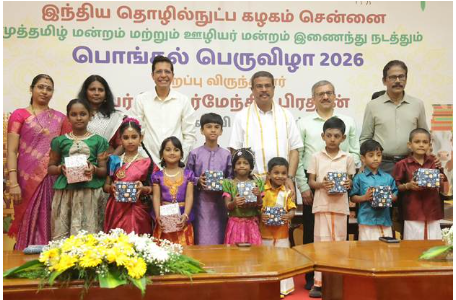
Union Minister for Education Shri Dharmendra Pradhan joined the IIT Madras community in Chennai to celebrate the festival of Pongal, marking the occasion with warmth, cultural pride and a message of unity. The celebration reflected the spirit of gratitude, prosperity and togetherness that the harvest festival represents across Tamil Nadu and beyond.


Warm Welcome for the Union Education Minister at IIT Madras

Shri Dharmendra Pradhan was warmly received by the Indian Institute of Technology (IIT) Madras, where the institute organised a traditional Pongal celebration in his honour.

The festivities were held at the Campus Community Hall, where faculty members, students and staff gathered to commemorate the harvest festival in a spirit of joy and cultural harmony.

The event showcased IIT Madras’s strong connection with local traditions while reinforcing its identity as a nationally rooted, globally respected institution.


Pongal Reflects Gratitude, Prosperity and Cultural Heritage

Participating in the celebrations, Shri Pradhan highlighted the deeper meaning of Pongal, describing it as a festival that embodies:

  • Gratitude towards nature

  • Prosperity through collective effort

  • Respect for cultural heritage

  • Social harmony and togetherness

He noted that Pongal is synonymous with the vibrant cultural identity of Tamil Nadu and serves as a powerful reminder of India’s rich civilisational traditions.


Minister Extends Pongal Greetings to the People of Tamil Nadu and the Nation

Extending his warm wishes, Shri Dharmendra Pradhan conveyed heartfelt Pongal greetings to the people of Tamil Nadu and to all those celebrating the festival across the country.

He remarked that Pongal reflects the values of:

  • Abundance

  • Unity

  • Harmony

  • Community spirit

The message resonated strongly with the broader national ethos of celebrating India’s cultural diversity while strengthening bonds of unity.


Celebration Reinforces Culture–Campus Connect

The celebration at IIT Madras underscored the importance of integrating cultural traditions within academic spaces, allowing students and institutions to remain connected to India’s heritage while pursuing excellence in education, innovation and research.

Such engagements reinforce the idea that educational institutions are not only centres of learning, but also spaces that nurture cultural understanding and social values.


Conclusion

Shri Dharmendra Pradhan’s participation in the Pongal celebrations at IIT Madras symbolised the harmonious blend of tradition and modernity. By celebrating the harvest festival alongside students and faculty, the Union Education Minister reaffirmed the importance of cultural rootedness, gratitude and unity in shaping a strong and inclusive national identity. The occasion served as a gentle yet powerful reminder that India’s festivals continue to inspire values of togetherness and shared prosperity.


For more real-time updates, visit Channel 6 Network.

Source: PIB

COAS Inspires NCC Cadets at Republic Day Camp 2026: “Youth Will Build a Strong, Self-Reliant India”

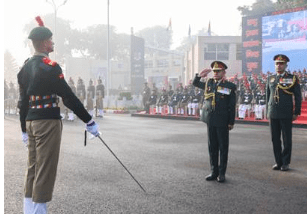
Chief of Army Staff (COAS) General Upendra Dwivedi visited the National Cadet Corps (NCC) Republic Day Camp 2026 at Delhi Cantt on January 14, 2026, delivering a powerful message of confidence, responsibility and national purpose. Emphasising the transformative potential of India’s youth, he stated that a strong, self-reliant and developed India will be built by its young citizens, guided by discipline, character and commitment to service.


Youth Are the “Face of New India”: COAS

Addressing NCC cadets and officers, General Dwivedi quoted Vice President Shri C. P. Radhakrishnan, describing the youth as the “Face of New India” and India’s most powerful demographic strength. He stressed that young people possess the energy and purpose needed to drive national transformation and play a decisive role in shaping the country’s future.

He encouraged cadets to cultivate:

  • Discipline and integrity

  • Purpose-driven thinking

  • Commitment to national service

  • Confidence in leadership and decision-making


NCC Cadets’ Contribution Highlighted: Operation Sindoor and Civil Services

The COAS praised the growing role of NCC cadets in real-world national service. He cited Operation Sindoor as a key example of youth-driven resilience, during which over 75,000 NCC cadets volunteered across the country in:

  • Civil defence activities

  • Hospital management

  • Distribution of relief materials

  • Community welfare and public support

He noted that such participation demonstrates the NCC’s evolution from a training platform to a force multiplier for national service.


Modernised NCC Training: Drones, Disaster Preparedness and National Campaigns

General Dwivedi commended the modernisation of NCC training and the integration of contemporary skills into the cadet ecosystem.

Key highlights included:

  • Introduction of drone training for cadets

  • Participation in national initiatives such as:

    • Puneet Sagar Abhiyan

    • Ek Bharat Shreshtha Bharat

    • Ek Ped Maa ke Naam

    • International Yoga Day

    • Swachh Bharat Abhiyan

  • Disaster preparedness training of 94,400 cadets across 315 districts in 28 states under the Yuva Aapda Mitra scheme

  • More than 35,000 cadets completing attachment training with Army units and military hospitals

These initiatives, he said, are building a generation of youth that is not only patriotic, but also technologically capable and socially responsible.


NCC as a Pathway to the Armed Forces

The COAS reaffirmed that the NCC remains one of the most credible pathways into the Armed Forces. He highlighted that more than 150 NCC cadets have been inducted into military training academies this year, underscoring the organisation’s role in nurturing future military leaders.

He urged cadets to embrace:

  • Self-reliance in thought and character

  • Technological competence

  • Active participation in innovation and national security

He also encouraged engagement with initiatives such as:

  • Army Cells in IITs

  • Indian Army Internship Programme 2025–26

These platforms, he noted, are designed to connect youth talent with national defence and innovation priorities.


Cultural Pride and Excellence on Display at the Camp

General Dwivedi lauded the cadets for their impeccable turnout and exemplary conduct throughout the visit. He especially appreciated:

  • The crisp Guard of Honour

  • The band performance by The Scindia School, Gwalior

  • The vibrant cultural programmes reflecting India’s unity in diversity

  • The engaging flag area presentation

He also visited the NCC ‘Flag Area’, where cadets showcased the cultural heritage, history and development of their respective states, and toured the NCC Hall of Fame.

Cadets further demonstrated innovation and technical skills through:

  • Static and functional ship models

  • Aeromodelling displays

  • Creative technical exhibits


Conclusion

The COAS’s visit to the NCC Republic Day Camp 2026 reinforced the central role of youth in India’s journey toward national strength and self-reliance. By highlighting discipline, innovation, service and character as the cornerstones of leadership, General Upendra Dwivedi reaffirmed that India’s future lies in the hands of empowered and committed young citizens. The vibrant energy, talent and dedication displayed by NCC cadets at the camp reflected a generation ready to lead the nation toward a Viksit Bharat.


For more real-time updates, visit Channel 6 Network.

Source: PIB