Tuesday, April 28, 2026
Home Blog Page 126

Nation Honours Ex-Servicemen on 10th Defence Forces Veterans’ Day; Raksha Mantri Leads Main Event in Delhi

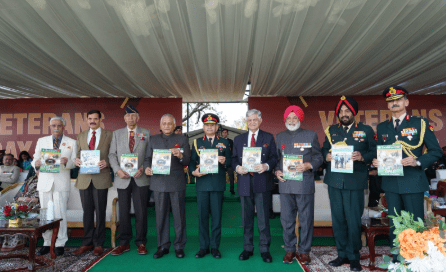
India paid heartfelt tribute to the courage, sacrifice and lifelong service of its ex-servicemen on the 10th Defence Forces Veterans’ Day, observed on January 14, 2026. Veterans’ rallies, wreath-laying ceremonies, grievance redressal counters and facilitation help desks were organised across the country, reaffirming the nation’s gratitude to those who once wore the uniform and continue to serve society with dedication.


Raksha Mantri Leads Main Celebrations at Manekshaw Centre

Raksha Mantri Shri Rajnath Singh graced the central event held at the Manekshaw Centre, Delhi Cantt, which saw the participation of around 2,500 veterans from Delhi and NCR.

In his address, he paid glowing tributes to veterans, describing them as:

  • Living pillars of national consciousness

  • Symbols of collective courage

  • A source of inspiration for future generations

He urged ex-servicemen to continue contributing to nation-building by:

  • Guiding youth and Agniveers

  • Supporting civil administration during emergencies

  • Promoting social harmony

  • Strengthening patriotism at the grassroots level


“Veterans Are Invaluable Assets in India’s Journey Towards Viksit Bharat”

Highlighting the nation’s development trajectory, Shri Rajnath Singh said the experience, leadership and values of veterans are crucial for India’s journey towards becoming a strong, self-reliant and developed nation.

“Whether it is education, skill development, disaster management, community leadership or innovation, your participation can leave a lasting positive impact on future generations,” he said.

He emphasised that society, especially the youth, must learn from the discipline, integrity and service ethos embodied by veterans.


Tribute to IPKF Veterans of Operation Pawan

The Raksha Mantri paid special tribute to ex-servicemen who were part of the Indian Peacekeeping Force (IPKF) during Operation Pawan in Sri Lanka, launched nearly 40 years ago.

He acknowledged that the sacrifices of many soldiers during the operation did not receive adequate recognition in the past and noted that under the leadership of Prime Minister Shri Narendra Modi, the Government is actively recognising and honouring their contributions.
He recalled that PM Modi paid homage at the IPKF Memorial in Sri Lanka (2015) and stated that IPKF soldiers are now also being honoured at the National War Memorial, New Delhi.


Welfare of Veterans a Moral and Emotional Responsibility

Shri Rajnath Singh reiterated that a soldier never truly retires — while the uniform may change, the spirit of service and patriotism remains constant.

He reaffirmed the Government’s commitment to veterans’ welfare and outlined key initiatives:

  • Implementation of One Rank One Pension (OROP)

  • Strengthening of the Ex-Servicemen Contributory Health Scheme (ECHS)

  • Expansion of telemedicine services to reach rural and remote areas

  • Focus on rehabilitation, reskilling and employment opportunities

  • Support for veterans interested in entrepreneurship and self-employment

He added that housing schemes, loan facilities and welfare programmes are being tailored to meet the evolving needs of ex-servicemen.


Veterans’ Respect Reflects Nation’s Moral Strength

The Raksha Mantri stressed that a nation’s true strength is reflected in how it treats its soldiers and veterans. He said the respect Indian society naturally holds for its armed forces is a powerful form of social capital that connects generations and strengthens the nation’s soul.

He also highlighted the importance of memorials such as the National War Memorial and local-level monuments in keeping alive the memory of the Bravehearts who made the supreme sacrifice.


Government and Department of Ex-Servicemen Welfare Reaffirm Commitment

Speaking on the occasion, Secretary (Ex-Servicemen Welfare) Smt Sukriti Likhi described Veterans’ Day as more than a ceremony — calling it a reminder of the everlasting bond between the nation and its soldiers.

She noted that:

  • Around 60,000 soldiers retire every year

  • India has nearly 3.5 million veterans

  • Their welfare is therefore a national responsibility

She highlighted recent initiatives such as:

  • Improved timely delivery of pensions

  • Increased grants from the Kendriya Sainik Board

  • Expanded resettlement and training programmes by DGR

  • ECHS healthcare coverage now benefiting nearly 64 lakh beneficiaries


Nationwide Events Reflect Deep Respect for Veterans

Veterans’ rallies, wreath-laying ceremonies and outreach programmes were held across cities including Rajouri, Amritsar, Lucknow, Ranchi, Guwahati, Pune, Goa, Kochi, and many others.

The 34 Rajya Sainik Boards and 434 Zila Sainik Boards across states and Union Territories organised events, while help desks were set up by:

  • The three Armed Services

  • Defence and welfare organisations

  • Banks and employment agencies

These provided on-the-spot grievance redressal, facilitation and awareness support to veterans and their families.


Legacy of Field Marshal KM Cariappa Remembered

Defence Forces Veterans’ Day is observed annually on 14 January to honour the legacy of Field Marshal KM Cariappa, the first Commander-in-Chief of the Indian Army, who retired on this day in 1953. His life continues to symbolise discipline, leadership and selfless service to the nation.


Conclusion

The 10th Defence Forces Veterans’ Day stands as a powerful national tribute to the millions of ex-servicemen who have safeguarded India’s freedom and sovereignty. From policy reforms and welfare initiatives to emotional recognition and public respect, the day reaffirmed that veterans are not just former soldiers but enduring guardians of national values. As India moves towards Viksit Bharat, the wisdom, leadership and service spirit of its veterans will remain one of the nation’s greatest strengths.


For more real-time updates, visit Channel 6 Network.

Source: PIB
Veterans Day Celebrated Nationwide; Army Investiture Ceremony Held in Jaipur: 2026

The Indian Army marked Veterans Day 2026 across military stations nationwide with deep respect and gratitude, honouring the service and sacrifices of veterans, Veer Naris, and their families. The central ceremony at Jaipur Military Station, led by Chief of the Army Staff (COAS) General Upendra Dwivedi, featured a prestigious Army Investiture Ceremony, where gallantry awards, citations, and commendations were conferred on outstanding soldiers and units.


Nationwide Celebrations Honour Veterans and Families

Veterans Day was celebrated with fervour across stations including New Delhi, Jaipur, Amritsar, Lucknow, Ranchi, Rajouri, and several others. A wide range of welfare and outreach events were organised for:

  • Veterans

  • Veer Naris and Veer Matas

  • Families of serving and retired personnel

The events reflected the Army’s enduring commitment to its extended family and reinforced the bond between the Armed Forces and society.


COAS Leads Commemorations at Jaipur Military Station

At Jaipur Military Station, under the aegis of the South Western Command, the commemorations were presided over by General Upendra Dwivedi. The COAS attended the Army Veterans Day Lunch at Polo Ground, where he interacted closely with veterans and families, acknowledging their lifelong contribution to national security and the Army’s legacy.

Key highlights of the event included:

  • Felicitation of officials of Zila Sainik Boards for resolving veterans’ issues

  • Release of ‘Samman’ magazine by the Directorate of Indian Army Veterans

  • Felicitation of Veer Naris and Veer Matas by Ms Sunita Dwivedi, President of the Army Women’s Welfare Association (AWWA)


“Veterans Are Lifelong Ambassadors of the Army’s Ethos”

In his address, the COAS conveyed warm greetings to veterans and paid tribute to the Bravehearts who laid down their lives for the nation. He reaffirmed that the welfare of veterans and families of the fallen remains a moral duty and institutional priority of the Indian Army.

He highlighted:

  • The evolving nature of warfare

  • The Army’s focus on modernisation, technology infusion, and operational readiness

  • The importance of preserving core values of honour, courage, and duty

General Dwivedi described veterans as role models and lifelong ambassadors of the Army’s ethos, urging them to continue engaging with youth and communities to strengthen national unity, discipline, and resilience. He also expressed appreciation for the support of civil administration and stakeholders in strengthening veteran welfare mechanisms.


Army Investiture Ceremony Honours Gallantry and Excellence

A major highlight of the day was the Army Investiture Ceremony, where the COAS conferred awards recognising exceptional courage and service.

Key honours included:

  • 10 Sena Medals (Gallantry)

  • 49 COAS Unit Citations

  • COAS Certificates of Appreciation to 60 units, including 26 units for Operation Sindoor

These awards recognised the dedication, professionalism, and operational excellence of personnel and units across all Commands.

Beyond military service, the Army also honoured contributions to society by felicitating:

  • Six Veteran Achievers

  • Three civilians

Their recognition reflects the Army’s respect for those who continue to support and strengthen the institution beyond the battlefield.


Army Day 2026 Celebrations to Continue in Jaipur

The commemorations will continue on 15 January 2026 with:

  • The Army Day Parade at Mahal Road, Jaipur

  • Shaurya Sandhya at Sawai Man Singh Stadium, Jaipur

These events will showcase the Army’s professional excellence, operational preparedness, and deep connection with the people of India.


Conclusion

Veterans Day 2026 stands as a powerful tribute to the courage, sacrifice, and lifelong service of India’s soldiers and their families. From heartfelt interactions with veterans to the formal recognition of gallantry and excellence at the Investiture Ceremony, the celebrations in Jaipur and across the country reaffirm the Indian Army’s unwavering commitment to honouring its past while inspiring future generations. The continued focus on welfare, modernisation, and national unity reflects the enduring strength of the Army’s bond with the nation.


For more real-time updates, visit Channel 6 Network.

Source: PIB
Govt Cracks Down on Edible Oil Companies Over Non-Compliance with Amended VOPPA Order, 2025

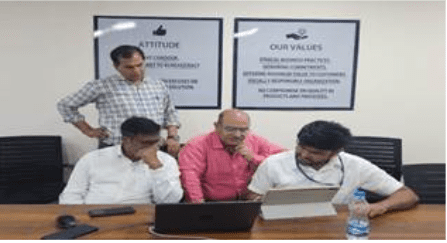
The Government of India has intensified regulatory action in the edible oil sector by issuing Show Cause Notices to some large edible oil companies for failing to comply with the amended Vegetable Oil Products, Production and Availability (Regulation) Amendment Order, 2025 (VOPPA Order, 2025). The move signals a strong push toward greater transparency, accurate reporting, and data-driven policy-making in a sector critical to national food security.


Amended VOPPA Order Mandates Registration and Monthly Reporting

Under the VOPPA Order, 2025, all manufacturers, processors, blenders, and re-packers of edible oils are now required to:

  • Register mandatorily on the National Single Window System (NSWS)

  • Register on the VOPPA portal (www.edibleoilindia.in)

  • Submit monthly returns detailing production, stock, imports, dispatches, sales, and consumption

The reporting framework covers a wide range of products including:

  • Crude and refined vegetable oils

  • Solvent-extracted oils

  • Blended oils

  • Vanaspati and margarine

  • Other notified edible oil products

The government has positioned this framework as a critical reform to build a transparent, real-time and data-driven edible oil ecosystem that strengthens policy planning and national food security.


Nationwide Inspection Drive to Enforce Compliance

As part of a broader compliance initiative, the Department of Food and Public Distribution (DFPD) has undertaken inspection drives across key hubs, including Indore, to:

  • Verify NSWS and VOPPA registrations

  • Check accuracy and timeliness of monthly returns

  • Engage with industry players to encourage adherence

These inspections form part of the government’s ongoing effort to ensure that the regulatory framework is not merely advisory but actively implemented across the value chain.


Capacity Building Alongside Enforcement

Alongside regulatory action, the Department is also investing in capacity building to support industry compliance.
A national workshop was organised in November 2025 in Indore, focusing on:

  • Accurate data reporting practices

  • NSWS registration process

  • Use of the VOPPA portal

  • Timely filing of statutory returns

Similar workshops are planned across other major states, indicating a dual approach of support + enforcement.


Show Cause Notices Issued Under Essential Commodities Act

Following inspections and reviews, the Department has issued Show Cause Notices to some large edible oil companies for:

  • Non-submission of mandatory monthly returns

  • Continued non-compliance despite repeated reminders via email and phone

Such violations constitute a contravention of the VOPPA Order, 2025, which is issued under Section 3 of the Essential Commodities Act, 1955.

The Department has clarified that:

  • Under Section 6A, action including inspection and confiscation may be initiated

  • Under Section 6B, companies must be given an opportunity to respond before confiscation

Accordingly, the concerned companies have been given seven days to submit written explanations.


Wider Action Planned Across the Sector

The Government has made it clear that this action is not limited to a few entities. Similar notices will be issued to:

  • Units not registered under the VOPPA framework

  • Units that have failed to file mandatory returns

Further, additional inspection drives are planned across multiple edible oil processing units, with special focus on Haryana and Rajasthan during January 2026.

This signals the government’s intent to ensure uniform compliance across the entire edible oil ecosystem.


Strengthening Transparency and Food Security

The Department reiterated that the objective of these measures is not merely punitive, but systemic. By enforcing compliance, the government aims to ensure:

  • Greater transparency in edible oil production and supply

  • Accurate real-time data for policy formulation

  • Stronger monitoring of availability and pricing

  • Enhanced national food security outcomes


Conclusion

The issuance of Show Cause Notices under the amended VOPPA Order, 2025 marks a decisive step toward building a disciplined, transparent, and accountable edible oil sector. With mandatory digital registration, structured reporting, inspections, and legal enforcement now firmly in place, the government is signalling that data integrity and regulatory compliance are non-negotiable. These reforms are expected to significantly strengthen policy effectiveness and protect the broader public interest tied to food security.


For more real-time updates, visit Channel 6 Network.

Balasundar Elephant Herd Panic 2026 – Detailed Analysis of Cooch Behar Incident, Human‑Wildlife Conflict, and Governance Lessons for Bengal

The Balasundar elephant herd panic 2026 has once again highlighted the growing human‑wildlife conflict in North Bengal. A herd of elephants entered Balasundar village in Cooch Behar district, sparking fear among residents. Villagers reported sleepless nights, damaged crops, and disrupted routines as the herd roamed near homes and fields. Forest officials rushed to the scene, but the incident underscores the fragile balance between conservation and community safety.


2. Balasundar Elephant Herd Panic 2026: The Incident

  • Location: Balasundar village, Cooch Behar district.
  • Event: A herd of elephants wandered close to the village.
  • Impact: Panic among residents, crop damage, and fear of property destruction.
  • Response: Forest officials attempted to drive the herd back into forested areas.
  • Community reaction: Anxiety, frustration, and calls for stronger preventive measures.

3. Why Elephants Stray into Villages

  • Habitat loss due to deforestation and agricultural expansion.
  • Fragmented corridors disrupting elephant movement.
  • Urban encroachment into forest zones.
  • Search for food and water, especially during dry seasons.
  • Disorientation of herds when separated from larger groups.

4. Human‑Wildlife Conflict in North Bengal

  • North Bengal is a critical elephant corridor, linking Assam, Bhutan, and Nepal.
  • Villages often face crop raids and property damage.
  • Train accidents involving elephants are common in the region.
  • The Balasundar incident reflects the intensifying conflict between humans and wildlife.

5. Governance Challenges

The incident highlights systemic governance issues:

  • Weak enforcement of corridor protection laws.
  • Lack of early warning systems for villages near forests.
  • Insufficient manpower in forest departments.
  • Need for community awareness about handling stray wildlife.

6. Government External Links for Assistance


7. Historical Context of Elephant Incidents in Bengal

  • 2010s: Frequent train collisions killed dozens of elephants in North Bengal.
  • 2018: Herds entered Alipurduar villages, damaging crops.
  • 2022: Stray elephants wandered into Siliguri outskirts.
  • 2026: Current Balasundar herd incident adds to the long list of conflicts.

8. Community Impact

  • Residents faced fear and sleepless nights.
  • Farmers worried about crop destruction and financial losses.
  • Children and elderly expressed fear of future incidents.
  • Civil society groups demanded better coordination between forest and civic authorities.

9. Global Comparisons

Similar elephant‑related conflicts worldwide:

  • Sri Lanka: Elephants raid villages, leading to farmer deaths.
  • Thailand: Stray elephants enter towns searching for food.
  • Africa: Human‑elephant conflicts escalate near expanding farms.

Balasundar’s case mirrors these global struggles where wildlife corridors clash with human expansion.


10. Governance Lessons

The Balasundar incident teaches:

  • Corridor protection is essential for elephant safety.
  • Community awareness campaigns can reduce panic.
  • Rapid response teams must be strengthened.
  • Technology (GPS collars, drones) can track elephant movement.

11. Future Outlook – Wildlife Management in Bengal

India must move towards:

  • Digitised elephant tracking systems accessible to forest officials.
  • Eco‑friendly fencing to protect villages without harming wildlife.
  • Cross‑border cooperation with Bhutan and Nepal for corridor management.
  • Integration of conservation with urban planning in North Bengal towns.

12. Conclusion

The Balasundar elephant herd panic 2026 is more than a local incident—it is a wake‑up call for Bengal’s wildlife governance. As villages expand into forest corridors, conflicts will intensify unless proactive measures are taken. For Cooch Behar, the lesson is clear: coexistence with wildlife requires planning, awareness, and respect for nature’s boundaries.

Also read: Home | Channel 6 Network – Latest News, Breaking Updates: Politics, Business, Tech & More

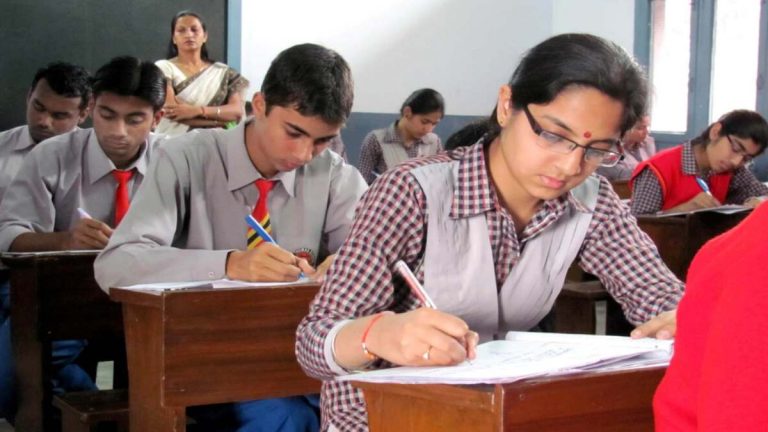
Maharashtra State Board Enforces Firm Measures, Cancels 107 Exam Centres to Ensure Fair Exams

The Maharashtra State Board of Secondary and Higher Secondary Education has cancelled the recognition of 107 examination centres after a comprehensive review of infrastructure, compliance and exam preparedness. The decision, aimed at upholding exam standards and ensuring a fair and secure evaluation environment for students, impacts institutions across several districts in the state. Board officials said the action reflects an ongoing commitment to maintaining integrity in public examinations and protecting students from centres that fail to meet minimum requirements.

In its review, the board found that the affected centres lacked essential facilities such as adequate seating arrangements, proper invigilation plans, safe access and adherence to prescribed safety guidelines. Some centres were also found deficient in basic infrastructure like separate provisions for differently-abled students, sufficient lighting and ventilation or secure storage for exam materials. The removal of recognition means that these centres can no longer host board examinations until required improvements are made and compliance is assured.

Inspection and Compliance Assessment

The decision followed a systematic inspection of registered exam centres by board officials, who assessed compliance with a checklist of mandatory criteria. These criteria included adequate classrooms, sufficient seating capacity to prevent overcrowding, availability of trained staff, secure entry and exit points, fire safety measures and facilities for students with special needs. Centres failing to meet these standards were marked for further review.

Several inspections also revealed procedural lapses such as lack of designated invigilators, improper seating arrangements and failure to provide necessary documentation during surprise visits. In some instances, exam venues were being shared with ongoing academic classes, raising concerns about disturbances during critical examination hours.

Officials said that recognition cancellation is a temporary measure designed to prompt corrective action. Centre authorities have been informed of the deficiencies and given a timeline within which to rectify shortcomings. Only after a follow-up inspection confirms full compliance can recognition be reinstated.

Impact on Students and Institutions

The board’s decision has sparked concern among students and parents, particularly those scheduled to take upcoming examinations. Many students had already made travel and accommodation arrangements based on earlier exam schedules. However, board authorities have clarified that affected students will be accommodated at alternate recognised centres nearby, ensuring minimal disruption to their exam preparation and participation.

Institutions that lost recognition are now tasked with addressing the identified gaps swiftly. School administrators have been urged to work with local authorities and the board’s regional offices to meet compliance requirements. This includes upgrading infrastructure, arranging additional invigilators, enhancing safety measures and ensuring all documentation is in order.

Parents and student representatives have expressed mixed reactions. While some support the board’s stringent approach to uphold examination standards, others have raised concerns about logistical complications, especially for students with mobility or travel constraints. Board officials have assured stakeholders that priority will be given to student convenience when reassigning exam venues.

Reasons Behind Recognition Cancellation

The board emphasised that the cancellations were not punitive but preventive in nature. Ensuring that examination centres meet all required norms is essential to maintain credibility and fairness in board exams. With thousands of students appearing for secondary and higher secondary board examinations every year, any lapse in centre preparedness can lead to unfair advantages, security breaches or compromised exam integrity.

Specifically, the board cited deficiencies in safety arrangements, seating capacities that did not align with registered student numbers, absence of adequate supervisory staff and non-compliance with guidelines for differently-abled students. Centres that repeatedly failed to provide evidence of compliance during inspection were selected for recognition cancellation.

Board Measures to Minimise Disruption

To minimise disruption, the board has released a list of alternate centres and advised students to check their revised exam centre information well ahead of scheduled exams. Dedicated helpline numbers and online support services have been made available to assist students and parents with queries related to centre reassignment, exam timetables and travel logistics.

Board officials stressed that all recognised exam venues are being prepared with strict protocols, including clear signage, adequate seating arrangements, trained invigilators and necessary health and safety measures. Additional supervisory staff are being deployed to ensure smooth conduct of exams at all recognised centres.

Recognising that changes in exam centres can be stressful for students, the board has also extended counselling support through school administrators and regional educational offices. This initiative is intended to help students adjust to new venues and reduce anxiety related to exam day arrangements.

Future Directions and Accountability

Education experts have welcomed the board’s decision as a step toward reinforcing credible and equitable evaluation systems. They noted that regular review of exam centres and compliance assessments are necessary to prevent irregularities and protect student interests. At the same time, they emphasised the need for clear communication and timely support for students affected by such decisions.

The board has indicated that future inspections will be scheduled periodically to ensure continuous compliance. Institutions that regain recognition must maintain required standards consistently to avoid future cancellations.

As Maharashtra prepares for the upcoming board examinations, the emphasis remains on creating a secure, standardised and transparent environment for all students. The cancellation of recognition for non-compliant centres underscores that educational authorities are prioritising quality and fairness in the evaluation process.

Read More: https://channel6network.com/hiv-patients-art-centres-maharashtra/

More Than 6,800 HIV Patients Lost to Follow-Up From ART Centres in Maharashtra Over Five Years

Maharashtra has reported that more than 6,800 HIV patients have been lost to follow-up from antiretroviral therapy (ART) centres across the state over the past five years, raising concerns among health experts about treatment adherence, stigma, mobility of patients and the robustness of long-term care systems. Loss to follow-up occurs when patients who have started treatment fail to return for regular medication refills or scheduled check-ups, putting their health and viral suppression at risk.

The data, compiled by the state health department, underscores the ongoing challenge of retaining HIV patients within the continuum of care. Although ART is highly effective in controlling HIV infection and preventing progression to AIDS when taken consistently, irregular attendance at ART centres can lead to treatment interruption and increased risk of drug resistance, transmission and adverse health outcomes.

Public health officials say that understanding the factors behind loss to follow-up is critical to improving HIV care outcomes. These reasons range from migration and economic hardship to stigma and inadequate patient counselling.

Understanding Loss to Follow-Up in HIV Treatment

Loss to follow-up refers to patients who have not returned to collect their ART medicines or attend medical reviews for an extended period. In Maharashtra, ART centres are established in multiple districts to provide free antiretroviral medicines, routine testing and counselling to people living with HIV. These centres play a vital role in preventing disease progression and supporting patients through sustained therapy.

Despite the availability of treatment, a significant proportion of patients disengage from the health system after initial enrolment. Between 2019 and 2024, health records indicate that over 6,800 patients have fallen into the lost to follow-up category, although the exact reasons for discontinuation vary.

Key Factors Behind Treatment Discontinuation

Several factors contribute to treatment interruption and loss to follow-up among HIV patients. One major issue is mobility; patients often move between districts or states in search of employment or family responsibilities, making continuous attendance at a fixed ART centre difficult.

Stigma and discrimination also remain powerful barriers. Individuals living with HIV may choose to avoid regular visits to ART centres out of fear of social ostracism or breaches of confidentiality. Despite efforts to sensitise communities, stigma continues to discourage patients from maintaining treatment schedules.

Maharashtra records a sharp rise in HIV patients discontinuing treatment at ART centres, raising concerns over retention and awareness efforts.

Socioeconomic challenges such as loss of income, travel costs to health facilities and competing family obligations further complicate consistent care. For many patients, economic hardship forces prioritisation of immediate needs over routine medical follow-ups.

Health officials also point to gaps in patient tracking systems. While some centres have robust follow-up mechanisms, others struggle with limited staff, incomplete contact information and difficulties in outreach, particularly in rural areas.

Health Risks and Public Health Implications

Loss to follow-up can have serious implications for both individual patients and wider public health goals. Patients who discontinue ART are at greater risk of disease progression, opportunistic infections and reduced quality of life. Without consistent viral suppression, the likelihood of HIV transmission to others also increases.

Drug resistance is another concern. Intermittent treatment can lead to the virus becoming less responsive to standard medications, requiring alternative regimens that may be more costly or have greater side effects.

From a public health perspective, retaining patients in continuous care is fundamental to achieving targets such as the Joint United Nations Programme on HIV/AIDS (UNAIDS) 90-90-90 goals, which aim to diagnose, treat and suppress viral loads effectively. High rates of loss to follow-up threaten progress toward these benchmarks.

Efforts to Improve Retention in Care

To address these challenges, the state health department has initiated several strategies to strengthen patient follow-up and support systems. Health workers are being trained to implement differentiated care models that tailor services to individual patient needs, including community-based ART distribution, extended clinic hours and telemedicine options.

Enhanced counselling and psychosocial support are also being prioritised to help patients cope with stigma and personal barriers to care. Peer support groups, outreach workers and community volunteers are increasingly involved in encouraging consistent treatment adherence.

Some districts have adopted electronic patient tracking systems to flag missed appointments and trigger follow-up actions. By using mobile communication and database alerts, ART centres can reach out directly to patients who have missed visits, offering reminders and support.

Public awareness campaigns emphasise the importance of uninterrupted ART and aim to normalise the discussion around HIV treatment and care. These efforts seek to reduce stigma and make the idea of regular clinic attendance more acceptable within communities.

Voices From the Field

Healthcare workers on the ground highlight the complexities of maintaining patient engagement. Many patients express fear of disclosure, economic pressures and competing priorities that make regular visits challenging. Counsellors emphasise the need for empathetic communication and long-term relationship building to support patients through the treatment journey.

Patients who have managed to stay in care often cite supportive networks, understanding counsellors and flexible clinic arrangements as key enablers. These insights point toward the value of patient-centred approaches in reducing loss to follow-up.

Future Directions and Policy Implications

Experts say that addressing loss to follow-up requires both systemic improvements and community engagement. Strengthening health systems, improving data quality and expanding patient support services are essential. Integrating HIV care with broader primary health services can also make routine follow-up more convenient and less stigmatizing for patients.

As Maharashtra continues to refine its public health response to HIV, collaboration between government agencies, community organisations and patient advocates will be key. Policies that reduce socioeconomic barriers, enhance confidentiality and promote sustained engagement can help stem the tide of patients lost to follow-up.

The state’s experience underscores the importance of adaptive health systems that respond to the lived realities of patients. By prioritising retention in care, Maharashtra can improve the health outcomes of people living with HIV and strengthen its progress toward national and global HIV response goals.

Read More: https://channel6network.com/pmkvy-trainees-maharashtra-funding-fluctuate/

PMKVY 4.0 Sees Sharp Rise in Trainees in Maharashtra, Even as Funding Patterns Fluctuate

Maharashtra has witnessed a sharp increase in trainee enrolments under Pradhan Mantri Kaushal Vikas Yojana (PMKVY) 4.0, highlighting the growing demand for skill development and vocational training across the state. The latest phase of the flagship skilling programme has attracted a large number of participants, particularly from urban and semi-urban areas, driven by aspirations for employability, upskilling and industry-relevant training. However, despite the surge in participation, fluctuations in funding allocation have raised questions about the consistency and long-term impact of the scheme.

PMKVY 4.0 is designed to align skill training with industry needs while supporting India’s broader workforce development goals. In Maharashtra, the programme has gained traction among youth seeking opportunities in sectors such as manufacturing, healthcare, logistics, information technology and services. The rising enrolment figures point to increased awareness of government-led skilling initiatives and their role in enhancing job readiness.

Growing Enrolment Reflects Demand for Employable Skills

The significant rise in trainees under PMKVY 4.0 indicates a strong appetite for vocational training in Maharashtra. Young people, including fresh graduates and those from economically weaker sections, are increasingly viewing skill certification as a pathway to better employment prospects. Training centres across districts have reported higher participation in both short-term and long-term courses.

The emphasis on practical skills, digital literacy and sector-specific training has resonated with participants. Many trainees are opting for courses that offer immediate relevance to the job market, reflecting a shift away from purely academic qualifications toward outcome-oriented learning.

Pmkvy
While ₹12.89 crore was spent in 2022–23, expenditure surged dramatically to ₹65.14 crore in 2023–24, even though the number of trainees was less than half of that recorded in 2024–25

Funding Fluctuations Raise Implementation Concerns

While enrolments have increased, funding trends under PMKVY 4.0 have not followed a steady upward trajectory. Variations in fund disbursement and allocation across phases have affected the pace at which training centres operate and expand capacity. Some centres have reported delays in payments and uncertainty over future allocations, impacting planning and resource management.

Experts note that inconsistent funding can pose challenges to maintaining training quality, instructor availability and infrastructure. For a programme of PMKVY’s scale, predictable financial support is crucial to ensure uninterrupted training and timely certification of candidates.

State-Level Role in Strengthening Skill Ecosystem

Maharashtra’s skill development agencies and training partners have played an important role in driving enrolments under PMKVY 4.0. Outreach campaigns, collaboration with local industries and alignment with state employment initiatives have helped bring more candidates into the skilling ecosystem.

The state’s diverse economic base, which includes manufacturing hubs, service-sector clusters and emerging technology centres, has created demand for a wide range of skills. PMKVY 4.0 has attempted to cater to this diversity by offering courses tailored to regional and sectoral needs.

Industry Linkages and Employability Outcomes

One of the key objectives of PMKVY 4.0 is to improve employability by linking training with industry requirements. In Maharashtra, several training programmes have incorporated on-the-job exposure, apprenticeships and industry interaction to enhance practical learning.

Employers have shown interest in hiring certified candidates for entry-level roles, particularly in sectors facing skill shortages. However, stakeholders emphasise that sustained industry engagement and post-training placement support are essential to translate enrolment numbers into tangible employment outcomes.

Challenges in Ensuring Quality and Coverage

Despite positive enrolment trends, challenges remain in ensuring uniform training quality across centres. Differences in infrastructure, trainer expertise and access to modern equipment can lead to uneven learning experiences. Monitoring and evaluation mechanisms are therefore critical to maintain standards under PMKVY 4.0.

Additionally, reaching candidates in remote and rural areas continues to be a challenge. While urban centres account for a large share of enrolments, expanding coverage to underserved regions will be key to making the skilling programme more inclusive.

Way Forward for PMKVY 4.0 in Maharashtra

To sustain momentum, experts suggest that PMKVY 4.0 needs stable funding, stronger coordination between state and central agencies, and deeper integration with local industry needs. Regular assessment of course relevance and employment outcomes can help refine the programme’s focus.

Digital platforms, data-driven tracking and partnerships with private sector players could further enhance efficiency and transparency. Addressing funding uncertainties will be essential to ensure that training centres can scale operations and maintain quality standards.

Balancing Growth with Sustainability

The sharp rise in trainees under PMKVY 4.0 reflects Maharashtra’s strong demand for skill development and the programme’s relevance in today’s job market. However, funding fluctuations underscore the need for a more stable and predictable financial framework. Balancing enrolment growth with sustainable implementation will determine the long-term success of PMKVY 4.0 in strengthening Maharashtra’s workforce and contributing to broader economic development.

Read More: https://channel6network.com/niti-aayog-export-maharashtra/

Maharashtra Triumphs NITI Aayog’s Export Preparedness Index, Strengthening India’s Global Trade Ambitions

Maharashtra has emerged as the top-performing state in NITI Aayog’s Export Preparedness Index, reinforcing its position as a key driver of India’s export-led growth strategy. The ranking highlights the state’s robust policy framework, advanced infrastructure, efficient trade facilitation mechanisms and strong institutional support for exporters. The achievement places Maharashtra at the forefront of India’s efforts to expand its footprint in global markets amid evolving trade dynamics.

The Export Preparedness Index, developed by NITI Aayog, evaluates states and union territories on their readiness to promote and sustain exports. It focuses on multiple dimensions including policy, infrastructure, business ecosystem, export performance and institutional mechanisms. Maharashtra’s leading position reflects consistent efforts to strengthen its export ecosystem and align state-level strategies with national trade objectives.

Understanding the Export Preparedness Index Framework

The Export Preparedness Index is designed to assess how well states are equipped to drive exports by creating a conducive environment for businesses. It evaluates parameters such as trade-related infrastructure, logistics efficiency, industrial clusters, access to finance, skill development and ease of doing business.

By benchmarking states against these criteria, the index aims to promote healthy competition and encourage best practices in export promotion. Maharashtra’s top ranking indicates strong performance across most indicators, particularly in policy support, industrial base and connectivity with domestic and international markets.

Maharashtra has emerged as the top-performing state in NITI Aayog’s Export Preparedness Index (EPI) 2024, reaffirming its position as India’s leading export hub.

Key Factors Behind Maharashtra’s Top Ranking

Maharashtra’s success in the index can be attributed to its diversified industrial landscape and proactive governance. The state hosts major manufacturing hubs, export-oriented industrial clusters and some of the country’s busiest ports. Strong road, rail and port connectivity has enabled smoother movement of goods, reducing logistics costs for exporters.

The state government’s emphasis on policy reforms, investor-friendly regulations and digital governance has also played a crucial role. Simplified approval processes, incentives for export-oriented units and support for small and medium enterprises have helped strengthen the overall export ecosystem.

Additionally, Maharashtra’s focus on skill development and innovation has supported industries such as pharmaceuticals, engineering goods, automobiles, textiles and information technology, all of which contribute significantly to export earnings.

Role of Infrastructure and Logistics in Export Growth

Infrastructure development has been a cornerstone of Maharashtra’s export strategy. The presence of major ports such as Jawaharlal Nehru Port Authority has provided exporters with direct access to global shipping routes. Industrial corridors, logistics parks and improved warehousing facilities have further enhanced supply chain efficiency.

Investments in multimodal transport networks and last-mile connectivity have reduced transit times and improved reliability, making Maharashtra an attractive destination for export-driven industries. These infrastructure advantages have given the state a competitive edge over others in the index.

Policy Support and Institutional Mechanisms

Strong institutional frameworks have also contributed to Maharashtra’s leadership in export preparedness. Dedicated export promotion bodies, regular engagement with industry stakeholders and alignment with national trade policies have ensured coordinated efforts across departments.

The state has actively promoted sector-specific export strategies, focusing on high-growth industries while also supporting traditional sectors. Initiatives aimed at improving access to finance, export credit and market intelligence have helped businesses expand their international presence.

Efforts to integrate technology into governance have improved transparency and efficiency, enabling exporters to navigate regulatory processes more easily.

Comparison with Other States and National Implications

While several states have made notable progress in improving export readiness, Maharashtra’s top ranking highlights the impact of sustained policy focus and infrastructure investment. The index serves as a tool for other states to identify gaps and adopt best practices to enhance their export potential.

At the national level, stronger export preparedness across states is essential for achieving India’s long-term trade and economic growth goals. Maharashtra’s performance sets a benchmark and demonstrates how state-level initiatives can complement national strategies to boost exports.

Impact on Businesses and Employment

The recognition is expected to further boost investor confidence and attract new export-oriented investments into the state. A strong export ecosystem not only enhances trade performance but also generates employment opportunities across manufacturing, logistics and services sectors.

Small and medium enterprises stand to benefit from improved support systems and greater integration into global value chains. As exports grow, associated industries such as transport, packaging and warehousing are also likely to see increased demand.

Future Outlook and Challenges Ahead

Despite the achievement, experts note that sustaining export growth will require continuous innovation and adaptation. Global trade uncertainties, shifting supply chains and evolving regulatory standards pose challenges that states must address proactively.

Maharashtra is expected to focus on further improving ease of doing business, promoting green and sustainable exports and leveraging technology to enhance competitiveness. Expanding market access and supporting exporters in meeting international quality and compliance standards will be critical for maintaining its leading position.

A Boost to India’s Export Ambitions

Maharashtra topping the Export Preparedness Index underscores the importance of strong state-level frameworks in driving national economic objectives. As India aims to increase its share in global trade, the role of states like Maharashtra becomes increasingly significant.

The ranking not only recognises past efforts but also sets expectations for continued leadership in export promotion. With sustained focus on infrastructure, policy reforms and industry support, Maharashtra is well positioned to remain a key contributor to India’s export growth story.

Read More: https://channel6network.com/maharashtra-vote-january-15-bmc/

Maharashtra Votes on January 15 in High-Stakes Civic Polls as Battle for BMC Intensifies

Maharashtra is set to vote on January 15 in one of the most closely watched civic elections in recent years, with the political spotlight firmly on the Brihanmumbai Municipal Corporation and other major urban local bodies across the state. The civic polls are being viewed as a critical test of political strength for all major parties, especially the BJP-led Mahayuti alliance and the Thackeray cousins, who are seeking to reclaim their traditional influence in Mumbai and other urban centres.

The elections will determine the composition of municipal corporations, councils and nagar panchayats, which play a vital role in urban governance, infrastructure development and delivery of civic services. Among all contests, the battle for the BMC stands out due to its massive budget, administrative power and symbolic importance in Maharashtra’s political landscape.

BMC at the Centre of a Fierce Political Contest

The Brihanmumbai Municipal Corporation, Asia’s richest civic body, has emerged as the focal point of the elections. Control of the BMC is seen as a gateway to political dominance in Mumbai, a city that significantly influences the state’s economy and political narrative. For decades, the undivided Shiv Sena held sway over the BMC, making it a stronghold of Marathi pride politics.

However, the political split within the Shiv Sena and the subsequent realignments have transformed the contest into a triangular battle. The BJP-led Mahayuti alliance, which includes factions of the Shiv Sena and other partners, is aiming to consolidate its hold over urban Maharashtra. On the other side, the Thackeray cousins are attempting to mobilise voters around issues of identity, civic governance and local leadership to regain control of the BMC.

Mahayuti Sees Civic Polls as a Vote of Confidence

For the BJP-led Mahayuti, the civic elections are being projected as a referendum on its governance record at the state level. The alliance has highlighted infrastructure development, metro expansion, road projects and welfare schemes as key achievements. Leaders within the alliance have expressed confidence that voters will reward stability and development-focused governance.

The Mahayuti has also invested heavily in grassroots mobilisation, candidate selection and coordinated campaigning across Mumbai, Pune, Nagpur and other cities. Party strategists believe that winning major municipal bodies will strengthen the alliance ahead of future state and national elections, while also ensuring smoother implementation of development projects.

Thackeray Cousins Seek to Reclaim Urban Influence

For the Thackeray cousins, the civic polls represent a crucial opportunity to reassert political relevance, particularly in Mumbai. Their campaign has focused on issues such as rising living costs, housing concerns, local infrastructure problems and the perceived centralisation of power.

By invoking Marathi identity and the legacy of regional politics, the Thackeray-led formations are attempting to reconnect with traditional voter bases. They have emphasised the importance of local leadership that understands Mumbai’s unique challenges, including congestion, redevelopment, environmental concerns and affordable housing.

The outcome of the BMC election is expected to play a decisive role in shaping the future trajectory of regional politics in Maharashtra, especially within the broader opposition space.

Key Issues Dominating the Civic Election Campaign

Across cities, civic issues have taken centre stage in voter conversations. In Mumbai, redevelopment of old buildings, water supply, waste management and flood mitigation remain major concerns. In Pune, traffic congestion, public transport and urban planning have emerged as key issues, while Nagpur voters are focusing on infrastructure upgrades and civic amenities.

Candidates have also been questioned on transparency in municipal functioning, accountability of elected representatives and the role of technology in improving civic services. The ability of municipal bodies to address everyday urban problems has become a decisive factor for many voters.

Security, Administration and Voter Preparedness

The state administration has made extensive arrangements to ensure smooth polling on January 15. Security has been tightened across sensitive areas, with adequate deployment of police personnel and election officials. Polling booths have been equipped with basic facilities to assist voters, and efforts have been made to encourage higher voter turnout.

Election authorities have appealed to citizens to exercise their democratic right responsibly and follow polling guidelines. Special arrangements have also been put in place to assist senior citizens, persons with disabilities and first-time voters.

Why These Civic Polls Matter Beyond Local Governance

While municipal elections are primarily about local governance, their political implications extend far beyond city limits. The results are expected to influence alliances, leadership equations and campaign strategies ahead of upcoming assembly and parliamentary contests.

A strong showing by the Mahayuti could consolidate its dominance in urban Maharashtra, while a comeback by the Thackeray cousins in the BMC would signal a resurgence of regional forces in the state’s politics. Political observers believe the outcome will offer valuable insights into voter sentiment, alliance dynamics and the evolving priorities of urban electorates.

Awaiting Verdict as Maharashtra Heads to the Polls

As Maharashtra votes on January 15, all eyes will be on Mumbai and the battle for the BMC. The civic polls are not just about electing local representatives but about shaping the political narrative of the state in the years to come. With high stakes, intense campaigning and closely fought contests, the election outcome is expected to have a lasting impact on Maharashtra’s political and administrative landscape.

Read More: https://channel6network.com/maharashtra-election-questions-answered-bmc/

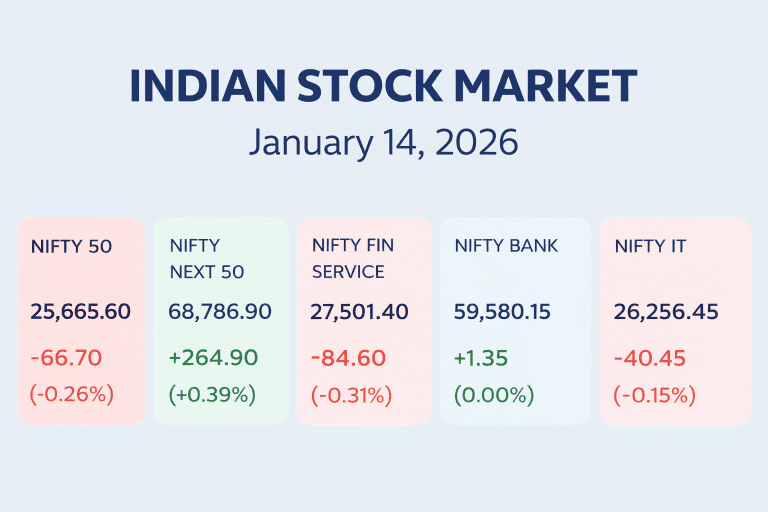
January 14, 2026: Nifty Ends Lower at 25,665 as IT and FMCG Weigh; Metals and PSU Stocks Outperform

Indian equity benchmarks closed lower on January 14, 2026, as selling pressure in heavyweight IT and FMCG stocks dragged the index despite strong gains in metal, energy, and select banking counters. The session once again highlighted a divided market, with clear sector rotation between defensives and cyclicals.

Also Read: January 14, 2026: Nifty Rebounds in Noon Trade as Metals, PSU Stocks Rally; Tata Steel, NTPC Lead Gains


Market Close: Benchmarks Slip Despite Intraday Recovery

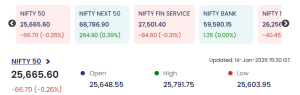
At the close (15:30 IST), the Nifty 50 settled at 25,665.60, down 66.70 points or 0.26%.

Intraday movement showed sustained volatility:

  • Open: 25,648.55

  • High: 25,791.75

  • Low: 25,603.95

Broader indices presented a mixed picture:

  • January 14Nifty Next 50: 68,786.90 (+0.39%)

  • Nifty Financial Services: 27,501.40 (−0.31%)

  • Nifty Bank: 59,580.15 (flat)

The flat performance in banking coupled with weakness in heavyweight sectors prevented the benchmark from holding on to intraday gains.


Top Gainers: Metals, PSU and Select Banking Stocks Shine

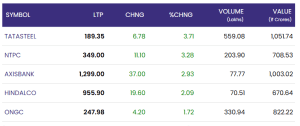
Cyclical and PSU counters dominated the gainers’ list, supported by strong volumes and high traded value.

  • Tata Steel surged 3.71% to ₹189.35, with massive volumes of 559.08 lakh shares and traded value exceeding ₹1,051 crore.

  • NTPC gained 3.28% to ₹349.00, reflecting strong buying in power sector stocks.

  • Screenshot 2026 01 14 210152Axis Bank advanced 2.93% to ₹1,299.00, emerging as the top-performing private bank.
  • Hindalco climbed 2.09% to ₹955.90, extending the metal sector rally.

  • ONGC rose 1.72% to ₹247.98, supported by strength in energy stocks.

The continued rally in metals and PSU names indicates that investors are actively accumulating value-oriented sectors.


Top Losers: IT and Consumer Stocks Drag the Index

On the downside, sustained selling in large-cap consumer and technology stocks weighed heavily on the market.

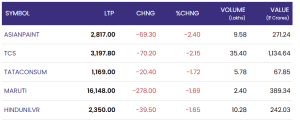
  • Asian Paints declined 2.40% to ₹2,817.00, emerging as the top loser.

  • TCS slipped 2.15% to ₹3,197.80, leading losses among IT majors.

  • Screenshot 2026 01 14 210202Tata Consumer Products fell 1.72% to ₹1,169.00.

  • Maruti Suzuki dropped 1.69% to ₹16,148.00 amid profit booking in auto stocks.

  • Hindustan Unilever (HUL) eased 1.65% to ₹2,350.00.

The weakness in heavyweights like TCS, Asian Paints, HUL, and Maruti played a decisive role in pulling the index lower.


Market Sentiment: Clear Sector Rotation at Play

The session reinforced the ongoing theme of sector rotation, with funds flowing into metals, PSU, and select banking stocks, while IT, FMCG, and consumption-driven sectors continued to see profit booking. Such divergence suggests that investors remain engaged but highly selective in stock choices.

Traders are likely to remain cautious in the near term, closely tracking earnings updates, global market cues, and institutional flows.


Conclusion: January 14, 2026

The Nifty’s close at 25,665 reflects a market struggling to build sustained upside momentum, despite strong participation in metal and PSU stocks. While Tata Steel, NTPC, Axis Bank, and Hindalco delivered solid gains, continued weakness in TCS, Asian Paints, and FMCG heavyweights capped the benchmark. In the short term, stock-specific action and sector rotation are expected to remain the dominant themes in Indian equity markets.


For real time stock Updates, visit NSE website.