Tuesday, December 30, 2025
Home Blog Page 128

Hotel, Industry and Farmer Partnerships Key to Strong Growth: Dr. Devesh Chaturvedi: 2025

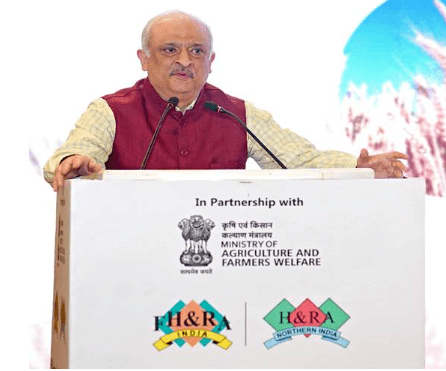
Dr. Devesh Chaturvedi, Secretary, Department of Agriculture & Farmers’ Welfare, emphasized that direct, structured alliances between Farmer Producer Organizations (FPOs) and the hospitality sector are critical for mutual growth. Speaking at the FPO–Hospitality & Farmers’ Benefit Summit 2025, organized by the Federation of Hotel & Restaurant Associations of India (FHRAI), Dr. Chaturvedi urged hotels to forge long-term partnerships with FPOs to ensure consistent, high-quality supply of agricultural produce.​

Win-win Model for Farmers and Hospitality

He outlined that direct FPO–hotel collaborations would create a win-win model for both stakeholders: increasing farmers’ income and enabling hotels to reliably source premium, chemical-free ingredients. India is home to about 40,000 FPOs, many of which offer organic and GI-tagged products aligning well with the hospitality industry’s rising demand for sustainable and safe food.​


Addressing Market Imbalances and Raising Farmer Profitability

Dr. Chaturvedi addressed the persistent pricing imbalance faced by farmers, where inputs are bought at retail rates while output is sold at wholesale. He highlighted that direct procurement partnerships would reduce middlemen, provide stable supply chains, boost farmer earnings, and help the hospitality sector contribute more to GDP growth and employment. Government efforts include promoting organic farming and responsible tourism, with the Kumarakom Model of Kerala cited as a best practice example.​

Industry Leaders and Technical Blueprint

The Summit was marked by consensus among industry leaders, government officials, and technical experts on the need for structured farm-to-hospitality supply chains. FHRAI’s President pledged hotels’ readiness to procure from FPOs, provided quality and consistency are assured. A curated exhibition showcased products from 50 FPOs representing 17 states, giving FPOs unprecedented visibility into the requirements of institutional buyers.​

Conclusion

The Summit delivered India’s first multi-stakeholder blueprint to integrate farmers with the hospitality supply chain, reflecting a clear operational roadmap for sustainable, mutually beneficial partnerships in the sector.​


For more real-time updates, visit Channel 6 Network.

Source: PIB

Prime Minister Modi Condoles Demise of Dharmendra: 25 November 2025

Prime Minister Narendra Modi expressed his condolences over the passing of veteran actor Dharmendra, describing the event as the end of an era in Indian cinema. Dharmendra, often recognized as one of Bollywood’s legendary icons, passed away in Mumbai at the age of 89 following a brief illness. His illustrious career, spanning over six decades, left an indelible mark on audiences across generations.​

Tributes from Leaders and Fans

In his statement posted on social media, Prime Minister Modi highlighted Dharmendra’s ability to bring charm and depth to every role, as well as his capacity to portray diverse characters that resonated with countless viewers. He also praised the actor’s humility, warmth, and simplicity, qualities for which Dharmendra was equally admired. The Prime Minister extended his sympathies to the family, friends, and his innumerable fans during this sad hour.​

President Droupadi Murmu also paid tribute, citing Dharmendra’s long-standing contribution to Indian cinema and calling his legacy an inspiration for generations of artists. Condolences poured in from across the nation, with leading film personalities, politicians, and fans mourning the loss of the beloved star.​


Dharmendra’s Enduring Legacy

Dharmendra’s filmography comprises some of the most memorable performances in Bollywood history, earning him the affection of both critics and audiences. His final rites were performed at Mumbai’s Pawan Hans crematorium, with prominent celebrities attending to pay their respects. His impact as Bollywood’s ‘He-Man’ and as a former Member of Parliament ensures his legacy will endure for years to come.​

Conclusion

The passing of Dharmendra marks not only the loss of a legendary actor but also the end of an era in Indian cinema. His influence, artistry, and warmth will continue to inspire generations of filmmakers and audiences alike.​


For more real-time updates, visit Channel 6 Network.

Source: PIB

West Bengal BLO Protest Against SIR Stress 2025: Two Years’ Work in a Month, Electoral Roll Revision Crisis, Deaths, Government Response, and Policy Reform Demands

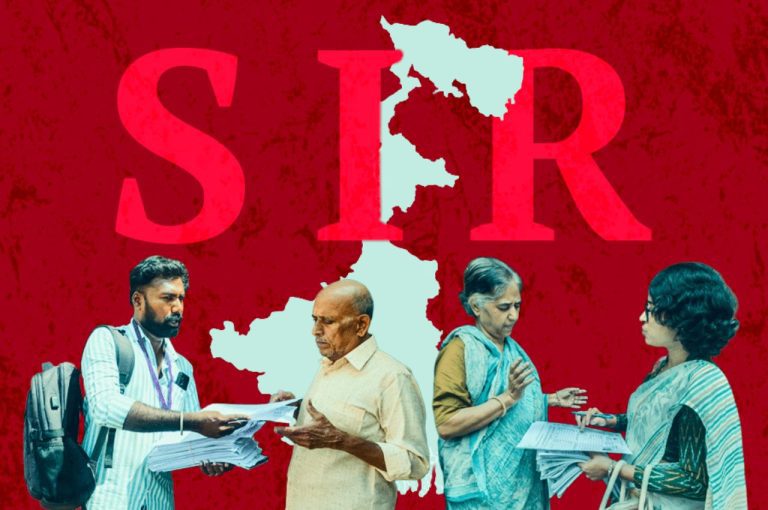
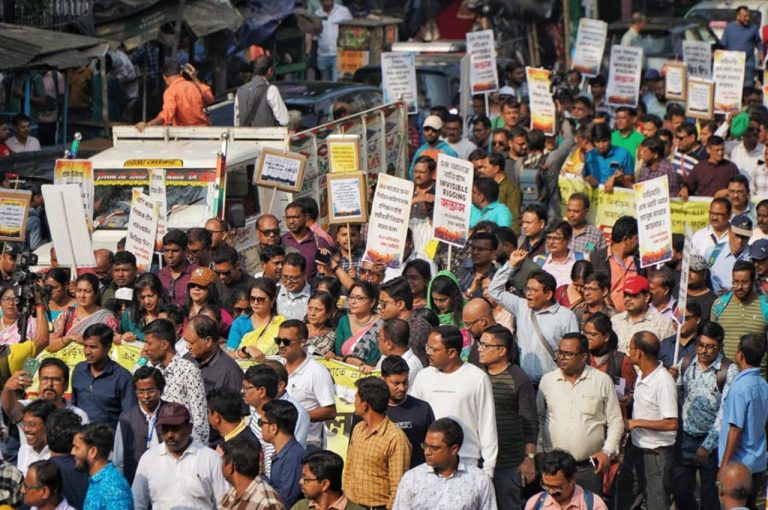
West Bengal BLO Protest Against SIR: On November 24, 2025, hundreds of Booth Level Officers (BLOs) marched through the streets of Kolkata, demanding relief from the crushing workload imposed by the Special Intensive Revision (SIR) of electoral rolls. The BLOs, comprising teachers, assistant teachers, and other government employees, carried placards and shouted slogans under the banner of the BLO Adhikar Raksha Committee.

Their demand was simple yet urgent: stop treating them as machines. The SIR exercise, they argued, was equivalent to two years’ worth of work compressed into a single month, leaving them exhausted, ill, and in some cases, dead.


2. West Bengal BLO Protest Against SIR: The SIR Exercise: What It Involves

The Special Intensive Revision is a nationwide exercise to cleanse and update voter rolls. BLOs are tasked with:

  • Distributing enumeration forms to households.
  • Collecting completed forms from voters.
  • Mapping data with the 2002 electoral rolls.
  • Uploading information into the Election Commission’s app.

In West Bengal, the house‑to‑house enumeration began on November 4, 2025, and is scheduled to end on December 4, 2025, with draft rolls to be published on December 9, 2025.


3. BLOs Speak: “Beyond Human Limits”

BLOs described their ordeal:

  • 12‑hour workdays without rest.
  • Carrying heavy files and forms across neighborhoods.
  • Spending personal money on stationery, data packs, and transport.
  • Facing harassment from voters who refuse to accept forms.

One BLO told reporters: “We have been asked to complete tasks within a short period of time, but such work usually takes more than two years.”


4. Deaths Linked to SIR Stress

The protests were fueled by reports of BLO deaths across multiple states:

  • In West Bengal, three women BLOs died, two by suicide.
  • In Rajasthan, a teacher collapsed and died after days of overwork.
  • In Kerala, BLO Aneesh George died by suicide.
  • In Gujarat, BLOs reported illness and exhaustion.

National leaders like Rahul Gandhi and Mallikarjun Kharge cited these deaths, calling the SIR an “imposed tyranny” and comparing it to demonetisation and the Covid lockdown.


5. Political Reactions

  • Mamata Banerjee, Chief Minister of West Bengal, wrote to the Chief Election Commissioner demanding a halt to the SIR exercise, arguing that BLOs were being pushed “beyond human limits.”
  • Rahul Gandhi accused the BJP of unleashing chaos under the guise of reform.
  • Kharge warned that the actual number of BLO deaths was far higher than reported.

The issue has thus become a national political controversy, with opposition parties accusing the Election Commission of negligence.


6. BLOs’ Demands

The BLO Adhikar Raksha Committee presented clear demands:

  • Extension of deadlines for SIR tasks.
  • Compensation for deceased BLOs’ families.
  • Reimbursement of expenses incurred during enumeration.
  • Clear guidelines and reduced workload.
  • Recognition of BLOs as essential electoral staff with proper benefits.

7. Governance Challenges

The crisis highlights systemic issues:

  • Unrealistic timelines: Two years’ work compressed into one month.
  • Understaffing: BLOs juggle regular duties with SIR responsibilities.
  • Technology gaps: The EC’s app is slow and error‑prone.
  • Financial strain: BLOs spend personal money without reimbursement.

8. Broader Implications for Democracy

The BLO protests raise fundamental questions:

  • Can electoral rolls be updated fairly if BLOs are overworked?
  • Will errors and omissions disenfranchise voters?
  • Does the Election Commission risk losing credibility?

The health and morale of BLOs directly affect the integrity of India’s electoral process.


9. Historical Context: BLOs as the Backbone of Elections

Since their introduction, BLOs have been the foot soldiers of democracy, ensuring that every voter is counted. Yet they remain underpaid, overworked, and underappreciated. The current protests echo past grievances about workload, recognition, and compensation.


10. Recommendations for Reform

Experts suggest:

  • Staggered timelines for voter roll revision.
  • Hiring additional staff to support BLOs.
  • Improved technology for faster digitisation.
  • Compensation packages for BLO families.
  • Policy reform to recognize BLOs as permanent electoral staff.

11. Conclusion: A Cry for Justice

The West Bengal BLO Protest Against SIR Stress 2025 is not just about workload; it is about dignity, recognition, and the survival of democracy’s frontline workers. Unless the Election Commission addresses their demands, the credibility of the 2026 Assembly elections may be at risk.

The BLOs’ cry — “Two years’ work in a month” — is a reminder that democracy cannot function without respecting the human limits of those who safeguard it.


🔗 Government External Links

For further reading and official updates, here are relevant government sources:

Also read: Home | Channel 6 Network – Latest News, Breaking Updates: Politics, Business, Tech & More

November 24, 2025: Nifty 50 Closes Lower Amid Sell-off; Sharp Moves in Midcaps Persist

The Indian stock market ended in the red on November 24, 2025, as broad-based selling pressure hit the Nifty 50 and other key indices. Large trading volumes and high-value turnover in select midcap counters highlighted a day marked by heavy volatility.

Also Read: November 24, 2025 (mid-cap): Nifty 50 Inches Higher Amid Volatile Session; Select Midcaps See Sharp Moves

Benchmarks Under Pressure

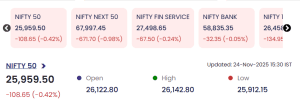
november 24The Nifty 50 slipped to 25,959.50, shedding 108.65 points or 0.42%. The index traded in a range, opening at 26,122.80, hitting a high of 26,142.80, and falling to a low of 25,912.15 by close. Key sector indices such as Nifty Next 50, Nifty Fin Service, and Nifty Bank also finished lower, wiping out recent gains and reflecting broad nervousness among investors.​


Heavy Sell-off Hits Select Stocks

The session saw pronounced declines in several stocks:

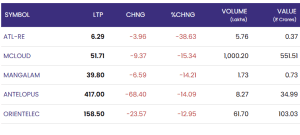
  • ATL-RE saw a plunge of 38.63% to close at 6.29.

  • Screenshot 2025 11 25 000524MCLOUD dived 15.34% to 51.71, with a staggering volume of 1,000.20 lakh shares and a total traded value over ₹551 crore.

  • MANGALAM, ANTELOPUS, and ORIENTELEC also registered double-digit losses, underscoring cautious sentiment, especially across small and midcap segments.​

Midcap Gainers Defy Downtrend

Amid the general gloom, a handful of midcaps managed strong gains:

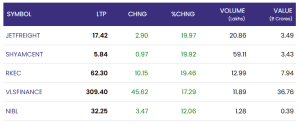
  • JETFREIGHT surged 19.97% to 17.42.

  • Screenshot 2025 11 25 000517SHYAMCENT rose 19.92% to 5.84, on high trading volumes of about 59 lakh shares.

  • RKEC increased by 19.46%, while VLSFINANCE climbed 17.29% at 309.40.

  • NIBL recorded a 12.06% uptick, even as broader markets struggled to find momentum.​

Outlook and Market Sentiment

The day’s mixed action, with sharp divergence between top gainers and losers, reflects investor caution around midcap volatility and sector-specific developments. Large volumes in stocks like MCLOUD and SHYAMCENT suggest continuing retail activity, though index performance signals rising market uncertainty.

Conclusion: November 24, 2025

November 24 closed as a challenging session for Indian equities, marked by substantial losses in major benchmarks and dramatic swings among individual midcaps. This landscape highlights the importance of risk management as volatility becomes the main theme in the current market phase.


For real time stock Updates, visit NSE website.

November 24, 2025 (mid-cap): Nifty 50 Inches Higher Amid Volatile Session; Select Midcaps See Sharp Moves

Indian equity benchmarks showed resilience and minor gains on November 24, 2025, as the Nifty 50 index advanced despite mixed action in broader markets. While heavyweight sectors contributed to stability, notable swings in select midcap and smallcap stocks marked the session with both steep declines and sharp rallies.

Also Read: November 21, 2025: Nifty 50 Slides 0.47% on Heavy Selloff; Select Midcaps Buck the Trend, High Volumes in Top Movers

Nifty 50 Maintains Momentum

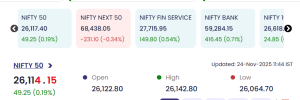
november 24The Nifty 50 closed at 26,114.15, rising by 49.25 points or 0.19%. The index traded within a tight band, touching a high of 26,142.80 and a low of 26,064.70. Sector indices offered a mixed picture: Nifty Bank surged by 416.45 points (0.71%) to 59,284.15, while Nifty Financial Services advanced 149.80 points (0.54%) to 27,715.95.​


Biggest Losers: Steep Falls in Select Stocks

Several midcap and smallcap names posted significant losses:

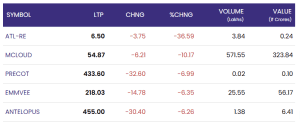
  • Screenshot 2025 11 24 114550ATL-RE tumbled by 36.59% to close at 6.50.

  • MCLOUD slid 10.17% to 54.87, despite a robust trading volume of over 571 lakh shares and a transaction value exceeding ₹323 crore.

  • PRECOT, EMMVEE, and ANTELOPUS each saw declines between 6–7%, signifying risk-averse sentiment in certain niche counters.​

Top Gainers: Midcaps and Financials Shine

Some stocks bucked the trend with double-digit gains:

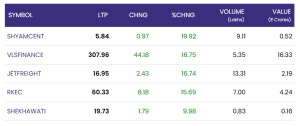
  • Screenshot 2025 11 24 114542SHYAMCENT soared 19.92% to 5.84.

  • VLSFINANCE and JETFREIGHT each rallied over 16%, supported by considerable trading interest.

  • RKEC rose 15.69%, while SHEKHAWATI added nearly 10%, highlighting selective optimism in the midcap universe.​

Market Outlook

Despite profit-taking in the broader space, the positive close of major indices indicates underlying strength in the market. Substantial volume and value in stocks like MCLOUD and EMMVEE reflect ongoing rotational shifts, while the performance of financial and banking indices hints at improving investor confidence.

Conclusion: November 24, 2025

The November 24 session exemplified the Indian market’s ability to navigate volatility, balancing steep falls in some stocks with robust gains in others. These diverse movements underline the importance of stock-specific strategies as broader indices display steady, albeit cautious, progress.


For real time stock Updates, visit NSE website.

Uluberia Pool Car Accident in Howrah 2025: School Students Killed as Vehicle Plunges into Pond, Safety Failures, Government Response, and Road Transport Policy Challenges in West Bengal

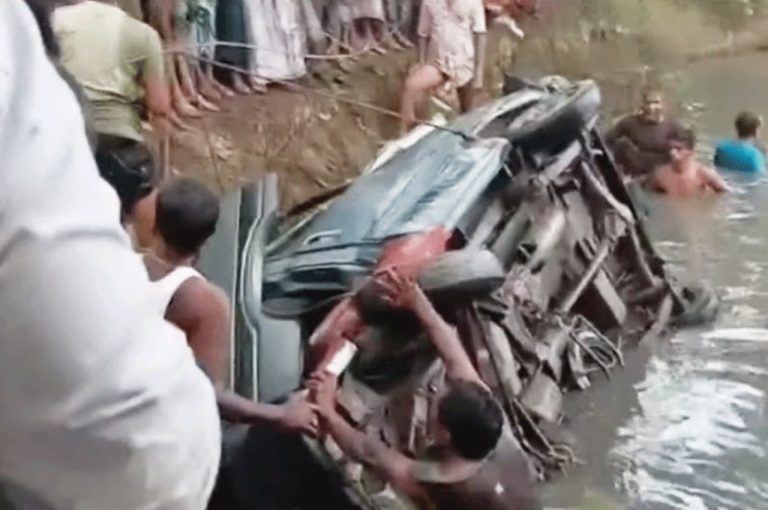
Uluberia Pool Car Accident in Howrah 2025: On November 24, 2025, a devastating accident occurred in Uluberia, Howrah district, West Bengal, when a pool car carrying school students plunged into a pond near Bahira. According to police reports, the driver lost control of the vehicle, which veered off the road and submerged in water. Local residents rushed to rescue the children, but tragically, three students were declared dead at a nearby hospital, while two others remain under treatment.

This incident has reignited debates about student safety, regulation of pool cars, and accountability in road transport management.


2. The Incident: Sequence of Events

  • The pool car was returning from school when the driver reportedly lost control.
  • The vehicle plunged into a roadside pond and quickly submerged.
  • Residents and authorities rushed to the spot, pulling children out of the water.
  • The victims were taken to a nearby hospital, where three were declared dead.
  • The driver was detained, and the vehicle impounded by police.

The accident unfolded within minutes, but its consequences will resonate for years in the community.


3. Pool Cars in West Bengal: A Common but Risky Practice

Pool cars are privately operated vehicles that transport groups of schoolchildren daily. They are popular in districts like Howrah, Hooghly, and North 24 Parganas because:

  • They are cheaper than school buses.
  • They provide door‑to‑door service.
  • They are flexible for parents with limited transport options.

However, pool cars often operate without strict regulation, raising concerns about driver qualifications, vehicle maintenance, and safety standards.


4. Uluberia Pool Car Accident in Howrah 2025: Safety Concerns and Regulatory Gaps

The Uluberia accident highlights systemic issues:

  • Overcrowding: Many pool cars carry more children than permitted.
  • Driver fatigue: Drivers often work long hours without rest.
  • Poor vehicle condition: Cars are sometimes old and poorly maintained.
  • Lack of monitoring: Enforcement of safety rules is weak.

Parents rely on pool cars out of necessity, but the risks are significant.


5. Community Response: Panic and Grief

The accident triggered immediate panic in Uluberia. Parents rushed to the site, desperate for news of their children. Local residents expressed anger at the lack of regulation, demanding stricter enforcement of safety norms. The grief of families who lost children underscores the human cost of administrative lapses.


6. Government and Police Action

  • The driver was detained for questioning.
  • The vehicle was impounded.
  • Police launched an investigation into the cause of the accident.
  • Authorities promised stricter monitoring of pool cars in the district.

While these steps are necessary, critics argue that reactive measures after tragedies are insufficient.


7. Historical Context: Past Pool Car Accidents in Bengal

This is not the first such tragedy. Over the past decade, several accidents involving pool cars have been reported in West Bengal, often linked to:

  • Overcrowding.
  • Reckless driving.
  • Poor road conditions.

Each incident sparks temporary outrage, but long‑term reforms remain elusive.


8. Road Safety in West Bengal: Broader Challenges

West Bengal faces significant road safety challenges:

  • High accident rates: Thousands die annually in road crashes.
  • Poor infrastructure: Narrow roads, potholes, and lack of barriers.
  • Weak enforcement: Traffic rules often flouted.
  • Limited awareness: Parents and drivers may not prioritize safety.

The Uluberia accident is part of this larger pattern of road safety failures.


9. Policy and Legal Framework

India’s road safety is governed by:

  • Motor Vehicles Act, 1988 (amended 2019): Sets rules for licensing, vehicle fitness, and penalties.
  • Supreme Court Committee on Road Safety: Monitors compliance.
  • State Transport Departments: Implement regulations locally.

In West Bengal, pool cars fall under state transport rules, but enforcement is inconsistent.


10. Recommendations for Reform

To prevent future tragedies, experts suggest:

  • Mandatory registration of pool cars with schools.
  • Strict fitness checks for vehicles.
  • Background verification of drivers.
  • GPS tracking for student vehicles.
  • Awareness campaigns for parents.

Without systemic reform, accidents like Uluberia will continue.


11. Broader Implications: Trust in Institutions

The accident erodes public trust in institutions meant to protect children. Parents expect schools, transport authorities, and police to ensure safety. When these fail, the consequences are devastating.


12. Conclusion: A Call for Accountability

The Uluberia Pool Car Accident in Howrah 2025 is a tragic reminder of the urgent need for road safety reforms and stricter regulation of student transport. While immediate police action is important, long‑term accountability and systemic change are essential to prevent future tragedies.

Children’s lives should never be endangered by administrative negligence or regulatory gaps.


🔗 Government External Links

For further reading and official updates, here are relevant government sources:

Also read: Home | Channel 6 Network – Latest News, Breaking Updates: Politics, Business, Tech & More
West Bengal Election Commission Controversy 2025: Mamata Banerjee Questions Hiring of Data Staff and Setting Up Polling Booths in Housing Complexes During SIR Voter Roll Drive

West Bengal Election Commission Controversy 2025: In November 2025, West Bengal Chief Minister Mamata Banerjee raised sharp objections to the Election Commission of India’s (ECI) decision to hire 1,000 data entry operators and 50 software developers on contract and to set up polling booths inside private housing complexes. Her letter to Chief Election Commissioner Gyanesh Kumar questioned the necessity, legality, and timing of these moves, especially during the ongoing Special Intensive Revision (SIR) of electoral rolls.

This controversy has become a flashpoint in Bengal politics, highlighting tensions between the state government and the central poll panel over electoral transparency, fairness, and administrative autonomy.


2. West Bengal Election Commission Controversy 2025: Mamata Banerjee’s Objections

Mamata Banerjee argued that:

  • District administrations already have trained personnel capable of handling data entry and electoral tasks.
  • The CEO’s directive to outsource work to external agencies undermines the authority of district offices.
  • Setting up polling booths in private housing complexes compromises fairness and creates discriminatory distinctions between privileged residents and the general public.
  • The timing of the request‑for‑proposal raises doubts about whether the exercise is being undertaken at the behest of a political party to serve vested interests.

Her letter emphasized that polling stations have traditionally been located in government or semi‑government institutions to ensure neutrality and accessibility.


3. The Context: Special Intensive Revision (SIR) of Electoral Rolls

The SIR is a massive exercise aimed at updating voter rolls before the 2026 Assembly elections. It involves:

  • Distribution of 7.64 crore enumeration forms across households.
  • Verification of voter details by Booth Level Officers (BLOs).
  • Digitisation of collected data.

The process has already faced challenges, including BLO workload pressure, uncollectable forms, and reported deaths linked to stress. Mamata’s objections add another layer of controversy to an already strained exercise.


4. Concerns Over Outsourcing Data Work

The ECI’s move to hire contractual data staff has raised questions:

  • Why outsource? District offices already employ competent professionals.
  • Risk of bias: External agencies may be influenced by political interests.
  • Transparency issues: Outsourcing could reduce accountability.

Mamata argued that if urgent hiring is needed, District Election Officers (DEOs) are empowered to undertake such recruitment themselves.


5. Polling Booths in Housing Complexes: A Question of Fairness

Perhaps the most contentious issue is the proposal to set up polling booths inside private residential complexes. Mamata warned that:

  • This violates established norms of neutrality.
  • It privileges wealthy residents while excluding poorer voters.
  • It risks creating a divide between the “haves and have‑nots.”

Traditionally, polling booths have been located in schools, colleges, technical institutes, and government offices within a two‑kilometre radius of voters. Shifting them to private complexes could undermine accessibility and fairness.


6. Political Accusations and Suspicion

The Trinamool Congress (TMC) has repeatedly accused the Election Commission of colluding with the BJP to disenfranchise genuine voters under the pretext of the SIR exercise. Mamata’s letter echoed this suspicion, questioning whether the EC’s moves were politically motivated.

This reflects a broader narrative in Bengal politics, where electoral administration itself becomes a contested arena.


7. BLOs and the Human Cost of SIR

The controversy also intersects with the plight of Booth Level Officers (BLOs), who are under immense pressure to complete verification and digitisation tasks. Reports of BLO deaths linked to overwork have already sparked outrage. Mamata has argued that the SIR should be halted until BLOs receive proper training and technological tools.

Her criticism of outsourcing data work indirectly highlights the strain on existing staff and the need for systemic reform.


8. Governance and Federalism Issues

At the heart of the controversy is a question of federalism and administrative autonomy:

  • Should the central Election Commission override state administrative structures?
  • Does outsourcing undermine the authority of district administrations?
  • How can neutrality be ensured in polling booth locations?

These questions go beyond West Bengal, touching on the balance of power between state governments and the ECI across India.


9. Broader Implications for Electoral Transparency

The controversy has implications for:

  • Public trust: Voters may lose confidence in the fairness of the process.
  • Electoral participation: Accessibility issues could discourage turnout.
  • Political stability: Perceptions of bias could fuel unrest.

Ensuring transparency in both data management and polling booth location is essential to safeguard the credibility of the 2026 Assembly elections.


10. Conclusion: A Call for Neutrality and Reform

The West Bengal Election Commission Controversy 2025 underscores the challenges of managing elections in a politically charged environment. Mamata Banerjee’s objections highlight the need for:

  • Neutral polling booth locations.
  • Transparency in data management.
  • Support for BLOs and district administrations.

Ultimately, the credibility of India’s democracy depends on ensuring that electoral processes are fair, transparent, and inclusive.


🔗 Government External Links

For further reading and official updates, here are relevant government sources:

Also read: Home | Channel 6 Network – Latest News, Breaking Updates: Politics, Business, Tech & More

West Bengal Voter Roll Drive 2025: Over 10 Lakh Enumeration Forms Marked Uncollectable in SIR, Challenges of BLO Workload, Digitisation, and Electoral Transparency

West Bengal Voter Roll Drive 2025: West Bengal is currently undergoing a Special Intensive Revision (SIR) of its electoral rolls, a mammoth exercise aimed at ensuring accuracy and inclusivity ahead of the 2026 Assembly elections. The Chief Electoral Officer (CEO) Manoj Kumar Agarwal announced that out of 7.64 crore enumeration forms distributed across the state, more than 10.33 lakh forms have been identified as “uncollectable.”

This revelation highlights both the scale of the democratic process and the challenges of maintaining accurate voter records in a state with over 100 million residents.


2. What Makes a Form “Uncollectable”?

According to Agarwal, forms are marked uncollectable when:

  • The voter is absentee (not available at the address).
  • The entry is a duplicate.
  • The voter is deceased.
  • The voter has permanently shifted residence.

These categories reflect the dynamic nature of voter rolls, where mobility, mortality, and duplication complicate the process of maintaining accuracy.


3. West Bengal Voter Roll Drive 2025: Digitisation Progress

The CEO reported that 4.55 crore forms have been collected and digitised as of November 24, 2025. This represents significant progress, but also underscores the workload faced by Booth Level Officers (BLOs), who are tasked with distributing, collecting, and digitising forms.

Digitisation is critical because it ensures:

  • Transparency in voter records.
  • Efficiency in roll preparation.
  • Accessibility for citizens to check their status online.

4. BLOs: The “Heroes” of the SIR

Agarwal praised the role of BLOs, calling them the “real heroes” of the SIR process. More than 80,600 BLOs, along with 8,000 supervisors, 3,000 Assistant Electoral Registration Officers, and 294 Electoral Registration Officers, have been engaged in the exercise.

Many BLOs are working beyond office hours, facing immense workload and stress, as they attempt to reach over 7 crore voters in just 20 days.


5. Infrastructure Support for BLOs

To address connectivity issues faced by BLOs during digitisation, the Election Commission has set up:

  • Wi‑Fi hubs in areas with poor internet.
  • Help desks in District Magistrate (DM), Electoral Registration Officer (ERO), and Block Development Officer (BDO) offices.

These measures aim to ensure seamless data entry and reduce delays.


6. Statistical Snapshot

  • Forms distributed: 7.64 crore.
  • Forms collected and digitised: 4.55 crore.
  • Uncollectable forms: 10.33 lakh.
  • Percentage uncollectable: 1.35%.

This data reflects both the success of the drive in reaching households and the inevitable attrition due to absenteeism, duplication, and migration.


7. Political and Social Implications

The revelation of uncollectable forms has political implications. In a state known for intense electoral competition, questions may arise about:

  • Whether absentee voters are being unfairly excluded.
  • How duplication is being handled.
  • Whether deceased voters’ names are being exploited for bogus voting.

Ensuring transparency in handling these forms is essential to maintain public trust in the electoral process.


8. Historical Context of Electoral Roll Challenges

West Bengal has a history of electoral controversies, including allegations of rigging and violence. The current SIR aims to restore faith in the process by ensuring near‑universal coverage and digitisation. However, the identification of over 10 lakh uncollectable forms shows that systemic challenges persist.


9. Governance Lessons

The SIR highlights broader governance issues:

  • The need for better planning and staffing.
  • Importance of technology infrastructure for digitisation.
  • Balancing speed with accuracy in electoral roll preparation.
  • Supporting BLOs to prevent burnout and errors.

10. Conclusion: A Step Toward Electoral Transparency

The identification of 10.33 lakh uncollectable forms is not a failure but a reflection of the complex realities of voter roll management. By acknowledging absentee, duplicate, deceased, and shifted voters, the Election Commission is taking steps toward greater transparency and accuracy.

The success of the West Bengal Voter Roll Drive 2025 will directly impact the credibility of the 2026 Assembly elections, shaping the political future of the state.


🔗 Government External Links

For further reading and verification, here are official government sources relevant to this issue:

Also read: Home | Channel 6 Network – Latest News, Breaking Updates: Politics, Business, Tech & More
Earthquake in Kolkata 2025: Tremors from Bangladesh Quake, Seismological Details, Regional Impact, Preparedness Challenges, and Government Response under India’s Disaster Management Framework

Earthquake in Kolkata 2025: On the morning of November 21, 2025, Kolkata and several adjoining districts of South Bengal were shaken by tremors originating from a 5.7‑magnitude earthquake in Bangladesh. The epicentre was located near Narsingdi, about 13–14 km south‑southwest of the Ghorashal area, at a shallow depth of 10 km. The quake struck at 10:08 AM IST, according to both the United States Geological Survey (USGS) and the European‑Mediterranean Seismological Centre (EMSC).

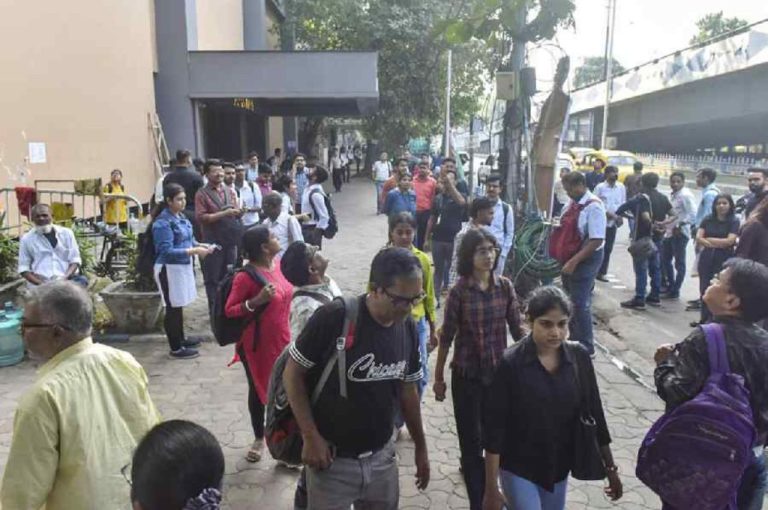
Though the tremors lasted only about 20 seconds, they caused widespread panic. Residents rushed out of homes, office workers evacuated buildings, and social media was flooded with accounts of swinging fans and shaking furniture.


2. Seismological Details: Understanding the Quake

  • Magnitude: 5.7 on the Richter scale.
  • Depth: 10 km (shallow quakes cause stronger surface tremors).
  • Location: Near Narsingdi, Bangladesh.
  • Timing: 10:08 AM IST.
  • Agencies reporting: USGS, EMSC, National Centre for Seismology (India).

Shallow earthquakes like this one often produce more noticeable shaking even if the magnitude is moderate, explaining why Kolkata felt such strong tremors despite being outside Bangladesh.


3. Impact in Kolkata and South Bengal

Residents across Kolkata, Salt Lake, and Sector V reported intense shaking.

  • Fans and furniture visibly moved.
  • Tremors lasted 20–30 seconds in some areas.
  • Panic led to mass evacuations from offices and schools.
  • Social media users described it as “small quake but big panic.”

Despite the alarm, no immediate casualties or major structural damage were reported.


4. Regional Seismic Vulnerability

South Asia lies in a seismically active zone due to the collision of the Indian and Eurasian plates. Bangladesh, West Bengal, and the Northeast are particularly vulnerable because of:

  • Fault lines: Indo‑Burman ranges, Shillong plateau.
  • Soft alluvial soil: Amplifies tremors in Kolkata.
  • Dense population: High risk of casualties in urban centres.

This quake followed two moderate earthquakes earlier the same day in Pakistan and Afghanistan, highlighting the region’s seismic instability.


5. Public Reaction and Panic

Eyewitness accounts show the psychological impact of even moderate quakes:

  • Workers in Sector V IT hub evacuated offices.
  • Residents in Salt Lake reported fans and sofas shaking.
  • Social media amplified panic, with users posting videos of swinging fixtures.

This underscores the need for public awareness campaigns on earthquake safety.


6. Government and Institutional Response

  • National Centre for Seismology (NCS): Confirmed tremors across Bengal.
  • Kolkata Municipal Corporation (KMC): Monitored for damage reports.
  • Disaster Management Authorities: Issued advisories on preparedness.

Though no casualties were reported, the event served as a wake‑up call for disaster readiness.


7. Preparedness Challenges in Kolkata

Kolkata faces unique risks:

  • Old buildings: Many colonial‑era structures are vulnerable.
  • High population density: Evacuation is difficult.
  • Limited drills: Few residents know safety protocols.

The tremors highlight the urgent need for earthquake‑resistant infrastructure and public drills.


8. Lessons from Global Best Practices

Countries like Japan have invested heavily in:

  • Earthquake‑resistant construction codes.
  • Public education campaigns.
  • Early warning systems.

India, and specifically West Bengal, can adapt these practices to reduce vulnerability.


9. Broader Implications

The quake raises important questions:

  • How prepared is Kolkata for a stronger earthquake?
  • Are building codes being enforced?
  • Is public awareness sufficient?

The answers will determine whether future tremors remain mere scares or escalate into disasters.


10. Conclusion

The Earthquake in Kolkata 2025 was a reminder of the region’s seismic vulnerability. Though no casualties occurred, the panic it caused shows the gap in preparedness. Strengthening infrastructure, enforcing building codes, and educating citizens are essential steps to ensure safety in future quakes.


🔗 Government External Links

For further reading and official updates, here are relevant government sources:

Also read: Home | Channel 6 Network – Latest News, Breaking Updates: Politics, Business, Tech & More

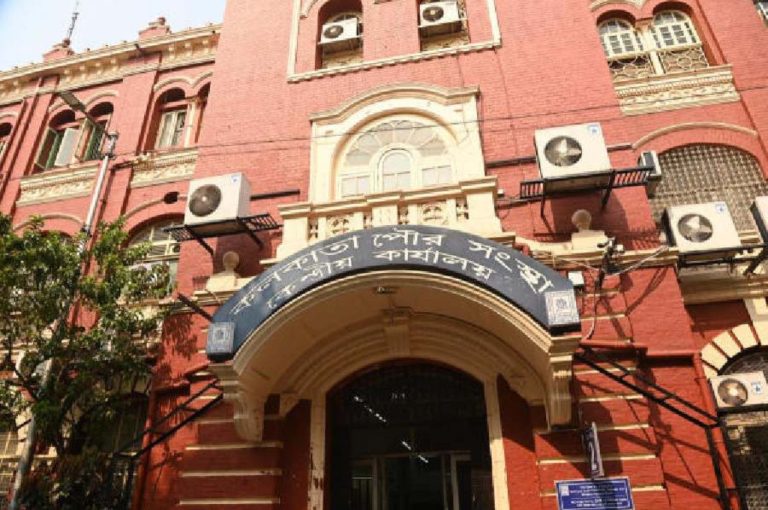
Birth Certificates for Orphans in Kolkata: Legal Challenges, Administrative Barriers, and Policy Reform under the Registration of Births and Deaths Act, 1969

Birth Certificates for Orphans in Kolkata: A recent query raised before the Kolkata Municipal Corporation (KMC) regarding the issuance of birth certificates for orphans has placed the spotlight firmly on long-standing gaps in West Bengal’s documentation processes for vulnerable children. Adoption agencies and child rights organisations are seeking clarity on how civic bodies should handle birth registration when no parental details exist—a situation increasingly common in cases of abandonment or rescue by authorities.


SECTION 1: WHY BIRTH CERTIFICATES MATTER FOR ORPHANS

1.1 Birth Certificate as a Fundamental Legal Document

Birth certificates determine access to:

  • Government schemes
  • Education systems
  • Healthcare
  • Aadhaar
  • Legal identity and citizenship indicators

For children without known parentage, these certificates become the first and often only legal proof of their existence.

1.2 Birth Certificates for Orphans in Kolkata: The Consequences of Being Undocumented

Child rights experts emphasise that lack of documentation leads to:

  • Exclusion from welfare programs
  • Difficulty accessing education
  • Barriers in adoption
  • Lifetime challenges in securing jobs or government IDs

SECTION 2: THE CASE THAT TRIGGERED THE DEBATE

2.1 Adoption Agency’s Request and KMC’s Query

The current dispute arose when an adoption agency sought a birth certificate for an abandoned infant with unknown parental details. KMC, following standard protocol, asked for parental information or hospital records—documents impossible to produce in such cases.

2.2 Why Civic Bodies Hesitate

Officials argue that birth records form the legal backbone of civil registration systems. They worry that inaccurate entries could affect demographic data and national documentation databases.


SECTION 3: LEGAL FRAMEWORK AND POLICY AMBIGUITIES

3.1 What the Registration of Births & Deaths Act, 1969 Says

The Act allows:

  • Delayed registration
  • Late entries

But does not clearly specify steps when parental identity is completely unknown.

3.2 Role of Child Welfare Committee (CWC)

Under the Juvenile Justice Act:

  • CWC certifies a child’s orphan/abandoned status
  • Their order should carry legal authority
  • CWC documents should ideally suffice for registration

3.3 The Gap Between Law and Implementation

Despite legal safeguards, municipal interpretations vary widely. Without explicit state-level orders, officials choose caution—resulting in major delays.


SECTION 4: CHILD RIGHTS PERSPECTIVE AND GLOBAL PRACTICES

4.1 Activists Demand a Human-Centric Approach

Child rights groups say:

  • Children should not be penalised due to lack of parental information
  • CWC documentation should be accepted as primary proof
  • “Not Known” entries should be permitted for parental fields

4.2 International Best Practices

In many countries:

  • Institutional care documents suffice for birth registration
  • Courts or welfare authorities can authorise entries
  • Children are not denied identity documents due to missing lineage data

SECTION 5: SYSTEMIC CHALLENGES IN WEST BENGAL

5.1 Digital Birth Registration and the Orphan Exception

West Bengal has modernised the civil registration system, but:

  • Digital platforms cannot generate records without input data
  • System fails to address cases where no information exists

5.2 Inconsistent Administrative Interpretation

Adoption agencies face varying demands across different municipal offices, creating unpredictability and delays.

5.3 The Impact on Adoption Timelines

Under CARA guidelines, complete documentation is mandatory.
Birth certificate delays:

  • Stall adoption eligibility
  • Prolong institutionalisation
  • Negatively impact child development

SECTION 6: THE HUMAN COST OF DOCUMENTATION DELAYS

6.1 Psychological Impact on Children

Studies show:

  • Longer institutional stays slow emotional and cognitive development
  • Children miss critical bonding periods that adoptive families could provide

6.2 Legal Experts’ Observations

Courts have consistently upheld a child’s right to:

  • Identity
  • Dignity
  • Non-discrimination

Yet, administrative obstacles continue to override these rights in practice.


SECTION 7: WHAT STAKEHOLDERS ARE PROPOSING

7.1 Suggested Administrative Solutions

NGOs suggest:

  • State-wide SOP for orphan birth registration
  • Acceptance of CWC orders as primary documents
  • Dedicated municipal help desks
  • Training programs for officials
  • Digital orphan register to auto-trigger documentation

7.2 Proposal for a Multi-Stakeholder Task Force

Some municipal officials propose a task force with:

  • Health Department
  • KMC
  • Adoption agencies
  • WCD Department
  • Child rights experts

This would ensure legally sound and child-friendly processes.


SECTION 8: NATIONAL AND INTERNATIONAL OBLIGATIONS

8.1 UN Convention on the Rights of the Child (UNCRC)

India’s commitment mandates:

  • Every child must have a name and identity at birth
  • States must prevent discrimination based on circumstances of birth

8.2 Supreme Court Directives on Child Identity Rights

The judiciary has repeatedly asked governments to:

  • Reduce procedural hurdles
  • Provide protective rights to abandoned children

SECTION 9: ADMINISTRATIVE RESPONSE AND FUTURE DIRECTIONS

9.1 KMC’s Position

KMC officials say they:

  • Are not against simplifying the process
  • Need clearer state guidelines to avoid legal challenges
  • Welcome discussions with welfare bodies

9.2 State Government Review Underway

Departments involved include:

  • Health & Family Welfare
  • Home Affairs
  • Women & Child Development

Sources indicate that interdepartmental discussions are likely soon.

9.3 Potential for Landmark Policy Reform

If a uniform state guideline is issued, it could transform:

  • Adoption timelines
  • Identity documentation framework
  • Rights protection for thousands of orphans

SECTION 10: BROADER SOCIAL AND LEGAL IMPLICATIONS

10.1 Debate Highlights Larger Issues of Identity and Citizenship

The case forces society to question how:

  • Children without families are assimilated into legal systems
  • Bureaucracy handles non-standard childhood circumstances

10.2 Need for a Flexible and Inclusive Documentation System

Scholars argue the need for documentation frameworks that recognise:

  • Rescued children
  • Trafficking survivors
  • Abandoned newborns
  • Children born outside institutions

SECTION 11: WHAT HAPPENS NEXT

11.1 Advocate Groups Prepare Formal Submissions

Child rights organisations will present:

  • JJ Act provisions
  • CARA and MWCD guidelines
  • Constitutional rights arguments

11.2 KMC Expected to Revisit the Case

Officials hint toward:

  • Reviewing procedural expectations
  • Engaging with WCD Department
  • Exploring legal leeway

11.3 Outcome Will Influence Documentation Across West Bengal

Whatever the decision, it will set a precedent for:

  • All municipal bodies
  • All district-level registrations
  • All childcare institutions

CONCLUSION: A PIVOTAL MOMENT FOR ORPHAN RIGHTS IN WEST BENGAL

The issue of birth certificates for orphans is far more than an administrative complication. It touches fundamental rights of identity, dignity, equality, and future opportunity. As West Bengal transitions to stronger digital and welfare governance systems, activists hope this case becomes the turning point for long-needed reforms.

Whether KMC and the state government deliver a clear, compassionate, and uniform policy will determine whether thousands of institutionalised children receive the fair start in life they deserve.


Useful Government External Links (As Requested)

Also read: Home | Channel 6 Network – Latest News, Breaking Updates: Politics, Business, Tech & More